
2027 Most Valuable Healthcare Degree Programs Ranking in Manchester

Co-Founder and Chief Data Scientist
Choosing the right healthcare degree program is a big step toward a rewarding career. For students in Manchester, this article offers valuable guidance by presenting the 2027 Most Valuable Healthcare Degree Programs Ranking in Manchester. Created by the Research.com team of data scientists, the ranking helps you identify which programs provide the best opportunities and return on investment.
Reading this article can make your decision easier and more confident. A healthcare degree opens doors to meaningful work where you can truly make a difference in people's lives.
Key benefits of getting healthcare degree in Manchester
- Healthcare degree graduates in Manchester can expect competitive salaries, such as Medical Assistants earning a mean annual wage of $43,350 and Patient Care Technicians earning about $60,790 per year, offering strong financial stability.
- Graduates often explore diverse career paths, including roles like Clinical Research Coordinator or Health Information Technician, showcasing flexibility and opportunities to work in various healthcare settings.
- Online healthcare degrees from Manchester colleges provide flexible learning schedules and allow students to balance studies with personal commitments, making education more accessible and convenient.
- Key benefits of getting healthcare degree in Manchester
- What can I expect from healthcare degree in Manchester?
- Where can I work with healthcare degree in Manchester?
- How much can I make with healthcare degree in Manchester?
- 2027 Most Valuable Healthcare Degree Programs Ranking in Manchester
- Key Findings
- How long does it take to complete healthcare degree in Manchester?
- Accreditation and Licensing Requirements
- What's the difference between online and on-campus healthcare degree?
- Future Trends and Expert Insights
- What is the average cost of healthcare degree in Manchester?
- Final Thoughts and Next Steps for Prospective Students
- What financial aid is available to healthcare degree students in Manchester?
- Licensing and Certification Requirements for Healthcare Graduates in New Hampshire
- What are the prerequisites for enrolling in healthcare degree program in Manchester?
- Future Trends in Healthcare Education and Career Opportunities
- What courses are typically in healthcare degree programs in Manchester?
- What types of specializations are available in healthcare degree programs in Manchester?
- How do you choose the best healthcare degree in Manchester?
- What career paths are available for healthcare degree students in Manchester?
- What is the job market for healthcare degree in Manchester?
- Top Trending Healthcare Rankings
- See What Experts Have To Say About Studying Healthcare
What can I expect from healthcare degree in Manchester?
The average cost of a healthcare degree in Manchester varies depending on the institution, but public universities generally offer more affordable tuition compared to private colleges. Many graduates recall starting their journey at well-known universities such as the University of Manchester, where tuition fees were manageable with financial aid options. Scholarships and grants often played a pivotal role in reducing expenses, making the investment feel attainable even for students balancing part-time work.
Students frequently share how tuition costs at public institutions align well with the value they receive-combining rigorous coursework with extensive clinical placements. One graduate reflected on how these practical experiences, despite their intensity, made every dollar spent feel worthwhile by building confidence and real-world skills. Though private colleges may charge higher fees, they sometimes offer specialized programs or smaller class sizes that can justify the price for certain learners.
Ultimately, the thoughtful support systems at Manchester's healthcare programs help students focus less on financial stress and more on mastering the vital skills needed in this rewarding field.
Where can I work with healthcare degree in Manchester?
Graduates with a healthcare degree from institutions like the University of Manchester often discover a variety of rewarding career paths right in the city. Many find fulfilling roles in large hospital trusts such as Manchester University NHS Foundation Trust, where they contribute as nurses, clinical researchers, or healthcare administrators. One graduate shared how working at Manchester Royal Infirmary allowed them to directly impact patient care while continuing professional development.
Others pursue opportunities in community health centers or outpatient clinics, focusing on primary care or mental health services. This practical work often brings a strong sense of purpose as they support local families managing chronic conditions or navigating preventative care. The city's dynamic public health sector offers roles that combine compassion with strategy, such as health educators or policy advisors.
For those drawn to research, Manchester's biomedical centers linked to the university provide exciting prospects in innovation and clinical trials. Graduates have praised the collaborative environment, empowering them to influence healthcare advancements. Additionally, healthcare consulting and technology firms in Manchester open doors for careers involving health informatics and systems management, meeting the needs of a modern, evolving industry.
How much can I make with healthcare degree in Manchester?
Graduates from healthcare programs at Manchester's respected institutions often step into careers with encouraging salaries. For example, medical assistants typically start with a mean annual wage of around $43,350, which provides a solid foundation for those newly entering the sector. Similarly, health information technicians earn close to the same amount, about $43,380 per year, reflecting steady demand for their specialized skills.
Other roles like patient care technicians, common among recent graduates, offer a higher average income near $60,790. This jump can be especially motivating for those adjusting to their first healthcare position in Manchester's bustling medical community.
More experienced graduates aiming for coordination or leadership roles see significant financial rewards. Quality improvement coordinators make an encouraging $103,150 annually, showing a clear path for career advancement with a healthcare degree from local universities. Many alumni report feeling a strong sense of pride and fulfillment as they grow in these roles, balancing rewarding pay with meaningful impact on patient care.
Choosing to study healthcare in Manchester bridges practical skills with promising earnings, resonating well with graduates eager to build stable, well-compensated careers in their community.
2027 Most Valuable Healthcare Degree Programs Ranking in Manchester
How do we rank schools?
Investing in your education is a significant decision that can profoundly impact your future, and the Research.com team recognizes the importance of providing reliable guidance. To support prospective students in Manchester, we have carefully developed the "2027 Most Valuable Healthcare Degree Programs Ranking." Our dedication to quality, credibility, and accuracy is demonstrated through rigorous research and thorough analysis behind the compilation of this ranking.
We utilized the following reputable data sources to ensure a comprehensive evaluation of healthcare degree programs:
By reviewing this ranking, readers will gain valuable insights into the most advantageous healthcare degree programs in Manchester, empowering them to make well-informed educational choices. For further information on how the ranking was created, please visit our Research.com methodology page.


# 4 position
University of New Hampshire College of Professional Studies Online
Bachelor of Science in Health Administration

# 5 position
University of New Hampshire College of Professional Studies Online
Master of Science in Health Sciences
Key Findings
- Tuition fees for healthcare undergraduate degrees in Manchester range from $20,000 to $35,000 per year for international students, with lower costs possible for in-state students.
- Starting salaries for healthcare graduates in Manchester typically fall between $45,000 and $55,000 annually.
- Experienced healthcare professionals can earn between $75,000 and $90,000, especially in roles like physician assistants and healthcare managers.
- The healthcare job market in Manchester is growing rapidly, with a projected employment increase of over 15% in the next decade.
- Healthcare programs often include clinical experience and internships through partnerships with local hospitals and providers.
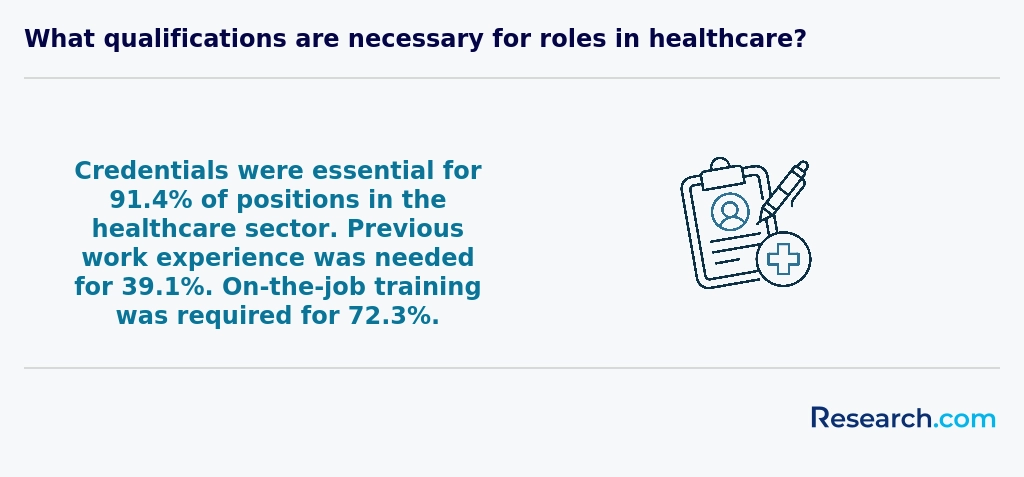
- Accreditation by recognized US accrediting bodies is crucial for licensure and employment after graduation.
How long does it take to complete healthcare degree in Manchester?
Completing a healthcare degree in Manchester commonly takes around four years for undergraduate programs, such as nursing or healthcare management, offered by institutions like the University of Manchester. Graduates often share how these four years blend rigorous classroom study, hands-on clinical placements, and collaborative lab work, making their learning journey both challenging and deeply rewarding.
For those pursuing advanced qualifications, master's degrees usually require one to two years beyond the undergraduate level. Many students appreciate the flexibility of part-time options, allowing them to balance studies with work or family life, which is especially common in fields like public health or healthcare administration.
Professional doctoral degrees, which many graduates describe as intense but transformative, often demand longer study periods including clinical residencies. While the UK structure may differ from typical US models, the emphasis on meeting strict professional standards ensures graduates feel well-prepared for their careers.
Accreditation and Licensing Requirements
Accreditation ensures that a healthcare degree in Manchester, NH meets established standards of quality and is recognized by employers and licensing boards. Students should verify both regional accreditation of the institution (e.g., New England Commission of Higher Education) and programmatic accreditation specific to their field, such as the Commission on Collegiate Nursing Education (CCNE) for nursing or the Commission on Accreditation for Health Informatics and Information Management Education (CAHIIM) for health information programs. Regional accreditation confirms that credits will transfer smoothly between institutions and that graduates are eligible for federal financial aid. Programmatic accreditation, on the other hand, validates specialized curriculum content and clinical training quality, which is often required to sit for certification exams. For example, prospective Health Information Technicians should choose CAHIIM-accredited programs to qualify for the RHIT credential. Licensing requirements in New Hampshire vary by profession. Nursing graduates must pass the NCLEX exam through the New Hampshire Board of Nursing, while allied health roles like medical assistants may need state registration or national certification. To maintain licensure, healthcare professionals must complete continuing education units (CEUs) annually and adhere to scope-of-practice guidelines set by state regulatory bodies. Before enrolling, request proof of accreditation from admissions counselors and check state board websites for the latest licensing regulations. For those exploring cost-effective pathways in allied health administration, consider our most affordable online medical billing and coding courses to build foundational skills recognized by industry employers.
What's the difference between online and on-campus healthcare degree?
Choosing between online and on-campus healthcare degrees in Manchester hinges on how you envision your learning journey. Graduates from the University of Manchester often recall how on-campus programs immersed them in vibrant labs and bustling simulation centers, creating real-world experiences they cherish. These face-to-face interactions with instructors and peers build strong networks, which proved invaluable during job searches in local hospitals.
Conversely, alumni from Manchester Metropolitan University reflect fondly on the flexibility offered by online courses. Balancing work and family became manageable as they studied asynchronously, fitting education around busy lives. Yet, even online students embraced occasional clinical placements nearby to gain hands-on skills essential in healthcare professions.
Both paths demand dedication, but your choice depends on personal circumstances and career goals. If you thrive in structured environments and value social interaction, on-campus learning may bring satisfaction. Alternatively, if flexibility and self-paced study resonate, online programs present a rewarding alternative without sacrificing essential clinical practice in Manchester's healthcare community.
Future Trends and Expert Insights
As the healthcare landscape continues to evolve, staying informed about emerging trends can empower prospective students to choose pathways that align with future industry demands. Current expert insights suggest a growing emphasis on technological integration, personalized medicine, and interdisciplinary training, which are reshaping healthcare education in Manchester, NH. Institutions are increasingly prioritizing curriculum updates that reflect real-time advancements in patient care, digital health, and data analytics. Additionally, alumni who have entered the workforce highlight the value of engaging with industry leaders and participating in specialized training opportunities, which not only enhance employability but also foster long-term career growth. For those evaluating educational options, our comprehensive ranking of valuable healthcare programs in new hampshire provides further insights into institutions that are excelling in delivering forward-thinking, innovative curricula. Engaging with these expert perspectives and future trends can assist students in making informed choices that align with both current market needs and future developments in the healthcare sector.
What is the average cost of healthcare degree in Manchester?
The average cost of a healthcare degree in Manchester typically centers around a median total of approximately $32,952, which reflects expenses that students encounter throughout their course of study. For those qualifying as in-state students, the cost may be closer to $17,200, highlighting the financial advantage sometimes available to local residents. Graduates from well-known universities and colleges in Manchester often recall balancing these costs with their academic ambitions, feeling a rewarding sense of accomplishment upon completing programs that combine rigorous coursework with practical clinical placements.
Many healthcare students in Manchester find that the overall expenses extend beyond tuition alone, encompassing costs for textbooks, uniforms, and necessary examination fees. For US students or others coming from abroad, understanding the average healthcare degree cost Manchester offers is essential, particularly as some course fees reflect international student rates, which can influence budgeting decisions. These personal experiences underscore a journey marked by both challenge and fulfillment, as graduates cherish the opportunity to contribute meaningfully to healthcare systems.
Financial support options are invaluable and can lighten the overall burden. NHS bursaries and scholarships are often accessible to UK-based students, and employer sponsorships may also be available, enabling some to focus more fully on their studies and less on finances. For those comparing costs internationally, it can be insightful to review rankings such as the valuable healthcare programs in new hampshire, which help illustrate how educational investments translate across borders. This practical perspective can deepen the understanding of total cost healthcare degree programs Manchester students face, inspiring thoughtful planning for a rewarding academic pursuit.
Final Thoughts and Next Steps for Prospective Students
As you explore your options for a healthcare degree in Manchester, NH, it is essential to synthesize the wealth of data and personal experiences provided throughout this article into a clear plan for your future. Consider mapping out your educational journey by evaluating each program’s return on investment, curriculum strengths, and real-world outcomes. Building on our comprehensive rankings, we encourage you to conduct additional research on related fields. For instance, if you’re considering expanding your expertise, you might explore whether are masters degrees in nutrition online affordable to enhance your career prospects in preventive healthcare and nutritional management. By aligning your interests with programs that uphold high standards in accreditation, flexible learning options, and robust support services, you can confidently move toward a rewarding career in healthcare. Take the next step by scheduling campus tours or virtual meetings with academic advisors, ensuring that your choice fully supports both your professional aspirations and personal circumstances.
What financial aid is available to healthcare degree students in Manchester?
Many healthcare students in Manchester find that financial aid comes from a blend of US federal aid and local UK opportunities, often making what seems like an overwhelming expense feel more manageable. For example, graduates from universities like the University of Manchester have successfully used FAFSA to access Pell Grants and federal loans, provided their programs qualify. This federal support eases the burden significantly, especially when paired with scholarships offered directly by these institutions, which often reward academic merit and financial need.
It's common to hear from graduates who supplemented these funds with NHS bursaries or professional organization scholarships, enhancing their financial stability during clinical placements. Despite NHS bursaries mainly targeting UK residents, some exceptions exist for international healthcare students engaged in clinical training in Manchester, opening important doors.
Employer tuition reimbursement programs also provide relief, with many healthcare graduates gratefully acknowledging how these benefits reduced debt. Understanding and combining these varied aid sources creates a real sense of hope and empowerment while navigating the financial realities of studying healthcare in Manchester.
Licensing and Certification Requirements for Healthcare Graduates in New Hampshire
Before entering the workforce, healthcare degree holders in Manchester, NH must secure state licensure or national certification, ensuring they meet professional standards and legal requirements. For nursing roles, graduates must pass the NCLEX-RN or NCLEX-PN exams and apply to the New Hampshire Board of Nursing, which mandates a criminal background check, fingerprinting, and proof of graduation from an accredited program. Licensed Practical Nurses (LPNs) follow a similar pathway, while advanced practice registered nurses (APRNs) must hold national certification from organizations such as the American Nurses Credentialing Center (ANCC) or the American Association of Nurse Practitioners (AANP). Allied health professionals also face credentialing requirements. Health Information Technicians typically pursue the Registered Health Information Technician (RHIT) certification through the American Health Information Management Association (AHIMA), while medical assistants may obtain the Certified Medical Assistant (CMA) credential from the American Association of Medical Assistants (AAMA). Each certification requires completion of an accredited curriculum, passing a standardized exam, and, in many cases, adherence to continuing education (CE) mandates-often 20–30 hours biennially, depending on the certifying body. Maintaining licensure in New Hampshire involves periodic renewal and fulfillment of CE credits. Registered nurses, for example, must renew biennially and complete at least 30 hours of approved CE or meet alternative professional development criteria. It’s essential to track deadlines through the New Hampshire Board of Nursing portal and to verify that CE providers are accredited. Failure to comply can result in lapses in licensure or additional reinstatement fees. For aspiring students weighing program costs against certification pathways, exploring flexible online options can be advantageous. For instance, the Cheapest Online Healthcare Degree Programs Ranking in Romeoville, IL highlights programs that combine affordability with curricula tailored to satisfy national certification prerequisites, helping candidates balance budget constraints with professional aspirations.
What are the prerequisites for enrolling in healthcare degree program in Manchester?
To enroll in a healthcare degree program in Manchester, students typically need a solid academic foundation, especially in science and math. Graduates from local institutions, like the University of Manchester or Manchester Metropolitan University, often recall how strong high school coursework in biology, chemistry, and algebra prepared them well for the challenges ahead. These subjects are not just formalities but crucial stepping stones that make advanced topics more approachable.
Many students shared that submitting standardized test scores, such as the SAT or ACT, though sometimes optional, gave them a competitive edge. Letters of recommendation and personal statements also played a vital role, often reflecting their genuine passion seen through volunteer work or healthcare-related jobs. Those aiming for specialized programs like nursing found college-level prerequisites like anatomy and physiology indispensable, aligning theory with practical skills.
The experience of walking into clinical placements felt less daunting knowing they had built these essentials beforehand. Such preparation instills confidence and a clear sense of belonging in Manchester's vibrant healthcare education community.
Future Trends in Healthcare Education and Career Opportunities
As the healthcare landscape evolves, so does the educational framework that prepares tomorrow’s professionals. Emerging trends in healthcare education are reshaping curriculums, integrating advanced technologies, and emphasizing adaptive learning strategies. For instance, many programs are now incorporating telemedicine and digital health tools, reflecting the growing demand for tech-savvy graduates who can navigate virtual care platforms. Additionally, innovative simulation labs and virtual reality environments are being introduced to enhance clinical training, ensuring students gain real-world experience in a controlled, immersive setting. Students are also increasingly seeking programs that proactively adapt to market shifts. This means that apart from traditional coursework, curricula are expanding to include interdisciplinary subjects like health informatics, data analytics, and preventive care strategies. Such skills are crucial in a rapidly changing industry, enabling graduates to effectively address challenges such as an aging population, evolving patient needs, and the integration of artificial intelligence in diagnostics. For those ready to explore their educational options in depth, finding valuable healthcare programs in new hampshire that embrace these trends can provide a competitive edge. By staying informed about future advancements and aligning academic pursuits with industry demands, aspiring healthcare professionals can position themselves for long-term career success. Overall, keeping an eye on these future trends not only enhances educational value but also ensures graduates are well-prepared to lead the next generation in healthcare innovation.
What courses are typically in healthcare degree programs in Manchester?
The core curriculum for healthcare degrees in Manchester often includes anatomy, physiology, and biochemistry, providing a strong scientific foundation that graduates find essential in understanding the human body. Students at universities like the University of Manchester describe how these courses helped them confidently engage in clinical discussions during their rotations.
Healthcare ethics and law classes are particularly eye-opening for US-based students, offering insights into UK regulations such as the Health and Social Care Act. Graduates often reflect on how these lessons sharpened their ethical decision-making and legal awareness when working in Manchester's NHS settings.
Public health and healthcare management courses are another highlight, bringing to life the challenges of serving a diverse and populous city like Manchester. Hands-on experiences in practical placements within local hospitals reinforce these concepts, making the learning feel relevant and rewarding.
Elective options like mental health and health informatics allow students to customize their education, which many graduates appreciate as it aligns with their personal career ambitions while deepening their connection to the city's healthcare landscape.
What types of specializations are available in healthcare degree programs in Manchester?
Healthcare degree specializations in Manchester offer a rich variety that reflects both practical and academic strengths of the city's institutions. Graduates often speak highly of nursing tracks, which benefit from Manchester's extensive NHS hospitals providing hands-on clinical placements in adult, pediatric, and mental health. This real-world exposure creates confident professionals ready to meet high local demands.
Manchester healthcare program specialization options also include health sciences, where students engage deeply with biomedical science and public health, gaining insight into healthcare management and research initiatives. Many find the collaborative environment between universities and hospitals invaluable for applying theoretical knowledge in ways that enhance career readiness.
Other popular areas involve allied health professions such as physical and occupational therapy. Graduates cherish the balance of classroom study and immersive clinical experience that Manchester universities offer. For those drawn to holistic care, specialized fields like mental health counseling and dietetics present stimulating alternatives, with options that complement perspectives they might find in the US. Students curious about financial aspects often explore whether are masters degrees in nutrition online affordable before making their choice.
How do you choose the best healthcare degree in Manchester?
Choosing the best healthcare degree programs in Manchester means reflecting on your career path and what excites you about healthcare. Graduates from popular universities often share how deciding between clinical disciplines like nursing or physiotherapy versus administrative roles shaped their journey. Manchester's strong emphasis on accredited programs assures that your degree holds value both locally and internationally, especially with the UK's recognized professional bodies guiding quality standards.
Many students find themselves weighing affordable healthcare degrees Manchester 2027 offers against familiar US costs. The financial aspect is important, but real-life stories highlight how Manchester's extensive clinical placements--offered by colleges linked to major hospitals--create invaluable hands-on experiences. These practical opportunities foster confidence and prepare graduates for rewarding careers.
Support services for international students ease adaptation challenges. Additionally, pairing a degree with continuing options, such as exploring some of the most affordable online medical billing and coding courses, can enhance your versatility in healthcare fields beyond traditional roles.
What career paths are available for healthcare degree students in Manchester?
Graduates holding a healthcare degree in Manchester find themselves at the crossroads of diverse career paths, each enriched by the city's vibrant medical landscape. Many step confidently into clinical roles such as nursing, physiotherapy, or paramedic services, thriving within the Manchester University NHS Foundation Trust's extensive hospital network. Having observed graduates from top institutions like the University of Manchester embrace these roles with both skill and fulfillment, it's clear that clinical careers remain strong options.
Others discover rewarding avenues in healthcare administration and management, where strategic thinking and operational skills meet. Those who studied at Manchester Metropolitan University often share how managing hospital logistics or managing healthcare policy allows them to shape the system from within, providing a fulfilling balance between medical insight and leadership.
For students fascinated by research, Manchester's global reputation for biomedical innovation opens doors to exciting opportunities in epidemiology and drug development. The city's research hubs inspire graduates to contribute meaningfully to healthcare advancements, making this a dynamic career path for many.
Public health specialists, trained in Manchester's diverse community settings, passionately impact urban well-being through health education and preventative initiatives. Uplifted by their work, these graduates often remind prospective students how deeply rewarding it is to see real change in population health.
For US students weighing options, it's worth considering how local experiences blend with study costs and global networks. Exploring options detailed in the Cheapest Online Healthcare Degree Programs Ranking in Romeoville, IL can provide helpful financial perspective on your educational journey.
These pathways underscore the varied and vibrant future awaiting those pursuing healthcare degree career opportunities Manchester so richly provides.
What is the job market for healthcare degree in Manchester?
Graduates holding healthcare degrees in Manchester find themselves in a growing and dynamic job market, buoyed by consistent expansion in the healthcare sector. Those from popular universities often share how their programs' close ties with NHS trusts facilitated meaningful internships and smooth transitions into diverse roles, from nursing to health administration. This direct exposure helps contextualize theoretical learning within real-world healthcare settings.
Healthcare job opportunities in Manchester are notably diverse, including positions in hospitals, clinics, and public health organizations. Graduates often speak positively about the region's demand for nurses, healthcare managers, and allied health professionals, reflecting the NHS's role as a major employer. These roles provide varied career paths, allowing graduates to find work that aligns well with their skills and passions, which often results in a fulfilling professional journey.
For US-based students, understanding these prospects alongside costs is crucial. Compared to US tuition fees, Manchester offers relatively affordable options, especially when considering programs like the top online associate's degree in 6 months. Graduates appreciate this balance of cost and opportunity, seeing Manchester as a strategic place to build a rewarding healthcare career. The prevailing optimism among students and graduates alike stems from clear pathways into roles that impact community health significantly.
Frequently Asked Questions About healthcare
Healthcare degree students in Manchester can maximize their learning experience by combining academic study with practical exposure. Engaging actively in clinical placements within Manchester's healthcare facilities allows students to apply theoretical knowledge in real-life settings. According to the Manchester Academic Health Science Centre, over 70% of healthcare students participate in internships, boosting their practical skills and employability.
Students should also take advantage of Manchester's diverse healthcare research opportunities, including projects focused on public health and chronic disease management. Joining relevant student organizations and attending local healthcare seminars increases networking and professional development.
Utilizing digital resources from university libraries and healthcare databases further enhances understanding of current healthcare challenges.
The healthcare field in Manchester, as in much of the US, is rapidly evolving with several emerging niches gaining attention. One key area is telehealth, which has expanded significantly due to advances in digital technology and the COVID-19 pandemic. According to the Manchester Health Institute, telemedicine visits increased by over 150% between 2020 and 2023.
Another growing niche is personalized medicine. This approach uses genetic information to tailor treatments, improving outcomes and reducing side effects. Manchester's biotech sector supports research in this area.
Additionally, healthcare data analytics and health informatics are thriving. These fields focus on managing large data to optimize patient care and system efficiency, reflecting a national trend supported by the US Bureau of Labor Statistics projecting 15% growth in related jobs by 2030.
After completing a healthcare degree in Manchester, preparing for the job market involves several strategic steps. First, gaining relevant clinical experience through internships or volunteering at local NHS trusts significantly boosts employability. According to NHS England, Manchester hospitals and clinics consistently seek qualified healthcare graduates.
Networking is essential; attending healthcare career fairs and joining professional organizations like the Royal College of Nursing can open job opportunities. Manchester's healthcare employers value candidates with strong communication skills and practical knowledge, so consider additional certifications or workshops focused on patient care and medical technologies.
Utilizing Manchester's university career services can provide guidance on resume building tailored for healthcare roles. With Manchester's growing healthcare sector, particularly in biomedical sciences and public health, graduates can benefit from job market trends reported by the Greater Manchester Combined Authority.
Employers in Manchester seek healthcare degree graduates with strong clinical skills and effective communication. According to the National Health Service (NHS) Workforce Race Equality Standard report, collaborative teamwork is crucial in local healthcare settings. Graduates must demonstrate critical thinking and problem-solving abilities to manage diverse patient needs efficiently. Digital literacy is increasingly valued due to the rise of electronic health records and telemedicine in Manchester's healthcare system. Additionally, understanding patient confidentiality and ethical standards remains fundamental. Manchester healthcare employers also prioritize cultural competence to serve the city's diverse population, ensuring inclusive and patient-centered care.
Finding internships in Manchester relevant to a healthcare degree involves targeted research and active networking. Start by exploring partnerships between Manchester-based universities and local healthcare providers, such as the Manchester University NHS Foundation Trust, which often offer structured internship programs.
Healthcare students should also check university career centers for listings and workshops on placement opportunities. Online platforms focused on healthcare jobs, like HealthJobsUK, may include internships suitable for students aiming to gain practical experience in clinical settings.
Engaging with professional organizations, such as the British Medical Association's Manchester branch, can provide valuable contacts and internship leads.
Finally, attending local healthcare conferences and job fairs can enhance your chances.
Obtaining a healthcare degree significantly enhances career mobility and advancement opportunities in Manchester. The city's healthcare sector is growing, with institutions like Manchester University NHS Foundation Trust employing over 20,000 staff, which increases demand for qualified professionals. Graduates with degrees in nursing, public health, or health administration find it easier to enter a variety of roles within hospitals, clinics, and community health services.
According to recent reports from the UK's Health Education England, healthcare degree holders enjoy higher starting salaries and faster promotion rates compared to those without formal qualifications. Specialized degrees also open pathways into leadership and specialized clinical roles.
Skills gained during degree programs, such as critical thinking and evidence-based practice, are highly valued, supporting long-term career growth.
Studying for a healthcare degree in Manchester equips students with skills vital for interdisciplinary roles, which are increasingly important in modern healthcare. Programs often emphasize collaboration among different healthcare professionals, including nurses, therapists, and physicians. Manchester's healthcare education benefits from connections with local NHS trusts and research centers, providing students practical exposure to team-based patient care.
Manchester's healthcare system highlights the need for integrated care, as reflected in the city's workforce planning by Health Education England. Interdisciplinary competencies taught include communication, ethical decision-making, and understanding diverse healthcare roles, which enhance coordination and patient outcomes.
According to the latest NHS workforce data, Manchester hospitals deploy multi-disciplinary teams extensively, positively influencing student training environments. As a result, graduates are well-prepared to work in dynamic healthcare settings requiring collaboration across professions.
Choosing between a thesis and a non-thesis healthcare degree program in Manchester depends largely on your career goals and learning preferences. Thesis programs require in-depth research and writing, preparing students for careers in academia, research, or advanced clinical roles. Non-thesis options focus on practical skills, often including internships or projects, and suit those aiming for immediate workforce entry.
According to the University of Manchester's Faculty of Biology, Medicine and Health, about 40% of healthcare graduates pursue thesis tracks to enhance research skills. Meanwhile, non-thesis programs appeal to professionals seeking faster completion and applied knowledge.
Consider your interest in research and future job plans when deciding.
Students based in Manchester who wish to study healthcare abroad often consider accredited programs in the United States. The US offers diverse healthcare degrees, including nursing, public health, and biomedical sciences, recognized globally for their quality and research opportunities. Many universities provide exchange programs or full-degree options for international students.
For example, partnerships between UK institutions and US universities facilitate credit transfers and joint degrees. Such pathways allow Manchester students to benefit from state-of-the-art clinical training, especially in fields like healthcare administration and physician assistant studies.
According to the Institute of International Education, the US hosts over 1 million international students, with healthcare fields being among the most popular. Manchester students should explore application requirements, including visas and accreditation recognition, to ensure smooth transitions.
Finally, US healthcare education emphasizes practical experience, often requiring internships or residencies, which can enhance a student's career prospects both in the US and internationally.
Students pursuing healthcare degrees in Manchester have access to various part-time job opportunities that enhance their education and practical skills. Positions such as medical assistants, pharmacy aides, and patient care technicians are prevalent in local hospitals and clinics, providing hands-on experience in patient interaction and healthcare administration. According to the Manchester Health Authority's 2023 report, these roles grew by 12% over the last two years, reflecting strong demand.
Additionally, students can find roles in community health programs and care homes, supporting elderly or disabled populations. Many employers in Manchester offer flexible schedules tailored to students, allowing them to balance work with academic commitments efficiently.
Gaining employment in these areas not only strengthens resumes but also deepens students' understanding of healthcare systems in an American context, preparing them for licensure and professional certifications post-graduation.
Healthcare students in Manchester benefit from numerous networking opportunities essential for professional growth. The city hosts several healthcare conferences and seminars yearly, drawing experts and students alike. Universities often collaborate with local NHS Trusts, providing students access to clinical placements that foster direct connections with healthcare practitioners.
Student organizations and special interest groups related to nursing, medicine, and allied health fields are active on campuses. These groups commonly organize workshops and social events, encouraging peer networking and mentorship. Additionally, the Manchester Academic Health Science Centre supports partnerships between academia and healthcare, creating forums for student engagement.
According to Health Education England, Manchester is among the top regions for healthcare training in the North West, offering diverse opportunities to build professional networks before graduation.
Alumni networks offer substantial benefits to healthcare degree students in Manchester by providing access to professional connections and mentorship. These networks often include graduates working in local hospitals such as Manchester University NHS Foundation Trust, one of the largest healthcare providers in the UK, which can open doors to internships and job opportunities.
Engaging with alumni enables students to gain practical advice on navigating the healthcare job market in Manchester, where demand for qualified professionals is steadily rising. According to recent NHS workforce data, Manchester has seen an increase in healthcare roles by 5% annually, emphasizing the value of strong professional relationships.
Additionally, alumni events and online platforms facilitate knowledge exchange, keeping current students informed about industry trends, research breakthroughs, and best practices critical to healthcare careers.
Customizing a healthcare degree in Manchester to fit your career goals involves selecting relevant specializations and practical experiences aligned with your interests. Many US universities with Manchester campuses or partnerships offer options such as nursing, public health, healthcare administration, and biomedical sciences.
Students can often tailor their coursework by choosing elective classes that focus on specific fields like mental health or healthcare technology. Internships and clinical placements in local hospitals or healthcare facilities in Manchester provide valuable hands-on experience, helping you build connections and practical skills.
Additionally, consider programs with flexible schedules or part-time study options, which enable working professionals to advance without interrupting their careers. Accredited programs recognized by US healthcare bodies ensure your degree supports licensure or certification requirements nationwide.
Healthcare students in Manchester face several key challenges as they pursue their degrees. One major hurdle is balancing rigorous academic coursework with demanding clinical placements, which often require extended hours in healthcare settings.
Additionally, the cost of living in Manchester is rising, causing financial pressure for many students. Although tuition fees for healthcare programs vary, students must also budget for accommodation, transport, and materials.
Mental health concerns are notable, as the combination of intense study, high expectations, and hands-on patient care can increase stress levels. According to the NHS Digital 2023 report, healthcare students report higher anxiety than their peers in other disciplines.
Finally, competition for limited practicum spots and securing employment post-graduation remain ongoing issues. Staying up to date with evolving healthcare technology and protocols adds an extra layer of complexity.
With a healthcare degree, graduates in Manchester can pursue numerous professional certifications to enhance their careers. Common certifications include the Certified Nursing Assistant (CNA), Registered Health Information Technician (RHIT), and Certified Medical Assistant (CMA). These credentials often require passing an exam and completing supervised clinical hours.
The Certified Professional in Healthcare Quality (CPHQ) is popular among those interested in healthcare management. For pharmacy-related roles, the Pharmacy Technician Certification (PTCB) is a key credential. Many certifications improve job prospects and earning potential in Manchester's growing healthcare sector.
According to the U.S. Bureau of Labor Statistics, healthcare occupations are expected to grow 13% from 2021 to 2031, reflecting strong demand for certified professionals across specialties.
When applying for a healthcare program in Manchester, a strong application combines clear communication, relevant experience, and academic excellence. Start with a well-structured personal statement that highlights your passion for healthcare and specific career goals. Manchester's healthcare sector employs over 90,000 people, indicating strong local opportunities (NHS Digital, 2023).
Emphasize any volunteer or work experience in clinical or community health settings. Programs in Manchester often seek candidates with firsthand knowledge of patient care or public health challenges. Be sure to meet all academic prerequisites, typically a minimum GPA of 3.0 and coursework in biology or health sciences.
Include references from supervisors or mentors who can vouch for your commitment and professionalism. Lastly, tailor your application to reflect awareness of Manchester's unique healthcare landscape, which is renowned for its diverse, urban population and advanced research institutions.
The healthcare field is recognized globally for its critical role in improving public health and well-being. In the United States, healthcare careers are among the fastest-growing, with employment projected to grow 13% from 2021 to 2031 according to the Bureau of Labor Statistics. This trend reflects a worldwide demand for skilled professionals due to aging populations and advancing medical technology.
Manchester, while outside the US, offers healthcare education aligned with international standards, attracting students interested in both local and global healthcare challenges. Institutions often emphasize practical experience and interdisciplinary learning, preparing graduates for diverse roles worldwide.
Global healthcare systems share common goals but differ in structure and access, making adaptability a key skill for professionals. Studying healthcare in Manchester can provide valuable cross-cultural insights, enhancing employability in the competitive US market.
Gaining practical experience while studying for a healthcare degree in Manchester is vital for career readiness. Many programs in Manchester partner with local hospitals and clinics, allowing students to complete clinical placements. For example, Manchester University NHS Foundation Trust offers placement opportunities for nursing and allied health students.
Students can also access volunteering roles across hospitals such as Manchester Royal Infirmary. These roles enhance communication skills and provide direct patient interaction.
Simulation labs at Manchester universities replicate real-life medical scenarios, giving hands-on experience with medical equipment and procedures.
According to Health Education England, over 70% of healthcare students in the Manchester area participate in practical placements during their studies.
Choosing the right concentration within a healthcare degree program in Manchester involves considering your interests, career goals, and local industry demands. Research published by Health Education England highlights Manchester's strong need for specialists in nursing, mental health, and health informatics. Assess program offerings at local institutions, noting which concentrations align with current job market trends.
It is also essential to evaluate the practical training opportunities available, such as internships and clinical placements, which Manchester's healthcare facilities provide extensively. These experiences enhance employability and confidence after graduation. Additionally, consult labor market statistics from the Greater Manchester Combined Authority to identify growing fields like public health and biomedical sciences.
Understanding licensure and certification requirements for your chosen concentration ensures your education meets professional standards. Lastly, consider program flexibility if you plan to work while studying, as some Manchester universities offer part-time or online options tailored for working healthcare professionals.
Related Healthcare Rankings for Nearby Cities
- 2027 Most Valuable Healthcare Degree Programs Ranking in Lowell
- 2027 Most Valuable Healthcare Degree Programs Ranking in Keene
- 2027 Most Valuable Healthcare Degree Programs Ranking in Cambridge
- 2027 Most Valuable Healthcare Degree Programs Ranking in Chestnut Hill
- 2027 Most Valuable Healthcare Degree Programs Ranking in Boston
- 2027 Most Valuable Healthcare Degree Programs Ranking in Worcester
- 2027 Most Valuable Healthcare Degree Programs Ranking in Milton
- 2027 Most Valuable Healthcare Degree Programs Ranking in Amherst
- 2027 Most Valuable Healthcare Degree Programs Ranking in Providence
- 2027 Most Valuable Healthcare Degree Programs Ranking in Springfield
Top Trending Healthcare Rankings
See What Experts Have To Say About Studying Healthcare
Read our interview with Healthcare experts

References
- How to Choose a Health Administration Program https://www.healthadministrationdegrees.com/articles/choosing-a-program/
- The impact of postgraduate education on career advancement in healthcare https://sets.com.ua/journals/vol-3-no-2-2024/the-impact-of-postgraduate-education-on-career-advancement-in-healthcare
- UK Medical School Fees for International Students 2026: Cheapest to Most Expensive | TheUKCATPeople https://www.theukcatpeople.co.uk/post/uk-medical-school-tuition-fees-for-international-students-to-study-medicine
- The Role of Interdisciplinary Studies in Medical Career Training https://georgia-med.com/the-role-of-interdisciplinary-studies-in-medical-career-training.html
- Healthcare Jobs in Manchester | Cucumber Recruitment https://www.cucumber-recruitment.co.uk/recruitment/healthcare-jobs-in-manchester/
- Manchester - The Medic Portal https://www.themedicportal.com/school/manchester-university-of-faculty-of-medical-and-human-sciences/
- Impact of working conditions on healthcare professionals ... https://learning-gate.com/index.php/2576-8484/article/download/7761/2655/10452
- Best Practices for Career Development and Advancement in the Healthcare Sector | Generation https://www.generation.org/news/best-practices-for-career-development-and-advancement-in-the-healthcare-sector/
- Thesis vs. Non-Thesis Master's Programs: Which is Right for You? https://potomac.edu/thesis-vs-non-thesis-masters/
- Trends and opportunities in healthcare across emerging markets - Inizio https://inizio.com/insights/trends-and-opportunities-in-healthcare-across-emerging-markets/


