
2027 Most Valuable Healthcare Degree Programs Ranking in Chestnut Hill

Co-Founder and Chief Data Scientist
Choosing the right healthcare degree program can shape your future in meaningful ways. This article presents the 2027 Most Valuable Healthcare Degree Programs Ranking in Chestnut Hill, created by the Research.com team of data scientists. It offers carefully analyzed data to guide you toward programs that provide excellent value and career opportunities.
Whether you're just starting your education journey or looking to advance your skills, this ranking helps you make confident decisions. Pursuing a healthcare degree brings rewarding challenges and the chance to make a positive impact in your community.
Key benefits of getting healthcare degree in Chestnut Hill
• Graduates with healthcare degrees in Chestnut Hill can earn competitive salaries, such as $43,350 per year for Medical Assistants and Clinical Research Coordinators, and up to $103,150 for Quality Improvement Coordinators, reflecting strong financial opportunities.
• A healthcare degree opens doors to diverse career paths including patient care, health information management, and clinical coordination, as shown by successful alumni from local universities who have found rewarding roles in the community.
• Earning a healthcare degree online from a Chestnut Hill college offers flexible scheduling and the chance to balance work and study, making it easier to achieve career goals without sacrificing personal commitments.
- Key benefits of getting healthcare degree in Chestnut Hill
- What can I expect from healthcare degree in Chestnut Hill?
- Where can I work with healthcare degree in Chestnut Hill?
- How much can I make with healthcare degree in Chestnut Hill?
- 2027 Most Valuable Healthcare Degree Programs Ranking in Chestnut Hill
- Key Findings
- How long does it take to complete healthcare degree in Chestnut Hill?
- Essential Tips for Maximizing Your Healthcare Education Experience
- What's the difference between online and on-campus healthcare degree?
- Emerging Trends and Future Opportunities in Healthcare Education
- What is the average cost of healthcare degree in Chestnut Hill?
- Return on Investment (ROI) Analysis for Healthcare Degrees in Chestnut Hill, MA
- What financial aid is available to healthcare degree students in Chestnut Hill?
- Student Life and Campus Community
- What are the prerequisites for enrolling in healthcare degree program in Chestnut Hill?
- Certification and Licensing Requirements for Healthcare Graduates in Massachusetts
- What courses are typically in healthcare degree programs in Chestnut Hill?
- What types of specializations are available in healthcare degree programs in Chestnut Hill?
- How do you choose the best healthcare degree in Chestnut Hill?
- What career paths are available for healthcare degree students in Chestnut Hill?
- What is the job market for healthcare degree in Chestnut Hill?
- Top Trending Healthcare Rankings
- See What Experts Have To Say About Studying Healthcare
What can I expect from healthcare degree in Chestnut Hill?
The average cost of pursuing a healthcare degree in Chestnut Hill typically ranges from $40,000 to $60,000 per year at well-known local institutions, depending on the level and type of program. Graduates often reflect on the value of their investment, recalling immersive clinical rotations at nearby hospitals that made every dollar worthwhile. Many found the blend of rigorous coursework and hands-on experience at colleges in Chestnut Hill to be a perfect preparation for their careers.
Students frequently describe the financial commitment as significant but manageable, especially with the availability of flexible scheduling and part-time options that allow working professionals to balance earning while learning. For example, a student in a bachelor's nursing program shared how part-time classes allowed them to continue gaining practical experience in Boston's healthcare centers while advancing academically.
Looking ahead, Chestnut Hill's healthcare education may include even more scholarship opportunities and partnerships with hospitals, potentially lowering costs and providing stipends for clinical work. This evolving landscape creates optimism for future students eager to pursue affordable, high-impact healthcare degrees within this vibrant academic community.
Where can I work with healthcare degree in Chestnut Hill?
Graduates with healthcare degrees in Chestnut Hill often find themselves thriving within a vibrant medical ecosystem anchored by institutions like Boston College. Many recount starting their careers at Chestnut Hill Hospital, where roles range from registered nursing to allied health professions, empowering them to gain hands-on experience in a real-world clinical environment. The region's projected healthcare growth fuels optimism, with expanding demands in specialties such as physical therapy and diagnostic technology offering diverse avenues for career advancement.
Others gravitate towards community health roles, working alongside local nonprofits or public health agencies, where they contribute directly to impactful disease prevention and wellness programs. Graduates involved in research at nearby universities describe the excitement of contributing to cutting-edge clinical trials and healthcare informatics, making a tangible difference in patient outcomes. This blend of clinical, administrative, and research opportunities creates a dynamic career landscape that Chestnut Hill's healthcare students find both fulfilling and forward-looking.
Additionally, many graduates report enthusiastic engagement with healthcare consulting and quality assurance roles within pharmaceutical firms and medical device companies located close to Boston's medical hubs, further expanding career possibilities through innovation and healthcare product development.
How much can I make with healthcare degree in Chestnut Hill?
Graduates from healthcare programs in Chestnut Hill, including those near well-known institutions like Boston College, find promising salary prospects closely tied to local demand and expertise. For example, a medical assistant with a degree can expect a mean annual wage around $43,350, offering a solid entry point into the healthcare field. Patient care technicians, often valued for their hands-on skills, earn notably more with a mean annual wage near $60,790, reflecting the region's emphasis on quality patient support.
Those specializing in health information technology also benefit, with average earnings around $43,380 per year. Graduates pursuing clinical research coordination roles typically start with salaries near $43,350 annually, but expanding research facilities in Chestnut Hill suggest higher growth potential.
For degree holders aiming higher, roles like quality improvement coordinators command mean salaries exceeding $103,000, showcasing the lucrative benefits of advanced skills in healthcare management. Many graduates describe excitement about impactful work combined with rewarding pay, encouraging more students to pursue these paths in the Chestnut Hill area.
2027 Most Valuable Healthcare Degree Programs Ranking in Chestnut Hill
How do we rank schools?
Investing in your education is a significant decision that can shape your future, and the Research.com team understands the importance of making informed choices. To assist prospective students in Chestnut Hill, we have meticulously crafted the "2027 Most Valuable Healthcare Degree Programs Ranking in Chestnut Hill." Our commitment to quality, credibility, and accuracy is reflected in the extensive research and analysis conducted to compile this ranking.
We utilized the following reputable data sources to ensure a comprehensive evaluation of healthcare degree programs:
By exploring this ranking, readers will gain valuable insights into the most valuable healthcare degree programs available in Chestnut Hill, helping them make informed decisions about their educational paths. For more details on our methodology, please visit our Research.com methodology page.

Key Findings
- Tuition and fees for healthcare programs in Chestnut Hill generally range from $30,000 to $50,000 per year, with additional costs for textbooks and supplies around $1,500 to $2,500 annually.
- Entry-level healthcare professionals typically earn between $55,000 and $65,000 per year, with mid-career salaries rising to $75,000 to $100,000 depending on specialization.
- The local healthcare job market is projected to grow by over 15% in the next decade, driven by demand in nursing, physician assistant roles, and physical therapy.
- Clinical placement sites in Chestnut Hill provide essential hands-on training through partnerships with local healthcare providers.
- Healthcare programs in the area are accredited by agencies like CAAHEP, which is important for certification and employment eligibility.
How long does it take to complete healthcare degree in Chestnut Hill?
Completing a healthcare degree in Chestnut Hill typically spans from under a year for certificates to around six years when combining undergraduate and graduate studies. Graduates from local colleges recall balancing coursework with part-time jobs, appreciating the flexibility Chestnut Hill institutions offer through evening and online classes. For example, certificate programs in medical assisting or phlebotomy can be completed in 6 to 12 months, allowing students to quickly enter the workforce and gain hands-on experience.
Associate degrees, often pursued at community colleges or technical schools around Chestnut Hill, usually take about two years. Graduates speak of the satisfying sense of accomplishment after intensive coursework in nursing or health information technology, often benefitting from small class sizes and supportive faculty. Traditional bachelor's degrees in health sciences or nursing take about four years, though some ambitious students at Chestnut Hill colleges accelerate their studies to finish in three, motivated by career goals and driven by tailored academic plans.
Graduate programs add 2 to 3 years, with many students embracing flexible schedules to juggle studies alongside work and family. This blend of rigorous education and real-life demands cultivates resilience, hope, and excitement for future opportunities within the local healthcare sector.
Essential Tips for Maximizing Your Healthcare Education Experience
As you embark on your healthcare education journey, it’s crucial to not only choose the right degree program but also to actively engage with every opportunity for personal and professional growth. In this section, we share actionable tips to help you maximize your educational experience and ultimately secure a rewarding career in healthcare. First, immerse yourself in campus resources such as academic advising, mentorship programs, and student clubs-these serve as a vital network that can provide guidance, support, and real-world insights. Next, take full advantage of internship placements and hands-on training opportunities, as they bridge the gap between academic concepts and practical application. Additionally, attend career fairs and workshops to improve your interview and networking skills, making it easier to connect with industry leaders and alumni who have successfully navigated similar paths. For further insights on making informed decisions about your future education, you can explore our detailed ranking of valuable healthcare schools in massachusetts. Finally, continuously seek ways to enhance your resume by earning relevant certifications and engaging in community service projects that underscore the importance of healthcare advocacy. By actively utilizing these strategies, you’ll be well-equipped to turn your academic endeavors into lasting professional success.
What's the difference between online and on-campus healthcare degree?
Graduates from popular healthcare programs in Chestnut Hill often describe the on-campus experience as deeply immersive, with daily face-to-face interactions fostering strong connections. Attending clinics affiliated with Chestnut Hill Hospital adds a tangible, hands-on aspect that creates confidence and excitement during training. Students appreciate the immediate feedback from instructors and seamless access to campus resources, which boosts motivation and learning.
Conversely, those who pursued online healthcare degrees in Chestnut Hill highlight the freedom to tailor their study plans around work or family. Balancing shifts at local health centers while engaging in remote classes offers a flexible yet demanding rhythm that cultivates self-discipline and independence. Many find arranging local clinical placements challenging but rewarding when they connect with nearby healthcare providers.
Looking ahead, hybrid models could transform Chestnut Hill's healthcare education landscape, blending on-campus synergy with online convenience. This evolution promises personalized learning paths that accommodate lifestyle needs while preserving meaningful clinical experiences, unlocking new possibilities for future students.
Emerging Trends and Future Opportunities in Healthcare Education
As the healthcare landscape continues to evolve, staying ahead of emerging trends is crucial for students and professionals alike. Today’s healthcare education is embracing innovation, particularly with the integration of advanced digital tools, telehealth services, and data-driven patient care practices. These shifts not only enhance clinical skills but also create new avenues for specialization, such as a masters degree in nutrition, which blends traditional healthcare education with modern technology. Students who are proactive in understanding these developments often gain a competitive edge in both academic and professional settings. Furthermore, several institutions are now offering courses and seminars that focus on emerging healthcare technologies, preparing graduates to navigate a fast-changing environment where interdisciplinary skills are highly valued. Embracing these trends can also lead to better job placements, innovative research opportunities, and a future-proof career in healthcare.
What is the average cost of healthcare degree in Chestnut Hill?
The average cost of a healthcare degree in Chestnut Hill hovers around $87,600, reflecting both in-state and out-of-state tuition combined with associated expenses. Graduates from popular institutions such as Boston College often recount the investment as substantial but ultimately rewarding, given the strong career prospects in healthcare fields. This median total cost includes tuition, fees, and additional costs like textbooks and certification exams that every healthcare student in the region must consider.
Students pursuing healthcare degree tuition and fees Chestnut Hill typically encounter a range of tuition rates depending on the type of institution. Private colleges tend to charge on the higher end, while public options offer more affordable pathways for local students. Many reflect on how these costs align with broader US averages but appreciate unique regional factors that sometimes lead to specialized program fees or accelerated course options. These choices often impact both financial outlay and time to completion.
For those interested in flexible learning paths, exploring online healthcare administration degrees accreditation can help reduce overall expenses while maintaining quality. Such programs offer a forward-thinking solution for balancing costs and career goals without sacrificing the comprehensive education crucial for entering healthcare professions.
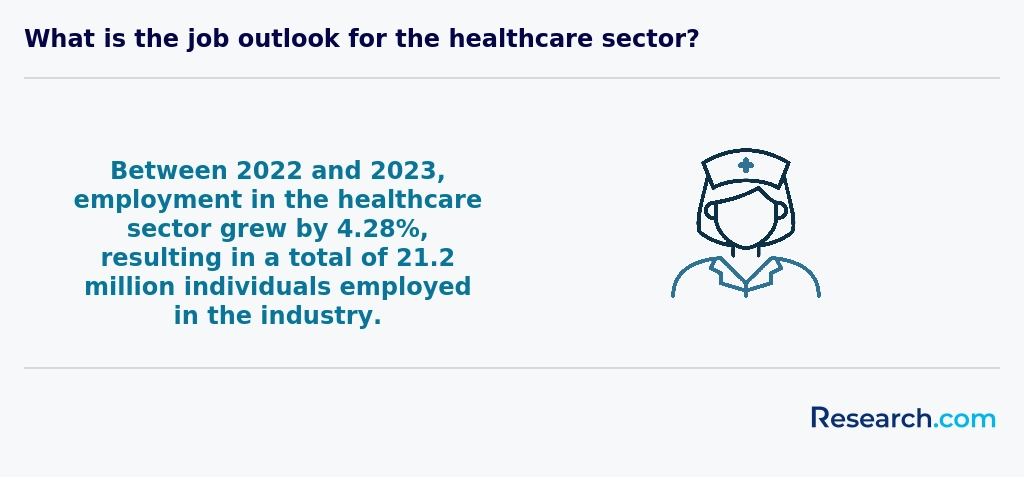
Return on Investment (ROI) Analysis for Healthcare Degrees in Chestnut Hill, MA
Investing in a healthcare degree demands careful consideration of both upfront costs and long-term earnings potential. In Chestnut Hill, MA, the average annual tuition for a bachelor’s program is $58,032, while associate degrees average $26,450 per year. When you factor in living expenses-approximately $18,000 annually-the total five-year cost for a bachelor’s program can exceed $380,000. By contrast, graduates entering roles like Patient Care Technician, with an average salary of $55,860, recoup their investment in roughly 6.8 years, whereas Health Information Technicians, at $41,260 per year, break even in about 9.2 years. Key ROI metrics: • Break-even period: Calculated as total program cost ÷ annual post-graduation salary • Lifetime earnings premium: Difference between healthcare median wage ($77,760) and national median ($46,310) over a 40-year career, roughly $1.26 million • Debt-to-income ratio: Graduates report an average student debt of $32,000, resulting in a manageable annual repayment of $3,800 (assuming a 10-year plan) To maximize ROI: • Leverage internships and work-study to offset tuition and gain practical skills • Apply for grants and scholarships early; Chestnut Hill institutions award over $4 million in merit aid annually • Compare program costs-prospective online learners may also review the Cheapest Online Healthcare Degree Programs Ranking in Morgantown, WV for alternative affordability benchmarks By assessing these ROI factors, students can make data-driven decisions that align financial investment with career outcomes, ensuring a sustainable return from their healthcare education.
What financial aid is available to healthcare degree students in Chestnut Hill?
Healthcare students in Chestnut Hill increasingly rely on a mix of federal, state, and institutional financial aid to navigate rising tuition costs at local institutions like Boston College and the College of Saint Elizabeth. Graduates often share how completing the FAFSA unlocked Pell Grants, which provided crucial, non-repayable funds up to $7,395 that eased their financial burdens during intense nursing and public health programs.
State grants specific to Massachusetts, such as the Massachusetts Grant Program, play a significant role for those attending in-state schools, often reducing out-of-pocket expenses considerably. Many healthcare students at Chestnut Hill colleges recall applying for merit-based scholarships tailored to healthcare disciplines, which rewarded academic excellence with awards ranging from a few hundred to thousands of dollars annually, offering both hope and financial relief.
Emerging trends include increased partnerships between local hospitals and colleges offering enhanced work-study opportunities, letting students build experience and income simultaneously. Graduates from these programs express enthusiasm about balancing paid work with their rigorous coursework, fostering confidence as they enter the workforce.
Moreover, private scholarships from foundations like the American Nurses Foundation are becoming more accessible, especially as awareness grows around serving underserved communities. Future healthcare students in Chestnut Hill can look forward to expanding options that blend financial support with professional development in meaningful healthcare careers.
Student Life and Campus Community
For many prospective healthcare students in Chestnut Hill, MA, the overall college experience extends far beyond rigorous academics-it encompasses a vibrant campus life and a supportive community that can enrich both personal growth and career readiness. Engaging in student organizations, wellness programs, and networking events creates opportunities to forge lasting connections that prove invaluable long after graduation. Many institutions offer dedicated mentorship programs, study groups, and extracurricular activities tailored specifically for healthcare majors, ensuring a balanced experience that combines academic excellence with community support. These campus experiences not only enhance social skills but also bolster professional development by connecting students with industry experts and alumni. For instance, exploring options at valuable healthcare schools in massachusetts can provide insights into programs that excel in fostering a dynamic and inclusive student environment as well as preparing graduates for the challenges of the healthcare industry.
What are the prerequisites for enrolling in healthcare degree program in Chestnut Hill?
Students aiming to enroll in healthcare degree programs in Chestnut Hill often find that strong academic foundations are key. Graduates from local institutions share how excelling in biology, chemistry, and math during high school paved the way for their success at nearby colleges. Many recall the encouragement to complete at least two years of science coursework, which helped them feel confident tackling rigorous healthcare classes.
Looking ahead, Chestnut Hill's programs may increasingly emphasize personalized academic paths, blending traditional prerequisites with digital competencies. Current students appreciate the flexibility offered by test-optional admissions policies, which reduce stress and broaden access.
Moreover, graduates reflect on real-life requirements such as background checks and health screenings, essential for hands-on clinical experiences in Boston-area hospitals. These practical steps, along with immunization and CPR certifications, underscore the supportive environment engaging future healthcare workers.
Such evolving prerequisites highlight a trend toward holistic readiness, balancing academic achievement with practical skills for fulfilling healthcare careers in Chestnut Hill's vibrant educational community.

Certification and Licensing Requirements for Healthcare Graduates in Massachusetts
Upon completing a healthcare degree in Chestnut Hill, MA, graduates must navigate state licensure and certification to begin professional practice. In Massachusetts, each role has specific requirements: 1. Nursing Licensure • Register with the Massachusetts Board of Registration in Nursing (BORN). • Pass the NCLEX-RN or NCLEX-PN exam within two years of graduation. • Complete a jurisprudence exam covering state regulations. 2. Allied Health and Technician Certifications • Medical Assistants pursue the CMA (AAMA) or RMA (AMT) credentials. • Health Information Technicians often obtain the Registered Health Information Technician (RHIT) certification. • Medical coders seek CPC or CCS credentials; to estimate how much does medical billing and coding certification cost, students should factor in exam fees ($300–$400), study materials, and renewal expenses. 3. Public Health and Administration Credentials • Graduates aiming for roles in public health can pursue CPH (Certified in Public Health) through the NBPHE. • Healthcare administrators may earn the FACHE (Fellow of the American College of Healthcare Executives) designation after meeting experience and exam requirements. 4. Continuing Education and Renewal • Most licenses require biennial renewal, with 10–30 continuing education credits depending on profession. • Online courses, professional conferences, and in-service training count toward CEUs. Navigating these requirements early ensures a smooth transition from student to licensed professional. Prospective graduates should consult each licensing board’s website for the latest application deadlines, fee schedules, and examination details.
What courses are typically in healthcare degree programs in Chestnut Hill?
Healthcare degree programs in Chestnut Hill typically feature a dynamic blend of courses designed to prepare students for the evolving medical landscape. Graduates from local colleges often share how foundational classes like anatomy, physiology, and microbiology gave them a solid understanding of the human body, making later specialized topics feel more accessible and exciting.
Students can expect to dive into topics such as medical terminology and health informatics, which reflect the growing role of technology and data management in patient care. Many find pharmacology and pathophysiology particularly engaging, as these courses deepen their knowledge of how medications work and how diseases affect the body, enhancing their confidence in clinical decision-making.
Those studying healthcare administration and ethics often mention feeling empowered by learning how to navigate complex healthcare systems and advocate for patients. Real-world internships at nearby hospitals and clinics provide a hands-on experience that turns theory into meaningful practice, often sparking lasting passion and dedication among students in the Chestnut Hill community.
What types of specializations are available in healthcare degree programs in Chestnut Hill?
Healthcare degree specializations in Chestnut Hill are evolving to meet future demands, with students at prominent local institutions embracing both traditional and emerging fields. Graduates often share how nursing programs, including advanced practice roles like nurse practitioners, provide hands-on experience that prepares them for diverse clinical settings. Many find fulfillment in health administration tracks, where they learn to manage complex healthcare systems, anticipating shifts toward integrated care models. Allied health specializations, such as physical and occupational therapy, reflect growing opportunities to support aging populations, aligning with Massachusetts' demographic trends.
Public health remains vital, especially with the increasing focus on community-wide preventive care, and students feel empowered contributing to epidemiology and health education efforts in Chestnut Hill and beyond. Medical laboratory science programs train students to handle sophisticated diagnostic technologies, a field likely to expand as precision medicine advances. Those curious about advanced nursing roles can explore nurse practitioner degrees minnesota graduate programs for further inspiration. These options embody the best healthcare programs Chestnut Hill has to offer, blending practical skills with visionary healthcare solutions.
How do you choose the best healthcare degree in Chestnut Hill?
Choosing the best healthcare degree in Chestnut Hill means imagining how your education fits into the rapidly evolving healthcare landscape. Graduates from local universities often share that programs with strong clinical partnerships provide a sense of confidence and real-world readiness. For instance, students benefit immensely from internships at nearby hospitals like Boston Children's Hospital, where they witness firsthand how theoretical knowledge transforms into lifesaving care. Considering the growing demand for healthcare professionals, programs offering flexible formats-such as online or hybrid courses-can support those balancing work or family while pursuing a degree.
Affordability also plays a big role in selecting the right program. Many find that affordable healthcare degrees Chestnut Hill institutions offer, combined with scholarships and aid, make advanced healthcare education more accessible. Exploring specialized paths like nursing or physical therapy aligns with individual ambitions, increasingly supported by available offerings. Some even explore lpn classes Minnesota if they seek practical, accelerated routes into the field. Understanding program accreditation and graduation outcomes ensures you'll join a network that supports future job placement and growth.
What career paths are available for healthcare degree students in Chestnut Hill?
Graduates with a healthcare degree in Chestnut Hill can pursue a variety of dynamic career paths, reflecting the region's strong healthcare infrastructure. Many find fulfilling roles as registered nurses in local hospitals, where they specialize in areas like pediatrics or critical care, building rewarding careers that offer both professional growth and personal satisfaction. Others step into roles as medical or laboratory technologists, contributing to vital diagnostic work that shapes patient outcomes amidst evolving technologies.
Healthcare administration is another promising avenue in Chestnut Hill, especially for graduates drawn to leadership and management within medical facilities. These roles offer the chance to influence healthcare delivery while earning competitive salaries, as seen by alumni from popular Chestnut Hill colleges. Public health careers are also on the rise, with graduates actively shaping community health initiatives, benefiting from the proximity to Boston's expansive public health network.
Students examining healthcare degree career options Chestnut Hill often share that their education connects them deeply with local healthcare evolution, inspiring confidence about future job markets. For those exploring financial support, programs like nursing schools riverside financial aid provide additional pathways to achieve their goals.

What is the job market for healthcare degree in Chestnut Hill?
The healthcare degree job opportunities in Chestnut Hill are notably promising, fueled by the area's close ties to major medical centers and research institutions. Graduates from local universities often find themselves confidently stepping into roles at nearby hospitals, where demand for skilled nurses and healthcare administrators is rapidly growing. Many report that hands-on clinical experience gained during their studies has been invaluable in navigating this competitive job market.
Looking ahead to the Chestnut Hill healthcare career outlook 2027, expanding fields like health informatics and patient care coordination suggest a future rich with diverse roles. Graduates appreciate how integrating technology into healthcare systems enhances their job prospects, offering exciting alternatives beyond direct patient care. Students considering their education costs often compare options among the valuable healthcare schools in massachusetts, balancing tuition against strong salary potential and local employer demand.
Frequently Asked Questions About healthcare
Healthcare degree students in Chestnut Hill can enhance their learning by engaging actively with local healthcare facilities. The proximity to institutions like Chestnut Hill Hospital allows students to gain practical experience through internships and clinical rotations. Access to real-world environments helps bridge theoretical knowledge and applied skills.
Collaborating with faculty members and joining healthcare-related student organizations can foster networking and interdisciplinary learning. Utilizing resources at nearby universities, including simulation labs and research centers, improves hands-on training.
According to the Massachusetts Department of Higher Education, healthcare occupations in the region are projected to grow by 15% over the next decade, making experiential learning crucial for career readiness. Staying current with this demand by pursuing certifications alongside degrees can also boost competence and employability.
Emerging niches in the healthcare field are shaping degree programs in Chestnut Hill, reflecting national trends. One rapidly growing area is telehealth, driven by advances in technology and increased patient demand for remote care. According to the U.S. Bureau of Labor Statistics, employment for health information technicians, a key telehealth role, is projected to grow 9% through 2032. Another promising niche is gerontology, as Chestnut Hill's aging population requires specialized care focused on elderly health and wellness. Additionally, fields like genetic counseling and health data analytics are gaining traction, offering careers that blend healthcare with technology and research.
After completing a healthcare degree in Chestnut Hill, graduates should focus on gaining practical experience through internships or clinical rotations. Local hospitals and clinics often offer opportunities that can enhance skills and build professional networks. According to the Massachusetts Department of Public Health, healthcare jobs in the Boston metropolitan area, including Chestnut Hill, are projected to grow by over 15% by 2030, emphasizing the importance of practical training.
Networking with local healthcare professionals and attending job fairs within the Chestnut Hill area can provide valuable industry connections. Additionally, obtaining relevant certifications, such as CPR or specialized licenses, increases employability in competitive healthcare fields. Staying informed about trends and continuing education will help graduates adapt in a rapidly evolving job market.
Employers in Chestnut Hill highly value healthcare graduates with strong communication skills. Clear interaction with patients and medical teams is essential in this diverse community. Additionally, critical thinking and problem-solving abilities are crucial, enabling professionals to make fast, informed decisions in high-pressure situations.
Technical proficiency in healthcare technology also ranks among the top skills, given the increasing use of electronic health records and diagnostic tools. According to the Massachusetts Department of Public Health, healthcare employers in the region emphasize teamwork and empathy as key competencies, reflecting the patient-centered approach prevalent in local hospitals and clinics.
Understanding healthcare regulations and ethics is equally important to ensure compliance and maintain patient trust in Chestnut Hill's medical sector.
Finding internships in Chestnut Hill relevant to healthcare degrees often starts with local institutions such as Boston College, which offers strong ties to nearby hospitals and clinics. Students should explore partnerships with healthcare providers like St. Elizabeth's Medical Center and Chestnut Hill Rehabilitation Hospital. These organizations frequently offer internship opportunities for hands-on experience.
Utilizing the career services offices at colleges in Chestnut Hill is essential since they maintain up-to-date employer connections and internship listings. Additionally, platforms like Handshake and LinkedIn often list healthcare internships specific to the Chestnut Hill area.
Networking through local professional healthcare associations and volunteering can also lead to internships. According to the Massachusetts Department of Public Health, internships significantly enhance practical skills and employment prospects in the region's healthcare sector.
A healthcare degree significantly enhances career mobility and advancement opportunities in Chestnut Hill. The Boston metropolitan area, which includes Chestnut Hill, boasts a robust healthcare sector with over 300,000 healthcare jobs, according to the Massachusetts Executive Office of Labor and Workforce Development (2023). Professionals holding degrees in nursing, healthcare administration, or allied health are in high demand locally.
Advanced degrees can lead to higher-level roles, such as management or specialized clinical positions. Additionally, healthcare employers in Chestnut Hill often prioritize candidates with formal education due to strict state licensing and certification requirements.
Graduates benefit from a network of prominent hospitals and research institutions nearby, which facilitate career growth and skill development.
Studying for a healthcare degree in Chestnut Hill offers robust preparation for interdisciplinary roles by emphasizing collaborative learning. Local institutions incorporate team-based projects that bring together nursing, public health, and healthcare administration students.
Chestnut Hill benefits from proximity to major hospitals and research centers, providing practical experiences that highlight the importance of working across specialties. According to the Massachusetts Department of Higher Education, 65% of healthcare programs here include clinical placements in diverse settings, fostering communication skills critical for interdisciplinary work.
Coursework often integrates subjects like medical ethics, health informatics, and patient-centered care, supporting professionals who must navigate complex healthcare systems collaboratively.
Choosing between a thesis and a non-thesis healthcare degree program in Chestnut Hill depends on your career goals and learning preferences. Thesis programs typically involve conducting original research, which can be essential if you plan to pursue a career in academia or research. They often take longer to complete due to the research and writing requirements.
Non-thesis options usually focus on practical skills and coursework, preparing students for immediate entry into healthcare professions. They are often preferred by those seeking clinical roles or administrative positions.
According to the U.S. Bureau of Labor Statistics, many healthcare roles in Massachusetts, including Chestnut Hill, require hands-on expertise rather than research experience.
Consider local healthcare employers' expectations as well; hospitals in the Boston metro area often value clinical proficiency alongside academic credentials.
Students based in Chestnut Hill interested in studying healthcare abroad have several options through exchange programs and international partnerships offered by nearby universities. Institutions in the Boston area, including those near Chestnut Hill, commonly provide study-abroad opportunities focused on global health, nursing, and public health fields. These programs often allow students to earn credits toward their U.S. degree while gaining clinical experience in diverse healthcare systems.
Current data from the Institute of International Education shows that health-related study abroad enrollments account for roughly 15% of all U.S. students studying abroad, reflecting growing interest in global healthcare perspectives. Programs typically range from summer intensive courses to full semester exchanges, including locations in Europe, Asia, and Latin America, emphasizing public health challenges and healthcare delivery innovations.
Additionally, Chestnut Hill students can explore virtual global health seminars and internships facilitated by local universities that partner with international hospitals and NGOs. These experiences help build cultural competency critical for healthcare professionals in a globalized world.
For students pursuing healthcare degrees in Chestnut Hill, part-time job opportunities can provide valuable experience and financial support. Local hospitals like Chestnut Hill Hospital often hire healthcare interns or patient care assistants, offering practical exposure to clinical settings. According to the Massachusetts Executive Office of Labor and Workforce Development, healthcare support roles in the region, such as medical assistants and home health aides, are projected to grow by over 15% through 2030.
Additionally, pharmacies and outpatient clinics in Chestnut Hill sometimes seek part-time pharmacy technicians or administrative staff. These roles help develop communication and organizational skills essential for healthcare careers. Volunteering at community health centers also provides hands-on experience with patient interaction while building professional networks.
Healthcare students in Chestnut Hill benefit from strong networking opportunities through local institutions and professional organizations. Colleges like Boston College offer access to healthcare-focused career fairs and alumni events that connect students with medical professionals. According to the Massachusetts Department of Higher Education, over 70% of healthcare graduates in the Boston metro area find jobs within six months, partly due to these networking channels.
Local hospitals such as Newton-Wellesley and healthcare nonprofits also host internships and volunteer programs. These experiences allow students to build relationships with practitioners and leaders in the field. Students can join regional chapters of national healthcare associations to further expand their professional contacts.
Alumni networks offer significant advantages to healthcare degree students in Chestnut Hill by providing access to valuable professional connections. Graduates often find internships, job placements, and mentorship opportunities through these networks, which is crucial in the competitive US healthcare job market.
Chestnut Hill's proximity to major hospitals and medical centers enhances these benefits, as alumni working locally can offer insights into industry trends and community needs. According to the Boston Foundation, healthcare accounts for a large portion of regional employment, making strong local connections vital.
Furthermore, alumni can assist students with guidance on licensing and advanced certifications, easing transitions into various healthcare fields. This network support often leads to higher employment rates for healthcare graduates in the region.
Customizing a healthcare degree program in Chestnut Hill allows students to align their education with specific career goals. Many local institutions offer flexible curricula, including elective courses in specialties such as public health, health informatics, or nursing. Chestnut Hill's proximity to major hospitals and healthcare providers enables students to pursue internships and practicums tailored to their interests.
Additionally, some programs support part-time study or online classes, helping working professionals balance education with career demands. According to the Massachusetts Department of Higher Education, healthcare remains one of the fastest-growing sectors in the region, emphasizing the importance of specialized training for competitive job placement.
Healthcare students in Chestnut Hill often face a range of challenges that can impact their academic success and overall well-being. One major hurdle is the demanding coursework, which includes rigorous science classes and clinical practice hours. Balancing these responsibilities with personal and part-time job commitments can be stressful.
Access to clinical placements is another concern, as high demand in the Boston metropolitan area can limit opportunities for hands-on experience. According to local education reports, students may compete for fewer slots compared to other regions.
Additionally, financial pressure due to tuition and living costs in Chestnut Hill is significant. Many students struggle to secure adequate scholarships or grants, leading to increased reliance on student loans.
Finally, mental health issues such as anxiety and burnout have been noted among healthcare students nationwide, including those in Chestnut Hill, highlighting the need for supportive campus resources.
With a healthcare degree in Chestnut Hill, graduates can pursue several professional certifications to enhance their careers. Popular certifications include the Certified Nursing Assistant (CNA), Licensed Practical Nurse (LPN), and Registered Nurse (RN) credentials, essential for clinical roles.
Beyond nursing, certifications like Certified Medical Assistant (CMA) and Certified Health Education Specialist (CHES) are valuable for administrative and public health positions. According to the Massachusetts Department of Public Health, Chestnut Hill employers increasingly seek candidates with nationally recognized certifications.
Advanced certifications, such as the Certified Professional in Healthcare Quality (CPHQ), are also available for healthcare management roles. These certifications improve job prospects and can lead to higher salaries in the region.
To write a winning application for a healthcare program in Chestnut Hill, start by researching specific schools and their admission criteria. Highlight relevant experience, such as volunteering or internships in healthcare settings within Boston's Greater Area, which demonstrate your commitment.
Strong academic records are essential. Most programs require a minimum GPA around 3.0, with coursework in biology, chemistry, and anatomy. Submitting clear, well-written personal statements explaining your healthcare goals is crucial.
Letters of recommendation from professionals familiar with your skills can boost your application. Chestnut Hill's proximity to major medical centers offers valuable clinical opportunities to mention.
Lastly, ensure all materials reflect professionalism and authenticity to stand out.
The healthcare field offers a globally relevant career path, reflecting diverse opportunities across countries. In the US, including Chestnut Hill, healthcare jobs are projected to grow 13% from 2021 to 2031, according to the Bureau of Labor Statistics. This expands opportunities for graduates with degrees in nursing, public health, or healthcare administration.
Globally, countries face aging populations and rising chronic diseases, increasing demand for skilled healthcare professionals. While the US healthcare system emphasizes advanced technology and research, many regions also prioritize community health and preventive care models.
For Chestnut Hill students, understanding these global trends can help align their education with international standards and evolving workforce needs.
Gaining practical experience while studying for a healthcare degree in Chestnut Hill is crucial for career readiness. Many local colleges partner with nearby hospitals, clinics, and community health centers to offer internships and clinical rotations. For example, Chestnut Hill Hospital and local outpatient facilities frequently provide hands-on placements for nursing and allied health students.
Students can also participate in simulation labs, which are common in healthcare programs and help develop clinical skills in a controlled environment. Volunteering in healthcare settings offers additional exposure and networking opportunities.
According to the Massachusetts Department of Public Health, Chestnut Hill benefits from a growing healthcare sector, with over 5,000 healthcare jobs available, increasing chances to find practical placements.
Choosing the right concentration within a healthcare degree program in Chestnut Hill involves assessing your career goals and the local job market. Popular concentrations include nursing, public health, and healthcare administration, each offering different career paths. The Boston-Cambridge-Newton metro area, which includes Chestnut Hill, reported nearly 250,000 healthcare jobs in 2023, with nursing and health management roles among the fastest growing, according to the Bureau of Labor Statistics.
Consider the curriculum focus, clinical opportunities, and local healthcare employers affiliated with the program. Networking with local providers like Newton-Wellesley Hospital can also provide insight into in-demand specialties.
Research accreditation and program outcomes to ensure skills gained align with state licensing requirements in Massachusetts. This will help in making an informed decision suited to both your interests and regional workforce needs.
Related Healthcare Rankings for Nearby Cities
- 2027 Most Valuable Healthcare Degree Programs Ranking in Cambridge
- 2027 Most Valuable Healthcare Degree Programs Ranking in Boston
- 2027 Most Valuable Healthcare Degree Programs Ranking in Milton
- 2027 Most Valuable Healthcare Degree Programs Ranking in Lowell
- 2027 Most Valuable Healthcare Degree Programs Ranking in Worcester
- 2027 Most Valuable Healthcare Degree Programs Ranking in Providence
- 2027 Most Valuable Healthcare Degree Programs Ranking in Manchester
- 2027 Most Valuable Healthcare Degree Programs Ranking in North Dartmouth
- 2027 Most Valuable Healthcare Degree Programs Ranking in Storrs
- 2027 Most Valuable Healthcare Degree Programs Ranking in Amherst
Top Trending Healthcare Rankings
See What Experts Have To Say About Studying Healthcare
Read our interview with Healthcare experts

References
- Education requirements for the fastest-growing healthcare jobs https://www.corridorcareers.com/job-tips/blog-news-education-requirements-fastest-growing-healthcare-jobs
- Advancing Your Career in Healthcare: Tips and Strategies https://www.sunshinecarenetwork.com/blog/advancing-your-career-in-healthcare-tips-and-strategies
- The impact of postgraduate education on career advancement in healthcare https://sets.com.ua/journals/vol-3-no-2-2024/the-impact-of-postgraduate-education-on-career-advancement-in-healthcare
- How to Write Your Cover Letter | NQRTH https://www.nqrth.edu.au/career-planning/how-to-write-your-cover-letter/
- Global Health Perspectives https://globalhealthperspectives.com/
- Quick Links https://www.myccp.online/transfer-agreements/chestnut-hill-college
- Health Care Studies https://www.ccp.edu/college-catalog/degree-programs/associate-arts-aa/health-care-studies
- Online Degree vs. Traditional: Choosing the Right Path https://beal.edu/online-degree-vs-traditional/
- What to Expect as a Health Science Major https://www.grace.edu/what-to-expect-as-a-health-science-major/
- Chestnut Hill College to launch nursing programs amid workforce shortage - The Chestnut Hill Local https://www.chestnuthilllocal.com/stories/chestnut-hill-college-to-launch-nursing-programs-amid-workforce-shortage,37685


