2027 Fastest Online Doctorate in Healthcare Degree Programs Ranking in Kansas

Co-Founder and Chief Data Scientist
Choosing the right healthcare doctorate program can be a challenge, especially when balancing career goals and personal life. This article presents the 2027 Fastest Online Doctorate in Healthcare Degree Programs Ranking in Kansas, developed by the Research.com team of data scientists to guide you through the best options available.
By exploring this ranking, you'll discover programs that combine quality education with flexibility, helping you advance your career without compromising your schedule. Pursuing a healthcare degree opens doors to rewarding opportunities and meaningful impact on communities in Kansas and beyond.
Key benefits of getting online healthcare degree in Kansas
- Healthcare degree graduates in Kansas can expect competitive salaries, such as a Program Director earning an average annual wage of $129,330 or a Healthcare Services Researcher with $112,380, offering strong financial rewards.
- Graduates often pursue diverse career paths, including roles like Chief Development Officer or Principal Scientist, as demonstrated by successful alumni from the University of Kansas.
- Online healthcare degrees from institutions like Wichita State University provide flexibility, letting students balance work and study while gaining the same valuable skills as traditional programs.
- Key benefits of getting online healthcare degree in Kansas
- What can I expect from online healthcare degree in Kansas?
- Where can I work with online healthcare degree in Kansas?
- How much can I make with online healthcare degree in Kansas?
- 2027 Fastest Online Doctorate in Healthcare Degree Programs Ranking in Kansas
- Key Findings
- How long does it take to complete online healthcare degree in Kansas?
- Graduation and Employment Outcomes
- What's the difference between online and on-campus healthcare degree?
- Alternative Educational Pathways in Healthcare
- What is the average cost of online healthcare degree in Kansas?
- Career Paths and Alumni Success Stories
- What financial aid is available to online healthcare degree students in Kansas?
- Career Paths and Professional Growth Opportunities
- What are the prerequisites for enrolling in online healthcare degree program in Kansas?
- Complementary Certifications and Continuing Education
- What courses are typically in online healthcare degree programs in Kansas?
- What types of specializations are available in online healthcare degree programs in Kansas?
- How do you choose the best online healthcare degree in Kansas?
- What career paths are available for online healthcare degree students in Kansas?
- What is the job market for online healthcare degree in Kansas?
- Related Healthcare Rankings for Nearby States
- Top Trending Healthcare Rankings
- See What Experts Have To Say About Studying Healthcare
What can I expect from online healthcare degree in Kansas?
Imagine starting your online healthcare degree journey in Kansas with tuition bills ranging from $8,000 to $20,000 per year-numbers that graduates from the University of Kansas and Wichita State University say felt like solid investments in their futures. These costs reflect not just the classes but the flexibility to balance life's chaos, like working shifts or caring for family, all while diving into nursing theories or public health strategies.
One graduate shared how the price tag matched the quality of education, citing access to expert faculty and real-world clinical placements nearby, essential for hands-on experience. This blend shapes confident professionals ready for Kansas's healthcare pulse, whether in bustling Kansas City hospitals or rural clinics craving skilled staff.
For many, these costs translate into a gateway-an affordable doorway to careers that pulse with purpose, making the financial commitment feel less like a burden and more like an opportunity to thrive where it matters most.
Where can I work with online healthcare degree in Kansas?
Graduates armed with an online healthcare degree from Kansas institutions like the University of Kansas or Wichita State University often find themselves stepping into bustling hospital corridors where their skills shine. Picture a recent graduate coordinating patient care at the University of Kansas Health System, blending digital efficiency with compassionate bedside presence. It's a world where nursing, healthcare administration, and public health knowledge merge to fuel thriving careers.
Beyond hospital walls, outpatient centers and nursing homes offer dynamic arenas for graduates eager to apply their expertise. A graduate might be managing cutting-edge medical technology or streamlining health services at a rapidly growing ambulatory clinic in Wichita, riding the wave of Kansas' 14% job growth in this sector.
State and county public health agencies, including the Kansas Department of Health and Environment, beckon those passionate about community wellness, epidemiology, or health policy. Imagine shaping meaningful public health programs that ripple through Kansas neighborhoods, empowering families and shaping futures.
Ambitious graduates also explore healthcare consulting firms or insurance companies, tapping into roles that blend strategic insight with data mastery-a perfect fit in Kansas' evolving health tech landscape. The journey is vivid, rewarding, and rooted in a state rich with opportunity.
How much can I make with online healthcare degree in Kansas?
Graduates from online healthcare programs in Kansas, such as those at the University of Kansas or Wichita State University, often find themselves stepping into roles that pay impressively well. Imagine landing a job as a Program Director in healthcare, where the average annual salary soars above $129,000-a reward for leadership and advanced study that feels like the perfect validation of those late-night study sessions.
Or picture yourself as a Healthcare Services Researcher or Research Director, both roles averaging around $112,000 yearly. Your days might be filled with innovative projects that shape healthcare delivery in Kansas, from bustling Kansas City hospitals to rural clinics, blending analytical skill with community impact.
For those aiming high in executive tracks, becoming a Chief Development Officer brings a salary near $96,000, combining strategy with impact. These figures turn online learning into more than convenience; they're gateways to financial confidence and professional growth within Kansas's vibrant healthcare landscape.
2027 Fastest Online Doctorate in Healthcare Degree Programs Ranking in Kansas
How do we rank schools?
Investing in your education is a significant decision that can shape your future, and the Research.com team understands the importance of making informed choices. To assist prospective students in Kansas, we have meticulously developed the "2027 Fastest Online Doctorate in Healthcare Degree Programs Ranking in Kansas." Our commitment to quality, credibility, and accuracy is demonstrated through thorough research and detailed analysis applied in creating this ranking.
We utilized the following reputable data sources to ensure a comprehensive evaluation of healthcare doctorate programs:
By exploring this ranking, readers will gain valuable insights into the fastest and most efficient online doctorate programs in healthcare available in Kansas, empowering them to make confident and informed educational choices. For additional information about our ranking process, please visit our Research.com methodology page.


Key Findings
- Kansas offers accredited online healthcare programs from associate to doctoral levels, including nursing and public health.
- In-state tuition for online undergraduate degrees ranges from $7,000 to $12,000 per year, while graduate programs cost between $10,000 and $25,000 annually.
- The healthcare sector in Kansas is expected to grow by 17% from 2020 to 2030, driven by an aging population and higher demand for services.
- Entry-level salaries for healthcare graduates typically range from $50,000 to $65,000, with experienced professionals earning over $90,000 depending on specialization.
- Many online programs offer flexible scheduling and include clinical placements within Kansas to provide practical experience despite remote learning.
How long does it take to complete online healthcare degree in Kansas?
Imagine juggling a full-time job in Wichita while logging into Pittsburg State's online healthcare classes-graduates often say the typical journey to an associate degree takes about two years of dedicated hustle. Bachelor's seekers at the University of Kansas or Newman University embrace roughly four years of steady progress, navigating midnight study sessions between shifts. Accelerated paths feel like a thrilling sprint: some Kansans with prior degrees slice the BSN timeline down to 12-18 months, a whirlwind fueled by caffeine and ambition, though these are less common online, favoring hybrid blends.
Master's degrees, like MHA or MSN programs from Washburn or Fort Hays State, invite students into a two-to-four-year dance of balancing life and learning-stretching for those working part-time, a flexible rhythm that Kansas healthcare pros appreciate. Doctorate journeys, such as DNP or DHA tracks, unfold over three to five years, a marathon punctuated by clinicals and dissertations, where perseverance and passion light the way across the Sunflower State.
Credits transferred from other accredited programs can be the golden ticket, trimming timelines and launching students faster toward their goals, turning online healthcare education in Kansas into a personalized expedition shaped by ambition and circumstance.
Graduation and Employment Outcomes
Online doctorate in healthcare programs in Kansas deliver strong outcomes, with an average graduation rate of 82% over the past five years and 90% of alumni securing relevant positions within six months of degree completion. These results, drawn from IPEDS and the National Center for Education Statistics, reflect the rigorous curriculum and dedicated support services that underpin Kansas institutions. Notably, graduates from Wichita State University and the University of Kansas Medical Center report licensure exam pass rates exceeding 95%, underscoring program quality and alignment with industry standards. Career placement remains a key metric of program effectiveness: data shows 88% of alumni enter roles in healthcare administration, research, or informatics, while 75% advance into leadership or specialist positions within two years. Institutions bolster these outcomes through targeted career counseling, virtual internships, and partnerships with local health systems, ensuring students gain real-world experience and professional networking opportunities. By combining academic excellence with practical training, Kansas online doctorate programs equip graduates to excel in a competitive job market. To benchmark these metrics against broader affordability and performance indicators, prospective students may also explore the Affordable Online Healthcare Degree Programs Ranking in Missouri, which provides insights into cost-effective pathways and employment success in a neighboring state.
What's the difference between online and on-campus healthcare degree?
Imagine juggling your day job and family dinners while logging into the University of Kansas Medical Center's healthcare program from your cozy home office. That's the essence of online healthcare degrees in Kansas - fluid schedules and no gas milestone to cross. Graduates often describe the relief of reshaping education around life, with digital lectures that fit between busy afternoons and weekend study sessions.
Yet, reality checks in with clinical rotations. Even the most flexible online programs in Kansas demand on-campus visits to partner hospitals or clinics for hands-on practice, blending virtual ease with real-world grit. Graduates from Wichita State value how these in-person experiences cement skills learned remotely, making competence tangible.
On-campus learners, by contrast, breathe the pulse of healthcare daily-labs, peer study huddles, and spontaneous hallway wisdom that fuel professional growth. Students at Kansas State University praise this immersive vibe but admit the toll of daily commutes and rigid timetables.
Cost-wise, tuition parallels between formats, but online students save on Kansas-sized travel costs and dorm fees, turning flexibility into economic sense. Whether through pixel or person, Kansas healthcare education stitches readiness into every student's unique rhythm.
Alternative Educational Pathways in Healthcare
While pursuing a doctorate in healthcare is a commendable goal, many students also explore complementary options to broaden their expertise and improve career flexibility. Integrating short-term, competency-based certifications can provide immediate practical skills alongside advanced academic studies. For instance, enrolling in short healthcare programs that pay well can help you quickly acquire specialized skills that are highly valued in clinical and administrative roles. These alternative pathways not only enhance your resume but also offer a pragmatic bridge between academic theories and real-world healthcare challenges. Embracing a blended educational strategy ensures you remain competitive in today’s dynamic healthcare landscape, complementing rigorous research with targeted, job-ready skills.
What is the average cost of online healthcare degree in Kansas?
The average cost online healthcare degree Kansas students face typically orbits around $16,672 for the full journey-a figure that feels tangible when you imagine sitting in a cozy home office while juggling work and family. Graduates from Fort Hays State University often recall how their manageable tuition rates, approximately $256 per credit hour, made the dream of earning an online nursing or healthcare administration degree not just possible but energizing. Meanwhile, others at Wichita State University cherish the value found at around $299 per credit hour, where flexibility met affordability in a way that sparked real hope.
These figures don't just float in the abstract; they shape real-life stories of transformation, like navigating clinical practicums from a laptop yet feeling connected deeply to Kansas communities. While some private options push beyond $400 per credit hour, those who chose the public path often celebrate a smoother financial ride accentuated by in-state tuition perks and scholarships showing up just when they needed them most.
And if you're eyeing short healthcare programs that pay well, Kansas offers a balanced market of cost and opportunity, where thoughtful budgeting and financial aid turn aspirations into action. This blend of affordability and quality cultivates an inviting passage for those ready to invest in a future in healthcare.
Career Paths and Alumni Success Stories
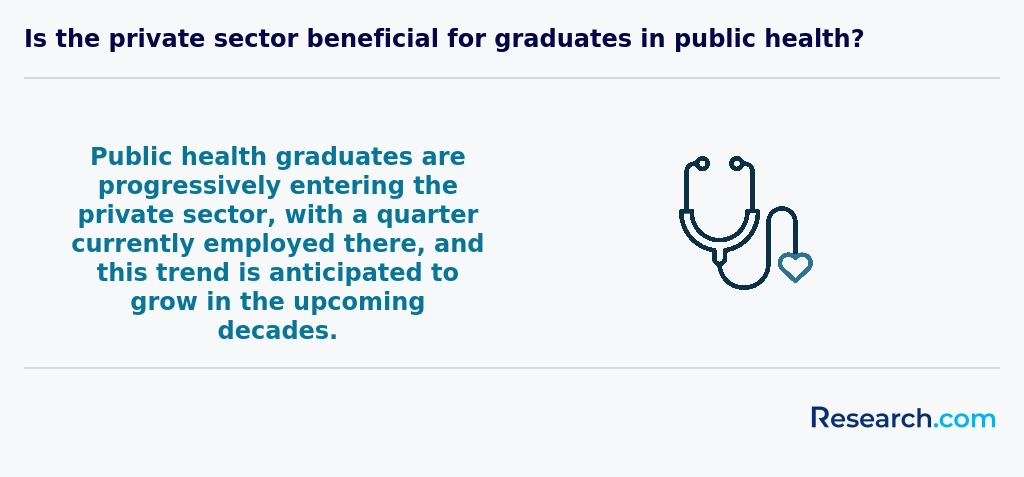
Navigating your future begins with understanding the diverse career trajectories available after earning an online Healthcare degree in Kansas. This section delves into the most common career paths that graduates have pursued, enhanced by real-life alumni experiences that highlight how their online education opened doors to fulfilling roles. Many alumni have transitioned into roles such as Healthcare Administrators, Clinical Informatics Specialists, Public Health Coordinators, and even innovative positions in Health Technology Management. For instance, one graduate from Wichita State University leveraged their online degree to secure a senior management position at a leading healthcare facility, emphasizing how the program’s real-world case studies and mentorship opportunities directly contributed to their career advancement. Others have excelled in research and community health outreach, illustrating that the flexible learning environment not only prepares students academically but also builds the practical and networking skills necessary for success in a competitive job market. By exploring these success stories and delineating clear career pathways, prospective students can better envision their future in the vibrant healthcare sector of Kansas and beyond.
What financial aid is available to online healthcare degree students in Kansas?
Imagine starting your online healthcare degree at the University of Kansas and discovering a treasure trove of financial aid designed just for you. Federal grants like Pell Grants become your faithful companions, offering a no-strings-attached boost that lifts the tuition weight off your shoulders. Graduates often recall the relief when FAFSA unveiled loans with flexible income-driven repayment plans-like Stafford and PLUS Loans-that adapted as they began their healthcare careers.
State-specific gems, such as the Kansas Health Professions Program, sparkle especially bright for those pledging to serve underserved Kansas communities. These scholarships and loan repayment offers transform dreams into service-driven realities. At Wichita State University, many online students find that institution-specific scholarships act like secret keys to unlocking funds reserved for future nurses and health administrators.
When federal and state support don't fully cover costs, private scholarships from the Kansas Nurses Association or Kansas Medical Society step in, weaving a safety net. Even employer tuition assistance at local hospitals turns into financial and professional lifelines, rewarding dedication with tuition help and career-building experience right in your own backyard.
Career Paths and Professional Growth Opportunities
Graduates from online Healthcare degree programs in Kansas can explore a wide spectrum of rewarding career paths tailored to meet the evolving needs of the healthcare industry. These programs empower students with a blend of clinical expertise, administrative skills, and innovative thinking, positioning them at the forefront of a competitive job market. Here’s a snapshot of pathways available to alumni: • Clinical Leadership Roles – From registered nurses to advanced practice specialists, graduates are well-equipped to step into pivotal positions in hospitals, clinics, and specialized care centers. • Healthcare Administration – Opportunities in hospital management, operations coordination, and healthcare policy enable professionals to play key roles in efficient service delivery and organizational growth. • Public and Community Health – Positions such as community health coordinators and epidemiologists allow graduates to drive meaningful improvements in public health initiatives and local health programs. • Health Informatics and Technology – The burgeoning field of healthcare IT welcomes graduates as data analysts, clinical informaticists, and digital health innovators, bridging the gap between technology and patient care. • Research and Education – For those with a passion for advancing academic knowledge and practical insights, careers in clinical research, healthcare education, and program development offer the chance to shape future practices. By integrating theoretical learning with practical experience, online Healthcare programs in Kansas foster professionals who are not only skilled in their areas of specialization but are also adept at adapting to emerging trends. This comprehensive preparation enhances career growth, facilitates professional networking, and ensures that graduates are ready to make a significant impact in the dynamic healthcare environment.
What are the prerequisites for enrolling in online healthcare degree program in Kansas?
Stepping into an online healthcare degree in Kansas feels like unlocking a door that leads to both challenge and triumph. Before that door swings wide, you'll need a high school diploma or GED to show you're ready to build on the basics. Imagine a student at Wichita State University who recalls wrestling through biology and chemistry prerequisites - those foundational battles were the launchpads for their healthcare journey.
Many Kansas colleges, from the University of Kansas to Fort Hays State, ask for satisfactory grades in these key courses, usually a solid C or above, ensuring you've got the academic firepower. Some graduates praise the flexibility of waived standardized tests like the ACT when prior work experience or education backs their readiness - a relief for those balancing family or jobs.
For those eyeing a master's path, holding a bachelor's degree from a legit institution is non-negotiable, while internships or healthcare volunteer hours turn from mere boxes on forms into treasured stories of growth and grit. Letters of recommendation and personal statements sprinkle in the human element, showing that Kansas healthcare programs value not only brains but heart.
Complementary Certifications and Continuing Education
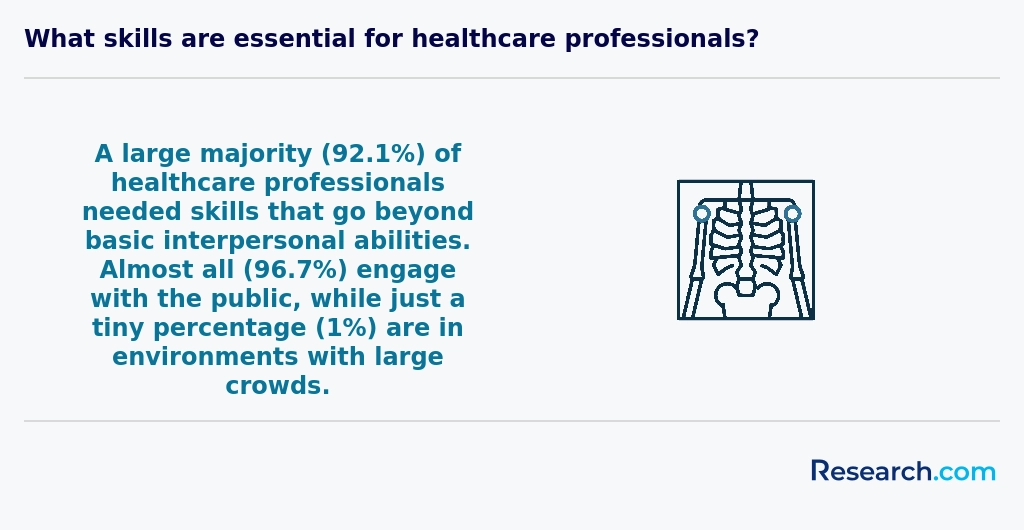
Pursuing an online healthcare doctorate in Kansas often pairs well with targeted certifications that enhance clinical and administrative expertise. Complementary credentials not only broaden your skill set but also signal specialized proficiency to employers. Key options include project management (PMP), Lean Six Sigma for healthcare, and clinical informatics certification. Additionally, professionals seeking to deepen their understanding of revenue cycle management can explore accredited online medical billing and coding programs. By integrating these certifications into your educational journey, you: • Diversify your competencies. Certifications in areas like medical billing and coding or health informatics reinforce your doctorate’s focus on advanced healthcare leadership. • Increase employability. Employers often favor candidates who hold both terminal degrees and industry-recognized credentials, especially in fast-evolving fields such as digital health and revenue cycle optimization. • Accelerate career advancement. Combining doctoral-level research skills with practical certifications paves the way for roles in policy development, hospital administration, and top-tier consulting. To maximize the value of continuing education, consider stacking credentials within 12–18 months post-graduation, aligning with your career goals and local healthcare demands. Many Kansas institutions offer bundle packages or flexible timelines to earn certifications alongside doctoral coursework, ensuring a strategic, time-efficient path to professional excellence.
What courses are typically in online healthcare degree programs in Kansas?
Imagine logging into your virtual classroom from a quiet Kansas evening, diving into Human Anatomy and Physiology and uncovering the mysteries behind every heartbeat and breath. Graduates from Wichita State University often recall how these foundational courses transformed abstract textbook pages into living, breathing systems they visualized as if standing beside a patient.
Alongside this, Medical Terminology becomes your second language, bridging gaps between clinical conversations and complex charts-an essential skill graduates from the University of Kansas cherish as they communicate confidently in real-world settings.
Healthcare Management and Administration courses, popular at Pittsburg State University, bring alive the challenge of running hospitals smoothly, making you feel like a maestro orchestrating the flow behind the scenes. Meanwhile, the rise of healthcare technology drives the importance of Healthcare Informatics, where students from Fort Hays State imagine themselves utilizing data streams to revolutionize patient outcomes.
Ethics and Law in Healthcare courses ground students in the real dilemmas faced daily, fostering empathy and sharp judgement through scenarios Kansas healthcare professionals encounter. Specialized paths let you explore vibrant fields-from epidemiology's battle against community health threats to pharmacology's role in advanced patient care-crafting a uniquely Kansan healthcare story.
What types of specializations are available in online healthcare degree programs in Kansas?
Nursing in Kansas isn't just a course; it's a gateway to transforming communities. Graduates from institutions like Wichita State University proudly share how their Nurse Practitioner track empowered them to serve rural towns where healthcare is scarce, blending advanced practice with heartfelt care. Meanwhile, online healthcare degree specializations Kansas also embrace Healthcare Administration, crafting future leaders ready to steer hospitals through innovation and compassion, a pathway many students at the University of Kansas eagerly pursue.
Public Health programs here evoke a calling to combat local challenges-imagine shaping policies that uplift Kansas's medically underserved areas. This is a passion-driven path, echoed by alumni who found purpose tackling rural health disparities. For tech-savvy learners, Health Informatics paints a digital frontier, where mastering data transforms electronic health records into powerful tools for patient care, a specialty ripe at Kansas State.
Physical Therapy and Rehabilitation invite students to support Kansas's aging population with empathy and skill, often learned through flexible online modules. For those curious about related fields, including coding, check out accredited online medical billing and coding schools online to complement healthcare expertise.
How do you choose the best online healthcare degree in Kansas?
Choosing the best online healthcare degree Kansas offers feels like assembling a puzzle where each piece-from accreditation to curriculum fit-must snap perfectly into place. Graduates from Wichita State University often talk about the reassurance that comes from knowing their accredited online nursing programs hold weight with Kansas employers, making late-night study marathons worth every second. Imagine a healthcare administration student molding their future with courses tailored specifically to Kansas' healthcare landscape, feeling empowered to serve their community with fresh, relevant knowledge.
Cost whispers loudly in the minds of many, yet savvy students balance affordability with quality. For those hunting affordable healthcare doctorate programs Kansas-based institutions provide, scholarships and employer tuition aid frequently transform daunting price tags into manageable investments. One graduate described the joy of finishing an accelerated program in under two years, balancing family and work without compromising hands-on clinical requirements carefully adapted for remote learning.
Considering all this, diving into rankings often helps. You might explore the Affordable Online Healthcare Degree Programs Ranking in Missouri to find comparably priced, quality options nearby. This practical approach, combined with local licensure insights and personal support stories, paints a vivid path toward smart, confident choices in the evolving world of online healthcare education.

What career paths are available for online healthcare degree students in Kansas?
Graduates from online healthcare degree programs in Kansas often find themselves stepping into diverse roles that marry passion and purpose. Imagine a Registered Nurse stationed in a small Kansas town, where their advanced training from a local university empowers them to become a nurse practitioner, blending hands-on care with chief decision-making. Meanwhile, others dive into healthcare administration, steering the complex machinery of hospitals and clinics with skills sharpened through online courses offered by renowned colleges like the University of Kansas. The surge in digital data also births careers in health informatics-imagine helping rural doctors unlock insights hidden in patient records to save lives.
For those pursuing public health, Kansas graduates weave community programs that protect and uplift, applying lessons learned from virtual classrooms to real-world diseases and health disparities. And some set their sights on the rigorous path toward becoming physician assistants, using their foundational online healthcare degree as a springboard. These career opportunities for healthcare graduates Kansas reveals a landscape rich with promise and impact.
Many students also explore high paying certifications that complement their degrees, accelerating their roles and earning potential in this thriving market.
What is the job market for online healthcare degree in Kansas?
The online healthcare job opportunities in Kansas are blossoming, driven by a surging demand for skilled professionals who can navigate an evolving medical landscape. Graduates from popular Kansas universities often recount how flexible online programs permitted them to juggle family life and coursework before stepping into roles in bustling hospitals or community clinics. The state's need for registered nurses and healthcare managers ensures a dynamic job market, where those armed with online degrees find themselves in high demand.
Kansas healthcare degree employment outlook is bright, especially as graduates dive into growing fields like health informatics and public health. Imagine starting your day managing digital health records or coordinating telehealth services that connect rural patients with expert care without leaving their homes. Such relatable scenarios reflect the spectrum of opportunities. College alumni frequently emphasize the balance of superior education and real-world readiness that comes with online studies at well-known Kansas institutions.
For those curious about stepping into this field fast, exploring what associate degree is the fastest to get? offers a smart route to jumpstart your career.
Frequently Asked Questions About healthcare
Online healthcare degree students in Kansas can maximize their learning by engaging actively with both virtual and local resources. Kansas has a strong network of healthcare facilities, including top hospitals like the University of Kansas Health System, which offer valuable clinical placement opportunities essential for hands-on experience.
Students should take advantage of interactive online tools such as video lectures, discussion boards, and simulation software to deepen understanding. Time management is crucial; setting regular study schedules helps balance coursework with personal and professional commitments.
Networking with peers and faculty through online forums enhances learning and professional growth. According to the Kansas Department of Health, the state projects a 16% growth in healthcare jobs by 2030, highlighting the importance of practical skills alongside theory.
Emerging niches in the healthcare field reflect rapid advances in technology and evolving patient needs. In Kansas, areas like telehealth and health informatics are growing quickly. The Kansas Department of Health reported a 30% rise in telehealth use since 2020, driven partly by rural access challenges. Health informatics specialists, who manage healthcare data systems, are increasingly sought after to improve care delivery and outcomes.
Additionally, personalized medicine and genetic counseling are gaining prominence as genomic research expands. Kansas healthcare employers emphasize interdisciplinary skills, combining clinical knowledge with data analysis and technology proficiency.
These niches offer promising career paths for students pursuing online healthcare degrees in the state.
Preparing for the job market after completing an online healthcare degree in Kansas requires practical steps beyond coursework. Graduates should pursue relevant certifications such as Certified Professional in Healthcare Quality (CPHQ) or Registered Health Information Administrator (RHIA) to enhance their credentials.
Networking is essential; joining local associations like the Kansas Hospital Association provides access to job postings and professional events. Additionally, gaining hands-on experience through internships or volunteer roles in Kansas healthcare facilities increases employability.
Kansas has a growing healthcare sector, with employment for healthcare practitioners expected to grow by 13% from 2020 to 2030 according to the U.S. Bureau of Labor Statistics. Staying up-to-date with state licensure requirements and building strong communication skills also prepare graduates to enter the competitive job market successfully.
Employers in Kansas seek healthcare degree graduates with a strong foundation in clinical knowledge and patient care skills. According to the Kansas Department of Labor, key competencies include effective communication, critical thinking, and adaptability to fast-changing healthcare environments. Graduates must demonstrate proficiency in evidence-based practice to improve patient outcomes.
Technological literacy is also vital, given the growing use of electronic health records and telemedicine in Kansas hospitals. In 2023, healthcare IT specialists saw an employment increase of 8%, emphasizing this trend. Additionally, teamwork and leadership skills rank high, as healthcare often requires collaboration across multidisciplinary teams to provide coordinated care.
Finding internships in Kansas related to healthcare degrees involves research and networking within local medical facilities and educational institutions. Many universities with online healthcare programs maintain partnerships with hospitals, clinics, and public health organizations across Kansas.
The Kansas Department of Health and Environment often posts internship opportunities relevant to healthcare students. Large healthcare employers in the state include Via Christi Health and Wesley Healthcare, which frequently offer hands-on training experiences.
Students can also explore resources on the Kansas Board of Regents website, which lists accredited programs and may provide leads on clinical placements. Early communication with program advisors helps align internship options with degree requirements. According to the Kansas Hospital Association, over 124 hospitals operate statewide, offering diverse internship settings for healthcare students.
Obtaining an online healthcare degree in Kansas significantly enhances career mobility and advancement opportunities. The state's healthcare sector is expanding rapidly, with a projected 16% growth in healthcare employment from 2020 to 2030, according to the Kansas Department of Labor. Online degrees provide flexible access to education, allowing professionals to update skills without leaving their current jobs.
Kansas employers increasingly recognize accredited online degrees, especially for advanced roles such as healthcare administration and nursing leadership. Graduates often qualify for higher-paying positions and management track roles. Additionally, an online degree can facilitate eligibility for certifications required for specialized roles within the state's healthcare system.
The accessibility of quality online programs aligns with Kansas's emphasis on addressing rural healthcare shortages, enabling professionals statewide to gain credentials that support advancement in both urban and rural settings.
Studying for a healthcare degree in Kansas offers students a strong foundation in interdisciplinary collaboration, critical for modern healthcare environments. Many Kansas programs emphasize teamwork across nursing, public health, and health administration, preparing graduates to navigate complex care systems effectively.
Kansas healthcare education often integrates real-world case studies and practicum experiences that mirror the state's diverse medical needs, particularly in rural areas. According to the Kansas Department of Health and Environment, interdisciplinary skills are vital as healthcare professionals must coordinate with various specialists to improve patient outcomes.
Online programs typically include courses in communication, ethics, and health informatics, fostering a broad skill set. This broad approach increases graduates' adaptability for leadership and collaborative roles within multidisciplinary teams.
When choosing between a thesis and a non-thesis healthcare degree program in Kansas, consider your career goals first. Thesis programs typically involve conducting original research, which is ideal if you plan to pursue a PhD or work in research-focused roles. Non-thesis programs emphasize practical skills and may include additional coursework or projects, suited for advancing clinical or administrative careers.
The Kansas Department of Health reports steady growth in healthcare jobs, highlighting the value of applied knowledge. Universities like the University of Kansas offer both options online, allowing flexibility for working professionals.
Also, thesis programs often require more time-usually 1-2 additional semesters-while non-thesis paths can be completed faster.
Students based in Kansas seeking online healthcare degrees with an international focus have several practical options. While direct study abroad programs may be limited in online formats, many accredited U.S. institutions offer collaborative programs or international healthcare modules accessible remotely. This enables students to gain global perspectives without leaving Kansas. According to the Kansas Board of Regents, students can enroll in online doctorate programs specializing in healthcare administration, nursing, or public health that include global health components.
The growing demand for healthcare professionals in Kansas, with the healthcare industry projected to expand by 12% through 2030 (U.S. Bureau of Labor Statistics), encourages universities to integrate international case studies and research opportunities. Kansas students should explore programs with partnerships abroad to enhance their global competency.
Part-time job opportunities in Kansas that complement online healthcare degree education often include roles such as medical assistants, pharmacy technicians, and healthcare administrative assistants. These positions allow students to gain practical experience alongside their studies.
Kansas has a growing demand for healthcare workers; the Kansas Department of Labor projects a 15% growth in allied health occupations through 2030. Working part-time in clinics or hospitals helps students apply theoretical knowledge.
Additionally, many healthcare employers in Kansas value certifications alongside degrees, so jobs that offer on-the-job training or certification support can benefit students. Examples include patient care technician roles and medical billing specialists.
These roles typically offer flexible hours, helping students balance work and coursework while building a resume relevant to healthcare industries.
Online healthcare students in Kansas have growing opportunities to build professional networks despite studying remotely. Many universities offer virtual events, workshops, and alumni groups specifically for healthcare programs. These platforms help students connect with peers and local professionals in Kansas's healthcare sector.
Local healthcare organizations, like the Kansas Hospital Association, also sponsor conferences and training sessions accessible to online students. These events provide important chances to meet practitioners and leaders shaping healthcare in the state.
Kansas ranks in the top 30 states for healthcare employment growth, according to the Bureau of Labor Statistics, indicating a robust network of employers engaged in community partnerships. This creates valuable internship and mentorship possibilities for online learners willing to participate in local activities.
Additionally, many schools encourage online students to join national groups like the American Public Health Association, which includes Kansas chapters offering regional networking opportunities.
Alumni networks offer significant benefits to online healthcare degree students in Kansas by building important professional connections. Graduates from Kansas institutions such as the University of Kansas Medical Center often form active alumni groups that facilitate mentorship and job placement opportunities.
These networks help students navigate the competitive healthcare job market in Kansas, where demand for healthcare professionals is projected to grow by 14% through 2030 according to the Kansas Department of Labor. Through networking events, online forums, and local chapters, alumni provide guidance on industry trends and access to exclusive openings.
Moreover, alumni networks encourage continued education and professional development by sharing resources, certifications, and workshops relevant to Kansas healthcare standards.
Customizing an online healthcare degree program in Kansas allows students to align their education with specific career goals. Many Kansas institutions offer flexible coursework options, including specializations like health informatics, public health, or healthcare administration. Students can select electives tailored to their interests and professional aspirations.
Additionally, integrating practical experiences such as remote internships or project-based learning helps bridge theory and real-world skills. According to the Kansas Department of Labor, healthcare jobs are expected to grow by 14% from 2020 to 2030, emphasizing the value of focused training. Certification preparation and options for accelerated study further support customization. These features help students create a degree that meets local healthcare industry needs and personal objectives.
Online healthcare students in Kansas often face several key challenges. One major issue is limited access to quality clinical placements within the state, as many rural areas have fewer healthcare facilities available for hands-on training. According to the Kansas Department of Health and Environment, this shortage can delay students' practical experience necessary for licensure.
Additionally, navigating state-specific licensing requirements can be complex for students enrolled in online programs, especially if these programs are based out-of-state. Kansas requires specific clinical hours and approvals that differ from other states.
Technology access and self-discipline also pose challenges. Reliable internet connectivity is essential but can be inconsistent in rural Kansas, impacting participation in synchronous coursework and telehealth simulations.
With an online healthcare degree in Kansas, you can pursue several professional certifications to advance your career. Common certifications include Certified Healthcare Administrator (CHA), Certified Professional in Healthcare Quality (CPHQ), and Registered Health Information Technician (RHIT). These credentials are recognized nationwide and hold value in Kansas healthcare settings.
The demand for certified healthcare professionals in Kansas is growing, with the Kansas Department of Labor projecting a 15% increase in healthcare occupations by 2030. Certification often leads to higher salaries and expanded job opportunities, especially in hospital administration, healthcare quality, and health information management roles.
Many certification programs require passing an exam and relevant work experience, which online degree programs often help prepare for. Always verify specific certification requirements through Kansas state boards or professional associations.
Writing a winning application for an online healthcare program in Kansas requires clear focus and preparation. Start by thoroughly researching programs accredited by the Commission on Collegiate Nursing Education (CCNE) or the Accreditation Council for Education in Nutrition and Dietetics (ACEND), ensuring the degree meets Kansas state requirements.
Highlight your relevant experience, such as work in Kansas healthcare settings, since the state employs over 250,000 healthcare workers according to the Kansas Department of Labor.
Use strong, specific examples to demonstrate your commitment to healthcare improvement within Kansas communities. Also, submit all required documents punctually, including transcripts and letters of recommendation.
Finally, tailor your personal statement to reflect how this degree will advance your career in Kansas's growing healthcare sector.
The global view of healthcare careers emphasizes the increasing demand for professionals able to navigate diverse cultural and regulatory environments. In the U.S., including Kansas, this demand is reflected in expanding educational programs that equip students with skills relevant worldwide.
Kansas, with its strategic location and growing healthcare sector, supports such global readiness through online degrees that incorporate international best practices. According to the U.S. Bureau of Labor Statistics, healthcare occupations in Kansas are projected to grow by 15% from 2021 to 2031, faster than many other fields. This trend mirrors global health workforce needs driven by aging populations and chronic disease management challenges.
Students pursuing online healthcare degrees in Kansas benefit from curricula designed to meet both domestic and international standards. The emphasis on telehealth, global health policies, and cross-cultural communication prepares graduates for careers that can extend beyond state or national borders.
Gaining practical experience while studying for an online healthcare degree in Kansas is essential for career readiness. Most accredited programs incorporate clinical placements or internships through partnerships with local hospitals and healthcare facilities. In Kansas, students often complete hands-on training at institutions such as the University of Kansas Health System or Via Christi Hospitals.
Additionally, some programs offer simulation labs or virtual clinical scenarios to complement real-world experience. The Kansas Department of Health and Environment supports clinical training by providing guidance on licensure and workforce development. Students are encouraged to seek internships or volunteer opportunities in community health centers to broaden practical skills and professional networks.
Choosing the right concentration within an online healthcare degree program in Kansas depends on your career goals and local job market demands. Kansas has a growing need for healthcare professionals, especially in rural areas, with a 15% projected growth for healthcare occupations by 2030, according to the Kansas Department of Labor.
Consider concentrations aligned with high-demand roles, such as healthcare administration, nursing leadership, or health informatics. Reviewing Kansas-specific employment data helps identify specialties with abundant opportunities and competitive salaries. Additionally, examine program accreditation and curriculum flexibility to ensure your chosen concentration matches your professional aspirations and schedule.
Speaking with program advisors and healthcare professionals in Kansas can provide insight into which concentrations offer the best return on investment in this state.
Related Healthcare Rankings for Nearby States
- 2027 Fastest Online Doctorate in Healthcare Degree Programs Ranking in Missouri
- 2027 Fastest Online Doctorate in Healthcare Degree Programs Ranking in Colorado
- 2027 Fastest Online Doctorate in Healthcare Degree Programs Ranking in Texas
- 2027 Fastest Online Doctorate in Healthcare Degree Programs Ranking in Illinois
- 2027 Fastest Online Doctorate in Healthcare Degree Programs Ranking in Louisiana
- 2027 Fastest Online Doctorate in Healthcare Degree Programs Ranking in Wisconsin
- 2027 Fastest Online Doctorate in Healthcare Degree Programs Ranking in Tennessee
- 2027 Fastest Online Doctorate in Healthcare Degree Programs Ranking in Kentucky
- 2027 Fastest Online Doctorate in Healthcare Degree Programs Ranking in Michigan
- 2027 Fastest Online Doctorate in Healthcare Degree Programs Ranking in Indiana
Top Trending Healthcare Rankings
See What Experts Have To Say About Studying Healthcare
Read our interview with Healthcare experts

References
- Online Nursing Schools in Kansas: Browse Top Programs https://www.edumed.org/online-schools/nursing-rn-programs/kansas/
- Kansas high school students come to KU Medical Center ... https://www.kumc.edu/about/news/news-archive/tscore-lift-program.html
- Healthcare Education Financial Aid https://www.newmanrh.org/careers/healthcare-education-financial-aid/
- Small City, Big Impact: How Wichita Is a Living Classroom ... https://www.kansashsu.org/blog/wichita-living-classroom-future-doctors-osteopathic-medicine/
- Health Sciences Pathway - MCC Kansas City https://mcckc.edu/pathways/health-sciences.aspx
- Scholarships & Financial Aid https://holtonhospital.com/scholarships-financial-aid/
- KansasCOM Financial Resources | Student Financial Services https://kansascom.kansashsu.org/admissions/financial-resources/
- Online Colleges In Kansas | AffordableCollegesOnline https://www.affordablecollegesonline.org/online-colleges/kansas/
- Hybrid and Online Healthcare Certificates and Degrees https://www.chcp.edu/degrees-certificates/online/
- Kansas Health Administration Degree Programs https://www.healthadministrationdegrees.com/states/kansas/