2027 Best Online Master's in Healthcare Degree Programs Ranking in Wisconsin

Co-Founder and Chief Data Scientist
For Wisconsin students looking to advance their careers in healthcare, choosing the right online master's program is a crucial step. This article introduces the 2027 Best Online Master's in Healthcare Degree Programs Ranking in Wisconsin, created by the Research.com team of data scientists. It offers clear insights to help you make informed decisions about which programs truly stand out.
Exploring these top-ranked programs can open doors to exciting opportunities and professional growth. Pursuing a healthcare degree online provides flexibility, quality education, and a chance to make a meaningful impact in your community.
Key benefits of getting online healthcare degree in Wisconsin
- Salary benefits: Healthcare consultants in Wisconsin earn a mean annual wage of $115,530, while healthcare compliance managers make about $80,190 per year, showing strong earning potential for graduates. These competitive salaries reflect the value employers place on skilled healthcare professionals.
- Career paths: Graduates from institutions like the University of Wisconsin-Madison have diverse options including consulting, compliance, and project management, allowing you to choose a role that matches your passion. The variety helps you build a rewarding career tailored to your strengths and interests.
- Online degree advantages: Earning a healthcare degree online from schools such as UW-Madison offers flexibility to balance work and study, speeding up progress without sacrificing quality. This adaptability makes education accessible and fits busy lifestyles, opening doors to growth opportunities.
- Key benefits of getting online healthcare degree in Wisconsin
- What can I expect from online healthcare degree in Wisconsin?
- Where can I work with online healthcare degree in Wisconsin?
- How much can I make with online healthcare degree in Wisconsin?
- 2027 Best Online Master's in Healthcare Degree Programs Ranking in Wisconsin
- Key Findings
- How long does it take to complete online healthcare degree in Wisconsin?
- Emerging Trends and Future Outlook in Online Healthcare Education
- What's the difference between online and on-campus healthcare degree?
- Enhancing Your Healthcare Degree with Supplemental Certifications
- What is the average cost of online healthcare degree in Wisconsin?
- What financial aid is available to online healthcare degree students in Wisconsin?
- Accreditation and Quality Assurance
- What are the prerequisites for enrolling in online healthcare degree program in Wisconsin?
- Innovative Trends Shaping Online Healthcare Education in Wisconsin
- What courses are typically in online healthcare degree programs in Wisconsin?
- What types of specializations are available in online healthcare degree programs in Wisconsin?
- How do you choose the best online healthcare degree in Wisconsin?
- What career paths are available for online healthcare degree students in Wisconsin?
- What is the job market for online healthcare degree in Wisconsin?
- Related Healthcare Rankings for Nearby States
- Top Trending Healthcare Rankings
- See What Experts Have To Say About Studying Healthcare
What can I expect from online healthcare degree in Wisconsin?
When diving into an online healthcare degree in Wisconsin, the average tuition typically aligns closely with national norms but varies by school and program. Graduates from respected institutions like the University of Wisconsin and Marquette University often reflect on managing costs that range somewhere between $10,000 and $25,000 for the entire degree. This range feels like a worthwhile investment, especially when balancing work, family, and study in a flexible online environment.
Many students recall feeling relief knowing financial aid or employer tuition assistance helped significantly lighten the financial load. Imagine juggling your coursework while contributing to your local community's health, just as fellow students have done, gaining practical experience without breaking the bank. This blend of affordability and quality makes Wisconsin's online healthcare programs feel accessible and achievable to many aspiring professionals eager to make an impact.
Where can I work with online healthcare degree in Wisconsin?
Graduates with an online healthcare degree in Wisconsin often find themselves stepping into dynamic roles across the state's thriving healthcare landscape. Imagine joining a bustling hospital like Aurora Health Care or UW Health, where fellow graduates actively contribute as nurses, clinical managers, or healthcare administrators, shaping patient care with skills honed during their time at institutions like the University of Wisconsin-Madison or Marquette University.
Others follow adventurous paths into county health departments around Milwaukee or Dane, engaging communities in health education and disease prevention-roles that spark a genuine connection between knowledge and action. The excitement continues in long-term care facilities, where graduates coordinate care for Wisconsin's aging population, a sector growing fast enough to promise steady opportunities.
Tech-savvy grads dive into health informatics, guiding hospitals and insurers through data-driven transformations, fueled by expertise gained through online programs at colleges such as Concordia University Wisconsin. Non-profit wellness organizations also beckon, where passion meets purpose in developing impactful healthcare initiatives.
How much can I make with online healthcare degree in Wisconsin?
Graduates from beloved Wisconsin institutions like the University of Wisconsin-Madison often find their online healthcare degrees leading to rewarding salaries that reflect their expertise and dedication. For example, healthcare consultants in Wisconsin enjoy an average annual wage of about $115,530. Imagine stepping into a role where your advice shapes healthcare systems, earning over $9,600 each month while making meaningful impacts.
Meanwhile, healthcare compliance managers in the state earn a solid mean annual wage of $80,190, translating to nearly $3,350 a month. Graduates recall feeling thrilled when landing these positions, knowing their skills in navigating regulations contribute to safer, more efficient healthcare facilities.
These figures show that Wisconsin's online healthcare programs open doors to financially promising careers. Whether advising on complex projects or ensuring compliance, the statewide demand welcomes graduates with competitive pay, mirroring the vibrant futures envisioned by those studying remotely from Milwaukee or Madison.
2027 Best Online Master's in Healthcare Degree Programs Ranking in Wisconsin
How do we rank schools?
Investing in your education is a significant decision that can shape your future, and the Research.com team is deeply aware of the responsibility involved in making such important choices. To support prospective students seeking the best online healthcare master's programs in Wisconsin, we have carefully developed the "2027 Best Online Master's in Healthcare Degree Programs Ranking in Wisconsin." Our dedication to quality, credibility, and accuracy is demonstrated through rigorous research and thorough analysis.
We utilized the following reputable data sources to ensure a comprehensive evaluation of healthcare programs:
By consulting this ranking, readers will gain valuable insights into top online healthcare master's programs in Wisconsin, empowering them to make well-informed decisions about their educational future. For more information about our data-driven approach, please visit our Research.com methodology page.


Key Findings
- Tuition for online healthcare degrees in Wisconsin ranges from $10,000 to $25,000, with public universities offering lower rates for in-state residents.
- Entry-level salaries for healthcare graduates average around $50,000 per year, with nurses and healthcare administrators starting between $50,000 and $60,000.
- Experienced healthcare professionals in Wisconsin can earn between $75,000 and $90,000 annually, while specialized roles may exceed $100,000.
- The healthcare job market in Wisconsin is growing steadily, especially for registered nurses, healthcare managers, and IT specialists.
- Online healthcare programs in Wisconsin are accredited, meeting national standards necessary for licensure and employment.
How long does it take to complete online healthcare degree in Wisconsin?
Dive into the journey of completing an online healthcare degree in Wisconsin, where timing is as flexible as your ambitions. Many graduates from the University of Wisconsin system share how their associate degrees in fields like medical assisting wrapped up in about two years when studied full-time, a pace that keeps momentum without overwhelming life's other commitments.
For those pursuing a bachelor's degree-perhaps nursing (BSN) or healthcare administration-the adventure often spans around four years. Yet, some graduates excitedly recount using transfer credits or accelerated options to cut that down, fitting their studies around jobs or family life.
Those aiming higher with a master's, such as an MHA or MSN, find their paths stretch from 18 months to three years, depending on how full-speed or relaxed they want their experience to be. Wisconsin's well-designed online programs encourage learners to balance flexibility and rigor, creating a personalized academic pace. Embracing these options, many students feel empowered, managing time effectively while progressing confidently toward their healthcare careers.
Emerging Trends and Future Outlook in Online Healthcare Education
As the healthcare landscape continues to evolve, online healthcare degree programs in Wisconsin are at the forefront of adapting to new industry demands and technological advancements. This section explores the emerging trends shaping the future of online healthcare education and illustrates how these innovations are preparing graduates to excel in a dynamic field. Innovative curriculum designs now integrate cutting-edge topics such as telemedicine, artificial intelligence, and big data analytics to better prepare students for modern healthcare challenges. Institutions are increasingly emphasizing simulation-based learning and virtual clinical experiences, enabling students to gain practical skills in a flexible digital environment. These developments not only enhance learning outcomes but also foster a competitive edge in the job market. Moreover, the incorporation of interactive platforms and real-time collaboration tools has revolutionized student support systems. Enhanced networking opportunities, mentorship from experienced healthcare professionals, and continuous skills assessments are now central to many programs, ensuring that graduates are confident in their professional abilities. For prospective students seeking both quality and affordability, you might find the cheapest online healthcare programs in wisconsin particularly appealing. By staying attuned to these trends, schools are not only addressing current industry needs but also positioning their graduates to lead future innovations in healthcare.
What's the difference between online and on-campus healthcare degree?
Imagine juggling work, family, and school while earning a healthcare degree from the University of Wisconsin system-all without stepping foot on campus. That's the reality for many online healthcare students across Wisconsin, who value the freedom to study anywhere yet still attend essential in-person clinicals locally. This blend of digital coursework and hands-on labs offers a flexible rhythm, perfect for those managing busy lives.
On the flip side, traditional on-campus students at popular colleges experience vibrant classrooms and face-to-face mentorship, immersing themselves in simulation centers and collaborative projects. They often cherish the bustling campus energy, building networks that feel immediate and personal.
Graduates from both paths celebrate how Wisconsin's programs balance theory with real-world practice. Online learners appreciate saving on commuting and housing, while on-campus peers enjoy direct peer interactions. Whether it's the quiet focus of remote studies or the dynamic campus buzz, each route crafts a unique adventure toward healthcare excellence.
Enhancing Your Healthcare Degree with Supplemental Certifications
While a robust online healthcare degree lays the foundation for a successful career, additional certifications can significantly enhance your expertise and marketability in the evolving healthcare landscape. Many professionals today benefit from supplementing their degree with targeted credentials that refine specific skill sets and open doors to specialized roles. For instance, integrating a certification in areas such as health informatics or administration can provide a competitive edge when seeking advanced positions in hospitals, outpatient facilities, and public health organizations. In addition, certifications that focus on medical billing, coding, and related administrative processes are highly valued in the industry. These credentials not only validate your proficiency but also demonstrate your commitment to staying current with industry standards and regulatory requirements. For those looking to broaden their skill set further, you might consider options like medical coding and billing certification online, which can be seamlessly integrated into your ongoing professional development. Ultimately, supplementing your online healthcare degree with additional certifications can empower you to excel in demanding roles, maximize your earning potential, and adapt to future industry trends-all critical considerations as you navigate your personal journey toward a fulfilling healthcare career.
What is the average cost of online healthcare degree in Wisconsin?
The average cost of an online healthcare degree in Wisconsin centers around $26,950, offering a balance between quality education and affordability. Many Wisconsin students appreciate how this cost reflects the value of programs from well-known institutions like the University of Wisconsin system and Marquette University. Graduates often talk about the rewarding experience of earning their healthcare degree online while managing personal and professional commitments, making the investment well worth it.
When exploring Wisconsin online healthcare degree tuition and fees, you'll find variations depending on the chosen program and school type. For instance, public universities tend to offer more affordable tuition, while private schools may have higher tuition but smaller class sizes and more personalized support. These differences allow learners to select the path that fits their dreams and financial plans, turning education into an exciting adventure.
Costs beyond tuition can include technology fees, course materials, and clinical practice expenses, which many students handle by drawing on local healthcare settings for practical experience. This makes the learning process dynamic and deeply connected to real-world healthcare. Those interested in discovering budget-friendly options can explore the cheapest online healthcare programs in Wisconsin, a resource treasured by many aspiring healthcare professionals navigating their educational journeys.
What financial aid is available to online healthcare degree students in Wisconsin?
Exploring financial aid options for an online healthcare degree in Wisconsin can feel like unlocking a treasure chest of support. Graduates from the University of Wisconsin and Marquette University often share how federal aid, like Pell Grants, helped them start their journey without looming debt. These grants require no repayment and open doors to programs that might otherwise seem out of reach.
State aid adds another layer of relief. Imagine qualifying for the Wisconsin Higher Education Grant (WHEG) and seeing thousands of dollars deducted from your tuition bill each year, a reality for many at Madison College. Plus, the Wisconsin Tuition Grant Program welcomes residents attending nonprofit schools, easing the financial burden even further.
Many pursue scholarships and grants directly from their institutions, especially graduate students eyeing nursing or public health degrees. Those balancing work and study find employer tuition reimbursement programs especially encouraging, with healthcare employers often investing in their growth.
Loan options remain, but with Stafford Loans offering both subsidized and unsubsidized routes, students have flexibility. Some find comfort knowing that programs like the National Health Service Corps might repay their loans if they commit to serving Wisconsin's healthcare needs after graduation.
Accreditation and Quality Assurance
Choosing a properly accredited online master’s ensures quality, credit transferability, and employer recognition.
- Regional accreditation by the Higher Learning Commission (HLC) confirms overall academic rigor.
- CAHME accreditation for healthcare management and CEPH accreditation for public health validate specialized program standards.
- CCNE or ACEN accreditation is essential for nursing leadership and clinical practice credibility.
- Verify each program’s status using the U.S. Department of Education’s Accreditation database to protect financial aid eligibility and career prospects.
For those seeking to bolster billing and coding expertise alongside a master’s credential, explore online classes for medical billing and coding with financial aid.
What are the prerequisites for enrolling in online healthcare degree program in Wisconsin?
Additional steps like maintaining a 3.0 GPA, gathering heartfelt recommendations, crafting a personal statement, and completing prerequisite courses create a roadmap that turns uncertainty into rewarding achievement-all within reach at Wisconsin's trusted institutions.
Innovative Trends Shaping Online Healthcare Education in Wisconsin
As online healthcare education continues to evolve, institutions in Wisconsin are increasingly incorporating innovative teaching methods and advanced technology into their programs. Modern online platforms now feature interactive simulation labs, virtual reality training modules, and advanced telehealth tools that mirror real-life clinical scenarios. These innovations not only enhance student engagement but also provide hands-on experience in a virtual environment that bridges the gap between theory and practice. In addition, many programs are leveraging data analytics and personalized learning systems to tailor course materials to individual student needs, ensuring a more efficient and targeted educational experience. This dynamic approach is particularly beneficial for working professionals who need flexibility without compromising on the quality of their education. For those seeking to balance innovation with affordability in their educational journey, exploring options such as the cheapest online healthcare programs in wisconsin can provide valuable insights on programs that combine cutting-edge technology with cost-effective tuition. Faculty and industry experts continue to collaborate on curriculum development, ensuring that graduates are well-prepared for the modern demands of the healthcare field. By embracing these innovative trends, Wisconsin’s online healthcare programs are not only keeping pace with technological shifts but are also setting new standards for delivering quality, accessible education that prepares students for the future of healthcare delivery.
What courses are typically in online healthcare degree programs in Wisconsin?
Diving into an online healthcare degree in Wisconsin means exploring a vibrant mix of courses designed to equip you with practical and theoretical expertise. Graduates from UW-Madison and Marquette University often share how studying healthcare ethics and Wisconsin-specific healthcare laws felt like stepping into real-world hospital debates and policy meetings, sharpening their critical thinking.
Imagine mastering health informatics through hands-on projects, analyzing patient data just like professionals at Froedtert Hospital use to improve care. These courses bring the digital side of healthcare to life, making tech and data analytics both exciting and relatable.
Courses in public health principles and healthcare policy immerse students in challenges faced by Wisconsin's diverse communities, encouraging innovation in service delivery. Financial management and healthcare economics prepare learners to creatively tackle budgeting dilemmas seen in local clinics, while quality improvement and patient safety lessons mirror the rigorous standards set by Wisconsin Hospital Association reports.
Strategic planning and clinical leadership classes often inspire students to envision leading teams in bustling hospitals or forward-thinking public health organizations. This adventurous approach to learning matches the dynamic healthcare landscape of Wisconsin, making the journey as rewarding as the career ahead.
What types of specializations are available in online healthcare degree programs in Wisconsin?
Explore online healthcare specializations in Wisconsin that spark both passion and purpose. Graduates from well-known universities often mention how the Healthcare Administration track empowered them to lead real-world hospital projects, managing operations that improved patient care. Meanwhile, those diving into Nursing appreciate programs tailored to Wisconsin's unique rural health needs, preparing them for hands-on roles like Nurse Practitioner or Nurse Educator in communities that truly need their expertise.
Popular colleges offer a vivid journey into Public Health, where students tackle challenges like opioid addiction and chronic diseases prevalent in the state, igniting a sense of meaningful impact. Others embark on technological paths through Health Informatics, mastering data to transform healthcare systems. For those drawn to clinical practice, specializations in Physical Therapy and Occupational Therapy blend online study with crucial onsite experiences.
Alongside these, students seeking efficient career boosts often discover courses like medical coding and billing certification online, complementing broader Wisconsin healthcare degree program options with flexible, skill-focused pathways.
How do you choose the best online healthcare degree in Wisconsin?
Choosing the best online healthcare degree Wisconsin offers feels like setting off on a personalized journey where your goals and the state's unique healthcare landscape meet. Imagine graduates from the University of Wisconsin system who rave about programs that embrace flexible, asynchronous learning-perfect for balancing work and study without losing momentum. These students often highlight how affordable online healthcare programs in Wisconsin make pursuing advanced degrees practical, especially when in-state tuition benefits apply.
Picture yourself exploring options like nursing or healthcare administration, shaped by Wisconsin's growing demand for skilled professionals. Graduates often mention that programs with strong career support and local internship opportunities, sometimes tied to networks across Wisconsin hospitals, made their transition into jobs seamless and exciting. Before deciding, consider the program's accreditation-it's a trusted compass pointing toward quality education.
For inspiration, check out the Inexpensive Online Master's in Healthcare Degree Programs Ranking in Massachusetts as a benchmark for affordability and program features. Your adventure toward the right healthcare degree begins with these real-world insights and practical steps.
What career paths are available for online healthcare degree students in Wisconsin?
Graduates of online healthcare degrees in Wisconsin find themselves stepping into dynamic roles that shape the state's health landscape. From managing bustling hospital systems in Milwaukee to coordinating community health initiatives in Madison, healthcare administration offers a thrilling challenge for those fascinated by leadership and organization. Many alumni from popular Wisconsin institutions share excitement about making real impacts on patient services and facility efficiency, reflecting the abundant healthcare job opportunities in Wisconsin online programs.
Nursing graduates, equipped with degrees from renowned universities, often explore roles like nurse practitioners or educators, where they witness firsthand how their care transforms lives across urban and rural communities. For those drawn to public health, working with entities such as the University of Wisconsin Population Health Institute opens doors to influencing policies and spearheading epidemic responses, turning passion into meaningful action.
The adventure continues in allied health fields, where graduates dive into health informatics or quality improvement, navigating the data-driven pulse of Wisconsin's healthcare system. Many choose to advance swiftly by pursuing a masters degree in one year, blending ambition with flexibility as they chart their unique career journeys.
What is the job market for online healthcare degree in Wisconsin?
Exploring the job market for online healthcare degree graduates in Wisconsin reveals a thriving landscape ready for eager professionals. Graduates from popular institutions like the University of Wisconsin and Marquette University often share excitement about entering a sector growing 12% faster than average by 2030. This surge is fueled by an aging population and healthcare technology breakthroughs, creating abundant Wisconsin healthcare degree employment outlooks across nursing, health administration, and public health.
Many online healthcare job opportunities Wisconsin provide pathways for working adults balancing career and study, especially within vibrant hospital systems such as Aurora Health Care. Employers value degrees accredited by recognized bodies, giving graduates confidence in their credentials and job readiness.
With salaries ranging from $67,000 for nurses to nearly $95,000 for healthcare administrators, the return on investment feels real for graduates navigating their futures. Those curious about supplementary credentials might explore online certificate programs that pay well to boost career potential.
Frequently Asked Questions About healthcare
Online healthcare degree students in Wisconsin can enhance their learning by engaging actively with course materials and participating in virtual discussions. Utilizing Wisconsin's robust healthcare network, students should seek local internships and practicum opportunities to gain hands-on experience, which is crucial given the state's growing demand for healthcare professionals.
Time management is essential; according to the Wisconsin Department of Workforce Development, healthcare jobs are expected to grow by 12% through 2030, highlighting the importance of balancing study with practical exposure.
Students can also leverage online tutoring and library resources provided by Wisconsin's public university system to deepen their understanding of complex topics.
The healthcare field in Wisconsin is rapidly evolving, with several emerging niches gaining attention. One notable area is telehealth, which expanded significantly during the COVID-19 pandemic and continues to grow due to increased demand for remote patient care. According to the Wisconsin Department of Health Services, telemedicine visits increased by over 300% from 2019 to 2022.
Another growing niche is health informatics, focusing on managing and analyzing healthcare data to improve patient outcomes. Wisconsin hospitals and clinics are investing in this sector to enhance efficiency.
Additionally, gerontology is a key area of growth as Wisconsin's aging population rises, increasing the need for specialized care for seniors.
After completing an online healthcare degree in Wisconsin, preparing for the job market requires a strategic approach. First, graduates should ensure they meet licensure or certification requirements, as many healthcare roles in Wisconsin, such as nursing or health administration, require state-specific credentials.
Networking is essential. Joining professional organizations like the Wisconsin Hospital Association or attending local healthcare job fairs can provide valuable connections. According to the Wisconsin Department of Workforce Development, the healthcare sector is expected to grow by 13% through 2028, signaling strong job prospects.
Additionally, gaining hands-on experience through internships or volunteering in Wisconsin healthcare facilities strengthens resumes and practical skills. Staying informed about emerging trends, such as telehealth expansion, also gives graduates a competitive edge.
Employers in Wisconsin seeking graduates with online healthcare degrees prioritize a mix of technical and interpersonal skills. Critical thinking and proficiency in healthcare technology are essential as the state continues to modernize its medical facilities. According to the Wisconsin Department of Workforce Development, strong communication skills help graduates effectively collaborate with diverse patient populations and healthcare teams.
Additionally, problem-solving abilities and adaptability are vital due to rapid changes in healthcare regulations and practices. Knowledge of data management and electronic health records is increasingly in demand, reflecting national trends. Demonstrating cultural competence also supports quality care in Wisconsin's varied communities. These skills enhance job prospects across hospitals, clinics, and public health organizations statewide.
Finding internships in Wisconsin relevant to a healthcare degree involves several strategic steps. Start by exploring partnerships between online programs and local healthcare providers, such as hospitals and clinics in Madison or Milwaukee. Many Wisconsin institutions collaborate with employers like the Froedtert Health system, which offers internships that provide hands-on experience.
Use resources like the Wisconsin Hospital Association's career portal, which often lists internship opportunities in nursing, public health, and health administration. Additionally, check with state workforce programs that support healthcare internships to meet Wisconsin's growing demand for healthcare professionals.
Networking through professional groups like the Wisconsin Public Health Association can also reveal internship openings. Finally, contact your university's career services for local placements aligned with online coursework.
Online healthcare degrees in Wisconsin significantly enhance career mobility and advancement opportunities within the state's growing medical sector. Professionals with advanced degrees such as a Master's in Healthcare Administration or Nursing often qualify for leadership roles at hospitals and clinics, which increased by 6.8% from 2019 to 2023, according to the Wisconsin Department of Workforce Development. These degrees allow working adults to upgrade skills without relocating, essential in Wisconsin's urban and rural healthcare hubs. Additionally, online programs accredited by recognized bodies meet licensure and certification requirements vital for career progression. This flexibility supports continuous employment while improving qualifications for higher-paying positions.
Studying for a healthcare degree in Wisconsin offers strong preparation for interdisciplinary roles commonly found in the healthcare industry. Programs often incorporate coursework in healthcare management, policy, and informatics alongside clinical knowledge, reflecting the collaborative nature of modern healthcare. Wisconsin's institutions emphasize teamwork skills, critical for working with diverse professionals such as nurses, physicians, and administrators.
According to the Wisconsin Department of Health Services, the state's healthcare sector employs over 300,000 people, highlighting a growing demand for versatile professionals. Online degrees in Wisconsin frequently use real-world case studies and simulations to build practical problem-solving used across disciplines. Graduates are well-equipped to navigate integrated healthcare environments efficiently.
When choosing between a thesis and a non-thesis online healthcare degree program in Wisconsin, consider your career goals. Thesis programs typically include extensive research and a formal thesis, preparing students for roles in academia or research. Non-thesis options focus more on practical skills and coursework, ideal for those aiming to enter or advance in clinical or administrative positions.
Wisconsin's healthcare sector is growing steadily, with a 5.7% employment increase projected by 2030 according to the Wisconsin Department of Workforce Development. This makes practical, skill-based training highly valuable.
Additionally, thesis programs usually require more time and commitment, which can impact working professionals balancing careers. Investigate your preferred school's curriculum and talk to advisors to match the program to your professional needs.
Students in Wisconsin pursuing online healthcare degrees who wish to study abroad have several pathways to consider. While fully international online healthcare programs are limited, Wisconsin residents can enroll in accredited US universities offering global virtual experiences or study-abroad partnerships. Institutions like the University of Wisconsin System occasionally provide exchange programs or clinical placements overseas, enhancing practical knowledge.
According to the Wisconsin Department of Workforce Development, the state anticipates a 15% growth in healthcare jobs by 2030, prompting interest in diverse international healthcare practices. However, any foreign education must meet US accreditation standards, ensuring students can transfer credits or gain licensure back in Wisconsin.
Online students should verify program accreditations and potential collaborations abroad, focusing on options that complement Wisconsin's growing healthcare sector.
In Wisconsin, part-time job opportunities can effectively complement online healthcare degree education by providing relevant experience and financial support. Many students find roles as medical assistants, earning an average hourly wage of around $15, according to the Wisconsin Department of Workforce Development. These positions often align with coursework and develop practical skills.
Other common roles include patient service representatives and pharmacy technicians. These jobs expose students to healthcare environments while allowing flexibility for study schedules.
Additionally, Wisconsin hospitals and clinics frequently hire healthcare interns and aides, offering valuable insights into the state's diverse medical needs and systems.
Online healthcare students in Wisconsin can access a range of networking opportunities to support their education and career growth. Many universities offering online degrees facilitate virtual student organizations and discussion groups, allowing students to connect with peers and faculty statewide. Networking events, both virtual and occasional in-person, are often hosted in collaboration with Wisconsin healthcare institutions to broaden professional contacts.
The Wisconsin Healthcare Association and the Wisconsin Public Health Association provide platforms for students to engage with local professionals. Additionally, the state's employment growth in healthcare, projected at 16% through 2028 by the Bureau of Labor Statistics, highlights expanding opportunities for connections in clinical and administrative roles.
Alumni networks provide valuable support for online healthcare degree students in Wisconsin by fostering professional connections across the state's healthcare industry. Graduates can access mentorship opportunities from experienced alumni, which helps with career guidance and job placement. Wisconsin's healthcare sector employs over 300,000 workers, making networking critical for entering this competitive market, according to the Wisconsin Department of Workforce Development.
These networks also share job leads, internships, and continuing education resources tailored to Wisconsin's healthcare needs, including rural health challenges. For online students, alumni groups create a sense of community and professional identity despite physical distance, increasing access to local opportunities. Such connections enhance career growth and help graduates stay updated on regional healthcare trends and regulations.
Customizing an online healthcare degree in Wisconsin allows students to align their education with specific career objectives. Many accredited programs offer elective courses or specialized tracks in areas such as healthcare administration, informatics, or public health. This flexibility helps students target growing fields within Wisconsin's healthcare sector, which employed over 330,000 people as of 2023 according to the Wisconsin Department of Workforce Development.
Students can also select practicum or internship options in local healthcare settings to gain relevant experience. Additionally, some programs provide opportunities to develop leadership or research skills, preparing graduates for diverse roles. Consulting academic advisors can further tailor coursework to individual goals.
Online healthcare students in Wisconsin often face unique challenges tied to the state's education and healthcare systems. One common difficulty is balancing clinical requirements, which frequently mandate in-person practice hours. This can be hard for students living in rural areas where healthcare facilities are limited. According to the Wisconsin Department of Health Services, nearly one-quarter of the state's counties are designated as healthcare shortage areas, complicating access to local clinical placements.
Another challenge involves maintaining motivation and engagement in fully remote learning environments. The hands-on nature of healthcare training makes it harder for students to grasp practical skills through online instruction alone. Additionally, students must navigate Wisconsin's state licensure requirements after graduation, which may differ across healthcare professions and affect the value of online programs.
With an online healthcare degree in Wisconsin, graduates can pursue several key professional certifications that enhance career opportunities. Common certifications include Certified Healthcare Administrator (CHA) and Certified Medical Manager (CMM), both valuable for management roles.
For those interested in clinical or technical positions, certifications such as Registered Health Information Technician (RHIT) or Certified Professional in Healthcare Quality (CPHQ) are well-recognized. Wisconsin's healthcare sector is growing, with over 430,000 jobs in healthcare and social assistance as of 2023, according to the Wisconsin Department of Workforce Development, increasing demand for certified professionals.
Additionally, some roles may require state-specific licenses, especially in nursing or therapy fields, which online degrees support through accredited programs. National certifications often require passing standardized exams and maintaining continuing education to stay current.
Writing a winning application for an online healthcare program in Wisconsin requires careful preparation and attention to detail. Start by researching programs accredited by recognized agencies such as the Accreditation Commission for Education in Nursing (ACEN) or the Commission on Accreditation of Allied Health Education Programs (CAAHEP). Wisconsin has a strong healthcare workforce demand, with the Bureau of Labor Statistics projecting a 12% growth in healthcare jobs over the next decade.
Highlight your relevant experience, strong academic background, and motivation clearly in your statement of purpose. Include specific career goals aligned with Wisconsin's healthcare needs, such as working in rural or underserved areas.
Provide well-prepared transcripts, letters of recommendation from healthcare professionals, and any certifications. Ensure your application is error-free and meets all deadlines.
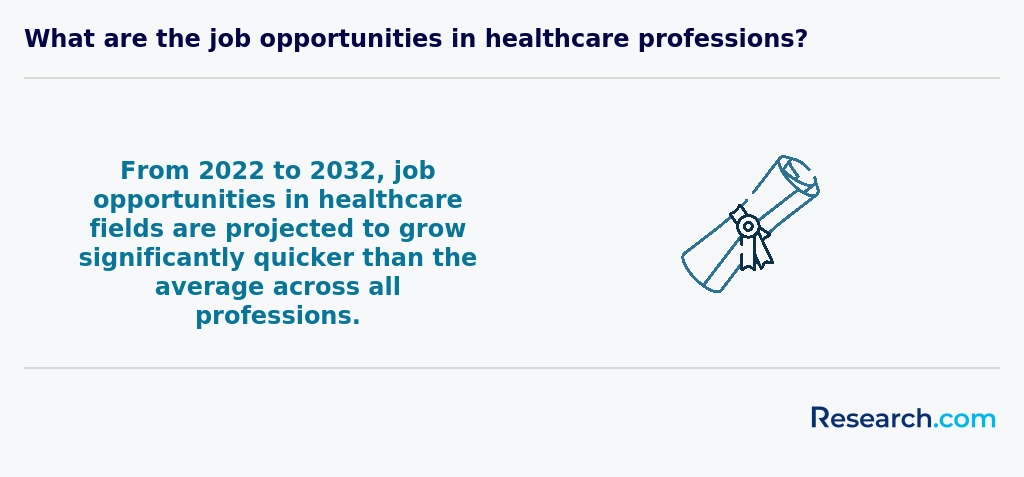
The global demand for healthcare professionals continues to grow, impacting career prospects in Wisconsin and beyond. According to the U.S. Bureau of Labor Statistics, healthcare jobs in Wisconsin are projected to grow 15% from 2022 to 2032, faster than the average for all occupations. This trend reflects worldwide aging populations and expanding access to medical services.
Internationally, healthcare careers emphasize cultural competence and adaptability, skills increasingly valued in Wisconsin's diverse patient communities. Online healthcare degrees offer flexible paths to develop these competencies while meeting local licensure requirements.
Global health challenges such as pandemics and chronic diseases highlight the interconnectedness of healthcare systems, encouraging cross-border collaboration and innovation. Wisconsin's institutions often integrate these global perspectives into their curricula to prepare students for evolving roles in healthcare.
Students pursuing an online healthcare degree in Wisconsin can gain practical experience through clinical placements and internships arranged by their programs. Many Wisconsin institutions partner with local hospitals, clinics, and public health organizations to offer these hands-on opportunities.
According to the Wisconsin Department of Health Services, healthcare facilities across the state emphasize experiential learning to prepare graduates for real-world demands. Some programs may require a set number of clinical hours, typically completed in nearby medical settings.
Additionally, students can participate in virtual simulations that replicate patient care scenarios, complementing in-person experiences. These combined approaches help build practical skills essential to healthcare careers in Wisconsin's growing medical sector.
Choosing the right concentration within an online healthcare degree program in Wisconsin depends on your career goals and the state's job market. Healthcare areas like nursing, health administration, and public health have strong demand. According to the Wisconsin Department of Workforce Development, jobs in healthcare occupations are projected to grow by 15% through 2030, faster than average.
Consider concentrations that align with sectors expanding in Wisconsin, such as gerontology or healthcare informatics. Look also at program flexibility and accreditation, ensuring the curriculum fits your professional needs.
Research specific concentrations offered by Wisconsin universities to match your interests with practical workforce opportunities.
Related Healthcare Rankings for Nearby States
- 2027 Best Online Master's in Healthcare Degree Programs Ranking in Minnesota
- 2027 Best Online Master's in Healthcare Degree Programs Ranking in Iowa
- 2027 Best Online Master's in Healthcare Degree Programs Ranking in Illinois
- 2027 Best Online Master's in Healthcare Degree Programs Ranking in Michigan
- 2027 Best Online Master's in Healthcare Degree Programs Ranking in Indiana
- 2027 Best Online Master's in Healthcare Degree Programs Ranking in Missouri
- 2027 Best Online Master's in Healthcare Degree Programs Ranking in Ohio
- 2027 Best Online Master's in Healthcare Degree Programs Ranking in South Dakota
- 2027 Best Online Master's in Healthcare Degree Programs Ranking in Kentucky
- 2027 Best Online Master's in Healthcare Degree Programs Ranking in North Dakota
Top Trending Healthcare Rankings
See What Experts Have To Say About Studying Healthcare
Read our interview with Healthcare experts

References
- Trends and opportunities in healthcare across emerging markets - Inizio https://inizio.com/insights/trends-and-opportunities-in-healthcare-across-emerging-markets/
- 6 key healthcare challenges affecting students and how to address them - Wellfleet Student https://wellfleetstudent.com/engaging-empowering-student-members/6-key-healthcare-challenges-affecting-students-and-how-to-address-them/
- What are the top 10 skills that'll get you a job when you graduate? https://targetjobs.co.uk/careers-advice/skills-for-getting-a-job/what-are-top-10-skills-thatll-get-you-job-when-you-graduate
- How Much Can I Make With an Online Bachelor's of Public Health? - MPH Online https://www.mphonline.org/salary-bachelors-public-health/
- Crafting the Perfect Cover Letter for Healthcare Roles https://healthcareaustralia.com.au/news/crafting-the-perfect-cover-letter-for-healthcare-roles/
- Advancing Your Career in Healthcare: Tips and Strategies https://www.sunshinecarenetwork.com/blog/advancing-your-career-in-healthcare-tips-and-strategies
- Global Perspectives – Healthcare Beyond Borders https://www.cedars-sinai.org/international-stories/healthcare-beyond-borders.html
- Explore Healthcare Admin Degree Concentrations https://www.baypath.edu/news/bay-path-university-blogs/post/explore-healthcare-admin-degree-concentrations/
- Top 3 Reasons to Consider a Career in Healthcare - Roseman University https://www.roseman.edu/student-experience/news/top-3-reasons-to-consider-a-career-in-healthcare/
- Online Degree vs. Traditional: Choosing the Right Path https://beal.edu/online-degree-vs-traditional/