2027 Best Online Master's in Healthcare Degree Programs Ranking in Ohio

Co-Founder and Chief Data Scientist
Are you considering advancing your career with a healthcare degree but unsure which program suits you best? This article features the 2027 Best Online Master's in Healthcare Degree Programs Ranking in Ohio, developed by the Research.com team of data scientists. It's designed to help Ohio students make informed decisions by highlighting the top online healthcare programs available.
Pursuing a healthcare degree opens doors to rewarding opportunities and personal growth. Whether you're seeking flexibility or quality education, this guide offers valuable insights to support your journey toward a fulfilling career.
Key benefits of getting online healthcare degree in Ohio
- Healthcare degree graduates in Ohio can expect competitive salaries, such as a Healthcare Consultant earning a mean annual wage of $115,530 and a Healthcare Compliance Manager making about $80,190 per year, offering strong financial stability.
- Graduates from Ohio universities often explore diverse career paths, including consulting, project management, and compliance roles, providing many opportunities to find a fulfilling and impactful job in healthcare.
- Online healthcare degrees offer flexibility and convenience, allowing graduates to balance work and study effectively, as shown by many Ohio students who successfully advance their careers while earning their degrees remotely.
- 2027 Best Online Master's in Healthcare Degree Programs Ranking in Ohio
- What can I expect from online healthcare degree in Ohio?
- Where can I work with online healthcare degree in Ohio?
What can I expect from online healthcare degree in Ohio?
The average cost of an online healthcare degree in Ohio typically ranges from $15,000 to $40,000, depending on the university and program intensity. Graduates from well-known Ohio institutions often share how this investment opened doors to rewarding careers in hospitals and public health agencies across the state.
Students benefit greatly from programs that balance affordability with excellent academic quality. Many find flexible tuition plans and financial aid options that help manage expenses while gaining valuable credentials. This financial accessibility makes it easier to pursue advanced education without sacrificing work or family commitments.
Envision yourself studying at a respected Ohio college, engaging with asynchronous lectures and real-world case studies that directly connect to the state's healthcare environment. Hearing stories from successful alumni who advanced into leadership roles in local healthcare systems highlights the return on investment that these reasonably priced programs can offer.
By choosing an Ohio online healthcare degree, you join a motivated community ready to transform the state's healthcare landscape, supported by programs that understand both your budget and professional goals.
Where can I work with online healthcare degree in Ohio?
Graduates with an online healthcare degree in Ohio step into a world full of rewarding career paths. From managing bustling hospital departments at well-known institutions to coordinating patient care in community clinics, the opportunities are vast and inspiring. Many graduates from Ohio State University and Case Western Reserve University have embraced leadership roles at major healthcare providers like the Cleveland Clinic and OhioHealth, where their advanced knowledge drives real impact on patient outcomes and organizational success.
Others find their passion in public health, shaping community wellness programs through health education and policy work in neighborhood health departments. Imagine contributing to initiatives that prevent disease and enhance lives across Ohio's cities and towns. Graduates also thrive in long-term care facilities, where they lead efforts to improve quality of life for the elderly-an especially crucial role as Ohio's senior population grows.
Additionally, alumni engaging with Ohio's health insurance firms and pharmaceutical companies bring clinical expertise into data analysis and healthcare consulting, transforming complex information into better care solutions. These dynamic career paths empower students to make a lasting difference, combining their education with a genuine passion for healing and service.
Graduates from online healthcare degree programs in Ohio often find rewarding salary prospects that reflect the value of their education. For instance, healthcare consultants earn a mean annual wage of about $115,530, a figure that inspires many students from prominent Ohio institutions to pursue this path with confidence. Imagine completing your degree while balancing life, then stepping into roles that offer both financial stability and personal fulfillment.
Similarly, healthcare compliance managers in Ohio enjoy solid earnings, with a mean annual wage of approximately $80,190. Graduates from well-known colleges in Ohio often share how these competitive salaries empower them to support their families and invest in their futures while doing meaningful work in healthcare settings.
With salaries like these, combined with Ohio's strong healthcare sector and growing job market, pursuing an online healthcare degree here is not only practical but uplifting. Whether it's through Ohio State University or Case Western Reserve, many find these degrees unlock doors to lucrative and impactful careers that transform communities across the state.
- Online healthcare degree programs in Ohio include bachelor's and master's degrees in nursing, public health, healthcare administration, and health informatics.
- Bachelor's degree tuition typically ranges from $8,000 to $15,000 per year for in-state students, while master's programs cost between $12,000 and $25,000 annually.
- Entry-level salaries for healthcare graduates average between $50,000 and $60,000, with experienced professionals earning $70,000 to $100,000 or more yearly.
- Ohio's healthcare sector employs over 630,000 people, with job growth projected at about 10% through 2030, faster than the national average.
- Many programs align with Ohio licensure requirements and may include mandatory local clinical or practicum experiences for online students.
Completing an online healthcare degree in Ohio is an achievable and rewarding journey that fits a variety of lifestyles. Many students at institutions like Ohio State University and Kent State University find that associate degrees typically take about 2 years, offering a quick path to enter the healthcare field. For those aiming higher, bachelor's degrees usually span around 4 years of full-time study, though programs often provide part-time and flexible options to suit busy schedules.
Graduates from these programs often share how flexibility allowed them to balance work, family, and school successfully. For example, students pursuing online master's degrees in healthcare administration or nursing at Cleveland State University appreciate accelerated tracks lasting 18 to 24 months that keep motivation high and momentum steady.
These adaptable timelines empower you to tailor your education based on personal goals and commitments, proving that earning a meaningful healthcare degree in Ohio can seamlessly integrate into your life without sacrificing quality or ambition.
As the landscape of healthcare continues to evolve, so does the realm of online education. Emerging innovations such as advanced telemedicine training, virtual simulations, and hybrid learning environments are revolutionizing how students gain real-world skills. Institutions are increasingly incorporating interactive digital tools and remote clinical experiences to mirror traditional hands-on training, ensuring graduates are well-prepared for modern healthcare challenges. Additionally, partnerships with healthcare organizations are enhancing opportunities for internships and mentorships, connecting students with industry professionals early in their careers. For prospective students focused on both quality education and cost-effectiveness, exploring options like the cheapest online healthcare school in ohio could provide valuable insights into innovative and affordable programs. This forward-thinking approach not only boosts academic potential but also ensures that Ohio’s future healthcare leaders stay ahead in an ever-changing industry.
Online healthcare degrees in Ohio offer remarkable flexibility, allowing students to balance busy lives while earning their credentials. Graduates from popular institutions like Ohio State University appreciate how digital platforms let them access lectures and assignments anytime, turning a coffee shop or evening hours into productive study moments. This adaptability empowers those juggling work or family commitments to pursue their dreams without sacrificing current responsibilities.
On-campus programs at colleges such as the University of Cincinnati provide a vibrant learning experience where students thrive through direct interaction in classrooms and labs. The energy of face-to-face collaboration fuels motivation and connection with peers and faculty, creating inspiring professional networks.
Both pathways ensure vital clinical training; online students often arrange local placements near their Ohio communities, while on-campus students benefit from nearby affiliated healthcare facilities. This hands-on experience is key to building confidence and competence in real-world settings.
With accredited programs throughout Ohio, whether online or traditional, future healthcare professionals can confidently embark on a journey tailored to their lifestyle and ambitions.
Below is a concise overview of the 2024 Best Online Master’s in Healthcare programs in Ohio, ranked by Research.com based on academic reputation, faculty expertise, and graduate outcomes. 1. Ohio State University – Master of Healthcare Administration • Format: 100% online, asynchronous lectures • Duration: 18–24 months • Estimated Tuition: $32,400 (in-state) • Highlights: AACSB accreditation, live virtual case studies, dedicated career coach 2. University of Cincinnati – M.S. in Health Informatics • Format: Fully online with optional weekend intensives • Duration: 20–22 months • Estimated Tuition: $30,600 (in-state) • Highlights: Hands-on EHR projects, partnerships with local health systems, 24/7 tech support 3. Ohio University – M.S. in Health Services Administration • Format: 100% online, cohort model • Duration: 18 months • Estimated Tuition: $28,800 (in-state) • Highlights: Quality improvement capstone, interprofessional collaborations, alumni mentoring 4. Kent State University – M.S. in Nursing: Healthcare Leadership • Format: Online didactics + monthly virtual simulations • Duration: 24 months • Estimated Tuition: $29,400 (in-state) • Highlights: AACN-accredited, executive leadership practicum, virtual simulation lab 5. University of Dayton – M.S. in Clinical Healthcare Management • Format: Fully online with synchronous seminars • Duration: 18–20 months • Estimated Tuition: $31,200 (in-state) • Highlights: Lean Six Sigma certification, global health module, tuition rebates for Dayton alumni For students seeking cost-effective alternatives outside Ohio, explore our Affordable Online Healthcare Degree Programs Ranking in Little Rock, AR.
The average cost of an online healthcare degree in Ohio is around $24,995, striking a balance that motivates many aspiring healthcare professionals to pursue their dreams. Graduates from well-known institutions like Ohio University often share how investing in their education, with tuition in the range of about $21,584 for in-state students, opened doors to fulfilling, impactful careers. These personal stories underscore that with determination, the cost is a gateway to rewarding opportunities.
Ohio's diverse educational landscape includes both public and private universities, with private schools typically charging more but offering specialized programs. Many students find peace of mind in knowing that resident tuition rates help keep education affordable, and that there are financial aid options to ease the journey. For instance, Ohio online master's healthcare program tuition fees at public schools generally fall below $25,000, making high-quality healthcare education reachable for many.
One exciting aspect for students is the availability of the cheapest online healthcare school in ohio, which highlights how accessible education can be without compromising quality. These programs equip students with the critical skills needed to thrive in healthcare fields such as nursing, health administration, and public health, fostering confidence from day one.
When you picture yourself advancing through an online program from an Ohio university, envision not just the tuition cost but the lifelong rewards-a fulfilling career in healthcare that affects real lives. Many Ohio graduates proudly recall how budgeting carefully and choosing the right program fueled their success, proving that smart financial planning and dedication make an online healthcare degree a bright and attainable goal.
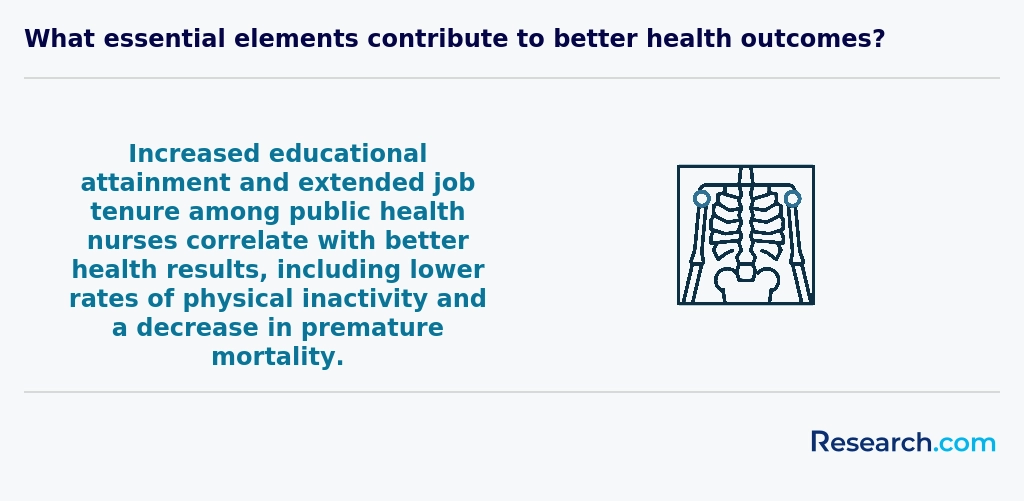
Online healthcare master's programs in Ohio combine virtual coursework with in-person clinical or practicum components to meet state licensure and accreditation standards. Students typically must complete 100–200 hours of supervised practice in approved settings, such as:
- Local hospitals, clinics, or community health centers
- Public health agencies and policy organizations
- Research labs or administrative departments
Programs assign placement coordinators to help match students with preceptors and ensure compliance with background checks, immunization records, and liability insurance. Deadlines for submitting site agreements usually fall 6–8 weeks before reporting dates. While clinical fees can range from $50 to $150 per placement, many schools include support services-like digital tracking tools and regular mentor check-ins-to streamline the process. For insights into hands-on training structures in related fields, explore our guide to a pharmd degree.
Students pursuing online healthcare degrees in Ohio have access to a variety of empowering financial aid options that make their educational journey more accessible and hopeful. Completing the FAFSA opens doors to federal Pell Grants and Direct Loans, easing the cost burden for many learners. For instance, graduates from institutions like Ohio State University and University of Cincinnati have shared how Pell Grants and work-study opportunities helped them stay focused on their studies without overwhelming financial stress.
State support through the Ohio College Opportunity Grant (OCOG) often reduces tuition for public college attendees, and some private schools also participate, amplifying the reach of aid. Many universities actively award merit- and need-based scholarships especially to healthcare students, reflecting Ohio's dedication to growing its healthcare workforce.
Working professionals benefit from employer tuition assistance and loan forgiveness programs targeting those serving underserved communities, creating inspiring pathways for advancement. Additionally, Ohio's nursing and public health organizations offer scholarships fueling student success and professional growth.
Securing admission to a top online master’s in healthcare program in Ohio involves strategic preparation and a clear demonstration of your passion for health leadership. Applicants should focus on crafting a well-rounded application that highlights academic achievements, relevant professional experiences, and future career aspirations. A compelling personal statement, strong letters of recommendation from mentors and industry leaders, and a detailed account of any internships or real-world projects can set you apart from the rest. Moreover, it’s beneficial to explore supplementary courses that broaden your skill set and show your commitment to the evolving healthcare landscape. For example, candidates might consider expanding their technical knowledge by enrolling in medical coding and billing online classes. Such courses not only reinforce your understanding of critical industry functions but also enhance your resume by showcasing additional competencies that are in high demand. Lastly, taking the time to research each program’s unique admission criteria and connecting with current students or alumni via virtual info sessions can provide invaluable insights. By tailoring your application to reflect the specific strengths and values of each institution, you’ll position yourself as a dedicated candidate ready to thrive in Ohio’s dynamic healthcare field.
While some programs ask for GRE scores, plenty have embraced flexibility, making admission more accessible and less stressful. Imagine a working professional whose solid experience in a local clinic complements their academic journey, embodying the blend of knowledge and real-world insight programs highly value.
Notably, Ohio's healthcare programs appreciate candidates bringing one to two years of clinical or healthcare experience, a requirement that many graduates recall as a pivotal stage-where learning truly came alive through hands-on practice. Letters of recommendation and personal statements offer an inspiring chance to share your passion and goals, reflecting your commitment to a meaningful career in Ohio's thriving healthcare community.
After earning your online master’s in healthcare, pursuing professional certifications can validate your expertise and increase employability. Consider these in-demand credentials:
- Certified Professional in Healthcare Quality (CPHQ) – Demonstrates proficiency in quality management, risk reduction, and data analytics.
- Certified in Healthcare Compliance (CHC) – Validates knowledge of regulatory standards and ethical practices.
- Fellow of the American College of Healthcare Executives (FACHE) – Recognizes leadership excellence in healthcare management.
- Certified Healthcare Financial Professional (CHFP) – Focuses on financial strategies and revenue cycle management.
- Project Management Professional (PMP) – Equips you with skills to lead healthcare projects effectively.
- Registered Health Information Administrator (RHIA) – Ideal for graduates interested in health informatics and data governance.
- For specialized billing and coding roles, explore online medical billing and coding with financial aid.
These certifications align your master’s credentials with industry standards, position you for leadership roles, and signal commitment to continuous professional growth.
Online healthcare degree programs in Ohio equip students with a powerful mix of foundational and specialized courses designed to inspire confidence and readiness for meaningful healthcare careers. Graduates from top institutions like Ohio State University and University of Cincinnati often describe how courses such as Healthcare Systems and Policy bring to life the complex workings of Ohio's health landscape, helping them understand how policies directly impact communities around them.
In classes like Health Informatics, students gain essential tech skills, exploring real-world examples of electronic health records and data management critical for modern patient care in Ohio's hospitals. Many find courses in Healthcare Ethics and Law especially motivating, as they tackle the real challenges healthcare workers face, building the moral compass needed for leadership.
Health Economics and Finance courses sharpen financial acumen that graduates recall using to improve efficiency in local clinics, while Quality Improvement and Patient Safety studies inspire practical solutions that enhance patient outcomes statewide. Hands-on projects and capstones transform theory into experience, fueling the passion to make a tangible impact in Ohio's vibrant healthcare field.
Ohio's online healthcare degree specializations open doors to exciting careers that truly make a difference. Graduates from popular universities across the state often share stories of advancing as Nurse Practitioners or Clinical Nurse Leaders, roles that empower them to deliver top-notch patient care from any location. These nursing programs balance rigorous clinical training with leadership development, inspiring students to lead healthcare change within their communities.
For those drawn to leadership and strategy, Ohio master's in healthcare concentrations in healthcare administration offer dynamic pathways. Students learn to navigate healthcare finance, policy, and organizational challenges while preparing to lead hospitals and clinics. Many graduates highlight how flexible online programs at Ohio colleges allowed them to balance work, family, and study-fueling their passion to enhance healthcare systems efficiently.
Public health is another powerful specialization, focusing on improving population health and addressing urgent challenges. Ohio's online programs equip students with skills in epidemiology and community health promotion, making it possible to create widespread impact. Complementing these are fields like health informatics and occupational therapy, reflecting the state's commitment to innovation. For foundational courses, some turn to medical coding and billing online classes to build strong healthcare knowledge.
Choosing the best online healthcare degree in Ohio means focusing on programs that combine strong accreditation with flexibility and practical experience. Graduates from popular Ohio universities often highlight how their programs, accredited by respected bodies like the Higher Learning Commission or CAHME, opened doors with employers and licensing boards. This foundation ensures your degree holds real value and sets you on a confident career path.
Many students pursuing best online healthcare degrees in Ohio have found success by aligning their studies with growing fields such as nursing or healthcare administration. These programs often include virtual simulations or local clinical placements, allowing you to balance work and study with ease. The positive impact of carefully designed curriculums on graduates' confidence and competence is clear in their enthusiasm for advancing healthcare careers.
Affordability is also key. Ohio's affordable healthcare master's programs Ohio often provide competitive tuition rates and valuable financial aid options. Exploring resources such as the Affordable Online Healthcare Degree Programs Ranking in Little Rock, AR can inspire you to find opportunities that fit your budget and goals.
Finally, focusing on graduate outcomes helps you choose a school that supports your future. Ohio's healthcare students share how knowing employment rates and alumni success stories gave them confidence their investment would pay off. With these positive factors, your pursuit of an online healthcare degree in Ohio can be both achievable and rewarding.
Graduates with an online healthcare degree in Ohio step into a variety of rewarding career paths that match their passion and skills. From healthcare administration to nursing and health informatics, these roles offer stability and growth in a thriving industry. Many graduates from popular Ohio colleges find themselves leading medical facilities as healthcare administrators, navigating complex healthcare systems with confidence and purpose. Others pursue advanced nursing roles, such as nurse educators or advanced practice registered nurses, filling critical needs in Ohio's healthcare workforce while enjoying competitive salaries.
Ohio's blend of academic excellence and industry demand creates outstanding job opportunities. Those interested in technology-driven careers often thrive as health informatics specialists, improving patient care through innovative data management. Public health program coordinators and clinical research analysts also play vital roles in shaping healthier communities. For students hungry for accelerated education, Ohio's universities offer flexible paths like a master's program online 1 year, helping graduates enter these promising fields quickly. These career options reflect the bright future that an online healthcare degree careers Ohio opens for determined students ready to make a difference.
The job market for online healthcare degree graduates in Ohio is vibrant and full of promise. Graduates from institutions like Ohio State University and University of Cincinnati often share how their education opened doors in nursing, healthcare administration, and public health roles across the state. Many find rewarding positions in Ohio's large hospital networks and growing telehealth services, reflecting a strong demand for professionals equipped with flexible, tech-savvy skills. This positive outlook makes Ohio a fantastic place for pursuing online healthcare jobs in Ohio.
With healthcare roles expected to grow by about 15% over the next decade, graduates frequently highlight the affordability of Ohio's online programs, which aligns closely with average U.S. tuition costs. This financial accessibility allows students to focus on advancing their careers without overwhelming debt. Some also recommend exploring what is the easiest associate degree to get as a stepping stone toward their healthcare ambitions, emphasizing how manageable and supportive Ohio's education pathways are.
Ultimately, Ohio's healthcare degree job outlook Ohio remains encouraging, driven by a blend of high demand, competitive salaries, and ongoing professional development opportunities that keep graduates excited and confident about their futures.
2027 Best Online Master's in Healthcare Degree Programs Ranking in Ohio
Investing in your education is a significant decision that can shape your future, and the Research.com team understands the importance of making informed choices. To assist prospective students in Ohio, we have meticulously crafted the "2027 Best Online Master's in Healthcare Degree Programs Ranking in Ohio." Our commitment to quality, credibility, and accuracy is reflected in the extensive research and analysis conducted to compile this ranking.
We utilized the following reputable data sources to ensure a comprehensive evaluation of healthcare programs:
By exploring this ranking, readers will gain valuable insights into the best online healthcare master's programs in Ohio, empowering them to make well-informed decisions about their educational paths. For more details on our methodology, please visit our Research.com methodology page.
# 1 position
The Ohio State University at Columbus
Master of Pharmaceutical Sciences with a Specialization in Health-System Pharmacy Administration and Leadership






Frequently Asked Questions About healthcare
Online healthcare degree students in Ohio can enhance their learning by actively engaging with digital resources and campus support services. Utilizing Ohio's robust healthcare networks, such as the Ohio Department of Health and local hospitals, offers opportunities for practical experience and networking. Studies show that students who participate in virtual study groups and discussions improve retention and satisfaction.
Taking advantage of Ohio's clinical placement partnerships can provide crucial hands-on training. Additionally, leveraging library access from universities in Ohio ensures up-to-date research materials. Time management and setting clear goals are vital, especially when balancing coursework with healthcare jobs in the state, where demand for qualified professionals continues to grow.
The healthcare field in Ohio is rapidly evolving, creating new opportunities for students pursuing online degrees. Emerging niches include telehealth, which expanded by over 50% statewide since 2020 due to increased demand for remote patient care, according to the Ohio Department of Health.
Another growing area is healthcare informatics, where professionals analyze data to improve patient outcomes. Ohio hospitals are investing heavily in this niche, supported by grants aimed at modernizing electronic health record systems.
Additionally, aging services are in high demand as Ohio's senior population grows; roles in gerontological care and management offer promising career paths. Finally, public health leadership is critical, especially following recent health crises, with online programs in Ohio emphasizing community health strategies.
After completing an online healthcare degree in Ohio, preparing for the job market involves several key steps. First, graduates should obtain any required state licensure or certification, as many healthcare roles require this for employment. The Ohio Department of Health website offers detailed certification requirements. Networking is vital; joining professional organizations such as the Ohio Healthcare Association can open doors to job opportunities.
Additionally, Ohio's healthcare sector is growing rapidly, with a 5.3% employment increase projected through 2030 according to the Bureau of Labor Statistics. Tailoring resumes and gaining internships or volunteer experience within Ohio healthcare systems can enhance employability.
Employers in Ohio's healthcare sector prioritize a combination of technical and soft skills when hiring graduates with online healthcare degrees. Critical thinking and clinical reasoning are essential, as these skills enable professionals to adapt to fast-paced medical environments and make informed decisions.
Communication skills are highly valued, particularly the ability to convey information clearly to patients and collaborate with multidisciplinary teams. According to the Ohio Department of Job and Family Services, effective interpersonal skills impact patient outcomes significantly.
Additionally, proficiency in healthcare technologies and electronic health record (EHR) systems is increasingly important. With Ohio's growing emphasis on telehealth services, graduates skilled in digital tools have a competitive edge.
Finally, employers seek graduates who demonstrate strong ethical standards and cultural competence, reflecting Ohio's diverse populations and regulatory requirements.
Finding internships in Ohio relevant to healthcare degrees involves strategic research and networking. Start by exploring internship offerings at Ohio's major healthcare providers, such as the Cleveland Clinic, OhioHealth, and University Hospitals, which frequently partner with universities for student placements.
Many Ohio colleges also maintain internship databases and career centers that connect students with local health organizations. Ohio's healthcare sector employs over 1.2 million people, making it a robust market for internships, especially in urban hubs like Columbus and Cincinnati (Ohio Department of Job and Family Services).
Professional organizations like the Ohio Public Health Association and the Ohio Hospital Association provide valuable internship listings and networking events. Additionally, students should consider contacting state health departments and long-term care facilities, which often offer hands-on experience essential to healthcare education.
An online healthcare degree significantly impacts career mobility and advancement for professionals in Ohio. The state's healthcare sector is rapidly growing, with employment projected to increase by 13% from 2020 to 2030, according to the Ohio Department of Job and Family Services. Completing a healthcare degree online allows students to balance education with work while gaining recognized credentials. This flexibility supports career advancement into leadership or specialized clinical roles.
Additionally, many Ohio healthcare employers prefer candidates with master's degrees for higher-level positions. Accredited online programs often include curriculum aligned with Ohio healthcare standards, enhancing graduates' employability. This trend is evident in urban areas like Columbus and Cleveland, which have robust healthcare systems offering diverse opportunities.
Studying for a healthcare degree in Ohio offers strong preparation for interdisciplinary roles by emphasizing collaboration across various healthcare fields. Ohio's online programs integrate coursework in leadership, policy, and communication, crucial for working effectively with doctors, nurses, social workers, and administrators.
Programs often include case studies and team projects, encouraging students to develop skills needed for coordinated patient care. Ohio's healthcare market, ranking within the top 15 states for healthcare employment according to the Bureau of Labor Statistics, drives demand for professionals who can navigate complex systems.
Institutions partner with local health organizations to provide practical perspectives on interprofessional teamwork, essential in modern healthcare delivery.
When choosing between a thesis and a non-thesis online healthcare degree program in Ohio, it is important to consider your career goals and learning preferences. Thesis programs typically require students to conduct original research and write a detailed report, which is ideal for those interested in academic or research careers. Non-thesis programs focus more on coursework and practical skills, better suited for professionals aiming to advance in clinical or administrative roles.
Ohio has a large healthcare workforce, with over 400,000 jobs in the sector, according to the Ohio Department of Job and Family Services (2023). A thesis can enhance research skills helpful for leadership positions in hospitals or policy organizations.
On the other hand, non-thesis programs may be completed faster, requiring fewer credits. Consider also the faculty support and available resources when deciding.
Students based in Ohio seeking to study healthcare abroad through online programs have limited direct options accredited by U.S. standards. Most Ohio institutions offering online healthcare degrees emphasize in-state or nationally accredited coursework. However, some universities partner with international schools to provide global perspectives within their curriculum, enabling students to gain a broader understanding of healthcare systems worldwide.
It is important for Ohio residents to verify that any foreign program meets U.S. accreditation requirements to ensure degree recognition, especially for licensure purposes. According to the Ohio Department of Higher Education, internationally focused healthcare programs remain comparatively rare in Ohio's online education market.
Some Ohio students explore study abroad opportunities during summer sessions or short-term residencies affiliated with their online coursework. These experiences can supplement online studies with practical exposure.
Ohio offers several part-time job opportunities that align well with online healthcare degree programs. Working as a medical assistant or patient care technician provides practical experience alongside academic learning. According to the Ohio Department of Job and Family Services, healthcare support roles are among the fastest-growing part-time jobs in the state.
Other roles include pharmacy technician positions and medical billing clerk jobs, which help students understand administrative and operational healthcare aspects. These jobs typically offer flexible hours suitable for students balancing education and work.
Gaining part-time experience in Ohio's hospitals or clinics can improve employment prospects after graduation. The Bureau of Labor Statistics notes Ohio's healthcare sector employs over 1.2 million people, ensuring diverse opportunities for students.
Online healthcare students in Ohio have access to various networking opportunities that can help advance their careers. Many Ohio universities offering online healthcare degrees host virtual events, webinars, and career fairs, connecting students with peers and healthcare professionals statewide. Organizations like the Ohio Healthcare Association provide membership options for students interested in nursing home and long-term care fields. Additionally, Ohio's healthcare sector, which employs over 800,000 workers as reported by the Ohio Department of Job and Family Services in 2023, offers numerous internship and clinical placement possibilities. These connections help students build professional relationships despite studying remotely.
Alumni networks provide significant benefits for students enrolled in online healthcare degree programs in Ohio. These networks offer access to experienced professionals who can share career advice, mentorship, and job leads within the state's healthcare industry. Given Ohio's growing demand for healthcare workers-projected to increase 15% by 2030 according to the Ohio Department of Job and Family Services-networking is vital for future employment.
Strong alumni connections also help students navigate local healthcare policies and institutions, increasing their chances of successful licensure and placement. Furthermore, alumni events and online communities create opportunities for collaboration and continuing education, keeping graduates informed about Ohio's healthcare trends and innovations.
Ohio offers a variety of online healthcare degree programs that allow customization to match your career goals. Many schools provide flexible curricula with elective courses tailored to healthcare administration, public health, or clinical practice. You can often choose specializations such as health informatics or nursing leadership.
Some programs allow transfer credits and prior learning assessments, helping you save time and tuition costs. Internships and practicum placements can be completed locally, aligning with Ohio's diverse healthcare systems.
Ohio's healthcare industry is robust, with a 7.4% employment growth projected through 2030 (Ohio Department of Job and Family Services). Customizing your degree to target in-demand areas boosts your employment chances.
Online healthcare students in Ohio face several common challenges. One key issue is balancing clinical practice requirements with remote coursework. Many programs require hands-on experiences in local healthcare settings, which can be limited by availability and scheduling conflicts. According to the Ohio Board of Nursing, clinical site placement remains a bottleneck for students pursuing nursing and allied health degrees.
Another challenge is technology access and proficiency. While Ohio has expanded broadband coverage, rural students still encounter connectivity issues that hinder participation in live lectures or accessing course materials.
Additionally, students often report feelings of isolation due to limited face-to-face interaction, impacting motivation and peer networking. Institutions are working to improve virtual engagement, but this remains a hurdle.
With an online healthcare degree in Ohio, you can pursue several recognized professional certifications to advance your career. Common certifications include the Certified Professional in Healthcare Quality (CPHQ) and the Certified Healthcare Administrative Professional (CHAP). These credentials demonstrate expertise in healthcare management and quality assurance.
For clinical roles, Ohio offers certifications like Registered Health Information Technician (RHIT) and Certified Medical Assistant (CMA), often attainable through online programs.
Ohio's healthcare industry is large, employing nearly 775,000 workers as of 2022 per the Ohio Department of Job and Family Services, creating strong demand for certified professionals.
Credentials improve job prospects and offer higher earning potential, helping graduates meet Ohio's healthcare workforce standards.
Writing a winning application for an online healthcare program in Ohio requires clear focus and preparation. Start by thoroughly researching each program's requirements, as Ohio schools may emphasize clinical experience, academic records, or letters of recommendation.
Highlight your relevant healthcare background or volunteer work, especially if tied to Ohio's healthcare industry, which employs over 700,000 workers (Ohio Department of Job and Family Services, 2023). Demonstrating knowledge of state healthcare challenges can boost your application.
Craft a compelling personal statement that explains your motivation and career goals in healthcare, reflecting Ohio's growing demand for qualified professionals.
Lastly, ensure all transcripts and test scores meet deadlines; many Ohio programs require the GRE or equivalent before final acceptance.
Healthcare careers are valued worldwide for their critical role in society and economic stability. In the United States, including Ohio, the demand for skilled healthcare professionals continues to grow, fueled by an aging population and advances in medical technology. According to the Ohio Department of Job and Family Services, healthcare occupations are expected to grow by about 14% through 2030, above the national average.
Globally, healthcare professionals often face similar challenges such as workforce shortages and the need for ongoing education. However, educational standards and certification requirements vary significantly across countries. For Ohio students pursuing an online healthcare degree, understanding these global trends can enhance career opportunities, including international collaboration and telehealth services.
Emphasizing skills like cultural competence and digital literacy is increasingly important. These aspects align with worldwide efforts to improve healthcare access and quality.
Gaining practical experience while studying for an online healthcare degree in Ohio is essential. Many Ohio universities partner with local hospitals, clinics, and healthcare facilities to offer students internships and clinical placements. These opportunities allow students to apply theoretical knowledge in real-world settings.
Ohio's healthcare sector employs over 600,000 people, increasing the availability of local practicum sites for students. The Ohio Department of Higher Education supports programs linking online students with clinical experiences throughout the state.
Additionally, some programs incorporate simulation labs and virtual patient interactions to enhance hands-on skills remotely.
Students should consult their institution's clinical coordinator early to arrange placements and meet licensure requirements.
Choosing the right concentration within an online healthcare degree program in Ohio begins with understanding your career goals and the state's healthcare needs. Ohio employs over 700,000 people in healthcare, making it essential to consider sectors with strong job growth, such as gerontology, health informatics, and public health (Ohio Department of Jobs and Family Services, 2023).
Researching concentrations involves reviewing curriculum focus, licensure requirements, and alignment with Ohio's healthcare market. For example, specializing in nursing administration or healthcare management can open leadership roles in Ohio's large hospital systems.
Additionally, evaluate program accreditation and connections to local healthcare networks that facilitate internships or job placement. Online learners in Ohio benefit from flexible options supporting working professionals while meeting state-specific regulations.
- 2027 Best Online Master's in Healthcare Degree Programs Ranking in Pennsylvania
- 2027 Best Online Master's in Healthcare Degree Programs Ranking in Michigan
- 2027 Best Online Master's in Healthcare Degree Programs Ranking in Illinois
- 2027 Best Online Master's in Healthcare Degree Programs Ranking in Virginia
- 2027 Best Online Master's in Healthcare Degree Programs Ranking in North Carolina
- 2027 Best Online Master's in Healthcare Degree Programs Ranking in Missouri
- 2027 Best Online Master's in Healthcare Degree Programs Ranking in Maryland
- 2027 Best Online Master's in Healthcare Degree Programs Ranking in South Carolina
- 2027 Best Online Master's in Healthcare Degree Programs Ranking in Georgia
- 2027 Best Online Master's in Healthcare Degree Programs Ranking in New Jersey
See What Experts Have To Say About Studying Healthcare
Read our interview with Healthcare experts

- Best Online Colleges in Ohio https://www.affordablecollegesonline.org/online-colleges/ohio/
- How Long Does It Take to Earn a Healthcare Administration ... https://campus.edu/blog/hash-campus/how-long-does-it-take-to-earn-a-healthcare-administration-degree-online
- Online Healthcare Degree Programs https://www.phoenix.edu/online-healthcare-degrees.html
- Healthcare Career Resources https://www.healthcarecareersohio.org/resources
- Mastering Ohio Nursing Prerequisites https://www.prereqcourses.com/mastering-ohio-nursing-prerequisites/
- Healthcare Administration https://www.unoh.edu/academics/college-of-health-professions/health-care-administration.html
- Online Programs - Mercy College of Ohio https://mercycollege.edu/academics/distance-education/online-programs
- Use Experiential Learning to Execute and Broaden the ... https://echo360.com/echo-cast/use-experiential-learning-to-execute-and-broaden-the-impact-of-healthcare-work/
- Enhancing Clinical Education: Evidence-Based Strategies https://esmed.org/enhancing-clinical-education-evidence-based-strategies/
- 2026 Most Affordable Online Healthcare Administration ... https://www.onlineu.com/most-affordable-colleges/healthcare-administration-degrees