
2027 Most Affordable Healthcare Degree Programs Ranking in Allentown

Co-Founder and Chief Data Scientist
Choosing the right healthcare degree program in Allentown can feel overwhelming. That's why we're here to help simplify your search.
This article features the 2027 Most Affordable Healthcare Degree Programs Ranking in Allentown, created by the Research.com team of data scientists. It's designed to guide you toward programs that offer great value without sacrificing quality.
By reading, you'll gain insights to make informed decisions about your education and future career. Pursuing a healthcare degree opens doors to meaningful work and personal growth.
Key benefits of getting healthcare degree in Allentown
- Healthcare degree graduates in Allentown can earn competitive salaries, such as a Patient Care Technician making around $60,790 annually or a Quality Improvement Coordinator earning about $103,150 per year.
- Graduates often explore diverse career paths, from Medical Assistant roles at local hospitals to Health Information Technician positions, benefiting from Allentown's strong healthcare community and educational programs.
- Online healthcare degrees offer flexible learning schedules and allow students to balance work and study effectively, just like successful graduates from online programs at neighborhood colleges in Allentown.
- Key benefits of getting healthcare degree in Allentown
- What can I expect from healthcare degree in Allentown?
- Where can I work with healthcare degree in Allentown?
- How much can I make with healthcare degree in Allentown?
- 2027 Most Affordable Healthcare Degree Programs Ranking in Allentown
- Key Findings
- How long does it take to complete healthcare degree in Allentown?
- Student Life & Support Services
- What's the difference between online and on-campus healthcare degree?
- What is the average cost of healthcare degree in Allentown?
- Admissions Process & Application Tips
- What financial aid is available to healthcare degree students in Allentown?
- Expert Advice for Prospective Healthcare Students
- What are the prerequisites for enrolling in healthcare degree program in Allentown?
- Certification and Licensure Requirements
- What courses are typically in healthcare degree programs in Allentown?
- What types of specializations are available in healthcare degree programs in Allentown?
- How do you choose the best healthcare degree in Allentown?
- What career paths are available for healthcare degree students in Allentown?
- What is the job market for healthcare degree in Allentown?
- Top Trending Healthcare Rankings
- See What Experts Have To Say About Studying Healthcare
What can I expect from healthcare degree in Allentown?
The average cost of pursuing a healthcare degree in Allentown is notably affordable compared to larger cities, making it an attractive option for local students. Graduates from colleges like Cedar Crest College and Penn State Lehigh Valley often report tuition typically ranging between $10,000 and $20,000 per year for nursing or health sciences programs. This accessible pricing allows students to focus more on gaining practical skills rather than worrying about overwhelming debt.
Many students appreciate that these institutions balance cost with quality education, providing accredited programs with strong clinical components. For example, graduates recall valuable internship placements through Lehigh Valley Health Network, which are included at no extra cost, enhancing hands-on experience without added financial burden.
Financial aid and scholarships offered by Allentown schools also play a crucial role in offsetting expenses. Students who actively seek support through campus financial offices or community organizations often secure funding that significantly reduces out-of-pocket costs, allowing them to pursue their degrees with confidence.
Where can I work with healthcare degree in Allentown?
Graduates from healthcare programs at institutions like Cedar Crest College and Muhlenberg College in Allentown often find rewarding roles in Lehigh Valley Health Network (LVHN), one of the region's largest healthcare employers. Many start their careers as registered nurses or medical technologists within hospital settings, gaining hands-on experience that builds confidence and practical skills.
Others have leveraged internships at outpatient care centers and urgent care clinics to secure positions in patient care coordination or diagnostic services, responding to the community's growing healthcare demands. These roles offer a dynamic work environment and frequent patient interaction, which past graduates describe as highly fulfilling.
Public health organizations in Allentown also provide career paths, particularly for those focused on administration or community health education. Graduates often share how working on local initiatives helps them connect with diverse populations and make a meaningful impact.
Long-term care facilities and nursing homes present stable opportunities aimed at geriatric and rehabilitative care, tapping into the region's aging demographics. Healthcare graduates who combine clinical knowledge with compassion highlight this as a deeply satisfying career choice.
Additionally, some graduates find roles with pharmaceutical or healthcare technology companies in nearby metro areas, valuing the chance to combine science with innovation and business skills.
How much can I make with healthcare degree in Allentown?
Graduates with healthcare degrees in Allentown can expect competitive salaries tailored to their specific roles. For example, medical assistants earn around $43,350 annually, while patient care technicians see higher wages near $60,790. Health information technicians, another common role for graduates, also earn close to $43,380 per year.
Some graduates from local institutions like Cedar Crest College or Lehigh Carbon Community College find success entering clinical research coordination, with average salaries of about $43,350. Those aiming higher in administrative positions, such as quality improvement coordinators, can earn impressively more, with mean salaries reaching $103,150 annually.
These figures reflect real experiences of Allentown healthcare graduates achieving upward mobility through hands-on experience and certification upgrades. Many find their training valuable in landing jobs in hospitals or private clinics, where they grow their expertise and income steadily. Choosing a program near home helps maintain valuable local connections that ease job placement and professional growth in this thriving region.
2027 Most Affordable Healthcare Degree Programs Ranking in Allentown
How do we rank schools?
Investing in your education is a significant decision that can shape your future, and the Research.com team understands the importance of making informed choices. To assist prospective students in Allentown, we have meticulously crafted the "2027 Most Affordable Healthcare Degree Programs Ranking in Allentown." Our commitment to quality, credibility, and accuracy is reflected in the extensive research and analysis conducted to compile this ranking.
We utilized the following reputable data sources to ensure a comprehensive evaluation of healthcare degree programs:
By exploring this ranking, readers will gain valuable insights into the most affordable healthcare degree options in Allentown, empowering them to make informed decisions about their educational journey. For more details on our methodology, please visit our Research.com methodology page.


Key Findings
- Healthcare degrees in Allentown cost between $15,000 and $30,000 for associate or bachelor's programs, varying by public or private schools.
- Entry-level healthcare jobs in nursing and allied health pay about $45,000 to $55,000 annually.
- Healthcare salaries can rise to $75,000 or more within five to ten years with experience and certifications.
- The Lehigh Valley region is expected to see a 12% growth in healthcare employment over the next decade, above the national average.
- Local colleges offer programs with practical clinical experiences in nearby hospitals and clinics.
How long does it take to complete healthcare degree in Allentown?
Healthcare degrees in Allentown vary in duration based on the program you choose. Graduates from Northampton Community College often share that completing an Associate Degree in Nursing (ADN) takes about 2 years, balancing classroom learning with hands-on clinical experience. This timeframe allows many to start working as registered nurses swiftly after passing the NCLEX-RN licensing exam.
For those aiming higher, bachelor's degrees like a Bachelor of Science in Nursing (BSN) at local universities typically require around 4 years. These programs combine theory and internships, preparing students for diverse healthcare roles and better salary opportunities. Many find this timeline manageable, especially with support services tailored for busy students.
Certificate programs in fields such as phlebotomy or medical coding can be completed in 6 months to 1 year through community colleges or technical schools, offering a quick path into the workforce. Master's degrees add about 2 years beyond a bachelor's, while doctoral studies may take 3 to 6 years, depending on research and clinical needs.
Consider your personal goals and time availability when selecting a program, as Allentown's institutions provide flexible options to fit different lifestyles and career plans.
Student Life & Support Services
In addition to choosing an affordable and high-quality healthcare program, prospective students should consider the comprehensive student support services and vibrant campus life available in Allentown, PA. These resources not only enhance the academic journey but also foster a positive environment where you can engage with peers, receive personalized academic advising, and take part in networking events and mentorship programs. Many institutions in the region offer career counseling, mental health services, tutoring, and workshops aimed at helping you transition smoothly from classroom learning to real-world healthcare settings. Understanding the full spectrum of student life-from on-campus housing and extracurricular activities to career support initiatives-plays a pivotal role in both personal development and professional success. For students who are comparing financial and academic benefits, exploring the most affordable healthcare programs in pennsylvania can provide additional insights into programs that emphasize supportive campus environments along with cost-effective tuition options. By prioritizing a program that invests in comprehensive student support, you can ensure that your educational journey is rewarding, well-rounded, and aligned with your long-term career objectives in the healthcare sector.
What's the difference between online and on-campus healthcare degree?
Online and on-campus healthcare degrees in Allentown differ mainly in learning style and flexibility. Graduates from Cedar Crest College often praise the hands-on clinical rotations and face-to-face support they experienced on campus, which built confidence in real-world skills like patient care. These in-person experiences are essential for careers requiring direct clinical practice and offer valuable networking opportunities with faculty and peers.
Conversely, many online healthcare students appreciate the ability to balance work and study through asynchronous classes and virtual simulations. This flexibility helps those managing jobs or family commitments complete coursework at their own pace. However, practical training still happens locally, coordinated by the institution, ensuring graduates meet state licensing requirements.
Cost is another factor; online programs in Allentown can be more affordable since they reduce commuting and campus fees. Prospective students should consider their lifestyle, learning preferences, and the program's accreditation, such as from CCNE, to choose the path that best supports their career goals.
What is the average cost of healthcare degree in Allentown?
The average healthcare degree cost in Allentown typically ranges between $46,000 and $64,000 total, depending on whether you qualify as an in-state or out-of-state student. Graduates from local universities often reflect on balancing tuition expenses with part-time work or financial aid, which makes pursuing a degree more achievable despite overall costs. For example, students attending DeSales University experience tuition around $36,000 per year for bachelor's healthcare programs, while those at community colleges like Northampton benefit from lower costs closer to $5,800 annually for associate degrees.
Many healthcare students emphasize the importance of budgeting for additional expenses, such as clinical fees, uniforms, and certification exam costs, which can add up during your studies. Considering these total expenses for healthcare degrees Allentown students often explore scholarship opportunities and employer tuition reimbursement programs to ease the financial burden and finish confidently.
Access to financial aid significantly improves affordability, with some graduates sharing how they successfully combined aid with work-study to complete their programs without excessive debt. To prepare beyond just tuition, it's useful to understand workforce readiness for medical assistants, which local programs integrate to enhance graduate employability and timely career entry.
Planning ahead financially and exploring all available funding sources will help you meet the typical cost of a healthcare degree in Allentown and pursue your healthcare career goals effectively.
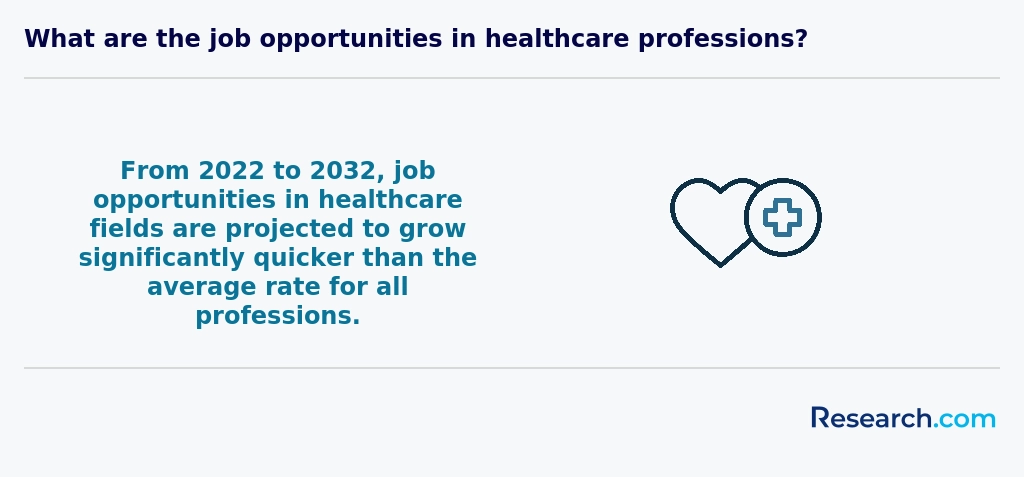
Admissions Process & Application Tips
Navigating the admissions process can be just as challenging as choosing the right healthcare degree program. Prospective students should begin by thoroughly researching each institution’s requirements, which might include standardized test scores, prerequisite coursework, and submission of personal statements that highlight relevant experience and career aspirations. In addition, it’s essential to prepare early for application deadlines and gather strong recommendations from mentors or healthcare professionals to enhance your application. A proactive approach can make the process smoother: attend virtual open houses, reach out directly to admissions counselors, and participate in campus tours when possible. This research not only clarifies the expectations but can also reveal hidden nuances in program offerings that align with your career goals. For instance, comparing the benefits offered by the most affordable healthcare programs in pennsylvania can provide a broader perspective on financing, support services, and outcomes, ultimately ensuring you select a program that fits both your academic and financial needs. Remember, the admissions process is your first step toward a successful career in healthcare-investing time in crafting a compelling application sets the stage for academic and professional achievement.
What financial aid is available to healthcare degree students in Allentown?
Healthcare students in Allentown often tap into federal aid first, applying through FAFSA to access Pell Grants up to $7,395 that don't require repayment. Many graduates from local institutions like Cedar Crest College and DeSales University recall how Direct Subsidized and Unsubsidized Loans helped bridge their tuition gaps with manageable repayment terms, easing their financial worries.
State funding through the Pennsylvania Higher Education Assistance Agency (PHEAA) further boosts support, offering grants like the Pennsylvania State Grant which can provide up to $5,000 annually. Students attending colleges such as Lehigh Carbon Community College have benefited from these programs, finding them essential for reducing out-of-pocket expenses.
Many Allentown healthcare schools also provide merit-based scholarships tailored to nursing or allied health fields, rewarding academic achievement and dedication. Local healthcare employers, including Lehigh Valley Health Network, sometimes offer scholarships or loan forgiveness to students who commit to serving the region's underserved communities, creating opportunities for both financial relief and meaningful employment.
Combining work-study programs at nearby hospitals with private scholarships rounds out the aid options, offering hands-on experience and financial help that students find deeply motivating throughout their challenging programs.
Expert Advice for Prospective Healthcare Students
Navigating your healthcare education journey in Allentown, PA, goes beyond comparing tuition costs and program rankings; it involves strategic planning and leveraging expert insights to set the stage for long-term career success. First, evaluate each program carefully by verifying its accreditation and reviewing the curriculum to ensure it aligns with current industry standards and job market demands. Don't hesitate to reach out to current students or alumni-a network of mentors can provide invaluable firsthand insights into navigating academic rigor and securing internships. If you’re considering advanced studies, explore options that offer flexibility without compromising quality. For instance, you might consider pursuing an ms in biotechnology online if you're looking to expand your expertise while balancing professional responsibilities. Staying updated on emerging trends, such as telehealth and digital diagnostics, further distinguishes you as a forward-thinking candidate. Lastly, advance your planning by familiarizing yourself with all available financial aid options early in the process. This proactive approach not only mitigates unexpected costs but also helps position you for academic and professional achievement in the evolving landscape of healthcare.
What are the prerequisites for enrolling in healthcare degree program in Allentown?
To enroll in a healthcare degree program in Allentown, students typically need a high school diploma or GED with strong grades in science subjects like biology and chemistry. For example, graduates from Muhlenberg College recall how maintaining at least a "C" in these courses helped them meet program standards easily. Many local programs also require SAT or ACT scores, so preparing early for these tests can give applicants a competitive edge.
Hands-on experience is key. Volunteering at hospitals or clinics around Allentown, such as Lehigh Valley Health Network, allows students to gain valuable insights and usually fulfills clinical prerequisites. Local graduates often mention how these experiences boosted their confidence and clarified their career goals.
Students aiming for associate or bachelor's degrees should complete foundational college courses like anatomy and microbiology before advancing to clinical rotations. Additionally, immunizations and health clearances are mandatory to ensure safety in real-world medical settings. Planning finances is crucial since annual tuition at Allentown community colleges averages about $6,000, making it important to consider scholarships and financial aid early on.

Certification and Licensure Requirements
Graduates of healthcare degree programs in Allentown, PA must navigate both state licensure and national certification exams relevant to their specialization. For clinical roles such as nursing or medical assisting, students typically prepare for the NCLEX or the Certified Clinical Medical Assistant (CCMA) exam by the National Healthcareer Association (NHA). Health Information Technicians and Medical Billing specialists should plan to earn credentials like the Registered Health Information Technician (RHIT) from AHIMA or the Certified Professional Coder (CPC) from AAPC. Understanding associated costs and class requirements is crucial: state board fees, exam preparation materials, and continuing education credits can add up. For students pursuing medical billing and coding pathways, understanding costs and certification prerequisites is essential-learn more about how much does medical billing and coding classes cost. Factoring in these expenses when comparing programs ensures you select a degree that aligns with both your budget and career goals. Additionally, many programs in Allentown incorporate preparatory courses for licensure exams, offering review sessions and simulation labs. Prospective students should verify that their chosen institution maintains accreditation from agencies like the Commission on Collegiate Nursing Education (CCNE) or the Accrediting Bureau of Health Education Schools (ABHES), as this accreditation is often required to sit for certification exams and qualify for state licensure. By proactively planning for certification timelines and associated costs, graduates can streamline their transition into the workforce and avoid delays in obtaining key credentials, ultimately maximizing the return on their educational investment. Professionals who maintain active certification and fulfill annual continuing education requirements demonstrate ongoing competence, which employers in Allentown’s healthcare sector highly value.
What courses are typically in healthcare degree programs in Allentown?
Healthcare degree programs in Allentown focus on practical, foundational courses that prepare students for impactful healthcare roles. Graduates from local institutions like Lehigh Carbon Community College often highlight core subjects such as anatomy, physiology, microbiology, and medical terminology as crucial for understanding patient care. These courses provide the scientific knowledge needed to confidently engage in clinical settings.
Alongside these, students gain exposure to healthcare ethics, law, and public health, which help them navigate real-world challenges in hospitals or clinics. For example, practical scenarios discussed in class enable students to approach patient confidentiality and legal requirements thoughtfully.
Hands-on experience is highly emphasized through clinical practicums and lab work, giving students the skills needed for roles in nursing or medical technology. Coursework often includes pharmacology, medication administration, and emergency medical procedures, helping students build confidence in urgent-care situations.
Healthcare administration courses focusing on finance, policy, and quality improvement are also common, matching local employer demands like those of the Lehigh Valley Health Network. Graduates praise how these courses prepare them to manage healthcare systems effectively, making their education in Allentown especially relevant and rewarding.

What types of specializations are available in healthcare degree programs in Allentown?
Healthcare degree specializations in Allentown commonly include nursing, allied health professions, healthcare administration, and clinical specialties. Graduates from local colleges often share how nursing programs, such as those offering a BSN, provide hands-on experience with regional employers like Lehigh Valley Health Network, making it easier to secure jobs post-graduation. This practical approach helps students feel confident entering a field projected for steady growth.
Allentown healthcare program concentration options also highlight allied health tracks including radiologic technology and respiratory therapy. Many students appreciate the focused associate degrees or certificates that open doors to essential roles supporting patient care and diagnostics. For those interested in leadership, healthcare administration combines business with medical knowledge, preparing students for roles that impact hospital operations and cost management.
Specialized clinical degrees are available nearby for dedicated learners aiming for careers in occupational therapy or physician assistant programs, which offer higher earning potential. Some graduates recommend exploring options beyond campus, including online resources tailored to regional needs, like those found when researching the Washington healthcare industry.
How do you choose the best healthcare degree in Allentown?
Start by verifying program accreditation and state licensing requirements, as graduates from Lehigh Carbon Community College and DeSales University have found these essential for passing certification exams and securing jobs. Align your choice with a specialization that fits your career goals-nursing programs lead to well-paid roles in hospitals while healthcare administration degrees prepare you for leadership positions, a path experienced by many successful local students.
Evaluate tuition costs carefully since Allentown offers options from affordable community colleges to private institutions charging higher rates. Many students balance cost and quality by seeking scholarships and financial aid. For those considering flexible options, exploring online nursing degrees florida degree programs can provide additional pathways.
Finally, think about the local healthcare job market. Allentown's ties to the Lehigh Valley health network give graduates valuable internship chances and improve employment prospects. Choosing one of the best affordable healthcare degrees in Allentown means matching your program to both your passion and the area's growing healthcare needs.
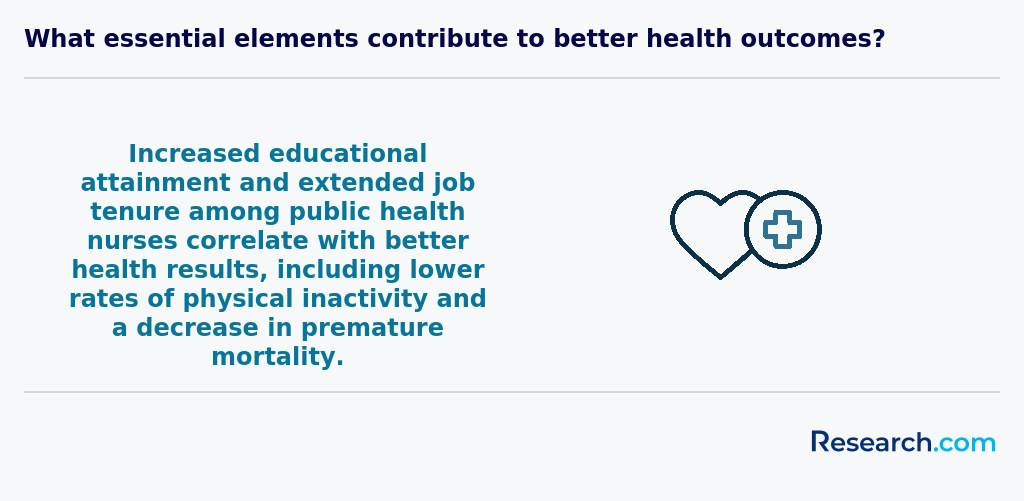
What career paths are available for healthcare degree students in Allentown?
Healthcare degree jobs in Allentown offer diverse and rewarding paths for graduates. Many pursue nursing roles, where registered nurses (RNs) find steady demand at local hospitals like Lehigh Valley Health Network, experiencing fulfilling careers in patient care. Graduates from institutions such as Northampton Community College share how affordable programs helped them enter the workforce quickly, enjoying the strong job outlook and competitive wages. Others have taken roles in healthcare administration, managing operations and staff. These professionals benefit from strong salaries and leadership opportunities, particularly after earning advanced credentials. For those exploring specialized fields, Allentown's expanding healthcare industry welcomes medical technologists, physical therapists, and occupational therapists, catering to the city's growing medical technology and rehabilitation needs.
Graduates also tap into careers in public health, research assistance, or healthcare informatics, fields that blend healthcare knowledge with data and technology skills. Students at nearby colleges often emphasize the value of pursuing a healthcare administration degree benefits that prepare them for these versatile roles within Allentown's thriving sector.
What is the job market for healthcare degree in Allentown?
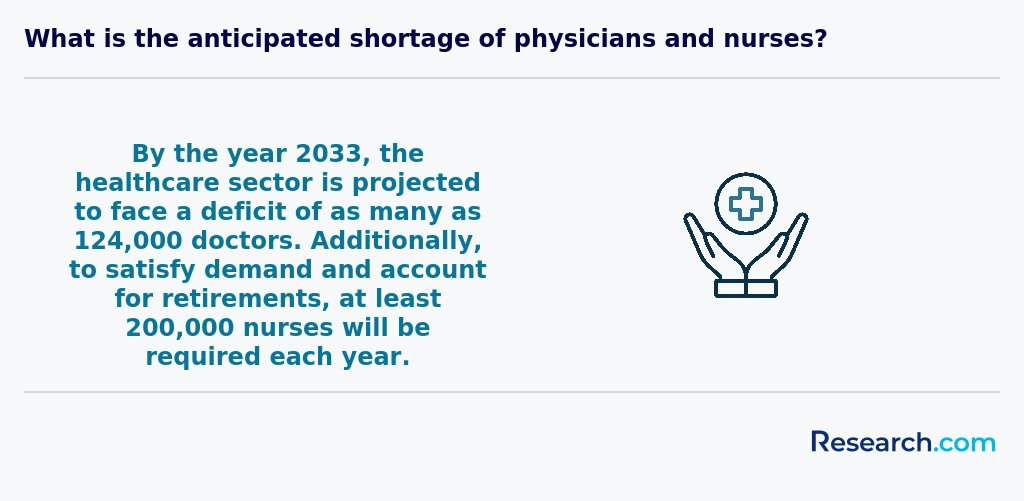
The healthcare job opportunities in Allentown are promising, fueled by the region's strong healthcare infrastructure and growing demand for qualified professionals. Graduates from popular local colleges often find roles quickly in clinical care or healthcare administration at major employers like Lehigh Valley Health Network. Many have shared how hands-on experience during their programs helped them transition smoothly into jobs with competitive salaries ranging from $35,000 for support roles to over $80,000 for registered nurses.
Allentown healthcare degree employment outlook benefits from the area's steady population growth and expanding medical facilities. Students from nursing and allied health programs appreciate affordable tuition and practical coursework that prepares them for certification exams and workforce readiness. For those exploring educational costs and options in the region, consulting the most affordable healthcare programs in pennsylvania can guide decisions to minimize debt while maximizing career potential.
Frequently Asked Questions About healthcare
Healthcare degree students in Allentown can maximize their learning experience by actively engaging in both academic and practical opportunities. Local institutions such as Cedar Crest College and Lehigh Carbon Community College offer programs with clinical placements, which are essential for hands-on experience. According to the Pennsylvania Department of Health, Allentown's growing healthcare sector provides numerous internships and externships that help students apply classroom knowledge in real-world settings. Additionally, joining healthcare-related student organizations encourages networking and skills development. Utilizing resources like tutoring centers and faculty office hours also enhances understanding. Staying informed about healthcare trends in the Lehigh Valley region benefits academic and career growth.
The healthcare field is rapidly evolving, creating new opportunities for students pursuing degrees in Allentown. Emerging niches include telehealth, which has grown significantly due to increased demand for remote care options. According to a 2023 report by the Pennsylvania Department of Health, telehealth services in the Lehigh Valley, which includes Allentown, expanded by over 40% in the last two years.
Another growing area is health informatics, focusing on managing healthcare data to improve patient outcomes. The Bureau of Labor Statistics projects that jobs in this sector will grow 15% through 2031, faster than average for all occupations.
Additionally, roles in geriatric and palliative care are expanding to meet the needs of an aging population in Allentown and across the US.
Graduates with healthcare degrees in Allentown should focus on gaining practical experience alongside their academic credentials. Local healthcare providers, such as Lehigh Valley Health Network, often offer internships and clinical placements that enhance job readiness.
Networking through professional associations like the Pennsylvania State Nurses Association can open doors to job opportunities in the region. Additionally, obtaining relevant certifications, such as Basic Life Support (BLS) or Certified Nursing Assistant (CNA), increases employability.
Allentown's healthcare employment is projected to grow by 15% through 2030, according to the Pennsylvania Department of Labor & Industry. Staying informed about local job markets and tailoring resumes to specific roles are also key strategies for success.
Employers in Allentown seek healthcare degree graduates with a strong combination of technical knowledge and interpersonal skills. Clinical competence, including proficiency in patient care and understanding medical protocols, remains essential. According to the Pennsylvania Department of Labor data from 2023, skills in electronic health records (EHR) management are increasingly in demand due to digitalization in healthcare facilities.
Communication skills are crucial, especially for roles involving patient interaction and teamwork. Problem-solving and critical thinking abilities help graduates adapt in fast-paced clinical environments. Additionally, cultural awareness and empathy are highly valued given Allentown's diverse population as reported in recent community health assessments.
Overall, a balance of technical expertise and soft skills provides a competitive edge for healthcare graduates entering the Allentown job market.
Finding internships in Allentown related to healthcare degrees involves connecting with local hospitals, clinics, and community health organizations. Lehigh Valley Health Network, one of the largest healthcare providers in the area, offers internship programs and partnerships with regional colleges. Students should also explore opportunities through career services at institutions like Northampton Community College and Cedar Crest College, which often have established contacts with healthcare employers.
Using online resources such as the Allentown Chamber of Commerce and regional job boards can help locate openings. Networking events and volunteering at local health fairs provide practical experience and increase chances for internships. According to the Pennsylvania Department of Labor, healthcare-related jobs in Allentown have grown steadily, increasing demand for student interns in this sector.
Obtaining a healthcare degree in Allentown significantly enhances career mobility and advancement opportunities within the region's growing medical sector. According to the Pennsylvania Department of Labor and Industry, healthcare occupations in Lehigh County, which includes Allentown, are expected to grow by approximately 14% through 2030, faster than the national average.
A healthcare degree provides essential credentials that qualify graduates for a wide range of roles, from nursing to health administration. Employers in Allentown often prioritize candidates with formal education, as it demonstrates both clinical competence and commitment to the profession.
Graduates with advanced healthcare degrees typically gain access to higher-paying positions and leadership roles, such as nurse practitioners or healthcare managers. Continued education also supports eligibility for specialized certifications, which can further improve job security and promotions.
Studying for a healthcare degree in Allentown equips students with skills essential for interdisciplinary roles in modern healthcare settings. Programs often emphasize collaboration, combining coursework in nursing, public health, and healthcare administration. This integrated approach reflects trends at Lehigh Valley Health Network and St. Luke's University Health Network, two major local employers known for team-based care models.
Curricula in Allentown frequently include clinical rotations and simulation labs that foster communication among various healthcare professionals. The focus on evidence-based practices and healthcare technology prepares graduates to work effectively across disciplines.
According to the Pennsylvania Department of Health, Allentown's healthcare sector employs over 25,000 people, highlighting the region's demand for professionals skilled in coordination and leadership. Healthcare degrees here align well with these workforce needs, enabling students to enter diverse roles that require interdisciplinary expertise.
When choosing between a thesis and a non-thesis healthcare degree in Allentown, consider your career goals first. Thesis programs typically focus on research, preparing students for clinical studies or advanced scientific roles. Non-thesis options emphasize practical skills, ideal for those aiming to enter the workforce quickly.
The Allentown area healthcare sector is growing, with a 7% increase in job openings over the past five years, according to the Bureau of Labor Statistics. Thesis degrees might suit students targeting research roles at local hospitals or institutions. Conversely, non-thesis paths fit those seeking immediate employment in healthcare administration or clinical practice.
Cost and program length also differ; thesis programs often require more time and resources.
Students based in Allentown who wish to study healthcare abroad have several pathways available through US-accredited programs. Many colleges and universities in Pennsylvania offer exchange programs with international institutions, allowing students to gain global healthcare perspectives while earning credits. According to the Institute of International Education, the number of American healthcare students studying overseas has increased by 15% in recent years.
Popular destinations include the United Kingdom, Canada, and Australia, where healthcare systems differ significantly from the US. These programs often emphasize clinical experiences and healthcare policy comparisons, enriching students' education. Allentown students considering this option should consult their academic advisors to ensure transferability of credits and accreditation compliance.
Students pursuing healthcare degrees in Allentown have several part-time job opportunities that align with their education and career goals. Common roles include medical assistants, patient care technicians, and pharmacy aides, which provide direct experience in clinical environments. According to the U.S. Bureau of Labor Statistics, medical assistant positions in Pennsylvania are projected to grow by 19% from 2020 to 2030, indicating strong local demand.
Additionally, Allentown has multiple hospitals and clinics like Lehigh Valley Health Network, offering part-time roles suitable for students. These jobs help develop practical skills and improve resumes while attending school. Administrative positions in healthcare offices also offer valuable insight into healthcare management processes.
Healthcare students in Allentown benefit from a variety of networking opportunities crucial for career development. Local institutions like Lehigh Valley Health Network offer internships and clinical placements, connecting students with practicing professionals. These settings provide hands-on experience and relationships that can support job searches after graduation.
The Allentown area hosts events such as healthcare career fairs and seminars, often organized by colleges and community organizations. Participation in such events promotes interaction with healthcare employers, alumni, and peers, fostering an essential professional network.
Additionally, students can join specialized groups like the Pennsylvania Nurses Association's local chapter, which provides access to workshops and industry experts. According to the Bureau of Labor Statistics, Pennsylvania's healthcare sector is expected to grow by 13% through 2032, making networking in Allentown especially valuable for entering this expanding market.
Alumni networks offer valuable advantages to healthcare degree students in Allentown by connecting them with experienced professionals in the local medical community. These networks often provide mentorship, internships, and job opportunities, which are crucial in a competitive healthcare job market. For example, the Lehigh Valley Health Network employs many graduates from local programs, and strong alumni ties can facilitate smoother entry into such institutions.
Additionally, alumni can offer insights into industry trends and continuing education pathways, helping students stay informed and competitive. According to the National Association of Colleges and Employers, students engaged with alumni networks secure employment 16% faster on average.
Customizing a healthcare degree program in Allentown can help align your education with specific career goals. Many local institutions offer flexible curricula, allowing students to choose electives focused on specialties such as nursing, public health, or health administration.
Internships and clinical rotations within Allentown's extensive healthcare network provide practical experience tailored to your interests. For example, Lehigh Valley Health Network, one of the region's largest employers, often partners with colleges for hands-on training opportunities.
Additionally, some programs support part-time study or online courses to accommodate working professionals aiming to upskill or change focus.
Consult academic advisors to select tracks that match industry demand and personal strengths, enhancing your employability within the competitive healthcare job market in Allentown.
Healthcare students in Allentown commonly face challenges related to the rigorous academic demands of their programs. Courses often require mastering complex medical terminology, biology, and patient care techniques while balancing clinical hours alongside classroom work. Financial burdens are significant, as tuition and related costs can be high, despite some affordable options within Pennsylvania's community colleges and state universities.
Additionally, local students may encounter limited availability of clinical placements due to competition within the Lehigh Valley healthcare system, which includes major providers like Lehigh Valley Health Network. This bottleneck can delay practical experience essential for graduation.
Time management and stress are other key issues, as healthcare studies require commitment and practical exposure to real-world medical environments. Support services are growing but remain insufficient to meet all students' mental health needs, per regional education reports.
With a healthcare degree in Allentown, students can pursue a range of professional certifications to enhance their careers. Common certifications include the Certified Nursing Assistant (CNA), Licensed Practical Nurse (LPN), and Registered Nurse (RN) licenses, all highly recognized in Pennsylvania's healthcare sector. Additionally, certifications such as Medical Assistant (CMA) and Certified Professional Coder (CPC) are valuable for administrative and clinical roles.
Advanced certifications like the Certified Health Education Specialist (CHES) or the Certified Healthcare Quality Professional (CHQP) support career growth in health education and quality management. The Bethlehem Health Bureau reports steady demand for credentialed healthcare workers in the Lehigh Valley area.
Applying for a healthcare degree in Allentown requires careful preparation to stand out. Start by clearly articulating your passion for healthcare and commitment to community service, which is important given Allentown's growing demand for healthcare professionals. Emphasize any relevant volunteer work or internships, especially those within Lehigh Valley Health Network or other local providers.
Ensure your application highlights strong academic performance, particularly in sciences like biology and chemistry. According to the U.S. Department of Education, programs in Pennsylvania often require a minimum GPA of 3.0 for competitive admission.
Lastly, write a concise, well-structured personal statement that connects your goals with healthcare needs in Allentown. Including concrete knowledge about the city's healthcare landscape can improve your chances.
The healthcare field offers diverse global opportunities, reflecting rising demands worldwide. In the United States, including Allentown, healthcare careers benefit from strong regulatory standards and a growing job market. According to the U.S. Bureau of Labor Statistics, healthcare occupations are projected to grow 16% from 2021 to 2031, much faster than the average for all jobs.
Internationally, healthcare professionals often face varied certification requirements, but U.S.-based degrees typically hold strong recognition. Allentown's healthcare education programs emphasize evidence-based practices, preparing graduates for both local and global challenges.
Understanding this global context allows students to appreciate the value of their degree beyond national borders, underscoring education's role in addressing worldwide health issues.
Gaining practical experience during a healthcare degree in Allentown is essential for building clinical skills and enhancing employability. Many local colleges and universities partner with nearby hospitals and clinics, such as Lehigh Valley Health Network, to offer supervised internships and clinical rotations.
Students can apply for externships or volunteer positions in various departments, gaining hands-on exposure alongside coursework. These opportunities provide valuable real-world experience in patient care, medical procedures, and healthcare administration.
Additionally, some programs in Allentown include simulation labs, allowing students to practice skills in a controlled environment before entering clinical settings. According to the Pennsylvania Department of Education, around 80% of healthcare programs require some form of clinical experience to graduate.
Utilizing these resources can significantly strengthen a student's resume and readiness for healthcare careers in the region.
Choosing the right concentration within a healthcare degree program in Allentown involves careful consideration of your interests, skills, and local job market trends. Healthcare in the Lehigh Valley region, including Allentown, shows strong demand for nursing, medical technology, and health administration roles, according to data from the Pennsylvania Department of Labor & Industry.
Begin by researching Allentown-area healthcare employers and identify which specialties are growing. Consider programs that offer clinical opportunities or internships with Lehigh Valley Health Network or St. Luke's University Health Network, as hands-on experience is valuable.
Align your choice with long-term career goals and certification requirements. For example, nursing concentrations often lead to higher local employment rates and median salaries above state averages. Assess program costs, curriculum flexibility, and accreditation status to ensure quality education that fits your needs.
Related Healthcare Rankings for Nearby Cities
- 2027 Most Affordable Healthcare Degree Programs Ranking in Bethlehem
- 2027 Most Affordable Healthcare Degree Programs Ranking in Villanova
- 2027 Most Affordable Healthcare Degree Programs Ranking in Chester
- 2027 Most Affordable Healthcare Degree Programs Ranking in Philadelphia
- 2027 Most Affordable Healthcare Degree Programs Ranking in Wilkes-Barre
- 2027 Most Affordable Healthcare Degree Programs Ranking in New Brunswick
- 2027 Most Affordable Healthcare Degree Programs Ranking in Lancaster
- 2027 Most Affordable Healthcare Degree Programs Ranking in Scranton
- 2027 Most Affordable Healthcare Degree Programs Ranking in Union
- 2027 Most Affordable Healthcare Degree Programs Ranking in South Orange
Top Trending Healthcare Rankings
See What Experts Have To Say About Studying Healthcare
Read our interview with Healthcare experts

References
- The Role of Interdisciplinary Studies in Medical Career Training https://georgia-med.com/the-role-of-interdisciplinary-studies-in-medical-career-training.html
- Lehigh Carbon Community College Catalog https://catalog.lccc.edu/students/tuition-fees
- Course Benefits https://www.premedprojects.co.uk/hospital-work-experience-benefits
- Lincoln Tech in Allentown PA - Career & Trade School https://www.lincolntech.edu/campus/allentown-pa
- Advance Your Education and Career While Working in Healthcare https://www.hospitalrecruiting.com/blog/4236/advance-your-education-and-career-while-working-in-healthcare/
- Networking and Mentorship During Clinical Rotations https://rotatingroom.com/blog/medical-students-the-importance-of-networking-mentorship-during-your-clinical-rotations
- Pursuing Your Career Goals: Strategies and Examples https://www.ultimatemedical.edu/blog/career-goals-importance-strategies-and-examples/
- Global Health Perspectives https://globalhealthperspectives.com/
- The Value of Healthcare Organization Alumni Associations https://consultqd.clevelandclinic.org/the-value-of-healthcare-organization-alumni-associations
- Healthcare Assistant Cover Letter Templates | myPerfectCV https://www.myperfectcv.co.uk/cover-letter/examples/healthcare-assistant-cover-letter





