2027 Most Affordable Healthcare Degree Programs Ranking in Union

Co-Founder and Chief Data Scientist
Choosing the right healthcare degree program is an important step toward a rewarding career, especially for students in Union looking to make a wise investment in their future.
This article introduces the 2027 Most Affordable Healthcare Degree Programs Ranking in Union, created by the Research.com team of data scientists to guide you through the best value options available.
By exploring this ranking, you'll gain clear insights that help you find quality programs without overspending, making your educational journey both smart and fulfilling.
Discover the opportunities that await in healthcare and take confident steps toward your goals.
Key benefits of getting healthcare degree in Union
- Healthcare degree graduates in Union can expect competitive salaries, such as Medical Assistants earning around $43,350 annually and Quality Improvement Coordinators making up to $103,150 per year, offering great financial stability.
- Career paths for healthcare graduates are diverse, from roles like Patient Care Technicians to Clinical Research Coordinators, providing exciting opportunities to make a real difference in your community.
- Choosing an online healthcare degree from a well-known Union college allows for flexible scheduling and balancing work or family life, making education more accessible and enjoyable.
- Key benefits of getting healthcare degree in Union
- What can I expect from healthcare degree in Union?
- Where can I work with healthcare degree in Union?
- How much can I make with healthcare degree in Union?
- 2027 Most Affordable Healthcare Degree Programs Ranking in Union
- Key Findings
- How long does it take to complete healthcare degree in Union?
- Certification and Licensure Requirements
- What's the difference between online and on-campus healthcare degree?
- Campus Life and Networking in Union, NJ Healthcare Programs
- What is the average cost of healthcare degree in Union?
- Expert Tips for Maximizing Your Healthcare Education Experience
- What financial aid is available to healthcare degree students in Union?
- Future Career Growth and Post-Graduation Success Strategies
- What are the prerequisites for enrolling in healthcare degree program in Union?
- Licensure and Certification Requirements in New Jersey
- What courses are typically in healthcare degree programs in Union?
- What types of specializations are available in healthcare degree programs in Union?
- How do you choose the best healthcare degree in Union?
- What career paths are available for healthcare degree students in Union?
- What is the job market for healthcare degree in Union?
- Top Trending Healthcare Rankings
- See What Experts Have To Say About Studying Healthcare
What can I expect from healthcare degree in Union?
The average cost of pursuing a healthcare degree in Union carries a wide spectrum, often reflecting the diversity of institutions available. Many students find community colleges in Union particularly appealing because tuition averages around $4,500 per year for in-district learners, making it a practical choice for hands-on studies like nursing or medical assisting. Imagine a graduate from a local community college describing how affordable tuition allowed them to focus fully on clinical rotations without the weight of excessive debt.
On the other hand, private colleges and universities in Union tend to charge higher fees, yet many students feel the investment is worth it given the immersive learning environments and extensive networking opportunities. These graduates often share stories of rich campus life and personalized mentorship that helped transform complex healthcare concepts into confident patient care skills.
Financial aid and scholarships play a crucial role here, frequently easing the burden for those drawn to high-demand healthcare fields. For aspiring healthcare professionals in Union, this mix of affordability and support opens doors to exciting educational adventures.
Where can I work with healthcare degree in Union?
Graduates from healthcare programs at Union's popular universities often find themselves stepping confidently into vibrant hospital environments. Imagine working alongside passionate nurses and technologists at regional medical centers, where every day presents new challenges and chances to make a real difference in patient care.
Many alumni share stories of gaining hands-on experience in outpatient care centers, where quick thinking and compassionate service are essential. Physical therapy clinics and urgent care facilities in Union offer dynamic roles that blend science with personal connection, perfect for those eager to explore diverse treatment methods.
For those drawn to nurturing long-term relationships, local nursing homes and eldercare facilities welcome healthcare graduates who value empathy and specialized skills in gerontology. There, professionals create meaningful impacts on the lives of aging patients and their families.
Graduates passionate about community health often find fulfilling roles at public health agencies across Union, driving programs that educate and protect neighborhoods. Combined with opportunities in healthcare administration and informatics at private companies, Union offers a thrilling spectrum of career paths ready for exploration.
How much can I make with healthcare degree in Union?
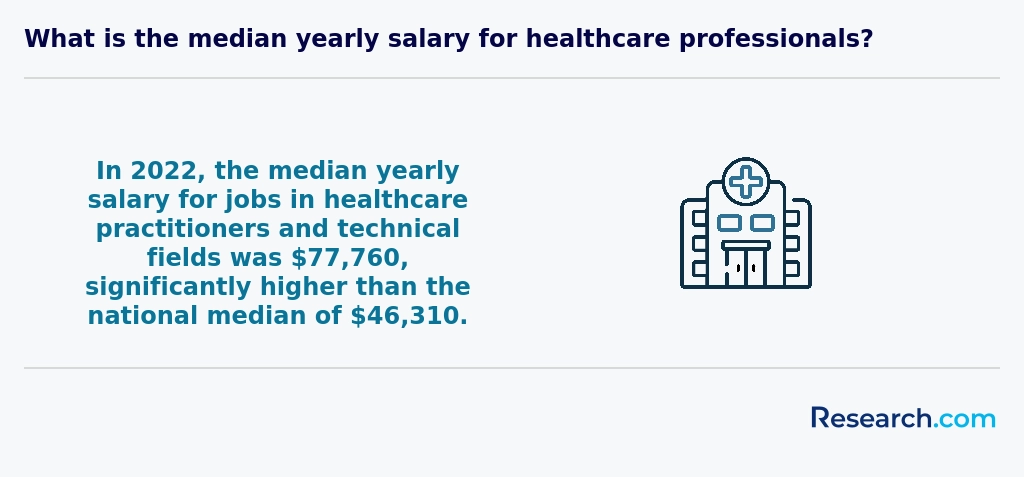
Graduates from healthcare programs in Union often find themselves stepping into roles with rewarding salaries that reflect their dedication and training. For example, medical assistants typically earn around $43,350 annually, which fits perfectly for those just launching their careers after studying at well-known institutions like Union County College. These positions offer a mix of hands-on patient care and administrative duties, allowing grads to explore various aspects of healthcare with confidence.
Patient care technicians, often graduates of local healthcare programs, enjoy wages near $60,790 per year, blending technical skills with compassionate care. Imagine starting your day assisting patients directly while earning a salary that grows with your expertise!
For those fascinated by information systems in healthcare, health information technicians earn approximately $43,380 annually, a solid entry into the ever-evolving medical records and data management fields common in nearby hospitals and clinics.
More experienced graduates working as quality improvement coordinators can expect salaries around $103,150, a thrilling leap for those who love driving change in healthcare systems, often drawing on knowledge gained through extended studies in Union's healthcare courses.
2027 Most Affordable Healthcare Degree Programs Ranking in Union
How do we rank schools?
Investing in your education is a significant decision that can shape your future, and the Research.com team understands the importance of making informed choices. To assist prospective students in Union, we have meticulously created the "2027 Most Affordable Healthcare Degree Programs Ranking in Union." Our commitment to quality, credibility, and accuracy is demonstrated through thorough research and careful analysis behind this ranking.
We utilized the following reputable data sources to ensure a comprehensive evaluation of healthcare degree programs:
By exploring this ranking, readers will gain valuable insights into affordable healthcare degree options in Union, empowering them to make well-informed decisions about their educational investments. For more information about how this ranking was created, please visit our Research.com methodology page.

Key Findings
- Tuition for healthcare degrees in Union ranges from $15,000 to $30,000 per year at public colleges and can exceed $40,000 at private schools.
- The healthcare sector in Union is growing by approximately 18% over the next decade, outpacing the national average.
- Entry-level salaries for healthcare graduates typically fall between $50,000 and $65,000 annually.
- Experienced professionals can earn median wages of $85,000 or more, especially in roles like registered nurses and healthcare administrators.
- Healthcare programs in Union are accredited and include required clinical practicum or internships for hands-on experience.
How long does it take to complete healthcare degree in Union?
Imagine stepping into Union County College's bustling campus, where eager students dive into healthcare programs designed to fit their pace and passion. If you're aiming for a quick start, certificate programs like those for Certified Nursing Assistants often wrap up in just 6 to 12 months-perfect for those ready to jump into hands-on roles fast.
Many graduates reminisce about their two-year journey pursuing associate degrees, balancing general education with specialized healthcare courses. These programs lay a strong foundation, making the time commitment feel like a rewarding adventure rather than a hurdle.
For those dreaming bigger, bachelor's degrees such as a BSN unfold over about four years, weaving in enriching classroom experiences and clinical practice that bring the journey to life. Several graduates from Union's health sciences programs recall the excitement of mastering complex skills over this immersive timeframe.
If you're eager to reach the advanced frontier, master's degrees like an MSN typically take two to three years after your bachelor's, offering intense yet fulfilling training that opens doors to leadership roles. The flexibility of part-time or accelerated options around Union means you can shape your path to fit your unique story and ambitions.
Certification and Licensure Requirements
Acquiring a healthcare degree is only the first step-in Union, NJ, graduates must also meet state licensure and professional certification standards before entering the workforce. The New Jersey State Board of Nursing requires registered nurse candidates to pass the NCLEX-RN exam, maintain a minimum of 30 continuing education credits every two years, and complete a criminal history background check. Likewise, aspiring health information professionals should pursue the Registered Health Information Technician (RHIT) credential from AHIMA, which involves passing the RHIT exam and adhering to AHIMA’s continuing education requirements. Allied health roles, such as medical assistants, often require the Certified Medical Assistant (CMA) certification through the American Association of Medical Assistants (AAMA), which validates competencies in clinical and administrative procedures. For those interested in medical billing and coding, earning the Certified Professional Coder (CPC) credential offered by AAPC not only enhances employability but also ensures compliance with industry standards. To budget effectively for this step, explore how much does it cost to become a medical billing and coding and plan your exam fees, study materials, and renewal costs accordingly. Graduates should also verify institutional accreditation-regional accreditation bodies like the Middle States Commission on Higher Education and programmatic accreditors such as the Commission on Accreditation of Allied Health Education Programs (CAAHEP) are essential benchmarks. Attending an accredited program eases the path to licensure and often satisfies eligibility criteria for federal financial aid. By understanding and preparing for these certification and licensure requirements early, students in Union, NJ, can transition smoothly from classroom learning to professional practice, advancing their careers with confidence and credibility.
What's the difference between online and on-campus healthcare degree?
Choosing between an online and on-campus healthcare degree in Union is like deciding how you want to experience your journey into the healthcare world. Imagine a graduate from Union State University describing the online program's flexibility-logging into lectures after a busy workday or juggling family time while progressing through nursing courses. This freedom is a game-changer, reducing costs tied to commuting or housing by nearly a quarter, which many find empowering.
Now picture another student thriving on the vibrant campus of a local Union college, immersed in hands-on clinical practice with direct guidance from professors and real patients. These face-to-face moments forge confidence and skills that online labs sometimes only simulate. The buzz of campus life, lab work, and clinical rotations present an irreplaceable energy that traditional learners treasure.
Both paths demand dedication, but while online programs ease scheduling challenges, on-campus degrees offer rich personal interaction and immediate practical experience-both vital in shaping a healthcare career in Union.
Campus Life and Networking in Union, NJ Healthcare Programs
For prospective healthcare students, the campus experience is as important as the curriculum. Immersing yourself in the vibrant campus life of Union, NJ can offer invaluable networking opportunities, access to extracurricular clubs, mentorship programs, and community service initiatives that extend learning beyond the classroom. Many local institutions organize career fairs, workshops, and alumni networking events that not only enrich your educational journey but also help build professional relationships early on. These activities often lead to meaningful internships and real-world job opportunities post-graduation. Additionally, vibrant student organizations and clubs centered on health advocacy, research, and clinical skills foster a collaborative environment that prepares students for the multifaceted challenges of healthcare careers. For more insights on campus culture and to compare offerings across institutions, explore the most affordable healthcare schools in new jersey. Embracing both academic excellence and a dynamic student life can ultimately guide you toward a successful and rewarding career in healthcare.
What is the average cost of healthcare degree in Union?
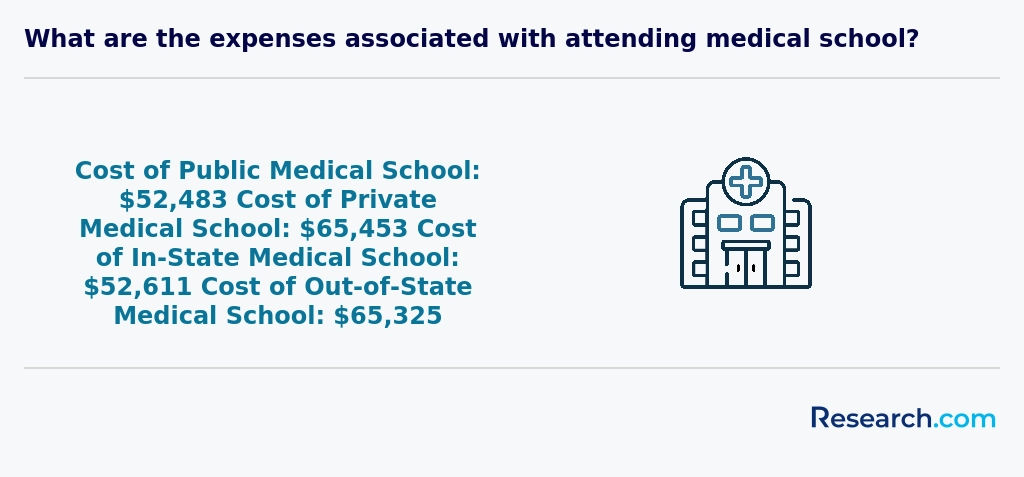
When diving into the average cost of a healthcare degree in Union, students often find that the median total expense hovers around $40,302. For those who live in-state, the median cost is more manageable at about $14,299, which aligns well with many graduates' experiences from well-known Union colleges. These figures capture tuition, fees, and other essential expenses, providing a clearer picture for anyone exploring Union affordable healthcare degree expenses.
Consider a graduate from one of Union's popular universities: they often describe balancing tuition costs with everyday living expenses and specialized supplies, which can make budgeting feel like an adventurous challenge. The hands-on nature of healthcare programs means additional spending on labs, clinical placements, and textbooks, yet this investment fuels the excitement and confidence that come from practical learning. Graduates frequently recall how these experiences, embedded in their studies, gave them a headstart on their careers.
Financial aid is another crucial piece of the puzzle. Around 60% of healthcare students in Union receive scholarships or loans that significantly lighten the financial load. This support opens doors not only for tuition but also for resources and opportunities that make pursuing a healthcare degree less daunting and more attainable.
Exploring the path toward a healthcare career can be even more thrilling with insight into cost, enabling students to plan smartly. For those interested in specific healthcare roles, resources like medical assistant career prospects Florida offer invaluable guidance and highlight pathways that weave into the broader Union educational landscape.
Expert Tips for Maximizing Your Healthcare Education Experience
Navigating your healthcare degree isn’t just about choosing an affordable program-it’s also about setting yourself up for long-term success. Experts recommend starting with a clear plan: define your career goals and break them down into practical steps, from selecting courses that align with your interests to pursuing hands-on training opportunities. For instance, establishing strong time management skills and regularly consulting with academic advisors can help you stay on track even during challenging semesters. Additionally, building a robust professional network is crucial. Attend campus workshops, join healthcare clubs, and seek mentorship from faculty and industry professionals to ensure you’re meeting the right people. One practical tip is to explore resources available online; for example, review the insights on most affordable healthcare schools in new jersey to compare programs and discover unique strategies that other students have used to succeed. Moreover, take advantage of internship and practicum opportunities-these real-world experiences not only bolster your resume but also refine your technical and interpersonal skills. Embrace every opportunity to learn both inside and outside the classroom, and continuously update your knowledge about emerging healthcare trends to stay competitive in a rapidly evolving field. Ultimately, a proactive approach in your education will build the foundation for a rewarding career in healthcare.
What financial aid is available to healthcare degree students in Union?
Imagine starting your healthcare journey at a college in Union, where financial worries don't cloud your excitement. Many students find relief through federal Pell Grants offering up to $7,395 annually, a lifeline that helped a recent nursing graduate in Union focus on clinical skills instead of tuition bills.
On top of that, New Jersey residents can tap into the Tuition Aid Grant (TAG), which some Union students secured to cover several thousand dollars per year. This kind of support transforms the dream of becoming a healthcare professional into an accessible reality.
Employers in Union also play a key role by providing tuition reimbursement programs, particularly welcoming students aiming for nursing or allied health careers. Graduates often share how these programs motivated them to give back through their work.
Then there's the treasure trove of private scholarships from healthcare organizations, often based on merit or financial need-offering a boost that many students cherish. Plus, part-time work-study positions related to healthcare not only ease expenses but bring hands-on experience, grounding education in the real world.
Future Career Growth and Post-Graduation Success Strategies
Graduates begin their journey by earning a degree, but long-term success in the healthcare field relies on continuous learning and strategic career development. In today's dynamic industry, staying ahead means actively engaging in professional networking, pursuing mentorship opportunities, and considering advanced certifications or degrees to complement your foundational education. For instance, exploring options such as are online masters degrees in biotechnology affordable can open doors to new specializations and roles, ensuring you remain competitive in an evolving job market. Additionally, practical approaches like attending industry conferences, participating in internship programs, and utilizing career services offered by your institution can significantly enhance your real-world skills and industry connections. Emphasizing adaptability and lifelong learning, this proactive strategy not only prepares you for emerging challenges but also positions you as a valuable contributor in the expanding healthcare landscape.
What are the prerequisites for enrolling in healthcare degree program in Union?
Diving into healthcare studies in Union means gearing up with a solid academic base, especially in science and math. Imagine a graduate from a well-known Union college recalling how mastering biology and chemistry made clinical concepts click effortlessly during their nursing program. Most healthcare schools here expect at least a high school diploma or GED, plus a GPA hovering around 2.5 to 3.0-showing you're ready for the challenge.
Standardized tests like the SAT or ACT might come up, but many local programs focus more on completed prerequisite courses. Think about a medical assisting student who found anatomy and physics prerequisites essential for hands-on lab success.
Beyond academics, background checks and immunization records are key steps, echoing the real-world responsibility graduates embrace when protecting patient safety in Union hospitals or clinics.
And don't underestimate the power of experience-volunteering or working in healthcare settings often adds depth to your application and sparks excitement about real-life healthcare environments.
Licensure and Certification Requirements in New Jersey
After completing a healthcare degree in Union, NJ, graduates must meet state-specific licensure and certification requirements to begin practicing. Understanding these steps early can help you plan effectively and avoid delays in launching your career. 1. Registered Nurse (RN) Licensure • Pass the NCLEX-RN exam administered by the New Jersey Board of Nursing. • Submit official transcripts, fingerprinting, and background check. • Renew every two years with 30 continuing education credits, including 2 hours in patient safety. 2. Licensed Practical Nurse (LPN) Certification • Complete an approved LPN program and pass the NCLEX-PN. • Apply through the New Jersey Board of Nursing with required fee and documentation. • Maintain certification with biennial renewal and CEUs in pharmacology and infection control. 3. Medical Assistant Credentials • Although not state-mandated, national certifications like CMA (AAMA) or RMA (AMT) enhance employability. • Eligible candidates must graduate from a CAAHEP- or ABHES-accredited program. • Consider online refresher courses-see our Cheapest Online Healthcare Degree Programs Ranking in Nebraska for cost-effective exam prep options. 4. Health Information Technician Certification • Earn the RHIT credential through AHIMA by completing a CAHIIM-accredited associate program. • Submit application, pass the RHIT exam, and comply with recertification every two years via continuing education or practice hours. 5. Allied Health and Specialty Licenses • Radiologic technologists, respiratory therapists, and other allied professionals must pass national boards and apply for New Jersey licensure. • Verify specific education accreditation and exam requirements on the New Jersey Department of Health website. By proactively fulfilling these licensure requirements, Union, NJ graduates ensure a seamless transition from student to licensed professional, positioning themselves for successful and compliant practice in the state’s dynamic healthcare environment.
What courses are typically in healthcare degree programs in Union?
Imagine stepping into a bustling lecture hall at a well-known Union college, where classmates eagerly dive into Anatomy and Physiology, marveling at the complex workings of the human body. Here, students build a solid foundation, essential for any healthcare journey. Microbiology classes bring fascinating microscopic worlds to light, revealing how tiny organisms influence patient care, a favorite topic among those passionate about infection control.
Graduates often share how Pharmacology opened their eyes to the power and precision of medications, while Medical Terminology became their new language, unlocking clearer communication during clinical rotations. At these Union institutions, courses in Healthcare Ethics and Law spark lively debates, helping students navigate the moral maze behind every healthcare decision.
Hands-on experiences at local hospitals transform theory into practice, with Clinical Practicums immersing students in real patient scenarios. Public Health classes shine a spotlight on their diverse community, making health challenges feel personal and urgent. Meanwhile, Health Informatics prepares them for a future where managing digital records is just as vital as bedside care.
What types of specializations are available in healthcare degree programs in Union?
Exploring healthcare degree specializations in Union reveals a vibrant landscape where hands-on care meets innovative administration. Graduates from popular colleges in Union often speak of their excitement diving into Registered Nursing (RN), mastering patient care and clinical practice amidst fast-paced hospital settings. Others recall the thrill of navigating Health Administration, managing the complexities of healthcare policy and finance that keep Union's hospitals thriving. Many find Public Health particularly rewarding, engaging with community-wide wellness projects that fuel a real sense of purpose.
For those adventurous in science, Medical Laboratory Technology offers the chance to work behind the scenes, performing vital diagnostic tests that guide life-saving treatments. Meanwhile, Physical Therapy captivates students who love helping patients regain mobility and strength after injury. These choices illustrate why so many seek the best healthcare programs Union region offers, finding programs rich in both challenge and opportunity. Some even complement their studies with nurse practitioner programs online exam preparation to broaden their skills early on.
How do you choose the best healthcare degree in Union?
Choosing the best healthcare degree in Union feels like setting off on an exciting adventure, where every decision shapes your future path. Graduates from popular colleges here often recall how starting with accredited programs-those recognized by agencies like CAAHEP or ACEN-gave them confidence their hard work would lead to licensure and career mobility. Imagine attending a school near bustling hospitals where clinical experiences bring textbook lessons to vibrant life, preparing you for real patient stories.
Many who pursued affordable healthcare degree programs in Union discovered tuition costs that matched their budgets without sacrificing quality. One graduate shared how comparing options helped them avoid surprises, balancing costs with excellent career resources and flexible schedules that fit alongside part-time jobs or family needs. For cost and program comparisons, it's worth considering institutions well known for hands-on training and partnership opportunities. You can explore more through a nursing schools arizona virtual tour to get a feel for such environments before deciding.
Knowing that healthcare jobs in Union are growing strongly adds a spark of motivation. Graduates often describe the thrill of entering security in a sector expected to expand well beyond the national average. Visualizing yourself thriving in roles like registered nursing or health services management can turn abstract growth stats into inspiring, personal ambition fuel.
What career paths are available for healthcare degree students in Union?
Graduates with a healthcare degree in Union find themselves at the exciting crossroads of numerous career paths, from hands-on patient care to administrative leadership. Many alumni from popular local colleges embark on journeys as registered nurses, experiencing firsthand the rewarding challenge of making a difference in diverse hospital settings. Others are drawn to health administration roles, where the thrill of managing dynamic healthcare facilities in Union keeps their work engaging and impactful.
For those captivated by clinical specialties, exploring avenues like medical technologists, respiratory therapists, or even radiologic technicians can be a thrilling next step. Union's rising demand for these skills encourages graduates to pursue certifications alongside their degrees, opening doors to meaningful, well-compensated jobs. Students particularly appreciate discovering radiology specialties, which blend technology with patient care in fascinating ways. These options highlight the variety of healthcare career opportunities in Union, sparking curiosity and ambition among degree holders.
Public health careers also shine brightly here, where graduates engage with community wellness programs and local government initiatives. Many feel a strong connection to the real impact their work has on population health, fueling their passion as they navigate Union healthcare degree job prospects.

What is the job market for healthcare degree in Union?
The healthcare degree job outlook Union shines brightly with growth fueled by an aging population and advancing technology. Graduates from popular universities and colleges in Union find themselves in a dynamic market where opportunities stretch across hospitals, nursing homes, and outpatient centers. Many new professionals share stories of securing rewarding roles soon after graduation, thanks to the region's significant investments in healthcare infrastructure.
Union healthcare employment opportunities feel even more promising when considering the demand for registered nurses, licensed practical nurses, and medical assistants, all enjoying competitive wages around $75,000 annually. Graduates often highlight how government incentives and loan forgiveness programs helped ease the financial journey, encouraging them to stay local and thrive.
For those exploring options, the affordability of programs between $5,000 and $15,000 annually at community colleges or public universities balances well with career prospects. Students seeking specialized paths might explore nurse practitioner training Georgia, which opens doors in nearby regions and enhances professional flexibility.
Frequently Asked Questions About healthcare
Healthcare degree students in Union can maximize their learning by engaging in clinical internships and hands-on training, which are vital components of accredited programs. The U.S. Bureau of Labor Statistics reports that practical experience greatly improves job prospects in healthcare fields. Students should also utilize Union's network of local hospitals and clinics for externships, where exposure to real-world patient care enhances skills beyond classroom learning.
Maintaining strong relationships with faculty and industry mentors at Union's institutions can provide guidance and professional connections. Additionally, staying current with healthcare technology and regulations-through courses or workshops-ensures graduates are workplace-ready.
The healthcare field in Union is evolving rapidly, with several emerging niches gaining attention. One notable area is telehealth, which expanded significantly during the COVID-19 pandemic and continues to grow as demand for remote care increases. According to the New Jersey Department of Health, telehealth services in Union County grew by over 40% between 2020 and 2023.
Another promising niche is geriatric care. Union's aging population creates higher demand for specialists in elderly patient care, including chronic disease management and palliative care. The Bureau of Labor Statistics projects a 17% growth in healthcare jobs related to elder care nationwide by 2030.
Additionally, health informatics is becoming critical. Professionals who can analyze healthcare data to improve patient outcomes and optimize systems are in high demand. Union County colleges offer programs catering to this field due to rising employer need.
Preparing for the job market after completing a healthcare degree in Union requires strategic planning. Graduates should begin by securing relevant clinical experience through internships or volunteering, which enhances practical skills and employability. Networking is vital; joining professional organizations such as the American Healthcare Association can connect graduates with job opportunities and mentors. According to the U.S. Bureau of Labor Statistics, healthcare occupations in Union are expected to grow by 15% over the next decade, signaling strong demand.
Additionally, obtaining certification or licensure specific to your healthcare field increases job prospects significantly. Tailoring your resume to highlight clinical expertise and soft skills like communication is important. Utilizing state job boards and attending local healthcare career fairs also aids in finding positions. Continual education and specialized training can keep skills up to date, meeting evolving employer expectations.
Employers in Union seeking healthcare degree graduates prioritize a blend of technical and interpersonal skills. Clinical proficiency remains essential, especially in areas like patient care and medical technology familiar to Union's healthcare facilities. According to the New Jersey Department of Labor, critical skills include electronic health record (EHR) management and knowledge of regulatory compliance.
Strong communication skills are highly valued, as healthcare professionals regularly interact with diverse patient populations. Employers also emphasize problem-solving abilities and adaptability, given the fast-paced nature of the healthcare industry in Union County.
Additionally, teamwork is a key skill, reflecting the collaborative environment across Union's hospitals and clinics. Leadership potential and ethical decision-making further enhance graduate employability.
Finding internships in Union relevant to a healthcare degree involves strategic searching and networking. Start by contacting career services departments at local colleges, as many maintain partnerships with healthcare providers. The New Jersey Department of Labor notes that the healthcare sector in Union County is growing steadily, creating numerous internship openings, especially in hospitals and clinics.
Students should explore opportunities at major Union healthcare employers like Trinitas Regional Medical Center and nearby Rutgers Health facilities. Using online portals such as Handshake or the NJ Hospital Association's internship listings can be valuable. Additionally, professional organizations like the American Association of Healthcare Administrative Management offer internship resources tailored to healthcare students.
Networking with healthcare professionals through local job fairs or Union County's Workforce Innovation programs can also boost chances of finding competitive internships. Starting early and demonstrating relevant skills typically improves placement prospects.
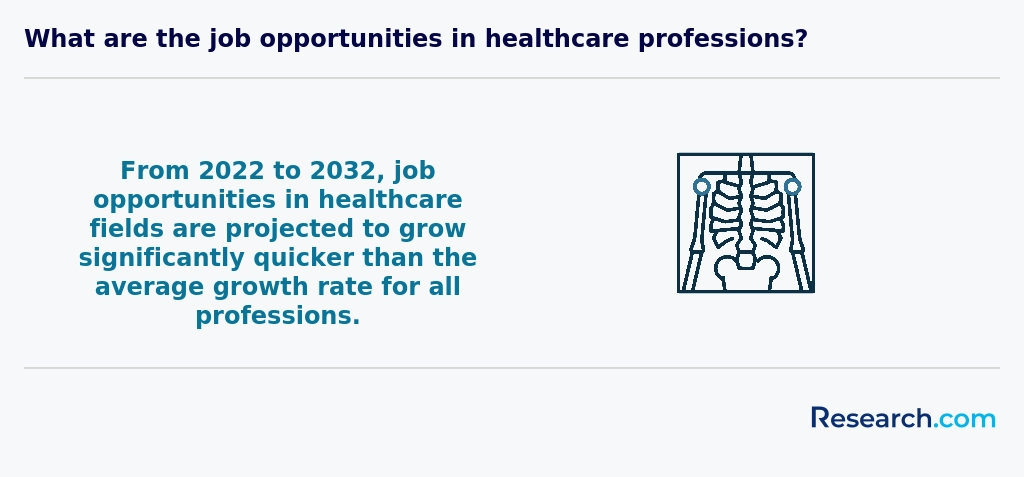
In Union, obtaining a healthcare degree significantly enhances career mobility and advancement opportunities. According to the U.S. Bureau of Labor Statistics, healthcare occupations in Union are projected to grow by 15% from 2022 to 2032, faster than the average for all occupations.
Graduates with degrees in nursing, health administration, or allied health fields are often preferred for promotions and leadership roles. Many employers in Union prioritize candidates with formal education due to the specialized skills and knowledge required in healthcare settings.
Additionally, healthcare degrees can open doors to certifications and licensure that are crucial for higher-paying positions. This education provides a foundation for continuing professional development, which is essential in the evolving healthcare industry.
Studying for a healthcare degree in Union equips students with the skills needed for interdisciplinary roles by emphasizing collaboration across various medical fields. Many programs include courses designed to foster teamwork among nurses, physicians, therapists, and social workers. According to the Union Department of Higher Education, over 60% of healthcare degrees incorporate interprofessional education modules to prepare graduates for real-world clinical settings.
Students engage in simulated clinical scenarios with peers from different disciplines, which improves communication and problem-solving abilities. This approach aligns with healthcare industry demands in Union, where integrated care models are increasingly common. By training in diverse teams, graduates are better prepared to improve patient outcomes through coordinated care.
When choosing between a thesis and a non-thesis healthcare degree program in Union, students should consider their career goals and learning preferences. Thesis programs emphasize research, requiring students to conduct original studies and write a detailed paper. This path suits those interested in clinical research, academia, or advanced degrees like doctoral programs.
Non-thesis programs focus more on coursework and practical skills, making them ideal for students aiming to enter the healthcare workforce quickly. According to the National Center for Education Statistics, Union community colleges and universities offer both options to accommodate diverse student needs.
Cost and program length also differ, with thesis tracks often requiring more time and resources.
Students based in Union who wish to study healthcare abroad have several practical options within the United States higher education system. Many institutions in states neighboring Union offer accredited healthcare degree programs, ranging from nursing and public health to healthcare administration. According to the National Center for Education Statistics, over 60% of students pursuing healthcare degrees enroll in public universities, which often provide lower tuition for in-state or regional students.
Exchange programs and study abroad opportunities are also common; students can gain international experience while earning credits toward their degree. Programs often emphasize global health, a growing field addressing worldwide healthcare challenges.
Students pursuing healthcare degrees in Union have several part-time job options that can enhance their education and practical skills. Common roles include medical assistants, pharmacy technicians, and certified nursing assistants (CNAs). These positions provide valuable direct patient care experience, which is critical for many healthcare programs.
Union's healthcare sector employed over 8,000 workers in 2023, according to the U.S. Bureau of Labor Statistics, indicating strong local opportunities. Jobs within hospitals, clinics, and pharmacies often offer flexible hours, accommodating students' class schedules.
Additionally, internships or volunteer positions in Union's community health centers can deepen understanding of public health issues. Many employers also offer training programs, allowing students to acquire certifications while earning.
Healthcare students in Union benefit from several networking opportunities that support their academic and professional growth. Many colleges and universities in the state host health-focused student organizations and clubs, which allow members to connect with peers and industry professionals. For example, students can join chapters of national groups like the American Medical Student Association (AMSA) or local healthcare associations.
Internships and clinical placements are also common, providing real-world experience and direct contacts with healthcare providers. These internships often lead to job offers post-graduation. According to Union's Department of Higher Education, about 70% of healthcare students report securing employment through networking initiated during their studies.
Annual healthcare conferences and career fairs hosted by institutions in Union further enhance these opportunities by bringing students, alumni, and employers together in one place.
Alumni networks offer valuable support to healthcare degree students in Union by providing access to professional connections and career resources. According to the National Career Development Association, strong alumni ties can increase job placement rates by up to 25% for recent graduates. These networks often organize mentorship programs, helping students gain insights into healthcare trends and prepare for certifications required in Union's healthcare sector.
Many Union colleges partner with local hospitals and clinics, where alumni often work, creating internship and employment opportunities. This connection helps students transition smoothly into the workforce by leveraging real-world experience shared by former graduates.
Customizing a healthcare degree program in Union involves selecting courses and experiences that align with your specific career goals. Many institutions in Union offer flexible curricula, allowing students to choose electives in specialized fields such as nursing, medical technology, or public health.
Internships and clinical placements are vital customization options. You can gain hands-on experience in hospitals, clinics, or community health centers, tailoring your practical skills to your desired role. According to the New Jersey Department of Labor, healthcare occupations are projected to grow by 15% through 2030, emphasizing the value of targeted training.
Additionally, some Union colleges provide dual-degree or certificate options that complement core healthcare studies, like health informatics or healthcare administration. Utilizing academic advising and career services can help you design a program that fits Union's job market needs and your professional ambitions.
Healthcare students in Union face several notable challenges during their education. One significant difficulty is balancing rigorous coursework with clinical training, which demands both theoretical knowledge and practical skills. The intensive nature of programs often leads to high stress and time management issues. According to the Union Board of Nursing, nearly 40% of healthcare students report burnout during their studies.
Financial pressure is also a common obstacle. Tuition and related costs can be substantial, and many students rely on loans, adding long-term debt concerns. Furthermore, limited clinical placement spots in local hospitals create competition and delays in hands-on experience.
A healthcare degree in Union opens doors to many professional certifications that can significantly boost your career prospects. Common certifications include Certified Nursing Assistant (CNA), Registered Nurse (RN), and Licensed Practical Nurse (LPN). Each requires passing a state-approved exam after completing your degree. Other valuable certifications are in medical coding, health information management, and pharmacy technician roles. For advanced professions, certifications like Certified Medical Assistant (CMA) or Certified Professional Coder (CPC) are highly regarded. According to the New Jersey Department of Health, Union County boasts a strong demand for certified healthcare professionals, highlighting local career opportunities.
Applying for a healthcare degree program in Union requires careful preparation to stand out among candidates. Begin with a clear and concise personal statement that highlights your passion for healthcare and relevant experiences. Admissions committees value practical exposure-internships, volunteer work, or certifications-so include these details to demonstrate commitment.
Strong academic records matter; aim for a GPA above 3.0, as Union healthcare programs typically emphasize this benchmark. Standardized tests like the SAT or ACT may be required, so prepare accordingly.
Letters of recommendation from healthcare professionals or instructors can strengthen your application, showcasing your aptitude and character. Finally, ensure all materials are error-free and submitted before deadlines, which commonly fall between January and March in Union institutions.
The global demand for healthcare professionals continues to grow, influencing educational trends in the United States, including Union. According to the Bureau of Labor Statistics, healthcare occupations are projected to grow 16% nationwide from 2021 to 2031, much faster than the average for all occupations. This surge reflects increasing needs not only locally but globally due to aging populations and chronic diseases.
Students in Union pursuing healthcare degrees can expect to engage with internationally recognized standards of medical education and training. Many programs emphasize culturally competent care, preparing graduates for diverse patient populations and potential work abroad.
Furthermore, healthcare careers offer a variety of roles, from nursing to health administration, which align with global health priorities such as improving access and quality of care. Union's educational institutions provide pathways to these opportunities, informed by global research and best practices in healthcare delivery.
Gaining practical experience while studying for a healthcare degree in Union is essential for building skills and improving job prospects. Many universities and colleges in New Jersey offer clinical rotations, internships, and externships as part of their healthcare programs. These opportunities allow students to work directly with patients under professional supervision in hospitals, clinics, or community health settings.
In addition, some programs collaborate with local healthcare facilities such as Atlantic Health System and RWJBarnabas Health, providing students with hands-on experiences. Volunteering and part-time work in healthcare environments are also common ways to gain practical skills. According to the New Jersey Department of Labor, healthcare internships increase employment chances by 20%.
Choosing the right concentration within a healthcare degree program in Union involves careful consideration of your career goals and local job market demands. Union's healthcare sector is growing, with significant opportunities in nursing, public health, and health informatics, according to the New Jersey Department of Labor. Understanding where workforce needs are highest can guide you toward concentrations that offer strong job prospects.
It's important to research each concentration's curriculum to ensure it aligns with your interests and skills. For example, clinical tracks focus heavily on patient care, while administrative concentrations may emphasize management and policy.
Additionally, consider whether the program offers internships or clinical placements in Union's hospitals or clinics, as hands-on experience can be crucial for licensure and employment. Consulting resources like the Bureau of Labor Statistics and local health department reports will provide valuable data for an informed decision.
Related Healthcare Rankings for Nearby Cities
- 2027 Most Affordable Healthcare Degree Programs Ranking in South Orange
- 2027 Most Affordable Healthcare Degree Programs Ranking in Staten Island
- 2027 Most Affordable Healthcare Degree Programs Ranking in Jersey City
- 2027 Most Affordable Healthcare Degree Programs Ranking in New Brunswick
- 2027 Most Affordable Healthcare Degree Programs Ranking in New York
- 2027 Most Affordable Healthcare Degree Programs Ranking in Brooklyn
- 2027 Most Affordable Healthcare Degree Programs Ranking in Bronx
- 2027 Most Affordable Healthcare Degree Programs Ranking in Queens
- 2027 Most Affordable Healthcare Degree Programs Ranking in Rockville Centre
- 2027 Most Affordable Healthcare Degree Programs Ranking in Old Westbury
Top Trending Healthcare Rankings
See What Experts Have To Say About Studying Healthcare
Read our interview with Healthcare experts

References
- Compare Tuition Fees of Medical Universities in Europe https://europe-studies.com/en/compare-tuition-fees-medical-universities/
- Global Health Perspectives https://globalhealthperspectives.com/
- Trends and opportunities in healthcare across emerging markets - Inizio https://inizio.com/insights/trends-and-opportunities-in-healthcare-across-emerging-markets/
- What Can You Do with a Health Sciences Degree? https://www.ycp.edu/news/what-can-you-do-with-a-health-sciences-degree
- Union Hospitals vs. Nonunion Hospitals: What's the Difference? https://credenzahealth.com/career-advice/union-hospitals-vs-nonunion-hospitals-whats-the-difference
- Careers A-Z - Explore Healthcare Careers - Mayo Clinic College of Medicine & Science https://college.mayo.edu/academics/explore-health-care-careers/careers-a-z/
- Health insurance | SGH | Szkoła Główna Handlowa w Warszawie https://www.sgh.waw.pl/en/health-insurance
- Union adds a new major in public health https://www.union.edu/news/stories/202607/union-adds-new-major-public-health
- Crafting the Perfect Cover Letter for Healthcare Roles https://healthcareaustralia.com.au/news/crafting-the-perfect-cover-letter-for-healthcare-roles/
- What to Expect as a Health Science Major https://www.grace.edu/what-to-expect-as-a-health-science-major/