
2027 Most Affordable Healthcare Degree Programs Ranking in Brooklyn

Co-Founder and Chief Data Scientist
Choosing the right healthcare degree program in Brooklyn can feel overwhelming. To help, the Research.com team of data scientists has created the 2027 Most Affordable Healthcare Degree Programs Ranking in Brooklyn.
This article presents clear information to guide you in making an informed decision about affordable programs that fit your goals and budget.
Getting a healthcare degree opens doors to rewarding careers, providing both stability and personal fulfillment. Explore the ranking to find options that inspire confidence and support your future success.
Key benefits of getting healthcare degree in Brooklyn
- Healthcare degree graduates in Brooklyn can expect promising salaries, such as $43,350 annually for Medical Assistants and Clinical Research Coordinators, up to $103,150 for Quality Improvement Coordinators, offering strong financial rewards.
- Career paths are diverse, with graduates from Brooklyn College finding opportunities as Patient Care Technicians, Health Information Technicians, or advancing into healthcare management roles, ensuring flexible and fulfilling job options.
- Online healthcare degrees provide convenience and accessibility, as shown by graduates from online programs at schools like Touro College, allowing students to balance work and study while earning a respected credential.
- Key benefits of getting healthcare degree in Brooklyn
- What can I expect from healthcare degree in Brooklyn?
- Where can I work with healthcare degree in Brooklyn?
- How much can I make with healthcare degree in Brooklyn?
- 2027 Most Affordable Healthcare Degree Programs Ranking in Brooklyn
- Key Findings
- How long does it take to complete healthcare degree in Brooklyn?
- Application Process & Important Deadlines
- What's the difference between online and on-campus healthcare degree?
- Accreditation and Licensing Requirements
- What is the average cost of healthcare degree in Brooklyn?
- Return on Investment for Healthcare Degrees in Brooklyn, NY
- What financial aid is available to healthcare degree students in Brooklyn?
- Continuing Education and Certification Opportunities
- What are the prerequisites for enrolling in healthcare degree program in Brooklyn?
- Maximizing Your ROI in Healthcare Education
- What courses are typically in healthcare degree programs in Brooklyn?
- What types of specializations are available in healthcare degree programs in Brooklyn?
- How do you choose the best healthcare degree in Brooklyn?
- What career paths are available for healthcare degree students in Brooklyn?
- What is the job market for healthcare degree in Brooklyn?
- Top Trending Healthcare Rankings
- See What Experts Have To Say About Studying Healthcare
What can I expect from healthcare degree in Brooklyn?
When it comes to the cost of pursuing a healthcare degree in Brooklyn, students often find a range of affordable options that make their educational journey feel achievable. Public institutions like Brooklyn College, part of the City University of New York system, offer healthcare programs-such as nursing and health services administration-at significantly lower tuition rates compared to private schools. Graduates often share how financial aid opportunities helped ease the burden, turning dreams into real careers without overwhelming debt.
Many students appreciate that Brooklyn's healthcare education blends quality and affordability, allowing them to focus on engaging clinical placements at local hospitals like Maimonides Medical Center without constant worry about tuition costs.
This balance of cost and hands-on experience encourages a confident, motivated mindset-one graduate described feeling energized by learning inside bustling urban centers while knowing their financial investment stayed reasonable throughout. For Brooklyn residents seeking healthcare degrees, cost-effective options paired with rich clinical experiences make the path exciting and within reach.
Where can I work with healthcare degree in Brooklyn?
Graduates from healthcare programs at Brooklyn College or Long Island University find themselves stepping into a vibrant world of career possibilities throughout Brooklyn. Imagine starting your first shift as a registered nurse at the Brooklyn Hospital Center, where every day brings new challenges and the chance to make a real difference in patients' lives. Others discover rewarding roles in outpatient clinics like the Brooklyn CHC, focusing on community wellness and preventive care-perfect for those passionate about public health.
Some graduates dive into long-term care facilities, supporting Brooklyn's growing elderly population with compassion and skilled care. For those intrigued by behind-the-scenes work, health insurance firms and local research organizations offer exciting opportunities to apply knowledge in health policy or clinical research, often just a quick commute to Manhattan.
Whether you're administering treatments, designing health programs, or crunching data to improve patient outcomes, Brooklyn's diverse medical landscape invites you to explore and grow your career in meaningful ways.
How much can I make with healthcare degree in Brooklyn?
Graduates from healthcare programs in Brooklyn, like those from metropolitan colleges bustling with diverse students, often find themselves stepping into roles with promising salaries. Imagine finishing your clinical research coordinator degree and landing an average annual wage of $43,350-just like many peers in the area who've embraced this path. Medical assistants, another common route, typically earn about $43,350 annually, reflecting steady beginnings within Brooklyn's vibrant healthcare scene.
Those who boldly pursue careers as patient care technicians enjoy a higher average salary, around $60,790 per year, providing both financial comfort and hands-on experience in influential hospital systems near campus. Meanwhile, graduates exploring the world of health information technology earn roughly $43,380 annually, contributing behind the scenes to patient care innovations.
For those venturing into leadership, quality improvement coordinators stand out with robust earnings averaging $103,150 yearly. This role captures the essence of driving impactful change, and many Brooklyn-based alumni thrive here, energized by the fast-paced, evolving local healthcare landscape.
These salary figures offer a glimpse into the rewarding journeys awaiting healthcare graduates across Brooklyn's dynamic educational and professional environments.
2027 Most Affordable Healthcare Degree Programs Ranking in Brooklyn
How do we rank schools?
Investing in your education is a significant decision that can shape your future, and the Research.com team understands the importance of making informed choices. To assist prospective students in Brooklyn, we have meticulously crafted the "2027 Most Affordable Healthcare Degree Programs Ranking in Brooklyn." Our commitment to quality, credibility, and accuracy is reflected in the extensive research and analysis conducted to compile this ranking.
We utilized the following reputable data sources to ensure a comprehensive evaluation of healthcare degree programs:
By exploring this ranking, readers will gain valuable insights into the most affordable healthcare degree programs in Brooklyn, enabling informed decisions about their educational investments. For more details on our methodology, please visit our Research.com methodology page.
# 1 position
CUNY New York City College of Technology
Bachelor of Science in Health Services Administration


Key Findings
- Healthcare degrees in Brooklyn range from $8,000 to $15,000 per year at public colleges and $20,000 to $35,000 at private institutions.
- Registered nurses and medical technologists earn between $60,000 and $70,000 annually shortly after graduation.
- Experienced healthcare professionals in Brooklyn can expect salaries of $90,000 or more.
- Brooklyn's healthcare job market is growing due to an expanding healthcare sector and an aging population.
- Practical training opportunities include clinical placements and internships at local hospitals and healthcare centers.
How long does it take to complete healthcare degree in Brooklyn?
Imagine stepping onto the campus of Kingsborough Community College, eager to dive into an associate degree in healthcare. In just about two years, many students find themselves equipped with essential skills, ready to embrace the workforce quickly and confidently. It's that swift path that appeals to those who crave hands-on experience without a long wait.
For those chasing broader horizons, bachelor's degrees at places like Medgar Evers College beckon with a four-year adventure. Graduates share stories of clinical rotations that transformed textbooks into real lives, preparing them for roles like registered nurses with a sense of pride and accomplishment.
Taking it further, master's programs in Brooklyn offer 1.5 to 3 years of growth beyond the bachelor's degree-whether it's mastering nursing practice or healthcare administration. Graduates often describe this journey as an empowering leap toward leadership, blending theory with real-world impact.
Some brave souls opt for doctoral paths, investing 3 to 6 years to influence healthcare research and policy, fueled by passion and vision. Plus, accelerated BSN programs shrink timelines dramatically, perfect for those ready to ignite their new careers quickly in Brooklyn's vibrant healthcare landscape.
Application Process & Important Deadlines
Navigating the application process is a critical step for prospective students looking to launch their careers in healthcare. Understanding the timeline-from preparing your documents to meeting essential deadlines-can make the difference between a smooth enrollment experience and missed opportunities. Start by researching each institution’s specific requirements, such as transcripts, recommendation letters, and standardized test scores. Many schools offer virtual application workshops and step-by-step guides, so take advantage of these resources to streamline your submission. Be sure to mark key dates on your calendar-early application deadlines often provide advantages like priority consideration for scholarships and financial aid. For instance, if you’re considering an affordable healthcare school in new york, check their website for both early decision and regular decision dates to ensure you complete every step on time. Additionally, some programs may require interviews or supplemental essays, so plan ahead to allocate sufficient time for these components. Taking a proactive approach by creating a detailed application checklist not only minimizes stress but also positions you for success in securing a spot in a competitive program. Stay informed by following updates on admission portals and connecting with admissions counselors who can provide personalized guidance throughout the process.
What's the difference between online and on-campus healthcare degree?
Graduates from healthcare programs at Brooklyn's leading colleges often describe on-campus degrees as immersive adventures. Picture navigating bustling halls, engaging directly with professors, and hands-on practice in labs equipped for nursing or radiologic technology. Clinical hours are completed in nearby hospitals, bringing theoretical knowledge vividly to life through real patient interactions. This rich, face-to-face atmosphere fosters strong connections and mentorship that alumni cherish when stepping into their careers.
Conversely, online students in Brooklyn embrace a flexible rhythm, balancing coursework around their busy lives. They dive into recorded lectures and virtual simulations, logging in from wherever they are. Yet, the thrill of healthcare practice remains tangible-they arrange local clinical placements close to home, experiencing firsthand the pulse of Brooklyn's healthcare scene. Many appreciate this blend of independence and practical exposure, feeling empowered by managing their education on their terms.
Whether on-campus or online, Brooklyn's healthcare students share a vibrant journey of growth, discovery, and readiness for the challenges ahead.
Accreditation and Licensing Requirements
Navigating accreditation and licensing is essential to ensuring your healthcare degree in Brooklyn, NY, leads to a valid and recognized qualification. First, verify that your institution holds regional accreditation from agencies like the Middle States Commission on Higher Education (MSCHE). Programs in nursing or allied health should also be accredited by field-specific bodies such as the Commission on Collegiate Nursing Education (CCNE) or the Accreditation Council for Business Schools and Programs (ACBSP) for healthcare administration. Secondly, confirm that the curriculum meets state licensure prerequisites-this typically includes specific coursework hours, clinical practicum requirements, and successful completion of national exams like the NCLEX for nursing or the Registered Health Information Technician (RHIT) exam. When comparing pathways to degree completion, many students explore low cost bs in health care administration programs to balance quality accreditation with budget constraints. Choosing an accredited program guarantees eligibility for federal financial aid, eases credit transfer should you pursue advanced study, and aligns your education with professional standards required for certification. Finally, after graduation, contact the New York State Education Department’s Office of the Professions to apply for licensure, submit your exam scores, and fulfill any additional state-mandated requirements such as background checks or continuing education units (CEUs). By prioritizing accreditation and understanding licensing timelines, you safeguard your career prospects and ensure seamless entry into Brooklyn’s thriving healthcare workforce.
What is the average cost of healthcare degree in Brooklyn?
The average cost of a healthcare degree in Brooklyn offers an intriguing mix of opportunities depending on where you choose to study. For many local students, public institutions represent an accessible gateway, with the median in-state total cost hovering around $18,113. Imagine a graduate from a well-known Brooklyn community college sharing how pursuing an associate degree in healthcare was not only affordable but also a fulfilling step toward their future career.
On the other hand, enrolling in private universities or specialized four-year institutions can lead to a broader, more immersive experience, though it comes with a higher price tag. Here, healthcare bachelor's degrees often reach median totals exceeding $43,000, covering subjects like nursing, healthcare administration, and public health. Students often find that these investments open doors to exciting opportunities, balancing the cost with the promise of enriched learning and career prospects.
Many who explore affordable healthcare degree programs Brooklyn uncover that additional expenses-such as clinical fees, textbooks, and lab equipment-add up, sometimes making the true annual cost higher than tuition alone. Prospective learners frequently seek guidance and aid to navigate these costs, discovering federal grants, scholarships, and sometimes partnerships with local Brooklyn hospitals that offer tuition assistance. For those hunting for the best value, the pathway to an affordable healthcare school in new york can feel like a rewarding quest full of promise.
Return on Investment for Healthcare Degrees in Brooklyn, NY
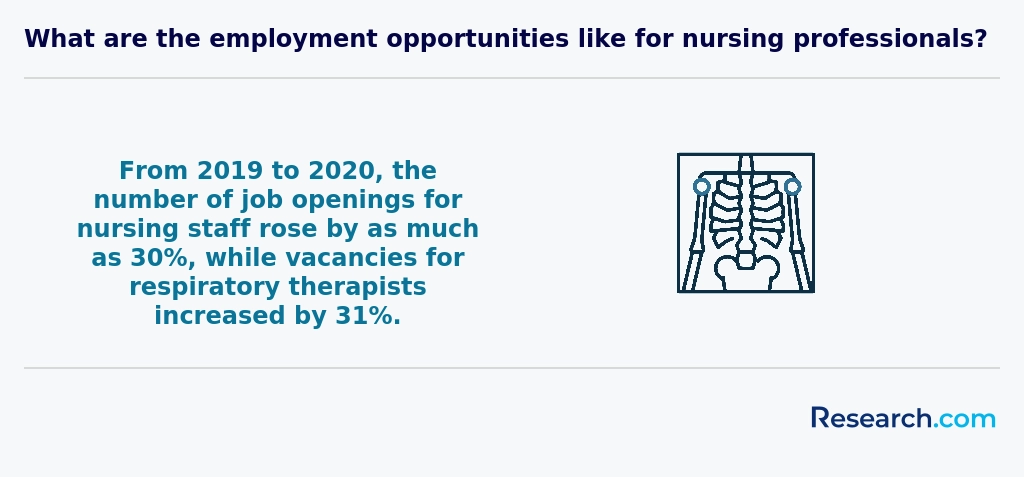
Investing in a healthcare degree demands careful analysis of long-term value. On average, students incur total annual costs of $30,000–$60,000 (tuition, fees, living expenses), while entry-level Healthcare graduates in Brooklyn earn between $41,260 and $55,860 per year. By comparing cumulative earnings against debt repayment, most graduates reach a break-even point within 5–7 years post-graduation, depending on loan terms and specializations. A simplified ROI model: assume a four-year bachelor’s at $40,000 per year and entry salary of $55,000. With a standard 10-year repayment plan at 5% interest, monthly student loan payments average $424, while monthly income before tax is $4,583. After living costs and taxes, graduates typically allocate 10–15% of earnings toward loans, recovering educational investment within six years. Higher-earning roles, such as Health Services Managers ($80,000+) or advanced nursing specializations, can shorten this timeline to 3–4 years. For students seeking flexible or lower-cost pathways, exploring reputable online programs can enhance ROI further. Additionally, our Affordable Online Healthcare Degree Programs Ranking in the South provides a detailed comparison of cost-effective online options, helping you optimize your investment and accelerate career advancement.
What financial aid is available to healthcare degree students in Brooklyn?
Imagine starting your healthcare journey at a vibrant Brooklyn college, like Long Island University or SUNY Downstate, where financial aid becomes your unexpected ally. Many graduates recall how federal Pell Grants, offering up to $7,395, felt like a lifeline that made tuition less daunting. Completing the FAFSA is your gateway to these grants, plus access to Direct Subsidized and Unsubsidized Loans with lower interest rates that ease repayment stress compared to private lenders.
Some Brooklyn healthcare students embrace work-study programs, juggling part-time jobs on campus that not only help with expenses but also build valuable skills. State aid through the New York State TAP program is another hidden gem that residents often find, significantly cutting costs at local colleges.
Beyond government aid, scholarships funded by Brooklyn hospitals or associations offer thrilling opportunities, especially for those ready to serve underserved communities. These tailored awards bring hope and encouragement to every aspiring nurse or technician stepping into Brooklyn's dynamic healthcare field.
Continuing Education and Certification Opportunities
While a healthcare degree provides a strong foundation, supplementing your academic credentials with specialized certifications can set you apart in an increasingly competitive field. Additional training-such as obtaining advanced certifications in nutrition, health informatics, or patient care management-enhances your career prospects and ensures you remain current with industry standards and best practices. For instance, professionals may consider pursuing credentials like the best online nutrition certification to diversify their skill set and meet the growing demand for integrated healthcare solutions. Furthermore, continuing education opportunities often lead to higher earning potential and greater career flexibility, whether through online courses, workshops, or seminars offered by accredited institutions. By upgrading your skills through targeted certifications, you not only increase your expertise in niche areas but also demonstrate a commitment to lifelong learning-a critical factor valued by employers and echoed in many of today's job market trends. Embracing these supplemental educational paths can ultimately empower you to deliver more comprehensive care and remain competitive in dynamic healthcare settings.
What are the prerequisites for enrolling in healthcare degree program in Brooklyn?
Diving into a healthcare degree in Brooklyn means stepping into a world where your academic foundation truly counts. Graduates from universities like Long Island University or Brooklyn College often recall how having a solid high school diploma-and coursework in biology, chemistry, and math-was their ticket in. Imagine prepping for those classes while exploring NYC's vibrant neighborhoods, knowing each formula or cellular structure brings you closer to your dream.
Many programs ask for standardized test scores like the SAT or ACT, a hurdle many have crossed to unlock access to four-year degree paths. Yet, some local community colleges offer a more flexible route, waiving these tests and making healthcare education more accessible.
Letters of recommendation paint a vivid story of your passion-graduates have shared how support from teachers or healthcare mentors helped them stand out in Brooklyn's competitive healthcare landscape. For specialized paths like nursing, excelling in anatomy or gaining volunteer experience at nearby medical centers adds an adventurous edge to your journey.
Maximizing Your ROI in Healthcare Education
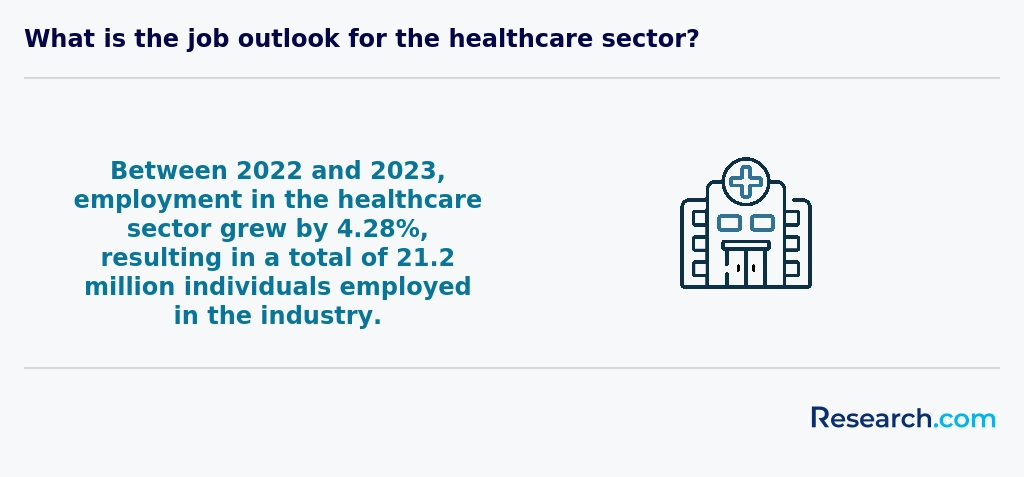
When you invest in a healthcare degree, it’s essential to look beyond tuition costs and consider the long-term return on investment (ROI). This section guides you through evaluating the value of your degree by exploring crucial factors such as graduation rates, job placement statistics, alumni success stories, and career support services that can lead to higher lifetime earnings. It’s important to assess how well a program equips you for a rapidly evolving healthcare industry where skills in patient care, management, and technology are increasingly vital. Start by comparing the overall costs and expected outcomes of different institutions. Examine metrics like employment rates post-graduation, starting salary ranges, and continuing education opportunities. Analyzing these details can help you identify programs that not only offer affordable tuition but also demonstrate clear long-term benefits. For example, exploring an affordable healthcare school in new york might reveal institutions with robust career services, affordable pathways, and strong alumni networks that can turn your educational expenditure into a worthwhile career investment. In addition, consider the support services provided by the institution such as mentoring programs, internship placements, and career counseling. These elements are critical in ensuring that the skills and knowledge you acquire translate into successful job placements and career progression in today’s competitive healthcare environment. Taking the time to evaluate these factors can empower you to make an informed decision that maximizes both your financial and professional returns over the course of your healthcare career.
What courses are typically in healthcare degree programs in Brooklyn?
Diving into a healthcare degree in Brooklyn means exploring a vibrant mix of courses that bring both excitement and challenge. Graduates from popular colleges here often rave about foundational classes like anatomy and physiology, where they first unravel the mysteries of the human body through hands-on labs and lively discussions. Imagine feeling the thrill of understanding how your own heart beats or how nerves transmit signals-pure discovery right on campus.
Alongside these, courses in biology, chemistry, and microbiology build a solid science foundation, turning textbooks into real-world knowledge as students connect what they learn to local clinical experiences. Many recall their first clinical skills classes-practicing patient care or mastering phlebotomy-where lessons suddenly come alive during internships at Brooklyn's bustling hospitals, creating unforgettable moments of empowerment.
Healthcare systems, ethics, and policy courses open eyes to Brooklyn's unique, diverse communities, teaching graduates how to navigate complex healthcare landscapes with compassion and confidence. Meanwhile, tech-focused classes on electronic health records and informatics prepare students to step into the future of medicine with digital savvy.
What types of specializations are available in healthcare degree programs in Brooklyn?
Diving into healthcare degree specializations in Brooklyn is like stepping into a vibrant world of possibilities. Graduates from local colleges often share how nursing pathways-from Licensed Practical Nurse certificates to advanced practice registered nurse roles-equip them to care for Brooklyn's diverse communities with confidence and empathy. Others highlight healthcare administration programs, where they learn to navigate complex hospital systems and policies while aiming to improve patient experiences and service efficiency.
Public health degrees, popular among students passionate about community impact, emphasize tackling real-world challenges like disease prevention and health education tailored to Brooklyn's multicultural neighborhoods. Meanwhile, specializations such as medical laboratory science bring excitement to students fascinated by diagnostics, putting theory into action in nearby clinics and hospitals. Physical and occupational therapy grads describe the fulfillment of helping patients regain independence, while dental hygiene programs prepare students for hands-on preventive oral care.
Students exploring Brooklyn healthcare programs with specialization options also find opportunities in health informatics, weaving together tech skills and medical knowledge to manage critical patient data. For those curious about nutrition, many pair their studies with the best online nutrition certification, enhancing their healthcare expertise.
How do you choose the best healthcare degree in Brooklyn?
Choosing the best healthcare degree in Brooklyn feels like setting off on an exciting journey where your future unfolds with each choice. Graduates from local colleges often share how vital it was to find programs that matched their passion and lifestyle, especially in a bustling borough like Brooklyn. For instance, nursing students at Brooklyn College treasure the balance of flexible evening classes paired with real-world clinical experiences nearby. If you're driven by numbers and management, exploring affordable healthcare degree programs Brooklyn offers in health administration can be a game-changer-many graduates highlight how their programs' partnerships with Maimonides Medical Center led to rewarding internships.
Financial considerations send many on a quest for valuable options. Public institutions offer a more budget-friendly path, while private schools may surpass $20,000 yearly. For those wanting to keep costs down without sacrificing quality, checking out low cost bs in health care administration programs can unveil hidden treasures among local offerings. Imagine studying close to home while benefiting from Brooklyn's vibrant healthcare scene.
What career paths are available for healthcare degree students in Brooklyn?
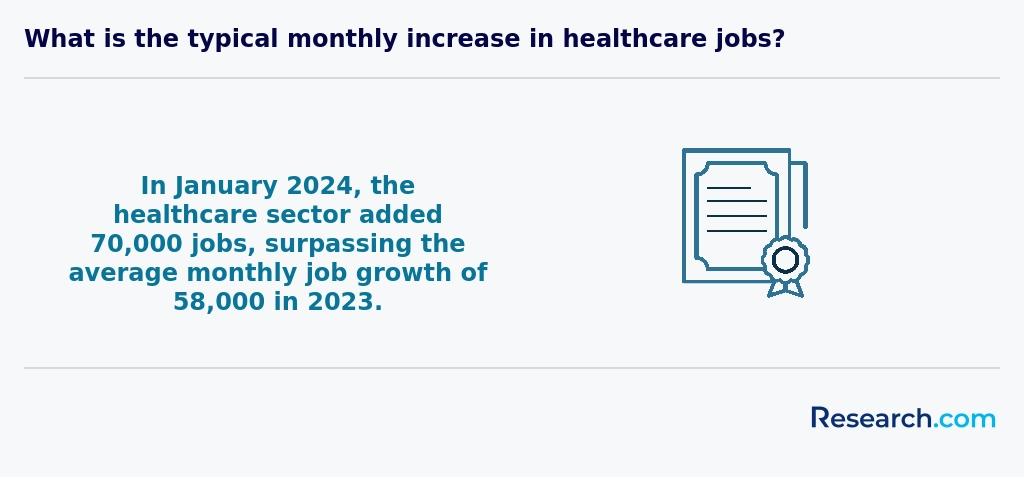
Graduates with a healthcare degree in Brooklyn often find themselves stepping into vibrant roles like registered nurses, medical technicians, or respiratory therapists, thriving in bustling hospitals and outpatient centers. Many alumni from prominent colleges share stories of hands-on experiences at local teaching hospitals, excited by Brooklyn's diverse patient needs and the chance to build rewarding careers. Exploring healthcare degree career options Brooklyn reveals a treasure trove of possibilities, from clinical care to cutting-edge radiologic technology, all rooted in the city's dynamic health environment.
Healthcare job opportunities in Brooklyn extend beyond direct patient care. Graduates also embark on paths in healthcare administration and public health, managing clinics or designing programs addressing urban health challenges like environmental hazards or chronic disease. Those passionate about policy or community impact often find meaningful placements within nonprofits or government agencies dedicated to Brooklyn's wellbeing. For practical insights on affordable programs, exploring the Affordable Online Healthcare Degree Programs Ranking in the South can illuminate smart financial choices for aspiring professionals in the area.
What is the job market for healthcare degree in Brooklyn?
The healthcare job opportunities in Brooklyn are vibrant and expanding, fueled by a diverse population and several major hospitals like the Brooklyn Hospital Center and Maimonides Medical Center. Graduates from local institutions, including CUNY schools, often find themselves in bustling roles, from nursing to health administration, where demand remains high. One recent graduate shared how the city's growing outpatient facilities offered immediate openings, making the transition from study to work feel rewarding and full of promise.
Studying healthcare right here means being part of a community where starting salaries are competitive-for instance, registered nurses earn between $75,000 and $85,000, while health services managers can begin near $90,000. This generates real enthusiasm among Brooklyn students chasing meaningful careers. Those exploring how to speed up their education might consider an online associate degree in 6 months, which blends flexibility with solid career prospects.
Many Brooklyn healthcare degree career prospects include not just clinical roles but also administrative and allied health fields, reflecting a rich tapestry of opportunities. Graduates often experience a confident sense of purpose stepping into neighborhoods ready for their skills, making the city an adventurous gateway for healthcare professionals in training.
Frequently Asked Questions About healthcare
Healthcare degree students in Brooklyn can maximize their learning by engaging in hands-on clinical experiences offered at local hospitals and community health centers. Brooklyn's diverse patient population provides exposure to a wide range of medical conditions, which is invaluable for practical training.
Students should also take advantage of internships and externships, as these programs often connect them with experienced healthcare professionals. According to the New York State Education Department, clinical hours are mandatory for most healthcare degrees and completing them early can improve job readiness.
Networking through Brooklyn-based healthcare associations and attending seminars can offer insights into current industry trends and employment opportunities.
Lastly, students should utilize Brooklyn Public Library resources and online databases to stay updated with the latest medical research relevant to their studies.
The healthcare field in Brooklyn is rapidly evolving, with several emerging niches attracting growing interest among students and professionals. One key area is telehealth, which has expanded significantly since the COVID-19 pandemic. According to the New York State Department of Health, telehealth visits in Brooklyn increased by over 50% between 2020 and 2023, highlighting demand for trained practitioners in this domain.
Another niche is healthcare data analytics. Hospitals and clinics in Brooklyn increasingly rely on data to improve patient outcomes and streamline operations. This trend creates opportunities for graduates skilled in both healthcare and data science.
Lastly, mental health services remain critically underserved in Brooklyn, with local agencies urging expansion of programs for behavioral health specialists and addiction counselors. This need points to strong job prospects in these specializations for healthcare degree holders.
After completing a healthcare degree in Brooklyn, preparing for the job market involves several key steps. First, gaining practical experience through internships or clinical rotations is essential. Brooklyn's healthcare sector employs over 100,000 professionals, making local networking valuable. Connecting with hospitals like NYU Langone Brooklyn or Brooklyn Hospital Center can open doors to entry-level roles.
Obtaining relevant certifications, such as CPR or specialized licenses depending on your field, enhances employability. According to the New York State Department of Labor, healthcare jobs in Brooklyn are expected to grow by 12% through 2030, indicating strong demand.
Finally, leveraging career services offered by Brooklyn colleges can help refine resumes and interview skills tailored to local healthcare employers.
Employers in Brooklyn seek healthcare graduates with a blend of technical and interpersonal skills to meet the borough's diverse patient needs. Clinical proficiency is crucial, including knowledge of electronic health records (EHR) systems, as digital health management grows nationally. According to the New York State Department of Labor, candidates with strong patient care and communication skills stand out in Brooklyn's competitive healthcare job market.
Additionally, cultural competence is essential in Brooklyn's diverse communities, enabling graduates to provide respectful and effective care. Critical thinking and problem-solving skills are also highly valued to address complex medical situations. Healthcare employers increasingly prefer graduates with team collaboration abilities and adaptability to fast-paced environments.
Finding internships in Brooklyn relevant to a healthcare degree involves a strategic approach combining local resources and networking. Many hospitals and healthcare facilities in Brooklyn, including NYU Langone Hospital-Brooklyn and Maimonides Medical Center, offer structured internship programs targeting healthcare students.
Students should consult their college's career services for tailored listings and workshops. Additionally, platforms like Handshake and Indeed regularly feature healthcare internships localized to Brooklyn. According to the New York State Department of Labor, healthcare employment in Brooklyn is projected to grow 16% from 2022 to 2032, underscoring increasing internship opportunities.
Joining professional organizations such as the Brooklyn Healthcare Human Resources Association can also enhance access to internships through networking events and job fairs.
Obtaining a healthcare degree in Brooklyn significantly enhances career mobility and advancement opportunities. The borough's growing healthcare sector, which reflects the broader New York City market, employs over 120,000 healthcare workers as of 2023, according to the New York State Department of Labor. A formal degree offers foundational knowledge and credentials required for roles such as nursing, medical technology, and health administration.
With a degree, individuals can access higher-paying positions and managerial roles that are otherwise unavailable. For example, Brooklyn hospitals and clinics often prefer candidates with degrees when considering promotions. Additionally, healthcare degrees support eligibility for certifications and licenses that lead to specialized careers.
Employers in Brooklyn increasingly value degrees due to evolving healthcare regulations and patient care standards. This trend makes academic qualifications a critical factor in job security and long-term professional growth. Students investing in healthcare education in Brooklyn position themselves for upward mobility within a competitive job market.
Studying for a healthcare degree in Brooklyn offers distinct advantages for those aiming at interdisciplinary roles. Brooklyn's healthcare programs emphasize collaboration among various professionals, integrating nursing, public health, social work, and medical technology. This approach reflects the real-world settings in New York City hospitals and clinics, where teamwork is essential for quality patient care.
Local institutions such as Long Island University and Brooklyn College partner with major healthcare providers to provide clinical experiences. According to the New York State Department of Labor, Brooklyn's healthcare employment continues to grow, with interdisciplinary teams becoming critical in managing complex patient needs.
The curriculum often includes courses on communication, ethics, and healthcare systems, preparing students to navigate diverse teams. This comprehensive training equips graduates to work effectively in environments that demand coordination across specialties, a key trend in modern healthcare delivery.
Choosing between a thesis and a non-thesis healthcare degree program in Brooklyn depends largely on your career goals and preferred learning style. Thesis programs emphasize research and writing, preparing students for roles in academia, research, or advanced clinical positions. Non-thesis options focus more on practical skills and coursework, ideal for those aiming to enter the healthcare workforce quickly.
According to the National Center for Education Statistics, around 40% of healthcare graduate students in New York pursue thesis programs, which often require one to two extra semesters. Brooklyn's healthcare sector-employing over 100,000 workers-values both types depending on job requirements.
The decision should also consider faculty expertise and available resources at Brooklyn institutions, as stronger research facilities support thesis success. Financial factors matter too: thesis tracks may require more time and tuition, while non-thesis programs tend to be shorter and sometimes less expensive.
Students based in Brooklyn seeking healthcare degrees abroad have several pathways through U.S. university partnerships and study abroad programs. Many Brooklyn institutions, including CUNY schools, offer exchange opportunities with European and Canadian universities renowned for healthcare education. These programs allow students to gain global medical perspectives while earning credits transferable to their U.S. degrees. According to the Institute of International Education, approximately 12% of health-related majors participate in study abroad annually. Popular destinations include the United Kingdom, Ireland, and Australia, known for strong nursing and public health curricula. Brooklyn's diverse population also encourages culturally informed healthcare studies abroad.
Brooklyn offers a variety of part-time job opportunities that align well with healthcare degree studies. Many students find roles as medical assistants, pharmacy technicians, or home health aides, which provide hands-on experience while maintaining flexible hours. According to the New York State Department of Labor, healthcare support jobs in Brooklyn are projected to grow by 12% between 2022 and 2032, indicating strong demand.
Hospitals and clinics like NYU Langone Health and Kings County Hospital Center frequently hire part-time workers in entry-level healthcare positions. These opportunities help students develop clinical skills and patient interaction experience. Additionally, community health organizations often seek volunteers or paid interns, offering insight into public health initiatives within Brooklyn's diverse population.
Healthcare students in Brooklyn have access to numerous networking opportunities through local colleges, hospitals, and professional organizations. Schools such as Long Island University and Brooklyn College offer student chapters of healthcare associations, which provide events and workshops for skill-building and professional connections.
Brooklyn's extensive healthcare system, including institutions like NYC Health + Hospitals/Kings County, serves as a hub for internships and clinical placements, allowing students to interact directly with practicing professionals.
Additionally, the Brooklyn Chamber of Commerce and healthcare-focused nonprofits frequently host career fairs and seminars tailored to health disciplines, enhancing networking possibilities. According to the New York State Department of Labor, Brooklyn's healthcare sector employs over 76,000 workers, making it a vibrant environment for emerging professionals.
Alumni networks provide significant advantages for healthcare degree students in Brooklyn, offering valuable connections within one of the nation's largest healthcare job markets. These networks often facilitate mentorship opportunities, helping students navigate local hospitals and clinics such as Brooklyn Hospital Center and NYU Langone. According to a 2023 report from the New York State Department of Labor, healthcare employment in Brooklyn is growing steadily, highlighting the importance of professional contacts.
Engaging with alumni can lead to internships and job referrals, which are crucial in a competitive field. Many Brooklyn graduates remain in the area, creating a robust community that supports new students. Strong alumni relationships can also provide insights into evolving healthcare policies and technologies specific to New York City.
Customizing a healthcare degree in Brooklyn involves choosing coursework and clinical experiences aligned with your career goals. Many local institutions offer flexible programs that let students select specialties like nursing, public health, or health administration. Electives and internships provide practical exposure in Brooklyn's diverse healthcare settings, such as community clinics and hospitals.
The Brooklyn-Queens Health Workforce Initiative highlights that tailoring your studies to meet the region's demand-for example, in geriatric care or behavioral health-enhances employment opportunities. Students can also engage in research projects or certificate programs that deepen expertise in priority areas. This hands-on approach prepares graduates for Brooklyn's evolving healthcare landscape.
Healthcare students in Brooklyn often face the challenge of balancing rigorous academic requirements with clinical training hours. According to data from the New York State Education Department, many healthcare programs demand up to 1,000 clinical hours, which can be difficult to manage alongside coursework. Additionally, the high cost of living in Brooklyn adds financial pressure, making it harder for students to focus solely on their studies.
Another common challenge is accessing quality clinical placements. Due to competition with numerous healthcare students across New York City, securing internships in preferred settings may be limited. Language barriers and cultural diversity also require students to adapt quickly in both classroom and clinical environments.
Pursuing a healthcare degree in Brooklyn opens the door to various professional certifications that enhance career prospects. Common certifications include Certified Nursing Assistant (CNA), Registered Nurse (RN), and Licensed Practical Nurse (LPN), all regulated by New York State Department of Education. For those interested in administrative roles, the Certified Healthcare Administrator credential is widely recognized.
Specialized certifications such as Medical Coding and Billing or Health Information Management are also popular, reflecting Brooklyn's growing demand for health IT professionals. The Brooklyn Workforce Innovations reports that healthcare jobs with certification requirements have grown by over 10% since 2020.
Additionally, fields like physical therapy, respiratory therapy, and radiologic technology require state licensure and national certification exams. These certifications ensure regulatory compliance and improve employment opportunities in the competitive Brooklyn healthcare market.
Crafting a winning application for a healthcare program in Brooklyn requires clear presentation of your academic achievements and genuine passion for the field. Brooklyn boasts diverse healthcare institutions, including SUNY Downstate Medical Center, which places strong emphasis on community service and practical experience. Applicants should highlight any relevant volunteer work or internships within Brooklyn's healthcare settings. According to the NYC Department of Health, healthcare jobs in Brooklyn are projected to grow by 12% through 2029, making practical experience highly valuable.
Additionally, a well-structured personal statement focusing on your dedication to improving local health outcomes can set you apart. Be sure to meet all application deadlines and provide complete documentation as requested by schools.
Healthcare careers are increasingly recognized worldwide for their essential role in improving public health. In the United States, including Brooklyn, the demand for healthcare professionals is growing rapidly due to aging populations and chronic disease prevalence. According to the U.S. Bureau of Labor Statistics, healthcare occupations are projected to grow 16% from 2021 to 2031, much faster than the average for all occupations.
Globally, healthcare careers emphasize cultural competence and adaptability, skills vital in diverse areas like Brooklyn, where over 35% of residents are foreign-born, according to the 2020 U.S. Census.
Education in the U.S. provides structured pathways from certificates to advanced degrees, supporting international standards to enable workforce mobility.
Gaining practical experience while studying for a healthcare degree in Brooklyn is essential for career readiness. Many local colleges, such as Long Island University and Brooklyn College, offer clinical internships and practicum placements as part of their curricula. These opportunities often take place in Brooklyn's numerous hospitals and healthcare centers, including NewYork-Presbyterian Brooklyn Methodist Hospital and Maimonides Medical Center.
Students can also participate in volunteer programs or part-time healthcare jobs to build hands-on skills. According to the New York State Education Department, clinical hours are a mandatory component for licensing in many healthcare professions, emphasizing the importance of practical training during studies.
Choosing the right concentration within a healthcare degree program in Brooklyn involves considering your career goals and the local job market. Brooklyn's healthcare sector is diverse, with growing demand in nursing, public health, and healthcare administration, according to the New York State Department of Labor.
Research the concentrations offered by Brooklyn colleges and compare their curricula. For example, nursing programs often focus on clinical skills, while public health emphasizes community wellness and policy.
Evaluate program accreditation and clinical placement opportunities. Networking locally can provide insight into which specialties have strong employment prospects in Brooklyn's expanding healthcare system.
Related Healthcare Rankings for Nearby Cities
- 2027 Most Affordable Healthcare Degree Programs Ranking in New York
- 2027 Most Affordable Healthcare Degree Programs Ranking in Jersey City
- 2027 Most Affordable Healthcare Degree Programs Ranking in Queens
- 2027 Most Affordable Healthcare Degree Programs Ranking in Staten Island
- 2027 Most Affordable Healthcare Degree Programs Ranking in Bronx
- 2027 Most Affordable Healthcare Degree Programs Ranking in Rockville Centre
- 2027 Most Affordable Healthcare Degree Programs Ranking in South Orange
- 2027 Most Affordable Healthcare Degree Programs Ranking in Union
- 2027 Most Affordable Healthcare Degree Programs Ranking in Old Westbury
- 2027 Most Affordable Healthcare Degree Programs Ranking in Brookville
Top Trending Healthcare Rankings
See What Experts Have To Say About Studying Healthcare
Read our interview with Healthcare experts

References
- Top 5 Part-Time Healthcare Jobs For Students https://www.sumnercollege.edu/blog/top-5-part-time-healthcare-jobs-for-students/
- Careers https://www.tbh.org/careers
- Mba Health Care | Brooklyn Business School https://www.brooklynacademy.net/bbs/mba-health-care.html
- How to Find Healthcare Internships: A Step-by-Step Guide for Students and New Graduates https://hipaatraining.net/how-to-find-healthcare-internships-a-step-by-step-guide-for-students-and-new-graduates
- One Brooklyn Health Careers | OBHS https://careers.onebrooklynhealth.org/
- Pursuing Your Career Goals: Strategies and Examples https://www.ultimatemedical.edu/blog/career-goals-importance-strategies-and-examples/
- The Role of Interdisciplinary Studies in Medical Career Training https://georgia-med.com/the-role-of-interdisciplinary-studies-in-medical-career-training.html
- Healthcare Students Learning - UNLV Health https://www.unlvhealth.org/article/healthcare-students-learning
- Financial Assistance - NYC Health + Hospitals https://www.nychealthandhospitals.org/financial-assistance/
- Education requirements for the fastest-growing healthcare jobs https://www.corridorcareers.com/job-tips/blog-news-education-requirements-fastest-growing-healthcare-jobs


