2027 Best Online Healthcare Degree Programs Ranking in Charlotte, NC

Co-Founder and Chief Data Scientist
Choosing the right healthcare degree program is a big step toward a rewarding career. If you're in Charlotte, NC, and seeking flexible online options, this article is for you.
The 2027 Best Online Healthcare Degree Programs Ranking in Charlotte, NC was created by the Research.com team of data scientists to guide you through the top choices available. It helps you focus on programs that deliver value and quality education.
By reading this, you'll feel confident making decisions that align with your goals and future success in healthcare.
Key benefits of getting online healthcare degree in Charlotte
- Graduates with healthcare degrees in Charlotte can earn competitive salaries, such as Medical Assistants making around $43,350 annually and Patient Care Technicians earning about $60,790 per year, helping to secure a stable financial future.
- Healthcare degree holders from local institutions often find diverse career options including roles like Clinical Research Coordinator or Health Information Technician, offering rewarding and meaningful work close to home.
- Completing a healthcare degree online in Charlotte offers flexibility and convenience, allowing students to balance studies with work or family life while still gaining quality education and real-world skills.
- 2027 Best Online Healthcare Degree Programs Ranking in Charlotte, NC
- What can I expect from online healthcare degree in Charlotte?
- Where can I work with online healthcare degree in Charlotte?
What can I expect from online healthcare degree in Charlotte?
The average cost of an online healthcare degree in Charlotte typically ranges between $15,000 and $35,000, depending on the level of the program and the institution. Graduates from prominent local universities often report expenses aligning with this range, reflecting tuition fees combined with technology and course materials. For example, students at well-known Charlotte colleges pursuing bachelor's degrees in nursing or healthcare administration cite tuition as the primary cost, with scholarships and employer tuition assistance helping to alleviate financial burdens.
Many students appreciate the value of local institutions offering accredited online programs, which maintain rigor comparable to on-campus standards while providing the flexibility essential for working adults. These graduates often highlight the balance between affordability and quality as a key factor in their positive learning experience.
Financial aid options such as federal grants, scholarships specific to healthcare professions, and local workforce development funding also play a significant role. This makes online healthcare education in Charlotte both accessible and cost-effective for many aspiring professionals committed to advancing their careers without relocating.
Where can I work with online healthcare degree in Charlotte?
Graduates with an online healthcare degree in Charlotte often find diverse employment opportunities across the city's robust medical sector. Major employers like Atrium Health and Novant Health rely heavily on qualified professionals, offering positions such as registered nurses, healthcare administrators, and medical services managers. These roles provide graduates with stable careers and the chance to impact patient care in a large urban setting.
Many online healthcare graduates from institutions like the University of North Carolina at Charlotte report smooth transitions into roles within community health organizations, including the Mecklenburg County Health Department. These positions emphasize disease prevention and public health education, allowing graduates to support vulnerable populations directly.
Charlotte's healthcare technology and biotech industries also open doors for graduates skilled in health informatics and data management. The expanding demand for health analytics specialists at research facilities and outpatient care centers highlights the city's commitment to integrating technology into healthcare delivery.
With Charlotte's healthcare sector growing over 10% since 2019 and a population nearing 900,000, career prospects for those completing online healthcare degrees remain strong and varied across hospitals, public health agencies, and private practices.
Graduates with online healthcare degrees in Charlotte can expect competitive earnings that reflect the city's expanding healthcare sector. For instance, Medical Assistants typically earn around $43,350 annually, while Patient Care Technicians see higher mean wages near $60,790. These figures align with real experiences from graduates of popular local colleges, who often start their careers with salaries matching these data.
Health Information Technicians earn approximately $43,380, a figure supported by feedback from online degree holders who value Charlotte's growing healthcare infrastructure. Those stepping into specialized coordinator roles can expect more substantial wages; Quality Improvement Coordinators reported mean annual salaries near $103,150. This level of income encourages many online graduates from Charlotte universities to pursue advanced training.
These numbers underscore the strong financial prospects available to online healthcare graduates in Charlotte. With robust local demand and accredited programs recognized by employers, obtaining a healthcare degree here opens doors to rewarding, well-paid careers in a vibrant job market.
- Online bachelor's healthcare degrees in Charlotte typically cost between $10,000 and $25,000.
- Graduate healthcare programs, like Master of Healthcare Administration, range from $30,000 to $50,000 depending on the school.
- Starting salaries for healthcare graduates in Charlotte are around $50,000 to $60,000 per year.
- Experienced healthcare professionals in Charlotte can earn between $75,000 and $100,000 annually based on specialization.
- Accreditation from agencies like CCNE or CEPH is important when choosing an online healthcare program.
- Many programs offer financial aid and local clinical placements essential for licensure and certification.
Completing an online healthcare degree in Charlotte typically aligns with standard U.S. educational timelines but offers flexibility suited to working adults. An associate degree usually takes about two years, with part-time options extending to three years, allowing students to balance jobs and family life while studying.
Bachelor's degrees, common at institutions like the University of North Carolina at Charlotte, generally require four years of full-time study. However, many students appreciate accelerated online options that reduce this to 2.5 to 3 years. Graduates often remark on the satisfaction of finishing faster without sacrificing quality, helping them enter the workforce sooner.
Master's programs fluctuate between 1.5 and 3 years depending on enrollment status. For example, accelerated nursing administration programs at nearby colleges enable completion within 12 to 18 months, which many professionals find motivating as they juggle careers and education.
Doctoral degrees, such as the Doctor of Nursing Practice offered online in Charlotte, demand 3 to 4 years. These programs integrate clinical components, enriching practical skills and often leading to significant career advancement.
- Associate degree: approximately 2 years (part-time options up to 3 years)
- Bachelor's degree: typically 4 years full-time, accelerated options around 2.5 to 3 years
- Master's degree: usually 1.5 to 3 years depending on enrollment status
- Doctoral degree: 3 to 4 years with clinical/practicum requirements
Choosing an accredited online healthcare degree program in Charlotte, NC is critical for ensuring academic rigor, eligibility for federal aid, and recognition by employers and licensing boards. Regional accreditation by the Southern Association of Colleges and Schools Commission on Colleges (SACSCOC) guarantees that institutions meet high standards of quality and continuous improvement. Specialized accreditations-such as CCNE for nursing, ACEN for nursing education, and CAHIIM for health informatics-further validate program-specific excellence. Key benefits of attending an accredited program:
- Federal Financial Aid and Veteran Benefits: Only accredited institutions offer Federal Direct Loans, Pell Grants, and VA education benefits.
- Seamless Credit Transfers: Accredited programs accept transfer credits more readily, reducing time-to-degree.
- Licensure and Certification Eligibility: Graduates from CCNE‐ or ACEN‐accredited nursing programs qualify for state licensure exams, while CAHIIM‐accredited informatics graduates sit for RHIA certification.
- Employer Trust and Career Mobility: Hospitals and clinics prioritize candidates from recognized programs, enhancing job prospects in clinical and administrative roles. How to verify accreditation: 1. Visit the SACSCOC website and confirm institutional accreditation status. 2. Check specialized accrediting agency directories (CCNE, ACEN, CAHIIM). 3. Review program disclosures on university websites or contact the registrar’s office directly. For those considering advanced healthcare pathways, you may also explore our guide on Most Affordable Online Doctorate in Pharmacy Programs to compare accreditation standards and costs across doctoral offerings. Ensuring proper accreditation today accelerates your journey toward licensure, certification, and a trusted credential in Charlotte’s competitive healthcare market.
Online healthcare degrees in Charlotte, such as those offered by the University of North Carolina at Charlotte, provide flexibility that fits busy lifestyles. Graduates often appreciate being able to study asynchronously, balancing coursework with shifts at local healthcare facilities like Atrium Health. This flexibility reduces stress and allows students to stay close to family and work commitments, which many find motivating and empowering.
In contrast, on-campus programs at institutions like Central Piedmont Community College immerse students in hands-on learning through direct access to simulation labs and face-to-face faculty support. Graduates report valuable networking opportunities here, connecting with Charlotte's healthcare community, including Novant Health professionals, which helps launch their careers.
Both paths require clinical placements, but online students typically complete these hours locally, providing real-world experience without relocating. Cost-wise, online study can save 10-20% on commuting and housing, making it financially appealing. These differences mean students can pick a path that best suits their personal and professional needs in Charlotte's dynamic healthcare environment.
Graduates from online healthcare programs in Charlotte, NC can qualify for professional credentials that enhance employability and meet state requirements. Many programs incorporate exam preparation and clinical experiences aligned with certification standards.
- Certified Nursing Assistant (CNA): Prepares students for the North Carolina state CNA exam through required clinical hours.
- Registered Health Information Technician (RHIT): Covers coding, data management and eligibility for the AHIMA RHIT certification.
- Medical Assistant (CMA): Integrates administrative and clinical skills to sit for the AAMA CMA exam.
- Licensed Practical Nurse (LPN): Fulfills coursework and clinical practicum for NC Board of Nursing licensure exams.
- Registered Nurse (RN): Includes NCLEX-RN review; graduates may advance to a BSN via affordable rn to bsn online programs for expanded career opportunities.
The average cost of an online healthcare degree in Charlotte varies notably based on residency status and institution type. Median data indicate that in-state students pay approximately $7,343 for a complete program, making public universities in Charlotte an affordable option for local residents. This aligns with reports from universities such as UNC Charlotte, where in-state tuition rates for healthcare programs typically range around $300 to $400 per credit hour. Graduates often express satisfaction with the balance between cost and quality, noting how this affordability helps reduce financial stress during their studies.
Out-of-state students face higher expenses, with median costs reaching $27,231, reflecting the additional tuition burden. Private colleges in Charlotte, renowned for specialized healthcare degrees, tend to charge more, often ranging from $25,000 to $45,000 for the entire degree. Despite these costs, many students appreciate the enhanced resources and smaller class sizes, which contribute to a strong learning experience.
Additional expenses such as fees and learning materials can add about 10-15% to overall costs, a detail often highlighted by current students preparing financially. The availability of scholarships, grants, and employer tuition assistance programs further supports prospective students in managing these costs effectively. For anyone exploring healthcare education, comparing options within Charlotte's diverse institutional landscape is essential for balancing quality and affordability.
Many healthcare students also consider certification expenses after graduation, commonly ranging from $200 to $500. For a comprehensive understanding of local educational choices, prospective learners often research comparable programs nationwide and consult lists like those of nursing schools in Seattle to benchmark standards while focusing on Charlotte's market.
Understanding the average cost of online healthcare degrees Charlotte NC helps students plan realistically, ensuring an investment that supports both career goals and financial well-being.

Thriving in an online healthcare degree program requires more than just academic dedication-it’s about adopting effective strategies and leveraging available resources to build a rewarding career. Start by creating a structured study schedule, setting clear goals, and actively participating in virtual class discussions and peer forums; this helps maintain the motivation and discipline necessary for remote learning success. Additionally, take full advantage of academic advising, career services, and mentorship opportunities provided by your institution to hone your skills and prepare for the competitive job market. Regular practice using digital tools and simulation software not only improves technical skills but also boosts confidence during real-world clinical scenarios. If you’re looking to combine outstanding academic quality with financial prudence, consider exploring the most affordable healthcare schools in north carolina, which offer programs designed to maximize learning outcomes without compromising affordability. By implementing these student success strategies, you can make the most of your online healthcare education in Charlotte, NC, paving the way for both personal growth and professional advancement.
Students pursuing online healthcare degrees in Charlotte commonly access federal student aid programs like Pell Grants, which offer up to $7,395 annually based on financial need. Graduates from programs at institutions such as the University of North Carolina at Charlotte have credited Pell Grants and federal Direct Subsidized Loans with easing tuition burdens during their studies.
Additionally, North Carolina's Community College Grant supports residents attending online associate degree programs by covering tuition gaps after federal aid. This grant has been instrumental for many students at Central Piedmont Community College, enabling them to focus more on coursework without excessive financial strain.
Institutional scholarships provided by Charlotte-area colleges frequently reward academic achievement or targeted healthcare fields like nursing, offering valuable funding to reduce out-of-pocket costs. Local healthcare workers enrolled in online programs also benefit from employer tuition reimbursement, reflecting Charlotte's booming healthcare workforce of over 40,000 professionals.
Nationally available scholarships from professional associations further supplement aid, with many students actively applying to these to align finances with their career goals. These combined resources make online healthcare education in Charlotte more financially accessible and rewarding for diverse learners.
Embarking on an online healthcare degree program not only requires academic commitment but also a strategic approach to online learning. To maximize your success, consider establishing a structured study routine that balances coursework with personal and professional responsibilities. Create a dedicated workspace free of distractions and utilize digital planning tools to organize your assignments and deadlines. Additionally, actively engage with faculty and peers via virtual discussion forums and webinars; these interactions can enhance networking opportunities and support your learning. It is also beneficial to explore resources that offer career insights and further specialized education-such as online pharm d programs-which may serve as a pathway for advancing your expertise. Integrating consistent self-assessment and feedback sessions can help you identify areas for improvement early on. Ultimately, combining these strategies with the flexibility of online learning can set a solid foundation for a thriving career in the ever-evolving healthcare landscape.
Applicants aiming to enroll in online healthcare degree programs in Charlotte typically must hold a high school diploma or GED, confirming readiness for college-level study. Graduates from popular local universities recall submitting official transcripts showing prior college coursework or a completed bachelor's degree, especially for advanced programs.
While standardized tests like the SAT or ACT are increasingly rare requirements-especially for graduate-level admission-some undergraduate tracks still request these scores, reflecting the varied policies across Charlotte institutions.
For students pursuing clinical or specialized healthcare fields, prerequisite courses in biology, chemistry, or anatomy are commonly expected. One graduate shared how completing these foundational sciences early on built confidence and ease when tackling advanced healthcare topics online.
Several programs also value relevant professional experience; candidates with nursing or healthcare administration backgrounds sometimes bypass certain course prerequisites, making their pathway smoother. Additionally, background checks and immunization records must often be submitted before clinical placements, ensuring compliance with Charlotte's healthcare standards.

Accreditation is a key indicator of program quality and compliance with industry standards for any online healthcare degree in Charlotte, NC. Prospective students should verify that their chosen institution holds regional accreditation from bodies like the Southern Association of Colleges and Schools Commission on Colleges (SACSCOC) as well as specialized accreditation from agencies such as the Commission on Collegiate Nursing Education (CCNE) for nursing programs or the Council on Education for Public Health (CEPH) for public health degrees. An accredited online healthcare program not only ensures rigorous curriculum and qualified faculty but also unlocks eligibility for federal financial aid, licensure exams, and seamless credit transfer. Beyond basic accreditation, look for evidence of continuous quality improvement through third-party reviews, advisory boards with industry experts, and clear learning outcomes aligned with national competencies. Student satisfaction surveys, graduation rates, and employer feedback can further validate a program’s standing. To compare accreditation standards and cost-effectiveness at the doctoral level, review the Most Affordable Online Doctorate in Healthcare Degree Programs Ranking in Pennsylvania, which highlights accredited institutions offering high value. Ultimately, choosing an accredited and quality-assured online healthcare degree in Charlotte, NC, gives you confidence that your education meets professional benchmarks and prepares you for a successful, licensure-ready career in the evolving healthcare landscape.
Online healthcare degree programs in Charlotte consistently include core courses that build a comprehensive foundation for students entering the healthcare field. Graduates from well-known local institutions often highlight the practical relevance of subjects such as anatomy, physiology, and medical terminology, which prepare them for patient interactions and clinical settings common in Charlotte's healthcare facilities.
Courses in healthcare ethics and law are also prominent, equipping students to handle regulatory challenges effectively, a critical skill given the complex legal environment in U.S. healthcare. Many Charlotte-based graduates appreciate how these classes clarify responsibilities they face daily in their roles.
Healthcare administration and finance modules cater directly to the needs of Charlotte's extensive hospital networks like Atrium Health and Novant Health, where leadership and management skills are in high demand. Students frequently express confidence in navigating organizational workflows after completing these courses.
Technological competencies are emphasized through health information management and informatics classes, with graduates noting these skills significantly enhance their job market competitiveness. Clinical practice or virtual simulations provide hands-on experience, often supplemented by local internships, enabling students to translate classroom knowledge into real-world healthcare environments.

Online healthcare degree specializations in Charlotte NC typically cover a broad range of focus areas tailored to the city's dynamic healthcare environment. Graduates from local universities often highlight Nursing (RN to BSN, MSN) as a leading specialization, driven by Charlotte's major healthcare providers like Atrium Health and Novant Health. These programs offer pathways into nurse leadership, education, and family nurse practitioner roles, equipping students for high-demand positions.
Other prominent healthcare program focus areas Charlotte North Carolina include Healthcare Administration, preparing students for hospital management and compliance roles, and Public Health, which addresses key community health challenges specific to growing urban populations. Health Informatics is increasingly relevant, combining healthcare with IT to support emerging data-driven practices in Charlotte's hospitals.
Many students pursuing advanced practice look into nurse practitioner degrees kansas degree programs for comparative insights into specialization options. Physical Therapy and Medical Laboratory Science also offer viable tracks, balancing online coursework with clinical experience. These varied specializations reflect Charlotte's commitment to flexible, career-focused education aligned with local healthcare demands.
Choosing the best online healthcare degree programs Charlotte NC requires focusing on accredited institutions recognized by agencies like CAAHEP or CCNE to ensure quality education and eligibility for certification. Graduates from popular local colleges often praise the flexibility of asynchronous courses, which fit well with demanding schedules and family life. For example, many students at Charlotte universities note how balancing work and study became manageable without sacrificing learning outcomes.
Affordability also plays a key role. Charlotte offers affordable healthcare degrees online Charlotte through community colleges and universities charging between $8,000 and $15,000 annually for public programs, compared to higher private tuition. Students appreciate competitive pricing coupled with strong faculty expertise and robust support services, which ease academic challenges and enhance confidence.
Local job market alignment is vital too. Healthcare programs linked to Charlotte's major employers provide internships and networking, improving job prospects. Advising services often guide students through nursing degree prerequisites and related pathways, helping graduates transition smoothly into growing healthcare roles.
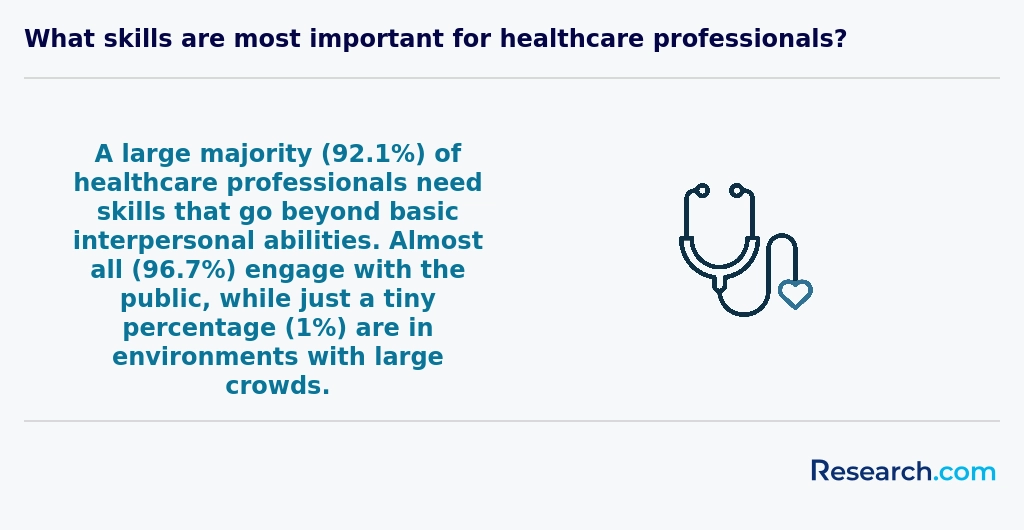
Graduates with online healthcare degrees in Charlotte frequently pursue roles such as Registered Nurse (RN), Healthcare Administrator, Health Information Manager, and Public Health Educator. The Charlotte metro area projects an addition of over 10,000 nursing jobs by 2030, creating strong demand for RNs prepared through programs at local institutions like the University of North Carolina at Charlotte. These graduates often express confidence in their career stability and ability to contribute directly to patient outcomes in facilities such as Atrium Health.
Healthcare administration graduates find opportunities managing operations within hospitals, insurance companies, or government agencies, benefiting from Charlotte's robust healthcare economy where the sector accounts for about 14% of local employment. Students report satisfaction with their ability to impact healthcare delivery and organizational efficiency.
Specializing in health information technology allows graduates to oversee electronic systems vital to patient records and care. This area complements clinical knowledge and is crucial for managing patient care data. Those with skills in both healthcare and IT earn competitive salaries above the national median of $100,000 annually, as noted by the BLS.
Public health roles, including community health educators and epidemiologists, respond to Charlotte's growing population health needs. Graduates often feel a strong sense of purpose working on disease prevention and education efforts, a focus that has intensified post-pandemic. Institutions offering these programs provide flexible tuition plans, making them accessible for working adults pursuing online healthcare degrees Charlotte NC.
The job market for online healthcare degree jobs Charlotte NC is robust, supported by a growing metropolitan area and a healthcare sector expanding faster than the national average. Graduates from institutions like the University of North Carolina at Charlotte often find opportunities as registered nurses, healthcare informatics specialists, and medical technologists within local systems such as Atrium Health. The city's aging population and increasing healthcare access drive demand for skilled professionals, making entry-level positions competitive and well-compensated.
Healthcare employment opportunities in Charlotte also reflect this trend, with management roles frequently offering salaries above $90,000 annually. Many graduates highlight how their online coursework included technology and telehealth training, a perfect fit for Charlotte's increasing reliance on digital healthcare solutions. For those balancing work and study, programs with strong technical components support quick integration into evolving healthcare settings.
Prospective students interested in advancing their careers further can explore online msn to dnp programs learning outcomes available locally, linking strong academic preparation with practical job market advantages.
2027 Best Online Healthcare Degree Programs Ranking in Charlotte, NC
Investing in your education is a significant decision that can shape your future, and the Research.com team understands the importance of making informed choices. To assist prospective students in Charlotte, NC, we have meticulously crafted the "2027 Best Online Healthcare Degree Programs Ranking in Charlotte, NC." Our commitment to quality, credibility, and accuracy is reflected in the extensive research and analysis conducted to compile this ranking.
We utilized the following reputable data sources to ensure a comprehensive evaluation of healthcare degree programs:
By exploring this ranking, readers will gain valuable insights into the best online healthcare degree programs available in Charlotte, NC, enabling them to make well-informed decisions about their educational and professional futures. For more details on our methodology, please visit our Research.com methodology page.


Frequently Asked Questions About healthcare
Online healthcare degree students in Charlotte can enhance their learning by actively engaging with digital resources and virtual communities. Utilizing tools like discussion boards and video conferencing helps maintain interaction with peers and instructors. Given Charlotte's growing healthcare sector, students should seek internships or practicum placements in local hospitals such as Atrium Health or Novant Health to gain practical experience.
Time management is crucial, especially balancing studies with work or family commitments. According to the U.S. Bureau of Labor Statistics, healthcare occupations in Charlotte are expected to grow by over 15% through 2030, making up-to-date knowledge vital. Students should also leverage local healthcare trends by following Charlotte-based research and policy updates to stay informed.
The healthcare field is rapidly evolving, creating demand for specialized skills. Emerging niches include telehealth, which has grown significantly in Charlotte due to the city's investment in digital infrastructure. Telehealth allows providers to reach patients remotely, improving access to care.
Another niche is health informatics, combining healthcare and IT to manage patient data efficiently. This field is expanding as hospitals in Charlotte adopt electronic health records systems.
Precision medicine is also gaining traction, focusing on personalized treatment based on genetics and lifestyle. Additionally, population health management is critical in Charlotte, addressing community-specific health challenges.
These areas offer promising careers for online healthcare degree students.
Preparing for the job market after completing an online healthcare degree in Charlotte involves several key steps. First, it is vital to obtain relevant certifications and licenses recognized in North Carolina, as most healthcare roles require these credentials. Joining local professional organizations, such as the Charlotte Healthcare Council, can provide valuable networking opportunities and industry insights. Additionally, leveraging Charlotte's growing healthcare sector, which is projected to add over 7,000 jobs by 2028 according to the Charlotte Chamber of Commerce, improves employment prospects. Tailoring resumes to highlight practical skills gained during online programs, including clinical experiences or virtual simulations, is also essential.
Internships and volunteer work in Charlotte-area hospitals or healthcare facilities help build local connections and real-world experience. Utilizing resources from Charlotte's Career and Talent Development centers enhances job search strategies and interview preparation. Staying updated on regional healthcare trends, like the expansion of telehealth services, further positions graduates as competitive candidates in the evolving market.
Employers in Charlotte's healthcare sector prioritize a combination of technical skills and interpersonal abilities when hiring graduates with online healthcare degrees. Clinical competency, such as proficiency in patient care and medical software, is essential. According to Charlotte's healthcare workforce reports, 78% of employers emphasize experience with electronic health records (EHR) systems.
Strong communication skills are equally important, enabling graduates to collaborate effectively with patients and healthcare teams. Problem-solving and critical thinking abilities are sought after, especially in fast-paced hospital environments.
Additionally, cultural competence and adaptability are valued due to Charlotte's diverse population and evolving healthcare needs. These skills prepare graduates to meet local demands successfully.
Finding internships in Charlotte relevant to a healthcare degree involves connecting with local hospitals, clinics, and healthcare providers. Charlotte hosts major healthcare employers such as Atrium Health and Novant Health, which regularly offer internship opportunities to students. Exploring their career websites can provide up-to-date postings.
Utilizing resources at your online program's career center can also help. Many universities partner with Charlotte-area facilities to support student placements. Networking through professional organizations like the Charlotte Regional Business Alliance or the North Carolina Healthcare Association increases access to hidden opportunities.
According to the Charlotte Chamber, healthcare is the largest industry in the region, employing over 50,000 people. This growth drives demand for interns. Early application and a well-prepared resume increase chances to secure an internship relevant to healthcare degrees.
Online healthcare degrees offer Charlotte residents significant career mobility and advancement opportunities within the city's rapidly growing healthcare sector. Charlotte ranks among the fastest-growing metro areas for healthcare jobs in the U.S., with healthcare employment expected to grow by 15% over the next decade, according to the U.S. Bureau of Labor Statistics.
Completing an online degree allows professionals to gain updated skills and credentials without pausing their current employment. This flexibility enables faster transitions into more specialized roles such as healthcare administration, nursing leadership, or health informatics.
Employers in Charlotte's major hospitals and health systems, like Atrium Health and Novant Health, value degrees that demonstrate clinical knowledge alongside technology proficiency.
The availability of accredited online programs from regionally recognized institutions supports credential recognition and licensure requirements within North Carolina.
Studying for a healthcare degree in Charlotte offers unique preparation for interdisciplinary roles by emphasizing collaboration across various health professions. Charlotte's healthcare sector, supported by major institutions like Atrium Health and Novant Health, promotes a team-based care approach. This local emphasis translates into academic programs that integrate curricula from nursing, public health, and health administration.
Online programs in Charlotte often include courses on healthcare informatics, policy, and communication, equipping students to work effectively in multidisciplinary teams. According to the Charlotte Regional Business Alliance, healthcare employment grew by 6% from 2019 to 2023, underscoring a demand for versatile professionals. These programs prepare students to address complex patient needs by understanding diverse perspectives within healthcare systems.
When choosing between a thesis and a non-thesis online healthcare degree program in Charlotte, students should first consider their career goals. Thesis programs typically suit those interested in research or pursuing doctoral studies, as they involve original research and a written dissertation. Non-thesis options focus more on practical skills and often include internships or projects, ideal for students aiming to enter the healthcare workforce directly.
Charlotte's healthcare sector is growing rapidly, with over 70,000 jobs projected by 2030, according to the Charlotte Regional Health Care Partnership. This expansion favors practical experience, which non-thesis programs emphasize.
Additionally, thesis tracks may require more time and academic rigor, which could affect part-time students balancing work and study.
Students based in Charlotte seeking to study healthcare abroad through online programs have several options within the US higher education framework. Many accredited universities offer fully online healthcare degrees with international study components, allowing students to gain global perspectives without leaving the country. Programs often include virtual simulations and partnerships with overseas institutions for clinical experiences.
Charlotte ranks among the top cities in the US for healthcare employment, with over 140,000 jobs in the sector as of 2023 (Bureau of Labor Statistics). This strong local demand supports students' decisions to pursue reputable online degrees tailored for global healthcare challenges.
While fully studying abroad is limited by US accreditation standards, hybrid programs with international clinical placements provide viable routes for comprehensive healthcare education.
Charlotte offers various part-time job opportunities that complement healthcare degree education. Many students find roles as medical assistants or pharmacy aides, providing hands-on experience in clinical or retail settings. According to the North Carolina Department of Commerce, healthcare support occupations in Charlotte are projected to grow by 16% through 2030, indicating strong demand.
Another option is working as a certified nursing assistant (CNA), which helps students gain patient care skills. Hospitals like Atrium Health and Novant Health often hire part-time workers, making these positions accessible for students balancing online studies.
Additionally, administrative roles in healthcare facilities help build knowledge of healthcare operations and compliance, beneficial for future healthcare managers or administrators.
Online healthcare students in Charlotte benefit from diverse networking opportunities despite studying remotely. Local professional organizations such as the Charlotte Healthcare Professionals Network and the North Carolina Healthcare Association offer meetings, webinars, and volunteer options that foster connections. Hospitals like Atrium Health and Novant Health also host events and internships for students seeking practical experience.
Additionally, online students can join virtual student groups affiliated with Charlotte-area institutions, providing peer support and career development. According to the Charlotte Regional Business Alliance, healthcare is the region's largest sector, employing over 100,000 people, which means ample chances to connect within a robust professional community exist.
Alumni networks provide valuable support for students enrolled in online healthcare degree programs in Charlotte. These networks connect current students with graduates working in the city's healthcare sector, offering mentorship and career advice. According to the Charlotte Chamber of Commerce, healthcare is among the fastest-growing industries in the region, emphasizing the importance of professional connections.
Through alumni groups, students gain access to job opportunities in local hospitals and clinics, including major employers like Atrium Health. Networking events and online forums facilitate collaboration, helping students build relationships that can lead to internships and employment after graduation.
Additionally, alumni networks foster a sense of community, which benefits online students who may not engage physically on campus.
Customizing an online healthcare degree program in Charlotte begins with selecting a specialization that aligns with your career goals. Many programs offer concentrations such as nursing, health administration, or public health, allowing students to focus on their preferred area.
Charlotte's healthcare sector, one of the largest in North Carolina, employs over 70,000 workers, offering diverse opportunities for graduates. Tailoring your coursework with electives based on local industry demands can enhance job prospects.
Additionally, some institutions provide flexible scheduling and internship placements within Charlotte's extensive hospital network, enabling practical experience that fits your career path.
Advisors at these programs often assist students in creating personalized study plans that incorporate both online coursework and hands-on training, crucial for healthcare professions.
Online healthcare students in Charlotte often face unique challenges balancing coursework with demanding schedules. Many students are working professionals or caregivers, making time management critical. According to the National Center for Education Statistics, about 40% of online learners juggle full-time jobs alongside their studies.
Another common issue is access to quality clinical placements locally. Charlotte's healthcare sector is robust, yet competition for spots in hospitals like Atrium Health can be intense. This may delay program completion or deter hands-on experience, which is vital for healthcare roles.
Technical difficulties and digital literacy also pose barriers, especially for older students transitioning to online formats. Reliable internet remains uneven across some Charlotte neighborhoods, affecting consistent participation.
Lastly, maintaining motivation without in-person interaction can challenge students' engagement and retention, impacting their success in rigorous healthcare programs.
With an online healthcare degree, professionals in Charlotte can pursue various certifications that enhance their career prospects. Common credentials include Certified Medical Assistant (CMA), Registered Health Information Technician (RHIT), and Certified Professional in Healthcare Quality (CPHQ). Each certification aligns with different healthcare roles and specialties.
Charlotte's growing healthcare sector, supported by data from the Charlotte Regional Business Alliance, shows a demand for well-certified professionals. Certifications often require passing national exams and completing continuing education, ensuring upkeep of skills.
Some programs also prepare students for roles like Health Services Manager, who can earn the Certified Professional in Healthcare Management (CPHM) credential. These options offer graduates flexibility and credibility in diverse healthcare settings.
Writing a strong application for an online healthcare program in Charlotte starts with clear and concise personal statements. Explain your interest in healthcare and why an online program suits your lifestyle. Highlight any related experience, such as volunteering or work in local Charlotte hospitals like Atrium Health. Admissions committees often look for evidence of commitment and understanding of healthcare challenges in the region.
Include your academic records, focusing on science and math courses, and ensure your GPA meets program requirements. According to the NC Department of Commerce, healthcare jobs in Charlotte are growing 13% faster than the state average, so showing awareness of local healthcare trends can help.
Recommendations from supervisors or professors familiar with your healthcare abilities strengthen your application. Lastly, proofread carefully to avoid errors and meet all deadlines well ahead of time.
Healthcare careers are increasingly valued worldwide due to rising demand for medical professionals and greater focus on public health. In the United States, including Charlotte, healthcare occupations are expected to grow by 13% from 2021 to 2031, according to the Bureau of Labor Statistics. This mirrors global trends, where aging populations and chronic diseases create a sustained need for skilled workers.
Charlotte serves as a growing healthcare hub with institutions like Atrium Health investing in workforce development. Online healthcare degrees offer flexibility, allowing students to meet these evolving global needs while staying local. Understanding international health challenges enhances career opportunities and prepares graduates to work in diverse settings.
Gaining practical experience while pursuing an online healthcare degree in Charlotte is essential for career readiness. Many programs incorporate clinical placements or internships within local healthcare facilities. Charlotte, home to major centers like Atrium Health and Novant Health, offers diverse opportunities for hands-on training. These partnerships enable students to fulfill required clinical hours in settings that match their field of study.
Additionally, some programs provide simulation labs on campus for critical skill development. Volunteering and part-time work at hospitals or community clinics in Charlotte can supplement formal experience. According to the North Carolina Healthcare Association, over 50,000 healthcare workers are employed locally, reflecting strong demand and availability of practical opportunities.
Choosing the right concentration within an online healthcare degree program in Charlotte begins with assessing your career goals and local job market demands. Healthcare fields such as nursing, public health, and healthcare administration are growing rapidly in Charlotte, fueled by institutions like Atrium Health and Novant Health. According to the U.S. Bureau of Labor Statistics, health-related roles in North Carolina are expected to grow 15% through 2031, higher than the national average.
Research Charlotte's specific healthcare sectors and consider concentrations that align with those opportunities. For example, nursing and health informatics are in high demand locally. Also, evaluate program accreditation and faculty expertise to ensure quality education. Online flexibility paired with strong industry connections in Charlotte enhances your professional prospects.
- 2027 Best Online Healthcare Degree Programs Ranking in Columbia, SC
- 2027 Best Online Healthcare Degree Programs Ranking in Anderson, SC
- 2027 Best Online Healthcare Degree Programs Ranking in Allendale, MI
- 2027 Best Online Healthcare Degree Programs Ranking in Wilmington, NC
- 2027 Best Online Healthcare Degree Programs Ranking in Greenville, NC
- 2027 Best Online Healthcare Degree Programs Ranking in Milledgeville, GA
- 2027 Best Online Healthcare Degree Programs Ranking in Harrisonburg, VA
- 2027 Best Online Healthcare Degree Programs Ranking in Richmond, KY
- 2027 Best Online Healthcare Degree Programs Ranking in Norfolk, VA
- 2027 Best Online Healthcare Degree Programs Ranking in Hampton, VA
See What Experts Have To Say About Studying Healthcare
Read our interview with Healthcare experts

- Overcoming Common Challenges in Nursing School: Tips for Success - American Healthcare Institute https://amhealthinstitute.com/blog/overcoming-common-challenges-in-nursing-school-tips-for-success/
- Thesis vs. Non-Thesis Master's Programs: Which is Right for You? https://potomac.edu/thesis-vs-non-thesis-masters/
- 10 Skills Employers Are Looking for in Healthcare Management Jobs https://www.aiuniv.edu/blog/10-top-skills-for-healthcare-management-jobs
- Niche Market Opportunities Research Among Healthcare Professionals (A Decision Analyst Case History https://www.decisionanalyst.com/casestudies/nichemarketopportunities/
- Best Healthcare Degrees & Programs | Accredited Schools Online https://www.accreditedschoolsonline.org/healthcare/degrees/
- #1 Best 100% Online Healthcare Programs in Charlotte, NC| AlliedRx Institute of Healthcare https://www.alliedrxtraining.com/locations/charlotte-nc-f65bd
- Online Healthcare & Medical Certification Training Programs https://medcerts.com/programs/healthcare/
- Know more about thesis vs non- thesis: what is the difference? https://studyfans.com/en/blogs/816
- How to Gain Real-World Experience While Studying Online | American National University https://an.edu/how-to-gain-real-world-experience-while-studying-online/
- Online Health Science Degrees with Financial Aid https://www.edumed.org/online-schools/health-science-degrees/financial-aid/