
2027 Most Valuable Healthcare Degree Programs Ranking in Cambridge

Co-Founder and Chief Data Scientist
Choosing the right healthcare degree program in Cambridge can feel overwhelming. This article introduces the 2027 Most Valuable Healthcare Degree Programs Ranking in Cambridge, created by the Research.com team of data scientists. It is designed to help you make an informed choice based on reliable data.
Discover which programs offer the best opportunities and align with your goals. Pursuing a healthcare degree opens doors to meaningful and rewarding careers that truly make a difference.
Explore this guide to find the path that fits you and your future in healthcare.
Key benefits of getting healthcare degree in Cambridge
- Healthcare degree graduates in Cambridge can expect competitive salaries, such as Medical Assistants earning around $43,350 annually and Patient Care Technicians making approximately $60,790 per year.
- A graduate from a Cambridge university often explores diverse career paths including roles like Health Information Technician or Clinical Research Coordinator, opening doors to rewarding and impactful healthcare jobs.
- Online healthcare degrees from Cambridge institutions offer flexible learning schedules, enabling students to balance work and study effectively while still accessing quality education and career support.
- 2027 Most Valuable Healthcare Degree Programs Ranking in Cambridge
- What can I expect from healthcare degree in Cambridge?
- Where can I work with healthcare degree in Cambridge?
What can I expect from healthcare degree in Cambridge?
The average cost of pursuing a healthcare degree in Cambridge often surprises many prospective students. For example, graduates from Harvard's T.H. Chan School of Public Health recall facing tuition fees nearing $58,000 annually. This figure reflects the high value of education in a city renowned for its fusion of academia and clinical practice. Yet, these students emphasize that the number alone doesn't capture the full experience-the financial investment often opens doors to unparalleled research opportunities and internships at leading institutions like Massachusetts General Hospital.
Students from the MGH Institute of Health Professions express a similar sentiment. They acknowledge the significant tuition costs, but highlight generous financial aid packages and scholarships that frequently ease the burden. Many speak of the long-term payoff: accelerated programs combined with real-world clinical practica that directly prepare them for licensure and a competitive job market.
Ultimately, the commitment to tuition in Cambridge is intertwined with access to cutting-edge healthcare environments and a vibrant biotech industry, creating a strong foundation for rewarding careers.
Where can I work with healthcare degree in Cambridge?
Graduates with healthcare degrees from institutions like Harvard University or Cambridge College often find themselves immersed in a dynamic job market that extends beyond traditional clinical settings. It's not just about working in hospitals; many alumni recall stepping directly into roles at entities such as the Cambridge Health Alliance, where the fast-paced environment demands both clinical expertise and adaptability.
Others discover unexpected pathways in Cambridge's thriving biotech sector, contributing to cutting-edge projects at the Broad Institute or emerging healthcare technology startups. Imagine collaborating on clinical trials or managing health data that could influence nationwide policies-these roles challenge graduates to combine their healthcare knowledge with innovative problem-solving skills.
Local public health departments also actively recruit healthcare degree holders, offering chances to engage meaningfully with community health issues. Graduates often share the rewarding experience of designing programs aimed at improving the wellbeing of diverse populations right where they live and study.
These opportunities reflect Cambridge's unique ecosystem, where education, research, and patient care converge, inviting healthcare graduates to craft fulfilling, varied careers.
Graduates with healthcare degrees from Cambridge-area institutions often find their earnings reflecting both local demand and their chosen specialization. For example, entry-level roles such as Medical Assistants typically earn a mean annual wage of about $43,350. Similarly, Health Information Technicians and Clinical Research Coordinators earn around the same, close to $43,380 annually, which many recent graduates from well-known Cambridge colleges have reported as a solid starting salary to build their careers.
More specialized roles, such as Patient Care Technicians, command higher wages near $60,790, offering a significant step up from entry-level positions. Alumni pursuing these careers frequently describe a rewarding blend of patient interaction and technical skill development, which elevates their job satisfaction alongside better pay.
For those aiming at senior or administrative positions, the numbers become more impressive. Quality Improvement Coordinators in Cambridge report mean salaries around $103,150, reflecting the city's investment in healthcare innovation. Graduates often share stories of rapid career growth and the excitement of contributing to groundbreaking health initiatives, fueled by resources from top hospitals and research centers nearby.
- Tuition fees for healthcare degrees in Cambridge range from $40,000 to $60,000 per year, excluding additional costs like books and living expenses.
- Entry-level healthcare graduates can expect starting salaries between $65,000 and $75,000 annually in Cambridge.
- Experienced healthcare professionals in the area typically earn between $90,000 and $110,000 per year.
- High demand exists for roles in nursing, health administration, physical therapy, and medical technology due to population growth and medical research.
- Clinical placements are widely available in Cambridge's medical institutions, providing essential hands-on experience.
- Many programs prepare students for required certification and licensing exams, which are necessary for employment and career advancement.
If you're pursuing a healthcare degree in Cambridge, expect a journey shaped by both tradition and innovation. Graduates from universities like the University of Cambridge or Anglia Ruskin often find themselves immersed in a four-year undergraduate program combining rigorous classroom learning with hands-on clinical practice. This balance is crucial-imagine spending days rotating through nearby hospitals, developing skills that textbooks alone can't provide.
Those advancing to a master's degree will experience an intense focus on leadership and research, completed in one to three years. Many part-time students juggling work and study praise the flexibility that makes this challenging path manageable, fostering a sense of accomplishment amid real-world commitments.
Doctoral candidates highlight the rewarding but demanding nature of three to six years dedicated to deep research, mentorship, and contribution to cutting-edge healthcare innovation-especially when supported by Cambridge's renowned biomedical environment. This progression isn't just about time; it's a transformative experience that connects you to a vibrant, purpose-driven community.
As the healthcare landscape rapidly evolves, students and professionals alike must stay ahead of emerging trends that shape the industry's future. Modern healthcare education is increasingly incorporating advanced technologies-ranging from telehealth and artificial intelligence to data analytics and personalized medicine-ensuring that graduates are well-prepared for the dynamic work environment. This forward-thinking approach not only enhances the learning experience but also equips students with the agility to adapt to new challenges, such as remote patient care and digital health monitoring systems. Prospective students can explore valuable healthcare programs in massachusetts that integrate these innovations into their curriculum, bridging the gap between academic theory and practical application. Emphasizing interdisciplinary training and hands-on experiences, these programs are designed to foster critical thinking and problem-solving skills, which remain essential as the industry embraces continuous technological transformation. By understanding these future-driven trends, students can make informed decisions about their educational paths and align their long-term career goals with the rapidly advancing field of healthcare.
Choosing between online and on-campus healthcare degrees in Cambridge often means weighing more than just location. Graduates from the University of Cambridge's on-campus programs frequently describe the immersive, face-to-face clinical training as transformative-sharing how direct mentorship in local hospitals deepened their confidence and practical skills beyond what digital classes can offer.
Yet, online programs, popular among working professionals juggling families or jobs, reveal their own strengths. Graduates from Cambridge Regional College's online offerings often highlight the freedom to learn on their schedules, turning downtime into focused study sessions without sacrificing income or personal commitments. This flexibility fosters a strong sense of self-discipline and accomplishment.
Both paths, however, demand navigating clinical components-on-campus students might find smoother integration with Cambridge's health facilities, while online learners sometimes manage remote partnerships or occasional campus visits. This contrast challenges the assumption that online degrees lack rigor; instead, each cultivates unique problem-solving skills.
Ensuring that your Healthcare degree program in Cambridge, MA, holds the proper accreditation is essential for both educational quality and eligibility to sit for professional licensure exams. Regionally accredited institutions-such as those recognized by the New England Commission of Higher Education (NECHE)-guarantee rigorous academic standards, while programmatic accreditors like the Commission on Collegiate Nursing Education (CCNE) or the Commission on Accreditation of Allied Health Education Programs (CAAHEP) verify that specific healthcare curricula meet industry requirements. Graduates from accredited programs are typically eligible to take credentialing exams-for example, the NCLEX for nursing or the Registered Health Information Administrator (RHIA) exam-which are prerequisites for many clinical and administrative roles. To verify accreditation status, consult the U.S. Department of Education’s Database of Accredited Postsecondary Institutions and Programs. Additionally, review program outcomes data-such as graduation rates, licensure exam pass rates, and job placement figures-that many schools publish online. High pass rates on licensure exams signal strong preparation and can directly impact employability in competitive fields. When exploring accredited programs, prospective students may also consider flexible online pathways; for example, see Affordable Online Master's in Healthcare Degree Programs Ranking in Denton, TX for a comparison of accredited online master’s options. Before applying, confirm that your chosen program’s accreditation aligns with your career goals and state licensing requirements. This due diligence will ensure a seamless transition from the classroom to clinical practice or healthcare administration, safeguarding both your professional credentials and long-term career trajectory.
The average healthcare degree cost in Cambridge is a significant consideration for many students, with median total expenses around $48,356. This figure encompasses tuition, fees, and other required costs typical for pursuing healthcare degrees at prestigious local institutions. Many graduates recall balancing the financial challenges alongside the rigorous demands of programs offered at renowned universities and colleges here.
Cambridge's competitive academic environment often comes with higher tuition fees, but students express a strong sense of fulfillment and opportunity. When reflecting on total cost of healthcare degrees 2027 Cambridge, it becomes clear that personal investment goes beyond dollars. It includes time spent in clinical placements, textbooks, and living expenses, which together shape a comprehensive and immersive educational experience. These aspects make the journey both challenging and rewarding.
For example, those enrolled in graduate healthcare programs, such as Master's in Public Health or Healthcare Administration, report that despite the steep tuition fees, the exposure to cutting-edge research and professional networks is invaluable. This is especially true at well-respected institutions whose programs rank among valuable healthcare programs in massachusetts. Alumni often describe the blend of intense study and real-world application as pivotal to their career success.
Navigating the admissions process is as crucial as choosing the right program. Prospective students must understand that a successful application goes beyond impressive grades and test scores-it’s also about conveying genuine passion, relevant experience, and a clear vision for a future in healthcare. In today’s competitive landscape, many candidates weigh acceptance statistics to set realistic expectations. For example, insights like the cornell mph acceptance rate can provide useful benchmarks when evaluating various programs. This section encourages applicants to research individual program preferences, communicate with admissions officers, and attend informational sessions to understand each institution’s unique culture. Tailoring your application by highlighting both academic strengths and hands-on experience-whether through internships, research projects, or volunteer work-will make your submission stand out. Keeping up with evolving admission trends and seeking advice from current students and alumni can further refine your strategy, ensuring that your application aligns with the expectations of highly regarded institutions in Cambridge and beyond.
Students pursuing healthcare degrees at renowned Cambridge institutions often face daunting costs, but various financial aids ease this burden. Many graduates recount how applying for Federal Pell Grants provided crucial, non-repayable funds during their undergraduate studies, allowing them to focus more on learning than on financial stress.
Federal Direct Loans remain a cornerstone of funding, offering manageable interest rates and repayment plans, particularly appealing to those attending colleges like Harvard or MIT's health programs. One graduate shared how the Public Service Loan Forgiveness program relieved anxiety by promising debt relief after working in eligible healthcare roles within Cambridge's hospitals.
State-specific support through Massachusetts, including grants and scholarships from the Massachusetts Educational Financing Authority (MEFA), creates unique local opportunities. Several who studied nursing or public health at institutions such as Tufts University praise the Cambridge Health Alliance scholarships for both financial aid and career connections.
Additionally, employer tuition assistance programs cultivated through Cambridge's healthcare sector foster a sense of community and professional growth. Graduates often reflect on how such support not only reduced costs but deepened their commitment to serving locally.
When embarking on a healthcare degree in Cambridge, MA, it’s essential to equip yourself with tried-and-true strategies that not only enhance your academic journey but also pave the way for long-term career success. One key strategy is to actively seek mentorship and network with faculty, alumni, and industry professionals; connecting with experienced individuals can provide insights that give you a competitive edge. Additionally, participating in internships and engaging in hands-on projects offer real-world experience that bridges the gap between classroom learning and practical application. Be sure to leverage on-campus career services and industry workshops, which can transform your resume and sharpen your interview skills. If you’re researching your educational options further, you might explore valuable healthcare programs in massachusetts that align closely with these success strategies. Finally, balancing rigorous coursework with time management techniques-such as setting clear academic goals and scheduling regular study sessions-ensures you remain focused and resilient. Embracing these approaches will help you navigate challenges, build a robust professional network, and ultimately, launch a fulfilling career in healthcare.
To enroll in a healthcare degree program in Cambridge, prospective students quickly realize that academic preparation is just the starting point. Graduates from local institutions often recall how essential a solid grounding in biology, chemistry, physics, and mathematics was-not just for passing, but for truly engaging with the demanding curriculum ahead. Reflecting on their journeys, many emphasize that maintaining a GPA of around 3.0 or higher in these core subjects provided the confidence to tackle complex clinical concepts later.
Immersive experiences-like volunteering at one of Cambridge's renowned medical centers or securing internships-are frequently cited by alumni as transformative. Beyond the resume boost, these experiences sparked genuine passion and a realistic sense of healthcare challenges, setting them apart during admissions.
Standardized tests like the SAT or ACT remain relevant, though some programs offer test-optional routes, making it crucial to research specific institutional policies. Graduate applicants, particularly in nursing or public health fields, often highlight the value of recommendation letters and personal statements in conveying their motivation and readiness.
Practical requirements such as immunizations and background checks, though sometimes overlooked in enthusiasm, are indispensable for ensuring safety and smooth clinical placements, which those familiar with Cambridge's healthcare education landscape deeply appreciate.
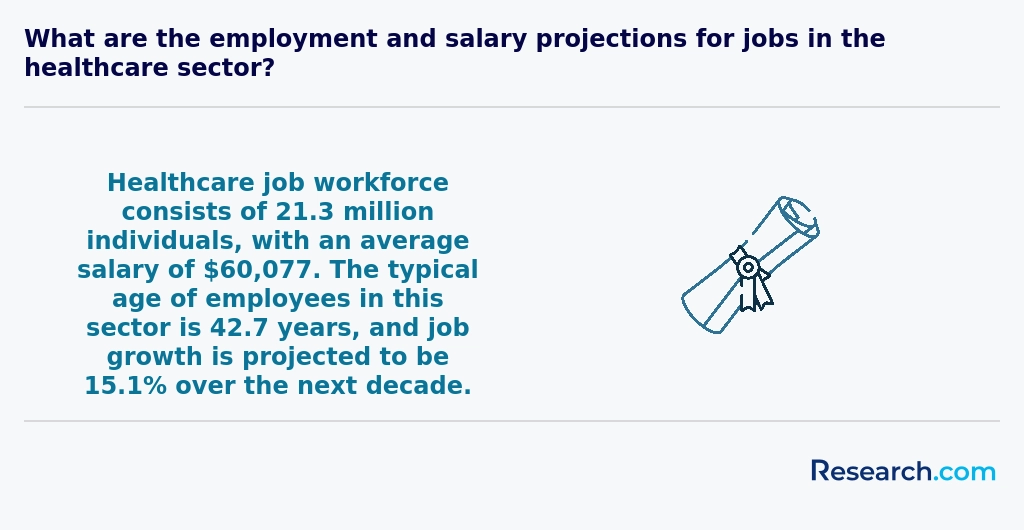
Cambridge, MA healthcare degree graduates report strong return on investment, with 87% securing full-time roles within six months of graduation. Recent data indicates an average starting salary of $62,000 for bachelor’s holders and $75,000 for master’s alumni, outpacing national averages by 10%. Many graduates recoup tuition costs within three to five years, particularly those who leverage specialized certifications or accelerated paths. For instance, individuals pursuing PharmD credentials often explore fast track online pharmd degree programs to minimize time-to-degree and maximize earning potential. Post-graduation employment spans top-tier hospitals like Massachusetts General Hospital, community health centers, and emerging telehealth startups. Alumni surveys reveal that 65% advance into leadership roles-such as clinical managers or health informatics analysts-within two years, citing hands-on internships and networking events as pivotal. Additionally, six-month licensure exam pass rates for local nursing and allied health programs consistently exceed 92%, reinforcing program quality and employer confidence. To further assess ROI, prospective students should review job placement statistics, average debt-to-income ratios, and alumni career trajectories. Engaging with career services offices and attending alumni panels can provide personalized insights into salary growth, industry demand, and long-term financial outcomes. By evaluating these metrics alongside program costs, applicants can make informed decisions that align with both their professional ambitions and financial goals.
Healthcare degrees in Cambridge immerse students in a rigorous but rewarding curriculum that goes beyond textbooks, shaping future professionals ready to impact real lives. Graduates from well-known institutions like Anglia Ruskin University often reflect on how core courses such as anatomy, physiology, and biochemistry laid a vital groundwork for understanding the human body-not as abstract concepts, but as living systems they would soon engage with intimately during clinical placements.
Microbiology and pharmacology challenge students to grasp the invisible world of pathogens and medication interactions, a reality vividly felt while observing patient treatments at local hospitals. The inclusion of healthcare ethics and law courses sparks deep reflection about patient confidentiality and moral duties, topics that many students find both intellectually stimulating and emotionally grounding in their journey.
Cambridge programs also integrate healthcare management and public health modules, encouraging students to envision their role within complex health systems. Practical training in clinical skills and health informatics further bridges theory and hands-on experience, making the learning intensely relevant. This multifaceted approach is what many Cambridge healthcare graduates describe as empowering and transformative, preparing them for diverse, impactful careers.
Nursing remains a cornerstone specialization within healthcare degree specializations in Cambridge, where graduates often speak of the profound impact of their clinical rotations at renowned local hospitals. These programs emphasize empathy alongside skill, preparing students to navigate both technical procedures and complex patient interactions. Meanwhile, public health draws those driven by systemic change; graduates recall projects tackling urban healthcare disparities, a reflection of Cambridge's diverse population challenges. Such experiences underscore the city's unique environment for healthcare education.
Healthcare administration appeals to students fascinated by the behind-the-scenes orchestration of hospital operations. Cambridge programs emphasize data-driven decision-making and leadership, empowering graduates to manage resources and staff effectively amid evolving healthcare landscapes. Beyond these, other pathways like physical therapy and health informatics represent dynamic alternatives where Cambridge students merge clinical expertise with innovation, seeing firsthand how technology transforms care delivery.
Those interested in exploring public health programs further might consider factors such as program accessibility and acceptance by studying resources like the cornell mph acceptance rate. The range of options embodies how Cambridge healthcare programs and specializations equip students to thrive in a multifaceted field.
Choosing the best healthcare degree in Cambridge is less about following trends and more about understanding your own ambitions within the US healthcare system. Graduates from well-known Cambridge universities often recall how their choice between nursing, public health, or biomedical sciences shaped their career trajectories and satisfaction. Instead of defaulting to the most popular path, reflect on how each program aligns with your personal vision for impact and stability.
Consider accreditation carefully; it's not just a formality but a passport to meaningful licensure and job opportunities. Graduates who selected programs accredited by bodies like CCNE or CEPH describe a confidence that their training met rigorous national standards, which made transitioning into clinical work or administration less stressful. Such considerations elevate the quality of education beyond mere rankings, especially when looking at affordable healthcare degrees Cambridge offers, where value matters as much as prestige.
Practical experience is the bridge between theory and real-world practice. Cambridge programs affiliated with local hospitals provide invaluable internships-graduates talk about how hands-on training transformed their classroom knowledge into deeply rewarding patient interactions. If accelerated routes appeal to you, exploring fast track online pharmd degree programs can be a strategic choice that challenges the notion that longer study is always better.
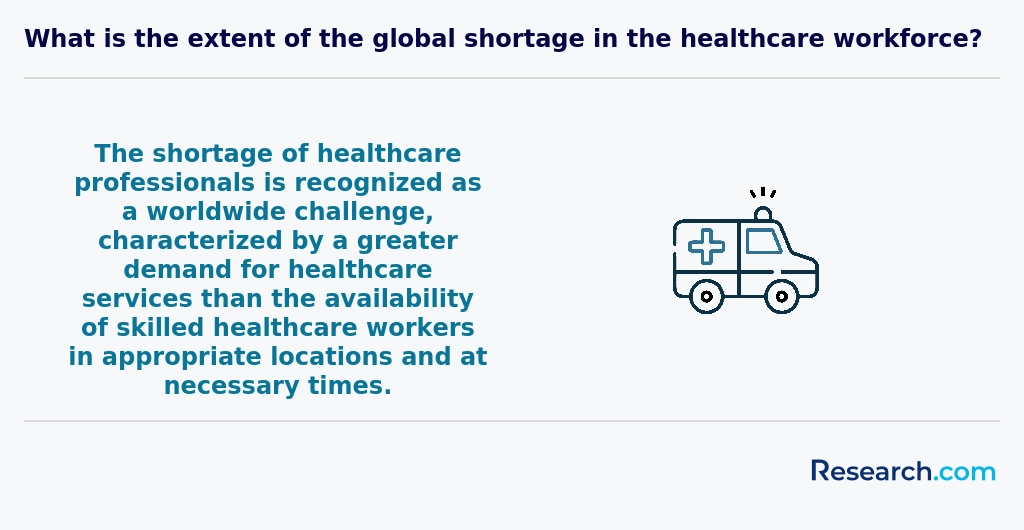
Graduates with a healthcare degree in Cambridge find themselves at a crossroads of dynamic career opportunities influenced by the city's unique blend of academic prestige and medical innovation. Many choose roles as registered nurses, drawn by the rewarding immediacy of patient care and the region's growing demand for skilled practitioners. Others pursue advanced training to become physician assistants, working closely with physicians in clinical settings that benefit from Cambridge's proximity to world-renowned hospitals and research centers.
Healthcare degree career opportunities in Cambridge often stretch beyond traditional roles. Graduates frequently step into healthcare administration, navigating the complexities of health services management in one of the country's fastest-growing sectors. Public health specialists thrive here as well, engaging with community health initiatives supported by Boston-area biomedical resources. Meanwhile, medical researchers leverage Cambridge's biotech hubs to participate in groundbreaking clinical trials, fueling innovation and invigorating their passion for science.
For those weighing the cost of education against their ambitions, exploring options through Affordable Online Master's in Healthcare Degree Programs Ranking in Denton, TX can provide alternative pathways to achieve career goals without compromising quality or opportunity.
The healthcare degree job opportunities in Cambridge are notably robust, driven by the city's synergy between prestigious universities and world-class medical centers. Graduates from institutions like Harvard Medical School and MIT often find themselves in thriving biotech firms or major hospitals such as Massachusetts General Hospital, where the demand for skilled healthcare professionals continually rises. One graduate recalled how clinical placements and internships in Cambridge's renowned medical facilities made job searching feel less daunting and more promising.
For many, the Cambridge healthcare graduate employment outlook feels like a gateway to a dynamic career rather than a challenge. The city's rich ecosystem provides access not only to competitive salaries but also to career growth in emerging healthcare roles. Prospective students curious about advancing quickly might consider exploring the fastest online degree for working adults, a pathway embraced by those balancing studies and work in Cambridge.
2027 Most Valuable Healthcare Degree Programs Ranking in Cambridge
Investing in your education is a significant decision that can shape your future, and the Research.com team understands the importance of making informed choices. To assist prospective students, we have meticulously crafted the "2027 Most Valuable Healthcare Degree Programs Ranking in Cambridge." Our commitment to quality, credibility, and accuracy is reflected in the extensive research and analysis conducted to compile this ranking.
We utilized the following reputable data sources to ensure a comprehensive evaluation of healthcare degree programs:
By exploring this ranking, readers will gain valuable insights into the most valuable healthcare degree programs available in Cambridge, empowering them to make well-informed decisions about their educational and professional futures. For more details on our methodology, please visit our Research.com methodology page.


Frequently Asked Questions About healthcare
Healthcare degree students in Cambridge can maximize their learning by engaging actively in clinical placements offered through partnerships with local hospitals and healthcare centers. These practical experiences provide valuable hands-on skills that complement academic coursework. According to the Association of American Medical Colleges, students who participate in at least 300 hours of clinical practice score higher on licensing exams.
Additionally, utilizing Cambridge's research libraries and online databases enhances theoretical knowledge. Joining student organizations focused on healthcare topics and attending seminars can expand professional networks and expose students to current industry trends.
Balancing study with volunteer work in community health programs also develops empathy and communication skills essential for healthcare professionals.
The healthcare field is rapidly evolving, with several emerging niches gaining prominence in the US, particularly relevant to students considering degrees in Cambridge. One key area is digital health, which integrates technology with patient care, including telemedicine and health informatics. According to the Bureau of Labor Statistics, jobs in health informatics are expected to grow 36% from 2021 to 2031, a rate much faster than average.
Another rising niche is precision medicine, focusing on tailored treatment plans based on genetic and lifestyle factors. This approach is increasingly supported by Cambridge's proximity to biotech firms and research institutions.
Additionally, gerontology, the study of aging, is expanding due to the growing US elderly population, promising diverse career opportunities in healthcare management and policy.
Preparing for the job market after earning a healthcare degree in Cambridge involves a blend of practical experience, networking, and understanding local industry needs. Many graduates benefit from completing internships or clinical placements during their studies. According to the Massachusetts Department of Public Health, Cambridge offers numerous healthcare facilities-such as Cambridge Health Alliance-where gaining hands-on experience is crucial.
Building a strong professional network through local healthcare events and organizations like the Massachusetts Health & Hospital Association can enhance job prospects. Additionally, obtaining relevant certifications, such as Basic Life Support (BLS) or Advanced Cardiovascular Life Support (ACLS), is often required.
Understanding regional employment trends, including the growing demand for registered nurses and health informatics professionals, will help graduates target in-demand roles.
Employers in Cambridge seek healthcare degree graduates with strong clinical skills combined with effective communication. According to the Cambridge Health Alliance 2023 report, 85% of employers prioritize candidates who demonstrate both medical knowledge and the ability to engage empathetically with patients.
Critical thinking is also essential. Graduates must analyze complex cases and make quick, informed decisions under pressure. The U.S. Bureau of Labor Statistics highlights that problem-solving skills improve job performance in healthcare roles by up to 30%.
Technical proficiency with modern healthcare technologies is increasingly important. Cambridge employers expect familiarity with electronic health records (EHR) and diagnostic tools. Evidence from a 2022 survey by HealthIT Cambridge shows that 78% of local healthcare settings require technical competence.
Finding internships in Cambridge relevant to a healthcare degree involves several focused steps. Start by exploring local hospitals and health centers, such as Cambridge Health Alliance, which frequently offer internship programs for students in nursing, public health, and allied health fields. Additionally, many universities in the area maintain partnerships with medical facilities, providing access to internships through their career services.
Online platforms like Handshake and internships.com list healthcare-related opportunities specific to Cambridge. Networking at local health industry events and joining student healthcare organizations can also reveal hidden internship offers. According to the Massachusetts Department of Public Health, internship programs in Cambridge are expanding due to the city's growing biotech sector, boosting chances for practical experience.
Earning a healthcare degree in Cambridge significantly enhances career mobility and advancement opportunities for professionals in the US healthcare sector. According to the Massachusetts Department of Higher Education, Cambridge hosts numerous healthcare institutions that increasingly value advanced degrees when hiring or promoting staff. Healthcare degrees provide foundational knowledge and practical skills essential for roles in clinical, administrative, and research settings.
Statistically, individuals with healthcare degrees in Cambridge experience faster job growth compared to non-degree holders. The U.S. Bureau of Labor Statistics projects a 16% increase in healthcare occupations through 2030, highlighting expanded career prospects.
Moreover, advanced degrees often lead to leadership positions and higher salaries within Cambridge's competitive health industry, demonstrating clear benefits for career progression.
Studying for a healthcare degree in Cambridge offers a strong foundation for interdisciplinary roles common in today's healthcare environments. The city's programs emphasize collaborative learning among medicine, nursing, public health, and biomedical sciences, reflecting real-world team structures. According to the Cambridge Health Alliance, over 60% of local healthcare projects involve cross-disciplinary teams.
Students engage in integrated coursework and clinical experiences, developing skills in communication, problem-solving, and systems thinking. This approach prepares graduates to work seamlessly with diverse professionals such as physicians, pharmacists, and social workers.
Moreover, Cambridge institutions often partner with local hospitals and research centers, providing students with hands-on interdisciplinary training relevant to the evolving US healthcare landscape.
Choosing between a thesis and a non-thesis healthcare degree program in Cambridge depends on your career goals and learning preferences. Thesis programs emphasize research, requiring students to conduct original studies and write a substantial paper. This path suits those aiming for clinical research, academia, or doctoral studies. Non-thesis options focus more on practical skills and coursework, preparing students to enter the healthcare workforce quickly.
Data from Cambridge's healthcare education offices show that about 40% of local graduates opt for thesis programs, often pursuing roles in research hospitals or public health policy. Meanwhile, non-thesis graduates frequently join clinical or administrative positions within the city's medical centers. Understanding your professional aspirations helps determine which program fits best.
Students based in Cambridge interested in studying healthcare abroad have several pathways within the US higher education system. Many choose to enroll in accredited international programs affiliated with US universities, which offer degrees recognized both in the US and abroad. The exchange programs between Cambridge institutions and American universities provide opportunities for immersive clinical experiences and research in healthcare.
Furthermore, students can consider US-based online healthcare degrees that incorporate international case studies and practical modules. According to the National Center for Education Statistics, over 20% of healthcare students participate in some form of study abroad or exchange program, highlighting growing interest in global medical education.
These options enable Cambridge students to gain diverse perspectives in healthcare delivery and research while fulfilling US licensure requirements.
Students pursuing healthcare degrees in Cambridge can benefit from various part-time job opportunities that align well with their education. Positions such as medical scribe, patient care assistant, or pharmacy technician offer practical experience and help develop essential skills. According to the Cambridge Employment Report 2023, healthcare support roles grew by 12% over the past two years, reflecting increased demand.
Volunteering at local hospitals or clinics, like those affiliated with Massachusetts General Hospital, can also enrich learning and provide exposure to clinical environments. Additionally, jobs in health research labs or community health initiatives offer valuable insights into public health and healthcare delivery.
Healthcare students in Cambridge have access to numerous networking opportunities that can significantly enhance their education and career prospects. Local universities often host events and guest lectures featuring leading healthcare professionals and researchers. For example, the Cambridge Biomedical Campus, one of the largest healthcare research centers in the United States, regularly facilitates collaborations between students and industry experts.
Additionally, professional organizations such as the Massachusetts Health Council and the Cambridge Health Alliance provide memberships and events tailored to healthcare students. These platforms enable students to connect with practitioners, scholars, and potential employers.
Healthcare students can also engage in internships and volunteer work at nearby hospitals and clinics, expanding their professional networks while gaining practical experience.
Alumni networks offer significant advantages to healthcare degree students in Cambridge by providing access to a broad professional community. These networks connect students with experienced graduates working in diverse healthcare fields, fostering mentorship and career advice. According to the National Association of Colleges and Employers (NACE), students engaged with alumni networks report up to 20% higher job placement rates after graduation.
In Cambridge, active alumni groups often host networking events, guest lectures, and workshops tailored to healthcare sectors. This practical exposure helps students understand current industry trends and build local professional relationships.
Such connections can lead to internship and job opportunities within Cambridge's growing healthcare clusters, including biotech and medical research firms.
Customizing a healthcare degree program in Cambridge involves selecting specialized courses aligned with your career goals. Many universities offer concentrations in areas such as public health, health informatics, or healthcare management, allowing you to tailor your studies.
Internships and clinical placements are vital for hands-on experience. Cambridge's proximity to leading medical research centers provides access to valuable opportunities. According to the National Center for Education Statistics, about 60% of healthcare programs in the US incorporate practical experience components, enabling skill development relevant to specific fields.
Additionally, consider certificate programs to complement your degree, enhancing expertise in niche areas. Academic advisors at Cambridge institutions typically assist in crafting personalized study plans to fit professional ambitions.
Healthcare students in Cambridge often face the challenge of balancing rigorous academic schedules with clinical placements. According to the Association of American Medical Colleges, nearly 60% of healthcare students report high stress due to demanding coursework and practical experience. Additionally, the competition for limited clinical internship positions in Cambridge's hospitals can delay hands-on training, intensifying pressure.
Financial concerns are also common, as tuition and living costs in Cambridge remain above the national average. The Bureau of Labor Statistics notes that student debt affects about 70% of graduates in healthcare fields.
Furthermore, adapting to fast-evolving medical technologies and maintaining mental well-being are ongoing struggles for many students.
With a healthcare degree, graduates in Cambridge have access to numerous professional certifications that enhance career prospects. Common certifications include Certified Nursing Assistant (CNA), Registered Nurse (RN), and Licensed Practical Nurse (LPN), which are vital for clinical work. For those interested in specialized roles, certifications like Certified Medical Assistant (CMA) or Certified Health Education Specialist (CHES) are available.
Many healthcare professionals pursue certifications from national bodies such as the American Nurses Credentialing Center (ANCC) or the National Healthcareer Association (NHA). These certifications often require passing an exam and fulfilling clinical hours.
According to the Massachusetts Department of Public Health, Cambridge has a growing demand for certified healthcare workers, reflecting national trends that project a 15% job growth in healthcare roles by 2030.
Writing a winning application for a healthcare program in Cambridge requires careful preparation and attention to detail. Start by thoroughly researching the specific programs available, such as those offered by Harvard Medical School or Massachusetts Institute of Technology, both renowned for healthcare education near Cambridge. Highlight your academic achievements and relevant experience, especially in science or patient care, as admissions committees place strong emphasis on these areas.
Demonstrate your motivation by explaining why you want to study healthcare in Cambridge, referencing local healthcare challenges or innovations, like those within Massachusetts General Hospital. Strong letters of recommendation from professionals familiar with your commitment to healthcare are essential. Finally, tailor your personal statement to reflect your understanding of healthcare's impact in the US context, using clear, concise language to convey your passion and goals.
Healthcare careers are increasingly viewed through a global lens, reflecting rising international demand for skilled professionals. In the United States, including Cambridge, healthcare roles show strong growth projections, with the Bureau of Labor Statistics estimating a 16% increase in healthcare occupations from 2021 to 2031. This demand is mirrored worldwide, driven by aging populations and advancements in medical technology.
Professionals trained in Cambridge gain a solid foundation recognized globally, often benefiting from the city's robust healthcare research community. Global perspectives emphasize cultural competence, adaptability, and evidence-based practice as essential for success in diverse healthcare environments.
Gaining practical experience during a healthcare degree in Cambridge is essential for developing clinical skills and improving employability. Many US-accredited programs encourage students to participate in internships or externships at local hospitals and healthcare facilities. These placements provide hands-on experience under the supervision of licensed professionals.
Students can also engage in volunteer opportunities within hospital networks, community clinics, or public health organizations in the Cambridge area. According to the Association of American Medical Colleges, clinical rotations often make up 30-50% of healthcare curriculums, emphasizing experiential learning.
Additionally, some programs offer simulation labs equipped with advanced medical technology, allowing students to practice procedures in realistic settings. Leveraging these opportunities ensures comprehensive preparation for future healthcare careers.
Choosing the right concentration within a healthcare degree program in Cambridge involves understanding your career goals and the local healthcare landscape. Cambridge offers diverse options like public health, healthcare management, and clinical specialties, reflecting the city's strong medical research and biotechnology sectors. For example, a 2023 report by the Cambridge Office of Economic Development highlights growth in healthcare management jobs by 12% over five years, indicating expanding opportunities in administration roles.
Consider your interests and strengths alongside demand trends. Clinical tracks often require hands-on experience, while public health focuses on population health strategies. Reviewing curriculum details and seeking advice from academic advisors can clarify your fit.
Additionally, investigate connections between programs and Cambridge-area hospitals or research centers, as these partnerships enhance practical learning and post-graduation employment prospects.
- 2027 Most Valuable Healthcare Degree Programs Ranking in Boston
- 2027 Most Valuable Healthcare Degree Programs Ranking in Chestnut Hill
- 2027 Most Valuable Healthcare Degree Programs Ranking in Milton
- 2027 Most Valuable Healthcare Degree Programs Ranking in Lowell
- 2027 Most Valuable Healthcare Degree Programs Ranking in Worcester
- 2027 Most Valuable Healthcare Degree Programs Ranking in Providence
- 2027 Most Valuable Healthcare Degree Programs Ranking in Manchester
- 2027 Most Valuable Healthcare Degree Programs Ranking in North Dartmouth
- 2027 Most Valuable Healthcare Degree Programs Ranking in Storrs
- 2027 Most Valuable Healthcare Degree Programs Ranking in Keene
See What Experts Have To Say About Studying Healthcare
Read our interview with Healthcare experts

- Challenges for Medical Students - Health Action Research Group https://www.healthactionresearch.org.uk/mental-health/challenges-for-medical-student/
- Know more about thesis vs non- thesis: what is the difference? https://studyfans.com/en/blogs/816
- Career pathway: Adult Social Care https://www.cambridgeshire.gov.uk/council/jobs-and-careers/careers-in-adult-social-care/career-pathway-adult-social-care
- Niche Markets in Healthcare https://ultrariskadvisors.com/niche-markets-in-healthcare/
- Cost of Attendance - Cambridge College of Healthcare & Technology https://www.cambridgehealth.edu/cost-of-attendance/
- Networking in Medicine: Build Lasting Connections l Windsor https://www.windsor.edu/networking-in-medicine-building-relationships-from-day-one/
- How to choose a bachelor's in healthcare administration | edX https://www.edx.org/resources/how-to-choose-a-bachelors-in-healthcare-administration
- How to Choose a Health Administration Program https://www.healthadministrationdegrees.com/articles/choosing-a-program/
- The Healthcare Student’s Guide to Internships | EduMed.org https://www.edumed.org/resources/student-online-guide-to-internships/
- 6 Tips On Networking For Medical Professionals https://aaams.net/blog/how-to-network-in-the-medical-field-nurses/


