2027 Most Popular Healthcare Degree Programs Ranking in Pullman

Co-Founder and Chief Data Scientist
Choosing the right healthcare degree program can be a challenging decision for students in Pullman. To help simplify this process, this article features the 2027 Most Popular Healthcare Degree Programs Ranking in Pullman, created by the Research.com team of data scientists.
By exploring this ranking, you'll gain valuable insights into the most sought-after programs, making it easier to identify options that align with your goals and interests. Pursuing a healthcare degree opens doors to rewarding careers that make a real difference in people's lives. This guide is designed to support you in taking confident steps toward your future.
Key benefits of getting healthcare degree in Pullman
- Salary benefits: Healthcare degree graduates in Pullman can expect competitive salaries, such as Medical Assistants earning around $43,350 annually and Quality Improvement Coordinators making approximately $103,150 per year.
- Diverse career paths: Graduates from local colleges in Pullman find opportunities in roles like Patient Care Technicians and Health Information Technicians, offering rewarding and stable careers in various healthcare settings.
- Online degree advantages: Earning a healthcare degree online from Pullman-based universities allows flexible schedules and often quicker completion times, helping students balance work and study effectively while entering the workforce confidently.
- 2027 Most Popular Healthcare Degree Programs Ranking in Pullman
- What can I expect from healthcare degree in Pullman?
- Where can I work with healthcare degree in Pullman?
What can I expect from healthcare degree in Pullman?
In Pullman, the average cost of pursuing a healthcare degree at Washington State University (WSU) is generally affordable, especially for in-state students. Tuition rates here tend to be lower compared to larger urban universities, which is a big relief for students managing budgets. Graduates often recall how manageable their tuition fees allowed them to focus more on their studies and less on overwhelming debt.
Besides tuition, students typically budget for supplies, books, and clinical placement expenses. Many find these costs reasonable, especially given that WSU offers targeted scholarships and financial aid options for healthcare students, which can significantly reduce out-of-pocket expenses.
Several graduates describe how these financial supports made it easier to complete practical training at nearby hospitals without added financial stress. This hands-on experience, combined with affordable tuition, creates a pragmatic balance for students ready to enter the healthcare workforce in Pullman.
Where can I work with healthcare degree in Pullman?
Graduates with a healthcare degree from Washington State University or other local colleges in Pullman find strong career options across multiple settings. Many start by applying at Pullman Regional Hospital, where roles such as nurses, radiologic technologists, and physical therapists are in demand. One graduate shared how clinical rotations there transformed classroom theory into real patient care, building confidence for a full-time job.
Others secure positions in outpatient clinics or private practices, working as physician assistants or health information technicians. These environments offer hands-on experience in preventive care, a growing focus in the region's healthcare approach. Graduates often remark on the close-knit teams and supportive managers in these smaller settings.
Community health agencies and non-profits also employ degree holders in roles like health education and patient advocacy. Graduates interested in research seize opportunities at WSU's health science departments, blending clinical skills with data analysis in real clinical trials. This practical exposure helps build career versatility in Pullman's healthcare market.
Graduates from healthcare programs in Pullman commonly find roles such as Medical Assistant, Patient Care Technician, or Health Information Technician, with salaries that reflect the local job market. For example, a Medical Assistant can expect to earn a mean annual wage around $43,350, while Patient Care Technicians typically make about $60,790 per year. Health Information Technicians also earn close to $43,380 annually, aligning well with entry-level expectations for those completing associate or diploma programs.
Those who pursued slightly more advanced certifications or positions, like Clinical Research Coordinators, can anticipate starting salaries near $43,350 yearly. For graduates who aim higher, Quality Improvement Coordinators in healthcare settings in Pullman receive significantly better compensation, with mean annual wages around $103,150, rewarding additional experience and specialization.
Graduates from popular institutions in Pullman often highlight how these practical salaries provide a firm foundation to build a career locally. Considering Pullman's lower living costs, many find this income level supports a comfortable lifestyle without the stress of urban expenses. Taking time to focus on gaining certifications and experience locally helps graduates steadily improve earnings within the community healthcare system.
- Washington State University in Pullman offers healthcare programs including nursing, kinesiology, and public health.
- Tuition costs about $11,000 per year for in-state students and $30,000 for out-of-state students, excluding additional fees and supplies.
- Entry-level salaries for healthcare graduates range from $55,000 to $65,000 annually, with mid-career salaries between $75,000 and $90,000.
- The healthcare job market in Pullman is growing at a projected rate of 12% over the next decade, driven by local population and aging demographics.
- Programs include clinical experiences and internships that support licensing requirements and professional networking.
Completing a healthcare degree in Pullman varies by program level and your time commitment. Many students at Washington State University find that associate degrees, such as nursing or medical assisting, take about two years. Graduates often recall finishing quickly and entering healthcare roles in local clinics or hospitals feeling confident and ready.
Bachelor's degrees in fields like nursing (BSN) or health sciences typically require four years of full-time study. Students appreciate this timeline because it balances classroom learning with clinical experiences at Pullman-area facilities, helping them build practical skills steadily.
Graduate programs, such as a Master of Science in Nursing, generally take two to three years after earning a bachelor's. Many in Pullman opt for part-time or accelerated tracks to fit work and family, completing their degrees in as little as 24 months.
Doctoral degrees like DNP or DPT usually demand 3 to 4 years post-bachelor's. Graduates describe this commitment as intense but rewarding, preparing them for leadership roles in Washington's healthcare system.
Choosing between online and on-campus healthcare degrees in Pullman hinges on your learning style and daily commitments. At Washington State University, on-campus students benefit from hands-on labs and direct interaction with professors and classmates, which many graduates say built their confidence in patient care. Imagine working through a nursing skill in a campus simulation lab with immediate feedback-this face-to-face practice is hard to replicate online.
Online programs offer flexibility to study from home, perfect if you're juggling work or family. Many local students appreciate this format for fitting coursework into their busy days. However, you'll still need to complete in-person clinical rotations, often coordinated near Pullman, so practical experience remains essential.
Cost is another factor: on-campus tuition at Washington State is about $11,000 annually for residents, but on-campus living adds expenses. Online learners might save on room and board but should budget for technology fees. Consider your daily routine and financial situation carefully to decide which path feels more manageable and rewarding for you.
As healthcare continues to evolve, so do the methods and technologies that shape education and career opportunities in this field. Forward-thinking programs are increasingly integrating technological advancements-such as telemedicine, simulation labs, and digital health tools-to provide students with hands-on experiences that reflect real-world challenges. This innovative approach not only enhances learning outcomes but also prepares graduates to adapt swiftly in a rapidly changing industry. Students now benefit from curricula that emphasize interdisciplinary collaboration, data analytics, and patient-centered care. For example, programs that offer an associate degree in diagnostic medical sonography online are designed to equip future healthcare professionals with specialized skills in imaging technology, an area experiencing significant growth due to increased demand for early diagnostic services. In addition, educators are focusing on sustainability and ethics in healthcare, encouraging students to consider long-term impacts on patient care and community wellness. By embracing innovative teaching methods along with practical certifications, these programs aim to produce well-rounded professionals who are ready to lead in the era of digital health. This forward-looking trend in healthcare education not only supports current job market needs but also paves the way for emerging career paths that will drive the future of healthcare services.
The average healthcare degree cost in Pullman is approximately $44,334 for both in-state and out-of-state students, reflecting total expenses including tuition and fees. Washington State University, the main institution offering healthcare programs here, sees many graduates describing their investment as worthwhile, given the access to quality clinical training and strong career placement. Typical costs for in-state students are lower than for out-of-state students, with median expenses around $13,391, making local enrollment a more affordable route for residents planning their education carefully.
Students often balance these figures by budgeting for additional necessities like textbooks, supplies, and housing, which can add up over time. Those enrolled in accelerated or specialized nursing tracks, or public health programs, frequently share that clear planning alleviates financial stress, helping them focus on gaining essential hands-on experience. For learners needing flexibility, pursuing lpn to rn online programs part-time has been a practical choice for managing both cost and time commitments.
When estimating the total cost of healthcare degrees Pullman students should also consider scholarships, grants, and loan forgiveness tailored to health professions, which many graduates actively seek. This proactive approach contributes to positive outcomes and reduces financial burden, offering reassurance to those committed to entering healthcare fields.
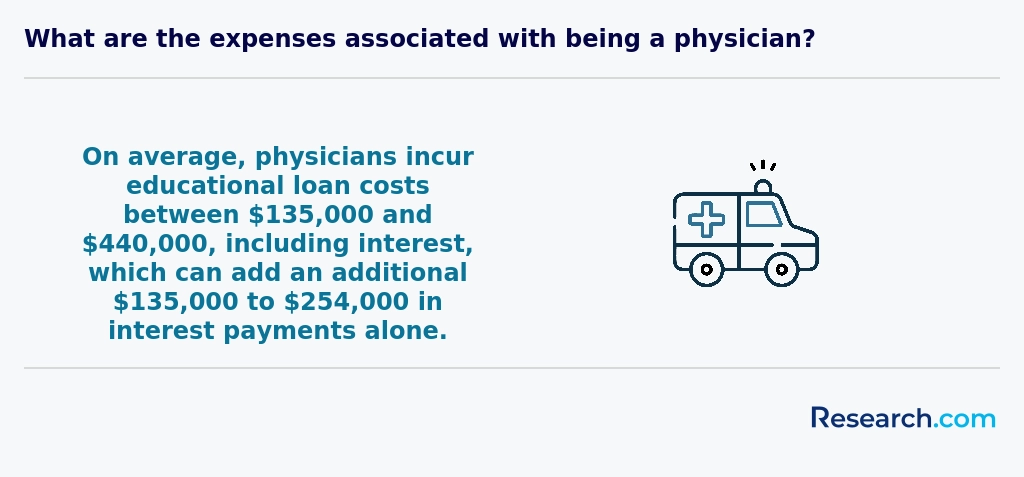
When evaluating a healthcare degree in Pullman, WA, understanding your return on investment (ROI) is essential. ROI measures how long it takes for your post-graduation earnings to offset the total cost of tuition, fees, and living expenses. By comparing program expenses with average starting salaries in the region, you can make data-driven decisions that align with your financial goals. At Washington State University, for example, in-state tuition for a Bachelor of Science in Nursing (BSN) averages $11,000 per year. With a median starting salary of $68,000 for registered nurses in Washington, graduates typically recoup their investment within 2–3 years. Prospective master’s candidates should also consider cost-effective pathways-our cheapest mph programs in usa can significantly lower upfront expenses and shorten your break-even horizon. Key ROI metrics to evaluate:
- Total degree cost: tuition, fees, textbooks, and living expenses
- Average entry-level salaries: $55,860 for Patient Care Technicians; $41,260 for Health Information Technicians
- Estimated payback period: years to offset educational investment
- Mid-career earning potential: how salaries grow with experience
- Debt reduction strategies: scholarships, grants, work-study programs By analyzing these factors, you’ll gain clarity on which healthcare program offers the strongest financial return while supporting your long-term career and personal fulfillment.
Students pursuing healthcare degrees at Washington State University in Pullman often begin their financial aid journey by completing the FAFSA. This opens doors to essential federal programs like Pell Grants, which can provide up to $7,395 annually without repayment. Many healthcare students share how receiving this grant lifted significant financial pressure, allowing them to focus on demanding coursework.
Next, consider applying for scholarships specific to healthcare fields offered by WSU and local Pullman organizations. These might be merit- or need-based, ranging from a few hundred to several thousand dollars. Graduates often reflect on how these scholarships made an immediate difference, especially when combined with work-study jobs on campus, which provide flexible income without overwhelming schedules.
Loan forgiveness options, such as the National Health Service Corps program, are a practical step for graduates committed to serving underserved areas in Washington State. These programs repay portions of student loans in exchange for service, easing post-graduation debt stress. Starting early by consulting the WSU Financial Aid Office or the Washington Student Achievement Council can unlock personalized aid pathways tailored to Pullman healthcare students' unique needs.
Healthcare education goes beyond classroom lectures and labs-it’s also about immersing yourself in a vibrant campus community that supports personal and professional growth. In Pullman, WA, students benefit from a unique blend of academic rigor and engaging campus life. Many healthcare programs host student clubs, workshops, and networking events that encourage collaboration and lifelong connections. These activities give you an opportunity not only to learn from industry experts but also to build relationships with peers who share similar ambitions. Additionally, mentoring programs and career services play an integral role, helping you transition smoothly into the workforce. Prospective students can explore resources available at various institutions, and if you're curious about how these programs compare, you can learn about the best options provided by popular healthcare colleges in the region. This immersive student life, combined with state-of-the-art facilities, ensures that your educational journey in healthcare equips you with both the technical know-how and the soft skills needed to thrive in a dynamic field.
To enroll in a healthcare degree program in Pullman, you first need a high school diploma or GED. Graduates from Washington State University and local community colleges often recall how strong foundations in biology, chemistry, and math were essential before even applying.
Many programs require SAT or ACT scores, reflecting their focus on academic readiness. For instance, nurses starting their journey at WSU often mention how placement tests in English and math helped tailor their coursework to their skill level, making the transition smoother and less stressful.
Before formal admission, expect to complete prerequisite college courses like anatomy, physiology, and microbiology. Former students highlight that maintaining a 2.5 GPA or higher not only meets basic standards but also boosts confidence when facing challenging materials later.
Letters of recommendation and personal statements play a key role. Successful candidates share how these documents allowed them to express their genuine passion for healthcare and stand out during the admissions process.
For programs involving clinical work, background checks and immunization records are mandatory. This ensures safety for both students and patients, a requirement graduates appreciate as it reflects the profession's responsibility.
Accreditation ensures that healthcare degree programs in Pullman, WA adhere to rigorous academic and professional standards, guaranteeing quality education and eligibility for licensure exams. Most programs at Washington State University and local community colleges are accredited by the Commission on Collegiate Nursing Education (CCNE) or the Accreditation Commission for Education in Nursing (ACEN), while allied health tracks often hold accreditation from the Commission on Accreditation of Allied Health Education Programs (CAAHEP). Prospective students should verify that their chosen program is recognized by state licensing boards and professional associations such as the American Health Information Management Association (AHIMA) for Health Information Technicians. Programmatic accreditation not only impacts transferability of credits and federal financial aid eligibility but also correlates with higher first-attempt pass rates on credentialing exams. For example, graduates from CCNE-accredited BSN programs at WSU consistently achieve NCLEX pass rates above the national average of 88%. Additionally, accredited programs frequently maintain clinical partnerships with top regional hospitals, enhancing hands-on training and job placement. For students exploring flexible options, our Affordable Online Master’s in Healthcare Degree Programs Ranking in Iowa highlights fully accredited online pathways that combine academic rigor with professional recognition.
In healthcare degree programs in Pullman, you'll start with core science courses like human anatomy, physiology, microbiology, and chemistry. These foundational subjects are crucial, as graduates often recall hands-on lab work at local colleges that built their confidence in understanding the human body. Imagine learning about organ systems in a lab setting, directly applying textbook concepts to specimens-this practical approach is standard in Pullman's programs.
Alongside sciences, expect courses in healthcare ethics and policy. Many students describe these classes as eye-opening, offering insight into patient rights and navigating legal challenges within healthcare. This prepares you to make ethically sound decisions in real clinical settings, a skill highly valued by employers in Pullman's hospitals and clinics.
Specialized courses vary by focus, including nursing techniques, pharmacology, medical terminology, and healthcare informatics. Graduates often praise the emphasis on communication and teamwork, citing group projects that simulate real interdisciplinary healthcare teams, which is especially common in Pullman's nursing and health administration tracks.
Clinical experience is integral, with internships at Pullman-based hospitals allowing you to apply your knowledge directly. Many graduates say these placements boosted their confidence and readiness for full-time work, making the theoretical lessons come alive through patient interaction and supervised care.
Healthcare degree specializations in Pullman include nursing, public health, healthcare administration, and health sciences, all designed to prepare students for practical roles. Graduates from Washington State University often highlight the value of nursing tracks like registered nursing (RN) and advanced practice nursing, which open doors to direct patient care and leadership. These pathways resonate well with those driven by hands-on experience and patient interaction.
Public health specializations emphasize community health, epidemiology, and policy-ideal for students eager to impact population wellness. Many Pullman healthcare programs and specializations also focus on healthcare administration, covering hospital operations and finance, essential knowledge given the demand for efficient management in medical settings. Graduates often find themselves confidently navigating complex healthcare systems.
Health sciences with concentrations such as exercise science or nutritional sciences offer strong foundations for careers in wellness and rehabilitation or further medical education. Those pursuing healthcare degrees here appreciate understanding rigorous practical content that aligns with real-world needs, boosting career growth in healthcare.
Start by verifying the program's accreditation, especially from respected bodies like the CCNE or ACEN, as many graduates from Pullman's institutions such as Washington State University emphasize how this gave them confidence in their degree's value. Next, scrutinize the curriculum for a balance of theory and practical training. Hands-on clinical rotations or internships in local hospitals are vital to building real experience and a professional network.
Since affordability matters, consider the average in-state tuition, around $11,745 annually, but also ask about financial aid or scholarships to find affordable healthcare degrees Pullman WA offers. Current students often praise flexible scheduling options, critical for balancing part-time work or family commitments while studying.
Research job placement and licensure pass rates, since healthcare jobs in the region are growing fast. Programs in fields like nursing or healthcare administration show strong outcomes. For more detailed workforce insights, check the National Nursing Workforce Survey. This practical approach helps you choose the best healthcare degree programs in Pullman that align with your goals.
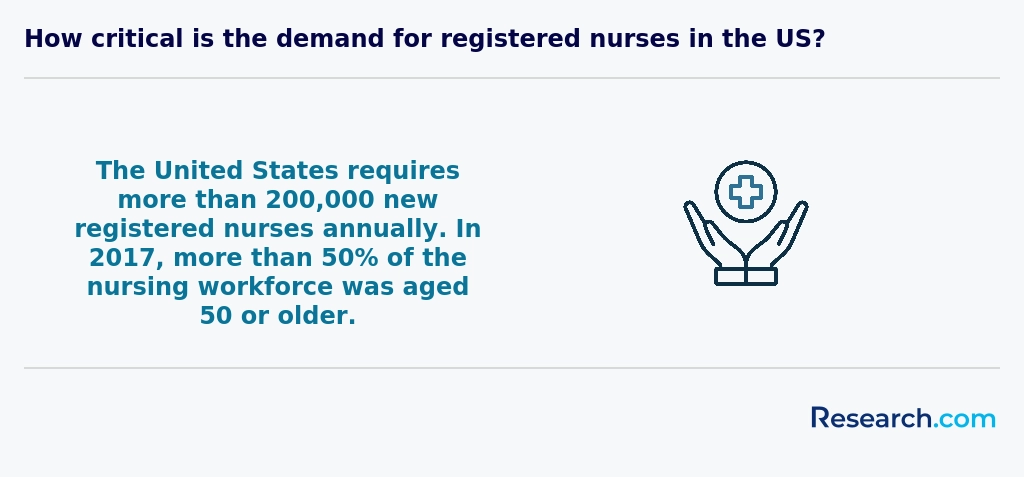
Graduates with a healthcare degree in Pullman often find diverse career paths grounded in practical experience gained through local institutions like Washington State University. Many pursue roles as registered nurses, benefiting from nearby hospitals and clinics that offer hands-on training and job placements. This direct exposure strengthens their readiness for high-demand nursing positions with competitive wages.
Other healthcare degree career opportunities in Pullman include positions as medical technologists conducting diagnostic tests, health services managers who oversee facility operations, and public health professionals addressing rural community needs. Graduates also explore careers as physical or occupational therapists, applying their skills to help patients regain mobility and independence.
Health informatics is gaining traction, with graduates managing patient data and improving care through technology-a growing field well supported by Pullman's tech-forward healthcare economy. For those weighing options, exploring nursing schools in Florida offers a useful comparison to understand nationwide trends and opportunities in the healthcare sector.

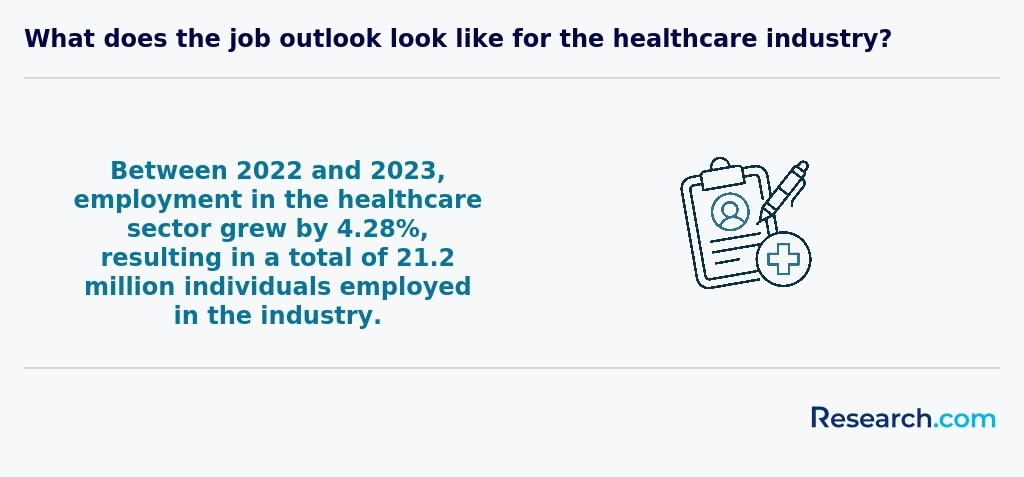
The healthcare job opportunities in Pullman show promising potential for graduates from local institutions like Washington State University. Many alumni share that starting salaries for nurses typically range between $55,000 and $65,000 annually, reflecting both state averages and local employer needs such as Pullman Regional Hospital. Graduates pursuing allied health degrees often find roles starting around $35,000 to $45,000, with steady openings in medical assisting and physical therapy support. These practical outcomes encourage students to focus on gaining certifications that improve employability in this expanding market.
Pullman healthcare degree employment outlook benefits from a regional emphasis on healthcare, particularly in rural outreach and telehealth services. Graduates report feeling optimistic as affordable tuition combined with these steady job prospects makes earning a healthcare degree here a smart choice. For students exploring options, programs at Pullman's public universities offer solid training while keeping costs manageable compared to national averages. If you want to explore more established nursing programs, consider checking out Best BSN programs Alabama as a comparative benchmark for educational value and career paths.
2027 Most Popular Healthcare Degree Programs Ranking in Pullman
Investing in your education is a significant decision that can shape your future, and the Research.com team understands the importance of making informed choices. To assist prospective students in Pullman, we have meticulously developed the "2027 Most Popular Healthcare Degree Programs Ranking in Pullman." Our commitment to quality, credibility, and accuracy is reflected in the thorough research and analysis undertaken to compile this ranking.
We utilized the following reputable data sources to ensure a comprehensive evaluation of healthcare degree programs:
By exploring this ranking, readers will gain valuable insights into the most popular healthcare degree programs in Pullman, assisting them in making well-informed educational decisions. For more details on our rigorous methodology, please visit our Research.com methodology page.

Frequently Asked Questions About healthcare
Healthcare degree students in Pullman can maximize their learning by actively engaging in internships and clinical placements offered through local hospitals and clinics. Washington State University, located in Pullman, has partnerships with regional healthcare providers, which give students hands-on experience critical for their career development.
Students should also take advantage of simulation labs and interdisciplinary programs to develop practical skills and teamwork abilities. Research indicates that students involved in experiential learning show a 20% higher job placement rate after graduation, according to data from the Washington State Employment Security Department.
Joining student organizations focused on healthcare and attending relevant seminars help students stay informed about industry trends and expand their professional networks in the Pullman area.
The healthcare field is continuously evolving, and emerging niches reflect this dynamic change, especially in regions like Pullman. One fast-growing area is telehealth, which saw a 30% increase nationwide during the past five years, driven by demand for remote care.
Precision medicine, focusing on personalized treatment based on genetics, is also gaining traction. Institutions near Pullman, such as Washington State University, support research that enhances this field.
Behavioral health, including mental health specialties, is expanding to address rising community needs-Pullman's local health departments report growing patient enrollment in counseling services.
Additionally, healthcare informatics integrates technology and data management, offering new career paths for students aiming to improve healthcare systems.
After completing a healthcare degree in Pullman, preparing for the job market involves several key steps. Start by gaining practical experience through internships or clinical rotations, which are often integrated into degree programs. These opportunities help build essential skills and professional connections.
Local healthcare employers, such as Pullman Regional Hospital, often seek graduates familiar with community health needs. Networking through local job fairs and professional organizations like the Washington State Hospital Association can improve employment prospects.
Obtaining required certifications and licenses specific to healthcare roles is critical. For example, registered nurses in Washington must pass the NCLEX-RN exam.
According to the U.S. Bureau of Labor Statistics, healthcare jobs in Washington State are projected to grow 15% from 2021 to 2031, signaling strong demand in Pullman's region.
Employers in Pullman seeking healthcare degree graduates emphasize a combination of technical and interpersonal skills. Clinical competence, including proficiency in patient care and familiarity with electronic health records (EHR), is critical. According to the Washington State Department of Health, healthcare employers increasingly value graduates who demonstrate strong communication and teamwork abilities.
Problem-solving skills are essential, as healthcare professionals often face unpredictable scenarios requiring quick, logical decisions. Cultural competence is also important in Pullman's growing and diverse community, helping providers deliver inclusive, respectful care.
Additionally, healthcare employers look for adaptability and a commitment to lifelong learning, reflecting ongoing medical advancements. These skills together enhance employability in Pullman's competitive healthcare job market.
Finding internships in Pullman related to healthcare degrees involves several key steps. Start by contacting career services at Washington State University, which serves most healthcare students in Pullman. They offer resources and connections with local healthcare providers such as Pullman Regional Hospital and family clinics.
Students should also explore the Washington State Department of Health's internship programs and look for opportunities at regional public health agencies. Networking through professional organizations like the American Public Health Association can reveal valuable local placements.
Applying early and tailoring resumes to include relevant healthcare coursework improves chances in a competitive internship market. Many internships are unpaid but provide crucial experiential learning required for licensure.
A healthcare degree in Pullman significantly enhances career mobility and advancement opportunities within the region. The growing healthcare sector here, driven by institutions like Pullman Regional Hospital and nearby research facilities, demands skilled professionals with formal qualifications. According to the Washington State Employment Security Department, healthcare jobs in the Inland Northwest, including Pullman, are projected to grow by over 12% through 2030.
Holding a healthcare degree often opens doors to higher-paying roles and leadership positions, such as nurse practitioners or health services managers. It also enables professionals to meet state licensure requirements, a key step in qualifying for specialized careers.
Further education in Pullman allows access to local networks and continuing education, which employers value for career progression. This regional demand and the need for credentialed expertise create a strong foundation for vertical and horizontal career shifts in healthcare professions.
Studying for a healthcare degree in Pullman offers a strong foundation for interdisciplinary roles in the medical field. Educational programs here emphasize collaboration across disciplines such as nursing, public health, and medical sciences. This approach reflects the growing demand for healthcare professionals who can work effectively in teams to improve patient outcomes.
Local institutions often incorporate practical experience with regional healthcare providers, enhancing real-world skills. According to data from the Washington State Department of Health, approximately 60% of healthcare jobs in the Pullman area require interdisciplinary knowledge and teamwork.
Additionally, curriculum designs frequently include courses on communication, ethics, and healthcare technology, all essential for interdisciplinary practice.
Choosing between a thesis and a non-thesis healthcare degree program in Pullman depends largely on your career goals and learning preferences. Thesis programs typically focus on research, requiring students to complete an original study, making them ideal for those aiming for academic or research careers.
Non-thesis programs emphasize practical skills and coursework, which suits students planning to enter healthcare practice or administration immediately after graduation. In Pullman, institutions like Washington State University offer both options, reflecting trends in US healthcare education favoring flexibility.
According to the National Center for Education Statistics, about 40% of healthcare master's students nationwide opt for thesis tracks, showing a solid interest in research despite slower completion times.
Local healthcare employers often value practical experience, so consider work opportunities alongside your study choice.
Students based in Pullman looking to study healthcare abroad have several pathways to consider. Many universities in Pullman, including Washington State University, offer study abroad programs and partnerships with international institutions. These programs often provide opportunities to complete clinical rotations or internships in countries with advanced healthcare systems.
Some students choose to enroll in accredited foreign universities directly, especially in countries like Ireland, Australia, and Canada, where healthcare degrees meet US licensing standards.
Additionally, organizations like the Education Abroad office at WSU provide resources and advising tailored to healthcare majors, facilitating applications and credit transfers.
Students pursuing healthcare degrees in Pullman can find various part-time job opportunities that enhance their education and professional skills. Local healthcare facilities, such as the Pullman Regional Hospital, often hire student workers for roles like medical assistants, patient transporters, or administrative support. These positions provide firsthand experience with clinical settings and patient care.
Additionally, campus health centers and research programs at Washington State University may offer internships or assistantships related to healthcare fields. According to the U.S. Bureau of Labor Statistics, students working part-time in healthcare gain valuable skills and have improved employment outcomes post-graduation.
Healthcare students in Pullman benefit from various networking opportunities that enhance their education and career prospects. Washington State University (WSU), the primary institution in Pullman offering healthcare degrees, hosts regular events and career fairs connecting students with local healthcare providers. These include regional hospitals and clinics within Whitman County, fostering practical relationships.
Student organizations such as the Pre-Health Club provide platforms for peer networking and guest lectures by healthcare professionals. Additionally, WSU's Health Sciences Center collaborates with the Pullman Regional Hospital and nearby medical facilities, offering internships and community outreach programs.
According to the Whitman County Department of Health, local partnerships help students access mentorships with practitioners, increasing employment opportunities post-graduation. These combined resources make Pullman a supportive environment for healthcare education networking.
Alumni networks provide significant benefits to healthcare degree students in Pullman by offering access to professional connections and job opportunities. Graduates can leverage these networks to find internships and employment in local healthcare facilities like Pullman Regional Hospital.
These networks often organize mentorship programs, where experienced alumni guide current students through career planning and skill development. Such mentorship can improve students' readiness for Washington's healthcare job market, which is expected to grow by 16% through 2030, according to the U.S. Bureau of Labor Statistics.
Additionally, alumni events foster collaboration and knowledge exchange, keeping students informed about emerging healthcare trends in the region. Overall, they serve as a valuable resource for both career advancement and professional growth in Pullman's healthcare field.
In Pullman, students looking to customize their healthcare degree programs can take advantage of various elective courses and specialization tracks offered by local institutions like Washington State University. Tailoring your degree often involves selecting concentrations such as public health, medical laboratory science, or health informatics, allowing you to focus on areas aligned with your career goals.
Many programs offer flexible scheduling and online options, which can support working professionals or those with other commitments. Additionally, internships and clinical experiences in Pullman's healthcare facilities enable students to gain hands-on skills relevant to regional healthcare needs, helping to enhance employability after graduation.
Consulting academic advisors early on can be crucial in mapping out your coursework to meet licensure requirements or further certification in specialized fields.
Healthcare students in Pullman face several challenges, including balancing demanding coursework and clinical practice. Programs often require over 1,000 hours of hands-on training, which can be difficult alongside other responsibilities. According to the Washington Student Achievement Council, many students report stress related to time management and workload intensity.
Access to local clinical placements in Pullman is limited due to the area's smaller healthcare infrastructure. This scarcity can delay practical experience essential for graduation and licensure. Financial pressures also affect students; the average tuition for healthcare programs in Washington is rising, with costs often exceeding $10,000 per year.
Mental health is another concern, as rigorous studies and clinical stresses contribute to increased anxiety and burnout among healthcare students nationwide, including Pullman. Support services are available but may be insufficient for all students.
With a healthcare degree in Pullman, you can pursue various professional certifications to enhance your career prospects. Popular options include Certified Nursing Assistant (CNA), Registered Nurse (RN), and Licensed Practical Nurse (LPN), which are essential for clinical roles. For those interested in specialized fields, certifications such as Certified Medical Assistant (CMA) or Emergency Medical Technician (EMT) are widely recognized.
Many programs in Washington state focus on aligning with national standards like those from the National Healthcare Association or the American Nurses Credentialing Center. According to the Washington State Department of Health, healthcare employment in Pullman is growing, increasing demand for credentialed professionals.
Advanced certifications, including Certified Health Education Specialist (CHES) or Certified Clinical Research Professional (CCRP), are also valuable for graduates interested in administrative or research roles.
Writing a winning application for a healthcare program in Pullman requires clear focus and preparation. Start by thoroughly researching local institutions like Washington State University, which offers reputable healthcare-related degrees. Highlight your academic achievements, especially in biology, chemistry, or math, as these are crucial for healthcare studies.
Include relevant volunteer or work experience in healthcare settings; this practical exposure strengthens your application. Pullman's healthcare sector has seen steady growth, with the Spokane-Coeur d'Alene region expecting an 8% increase in healthcare jobs by 2028 (Bureau of Labor Statistics), emphasizing demand for qualified students.
Craft a concise personal statement explaining your motivation for a healthcare career, linking it to community needs in Pullman. Finally, prepare strong recommendation letters from teachers or healthcare professionals who know your skills well.
Healthcare careers offer diverse opportunities worldwide, reflecting growing demand for skilled professionals. In the United States, including Pullman, healthcare jobs are among the fastest-growing sectors, with the Bureau of Labor Statistics projecting a 13% growth from 2021 to 2031. Globally, healthcare roles emphasize adaptability to different medical systems, cultural competence, and technological advancements.
For students in Pullman considering healthcare degrees, this means preparing for a dynamic field that values both local expertise and global awareness. Institutions often integrate international health perspectives, highlighting trends like telemedicine and public health challenges.
Understanding these global dimensions equips future professionals to engage meaningfully with diverse patient populations and evolving healthcare environments.
Gaining practical experience while studying for a healthcare degree in Pullman is essential for building skills and enhancing employability. Many programs at Washington State University, the city's main institution, incorporate clinical rotations or internships as part of the curriculum. These placements commonly occur in local hospitals, clinics, or community health centers, offering hands-on exposure to patient care.
Additionally, students can seek volunteer opportunities at facilities like Pullman Regional Hospital. Such experiences allow learners to observe healthcare professionals and participate in healthcare delivery under supervision. Faculty advisors often help students connect with relevant agencies.
Combining classroom learning with real-world practice equips students to meet certification requirements and respond effectively to healthcare challenges in Whitman County. According to the Washington State Department of Health, practical training correlates strongly with job placement success in the region.
Choosing the right concentration within a healthcare degree program in Pullman involves assessing your interests, career goals, and the local job market. Popular healthcare fields here include nursing, healthcare administration, and public health, reflecting regional demand shaped by institutions like Pullman Regional Hospital. According to the U.S. Bureau of Labor Statistics, healthcare professions in Washington State are projected to grow 16% through 2030, indicating strong opportunities.
Students should consider program accreditation and opportunities for clinical experience available in Pullman. Researching faculty expertise and connections with local healthcare providers can also inform your choice. Additionally, understanding which concentrations align with certifications and licensure in Washington helps ensure licensure eligibility post-graduation.
- 2027 Most Popular Healthcare Degree Programs Ranking in Spokane
- 2027 Most Popular Healthcare Degree Programs Ranking in Tacoma
- 2027 Most Popular Healthcare Degree Programs Ranking in Portland
- 2027 Most Popular Healthcare Degree Programs Ranking in Provo
- 2027 Most Popular Healthcare Degree Programs Ranking in Las Vegas
- 2027 Most Popular Healthcare Degree Programs Ranking in Sioux City
- 2027 Most Popular Healthcare Degree Programs Ranking in Lincoln
- 2027 Most Popular Healthcare Degree Programs Ranking in Omaha
- 2027 Most Popular Healthcare Degree Programs Ranking in Saint Paul
- 2027 Most Popular Healthcare Degree Programs Ranking in El Paso
See What Experts Have To Say About Studying Healthcare
Read our interview with Healthcare experts

- Complete Guide to Mastering Washington Nursing Prerequisites https://www.prereqcourses.com/guide-washington-nursing-prerequisites/
- Pursuing Your Career Goals: Strategies and Examples https://www.ultimatemedical.edu/blog/career-goals-importance-strategies-and-examples/
- Trends and opportunities in healthcare across emerging markets - Inizio https://inizio.com/insights/trends-and-opportunities-in-healthcare-across-emerging-markets/
- Financial Assistance Resources for Patients https://www.wsha.org/resources/financial-assistance-resources/financial-assistance-resources-for-patients/
- Career Opportunities in Healthcare Without a Medical Degree https://www.just-medical.ch/en/blog/medical-careers-without-formal-education
- 11 Types of Healthcare Careers - Education & Requirements https://nursinglicensemap.com/resources/healthcare-careers/
- 20 healthcare investment niches and 3 things to know: The evolution of ... https://blackbookmarketresearch.com/20-healthcare-investment-niches-and-3-things-to-know-the-evolution-of
- Crafting the Perfect Cover Letter for Healthcare Roles https://healthcareaustralia.com.au/news/crafting-the-perfect-cover-letter-for-healthcare-roles/
- Financial Resources https://waportal.org/health-initiatives/washington-wic-careers/financial-resources
- Students and Alumni associations - Europubhealth https://www.europubhealth.org/students-alumni-associations/