2027 Best Online Doctorate in Healthcare Degree Programs Ranking in the USA

Co-Founder and Chief Data Scientist
Choosing the right online doctorate program in healthcare can feel overwhelming. To make this easier, the Research.com team of data scientists has created the 2027 Best Online Doctorate in Healthcare Degree Programs Ranking in the USA. This ranking offers clear, data-driven insights to help you find programs that truly stand out.
By exploring this article, you'll gain confidence in selecting a program that fits your goals and lifestyle. Earning a healthcare doctorate can open exciting career paths, boost your expertise, and empower you to make a meaningful difference in the field.
Key benefits of getting online healthcare degree in America
- Graduates with healthcare degrees often secure well-paying jobs such as Program Director, Healthcare with a mean annual wage of $129,330 and Chief Development Officer earning about $95,600, offering excellent financial stability.
- Potential career paths include roles in research, administration, and leadership, as seen with graduates from major universities who find opportunities as Healthcare Services Researchers or Research Directors, both earning around $112,380 annually.
- Online healthcare degrees provide flexible learning schedules and accessibility, allowing students from diverse backgrounds to advance their careers without relocating, as experienced by many graduates from reputable online programs.
- Key benefits of getting online healthcare degree in America
- What can I expect from online healthcare degree in America?
- Where can I work with online healthcare degree in America?
- How much can I make with online healthcare degree in America?
- 2027 Best Online Doctorate in Healthcare Degree Programs Ranking in the USA
- Key Findings
- How long does it take to complete online healthcare degree in America?
- Accreditation and Licensure Considerations
- What's the difference between online and on-campus healthcare degree?
- Exploring Online Doctorate in Pharmacy Programs: A Specialist Pathway in Healthcare Education
- What is the average cost of online healthcare degree in America?
- Student Success and Support in Online Healthcare Programs
- What financial aid is available to online healthcare degree students in America?
- What are the prerequisites for enrolling in online healthcare degree program in America?
- Clinical and Practicum Requirements
- What courses are typically in online healthcare degree programs in America?
- What types of specializations are available in online healthcare degree programs in America?
- How do you choose the best online healthcare degree in America?
- What career paths are available for online healthcare degree students in America?
- What is the job market for online healthcare degree in America?
- Top Trending Healthcare Rankings
- See What Experts Have To Say About Studying Healthcare
What can I expect from online healthcare degree in America?
The price tag next to an online healthcare degree in America often strikes a balance-neither painfully steep nor too light to be dismissed. Imagine a graduate from a well-known university like the University of Florida or Arizona State University sharing their experience: their tuition hovered around $12,000 to $18,000 per year, a cost comparable to on-campus programs but with the flexibility to juggle work and family. Many find relief in discovering that online students often benefit from reduced fees for campus services they don't use, lightening the financial load.
Federal aid and scholarships become vital lifelines here, transforming daunting price tags into manageable stepping stones. Graduates recall how employer tuition reimbursement often eased their budgeting stress, enabling them to invest in other essentials like textbooks or tech gear for virtual simulations.
Costs vary widely depending on the program's prestige, length, and level-bachelor's, master's, or doctoral degrees-but the comforting constant is that many online healthcare programs strive to be accessible. This accessibility fuels the hopeful optimism fueling graduates' journeys toward transforming healthcare, empowering their careers without breaking the bank.
Where can I work with online healthcare degree in America?
Picture a graduate from a top American university, armed with an online healthcare degree, stepping confidently into a bustling hospital corridor. Here, they orchestrate patient care systems or lead nursing teams, fueled by the knowledge gained through their studies. Hospitals remain a powerhouse of opportunity, offering paths in administration, clinical research, and healthcare informatics that transform patient experiences.
Outpatient centers and urgent care clinics paint another vivid canvas, where graduates manage patient flow and navigate healthcare regulations with finesse. Imagine them coordinating care at a busy clinic near a major city, their decisions shaped by public health courses from renowned online programs.
Some delve into government agencies like the CDC or local health departments, spearheading public health initiatives or analyzing epidemiological data. Their roles feed the larger mission-protecting communities and shaping healthcare policy nationwide.
Graduates also thrive in private corporations and insurance firms, mastering health information management and compliance. Universities and research institutions provide yet another stage, where leadership and research skills honed online blossom into academic contributions or clinical breakthroughs.
The careers sparked by an online healthcare degree in America don't just land graduates jobs-they launch them into roles that pulse at the heart of a rapidly growing, vital industry.
How much can I make with online healthcare degree in America?
Graduates from top online healthcare programs like those at the University of Pennsylvania or Johns Hopkins often find themselves stepping into roles that pay impressively well right out of the gate. Imagine landing a position as a Program Director in Healthcare, where the mean annual wage stretches to about $129,330, turning your dedication into a lucrative payoff. Or envision the satisfaction of shaping policy and strategy as a Research Director, earning around $112,380 annually, the kind of salary that reflects deep expertise and leadership.
For those enamored with combining research and impact, roles such as Healthcare Services Researcher or Principal Scientist also hover near that $112,000 mark - solid proof that advanced online degrees open doors to well-paying, meaningful careers across America's diverse healthcare landscape. Meanwhile, stepping into executive positions like Chief Development Officer brings a mean wage of $95,600, balancing both challenge and reward.
These numbers spark a real sense of achievement for graduates, especially when considering the flexibility and prestige of earning degrees from celebrated institutions recognized nationwide. The journey from online learner to high-earning healthcare professional is as tangible as it is thrilling.
2027 Best Online Doctorate in Healthcare Degree Programs Ranking in the USA
How do we rank schools?
Investing in your education is a significant decision that can shape your future, and the Research.com team understands the importance of making informed choices. To assist prospective students seeking advanced degrees, we have meticulously crafted the "2027 Best Online Doctorate in Healthcare Degree Programs Ranking in the USA." Our commitment to quality, credibility, and accuracy is reflected in the extensive research and analysis conducted to compile this ranking.
We utilized the following reputable data sources to ensure a comprehensive evaluation of healthcare doctorate programs:
By exploring this ranking, readers will gain valuable insights into the top online healthcare doctorate programs available in the USA, empowering them to make well-informed decisions about their educational paths. For more details on our process, please visit our Research.com methodology page.


# 18 position
Duquesne University
Executive Nurse Leadership and Health Care Management, Post-Masters


Key Findings
- Online healthcare degrees offer flexibility and accreditation ensures eligibility for federal aid and professional licensure.
- Bachelor's degrees cost between $40,000 and $90,000, master's between $30,000 and $70,000, and doctorates can exceed $100,000.
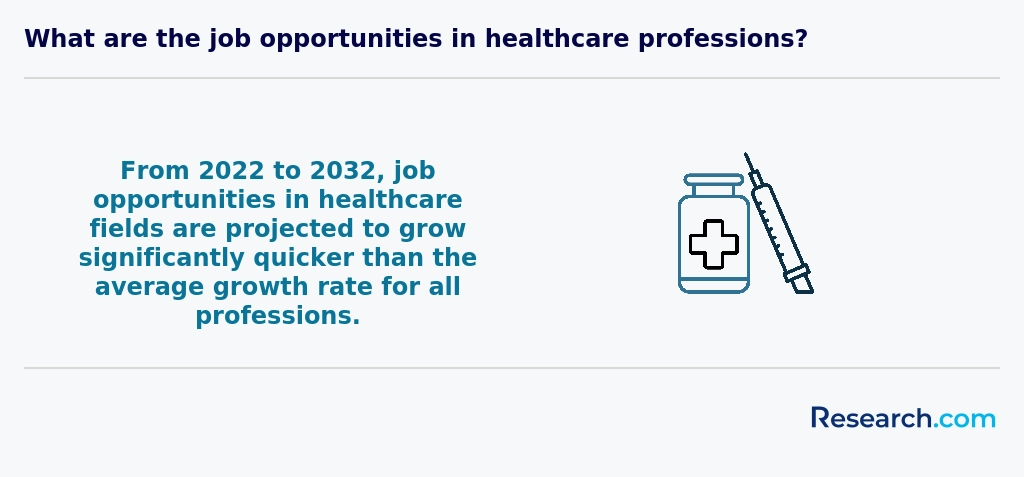
- Healthcare jobs are projected to grow 13% from 2021 to 2031, faster than most other fields.
- Entry-level salaries typically range from $50,000 to $70,000, with advanced degrees leading to six-figure incomes.
- Many programs provide support for certification exams like the NCLEX for nurses and CHES for health educators.
How long does it take to complete online healthcare degree in America?
Imagine juggling a full-time job while earning your healthcare degree online from a respected institution like the University of Florida or Arizona State University. Associate degrees typically wrap up in about two years, a sweet sprint to launch your career as a medical assistant or health technician. Graduates often recall how manageable the pace felt, even amidst life's chaos, thanks to flexible scheduling.
Bachelor's degrees, such as a BSN or health administration from schools like Ohio State University, span three to four years, although some accelerated routes turbocharge completion to just two years if you bring prior credits or experience to the table. One graduate shared how this speed allowed them to pivot careers without sacrificing income or sanity.
Master's and doctoral degrees stretch longer, from 1.5 to 6 years, as seen in programs at Johns Hopkins or University of Southern California, weaving in clinical hours and real-life practice. Yet, those who embrace the challenge describe a rewarding balance-earning while learning, growing within the pulse of healthcare innovation across America.
Accreditation and Licensure Considerations
When selecting an online doctorate in healthcare, ensuring your program holds the proper accreditation is paramount-not only for academic rigor but also for meeting state licensure requirements and employer expectations. Accredited programs have been evaluated by recognized agencies such as the Commission on Accreditation of Healthcare Management Education (CAHME), the Council on Education for Public Health (CEPH), or regional bodies recognized by the Council for Higher Education Accreditation (CHEA). Graduates from these programs are more likely to qualify for federal financial aid, transfer credits between institutions, and sit for relevant certification or licensure exams. Different states impose varying clinical and curricular standards for healthcare professionals. Before enrolling, verify that your online program’s accreditation aligns with your desired state’s board of licensure or certification. For instance, if you plan to practice in multiple states, choose a program with nationwide recognition to avoid obstacles when applying for licensure. Programs that carry programmatic accreditation in specialized fields-such as the Accreditation Commission for Education in Nursing (ACEN) for nursing or the Association to Advance Collegiate Schools of Business (AACSB) for healthcare management-offer an extra layer of credibility and may streamline the path to advanced roles. Beyond institutional and programmatic credentials, look for proof of licensure pass rates or employment outcomes. Many top-ranked institutions publish first-time pass rates for board exams (e.g., the Certified Healthcare Executive exam) and alumni placement statistics. These metrics serve as reliable indicators of how well the curriculum prepares graduates for real-world practice. When comparing options, also consider hybrid programs that embed local clinical residencies; such models can ensure you fulfill hands-on requirements in your region while benefiting from the flexibility of online coursework. For prospective students seeking accredited, cost-effective pathways into healthcare leadership, researching local Master’s options can provide valuable context on affordability and licensure alignment. For example, the Affordable Online Master's in Healthcare Degree Programs Ranking in St. Paul, MN highlights programs that balance accreditation, affordability, and state-specific practical training-an approach you can emulate when evaluating doctorate-level offerings.
What's the difference between online and on-campus healthcare degree?
Picture a healthcare student from a bustling city juggling shifts at a hospital while tuning into lectures from a renowned online program like the University of Florida's College of Public Health. The digital classroom becomes a lifeline, with video modules and quizzes fitting neatly between hectic days. This flexibility means education bends to life, not the other way around, especially for those balancing work or family in America's vast regions.
Contrast that with a peer at the University of Pennsylvania, walking across campus for hands-on labs and spontaneous study sessions with peers. Here, the pulse of healthcare education beats in clinical rotations and face-to-face mentorship, making the experience tactile and immersive.
Both paths lead toward licensure and vibrant careers, but the online route often trims costs-cutting commuting and housing expenses-while on-campus students savor direct access to physical resources. Networking? Online grads might carve their own path, connecting through virtual communities and local clinical sites, whereas on-campus students thrive amidst campus collaborations and student organizations.
Exploring Online Doctorate in Pharmacy Programs: A Specialist Pathway in Healthcare Education
While the article provides an in‐depth look at online healthcare degree programs, it can be further enriched by focusing on the specialized field of online doctorate in pharmacy programs. Given the unique intersection of clinical expertise and research acumen required in pharmacy, prospective students often seek programs that not only advance their clinical knowledge but also emphasize cost-effectiveness and flexibility in learning. These programs are designed to equip graduates with advanced skills in medication management, pharmacological research, and regulatory affairs, ensuring they are well-prepared to lead in various healthcare settings. For example, students can benefit from learning about innovative teaching methods and real-world case studies that directly relate to pharmaceutical practices. They also gain exposure to the latest research in drug development and pharmacovigilance, which is critical given today’s rapidly evolving healthcare landscape. In this context, exploring opportunities such as the list of cheapest online doctorate in pharmacy program can help candidates find programs that balance affordability with academic excellence, making advanced pharmacy education more accessible. By delving into specialized online doctorate in pharmacy programs, students not only broaden their career options but also contribute to a critical segment of healthcare that tackles medication safety and therapeutic innovation. Integrating insights from program reviews, cost comparisons, and career outcomes in this specialized area can help prospective applicants make well-informed decisions about their future in healthcare leadership.
What is the average cost of online healthcare degree in America?
Imagine a graduate from a popular public university in America, juggling work and studies, seeing the price tag of their online healthcare degree hover around $27,949 for in-state tuition. Now picture their out-of-state peer, paying closer to $39,911, navigating the same tough coursework but with a bigger financial climb. Across the spectrum, the median total cost of an online healthcare degree in the USA sits around $33,343, striking a balance between affordability and quality education. This is the reality many students face as they step into healthcare-where every dollar invested fuels a future dedicated to care and expertise.
It's not just numbers on a page; it's the weight of late-night assignments and the hopeful achievement of mastering nursing, healthcare administration, or health sciences. Graduates from well-known institutions recall the thrill of finishing programs where costs aligned with hands-on experience and solid online instruction. Amidst tuition and fees, additional expenses like course materials and certification tests add layers to total expenses for online healthcare doctorate programs USA, yet these costs underscore the value of becoming licensed and ready.
There's pride in knowing this path, though financially demanding, opens doors to rewarding careers. For those weighing options, exploring affordable healthcare programs can provide clarity and inspire confidence, making the investment feel not just necessary but profoundly worthwhile.

Student Success and Support in Online Healthcare Programs
Navigating the online learning environment requires more than just enrollment-it demands a comprehensive support system that fosters academic and personal success. Prospective students should look for programs that offer robust academic advising, 24/7 technical support, and career services that help bridge the gap between virtual learning and real-world application. For instance, interactive webinars, online mentorship networks, and dedicated virtual student communities can make a significant difference in managing coursework and staying motivated throughout the program. Additionally, programs committed to continuous improvement often integrate hands-on experiences with personalized coaching sessions, ensuring that each student can overcome challenges and reach their full potential. Leveraging resources from affordable healthcare programs can also provide insight into optimizing learning strategies without compromising on quality or access. This student-centered approach not only builds a solid foundation for academic achievement but also supports long-term career advancement in the dynamic healthcare sector.
What financial aid is available to online healthcare degree students in America?
Imagine a graduate from the University of Michigan, juggling family life and studies, who found federal financial aid to be their lifeline-Pell Grants that felt like a gift, tuition loans with gentle interest whispers, and FAFSA forms unlocking these treasures. Across the country, a hopeful student at Arizona State University taps into state-sponsored scholarships, designed like secret keys to nursing or public health programs, easing the weight of bills and deadlines.
Picture someone at the University of Florida, delighting in a private scholarship from a healthcare foundation, their dreams buoyed by recognition of their grit and goals. For others, employers become unexpected champions-tuition reimbursement transforming long shifts into stepping stones toward advancement.
These financial aids become more than numbers; they rhyme with relief, ambition, and persistence. In an ever-shifting landscape of costs, these support systems stitch a safety net beneath aspiring healthcare professionals throughout America.
What are the prerequisites for enrolling in online healthcare degree program in America?
Jumping into an online healthcare degree in America often feels like gearing up for a mission-one where your academic armor starts with a high school diploma or GED. Graduates from renowned institutions like the University of Michigan or Arizona State University often recall needing a solid GPA, usually around 2.5 to 3.0, to qualify. It's less about pressure and more about proving you're ready for the intellectual adventure ahead.
Imagine balancing life while brushing up on biology, chemistry, or anatomy-core prerequisites that shape your foundation. Many students thrill to these challenges, especially those who'd previously felt unsure about science but found themselves thriving once engaged with online coursework at places like Ohio State University.
For those eyeing master's or doctoral tracks, holding a relevant bachelor's is crucial, as is hands-on experience or certifications-the lifeblood connecting theory to real-world nursing or healthcare practice. Think of it as carrying a seasoned toolkit into a digital classroom, where even a DNP candidate relies on active licenses to enrich their learning journey.
Some programs still lean on GRE or MAT scores, but many have eased off, knowing adult learners and working professionals juggle many roles. Reliable internet and digital savvy aren't just boxes to check-they're the lifelines keeping you connected to professors and peers across the country.
Clinical and Practicum Requirements
Online healthcare doctorates combine virtual coursework with essential hands-on training to ensure clinical competency:
- Local clinical placements coordinated through university’s preceptor network, often in hospitals, clinics or community health settings
- Required practicum hours vary by specialization but typically range from 500 to 1,000 hours
- Faculty-supervised evaluations and competency assessments conducted on-site or via telehealth platforms
- Short on-campus intensives or simulations (usually 1–2 weeks) to practice advanced procedures and leadership skills
These structured experiences mirror those in related fields-explore an affordable pharmacy school program for similar clinical frameworks.
What courses are typically in online healthcare degree programs in America?
Diving into an online healthcare degree in America means embarking on a journey through a fascinating mosaic of courses. Imagine mastering human anatomy and physiology-not just as dry facts, but as the blueprint of your future interactions with patients, much like graduates from top colleges who recall feeling empowered by truly understanding the body's intricate design.
Healthcare ethics and law ground you in the realities of American medical practice, helping you navigate complex decisions with confidence. Students often share how these lessons felt like unlocking a secret code to the healthcare system's sometimes baffling rules.
Healthcare management and policy courses bring the U.S. healthcare maze to life. Graduates from popular universities say these classes painted vivid pictures of Medicare, Medicaid, and private insurance, turning abstract policies into everyday realities for future administrators or advocates.
The dynamic duo of epidemiology and public health reminds you that your work influences entire communities, while health informatics teaches you to wield data like a modern-day healer-skills that online students cherish as crucial in today's tech-driven hospitals.
Courses in medical terminology, clinical procedures, and patient care coordination are the practical heartbeats of the program, making real-world scenarios feel close and tangible-even through a screen.
What types of specializations are available in online healthcare degree programs in America?
Imagine diving into online healthcare degree specializations USA where every course feels like a stepping stone into a new ecosystem-graduates from universities like the University of Florida or Arizona State often share stories of mastering Healthcare Administration, juggling finances and policy like orchestrators of complex hospital symphonies. Others find their calling in Public Health, crafting strategies to uplift communities during crises, a vivid hands-on experience even from their home study nooks.
For those drawn to tech's pulse, Health Informatics transforms you into a data whisperer, interpreting electronic health records into life-saving insights; graduates from striking programs cheer about influencing patient outcomes from behind their screens. Meanwhile, Nursing Leadership and Education beckons nurses ready to illuminate future caregivers, turning clinical wisdom into curriculum magic. Clinical Research sparks the curiosity of methodical minds, orchestrating trials that birth tomorrow's cures.
Venturing further into healthcare doctorate program focus areas America, students explore new frontiers with passion-whether within bustling urban colleges or cozy online hubs. Those seeking affordability and advanced pharmaceutics can explore a list of cheapest online doctorate in pharmacy program, blending cost-conscious decisions with ambitious dreams.
How do you choose the best online healthcare degree in America?
Choosing the best online healthcare degree in America means immersing yourself in programs that breathe life into your career ambitions. Imagine a graduate from a bustling university in Texas, juggling night shifts while completing an asynchronous nursing course designed for working professionals. Their secret? An accredited program recognized by the Commission on Collegiate Nursing Education that guarantees rigorous, respected training. For many, such accreditation is the golden ticket that turns dreams into real-world healthcare impact.
Affordability often steers choices too: a graduate averaging $10,000 per year at a public university feels the weight of each dollar but finds relief knowing scholarships can tip scales. If you crave flexibility, think of another who thrived in a program offering virtual clinical simulations, blending theory with life-like application. When hunting for affordable online healthcare degrees in America, dozens of options promise convenience without sacrificing quality.
If detailed rankings help, explore the Affordable Online Master's in Healthcare Degree Programs Ranking in St. Paul, MN for valuable insights tailored to cost-conscious students aiming high.
Remember, the best online healthcare doctorate programs USA-wide aren't just about coursework-they're about faculty who mentor with passion, career services that open doors, and alumni success that sparks hope.
What career paths are available for online healthcare degree students in America?
Explore the vibrant kaleidoscope of possibilities that an online healthcare degree unlocks in America. Graduates from renowned institutions like the University of Michigan or Johns Hopkins often step into clinical roles such as nursing or physician assistants, where they thrive delivering care with empathy and expertise. Imagine the rewarding sense of impact they feel, earning median wages like $77,600 for RNs or $121,530 for physician assistants, fueling their passion and financial security simultaneously. Others dive into healthcare degree career paths America-wide by steering healthcare administration, becoming the vital strategists behind hospital operations and community clinics. These leaders find satisfaction in shaping policies and finance frameworks that elevate health systems.
For those drawn to innovation, the online healthcare doctorate careers USA spotlight flourishing fields like health informatics and clinical research, blending tech and science to revolutionize patient care. Many students, especially those balancing work, relish the flexibility offered by programs such as the 1 year master program, enabling seamless career growth. This landscape invites dreamers and doers alike to sculpt their unique healthcare journey.
What is the job market for online healthcare degree in America?
The job market for online healthcare degree graduates in America is thriving, fueled by a growing population and a surge in demand for healthcare innovation. Graduates from institutions like the University of Florida or Ohio State report landing roles swiftly in hospitals and outpatient centers, thriving as Registered Nurses or Public Health Analysts. The flexibility of online programs allows many to juggle work and studies, accelerating career growth without sacrificing income. This strong trajectory aligns with the online healthcare degree job outlook USA, where growth projections far outpace many other fields.
Imagine a graduate from a popular college in California stepping into a role as a Health Informatics Specialist, shaping how digital data drives patient care. Salaries vary, but those holding advanced credentials often unlock leadership roles commanding higher pay in metro hubs. For those wondering where to start, exploring the easiest masters degree to get online might smooth the path before scaling to healthcare doctorate career opportunities America offers.
Frequently Asked Questions About healthcare
Online healthcare degree students in America can enhance their learning experience by actively engaging with course materials and instructors. Statistics from the National Center for Education Statistics show that students who participate in discussion forums and live sessions tend to perform better academically.
Setting a consistent study schedule helps manage workload alongside professional responsibilities, as nearly 60% of online healthcare learners balance jobs and education (CHEDS report, 2023). Utilizing virtual labs and simulation tools improves practical skills essential in healthcare fields.
Networking through online student groups or professional associations such as the American Public Health Association expands opportunities for mentorship and career growth.
Finally, seeking accredited programs ensures quality education aligned with U.S. healthcare standards, as recognized by organizations like the Council on Education for Public Health.
Emerging niches within the healthcare field reflect evolving patient needs and technological advances. One rapidly growing area is telehealth, which expanded by over 154% in 2020 according to the CDC, providing remote medical services through digital platforms. Another promising niche is health informatics, combining IT and healthcare to improve patient data management and decision-making. Additionally, behavioral health professionals are in high demand due to increasing mental health awareness, with the Bureau of Labor Statistics projecting a 23% job growth for substance abuse counselors by 2031. These fields offer substantial opportunities for online healthcare degrees focused on future-ready skills.
After earning an online healthcare degree in America, preparing for the job market involves several key steps. First, graduates should obtain any required licensure or certifications relevant to their field, such as the Registered Nurse (RN) license or Certified Health Education Specialist (CHES) credential. These qualifications are often mandatory for employment and demonstrate professional credibility.
Networking is crucial; joining organizations like the American Public Health Association can connect graduates to job opportunities and industry trends.
Practical experience through internships or volunteer work boosts employability by providing hands-on skills. The U.S. Bureau of Labor Statistics projects healthcare jobs to grow 13% by 2032, highlighting strong demand. Staying updated with continuing education ensures graduates remain competitive in this evolving field.
Employers in the American healthcare sector prioritize a blend of technical knowledge and interpersonal skills in graduates of online healthcare degree programs. According to the U.S. Bureau of Labor Statistics, critical thinking and clinical proficiency rank among the top competencies required to ensure patient safety and effective care.
Communication skills are essential, as healthcare professionals must clearly convey information to patients and collaborate with interdisciplinary teams. Additionally, adaptability is valued due to the fast-evolving medical technologies and healthcare policies.
Data literacy has grown increasingly important, especially with the rise of electronic health records and telemedicine. Professionals equipped to manage and analyze health data can improve outcomes and decision-making.
Finally, ethical judgment and cultural competence are crucial, reflecting the diverse patient populations served across the United States.
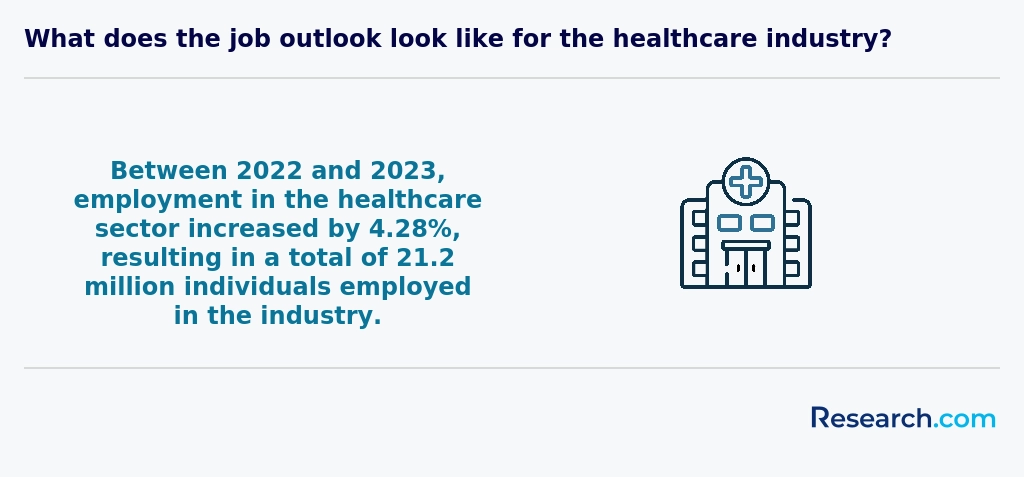
Finding internships relevant to a healthcare degree in America involves several key steps. Start by leveraging your online program's career services, as many universities have partnerships with hospitals, clinics, and healthcare organizations. Healthcare internships are essential since the US healthcare industry employs over 20 million people, making practical experience highly valuable (BLS, 2023).
Use online job platforms like the Association of American Medical Colleges' listings or healthcare-specific sites such as HealthCareers. Networking is vital; connect with professionals via LinkedIn or local healthcare events. Additionally, consider applying to hospitals accredited by The Joint Commission to ensure quality clinical training environments.
Online healthcare degrees in America significantly enhance career mobility by offering flexible learning options for working professionals. According to the U.S. Bureau of Labor Statistics, healthcare occupations are projected to grow 13% from 2021 to 2031, much faster than average. Earning an advanced degree online allows individuals to qualify for leadership roles, administrative positions, or specialized clinical careers without pausing their current employment.
Many accredited online programs meet industry standards, ensuring graduates have credentials respected by employers nationwide. This accessibility broadens opportunities across state lines and healthcare settings. Furthermore, studies by the National Center for Education Statistics show that professionals with graduate degrees in healthcare report higher earning potential and faster promotion rates compared to those without advanced education.
Studying for a healthcare degree in America equips students with a broad skill set designed for interdisciplinary collaboration. US programs emphasize clinical knowledge alongside leadership, communication, and health informatics, preparing graduates to work effectively across diverse healthcare teams.
According to the National Center for Education Statistics, healthcare degrees typically include courses on ethics, policy, and technology integration, which are essential for coordinating care among physicians, nurses, and allied health professionals. This approach aligns with trends highlighted by the Bureau of Labor Statistics, predicting a 16% employment growth in healthcare occupations through 2031, many requiring collaborative expertise.
Online degree programs often simulate real-world scenarios, encouraging teamwork across specialties. This prepares students for the complexities of modern healthcare environments where interdisciplinary roles improve patient outcomes and operational efficiency.
Choosing between a thesis and a non-thesis healthcare degree program in America depends on your career goals and learning preferences. Thesis programs typically require original research and a written dissertation, ideal for students aiming for research roles or doctoral studies. In 2023, about 30% of healthcare graduates in the US pursued thesis options, often valuing in-depth study and contribution to the field.
Non-thesis programs focus more on practical skills and coursework, suiting professionals seeking advanced knowledge without the research commitment. These are common for roles in healthcare administration or policy.
The US Bureau of Labor Statistics forecasts a 16% growth in healthcare jobs through 2031, emphasizing applied skills, making non-thesis programs attractive for many.
Consider your future plans, time availability, and interests when deciding between these paths.
American students interested in studying healthcare abroad through online programs have several options. Many US universities partner with international institutions to offer joint or dual online degrees, providing global perspectives combined with US accreditation. This collaboration helps meet American licensing requirements while exposing students to diverse healthcare systems.
Additionally, some foreign universities provide fully online healthcare degrees accessible to US students. However, it is essential to verify accreditation recognized by American bodies such as the Commission on Collegiate Nursing Education (CCNE) or the Accreditation Council for Pharmacy Education (ACPE).
According to the National Center for Education Statistics, nearly 35% of American graduate students pursue online degrees, reflecting growing acceptance of digital healthcare education. This trend facilitates access to global expertise without relocation, helping graduates stay competitive in the evolving US healthcare job market.
In the United States, numerous part-time jobs can effectively complement online healthcare degree studies. Roles such as medical assistants, phlebotomists, and patient care technicians provide practical experience while allowing flexible schedules. According to the U.S. Bureau of Labor Statistics, medical assistants held about 704,300 jobs in 2022, with a projected growth rate of 16% through 2032, indicating strong demand.
Working in healthcare administration or as a pharmacy technician also enhances understanding of healthcare operations. These jobs often offer evening or weekend hours, fitting well with study commitments. Engaging in these positions helps develop clinical and communication skills essential for healthcare professionals.
Such part-time work not only reinforces academic learning but also strengthens resumes for future healthcare careers.
Online healthcare degree students in America have access to a variety of networking opportunities despite not being on campus physically. Many programs offer virtual career fairs, discussion boards, and alumni networks that connect students with peers and professionals. According to the National Center for Education Statistics, over 30% of healthcare students engage in online platforms to build professional connections.
Students can also join professional organizations such as the American Public Health Association or the Healthcare Information and Management Systems Society, which provide webinars, conferences, and mentorship programs. These organizations often offer student memberships at reduced rates.
Furthermore, faculty and career services frequently facilitate introductions to industry experts, enabling students to secure internships and job shadowing in local healthcare facilities. This blend of online and local networking helps bridge the gap caused by remote learning.
Alumni networks play a crucial role for students pursuing online healthcare degrees in America by providing valuable career support. These networks connect graduates with professionals across various healthcare sectors, fostering mentorship opportunities and guidance during career transitions.
According to the National Association of Colleges and Employers (NACE), 85% of job placements result from networking, highlighting the importance of strong alumni connections. For healthcare professionals, this access can lead to job referrals in hospitals, clinics, and research institutions, which can be competitive environments.
Additionally, alumni events and online forums offer continuous learning and professional development, helping students stay current with healthcare trends and innovations. This support is especially important given the rapidly evolving nature of healthcare and technology in the US.
Customizing an online healthcare degree program in America allows students to align their education with specific career goals. Many universities offer modular curriculums where students can choose electives related to nursing, health administration, or public health. This flexibility helps tailor learning to growing fields such as healthcare informatics or policy.
Students can also select specializations or certifications alongside their degree. For example, the American Association of Colleges of Nursing highlights that more than 50% of online healthcare programs provide options to focus on leadership or clinical practice.
Internships, practicums, or capstone projects often let students gain real-world experience in their target areas. Accredited programs ensure these components meet industry standards set by the Commission on Collegiate Nursing Education (CCNE) or the Council on Education for Public Health (CEPH).
Researching program outcomes and employment rates, such as the U.S. Bureau of Labor Statistics data showing healthcare occupations growing 13% through 2030, can guide students toward programs that best suit their ambitions.
Online healthcare students in America often face challenges related to balancing study with demanding personal and professional responsibilities. According to the National Center for Education Statistics, many online learners are working adults, which makes time management a crucial skill. The nature of healthcare education also requires practical experience, which can be difficult to arrange remotely.
Access to clinical placements remains a major hurdle. Students must secure in-person practicums to meet accreditation standards, and availability varies widely depending on location. Additionally, technical issues such as unreliable internet or unfamiliarity with digital platforms can interfere with learning.
Financial strain is another concern; while online programs often cost less, healthcare degrees may still involve expensive certifications or materials. Ensuring adequate support services and clear communication is essential to help students overcome these obstacles.
With an online healthcare degree in America, graduates can pursue various professional certifications to enhance their careers. Common certifications include the Certified Professional in Healthcare Quality (CPHQ), which demonstrates expertise in healthcare quality management. Another option is the Registered Health Information Technician (RHIT) credential for those focused on health information management.
For nurses advancing their careers, the American Nurses Credentialing Center offers multiple certifications, such as Nurse Executive or Nurse Informatics. According to the Bureau of Labor Statistics, healthcare occupations are projected to grow 13% from 2021 to 2031, increasing demand for credentialed professionals. Credentials can improve job prospects and salary potential in this expanding field.
Writing a strong application for an online healthcare program in America requires clear demonstration of your academic preparedness and professional goals. Start by highlighting relevant healthcare experience, as the U.S. Bureau of Labor Statistics forecasts a 16% growth in healthcare jobs through 2031, emphasizing demand for skilled professionals.
Showcase your commitment to healthcare by detailing certifications, volunteer work, or employment in health services. Clearly articulate why the specific online program fits your career path.
Additionally, strong letters of recommendation from healthcare mentors or supervisors can significantly boost your application.
Finally, ensure your personal statement is precise, reflecting understanding of current U.S. healthcare challenges and your role in addressing them.
The global perspective on healthcare careers emphasizes the growing demand for skilled professionals as populations worldwide age and chronic diseases increase. In the United States, the Bureau of Labor Statistics projects a 13% growth in healthcare occupations from 2021 to 2031, reflecting this trend. Online healthcare degrees offer flexible pathways to enter this expanding field.
Internationally, healthcare roles vary, but the importance of advanced training remains consistent. U.S. programs often align with global standards, preparing graduates for diverse healthcare environments. Understanding these global needs helps students appreciate how American healthcare education integrates with worldwide health initiatives.
Gaining practical experience while pursuing an online healthcare degree in America is essential for career readiness. Many accredited online programs incorporate clinical placements or internships as part of their curriculum. These experiences often occur at local hospitals, clinics, or healthcare facilities near the student's residence, allowing hands-on learning despite distance coursework. The American Association of Colleges of Nursing (AACN) emphasizes clinical hours as a requirement for nursing degrees, reflecting similar mandates in other healthcare fields.
Additionally, simulation labs using virtual reality or advanced software have become popular, offering realistic practice scenarios remotely. According to the National Center for Education Statistics (NCES), over 60% of online healthcare students engage in some form of practical training. Volunteering and part-time work in healthcare settings can also complement formal requirements, helping students build professional skills and networks essential for their future roles.
Choosing the right concentration within an online healthcare degree program depends on your career goals and the demands of the U.S. healthcare industry. According to the U.S. Bureau of Labor Statistics, fields like nursing, health informatics, and healthcare administration are projected to grow faster than average through 2032.
Evaluate your interests and strengths: if you enjoy technology, health informatics might suit you; if you prefer leadership roles, healthcare administration could be ideal. Also, consider program accreditation and how concentrations align with certifications recognized by organizations such as the Commission on Collegiate Nursing Education (CCNE).
Research job market trends and salary expectations in your chosen concentration to ensure a strong return on investment.
Top Trending Healthcare Rankings
See What Experts Have To Say About Studying Healthcare
Read our interview with Healthcare experts

References
- Healthcare Administration Certifications https://www.publichealthdegrees.org/careers/healthcare-administrator/certification/
- Online Degree vs. Traditional: Choosing the Right Path https://beal.edu/online-degree-vs-traditional/
- How to Choose a Health Administration Program https://www.healthadministrationdegrees.com/articles/choosing-a-program/
- Job-Ready Healthcare Skills for 2026 https://cliniwave.in/blogs/latest-article/job-ready-healthcare-skills
- Alumni Reconnect - Poznan University of Medical Sciences https://pums.edu.pl/alumni-friends/alumni-reconnect/
- Advancing Your Career in Healthcare: Tips and Strategies https://www.sunshinecarenetwork.com/blog/advancing-your-career-in-healthcare-tips-and-strategies
- Best Practices for Career Development and Advancement in the Healthcare Sector | Generation https://www.generation.org/news/best-practices-for-career-development-and-advancement-in-the-healthcare-sector/
- Global Perspectives – Healthcare Beyond Borders https://www.cedars-sinai.org/international-stories/healthcare-beyond-borders.html
- Career Opportunities in Healthcare Without a Medical Degree https://www.just-medical.ch/en/blog/medical-careers-without-formal-education
- Healthcare Assistant Cover Letter Templates | myPerfectCV https://www.myperfectcv.co.uk/cover-letter/examples/healthcare-assistant-cover-letter