
2027 Best Healthcare Degree Programs Ranking in Wilmington

Co-Founder and Chief Data Scientist
If you're considering a future in healthcare, choosing the right degree program is an important first step. This article introduces the 2027 Best Healthcare Degree Programs Ranking in Wilmington, created by the Research.com team of data scientists.
Designed to help you make an informed decision, the ranking carefully evaluates local programs to highlight quality options. Pursuing a healthcare degree opens doors to rewarding careers that make a real difference in people's lives. Reading this guide will provide clear insights and boost your confidence in selecting a program that fits your goals.
Key benefits of getting healthcare degree in Wilmington
- Salary: Graduates with a healthcare degree in Wilmington can expect strong earning potential, such as Patient Care Technicians earning a mean annual wage of $60,790 and Quality Improvement Coordinators making around $103,150. These competitive salaries reflect the high demand and rewarding nature of healthcare careers.
- Career Paths: Healthcare graduates from local colleges can pursue diverse roles ranging from Medical Assistants earning approximately $43,350 annually to Health Information Technicians with similar salaries, offering plenty of opportunities to find a fulfilling job. The variety ensures you can match your passion with a suitable profession.
- Online Degree Benefits: Earning a healthcare degree online in Wilmington allows for flexible scheduling and faster completion, perfect for busy students balancing work or family. Many online graduates appreciate gaining valuable skills while managing their own pace, making education more accessible and encouraging success.
- Key benefits of getting healthcare degree in Wilmington
- What can I expect from healthcare degree in Wilmington?
- Where can I work with healthcare degree in Wilmington?
- How much can I make with healthcare degree in Wilmington?
- 2027 Best Healthcare Degree Programs Ranking in Wilmington
- Key Findings
- How long does it take to complete healthcare degree in Wilmington?
- Next Steps for Prospective Healthcare Students
- What's the difference between online and on-campus healthcare degree?
- Integrating Nutritional Science into Healthcare Education
- What is the average cost of healthcare degree in Wilmington?
- Accreditation and Licensure
- What financial aid is available to healthcare degree students in Wilmington?
- Future Trends and Innovations in Healthcare Education
- What are the prerequisites for enrolling in healthcare degree program in Wilmington?
- Return on Investment: Balancing Cost and Career Outcomes
- What courses are typically in healthcare degree programs in Wilmington?
- What types of specializations are available in healthcare degree programs in Wilmington?
- How do you choose the best healthcare degree in Wilmington?
- What career paths are available for healthcare degree students in Wilmington?
- What is the job market for healthcare degree in Wilmington?
- Top Trending Healthcare Rankings
- See What Experts Have To Say About Studying Healthcare
What can I expect from healthcare degree in Wilmington?
The average cost of obtaining a healthcare degree in Wilmington varies depending on the institution and program level. At Cape Fear Community College, students pursuing associate degrees or certificates in nursing and medical assisting typically pay between $4,000 and $6,000 per year for tuition, reflecting its community college status and focus on practical training. Graduates often mention affordable access combined with strong local healthcare connections as a key advantage, allowing them to balance education expenses with early workforce entry.
In contrast, students enrolling in bachelor's programs at the University of North Carolina Wilmington (UNCW) can expect annual tuition costs ranging from approximately $7,500 to $10,000, depending on residency status. Graduates from UNCW's public health and allied health fields emphasize the value of advanced coursework and clinical placements, which justify the higher investment by enhancing employment prospects in Wilmington's expanding healthcare sector.
Overall, the cost framework aligns with Wilmington's healthcare market growth, enabling students to access affordable, regionally relevant education while preparing for a variety of in-demand healthcare roles in local hospitals, clinics, and specialized providers.
Where can I work with healthcare degree in Wilmington?
Graduates with healthcare degrees from Wilmington's institutions such as the University of North Carolina at Wilmington or Cape Fear Community College often find promising jobs at New Hanover Regional Medical Center, a major employer offering roles for nurses, physician assistants, and healthcare administrators. These graduates report satisfaction working in a large hospital environment where professional growth is supported.
Many also discover rewarding positions in nursing homes and long-term care facilities, addressing the needs of Wilmington's sizable retiree community. Positions like registered nurses and certified nursing assistants provide daily hands-on care, fostering strong connections with patients and families.
Ambulatory care centers and urgent care clinics offer dynamic settings where medical assistants and radiologic technicians manage walk-in patients and diagnostics, appealing to graduates seeking fast-paced roles. Some graduates pursue healthcare administration jobs with local insurance companies or nonprofit agencies focused on community health and preventive medicine.
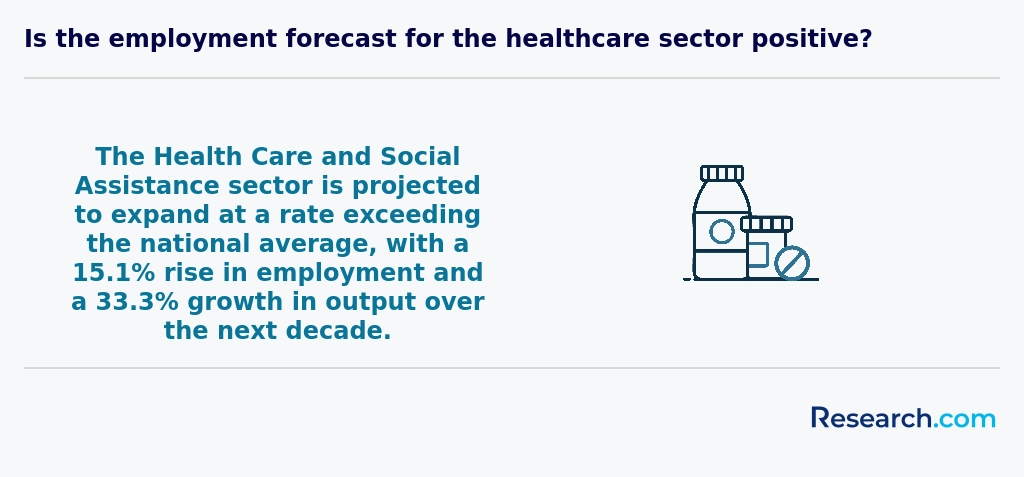
With healthcare jobs in Wilmington growing about 15% through 2030, graduates witness a robust employment landscape that combines clinical, administrative, and research opportunities locally.
How much can I make with healthcare degree in Wilmington?
Healthcare graduates in Wilmington can expect varied earnings depending on their chosen career path and degree level. Graduates from local institutions like the University of North Carolina Wilmington or Cape Fear Community College report starting salaries close to national averages. For example, medical assistants earn a mean annual wage of approximately $43,350, while patient care technicians bring in about $60,790 annually.
Specialized roles such as health information technicians yield similar pay around $43,380 per year, reflecting steady demand for technical skills. Clinical research coordinators, another role suited to healthcare graduates, earn about $43,350 annually, providing a promising start for those interested in research careers.
For those pursuing advanced positions, quality improvement coordinators stand out with significantly higher pay, averaging $103,150 yearly. Many graduates find this role rewarding, combining healthcare knowledge with leadership to improve patient outcomes.
Wilmington's healthcare sector, supported by major employers and educational programs, fosters positive student experiences, helping recent graduates step confidently into well-paying careers.
2027 Best Healthcare Degree Programs Ranking in Wilmington
How do we rank schools?
Investing in your education is a significant decision that can shape your future, and the Research.com team understands the importance of making informed choices. To assist prospective students in Wilmington, we have meticulously crafted the "2027 Best Healthcare Degree Programs Ranking in Wilmington." Our commitment to quality, credibility, and accuracy is reflected in the extensive research and analysis conducted to compile this ranking.
We utilized the following reputable data sources to ensure a comprehensive evaluation of healthcare programs:
By exploring this ranking, readers will gain valuable insights into the best healthcare degree programs available in Wilmington, helping them make informed decisions about their educational paths. For more details on our methodology, please visit our Research.com methodology page.

# 3 position
Miller-Motte College-Wilmington
Bachelor of Science in Health Sciences

Key Findings
- Tuition for in-state healthcare bachelor's degrees in Wilmington ranges from $7,000 to $9,000 per year, while out-of-state students pay between $18,000 and $21,000 annually.
- Total yearly costs including textbooks and living expenses can reach about $15,000 for in-state students.
- Healthcare jobs in Wilmington are projected to grow by 15% over the next decade, driven by population growth and rising demand for medical services.
- Entry-level nursing salaries start at $55,000 to $60,000 annually, increasing to $70,000 to $80,000 after five years.
- Other healthcare roles like medical assistants typically begin at $30,000 to $40,000, with opportunities for higher pay through certifications and experience.
- Wilmington offers diverse healthcare work environments including hospitals, outpatient clinics, and specialty care centers, with strong demand due to an aging population and public health efforts.
How long does it take to complete healthcare degree in Wilmington?
Completing a healthcare degree in Wilmington varies by program level, with clear timelines commonly reported by graduates from local institutions. Entry-level certificates, such as Certified Nursing Assistant or Medical Assistant, often take under a year, allowing students to quickly begin work in clinics or hospitals.
Associate degrees, like the ADN from Cape Fear Community College, typically require about two years. Graduates appreciate that this timeline balances gaining practical skills with preparing to sit for the NCLEX-RN exam to become registered nurses.
Bachelor's degrees, including the BSN offered by the University of North Carolina Wilmington, usually span four years of full-time study. Many Wilmington students find this timeline manageable while building leadership skills and advanced clinical knowledge.
Master's programs range from 1.5 to 3 years, depending on study intensity. Local students often choose part-time options to maintain employment, valuing how this timing supports career growth without major disruption.
Doctoral degrees, such as DNP or DPT, generally take 3 to 4 years beyond a master's. Wilmington graduates highlight the deep expertise gained during this extended education, which opens pathways to top healthcare roles.
Next Steps for Prospective Healthcare Students
Taking the leap into a healthcare education is an exciting journey, and preparing effectively can make all the difference. As you explore the rankings and options available in Wilmington, NC, it’s important to plan your application strategy, engage with campus resources, and take advantage of career counseling opportunities. Start by reviewing each program’s specific admission requirements and deadlines to ensure your application stands out. Additionally, consider reaching out to current students and alumni for insights on day-to-day experiences and networking opportunities that can complement your academic growth. For instance, discovering an affordable healthcare school in north carolina may offer not only cost-effective tuition but also robust support services and internship programs that can jumpstart your professional journey. By gathering this essential information and mapping out your next steps, you’ll be well-equipped to make a confident, informed decision about your future in healthcare.
What's the difference between online and on-campus healthcare degree?
Healthcare students in Wilmington choosing between online and on-campus degrees encounter distinct experiences shaped by format. Online programs provide flexibility, ideal for those juggling jobs or family, allowing access to expert faculty from institutions like the University of North Carolina Wilmington remotely. Graduates often express satisfaction with the convenience but stress the need for strong self-discipline to keep up with demanding coursework.
In contrast, on-campus programs at schools such as Cape Fear Community College offer face-to-face interaction and hands-on practice through partnerships with local hospitals. Students gain crucial clinical experience in simulation labs, which many say builds confidence and practical skills essential for patient care. The personal connections formed with peers and instructors enrich learning and prepare them emotionally for healthcare roles.
Financially, online students save on commuting costs-significant in Wilmington, with monthly travel expenses averaging $300-but may pay technology fees. On-campus learners face additional campus fees but benefit from direct access to resources. Both formats maintain accreditation standards and require careful planning for clinical placements.
Integrating Nutritional Science into Healthcare Education
An often-overlooked aspect of healthcare training is the role of nutrition and its impact on patient well-being. Many healthcare professionals are now recognizing that a solid understanding of nutritional science can greatly enhance clinical outcomes, from managing chronic diseases to promoting preventative care. By studying how dietary choices directly influence health, students can broaden their expertise and provide holistic care to their patients. Aspiring healthcare professionals might consider supplementing their degree with insights from related fields; for instance, exploring a food science bachelor's degree online can offer additional perspectives on diet, wellness, and advanced research in nutritional science. Integrating nutritional science into healthcare education not only enriches your skill set but also aligns with today's evidence-based approaches to improving patient care and community health.
What is the average cost of healthcare degree in Wilmington?
The average cost of a healthcare degree in Wilmington varies significantly depending on the level and type of program. Data shows that the median in-state total cost for healthcare degrees in this region is approximately $7,277, making community colleges and regional universities an accessible choice for many students. Graduates from Cape Fear Community College often recall manageable tuition combined with practical learning experiences, which reinforced their decision to pursue healthcare locally without accumulating excessive debt.
However, for those enrolled in four-year universities like the University of North Carolina Wilmington, tuition and related fees tend to be higher, reflecting the broader curriculum and enhanced facilities. Many students appreciate the strong healthcare programs despite tuition reaching closer to $8,000 annually, noting that well-structured clinical placements build invaluable real-world skills. Understanding Wilmington healthcare degree tuition fees helps future students budget carefully, bearing in mind additional costs such as books, lab fees, and living expenses around $12,000 a year.
Graduate healthcare degrees can exceed $15,000 per year, but many healthcare students find the investment rewarding given the career opportunities afterward. Those pursuing specialized tracks, such as lpn degrees oklahoma specialization, often report feeling well-prepared due to the comprehensive training combined with affordable tuition compared to out-of-state options.
Accreditation and Licensure
Healthcare degree programs in Wilmington, NC must hold proper accreditation and meet North Carolina licensure standards to ensure graduates are eligible for certification exams and competitive in the job market. Accreditation from recognized bodies such as the Accreditation Commission for Education in Nursing (ACEN), the Commission on Collegiate Nursing Education (CCNE), and the Commission on Accreditation of Allied Health Education Programs (CAAHEP) validates curriculum quality, faculty credentials, and clinical training partnerships. For public health tracks, you can also review accredited, cost-effective pathways like the most affordable bachelor's in public health online programs to compare accreditation status and tuition. State licensure requirements in North Carolina typically include completion of an accredited program, a minimum clinical hour threshold, and successful passage of licensing exams (e.g., NCLEX-RN for nurses, CCHI™ for health information technicians). Recent data show that the BSN program at the University of North Carolina Wilmington boasts an NCLEX-RN first-time pass rate of 92%, exceeding the national average of 88%. Similarly, allied health graduates from Cape Fear Community College report an average certification exam pass rate of 85%. When evaluating a Wilmington healthcare program, verify its accreditation with the U.S. Department of Education’s Database of Accredited Postsecondary Institutions and Programs (DAPIP) and consult the North Carolina Board of Nursing or relevant state board for up-to-date licensure guidelines. Strong pass rates and recognized accreditation not only smooth the path to licensure but also signal to employers that graduates are well-prepared for clinical and administrative roles.
What financial aid is available to healthcare degree students in Wilmington?
Students pursuing healthcare degrees in Wilmington have access to multiple financial aid options that significantly ease the burden of education costs. Graduates from institutions like Cape Fear Community College and the University of North Carolina Wilmington often highlight federal aid as a critical support, especially Pell Grants, which can provide up to $7,395 for the 2023-2024 year without repayment obligation. Completing the FAFSA form is essential to unlock these benefits.
State-specific programs add another layer of assistance. North Carolina's Need-Based Scholarship, available to Wilmington residents in eligible healthcare programs, offers substantial annual funds aimed at students demonstrating financial need. Many healthcare students find this helpful alongside institutional scholarships from their schools, which reward academic merit or financial need in nursing, allied health, or medical technology fields.
Work-study jobs connected to healthcare fields and private scholarships from local Wilmington charities also contribute to students' financial stability. Additionally, loan forgiveness programs like the National Health Service Corps provide debt relief for graduates working in underserved North Carolina areas, motivating many to remain in the region post-graduation.
Future Trends and Innovations in Healthcare Education
As the healthcare field continues to evolve, staying informed about emerging trends is crucial for students and professionals alike. Recent innovations, such as telemedicine, artificial intelligence, and personalized medicine, are reshaping the way healthcare services are delivered, which in turn impacts the educational needs of future practitioners. Programs are increasingly integrating these cutting-edge technologies into their curriculum, ensuring that graduates are well-equipped to navigate a rapidly changing landscape. Additionally, collaborative initiatives between academic institutions and industry leaders are paving the way for enhanced practical experiences through internships and research opportunities. By monitoring future trends and adapting to technological advancements, students can better prepare for a dynamic career in healthcare. For instance, exploring opportunities at an affordable healthcare school in north carolina might provide a competitive edge in both education and career pathways. This forward-thinking approach not only boosts technical competence but also reinforces the importance of continual learning and adaptability in a field where innovation is constant.
What are the prerequisites for enrolling in healthcare degree program in Wilmington?
To enroll in a healthcare degree program in Wilmington, students must meet several clear prerequisites that ensure readiness for rigorous coursework. Most undergraduate healthcare programs require a high school diploma or equivalent, with a minimum GPA typically ranging from 2.5 to 3.0. For example, graduates from Wilmington's popular universities recall the importance of maintaining these GPA standards early, which helped them confidently progress through intensive science classes.
Applicants often submit standardized test scores such as the SAT or ACT; however, some Wilmington institutions have adopted test-optional policies, offering flexibility based on recent admissions trends. Graduate healthcare students may need GRE scores, though professional experience can sometimes waive this requirement.
Prerequisite courses in biology, chemistry, anatomy, physiology, and math are essential foundations that Wilmington students highlight as pivotal for mastering clinical skills. Additionally, compliance with health and safety regulations-like background checks, immunization documentation, CPR certification, and health screenings-is mandatory for engaging in hands-on training.
These requirements prepare students to thrive in Wilmington's healthcare programs while maintaining safety and academic excellence.
Return on Investment: Balancing Cost and Career Outcomes
Understanding the return on investment (ROI) for a healthcare degree in Wilmington, NC, is essential for making an informed decision. By comparing program costs, expected salaries, and time to recoup tuition expenses, you can evaluate which path offers the best long-term value. Average Costs and Earnings • Tuition Investment: Wilmington students pay roughly $52,500 per year at public institutions and up to $75,000 at private schools. • Average Graduate Salary: Entry-level Patient Care Technicians earn about $55,860 annually, while Health Information Technicians make approximately $41,260. • Break-Even Timeline: With a Patient Care Technician’s salary, students may recoup two years of public school tuition in under three years; private-school graduates could see payback within four to five years. Key ROI Metrics • Salary-to-Debt Ratio: Aim for programs where the average graduate salary is at least 1.2× the total debt, minimizing financial strain. • Employment Rate: Schools with a 90%+ placement rate often translate to faster returns on educational investments. • Specialized Credentials: Certifications in areas like health informatics or medical assisting can boost starting salaries by 10–15%, shortening the ROI period. Maximizing ROI • Financial Aid Strategies: Combine scholarships, grants, and federal loans to lower out-of-pocket costs. • Part-Time Work & Internships: Paid clinical rotations and campus jobs help offset living expenses and build professional networks. • Low-Cost Alternatives: Consider exploring our ranking of budget-friendly online options, such as the Low Cost Online Healthcare Degree Programs Ranking in Peoria, IL, to compare tuition and salary outcomes. By focusing on these ROI factors-tuition investment, salary potential, and strategic financial planning-prospective students in Wilmington, NC, can confidently choose a healthcare degree program that delivers both professional fulfillment and economic value.
What courses are typically in healthcare degree programs in Wilmington?
Healthcare degree programs in Wilmington consistently include a set of core courses designed to build a strong scientific and practical foundation. Students at institutions such as the University of North Carolina at Wilmington engage with detailed studies in human anatomy, physiology, and microbiology, all critical for understanding body functions and disease mechanisms. Graduates often highlight how mastering pathophysiology and pharmacology helped them interpret clinical symptoms and medication effects during their rotations.
Complementing these sciences, coursework in healthcare ethics, law, and regulations prepares students to handle complex moral decisions and compliance issues, which graduates find reassuring when transitioning to real patient care environments. Medical terminology and clinical communication classes enable students to confidently interact with interdisciplinary teams and patients, an aspect many describe as vital to their clinical success.
Hands-on clinical practice is emphasized through practicums in local Wilmington hospitals and health centers. Students often report a sense of fulfillment applying theoretical knowledge directly to patient care, reinforcing skills such as health informatics and data management that are increasingly relevant in modern healthcare settings.
What types of specializations are available in healthcare degree programs in Wilmington?
Healthcare degree specializations in Wilmington typically cover a broad spectrum designed to meet local and national healthcare demands. Students often choose from nursing tracks such as Registered Nurse (RN) and Nurse Practitioner (NP), which focus on practical patient care alongside advanced clinical training. Graduates from Wilmington institutions frequently highlight the value of hands-on clinical placements at local hospitals, an experience that enhances their confidence and readiness for healthcare roles.
Other specialization options include Health Administration, emphasizing management skills critical for running healthcare facilities, and Public Health, which equips students to address community health challenges. Medical Laboratory Science and Health Informatics also stand out as fields that blend technical expertise with healthcare delivery, opening diverse career paths.
Programs at the University of North Carolina Wilmington, well known for such offerings, reflect these trends. Students appreciate the balance of theory and practical experience, often noting a strong alumni network, particularly for second-degree candidates, that supports career transitions. Those interested can explore second-degree bsn programs alumni network resources to connect and learn more about these pathways.
How do you choose the best healthcare degree in Wilmington?
When deciding on the best healthcare degree programs Wilmington offers, start by identifying the healthcare field that aligns with your career goals. Graduates from institutions like the University of North Carolina Wilmington and Cape Fear Community College often cite nursing and healthcare management as top choices, due to local job growth and demand. Evaluating healthcare degree cost comparison Wilmington is crucial; with average annual tuition around $9,400 for public in-state students, it's important to compare tuition fees and available financial aid carefully. Many students appreciate programs offering scholarships that ease financial burdens.
Program accreditation is another significant factor. Degrees recognized by bodies such as the Commission on Collegiate Nursing Education ensure quality and improve employability within Wilmington's healthcare system. Flexibility in course delivery-offered as in-person, hybrid, or online-helps many adult learners balance education with work or family responsibilities. Graduates often emphasize the advantage of real-world clinical training partnerships available through these local programs, which enhance practical skills and job placement opportunities.
In addition, prospective students benefit from exploring options that foster nursing leadership, a rapidly expanding area in Wilmington's healthcare sector. Considering these elements together with your personal situation will lead to a well-informed choice of a healthcare degree in Wilmington.

What career paths are available for healthcare degree students in Wilmington?
Healthcare graduates in Wilmington find diverse career paths fueled by the city's expanding medical sector. Registered nurses (RNs) remain a high-demand role locally, with Wilmington's healthcare career opportunities reflecting national trends showing 6% job growth through 2031. Graduates from institutions in Wilmington often secure roles at major employers like New Hanover Regional Medical Center, gaining valuable clinical experience that enhances employability.
Beyond nursing, healthcare degree job prospects include medical and health services management. These managers are critical in Wilmington's healthcare facilities, which must adapt to a growing population of approximately 122,000 residents. Graduates trained in program management and patient coordination often transition seamlessly into these demanding yet rewarding positions.
Therapeutic and diagnostic roles attract many students from Wilmington-area colleges, where physical therapy and radiologic technology programs prepare them for careers with projected national growth rates around 14%. Graduates appreciate the hands-on training provided locally, which builds confidence for roles in rehabilitation and diagnostics.
Public health also offers career avenues focused on prevention and community wellness efforts, complementing Wilmington's public health initiatives. Students interested in outreach often explore opportunities that reflect the city's commitment to improving health outcomes.
Many students pursuing a healthcare degree in Wilmington evaluate options against national standards and explore financial aid, often comparing tuition costs and program quality. For those focused on nursing, reviewing nursing schools arizona deadlines can provide strategic insight into competitive application timelines outside the region too, broadening understanding of program accessibility and preparedness.

What is the job market for healthcare degree in Wilmington?
The healthcare job opportunities in Wilmington remain robust, driven by a growing regional population and strong demand for medical services. Graduates from local universities and colleges pursuing healthcare degrees consistently find roles in prominent employers like New Hanover Regional Medical Center, reflecting a healthy absorption of new professionals into the workforce. Many report rewarding experiences, working in diverse settings such as outpatient clinics, long-term care facilities, and specialty care centers.
Wilmington's healthcare degree employment outlook is especially promising due to projected growth rates higher than the national average. Registered nurse positions are expected to increase by 12% through 2030, while roles such as medical and health services managers follow closely with a 10% growth projection. These trends create numerous entry points for recent graduates, encouraging positive sentiment among those completing their education in healthcare fields in the area.
Considering the costs, students appreciate options from public and private institutions locally, with many seeking financial aid at an affordable healthcare school in north carolina. This practical approach to education coupled with the expanding job market assures students that their investment in a healthcare degree in Wilmington will lead to meaningful career opportunities.
Frequently Asked Questions About healthcare
Healthcare degree students in Wilmington can maximize their learning experience by engaging in hands-on clinical practice, which is crucial for understanding real-world healthcare challenges. Local hospitals like New Hanover Regional Medical Center offer clinical placement opportunities, allowing students to gain practical skills. Combining classroom learning with internships enhances both competence and confidence.
Participating in Wilmington's healthcare workshops and seminars helps students stay updated on the latest medical technologies and practices. According to the U.S. Bureau of Labor Statistics, healthcare jobs in the Wilmington area are expected to grow by 15% through 2030, emphasizing the importance of current knowledge.
Networking with local healthcare professionals and joining student healthcare organizations also expand career prospects and provide mentorship benefits.
Emerging niches within the healthcare field are shaping new opportunities for students pursuing degrees in Wilmington. One key area gaining momentum is telehealth, which expanded rapidly during the COVID-19 pandemic. According to the Delaware Division of Public Health, telehealth visits in the state increased by over 2,000% between 2019 and 2021. This growth drives demand for professionals skilled in digital health technologies and virtual patient care.
Another promising niche is geriatric care, reflecting Wilmington's aging population. The U.S. Census Bureau projects a 15% increase in residents over 65 in the region by 2030, boosting needs for specialized healthcare services.
Additionally, health informatics is advancing, blending healthcare knowledge with data analysis to improve patient outcomes and operational efficiency in Wilmington's hospitals and clinics.
Preparing for the job market after completing a healthcare degree in Wilmington involves several strategic steps. First, gaining hands-on experience through internships or clinical placements is crucial, as Wilmington's healthcare employers value practical skills alongside academic credentials. According to the U.S. Bureau of Labor Statistics, the healthcare sector in North Carolina is growing faster than the national average, indicating strong local demand.
Networking within Wilmington's medical community, including hospitals like New Hanover Regional Medical Center, can open doors to employment. Additionally, obtaining relevant certifications and licenses required by North Carolina helps graduates meet job qualifications and stand out.
Continual professional development, such as attending workshops and joining healthcare associations, supports career growth and adaptation to evolving industry standards.
Employers in Wilmington prioritize a blend of technical expertise and interpersonal skills when hiring healthcare degree graduates. Key competencies include proficiency in electronic health record (EHR) systems, as digital documentation is widely used across Wilmington's medical facilities.
Strong communication skills are essential, enabling professionals to effectively interact with patients and multidisciplinary teams. According to the Wilmington Healthcare Workforce Report 2023, 68% of local employers emphasize teamwork and adaptability as critical.
Additionally, knowledge of current healthcare regulations and ethical standards is highly valued. Practical clinical skills paired with problem-solving abilities prepare graduates to handle Wilmington's diverse patient demographics efficiently.
Finding internships in Wilmington relevant to a healthcare degree involves several strategic steps. Start by exploring local hospitals, clinics, and healthcare organizations, such as New Hanover Regional Medical Center, which often offer structured internship programs for students. According to the Wilmington Chamber of Commerce, healthcare is one of the city's largest employment sectors, providing ample opportunities for practical experience.
Contact academic advisors at Wilmington-area colleges, who maintain updated internship listings and connections with healthcare facilities. Professional networks like the North Carolina Healthcare Association also list openings and resources for healthcare internships. Additionally, using online platforms such as Handshake can connect students with local healthcare employers.
In Wilmington, a healthcare degree significantly enhances career mobility and advancement opportunities. The city's growing healthcare sector, including major hospitals like New Hanover Regional Medical Center, demands qualified professionals with formal education. According to the U.S. Bureau of Labor Statistics, healthcare occupations in the Wilmington metropolitan area are projected to grow by nearly 15% through 2030, outpacing many other fields.
Holding a degree in nursing, health administration, or allied health opens doors to higher-paying positions and leadership roles. Employers in Wilmington often require or prefer candidates with accredited healthcare degrees for promotions and specialized jobs. Additionally, continuing education credits and advanced degrees increase eligibility for roles such as nurse practitioners or healthcare managers, supporting long-term career growth within the local market.
Studying for a healthcare degree in Wilmington equips students with skills essential for interdisciplinary roles by emphasizing collaboration across various healthcare fields. Many local programs incorporate team-based learning approaches that mirror real-world settings, preparing graduates to work effectively with nurses, physicians, social workers, and administrative staff.
Wilmington's healthcare education often aligns with the city's growing medical sector, which includes healthcare systems such as ChristianaCare and Nemours Children's Health. These institutions prioritize integrated care, creating internship and clinical opportunities that foster cross-disciplinary experience.
The University of Delaware and Delaware Technical Community College offer curricula focused on communication, ethical practice, and problem-solving within healthcare teams, which are vital competencies for interdisciplinary environments. According to Delaware Health Statistics Center, healthcare jobs in Wilmington are expected to grow by 16% from 2022 to 2032, reflecting expanding opportunities for team-oriented professionals.
Choosing between a thesis and a non-thesis healthcare degree program in Wilmington depends largely on your career goals and learning preferences. Thesis programs typically suit students interested in research or pursuing a doctoral degree later. They involve conducting original research and writing a detailed thesis, which can enhance critical thinking and analytical skills.
Non-thesis programs focus more on coursework and practical experience, preparing students directly for clinical or administrative roles. According to the University of North Carolina Wilmington, local healthcare jobs have grown by 15% over the last five years, favoring candidates with hands-on experience.
Consider whether you prefer research or applied practice to guide your decision.
Students in Wilmington interested in studying healthcare abroad have multiple pathways to consider. Many U.S. institutions offer exchange programs or partnerships with foreign universities to gain international healthcare experience. Programs in countries like the United Kingdom, Canada, and Australia are popular due to similarities in healthcare systems and accreditation reciprocity.
According to NAFSA, over 200,000 American students study abroad annually, with healthcare and life sciences among the top fields. Wilmington students can also explore short-term clinical rotations overseas through affiliated hospitals.
Participation in these programs can enhance cultural competence and global health perspectives, which are increasingly valued by employers in Wilmington's growing healthcare sector, currently employing over 30,000 people per the Delaware Department of Labor.
Students pursuing healthcare degrees in Wilmington have access to several part-time job opportunities that align with their education. Positions such as medical assistants, patient care technicians, and pharmacy aides are commonly available in local hospitals and clinics like New Hanover Regional Medical Center. These roles provide hands-on experience with patient care and medical procedures.
According to the U.S. Bureau of Labor Statistics, Wilmington's healthcare sector continues to grow, offering steady employment for students. Additionally, jobs in clinical research support or healthcare administrative assistance can complement academic learning while enhancing practical skills.
The flexibility of shifts in these roles allows students to balance work with rigorous course schedules effectively.
Healthcare students in Wilmington benefit from various networking opportunities that help build professional connections essential for career growth. Local colleges, such as the University of North Carolina Wilmington, often host events, workshops, and career fairs connecting students with healthcare employers in the region.
Wilmington's growing healthcare sector, driven by institutions like New Hanover Regional Medical Center, provides internships and clinical placements, allowing students to gain hands-on experience while networking with practicing professionals. According to the North Carolina Department of Health and Human Services, Wilmington's healthcare industry is expected to grow over 10% by 2030, increasing job opportunities.
Additionally, organizations like the Cape Fear Healthcare Coalition offer networking events, seminars, and mentorship programs designed to link students with industry leaders and local healthcare providers.
Alumni networks offer valuable support to healthcare degree students in Wilmington by connecting them with experienced professionals and recent graduates. These networks provide opportunities for mentorship, internships, and job placements in local hospitals and clinics, which is crucial in a city known for its growing healthcare sector. According to the Wilmington Health Council, employers often prefer candidates with direct community ties, which alumni connections facilitate.
Engaging with alumni can also enhance students' understanding of industry trends and certifications, helping them stay competitive. Networking events and workshops organized by alumni associations further strengthen professional relationships and career preparedness.
Customizing a healthcare degree program in Wilmington involves selecting courses and specializations that align closely with your career goals. Many local institutions offer flexible options, including concentrations in nursing, health administration, or medical technology. Wilmington's growing healthcare sector, employing over 30,000 professionals according to the New Hanover County Economic Development Office (2023), supports diverse career paths.
Students can often choose electives or pursue certificates in areas like telehealth or healthcare informatics. Additionally, practical experiences such as internships at nearby hospitals or clinics enhance skills relevant to Wilmington's market. Understanding local healthcare demands allows learners to tailor education effectively for career success.
Healthcare students in Wilmington face several challenges common across the U.S., alongside local-specific issues. One major hurdle is managing rigorous coursework combined with demanding clinical hours. According to the Bureau of Labor Statistics, healthcare programs require significant time commitments, which often lead to stress and burnout.
Financial strain is also prominent. Wilmington's living costs and tuition fees can be a burden, with average program costs in Delaware ranging from $15,000 to $25,000 annually according to the College Board.
Additionally, limited clinical placement availability in Wilmington's hospitals can delay program completion. Students often compete for spots at facilities like ChristianaCare, impacting hands-on experience.
Transportation and balancing work-study commitments remain ongoing concerns for many local students.
With a healthcare degree in Wilmington, graduates can pursue various professional certifications to enhance their careers. Common certifications include Certified Nursing Assistant (CNA), Licensed Practical Nurse (LPN), and Registered Nurse (RN) licenses. For specialized roles, certifications like Medical Coding Specialist or Health Information Technician are also popular. According to the North Carolina Board of Nursing, Wilmington's healthcare sector saw a 10% growth in nursing roles from 2020 to 2023, increasing the demand for these qualifications.
Others may choose certifications such as Certified Medical Assistant (CMA) or Emergency Medical Technician (EMT), depending on their focus.
Obtaining these certifications typically requires passing national or state exams and meeting clinical experience hours, which local programs often support.
Writing a winning application for a healthcare program in Wilmington requires clear focus and preparation. Start by thoroughly researching local schools such as the University of North Carolina Wilmington and Cape Fear Community College, both offering healthcare-related degrees. Highlight your relevant experience, including volunteer work or internships in healthcare settings common in New Hanover County, where Wilmington is located.
Strong standardized test scores and a well-crafted personal statement that explains your passion for healthcare and connection to Wilmington's community health needs are critical. According to Wilmington Health Department data, healthcare jobs are projected to grow 15% through 2030, underscoring the importance of commitment to the field.
Request letters of recommendation from professionals who know your dedication and skills. Lastly, ensure your application is error-free and submitted before deadlines to maximize your chances.
The healthcare field is expanding globally, with growing demand for skilled professionals. In the United States, including Wilmington, healthcare jobs are expected to grow 16% from 2021 to 2031, much faster than the average for all occupations, according to the U.S. Bureau of Labor Statistics. This growth reflects increased healthcare needs due to an aging population and advances in medical technology.
Globally, healthcare careers offer opportunities to work in diverse settings, from hospitals to research institutions. For Wilmington students, earning a healthcare degree means joining a dynamic sector with strong job security and opportunities to impact community health positively. Understanding international health trends is an advantage in this interconnected field.
Gaining practical experience while studying for a healthcare degree in Wilmington is essential for building skills and enhancing employability. Many accredited institutions in Wilmington offer clinical internships or practicum placements as part of their curricula. For example, students can access hands-on training through partnerships with local hospitals like New Hanover Regional Medical Center, the largest health system in the area. These clinical rotations allow students to work directly with patients under professional supervision, providing real-world exposure.
Additionally, healthcare programs often encourage volunteering at community health centers or participating in simulation labs that replicate clinical environments. Wilmington's growing healthcare sector, which added over 2,500 jobs from 2019 to 2022 (BLS data), provides ample internship opportunities. Networking with professionals through local healthcare associations can also open doors for shadowing experiences, further enhancing practical skills.
Choosing the right concentration within a healthcare degree program in Wilmington involves understanding local job market demands and your personal interests. The Wilmington metropolitan area has seen growth in healthcare employment, especially in nursing, public health, and health administration, according to the U.S. Bureau of Labor Statistics (2023).
Start by researching concentrations such as nursing, healthcare management, or health informatics available at Wilmington-area colleges. Look for programs accredited by recognized bodies like the Commission on Collegiate Nursing Education (CCNE) or the Commission on Accreditation of Healthcare Management Education (CAHME).
Consider your strengths and career goals. Wilmington hospitals like Novant Health and New Hanover Regional Medical Center often seek specialized professionals, so aligning your concentration with their needs can improve job prospects.
Additionally, seek programs offering internships or clinical placements locally, which can enhance experience and networking opportunities in Wilmington's healthcare sector.
Related Healthcare Rankings for Nearby Cities
- 2027 Best Healthcare Degree Programs Ranking in Durham
- 2027 Best Healthcare Degree Programs Ranking in Charleston
- 2027 Best Healthcare Degree Programs Ranking in Greensboro
- 2027 Best Healthcare Degree Programs Ranking in Charlotte
- 2027 Best Healthcare Degree Programs Ranking in Norfolk
- 2027 Best Healthcare Degree Programs Ranking in Virginia Beach
- 2027 Best Healthcare Degree Programs Ranking in Harrisonburg
- 2027 Best Healthcare Degree Programs Ranking in Washington
- 2027 Best Healthcare Degree Programs Ranking in Knoxville
- 2027 Best Healthcare Degree Programs Ranking in Philadelphia
Top Trending Healthcare Rankings
See What Experts Have To Say About Studying Healthcare
Read our interview with Healthcare experts

References
- Top 3 Reasons to Consider a Career in Healthcare - Roseman University https://www.roseman.edu/student-experience/news/top-3-reasons-to-consider-a-career-in-healthcare/
- How to Succeed in a Difficult Job Market After Graduation https://www.hospitalrecruiting.com/blog/6542/how-to-succeed-in-a-difficult-job-market-after-graduation/
- What Are the Differences in Salary Level for Different Degrees in Healthcare Management? | MHA Salary https://www.healthcare-management-degree.net/faq/what-are-the-differences-in-salary-level-for-different-degrees-in-healthcare-management/
- Welcome to the Health Professions Alumni Association! https://www.upstatefoundation.org/chpalumni
- Education requirements for the fastest-growing healthcare jobs https://www.corridorcareers.com/job-tips/blog-news-education-requirements-fastest-growing-healthcare-jobs
- Healthcare | NC Career Coast https://nccareercoast.com/our-key-industries/healthcare/
- How Long to Get a Doctor of Health Science? | University of Bridgeport https://www.bridgeport.edu/news/doctor-of-health-science-online-length-of-program/
- Alumni Reconnect - Poznan University of Medical Sciences https://pums.edu.pl/alumni-friends/alumni-reconnect/
- Challenges for Medical Students - Health Action Research Group https://www.healthactionresearch.org.uk/mental-health/challenges-for-medical-student/
- Online Degree vs. Traditional: Choosing the Right Path https://beal.edu/online-degree-vs-traditional/


