2027 Best Healthcare Degree Programs Ranking in Charleston

Co-Founder and Chief Data Scientist
Choosing the right healthcare degree program can shape your future career and open doors to meaningful opportunities. For students in Charleston, this article offers a trusted guide to help you navigate your options with confidence.
The article presents the 2027 Best Healthcare Degree Programs Ranking in Charleston, developed by the Research.com team of data scientists. This carefully crafted ranking helps you identify programs that stand out in quality and impact.
By exploring these programs, you'll gain insights that support smart decisions and a fulfilling path in healthcare.
Key benefits of getting healthcare degree in Charleston
- Healthcare degree graduates in Charleston can earn competitive salaries, such as a Medical Assistant making around $43,350 annually or a Quality Improvement Coordinator earning up to $103,150 per year, offering strong financial opportunities.
- Graduates from local schools like the College of Charleston often explore diverse career paths including roles as Patient Care Technicians or Health Information Technicians, allowing flexibility in finding a rewarding healthcare job.
- Obtaining a healthcare degree online, for example through programs at The Citadel, provides convenience and supports balancing work and study, making education more accessible while still preparing students for real healthcare careers.
- Key benefits of getting healthcare degree in Charleston
- What can I expect from healthcare degree in Charleston?
- Where can I work with healthcare degree in Charleston?
- How much can I make with healthcare degree in Charleston?
- 2027 Best Healthcare Degree Programs Ranking in Charleston
- Key Findings
- How long does it take to complete healthcare degree in Charleston?
- Ranking Methodology: How We Evaluate Healthcare Schools in Charleston, SC
- What's the difference between online and on-campus healthcare degree?
- How We Rank the Best Healthcare Degree Programs
- What is the average cost of healthcare degree in Charleston?
- Ranking Methodology
- What financial aid is available to healthcare degree students in Charleston?
- How We Rank Healthcare Schools
- What are the prerequisites for enrolling in healthcare degree program in Charleston?
- Ranking Methodology: Our Rigorous Evaluation Process
- What courses are typically in healthcare degree programs in Charleston?
- What types of specializations are available in healthcare degree programs in Charleston?
- How do you choose the best healthcare degree in Charleston?
- What career paths are available for healthcare degree students in Charleston?
- What is the job market for healthcare degree in Charleston?
- Top Trending Healthcare Rankings
- See What Experts Have To Say About Studying Healthcare
What can I expect from healthcare degree in Charleston?
The cost of earning a healthcare degree in Charleston can vary quite a bit depending on where you choose to study. Many students find public schools like the Medical University of South Carolina more budget-friendly, with tuition rates often feeling more manageable compared to private colleges. For example, graduates from public programs often mention feeling relieved that their fees didn't drain their savings, allowing them to focus more on learning than stressing about bills.
That said, private institutions in Charleston may charge higher tuition, but some students see that as an investment because of smaller class sizes and extra support services. Scholarships and financial aid opportunities also play a big role here-plenty of healthcare programs in the city offer aid specifically for students pursuing nursing, physical therapy, or medical tech degrees. This can really lighten the financial load, making it easier to dive into hands-on clinical training and internships around town without worrying as much about costs.
Where can I work with healthcare degree in Charleston?
If you're studying healthcare in Charleston, you'll find plenty of places to work once you graduate. Many grads from schools like the Medical University of South Carolina jump straight into roles at MUSC Health or Roper St. Francis Healthcare, where they're busy caring for patients as nurses, doctors, or medical technologists. It feels great knowing you're part of a community that really values healthcare pros.
Then there are those who land jobs with the Charleston County Public Health Department, working on programs that help keep the whole community healthy. Imagine being the person behind a campaign that educates families on preventing illness-that kind of impact sticks with you.
Others get involved with research centers or biotech companies, diving into projects that could lead to breakthrough treatments. Plus, healthcare administration roles at local hospitals are booming, especially as everything goes digital. A lot of grads find opportunities in data analytics, helping clinics run smoother behind the scenes.
Lastly, with Charleston's growing senior population, places like nursing homes and rehab centers are hiring eager healthcare workers, especially in physical and occupational therapy. It's rewarding to support people who truly need your help.
How much can I make with healthcare degree in Charleston?
If you're studying healthcare in Charleston, you'll be glad to know the earnings can be pretty promising right after graduation. For instance, medical assistants-often fresh out of programs at popular local colleges-can expect to make around $43,350 a year on average. That's a solid start when you think about kicking off your career! Meanwhile, health information technicians, who handle important patient data, bring in a similar annual wage, about $43,380, which really shows how valuable these skills are in Charleston's healthcare system.
Some grads leaning toward patient care technician roles usually see about $60,790 annually. That's a nice bump and reflects the hands-on experience they've gained in Charleston's hospitals and clinics. And if you're aiming higher, say into coordinator positions, like quality improvement coordinators, the salary can jump to a strong $103,150 per year, which many Charleston graduates are excited about after building some experience.
It really helps that Charleston's healthcare education scene prepares students well for these roles, making the transition into rewarding jobs feel much smoother and encouraging a bright future in the local healthcare field.
2027 Best Healthcare Degree Programs Ranking in Charleston
How do we rank schools?
Investing in your education is a significant decision that can shape your future, and the Research.com team is fully aware of the importance of making informed choices. To support prospective students in Charleston, we have carefully developed the "2027 Best Healthcare Degree Programs Ranking in Charleston." Our dedication to quality, credibility, and accuracy is demonstrated through thorough research and precise analysis to produce this ranking.
We utilized the following reputable data sources to ensure a comprehensive evaluation of healthcare degree programs:
By consulting this ranking, readers will gain valuable insights into the best healthcare degree programs available in Charleston, empowering them to make well-informed decisions about their educational journeys. For more information on how this ranking was created, please visit our Research.com methodology page.


# 5 position
Medical University of South Carolina
Master of Health Administration

Key Findings
- Healthcare degree costs in Charleston range from $20,000 to $40,000 at public universities, with private colleges charging over $50,000.
- Starting salaries for healthcare graduates, such as registered nurses and medical technologists, average between $55,000 and $65,000 annually.
- Experienced healthcare professionals in Charleston earn median salaries above $80,000 per year.
- Employment is strong in hospitals, outpatient centers, and clinics, with major employers like the Medical University of South Carolina (MUSC).
- Healthcare programs often include clinical internships and partnerships with local health systems, improving job placement rates.
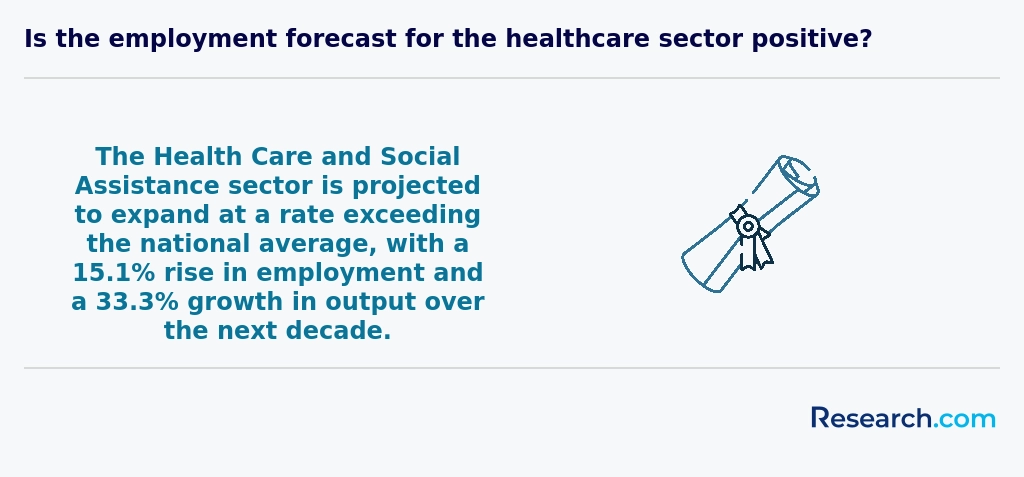
- The Charleston healthcare sector is expected to grow by about 15% in the next decade, faster than the national average.
How long does it take to complete healthcare degree in Charleston?
If you're thinking about pursuing a healthcare degree in Charleston, the time it takes really depends on what level you're aiming for. For example, students attending Trident Technical College usually wrap up an associate degree in fields like nursing or medical assisting in about two years. Many find this timeline just right to jump into entry-level jobs quickly or build up for higher degrees later.
On the other hand, going for a bachelor's degree at places like the College of Charleston or MUSC generally means committing to around four years. Graduates often share how the pace feels manageable while offering a solid mix of classroom learning and hands-on experience, preparing them well for their careers.
Grad degrees? Those can vary a lot. Master's programs might take anywhere from one and a half to three years, while professional degrees like MDs or DPTs usually stretch from three to four years post-bachelor's. And hey, if you're juggling life or want to speed things up, Charleston has accelerated BSN options that get you licensed in about a year to year and a half.
Many appreciate how flexible these timelines are-whether you want to dive in full-time or take it slower to balance work and study, Charleston's healthcare programs fit different lifestyles. It's all about picking what works best for you and your goals.
Ranking Methodology: How We Evaluate Healthcare Schools in Charleston, SC
Our ranking process is built on a robust and transparent methodology that ensures each healthcare degree program is evaluated thoroughly. We start by analyzing quantitative data such as graduation rates, employment statistics, and average salaries, and then examine qualitative aspects like student feedback, faculty expertise, and the quality of hands-on training provided. This dual approach guarantees that prospective students receive a well-rounded perspective when considering their educational options in Charleston, SC. Transparency is key in our evaluation process. We provide detailed insights into how factors like affordability, program flexibility, and community impact are weighted to produce a ranking that genuinely reflects the strengths of each institution. In addition to traditional metrics, our review incorporates data on online learning advancements. For example, some schools offer innovative resources for accessible education, as seen with programs from affordable online healthcare schools in south carolina. Our commitment to accuracy and fairness means that every element of our methodology is designed with prospective students in mind. By clearly outlining our criteria, we empower you to make informed decisions that best align with your career aspirations and financial considerations within the healthcare sector.
What's the difference between online and on-campus healthcare degree?
If you're thinking about a healthcare degree in Charleston, the biggest difference between online and on-campus programs is how you actually learn and connect. On-campus programs, like those at the Medical University of South Carolina (MUSC), are all about hands-on experience. Graduates often talk about how invaluable their time in labs and clinical settings-right at Charleston hospitals-helped them build confidence and real skills. Being there in person means you get face-to-face support from professors and tight-knit study groups, which can make a huge difference if you like a more structured environment.
Online programs offer way more flexibility, which is a lifesaver if you're juggling work or family. Many Charleston students appreciate that they can manage coursework on their own schedule without the commute. However, even online students have to come in for some clinical hours to get hands-on practice. It's cool how these programs balance convenience with actual practice, making healthcare education accessible but still legit.
Graduates from both paths value the strong credentials they earn, no matter if they're on-campus or online. It really just depends on what fits your lifestyle and learning style best.
How We Rank the Best Healthcare Degree Programs
To ensure transparent and data-driven recommendations, our ranking methodology evaluates each program across multiple dimensions: • Academic Quality (30%): Accreditation status, faculty credentials, student-faculty ratio, and peer reviews. • Affordability (20%): Average tuition, availability of in-program scholarships, and student debt levels. • Career Outcomes (25%): Graduation rates, job placement percentages, starting salaries, and employer feedback. • Student Experience (15%): Student satisfaction surveys, retention rates, and access to clinical/practicum opportunities. • Innovation & Flexibility (10%): Availability of online/hybrid formats, use of simulation labs, and adoption of emerging healthcare technologies. Data Sources and Weighting – We aggregate publicly reported data from institutional disclosures, the U.S. Department of Education’s College Scorecard, and professional accreditation bodies. – Alumni surveys and employer interviews inform career-outcome metrics, ensuring that statistical findings align with real-world performance. – Weightings reflect both industry benchmarks and student priorities, periodically adjusted to capture evolving trends in healthcare education. Continuous Improvement Our methodology is regularly reviewed by a panel of healthcare educators, industry leaders, and data scientists. Lessons learned from related rankings-such as our study of the best online physical therapy assistant associate programs-inform ongoing refinements. This iterative approach guarantees that our 2024 Best Healthcare Degree Programs Ranking remains both authoritative and up to date.
What is the average cost of healthcare degree in Charleston?
If you're looking into the average healthcare degree cost in Charleston, you'll find that it generally lands around $48,000 total. This number reflects the overall expense, factoring in tuition and fees across various programs. For example, students at public schools like the College of Charleston often pay much less if they're in-state-closer to $22,700-while out-of-state students face steeper tuition. Many graduates share how managing costs became part of their journey, especially when balancing clinical placements and textbooks alongside tuition.
At places like Trident Technical College or Charleston Southern University, costs can vary quite a bit. Associates programs here might keep expenses lower due to shorter durations, while bachelor's or advanced degrees tick things up because of extra years and specialized training requirements. Though private schools tend to run pricier, they also offer options for scholarships and financial aid, which a lot of healthcare students find helpful to ease the financial strain.
Living in Charleston also means budgeting for more than just tuition. Healthcare students often mention factoring housing, meals, and transportation costs into their plan, as these add up over a typical program's 2-4 year span. If you want to explore options beyond this general scope, check out affordable online healthcare schools in south carolina where flexible formats might fit your budget better.

Ranking Methodology
Our 2024 Best Healthcare Degree Programs in Charleston, SC ranking is based on a transparent, data-driven process designed to help you make informed decisions. We evaluate each institution against the following weighted criteria:
- Academic Quality (25%): Measured by faculty credentials, student–faculty ratio, and curriculum rigor.
- Affordability (20%): Calculated from average tuition, fees, and available financial aid packages. For a broader view of cost‐effective options, see our Affordable Online Master’s in Healthcare Degree Programs Ranking in Maryland.
- Student Outcomes (20%): Includes graduation rates, licensure pass rates, and job placement statistics.
- Employer Reputation (15%): Determined through surveys of local healthcare employers and internship host feedback.
- Return on Investment (10%): Assessed via starting salaries and mid‐career earnings relative to debt load.
- Online Flexibility (10%): Scores based on the availability and quality of online or hybrid course offerings. Data Sources and Verification We aggregate information from the U.S. Department of Education’s IPEDS database, institutional disclosures, and independent student surveys. Each data point undergoes a multi‐step validation process to ensure accuracy and recency, including cross-checking with the College Scorecard and direct confirmation from program administrators. Continuous Improvement Our methodology is reviewed annually, incorporating feedback from graduates, faculty, and industry leaders. This iterative approach ensures that our rankings reflect evolving educational standards and workforce needs, empowering you to choose the Charleston healthcare program that best aligns with your goals.
What financial aid is available to healthcare degree students in Charleston?
If you're studying a healthcare degree in Charleston, there's a bunch of financial aid options that can really make a difference. Many students at places like the Medical University of South Carolina lean on federal aid, mainly through FAFSA, to tap into Pell Grants or low-interest federal loans. Imagine starting your journey knowing a chunk of your tuition doesn't need repaying-it's a huge relief when tuition at local colleges can run around $10,000 a year for in-state students.
Then, there are scholarships from local hospitals and organizations that target healthcare careers. Graduates often mention how these awards helped them stay focused without stressing about money. Plus, some Charleston colleges offer their own scholarships, often requiring you to keep your grades up or promise to work locally after graduation-which is a win-win if you want to stay in the community.
Even better, if you're already working in healthcare, employer tuition reimbursements are pretty common here, giving you that extra boost. And for those committed to helping underserved areas, state programs like the South Carolina Nursing Scholarship provide loan repayment, turning your passion into practical support.
How We Rank Healthcare Schools
At Research.com, our ranking methodology is built on rigorous data analysis and comprehensive research to ensure you receive accurate, trustworthy information about healthcare programs. We assess a school’s academic performance, faculty credentials, alumni success, and hands-on learning opportunities alongside student satisfaction surveys and employment outcomes. By combining these factors, we provide a transparent and systematic approach to ranking healthcare schools in Charleston, SC. This process is guided by industry standards and continuously refined based on real student feedback and current trends in healthcare education. For example, you can explore our guide on affordable online healthcare schools in South Carolina to find programs that balance quality education with cost-effectiveness. Our commitment to meticulous research and detailed reporting empowers prospective students to make informed decisions on their educational journey while ensuring a competitive edge in the ever-evolving healthcare industry.
What are the prerequisites for enrolling in healthcare degree program in Charleston?
If you're thinking about diving into a healthcare degree in Charleston, there are a few key things you'll want to have under your belt before applying. Most programs, whether at places like the Medical University of South Carolina or local colleges, expect you to have a high school diploma and decent grades-usually around a 2.5 to 3.0 GPA or higher. It's kind of like showing you're ready to handle the challenge ahead.
Many grads mention that having a solid background in science classes-biology, chemistry, anatomy, and even some math-makes a big difference. It's not just about passing tests; these classes build a foundation that really helps once you start those tough healthcare courses. Some students also say having experience, like volunteering or shadowing in clinics around Charleston, gave them confidence and a better feel for what's coming.
Plus, expect some schools to ask for personal essays where you share why healthcare matters to you. And with recent changes, test scores like the SAT or ACT might not be a big deal anymore, thanks to test-optional policies, which is a relief for a lot of folks.
Before you apply, double-check if programs require extra stuff like immunizations, CPR certificates, or background checks-these are pretty common because of the hands-on clinical work you'll do.
Overall, being prepared with the right courses, some real-world experience, and a clear sense of your goals will set you up well for starting a healthcare degree right here in Charleston.
Ranking Methodology: Our Rigorous Evaluation Process
At Research.com, our ranking of the best healthcare degree programs in Charleston, SC, is driven by a comprehensive, data-backed methodology. We evaluate schools based on academic rigor, hands-on training opportunities, faculty expertise, student support services, and post-graduation success. Using insights from data scientists and industry experts, we analyze numerous performance indicators-from graduation rates and career placements to student satisfaction and community impact-to ensure a transparent and trustworthy ranking system. Our process begins with gathering real-time statistics and feedback from current students and alumni, which we then cross-reference with industry standards and local employment trends. This holistic approach ensures that the programs we feature not only excel academically but also deliver real-world skills and networking opportunities. For example, candidates considering an accelerated pathway might explore our medical assistant 6 week program as a viable option to fast-track their entry into the healthcare field. By clearly outlining our evaluation criteria and providing detailed comparisons, we empower prospective students to make informed decisions about their education and future careers. This transparent ranking methodology reflects our commitment to quality, integrity, and the success of every healthcare professional we aim to support.
What courses are typically in healthcare degree programs in Charleston?
If you're diving into a healthcare degree in Charleston, expect a mix of courses that really prepare you for the real world. Most students at places like the Medical University of South Carolina find themselves studying human anatomy and physiology early on-getting hands-on with understanding how the body works. Alongside that, microbiology and pathophysiology give you insights into diseases, which is super important when you hit the clinics.
Many grads share how medical terminology classes helped them feel confident communicating in fast-paced hospital settings. You'll also tackle healthcare ethics and law, which might sound dry but actually makes a big difference when you're dealing with patient rights and tricky situations.
Courses in healthcare management and public health are common too, especially here in Charleston where community health is a big deal. Plus, nutrition and pharmacology help round out your knowledge, making you ready to approach patient care from lots of angles. And the best part? Most programs wrap up with a clinical practicum where you actually get to work in local hospitals or clinics-something every grad talks about as a game-changer for their confidence and skills.
What types of specializations are available in healthcare degree programs in Charleston?
When diving into healthcare degree specializations Charleston offers, you'll find plenty of options that fit a range of interests. Graduates from popular local schools love how programs like Nursing prepare them with hands-on skills to step confidently into hospitals or clinics, where nurses are in high demand.
Others lean toward Public Health, focusing on community wellness and epidemiology. Many Charleston healthcare program concentrations also include Healthcare Administration, which is perfect if you want to lead and manage health facilities-something graduates often mention as a game changer for their careers.
Physical Therapy and Rehabilitation Sciences is another favorite, great for those who enjoy helping people recover and stay mobile. And if you're tech-savvy, Health Informatics is growing fast in Charleston, mixing healthcare with IT. Plus, dietetics and nutrition remain strong fields for anyone passionate about food and wellness.
For those curious about finding affordable options in Charleston, grads often point to affordable online healthcare schools in South Carolina that make these specializations accessible without breaking the bank.
How do you choose the best healthcare degree in Charleston?
Picking the best healthcare degree in Charleston means thinking about more than just the program name. Graduates often share how important accreditation was for them-it's a big deal because it guarantees your degree holds weight with local employers and licensing boards. Schools like the Medical University of South Carolina (MUSC) really shine here, offering programs that boast strong job placement rates and NCLEX pass rates over 90%, which can give you serious peace of mind as you start your career.
Cost is another thing to consider, especially if you're on a budget. Affordable healthcare degrees Charleston 2027 options usually come from public institutions, where in-state tuition averages around $9,000 annually. Many grads found that checking out online or part-time options helped them juggle school alongside work or family, making degrees more accessible.
And if you want something fast, some Charleston schools even offer a medical assistant 6 week program, which recent students have praised for launching them quickly into the workforce.
What career paths are available for healthcare degree students in Charleston?
If you're diving into healthcare degrees in Charleston, you're stepping into a world full of options. Graduates from local favorites like the Medical University of South Carolina often find themselves working as registered nurses, a role that's in high demand around town. These jobs pay well, usually around $65,000 a year, which is pretty encouraging after all the hard work.
But not everyone wants to be at the bedside. Many grads take paths as medical or radiologic technologists or respiratory therapists, supporting diagnostics and patient care in busy Charleston facilities. If you're curious about less traditional roles, check out the best online physical therapy assistant associate programs, which prepare you for rewarding jobs that often come with salaries between $45,000 and $60,000.
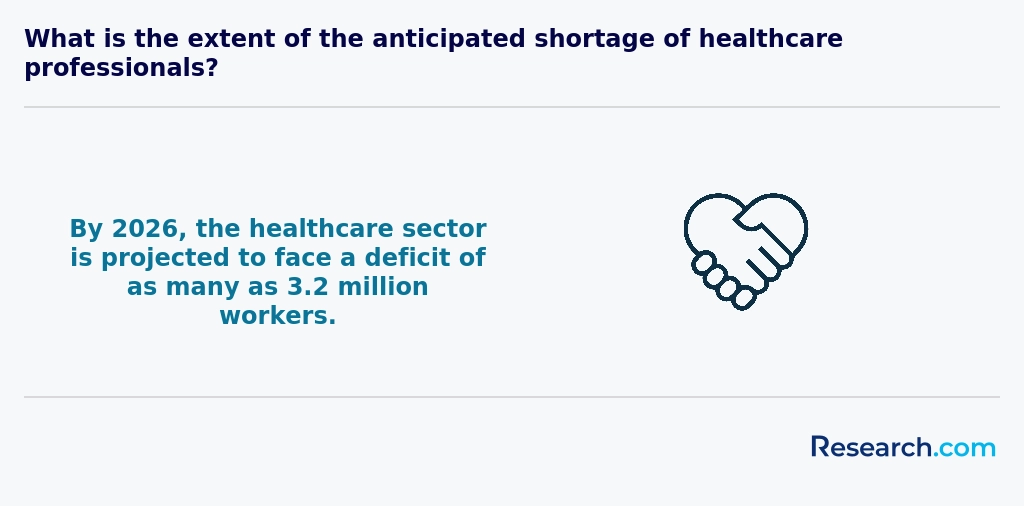
And it's not just clinical work - there's a booming need for health services managers and administrators here, managing the ever-growing healthcare system. This Charleston healthcare degree job outlook is bright, with careers spanning from physical therapy assistants to healthcare informatics, giving you plenty of ways to find your niche and make an impact.
What is the job market for healthcare degree in Charleston?
The healthcare job opportunities in Charleston are pretty impressive right now, especially if you've got a degree from local schools like the Medical University of South Carolina. Graduates often find themselves stepping right into roles with strong hospitals, outpatient centers, or specialty clinics that are popping up around town. Many tell stories about how the mix of advanced training and real-world experience made the transition smoother, landing them jobs in both clinical and administrative positions.
If you're weighing the Charleston healthcare degree employment outlook, the numbers are promising. Registered nurses here earn around $65,000 on average, which is solid compared to the rest of South Carolina. Plus, there's a growing demand for allied health pros and medical technologists, thanks to an aging population and expanded services. Many grads appreciate that the tuition costs, ranging from $7,000 to $15,000 per year, fit well with these opportunities-especially compared to national averages.
Those interested in advancing even further might want to check out the Affordable Online Master's in Healthcare Degree Programs Ranking in Maryland to see how continuing education can boost career prospects.
Frequently Asked Questions About healthcare
Healthcare degree students in Charleston can maximize their learning by engaging actively in clinical placements, which are often integrated into local hospitals such as the Medical University of South Carolina (MUSC). These hands-on experiences allow students to apply classroom knowledge in real-world settings, improving both skills and confidence.
Participation in campus research initiatives is another valuable opportunity. MUSC and other institutions frequently offer projects that address pressing regional health issues, such as chronic disease management, giving students relevant exposure to healthcare challenges in Charleston's population.
Networking with local healthcare professionals through workshops and seminars helps students stay informed about industry trends and job opportunities. Charleston's healthcare sector is rapidly growing, with a 15% employment increase projected through 2030 by the U.S. Bureau of Labor Statistics, highlighting the importance of strong community connections.
Finally, leveraging academic resources like tutoring and mentorship programs supports successful completion of rigorous healthcare curricula.
Emerging niches within the healthcare field in Charleston reflect nationwide trends but also local needs. One rapidly growing area is telehealth, which expanded significantly during the COVID-19 pandemic. Charleston's healthcare providers now increasingly rely on remote patient monitoring and virtual consultations, creating demand for specialists skilled in digital health technologies.
Another niche is geriatric care, driven by Charleston's aging population. According to the U.S. Census Bureau, nearly 16% of Charleston County residents are 65 or older, increasing the need for healthcare professionals focused on elder care and chronic disease management.
Additionally, Charleston is seeing growth in behavioral health services, due to rising awareness around mental health. Professionals trained in integrated care models are especially in demand. Biotechnology and precision medicine are also evolving fields, supported by local research institutions and hospitals investing in innovation.
After completing a healthcare degree in Charleston, preparing for the job market involves several strategic steps. First, gaining hands-on experience through clinical internships or volunteer work in local hospitals such as MUSC Health can significantly enhance employability. According to Charleston Regional Development data, healthcare employment in the city is expected to grow by over 15% through 2030, reflecting strong job prospects.
Networking is also critical; joining professional organizations like the South Carolina Nurses Association or attending local healthcare job fairs can open doors. Additionally, obtaining relevant certifications aligned with your specialty improves your competitiveness. Many graduates pursue the Certified Medical Assistant or Registered Nurse credentials to meet employer demands.
Employers in Charleston's healthcare sector prioritize a combination of technical skills and interpersonal qualities in graduates. Proficiency in electronic health records (EHR) systems and basic clinical procedures ranks highly due to the city's growing investment in digital medical infrastructure, as noted by the South Carolina Department of Health and Environmental Control.
Strong communication skills are essential, especially given Charleston's diverse patient population. The ability to work collaboratively in multidisciplinary teams is also frequently mentioned by local healthcare providers, including MUSC Health. Critical thinking and problem-solving are vital for adapting to fast-paced care environments.
Additionally, cultural competence and empathy are increasingly valued as Charleston expands access to care for underserved communities.
Finding internships in Charleston relevant to a healthcare degree involves exploring partnerships between local healthcare providers and educational institutions. Medical centers like the Medical University of South Carolina (MUSC) offer structured internship programs that provide practical experience. According to MUSC's career services, over 70% of healthcare students secure internships through university affiliations.
Students should also check listings on platforms such as Handshake and Indeed, filtering for Charleston healthcare roles. Networking at local healthcare events and contacting hospitals like Roper St. Francis Healthcare can reveal unadvertised opportunities.
The South Carolina Department of Health and Environmental Control maintains resources on internship programs available statewide, including Charleston-specific openings.
Obtaining a healthcare degree in Charleston significantly enhances career mobility and advancement opportunities due to the city's expanding medical sector. Charleston hosts several major healthcare employers including the Medical University of South Carolina (MUSC) and Roper St. Francis Healthcare, which frequently seek qualified professionals.
According to the U.S. Bureau of Labor Statistics, healthcare occupations in the Charleston-North Charleston metro area are expected to grow by over 15% through 2030. This growth creates a strong demand for graduates with healthcare credentials.
Degrees in nursing, health administration, and allied health not only qualify candidates for entry-level roles but also provide pathways to leadership positions, often requiring advanced education and certifications.
Employers in Charleston value regionally accredited degrees, making local institutions an important step in career progression within the state's healthcare network.
Studying for a healthcare degree in Charleston offers unique preparation for interdisciplinary roles by emphasizing collaboration across different medical fields. Programs often incorporate joint training with nursing, public health, and allied health students, fostering communication and teamwork skills essential in today's healthcare settings.
Charleston's healthcare education leverages partnerships with major medical centers such as the Medical University of South Carolina (MUSC), enabling students to gain hands-on experience in diverse clinical environments. According to MUSC data, over 70% of healthcare graduates participate in interdisciplinary clinical rotations, improving their readiness for integrated care delivery.
Additionally, curricula typically include case studies and projects that focus on multi-professional problem-solving, reflecting the real-world demands of Charleston's growing healthcare sector.
Choosing between a thesis and a non-thesis healthcare degree program in Charleston depends largely on your career goals and learning preferences. Thesis programs typically involve extensive research and writing and may be ideal if you aim to pursue advanced degrees or work in research-focused roles. Non-thesis options often emphasize practical skills and coursework, making them suitable for students seeking direct entry into clinical or administrative healthcare jobs.
In Charleston, healthcare employers frequently value hands-on experience, so non-thesis degrees might offer faster pathways to employment. According to the South Carolina Department of Employment, healthcare occupations in Charleston grew by 15% in recent years, favoring applied skill sets. However, if you plan to contribute to healthcare innovation or policy, thesis work provides a strong foundation.
It is essential to review program requirements at institutions like the Medical University of South Carolina and Charleston Southern University, which offer various healthcare degrees with both options available.
Students based in Charleston seeking to study healthcare abroad have several pathways through partnerships established by local institutions. The Medical University of South Carolina (MUSC), a leading healthcare educator in Charleston, offers study abroad programs and international clinical experiences in countries like Spain and Ireland. These programs provide valuable exposure to different healthcare systems while earning credits toward degrees.
Additionally, students can explore exchange opportunities organized through affiliations with universities in Europe and Canada. According to the National Center for Education Statistics, about 15% of health-related degree students in the U.S. participate in some form of global learning, reflecting growing interest.
Advisors in Charleston recommend early planning to meet accreditation and licensing requirements for healthcare professions internationally.
Charleston offers various part-time job opportunities that complement healthcare degree education, providing practical experience alongside academics. Positions such as medical assistants, pharmacy technicians, and certified nursing assistants are in demand in local hospitals and clinics. According to the South Carolina Department of Employment and Workforce, healthcare support occupations in Charleston grew by 7% between 2019 and 2023, reflecting steady job availability.
Additionally, Charleston's growing telehealth sector provides roles like patient care coordinators and remote medical transcriptionists. These jobs enhance critical skills such as patient communication and healthcare administration. Volunteering at Charleston's numerous healthcare nonprofits also helps develop hands-on experience while building professional networks.
Healthcare students in Charleston benefit from strong networking opportunities through local universities, hospitals, and professional organizations. Institutions like the Medical University of South Carolina (MUSC) offer student chapters of national healthcare associations, where learners connect with experienced professionals. Additionally, Charleston features numerous healthcare conferences and seminars annually, providing valuable platforms for interaction. Local hospitals such as Roper St. Francis Healthcare frequently host internships and clinical rotations, facilitating direct contact with medical practitioners. According to Charleston Regional Chamber of Commerce data, over 15,000 healthcare workers are employed locally, creating a vibrant professional community supportive of emerging healthcare students.
Alumni networks play a significant role in supporting healthcare degree students in Charleston. They provide valuable connections to local hospitals, clinics, and healthcare organizations, which is essential in a city with a growing healthcare sector. According to the Charleston Regional Development Alliance, healthcare employment has grown by over 10% in recent years, showing increasing job opportunities.
Through mentorship programs, alumni offer career guidance and insight into the Charleston healthcare market. This helps students navigate job searches, internships, and licensing requirements specific to South Carolina.
Networking events organized by alumni groups enhance professional relationships and often lead to job placements within Charleston's prominent healthcare providers, such as the Medical University of South Carolina.
Customizing a healthcare degree program in Charleston allows students to align studies with specific career ambitions. Many local institutions offer flexible curricula with various electives and specializations, such as nursing, public health, or health informatics. Choosing courses that focus on Charleston's healthcare landscape-like gerontology or community health-can better prepare students for local job markets.
Additionally, practical experiences through internships or partnerships with Charleston-area hospitals provide valuable hands-on learning. According to the Charleston Regional Business Journal, healthcare job growth in the area is projected to rise by over 15% through 2030, making tailored skills increasingly important.
Advisors and faculty often assist students in shaping programs that include certifications and research opportunities aligned with evolving healthcare trends.
Healthcare students in Charleston face several notable challenges during their studies. One primary difficulty is balancing rigorous coursework with clinical rotations, which can be time-consuming and mentally demanding. According to the South Carolina Department of Education, many students report stress from lengthy lab hours and patient care responsibilities.
Additionally, Charleston's competitive healthcare job market adds pressure, with students striving to build strong professional networks and clinical experience to stand out. Financial strain is another common issue, as tuition and living costs in Charleston continue to rise, impacting students' ability to focus solely on academics.
Finally, limited availability of certain specialized healthcare programs locally means that some students must commute or relocate, adding logistical challenges. These factors collectively shape the typical experience of healthcare students in the region.
With a healthcare degree in Charleston, graduates can pursue several professional certifications that enhance their career prospects. Common certifications include Certified Nursing Assistant (CNA), Certified Medical Assistant (CMA), and Registered Health Information Technician (RHIT). Each certification requires passing an exam and meeting specific educational or experiential criteria.
For example, the South Carolina Department of Labor reports a growing demand for CNAs in Charleston, with a 15% job growth projected by 2030. Additionally, certifications like Certified Professional Coder (CPC) are valuable for those interested in medical billing and coding roles.
Many local institutions, such as the Medical University of South Carolina, offer preparatory courses for these certifications, making Charleston a supportive environment for healthcare professionals advancing their qualifications.
Writing a winning application for a healthcare program in Charleston starts with thoroughly researching local institutions such as the Medical University of South Carolina (MUSC), which is highly respected for its healthcare education. Applicants should emphasize their academic achievements, particularly in science courses, as healthcare programs often require strong backgrounds in biology and chemistry.
Highlighting relevant healthcare experience, including volunteering or internships in Charleston's growing medical centers, can strengthen your application. According to the Charleston Regional Development Alliance, healthcare is one of the region's largest employment sectors, so demonstrating community involvement is valuable.
Finally, ensure your personal statement clearly communicates your passion for healthcare and your long-term goals, reflecting an understanding of the local health challenges and opportunities.
A healthcare career holds significant value not only in Charleston but also globally due to increasing demand for skilled professionals. According to the U.S. Bureau of Labor Statistics, health occupations are projected to grow 13% from 2021 to 2031, faster than the average for all occupations. This reflects a worldwide need for healthcare workers as populations age and medical technology advances.
Charleston, with its growing healthcare sector, aligns with these global trends. The Medical University of South Carolina (MUSC) contributes strongly to education and research, fostering a workforce prepared for international standards of care.
Many healthcare programs in Charleston emphasize competencies that meet global accreditation criteria, enabling graduates to work across borders or collaborate on international health initiatives. This global perspective makes healthcare degrees in Charleston attractive for students with ambitions beyond local practice.
Gaining practical experience while studying for a healthcare degree in Charleston is essential for career readiness. Many local colleges offer clinical rotations and internships at medical centers such as the Medical University of South Carolina (MUSC). These programs allow students to apply classroom knowledge in real healthcare settings under professional supervision.
Additionally, Charleston has partnerships with various hospitals and community health organizations where students can volunteer or work part-time. The Charleston Regional Healthcare system reports that over 70% of healthcare students engage in hands-on training through such affiliations.
Students should also consider joining simulation labs available at many institutions, which provide advanced technology for practicing medical procedures safely.
Choosing the right concentration within a healthcare degree program in Charleston requires careful consideration of several factors. First, research local healthcare needs-Charleston's growing population and expanding medical facilities increase demand for nursing, public health, and health administration professionals. According to the South Carolina Department of Employment, healthcare occupations are projected to grow by 15% by 2030, with nursing roles leading in demand.
Next, evaluate your interests and career goals. Concentrations like nursing, health informatics, or physical therapy each offer distinct pathways and job outlooks. Additionally, consider program accreditation and clinical placement opportunities offered by Charleston institutions, which are vital for licensure and practical experience.
Related Healthcare Rankings for Nearby Cities
- 2027 Best Healthcare Degree Programs Ranking in Charlotte
- 2027 Best Healthcare Degree Programs Ranking in Greensboro
- 2027 Best Healthcare Degree Programs Ranking in Durham
- 2027 Best Healthcare Degree Programs Ranking in Orlando
- 2027 Best Healthcare Degree Programs Ranking in Knoxville
- 2027 Best Healthcare Degree Programs Ranking in Norfolk
- 2027 Best Healthcare Degree Programs Ranking in Virginia Beach
- 2027 Best Healthcare Degree Programs Ranking in Montgomery
- 2027 Best Healthcare Degree Programs Ranking in Harrisonburg
- 2027 Best Healthcare Degree Programs Ranking in Birmingham
Top Trending Healthcare Rankings
See What Experts Have To Say About Studying Healthcare
Read our interview with Healthcare experts

References
- 6 Tips On Networking For Medical Professionals https://aaams.net/blog/how-to-network-in-the-medical-field-nurses/
- 6 key healthcare challenges affecting students and how to address them - Wellfleet Student https://wellfleetstudent.com/engaging-empowering-student-members/6-key-healthcare-challenges-affecting-students-and-how-to-address-them/
- Guide to Mastering South Carolina Nursing Prerequisites https://www.prereqcourses.com/guide-south-carolina-nursing-prerequisites/
- Thesis vs. Non-Thesis Master's Programs: Which is Right for You? https://potomac.edu/thesis-vs-non-thesis-masters/
- Global Health Perspectives https://www.denvercollegeofnursing.edu/students/global-health-perspectives.html
- 10 Skills Employers Are Looking for in Healthcare Management Jobs https://www.aiuniv.edu/blog/10-top-skills-for-healthcare-management-jobs
- Education requirements for the fastest-growing healthcare jobs https://www.corridorcareers.com/job-tips/blog-news-education-requirements-fastest-growing-healthcare-jobs
- Healthcare Careers & Accredited Degree Programs https://www.healthcaredegree.com/
- Explore Healthcare Admin Degree Concentrations https://www.baypath.edu/news/bay-path-university-blogs/post/explore-healthcare-admin-degree-concentrations/
- The Role of Interdisciplinary Studies in Medical Career Training https://georgia-med.com/the-role-of-interdisciplinary-studies-in-medical-career-training.html