
2027 Most Affordable Online Healthcare Degree Programs Ranking in District of Columbia

Co-Founder and Chief Data Scientist
Choosing the right healthcare degree program can feel overwhelming, especially when balancing quality and affordability. This article presents the 2027 Most Affordable Online Healthcare Degree Programs Ranking in District of Columbia, developed by the Research.com team of data scientists.
Designed to help you make informed decisions, this ranking highlights programs that offer real value while fitting your budget. Pursuing a healthcare degree opens doors to meaningful careers and personal growth. Dive in and discover options that bring your goals within reach with confidence and clarity.
Key benefits of getting online healthcare degree in District of Columbia
- Healthcare degree graduates in District of Columbia can expect competitive salaries such as Medical Assistants earning a mean annual wage of $43,350 and Quality Improvement Coordinators earning up to $103,150, highlighting strong financial rewards in the field.
- Career paths are diverse, with graduates from local universities able to work as Clinical Research Coordinators, Health Information Technicians, or Patient Care Technicians, offering many opportunities for growth and specialization.
- Completing a healthcare degree online offers flexible schedules and accessibility, allowing students to balance work and study effectively, as experienced by online graduates from area institutions who quickly advance their careers.
- 2027 Most Affordable Online Healthcare Degree Programs Ranking in District of Columbia
- What can I expect from online healthcare degree in District of Columbia?
- Where can I work with online healthcare degree in District of Columbia?
What can I expect from online healthcare degree in District of Columbia?
When you're looking at the cost of an online healthcare degree in the District of Columbia, expect to find a range that fits many budgets. Many students who chose public universities or community colleges in D.C. noticed tuition was reasonably priced, especially compared to private options. For example, some graduates shared how they managed to balance work and family while benefiting from affordable tuition rates-often helped by scholarships or employer tuition assistance programs that made a big difference.
Others appreciated that these programs don't just focus on the numbers; they bring real value. You get accredited programs recognized by important organizations like CAHME and CCNE, which means when you finish, employers and licensing boards seriously respect your degree. Plus, the chance to connect with local healthcare networks in D.C. made many students feel confident about landing good jobs without breaking the bank.
Where can I work with online healthcare degree in District of Columbia?
If you earn an online healthcare degree in the District of Columbia, you'll find lots of great places to start your career. Many grads land jobs at big hospitals like MedStar Washington Hospital Center or George Washington University Hospital, working as nurses, healthcare managers, or even clinical coordinators. It's pretty common for online students from local schools to share how rewarding it feels to be part of these well-known medical teams.
Beyond hospitals, outpatient centers and urgent care clinics are growing fast in DC. Graduates often find themselves as medical assistants or health informatics specialists, roles that let you make a real difference in everyday community health. For those interested in public health, working with DC's Department of Health is a popular choice-you might help run programs aimed at chronic disease prevention or improving health equity.
Many also dive into health IT, managing electronic records or analyzing healthcare data-a sector that's booming here. Plus, there's always room in health insurance firms, pharmaceutical companies, or nonprofits if you want something a bit different but still meaningful. The variety in DC means your healthcare degree can lead you almost anywhere you want to go.
If you're gearing up to earn an online healthcare degree in the District of Columbia, you're in a great spot to make some solid money. Graduates stepping into roles like Medical Assistants can expect around $43,350 a year, which is a nice starting point while you build experience. Patient Care Technicians do even better, pulling in an average of about $60,790 annually-definitely above the national average!
For those aiming for tech-focused jobs, Health Information Technicians earn roughly $43,380 per year, blending healthcare knowledge with valuable tech skills. And if you're looking at a role with a bit more responsibility and impact, like a Quality Improvement Coordinator, you could be earning upwards of $103,150 annually. That's a salary that reflects the advanced training and leadership these positions demand.
Many grads from institutions like Georgetown University and the University of the District of Columbia say these salaries feel rewarding, especially considering they balanced work, family, and studies online. With D.C.'s demand for healthcare pros, it's a fantastic area to launch your career and grow your paycheck over time.
- Annual tuition for online healthcare degrees in D.C. ranges from $15,000 to $30,000, with community colleges and public universities usually offering lower rates.
- Early career salaries for healthcare graduates typically range from $55,000 to $65,000 per year, depending on the healthcare field.
- Experienced professionals with advanced degrees can expect salaries between $80,000 and $110,000 annually in the D.C. area.
- The healthcare job market in D.C. is projected to grow by 12% by 2030, driven by factors like an aging population and public health needs.
- Many online programs offer flexible schedules and accredited curricula that meet state licensure requirements, which is important for career certification.
If you're thinking about an online healthcare degree in the District of Columbia, the time it takes really depends on the program and how much time you can dedicate. For example, associate degrees usually take around two years full-time, but if you're juggling work or family, part-time options might stretch that to three or four years. Graduates from universities like George Washington or Howard often share how flexible online formats helped them balance everything without rushing.
Bachelor's degrees in healthcare, whether nursing or public health, generally wrap up in four years, but many programs now offer accelerated paths. Some students with prior credits finish in as little as two to three years, which feels like a win when you're eager to step into the workforce.
Graduate degrees, like an MSN or MPH, normally take about two years full-time. Part-time options can push that to three years or more, but local clinical practice at DC hospitals often keeps things manageable. Those who've tackled their DNP or PhD found the timeline varies between three to six years depending on research demands - definitely a commitment, but one many describe as fulfilling and worth the effort.
Our ranking process for online healthcare degree programs is built on a transparent, data-driven methodology that ensures only the most affordable and high-quality schools are featured. Our evaluators combine quantitative metrics-such as tuition rates, financial aid options, and graduation rates-with qualitative factors, like student support services, faculty expertise, and post-graduation employment outcomes. This balanced approach provides prospective students with a comprehensive view of each institution's strengths and opportunities in the healthcare field. To develop these rankings, we conduct in-depth research using reliable sources, review published performance data, and analyze student testimonials. Our aim is to empower you with the information needed to make informed decisions about your education while highlighting innovative programs that help reduce financial strain. If you're looking to explore top-rated options, check out our detailed insights on affordable healthcare schools in district of columbia. This rigorous evaluation ensures that our rankings reflect both the affordability and the overall value of each program, providing a trusted resource tailored to the needs of ambitious healthcare professionals in the District of Columbia.
If you're looking at healthcare degrees in DC, the biggest difference between online and on-campus programs is how you experience learning day-to-day. On-campus at schools like George Washington University, students dive into face-to-face classes, hands-on labs, and local clinical rotations, giving them that in-person vibe that's perfect for practicing skills side by side with peers and professors.
Online programs, on the other hand, offer way more flexibility. Many online students juggling jobs or family appreciate being able to catch lectures from home or a coffee shop. But don't think it's all remote-online programs still require clinical hours, often arranged near where you live, so you get real patient experience too.
Graduates often say online learning saved them big on commuting and housing costs in DC, although they did have to handle some extra fees for tech stuff. Whether you choose campus life or virtual learning, both paths require solid accreditation to make sure your degree is respected and gets you licensed.
Our 2024 ranking of the most affordable online healthcare degree programs in the District of Columbia is based on a transparent, data-driven methodology designed to help you make informed decisions. We evaluate institutions across five key criteria: 1. Affordability (40%): We analyze in-state and out-of-state tuition rates, average fees, and total program cost using data from the National Center for Education Statistics (NCES) and individual school disclosures. 2. Accreditation and Quality (20%): Programs must hold accreditation from recognized bodies such as the Commission on Accreditation of Healthcare Management Education (CAHME) or regional accrediting agencies. We also consider program reputation through peer review and employer surveys. 3. Flexibility & Accessibility (15%): We assess the availability of part-time enrollment, asynchronous coursework, and clinical placement support to ensure programs accommodate working professionals. 4. Career Outcomes (15%): Employment rates, average starting salaries, and alumni satisfaction are derived from Bureau of Labor Statistics (BLS) reports and graduate surveys. 5. Support Services (10%): Academic advising, career counseling, and technical assistance are evaluated based on student feedback and service availability. To maintain consistency, we apply the same rigorous approach used in our neighboring state study, referencing our Most Affordable Online Master’s in Healthcare Degree Programs Ranking in Kansas. All data are cross-verified quarterly to reflect tuition changes, new accreditation updates, and evolving market trends. By adhering to these criteria, our ranking ensures you access reliable, up-to-date information tailored to your financial constraints and professional goals in the District of Columbia.
If you're aiming for an online healthcare degree in the District of Columbia, expect the average total cost to hover around $43,260. That's a pretty solid middle ground compared to what some graduates from local universities have shared. For example, many students from the University of the District of Columbia, known for its affordable online healthcare degree programs District of Columbia residents often talk about how manageable the tuition feels, especially when paired with financial aid packages.
Some folks pursuing their bachelor's or graduate healthcare degrees have noted that the cost covers not just tuition but also extra fees and materials, which can push expenses up by about 10 to 15 percent. It's these little details that really paint the full picture of what budgeting for your degree looks like. Online programs here also usually offer flexible payment options, so you don't feel tied down by huge lump sums all at once.
From personal experience shared among graduates, the affordability factor is a big plus, especially compared to private schools in the region. If you're researching options, checking out affordable healthcare schools in district of columbia can point you toward programs that strike a nice balance between quality and cost.
When evaluating affordability, look beyond tuition and include:
- Technology and online platform fees per semester
- Clinical placement expenses (background checks, lab supplies)
- Course materials and textbooks, both digital and print
- Graduation, certification or licensing exam fees
- Commuting, parking or childcare costs for on-site requirements
For a faster, lower-cost entry point, consider accelerated certificates such as the fast track medical assistant program.
If you're diving into an online healthcare degree in D.C., you'll find a bunch of financial aid options that can really ease the money stress. Many students at schools like George Washington University or Howard University share how the FAFSA process opened doors to grants and loans, with the Pell Grant being a game-changer-offering up to $7,395 a year for undergrads who qualify. Graduate students often tap into loans like the Federal Direct Unsubsidized Loans to cover extra costs.
Local perks, like the D.C. Tuition Assistance Grant (DCTAG), can knock down tuition by up to $10,000 annually, which online learners appreciate when juggling bills and classes. Plus, lots of grads talk about scholarships from groups like the District of Columbia Nurses Association that reward those committed to helping the community.
Working while studying? Employer tuition aid can be a lifesaver-some healthcare employers in D.C. cover partial or full tuition, making it easier to balance work and school. And don't forget, many universities offer their own merit or need-based scholarships, so always ask around-help is there if you look for it!
Our 2024 Most Affordable Online Healthcare Degree Programs in the District of Columbia are ranked using a transparent, data-driven methodology that balances cost, quality, and student success. We evaluate each program across five core criteria: 1. Affordability – Average annual tuition and fees, including both in-state and out-of-state rates. 2. Accreditation – Recognition by regional and national agencies, ensuring industry standards and licensure eligibility. 3. Student Outcomes – Graduation rates, job placement percentages, and average time to completion. 4. Flexibility – Availability of part-time, full-time, synchronous, and asynchronous course formats. 5. Resources & Support – Access to online libraries, faculty engagement, career services, and technical assistance. Data sources include the National Center for Education Statistics, institutional disclosures, and verified salary surveys. Qualitative insights from alumni interviews further inform our assessments, highlighting real-world experiences and program strengths. For those exploring complementary pathways, we also analyze related specialties such as bachelors in diagnostic medical sonography schools to offer a broader perspective on career-focused healthcare education. Each program receives a composite score that reflects both quantitative metrics and qualitative feedback, ensuring our ranking directs students toward affordable, high-impact online healthcare degrees in D.C.
If you're aiming to jump into an online healthcare degree in D.C., you'll typically need a high school diploma or GED to get started. Many students at well-known local colleges find that submitting official transcripts with a decent GPA-usually around 2.5 to 3.0-helps them stand out. Think of it like proving you're ready to handle the coursework.
Some programs, especially nursing or public health ones, also want you to have taken certain classes beforehand, like biology or chemistry. Graduates often mention how these basics made the tough material later on feel way more manageable. And don't sweat standardized tests too much-lots of schools around here have relaxed those requirements since COVID.
One thing students coming out of D.C. healthcare programs note is the importance of background checks and certifications. Because you'll be dealing with real patients, hospitals require these upfront, along with immunization records. It's all about making sure everyone stays safe.
Also, expect to have decent internet and tech skills-online classes at places like universities in D.C. really count on those for smooth virtual labs and interactions. Finally, make sure your program's accredited, so your degree truly opens doors after graduation.
At Research.com, our ranking process for online healthcare degree programs in the District of Columbia is designed to offer prospective students clear, unbiased insights. We begin by evaluating each institution’s accreditation status, tuition costs, graduation rates, career placement statistics, and post-graduation salary data. By analyzing these quantitative metrics alongside qualitative elements like student testimonials and faculty expertise, we build a comprehensive profile for every program. This approach ensures that whether you seek a foundational degree in healthcare or specialized training-such as affordable medical billing and coding programs online-you receive information that truly reflects the program’s value and long-term career benefits. Additionally, our methodology places strong emphasis on factors that enhance student success, including robust financial aid options, flexible learning models, and vital support services. This transparent, data-driven process underpins our commitment to guide you toward the best, most affordable online healthcare programs available.
If you're diving into an online healthcare degree in the District of Columbia, expect courses that really get you ready for the real world. Graduates from popular DC schools often mention how hands-on classes like Health Information Systems taught them to use cutting-edge tech, which made job hunting feel way less intimidating. Imagine managing patient data with confidence or understanding the nuts and bolts of healthcare law thanks to courses like Healthcare Law and Ethics-super valuable when you're stepping into administrative roles.
Many students also rave about Public Health Principles, where you study community health issues right in a city buzzing with nonprofits and policy groups. That local angle helps you connect theory to actual DC health challenges. Other favorites include Pharmacology Fundamentals and Healthcare Finance and Budgeting, giving you the know-how to navigate medication basics and manage healthcare dollars smartly.
Leadership and Management in Healthcare is a big hit too, gearing you up to lead teams in DC's fast-paced health settings. The mix of science, policy, and management really makes these programs stand out for folks wanting to make a difference locally.
If you're exploring online healthcare degree specializations District of Columbia has some great options that really connect with the local job market. Lots of students go for Nursing, where you can start as an RN and work your way up to advanced degrees like an MSN focusing on family nurse practitioner or nurse leadership. Graduates from big-name local colleges often share how their programs blend hands-on skills with leadership training, which totally boosts their confidence stepping into DC's bustling healthcare scene.
Healthcare Administration programs are also popular here. Many grads say the courses on healthcare policy and finance gave them a real edge managing hospitals or public health departments in DC's diverse medical landscape. Plus, specializations like Health Informatics and Health Information Management are perfect if you're tech-savvy - tracking electronic health records and analyzing data is a booming area. For those into clinical work, fields like Medical Laboratory Science or Radiologic Technology come with clinical placements that make the online experience more tangible and practical.
Many students also check out public health programs since DC's focus on epidemiology and health promotion creates solid career opportunities. If budgeting is a concern, plenty find affordable medical billing and coding programs online that align well with local healthcare industry needs and help stretch their tuition dollars.
Picking the best online healthcare degree in District of Columbia means focusing on what really matters to you and your future job. Graduates from popular universities here often say that checking the program's accreditation is a game-changer-it ensures your credits count and your degree holds weight with employers.
Think about what excites you: nursing, health administration, or health informatics? DC's got a big need for healthcare administrators thanks to all the hospitals and government agencies, so aligning your degree with local job demands can open doors faster. One student shared how choosing a program with flexible online courses made balancing work and study much easier.
The cost can be a tough factor since tuition in DC tends to be on the pricier side, but many affordable online healthcare degrees District of Columbia options help cut costs with less campus stuff and commuting. Don't forget to explore scholarships, too!
And if you're into specific fields like sonography, check out bachelors in diagnostic medical sonography schools tailored to your goals for hands-on experience and career readiness.
If you're cruising through an affordable online healthcare degree District of Columbia offers, there's a bunch of career paths waiting for you. Graduates from well-known colleges in the area often land nursing jobs as Registered Nurses in busy hospitals or government health centers, benefiting from higher wages compared to the national average. It's a great way to make a real difference while enjoying a solid paycheck.
Many grads also dive into healthcare administration. Picture yourself managing operations at a hospital or nonprofit, using your knowledge of healthcare laws and policies-especially handy in D.C. with all the federal health agencies nearby. Others get into public health, tackling community health issues or working in epidemiology, helping make the city a healthier place for everyone.
There are also careers in health informatics, occupational therapy, and medical lab technology. With the rise of electronic health records, data-savvy pros are in demand. Plus, programs in D.C. often come with solid financial aid options, making it easier for students to invest in their future. If you want to scope some options, check out the Most Affordable Online Master's in Healthcare Degree Programs Ranking in Kansas for inspiration.
For those wondering about the online healthcare jobs in District of Columbia, the outlook is pretty bright. D.C. is packed with hospitals, government agencies, and research centers that keep the demand for healthcare pros steady. Graduates from popular local schools often share how their online programs made juggling work and study totally doable, helping them land roles quickly after finishing up. Many find themselves stepping into well-paying gigs like registered nursing, with wages typically above $80,000, or healthcare administration where proximity to federal health agencies is a big plus.
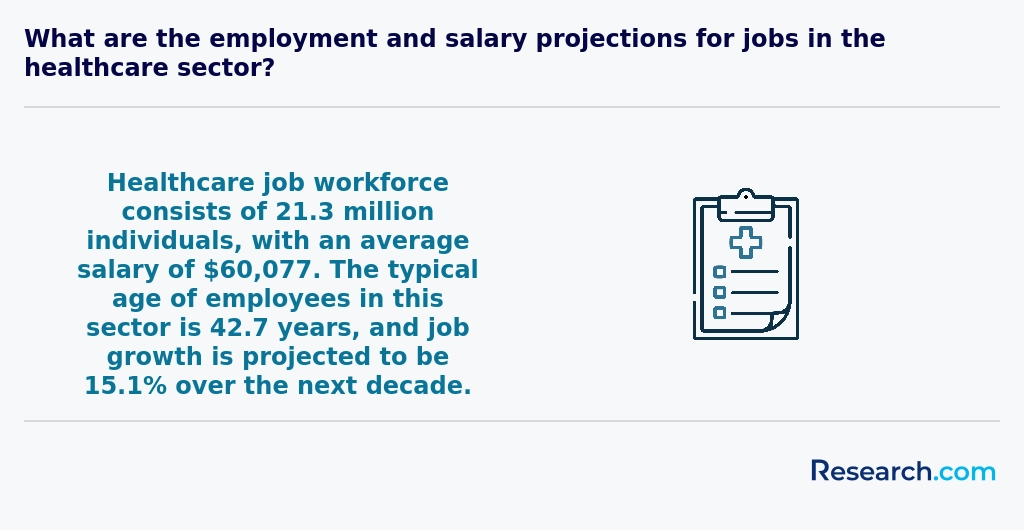
Plus, the job outlook for healthcare graduates District of Columbia is on the rise, with a 15% expected growth over the next decade. This means opportunities aren't just limited to direct patient care but also extend to health informatics and public health roles. Many students even take advantage of programs with more flexible schedules, sometimes opting for a fast-track associate degree online to enter the workforce quicker and keep their momentum going.
2027 Most Affordable Online Healthcare Degree Programs Ranking in District of Columbia
Investing in your education is a significant decision, and the Research.com team is committed to helping you make informed choices. To support prospective students in the District of Columbia, we have carefully developed the "2027 Most Affordable Online Healthcare Degree Programs Ranking." Our dedication to quality, credibility, and accuracy is demonstrated through thorough research and analysis.
We utilized the following reputable data sources to compile this ranking:
By exploring this ranking, readers will gain valuable insights into affordable and quality online healthcare degree programs in the District of Columbia, empowering them to make confident educational decisions. For more information about how this ranking was created, please visit our Research.com methodology page.


Frequently Asked Questions About healthcare
Online healthcare degree students in the District of Columbia can maximize their learning by actively engaging with their course materials and instructors. Regular participation in virtual discussions enhances understanding and builds connections, crucial for networking in healthcare fields. Utilizing local healthcare resources such as the DC Department of Health and nearby hospitals for practical experience or internships can provide valuable hands-on skills.
Time management is vital; students should create structured study schedules considering their professional and personal commitments. According to the National Center for Education Statistics, online learners who set consistent routines report higher success rates. Staying informed about District-specific healthcare policies, which directly impact local healthcare careers, further enriches the learning process.
Emerging niches within the healthcare field reflect growing demands for specialized skills and innovative care models. In the District of Columbia, areas like telehealth and health informatics are rapidly expanding due to increased digital technology use and the need for remote patient care. According to the DC Department of Health, telehealth visits surged by over 60% between 2020 and 2023, highlighting a vital opportunity for new professionals.
Another niche is population health management, focusing on improving community health outcomes through data-driven strategies. Mental health services also remain crucial as awareness and access improve.
These fields offer promising prospects for online healthcare degree students in DC seeking relevant, future-oriented careers.
After completing an online healthcare degree in the District of Columbia, graduates should focus on building a strong professional network. Connecting with local healthcare providers and joining regional associations such as the DC Healthcare Alliance can open doors to job opportunities.
In addition, obtaining relevant certifications is essential. For example, certification from the American Registry of Radiologic Technologists (ARRT) or the National Healthcareer Association (NHA) can enhance employability. The DC Department of Health reports healthcare employment is projected to grow by 13% through 2030, indicating rising demand for qualified professionals.
Internships and clinical experiences, even when completed online, are valuable for practical skills and resume building. Graduates should also leverage DC-specific job platforms like the District's Careers Portal.
Employers in the District of Columbia highly value healthcare degree graduates who demonstrate strong clinical skills combined with effective communication. The ability to work collaboratively in diverse medical teams is essential, especially given the area's varied patient demographics. Familiarity with electronic health record (EHR) systems is increasingly expected, as digital healthcare management grows nationwide.
Analytical skills are important for problem-solving and ensuring quality patient care. According to the DC Department of Health, demand for professionals adept in public health principles and culturally competent care continues to rise. Adaptability and attention to detail also stand out as top traits employers seek.
Finding internships in District of Columbia related to healthcare degrees involves targeting key local institutions and utilizing available resources. The D.C. area hosts numerous hospitals and health organizations, such as MedStar Health and Children's National Hospital, which regularly offer internship opportunities.
Students should check the career services of their online programs, as many partner with healthcare providers in D.C. to facilitate placements. Additionally, websites like the D.C. Department of Health and the Healthcare Internship Coalition provide listings focused on local internships.
Networking through professional groups like the D.C. Public Health Association can also be valuable. According to the U.S. Bureau of Labor Statistics, healthcare employment in D.C. is projected to grow by over 18% by 2030, increasing the availability of such internships.
Obtaining an online healthcare degree in the District of Columbia can significantly improve career mobility and advancement opportunities. The healthcare sector here is robust, with employment in healthcare occupations projected to grow by 19% from 2022 to 2032, according to the U.S. Bureau of Labor Statistics.
An accredited online degree enables professionals to meet local certification and licensing requirements, essential for advancement in fields like nursing or healthcare administration. Many employers in D.C. value the flexibility and up-to-date training that online programs provide.
Moreover, the ability to balance work and study allows students to gain relevant experience while earning their degree. This practical combination often leads to quicker promotions and access to leadership roles within medical facilities and public health organizations.
Studying for an online healthcare degree in the District of Columbia equips students with skills essential for interdisciplinary roles. Programs often emphasize collaboration among healthcare professionals, reflecting the region's focus on integrated patient care.
DC is home to leading hospitals and federal health agencies, encouraging curricula that include public health, policy, and clinical sciences. According to the DC Department of Health, healthcare workforce development prioritizes cross-disciplinary training to meet diverse patient needs.
Online degrees frequently incorporate case studies and team-based projects, helping students gain experience in communication and coordination across specialties. This prepares graduates for roles in administration, policy, and direct care within complex healthcare systems.
Choosing between a thesis and a non-thesis healthcare degree program in District of Columbia depends largely on your career goals and learning preferences. Thesis programs require you to conduct original research and write a detailed paper, which is ideal if you plan to pursue a career in research, academia, or advanced clinical roles. Non-thesis options typically emphasize coursework and practical skills, suitable for those aiming for direct healthcare practice or leadership positions.
In the District of Columbia, healthcare education aligns with national standards set by accrediting bodies such as CAHME, ensuring quality across both formats. According to the U.S. Department of Education, about 30% of online graduate healthcare students nationwide choose thesis tracks, while the majority prefer non-thesis options for faster completion.
Consider the time commitment, faculty support, and your long-term plans when selecting between these paths in DC's competitive healthcare sector.
Students based in District of Columbia seeking to study healthcare abroad have several online options tied to U.S. accredited institutions. Many universities offer partnerships or fully online global healthcare programs, allowing learners to earn degrees remotely without relocating. These programs often include international case studies and telehealth training to broaden practical knowledge.
In 2023, over 60% of healthcare programs accessible to D.C. residents provided online components, reflecting a growing trend toward flexible learning (National Center for Education Statistics). Additionally, D.C.'s focus on healthcare innovation encourages students to pursue global perspectives through these digital platforms.
Careful attention to accreditation and licensing requirements ensures transferability of credits and eligibility for U.S. practice after graduation.
Students pursuing online healthcare degrees in the District of Columbia can benefit from several part-time job opportunities that complement their education. Positions such as medical assistants, pharmacy technicians, and certified nursing assistants (CNAs) provide valuable hands-on experience. According to the U.S. Bureau of Labor Statistics, these roles offer flexible hours and entry-level access, aiding skill development relevant to healthcare careers. Additionally, the DC Healthcare Workforce Strategic Plan highlights a growing demand for healthcare support workers, which can help students build professional networks locally. Working in local clinics or hospitals also allows students to apply theoretical knowledge in practical settings while earning income.
Online healthcare students in the District of Columbia have various networking opportunities despite the virtual format of their programs. Many accredited institutions in the region offer virtual events, discussion forums, and mentorship programs connecting students with local healthcare professionals. The proximity to major hospitals and federal agencies provides unique chances for online learners to join webinars and workshops hosted by organizations such as the D.C. Department of Health and the National Institutes of Health.
Additionally, students can participate in healthcare-focused groups on LinkedIn and attend conferences held in the capital, fostering valuable professional relationships. Local chapters of national healthcare associations like the American Public Health Association are also accessible to learners in D.C., enhancing industry connections.
Alumni networks provide valuable support for online healthcare degree students in the District of Columbia by connecting them with established professionals. These networks facilitate mentorship opportunities, which can be crucial for gaining insights into local healthcare regulations and employment trends. According to the DC Department of Health, healthcare employment is expected to grow by over 10% through 2030, making these connections highly beneficial.
Through alumni events and online platforms, students can access job leads and internships, enhancing their career prospects. Networking also helps students stay informed about continuing education and certification requirements specific to DC healthcare employers.
Customizing an online healthcare degree program in the District of Columbia involves selecting coursework and specializations aligned with your career goals. Many DC-based institutions offer options like public health, health administration, or nursing tracks online, allowing students to tailor studies to local healthcare demands.
For example, choosing electives focused on urban health issues is beneficial, as Washington, DC faces unique challenges such as addressing health disparities and improving community health outcomes, according to the DC Department of Health.
Additionally, some programs allow you to integrate internships with local hospitals or health agencies, providing practical experience relevant to DC's healthcare landscape.
Before enrolling, review program flexibility and accreditation to ensure your degree supports your professional advancement within the region.
Online healthcare students in the District of Columbia often face several challenges related to balancing rigorous coursework with personal and professional responsibilities. Many healthcare degrees require practical, hands-on clinical experience, which can be difficult to arrange remotely due to local regulations and limited placement options within DC's healthcare facilities.
Connectivity issues and access to reliable technology also remain obstacles for some students. According to the 2023 DC Tech Equity report, about 12% of residents still lack consistent high-speed internet, impacting their ability to participate fully in online learning.
Additionally, students may struggle with limited networking opportunities and reduced face-to-face interaction with peers and instructors, which are important for career development.
With an online healthcare degree in the District of Columbia, you can pursue several respected professional certifications that enhance career prospects. Common certifications include Certified Nursing Assistant (CNA), Registered Health Information Technician (RHIT), and Certified Professional Coder (CPC). These certifications often require passing national exams after completing accredited coursework.
For advanced roles, certifications like Certified Medical Manager (CMM) or Licensed Practical Nurse (LPN) are also options, depending on your degree level and specialization. According to the District of Columbia Department of Health, healthcare jobs with certifications grow by approximately 7% annually, reflecting increasing demand for qualified professionals in the region.
Online programs typically prepare students to meet eligibility criteria for these certifications, offering flexibility and compliance with state-specific requirements.
Applying to an online healthcare program in the District of Columbia requires a clear and focused approach. Start by thoroughly researching programs accredited by the Commission on Collegiate Nursing Education (CCNE) or the Accreditation Commission for Education in Nursing (ACEN), ensuring quality education recognized nationally.
Highlight your healthcare experience and commitment to the field. District of Columbia's healthcare sector is growing, with over 40,000 healthcare jobs projected by 2030 according to the DC Department of Employment Services. This trend shows the importance of solid experience and motivation.
Use your personal statement to connect your goals with healthcare needs in the District, such as addressing urban health disparities. Proofread your application carefully and request strong letters of recommendation from healthcare professionals familiar with your skills.
Healthcare careers are increasingly viewed through a global lens due to worldwide demands for skilled professionals. In the United States, including the District of Columbia, healthcare jobs are projected to grow 16% from 2020 to 2030, much faster than average, according to the U.S. Bureau of Labor Statistics. This growth reflects global trends where aging populations and chronic diseases increase healthcare needs.
Many global health challenges emphasize the importance of culturally competent care, a skill that online healthcare degrees often focus on. This prepares students in D.C. to work effectively in diverse and international environments.
The U.S. healthcare system's complexity also means graduates often possess strong analytical and technological skills valued worldwide. Therefore, pursuing an online healthcare degree in D.C. can provide a foundation relevant to global healthcare settings.
Gaining practical experience while pursuing an online healthcare degree in the District of Columbia is essential for career readiness. Many programs integrate virtual simulations and case studies to mimic clinical environments, enabling students to develop critical skills remotely. Additionally, partnering with local healthcare facilities for internships or practicum hours is common, allowing hands-on learning under supervision.
The District has a robust healthcare sector, with over 70 hospitals and clinics where students may seek placements, as reported by the DC Department of Health. Students should consult with their institutions early to arrange local clinical opportunities that comply with licensure requirements.
Volunteering in nearby healthcare settings also provides valuable exposure and networking benefits, an effective way to complement academic knowledge with real-world experience.
Choosing the right concentration within an online healthcare degree program in District of Columbia depends on your career goals and local industry needs. DC has a growing demand for healthcare professionals in fields like public health, health administration, and nursing, reflecting its role as a policy and research hub. According to the District's Department of Health, programs focusing on public health and healthcare management are particularly relevant due to numerous federal agencies and nonprofits headquartered in the area.
Consider your interests alongside job market trends. For example, specialized nursing roles such as nurse practitioners are in high demand, with average salaries exceeding $100,000 annually in the DC metro region (Bureau of Labor Statistics, 2023).
Evaluate concentrations offered by accredited institutions with strong online support. Ensure the curriculum aligns with licensure requirements if your concentration requires it. Also, explore opportunities for internships or partnerships with local healthcare providers to gain practical experience remotely.
- 2027 Most Affordable Online Healthcare Degree Programs Ranking in Idaho
- 2027 Most Affordable Online Healthcare Degree Programs Ranking in New Mexico
- 2027 Most Affordable Online Healthcare Degree Programs Ranking in South Dakota
- 2027 Most Affordable Online Healthcare Degree Programs Ranking in North Dakota
- 2027 Most Affordable Online Healthcare Degree Programs Ranking in Nebraska
- 2027 Most Affordable Online Healthcare Degree Programs Ranking in Texas
- 2027 Most Affordable Online Healthcare Degree Programs Ranking in Minnesota
- 2027 Most Affordable Online Healthcare Degree Programs Ranking in Missouri
- 2027 Most Affordable Online Healthcare Degree Programs Ranking in Wisconsin
- 2027 Most Affordable Online Healthcare Degree Programs Ranking in Illinois
See What Experts Have To Say About Studying Healthcare
Read our interview with Healthcare experts

- Pre-Med Study Abroad Programs | Go Overseas https://www.gooverseas.com/study-abroad/pre-med
- The Healthcare Student’s Guide to Internships | EduMed.org https://www.edumed.org/resources/student-online-guide-to-internships/
- Advance Your Education and Career While Working in Healthcare https://www.hospitalrecruiting.com/blog/4236/advance-your-education-and-career-while-working-in-healthcare/
- Niche Markets in Healthcare: How to Find & Target https://nechayadvisors.com/blog/niche-markets-in-healthcare
- Welcome to the Health Professions Alumni Association! https://www.upstatefoundation.org/chpalumni
- Masters in Public Health in Washington DC | Online MPH Degree Programs in DC https://www.publichealthonline.org/district-of-columbia/
- 20 healthcare investment niches and 3 things to know: The evolution of ... https://blackbookmarketresearch.com/20-healthcare-investment-niches-and-3-things-to-know-the-evolution-of
- Networking in Medicine: Build Lasting Connections l Windsor https://www.windsor.edu/networking-in-medicine-building-relationships-from-day-one/
- Online Medical Programs at CHCP - Start Now! https://www.chcp.edu/degrees-certificates/online/
- 10 Skills Employers Are Looking for in Healthcare Management Jobs https://www.aiuniv.edu/blog/10-top-skills-for-healthcare-management-jobs


