2027 Fastest Online Healthcare Degree Programs Ranking in District of Columbia

Co-Founder and Chief Data Scientist
Are you exploring fast online healthcare degree programs in the District of Columbia? This article introduces the 2027 Fastest Online Healthcare Degree Programs Ranking in District of Columbia, created by a skilled team of data scientists at Research.com. It's designed to help you confidently choose programs that match your goals and schedule.
Getting a healthcare degree opens doors to a rewarding career helping others and growing professionally. This guide simplifies your options, making it easier to find the right fit. Take a step closer to your future today.
Key benefits of getting online healthcare degree in District of Columbia
- Healthcare degree graduates in the District of Columbia can expect competitive salaries, such as Medical Assistants earning around $43,350 annually and Quality Improvement Coordinators making over $103,000 per year, reflecting strong financial prospects.
- Graduates from institutions like George Washington University have diverse career paths, including roles as Patient Care Technicians or Health Information Technicians, offering flexibility and growth in the medical field.
- Online healthcare degrees from local schools like University of the District of Columbia provide convenience and flexibility, empowering students to balance work and study while gaining the same quality education as traditional programs.
- Key benefits of getting online healthcare degree in District of Columbia
- What can I expect from online healthcare degree in District of Columbia?
- Where can I work with online healthcare degree in District of Columbia?
- How much can I make with online healthcare degree in District of Columbia?
- 2027 Fastest Online Healthcare Degree Programs Ranking in District of Columbia
- Key Findings
- How long does it take to complete online healthcare degree in District of Columbia?
- Student Support and Resources for Online Healthcare Students
- What's the difference between online and on-campus healthcare degree?
- Key Factors for Fast-Track Online Healthcare Degrees
- What is the average cost of online healthcare degree in District of Columbia?
- Student Success Strategies for Online Healthcare Programs
- What financial aid is available to online healthcare degree students in District of Columbia?
- Application Tips and Admission Success Strategies
- What are the prerequisites for enrolling in online healthcare degree program in District of Columbia?
- Strategies to Accelerate Your Online Healthcare Degree
- What courses are typically in online healthcare degree programs in District of Columbia?
- What types of specializations are available in online healthcare degree programs in District of Columbia?
- How do you choose the best online healthcare degree in District of Columbia?
- What career paths are available for online healthcare degree students in District of Columbia?
- What is the job market for online healthcare degree in District of Columbia?
- Related Healthcare Rankings for Nearby States
- Top Trending Healthcare Rankings
- See What Experts Have To Say About Studying Healthcare
What can I expect from online healthcare degree in District of Columbia?
The average cost of an online healthcare degree in the District of Columbia typically ranges from $20,000 to $40,000, depending on the institution and program length. Popular universities in D.C. offering these programs often charge within this range, balancing accessibility with the quality of education provided.
Graduates from these programs frequently report that the investment reflects the comprehensive curriculum, which includes healthcare policy, epidemiology, and patient care technologies. One graduate shared how the flexible online format at a well-known D.C. university allowed them to manage coursework alongside a full-time job at a local hospital, enhancing practical skills without sacrificing income.
Many programs accredited by national bodies ensure that tuition translates to recognized credentials, enabling graduates to pursue licensure efficiently. Financial aid, scholarship opportunities specific to D.C. residents, and employer tuition assistance often make these programs more affordable, easing the cost burden for students motivated to join the region's expanding healthcare workforce.
Where can I work with online healthcare degree in District of Columbia?
Graduates with online healthcare degrees in the District of Columbia frequently find roles in prominent hospitals such as MedStar Washington Hospital Center and George Washington University Hospital. These institutions seek registered nurses, clinical coordinators, and healthcare IT specialists, showcasing the city's demand for qualified professionals. Many graduates from popular local universities report securing positions in these well-established facilities, benefiting from DC's robust healthcare network.
Beyond clinical settings, career paths extend to public health departments like DC Health, where administration and program management roles are prevalent. Professionals with online public health or healthcare administration degrees contribute to community health initiatives and policy development, thriving in nonprofit and government agencies that value their specialized skills.
According to BLS data from May 2023, the Washington metro area's median annual wage for healthcare occupations is approximately $88,000, reflecting competitive compensation. This encourages graduates to pursue diverse roles, including emerging fields like health informatics and telehealth, where they support electronic health records and remote patient care, often working in hybrid environments.
These dynamic opportunities, aligned with the offerings of leading DC colleges, provide graduates with tangible career paths and the personal satisfaction of impacting community health directly.
How much can I make with online healthcare degree in District of Columbia?
Graduates with online healthcare degrees in the District of Columbia can anticipate competitive salaries that align with the region's robust healthcare market. For example, those entering roles such as Medical Assistants typically earn an average annual salary of about $43,350. Patient Care Technicians see higher earnings, with a mean annual wage near $60,790. Graduates working as Health Information Technicians or Clinical Research Coordinators can expect similar salaries around $43,380 to $43,350 annually, reflecting steady demand for these specialized skills.
More advanced positions like Quality Improvement Coordinators offer substantially higher income potential, with mean wages reaching approximately $103,150 per year in DC. This salary data emphasizes the financial advantage gained by pursuing specialized healthcare roles through online programs from institutions such as Georgetown University or George Washington University, which have nurtured graduates who express satisfaction with their strong earning power.
Students appreciate that these salaries are notably higher than national averages, attributable to DC's concentration of healthcare organizations and government agencies. This creates rewarding opportunities especially for those balancing online studies with real-world practice within the city's healthcare network.
2027 Fastest Online Healthcare Degree Programs Ranking in District of Columbia
How do we rank schools?
Investing in your education is a significant decision that can shape your future, and the Research.com team understands the importance of making informed choices. To assist prospective students in the District of Columbia, we have carefully developed the "2027 Fastest Online Healthcare Degree Programs Ranking in District of Columbia." Our commitment to quality, credibility, and accuracy is demonstrated through the thorough research and rigorous analysis undertaken to compile this ranking.
We utilized the following reputable data sources to ensure a comprehensive evaluation of healthcare degree programs:
By exploring this ranking, readers will gain valuable insights into the fastest online healthcare degree programs in the District of Columbia, enabling them to make well-informed decisions aligned with their educational and career goals. For more information on our research approach, please visit our Research.com methodology page.


Key Findings
- Tuition for online healthcare degrees in DC ranges from $20,000 to $45,000, varying by school and degree level.
- Healthcare jobs in DC are growing faster than the national average, driven by many medical and government health organizations.
- Entry-level healthcare salaries in DC start around $55,000, with median salaries rising to about $85,000 as experience increases.
- Accreditation by bodies like CCNE or CEPH is important for program quality and is often required for certification and licensure.
- Many online programs require in-person clinical or practicum hours at local hospitals or clinics for hands-on experience.
How long does it take to complete online healthcare degree in District of Columbia?
Completing an online healthcare degree in the District of Columbia typically depends on the program level and enrollment status. Associate degrees often require about 2 years of full-time study, with part-time students extending this to 3 or more years. Graduates from local programs describe balancing work and study with flexible schedules that helped them stay motivated.
Bachelor's degrees usually take 4 years full time, but online offerings allow some students to accelerate completion to 3-3.5 years by transferring credits or attending year-round sessions. At institutions like the University of the District of Columbia, students appreciate the ability to tailor pacing to their lifestyles.
Graduate healthcare degrees, such as master's programs in public health or nursing, generally span 1.5 to 3 years. Georgetown University's online Master of Public Health program is noted for its 18-month accelerated track, which many graduates find empowering as it enables quicker workforce entry.
Clinical requirements may extend total time, but flexible course designs at these universities help students integrate practical experience effectively. Many learners feel supported knowing programs accommodate busy professional lives in Washington's competitive job market.
Student Support and Resources for Online Healthcare Students
One of the decisive factors in online program success is the availability of comprehensive student support services. Accredited institutions in the District of Columbia typically offer dedicated academic advising to help you map out degree milestones, while 24/7 technical support ensures seamless access to coursework and virtual labs. Online learners also benefit from digital libraries stocked with peer-reviewed journals, e-books, and interactive modules that mirror on-campus resources, fostering a research-driven learning environment. Beyond academics, career services play a pivotal role in transforming education into employment. Career counselors provide resume reviews, mock interviews, and virtual networking events with healthcare employers across D.C. Meanwhile, peer mentoring programs connect new students with experienced graduates who share study strategies and professional insights. This community-based support enhances student engagement and reduces isolation, a common challenge in remote learning. Financial wellness resources further strengthen student success by offering personalized guidance on budgeting, scholarship applications, and loan repayment options. Prospective students balancing cost and service quality may also explore comparative rankings such as Most Affordable Online Healthcare Degree Programs Ranking in Toledo, OH to identify budget-friendly alternatives without sacrificing support infrastructure. By leveraging these support systems-academic, technical, career, and financial-online healthcare students in the District of Columbia can navigate their studies confidently, graduate on time, and transition smoothly into rewarding healthcare careers.
What's the difference between online and on-campus healthcare degree?
Healthcare students in the District of Columbia choosing between online and on-campus programs often highlight the flexibility of online degrees from institutions like Georgetown University and George Washington University. Online formats allow busy adults to study asynchronously, fitting coursework around work and family, which many graduates describe as empowering and stress-reducing. However, even online programs require in-person clinical practicums to satisfy accreditation, ensuring hands-on skills meet rigorous standards.
On-campus programs provide structured schedules and direct access to simulation labs and peers, fostering immediate collaboration and networking opportunities. Graduates from D.C. area colleges frequently note the value of real-time feedback and face-to-face mentorship in their clinical training, which builds confidence for healthcare roles.
Cost-wise, tuition in D.C. tends to be higher than the national average of $8,000 to $15,000 for public schools due to urban factors. Online programs may lower expenses related to commuting and housing but charge comparable per-credit rates. Employers increasingly recognize accredited online healthcare degrees, provided students demonstrate clinical competency, reinforcing that both paths offer viable routes into the healthcare workforce.
Key Factors for Fast-Track Online Healthcare Degrees
Selecting the fastest program involves evaluating multiple elements that impact completion time:
- Transfer Credit and Prior Learning: Look for generous transfer policies and competency-based assessments to convert work experience into credits.
- Accelerated Course Formats: Seek programs offering condensed terms (e.g., 5–8 weeks) or year-round classes without long breaks.
- Continuous Enrollment: Programs that allow back-to-back sessions or self-paced modules help maintain momentum.
- Credit Load Flexibility: Check if you can take heavier credit loads each term or access full-time pacing online.
- Summer and Winter Sessions: Courses offered during traditional breaks can shave months off your timeline.
- Time Management Support: Availability of academic coaching, online tutoring and clear deadlines ensures you stay on track.
Balance speed with quality by verifying accreditation and student support. For cost-conscious learners, consider our cheapest online health science degree for an affordable, accelerated option.
What is the average cost of online healthcare degree in District of Columbia?
The average cost of an online healthcare degree in District of Columbia is approximately $43,260 based on median total tuition data. This figure reflects a premium compared to national averages, which is consistent with the higher education expenses typical of the D.C. area. Students pursuing online healthcare degree tuition fees DC can expect tuition to range widely depending on the program and institution, with bachelor's degrees commonly costing between $20,000 and $50,000, while graduate-level programs may reach up to $60,000.
Graduates from prominent institutions like George Washington University and the University of the District of Columbia often highlight the value of networking opportunities and the robust healthcare sector in D.C., which help justify these investments despite the higher costs. These universities, situated within an urban environment, tend to have tuition rates on the upper end of the scale, but students benefit from access to specialized clinical placements and alumni career connections.
Cost factors unique to D.C. include not only higher tuition but also additional fees for technology and online course delivery. Many students find that financial aid and scholarships, often available to local residents, help mitigate these costs, making education more accessible. For those evaluating total expenses, it's important to consider textbooks, supplies, and clinical placement expenses alongside tuition when examining the average cost online healthcare degree District of Columbia.
Prospective students seeking more affordable options can explore listings such as the affordable healthcare school in district of columbia, which highlights institutions with competitive rates without sacrificing program quality.
Student Success Strategies for Online Healthcare Programs
Embarking on an online healthcare degree is not only about choosing the right program but also about adopting effective strategies to thrive throughout your studies. Successful students plan their schedule meticulously, establish a dedicated study space, and actively participate in virtual discussions and group projects. Utilizing digital tools like online calendars, task-management apps, and video conferencing platforms can help maintain focus and foster collaboration with peers and instructors. In addition to robust time management, tapping into available academic resources is key. Many institutions offer digital libraries, tutoring sessions, and career counseling services designed to support your educational journey. For instance, leveraging community forums and study groups can enhance your understanding of complex topics, while specialized courses in medical coding and billing can broaden your skill set and improve job readiness. Maintaining regular communication with faculty and taking advantage of mentorship opportunities are also crucial. These relationships provide practical insights and can guide you through real-world challenges in the healthcare field. By setting clear goals and celebrating small achievements along the way, you ensure steady progress toward both academic and career aspirations. Ultimately, a proactive approach to learning, combined with strategic use of resources and networking opportunities, can make your online healthcare degree experience not only successful but also truly transformative.
What financial aid is available to online healthcare degree students in District of Columbia?
Students pursuing an online healthcare degree in the District of Columbia can access multiple financial aid options to ease the financial burden, which typically ranges from $20,000 to $50,000 annually. Completing the FAFSA is essential, as it unlocks eligibility for federal grants like the Pell Grant, which offers up to $7,395 per year without requiring repayment. Graduates from programs at institutions such as Georgetown University or George Washington University have reported that Pell Grants significantly reduced their educational costs, making online study feasible while balancing work and family.
Local aid programs, including the DC Tuition Assistance Grant (DCTAG), provide additional support to DC residents attending accredited schools, sometimes extending to online and hybrid healthcare programs. Scholarships from organizations like the DC Nursing Workforce Center have helped many nursing students in the area afford tuition, contributing to feelings of relief and motivation during their studies.
Many healthcare employers in DC also offer tuition reimbursement, a benefit often highlighted by graduates employed at major hospitals, allowing them to advance their careers with less financial stress. For remaining costs, federal loan programs such as Direct Stafford Loans provide flexible repayment options, granting students financial stability while completing their degrees.
Application Tips and Admission Success Strategies
Embarking on your journey toward an online healthcare degree in the District of Columbia involves more than academic readiness-it also requires a strategic approach to the application process. Begin by carefully researching each program's admissions requirements and tailoring your personal statement to highlight your passion for healthcare and commitment to community service. Be sure to compile all necessary documents, including transcripts, letters of recommendation, and proof of any relevant work or volunteer experience that sets you apart from other candidates. Additionally, consider reaching out to alumni or current students to gain insights into the application process and campus culture. This networking can guide you in forming a well-rounded application that reflects both your academic prowess and personal dedication. For those seeking financial options and additional guidance on cost-effectiveness, exploring opportunities at an affordable healthcare school in district of columbia might provide the support you need. Finally, take advantage of any available virtual admissions events and webinars, which often provide direct access to admissions officers who can answer your questions and offer valuable tips for success.
What are the prerequisites for enrolling in online healthcare degree program in District of Columbia?
Enrolling in an online healthcare degree program in the District of Columbia typically requires a high school diploma or GED, establishing fundamental academic readiness. Many applicants from top local institutions report that submitting SAT or ACT scores is often encouraged, though some schools are shifting toward test-optional policies, aligning with national trends. For bachelor's degrees, completing prerequisite courses such as biology, chemistry, anatomy, physiology, and statistics is common, ensuring students possess essential scientific knowledge for advanced studies.
Graduate-level entrants frequently need a bachelor's degree from accredited universities like Howard University or George Washington University, combined with relevant work experience or clinical hours. Graduates recall that providing letters of recommendation and crafting a clear personal essay about career goals greatly enhanced their admission prospects.
Additional requirements such as immunization records, background checks, and drug screenings are standard, especially for programs with clinical components. These prerequisites support compliance with District of Columbia healthcare regulations and prepare students for successful professional practice.
Strategies to Accelerate Your Online Healthcare Degree
A selection of proven tactics can help you complete your program faster without sacrificing quality.
- Transfer eligible college or military credits early in the application process
- Enroll in summer and winter sessions to earn credits year-round
- Pursue competency-based modules or accelerated course formats
- Leverage industry certifications-such as those offered by medical billing and coding online schools-to satisfy elective requirements
- Plan a full course load each term while ensuring a manageable balance with work and personal commitments
Consult your academic advisor to align these strategies with program policies and licensure prerequisites.
What courses are typically in online healthcare degree programs in District of Columbia?
Online healthcare degree programs in the District of Columbia consistently include core courses such as anatomy and physiology, offering students a comprehensive understanding of the human body's mechanics. Graduates recall how mastering these fundamentals helped them confidently navigate clinical environments during their virtual practicums at institutions like George Washington University and Howard University.
Medical terminology is another essential course, enabling students to communicate effectively within healthcare teams and reducing errors in patient care documentation. Many students express satisfaction in how this knowledge boosted their professionalism during internships.
Health informatics courses equip learners with skills to manage digital patient records securely, reflecting the increasing digitalization of healthcare. Graduates often highlight the practical relevance of these courses when working with federal health agencies headquartered in D.C.
Courses in healthcare ethics, public health, and epidemiology prepare students to address moral dilemmas and community health challenges specific to D.C.'s diverse urban population. Healthcare management and policy classes expose students to the complex regulatory environment, essential for roles influencing healthcare delivery in the capital.
Specialized electives like nursing and medical coding allow students to tailor their education to career goals, with many reporting that simulated clinical labs improved their readiness for real-world scenarios.
What types of specializations are available in online healthcare degree programs in District of Columbia?
Online healthcare degree specializations in the District of Columbia cover a broad spectrum, reflecting the region's healthcare demands. Nursing is a prominent option, with programs preparing students to become Registered Nurses, Nurse Practitioners, or Clinical Nurse Leaders. Graduates from universities in D.C. often praise the rigorous CCNE- or ACEN-accredited courses that blend theory and practical application, allowing them to confidently enter clinical roles.
Healthcare administration is another key specialization, geared towards managing hospitals, clinics, and insurance entities. Students describe their coursework, which includes healthcare law and ethics, as essential for understanding D.C.'s unique healthcare infrastructure. This specialization aligns with the higher median salaries found locally compared to national figures.
Public health remains a critical area, especially given D.C.'s status as a hub for federal health agencies. Students find the epidemiology and health policy courses particularly relevant and motivating due to ongoing community health initiatives. Additional specializations such as health informatics and mental health counseling meet growing employment needs. Many also explore online programs covering medical coding and billing, expanding their career options with specialized, affordable training.
How do you choose the best online healthcare degree in District of Columbia?
Choosing the best online healthcare degree programs District of Columbia requires focusing on accredited options that align with career goals. Graduates from local colleges often highlight how accreditation from agencies like ACEN or CAAHEP ensured their clinical experiences met licensing requirements, a critical factor for nursing or allied health professions. Programs popular in D.C. emphasize flexible formats, allowing busy professionals to balance asynchronous coursework with part-time enrollment, a feature praised by many students.
Cost is another major consideration. Public institutions in D.C. average around $11,500 per year for in-state tuition, but online program costs vary widely. Graduates advise requesting detailed tuition and fee breakdowns upfront and exploring federal grants and employer tuition reimbursement. For those prioritizing affordability, it's useful to compare prices alongside program quality and specialization options, reflecting stories from alumni who managed to complete degrees without excessive debt.
When selecting your program, consider the specialization that best suits your aspirations in healthcare fields such as nursing, health administration, or public health, as each requires different prerequisites and may impact certification paths. To explore affordable options you might also want to review the Most Affordable Online Healthcare Degree Programs Ranking in Toledo, OH, which offers a comparative perspective for budget-conscious students.
What career paths are available for online healthcare degree students in District of Columbia?
Graduates with an online healthcare degree in the District of Columbia find diverse career paths reflecting the region's dynamic healthcare sector. Registered Nurses (RNs) from popular institutions in D.C. often secure roles in hospitals and community clinics, benefiting from an average salary above the national rate, approximately $85,000 annually. Their programs typically prepare them for the NCLEX-RN licensing exam, essential for clinical practice.
Healthcare career options in DC also include healthcare administration, where graduates manage hospital operations and public health organizations. Employment growth for health services managers is projected at 28% through 2031, offering a promising outlook. Students also pursue public health careers connecting with federal agencies like the CDC and NIH, engaging in epidemiology, health policy, and community health education.
Additional roles held by graduates include medical laboratory technologists, health informatics specialists, and therapy aides. Many students from D.C.'s universities emphasize how programs integrate practical experience, which boosts confidence in competitive local job markets. For a broader view of academic opportunities, consider institutions offering most valuable college majors.
What is the job market for online healthcare degree in District of Columbia?
The job market for online healthcare degree holders in District of Columbia is highly favorable, with demand driven by a combination of government agencies, hospitals, and nonprofit organizations. Graduates from popular institutions in D.C. often find rewarding roles as Registered Nurses, Medical and Health Services Managers, or Health Informatics Specialists, benefiting from competitive wages-RNs earn over $85,000 annually on average in this metropolitan area.
Many graduates express satisfaction with the blend of practical skills and theoretical knowledge gained through online programs offered by universities in District of Columbia, which equip them to thrive in fast-paced healthcare environments. The District of Columbia healthcare degree employment outlook remains robust due to ongoing investment in healthcare technology and an aging population requiring expanded services.
For working professionals balancing jobs and education, the affordability and flexibility of online healthcare programs are particularly attractive. Additionally, students often explore options for job certifications that pay well to augment their credentials and boost career advancement opportunities in this competitive market.
Frequently Asked Questions About healthcare
Students pursuing online healthcare degrees in the District of Columbia can enhance their learning by engaging actively with virtual resources provided by accredited institutions. Utilizing interactive tools such as simulation software and online labs helps bridge the gap between theory and practice.
Networking is crucial; joining local healthcare associations, like the District of Columbia Medical Society, offers valuable connections and professional insights.
Additionally, students should prioritize time management and set a dedicated study schedule to keep pace with coursework.
Many programs incorporate clinical practicum components within DC, allowing students to gain hands-on experience in local hospitals, which is essential for licensure in the district.
According to the DC Department of Health, the healthcare sector is expected to grow by nearly 10% through 2028, emphasizing the importance of practical experience paired with online learning.
Emerging niches within the healthcare field are rapidly evolving, particularly in the District of Columbia, where demand for specialized skills is growing. One key area is telehealth, which has expanded significantly due to increased use of digital technology and remote care during the COVID-19 pandemic. According to the DC Healthcare Workforce Report (2023), telehealth services grew by over 40% in the region.
Another important niche is healthcare data analytics. Professionals who can analyze patient data to improve outcomes are increasingly sought after. The Bureau of Labor Statistics highlights that roles in health informatics are expected to grow 15% nationally by 2030.
Additionally, population health management, focusing on preventative care and community health, is gaining traction in DC, addressing local disparities in chronic diseases.
Preparing for the job market after completing an online healthcare degree in the District of Columbia involves strategic steps to enhance employability. Graduates should focus on obtaining relevant healthcare certifications recognized in DC, such as Certified Nursing Assistant (CNA) or Registered Health Information Technician credentials, depending on their specialization.
Networking within DC's healthcare community is crucial. The district hosts numerous hospitals and clinics, including MedStar Washington Hospital Center and Howard University Hospital, which offer internship and job shadowing opportunities. Utilizing resources from the DC Department of Employment Services can connect graduates with local healthcare employers.
Additionally, mastering job search skills like resume building tailored to healthcare roles and preparing for interviews increases success rates. According to the U.S. Bureau of Labor Statistics, healthcare jobs in DC are expected to grow by over 15% through 2028, signaling a positive local job market.
Employers in District of Columbia prioritize a blend of technical and interpersonal skills for healthcare degree graduates. Critical thinking and clinical competence are essential, as healthcare roles often require quick problem-solving in fast-paced environments.
Strong communication skills are also vital. Graduates must effectively interact with patients, families, and multidisciplinary teams to ensure high-quality care delivery. According to the District's Department of Health, teamwork and cultural competence are increasingly emphasized due to the area's diverse population.
Additionally, proficiency with healthcare technology, including electronic health records (EHR), is a key asset. The evolving healthcare landscape in DC demands adaptability and continuous learning to meet modern standards.
Finding internships in the District of Columbia for healthcare students involves leveraging local resources and networks. Start by exploring partnerships between online programs and healthcare facilities in DC, including hospitals like MedStar Washington Hospital Center and community clinics.
The DC Department of Health and local universities often list internship opportunities; monitoring sites such as the DC Health Careers website can be helpful. Additionally, many internships are posted through state and federal government health agencies based in DC, including the CDC and NIH.
Networking through professional organizations like the DC Healthcare Communications Group can increase access to openings. Applying early and tailoring your resume to specific healthcare roles boosts your chances.
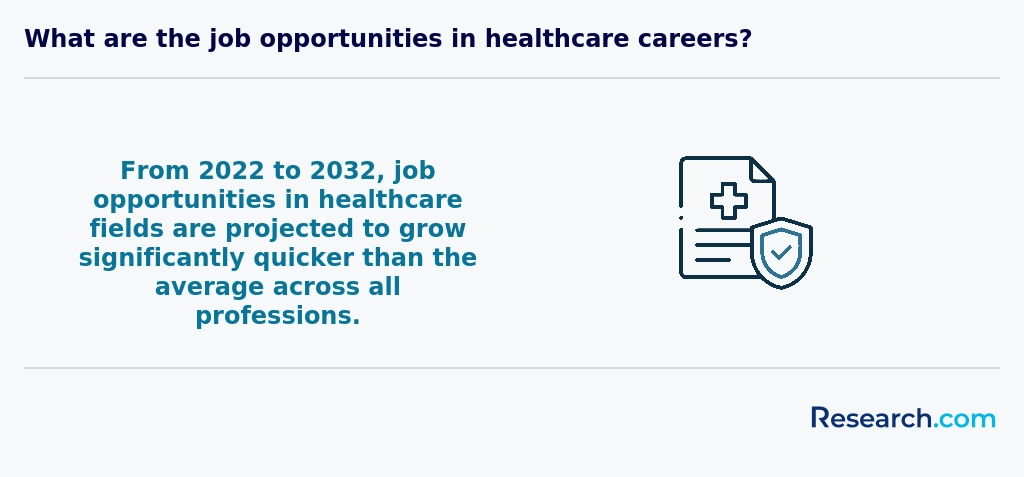
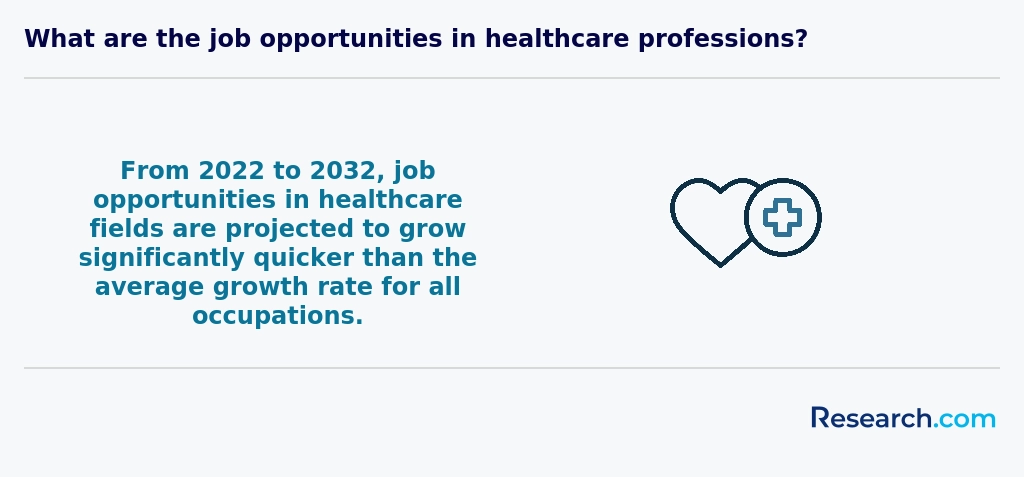
An online healthcare degree in District of Columbia can significantly enhance career mobility by providing access to advanced skills and credentials valued in the region's competitive healthcare market. According to the Bureau of Labor Statistics, healthcare occupations in D.C. are expected to grow 10% from 2022 to 2032, faster than the national average. This growth creates new opportunities for professionals with relevant qualifications.
Many local employers recognize online degrees from accredited institutions, enabling graduates to pursue promotions or shift into specialized roles such as healthcare administration or informatics. Additionally, flexible online formats allow working professionals to continue gaining experience while upgrading their education.
Healthcare salaries in D.C. tend to exceed national averages, and holding a degree often contributes to higher earning potential. For example, registered nurses in D.C. earn a mean annual wage of over $90,000, per U.S. Department of Labor data.
Studying for a healthcare degree online in the District of Columbia offers strong preparation for interdisciplinary roles by emphasizing collaboration across multiple health fields. Many programs integrate courses in public health, health administration, and clinical care to build broad skill sets.
The region's proximity to federal health agencies and research institutions enriches curricula with real-world policy and practice insights. According to the DC Health Department, interdisciplinary approaches have become vital due to the area's diverse population and complex health challenges.
Students gain experience working with different healthcare professionals, preparing them to coordinate care and improve health outcomes effectively in settings like hospitals and community clinics.
When choosing between a thesis and a non-thesis healthcare degree program in the District of Columbia, it is important to consider your career goals and learning preferences. Thesis programs typically involve conducting original research and writing a comprehensive paper, which can be beneficial if you aim to pursue advanced research roles or doctoral studies.
Non-thesis programs focus more on practical skills and coursework, making them suitable for professionals seeking to enter or advance in healthcare administration, policy, or clinical practice without an emphasis on research.
According to the National Center for Education Statistics, about 60% of healthcare master's students nationwide opt for non-thesis tracks due to time constraints and professional demands.
Local DC institutions often offer both options, reflecting the city's diverse healthcare environment and policy landscape, which requires flexible educational pathways.
Students based in the District of Columbia seeking online healthcare degrees with an international focus have several options. Many U.S. institutions offer online programs incorporating global health perspectives, allowing students to study abroad virtually while meeting local licensure requirements. According to the National Center for Education Statistics, over 30% of students in D.C. enroll in online courses annually, reflecting growing acceptance of digital education.
Some universities partner with foreign healthcare organizations to provide international case studies and virtual internships. This approach enables students to gain global insights without relocating, which suits those balancing work or family commitments. Additionally, students may explore global health certifications complementing their degrees.
The District's strong healthcare infrastructure and its position as a policy hub also support access to resources for international healthcare studies.
Students pursuing online healthcare degrees in the District of Columbia can benefit from part-time jobs that complement their academic training. Roles such as medical assistants, patient service representatives, and pharmacy technicians provide practical experience while accommodating school schedules.
According to the U.S. Bureau of Labor Statistics, healthcare occupations in DC are expected to grow by 14% from 2022 to 2032, reflecting strong demand for skilled workers.
Additionally, administrative positions at local hospitals and health clinics offer valuable exposure to healthcare operations. Volunteering or part-time work in organizations like the DC Health Benefits Exchange Authority can also enhance understanding of public health systems.
Online healthcare students in District of Columbia (D.C.) benefit from diverse networking opportunities despite studying remotely. Local professional organizations like the D.C. Public Health Association and the District of Columbia Health Care Association frequently host virtual and in-person events, fostering connections within the healthcare community. Additionally, D.C. is home to numerous healthcare institutions and government agencies, providing students access to internships, workshops, and guest lectures.
Many online programs in D.C. also encourage networking through virtual career fairs and alumni groups. According to the U.S. Bureau of Labor Statistics, D.C. has a higher-than-average concentration of healthcare jobs, increasing chances for students to build valuable contacts locally.
Alumni networks offer significant benefits to online healthcare degree students in District of Columbia by providing access to professional connections across the region's robust healthcare industry. Given that Washington, D.C. hosts numerous hospitals, government agencies, and health organizations, these networks can open doors to internships, job opportunities, and mentorship.
Members often share local job leads and industry updates, helping students stay informed about healthcare trends specific to D.C. According to the District's Department of Health, nearly 70,000 people work in healthcare-related fields, illustrating the value of strong connections in this competitive market.
Additionally, alumni networks foster collaboration on research and continuing education, which is vital for online students who may lack face-to-face campus interactions. This support can enhance professional growth and career advancement within the district's unique healthcare environment.
Customizing an online healthcare degree in the District of Columbia allows students to align education with specific career goals. Many programs offer flexible curricula, including elective courses, specialized tracks, and certifications. For example, students may choose concentrations in health informatics, public health, or healthcare administration.
Local healthcare demand in DC is strong, with growth projected at 15% from 2020 to 2030, according to the U.S. Bureau of Labor Statistics. This makes tailoring programs to high-demand areas advantageous for employment.
Additionally, students can pursue experiential learning through virtual internships or partnerships with DC healthcare organizations to enhance practical skills relevant to their goals.
Online healthcare students in District of Columbia often face challenges balancing rigorous coursework with personal and professional responsibilities. Many struggle with limited hands-on clinical opportunities due to restrictions in local healthcare facilities, which can delay essential practicum experiences required for licensure.
Technical issues also pose barriers. Stable internet access and familiarity with digital platforms are crucial, yet not all students have equal resources. According to the U.S. Census Bureau, approximately 7% of D.C. households lack broadband, complicating consistent online participation.
Additionally, navigating state-specific licensing requirements can be complex for students. The District's unique regulatory environment demands thorough understanding to ensure that online programs meet local standards set by the D.C. Board of Nursing or related boards.
Lastly, limited networking and mentorship opportunities in virtual settings affect student engagement and career development, placing more responsibility on learners to seek connections independently.
With an online healthcare degree in the District of Columbia, you can pursue several professional certifications that enhance your career opportunities. Common certifications include the Certified Professional in Healthcare Quality (CPHQ) and the Certified Healthcare Executive (CHE). These credentials are valued nationwide and reflect expertise in healthcare management and quality.
For those interested in clinical roles, certifications like the Registered Health Information Technician (RHIT) or Certified Medical Assistant (CMA) may be pursued following degree completion. The District of Columbia's focus on healthcare innovation creates demand for credentialed professionals. According to the U.S. Bureau of Labor Statistics, healthcare occupations in D.C. grew by 7% from 2019 to 2022, showing increasing opportunities.
Writing a winning application for an online healthcare program in the District of Columbia requires demonstrating both academic readiness and a genuine commitment to healthcare. Begin by clearly stating your career goals and how the program aligns with your ambitions. Highlight any relevant experience, including healthcare work or volunteer roles, which are especially valued in this competitive field.
Be sure to meet all application requirements carefully, including submitting official transcripts and letters of recommendation. According to DC Health Statistics, the demand for healthcare professionals is growing at a steady rate, emphasizing the importance of clear motivation in your personal statement.
Finally, tailor your essay to reflect the unique healthcare challenges and opportunities in DC, such as addressing urban health disparities, to show awareness of the local context.
The global perspective on a healthcare career highlights significant demand and opportunity. Healthcare professions are essential worldwide, with the U.S. Bureau of Labor Statistics projecting a 13% growth in healthcare jobs from 2021 to 2031, faster than average. In the District of Columbia, healthcare roles, especially in public health and nursing, are prioritized due to the area's diverse population and extensive medical infrastructure.
Internationally, healthcare workers face evolving challenges such as aging populations and emerging diseases. This creates a broad scope for careers beyond clinical roles, including policy, administration, and technology. For students in D.C., pursuing an online healthcare degree offers flexibility while aligning with global healthcare trends and local market needs.
According to the District's Department of Health, registered nurses and medical scientists are among the fastest-growing professions locally, reflecting nationwide trends and reinforcing the career's global significance.
Gaining practical experience while studying for an online healthcare degree in the District of Columbia is achievable through several avenues. Many programs require or encourage internships, clinical rotations, or practicums arranged at local hospitals, clinics, and healthcare facilities.
Students can collaborate with institutions such as MedStar Health or the DC Department of Health to fulfill hands-on requirements. These partnerships help students apply theoretical knowledge in real-world settings.
Additionally, some universities offer hybrid models combining online coursework with in-person labs or simulation experiences on campus or nearby locations.
Federal and local health agencies in DC also sometimes provide volunteer or part-time roles that complement online studies.
Choosing the right concentration within an online healthcare degree in District of Columbia requires understanding local healthcare needs and job market trends. For example, the DC Department of Health reports growing demand for public health professionals due to ongoing urban health challenges.
Evaluate your interests and career goals carefully. Concentrations like healthcare administration, nursing, or health informatics each lead to different roles and salary ranges. According to the Bureau of Labor Statistics, healthcare managers in DC earn a median annual wage above the national average.
Also, consider program accreditation and online format flexibility to fit your schedule. Connecting with local healthcare employers can provide insights on in-demand skills in DC's healthcare system.
Related Healthcare Rankings for Nearby States
- 2027 Fastest Online Healthcare Degree Programs Ranking in New Mexico
- 2027 Fastest Online Healthcare Degree Programs Ranking in South Dakota
- 2027 Fastest Online Healthcare Degree Programs Ranking in North Dakota
- 2027 Fastest Online Healthcare Degree Programs Ranking in Nebraska
- 2027 Fastest Online Healthcare Degree Programs Ranking in Kansas
- 2027 Fastest Online Healthcare Degree Programs Ranking in Texas
- 2027 Fastest Online Healthcare Degree Programs Ranking in Minnesota
- 2027 Fastest Online Healthcare Degree Programs Ranking in Missouri
- 2027 Fastest Online Healthcare Degree Programs Ranking in Louisiana
- 2027 Fastest Online Healthcare Degree Programs Ranking in Wisconsin
Top Trending Healthcare Rankings
See What Experts Have To Say About Studying Healthcare
Read our interview with Healthcare experts

References
- Online MHA Programs Ranked by Affordability (2026) https://www.mhaonline.com/blog/affordable-online-mha-programs-ranked
- Medical student learning on a distributed training platform ... https://phcfm.org/index.php/phcfm/article/view/4539/7514
- Health Services, B.A. - Washington, DC https://www2.trinitydc.edu/academic_program/health-services/
- Mission and Graduate Outcomes https://lowercolumbia.edu/programs/health/nursing/mission_and_graduate_outcomes/
- Health Care Schools and Careers in DC https://www.healthcarepathway.com/states/dc-health-care/
- Free Career Training Programs in Washington, DC | AoH https://aohdc.org/blog/workforce-development-expanding-economic-mobility-at-academy-of-hope/
- Public Health Degree Programs in DC | List & Guide https://www.publichealthdegrees.org/st/dc/
- Education & Training Providers https://dchealthcareers.org/start-your-career-in-health/
- Comparing Online Public Health Degrees with Financial Aid https://www.edumed.org/online-schools/public-health-degrees/financial-aid/
- D.C. Healthcare Administration Degree Programs | Find Schools https://www.healthadministrationdegrees.com/states/district-of-columbia/