
2027 Most Popular Healthcare Degree Programs Ranking in Iowa City

Co-Founder and Chief Data Scientist
Choosing the right healthcare degree program in Iowa City can shape your future career and open doors to meaningful opportunities. This article introduces the 2027 Most Popular Healthcare Degree Programs Ranking in Iowa City, crafted by the Research.com team of data scientists. It's designed to guide you in making informed decisions about which programs are truly valuable.
Exploring these top programs can boost your confidence and excitement about entering the healthcare field. Whether you're starting fresh or advancing your education, this ranking offers practical insight to support your journey.
Key benefits of getting healthcare degree in Iowa City
- Salary for healthcare degree graduates: Graduates can expect competitive wages, such as Medical Assistants earning around $43,350 annually and Patient Care Technicians making approximately $60,790 per year, offering financial stability in Iowa City.
- Career paths: Many healthcare graduates from universities like the University of Iowa pursue diverse roles including Clinical Research Coordinators or Health Information Technicians, unlocking opportunities in hospitals, clinics, and research settings.
- Online degree benefits: Earning a healthcare degree online offers flexibility and convenience, allowing busy students or working professionals in Iowa City to advance their education without sacrificing work-life balance.
- Key benefits of getting healthcare degree in Iowa City
- What can I expect from healthcare degree in Iowa City?
- Where can I work with healthcare degree in Iowa City?
- How much can I make with healthcare degree in Iowa City?
- 2027 Most Popular Healthcare Degree Programs Ranking in Iowa City
- Key Findings
- How long does it take to complete healthcare degree in Iowa City?
- Return on Investment: Weighing Costs Against Career Earnings
- What's the difference between online and on-campus healthcare degree?
- Campus Life and Student Support Services in Iowa City, IA
- What is the average cost of healthcare degree in Iowa City?
- Emerging Trends in Healthcare Education in Iowa City, IA
- What financial aid is available to healthcare degree students in Iowa City?
- Certification and Licensure Requirements for Healthcare Graduates in Iowa City, IA
- What are the prerequisites for enrolling in healthcare degree program in Iowa City?
- Accreditation and Licensure Requirements
- What courses are typically in healthcare degree programs in Iowa City?
- What types of specializations are available in healthcare degree programs in Iowa City?
- How do you choose the best healthcare degree in Iowa City?
- What career paths are available for healthcare degree students in Iowa City?
- What is the job market for healthcare degree in Iowa City?
- Top Trending Healthcare Rankings
- See What Experts Have To Say About Studying Healthcare
What can I expect from healthcare degree in Iowa City?
The average cost of a healthcare degree in Iowa City varies but typically ranges between $25,000 and $40,000 per year for in-state students at institutions like the University of Iowa. Graduates often recall balancing tuition with practical expenses tied to clinical rotations at the University of Iowa Hospitals and Clinics, which, while invaluable for hands-on learning, can add to travel and supply costs.
Out-of-state students may face higher tuition, sometimes exceeding $50,000 annually, but many find financial aid and scholarships specifically targeting healthcare fields at the Carver College of Medicine. Alumni frequently highlight how these funding options helped ease the financial burden, enabling focus on demanding coursework and clinical practice.
Additional expenses include books, lab fees, and licensing exam preparations, which graduates say are manageable when budgeting carefully from the start. Applying early for community-based scholarship programs is a practical strategy frequently recommended by graduates involved in local health outreach initiatives across Iowa City.
Where can I work with healthcare degree in Iowa City?
Graduates with healthcare degrees from institutions like the University of Iowa often find rewarding opportunities within the city's robust medical community. Many begin their careers at the University of Iowa Hospitals and Clinics, gaining hands-on experience in nursing, medical technology, or clinical care, where real-world challenges build confidence and professional expertise.
Others choose smaller local hospitals or outpatient clinics, where healthcare management and medical assisting roles are in steady demand. These settings allow graduates to develop strong patient interaction skills and leadership abilities, providing a solid foundation for career growth.
Graduates also thrive in long-term care or assisted living facilities, responding to Iowa City's growing senior population. Working here means daily engagement with patients and families, fostering both compassion and a sense of purpose.
Public health organizations and community initiatives, such as those run by Johnson County Public Health, offer roles focused on disease prevention and health education-perfect for graduates passionate about community impact.
Finally, research opportunities affiliated with the University of Iowa enable healthcare professionals to combine clinical knowledge with innovation, contributing to cutting-edge advancements in patient care and health sciences.
How much can I make with healthcare degree in Iowa City?
Graduates with healthcare degrees in Iowa City typically find earning opportunities that reflect the city's solid healthcare industry and educational resources. For example, a medical assistant can expect to earn an average annual wage of about $43,350. This salary supports a modest but comfortable lifestyle especially given Iowa City's lower living costs compared to larger metropolitan areas.
Recent graduates from nursing or allied health programs at institutions like the University of Iowa often report starting roles as patient care technicians, earning around $60,790 annually. This wage allows for financial stability early in their careers and the chance to build experience in clinical environments.
For those moving into specialized or administrative roles, such as quality improvement coordinators, salaries can rise substantially, reaching approximately $103,150. This serves as a strong incentive for graduates considering further certifications or advanced degrees while studying at local colleges that emphasize healthcare leadership and management.
Health information technicians earn around $43,380 annually, making it an accessible and rewarding career path for those interested in data management within healthcare systems. Clinical research coordinators also earn about $43,350, combining practical healthcare knowledge with research skills gained during their studies.
Graduates appreciate Iowa City's combination of competitive salaries, diverse job roles, and a nurturing academic community, providing a strong foundation to grow professionally and personally.
2027 Most Popular Healthcare Degree Programs Ranking in Iowa City
How do we rank schools?
Investing in your education is a significant decision that can shape your future, and the Research.com team understands the importance of making informed choices. To assist prospective students in Iowa City, we have meticulously crafted the "2027 Most Popular Healthcare Degree Programs Ranking in Iowa City." Our commitment to quality, credibility, and accuracy is reflected in the extensive research and analysis conducted to compile this ranking.
We utilized the following reputable data sources to ensure a comprehensive evaluation of healthcare degree programs:
By exploring this ranking, readers will gain valuable insights into the most popular healthcare degree programs in Iowa City, empowering them to make informed decisions about their educational journeys. For more details on our methodology, please visit our Research.com methodology page.

Key Findings
- Iowa City is home to the University of Iowa with healthcare programs in nursing, medicine, and public health offering associate to advanced degrees.
- In-state undergraduate tuition averages $9,900 per year, while out-of-state students pay about $31,900; graduate healthcare programs often exceed $30,000 annually.
- Entry-level nursing salaries start around $55,000, while medical and specialized healthcare graduates begin with over $70,000 per year.
- Experienced healthcare professionals in Iowa City can earn more than $100,000 annually, especially in high-demand roles like nurse practitioners and physician assistants.
- The healthcare job market is growing with a projected 15% employment increase over the next decade, supported by large local medical centers.
- Students have access to strong clinical and internship opportunities essential for licensure and employment in healthcare fields.
How long does it take to complete healthcare degree in Iowa City?
Completing a healthcare degree in Iowa City depends on the level you choose. Associate degrees, common for fields like medical assisting at local colleges, typically take 2 to 3 years. Graduates often share how this timeline fit well with their work-life balance, allowing them to quickly start entry-level positions.
Bachelor's degrees, such as nursing (BSN) at the University of Iowa, usually require 4 years full-time. Some students speed up their progress through accelerated tracks, finishing in about 3 years if they already hold a prior degree. This flexibility helps many manage personal commitments while advancing their careers faster.
Master's degrees in healthcare administration or nurse practitioner programs demand 2 to 3 additional years after a bachelor's, combining coursework and hands-on practice. Doctoral paths, like the Carver College of Medicine's MD program, span 3 to 7 years plus residency, a commitment grads describe as challenging but rewarding for lifelong impact.
Many students find that clinical hours and internships extend these timelines, but they also build valuable skills essential for licensure in Iowa's healthcare scene.
Return on Investment: Weighing Costs Against Career Earnings
Understanding the return on investment (ROI) for a healthcare degree in Iowa City, IA, is crucial when planning your education. By comparing average program costs with projected earnings, students can make informed choices that balance financial commitment and long-term rewards. Many bachelor’s programs in public health range from $20,000 to $40,000 per year in tuition and fees. For those seeking more affordable options, our guide to bachelors in public health cost outlines online and hybrid pathways that reduce expenses without sacrificing quality. Consider these key ROI factors: • Break-Even Timeline: With an entry-level Patient Care Technician salary of $55,860, graduates can recoup average two-year associate degree costs within 2–3 years. • Salary Growth: Transitioning into roles like Health Information Technician ($41,260) or Registered Nurse (average $75,000) accelerates ROI, often shortening payback to 1–2 years after graduation. • Financial Aid Leverage: Scholarships, grants, and loan forgiveness programs can cut total debt by up to 50%, enhancing net ROI and lowering monthly repayment obligations. By factoring in living expenses, tuition inflation, and salary trajectories, prospective students can identify programs offering the strongest long-term value. A strategic approach to financing, combined with strong job placement rates in Iowa City’s healthcare sector, ensures that your educational investment yields both professional fulfillment and financial stability.
What's the difference between online and on-campus healthcare degree?
Choosing between online and on-campus healthcare degrees in Iowa City largely depends on your lifestyle and learning preferences. On-campus programs, like those at the University of Iowa, immerse you in hands-on experiences through direct access to labs, clinical practice, and faculty mentorship. Graduates often recall the confidence they gained from in-person simulations and immediate faculty feedback during their training at local hospitals.
Conversely, online degrees offer flexibility that suits working adults or those with family responsibilities. You can complete coursework remotely and schedule clinical hours locally, making it practical without relocating. However, some graduates emphasize the importance of arranging clinical placements early to ensure smooth coordination with healthcare facilities in Iowa City.
Cost-wise, on-campus students often face added expenses such as commuting and housing, with average tuition around $9,600 annually for residents. Online learners might save on these fees but should verify if their program includes support for local clinical placements. Both paths can lead to rewarding careers when matched with your personal circumstances.
Campus Life and Student Support Services in Iowa City, IA
While the ranking and curriculum details provide excellent insights, prospective students also benefit from understanding the vibrant campus culture and support services available in Iowa City. Beyond academics, many institutions in the area actively foster a community that encourages personal growth, mentorship, and hands-on involvement in local healthcare initiatives. Students often highlight how campus resources - from dedicated career counseling and academic advising to lively extracurricular clubs - not only help them balance their studies with social activities but also create opportunities for networking and professional development. Engaging with these community-driven aspects can significantly enhance your educational journey, much like exploring the popular healthcare programs has done for many. This well-rounded experience is key to preparing for both the academic challenges and the interpersonal demands of a career in healthcare, ensuring graduates are more adaptable, confident, and ready to make a lasting impact in their field.
What is the average cost of healthcare degree in Iowa City?
The average cost of a healthcare degree in Iowa City reflects both in-state and out-of-state tuition dynamics. For many students attending prominent institutions like the University of Iowa, the median in-state total tuition and fees for healthcare programs hover around $11,283, making it a relatively accessible choice for residents. Meanwhile, out-of-state students face a higher median total cost approximately $47,241, which aligns with the general trend of increased fees for non-resident students.
Graduates often recall balancing these costs with other essentials like housing, textbooks, and clinical fees, which can add several thousand dollars annually. A typical healthcare student budgeting for the University of Iowa will factor in these additional expenses along with tuition but can find reassurance in the stable cost framework of the public system.
When comparing the total tuition and fees for healthcare programs Iowa City offers, it's clear that the public university system provides a competitive price point relative to other regions. Many healthcare students found their investment worthwhile, highlighting the practical training and strong program connections that support career entry in nursing, public health, or healthcare administration.
For those exploring allied health fields or specialized tracks within healthcare, looking into related programs can bring extra savings. Some prospective students with a passion for pet care may consider pet care careers as an alternative pathway with different cost structures and rewarding outcomes.
Emerging Trends in Healthcare Education in Iowa City, IA
As the healthcare landscape evolves rapidly, institutions in Iowa City are integrating cutting-edge practices and innovative technologies into their educational programs. Students can now experience advanced simulation labs, telemedicine training, and interdisciplinary courses that prepare them for the dynamic nature of modern patient care. These emerging trends not only enhance academic rigor but also boost professional competencies critical for success in today's healthcare environment. For instance, many institutions are now partnering with local hospitals to offer immersive internships and real-time case studies, ensuring that graduates are well-equipped to adapt to ever-changing clinical demands. Additionally, students interested in exploring specialized technical fields are encouraged to consider options such as the best online sonography programs that blend flexibility with industry-recognized certification. This forward-thinking approach to curriculum design ultimately fosters an educational environment where theoretical knowledge and practical expertise converge, positioning graduates at the forefront of healthcare innovation.
What financial aid is available to healthcare degree students in Iowa City?
Students pursuing healthcare degrees in Iowa City, such as those attending the University of Iowa's well-regarded nursing or pharmacy programs, can access several financial aid options to ease tuition costs. Federal aid is a key starting point: undergraduates often rely on Pell Grants that provide up to $7,395 yearly without repayment, which many graduates recall as a crucial boost during their studies.
For graduate-level healthcare students, federal loans like the Direct Unsubsidized and Grad PLUS Loans offer flexible repayment plans, making it easier to manage expenses while focusing on demanding programs. Meanwhile, state-specific grants such as the Iowa Tuition Grant help reduce tuition for residents enrolled in public institutions within Iowa City.
Local scholarships from groups like the Iowa Nurses Foundation or Johnson County Medical Society have funded many healthcare students' education, inspiring a sense of community support and motivation. Personalized aid counseling at Iowa City universities guides students through options including work-study programs, which combine earning money with valuable hands-on healthcare experience.
- Professional associations also offer scholarships-graduates often praise resources from groups like the American Association of Colleges of Nursing for alleviating financial stress.
- Several healthcare employers in Iowa City provide tuition reimbursement or loan repayment, directly encouraging career advancement in the local sector.
- Completing FAFSA annually is essential; early applicants report higher chances of receiving the full range of aid available.
Certification and Licensure Requirements for Healthcare Graduates in Iowa City, IA
Healthcare degree graduates in Iowa City must secure appropriate certifications and state licensure before entering professional practice. For example, nurses are required to pass the NCLEX-RN exam and obtain licensure through the Iowa Board of Nursing, while medical assistants often pursue the CMA credential from the American Association of Medical Assistants. Health Information Technicians typically earn the Registered Health Information Technician (RHIT) certification through the American Health Information Management Association (AHIMA), ensuring proficiency in medical coding, record management, and privacy regulations. Public health professionals may sit for the Certified in Public Health (CPH) exam administered by the National Board of Public Health Examiners, validating their expertise in population health and policy. Maintaining these credentials involves meeting continuing education requirements set by each certifying body. RNs in Iowa, for instance, must complete 36 hours of approved continuing education every three years, while RHITs are required to accrue 20 continuing education units biennially. Providers such as local hospitals and accredited online platforms offer workshops, webinars, and self-paced modules to help graduates fulfill these obligations. Employers in Iowa City often partner with educational institutions to offer in-service training, while professional associations host annual conferences to spotlight emerging best practices. For graduates seeking flexible, cost-effective pathways to earn or renew certifications, exploring reputable online degree and certificate programs can be invaluable. For those interested in affordable online options that support certification preparation and career advancement, see our Low Cost Online Healthcare Degree Programs Ranking in Virginia.
What are the prerequisites for enrolling in healthcare degree program in Iowa City?
To enroll in a healthcare degree program in Iowa City, you must first secure a high school diploma or equivalent with strong grades in science and math. Graduates from the University of Iowa's nursing program often recall the importance of courses like biology, chemistry, and algebra, which laid the foundation for their later studies. If you're aiming for nursing or allied health, some colleges require additional college-level prerequisites such as human anatomy or microbiology.
Beyond academics, hands-on experience is invaluable. Many successful applicants credit volunteer work in local hospitals or internships at community clinics for strengthening their applications. This real-world exposure prepares you for the fast-paced environment of healthcare and demonstrates commitment to admissions committees.
Standardized test requirements vary: some undergraduate programs look at SAT or ACT scores, while graduate programs might require the GRE, plus letters of recommendation and interviews. Planning early to meet these criteria can smooth your path into Iowa City's competitive healthcare programs.
Accreditation and Licensure Requirements
Ensuring that your healthcare degree program meets nationally recognized accreditation standards and prepares you for state licensure is critical to your future career success in Iowa City, IA. Accredited programs not only guarantee a high-quality education but also satisfy eligibility requirements for professional exams and certifications. Key considerations include: • Programmatic Accreditation: Look for programs accredited by bodies such as the Commission on Collegiate Nursing Education (CCNE) for nursing, the Accreditation Council for Education in Nutrition and Dietetics (ACEND), or the Commission on Accreditation for Health Informatics and Information Management Education (CAHIIM). These accreditors ensure curricula align with industry best practices and evolving care standards. • Institutional Accreditation: Verify that the college or university holds accreditation from a recognized regional agency, such as the Higher Learning Commission (HLC). Regional accreditation affects transfer credits, financial aid eligibility, and employer recognition. • State Board Approval: Confirm that the program is approved by the Iowa Board of Nursing or the Iowa Department of Public Health, as applicable. State board approval ensures you meet Iowa’s specific educational requirements for licensure exams like the NCLEX-RN, EMT certification, or medical laboratory licensing. • Licensure Exam Preparation: Quality programs integrate test-prep modules and simulation labs to build confidence for licensure examinations. In Iowa, passing the NCLEX, EMT-Basic, or Medical Laboratory Scientist exam is mandatory for practice in clinical settings. • Continuing Education and Renewal: Accredited programs often offer post-licensure continuing education units (CEUs) required to maintain and renew professional licenses. Engaging in lifelong learning not only meets state mandates but also advances your career. While Iowa City offers a wealth of accredited healthcare programs, prospective students seeking alternative affordable pathways may also explore our Low Cost Online Healthcare Degree Programs Ranking in Virginia for comparison and potential transfer options.
What courses are typically in healthcare degree programs in Iowa City?
Healthcare degree programs in Iowa City typically include a blend of courses that build a strong scientific foundation alongside practical healthcare skills. Graduates from institutions like the University of Iowa often mention that courses such as Human Anatomy and Physiology provide a clear, hands-on understanding of how the body works, which feels very rewarding when applying that knowledge during clinical rotations.
Microbiology courses familiarize students with microbes that cause diseases, giving them the confidence to handle real-life infection control scenarios in local hospitals. Courses on Health Ethics challenge students to think critically about moral decisions, which many find empowering when faced with complex patient care situations.
Pharmacology and Medical Terminology are essential, making communication with other healthcare professionals smooth and effective. Nutrition classes connect theory to daily life, helping students appreciate how diet influences health outcomes.
Many students highlight that these core courses, combined with clinical practicums offered through Iowa City's medical centers, create a practical and fulfilling learning experience that prepares them well for healthcare careers.

What types of specializations are available in healthcare degree programs in Iowa City?
In Iowa City, healthcare degree specializations cover a broad spectrum tailored to meet various career goals. Graduates from leading institutions like the University of Iowa often highlight nursing programs-such as BSN, MSN, and DNP-as integral paths, preparing students to work directly with patients or lead healthcare teams. Other popular healthcare programs Iowa City offers include public health, where students focus on epidemiology or health policy, and medical laboratory science, which trains students for crucial diagnostic roles in clinical settings.
Those pursuing specialized fields like pharmacy or health informatics benefit from programs that combine technical expertise with patient care, fitting well in lab or data-driven environments. Graduate-level physical therapy and healthcare administration options also attract students aiming for hands-on rehabilitation or facility management roles. Many students share how practical experiences within Iowa City's healthcare network reinforce their classroom learning. For cost-conscious planners, exploring financial aid options before committing is wise, and checking out options like an online sonography degree cost comparison can provide useful alternatives.
How do you choose the best healthcare degree in Iowa City?
Begin by assessing your career goals and matching them with Iowa City's healthcare education offerings. Graduates from the University of Iowa often highlight how choosing accredited programs, such as those from the College of Nursing or Carver College of Medicine, helped them build confidence and secure licensure quickly. Consider program accreditation carefully; recognized credentials streamline your path to employment. Many students appreciate the balance of affordable healthcare degrees Iowa City offers, especially at public institutions where tuition is significantly lower than private universities nationally.
Next, focus on practical experience. Iowa City's strong healthcare system, including University of Iowa Hospitals and Clinics, provides essential clinical placements that graduates say were critical to feeling prepared and connected within the field. Seek programs with established clinical partnerships and internship availability.
Finally, explore financial aid options and consider consulting resources like accredited online sonography schools if flexible scheduling fits your needs. Prioritize programs with good graduate employment rates in Iowa to ensure your investment pays off.
What career paths are available for healthcare degree students in Iowa City?
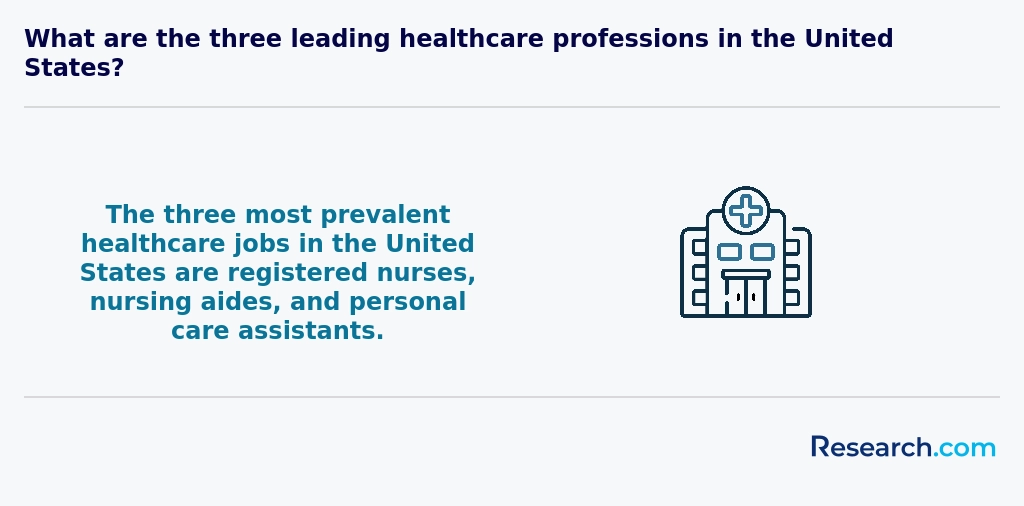
Graduates with a healthcare degree in Iowa City can pursue a variety of practical career paths that reflect the city's growing healthcare sector. Many find roles as registered nurses, medical technologists, or health information managers, supported by hands-on experiences at the University of Iowa Hospitals and Clinics. Others channel their skills into physical therapy or allied health fields, benefiting from partnerships between educational institutions and local rehabilitation centers. Exploring healthcare career options in Iowa City reveals specialized roles like physician assistants and healthcare administrators, all essential to keeping the region's systems running smoothly.
For students aiming to become nurses, local programs blend classroom instruction with clinical training, helping to meet licensing requirements efficiently. Some graduates recommend starting with hybrid nursing programs offered nearby to balance education with real-world experience. Public health professionals also play a key role, often working with the Iowa City Public Health Department to improve community wellness.
What is the job market for healthcare degree in Iowa City?
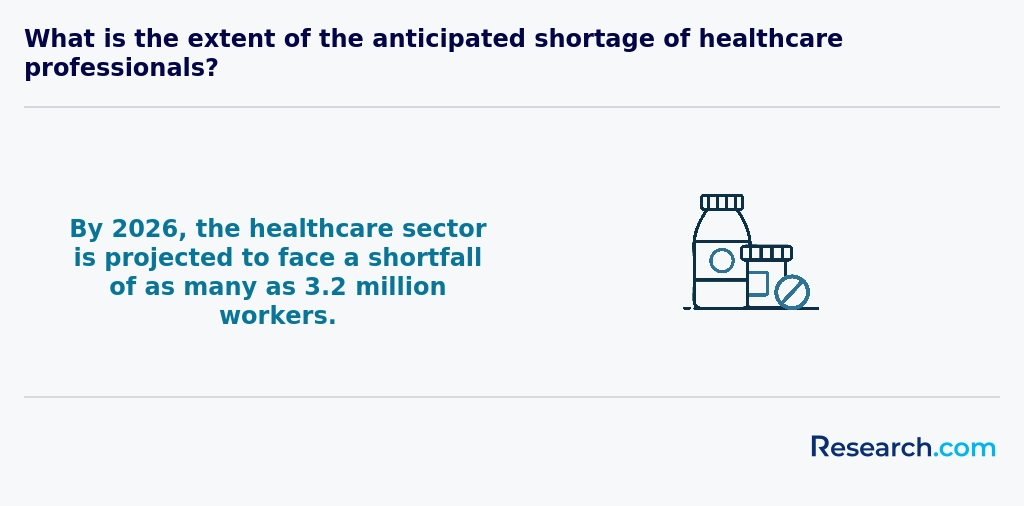
The job market for healthcare degree holders in Iowa City is promising, supported by steady growth and a variety of roles in hospitals, outpatient centers, and research facilities associated with the University of Iowa. Graduates often find rewarding positions such as registered nurses, physical therapists, and healthcare administrators. Many report feeling confident about employment prospects due to the city's strong healthcare infrastructure and consistent demand for skilled professionals. This steady demand aligns well with the healthcare degree job outlook Iowa City, offering graduates competitive salaries and opportunities to specialize in growing fields.
Students studying healthcare in Iowa City noted that quality education at local universities blends clinical experience with exposure to cutting-edge research. Many secure positions within University of Iowa Hospitals and Clinics or other local health organizations. Practical experience combined with industry connections enhances job prospects, allowing graduates to serve an aging population and engage with new healthcare technologies.
For those exploring advanced career pathways, it's valuable to review healthcare sector data as well as local demand to plan effectively. Understanding the financial and experiential benefits of this education helps in making informed decisions. To explore these dynamics further, consider reviewing healthcare sector data.
Frequently Asked Questions About healthcare
Healthcare degree students in Iowa City can maximize their learning experience by taking full advantage of the city's strong healthcare ecosystem, including institutions like the University of Iowa Hospitals & Clinics. Engaging in clinical rotations and internships at these facilities provides valuable hands-on experience, essential for healthcare careers. Additionally, students should participate in university-sponsored research projects, as the University of Iowa ranks among the leading research institutions, fostering innovation in medical fields.
Networking with local professionals through healthcare organizations such as the Iowa City Area Business Partnership can also enhance career opportunities. Finally, leveraging community health programs in Iowa City helps students understand public health challenges and develop patient-centered care skills.
The healthcare field in Iowa City is rapidly evolving, with emerging niches reflecting broader national trends. One notable area is telehealth, which expanded significantly during the COVID-19 pandemic and continues to grow due to increased patient demand and technological advancements. According to the Iowa Department of Public Health, telehealth services have increased by over 50% since 2020 in the region.
Another promising niche is precision medicine, which involves tailoring medical treatment to individual genetic profiles. The University of Iowa Hospitals and Clinics plays a key role in advancing research and education in this specialty.
Additionally, healthcare data analytics and informatics have become critical for improving patient outcomes and operational efficiency. Job openings in these fields have grown by approximately 20% statewide over the past five years, according to the Iowa Workforce Development agency.
After completing a healthcare degree in Iowa City, preparing for the job market involves several strategic steps. Graduates should prioritize gaining relevant clinical experience through internships or volunteer opportunities at local hospitals such as University of Iowa Hospitals & Clinics, a major employer in the region. Networking with healthcare professionals at job fairs and conferences hosted by Iowa City organizations can open doors. Additionally, obtaining professional certifications aligned with one's degree increases employability. According to Iowa Workforce Development, the healthcare sector in Iowa City is projected to grow by 15% through 2030, indicating strong job prospects for well-prepared graduates.
Employers in Iowa City highly value healthcare graduates who demonstrate strong clinical skills combined with effective communication abilities. According to the Iowa Department of Public Health, teamwork and interpersonal skills rank among the top attributes for successful candidates in the local healthcare sector. Graduates are expected to be proficient in patient care protocols and familiar with electronic health records (EHR) systems, reflecting statewide digital healthcare initiatives.
Additionally, critical thinking and adaptability are crucial due to the fast-paced environment of hospitals such as the University of Iowa Hospitals & Clinics. Research from the Iowa City Chamber of Commerce highlights that employers also seek graduates with a commitment to ethical practice, cultural competence, and continuous learning to meet diverse patient needs.
Finding internships in Iowa City for healthcare degrees involves leveraging local resources and institutions. Iowa City is home to the University of Iowa Hospitals and Clinics, one of the largest tertiary care hospitals in the region, offering numerous internship and practicum opportunities for students in nursing, medicine, and allied health fields.
Students should also explore connections through the University of Iowa's Tippie College of Business and Carver College of Medicine, which frequently list internships on their career portals. Additionally, local public health departments and community clinics often provide internships to healthcare students seeking hands-on experience.
Networking events and career fairs hosted by Iowa City educational institutions and healthcare organizations can increase internship visibility. According to the Iowa Workforce Development, healthcare occupations in Iowa City grew by 5.4% between 2018 and 2023, which supports increasing internship availability.
Applying early, preparing a strong resume, and contacting potential internship sites directly can significantly improve chances of placement. Resources like the Iowa City Area Development Group also highlight local healthcare employers and internship programs.
Obtaining a healthcare degree in Iowa City significantly enhances career mobility by opening diverse job opportunities across hospitals, clinics, and research institutions. The city's healthcare sector, anchored by the University of Iowa Hospitals and Clinics, employs thousands and actively seeks qualified professionals with specialized training. According to Iowa Workforce Development, employment for healthcare practitioners in the region is projected to grow by over 12% between 2022 and 2032, exceeding the national average.
The degree also plays a crucial role in career advancement. Graduates with advanced credentials often gain access to leadership roles and higher salaries. For example, nurses or allied health professionals with bachelor's or master's degrees report faster promotions and increased responsibilities. Additionally, Iowa City's strong network of healthcare providers supports continuing education and professional development, further boosting career prospects for degree holders.
Studying for a healthcare degree in Iowa City equips students with skills for interdisciplinary roles by emphasizing collaborative learning and practical experience. Programs at institutions like the University of Iowa integrate courses from nursing, medicine, public health, and social work. This approach reflects the real-world healthcare environment where teamwork across specialties is essential.
Additionally, Iowa City's status as a regional medical hub offers students clinical placements and internships that involve diverse healthcare teams. According to the Iowa Department of Public Health, over 60% of healthcare jobs in the region require cross-disciplinary communication and coordination.
This integrated education prepares graduates to effectively contribute in complex healthcare settings, enhancing patient outcomes through cooperation.
Choosing between a thesis and a non-thesis healthcare degree program in Iowa City depends on your career goals and learning preferences. Thesis programs typically emphasize research, requiring students to conduct original studies and write a detailed thesis. This path is ideal if you plan to pursue doctoral studies or research-oriented roles.
Non-thesis programs focus more on practical skills and coursework, often including internships or clinical experiences. These are suited for students aiming to enter the healthcare workforce promptly in positions such as administration or clinical practice.
According to the University of Iowa's College of Public Health, thesis-based degrees can take longer to complete-often up to two years more-compared to non-thesis tracks.
Consider how much time you can dedicate and whether research aligns with your professional plans before deciding.
Students in Iowa City pursuing healthcare degrees have increasing opportunities to study abroad through exchange programs and partnerships offered by the University of Iowa. The university's Study Abroad Office coordinates healthcare-related programs in countries like Spain, Australia, and Sweden, where students can gain clinical experience or explore global health systems. According to the University of Iowa's 2023 report, approximately 7% of healthcare students participate in international study opportunities, reflecting growing interest in global healthcare perspectives.
These programs often integrate coursework with hands-on learning, valuable for fields such as nursing, public health, and pre-medical studies. Financial aid and scholarships may be available to support students during their international education.
Students pursuing healthcare degrees in Iowa City have several part-time job opportunities that complement their education. Working as a medical assistant or a pharmacy technician allows students to gain practical experience while balancing classes. These roles develop clinical skills and familiarity with healthcare settings.
Iowa City's large healthcare sector, anchored by the University of Iowa Hospitals and Clinics, employs many students in supportive roles. According to the Iowa Workforce Development, healthcare support occupations in the area are expected to grow by over 12% from 2022 to 2032, indicating strong job availability.
Other common part-time roles include patient transporters, nursing aides, and medical scribes. These positions provide valuable exposure to patient care and medical documentation, enhancing resumes for future clinical careers.
Healthcare students in Iowa City benefit from numerous networking opportunities that enhance their education and career prospects. The University of Iowa, a major institution in the city, offers access to professional organizations like the American Medical Student Association and Public Health Student Alliance, fostering connections among peers and local healthcare professionals. Iowa City is also home to multiple hospitals and clinics where students can attend events, seminars, and volunteer activities to build their professional networks.
Moreover, local healthcare conferences and career fairs frequently take place in Iowa City, with participation from regional employers and alumni. According to recent reports from the Iowa City Area Chamber of Commerce, over 20% of internships and job offers for healthcare students arise through such local networking events.
Alumni networks in Iowa City provide valuable support for healthcare degree students by connecting them with experienced professionals in the region's robust medical community. The University of Iowa Hospitals and Clinics, a major employer in Iowa City, benefits from strong alumni ties, which often lead to internship and job opportunities for graduates. Networking events, mentorship programs, and alumni panels enable students to gain insights into current healthcare trends and career paths.
Studies show that 85% of healthcare students who engage with alumni networks find employment within six months of graduation. These connections also help students build professional skills and navigate Iowa's healthcare regulations, enhancing their readiness for clinical practice or administration.
Customizing a healthcare degree program in Iowa City allows you to align your education with specific career goals in the health sector. Many local institutions offer flexible curricula where you can choose electives, minors, or specializations such as public health, healthcare management, or clinical research. This flexibility helps tailor your experience toward roles like healthcare administration or patient care.
Additionally, Iowa City is home to the University of Iowa Hospitals and Clinics, which provides valuable clinical internship opportunities. Engaging in these hands-on experiences enhances practical skills and networking within the regional healthcare community.
Research by the Iowa Department of Public Health shows strong local demand for healthcare professionals, emphasizing the benefit of a customized degree that meets workforce needs.
Healthcare students in Iowa City face several notable challenges during their studies. One of the primary difficulties is managing the demanding workload, as programs often combine rigorous coursework with extensive clinical hours. According to the University of Iowa College of Public Health, students report significant stress balancing practical training and academic responsibilities.
Another challenge is securing consistent clinical placements, especially amid increased competition due to Iowa City's strong healthcare sector. Limited availability means students must be proactive and flexible in scheduling.
Financial strain also affects many students; tuition and living costs in Iowa City can be high relative to median incomes reported by the Iowa Workforce Development office.
Lastly, adapting to evolving healthcare technologies and protocols requires continuous learning, which some find difficult while handling other commitments.
With a healthcare degree in Iowa City, students can pursue a variety of professional certifications that enhance career opportunities. Common certifications include Certified Nursing Assistant (CNA), Registered Nurse (RN) licensure, and Certified Medical Assistant (CMA). For those interested in specialized fields, certifications like Emergency Medical Technician (EMT) or Certified Health Education Specialist (CHES) are viable options. According to the Iowa Board of Nursing, Iowa City has seen steady growth in nursing licensure exams pass rates, making RN certification a popular pathway.
Additional certifications such as Licensed Practical Nurse (LPN) and Certified Pharmacy Technician (CPhT) may also be pursued. These credentials are widely recognized across healthcare settings in Iowa City and beyond.
Writing a winning application for a healthcare program in Iowa City requires clear focus and preparation. Start by researching the specific program requirements at institutions like the University of Iowa, known for its strong healthcare education. Highlight your academic achievements, including a competitive GPA-many programs look for at least a 3.0 or higher.
Healthcare programs value relevant experience, such as volunteering or working in clinical settings. Be sure to clearly describe your commitment and skills in your personal statement. According to the University of Iowa Admissions Office, emphasizing leadership and teamwork abilities can improve your chances.
Finally, secure two or more strong letters of recommendation from professionals familiar with your healthcare interests. This combination of academic record, experience, and character tends to make Iowa City healthcare applications stand out.
Healthcare careers are increasingly recognized as vital on a global scale, with rising demand for skilled professionals due to aging populations and expanding healthcare needs. In the United States, including Iowa City, healthcare jobs are projected to grow 13% from 2021 to 2031, much faster than the average for all occupations, according to the U.S. Bureau of Labor Statistics.
Globally, professionals trained in the U.S. often bring advanced clinical skills and research experience valued in many countries. This enhances opportunities for international collaboration and career mobility.
Iowa City, known for the University of Iowa's respected health programs, provides students with access to cutting-edge research and diverse clinical environments. This local strength supports students aiming for global competence in healthcare.
Gaining practical experience while studying for a healthcare degree in Iowa City is essential for career readiness. Many institutions, such as the University of Iowa, offer clinical rotations, internships, and practicum opportunities integrated into their programs. These hands-on experiences allow students to work directly with patients and healthcare professionals in local hospitals like University of Iowa Hospitals and Clinics, one of the region's largest healthcare providers.
Students can also participate in community health initiatives and volunteer programs, which enhance real-world skills and networking opportunities. According to the Iowa Hospital Association, 75% of healthcare programs require or strongly encourage clinical hours, reflecting the emphasis on experiential learning.
Choosing the right concentration within a healthcare degree program in Iowa City depends on your career goals and interests. Begin by considering areas with strong local demand; for example, nursing and public health are prominent fields supported by institutions like the University of Iowa Hospitals & Clinics. Research employment trends from sources like the Iowa Workforce Development, which forecasts steady growth in healthcare jobs, particularly in elder care and outpatient services.
Next, evaluate your personal strengths and whether you prefer patient care, research, or healthcare administration. Visit program websites to compare course offerings and clinical opportunities available in the Iowa City area. Additionally, connecting with academic advisors or professionals currently working locally can provide valuable insights tailored to your aspirations.
Related Healthcare Rankings for Nearby Cities
- 2027 Most Popular Healthcare Degree Programs Ranking in Columbia
- 2027 Most Popular Healthcare Degree Programs Ranking in Milwaukee
- 2027 Most Popular Healthcare Degree Programs Ranking in Saint Louis
- 2027 Most Popular Healthcare Degree Programs Ranking in Omaha
- 2027 Most Popular Healthcare Degree Programs Ranking in Kansas City
- 2027 Most Popular Healthcare Degree Programs Ranking in Saint Paul
- 2027 Most Popular Healthcare Degree Programs Ranking in West Lafayette
- 2027 Most Popular Healthcare Degree Programs Ranking in Sioux City
- 2027 Most Popular Healthcare Degree Programs Ranking in Green Bay
- 2027 Most Popular Healthcare Degree Programs Ranking in Lincoln
Top Trending Healthcare Rankings
See What Experts Have To Say About Studying Healthcare
Read our interview with Healthcare experts

References
- How to Create a Healthcare Career Roadmap https://www.ihire.com/resourcecenter/jobseeker/pages/how-to-create-a-healthcare-career-roadmap
- Education requirements for the fastest-growing healthcare jobs https://www.corridorcareers.com/job-tips/blog-news-education-requirements-fastest-growing-healthcare-jobs
- Careers A-Z - Explore Healthcare Careers - Mayo Clinic College of Medicine & Science https://college.mayo.edu/academics/explore-health-care-careers/careers-a-z/
- Explore Costs | Tuition and Fees | Mercy College https://www.mchs.edu/admissions/explore-costs/
- How to choose a bachelor's in healthcare administration | edX https://www.edx.org/resources/how-to-choose-a-bachelors-in-healthcare-administration
- How to Write Your Cover Letter | NQRTH https://www.nqrth.edu.au/career-planning/how-to-write-your-cover-letter/
- Global Health Perspectives https://globalhealthperspectives.com/
- HEALTH MANAGEMENT (THESIS / NON-THESIS) - Lisansüstü Eğitim Enstitüsü https://lee.nisantasi.edu.tr/en/health-management-thesis-non-thesis/
- Top 3 Reasons to Consider a Career in Healthcare - Roseman University https://www.roseman.edu/student-experience/news/top-3-reasons-to-consider-a-career-in-healthcare/
- Health Sciences Study Abroad Programs - Healthcare Abroad https://www.ceastudyabroad.com/academic-discipline/health-sciences


