
2027 Most Valuable Online Healthcare Degree Programs Ranking in Washington

Co-Founder and Chief Data Scientist
Choosing the right healthcare degree program can be a game-changer for your future career, especially in Washington's growing medical field. This article introduces the 2027 Most Valuable Online Healthcare Degree Programs Ranking in Washington, created by the Research.com team of data scientists to guide you in making an informed decision.
By exploring this ranking, you'll discover programs that offer the best value, helping you invest your time and resources wisely. Pursuing a healthcare degree opens doors to meaningful work and lasting impact, making it a rewarding path to consider.
Key benefits of getting online healthcare degree in Washington
- Salary: Graduates with healthcare degrees in Washington can earn competitive wages, such as Medical Assistants making an average of $43,350 annually and Patient Care Technicians earning around $60,790 per year, providing strong financial stability.
- Career Paths: Many healthcare degree holders from Washington's popular universities find rewarding roles like Clinical Research Coordinators or Health Information Technicians, offering diverse options to match multiple interests and skills.
- Online Degree Benefits: Earning a healthcare degree online from reputable Washington schools offers flexible scheduling and the ability to balance work and study, making education accessible and convenient without compromising quality.
- Key benefits of getting online healthcare degree in Washington
- What can I expect from online healthcare degree in Washington?
- Where can I work with online healthcare degree in Washington?
- How much can I make with online healthcare degree in Washington?
- 2027 Most Valuable Online Healthcare Degree Programs Ranking in Washington
- Key Findings
- How long does it take to complete online healthcare degree in Washington?
- Licensure and Certification Requirements for Online Healthcare Graduates in Washington
- What's the difference between online and on-campus healthcare degree?
- Student Support and Success Resources
- What is the average cost of online healthcare degree in Washington?
- Tips for Success in Your Online Healthcare Education Journey
- What financial aid is available to online healthcare degree students in Washington?
- Accreditation and Licensure Requirements
- What are the prerequisites for enrolling in online healthcare degree program in Washington?
- Clinical Training and Practicum Opportunities
- What courses are typically in online healthcare degree programs in Washington?
- What types of specializations are available in online healthcare degree programs in Washington?
- How do you choose the best online healthcare degree in Washington?
- What career paths are available for online healthcare degree students in Washington?
- What is the job market for online healthcare degree in Washington?
- Related Healthcare Rankings for Nearby States
- Top Trending Healthcare Rankings
- See What Experts Have To Say About Studying Healthcare
What can I expect from online healthcare degree in Washington?
The average cost of an online healthcare degree in Washington typically ranges from $12,000 to $30,000, depending on the institution and program length. Graduates from universities like the University of Washington appreciate how their tuition investment reflects the quality of education paired with flexible online formats. Many find financial aid options reliable, easing concerns about affordability while balancing work and study.
Students at Washington State University often mention feeling motivated by how their programs blend theoretical knowledge with practical skills, without overwhelming expenses. The investment seems more manageable with part-time study options, enabling personal and professional growth concurrently.
Online learners commonly highlight the reassurance that comes from knowing their degree complies with state licensure requirements, adding value to the cost. Viewing tuition as a step toward a stable, rewarding healthcare career with roles in nursing or health administration helps sustain their enthusiasm and commitment throughout the program.
Where can I work with online healthcare degree in Washington?
Graduates with online healthcare degrees from institutions like the University of Washington or Seattle Pacific University find themselves stepping confidently into diverse career paths across Washington. Many join hospital teams at places such as UW Medical Center, feeling proud to deliver patient care or manage health services in bustling urban environments. Others discover rewarding roles in outpatient care centers and community clinics throughout Spokane and Tacoma, where their skills support vital health programs and build strong local relationships.
Some graduates embrace the growing telehealth field, coordinating remote patient care or advancing health IT systems, especially as Washington expands virtual care following the pandemic. Nursing homes and assisted living facilities also offer fulfilling jobs, letting professionals apply knowledge in gerontology to improve quality of life for seniors-work often highlighted by their providers as being genuinely impactful.
Beyond traditional roles, Washington's government health agencies attract graduates eager to influence public health policies and education. The ability to pursue licensure online alongside degrees gives students flexibility, turning their career visions into tangible, hopeful realities within communities they care deeply about.
How much can I make with online healthcare degree in Washington?
Graduates with online healthcare degrees from popular Washington institutions often find rewarding salaries that reflect their dedication and the state's thriving healthcare sector. For example, medical assistants typically start with mean annual wages around $43,350, offering a solid foundation for those beginning their careers. Many graduates share how starting as a medical assistant opened doors to further education and higher-paying roles.
Health information technicians earn similar wages of about $43,380 annually, combining stable income with essential behind-the-scenes roles in healthcare data management. Patient care technicians fare better with mean wages near $60,790, allowing graduates from colleges like the University of Washington to balance meaningful patient interaction with financial growth.
For those pursuing advanced coordination roles, such as quality improvement coordinators, mean wages jump significantly to approximately $103,150 annually. Graduates from programs like Washington State University express excitement about the potential to influence healthcare quality while enjoying high compensation.
With Washington's projected 12% healthcare employment growth through 2030, these wage figures could rise-suggesting that online degrees are a powerful investment toward a stable, fulfilling career with promising financial rewards.
2027 Most Valuable Online Healthcare Degree Programs Ranking in Washington
How do we rank schools?
Investing in your education is a significant decision that can shape your future, and the Research.com team understands the importance of making informed choices. To assist prospective students in Washington, we have meticulously crafted the "2027 Most Valuable Online Healthcare Degree Programs Ranking in Washington." Our commitment to quality, credibility, and accuracy is reflected in the extensive research and analysis conducted to compile this ranking.
We utilized the following reputable data sources to ensure a comprehensive evaluation of healthcare degree programs:
By exploring this ranking, readers will gain valuable insights into the most valuable online healthcare degree programs in Washington, helping them make well-informed decisions about their educational and career goals. For more details on our methodology, please visit our Research.com methodology page.


Key Findings
- Washington's healthcare sector is projected to grow by about 15% through 2030, faster than the national average for all occupations.
- Tuition for online Bachelor of Science in Nursing programs typically ranges from $10,000 to $30,000, while master's healthcare programs cost between $15,000 and $40,000.
- Community colleges offer online healthcare certifications or associate degrees usually costing less than $10,000.
- Entry-level registered nurses earn an average annual salary of around $80,000; healthcare administrators start at about $65,000.
- Experienced healthcare professionals in Washington generally earn between $90,000 and $120,000 within five to ten years, depending on specialization and location.
- Most online programs require in-person clinical hours and accreditation by bodies like CCNE or CEPH is important for employment and licensing.
How long does it take to complete online healthcare degree in Washington?
Completing an online healthcare degree in Washington varies widely depending on the program and personal pace. Graduates from Bellevue College often share how their associate's degrees wrapped up in about 2 years when studying full-time, but many took 3 to 4 years balancing work and family. Those pursuing bachelor's degrees at the University of Washington describe flexible schedules enabling them to finish in as little as 3 years by leveraging transfer credits and prior experience.
Master's students at schools like Seattle University embrace accelerated programs, completing degrees in 12 to 18 months, which felt empowering as they advanced quickly toward leadership roles. Doctoral candidates, especially in nursing or public health, frequently highlight 3 to 6 years depending on clinical hours and research requirements, appreciating the blend of online coursework with hands-on practice.
Many Washington healthcare students value the ability to customize their timeline, feeling motivated and hopeful that evolving online formats will continue to support diverse life situations while fueling career growth.
Licensure and Certification Requirements for Online Healthcare Graduates in Washington
Obtaining the appropriate licensure and certification is a critical step for online healthcare graduates in Washington to start practicing. State requirements vary by profession, but most programs align their curriculum with national credentialing bodies to ensure exam readiness and compliance: 1. Nursing (RN/LPN) - Complete an accredited program approved by the Washington State Nursing Care Quality Assurance Commission. - Pass the NCLEX-RN or NCLEX-PN exam. - Submit a fingerprint background check and application fee to the Washington Department of Health. 2. Health Information Management - Graduate from a CAHIIM-accredited online HIM program. - Sit for the Registered Health Information Technician (RHIT) exam through AHIMA. - Maintain certification with 20 continuing education units every two years. 3. Medical Assisting and Allied Health - Enroll in CAAHEP- or ABHES-accredited programs. - Pursue national credentials such as the CMA (AAMA) or RMA (AMT). - Verify state-specific requirements via the Washington Allied Health Professional Sections. 4. Public Health and Health Administration - While many roles do not require licensure, certifications like CPH (Certified in Public Health) or FACHE (Fellow of the American College of Healthcare Executives) can boost credibility. - Check eligibility criteria on respective certifying body websites and plan for continuing education. Navigating these steps early in your online studies helps ensure a seamless transition to the workforce. For those exploring cost-effective pathways, consider our Cheapest Online Healthcare Degree Programs Ranking in Orange Beach, AL to compare accreditation, tuition, and certification outcomes.
What's the difference between online and on-campus healthcare degree?
Choosing between online and on-campus healthcare degrees in Washington comes down to how you want to balance flexibility with hands-on experience. Graduates from online programs appreciate the freedom to study from anywhere-whether living outside Seattle or juggling family responsibilities-allowing them to advance their careers without pausing their lives. Universities like Washington State University offer robust online coursework, enabling learners to tap into flexible schedules while saving on commuting and housing costs.
On-campus students, for instance at the University of Washington, often share stories of enriching clinical rotations in Seattle's hospitals, where direct interaction with faculty and peers deepens practical skills essential for professions like nursing or radiologic technology. This immersive environment builds confidence through face-to-face mentorship and real-time feedback.
Looking ahead, these formats may blend further as hybrid models grow, giving Washington students the best of both worlds: digital flexibility paired with crucial hands-on practice. As healthcare in the state expands, such adaptable paths could better prepare graduates to meet evolving workforce needs while accommodating diverse lifestyles.
Student Support and Success Resources
Prospective online healthcare students in Washington not only benefit from innovative curricula and flexible learning but also from extensive support services that foster academic and professional success. Many institutions offer robust student support, including personalized academic advising, mentorship programs, career counseling, and technical assistance tailored specifically for online learners. These resources help students navigate program requirements, overcome challenges, and access opportunities that further enhance their career prospects. For example, several universities provide dedicated career centers that assist with internship placements, resume building, and networking events, thereby connecting students with industry professionals. Additionally, some programs offer discounted tuition through partnerships with local employers or initiatives like the cheapest healthcare programs in washington, ensuring that quality education remains accessible amid rising costs. Emphasizing comprehensive support, these institutions cultivate environments where students are empowered to succeed both during their studies and well into their professional careers.
What is the average cost of online healthcare degree in Washington?
The average cost of an online healthcare degree in Washington typically centers around a median total of $38,235, reflecting a balance between varying program types across the state. Many students pursuing online degrees at institutions like the University of Washington or Western Washington University often find tuition rates more manageable, especially when enrolled as in-state learners. These graduates frequently share how they balanced financial aid opportunities and part-time study to keep expenses down without sacrificing educational quality. The allure of an affordable healthcare degree program in Washington state lies not only in tuition but also in the supportive environment universities create to help reduce the overall financial burden.
For prospective students, the journey often includes budgeting for additional costs such as technology fees, textbooks, and clinical placement expenses, which, while adding to the total cost, remain relatively predictable. Many online learners appreciate the flexibility that online healthcare programs offer, enabling them to continue working or manage family responsibilities while studying. This blend of accessibility and affordability is an evolving trend shaping the future landscape of healthcare education in Washington. Those interested in exploring options should consider the cheapest healthcare programs in washington to find paths that align with both career goals and budget.
Examining the average cost of online healthcare degree Washington students pursue reveals a promising scenario where passion for healthcare meets a realistically attainable financial commitment. Whether students choose bachelor's or graduate-level programs, the key lies in strategically leveraging available financial aid and scholarships, often tailored specifically for online students in Washington.
Tips for Success in Your Online Healthcare Education Journey
Achieving success in an online healthcare degree program requires proactive planning and a commitment to balancing academic demands with personal and professional responsibilities. To maximize your learning experience, begin by establishing a dedicated study schedule that aligns with your daily routine, ensuring consistent progress through coursework and timely completion of assignments. Utilize the extensive resources offered by your institution such as online libraries, career services, and peer discussion boards, which can provide additional support and foster meaningful interactions with fellow students. Prioritizing effective communication with instructors is also crucial; don't hesitate to reach out for clarifications or additional guidance when needed. Many successful students have found that setting clear goals and regularly reviewing their progress not only keeps them motivated but also helps in identifying areas where additional support might be necessary. Additionally, participating in learning communities and networking groups-even virtually-can enhance your understanding of the material and prepare you for the challenges of the healthcare industry. For those considering further specialization, exploring complementary programs like online pharmd programs can open new career avenues, allowing you to expand your expertise and build a robust professional network. By integrating these strategies into your daily routine, you’ll be better positioned to overcome challenges inherent in online education and achieve long-term success in your healthcare career.
What financial aid is available to online healthcare degree students in Washington?
Students pursuing online healthcare degrees in Washington often find financial aid options that significantly ease their educational journey. Graduates from popular institutions like the University of Washington or Western Governors University frequently share how Pell Grants and the Washington College Grant transformed their ability to afford tuition, sometimes covering large portions of their yearly $10,000-$25,000 fees. These grants, awarded based on financial need and family income, make dreams of healthcare careers feel attainable rather than distant.
Many also benefit from employer tuition assistance programs, especially those already working in healthcare roles. Personal stories reveal how partial tuition reimbursement from local healthcare employers allowed them to continue education without financial stress. Federal work-study programs add another layer of support, enabling students to earn while gaining healthcare experience-perfect for busy online learners balancing work and study.
Looking forward, loan forgiveness programs like the National Health Service Corps offer hopeful pathways, rewarding graduates who serve underserved Washington communities. This evolving web of aid not only opens doors but inspires many to envision a fulfilling healthcare future without overwhelming debt.
Accreditation and Licensure Requirements
Choosing an accredited online healthcare program is essential to ensure eligibility for Washington state licensure and professional certification. Key steps to verify before you enroll:
- Confirm regional accreditation by the Northwest Commission on Colleges and Universities (NWCCU).
- Check program-specific accreditation (e.g., CCNE for nursing, ACEN for nursing education, CAAHEP for allied health).
- Ensure curriculum meets Washington’s Nursing Care Quality Assurance Commission or relevant board requirements.
- Verify eligibility for national exams (NCLEX-RN, CCI, ARRT) upon graduation.
RNs looking to advance their degree can compare options like the cheapest rn to bsn online programs that hold recognized accreditation and align with state licensure standards.
What are the prerequisites for enrolling in online healthcare degree program in Washington?
To enroll in an online healthcare degree in Washington, prospective students typically need a high school diploma or GED, establishing a solid educational foundation. Graduates from popular programs at universities like the University of Washington often recall how meeting GPA requirements, usually around 2.5 to 3.0, helped them feel confident and ready to tackle challenging courses. Some programs still ask for SAT or ACT scores, but many are embracing test-optional policies, making admission more accessible.
Completing prerequisite courses such as biology, chemistry, and anatomy is common. For example, students pursuing nursing degrees at community colleges in Washington describe how these classes made clinical practice feel less daunting when they started hands-on training.
Background checks and immunization records are also critical, especially for programs requiring in-person practicums. Many applicants find that submitting letters of recommendation and personal statements truly allows their passion for healthcare to shine through, connecting well with admissions committees.
Emerging trends suggest growing value in prior healthcare experience or certifications like CPR, which graduates say boosted their confidence and preparedness for real-world settings.
Clinical Training and Practicum Opportunities
Online healthcare degree programs in Washington balance flexibility with essential hands-on experience by partnering with local healthcare facilities and leveraging advanced simulation technologies. Accredited programs often require:
- Supervised Clinical Hours: Students complete 400–600 practicum hours in settings like hospitals, community clinics, or long-term care centers under the guidance of licensed preceptors.
- Simulation Labs: Virtual reality and high-fidelity manikins allow learners to practice patient assessments, medication administration, and emergency interventions in a risk-free environment.
- Telehealth Practicum: Some programs integrate telemedicine rotations, equipping students to deliver virtual care and navigate digital health platforms.
- Local Partnerships: Schools collaborate with healthcare systems across Washington to place students near their residences, ensuring minimal travel and real-world exposure. These structured experiences enhance critical thinking and clinical competence, preparing graduates to meet state licensing requirements and excel in roles such as nurse practitioners, respiratory therapists, and health information managers. For those aiming at advanced clinical pathways, our most-affordable-online-doctorate-in-pharmacy-programs guide outlines cost-effective options that also emphasize robust practicum and research opportunities. By completing comprehensive clinical training, online healthcare students in Washington gain confidence, build professional networks, and transition seamlessly into high-demand healthcare roles.
What courses are typically in online healthcare degree programs in Washington?
Online healthcare degree programs in Washington typically include courses that blend foundational knowledge with cutting-edge topics, preparing students for the evolving healthcare landscape. Graduates from popular institutions such as the University of Washington often share how courses like Human Anatomy and Physiology clarified complex bodily systems through interactive virtual labs, making learning vivid and engaging despite being remote.
Core classes such as Medical Terminology and Healthcare Ethics and Law build crucial communication and decision-making skills, which graduates find empowering when navigating real-world clinical scenarios or administrative roles. Emerging trends show the growing emphasis on Health Informatics and Technology, where students work with electronic health records and data privacy simulations, reflecting Washington's advancing digital healthcare initiatives.
Public Health Principles and Healthcare Administration courses further prepare students to lead preventive care efforts and manage dynamic health organizations, aligning with Washington's focus on community wellness. Many graduates recount how hands-on practicum experience, integrated with these courses, created confidence and readiness to step into Washington's high-demand healthcare workforce.
What types of specializations are available in online healthcare degree programs in Washington?
Online healthcare degrees in Washington typically include specializations like Nursing, Healthcare Administration, Public Health, Health Information Technology, and Allied Health fields. Graduates from well-known state institutions often share how Nursing tracks, especially LPN to RN bridge programs, prepare them for rewarding clinical roles while accommodating busy schedules. Those pursuing Healthcare Administration find themselves ready to lead healthcare organizations, influenced by Washington's unique regulatory environment and growing demand for effective management.
Public Health specializations resonate with students eager to address community wellness and preventive care aligned with state priorities. Meanwhile, Health Information Technology appeals to tech-savvy learners interested in managing electronic health records and data analytics within Washington's evolving healthcare infrastructure. Allied Health pathways provide practical clinical training, giving graduates confidence to fill essential support roles.
Looking ahead, these programs are expected to evolve alongside emerging trends in personalized care and digital health. Many students from universities across Washington feel empowered by the flexibility of online study options, which blend rigorous curriculum with clinical experiences localized for licensing needs. Those curious about advancing into pharmaceutical healthcare can explore online pharmd programs tailored to Washington's dynamic healthcare landscape.
How do you choose the best online healthcare degree in Washington?
Choosing the best online healthcare degree in Washington means looking beyond the basics to anticipate future trends in education and employment. Graduates from popular universities like the University of Washington often speak about how program accreditation and rigorous clinical components opened doors to rewarding local healthcare roles. These experiences highlight the importance of verifying accreditation and ensuring the program prepares you for Washington's licensing requirements.
Affordability remains a top concern when evaluating affordable healthcare degree programs Washington offers. Many students find value in programs that balance cost with comprehensive support services, such as tutoring and career counseling, especially when juggling work and study. For example, graduates from institutions in Tacoma share how asynchronous courses gave them flexibility without sacrificing quality.
With Washington's healthcare sector expected to grow significantly, selecting programs tied to local employers or offering internships can enhance job prospects. Exploring options like the most-affordable-online-doctorate-in-pharmacy-programs available online is a smart strategy. Tailoring your choice to future job market needs means you'll position yourself well in a dynamic, evolving field.

What career paths are available for online healthcare degree students in Washington?
Graduates with online healthcare degrees in Washington have access to diverse career paths that align with the state's evolving healthcare landscape. Many alumni from well-regarded programs at institutions like the University of Washington and Seattle University find rewarding roles as Registered Nurses, contributing to the care of expanding patient populations in both urban and rural areas. These graduates report a sense of fulfillment in meeting the urgent demand highlighted by Washington's projected 10% growth in nursing jobs through 2031, illustrating a robust healthcare degree job opportunities in Washington.
Others leverage their degrees toward administrative and managerial positions, becoming Healthcare Administrators or Medical and Health Services Managers who play key roles in improving facility operations and patient outcomes. Graduates often describe their experience studying health informatics as particularly beneficial, enabling them to thrive in emerging fields like telehealth, supported by Washington's investment in remote monitoring technologies. For those interested in community engagement, roles such as Public Health Educator offer the chance to impact disease prevention programs statewide. Those exploring financial assistance can find valuable resources by consulting the Cheapest Online Healthcare Degree Programs Ranking in Orange Beach, AL, making their educational journey more affordable while preparing for these exciting futures.
What is the job market for online healthcare degree in Washington?
The job market for online healthcare degree graduates in Washington is expanding rapidly, driven by a growing demand for skilled professionals. Graduates find rewarding roles in nursing, healthcare administration, and emerging fields like health informatics, especially at popular institutions such as the University of Washington and Seattle University. These graduates share how flexible online programs allowed them to balance work and study while positioning them competitively for over 12,000 new RN jobs expected by 2030.
Washington's healthcare sector continues to invest heavily in telehealth and healthcare technology, making the future bright for those who adapt to this evolving landscape. For example, graduates working in health IT report a sense of pride knowing their expertise directly supports innovative patient care. The competitive salaries around $92,000 for registered nurses further motivate many to pursue degrees through online accelerated bachelors pathways like those offered by Seattle Pacific University.
Students exploring online healthcare jobs in Washington 2027 find that accredited programs prepare them well for licensure requirements, opening doors in both urban hospitals and rural clinics. Those considering affordability and convenience often choose online accelerated bachelors programs, tailoring their education to fit their personal and professional goals.
Frequently Asked Questions About healthcare
Online healthcare degree students in Washington can maximize their learning experience by actively engaging with virtual resources and local clinical opportunities. Washington is home to numerous healthcare facilities, offering chances for hands-on practice essential to many programs. Exploring internships or practicums within local hospitals like UW Medicine can enhance practical skills.
Utilizing Washington's robust internet infrastructure enables smoother participation in live lectures and group discussions. Online students should also leverage digital libraries and databases accessible through their institutions for up-to-date research and evidence-based practices.
According to the Washington State Department of Health, healthcare jobs are projected to grow faster than average, emphasizing the value of practical experience alongside theory. Networking with peers and professionals within Washington's healthcare system further enriches learning and future job prospects.
The healthcare field is evolving rapidly, with several emerging niches gaining momentum in Washington. One notable area is telehealth, which expanded significantly during the COVID-19 pandemic. Washington ranks among the top states for telehealth adoption, with a growing demand for professionals skilled in remote patient care.
Another promising niche is health informatics. This field combines healthcare and information technology to improve patient outcomes and data management. According to the Washington State Department of Health, health informatics roles are expected to grow faster than the average for all occupations through 2030.
Additionally, gerontology focuses on caring for the aging population. Washington's senior citizen population is increasing, leading to greater need for specialists in elderly care and chronic disease management. These emerging areas offer valuable opportunities for students pursuing online healthcare degrees to align their education with workforce demands.
After completing an online healthcare degree in Washington, graduates should focus on building a strong professional network. Joining local chapters of healthcare associations, such as the Washington State Nurses Association or the Healthcare Information and Management Systems Society (HIMSS) Washington chapter, can open job opportunities.
Gaining relevant certifications alongside your degree improves employability. For example, Certified Medical Assistant (CMA) or Licensed Practical Nurse (LPN) credentials are valued in the Washington healthcare market.
The Washington State Employment Security Department reports that healthcare jobs are growing faster than average, especially in nursing and allied health fields, so gaining clinical experience through internships or volunteer work is advisable.
Finally, tailoring resumes to highlight telehealth skills and familiarity with electronic health records (EHR) systems can be vital, as Washington healthcare providers increasingly adopt digital tools.
Employers in Washington's healthcare sector prioritize several key skills in graduates of online healthcare degree programs. Strong communication skills are essential, as professionals must collaborate effectively with diverse patients and interdisciplinary teams. According to the Washington Workforce Training and Education Coordinating Board, critical thinking and problem-solving abilities rank highly for healthcare roles statewide.
Additionally, clinical competence and familiarity with healthcare technology are crucial, reflecting Washington's increasing use of electronic health records. Cultural competency also stands out, given the state's diverse population, ensuring care providers can address varied patient needs respectfully and effectively. Time management and adaptability are valuable, given the fast-paced healthcare environment.
Finding internships in Washington relevant to healthcare degrees begins with exploring partnerships between online programs and local medical facilities. Many Washington healthcare programs collaborate with hospitals and clinics in cities like Seattle and Spokane, offering students practical experience. According to the Washington State Department of Health, internships in healthcare settings are critical to meet licensure requirements and improve job prospects.
Students are encouraged to contact career services at their online institutions, which often maintain up-to-date listings of internship opportunities. Additionally, reaching out to local healthcare providers, such as UW Medicine or Providence Health & Services, can open doors.
Professional networking platforms like LinkedIn and state-specific job portals also list internships in nursing, public health, and allied health fields. Volunteering and attending healthcare job fairs in Washington further enhance chances of securing clinical placements.
Online healthcare degrees in Washington significantly enhance career mobility and advancement opportunities for professionals. The state's healthcare sector is expected to grow by over 15% through 2030, according to the Washington State Employment Security Department, creating demand for highly skilled workers.
Completing an online degree allows working adults to balance education with employment, enabling quick upskilling or career shifts without geographical limitations. Accredited programs fulfilling state licensure requirements ensure graduates qualify for positions such as nurse practitioners, health administrators, or medical coders.
Additionally, employers in Washington increasingly value accredited online degrees, recognizing their rigor and relevance to modern healthcare challenges. This respect translates to higher earning potential and promotional prospects for online graduates.
Studying for an online healthcare degree in Washington equips students with skills essential for interdisciplinary roles. Washington's healthcare programs emphasize collaboration across fields such as nursing, public health, and health administration, reflecting the integrated nature of modern healthcare teams. According to the Washington State Department of Health, professionals who can communicate and work effectively with diverse specialists improve patient outcomes.
Many programs include coursework in healthcare informatics, policy, and leadership, aligning with the state's growing demand for adaptable healthcare workers. This interdisciplinary training prepares graduates for roles that require coordination between clinical and administrative sectors.
Additionally, Washington's online programs often incorporate real-world case studies and virtual simulations, fostering practical problem-solving skills applicable across disciplines.
When choosing between a thesis and a non-thesis online healthcare degree program in Washington, consider your career goals and learning preferences. Thesis programs typically require original research, which is ideal for students aiming for clinical research, academia, or advanced studies. Non-thesis programs focus more on practical skills and coursework, suitable for those pursuing immediate professional roles in healthcare administration or clinical practice.
Washington's healthcare sector employs over 330,000 people, with growing demand for qualified professionals in both research and applied fields, according to the Washington State Employment Security Department.
Thesis options often take longer to complete and require close faculty mentorship, while non-thesis degrees may offer greater flexibility for working adults.
Review program accreditation and faculty expertise to ensure quality education aligned with your career path.
Students in Washington interested in studying healthcare abroad have several pathways through U.S.-accredited online programs with international study components. Many universities offer hybrid models combining online coursework with short-term clinical placements or internships overseas. These options allow students to gain global healthcare perspectives while maintaining residence in Washington.
Washington ranks high in healthcare employment, with a projected 12% growth in healthcare jobs through 2030, according to the Washington State Employment Security Department. This demand encourages educational programs to include global health modules to prepare students for diverse environments. Institutions such as the University of Washington facilitate international healthcare internships in partnership with global health organizations.
Additionally, students can pursue foreign medical or nursing degrees recognized by U.S. credentialing bodies, but must verify state licensure requirements extensively. Online platforms now enable seamless access to global healthcare curricula, enhancing flexibility for Washington-based learners interested in international healthcare careers.
Part-time job opportunities in Washington that complement healthcare degree education offer valuable practical experience and flexible schedules for students. Many healthcare facilities, such as hospitals and clinics in Seattle and Spokane, frequently hire certified nursing assistants (CNAs) and medical assistants part-time. These roles allow students to gain hands-on patient care experience alongside their studies.
The Washington State Employment Security Department reports steady growth in healthcare jobs, making work-study positions in pharmacy technician roles and medical billing increasingly accessible. Additionally, home health aide positions are prevalent due to the state's aging population, providing exposure to elder care and community health.
Working part-time in healthcare settings not only helps build professional skills but also strengthens resumes for future careers. These jobs often offer wage rates from $15 to $20 per hour, aligning well with student needs.
Washington State offers a variety of networking opportunities for online healthcare students to build professional connections. Many online programs connect students with local healthcare organizations and virtual career fairs. These events are often hosted by universities like the University of Washington and Washington State University.
Students can join professional groups such as the Washington State Hospital Association or local chapters of national organizations like the American Public Health Association. These groups provide access to seminars, online forums, and mentorship programs tailored to healthcare professionals.
Additionally, the Washington Healthcare Professional Loan Repayment Program encourages connections between students and employers across the state by supporting graduates who work in underserved areas, boosting networking potential.
Alumni networks provide valuable support for online healthcare degree students in Washington by offering professional connections and career resources. These networks help students access job opportunities in Washington's growing healthcare industry, which employed over 250,000 people in 2023 according to the Washington State Employment Security Department. Networking through alumni can lead to mentorship from experienced professionals familiar with local healthcare systems.
Participation in alumni events and online groups fosters peer support and knowledge sharing. Students gain insights into regional healthcare challenges and trends, improving their readiness for Washington's diverse healthcare environments.
Additionally, alumni networks often provide access to continuing education and workshops, helping graduates maintain licensure and certifications relevant to their healthcare roles in the state.
Customizing an online healthcare degree in Washington allows students to align their education with their specific career goals. Many Washington institutions offer flexible curricula where students select electives or specializations, such as health informatics, nursing leadership, or public health.
Advisors often help students create personalized study plans that target job market needs in Washington, a state with a growing healthcare sector employing over 300,000 professionals according to the Washington State Employment Security Department (2023).
Additionally, students can integrate practicum or internship placements with Washington-based healthcare providers to gain relevant experience while studying online.
Some programs also provide certification preparation, enhancing credentials that are highly valued in Washington's healthcare industry.
Online healthcare students in Washington often face unique challenges related to balancing rigorous coursework with personal and professional responsibilities. Many programs require clinical hours, and securing these experiences locally can be difficult due to limited partnerships between online schools and healthcare facilities. According to the Washington State Department of Health, placement coordination remains a key barrier for online learners aiming for nursing or allied health degrees.
Additionally, limited access to in-person networking opportunities may hinder professional growth. Technical challenges, such as inconsistent internet access in rural areas, also affect student success. Understanding state-specific licensure requirements adds another layer of complexity for graduates planning to work in Washington's healthcare sector.
With an online healthcare degree in Washington, graduates can pursue various professional certifications that enhance their career prospects. Popular certifications include Certified Nursing Assistant (CNA), Health Information Technician (RHIT), and Medical Assistant credentials. These certifications are recognized by Washington state healthcare employers and meet regulatory requirements.
Many students also aim for Registered Health Information Administrator (RHIA) and Certified Professional in Healthcare Quality (CPHQ). According to the Washington State Department of Health, healthcare employment is expected to grow 18% by 2030, increasing demand for certified professionals.
Certification requirements typically include passing a national exam and completing accredited education or clinical hours, which many online programs accommodate. These credentials improve job eligibility and salary potentials for healthcare graduates in Washington.
To write a winning application for an online healthcare program in Washington, start by clearly showcasing your commitment to the healthcare field. Highlight relevant experience such as clinical work, volunteering, or certifications. Admissions committees value applicants with practical exposure.
Tailor your personal statement to reflect understanding of Washington's healthcare environment, including awareness of local challenges like rural health access or aging population demands, as reported by the Washington State Department of Health.
Maintain strong academic records with particular emphasis on science and math courses. Many programs expect a minimum GPA of 3.0 or higher.
Finally, procure letters of recommendation from professionals familiar with your healthcare abilities or academic potential. These lend credibility to your application and demonstrate your readiness for rigorous study.
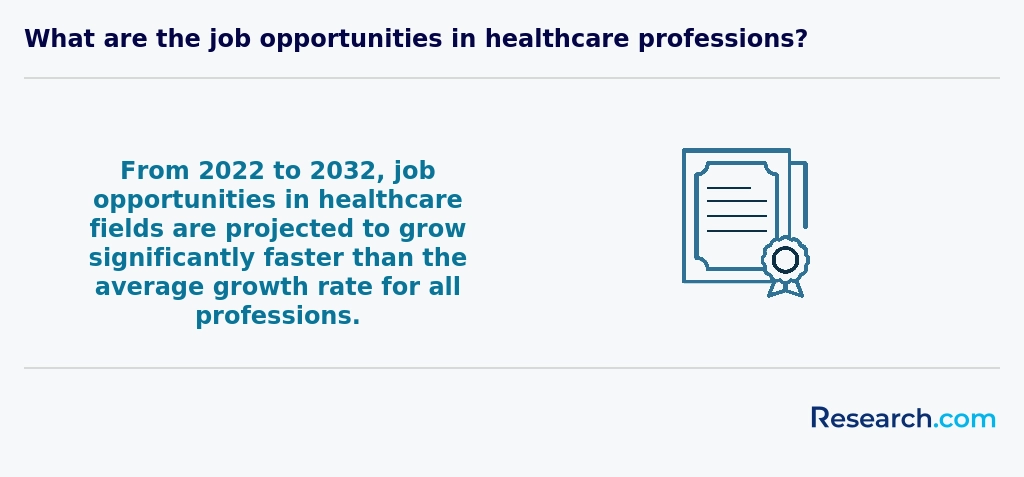
Healthcare careers are increasingly valued worldwide due to growing populations and aging societies. In the United States, and specifically Washington state, healthcare jobs are expected to grow by 16% from 2022 to 2032, according to the U.S. Bureau of Labor Statistics.
This growth reflects global trends emphasizing access to quality care and advances in medical technology. A healthcare degree, especially earned online, offers flexibility and prepares students for diverse roles in nursing, public health, or healthcare administration.
Washington benefits from a strong healthcare system, with over 350,000 healthcare workers statewide, positioning graduates for robust employment opportunities locally and beyond.
Gaining practical experience while studying for an online healthcare degree in Washington is essential for career readiness. Many programs incorporate clinical placements or internships through partnerships with local hospitals, clinics, and public health organizations. For example, students may complete rotations at facilities in Seattle or Spokane, gaining hands-on experience under supervision.
Washington's healthcare sector employs over 300,000 workers, making it a robust environment for practical training (Washington State Employment Security Department, 2023). Some programs also offer virtual simulations or telehealth practicums to complement in-person hours.
Additionally, students can seek volunteer roles or part-time jobs in healthcare settings to build relevant skills while completing their degrees.
Choosing the right concentration within an online healthcare degree program in Washington requires careful consideration of your career goals and local industry demands. Washington State's healthcare sector is growing rapidly, with the Employment Security Department projecting a 16.5% increase in healthcare jobs by 2030. Popular concentrations include nursing, healthcare administration, public health, and health information management.
Research which specializations align with regional healthcare needs, such as aging populations or tech-driven health services centered around Seattle's biotech hubs. Accreditation matters, so verify that programs are recognized by bodies like the Commission on Collegiate Nursing Education (CCNE) or the Council on Education for Public Health (CEPH).
Additionally, consider your preferred work setting and licensure requirements, which vary by concentration and Washington state regulations. Reviewing Washington's Department of Health guidance can clarify mandatory credentials linked to different healthcare roles.
Related Healthcare Rankings for Nearby States
- 2027 Most Valuable Online Healthcare Degree Programs Ranking in New Mexico
- 2027 Most Valuable Online Healthcare Degree Programs Ranking in South Dakota
- 2027 Most Valuable Online Healthcare Degree Programs Ranking in North Dakota
- 2027 Most Valuable Online Healthcare Degree Programs Ranking in Nebraska
- 2027 Most Valuable Online Healthcare Degree Programs Ranking in Texas
- 2027 Most Valuable Online Healthcare Degree Programs Ranking in Minnesota
- 2027 Most Valuable Online Healthcare Degree Programs Ranking in Iowa
- 2027 Most Valuable Online Healthcare Degree Programs Ranking in Missouri
- 2027 Most Valuable Online Healthcare Degree Programs Ranking in Louisiana
- 2027 Most Valuable Online Healthcare Degree Programs Ranking in Wisconsin
Top Trending Healthcare Rankings
See What Experts Have To Say About Studying Healthcare
Read our interview with Healthcare experts

References
- Niche Markets in Healthcare: How to Find & Target https://nechayadvisors.com/blog/niche-markets-in-healthcare
- How to Gain Real-World Experience While Studying Online | American National University https://an.edu/how-to-gain-real-world-experience-while-studying-online/
- Online Degree vs. Traditional | University of Arkansas Grantham https://www.uagrantham.edu/blog/pros-cons-online-degree-vs-traditional-university/
- Networking and Mentorship During Clinical Rotations https://rotatingroom.com/blog/medical-students-the-importance-of-networking-mentorship-during-your-clinical-rotations
- Online Health Care Administration Bachelor Degree https://chartercollege.edu/programs/health-care/healthcare-administration/
- Know more about thesis vs non- thesis: what is the difference? https://studyfans.com/en/blogs/816
- Crafting the Perfect Cover Letter for Healthcare Roles https://healthcareaustralia.com.au/news/crafting-the-perfect-cover-letter-for-healthcare-roles/
- Degree Programs https://waportal.org/health-initiatives/public-health-academic-learning-collaborative-wa-phalco/degree-programs
- The Role of Interdisciplinary Studies in Medical Career Training https://georgia-med.com/the-role-of-interdisciplinary-studies-in-medical-career-training.html
- How Long is an MHA Program? MHA Programs One Year to 18 Months https://www.onlineeducation.com/healthcare/faqs/length-of-online-mha-programs


