
2027 Most Valuable Online Healthcare Degree Programs Ranking in Missouri

Co-Founder and Chief Data Scientist
Choosing the right healthcare degree program is an important step for Missouri students looking to build a rewarding career. To simplify this decision, this article presents the 2027 Most Valuable Online Healthcare Degree Programs Ranking in Missouri, created by the Research.com team of data scientists.
By exploring this ranking, you'll gain valuable insights into which programs offer the best opportunities and outcomes. Whether you're starting fresh or advancing your education, a healthcare degree can open doors to meaningful work that makes a real difference.
Discover programs that align with your goals and take confident steps toward your future.
Key benefits of getting online healthcare degree in Missouri
- Healthcare degree graduates in Missouri can earn competitive salaries, such as Medical Assistants making around $43,350 annually and Patient Care Technicians earning approximately $60,790 per year, offering strong financial stability.
- A popular Missouri university's healthcare program graduates often pursue diverse careers like Clinical Research Coordinator or Quality Improvement Coordinator, which can provide rewarding and impactful roles in healthcare.
- Obtaining a healthcare degree online in Missouri allows flexible scheduling and reduces commute time, empowering students to balance work and study effectively, as demonstrated by many successful online graduates.
- 2027 Most Valuable Online Healthcare Degree Programs Ranking in Missouri
- What can I expect from online healthcare degree in Missouri?
- Where can I work with online healthcare degree in Missouri?
What can I expect from online healthcare degree in Missouri?
The average cost of an online healthcare degree in Missouri typically ranges from $12,000 to $25,000, depending on the institution and program length. Graduates from popular Missouri universities often share how they carefully balanced tuition expenses with available financial aid and state grants, making their education affordable without sacrificing quality.
Many students at well-regarded schools like the University of Missouri or Missouri State University found that scholarships tailored to healthcare programs and federal aid significantly eased their financial burden. Imagine juggling coursework on healthcare ethics and patient care technology while strategically applying for grants that directly support your field - this proactive approach made their investment feel worthwhile and achievable.
It's important to consider that some hybrid programs may involve additional fees for clinical placements, but these experiences prove invaluable when stepping into the healthcare workforce. Missouri students often appreciate how the costs align with access to experienced instructors and vital clinical opportunities, all while staying connected remotely. This balance fosters confidence and excitement about future career prospects.
Where can I work with online healthcare degree in Missouri?
With an online healthcare degree from Missouri's respected institutions-like the University of Missouri or St. Louis Community College-you'll find a world of career possibilities waiting for you. Graduates often land rewarding roles in large hospital systems such as BJC HealthCare and Mercy Health, where they apply their skills in nursing, healthcare administration, or health information technology.
Many alumni share how working in outpatient care centers and physician offices allowed them to balance professional growth with personal life, thanks to the steady demand in these more convenient settings. Imagine managing patient records or coordinating care, knowing your work improves someone's recovery journey every day.
Others thrive in long-term care facilities, serving Missouri's aging population with compassion and expertise learned through their programs. Whether supporting elder care administration or direct patient services, these graduates feel a deep sense of purpose in their jobs.
Graduates focusing on public health find meaningful work in state and local health departments, tackling rural health challenges head-on. Meanwhile, roles in health insurance and consulting firms offer chances to influence healthcare policy and data management, empowering you to make an impact beyond the clinic walls.
Missouri's growing healthcare landscape invites online degree holders to explore diverse paths where real human stories and career fulfillment come together.
Graduates with online healthcare degrees in Missouri often find encouraging salary prospects, reflecting their commitment and the growing demand in the local healthcare sector. For instance, many who studied nursing or allied health through programs at institutions like the University of Missouri or Saint Louis University report annual salaries around $60,000 as Medical Assistants or Health Information Technicians, close to the $43,350 and $43,380 national averages reported respectively. This solid starting point motivates many to advance their skills.
Those building experience can expect roles such as Patient Care Technicians earning about $60,790 annually, providing hands-on care and invaluable support in busy Metro East hospitals. Ambitious professionals aiming higher might become Quality Improvement Coordinators, with salaries averaging $103,150 per year, a rewarding leap achieved through certification and continuous learning.
Missouri graduates often attest that earning online degrees while gaining clinical experience in cities like Kansas City or St. Louis positions them well for these competitive wages, combining flexibility with real-world success. Pursuing licensure and specialized training further boosts earning potential, making the journey worth every challenge.
- Missouri offers online healthcare degrees at associate, bachelor's, master's, and doctoral levels through public and private institutions.
- Tuition for undergraduate healthcare programs ranges from $8,000 to $12,000 per year at public schools and can exceed $20,000 annually at private schools.
- The healthcare job market in Missouri employs over 400,000 workers and is projected to grow 10% over the next decade, faster than the national average.
- Entry-level salaries typically range from $40,000 to $60,000, with registered nurses starting near $57,000 annually and experienced professionals earning $80,000 or more.
- Accreditation from agencies like CCNE or ACEND is important for licensure and employment opportunities in Missouri.
- Financial aid options include state scholarships, grants, and loan repayment programs for students working in underserved areas.
Completing an online healthcare degree in Missouri varies by the level and path you choose, but flexibility is a consistent blessing. For example, many students at Missouri State University appreciate how associate degrees-often finished in about two years-allow them to quickly enter the workforce while balancing family commitments.
Undergraduate degrees, like a Bachelor of Science in Nursing, typically take around four years if you study full-time. However, graduates from the University of Missouri highlight how bridge programs can reduce this to two or three years by applying prior credits, which empowers busy adults to accelerate their progress.
Graduate-level degrees, such as a Master's in Healthcare Administration, usually require one to two years of study. Alumni from Saint Louis University often share how the part-time, asynchronous courses helped them manage work alongside learning, providing freedom without sacrificing quality.
Keep in mind, hands-on clinical hours must be completed locally, so plan your schedule accordingly. Many find this challenge rewarding as it deepens practical skills and connects them with Missouri's healthcare community, making the journey truly worthwhile.
A robust online healthcare degree in Missouri not only delivers comprehensive coursework but also ensures meaningful hands-on experience through clinical training and practicum placements. Accredited programs partner with local hospitals, clinics, and community health centers to arrange supervised clinical rotations, allowing students to apply theoretical knowledge in real-world settings. Many institutions facilitate telehealth practicums, where learners deliver virtual patient education and care coordination under licensed preceptors, mirroring the growing demand for remote healthcare services. Simulation labs equipped with advanced manikins and virtual reality modules further bridge the gap between online instruction and patient-centered practice, helping students hone critical skills such as patient assessment, sterile technique, and electronic health record management. To secure practicum placements, students typically complete a placement application early in their program, highlighting preferred settings and specializations. Career services offices assist with site matching, compliance documentation, and onboarding requirements-including immunizations and background checks-to ensure seamless integration into healthcare teams. Regular debriefing sessions with faculty mentors and preceptors reinforce reflective learning, while interprofessional collaboration exercises prepare graduates to work effectively with nurses, administrators, and allied health professionals. For those planning to advance into graduate study, our research team recommends exploring the Most Affordable Online Master's in Healthcare Degree Programs Ranking in the South. These programs often incorporate capstone practicums or residency modules that build upon Missouri-based clinical foundations, offering pathways to leadership roles in health administration, informatics, and public health. By prioritizing clinical training and practicum opportunities, online healthcare programs in Missouri empower students to graduate with the confidence and competence needed to excel in today’s dynamic healthcare environments.
Choosing between online and on-campus healthcare degrees in Missouri comes down to how you want to balance education with life's demands. Graduates from online programs at schools like the University of Missouri appreciate the flexibility to study around work and family, enjoying asynchronous courses that they can access anytime. They find comfort in knowing they can pursue the same accredited curriculum without commuting across campus or relocating.
On the other hand, those attending on-campus programs-such as at Saint Louis University-value the vibrant campus atmosphere, direct face-to-face time with instructors, and hands-on clinical labs that are easier to schedule with nearby hospitals and labs. These students thrive in structured environments where group study and immediate access to resources fuel their progress.
Both paths require clinical training, but online learners often coordinate local placements to gain practical skills close to home. With tuition generally similar around $9,000 to $12,000 annually, online students often save on housing and transport, making healthcare education in Missouri achievable no matter where you live.
To ensure your online healthcare degree leads to professional practice in Missouri, you’ll need to satisfy state board regulations and national credentialing standards.
- Registered Nurses must pass the NCLEX-RN exam and secure licensure through the Missouri State Board of Nursing, including required clinical hours.
- Health Information Technicians should graduate from an accredited program and earn the RHIT or RHIA credential via AHIMA.
- Clinical Medical Assistants often pursue the CMA credential from AAMA to boost job prospects.
- Aspiring medical coders must obtain the CPC certification; explore medical billing and coding online schools for accredited training pathways.
The average cost of an online healthcare degree in Missouri ranges around $31,560 for in-state students, a figure that reflects the full journey from start to finish. Many graduates from popular institutions like the University of Missouri or Missouri State University share how this investment opened doors to rewarding careers in nursing, health administration, and public health. When you consider tuition combined with technology fees, textbooks, and any clinical placement costs, the total can reach close to $40,000 for in-state learners, providing a clear picture of the financial commitment involved.
For those looking beyond public universities, private colleges offering specialized healthcare programs often come with higher tuition, but many students find the additional resources worth the cost. Missouri residents often appreciate that through scholarships and employer tuition assistance, the real out-of-pocket expenses can become more manageable, enabling them to pursue their ambitions with confidence.
Understanding online healthcare degree tuition fees Missouri helps you plan smartly and find options that suit your budget. Alumni frequently mention how these programs prepare them expertly while fitting their lives and finances. If you want to explore more cost-effective choices, consider viewing the most affordable healthcare programs in missouri to make an informed decision that sets you on the path to success without unnecessary financial stress.
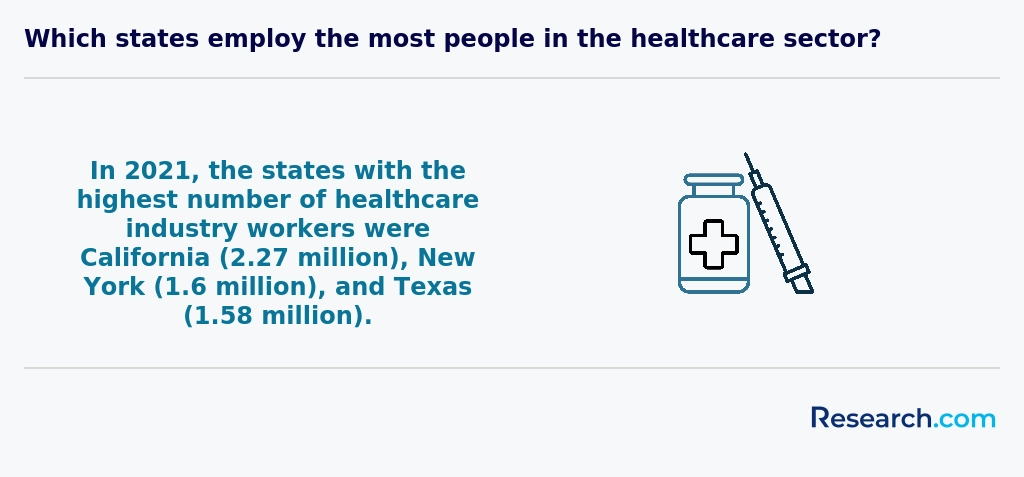
As online healthcare programs continue to evolve, students can expect innovative changes that not only enhance learning experiences but also better prepare them for a rapidly changing industry. One key trend is the integration of advanced simulation technologies and virtual reality, offering realistic patient scenarios that bridge the gap between theoretical knowledge and clinical practice. Institutions are increasingly adopting artificial intelligence tools to personalize learning experiences, enabling adaptive course content that meets individual student needs. Another emerging development is the expansion of telehealth and remote care modules, reflecting the growing demand for technology-driven healthcare services. This evolution is transforming traditional roles and creating new career opportunities, making it crucial for prospective students to stay updated with industry trends. Additionally, there is a growing emphasis on interdisciplinary collaboration, where programs integrate courses in data analytics, public health policy, and digital communication. Students looking for cost-effective options can explore the most affordable healthcare programs in missouri that are incorporating these cutting-edge technologies while maintaining rigorous academic standards. By understanding these trends, students not only enhance their skill sets but also position themselves at the forefront of healthcare innovation, ensuring long-term career success in an increasingly digital landscape.
When pursuing an online healthcare degree in Missouri, a wealth of financial aid options can make your journey more affordable and rewarding. Graduates from popular institutions like the University of Missouri or Saint Louis University often share how federal Pell Grants, accessed through FAFSA, helped ease their tuition burden-sometimes covering up to $7,395 annually.
Missouri's state programs also play a crucial role. For example, the Missouri Access Program offers targeted grants for students demonstrating financial need, making degrees from schools such as Missouri State University within reach. Graduates often recall how loan reimbursement initiatives encouraged them to serve in underserved areas, turning their education into a meaningful career path with built-in support.
Beyond these, many universities provide scholarships aligned with healthcare fields experiencing workforce shortages, like nursing and medical technology. Workforce grants like Missouri HPOG empower low-income adults by not only funding education but offering career counseling to build confidence and success.
Employer tuition reimbursement programs further enhance these opportunities, allowing working professionals to grow without financial strain, creating a path filled with hope and achievement.
Succeeding in an online healthcare degree program goes beyond accessing lectures and completing assignments-it requires a proactive approach to time management, effective communication, and strategic use of available resources. Establish a dedicated study schedule and make use of digital tools and learning management systems to stay organized. Actively participate in discussion forums and virtual study groups to enhance collaboration and networking, and seek out mentorship opportunities from instructors and industry professionals. Consider exploring additional career resources, such as the ranking of the most popular accelerated healthcare administration degree programs online, to gain insights into how structured programs can lead to faster career advancement. Lastly, maintain regular contact with academic advisors to receive personalized guidance and ensure your academic goals remain aligned with evolving industry standards.
To enroll in an online healthcare degree program in Missouri, you'll need to meet several key prerequisites that prepare you for both academic challenges and hands-on clinical experiences. For example, many students at popular Missouri institutions like the University of Missouri or Saint Louis University begin with a solid foundation-a high school diploma or GED and a GPA around 2.5 to 3.0. This baseline ensures you're ready to dive into the demanding coursework ahead.
Graduates often recall how completing prerequisite courses such as Anatomy and Physiology, Biology, and Medical Terminology before starting gave them confidence and a clearer understanding during clinical rotations. These courses aren't just hoops to jump through; they're designed to get you comfortable with the medical language and concepts you'll use every day.
Many programs also ask for background checks and immunization records, especially at schools like Missouri State University, because patient safety is a priority during clinical placements. Knowing this upfront helps you prepare well in advance and stay on track without surprises.
Some students found that while standardized test scores like the ACT or SAT might be less emphasized now, submitting them when required can strengthen your application by showcasing your readiness.

Ensuring that your educational investment leads to a successful career in healthcare starts with choosing a program that meets industry standards. Accreditation serves as a quality benchmark, confirming that your online healthcare degree not only offers rigorous academics but also aligns with the licensing and certification requirements needed to excel in the field. When a program is accredited, graduates benefit from enhanced credibility in the job market and improved eligibility for certifications, which are crucial steps before entering positions such as registered nurse, healthcare administrator, or clinical specialist. Additionally, many accredited programs provide dedicated support for navigating state licensing exams and offer career services that facilitate smooth transitions into professional roles. Prospective students are encouraged to investigate whether programs have established affiliations with industry associations and state healthcare boards. This ensures that the curriculum is continuously updated to reflect current regulations and technological advances in healthcare. For those also considering budget-friendly options, exploring the most affordable healthcare programs in missouri can provide insights into quality programs that balance cost-effectiveness with robust educational outcomes. By prioritizing accredited programs that emphasize certification and offer post-graduation support, you pave the way towards a rewarding and secure career in the dynamic healthcare landscape.
When you enroll in an online healthcare degree program in Missouri, expect to dive into courses that build a strong foundation in anatomy and physiology, giving you a clear picture of how the human body works. Graduates from popular schools like the University of Missouri share how mastering these basics empowered them to confidently understand patient care and medical conditions.
You'll also encounter classes in pathophysiology and medical terminology, which are essential to communicating effectively in fast-paced healthcare environments. Imagine navigating a hospital setting in St. Louis or Kansas City smoothly because you can decode the complex language professionals use every day.
Many students find healthcare ethics, public health, and law courses especially meaningful as they prepare to meet Missouri's community health needs. Programs at institutions such as Saint Louis University emphasize leadership and ethical decision-making, inspiring graduates to approach challenges with integrity and compassion.
If you're drawn to healthcare management or technology, expect specialized courses in finance, policy, or electronic health records. These skills reflect real-world tasks you'll perform in Missouri's hospitals and clinics, ensuring you're ready for the evolving healthcare landscape.
When exploring online healthcare degree specializations Missouri offers, students often find paths that align directly with the state's growing healthcare needs. Graduates from local universities report that programs like Registered Nursing (RN) to Bachelor of Science in Nursing (BSN) not only sharpen their clinical skills but also open doors to leadership roles in hospitals and clinics. Many cherish the flexibility these programs provide while balancing work and family life.
Others are drawn to Healthcare Administration, where online courses from Missouri institutions emphasize finance, policies, and leadership-skills vital for managing healthcare facilities. For those interested in data and technology, Health Informatics stands out as a specialization that trains students in crucial systems used across Missouri's healthcare landscape.
Students focused on community well-being often pursue Public Health degrees, tackling rural healthcare challenges faced in many parts of Missouri. Occupational Therapy and Physical Therapy Assistant programs also attract those passionate about hands-on patient care, especially considering Missouri's aging population.
For a practical guide on options, graduates recommend reviewing the ranking of the most popular accelerated healthcare administration degree programs online to understand how specialization choices can fit different careers. Choosing the right specialization can transform your passion into a rewarding profession.
When selecting the best online healthcare degree programs Missouri offers, accreditation should be your first checkpoint. Graduates from well-known universities in Missouri often share how accreditation from agencies like the Higher Learning Commission gave them the confidence to pursue licensure and professional certifications smoothly. This foundation opens doors to rewarding careers in nursing, healthcare administration, or public health.
Matching your degree choice with your career goals makes a big difference. For example, students aiming to become nurses often choose RN to BSN pathways offered by several Missouri colleges known for strong healthcare curricula. Others seeking leadership roles gravitate toward healthcare administration programs with flexible online schedules that fit busy lives.
Cost matters too. Affordable healthcare degrees Missouri online can be found through public institutions, balancing quality with budget concerns. Many students highlight the importance of programs offering financial aid and state scholarships to make this investment manageable.
To further explore options, refer to the Most Affordable Online Master's in Healthcare Degree Programs Ranking in the South for guidance on cost-effective programs in the region.

Graduates with an online healthcare degree in Missouri find themselves stepping into roles like registered nurses, nurse practitioners, or healthcare administrators, especially from trusted programs at universities such as the University of Missouri or Saint Louis University. Many speak of rewarding experiences in hospitals and community health centers, where their education truly impacts patient lives. This practical exposure often transforms their initial uncertainty into confidence, knowing they are essential in a state with rising demand for healthcare professionals.
Missouri's healthcare career opportunities online also include paths in health information management and medical services management. Graduates often highlight management roles in local hospitals or insurance companies, where their degrees from state universities help them secure competitive salaries and leadership positions. For those drawn to hands-on allied health careers, opportunities as radiologic or medical laboratory technologists offer fulfilling work environments with solid pay.
Public health roles, such as epidemiologists or community health workers, attract graduates motivated by Missouri's commitment to improving community well-being. These positions show how an online healthcare degree can open doors beyond traditional clinical jobs. Students often explore a list of college majors to align their passions with growing sectors across Missouri.
The online healthcare job market Missouri is vibrant and growing, especially for graduates from well-regarded programs at universities like the University of Missouri and Saint Louis University. Many graduates share how their online degrees opened doors to rewarding roles in hospitals, clinics, and public health agencies. For example, RNs with online degrees often find competitive wages around $66,000 annually and steady opportunities as the demand for healthcare practitioners rises across the state.
Missouri's expanding healthcare system, including rural outreach and telehealth services, creates real prospects for those with flexible, online credentials. Graduates emphasize the ease of balancing studies while working, knowing their degree aligns with the state's needs. Those pursuing healthcare administration or public health degrees appreciate the growing investment in infrastructure and policy-driven jobs beyond direct clinical work.
When considering the cost of your education, it's encouraging to know that many find their degree pays off quickly due to strong starting salaries. If you want to explore more about easiest phds to get, it can complement your career strategy as you build valuable skills in healthcare.
2027 Most Valuable Online Healthcare Degree Programs Ranking in Missouri
Investing in your education is a significant decision that can shape your future, and the Research.com team recognizes the importance of providing reliable information to support this process. To help prospective students navigate their options, we have carefully developed the "2027 Most Valuable Online Healthcare Degree Programs Ranking in Missouri." Our dedication to quality, credibility, and accuracy is demonstrated through rigorous research and thorough data analysis.
We utilized the following reputable data sources to ensure a comprehensive evaluation of online healthcare programs:
Readers will benefit from detailed insights that empower them to make informed choices about online healthcare degrees in Missouri. For more information on how this ranking was created, please visit our Research.com methodology page.
# 1 position
Research College of Nursing
Master of Executive Practice & Healthcare Leadership


# 4 position
Chamberlain University - St. Louis
Nursing, RN to BSN degree completion program

# 6 position
Maryville University of Saint Louis
Doctor of Adult-Gerontology Primary Care Nurse Practitioner


# 8 position
A.T. Still University
Master of Public Health



# 15 position
Chamberlain University - St. Louis
Master of Nursing
# 16 position
Chamberlain University - St. Louis
Doctor of Nursing Practice
Frequently Asked Questions About healthcare
Students pursuing online healthcare degrees in Missouri can enhance their learning by actively engaging with interactive course materials. Many programs use virtual simulations and case studies to mirror real-world healthcare scenarios, helping students build practical skills. Missouri's Department of Higher Education emphasizes the importance of time management to balance coursework with clinical hours, a critical component of healthcare training.
Networking with peers and faculty through online forums or study groups also supports deeper understanding. According to the Missouri Economic Research and Information Center, healthcare jobs in Missouri are projected to grow by 10.5% through 2030, making practical connections valuable for career opportunities. Additionally, students should seek accredited programs recognized by organizations like CAHME or CCNE for quality education.
Emerging niches in Missouri's healthcare field reflect broader national trends fueled by technology and demographic changes. One fast-growing area is telehealth, which expanded rapidly during the COVID-19 pandemic. Missouri saw a 46% increase in telehealth visits from 2019 to 2021, according to the Missouri Department of Health & Senior Services.
Another promising niche is healthcare data analytics. Professionals skilled in managing and interpreting health data help improve patient outcomes and operational efficiency. The Missouri Hospital Association highlights a growing need for experts in this area as hospitals adopt electronic health records.
Additionally, geriatric care is expanding due to Missouri's aging population. The state's senior residents (65+) represent over 16% of the population, intensifying demand for specialized healthcare services. Online degrees focusing on gerontology and chronic disease management are thus gaining relevance.
After earning an online healthcare degree in Missouri, job market preparation is crucial for success. Graduates should begin by obtaining any required state licensure or certification, as many healthcare roles in Missouri mandate this for legal practice. The Missouri Board of Healing Arts and other relevant boards provide details on credentialing.
Building practical experience through internships or volunteer opportunities in local healthcare settings enhances employability. Networking with Missouri's healthcare professionals, including those affiliated with hospitals like BJC HealthCare or Mercy, can open doors.
According to the Missouri Economic Research and Information Center, healthcare jobs in the state are projected to grow by 15% through 2030, highlighting strong demand.
Continuing education and staying current with industry trends help maintain competitiveness in this evolving field.
Employers in Missouri prioritize several key skills when hiring graduates with online healthcare degrees. Strong communication abilities are essential, as healthcare professionals must effectively interact with patients, families, and medical teams. Critical thinking and problem-solving skills rank highly, given the need to make quick, informed decisions in clinical settings.
Missouri's healthcare sector also values technological proficiency, especially familiarity with electronic health records (EHR) systems. According to the Missouri Hospital Association, over 80% of hospitals use advanced EHR technologies, increasing demand for digitally skilled workers.
Lastly, employers seek graduates demonstrating empathy, adaptability, and cultural competence to serve Missouri's diverse population effectively. These skills contribute directly to improved patient outcomes and workplace efficiency.
Finding internships in Missouri for healthcare students begins with leveraging local healthcare networks. The Missouri Hospital Association reports that over 200 hospitals operate statewide, offering numerous internship possibilities. Students should contact their school's career services, as many online healthcare programs partner with local facilities to place interns.
Additionally, professional organizations like the Missouri State Medical Association provide directories of healthcare employers open to interns. Websites such as the Missouri Department of Health and Senior Services also list clinical opportunities and health-related internships.
Networking events and job fairs hosted by Missouri universities and healthcare institutions can be highly effective. Applying early and preparing a tailored resume is essential to stand out in this competitive field.
Obtaining an online healthcare degree in Missouri can significantly improve career mobility and advancement opportunities. The state's growing healthcare sector demands qualified professionals, with employment in healthcare occupations projected to increase by 16% from 2020 to 2030, according to the Missouri Economic Research and Information Center (MERIC).
Online degrees provide flexibility, allowing students to work while earning credentials recognized by Missouri employers. Degrees in nursing, health administration, and allied health facilitate access to higher-paying roles such as nurse practitioners or healthcare managers.
Missouri's licensing boards, like the Missouri State Board of Nursing, regularly approve online programs, ensuring graduates meet state requirements. This credibility supports career advancement by qualifying graduates for certifications and leadership positions.
Studying for a healthcare degree in Missouri offers focused training that prepares students for interdisciplinary roles through diverse coursework and practical experiences. Programs typically integrate subjects like nursing, public health, and health administration to encourage collaboration across fields. Missouri's colleges emphasize teamwork skills, critical thinking, and communication, essential for coordinating patient care among medical professionals.
According to the Missouri Department of Health and Senior Services, healthcare employment is growing steadily, increasing the demand for professionals who can work effectively in multidisciplinary teams. Many programs also use online simulations and case studies to develop real-world problem-solving abilities.
When choosing between thesis and non-thesis online healthcare degree programs in Missouri, consider your career goals and learning preferences. Thesis programs often emphasize research skills, ideal for students aiming for doctoral studies or roles in healthcare policy and administration. Non-thesis options typically focus on practical knowledge and are better suited for professionals seeking immediate workforce entry or advancement.
Missouri's healthcare sector is growing, with a projected 15% job increase by 2030 according to the Missouri Economic Research and Information Center. This demand favors practical skills gained in non-thesis programs. However, thesis programs at institutions like the University of Missouri offer robust research training for academic careers.
Evaluate program curricula, faculty expertise, and potential networking opportunities when deciding. Accreditation and online flexibility are also key factors.
Students based in Missouri interested in studying healthcare abroad have limited direct online degree options from foreign institutions due to accreditation and state licensure requirements. Most Missouri students pursuing online healthcare degrees enroll in U.S.-based programs with international clinical opportunities rather than fully foreign online degrees.
Missouri's licensing boards, such as the Missouri State Board of Nursing and the Missouri Medical Board, emphasize that clinical experiences must meet state standards. Therefore, international study is often part of exchange programs or summer practicums instead of full-degree paths.
Nationally, about 70% of online healthcare programs offer some study abroad options, but Missouri students typically supplement local online degrees with short-term global health electives. According to the Missouri Department of Higher Education, partnerships with global health organizations support such limited overseas experiences.
Part-time job opportunities in Missouri that complement healthcare degree education include medical assisting, patient care technician, and pharmacy technician roles. These positions provide practical experience alongside online studies, enhancing clinical skills and patient interaction. According to the Missouri Economic Research and Information Center, healthcare support occupations are expected to grow by 15% between 2020 and 2030.
Working in hospitals, clinics, or long-term care facilities offers hands-on learning while maintaining a flexible schedule. Additionally, positions such as medical transcriptionist or health information technician can align well with online learning, enabling students to develop administrative expertise.
Online healthcare students in Missouri have several networking avenues despite their virtual learning environment. Many accredited programs partner with local hospitals and clinics, offering virtual meetups, internships, and practicum placements that foster professional connections.
The Missouri Hospital Association, representing over 130 hospitals statewide, often hosts conferences and webinars open to students, providing valuable chances to connect with healthcare professionals and employers.
Missouri boasts active chapters of national organizations like the American Healthcare Professionals and Allied Employees (AHPAE), which offer virtual events tailored for students.
Additionally, some universities provide specialized online career services, including alumni networks and mentorship programs focused on Missouri's healthcare landscape.
Alumni networks provide significant advantages to online healthcare degree students in Missouri. They create valuable professional connections critical in a competitive healthcare job market, especially as Missouri's healthcare sector continues to grow, with over 445,000 workers employed statewide according to the Missouri Economic Research and Information Center (MERIC).
These networks offer access to mentorship from experienced graduates, helping students navigate career pathways and licensure requirements specific to Missouri. Additionally, alumni often share job leads and internships, increasing employment opportunities after graduation.
Participation in alumni events and online groups strengthens peer support, which can enhance learning and professional development for healthcare students studying remotely.
Customizing an online healthcare degree program in Missouri allows students to align their education with specific career goals. Many universities in Missouri offer flexible curricula with options to select specializations such as nursing, healthcare administration, or public health. According to the Missouri Department of Higher Education, students can often choose electives that focus on local healthcare needs, like rural healthcare or health informatics.
Advisors play a key role in tailoring courses to meet professional requirements and certification standards. Additionally, Missouri's healthcare sector, employing over 350,000 people, continually demands specialized skills, making customized programs valuable for job readiness and advancement.
Online healthcare students in Missouri often face challenges related to balancing coursework with clinical practice requirements. Many programs require hands-on experience, which can be difficult to schedule and complete remotely. According to the Missouri Department of Higher Education, the limited availability of local clinical placements slows student progress.
Another common issue involves technology access and digital literacy. Some students struggle with reliable internet or familiarity with online learning platforms, which can affect their engagement and success. Missouri's rural areas particularly report lower broadband speeds, impacting approximately 20% of residents (Federal Communications Commission, 2023).
Lastly, financial constraints and navigating financial aid options are concerns. Healthcare programs may have higher tuition or additional fees for lab kits and licensing, stressing students who must manage budgets carefully while pursuing education.
With an online healthcare degree in Missouri, you can pursue a variety of professional certifications that enhance your career prospects. Common certifications include Certified Nursing Assistant (CNA), Licensed Practical Nurse (LPN), and Registered Nurse (RN) credentials, which are regulated by the Missouri State Board of Nursing.
Other popular certifications include Certified Medical Assistant (CMA) and Certified Professional Coder (CPC), recognized nationally and valuable in Missouri's healthcare industry. Online degrees typically prepare students for these exams by covering required coursework and practical skills.
According to the Missouri Department of Health and Senior Services, the healthcare sector is expected to grow significantly, increasing demand for certified professionals.
Writing a winning application for an online healthcare program in Missouri requires clear evidence of your commitment and preparedness. Start with a strong personal statement that highlights your passion for healthcare and specific career goals. Missouri has a growing healthcare industry, with healthcare jobs expected to increase by 14% through 2030, according to the Missouri Economic Research and Information Center. Include relevant work or volunteer experience to demonstrate practical skills. Also, stress your ability to succeed in an online learning environment by mentioning self-discipline and time management. Finally, ensure your application materials are error-free and tailored to each program's requirements.
Healthcare careers are increasingly seen through a global lens, emphasizing the need for cultural competence and adaptability. The demand for healthcare professionals worldwide is growing due to aging populations and chronic diseases. In Missouri, for example, the healthcare sector employs over 350,000 people, making it one of the state's largest industries, according to the Missouri Economic Research and Information Center.
Online healthcare degrees in Missouri often include training that prepares students for diverse patient populations and international health issues. Global health perspectives are especially valuable as U.S. healthcare interacts more with global standards and practices.
Understanding global healthcare trends can improve job prospects and expand career opportunities beyond state or national borders.
Gaining practical experience while studying for an online healthcare degree in Missouri is essential for career readiness. Many Missouri institutions require clinical hours or internships as part of their program curriculum. Students often complete these requirements at local hospitals, clinics, or healthcare facilities. The Missouri Hospital Association reports that the state has over 120 hospitals, providing numerous opportunities for hands-on experience.
Additionally, some programs partner with healthcare providers to offer virtual simulations and telehealth practicums, helping students develop relevant skills remotely. Missouri students should inquire about clinical placement support when choosing a program to ensure access to quality experience in their area.
Choosing the right concentration within an online healthcare degree in Missouri requires careful consideration of your career goals and local job market trends. Missouri's healthcare sector is growing rapidly, with approximately 800,000 healthcare jobs statewide as of 2023, according to the Missouri Department of Economic Development.
Popular concentrations include nursing, healthcare administration, public health, and health informatics. Nursing remains the largest occupation in Missouri's healthcare field, offering strong job prospects and competitive salaries. Meanwhile, healthcare administration and public health can lead to leadership roles essential for managing Missouri's expanding hospital systems and community health programs.
Research employment data from sources such as the Missouri Economic Research and Information Center and consider licensure requirements linked to certain concentrations before deciding.
- 2027 Most Valuable Online Healthcare Degree Programs Ranking in Kansas
- 2027 Most Valuable Online Healthcare Degree Programs Ranking in Iowa
- 2027 Most Valuable Online Healthcare Degree Programs Ranking in Nebraska
- 2027 Most Valuable Online Healthcare Degree Programs Ranking in Illinois
- 2027 Most Valuable Online Healthcare Degree Programs Ranking in Tennessee
- 2027 Most Valuable Online Healthcare Degree Programs Ranking in South Dakota
- 2027 Most Valuable Online Healthcare Degree Programs Ranking in Minnesota
- 2027 Most Valuable Online Healthcare Degree Programs Ranking in Wisconsin
- 2027 Most Valuable Online Healthcare Degree Programs Ranking in Mississippi
- 2027 Most Valuable Online Healthcare Degree Programs Ranking in Louisiana
See What Experts Have To Say About Studying Healthcare
Read our interview with Healthcare experts

- Explore Healthcare Admin Degree Concentrations https://www.baypath.edu/news/bay-path-university-blogs/post/explore-healthcare-admin-degree-concentrations/
- How to choose a bachelor's in healthcare administration | edX https://www.edx.org/resources/how-to-choose-a-bachelors-in-healthcare-administration
- How to Write Your Cover Letter | NQRTH https://www.nqrth.edu.au/career-planning/how-to-write-your-cover-letter/
- Top 3 Reasons to Consider a Career in Healthcare - Roseman University https://www.roseman.edu/student-experience/news/top-3-reasons-to-consider-a-career-in-healthcare/
- Job-Ready Healthcare Skills for 2026 https://cliniwave.in/blogs/latest-article/job-ready-healthcare-skills
- How to Succeed in a Difficult Job Market After Graduation https://www.hospitalrecruiting.com/blog/6542/how-to-succeed-in-a-difficult-job-market-after-graduation/
- Students and Alumni associations - Europubhealth https://www.europubhealth.org/students-alumni-associations/
- Online Degree vs. Traditional: Choosing the Right Path https://beal.edu/online-degree-vs-traditional/
- Is an Online Degree the Same as a Traditional Degree | Online Degree https://www.cambridgehealth.edu/online-degrees/get-an-online-degree/is-an-online-degree-the-same-as-a-traditional-degree/
- 25 Highest Paying Online Degrees in Healthcare | Best Online Medical Degrees https://www.collegeconsensus.com/online/highest-paying-online-medical-degrees/


