2027 Most Valuable Healthcare Degree Programs Ranking in Columbia

Co-Founder and Chief Data Scientist
Choosing the right healthcare degree program in Columbia is an important step toward a rewarding career. This article introduces the 2027 Most Valuable Healthcare Degree Programs Ranking in Columbia, created by the Research.com team of data scientists to support students in making informed decisions.
By exploring this ranking, you'll discover programs that offer strong career prospects and meaningful opportunities. Whether you're passionate about helping others or aiming for professional growth, understanding these options can guide you toward a bright future in healthcare.
Investing in the right education is a confident step forward.
Key benefits of getting healthcare degree in Columbia
- Healthcare degree graduates in Columbia can enjoy solid salaries such as $43,350 for Medical Assistants and Clinical Research Coordinators, or even $103,150 for Quality Improvement Coordinators, offering strong financial stability.
- Graduates from popular local colleges often pursue diverse careers in patient care, clinical research, or health information technology, reflecting the versatile opportunities available with a healthcare degree.
- Online healthcare degrees provide flexibility and accessibility, allowing busy students from Columbia to balance studies with life obligations, proving to be a convenient path to advance their careers.
- Key benefits of getting healthcare degree in Columbia
- What can I expect from healthcare degree in Columbia?
- Where can I work with healthcare degree in Columbia?
- How much can I make with healthcare degree in Columbia?
- 2027 Most Valuable Healthcare Degree Programs Ranking in Columbia
- Key Findings
- How long does it take to complete healthcare degree in Columbia?
- Licensure and Certification Requirements for Healthcare Graduates in South Carolina
- What's the difference between online and on-campus healthcare degree?
- Professional Licensure and Certification Requirements
- What is the average cost of healthcare degree in Columbia?
- Certification & Licensure Outcomes
- What financial aid is available to healthcare degree students in Columbia?
- Next Steps and Application Guidance
- What are the prerequisites for enrolling in healthcare degree program in Columbia?
- Supplement Your Healthcare Degree with Nutrition Education
- What courses are typically in healthcare degree programs in Columbia?
- What types of specializations are available in healthcare degree programs in Columbia?
- How do you choose the best healthcare degree in Columbia?
- What career paths are available for healthcare degree students in Columbia?
- What is the job market for healthcare degree in Columbia?
- Top Trending Healthcare Rankings
- See What Experts Have To Say About Studying Healthcare
What can I expect from healthcare degree in Columbia?
The average cost of pursuing a healthcare degree in Columbia can vary, but many students attending well-known institutions like the University of Missouri-Columbia often find tuition and fees ranging between $10,000 and $25,000 annually for in-state residents. Graduates frequently share how these costs feel like a valuable investment when balanced against the hands-on clinical training and real-world experiences they gain, especially through partnerships with local hospitals. This immersive approach prepares them not only for licensing exams but also for the fast-paced demands of healthcare careers.
Students often describe the financial commitment as manageable with scholarships, financial aid, and work-study opportunities available through many programs. For those attending private or out-of-state schools in Columbia, costs may be higher, sometimes reaching $35,000 or more per year.
Importantly, students highlight how the combination of rigorous classroom learning and direct patient care in clinical placements makes the expense transformative, fueling their confidence and passion as they enter a field with strong job prospects and growth potential throughout the state.
Where can I work with healthcare degree in Columbia?
With a healthcare degree earned at respected institutions like the University of Missouri, graduates in Columbia find themselves welcomed by a vibrant job market. Many quickly secure positions at major hospitals such as University of Missouri Health Care or Boone Hospital Center, where they apply skills from nursing or medical technology programs in fast-paced clinical environments. These roles bring a sense of fulfillment, knowing they impact patients' lives daily.
Others choose community health centers, working in preventive care and chronic disease management, often collaborating on meaningful public health initiatives with local departments like Columbia/Boone County Public Health and Human Services. This allows them to contribute directly to improving community well-being.
Long-term care facilities and assisted living centers also hire healthcare graduates eager to support elderly or disabled individuals, creating rewarding connections in a compassionate setting. For those with an interest in healthcare administration or informatics, Columbia's expanding healthcare industry offers promising roles in management and technology, fueling innovative solutions.
How much can I make with healthcare degree in Columbia?
Graduates with healthcare degrees in Columbia can anticipate a range of earnings that reflect their dedication and the growing demand in the field. For instance, Medical Assistants, a common starting point for many from local colleges, earn a mean annual wage of about $43,350, offering a reliable entry into healthcare. Patient Care Technicians enjoy higher pay, with mean annual salaries near $60,790, thanks to their critical role in patient support.
Health Information Technicians, essential for managing electronic records in busy hospitals, earn roughly $43,380 annually, showing how technology skills boost earnings. A rewarding career path is becoming a Quality Improvement Coordinator, with mean annual wages exceeding $103,000, reflecting advanced responsibility and impact on healthcare quality.
Graduates from institutions like Midlands Technical College and Columbia College often share how these salaries enable them to build stable, fulfilling lives while contributing to their communities. Remember, these figures grow with experience and further certifications, making healthcare degrees a wise investment in your future.
2027 Most Valuable Healthcare Degree Programs Ranking in Columbia
How do we rank schools?
Investing in your education is a significant decision that can shape your future, and the Research.com team fully understands the importance of making well-informed choices. To support prospective students interested in healthcare, we have carefully developed the "2027 Most Valuable Healthcare Degree Programs Ranking in Columbia." Our dedication to quality, credibility, and accuracy is demonstrated through extensive research and thorough analysis.
We utilized the following reputable data sources to ensure a comprehensive and reliable ranking:
By examining this ranking, readers will gain valuable insights into the most valuable healthcare degree programs in Columbia, helping them navigate their educational options with confidence. For more information on how the ranking was created, please visit our Research.com methodology page.
# 1 position
South University-Columbia
Bachelor of Science in Healthcare Management


Key Findings
- Healthcare undergraduate programs in Columbia cost between $15,000 and $30,000 per year, while graduate programs range from $20,000 to $45,000 annually.
- Entry-level healthcare professionals can expect an average starting salary of around $50,000 per year, with experienced workers earning over $85,000 annually.
- Healthcare jobs in Columbia are expected to grow by nearly 18% in the next 10 years due to an aging population and increased demand for services.
- Bachelor's healthcare degrees usually take four years, and advanced degrees require an additional two to four years, often including internships or clinical rotations.
- Accreditation is essential for healthcare programs to ensure quality education and recognition by employers and licensing boards.
How long does it take to complete healthcare degree in Columbia?
Completing a healthcare degree in Columbia varies depending on your chosen path. For example, graduates from community colleges often finish associate degrees in about two years, stepping quickly into roles like dental hygienists or medical assistants. This rapid entry is perfect if you want to begin working and gaining experience without delay.
Many students attending universities such as the University of South Carolina or Clemson University spend around four years earning their bachelor's degrees in nursing or public health. Some even take advantage of accelerated programs that reduce study time to three years, which can feel like an exciting challenge but also a rewarding fast-track.
If you pursue a master's degree, say in occupational therapy or a Master of Science in Nursing, plan for an additional two to three years after your bachelor's. Graduates often share how those years are intense yet incredibly fulfilling, opening doors to specialized careers.
For those aiming to become physicians, the journey is longer-typically four years of medical school plus a residency lasting three to seven years. Many Columbia medical school alumni describe this time as demanding but deeply transformative, shaping their skills and character in powerful ways.
Licensure and Certification Requirements for Healthcare Graduates in South Carolina
Upon completion of a healthcare degree in Columbia, SC, graduates must obtain the appropriate state licensure or national certification to practice legally. South Carolina mandates that all healthcare professionals meet both education and examination standards set by relevant boards, ensuring patient safety and professional competency. Key requirements for common healthcare roles include:
- Nursing (RN/LPN): • Graduation from an accredited nursing program • Successful passage of the NCLEX-RN or NCLEX-PN exam • South Carolina Board of Nursing application, background check, and jurisprudence exam
- Health Information Management (RHIA/RHIT): • Completion of a CAHIIM-accredited program • Eligibility to sit for the AHIMA RHIA or RHIT certification exam • Submission of official transcripts to the South Carolina Board of Health and Environmental Control
- Allied Health Professionals (e.g., Radiologic Technologists, Respiratory Therapists): • Program completion from an accredited institution • National registry or certification exam (ARRT, NBRC) • State licensure application and continuing education compliance Beyond initial licensure, South Carolina requires ongoing continuing education (CE) to maintain credentials. For instance, registered nurses must complete 30 CE credits biennially, while health information managers renew AHIMA certification every two years with 20 continuing education units. Employers and professional associations often offer CE workshops, online courses, and conferences to facilitate compliance. Students weighing different program formats should also explore cost-effective online pathways that include robust licensure preparation. For a broader comparison of affordable options, consider the Most Affordable Online Healthcare Degree Programs Ranking in Orange Beach, AL, which highlights programs that integrate exam readiness into their curricula.
What's the difference between online and on-campus healthcare degree?
When weighing healthcare degrees in Columbia, understanding the key differences between online and on-campus options is essential. Graduates from institutions like the University of Missouri emphasize the value of on-campus programs for the hands-on training they receive through direct access to clinical labs and hospital rotations. These experiences build confidence and skill, making the learning deeply tangible.
On the other hand, graduates from online-friendly schools such as Columbia College highlight the flexibility of completing coursework remotely, which is a lifesaver for those balancing jobs or family. However, they still recall important in-person clinical sessions that grounded their digital studies in real-world practice.
Tuition costs vary at public universities in Columbia, with online programs generally offering some savings on housing and commuting. Yet, both paths require strong commitment and time management, especially online, where self-discipline fuels success. Choosing either format means embracing accredited programs that open doors in the rewarding healthcare field.
Professional Licensure and Certification Requirements
After earning a healthcare degree in Columbia, SC, graduates must secure state licensure and professional certifications to practice legally and advance their careers. Each discipline has its own governing board, examination requirements, and continuing education obligations: • Nursing (RN/LPN): – Exam: NCLEX-RN for Registered Nurses or NCLEX-PN for Practical Nurses – Board: South Carolina Board of Nursing; average first-time NCLEX-RN pass rate of 88% – CE: 30 contact hours every two years for renewal • Pharmacy (PharmD): – Exams: NAPLEX and MPJE (Multistate Pharmacy Jurisprudence Exam) – Board: South Carolina Board of Pharmacy; minimum 1,500 internship hours required – Accelerated pathways: Many students explore Best PharmD Accelerated Degree Programs to streamline licensure readiness • Health Information Technology: – Certifications: RHIT (Registered Health Information Technician) or RHIA (Registered Health Information Administrator) via AHIMA – State requirement: SC Department of Labor oversight for data privacy compliance • Allied Health Professions: – Medical Laboratory Scientists: ASCP Board of Certification exam – Radiologic Technologists: ARRT certification and SC Radiation Quality Standards Board registration – Respiratory Therapists: NBRC credentials (CRT, RRT) and state licensure Tips for success: – Begin exam prep six months before graduation; utilize review courses offered by local institutions. – Track application deadlines for each board and budget for exam fees (typically $200–$300 per test). – Maintain a professional portfolio of clinical hours, preceptor evaluations, and continuing education credits. Understanding these licensure pathways ensures a smooth transition from student to practicing professional, safeguarding both your career and patient safety in Columbia’s dynamic healthcare environment.
What is the average cost of healthcare degree in Columbia?
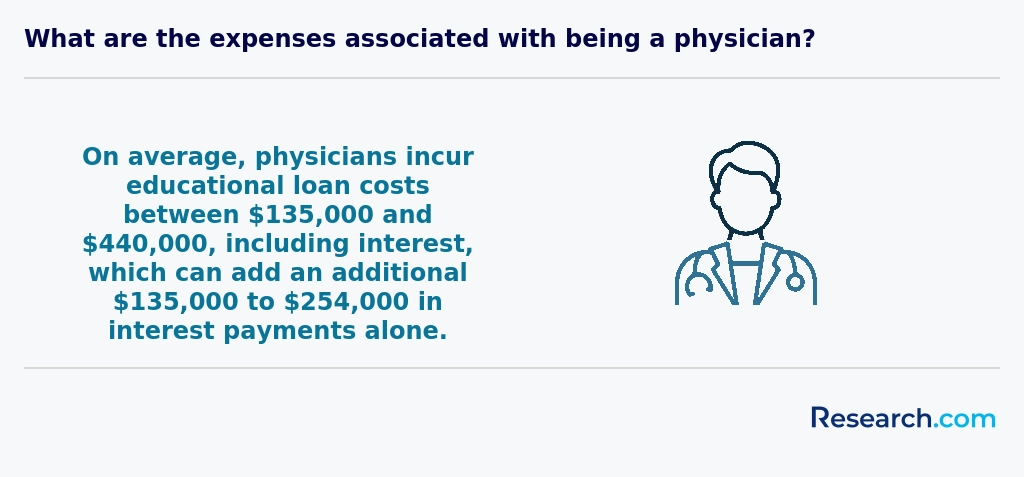
In Columbia, the average cost of a healthcare degree can vary, but on average, students investing in their education typically face a total expense around $35,919. For those who qualify as in-state residents, the cost is significantly more manageable, often near $17,792. Many graduates from Columbia's prominent healthcare programs share that while tuition fees form the bulk of expenses, other costs like uniforms, lab fees, and clinical placements also add up. These students often attend well-regarded institutions that keep tuition relatively affordable compared to national averages, making the dream of a healthcare career more attainable.
Imagining a future as a healthcare professional, you might picture yourself in classrooms and clinical settings of Columbia colleges, building skills while balancing expenses wisely. Many graduates from these programs tell stories of how scholarships and state financial aid played a crucial role in making their education possible. The average cost of healthcare degree programs in Columbia reflects this balance between quality education and thoughtful budgeting.
Healthcare programs, from bachelor's level nursing degrees to advanced master's degrees, come with varying costs. Some students pursuing degrees in popular fields find that financial aid and employer tuition assistance help alleviate costs, encouraging them to pursue their ambitions without overwhelming debt. If you want to learn more about navigating costs and the best schools for healthcare, the valuable healthcare schools in south carolina offer useful insights.
Certification & Licensure Outcomes
Prospective healthcare professionals understand that earning their degree is only the first step toward a successful career. Equally important are the certification and licensure outcomes that demonstrate a program’s effectiveness in preparing graduates for real-world challenges. Programs with consistently high pass rates on national licensing exams and state certifications not only affirm the quality of their curriculum but also enhance graduates’ marketability in a competitive job landscape. For instance, many top programs in Columbia, SC, report that over 90% of their graduates successfully obtain licensure within the first year after graduation-a key indicator of long-term career stability and success. When evaluating programs, it’s crucial to delve into metrics such as certification exam pass rates, accreditation status, and post-graduation employment statistics. These data points can serve as a reliable compass in selecting a program that aligns with your career aspirations. Detailed performance data is often available directly from institutions and third-party ranking sites. For more in-depth insights, you might explore the rankings featured by valuable healthcare schools in south carolina, which provide robust analyses of program outcomes and other critical indicators. By focusing on certification and licensure success, future healthcare students can make informed decisions, ensuring that they choose a program that not only imparts essential knowledge but also facilitates a smooth transition into a rewarding professional career.
What financial aid is available to healthcare degree students in Columbia?
Many healthcare students in Columbia find significant relief through federal aid programs like Pell Grants, which have supported learners at institutions such as the University of Missouri with awards up to $7,395 in the 2023-2024 academic year. These grants do not require repayment, allowing students to focus fully on their studies without looming debt.
Others benefit from federal student loans, which often come with manageable fixed interest rates near 5-6%. For graduate students attending schools like Washington University in St. Louis, the Grad PLUS Loan can bridge the gap after other financial aid is applied, making advanced degrees more attainable.
State scholarships tailored to Columbia residents planning careers in local healthcare sectors offer another vital resource. Graduates regularly mention how scholarships from the Missouri Department of Higher Education eased their burden and encouraged them to serve their communities.
- Working professionals pursuing part-time healthcare degrees frequently use employer tuition assistance programs offered by local hospitals and clinics, adding invaluable financial support and flexibility.
- Private scholarships from foundations targeting nursing and pharmacy students often provide timely funds, turning dreams into reality for many candidates.
- Work-study positions tied to healthcare programs provide hands-on experience while helping offset tuition costs through campus employment.
Next Steps and Application Guidance
If you’re ready to take the next step toward a rewarding career in healthcare, it’s crucial to streamline your application process and make informed decisions. Start by researching each program’s specific admission requirements and deadlines, and prepare by gathering transcripts, recommendation letters, and personal statements that highlight your passion for the field. Additionally, consider scheduling campus visits and virtual tours to get a true sense of the learning environment and student support services available. For those evaluating multiple options, it can be helpful to compare different programs by reviewing their curriculum, accreditation status, and affiliations with local healthcare facilities. This diligence not only positions you for a successful application but also helps ensure that the program you choose aligns with both your career goals and lifestyle needs. To further refine your decision, you might want to visit our page on valuable healthcare schools in south carolina for detailed comparisons and insider insights. Remember, the healthcare industry is rapidly evolving, and staying proactive by networking with current students and alumni can provide up-to-date information on career prospects and potential challenges. Leveraging every resource will empower you to confidently navigate the enrollment process and launch a successful healthcare career in Columbia, SC.
What are the prerequisites for enrolling in healthcare degree program in Columbia?
When preparing to enroll in a healthcare degree program in Columbia, you'll find that a solid academic foundation is essential. Graduates from prominent institutions like the University of South Carolina often emphasize how their success began with strong skills in biology, chemistry, physics, and math. These subjects form the backbone of healthcare studies and help you confidently tackle challenging coursework ahead.
Many undergraduate programs require a high school diploma with emphasis on science and English proficiency. You might encounter test-optional policies, but submitting strong exam scores can still boost your application. For advanced degrees, such as those in Physician Assistant or Physical Therapy programs at Columbia College, having a bachelor's degree in a related field and relevant healthcare experience-like volunteering in clinics-greatly strengthens your candidacy.
Other requisites often include completing prerequisite classes like human anatomy and microbiology, maintaining a GPA around 3.0, and preparing compelling personal statements. Letters of recommendation that highlight your dedication and character can also make a meaningful difference. These steps are not only checklist items but opportunities to showcase your passion and readiness for a healthcare career.
Supplement Your Healthcare Degree with Nutrition Education
In today’s competitive healthcare landscape, developing well-rounded expertise plays a crucial role in career advancement. One often overlooked component is nutrition education, which can complement core healthcare studies by deepening your understanding of preventative care and holistic wellness. By integrating nutrition insights into patient care, healthcare professionals can provide more comprehensive health solutions that address both medical and lifestyle factors. For instance, exploring online nutrition courses can enhance your ability to advise patients on healthier living, making you a more versatile practitioner. Supplemental nutrition education not only boosts your practical skill set but also aligns with current industry trends towards integrative care, ultimately setting you apart in a competitive job market.
What courses are typically in healthcare degree programs in Columbia?
When you enroll in a healthcare degree program in Columbia, you dive into courses that build a solid scientific foundation and practical skills crucial for real-world healthcare settings. At well-known institutions like Universidad de los Andes or Pontificia Universidad Javeriana, students start with essential classes in biology, chemistry, and anatomy. These courses are far from abstract-they prepare you to understand the intricate workings of the human body, just like graduates who vividly recall applying knowledge of anatomy during their clinical rotations.
Following that, expect to engage in physiology, microbiology, and pharmacology, where you'll learn how drugs interact within the body and how microorganisms cause diseases. Many graduates reflect on how these classes illuminated their understanding during hands-on experiences, such as observing patient treatments in hospital settings.
- Health informatics and medical technology, emphasizing how digital tools improve patient care and data management
- Healthcare ethics and law, teaching respect for patient rights and compliance with medical regulations
- Public health principles, focusing on disease prevention and community health initiatives
- Clinical skills and patient care techniques, including practical training on vital signs and medication administration
- Healthcare management and administration, covering hospital operations and the leadership skills needed to thrive in healthcare environments
For many students in Columbia, these courses aren't just lessons-they are the foundation for a rewarding career, blending science and compassion in every chapter of their education.
What types of specializations are available in healthcare degree programs in Columbia?
When pursuing healthcare degrees in Columbia, you'll find a rich variety of specializations tailored to meet local and national demands. Graduates from well-known colleges in Columbia often highlight nursing as a rewarding path, with programs ranging from Licensed Practical Nurse to advanced nurse practitioner roles, offering clear career progression and strong job prospects. Many students from these programs express pride in their ability to impact patient lives directly through hands-on care.
Other top healthcare programs in Columbia attract students interested in allied health professions such as medical laboratory technology and respiratory therapy. These fields are vital in diagnostics and treatment, and students appreciate the balance of practical skills and theory they gain, which opens doors for further education or certifications.
Public health specialization is also flourishing in Columbia, with graduates often engaging in local health initiatives, policy-making, and epidemiology, driven by a passion to improve community well-being. For those drawn to healthcare management, programs here blend operational knowledge with leadership skills to excel in managing clinics or hospitals effectively.
Some students pursue less typical but equally impactful fields like pharmacy, physical therapy, and health informatics. If you're thinking about nutrition, many graduates recommend exploring the variety of online nutrition courses available to complement your degree and broaden your career options.
How do you choose the best healthcare degree in Columbia?
Choosing the best healthcare degree programs in Columbia starts with aligning your passion with clear career goals. Graduates from well-known universities in Columbia often stress how pinpointing their focus-whether in nursing, public health, or healthcare administration-made all the difference in their journey. Many found that selecting accredited programs, those recognized by respected bodies like the Commission on Collegiate Nursing Education, ensured their qualifications opened doors locally and nationally.
Affordability is key for many students. By exploring affordable healthcare degrees Columbia offers, you can balance quality education with manageable costs, including tuition and essential expenses like certification fees. Real-life experiences shared by graduates highlight the value of programs connected to Columbia hospitals, where clinical rotations allowed them to build confidence and practical skills critical to their success.
Flexibility and program duration also matter. Some colleagues took advantage of accelerated paths, such as those detailed in the Best PharmD Accelerated Degree Programs, to quickly launch their careers while still gaining deep expertise. Taking all these factors into account will make your healthcare degree choice in Columbia both inspiring and achievable.

What career paths are available for healthcare degree students in Columbia?
Graduates pursuing a healthcare degree career opportunities in Columbia find themselves stepping into diverse roles tailored to their passions. Many from popular universities in Columbia choose clinical paths like nursing or physical therapy, experiencing firsthand the rewarding impact of caring for patients in busy regional hospitals. Others are drawn to healthcare administration, where managing outpatient centers and specialized clinics channels their leadership skills into improving healthcare delivery and compliance. These administrators often share how their education at Columbia colleges equipped them to handle budgeting and operations with confidence.
For those inspired by community wellness, public health roles offer meaningful work in disease prevention and health education, often collaborating with Columbia's state health department and nonprofit organizations. Additionally, graduates interested in innovation thrive in biomedical research and clinical trials, contributing to cutting-edge treatments at Columbia's academic medical centers and biotech firms. If you're weighing the investment, consider exploring the Most Affordable Online Healthcare Degree Programs Ranking in Orange Beach, AL to find accessible options that suit your journey toward fulfilling healthcare degree job prospects.
What is the job market for healthcare degree in Columbia?
The healthcare job opportunities in Columbia are promising and expanding, especially for graduates from institutions like the University of Missouri. Many graduates feel encouraged by the strong demand for roles such as Registered Nurses and Medical and Health Services Managers. These positions often offer competitive wages, with registered nurses earning around $77,600 annually in Missouri. The thriving healthcare sector in Columbia creates a dynamic environment where recent graduates quickly find relevant roles within hospitals, clinics, and long-term care facilities.
Many healthcare students share experiences of gaining practical training through accredited clinical programs near Columbia, which significantly boosts their confidence and employability. Programs at local colleges emphasize real-world skills essential for success, helping graduates navigate the competitive market effectively. For those considering advanced credentials, exploring certifications for high paying jobs enhances career prospects considerably, especially in nursing and allied health fields.
Understanding the Columbia healthcare degree employment outlook helps prospective students see the value in investing in their education despite costs. Local shortages in nursing and allied health professions mean exciting opportunities that many graduates witness firsthand as they embark on meaningful careers contributing to community health.
Frequently Asked Questions About healthcare
Healthcare degree students in Columbia can maximize their learning experience by engaging deeply with both academic and practical opportunities. Columbia is home to several renowned institutions offering accredited programs tailored to healthcare fields, ensuring students receive quality education aligned with industry standards. According to the U.S. Department of Education, participation in clinical internships and hands-on practice is crucial for reinforcing theoretical knowledge.
Students should also take advantage of networking events and collaborations with local hospitals and healthcare organizations, which often provide access to real-world cases and job placements. Leveraging resources like tutoring centers and professional development workshops can improve skills and boost confidence. Additionally, staying informed about national healthcare policies and advances enhances critical thinking relevant to future careers.
Healthcare in Columbia is rapidly evolving, with several emerging niches showing strong growth. One key area is telehealth, which expanded significantly during the COVID-19 pandemic and continues to reshape patient care by improving access in rural regions. According to the Columbia Department of Health, telehealth visits increased by over 70% from 2020 to 2023.
Another promising niche is health informatics, where professionals analyze data to improve healthcare outcomes. The Bureau of Labor Statistics reports a 20% job growth in this field nationwide, reflecting rising demand for data-driven decisions.
Additionally, geriatric care is becoming vital as Columbia's population ages, increasing the need for specialists in elderly patient care. Lastly, mental health services are expanding, addressing a significant public health priority in the state.
Preparing for the job market after earning a healthcare degree in Columbia requires strategic planning and practical experience. Graduates should focus on gaining hands-on experience through internships or clinical rotations, as these are often valued by employers in Columbia's healthcare sector, which is growing steadily with a 12% job increase expected by 2030 according to the U.S. Bureau of Labor Statistics.
Networking is essential; attending local medical conferences or joining professional organizations like the Columbia Health Professions Association can open doors to job opportunities. Additionally, obtaining relevant certifications, such as Basic Life Support (BLS) or Advanced Cardiovascular Life Support (ACLS), enhances employability.
Finally, tailor your resume for each healthcare employer, emphasizing both education and practical skills that match Columbia's healthcare demands. Staying informed about state licensure requirements is also critical to ensure readiness for clinical roles.
Employers in Columbia highly value healthcare degree graduates who demonstrate strong clinical skills and the ability to apply evidence-based practices. According to the Columbia Department of Public Health, proficiency in patient care and medical technology ranks among the top requirements.
Effective communication is critical, as healthcare professionals must clearly interact with patients and interdisciplinary teams. The 2023 Columbia Healthcare Workforce Survey notes that 78% of employers prioritize candidates with excellent interpersonal abilities.
Critical thinking and problem-solving skills are equally essential, enabling professionals to adapt to dynamic healthcare environments. Additionally, familiarity with healthcare laws and ethics is often expected to ensure compliance and patient safety. These competencies collectively enhance a graduate's employability in Columbia's competitive healthcare sector.
Finding healthcare internships in Columbia involves leveraging local university resources and healthcare institutions. Many universities such as Columbia University offer career centers that list internship opportunities tailored to healthcare students. Networking through campus events and faculty connections often leads to relevant placements.
Healthcare internships in Columbia frequently occur at nearby hospitals, clinics, and research centers. Institutions like NewYork-Presbyterian Hospital and the Columbia University Irving Medical Center provide structured internship programs for students in medicine, nursing, and allied health fields.
According to the National Association of Colleges and Employers, approximately 60% of healthcare students secure internships through on-campus recruiting and networking. Additionally, online platforms specific to healthcare careers and local job fairs are useful tools for locating internships.
Obtaining a healthcare degree in Columbia significantly enhances career mobility by opening access to various in-demand professions such as nursing, health administration, and allied health fields. According to the U.S. Bureau of Labor Statistics, healthcare occupations in Columbia are projected to grow by 15% from 2022 to 2032, which is faster than the average for all professions.
A formal degree provides essential credentials required for licensure and certification, vital for advancement into specialized or managerial roles. For example, registered nurses with bachelor's degrees in Columbia earn a median wage nearly 20% higher than those with only associate degrees, as reported by the Columbia Department of Labor.
Additionally, healthcare degrees equip graduates with critical skills in patient care, healthcare technologies, and regulatory knowledge, making them competitive candidates for promotions and leadership positions. Employers in Columbia's expanding health systems often prioritize candidates with accredited healthcare education when considering career advancement.
Studying for a healthcare degree in Columbia equips students with skills essential for interdisciplinary roles, emphasizing teamwork across various medical fields. Programs often integrate coursework in nursing, public health, and health administration, fostering broad knowledge applicable in diverse settings.
According to the Columbia Department of Higher Education, over 70% of healthcare programs include collaborative projects, allowing students to practice communication and problem-solving with peers from different specialties. This integration reflects the real-world demand for healthcare professionals who can coordinate care effectively.
Moreover, clinical rotations in Columbia's hospitals expose students to interprofessional environments, preparing them to navigate complex healthcare systems. These experiences are crucial, given the increasing focus on patient-centered care driven by teamwork.
Choosing between a thesis and a non-thesis healthcare degree in Columbia depends largely on your career goals. A thesis program emphasizes research, requiring students to conduct original studies and develop strong analytical skills. This path suits those aiming for academic or research positions.
Conversely, non-thesis programs focus on practical knowledge and coursework, preparing graduates for direct clinical or administrative roles in the healthcare industry. According to the National Center for Education Statistics (NCES), thesis options often extend program length by six months to a year.
Consider your interest in research and your time availability when deciding your preferred route.
Students based in Columbia seeking to study healthcare abroad have several options within the United States. Many pursue degrees in nursing, public health, or pre-medical fields at accredited institutions across the country. According to the National Center for Education Statistics, over 200,000 students enroll annually in healthcare programs in the US, highlighting strong opportunities nationwide. Columbia residents can explore universities offering online and hybrid healthcare degree programs, which provide flexibility and access to top faculty.
Popular pathways include Associate's and Bachelor's degrees in nursing or health sciences, as well as graduate programs in public health or healthcare administration. Some colleges provide transfer agreements or partnerships that simplify enrollment for out-of-state students, facilitating smoother transitions. Based on data from the American Association of Colleges of Nursing, the demand for healthcare professionals continues to grow, underscoring the value of these educational options.
Part-time job opportunities for students pursuing healthcare degrees in Columbia offer valuable practical experience alongside academic learning. Positions such as medical assistants, home health aides, and patient care technicians are common. According to the U.S. Bureau of Labor Statistics, these roles provide hands-on exposure to clinical settings, helping students develop essential skills.
Additionally, roles in pharmacies or outpatient clinics allow students to understand medication management and patient interaction. The South Carolina Department of Employment notes that healthcare occupations in Columbia are expected to grow by over 15% through 2030, enhancing job prospects.
Volunteering at local hospitals or community health centers is another option that can complement education by fostering interpersonal skills and professional networking.
Healthcare students in Columbia benefit from diverse networking opportunities that can enhance their career prospects. Many universities offer access to student organizations such as the Student National Medical Association and the American Public Health Association, which host events and workshops connecting students with professionals.
Columbia's proximity to major healthcare hubs provides chances to attend conferences, seminars, and local hospital networking events. According to the Columbia Chamber of Commerce, over 30% of healthcare employers actively engage with nearby institutions, creating internship and mentorship programs.
Additionally, schools often facilitate alumni networks that help students secure clinical placements and job referrals. These connections are crucial in a competitive healthcare job market.
Alumni networks play a significant role in supporting healthcare degree students in Columbia. These networks offer opportunities for mentorship, helping students connect with experienced professionals who provide career guidance and industry insights. According to the National Association of Colleges and Employers (NACE), 85% of jobs are filled through networking, highlighting the importance of strong alumni ties.
In Columbia, healthcare alumni often facilitate internships and job placements in local hospitals, clinics, and healthcare organizations. This access is vital in a competitive job market where practical experience is highly valued. Furthermore, alumni events and online platforms enable ongoing professional development and community building.
Such networks also boost access to scholarships and funding opportunities by linking students with alumni donors and foundations focused on healthcare education in Columbia. Overall, alumni networks help bridge academic learning with real-world healthcare challenges, enhancing student success.
In Columbia, tailoring your healthcare degree to fit your career goals starts with selecting specialized courses and electives within your program. Many universities offer tracks in nursing, public health, health administration, or medical technology to help align studies with specific interests. For example, the University of Missouri system provides customizable options allowing students to focus on areas like healthcare informatics or community health.
Additionally, internships and clinical experiences play a crucial role. Engaging in local healthcare facilities or public health departments in Columbia can provide practical skills relevant to your desired career path. The Missouri Department of Health & Senior Services publishes data emphasizing the growing demand for professionals in rural health and aging services, which students can target through their program choices.
Graduate certificate programs also offer a way to specialize further or pivot within the healthcare field without committing to full degrees. By working with academic advisors, students can align coursework with market needs, enhancing employability within Columbia's healthcare sector.
Healthcare students in Columbia face several common challenges during their education. One major difficulty is managing the rigorous curriculum, which often includes demanding coursework in biology, anatomy, and patient care. According to the American Association of Colleges of Nursing, nursing students nationwide report high stress levels, which are similar for those studying in Columbia.
Additionally, many students encounter financial barriers. The average annual tuition for healthcare programs can range from $20,000 to $40,000, making it challenging for some to afford quality education without accruing significant debt. Clinical placements also pose challenges, as students must balance hands-on experience with academic responsibilities.
Finally, adapting to evolving healthcare regulations and technology requires continuous learning, which adds pressure on students to stay updated throughout their training.
With a healthcare degree in Columbia, you can pursue several professional certifications that enhance your career opportunities. Common certifications include Certified Nursing Assistant (CNA), Registered Nurse (RN), and Licensed Practical Nurse (LPN). These are essential for clinical roles within hospitals and care facilities.
Other certifications cover specialized fields such as Medical Laboratory Technician (MLT) or Emergency Medical Technician (EMT). According to the U.S. Bureau of Labor Statistics, Columbia's healthcare sector is projected to grow by 15% by 2030, increasing demand for certified professionals.
Certifications typically require passing national exams and completing clinical hours, providing practical experience.
To write a winning application for a healthcare program in Columbia, start with a clear and compelling personal statement. Highlight your motivation for choosing healthcare and any relevant experience, such as volunteering or internships. Admissions officers value strong academic performance; maintain or improve your GPA, especially in science courses.
Include letters of recommendation from professionals or educators who know your dedication and skills well. Many programs require standardized test scores like the GRE or TEAS; check each school's criteria carefully. Finally, tailor your application to each program, showing knowledge of their unique strengths and how you fit their mission.
The global perspective on a healthcare career reflects growing demand driven by aging populations and technological advances. In the United States, the Bureau of Labor Statistics projects a 16% growth in healthcare jobs between 2021 and 2031, much faster than the average for all occupations. This trend creates strong long-term job security for healthcare graduates.
Healthcare careers offer diverse opportunities, ranging from clinical roles like nursing and medicine to administrative and research positions. Globally, professionals contribute to critical challenges such as pandemic response and chronic disease management.
For students in Columbia, understanding the U.S. healthcare system's needs is essential. The state hosts numerous health institutions and research centers, providing access to internships and employment. Additionally, federal initiatives emphasize increasing healthcare access and equity, influencing curricula and career options across the country.
Gaining practical experience while studying for a healthcare degree in Columbia is essential for career readiness. Many colleges and universities in Columbia offer clinical internships, allowing students to work directly in hospitals, clinics, or healthcare facilities. These internships provide hands-on experience with patient care and medical procedures under expert supervision.
Volunteer opportunities are another way to build practical skills. Local organizations often seek student volunteers for health outreach programs and community health education, which can enhance communication and organizational abilities.
In addition, simulation labs with advanced medical mannequins are becoming common in institutions, offering risk-free environments to practice clinical skills before real-world application (American Association of Colleges of Nursing, 2023).
Choosing the right concentration within a healthcare degree program in Columbia requires careful evaluation of your interests and the region's healthcare needs. Columbia's healthcare sector is growing, with a strong demand in specialties such as nursing, public health, and health administration, according to the U.S. Bureau of Labor Statistics (BLS). Research job prospects and median salaries for different concentrations; for example, registered nurses in Columbia earn a median annual wage of around $68,000, while healthcare managers can make over $100,000.
Consider practical factors as well, such as program accreditation and hands-on training opportunities available in local hospitals and clinics. Specialty areas like mental health and community health are gaining focus due to rising public awareness and state initiatives. Academic advisors and local job market data from sources like the Columbia Department of Labor can guide you in aligning your concentration with future career demands.
Related Healthcare Rankings for Nearby Cities
- 2027 Most Valuable Healthcare Degree Programs Ranking in Atlanta
- 2027 Most Valuable Healthcare Degree Programs Ranking in Jacksonville
- 2027 Most Valuable Healthcare Degree Programs Ranking in Gainesville
- 2027 Most Valuable Healthcare Degree Programs Ranking in Tallahassee
- 2027 Most Valuable Healthcare Degree Programs Ranking in Montgomery
- 2027 Most Valuable Healthcare Degree Programs Ranking in Birmingham
- 2027 Most Valuable Healthcare Degree Programs Ranking in Orlando
- 2027 Most Valuable Healthcare Degree Programs Ranking in Louisville
- 2027 Most Valuable Healthcare Degree Programs Ranking in Washington
- 2027 Most Valuable Healthcare Degree Programs Ranking in Tampa
Top Trending Healthcare Rankings
See What Experts Have To Say About Studying Healthcare
Read our interview with Healthcare experts

References
- The Healthcare Student’s Guide to Internships | EduMed.org https://www.edumed.org/resources/student-online-guide-to-internships/
- Know more about thesis vs non- thesis: what is the difference? https://studyfans.com/en/blogs/816
- Global Health Perspectives https://www.denvercollegeofnursing.edu/students/global-health-perspectives.html
- Study Healthcare Abroad - Top Universities for Masters, MBA, PhD Degree Programs https://studee.com/degree/abroad/healthcare
- Niche Market Opportunities Research Among Healthcare Professionals (A Decision Analyst Case History https://www.decisionanalyst.com/casestudies/nichemarketopportunities/
- Students and Alumni associations - Europubhealth https://www.europubhealth.org/students-alumni-associations/
- Healthcare Administration Certifications https://www.publichealthdegrees.org/careers/healthcare-administrator/certification/
- Client Challenge https://www.springerpflege.de/nursing-graduates-perceived-future-career-pathway-and-career-shi/50653658
- Master’s in Healthcare Management Degrees at Columbia University - M-T - Healthcare Management Degree Guide https://www.healthcare-management-degree.net/in/new-york/columbia-university-m-t/
- The Role of Interdisciplinary Studies in Medical Career Training https://georgia-med.com/the-role-of-interdisciplinary-studies-in-medical-career-training.html