
2027 Most Valuable Healthcare Degree Programs Ranking in Shreveport

Co-Founder and Chief Data Scientist
Choosing the right healthcare degree program can shape your future in meaningful ways. For students in Shreveport, this article offers valuable insights through the 2027 Most Valuable Healthcare Degree Programs Ranking in Shreveport.
The ranking was created by the Research.com team of data scientists to help you make an informed choice when exploring healthcare education paths. By understanding which programs hold the highest value, you can confidently invest in your education and career.
Discover options that align with your goals and unlock opportunities in a rewarding healthcare field.
Key benefits of getting healthcare degree in Shreveport
- Healthcare degree graduates in Shreveport can expect competitive salaries, such as Medical Assistants earning around $43,350 annually and Patient Care Technicians making about $60,790 per year, offering financial stability and growth.
- Graduates from local colleges like LSU Health Shreveport enjoy diverse career paths in roles from Clinical Research Coordinator to Quality Improvement Coordinator, supporting a fulfilling and impactful healthcare career.
- Online healthcare degrees provide flexible learning that fits busy schedules, allowing graduates from programs like those at Southern Arkansas University Online to balance work and study while earning valuable credentials.
- Key benefits of getting healthcare degree in Shreveport
- What can I expect from healthcare degree in Shreveport?
- Where can I work with healthcare degree in Shreveport?
- How much can I make with healthcare degree in Shreveport?
- 2027 Most Valuable Healthcare Degree Programs Ranking in Shreveport
- Key Findings
- How long does it take to complete healthcare degree in Shreveport?
- Return on Investment for Healthcare Degrees in Shreveport, LA
- What's the difference between online and on-campus healthcare degree?
- Student Success Resources and Support Systems
- What is the average cost of healthcare degree in Shreveport?
- Continuing Education and Advanced Degrees in Healthcare
- What financial aid is available to healthcare degree students in Shreveport?
- Advanced Education and Career Growth Opportunities
- What are the prerequisites for enrolling in healthcare degree program in Shreveport?
- Return on Investment for Healthcare Degrees in Shreveport, LA
- What courses are typically in healthcare degree programs in Shreveport?
- What types of specializations are available in healthcare degree programs in Shreveport?
- How do you choose the best healthcare degree in Shreveport?
- What career paths are available for healthcare degree students in Shreveport?
- What is the job market for healthcare degree in Shreveport?
- Top Trending Healthcare Rankings
- See What Experts Have To Say About Studying Healthcare
What can I expect from healthcare degree in Shreveport?
The average cost of a healthcare degree in Shreveport generally stays pretty reasonable compared to national prices. Many students find tuition at places like Louisiana State University Health Sciences Center and local community colleges to be affordable, especially when you factor in financial aid, scholarships, and even employer tuition help. Graduates often mention how they managed to cover much of their costs without drowning in debt, which makes the whole experience less stressful and more focused on learning.
One common story is about students starting with an associate degree at a community college for a solid foundation, then transferring to LSU Health Sciences Center for bachelor's or master's programs. This approach helps save money while still getting quality education. Plus, hands-on clinical training with Ochsner LSU Health Shreveport means students gain valuable experience without extra costs piling up, which feels like a huge win once they land jobs.
Where can I work with healthcare degree in Shreveport?
If you're studying healthcare in Shreveport, you're stepping into a city bursting with job options. Graduates from places like LSU Health Shreveport often find themselves working in hospitals run by Ochsner LSU Health, where roles range from registered nurses to medical technologists. It's pretty inspiring to hear how local grads land these jobs and feel proud knowing they're part of a strong healthcare community that's growing steadily.
But it's not just hospitals-many grads score gigs in outpatient clinics or doctor's offices as physician assistants or medical assistants. Imagine helping patients get better right in your neighborhood, with plenty of chances to connect with people every day.
Long-term care facilities, like local rehab centers and homes for seniors, are also huge employers. With Shreveport's aging population, graduates trained in nursing or occupational therapy find meaningful work improving lives, which feels really rewarding.
And if you love the idea of community impact, public health jobs with local nonprofits or government health departments are waiting. Many grads say working in these roles feels like making a real difference, educating and protecting their neighbors.
Plus, those into research can join LSU Health Shreveport's academic scene, tackling biomedical projects and growing their careers without leaving town.
How much can I make with healthcare degree in Shreveport?
If you're thinking about a healthcare degree in Shreveport, you might be wondering what kind of paycheck to expect. For starters, medical assistants in the area make about $43,350 a year, which is a solid entry-level salary for many grads from local schools like LSU Health Shreveport. Patient care technicians, who often get hands-on experience during internships, earn around $60,790 annually, making it a great spot to start your career without a hefty education cost.
Health information technicians, who manage important patient data, take home nearly $43,380 per year. Clinical research coordinators, who are involved in exciting medical studies right in Shreveport's robust healthcare scene, earn about the same-$43,350 a year. The real eye-opener? Quality improvement coordinators pull in over $100K annually, a role that alumni from Shreveport's healthcare programs have stepped into with pride after gaining experience and building skills.
Graduates often say landing jobs with these salaries lets them enjoy life while making a real difference, especially in a city like Shreveport where healthcare is booming and community care is valued.
2027 Most Valuable Healthcare Degree Programs Ranking in Shreveport
How do we rank schools?
Investing in your education is a significant decision that can shape your future, and the Research.com team understands the importance of making informed choices. To assist prospective students in Shreveport, we have meticulously crafted the "2027 Most Valuable Healthcare Degree Programs Ranking in Shreveport." Our commitment to quality, credibility, and accuracy is reflected in the extensive research and analysis conducted to compile this ranking.
We utilized the following reputable data sources to ensure a comprehensive evaluation of healthcare degree programs:
By exploring this ranking, readers will gain valuable insights into the most valuable healthcare degree programs available in Shreveport, enabling them to make confident, well-informed decisions about their educational futures. For more details on our methodology, please visit our Research.com methodology page.

# 2 position
Louisiana State University Health Sciences Center-Shreveport
Master of Health Administration

# 3 position
Louisiana State University Health Sciences Center-Shreveport
Bachelor of Science in Health Sciences
Key Findings
- Healthcare programs in Shreveport include nursing, medical technology, public health, and allied health professions.
- Tuition for nursing programs at local public colleges ranges from $6,000 to $12,000 per year, with additional costs for books and licensing exams.
- Early-career healthcare professionals in Shreveport earn around $55,000 annually, with experienced practitioners making over $75,000.
- The healthcare job market in Shreveport is growing faster than other sectors, driven by an aging population and expanding medical services.
- Local health systems provide clinical training opportunities that improve job prospects after graduation.
- Louisiana offers scholarships and workforce programs to support healthcare education and increase qualified workers.
How long does it take to complete healthcare degree in Shreveport?
If you're thinking about grabbing a healthcare degree in Shreveport, here's the lowdown on how long it usually takes. For those starting out, an Associate Degree in Nursing or allied health fields typically wraps up in about two years. Lots of students kick things off at places like Louisiana State University Health Sciences Center Shreveport, where programs fit that timeline perfectly.
Want to go further? A Bachelor's degree in fields like nursing or health administration usually takes around four years. Graduates from LSU-Shreveport often mention how those years fly by thanks to hands-on learning and solid support from faculty.
If you're aiming for advanced roles, plan for an extra two to three years with a Master's degree. Many find programs at LSUHS or local online options flexible enough to balance with work or family.
And for those ready to dive deep, Doctoral degrees like the DNP can take anywhere from three to six years. But students say the experience is rewarding, especially when clinical hours connect you to real-world care in Shreveport's healthcare community.
Return on Investment for Healthcare Degrees in Shreveport, LA
Evaluating the return on investment (ROI) for a healthcare degree in Shreveport, LA involves balancing program costs with expected earnings and career growth. By understanding key financial metrics, you can make a data-driven decision that maximizes both your professional fulfillment and long-term financial security. Average Program Costs vs. Starting Salaries
- In-State Bachelor of Science in Nursing (BSN): $33,551 per year tuition; average RN starting salary $65,000 annually.
- Associate Degree in Health Information Technology: $8,500 per year tuition; entry-level Health Information Technician salary $41,260 per year.
- Master of Science in Nursing (MSN): $22,000 per year tuition; Nurse Practitioner median salary $110,000 per year. Estimated Payback Period
- BSN graduates typically recoup tuition costs within 2–3 years, thanks to competitive nursing salaries and high local demand.
- Associate degree holders in health informatics can break even in 1.5–2 years due to lower tuition and steady growth in electronic health record roles. Comparative Certification Pathways For students exploring alternative pathways, it’s worth considering specialized certifications. If you’re evaluating medical billing and coding versus a full degree, compare expenses and outcomes-see how much does medical billing and coding certification cost to factor this option into your ROI analysis. Qualitative Benefits and Long-Term Growth Moreover, ROI isn’t purely financial. Healthcare degrees in Shreveport offer:
- Job security in a market projected to grow 13% by 2031.
- Opportunities for career advancement into management, education, or specialized clinical roles.
- Community impact through improved patient outcomes and public health initiatives. By combining quantitative payback metrics with qualitative career satisfaction, prospective students can confidently choose the program that delivers the highest overall return on investment.
What's the difference between online and on-campus healthcare degree?
If you're thinking about a healthcare degree in Shreveport, the big difference between online and on-campus comes down to how you learn and get hands-on experience. On-campus programs at places like LSU Health Shreveport mean you're in the thick of it-labs, clinical rotations, and face-to-face time with instructors and classmates. Graduates often rave about how these real-life interactions helped them feel confident with patient care and medical equipment before stepping into the job world.
Online programs offer more flexibility, which is a lifesaver if you're juggling work or family. You'll watch lectures, do assignments, and use virtual simulations mostly from home. But don't get the wrong idea-hands-on clinical work is still required. Schools partner with local facilities around Shreveport to make sure you get that important experience. Many online grads say this mix helped them balance life and learning without missing out on skill-building.
Another thing to consider is networking. On-campus students mention how grabbing coffee with peers or mentors sparked opportunities, while online learners appreciate the freedom but admit it takes extra effort to connect. Cost-wise, both paths can be wallet-friendly, though online students sometimes save on housing and travel but should budget for local clinical fees.
Student Success Resources and Support Systems
Ensuring academic success goes beyond choosing a quality healthcare degree program-it also involves accessing robust support services that help students navigate both academic and personal challenges. Many educational institutions in Shreveport offer comprehensive resources such as personalized academic advising, tutoring centers, and career counseling services that empower students to excel. Robust mentorship programs and professional development workshops are particularly valuable, as they connect students with industry experts and alumni mentors who provide guidance on internships, job placements, and long-term career planning. Additionally, networking events and peer support groups foster a collaborative environment that not only enhances learning but also builds lasting professional relationships. For prospective students eager to explore more about these benefits, the ranking highlights some of the most valuable healthcare programs in louisiana where student support systems are a key factor in their success. By considering these essential support services alongside academic quality, students can make informed decisions that set the foundation for a thriving career in healthcare.
What is the average cost of healthcare degree in Shreveport?
If you're thinking about pursuing a healthcare degree in Shreveport, you're probably wondering about the average healthcare degree cost Shreveport students face. On average, getting a degree here will set you back around $7,500 if you're an in-state student. That's a pretty solid deal compared to other places, especially when you consider programs at local spots like Louisiana State University Health Sciences Center or Centenary College. Graduates often share how they appreciated the balance between quality education and manageable tuition fees, which helped them focus more on learning than stressing over money.
When you factor in other expenses-like books, lab fees, and clinical materials-it typically adds a few thousand dollars to the total. Healthcare programs here often require clinical hours, sometimes meaning travel or extra certification costs, but students find these experiences priceless for hands-on learning. So the total cost healthcare degree programs Shreveport usually fall in a range that feels achievable for many local students aiming to launch a healthcare career without an overwhelming financial burden.
Besides, Shreveport's public institutions keep things affordable yet competitive. Many students have benefited from scholarships and grants designed specifically for healthcare fields in Louisiana. If you're curious about the more valuable healthcare programs in louisiana, there's plenty of options that combine affordability with solid reputation and outcomes.
Continuing Education and Advanced Degrees in Healthcare
As the healthcare landscape evolves, many professionals in Shreveport pursue advanced credentials to expand their expertise and increase their earning potential. Whether you hold a bachelor’s degree or an ADN, bridge programs and online graduate degrees offer flexible pathways to leadership roles, specialized clinical practice, and research opportunities. Common routes include RN-to-BSN and BSN-to-MSN programs, as well as certificates in healthcare informatics, public health, or nursing administration. Online master’s programs provide the flexibility needed by working clinicians. When evaluating your options, consider program accreditation, clinical practicum requirements, and tuition rates. For example, to compare cost-effective online master’s in healthcare, explore this Cheapest Online Master's in Healthcare Degree Programs Ranking in Wisconsin, which highlights programs with competitive tuition and strong student outcomes. Many of these programs also feature mentorship opportunities, virtual simulation labs, and research collaborations that can enhance your clinical and managerial skill set. Investing in an advanced degree can lead to roles such as nurse practitioner, healthcare executive, or clinical educator. By strategically selecting an accredited, affordable program with robust support services, Shreveport’s healthcare professionals can accelerate their career growth and positively impact patient care across the region.
What financial aid is available to healthcare degree students in Shreveport?
If you're chasing a healthcare degree in Shreveport, you'll find plenty of financial aid options to lighten the load. Many students grab federal aid first by filling out the FAFSA, unlocking grants like the Pell Grant which can cover up to $7,395 a year without needing to pay it back. That's a huge help when tuition at places like Louisiana State University Shreveport (LSUS) can stretch your budget.
State grants are a real bonus, too-programs like the Louisiana Go Grant and TOPS are geared toward in-state students and really make a difference. Graduates often say these helped them focus on school instead of stressing over bills.
Scholarships also pop up from local healthcare groups or employers who want to invest in future nurses and med pros. For example, LSUS nursing students frequently receive scholarships targeted at healthcare students, rewarding hard work and dedication.
And if there's still a gap, federal loans provide flexible repayment plans, which many students appreciate when starting their healthcare careers.
Advanced Education and Career Growth Opportunities
As the healthcare industry continues to evolve, graduates and aspiring professionals are increasingly looking toward advanced education to stay competitive and drive innovation. Pursuing further studies not only deepens your clinical or administrative expertise but also enhances your long-term career growth. Many professionals have successfully transitioned into leadership roles by enrolling in advanced programs that focus on strategic management, specialized clinical practices, or emerging fields like health informatics. In today’s digital era, obtaining an online masters degree in nutrition is one example of how advanced education can position you at the forefront of industry trends, merging clinical practice with comprehensive nutritional research. This additional academic investment often leads to higher salary prospects, expanded job responsibilities, and increased opportunities across various sectors-from hospital administration to community health education. Emphasizing advanced studies as a part of your career path can therefore serve as a catalyst for professional success, offering both the practical skills and strategic mindset necessary to lead in a dynamic healthcare environment.
What are the prerequisites for enrolling in healthcare degree program in Shreveport?
To get into a healthcare degree program in Shreveport, you pretty much need a high school diploma or GED to start. Most students find that having solid grades in biology, chemistry, math (like algebra and geometry), and English really sets them up for success. It makes sense since these subjects build the foundation for all those classes ahead.
For example, graduates from Louisiana State University Health Sciences Center shared how having strong ACT or SAT scores helped them feel confident during the application process. It's not just about the grades, though-many programs want to see you've taken some college courses like anatomy or microbiology before you dive in full-time.
Hands-on experience counts a lot too. Volunteering at local spots like University Health Shreveport really gave past students a chance to get a feel for the real-world healthcare environment. They often say that this experience boosted their passion and made coursework easier to understand since they already saw how it all works in practice.
Return on Investment for Healthcare Degrees in Shreveport, LA
Investing in a healthcare degree in Shreveport demands careful consideration of return on investment (ROI), especially as tuition costs rise and students seek clear pathways to recoup expenses. On average, a bachelor’s graduate from Louisiana State University Health Sciences Center reports total tuition and fees of approximately $134,204 for a four-year program, while median starting salaries hover around $62,000. This translates to a payback period of roughly 2.2 years-significantly faster than many other professional degrees. When comparing program levels: • Associate degrees (total cost ~$23,000) paired with Patient Care Technician roles paying $55,860 yield ROI in under one year. • Bachelor’s degrees (total cost ~$134,204) with entry-level RN positions at $73,300 shorten payback to 1.8 years. • Master’s degrees (additional cost ~$28,000) for Nurse Practitioners averaging $109,000 extend ROI to about 2.5 years but unlock leadership opportunities and higher long-term earning potential. Beyond on-campus studies, flexible online pathways can further enhance ROI. For those considering graduate study, the Cheapest Online Master's in Healthcare Degree Programs Ranking in Wisconsin highlights options with lower tuition and strong employment outcomes, helping you weigh upfront costs against projected earnings. Ultimately, the most cost-effective choice balances program length, clinical experience, and credentialing requirements. By analyzing local salary data, program expenses, and advancement prospects, prospective students can select a degree track that maximizes both career impact and financial return.
What courses are typically in healthcare degree programs in Shreveport?
If you're diving into a healthcare degree in Shreveport, you'll quickly find yourself immersed in courses like anatomy, physiology, microbiology, and chemistry-basics that really help you grasp how the human body ticks. Graduates from popular local schools often mention how these subjects laid the foundation for their success in clinical settings.
Many also take medical terminology and healthcare ethics classes, which come in handy when communicating with patients and healthcare teams. Imagine working alongside nurses at LSU Health Shreveport during a clinical rotation-you'll know exactly what's being discussed and feel confident in your role.
You'll also encounter specialized courses tailored to nursing practices, pharmacology, or public health, which reflect the real needs of Shreveport's community. Students love the hands-on experience they get through internships at Willis-Knighton Health System, where every case feels meaningful and helps build real-world skills.
Plus, programs often include healthcare administration and information systems, prepping you for the tech side of things. It's pretty exciting to learn how electronic health records work and how to manage patient care efficiently in a modern hospital environment right in your backyard.
What types of specializations are available in healthcare degree programs in Shreveport?
If you're thinking about a healthcare degree in Shreveport, you'll find plenty of exciting specializations to choose from. Many graduates from popular local universities love sharing how they specialized in nursing, whether as Registered Nurses or Nurse Practitioners, and even focused on pediatric or geriatric care. Others dove into allied health fields like radiologic technology or respiratory therapy, which are in hot demand both locally and across the country.
Public health is another popular path, especially with a focus on community health or epidemiology-perfect if you're passionate about making a difference in Louisiana's health landscape. Some students from Shreveport schools have told me how combining healthcare with technology through health informatics opened up cool career options for managing patient records more efficiently.
Pharmacy and therapies like physical or occupational therapy also stand out here, thanks to the strong hospital network in the area. If you're curious about diverse programs, you might want to check out this online masters degree in nutrition available nearby, which adds even more variety to healthcare degree specializations in Shreveport.
The top healthcare programs Shreveport Louisiana offers really keep expanding to match real local needs, so no matter what you pick, there's plenty to get excited about.
How do you choose the best healthcare degree in Shreveport?
Choosing the best healthcare degree programs in Shreveport means getting clear on what you want to do. Whether it's nursing at LSU Health Shreveport or a health administration course at Centenary College, knowing your career goal helps you pick the right path. Graduates often share how real-world clinical training at local hospitals like University Health Shreveport made a huge difference-they weren't just learning from books but getting hands-on experience that really prepped them for jobs.
Affordable healthcare degrees Shreveport Louisiana options vary a lot, so don't just focus on tuition fees. Look into financial aid and scholarship offers too. Plus, if you're curious about specific certifications like medical billing, check resources about how much does medical billing and coding certification cost. It's smart to choose accredited programs since that opens doors for licensure and better job chances.
Many grads recommend checking a program's graduation and job placement rates. Schools with strong local ties tend to help students land jobs quickly, which is pretty encouraging when you're starting out. In Shreveport, healthcare is growing rapidly, so picking the right degree here can lead to a rewarding career you actually enjoy.
What career paths are available for healthcare degree students in Shreveport?
If you're diving into a healthcare degree in Shreveport, you'll find tons of career paths waiting for you. Graduates from local colleges often land jobs as registered nurses, medical lab technicians, or healthcare administrators-roles that really make a difference in places like Ochsner LSU Health Shreveport or University Health. Many grads mention how rewarding it is to work directly in patient care or behind the scenes managing hospital operations.
Others find their fit as physical therapist assistants or respiratory therapists, helping patients bounce back and breathe easier. The city's growing demand creates plenty of chances to jump into specialized roles, like radiologic technologists or healthcare informatics experts, where tech skills really shine. If you want to keep learning but stay affordable, checking out the Cheapest Online Master's in Healthcare Degree Programs Ranking in Wisconsin can be a smart move for those planning further education.
It's easy to feel optimistic about the Shreveport healthcare degree job outlook since the community actively supports healthcare workers through strong workforce development and community health outreach. So if you're passionate about healthcare career opportunities in Shreveport, you're stepping into a field full of possibilities and genuine impact.
What is the job market for healthcare degree in Shreveport?
Graduates with a healthcare degree in Shreveport find themselves in a pretty solid job market. Local universities known for healthcare programs provide hands-on training through internships at big employers like Ochsner LSU Health Shreveport, which really helps students land jobs quickly after graduation. Many graduates share how they appreciated the real-world clinical experience, making the transition to full-time roles much smoother.
The healthcare degree job market Shreveport is buzzing because the demand for roles like nurses, technicians, and health administrators is growing fast. You'll see steady openings in both city hospitals and nearby rural clinics, which means more chances to find a perfect fit without needing to leave home. For students weighing costs, tuition varies widely, but public colleges generally offer affordable options compared to private ones.
Plus, if you're juggling work and study, it's worth checking out the quickest online undergraduate degrees for working adults-a great way to keep moving forward without putting life on pause. Overall, healthcare employment opportunities in Shreveport give graduates a hopeful outlook with competitive wages that match regional living costs and plenty of career growth.
Frequently Asked Questions About healthcare
Healthcare degree students in Shreveport can maximize their learning by engaging with local clinical opportunities. Shreveport houses prominent medical centers such as Ochsner LSU Health and Willis-Knighton Health System, offering diverse hands-on training environments. Practical experience is crucial for skills development and networking.
Utilizing resources at institutions like LSU Health Sciences Center Shreveport, students benefit from faculty expertise and research projects focused on regional health challenges, including cardiovascular disease and diabetes, which are prevalent locally according to Louisiana Department of Health reports.
Participation in community health programs and internships helps students understand the healthcare needs of Shreveport's population, enhancing cultural competence and patient interaction skills. Additionally, joining student organizations related to healthcare fields enables peer learning and professional growth.
Emerging niches within the healthcare field reflect rapid advancements in technology and patient care, offering promising career paths for Shreveport students. One notable area is telehealth, which has grown significantly due to increased demand for remote patient monitoring and virtual consultations. According to the Louisiana Department of Health, telehealth services in the region expanded by nearly 40% between 2020 and 2023.
Another growing field is healthcare data analytics, where professionals analyze large datasets to improve patient outcomes and optimize operational efficiency. Additionally, specialized roles in geriatric care and behavioral health are expanding, driven by Louisiana's aging population and rising mental health awareness. These niches present valuable opportunities for Shreveport's healthcare graduates.
Preparing for the job market after earning a healthcare degree in Shreveport involves strategic steps to enhance employability. Graduates should prioritize obtaining relevant certifications and licenses required in Louisiana, such as RN licensure for nursing. Gaining practical experience through internships or clinical rotations offered by local hospitals like Ochsner LSU Health Shreveport can significantly improve job prospects.
Networking within Shreveport's healthcare community, including attending local job fairs and joining professional organizations like the Louisiana State Nurses Association, provides valuable connections.
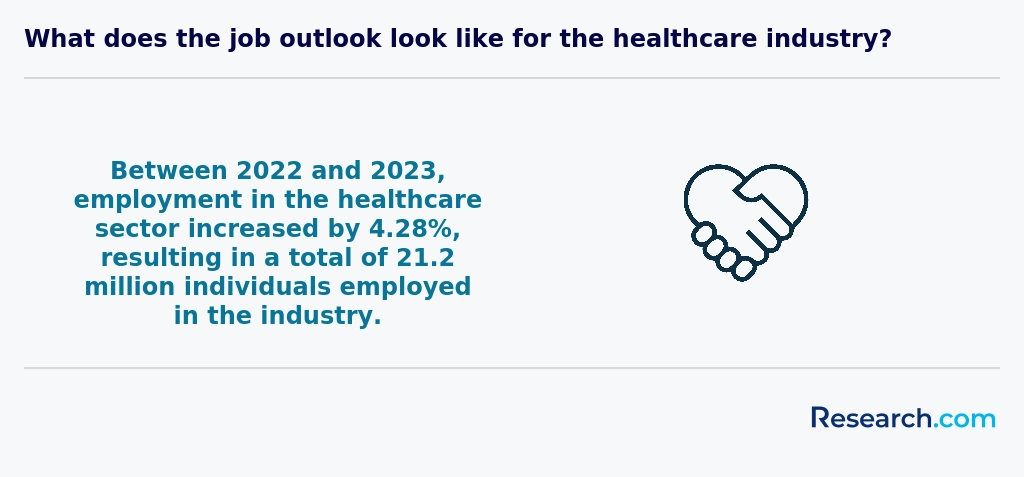
According to the Louisiana Workforce Commission, healthcare employment in Shreveport is projected to grow by 13% through 2028, underscoring a strong demand for skilled professionals. Keeping skills current with continuing education is also vital to meet evolving industry standards.
Employers in Shreveport prioritize strong clinical skills when evaluating healthcare degree graduates. Proficiency in patient care, medical technology, and accurate documentation is essential. According to data from the Louisiana Workforce Commission, communication skills rank highly, as healthcare professionals must effectively interact with diverse patient populations and interdisciplinary teams.
Critical thinking and problem-solving abilities are also crucial, enabling quick decision-making in fast-paced environments such as Shreveport's Ochsner LSU Health System. Additionally, knowledge of healthcare regulations and compliance helps graduates navigate legal and ethical responsibilities. Adaptability to new technologies and continuing education is increasingly important given the evolving healthcare landscape in this region.
Finding healthcare internships in Shreveport involves leveraging local hospitals, clinics, and educational institutions that serve the community. Notable facilities like Ochsner LSU Health Shreveport and Willis-Knighton Health System often offer internships or externships for students pursuing healthcare degrees. These programs provide hands-on experience essential for career development.
Additionally, students should connect with their college's career services departments, which frequently partner with local healthcare providers to facilitate placements. Networking at local healthcare job fairs and joining professional groups such as the Shreveport-Bossier Medical Society can also increase internship opportunities.
According to the Louisiana Workforce Commission, healthcare is one of Shreveport's fastest-growing employment sectors, highlighting the robust demand for qualified interns.
A healthcare degree in Shreveport significantly improves career mobility and advancement opportunities within the region's growing medical sector. According to the Louisiana Workforce Commission, Shreveport has seen a steady increase in healthcare employment, driven by expanding services in hospitals like LSU Health Shreveport and Willis-Knighton Health System.
Possessing a formal healthcare degree often serves as a prerequisite for specialized roles such as nursing, medical technology, and healthcare administration. Graduates typically benefit from higher starting salaries, increased job security, and a wider range of positions compared to those without degrees.
Additionally, healthcare degrees provide crucial clinical training and certifications that employers in Shreveport highly value. This expertise can lead to faster promotions and eligibility for leadership roles within local health institutions.
Overall, investing in a healthcare degree aligns well with workforce trends in Shreveport, enabling professionals to adapt to evolving healthcare demands and pursue sustained career growth.
Studying for a healthcare degree in Shreveport equips students with skills essential for interdisciplinary roles in modern healthcare settings. Local institutions emphasize collaborative learning, integrating courses from nursing, public health, and health administration to foster teamwork. This approach prepares students to work closely with diverse professionals such as physicians, social workers, and therapists.
Shreveport's healthcare environment features major providers like LSU Health Shreveport and Ochsner LSU Health, which promote interprofessional education through clinical rotations and simulations. According to the Louisiana Department of Health, this real-world exposure enhances the ability to coordinate care across disciplines, improving patient outcomes.
Additionally, students often engage in community health initiatives addressing regional challenges such as chronic diseases and access disparities. These experiences deepen understanding of healthcare systems and reinforce the importance of collaboration.
When choosing between a thesis and a non-thesis healthcare degree program in Shreveport, students should consider their career goals and time commitments. Thesis programs often appeal to those interested in research, advanced clinical practice, or doctoral study, as they involve producing original academic work. Non-thesis programs, on the other hand, usually focus on practical skills and may appeal to professionals seeking quicker entry into healthcare roles.
Shreveport's healthcare sector is growing, with the Bureau of Labor Statistics projecting steady demand for healthcare workers. Local institutions like LSU Health Shreveport offer both options, reflecting the city's emphasis on research and patient care.
Financial aid availability and program length are also important factors to weigh. According to the National Center for Education Statistics, thesis programs may take longer to complete, so understanding personal circumstances is key.
Students based in Shreveport seeking to study healthcare abroad have several pathways to consider. Many universities in Louisiana encourage partnerships with international institutions, allowing credit transfers and exchange programs. These options let students gain global healthcare perspectives without fully relocating.
Popular destinations for healthcare studies include Canada, the United Kingdom, and Australia, known for their advanced medical training programs. However, students must verify accreditation to ensure degrees align with U.S. licensure requirements.
Financial aid and scholarships specifically for study abroad can be limited, so careful budgeting is vital. The Louisiana Board of Regents and the Council on International Educational Exchange offer resources on available programs and funding.
Shreveport offers several part-time job opportunities that effectively complement healthcare degree education. Positions such as medical assistants, patient care technicians, and pharmacy aides provide hands-on experience aligned with healthcare coursework. According to the Louisiana Workforce Commission, healthcare support roles in Shreveport have seen steady growth, with an expected increase of 12% through 2030.
Many healthcare students in Shreveport find flexible roles in local hospitals like LSU Health Shreveport and Willis-Knighton Health System, gaining valuable clinical exposure. Additionally, jobs in health administration or medical billing can enhance understanding of healthcare operations while accommodating academic schedules. These practical experiences strengthen resumes and improve job prospects post-graduation.
Healthcare students in Shreveport have several valuable networking opportunities that can enhance their education and career prospects. Local institutions like Louisiana State University Health Sciences Center (LSUHSC) foster connections through clinical rotations, internships, and student organizations. These programs often collaborate with prominent hospitals such as Ochsner LSU Health Shreveport, which employs many healthcare professionals, providing practical experience and networking options.
Professional associations, including the Shreveport-Bossier Healthcare Alliance, host events and seminars where students can meet industry leaders. Additionally, career fairs and workshops organized by schools facilitate direct interaction with potential employers and alumni actively working in Shreveport's healthcare sector.
Alumni networks play a crucial role for healthcare degree students in Shreveport by providing professional connections essential for career development. These networks often include graduates working in local hospitals, clinics, and research centers, helping students access internships and job opportunities.
In Shreveport, healthcare alumni groups frequently organize events, workshops, and mentorship programs. This support is valuable in a city where the healthcare sector employs over 25,000 people, according to the Louisiana Workforce Commission.
Moreover, alumni can offer guidance on certifications and continuing education tailored to Louisiana's healthcare regulations, giving current students a competitive advantage in the job market.
Customizing a healthcare degree program in Shreveport allows students to align their education with specific career goals. Local institutions offer various specializations such as nursing, healthcare administration, and public health. Choosing electives or minors related to these fields can enhance expertise in targeted areas.
Many programs support internships or clinical placements within Shreveport's diverse healthcare facilities, including Ochsner LSU Health System, providing hands-on experience and professional networking.
Students should also explore certificate options that complement their degrees, such as medical coding or healthcare informatics, to increase job market competitiveness.
Advisors at Shreveport colleges often work with students to plan curricula tailored to regional healthcare trends and workforce demands, ensuring relevant and practical training.
Healthcare students in Shreveport often face several challenges typical of rigorous medical education. One major obstacle is balancing demanding clinical hours with coursework, especially at institutions like LSU Health Shreveport, which has a high volume of patient care responsibilities. This can lead to increased stress and burnout, a concern supported by national studies on healthcare students.
Another common challenge involves financial burdens. Tuition fees combined with living expenses often compel students to seek loans or part-time jobs, which may impact study time and focus. Additionally, limited local clinical placement options can restrict hands-on experience, important for developing practical skills.
Resources for mental health and academic support are growing but remain essential for student success. Access to mentors and networking opportunities is also crucial in Shreveport's smaller healthcare community.
With a healthcare degree, you can pursue several professional certifications that enhance your career prospects in Shreveport's growing medical sector. Common credentials include Certified Nursing Assistant (CNA), Licensed Practical Nurse (LPN), and Registered Nurse (RN) licenses, depending on your degree level and program focus.
Other widely recognized certifications include Certified Medical Assistant (CMA) and Emergency Medical Technician (EMT), which are valuable in local hospitals and clinics. Advanced certifications like Certified Health Education Specialist (CHES) or Certified Professional in Healthcare Quality (CPHQ) may also be available for healthcare administration graduates.
According to the Louisiana Workforce Commission, healthcare occupations in Shreveport are projected to grow by 12% through 2028, underscoring the demand for certified professionals.
When applying for a healthcare program in Shreveport, a strong application begins with a clear demonstration of your commitment to the field. Admissions committees value applicants who show both academic readiness and a genuine interest in healthcare careers.
Highlight your relevant experiences, such as volunteering or internships within local hospitals like the LSU Health Shreveport system, which serves as a key healthcare provider in the region. Based on regional employment statistics, healthcare jobs in Shreveport grow steadily, reflecting community needs.
Maintain a competitive GPA, as many programs require at least a 3.0 for consideration. Also, prepare a compelling personal statement that explains your motivation and goals, supported by any certifications or skills related to healthcare.
Finally, strong letters of recommendation from credible professionals in healthcare or academia can significantly enhance your application's impact.
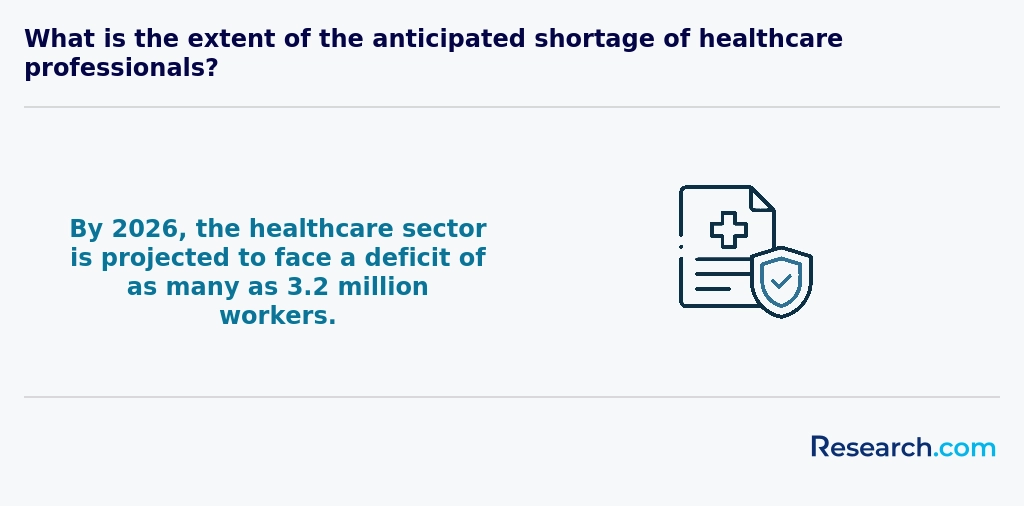
Healthcare careers have a strong global demand, driven by rising populations and aging demographics. In the United States, including Shreveport, allied health professions and nursing remain among the fastest-growing fields. The U.S. Bureau of Labor Statistics predicts a 16% growth in healthcare occupations from 2021 to 2031.
Globally, healthcare systems increasingly value professionals with interdisciplinary skills and cultural competence. This trend influences U.S. healthcare education, encouraging programs in Shreveport to integrate global health challenges into curricula.
Local healthcare employers in Shreveport emphasize practical training, matching national standards while addressing regional health concerns such as chronic diseases and rural access barriers.
Students pursuing healthcare degrees in Shreveport can gain practical experience through clinical internships and externships offered by local hospitals and healthcare facilities. Institutions like Ochsner LSU Health Shreveport and Christus Health provide student placements that allow hands-on patient care under professional supervision. These opportunities are often integrated into degree programs, ensuring relevant exposure to real-world medical environments.
Additionally, Shreveport's strong network of community health centers offers volunteer positions, fostering direct interaction with diverse patient populations. According to the Louisiana Department of Health, these clinical experiences improve graduates' employment prospects by developing essential skills.
Some degree programs encourage participation in simulation labs and skill workshops, reinforcing practical knowledge in a controlled setting.
Choosing the right concentration within a healthcare degree program in Shreveport involves understanding local healthcare needs and personal interests. Shreveport's healthcare sector is growing, with significant demand in nursing, respiratory therapy, and health information technology, according to the Louisiana Workforce Commission. Evaluating job growth projections can help; for example, nursing roles in Shreveport are expected to rise by over 15% in the next decade. Students should also consider practical training opportunities available at regional hospitals like LSU Health Shreveport. Aligning concentration choices with local job markets and clinical experience options enhances career prospects within the Shreveport healthcare system.
Related Healthcare Rankings for Nearby Cities
- 2027 Most Valuable Healthcare Degree Programs Ranking in Little Rock
- 2027 Most Valuable Healthcare Degree Programs Ranking in Baton Rouge
- 2027 Most Valuable Healthcare Degree Programs Ranking in Jackson
- 2027 Most Valuable Healthcare Degree Programs Ranking in Hattiesburg
- 2027 Most Valuable Healthcare Degree Programs Ranking in New Orleans
- 2027 Most Valuable Healthcare Degree Programs Ranking in Mobile
- 2027 Most Valuable Healthcare Degree Programs Ranking in Birmingham
- 2027 Most Valuable Healthcare Degree Programs Ranking in Wichita
- 2027 Most Valuable Healthcare Degree Programs Ranking in Montgomery
- 2027 Most Valuable Healthcare Degree Programs Ranking in Columbia
Top Trending Healthcare Rankings
See What Experts Have To Say About Studying Healthcare
Read our interview with Healthcare experts

References
- Unlocking potential: Expanding experiential learning through simulation https://www.pagethink.com/insights/unlocking-potential-expanding-experiential-learning-through-simulation
- What Can You Do with a Health Sciences Degree? https://www.ycp.edu/news/what-can-you-do-with-a-health-sciences-degree
- Advancing Your Career in Healthcare: Tips and Strategies https://www.sunshinecarenetwork.com/blog/advancing-your-career-in-healthcare-tips-and-strategies
- Trends and opportunities in healthcare across emerging markets - Inizio https://inizio.com/insights/trends-and-opportunities-in-healthcare-across-emerging-markets/
- Louisiana State University School of Medicine in Shreveport https://mededatlas.com/school/louisiana-state-university-school-of-medicine-in-shreveport/
- 10 Skills Employers Are Looking for in Healthcare Management Jobs https://www.aiuniv.edu/blog/10-top-skills-for-healthcare-management-jobs
- Financial Assistance https://www.ochsnerlsuhs.org/patients-visitors/billing-financial-services/financial-assistance
- Health Information Technology http://www.susla.edu/page/health-information-technology
- Degrees & Programs at LSU Health Shreveport https://www.lsuhs.edu/admissions/degrees-programs
- How to Create a Healthcare Career Roadmap https://www.ihire.com/resourcecenter/jobseeker/pages/how-to-create-a-healthcare-career-roadmap


