2027 Most Popular Healthcare Degree Programs Ranking in Indiana

Co-Founder and Chief Data Scientist
Choosing the right healthcare degree program can be overwhelming, especially with so many options available in Indiana. This article offers a detailed 2027 Most Popular Healthcare Degree Programs Ranking in Indiana created by the Research.com team of data scientists to help students like you make an informed decision.
By exploring this ranking, you'll discover which programs stand out, giving you confidence in your educational path. A healthcare degree opens doors to meaningful careers that truly make a difference in people's lives, offering stability and growth.
Reading this guide will empower you to find a program that fits your goals and passions in healthcare.
Key benefits of getting healthcare degree in Indiana
- Healthcare degree graduates in Indiana can earn competitive salaries, such as $43,350 annually for Medical Assistants and Clinical Research Coordinators, or up to $103,150 for Quality Improvement Coordinators, making these careers financially rewarding.
- Graduates from Indiana universities often find diverse career paths, ranging from hands-on patient care roles like Patient Care Technicians earning around $60,790 per year to technical positions such as Health Information Technicians with salaries near $43,380.
- Completing a healthcare degree online from Indiana institutions offers flexibility and convenience, allowing students to balance work and study while still preparing for well-paying roles in the healthcare field with real-world skills.
- Key benefits of getting healthcare degree in Indiana
- What can I expect from healthcare degree in Indiana?
- Where can I work with healthcare degree in Indiana?
- How much can I make with healthcare degree in Indiana?
- 2027 Most Popular Healthcare Degree Programs Ranking in Indiana
- Key Findings
- How long does it take to complete healthcare degree in Indiana?
- Available Specializations: Unlocking Niche Opportunities in Healthcare
- What's the difference between online and on-campus healthcare degree?
- Available Specializations
- What is the average cost of healthcare degree in Indiana?
- Available Specializations and Emerging Trends in Healthcare
- What financial aid is available to healthcare degree students in Indiana?
- Available Specializations in Indiana Healthcare Programs
- What are the prerequisites for enrolling in healthcare degree program in Indiana?
- Available Specializations in Healthcare Degree Programs
- What courses are typically in healthcare degree programs in Indiana?
- What types of specializations are available in healthcare degree programs in Indiana?
- How do you choose the best healthcare degree in Indiana?
- What career paths are available for healthcare degree students in Indiana?
- What is the job market for healthcare degree in Indiana?
- Related Healthcare Rankings for Nearby States
- Top Trending Healthcare Rankings
- See What Experts Have To Say About Studying Healthcare
What can I expect from healthcare degree in Indiana?
The average cost of earning a healthcare degree in Indiana is surprisingly manageable when you consider the value students truly receive. Public universities like Indiana University and Purdue University offer tuition rates well below the national average, making quality education accessible without overwhelming debt. Graduates often reflect on how affordable community colleges provided a crucial stepping stone-balancing work and study while gaining essential clinical experience.
One graduate recalls beginning an associate degree at a local community college for a fraction of the cost, then smoothly transferring to a public university to complete a bachelor's in nursing. This pathway kept expenses low while ensuring comprehensive hands-on training in nearby hospitals. The mix of theory and real patient care rounds at Indiana healthcare programs feels tangible and rewarding, making every tuition dollar worthwhile.
Investing in healthcare education here means more than tuition-it's about stepping into a thriving job market where salaries often exceed national levels. For many, this justifies the relatively modest costs, turning affordable programs into meaningful, career-launching opportunities.
Where can I work with healthcare degree in Indiana?
Graduates from healthcare programs at institutions like Indiana University and Purdue often find themselves stepping into some of Indiana's largest hospitals, where the demand for nurses, technicians, and administrators is overwhelming. Imagine the confident nurse starting their shift in a bustling Indianapolis hospital, their education directly fueling patient care in real time.
Others discover fulfilling roles in outpatient care centers or physician offices, places where their skills in medical assisting or radiologic technology make an immediate difference for patients seeking less invasive treatments. One recent graduate shared how working in a community clinic near Bloomington allowed them to see the direct impact of preventive care on patients' lives.
Indiana's aging population opens doors in nursing homes and long-term care facilities, creating an urgent need for passionate caregivers who want to support families over time. Graduates often reflect on the deep connections formed through these roles-much more than a paycheck, it's a genuine calling.
Some healthcare professionals turn to public health organizations or mental health facilities, places ripe with opportunities to influence community wellbeing or advance psychiatric support statewide. Others channel their education into Indiana's vibrant biotech sector or academia, shaping future healthcare workers and pioneering advances.
How much can I make with healthcare degree in Indiana?
Graduates from healthcare programs at Indiana University or Purdue often find themselves pleasantly surprised by the earning potential right after completing their degrees. For instance, medical assistants in the state earn a mean annual wage of about $43,350, offering a solid starting point for those entering the healthcare workforce.
More specialized roles like patient care technicians can expect to earn around $60,790 annually, reflecting both the demand for skilled hands-on care and the growth of outpatient facilities around Indianapolis and Fort Wayne. Health information technicians, crucial for managing electronic health records, make close to $43,380 annually, combining healthcare with technology in a rapidly evolving job market.
Consider the experience of a recent clinical research coordinator graduate from Ball State University, who steps into a mean annual salary near $43,350, balancing clinical duties and administrative tasks with satisfaction and financial stability. Meanwhile, roles requiring advanced skills, like quality improvement coordinators, earn upwards of $103,150, capturing the importance of leadership in improving patient outcomes.
These figures make clear that Indiana's healthcare landscape offers a range of income opportunities-whether starting out or aiming higher-and studying locally means engaging with a job market eager for qualified professionals.
2027 Most Popular Healthcare Degree Programs Ranking in Indiana
How do we rank schools?
Investing in your education is a significant decision that can shape your future, and the Research.com team understands the importance of making informed choices. To assist prospective students in Indiana, we have meticulously crafted the "2027 Most Popular Healthcare Degree Programs Ranking in Indiana." Our commitment to quality, credibility, and accuracy is reflected in the extensive research and analysis conducted to compile this ranking.
We utilized the following reputable data sources to ensure a comprehensive evaluation of healthcare degree programs:
By exploring this ranking, readers will gain valuable insights into the most popular healthcare degree programs in Indiana, enabling them to make well-informed decisions about their educational and professional futures. For more details on our methodology, please visit our Research.com methodology page.


# 20 position
Purdue University Northwest
Bachelor of Science in Nursing Students in the Lab Biological Sciences

Key Findings
- Healthcare degree programs in Indiana include nursing, health sciences, public health, radiologic technology, and medical assisting, often requiring clinical experience or internships.
- Tuition for bachelor's degrees at public universities ranges from $10,000 to $12,000 per year for in-state students, while community colleges charge around $4,000 to $6,000 annually.
- Private institutions typically have higher tuition fees between $20,000 and $30,000 per year, with additional costs for textbooks, uniforms, and certification exams.
- Entry-level registered nurses in Indiana earn about $58,000 annually, with other allied health roles averaging near $45,000, and salaries can increase to $70,000-$90,000 with experience.
- Employment growth for healthcare jobs in Indiana is projected to be above the national average through 2030, especially for nursing, physical therapy, and health administration roles.
- Licensing and certification are required to practice legally, so students must ensure their programs meet state accreditation and licensure requirements for professional exams.
How long does it take to complete healthcare degree in Indiana?
Completing a healthcare degree in Indiana unfolds at varied paces, challenging the notion that all degrees demand years of endless study. Graduates from institutions like Indiana University-Purdue University Indianapolis (IUPUI) often recall how certificate programs, designed for roles such as medical assistants, took them less than a year, fast-tracking them into rewarding healthcare careers with confidence. Meanwhile, those pursuing associate degrees at Ivy Tech Community College balanced general education with hands-on training over about two years, appreciating the blend of theory and practice that prepared them well.
For many who enrolled at Butler University or Indiana University Bloomington, the journey to a bachelor's degree in nursing or healthcare administration stretched across four years-a commitment met with pride and anticipation of advanced opportunities. Graduate students openly celebrate programs lasting two to three years that sharpen their skills in nurse practitioner roles or healthcare management, emphasizing the payoff in career flexibility and expertise.
Doctoral degrees, notably in medicine or physical therapy from respected Indiana institutions, integrate four years of study plus extensive clinical training, a path demanding resilience yet yielding deep professional fulfillment. Part-time options further personalize timelines, allowing students to tailor their educational experience amid life's demands, making healthcare education in Indiana a dynamic, achievable pursuit.
Available Specializations: Unlocking Niche Opportunities in Healthcare
Healthcare degree programs in Indiana offer an array of specialized tracks that allow students to tailor their education to their career goals. Exploring these options not only enhances your learning experience but also sharpens your competitive edge in a dynamic job market. Specializations such as Nursing, Health Administration, Public Health, and Allied Health open distinct pathways to careers where strategic skills are in high demand. For instance, programs with a focus on Medical Coding and Billing equip students to master essential administrative tasks-some even offer targeted workshops like the cheapest medical billing and coding online courses to boost employability. Other emerging fields include Healthcare Informatics and Telehealth, where technology meets patient care, and specialized certifications in areas like geriatric care or emergency management further refine your expertise. By choosing a specialization aligned with industry trends, you can ensure that your degree not only meets educational demands but also positions you for long-term career growth.
What's the difference between online and on-campus healthcare degree?
Choosing between online and on-campus healthcare degrees in Indiana often comes down to lifestyle and learning style rather than quality. Graduates from Indiana University recall the energizing buzz of clinical practicums, where face-to-face mentoring and hands-on labs built confidence and teamwork skills. Meanwhile, many online students from Purdue University appreciate the flexibility to balance family, work, and study, carving out focused hours from their own homes without daily commutes.
In Indiana, both paths ensure rigorous accreditation through bodies like CCNE, so the diploma's value remains strong. However, the costs reveal a less obvious story: on-campus programs might seem pricier with housing and commuting, yet online learners invest in reliable tech and dedicated study spaces, a trade-off not always accounted for.
Imagine a nurse navigating a local hospital internship arranged via an online program-proving clinical excellence is not confined to campus walls. The real difference emerges in how these programs fit individual ambitions and realities within Indiana's evolving healthcare education landscape.
Available Specializations
Indiana’s healthcare degree programs offer a wide array of specialized tracks to match your career goals and interests. Whether you’re drawn to direct patient care, community outreach, or behind-the-scenes support roles, you’ll find programs designed to equip you with the skills employers demand.
- Nursing (RN to BSN, accelerated BSN, nurse practitioner) – Prepare for roles in acute care, community health, and advanced practice.
- Public Health – Focus on epidemiology, health education, and policy development to address population-level challenges.
- Health Informatics – Learn to manage electronic health records, data analytics, and healthcare IT systems.
- Radiologic and Imaging Sciences – Gain practical training in X-ray, MRI, and CT technologies.
- Physical Therapy Assistant – Develop hands-on skills in patient rehabilitation through classroom instruction and clinical rotations. For those seeking flexibility, an online pta as degree delivers the same rigorous curriculum with the convenience of remote learning. Selecting the right specialization depends on your passion, strengths, and desired work environment. By understanding each track’s focus-clinical care, administrative leadership, or technological innovation-you can align your education with a thriving healthcare career in Indiana.
What is the average cost of healthcare degree in Indiana?
The average cost of a healthcare degree in Indiana can leave many students reevaluating their educational choices. With the median total cost around $44,777, and roughly $20,605 for in-state students, the numbers challenge the common belief that all healthcare degrees are prohibitively expensive. Graduates from popular institutions like Indiana University or Purdue University often share how managing these costs, combined with financial aid, made pursuing their healthcare aspirations more attainable than expected.
Consider the example of a nursing student at a public university in Indiana; their tuition reflects the median in-state cost, yet additional fees for clinical experiences, uniforms, and supplies add layers to the financial journey. Despite this, many report a strong sense of accomplishment, knowing that careful budgeting transforms what feels like a financial mountain into manageable steps. For students weighing the average cost of healthcare degrees in Indiana, these real-life stories reveal how planning and resourcefulness play crucial roles alongside tuition numbers.
Private institutions present a different picture, with costs reaching nearly double the public university rates, pushing total expenses closer to $45,000 annually. Yet, even here, students discover scholarships and targeted healthcare grants that soften the financial burden. Exploring the most affordable healthcare programs in indiana can reveal surprising opportunities that challenge assumptions about educational costs.
Available Specializations and Emerging Trends in Healthcare
Indiana’s healthcare degree programs offer a wide range of specializations that cater to diverse interests and career goals. Students can choose from traditional tracks such as nursing, health administration, and public health, and also explore burgeoning fields like health informatics, telemedicine, and medical laboratory science. Emerging trends in curriculum design include a focus on digital health strategies, patient-centered care models, and sustainable healthcare practices-each designed to prepare graduates for a rapidly evolving industry. For those seeking cost-effective options to start their journey, you might consider the most affordable healthcare programs in indiana, which offer robust training without compromising on quality. By aligning their studies with these specializations, students can gain not only technical expertise but also the critical soft skills needed to thrive in today’s competitive healthcare market.
What financial aid is available to healthcare degree students in Indiana?
Financial aid for healthcare students in Indiana often becomes the lifeline that transforms daunting tuition fees into achievable goals. Graduates from Indiana University's nursing programs frequently recall how the 21st Century Scholars Program dramatically eased their financial strain by covering full tuition early on, enabling them to focus on clinical practice instead of mounting debt. This state-specific aid is a game changer for many low- and middle-income students.
At Purdue University, learners pursuing medical technology degrees have benefited from both merit-based scholarships and the Frank O'Bannon Grant, which addresses financial need while opening doors to private and public healthcare education. These resources feel less like charity and more like impactful investments in future healthcare providers who are determined to serve their communities.
Many healthcare graduates emphasize the relief brought by the National Health Service Corps loan repayment program, especially when committing to underserved Indiana areas. Employer tuition reimbursement schemes further lighten the load for those balancing work and study, though they demand loyalty and dedication.
These layers of aid create ripples of hope and opportunity, urging prospective students to dive deeper into available support rather than be overwhelmed by sticker prices.
Available Specializations in Indiana Healthcare Programs
Indiana healthcare degree programs offer an array of specializations that cater to the diverse interests and career goals of aspiring professionals. Students can choose from options that not only provide in-depth clinical training but also emphasize emerging fields such as health informatics and public health. Popular specializations include nursing-with subfields like pediatric, geriatric, and critical care-health administration, allied health, and emerging areas like telehealth and digital health technologies. These focused tracks allow students to tailor their education to meet industry demands and maximize job placement upon graduation. Moreover, aspiring healthcare professionals looking for budget-friendly options might explore most affordable healthcare programs in indiana, which offer quality training without breaking the bank. By choosing a specialized path, students can gain the necessary expertise to not only succeed in competitive job markets but also to contribute to innovative patient care practices and broader community health outcomes.
What are the prerequisites for enrolling in healthcare degree program in Indiana?
To step into a healthcare degree program in Indiana, you first must clear foundational academic hurdles that shape your future success. Graduates from Indiana State University often recall that holding a high school diploma or GED was just the start; consistent performance in science and math courses made the difference in feeling truly prepared. It's not just about passing biology or chemistry with a lab, but embracing these subjects like a crucial first step toward meaningful patient care.
Many programs at Purdue University Fort Wayne underscore the importance of completing prerequisites such as anatomy, physiology, and English composition. These classes are more than boxes to check-they develop critical thinking and communication skills essential in healthcare settings. Some former students found the initial challenge intimidating but ultimately empowering as it laid a firm groundwork.
Immunizations and background checks are equally pivotal, required by clinical sites where students gain hands-on experience. Ivy Tech Community College alumni often express confidence knowing these measures protect both their future patients and themselves.

Available Specializations in Healthcare Degree Programs
Indiana’s colleges and universities offer a diverse range of healthcare specializations designed to meet evolving industry needs and student interests. Whether you prefer direct patient care, administrative leadership, or data-driven roles, there’s a focused track to match your career goals:
- Nursing Specializations: Choose from acute care, pediatrics, gerontology, or nurse practitioner pathways that combine clinical practice with advanced decision-making skills.
- Public Health and Community Wellness: Focus on epidemiology, health education, or community outreach to design and implement programs that improve population health.
- Health Administration and Policy: Develop expertise in healthcare finance, operations management, and regulatory compliance to lead hospitals, clinics, and health systems.
- Health Informatics and Data Science: Learn to manage electronic health records, analyze clinical data, and support digital transformation initiatives in telehealth and hospital IT.
- Allied Health Professions: Pursue careers in respiratory therapy, radiologic technology, occupational therapy, or medical laboratory science with hands-on training in specialized clinical settings.
- Clinical Research and Trials Management: Gain skills in study design, regulatory affairs, and patient recruitment to support breakthroughs in pharmaceuticals and medical devices.
- Healthcare Education and Training: Prepare to teach future professionals by mastering curriculum development, instructional design, and simulation-based learning techniques. Each specialization combines rigorous coursework with real-world clinical or administrative placements, ensuring graduates are ready to excel from day one. For students seeking cost-effective online master’s programs, explore our ranking of Inexpensive Online Master's in Healthcare Degree Programs Ranking in Georgia to compare tuition rates, program flexibility, and student outcomes.
What courses are typically in healthcare degree programs in Indiana?
Healthcare degrees in Indiana typically combine rigorous science courses with real-world healthcare applications, challenging students to think beyond textbooks. Graduates from well-known institutions such as Indiana University or Purdue University often reflect on how courses like human anatomy and physiology felt intense at first but became fascinating as they related them to clinical experiences during internships.
These programs don't just focus on hard science; students engage deeply with healthcare policy and ethics, especially relevant in Indiana's unique healthcare landscape. Many recall grappling with case studies about rural healthcare barriers, which made the coursework feel deeply personal and urgent. This blend of theory and practice encourages students to question standard healthcare models and consider innovative solutions for their communities.
Specialized classes vary by path: nursing students appreciate their clinical practicums as moments of true growth, while public health majors find epidemiology courses illuminating, sparking a passion for community health plans. For many, the challenges of these courses ignite a rewarding sense of purpose that stays with them long after graduation.
What types of specializations are available in healthcare degree programs in Indiana?
Exploring healthcare degree specializations Indiana reveals a range of options far beyond the usual assumptions. Consider graduates from prominent institutions in Indiana who chose nursing-not just because it's popular but because the state's demand fuels rewarding careers from Licensed Practical Nurse paths to advanced Nurse Practitioner roles. Others discovered their passion in Health Information Management, embracing the growing digital transformation in hospital systems around Indianapolis and Fort Wayne, turning complex data into life-saving insights.
Public Health students at Indiana State University often share stories of impactful community engagement, addressing real-time local health challenges. Meanwhile, those focused on Physical Therapy and Rehabilitation Sciences find fulfillment in supporting Indiana's aging population, a vital need echoed across many college clinics and local facilities.
Medical Laboratory Science, though less talked about, forms a critical backbone in diagnosing illnesses in the state's top hospitals. For those seeking flexibility, Indiana students often turn to cheapest medical billing and coding online courses, combining affordability with practical career pathways that complement on-campus studies.
How do you choose the best healthcare degree in Indiana?
Choosing the best healthcare degree in Indiana is not just about picking a popular program; it's about aligning your passion with the state's evolving job market. Graduates from Indiana University often recall how understanding local demand-for instance, the surge in registered nursing opportunities-helped them secure fulfilling roles post-graduation. Affordable healthcare degrees Indiana demand a strategic view beyond tuition alone; consider schools like Ivy Tech Community College, where flexible schedules allowed a working parent to thrive while managing family commitments.
Accreditation isn't just a checkbox; it's the gateway to licensure and financial aid, as many who studied at accredited institutions discovered. Imagine gaining hands-on experience through clinical rotations right in Indianapolis hospitals, building confidence rarely matched by purely online coursework. For some, that real-world exposure made all the difference.
When exploring options, don't overlook innovative pathways such as an online pta as degree that balances accessibility with career advancement. Choosing well means immersing yourself in Indiana's distinct healthcare landscape with clarity and purpose.
What career paths are available for healthcare degree students in Indiana?
Graduates with a healthcare degree in Indiana face a spectrum of career paths that often defy traditional expectations. Many find fulfillment becoming registered nurses (RNs), employed widely across Indiana's hospitals, outpatient clinics, and care facilities-a pathway embraced by students from Indiana University and Purdue University. These graduates often describe a deep sense of purpose working directly with patients, driven by real-life impact on community health. Others explore roles like medical laboratory technologists or radiologic technologists, where precision and diagnostic skills become daily tools in disease detection and treatment.
Beyond clinical positions, opportunities in healthcare administration and health information technology offer rewarding alternatives for those inclined toward leadership and innovation-fields vital for managing Indiana's expanding healthcare infrastructure. This broad range of options invites students to reflect on what kind of impact and work environment will sustain their passion long-term, especially as Indiana healthcare degree job opportunities continue to diversify.
Indiana healthcare career options in Indiana are further broadened by roles such as physician assistants and nurse practitioners, who extend vital healthcare access to rural communities. For students balancing cost and ambition, exploring resources like the Inexpensive Online Master's in Healthcare Degree Programs Ranking in Georgia can illuminate affordable pathways to advanced qualifications while preserving financial stability.
What is the job market for healthcare degree in Indiana?
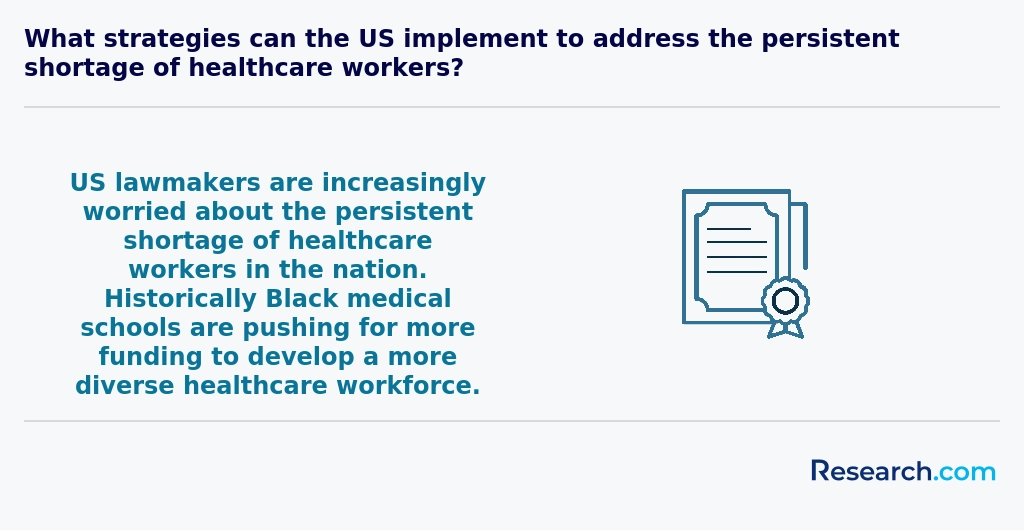
The healthcare job opportunities in Indiana offer a dynamic and growing environment, driven by an aging population and expanding rural healthcare initiatives. Graduates from well-known institutions in Indiana find themselves in a job market that values their skills highly, especially in nursing, health administration, and allied health fields. Many newly graduated professionals from these colleges express optimism about securing positions quickly, often within hospitals and outpatient care centers facing persistent staff shortages.
One graduate described the transition from classroom to hospital floor as both challenging and rewarding, noting the strong demand for healthcare support roles encourages continuous learning and career advancement. Meanwhile, others pursuing health degrees in Indiana recognize the practical benefits of affordable tuition paired with a competitive median RN salary of about $62,000, which reflects favorable earning potential relative to the state's cost of living.
Understanding Indiana healthcare degree career prospects means appreciating how emerging trends like telehealth are creating new opportunities. Students often explore fast bachelor degrees to accelerate their entry into these roles, seizing chances to combine technology with patient care in innovative settings.
Frequently Asked Questions About healthcare
Healthcare degree students in Indiana can maximize their learning by engaging in hands-on clinical experiences early in their programs. Indiana is home to several hospitals and health systems, such as IU Health and Eskenazi Health, which offer valuable internship and practicum opportunities. These experiences complement classroom study by providing real-world patient care exposure.
Additionally, joining professional organizations like the Indiana State Nurses Association can help students network and access resources. It is important to leverage technology and online learning platforms, which many Indiana universities incorporate to enhance flexibility and accessibility.
According to the Indiana Commission for Higher Education, healthcare employment in the state is projected to grow 13.3% by 2028, so staying informed on industry trends through workshops and certifications can also boost career prospects.
Emerging niches within Indiana's healthcare field are shaped by advances in technology and the region's demographic needs. One fast-growing area is telehealth, which expanded rapidly during the COVID-19 pandemic and continues to transform care delivery, especially in rural parts of Indiana. According to the Indiana Family and Social Services Administration, telehealth visits grew by more than 300% from 2019 to 2022.
Another promising niche is health informatics, where professionals manage and analyze health data to improve patient outcomes. Indiana universities increasingly offer programs combining healthcare and information technology.
Additionally, geriatric care is gaining importance as Indiana's population ages. The state's Division of Aging reports that 17% of residents are over 65, driving demand for specialized healthcare providers in elder care and chronic disease management.
Preparing for the job market after completing a healthcare degree in Indiana involves several key steps. Graduates should seek relevant internships or clinical experiences during their studies as Indiana healthcare employers highly value hands-on skills. The state's healthcare sector employs over 275,000 workers, with growing demand in nursing, allied health, and administration, according to the Indiana Department of Workforce Development.
Networking is crucial; joining local professional associations like the Indiana Hospital Association can increase job prospects. Additionally, obtaining necessary Indiana state licenses or certifications relevant to their healthcare field is essential to meet regulatory requirements. Continuing education and specialized training also enhance employability.
Employers hiring healthcare degree graduates in Indiana prioritize a mix of technical and interpersonal skills. Clinical competence, such as proficiency in patient care, electronic health records (EHR), and medical terminology, is essential. According to the Indiana Department of Workforce Development, nearly 70% of healthcare jobs require strong knowledge of healthcare technology systems.
Critical thinking and problem-solving abilities are highly valued to navigate complex patient situations safely and efficiently. Communication skills, both verbal and written, remain crucial for collaboration with patients, families, and multidisciplinary teams.
Additionally, empathy and cultural sensitivity are important due to Indiana's diverse patient population. Time management and adaptability also top the list, reflecting the fast-paced, evolving healthcare environment.
Finding internships in Indiana relevant to healthcare degrees involves several strategic steps. Many Indiana hospitals and health systems offer structured internship programs, including Indiana University Health and Parkview Health, which provide hands-on experience in various healthcare fields.
Students can also leverage resources from their colleges, as most universities maintain partnerships with local clinics and medical centers. The Indiana Career Connect portal is another valuable tool, listing healthcare internships statewide.
According to the Indiana Commission for Higher Education, internships significantly improve employment outcomes in healthcare professions, underscoring their importance for degree holders.
Networking at healthcare job fairs and joining professional associations like the Indiana Public Health Association also enhance internship opportunities.
In Indiana, earning a healthcare degree significantly enhances career mobility and opportunities for advancement. According to the Indiana Department of Workforce Development, healthcare occupations are projected to grow 15% from 2020 to 2030, faster than the average for all jobs. This growth creates demand for qualified professionals with formal healthcare education.
A healthcare degree often serves as a gateway to specialized roles such as nurse practitioner, health informatics specialist, or healthcare administrator, all of which offer higher salaries and leadership possibilities. Graduates holding degrees from Indiana universities benefit from local employer recognition and licensing alignment, making statewide job transitions smoother.
Moreover, advanced degrees increase eligibility for supervisory roles and participation in clinical research or policy-making. These factors combined reflect the value of healthcare education in strengthening career paths within Indiana's expanding medical sector.
Studying for a healthcare degree in Indiana equips students with knowledge and skills essential for interdisciplinary roles. Many Indiana institutions emphasize collaborative learning, reflecting real-world healthcare environments where professionals from diverse fields work together.
Programs often include coursework in communication, ethics, and healthcare systems designed to foster teamwork between nurses, physicians, therapists, and administrators. According to the Indiana Commission for Higher Education, integrated curricula are increasingly common to meet growing demands for versatile healthcare workers.
Additionally, clinical placements throughout Indiana's hospitals and community health centers expose students to multidisciplinary teams, enhancing practical experience. This method supports Indiana's healthcare workforce goals aimed at improving patient-centered care across various settings.
When choosing between a thesis and a non-thesis healthcare degree program in Indiana, it is essential to consider your career goals and learning preferences. Thesis programs usually require original research and a formal thesis paper, which can prepare you for academic or research-oriented careers.
Non-thesis programs often focus on practical skills and coursework, making them suitable for students seeking immediate entry into healthcare professions such as nursing or health administration. Indiana's healthcare job market is growing-according to the Indiana Department of Workforce Development, health-related occupations are projected to increase by 13% through 2030.
If you aim for advanced research or doctoral studies, a thesis option is advisable. Otherwise, non-thesis tracks may offer more flexibility for working professionals.
Students based in Indiana who wish to study healthcare abroad have several viable options. Many Indiana universities offer established study abroad programs in partnership with international institutions, especially in countries known for strong healthcare education, such as the United Kingdom, Australia, and Canada. These programs often include clinical placements or research opportunities, allowing students to gain global perspectives on medical practices.
According to the Indiana Commission for Higher Education, approximately 40% of Indiana college students participate in study abroad programs, highlighting growing interest in global education experiences. Healthcare students particularly benefit, as international exposure can increase cultural competence, a valued skill in the diverse healthcare field.
Indiana students can also explore global health internships through organizations affiliated with Indiana University and Purdue University, which expand practical learning beyond campus. Additionally, some U.S. institutions provide dual-degree options with foreign medical schools, although these require careful consideration of accreditation and licensure requirements upon returning to the U.S.
Students pursuing healthcare degrees in Indiana have several part-time job opportunities that can enhance their education and practical skills. Positions such as certified nursing assistant (CNA), medical scribe, or pharmacy technician allow students to gain hands-on experience while working flexible hours. According to the Indiana Department of Workforce Development, the healthcare sector is among the fastest-growing industries in the state, with over 500,000 individuals employed as of 2023.
Many hospitals and clinics near academic institutions offer part-time roles suited for students, providing exposure to patient care and medical procedures. Additionally, roles in medical billing or healthcare administration can help build knowledge of the healthcare system's operational side. These jobs not only support learning but often offer competitive wages relevant to the student's career path.
Healthcare students in Indiana benefit from numerous networking opportunities through local universities, healthcare institutions, and professional organizations. Many universities, such as Indiana University and Purdue University, host student chapters of national groups like the American Medical Student Association and the Indiana Nurses Association. These groups provide access to workshops, conferences, and mentorship programs.
Indiana's robust healthcare sector, which comprises over 500 hospitals and thousands of clinics, offers clinical internships and job fairs connecting students with local employers. According to the Indiana Hospital Association, these events help students engage directly with professionals and gain valuable career insights.
Additionally, statewide events like the Indiana Health Industry Forum attract healthcare professionals and students, creating a platform for collaboration and networking in a fast-growing industry.
Alumni networks play a significant role for healthcare degree students in Indiana by providing valuable professional connections. These networks often include thousands of graduates working in Indiana's healthcare institutions, helping current students access mentorship and job opportunities.
According to the Indiana Commission for Higher Education, strong alumni networks increase employment rates for healthcare graduates in the state by up to 15%. Networking events, workshops, and online platforms connect students with experienced professionals, aiding career development.
Additionally, alumni can offer guidance on navigating Indiana's healthcare licensure requirements and industry trends. Many alumni actively participate in local health organizations, internships, and community health initiatives, benefitting students through real-world exposure and referrals.
Customizing a healthcare degree program in Indiana allows students to align their education with specific career goals. Many Indiana colleges offer flexible degree options, including elective courses and specializations in fields like nursing, health informatics, or public health. Students can choose clinical practicums or internships in local hospitals, clinics, or public health agencies to gain hands-on experience.
Indiana's healthcare sector is growing, with nearly 15% employment growth projected through 2030 by the U.S. Bureau of Labor Statistics. Tailoring your program with skills in emerging areas such as healthcare technology or administration can improve job prospects. Additionally, some institutions provide accelerated tracks or dual degrees to combine healthcare studies with business or technology.
Advisors in Indiana universities often help students develop customized study plans based on labor market data and personal interests, ensuring the education matches evolving state healthcare needs.
Healthcare students in Indiana often face challenges related to clinical placement availability, which can delay graduation timelines. According to the Indiana Commission for Higher Education, limited site options mean students must compete for quality internships. Additionally, the rising cost of education poses a significant barrier, with public university tuition increasing by about 3% annually over the past five years. Many students also struggle with balancing demanding coursework and part-time jobs, which impacts academic performance. Finally, Indiana's rural healthcare shortage influences training opportunities, as fewer healthcare facilities exist outside urban centers, affecting hands-on experience for students in remote areas.
With a healthcare degree in Indiana, graduates can pursue a variety of professional certifications that enhance their career opportunities. Common certifications include Certified Nursing Assistant (CNA), Registered Nurse (RN), and Licensed Practical Nurse (LPN), which are essential for clinical roles. Indiana also offers certifications in specialized fields such as Medical Assistant (CMA), Emergency Medical Technician (EMT), and Pharmacy Technician.
Many of these certifications require passing state or national exams and meeting specific clinical hour requirements. For example, the Indiana State Department of Health oversees the certification of EMTs, reflecting the state's standards.
Certifications such as Certified Professional Coder (CPC) are available for healthcare administration roles. According to the Indiana Department of Workforce Development, healthcare occupations are projected to grow by 15% through 2030, highlighting rising demand for certified professionals.
Applying for a healthcare program in Indiana requires careful preparation to stand out. First, ensure your academic records reflect strong performance, especially in science courses like biology and chemistry, which are essential for healthcare studies. The average GPA for admitted students in Indiana healthcare programs often exceeds 3.0, according to the Indiana Commission for Higher Education.
Next, craft a clear personal statement explaining your motivation for entering healthcare, linking it to real experiences when possible. Highlighting volunteer work or internships in hospitals or clinics within Indiana can strengthen your application.
Letters of recommendation from healthcare professionals or faculty who know your skills well add valuable credibility. Finally, check specific program requirements carefully, as some may require standardized test scores or additional certifications to complete your application.
Healthcare careers are increasingly valued worldwide due to growing populations and rising medical needs. In the United States, including Indiana, healthcare professions promise stable employment and competitive salaries. According to the Indiana Department of Workforce Development, healthcare occupations in the state are projected to grow by 15% from 2022 to 2032, faster than many other industries.
Globally, healthcare professionals face diverse challenges, such as differing healthcare systems and regulations. For Indiana students, understanding international healthcare perspectives can enhance cultural competence-a key skill in today's multicultural medical environments.
Moreover, global health issues like pandemics urge collaboration across borders. Therefore, a healthcare degree in Indiana not only equips students with local expertise but also aligns with global trends emphasizing adaptability and continuous learning.
Gaining practical experience is essential while studying for a healthcare degree in Indiana. Many programs require clinical rotations or internships, which provide hands-on training in hospitals, clinics, or community health settings. For example, Indiana University's School of Medicine incorporates extensive clinical experiences starting early in the curriculum.
Students also benefit from partnerships between universities and local healthcare providers. These collaborations help place students in real-world environments, allowing them to apply classroom knowledge. According to the Indiana Commission for Higher Education, about 70% of healthcare students participate in internships or practicums.
Volunteering in healthcare facilities or joining student organizations related to healthcare can also build practical skills and professional networks crucial for future employment. These experiences enhance student readiness for Indiana's growing healthcare sector.
Choosing the right concentration within a healthcare degree program in Indiana requires careful consideration of your career goals and local job market trends. Indiana's healthcare sector is growing, with the Indiana Department of Workforce Development projecting a 15% increase in healthcare employment by 2030. Popular concentrations include nursing, health informatics, and public health. Nursing remains the largest employer, supported by the Indiana State Board of Nursing's data showing consistent demand for registered nurses statewide.
Assess your interests and strengths, whether clinical care, administration, or technology. Research available programs at Indiana institutions and their clinical partnerships. Networking with healthcare professionals in Indiana can also offer valuable insight.
Related Healthcare Rankings for Nearby States
- 2027 Most Popular Healthcare Degree Programs Ranking in Illinois
- 2027 Most Popular Healthcare Degree Programs Ranking in Kentucky
- 2027 Most Popular Healthcare Degree Programs Ranking in Michigan
- 2027 Most Popular Healthcare Degree Programs Ranking in Missouri
- 2027 Most Popular Healthcare Degree Programs Ranking in Minnesota
- 2027 Most Popular Healthcare Degree Programs Ranking in Arkansas
- 2027 Most Popular Healthcare Degree Programs Ranking in Georgia
- 2027 Most Popular Healthcare Degree Programs Ranking in Alabama
- 2027 Most Popular Healthcare Degree Programs Ranking in Mississippi
- 2027 Most Popular Healthcare Degree Programs Ranking in Louisiana
Top Trending Healthcare Rankings
See What Experts Have To Say About Studying Healthcare
Read our interview with Healthcare experts

References
- Niche Markets in Healthcare: How to Find & Target https://nechayadvisors.com/blog/niche-markets-in-healthcare
- 6 Tips On Networking For Medical Professionals https://aaams.net/blog/how-to-network-in-the-medical-field-nurses/
- Health Sciences Study Abroad Programs - Healthcare Abroad https://www.ceastudyabroad.com/academic-discipline/health-sciences
- Employability Skills Matrix for the Health Sector https://www.skillsforhealth.org.uk/resources/employability-skills-matrix/
- Online Healthcare Administration Bachelor Degree | Indiana Wesleyan University https://www.indwes.edu/program/bs-healthcare-administration/
- Networking in Medicine: Build Lasting Connections l Windsor https://www.windsor.edu/networking-in-medicine-building-relationships-from-day-one/
- Global Health Perspectives https://www.denvercollegeofnursing.edu/students/global-health-perspectives.html
- Alumni Reconnect - Poznan University of Medical Sciences https://pums.edu.pl/alumni-friends/alumni-reconnect/
- Financial assistance for Ascension St. Vincent in Indiana https://healthcare.ascension.org/financial-assistance/indiana-ascension-st-vincent-financial-assistance
- Unlocking potential: Expanding experiential learning through simulation https://www.pagethink.com/insights/unlocking-potential-expanding-experiential-learning-through-simulation