
2027 Most Valuable Healthcare Degree Programs Ranking in Washington

Co-Founder and Chief Data Scientist
Choosing the right healthcare degree program is a big step toward a rewarding career in Washington. This article introduces the 2027 Most Valuable Healthcare Degree Programs Ranking in Washington, developed by the Research.com team of data scientists. It's designed to help you make an informed decision by highlighting programs truly worth your investment.
Discover which programs offer the best opportunities and prepare you for a successful future in healthcare. Whether you're just starting out or considering a change, this guide supports your journey with clear, trustworthy insights.
Key benefits of getting healthcare degree in Washington
- Salary for healthcare degree graduates: Graduates in Washington can earn competitive salaries such as $43,350 annually for Medical Assistants or Clinical Research Coordinators, and up to $103,150 annually for Quality Improvement Coordinators, offering financial stability and growth opportunities.
- Career paths: Healthcare degree holders from universities like the University of Washington can pursue diverse roles including Patient Care Technicians or Health Information Technicians, allowing for rewarding work in many healthcare settings.
- Benefits of online degrees: Earning a healthcare degree online from institutions such as Washington State University provides flexible learning schedules and saves commuting time, making it easier to balance education with personal and work commitments.
- Key benefits of getting healthcare degree in Washington
- What can I expect from healthcare degree in Washington?
- Where can I work with healthcare degree in Washington?
- How much can I make with healthcare degree in Washington?
- 2027 Most Valuable Healthcare Degree Programs Ranking in Washington
- Key Findings
- How long does it take to complete healthcare degree in Washington?
- Accreditation and Licensing Requirements
- What's the difference between online and on-campus healthcare degree?
- Campus Life and Student Resources in Washington, DC
- What is the average cost of healthcare degree in Washington?
- Campus Life and Student Support
- What financial aid is available to healthcare degree students in Washington?
- Accreditation and Licensure Considerations
- What are the prerequisites for enrolling in healthcare degree program in Washington?
- Emerging Trends Shaping Healthcare Education in Washington, DC
- What courses are typically in healthcare degree programs in Washington?
- What types of specializations are available in healthcare degree programs in Washington?
- How do you choose the best healthcare degree in Washington?
- What career paths are available for healthcare degree students in Washington?
- What is the job market for healthcare degree in Washington?
- Top Trending Healthcare Rankings
- See What Experts Have To Say About Studying Healthcare
What can I expect from healthcare degree in Washington?
The average annual tuition for a healthcare degree in Washington at public universities is approximately $10,000 for in-state residents, according to the Washington Student Achievement Council. Graduates from programs at institutions like the University of Washington often recall balancing these costs with the invaluable clinical experiences provided through partnerships with local hospitals, such as Swedish Medical Center.
Many students find the tuition reasonable when considering the hands-on training that complements classroom learning, especially in highly skilled areas like nursing and physical therapy. While some healthcare programs may charge additional fees for clinical components, graduates appreciate how this investment translates into practical skills and better job readiness.
Public universities generally offer more affordable tuition compared to private institutions, which can significantly reduce the financial burden on students pursuing advanced degrees. This affordability, combined with Washington's robust healthcare employment growth, makes pursuing a healthcare degree in the state a promising and accessible pathway.
Where can I work with healthcare degree in Washington?
Graduates with healthcare degrees from institutions like the University of Washington or Washington State University often find diverse employment opportunities statewide. Many secure roles in large hospital networks such as UW Medicine or MultiCare Health System, where nurses and allied health professionals enjoy dynamic work environments addressing a broad spectrum of patient needs.
Others have leveraged their training to work in outpatient care centers or clinics, providing specialized services like physical therapy and diagnostic imaging. These roles align well with the steady growth in Washington's outpatient sector, emphasizing cost-effective, community-based care.
Long-term care facilities and nursing homes in cities like Spokane increasingly employ healthcare graduates to meet the rising demand for geriatric care, reflecting Washington's aging population. Public health roles with agencies such as the Washington State Department of Health also attract graduates who are passionate about community health education and disease prevention.
Furthermore, healthcare graduates often find rewarding positions in Seattle-area research institutions like the Fred Hutchinson Cancer Research Center, blending clinical expertise with cutting-edge science.
How much can I make with healthcare degree in Washington?
Graduates with healthcare degrees in Washington see promising salary prospects backed by strong local demand. For instance, medical assistants earn a mean annual wage of about $43,350, while patient care technicians can expect around $60,790 annually, reflecting solid entry-level opportunities in the state's diverse healthcare settings.
Health information technicians, graduates often from regional programs such as those at Seattle Central College, make roughly $43,380 per year, combining technical skills with healthcare knowledge. Clinical research coordinators, a role requiring coordination and analytical skills, earn similarly at around $43,350 annually, indicating consistent pay across related fields.
More experienced graduates, like quality improvement coordinators, command a significantly higher mean salary of approximately $103,150, underscoring the value of advanced expertise and leadership in healthcare organizations. Many Washington healthcare grads express satisfaction with these salary outcomes, often attributing success to practical training from universities like the University of Washington, which prepares them well for the competitive market.
2027 Most Valuable Healthcare Degree Programs Ranking in Washington
How do we rank schools?
Investing in your education is a significant decision that can shape your future, and the Research.com team understands the importance of making informed choices. To assist prospective students in Washington, we have meticulously crafted the "2027 Most Valuable Healthcare Degree Programs Ranking in Washington." Our commitment to quality, credibility, and accuracy is reflected in the extensive research and analysis conducted to compile this ranking.
We utilized the following reputable data sources to ensure a comprehensive evaluation of healthcare programs:
By exploring this ranking, readers will gain valuable insights into the most valuable healthcare degree programs in Washington, empowering them to make well-informed decisions about their educational and career paths. For more details on our methodology, please visit our Research.com methodology page.


# 11 position
George Washington University
Doctor of Health Science Leadership in Clinical Practice and Education

# 13 position
The Chicago School at Washington DC
Master of Science in Health Sciences

# 16 position
University of the District of Columbia
Master of Science in Nursing

# 18 position
University of the Potomac-Washington DC Campus
Master of Health Administration

# 20 position
University of the District of Columbia
Bachelor of Science in Health Sciences
Key Findings
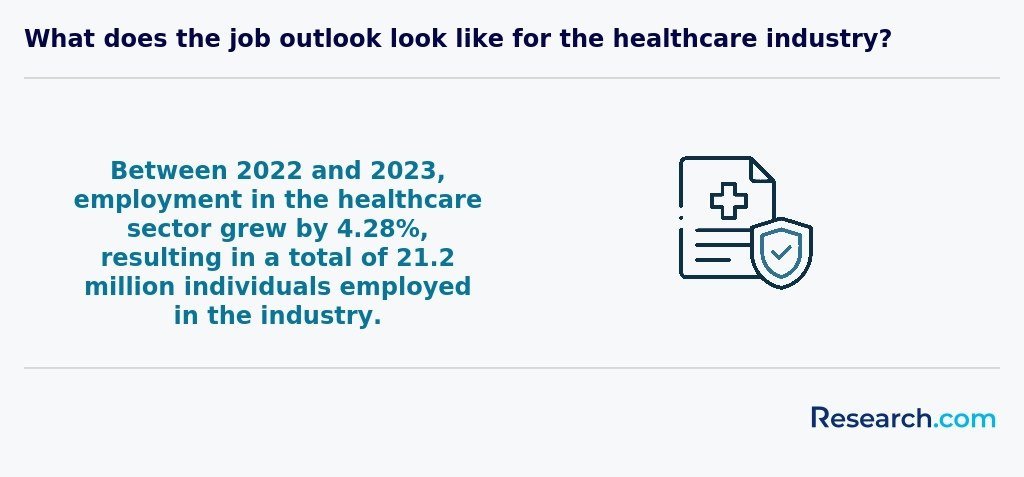
- Washington employs over 400,000 healthcare workers, making it a large and growing job market.
- Tuition varies: public universities charge about $11,000 per year for in-state students, private schools can exceed $30,000, and community colleges cost under $5,000.
- Healthcare programs include nursing, health administration, allied health, physical therapy, and radiologic technology, with clinical placements provided.
- Entry-level registered nurses earn around $85,000 annually, while other healthcare roles offer salaries from $60,000 to $90,000 with experience.
- Healthcare professionals in Washington can expect salary increases of 20-40% during their first decade in the field.
How long does it take to complete healthcare degree in Washington?
The typical duration to complete a healthcare degree in Washington varies by program level. Certificate programs, ideal for those seeking quick entry into support roles like CNAs or medical assistants, generally take under one year. Graduates often appreciate how these programs swiftly lead to employment in a high-demand job market.
Associate degrees, such as ADN or radiologic technology, usually require 18 to 24 months of full-time study. Many nursing graduates from colleges around Seattle highlight how this timeframe balances comprehensive training with a relatively fast pathway to becoming registered nurses.
Bachelor's programs, including BSN degrees offered by the University of Washington and Washington State University, take about four years full-time. Some students choose accelerated tracks or part-time options, sharing that flexibility helps them manage studies alongside jobs or family.
Graduate programs, including MSN or PA studies, extend education by two to three years after a bachelor's degree. Doctoral paths, such as DNP or medical school, add three to six years. Washington healthcare students recognize these investments as essential for advanced expertise and career growth.
Accreditation and Licensing Requirements
Ensuring your chosen healthcare degree program is properly accredited and aligned with Washington, DC’s licensing requirements is critical for both educational quality and professional eligibility. Accreditation verifies that a program meets nationally recognized standards, while licensure confirms you’re legally authorized to practice in the District. Major Accreditation Bodies: • Commission on Accreditation of Healthcare Management Education (CAHME) – accredits master’s and doctoral programs in healthcare management. • Commission on Collegiate Nursing Education (CCNE) and Accreditation Commission for Education in Nursing (ACEN) – oversee bachelor’s and graduate nursing programs. • Council on Education for Public Health (CEPH) – evaluates public health degrees. • Commission on Accreditation for Health Informatics and Information Management Education (CAHIIM) – accredits health informatics programs. Washington, DC Licensing Overview: • Nursing: Pass the NCLEX-RN and apply through the DC Board of Nursing, which requires background checks and proof of graduation from an accredited program. • Allied Health Roles: Each profession-such as respiratory therapy or radiologic technology-has its own certifying body (e.g., the National Board for Respiratory Care) and DC license application via the Department of Health’s Health Regulation Administration. • Public Health and Administration: While a license isn’t required, many employers prefer graduates from CEPH-accredited schools and Certification in Public Health (CPH) by the National Board of Public Health Examiners. Tip for Online Learners: If flexibility and affordability are important, consider accredited online programs vetted in our Affordable Online Healthcare Degree Programs Ranking in Nebraska, where many accredited options meet both academic and licensure standards. Before enrolling, confirm your program’s accreditation status through the Council for Higher Education Accreditation (CHEA) database and verify specific DC licensing pathways to ensure a seamless transition from education to practice.
What's the difference between online and on-campus healthcare degree?
Online and on-campus healthcare degree programs in Washington differ primarily in their delivery and interaction methods. On-campus programs, such as those at the University of Washington, require students to attend classes in person, offering direct access to instructors and hands-on clinical practice crucial for careers like nursing or medical technology. Graduates often highlight the value of immediate feedback and collaborative learning environments.
Conversely, online programs provided by several Washington institutions cater to working professionals seeking flexibility. These programs allow students to manage coursework remotely, often through asynchronous classes, which can speed up degree completion. Yet, clinical components-essential for skill development-usually still require some campus visits or local arrangements, preserving vital practical experience.
Cost considerations also play a significant role. While the University of Washington charges approximately $11,745 annually for in-state students, online study can reduce expenses related to commuting and housing. This balance appeals to many students juggling personal commitments without compromising educational quality.
Campus Life and Student Resources in Washington, DC
The vibrant campus life in Washington, DC, is much more than just academic excellence-it’s a holistic environment where students thrive through robust support services and extracurricular opportunities. Many healthcare programs here integrate specialized tutoring, career counseling, and mental health resources to ensure every student feels supported from day one. For instance, universities often host networking events, health workshops, and community service initiatives that not only enrich the student experience but also pave the way for long-term professional growth. Facilities such as modern simulation labs and dedicated study centers enable students to gain real-world clinical experience in a supportive setting. Additionally, campuses in the capital prioritize student well-being by offering mentorship programs and peer-support groups, which greatly ease the transition to rigorous healthcare studies. For more detailed insights on top-notch institutions, consider exploring the offerings of a valuable healthcare school in district of columbia that combines academic rigor with an engaging campus experience.
What is the average cost of healthcare degree in Washington?
The average cost of obtaining a healthcare degree in Washington varies significantly based on residency status, program level, and institution type. Data shows that the median total cost for a healthcare degree is approximately $61,504, with in-state students paying slightly less at $58,378. This comparatively moderate range reflects a balance between more affordable public university options and the higher costs associated with private institutions, which often exceed $40,000 annually for tuition alone.
Undergraduates studying healthcare fields at institutions like the University of Washington often benefit from lower in-state tuition rates, averaging around $11,745 annually, easing financial burdens and allowing students to focus on gaining valuable clinical experience and networking opportunities. Graduates of these programs frequently cite their ability to balance tuition with living expenses as a positive factor in their educational journey. Conversely, private schools such as Pacific Lutheran University or Seattle University present a different scenario; their tuition, often between $40,000 to $50,000 per year, reflects a substantial investment but can come with specialized healthcare resources and smaller class sizes that some students find appealing.
Graduate programs, including Master of Science in Nursing or Physician Assistant tracks, tend to have higher total costs, ranging from $15,000 to $45,000 annually, depending on the school and specific program. Students pursuing these advanced degrees report that while the financial commitment is considerable, many find financial aid, scholarships, and grants available through university financial aid offices invaluable in making their education attainable.
For those assessing the average cost of healthcare degree in Washington, it's important to remember the extra expenses incurred from clinical fees, lab supplies, textbooks, and health insurance, which together add several thousand dollars annually. Graduates often highlight the support systems available that help manage these expenses, making the overall investment manageable. To gain deeper insight into how healthcare degrees rank and what value they offer in the broader region, prospective students might explore options like the valuable healthcare school in district of columbia.
Considering the healthcare degree tuition and fees Washington 2027, it's clear that planning ahead and weighing these costs carefully will better position students to make informed decisions about their educational paths and future healthcare careers.
Campus Life and Student Support
Embarking on a healthcare degree journey goes beyond classroom learning-it involves immersing yourself in a vibrant campus life that fosters growth, collaboration, and lifelong connections. Most top institutions in Washington, DC have developed robust support systems that are designed to ease the transition from student to professional. From comprehensive career services and mentorship programs to active student organizations and wellness initiatives, universities create an environment where academic and personal development thrive in tandem. Students benefit from dedicated advisors who offer personalized guidance on internships, research opportunities, and networking events that connect them with industry professionals. Such support not only enhances the overall learning experience but also builds confidence as students prepare for demanding careers in healthcare. Moreover, campus housing, study groups, and community outreach programs enable students to cultivate valuable soft skills like communication, teamwork, and cultural competence. For a closer look at institutions that excel in delivering these enriching experiences, check out our detailed ranking of valuable healthcare school in district of columbia. This ranking spotlights programs that effectively blend academic excellence with a dynamic campus life, ensuring that graduates are well-equipped to make a significant impact in the healthcare field.
What financial aid is available to healthcare degree students in Washington?
Healthcare students in Washington can access a variety of financial aid options crucial to managing tuition costs, which typically range from $7,000 to $30,000 annually depending on institution type. Federal aid plays a significant role, with Pell Grants offering up to $7,395 for undergraduates demonstrating financial need. Graduates from the University of Washington recall how their Pell Grant substantially eased pressure during early semesters.
The Washington College Grant is another key source, providing between $2,500 and $4,500 yearly for eligible residents attending public or tribal colleges. Students at Seattle Central College often mention this grant as a vital supplement alongside federal funds.
Scholarships from professional groups such as the Washington State Nurses Association offer merit- and need-based awards ranging from $1,000 to full tuition. Many healthcare students feel motivated by winning these scholarships, validating their academic efforts.
Work-study programs tie wages to healthcare-related jobs, combining income with valuable experience. Additionally, some healthcare employers in Washington provide tuition reimbursement, enabling working students to pursue degrees without financial strain.
Accreditation and Licensure Considerations
Ensuring your healthcare degree program in Washington, DC, is properly accredited is essential for eligibility on licensure exams and long-term career success. Accredited programs meet rigorous standards set by agencies such as the Commission on Accreditation of Healthcare Management Education (CAHME), the Commission on Collegiate Nursing Education (CCNE), or the Council on Education for Public Health (CEPH). Accreditation not only validates the quality of your curriculum but also guarantees that your credits will transfer smoothly and that employers recognize your credential. In Washington, DC, licensure requirements vary by profession: nurses must pass the NCLEX-RN administered by the DC Board of Nursing, while medical technologists seek certification through the American Society for Clinical Pathology (ASCP). Public health graduates aiming for certification from the National Board of Public Health Examiners (NBPHE) must verify that their program holds CEPH accreditation. Before applying, confirm that your chosen institution maintains current accreditation status on the U.S. Department of Education’s Database of Accredited Postsecondary Institutions and Programs. Beyond initial licensure, many healthcare roles require continuing education credits (CEUs) to maintain certification. Accredited programs often integrate CEU opportunities directly into advanced coursework, ensuring you stay compliant with state regulations and professional standards. Additionally, partnerships between DC universities and local hospitals or health agencies frequently streamline the process for supervised clinical hours, a prerequisite for many licensure applications. For students exploring specialized tracks-such as kinesiology, healthcare informatics, or financial management-selecting an accredited online option can offer both flexibility and credibility. For example, our Best Online Kinesiology Programs guide highlights accredited courses that align with DC’s licensure prerequisites and industry expectations. Prioritizing accreditation and understanding licensure pathways will empower you to enter the workforce confidently and uphold the highest standards of patient care.
What are the prerequisites for enrolling in healthcare degree program in Washington?
To enroll in healthcare degree programs in Washington, applicants typically need a high school diploma or equivalent, such as a GED, accompanied by core coursework in biology, chemistry, and mathematics. For example, graduates from the University of Washington College of Nursing recall how mastering these subjects eased their transition into demanding nursing classes. Many programs expect a minimum GPA near 2.5 to 3.0, reinforcing preparedness for rigorous healthcare studies.
Advanced programs, such as RN-to-BSN tracks offered by Central Washington University, mandate active RN licensure, reflecting state requirements enforced by the Washington State Nursing Care Quality Assurance Commission. Students remember submitting proof of licensure as a crucial step that unlocked further academic opportunities.
Applicants often submit SAT or ACT scores, though some Washington colleges adopt test-optional policies, relieving pressure and encouraging diverse applicants. Strong letters of recommendation, personal statements, and healthcare experience boost acceptance chances, emphasizing practical commitment.
Health prerequisites like vaccinations for MMR, Hepatitis B, and TB tests are standard. Graduates from Washington State University highlight the importance of timely immunizations and background checks for clinical readiness.

Emerging Trends Shaping Healthcare Education in Washington, DC
As the healthcare field rapidly evolves, students and professionals alike benefit from programs that not only impart foundational skills but also embrace current innovations in technology and patient care. Today’s programs increasingly integrate simulation labs, telemedicine, and digital health solutions into the curriculum, preparing graduates for emerging roles in the industry. Institutions in Washington, DC are partnering with leading healthcare providers and tech innovators to offer experiences that bridge theory with cutting-edge practice, ensuring that students stay competitive in an ever-changing landscape. This focus on innovation also supports flexible learning paths, with many schools expanding online course offerings. For instance, exploring opportunities such as mha online can provide additional pathways for busy professionals to advance their education while maintaining their careers. By staying informed about trends like artificial intelligence in diagnostics, remote patient monitoring, and mobile health applications, prospective students can choose programs that align with both current industry demands and future growth. This dynamic educational approach not only enhances learning outcomes but also directly contributes to improved patient care and community health outcomes in the capital region.
What courses are typically in healthcare degree programs in Washington?
Healthcare degree programs in Washington consistently include core courses such as human anatomy and physiology, microbiology, and medical terminology. Graduates from reputable institutions like the University of Washington highlight how mastering these subjects created a solid foundation for understanding patient conditions in clinical settings. In addition, pharmacology courses are integral, equipping students with knowledge about medications and their bodily effects, which is essential for safe patient care.
Courses in healthcare administration and ethics are common, addressing legal frameworks, policies, and patient privacy requirements like HIPAA. Students often share that these classes prepare them for real-world challenges managing healthcare facilities and upholding ethical standards.
Patient communication and cultural competency are also emphasized, reflecting Washington's diverse population. This training enables graduates to provide culturally sensitive care, improving patient trust and outcomes.
Hands-on clinical practicums offered by community colleges and public universities in Washington allow students to apply classroom learning in real healthcare environments, deepening their confidence and critical thinking skills.
What types of specializations are available in healthcare degree programs in Washington?
Healthcare degree specializations in Washington are diverse, reflecting the state's demand for skilled professionals across multiple healthcare sectors. Graduates from well-known institutions like the University of Washington and Seattle Pacific University often pursue nursing tracks such as Family Nurse Practitioner or Clinical Nurse Specialist, aligning with a 19% projected job growth for RNs through 2030. These programs typically require at least a BSN and foster a deep sense of purpose among students addressing critical patient care needs.
Washington healthcare programs and specializations also include healthcare administration, preparing students for leadership roles in managing public health organizations and hospitals. Graduates appreciate the practical focus on healthcare policy and finance, which pairs well with the state's median healthcare manager salary near $120,000, providing confidence in career stability.
Allied health fields like Physical Therapy, Radiologic Technology, and Respiratory Therapy offer additional pathways, requiring specialized degrees and licensure. Students often find these programs at regional colleges rewarding as they train extensively for vital hands-on roles.
Public health degrees are gaining traction post-pandemic, emphasizing community health and epidemiology. Many healthcare students in Washington enhance their expertise through advanced options like the mha online to expand career flexibility.
How do you choose the best healthcare degree in Washington?
Choosing the best healthcare degree programs in Washington requires an analytical approach, beginning with aligning programs to specific career goals. Graduates from well-known institutions in Seattle often emphasize the value of programs that offer strong clinical partnerships, enabling hands-on experience in local hospitals. Accreditation by bodies like CCNE or ACPE remains critical, ensuring eligibility for licensure and boosting employability. Cost is another key factor; with average tuition for public four-year institutions around $11,745 annually for in-state students, those seeking affordable healthcare degrees Washington state can still find valuable financial aid options.
Flexibility is also important, especially for working students balancing education and jobs. Many schools provide part-time, evening, and online options. Graduates report that program adaptability supports their success. Additionally, evaluating graduate success rates, including licensure pass rates and employment figures, provides insight into program quality. For those interested in kinesiology, exploring the Best Online Kinesiology Programs complements traditional healthcare degree choices well in Washington's educational landscape.
What career paths are available for healthcare degree students in Washington?
Healthcare degrees in Washington open various career paths driven by a robust and expanding healthcare industry. Graduates frequently enter registered nursing roles, where demand is projected to grow 15% by 2030, reflecting urgent needs in primary and acute care. Nursing specializations like pediatrics and critical care appeal to many students from universities such as the University of Washington, who report rewarding clinical experiences combined with strong financial prospects, including average annual salaries exceeding $90,000. This makes nursing an attractive choice for those pursuing healthcare career opportunities in Washington.
Other graduates pursue clinical roles like physician assistant, medical technologist, or respiratory therapist positions, which require advanced degrees and certifications. Healthcare administration and management also draw students looking to balance dynamic hospital operations and public health leadership, often supported by degrees offered at prominent Washington colleges. Research and public health roles at institutions like the Fred Hutchinson Cancer Center present opportunities in epidemiology and health informatics, fields growing alongside technology integration in healthcare.
For students weighing costs and career outlooks, exploring options via the Affordable Online Healthcare Degree Programs Ranking in Nebraska can illuminate pathways to affordable quality education that lead to strong healthcare degree job prospects Washington professionals experience today.
What is the job market for healthcare degree in Washington?
The healthcare job market in Washington presents strong prospects for graduates from local universities and community colleges. Registered Nurse (RN) positions are expected to grow by about 19% by 2030, driven by the aging Baby Boomer population and increasing demand for medical care. Graduates from programs in Seattle or Spokane often share positive experiences securing roles in hospitals, outpatient centers, and public health organizations. The Washington healthcare degree employment outlook also shows promising wages, with registered nurses averaging around $92,000 annually-an attractive figure compared to national averages.
Many healthcare students appreciate Washington's competitive tuition rates and financial aid options, which reduce barriers to entry for high-demand fields. As rural healthcare expands through telehealth services and state initiatives, graduates find diverse employment opportunities beyond urban centers. Those considering healthcare degrees may also explore options for flexible study paths, such as programs designed for students wondering what is the easiest degree to get online, aligning education with personal circumstances.
Frequently Asked Questions About healthcare
Healthcare degree students in Washington can maximize their learning by combining classroom education with practical experience. Many institutions in the state, like the University of Washington, offer strong clinical placements, internships, and partnerships with local healthcare providers. These opportunities allow students to apply theory in real-world settings, which is crucial in healthcare education.
Additionally, engaging with Washington's diverse patient populations helps students develop cultural competence-an important skill in this multicultural region. Students should also take advantage of cutting-edge research facilities and simulation labs available at several Washington universities.
Networking through professional organizations such as the Washington State Nurses Association provides valuable mentorship and job connections. According to the Washington State Department of Health, students who participate in internships and professional groups improve employment outcomes by up to 30% after graduation.
Emerging niches within the healthcare field in Washington reflect national trends in health technology and demographic needs. One growing area is telehealth, which expanded rapidly during the COVID-19 pandemic. Washington residents increasingly rely on virtual care, prompting higher demand for professionals skilled in telemedicine technology and remote patient management.
Another promising niche is geriatric healthcare, driven by Washington's aging population. By 2030, nearly 20% of the state's residents will be 65 or older, increasing the need for specialized care in chronic disease management and elderly support services.
Behavioral health is also expanding, with Washington investing in mental health services to address rising demand. According to the Washington State Department of Health, job growth for mental health counselors is expected to exceed 20% by 2030.
Additionally, health informatics is gaining traction as healthcare systems integrate data analytics for improved patient outcomes. Institutions like the University of Washington offer programs responding to this technological shift, positioning graduates for future-ready roles.
After completing a healthcare degree in Washington, preparing for the job market involves several key steps to increase employability. First, obtaining necessary state licenses or certifications is essential. For instance, registered nurses and other professionals must pass exams approved by the Washington State Department of Health.
Next, gaining practical experience through internships or clinical placements during studies can significantly enhance job prospects. According to the Washington State Employment Security Department, healthcare jobs are projected to grow 14% through 2031, making early hands-on experience valuable.
Networking with local healthcare providers and attending career fairs within Washington also help graduates connect with potential employers.
Employers in Washington value healthcare degree graduates who demonstrate strong clinical and technical skills. According to the Washington State Employment Security Department, proficiency in electronic health records (EHR) management is critical, as healthcare providers increasingly rely on digital systems.
Communication skills are essential, especially when interacting with diverse patient populations. Employers also seek graduates with problem-solving abilities and teamwork experience, reflecting the collaborative nature of healthcare settings.
Knowledge of state-specific healthcare regulations and patient privacy laws, such as HIPAA compliance, is highly regarded. Additionally, adaptability to fast-changing environments and commitment to continuing education are key traits that enhance employability in Washington's competitive healthcare sector.
Finding internships in Washington relevant to healthcare degrees involves a combination of research, networking, and utilizing university resources. Many healthcare programs in Washington State require or strongly encourage internships as part of curriculum requirements, particularly for nursing, public health, and allied health fields. Students should begin by consulting their college's career services and healthcare department, as these offices often have partnerships with local hospitals, clinics, and public health agencies.
Washington is home to major healthcare employers such as the University of Washington Medical Center, Swedish Health Services, and MultiCare Health System, which frequently offer student internships. Additionally, state health department internships provide valuable experience related to public health policy and administration. Visiting websites like the Washington State Department of Health and job boards such as Handshake can reveal current opportunities. Networking through LinkedIn and healthcare professional organizations in Washington also plays a key role in accessing competitive internships.
Obtaining a healthcare degree in Washington significantly enhances career mobility and advancement opportunities. The state's growing healthcare sector, driven by a 14% employment growth rate projected from 2022 to 2032 by the Washington State Employment Security Department, demands skilled professionals at all levels. A degree provides foundational knowledge and practical skills that qualify graduates for a variety of roles, from clinical positions to healthcare administration.
Degree holders often advance faster due to credential requirements for higher-paying roles, such as nurse practitioners or health services managers. According to the Bureau of Labor Statistics, healthcare occupations in Washington offer median annual wages well above the state's average. These credentials also facilitate movement between specialties and healthcare institutions, supporting long-term career growth.
Studying for a healthcare degree in Washington equips students with skills essential for interdisciplinary roles by emphasizing collaborative learning and practical experience. Many programs integrate coursework from nursing, public health, and health administration, reflecting the state's focus on team-based patient care. Washington's healthcare workforce, which grew by 15% from 2015 to 2022 according to the Washington State Department of Health, requires professionals who can work across specialties efficiently.
Students often engage in internships within diverse healthcare settings, fostering communication skills with varied medical professionals. Additionally, programs align with national competencies promoting coordinated care, which is crucial in today's complex healthcare environment.
When choosing between a thesis and a non-thesis healthcare degree program in Washington, consider your career goals and learning style. Thesis programs often suit students interested in research or pursuing a doctorate, as they require conducting original research and writing a formal thesis. In contrast, non-thesis options focus more on practical skills and coursework, appealing to those seeking direct entry into healthcare professions or administrative roles.
Washington's healthcare sector grows rapidly; for example, the state added over 15,000 healthcare jobs in 2022 (Washington State Employment Security Department). This supports diverse program types to match workforce needs. Research-oriented students may benefit from universities like the University of Washington, known for strong thesis programs.
Non-thesis tracks often allow faster completion and emphasize applied knowledge, which suits working professionals balancing education and job responsibilities.
Students based in Washington looking to study healthcare abroad have several pathways to consider. Many universities in Washington, such as the University of Washington, offer exchange programs or partnerships with foreign institutions, allowing students to gain international experience while earning credits toward their degree.
Popular destinations include Canada and the United Kingdom, known for their reputable healthcare education systems. According to the Institute of International Education, about 8% of healthcare students from the U.S. participate in study abroad programs, often focusing on global health, nursing, or public health.
Washington students can also explore programs accredited by organizations like the Commission on Accreditation of Allied Health Education Programs (CAAHEP), ensuring quality education abroad.
Washington offers various part-time job opportunities that complement healthcare degree education. Many students find positions as certified nursing assistants (CNAs) or medical assistants in hospitals and clinics. These roles provide practical experience and help build patient interaction skills.
The Washington State Department of Health reports strong demand for healthcare support roles, with CNAs earning an average hourly wage of $17. In addition, working as pharmacy technicians or medical billing specialists offers insights into healthcare operations and administration.
Internships or part-time jobs at local public health departments, such as Public Health - Seattle & King County, provide exposure to community health programs, expanding professional networks and understanding of population health challenges.
Healthcare students in Washington benefit from numerous networking opportunities that support their academic and professional growth. Many universities, such as the University of Washington, host career fairs and networking events connecting students with healthcare employers from across the state. These events are crucial for gaining internships and job placements in a region where healthcare jobs are projected to grow by 12% through 2030, according to the Washington State Employment Security Department.
Professional associations like the Washington State Nurses Association and the Washington Healthcare Association offer student memberships, workshops, and conferences. These platforms enable students to engage directly with experienced practitioners and industry leaders. Additionally, internships at major Seattle hospitals provide hands-on experience and valuable connections, enhancing future employment prospects.
Alumni networks play a significant role in supporting healthcare degree students in Washington by offering valuable connections within the local medical community. These networks provide mentorship opportunities, helping students navigate their educational paths and career options. According to the Washington State Department of Health, mentorship has been linked to higher retention rates and job placement success in healthcare professions.
Additionally, alumni connections often lead to internships and job openings in Washington's strong healthcare sector, which includes major employers like the University of Washington Medical Center and multi-hospital systems. Networking through alumni can give students inside access to job markets that see growth rates of nearly 15% in healthcare occupations statewide, as reported by the Bureau of Labor Statistics.
Customizing a healthcare degree program in Washington allows students to align their education with specific career goals. Many state universities offer various specializations such as nursing, health administration, or public health to match diverse interests. Students can choose electives, internships, and clinical experiences in local healthcare facilities, gaining practical skills that meet regional healthcare demands.
Washington's expanding healthcare sector demands expertise in areas like gerontology and mental health, which students can emphasize through targeted coursework. According to the Washington State Department of Health, the state anticipates a 15% growth in healthcare jobs by 2030, so tailoring your degree can enhance employability.
Additionally, students can benefit from dual-degree options or certificate programs that complement their main healthcare focus, such as data analytics or healthcare informatics. Engaging with professional organizations in Washington also helps customize the educational journey, providing networking and career development opportunities.
Healthcare students in Washington face several common challenges that impact their educational journey. One major issue is the high cost of tuition and living expenses, as Washington's average annual college cost exceeds $30,000, according to the College Board. This financial pressure often forces students to balance work and study, affecting their academic performance.
Another significant challenge is the competitive nature of healthcare programs. Many programs require strong academic records and clinical experience, making admission and progression stressful. Additionally, students must navigate rigorous clinical hours often in busy and understaffed healthcare settings, which can lead to burnout.
Finally, adapting to constantly evolving healthcare technologies and regulations requires ongoing learning and flexibility, adding to student workload and stress. The Washington State Department of Health emphasizes these demands as key factors influencing student retention and success in healthcare education.
With a healthcare degree in Washington, you can pursue several professional certifications that enhance your career opportunities. Common options include Certified Nursing Assistant (CNA), Registered Nurse (RN), and Licensed Practical Nurse (LPN) licenses, which are regulated by the Washington State Department of Health.
Other certifications, such as Certified Medical Assistant (CMA) and Certified Professional Coder (CPC), are available in allied health areas. For advanced roles, certifications like Certified Registered Nurse Anesthetist (CRNA) or Physician Assistant (PA) require additional education.
Washington's healthcare sector shows strong demand, with the state employment projections estimating a 15% growth for healthcare practitioners by 2030 (Washington Employment Security Department).
Applying for a healthcare program in Washington requires careful preparation. Start by researching programs accredited by organizations like the Commission on Accreditation of Allied Health Education Programs (CAAHEP) or the Accreditation Commission for Education in Nursing (ACEN). These ensure quality education and better job prospects. Highlight any relevant healthcare experience or volunteer work, as Washington has a growing demand for healthcare professionals with practical skills, according to the Washington State Department of Health.
Write a clear personal statement explaining your motivation and career goals. Tailor it specifically to healthcare challenges in Washington, such as rural health disparities or aging populations.
Ensure all transcripts and test scores meet program requirements. Many schools emphasize GPA and prerequisite coursework in biology, chemistry, or anatomy. Finally, secure strong letters of recommendation from academic or healthcare professionals who know your abilities well.
The healthcare field remains a vital part of the global economy, with growing demand for skilled professionals everywhere. In the United States, including Washington state, healthcare careers offer stability and diverse opportunities. According to the U.S. Bureau of Labor Statistics, healthcare occupations in Washington are projected to grow by 16% from 2022 to 2032, higher than the national average.
Globally, healthcare professionals are essential for tackling challenges like aging populations and chronic diseases. For Washington students, earning a healthcare degree opens doors to roles that are respected worldwide, such as nursing, medical technology, and health administration.
Internationally, the U.S. is seen as a leader in medical training, and degrees from Washington institutions are recognized for high standards and quality education. This global perspective can enhance career mobility and offer graduates chances to contribute to healthcare improvements beyond local borders.
Gaining practical experience is essential when studying for a healthcare degree in Washington. Many accredited programs integrate clinical internships or practicum hours, which are required for licensure in fields like nursing, physical therapy, and medical assisting.
Students can also benefit from partnerships between colleges and Washington's numerous healthcare facilities, such as Seattle Cancer Care Alliance or Providence Health & Services. These partnerships often provide students with opportunities for supervised hands-on training.
The Washington State Department of Health requires specific clinical experience hours depending on the profession, ensuring students meet professional standards before graduation.
Volunteering at local hospitals or community health centers is another practical way to build skills and professional networks.
Choosing the right concentration within a healthcare degree in Washington depends largely on your career goals and the local healthcare job market. Washington's healthcare sector is growing rapidly, with a 12% increase in healthcare employment expected through 2030, according to the Washington State Employment Security Department. Popular concentrations include nursing, public health, health informatics, and physical therapy.
Research labor trends and median salaries for each specialization; for example, registered nurses in Washington earn a median annual wage of about $95,000 as reported by the U.S. Bureau of Labor Statistics.
Consider your interests and strengths, and seek programs that offer strong clinical opportunities and accredited curricula, ensuring your degree meets licensing requirements in the state.
Related Healthcare Rankings for Nearby Cities
- 2027 Most Valuable Healthcare Degree Programs Ranking in Arlington
- 2027 Most Valuable Healthcare Degree Programs Ranking in College Park
- 2027 Most Valuable Healthcare Degree Programs Ranking in Fairfax
- 2027 Most Valuable Healthcare Degree Programs Ranking in Baltimore
- 2027 Most Valuable Healthcare Degree Programs Ranking in Winchester
- 2027 Most Valuable Healthcare Degree Programs Ranking in Dover
- 2027 Most Valuable Healthcare Degree Programs Ranking in New Castle
- 2027 Most Valuable Healthcare Degree Programs Ranking in Lancaster
- 2027 Most Valuable Healthcare Degree Programs Ranking in Richmond
- 2027 Most Valuable Healthcare Degree Programs Ranking in Charlottesville
Top Trending Healthcare Rankings
See What Experts Have To Say About Studying Healthcare
Read our interview with Healthcare experts

References
- Niche Market Opportunities Research Among Healthcare Professionals (A Decision Analyst Case History https://www.decisionanalyst.com/casestudies/nichemarketopportunities/
- Pursuing Your Career Goals: Strategies and Examples https://www.ultimatemedical.edu/blog/career-goals-importance-strategies-and-examples/
- Healthcare Administration Certifications https://www.publichealthdegrees.org/careers/healthcare-administrator/certification/
- Global Health Perspectives https://www.denvercollegeofnursing.edu/students/global-health-perspectives.html
- School ofHealth Sciences https://www.columbiabasin.edu/learn/discover-your-path/health-sciences/index.html
- Students and Alumni associations - Europubhealth https://www.europubhealth.org/students-alumni-associations/
- HEALTH MANAGEMENT (THESIS / NON-THESIS) - Lisansüstü Eğitim Enstitüsü https://lee.nisantasi.edu.tr/en/health-management-thesis-non-thesis/
- Master's in Healthcare Management Degrees in Washington - Healthcare Management Degree Guide https://www.healthcare-management-degree.net/in/washington/
- Client Challenge https://www.springerpflege.de/nursing-graduates-perceived-future-career-pathway-and-career-shi/50653658
- Global Health Perspectives https://globalhealthperspectives.com/


