
2027 Most Affordable Healthcare Degree Programs Ranking in Caguas

Co-Founder and Chief Data Scientist
Choosing the right healthcare degree program in Caguas can feel overwhelming, but this article is here to help. The 2027 Most Affordable Healthcare Degree Programs Ranking in Caguas was carefully created by the Research.com team of data scientists to guide students toward informed decisions.
By exploring this ranking, you'll discover affordable options that offer quality education and promising career paths. Pursuing a healthcare degree opens doors to meaningful work and personal growth. This article aims to support your journey with trustworthy information and encouragement.
Key benefits of getting healthcare degree in Caguas
- Salary for healthcare degree graduates: Graduates in Caguas can expect competitive salaries such as $43,350 annually for Medical Assistants and Clinical Research Coordinators, while Quality Improvement Coordinators earn up to $103,150 yearly, reflecting strong income potential in the healthcare field.
- Career paths: A healthcare degree from a popular Caguas college opens doors to diverse roles like Patient Care Technician or Health Information Technician, offering exciting opportunities to grow and specialize in rewarding healthcare careers.
- Online degree benefits: Earning a healthcare degree online in Caguas offers flexible learning schedules and easy access to resources, ideal for those balancing work or family, while still gaining valuable skills and credentials recognized by employers.
- Key benefits of getting healthcare degree in Caguas
- What can I expect from healthcare degree in Caguas?
- Where can I work with healthcare degree in Caguas?
- How much can I make with healthcare degree in Caguas?
- 2027 Most Affordable Healthcare Degree Programs Ranking in Caguas
- Key Findings
- How long does it take to complete healthcare degree in Caguas?
- Key Benefits
- What's the difference between online and on-campus healthcare degree?
- What is the average cost of healthcare degree in Caguas?
- What financial aid is available to healthcare degree students in Caguas?
- Program Accreditation and Licensure Success
- What are the prerequisites for enrolling in healthcare degree program in Caguas?
- What courses are typically in healthcare degree programs in Caguas?
- What types of specializations are available in healthcare degree programs in Caguas?
- How do you choose the best healthcare degree in Caguas?
- What career paths are available for healthcare degree students in Caguas?
- What is the job market for healthcare degree in Caguas?
- Top Trending Healthcare Rankings
- See What Experts Have To Say About Studying Healthcare
What can I expect from healthcare degree in Caguas?
Healthcare degree programs in Caguas typically offer an affordable path compared to many mainland U.S. cities, with tuition costs generally lower due to local economic factors. For example, public institutions like the University of Puerto Rico at Caguas provide accredited nursing and allied health programs with associate and bachelor's degree options. Graduates from these programs often share that the manageable tuition made pursuing a degree less stressful financially, allowing them to focus more on gaining clinical experience and mastering bilingual skills.
On average, students can expect tuition to range significantly lower than mainland averages, which can exceed tens of thousands annually. While exact fees vary by program and institution, many healthcare students report that costs fall comfortably within their budget, especially at public colleges. This economic advantage, paired with high-quality clinical placements at local hospitals, creates an encouraging environment where students feel supported both academically and financially.
The ability to sit for U.S. licensing exams after graduation adds national value to these degrees without an overwhelming debt burden. This balance between affordability and accreditation has positively impacted many students' confidence in their future healthcare careers.
Where can I work with healthcare degree in Caguas?
Graduates from healthcare programs at institutions like the University of Puerto Rico at Caguas and Turabo University often secure employment across multiple sectors within the city's robust healthcare system. Many find roles at Hospital Hima San Pablo-Caguas, where they apply skills as registered nurses, medical technicians, or healthcare administrators in a fast-paced hospital environment. This facility employs thousands, with nursing positions among the highest in demand, reflecting strong job stability.
Others pursue careers in outpatient clinics and community health centers, focusing on preventive care and chronic disease management. These settings provide meaningful daily interactions, enhancing patient well-being and public health. Graduates with degrees in health sciences or public health emphasize the rewarding nature of coordinating patient care and education.
Long-term care facilities and nursing homes in Caguas offer expanding opportunities, especially as eldercare demand grows. Healthcare students often express pride in contributing to these compassionate environments. Additionally, biomedical and administrative graduates engage with regional pharmaceutical and medical device firms, supporting research and regulatory compliance.
Local community outreach and government agencies like the Puerto Rico Department of Health also employ graduates for policy, education, and emergency response roles, demonstrating the variety of impactful career paths available.
How much can I make with healthcare degree in Caguas?
Graduates with healthcare degrees in Caguas typically start with roles such as medical assistants, earning an average of about $43,350 annually. This aligns closely with salaries observed at institutions like Universidad de Turabo, where graduates report feeling optimistic about entering stable job markets. Patient care technicians can expect higher earnings, averaging around $60,790 per year, reflecting the added responsibilities and skills they acquire during their programs.
Health information technicians in Caguas earn similar wages to medical assistants, near $43,380 annually, a figure that many graduates from regional colleges find encouraging as it represents a clear return on their educational investment. For those progressing to specialized roles like clinical research coordinators, the average salary remains around $43,350, demonstrating steady income opportunities directly linked to healthcare degree credentials.
Graduates aiming for leadership positions, such as quality improvement coordinators, can anticipate significantly greater earnings, averaging $103,150 annually. This reflects the advanced expertise developed through healthcare studies in Caguas and inspires many students to pursue continuous professional growth.
The salary ranges reinforce the practical benefits of healthcare degrees from Caguas universities, where hands-on training and affiliate clinical placements help graduates confidently transition into rewarding careers with positive financial prospects.
2027 Most Affordable Healthcare Degree Programs Ranking in Caguas
How do we rank schools?
Investing in your education is a significant decision that can shape your future, and the Research.com team understands the importance of making informed choices. To assist prospective students in Caguas, we have meticulously crafted the "2027 Most Affordable Healthcare Degree Programs Ranking in Caguas." Our commitment to quality, credibility, and accuracy is reflected in the extensive research and analysis conducted to compile this ranking.
We utilized the following reputable data sources to ensure a comprehensive evaluation of healthcare degree programs:
By exploring this ranking, readers will gain valuable insights into the most affordable and credible healthcare degree options in Caguas, empowering them to make well-informed decisions about their educational investment. For more details on our methodology, please visit our Research.com methodology page.
# 1 position
Huertas College
Bachelor of Science in Health Professions
# 2 position
Columbia Central University-Caguas
Bachelor of Nursing
# 3 position
Columbia Central University-Caguas
Master of Healthcare Administration
# 4 position
San Juan Bautista School of Medicine
Master of Science in Health Sciences
# 5 position
San Juan Bautista School of Medicine
Bachelor of Science in Health Sciences
Key Findings
- Healthcare programs in Caguas, Puerto Rico, typically cost between $3,000 and $7,000 annually for in-state students, with private institutions charging up to $10,000 per year.
- Program lengths range from two to four years for associate and bachelor's degrees, with options for accelerated and online studies.
- Starting salaries for healthcare graduates average between $25,000 and $35,000 per year, with registered nurses earning around $32,000 initially.
- Experienced healthcare professionals can earn upwards of $50,000 annually after five to ten years in the field.
- Jobs are available in hospitals, clinics, long-term care, and community health organizations, supported by government healthcare initiatives.
- Licensing and certification requirements follow U.S. standards, allowing graduates to work across different states.
How long does it take to complete healthcare degree in Caguas?
Completing a healthcare degree in Caguas varies significantly based on the program and education level chosen. Certificate programs focusing on skills like phlebotomy or medical coding typically take between six months and one year, enabling graduates to enter the workforce quickly and confidently. For those aiming for associate degrees in fields such as nursing or medical assisting, community colleges and technical schools in Caguas provide programs lasting about two years. Graduates from these programs often appreciate the practical training and timely entry into healthcare roles.
Bachelor's degrees, including nursing (BSN) or health administration, usually require around four years of full-time study at institutions like the University of Turabo. Graduates frequently report feeling well-prepared and optimistic about their job prospects, reflecting the value of this commitment. Advanced degrees, such as master's or doctorates necessary for specialized careers like physical therapy or nurse practitioner roles, generally add two to four years beyond the bachelor's, following strict US-accredited guidelines. This structured timeline helps students plan their educational journeys confidently and realistically.
Key Benefits
- Significantly lower tuition and local scholarships reduce overall debt.
- Accredited curricula aligned with U.S. licensure enhance career mobility.
- Hands-on clinical rotations in Caguas hospitals build real-world skills.
- Multiple specializations-nursing, lab technology, informatics-match diverse interests.
- Flexible delivery options (on-campus, hybrid, online) support busy schedules.
- Strong community ties foster mentorship, networking, and job placement.
- Clear advancement pathways-explore pharmacist education requirements for a specialized track.
What's the difference between online and on-campus healthcare degree?
Online healthcare degrees in Caguas offer unmatched flexibility, allowing students to balance work and family commitments while studying at their own pace. Many graduates from institutions like the Universidad Ana G. Méndez appreciate being able to attend lectures and complete assignments remotely, significantly cutting commuting time and related costs. According to NCES data, online programs typically reduce tuition expenses by 15% to 20%, making them an economical choice for busy professionals.
Conversely, on-campus programs at colleges such as the Inter American University of Puerto Rico provide immersive hands-on experiences through labs and clinical placements. Graduates often highlight the value of direct access to simulation centers and face-to-face interactions, which enhance practical skills essential for healthcare careers. However, these benefits come with higher living and transportation costs, raising total expenses to between $4,000 and $9,000 annually.
Students in Caguas must weigh flexibility and affordability against practical training needs, considering personal learning styles and post-graduation goals when choosing between formats.
What is the average cost of healthcare degree in Caguas?
The average cost of a healthcare degree in Caguas varies depending on the level of study and institution type. For in-state students attending popular universities and colleges in Caguas, the median total cost is approximately $8,400. This figure generally covers tuition, fees, and other direct educational expenses over the entire program duration rather than annually, which offers a clearer financial outlook for prospective healthcare students.
Graduates from well-known nursing and healthcare programs in Caguas often mention that managing the total expenses with financial aid and scholarships was crucial to completing their degrees without undue stress. The median total out-of-state cost, nearly double at around $17,766, indicates a significant difference for students coming from outside the region. Nonetheless, many appreciate the value of affordable healthcare degrees Caguas 2027 offers compared to mainland institutions, making it a practical choice for local students.
Beyond tuition, students should factor in costs such as books, uniforms, lab supplies, and clinical placement fees, which typically add several hundred to a few thousand dollars annually. Many who pursue degrees here recommend exploring options like the fastest online degree completion programs for working adults to balance expenses and time commitments effectively.
The financial considerations are key when planning healthcare education in Caguas, and understanding the median costs available can help students budget accurately and make informed decisions about their future in this high-demand field.
What financial aid is available to healthcare degree students in Caguas?
Students pursuing healthcare degrees in Caguas typically rely on a combination of federal, local, and private financial aid resources to manage educational expenses. Graduates from institutions like the University of Puerto Rico at Cayey and other local colleges often access federal aid through FAFSA, including Pell Grants offering up to $7,395 annually, which require no repayment. Subsidized federal loans also provide low-interest options for those demonstrating financial need.
Many Caguas students benefit from state-supported scholarships or grants unique to Puerto Rico, often merit- or need-based, helping to offset the average $35,000-$45,000 bachelor's degree cost. Additionally, scholarships from the Health Resources and Services Administration (HRSA) support students committed to working in underserved communities, a key benefit given local healthcare worker shortages.
Work-study programs and partnerships with Caguas healthcare providers also allow students to earn income or receive tuition reimbursement during internships. Private scholarships, such as those from the Hispanic Scholarship Fund, further reduce financial burdens and have been instrumental in many students' ability to complete their healthcare education.
Program Accreditation and Licensure Success
Accreditation and licensure outcomes are vital markers of program quality and graduate readiness in Caguas. Key considerations include:
- Regional accreditation (e.g., Middle States Commission on Higher Education) ensuring overall institutional rigor
- Programmatic accreditation (ACEN or CCNE for nursing; NAACLS for lab sciences) verifying specialized curriculum standards
- Average NCLEX-RN pass rates of 85–95% at leading Caguas institutions, reflecting strong exam preparedness
- State board approval guaranteeing eligibility to sit for licensure exams in Puerto Rico
For students seeking a faster pathway to licensure, consider our accelerated lpn program.
What are the prerequisites for enrolling in healthcare degree program in Caguas?
Applicants aiming to enroll in healthcare degree programs in Caguas must have a high school diploma or its equivalent, such as a GED. This foundational requirement aligns with U.S. educational standards upheld by local institutions like the University of Puerto Rico at Caguas. Graduates often recall that meeting this prerequisite early eased their admission process.
Proficiency in core subjects-biology, chemistry, math, and English-is crucial. For example, students preparing for nursing or medical technology degrees at regional colleges reported that a strong science and math background helped them excel in challenging coursework and clinical placements.
While some bachelor's programs consider standardized test scores like the SAT or ACT, community colleges offering certifications may waive these in favor of high school grades and interviews. A graduate from a popular Caguas college shared that this flexibility relieved admission stress and allowed them to focus on practical skills.
Additionally, clean background checks and up-to-date immunizations are mandatory, ensuring patient safety during internships. This requirement, often emphasized during orientation at healthcare schools, reassures students that they contribute to trustworthy care environments.
- Completion of a high school diploma or GED
- Proficiency in science and math subjects
- Standardized test scores where applicable
- Background checks and immunization records
What courses are typically in healthcare degree programs in Caguas?
Healthcare degree programs in Caguas typically include a combination of foundational science courses and specialized healthcare topics that align with U.S. education standards. Students at institutions like the University of Turabo and Caribbean University report engaging deeply with subjects such as anatomy and physiology, microbiology, and medical terminology, which form the essential knowledge base for clinical understanding.
Courses in healthcare ethics and law are also emphasized, reflecting the region's adherence to U.S. healthcare regulations and the importance of patient rights. Practical courses like pharmacology basics and health informatics equip students with skills applicable in modern healthcare settings.
Graduates often describe their clinical practice and patient care rotations at Caguas hospitals as transformative experiences, bridging theory and real-world application. This hands-on component is pivotal for licensing and professional readiness, with many programs collaborating closely with local medical centers to facilitate internships.
Such a curriculum ensures graduates are well-prepared to address healthcare challenges specific to Puerto Rico and the broader U.S. system, inspiring confidence and satisfaction among students pursuing these degrees.
What types of specializations are available in healthcare degree programs in Caguas?
Healthcare degree specializations in Caguas commonly include nursing, health administration, dental hygiene, and physical therapy, reflecting the demands of local healthcare facilities and U.S. standards. Graduates from popular universities in Caguas often highlight nursing programs, which offer pathways from registered nursing to advanced practice roles, aligning with the U.S. Bureau of Labor Statistics projection of 9% job growth through 2032. This specialization remains a top choice due to strong job prospects and hands-on clinical training.
Health administration programs equip students with skills in healthcare finance, policy, and operations, vital for managing medical centers prevalent in Caguas. Graduates report satisfaction in contributing to efficient healthcare delivery locally. Allied health areas such as dental hygiene and physical therapy align with U.S. accreditation, enabling mobility across Puerto Rico and the mainland. Physical therapy students appreciate the clinical internships that link them to established healthcare providers in the region.
Emerging fields, including medical laboratory sciences and public health, address growing challenges like chronic diseases and aging populations in Caguas. Many students considering options explore the open college admission process to find flexible pathways in these areas, making Caguas attractive for diverse healthcare career goals.
How do you choose the best healthcare degree in Caguas?
When choosing the best healthcare degree in Caguas, start by verifying the program's accreditation, such as those recognized by the Council on Higher Education of Puerto Rico or CAAHEP. Graduates from popular local universities often highlight how accredited programs enable smoother licensure and better job prospects.
Consider the degree type and specialization carefully; nursing students, for example, value clinical placements at facilities like HIMA San Pablo Hospital, enhancing hands-on experience. These real-world connections are vital since many healthcare degrees in Caguas emphasize practical training alongside academic coursework.
Affordability remains a key concern. The most affordable healthcare degrees in Caguas typically range between $4,000 and $7,000 annually, significantly less than mainland US tuition. Graduates often appreciate how lower costs do not sacrifice educational quality.
Job placement rates also matter. Programs with strong partnerships with Ryder Memorial Hospital or other local centers offer robust networking opportunities. Reviewing state licensure pass rates is crucial-especially for nursing programs with NCLEX-RN requirements.
Students should also weigh program length, class sizes, and available financial aid. Some explore advanced options, such as the phd degree without dissertation, to further specialize. Applying these criteria in Caguas helps identify a program aligned with professional and personal goals.
What career paths are available for healthcare degree students in Caguas?
Graduates with a healthcare degree in Caguas find career paths in roles such as registered nurses, medical assistants, physical therapists, and healthcare administrators. Local colleges known for healthcare programs provide hands-on training through partnerships with area hospitals, enabling students to gain practical experience that fuels their job prospects. Registered nurses in Puerto Rico earn a median annual salary between $40,000 and $55,000, a figure that reflects steady demand driven by the region's aging population and medical needs.
Additional opportunities include specialized positions like medical technologists, radiologic technologists, and respiratory therapists, which require focused training offered by institutions in Caguas. Graduates often share positive experiences about how their education connected them to varied healthcare career opportunities in Caguas, supported by the strong presence of clinics and health centers across the area. For those seeking flexible education paths, enrolling in a cheap online bachelors degree program can complement their local studies and broaden employment options.
Healthcare administration also remains a promising field, typically requiring a bachelor's or master's degree. Graduates working in this sector contribute to managing medical facilities and community health programs, strengthening local health systems through leadership roles. The diverse healthcare degree job prospects Caguas offers are powered by the city's expanding healthcare infrastructure and government-backed health initiatives.
What is the job market for healthcare degree in Caguas?
The job market for healthcare degree holders in Caguas remains robust, supported by growing demand in hospitals, long-term care facilities, outpatient centers, and public health departments. Graduates from popular local institutions often share positive experiences, noting how their education prepares them well for diverse roles such as nursing, healthcare administration, and allied health professions. These graduates appreciate the region's steady need for qualified professionals, shaped by an aging population and expanded healthcare services.
Students pursuing healthcare degrees in Caguas find that affordability and practical training positively influence employment outcomes. Many have successfully transitioned into roles thanks to programs offered at well-known colleges, which emphasize hands-on skills aligned with actual job requirements. For those seeking quicker entry into the workforce, options like the accelerated lpn program provide an efficient pathway.
Caguas healthcare degree employment opportunities extend across public and private sectors, reflecting a steady local demand. Graduates often highlight the satisfaction of working in environments where their skills directly impact patient care and community health initiatives, reinforcing the fulfillment found in these careers.
Frequently Asked Questions About healthcare
Healthcare degree students in Caguas can maximize their learning by actively engaging in clinical internships offered through local hospitals and clinics. These practical experiences allow students to apply theoretical knowledge in real-world settings, enhancing critical skills. According to the Puerto Rico Department of Health, Caguas has a growing healthcare sector with opportunities for hands-on training in fields like nursing and medical technology. Students should also take advantage of study groups and mentoring programs to deepen understanding and network. Utilizing resources provided by accredited institutions, including simulation labs, can improve proficiency. Balancing coursework with practical exposure is key to success in healthcare education.
The healthcare field continues to evolve, creating new opportunities for students pursuing degrees in Caguas. One emerging niche is telehealth, which has grown significantly due to increased demand for remote medical services. The Puerto Rico Department of Health reports telehealth usage rose by over 40% during recent years.
Another growing area is gerontology, addressing the needs of an aging population. With Puerto Rico having one of the highest median ages in the US territories, demand for specialists in elderly care is expanding.
Additionally, health informatics is gaining importance, combining healthcare knowledge with data management to improve patient outcomes and streamline services.
After completing a healthcare degree in Caguas, preparing for the job market involves several key steps. First, obtaining relevant certifications and licenses is essential, as many healthcare roles require state or national accreditation. For example, nursing professionals in Puerto Rico must be licensed by the Puerto Rico Board of Nursing. Networking is also critical; joining local healthcare associations or attending job fairs in Caguas can open doors to employment opportunities.
Additionally, gaining practical experience through internships or volunteering in Caguas-area hospitals increases employability. According to the Puerto Rico Department of Labor, healthcare employment in Caguas is projected to grow steadily, making early connections valuable.
Fluency in both English and Spanish is a significant advantage in this bilingual region, enhancing communication with diverse patient populations.
Employers in Caguas value healthcare degree graduates who demonstrate strong clinical skills and patient care abilities. According to the Puerto Rico Department of Health, hands-on experience with electronic health records (EHR) is increasingly important, as about 85% of local healthcare providers have adopted digital systems.
Communication skills, both verbal and written, are essential. Practicing empathy and teamwork aligns with the collaborative environment of Caguas's healthcare facilities, such as HIMA San Pablo and Menonita Caguas.
Additionally, problem-solving and critical thinking are highly sought, enabling graduates to handle fast-paced medical situations effectively. Familiarity with healthcare regulations and ethical standards in the U.S. is also expected.
Finding internships in Caguas related to a healthcare degree involves several strategic steps. Start by contacting local hospitals and clinics, such as the HIMA San Pablo Hospital, which often offer internship programs for healthcare students.
Many institutions partner with universities and colleges in Puerto Rico, providing structured experiences for hands-on learning. Visiting your school's career services office can help locate these opportunities as they maintain updated internship listings.
Additionally, explore government health agencies and community health centers in Caguas that may offer internships to gain practical experience in public health settings.
Networking with healthcare professionals through local events or online platforms can further enhance your chances of securing an internship.
Obtaining a healthcare degree in Caguas significantly enhances career mobility and advancement opportunities within the local and broader Puerto Rican healthcare sectors. According to the Puerto Rico Department of Labor, healthcare occupations in Caguas are projected to grow by approximately 10% through 2028, driven by increased demand for medical services.
A degree in healthcare not only qualifies graduates for entry-level roles but also enables progression into specialized positions such as nursing management, health informatics, or public health administration. Employers in Caguas increasingly prefer candidates with formal education due to evolving regulatory requirements and technological advancements.
Furthermore, accredited degrees facilitate eligibility for professional certifications, which are often prerequisites for higher wages and leadership roles. Graduates also benefit from networking opportunities through local institutions, enhancing their career prospects.
Studying for a healthcare degree in Caguas equips students with skills vital for interdisciplinary roles commonly found in today's healthcare settings. Programs incorporate training in communication, teamwork, and problem-solving to prepare graduates for collaboration among physicians, nurses, therapists, and social workers. This approach reflects trends in US healthcare, where integrated care models improve patient outcomes.
Caguas benefits from its proximity to major medical centers on the island, offering students internships and clinical experiences across multiple disciplines. According to the Puerto Rico Department of Health, interdisciplinary healthcare teams are increasingly emphasized to address complex regional health challenges like diabetes and cardiovascular diseases.
Educational institutions in Caguas also embed courses covering health informatics and population health, enhancing graduates' ability to contribute to diverse healthcare teams.
Choosing between a thesis and a non-thesis healthcare degree program in Caguas depends largely on your career goals and learning preferences. Thesis programs require conducting original research and writing a detailed paper, ideal for students aiming at academia or research roles. Non-thesis programs focus more on practical skills and coursework, suiting those targeting immediate employment in healthcare settings.
In Caguas, healthcare institutions value hands-on experience, which non-thesis degrees often emphasize. According to recent data from the Puerto Rico Department of Health, about 60% of healthcare jobs in the region prioritize practical competencies over research experience.
Cost and program length may also vary; thesis tracks can extend study duration, impacting expenses.
Students based in Caguas seeking healthcare degrees abroad have several options within the U.S. higher education system. Many mainland institutions offer online and hybrid programs in nursing, public health, and allied health fields, which provide flexibility for Puerto Rican residents. In 2023, over 60% of Puerto Rican students enrolled in healthcare programs chose institutions accredited by bodies like CCNE or CAHME, ensuring quality and recognition.
Additionally, programs in Florida and New York are popular destinations due to established Spanish-speaking communities and cultural similarities. These states host a variety of affordable public universities offering bachelor's and master's degrees in healthcare, often with options for financial aid. According to the National Center for Education Statistics, healthcare remains a top field for employment growth, supporting students' career prospects.
Students pursuing healthcare degrees in Caguas have several part-time job opportunities that can complement their education while gaining practical experience. Many students work as medical assistants, supporting doctors and nurses in clinics across the city. This role helps build clinical skills and patient communication.
Pharmacies and local hospitals often hire part-time pharmacy technicians or aides. These roles provide exposure to medication management and healthcare operations, valuable for those interested in pharmacy or nursing careers.
Additionally, some students find roles as administrative assistants in healthcare facilities, developing vital organizational and healthcare system knowledge. According to the Puerto Rico Department of Labor, healthcare support roles in Caguas have grown by 8% in recent years, reflecting expanding opportunities.
Healthcare students in Caguas benefit from various networking opportunities essential for career development. Local institutions such as the University of Puerto Rico at Cayey, near Caguas, provide access to healthcare-focused student organizations and professional clubs. These groups often facilitate connections with healthcare professionals and alumni working in regional hospitals and clinics.
Additionally, Caguas hosts health-related conferences and community health events where students can meet practitioners and potential employers. Internship and volunteering options at nearby medical centers, including the Hospital HIMA San Pablo Caguas, enable hands-on experience and direct professional networking. According to the Puerto Rico Department of Health, such engagement significantly improves job placement rates for healthcare graduates.
Alumni networks play a crucial role for healthcare degree students in Caguas by providing valuable connections within the local medical community. These networks often include professionals working in nearby hospitals and clinics, offering students mentorship and insight into practical career pathways.
Strong alumni connections can facilitate internships and job placements in Caguas, a city with a growing healthcare sector driven by a population exceeding 100,000. According to the Puerto Rico Department of Health, healthcare employment has increased by 7% over the past five years, making these networks valuable for accessing emerging opportunities.
Moreover, alumni often host workshops and seminars that enhance students' practical skills and awareness of industry trends in Puerto Rico's healthcare system.
Customizing a healthcare degree program in Caguas involves selecting courses and specializations that align with your specific career goals. Many institutions in Puerto Rico, including those near Caguas, offer flexible curriculums allowing students to focus on areas such as nursing, health administration, or medical technology.
You can often choose electives or pursue certifications that enhance your skills in high-demand sectors like gerontology or community health. According to the Puerto Rico Department of Health, healthcare jobs in Caguas are growing, especially in outpatient care and home health services, which you can target through tailored coursework.
Additionally, internships and clinical placements in local healthcare facilities provide practical experience beneficial for career advancement. Consulting academic advisors helps identify opportunities to align training with job market needs in Caguas.
Healthcare students in Caguas often face a range of challenges during their education. One significant issue is balancing demanding clinical hours with classroom learning, which requires strong time management skills. Limited access to local internship opportunities can also restrict hands-on experience, essential for skills development. Financial constraints are common, as many students struggle with tuition costs alongside other living expenses in Puerto Rico. Additionally, language barriers may affect some students, since courses and clinical documentation are primarily in English, while Spanish is widely spoken locally. Programs sometimes lack sufficient mental health support, despite high stress levels reported among healthcare students. These challenges highlight key areas for prospective students to consider.
With a healthcare degree obtained in Caguas, graduates can pursue several professional certifications that enhance career opportunities. Common certifications include Certified Nursing Assistant (CNA), Registered Nurse (RN), and Licensed Practical Nurse (LPN), each requiring passing state-specific exams.
Additionally, individuals can aim for specialized certifications such as Medical Assistant (CMA) or Phlebotomy Technician, which are in demand at local hospitals like HIMA San Pablo Caguas. Advanced certifications like Certified Health Education Specialist (CHES) may be available for those pursuing public health roles.
According to the Puerto Rico Department of Labor, healthcare occupations in Caguas are projected to grow by 7% through 2030, increasing certification value.
When applying for a healthcare program in Caguas, focus on showcasing your academic strengths and relevant experience. Most institutions in Puerto Rico, including those in Caguas, require a strong high school GPA-typically above 3.0-and entrance exams like the College Board or local equivalents.
Applicants should emphasize any healthcare-related volunteer work or internships, which demonstrate commitment to the field. Writing a clear, well-organized personal statement is crucial; highlight your motivation, career goals, and understanding of healthcare challenges in Puerto Rico.
Letters of recommendation from educators or healthcare professionals add credibility. According to local educational reports, programs in Caguas favor applicants who reflect community engagement and cultural awareness relevant to Puerto Rico's healthcare needs.
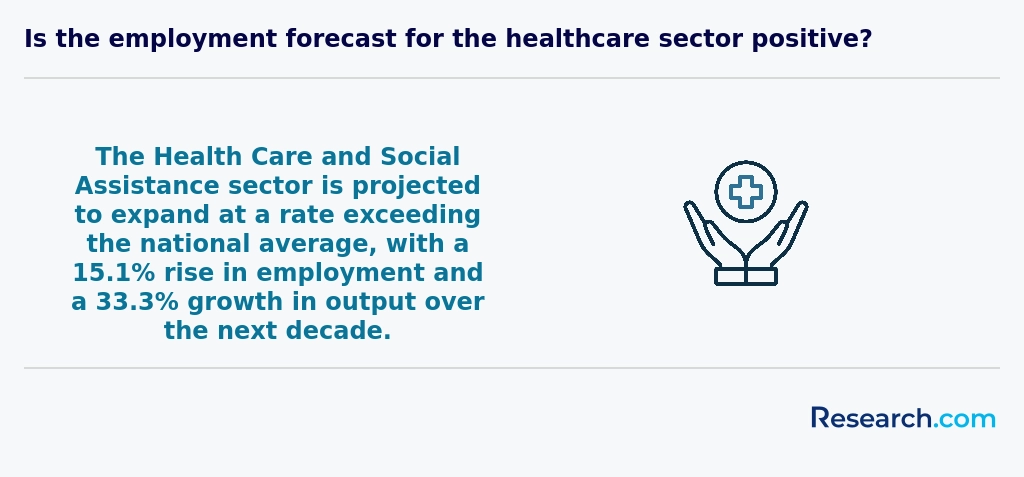
The healthcare industry continues to grow globally, driven by aging populations and advances in medical technology. In the United States, including regions like Caguas, healthcare careers offer stability and increasing demand. According to the U.S. Bureau of Labor Statistics, healthcare occupations are projected to grow 16% from 2021 to 2031, faster than average for all jobs.
Globally, healthcare professionals are encouraged to acquire skills in digital health and interdisciplinary care. Many healthcare systems emphasize culturally competent care, especially in diverse communities like Caguas. This region benefits from local training programs aligning with U.S. standards, enhancing graduates' international mobility and employment opportunities.
Gaining practical experience while studying for a healthcare degree in Caguas is essential for career readiness. Students typically engage in clinical internships or externships arranged through their universities, which partner with local hospitals, clinics, and long-term care facilities. For example, Hospital Menonita de Caguas offers hands-on training opportunities for nursing and allied health students. These placements allow learners to apply classroom knowledge in real patient care settings under professional supervision.
Additionally, Caguas benefits from statewide healthcare initiatives that encourage student involvement. The Puerto Rico Department of Health supports community health programs where students can volunteer to improve public wellness. This practical exposure complements academic work and enhances skills.
Many programs also require practicum hours for licensure qualifications, which can range from 300 to 1,000 hours depending on the specialty. Seeking early advising on these requirements helps students plan their schedules effectively.
Choosing the right concentration within a healthcare degree in Caguas involves understanding both your interests and the local job market. Healthcare jobs in Caguas are projected to grow by 12% from 2022 to 2032, according to the U.S. Bureau of Labor Statistics, with strong demand in nursing, medical laboratory technology, and health information management. Research local employers and consider concentrations aligned with these growth areas to increase job prospects.
Reflect on what aspects of healthcare appeal to you-clinical work, administration, or technology. Many programs in Caguas offer concentrations like nursing, physical therapy, and medical billing, each requiring different skills and certifications. Accreditation and hands-on training opportunities also matter; programs with partnerships to local hospitals or clinics provide valuable experience.
Top Trending Healthcare Rankings
See What Experts Have To Say About Studying Healthcare
Read our interview with Healthcare experts

References
- Thesis vs. Non-Thesis Master's Programs: Which is Right for You? https://potomac.edu/thesis-vs-non-thesis-masters/
- CNA Classes in Caguas, Puerto Rico https://www.nursegroups.com/programs/CNA/PR/Caguas
- Alumni Reconnect - Poznan University of Medical Sciences https://pums.edu.pl/alumni-friends/alumni-reconnect/
- How to Choose a Health Administration Program https://www.healthadministrationdegrees.com/articles/choosing-a-program/
- 20 healthcare investment niches and 3 things to know: The evolution of ... https://blackbookmarketresearch.com/20-healthcare-investment-niches-and-3-things-to-know-the-evolution-of
- What are the top 10 skills that'll get you a job when you graduate? https://targetjobs.co.uk/careers-advice/skills-for-getting-a-job/what-are-top-10-skills-thatll-get-you-job-when-you-graduate
- How to Succeed in a Difficult Job Market After Graduation https://www.hospitalrecruiting.com/blog/6542/how-to-succeed-in-a-difficult-job-market-after-graduation/
- How do you Network as a Student? | Medmentor https://medmentor.co.uk/blog/how-do-you-network-as-a-student
- Healthcare Degrees and Certificates | DeVry University https://www.devry.edu/online-programs/area-of-study/healthcare.html
- Degree Requirements | San Juan Bautista School Of Medicine https://www.sanjuanbautista.edu/academics/programs/nursing-program/degree-requirements


