
2027 Best Healthcare Degree Programs Ranking in Amherst

Co-Founder and Chief Data Scientist
Choosing the right healthcare degree program can shape your future in meaningful ways. This article introduces the 2027 Best Healthcare Degree Programs Ranking in Amherst, developed by the Research.com team of data scientists. It's designed to guide you through the top options available locally, helping you make a confident decision.
By exploring this ranking, you'll discover programs that align with your goals and values. Pursuing a healthcare degree opens doors to rewarding careers and personal growth, making your educational journey a fulfilling experience.
Key benefits of getting healthcare degree in Amherst
- Healthcare degree graduates in Amherst can expect rewarding salaries; for example, Medical Assistants earn about $43,350 annually, while Patient Care Technicians make around $60,790, highlighting strong earning potential in the region.
- Graduates often pursue diverse career paths such as Clinical Research Coordinators or Health Information Technicians, showcasing the degree's flexibility and numerous opportunities for meaningful work.
- Completing a healthcare degree online in Amherst offers flexibility and convenience, allowing students to balance studies with personal commitments while gaining the same valued skills as traditional programs.
- Key benefits of getting healthcare degree in Amherst
- What can I expect from healthcare degree in Amherst?
- Where can I work with healthcare degree in Amherst?
- How much can I make with healthcare degree in Amherst?
- 2027 Best Healthcare Degree Programs Ranking in Amherst
- Key Findings
- How long does it take to complete healthcare degree in Amherst?
- Top Healthcare Degree Programs in Amherst, MA
- What's the difference between online and on-campus healthcare degree?
- Expert Tips for Success in Your Healthcare Degree Journey
- What is the average cost of healthcare degree in Amherst?
- Accreditation and Licensing Requirements for Healthcare Programs in Amherst, MA
- What financial aid is available to healthcare degree students in Amherst?
- Campus Life and Community Engagement
- What are the prerequisites for enrolling in healthcare degree program in Amherst?
- What courses are typically in healthcare degree programs in Amherst?
- What types of specializations are available in healthcare degree programs in Amherst?
- How do you choose the best healthcare degree in Amherst?
- What career paths are available for healthcare degree students in Amherst?
- What is the job market for healthcare degree in Amherst?
- Top Trending Healthcare Rankings
- See What Experts Have To Say About Studying Healthcare
What can I expect from healthcare degree in Amherst?
The average cost of pursuing a healthcare degree in Amherst varies by institution and program, but students attending the University of Massachusetts Amherst typically face tuition and fees ranging from around $16,000 per year for in-state students to over $35,000 for out-of-state students. Graduates often recall balancing these costs with financial aid and scholarships tailored to healthcare programs, which can significantly ease the burden.
Many students find that the investment is worthwhile, given Amherst's access to robust experiential learning through internships and community projects. These practical opportunities not only enhance skills but also improve employability right after graduation, making the financial commitment feel purposeful and rewarding.
For example, graduates from public health and nursing tracks share that the tuition paid was an entry ticket to hands-on experiences in Pioneer Valley's extensive healthcare networks. This access makes Amherst an inspiring and supportive place to build a healthcare career while managing costs thoughtfully.
Where can I work with healthcare degree in Amherst?
Graduates with a healthcare degree in Amherst find themselves stepping into a vibrant job market filled with exciting possibilities. Many alumni from the University of Massachusetts Amherst share how their clinical internships at Cooley Dickinson Hospital opened doors to roles in nursing, allied health, and health informatics. This proximity to a leading medical center lets students turn classroom knowledge into real-world experience quickly.
Others choose to work in outpatient clinics or urgent care centers scattered throughout Amherst and the Pioneer Valley, where demand for healthcare professionals continues to rise. For students interested in healthcare administration, pathways often lead to leadership roles in hospital management or public health agencies, tapping into growing regional needs.
Amherst healthcare graduates also thrive in research settings linked to UMass Amherst, where combining patient care with cutting-edge studies fuels innovation. The community health programs led by local government and nonprofits provide meaningful work that directly impacts public health, offering rewarding careers beyond traditional hospitals.
How much can I make with healthcare degree in Amherst?
Graduates from healthcare degree programs in Amherst typically find encouraging salary prospects that grow with experience and specialization. For example, a Medical Assistant might start with an annual wage around $43,350, earning approximately $20.84 per hour. This is an accessible entry point for many eager to begin their careers in local clinics or hospitals.
Some graduates choose to develop skills as Patient Care Technicians, earning a mean annual salary near $60,790, reflecting the higher demands of direct patient care. Health Information Technicians also enjoy similar base earnings, around $43,380 annually, showcasing diverse paths even within Amherst's healthcare setting.
Those aiming for roles like Clinical Research Coordinators, often found in local research institutions or university programs, can expect starting salaries near $43,350, aligning practical skills with steady income.
For those driven toward leadership and quality improvements in healthcare, becoming a Quality Improvement Coordinator offers a remarkable leap, with reported earnings around $103,150 annually. Graduates from the University of Massachusetts Amherst frequently step into such roles, gaining both pride and professional fulfillment.
In Amherst, pursuing a healthcare degree opens doors not only to jobs but to rewarding careers where passion meets solid financial foundation.
2027 Best Healthcare Degree Programs Ranking in Amherst
How do we rank schools?
Investing in your education is a significant decision that can profoundly impact your future, and the Research.com team is committed to helping you make well-informed choices. To support students interested in healthcare degrees in Amherst, we have carefully developed the "2027 Best Healthcare Degree Programs Ranking in Amherst." Our dedication to quality, credibility, and accuracy is demonstrated through rigorous research and thorough analysis.
We utilized the following reputable data sources to ensure a comprehensive evaluation of healthcare programs:
By consulting this ranking, readers will receive valuable insights that facilitate informed decisions about pursuing healthcare education in Amherst. For more information on our evaluation process, please visit our Research.com methodology page.

Key Findings
- Healthcare bachelor's degrees in Amherst cost between $25,000 and $45,000 for in-state students.
- Graduate healthcare programs like nursing or public health range from $30,000 to $60,000 in tuition fees.
- Entry-level salaries for healthcare graduates start at around $50,000 per year and can grow to $70,000-$90,000 with experience.
- Healthcare jobs in Amherst are growing annually by approximately 3% due to population growth and an aging demographic.
- Programs often include clinical internships and partnerships with local hospitals to enhance employment opportunities after graduation.
How long does it take to complete healthcare degree in Amherst?
Completing a healthcare degree in Amherst is a journey that varies by your chosen path but is rewarding every step of the way. For instance, many graduates from Holyoke Community College, which neighbors Amherst, earn their associate degrees in about two years, gaining essential skills that open doors to entry-level roles in busy clinics and hospitals.
If you aim higher, the University of Massachusetts Amherst offers a Bachelor of Science in Nursing that typically takes four years. Graduates often share how immersive clinical hours brought classroom knowledge to life, shaping their confidence in real healthcare settings. This timeline aligns with national data showing most nursing bachelor's students finish within 4.5 years.
For those ready to specialize, master's programs take roughly two years more, allowing deeper mastery and leadership training. Doctoral degrees, like the DNP, demand three to four years post-bachelor's, reflecting the dedication required to excel at advanced practice levels.
Remember, part-time and accelerated options exist too, making your dream flexible to your life. Amherst students often find joy balancing studies with personal commitments, empowered by programs tailored to diverse needs. Your journey here will be as unique as your passion for healthcare.
Top Healthcare Degree Programs in Amherst, MA
Here are top-ranked programs selected for academic quality, affordability, and career outcomes:
- University of Massachusetts Amherst – Bachelor of Science in Nursing (BSN): Accredited curriculum with extensive clinical rotations at UMass Memorial Health.
- University of Massachusetts Amherst – Bachelor of Science in Public Health: Integrates courses in epidemiology, biostatistics, and community health interventions.
- Bay Path University – Online RN to BSN Program: Fully online pathway for licensed RNs seeking advancement; explore cheapest rn to bsn online.
- Amherst College – Bachelor of Arts in Health Studies: Interdisciplinary focus on health equity, policy analysis, and research methodologies.
- Hampshire College – Bachelor of Arts in Health and Human Services: Emphasizes project-based learning, community engagement, and social justice in healthcare.
What's the difference between online and on-campus healthcare degree?
Choosing between online and on-campus healthcare degrees in Amherst hinges on how you envision your learning journey. Online programs offer the flexibility to study around your own schedule, a benefit many graduates appreciate when balancing part-time jobs or family. For example, students who enrolled remotely at institutions like UMass Amherst could access recorded lectures and virtual discussions, making education accessible beyond traditional hours.
On the other hand, those who choose on-campus paths enjoy hands-on experiences essential for healthcare careers. Graduates from local Amherst colleges often highlight the rich opportunities to learn in simulation labs and form connections through face-to-face mentoring. This direct interaction fuels both skills and confidence, as practical training is often integrated with nearby clinical partnerships across the Pioneer Valley.
It's important to remember that no matter the format, clinical experience requires time in a real-world setting. Many online students arrange local practicums to meet licensing requirements. Ultimately, your choice reflects your learning style and life demands in Amherst, allowing you to thrive on your healthcare path with purpose and dedication.
Expert Tips for Success in Your Healthcare Degree Journey
When planning to pursue a healthcare degree in Amherst, MA, prospective students should consider a range of strategies that enhance both their academic experience and future career prospects. One of the most effective ways to start is by mapping out a clear roadmap that includes scheduling study sessions, joining supportive academic communities, and engaging with career services early on. Establishing strong study habits, seeking mentorship from professors, and participating in internships or clinical placements can further boost practical knowledge and confidence. In today’s digitally-driven world, leveraging online resources can be a game changer. For example, supplementing traditional coursework with specialized online classes can broaden your understanding of complementary subjects. Students interested in nutrition may benefit from exploring the most popular online nutrition programs, which can provide additional insights into preventative health and dietary sciences. Moreover, staying updated on the latest industry trends-such as advancements in medical technology, telehealth innovations, and evidence-based patient care-will not only improve your academic performance but also prepare you for the evolving job market. Networking with alumni and healthcare professionals through seminars and online forums can offer valuable real-world perspectives, assisting you in making informed decisions about your educational journey. Ultimately, success in a healthcare program is built on a foundation of planning, resourcefulness, and adaptability. By embracing both traditional and digital learning tools, you position yourself to thrive in a demanding yet rewarding field.
What is the average cost of healthcare degree in Amherst?
The average cost of healthcare degree programs in Amherst typically centers around $17,772 for in-state students, while out-of-state students face significantly higher expenses, reaching a total median cost near $58,359. Graduates from popular institutions like the University of Massachusetts Amherst often recall balancing rigorous coursework with careful financial planning to manage these costs. The investment can feel steep but is a valuable step toward a rewarding career in healthcare, where quality training is essential.
Many students find that costs extend beyond tuition alone. Expenses for clinical placements, certification exams, and specialized materials add up and must be factored into the total expenses for healthcare degrees Amherst 2027 offers. For instance, healthcare students often share stories of juggling part-time work while meeting these additional financial demands, which underscores the importance of early planning and seeking financial aid options.
Residency status, program level, and institution type heavily influence the overall cost, but numerous scholarships and grants can ease the burden. Graduates from Amherst's healthcare programs emphasize the value of exploring financial aid early to make this investment more manageable without sacrificing educational quality. For students interested in related fields, exploring options in pet care careers can also provide valuable perspectives on managing healthcare education expenses.

Accreditation and Licensing Requirements for Healthcare Programs in Amherst, MA
Accreditation serves as a critical indicator of program quality and ensures that your healthcare degree meets industry standards set by recognized bodies such as the Commission on Collegiate Nursing Education (CCNE), the Accreditation Council for Education in Nutrition and Dietetics (ACEND), and the Commission on Accreditation for Health Informatics and Information Management Education (CAHIIM). In Massachusetts, accredited programs are also reviewed by the Massachusetts Department of Higher Education to verify that curricula align with state-mandated competencies. Choosing an accredited program not only enhances your eligibility for federal financial aid and licensure but also signals to employers that you have completed rigorous academic and clinical requirements. Licensing requirements in Amherst, MA, vary by profession. Aspiring nurses must graduate from a CCNE- or ACEN-accredited nursing program and pass the NCLEX-RN examination. Public health graduates seeking eligibility for the Certified in Public Health (CPH) credential should verify that their institution’s curriculum includes the ten foundational domains recognized by the National Board of Public Health Examiners. For Health Information Management professionals, successful completion of a CAHIIM-accredited degree is mandatory before sitting for the Registered Health Information Administrator (RHIA) exam. To explore cost-effective, accredited pathways, consider our most affordable online health information management degree programs, which offer flexible schedules and robust accreditation. Before enrolling, confirm accreditation status via the U.S. Department of Education’s Database of Accredited Postsecondary Institutions and Programs (DAPIP). Early verification allows you to plan effectively for licensure exams and clinical placements, ultimately accelerating your transition from student to licensed professional in Amherst’s dynamic healthcare landscape.
What financial aid is available to healthcare degree students in Amherst?
Students pursuing healthcare degrees in Amherst often find strong financial support from a variety of sources that make education more affordable and achievable. For example, many graduates from UMass Amherst describe how completing the Free Application for Federal Student Aid (FAFSA) opened doors to federal Pell Grants, which can provide up to $7,395 annually without the burden of repayment. This grant alone eased their tuition worries significantly.
State aid in Massachusetts also plays a vital role. Programs like MassGrant help local residents, including those at Amherst College or Hampshire College, by offering several thousand dollars each year based on need. Many students have shared how these funds helped them stay focused on their nursing or public health studies without financial stress.
Institutional scholarships further boost your chances, as many Amherst-area schools offer merit- and need-based awards tailored for healthcare students. Work-study opportunities are another common lifeline-these allow you to earn while learning, often through healthcare-related roles on campus, turning your education into a balanced, manageable journey.
Lastly, don't overlook scholarships from professional organizations, which many Amherst healthcare students have relied on to cover costs and even repay loans, inspiring confidence as they advance into thriving careers.
Campus Life and Community Engagement
Amidst the robust academic and career opportunities detailed above, understanding the vibrant campus life and community engagement at healthcare schools in Amherst, MA, is essential for prospective students. A conducive learning environment extends beyond lectures and labs-immersive social interactions, extracurricular activities, and strong alumni networks play a pivotal role in shaping overall student success. Many institutions host health-focused student organizations, career fairs, volunteer initiatives, and mentorship programs that provide hands-on experience and foster personal growth. Moreover, the local community often partners with schools to offer shadowing opportunities, internships, and real-world insights into the healthcare industry, enriching the student experience both inside and outside the classroom. For students seeking to balance excellent academic offerings with affordability, our guide to the cheapest healthcare schools in massachusetts provides further insights into institutions that marry quality education with cost-effective tuition rates. Embracing a well-rounded educational journey, students not only develop professional expertise but also build lasting connections and become active contributors to the healthcare community.
What are the prerequisites for enrolling in healthcare degree program in Amherst?
To enroll in a healthcare degree program in Amherst, you must first demonstrate a strong academic foundation. Graduates from prominent Amherst colleges recall how their success began with completing core high school courses in biology, chemistry, and math-skills essential for navigating the complexities of healthcare studies. Many programs expect proficiency in algebra and statistics, alongside solid communication skills, which are vital when interacting with patients and healthcare teams.
At universities well-known for their healthcare programs in Amherst, aspiring students share how submitting standardized test scores, although sometimes optional, helped set them apart during admissions. If you're considering graduate programs like nurse practitioner or physician assistant tracks, be prepared to have a relevant bachelor's degree and clinical experience-often ranging from 500 to over 1,000 hours. These hours are opportunities to immerse yourself in real-world care, whether it's shadowing professionals or hands-on internships at Amherst's healthcare facilities.
Letters of recommendation and a compelling personal statement also play key roles. Many students highlight how clearly articulating their passion and goals made a lasting impression on admissions committees, making their journey not just about meeting requirements but sharing their story with heart and purpose.

What courses are typically in healthcare degree programs in Amherst?
In Amherst, healthcare degree programs typically start with essential science courses like human anatomy, physiology, and microbiology. These classes build the foundation every healthcare professional needs, helping you confidently understand how the human body works and reacts to illness-knowledge you'll use daily in clinical settings.
Students also dive into healthcare ethics, health policy, and medical terminology, which prepare you to face real-world challenges such as navigating patient confidentiality or understanding insurance systems in Massachusetts. Graduates from Amherst's well-regarded institutions often share how these courses sharpened their critical thinking and empathy, vital skills for patient care.
Nursing students benefit from hands-on clinical practice in local hospitals, turning theory into action. Meanwhile, those focused on public health study epidemiology and biostatistics, tackling community health issues that directly affect Amherst and the greater Massachusetts area.
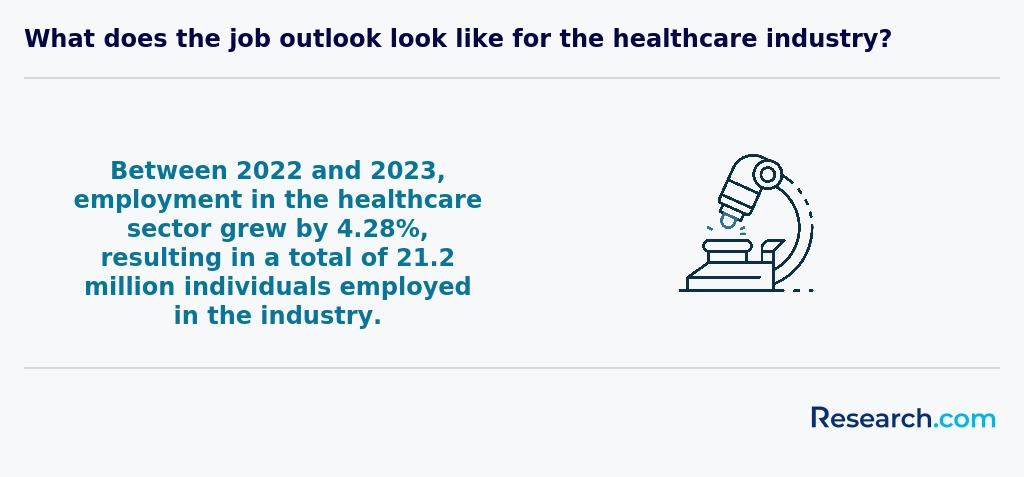
Additionally, courses in pharmacology, healthcare informatics, and patient care management ensure you're equipped with up-to-date medication knowledge and technology skills, making your training both comprehensive and relevant.
What types of specializations are available in healthcare degree programs in Amherst?
When pursuing healthcare degree specializations in Amherst, students often explore fields that directly respond to the needs of local communities and beyond. Nursing remains a standout choice, featuring distinct paths like geriatric, pediatric, and psychiatric nursing. Graduates from popular Amherst colleges feel rewarded working in hospitals and community clinics where their skills are in high demand. Public health, another vibrant specialization, focuses on epidemiology and wellness programs, which aligns well with regional health initiatives aimed at equity and prevention.
Amherst healthcare programs and specializations also include health informatics, an exciting blend of tech and patient care that graduates appreciate for its forward-thinking approach. Physical therapy and rehabilitation sciences attract students passionate about restoring mobility and function, especially within aging populations familiar in Massachusetts. Healthcare administration rounds out the options, teaching vital managerial skills needed to effectively run medical facilities. Many students find that programs offered at the University of Massachusetts Amherst give them ample opportunity to tailor their education.
Choosing the right path often depends on where you see yourself making the most impact. For example, if you want to see how nursing ranks nationally, check out the nursing program rankings for inspiration and guidance on quality education options.
How do you choose the best healthcare degree in Amherst?
When choosing the best healthcare degree in Amherst, start by envisioning your future role-whether it's hands-on patient care, public health, or administration. Graduates from the University of Massachusetts Amherst often recall how programs focused on health promotion helped them gain clarity and confidence in public health careers. Balancing passion with practicality matters, so consider affordable healthcare degrees in Amherst; costs vary widely, but many students find relief through scholarships or financial aid.
Quality is key: ensure your program has strong accreditation, as this impacts your licensure and job prospects. Many local programs have connections to hospitals, providing vital internships that graduates describe as transformative experiences. Flexibility is another important factor-part-time, evening, or online options can make a big difference if you're managing work or family.
Finally, if nursing fits your goals, explore the extensive nursing degree pathways offered locally, which some students found to be a gateway to rewarding healthcare careers right from Amherst.
What career paths are available for healthcare degree students in Amherst?
Graduates with a healthcare degree in Amherst find themselves stepping into a vibrant job market with varied career options that truly make a difference. Many alumni from well-regarded Amherst colleges pursue roles as Registered Nurses or Nurse Practitioners, driven by a passion to provide hands-on patient care. These opportunities reflect local and statewide growth trends, making their work fulfilling and in high demand. Others lean toward health administration, managing programs and facilities-a path that combines leadership with a heart for improving community health systems.
Healthcare job opportunities in Amherst also include rewarding roles in physical therapy and rehabilitation, where graduates support patients on their recovery journeys within specialized local centers. Medical laboratory technology is another promising avenue, providing crucial behind-the-scenes diagnostic expertise. Graduates committed to public health engage with community programs that focus on prevention and education, echoing the region's dedication to wellness.
Students should be mindful that some fields, like occupational therapy or physician assistant roles, require graduate studies but open doors to well-compensated positions. Many healthcare students from Amherst institutions openly discuss the challenges and rewards of their training, often emphasizing the importance of resilience and networking. For those exploring obstacles in their path, resources on nursing education challenges offer valuable guidance to stay motivated and reach their career goals.

What is the job market for healthcare degree in Amherst?
The healthcare job outlook Amherst MA is promising, especially for graduates ready to step into roles such as registered nurses, medical technologists, and healthcare administrators. Graduates from local institutions often share how their hands-on experiences at places like Baystate Medical Center or UMass Amherst prepared them for a community eager to embrace healthcare innovation. Many find themselves welcomed into stable careers, supported by the region's strong demand and state-driven growth programs.
Employment opportunities healthcare graduates Amherst also extend into emerging fields like telehealth and healthcare informatics, reflecting the adaptability required in today's healthcare landscape. Graduates have described feeling inspired knowing their work supports both urban and rural populations, enhancing community health initiatives. Salaries typically reflect state averages, with starting wages for allied health roles providing a solid foundation for early career growth.
For those considering costs, it's useful to explore the cheapest healthcare schools in massachusetts, balancing quality education with financial investment. This practical approach helps graduates achieve their goals while contributing to Amherst's dynamic healthcare environment.
Frequently Asked Questions About healthcare
Healthcare degree students in Amherst can maximize their learning experience by combining rigorous academic coursework with practical exposure. Engaging in clinical internships at local hospitals such as Cooley Dickinson Health Care offers valuable hands-on experience critical to understanding patient care and medical procedures.
Students should also take advantage of Amherst's proximity to research institutions, participating in healthcare studies whenever possible to broaden their knowledge. According to the Massachusetts Department of Higher Education, taking part in real-world projects increases retention and skill application by up to 30%.
Joining student organizations related to healthcare promotes networking and professional growth. Additionally, leveraging tutoring and academic support services available at Amherst's colleges ensures mastery of complex healthcare topics.
The healthcare field in Amherst is rapidly evolving, with several emerging niches gaining momentum. One significant area is telehealth, which expanded by over 40% since 2020 nationwide, offering remote patient monitoring and virtual consultations. This trend is supported by local institutions that integrate technology into healthcare education.
Another rising niche is geriatric care, driven by the aging population in Massachusetts. Programs focusing on elder care and chronic disease management are increasingly vital as Amherst sees higher demand for specialized seniors' services. The Massachusetts Department of Public Health highlights this demographic shift.
Additionally, healthcare data analytics is becoming critical. Professionals trained in interpreting complex medical data help improve treatment outcomes. Amherst colleges are incorporating this expertise into their curricula to meet growing workforce needs.
After completing a healthcare degree in Amherst, preparing for the job market involves several key steps. First, students should engage in internships or clinical experiences offered through local hospitals like Baystate Medical Center to gain practical skills valued by employers. Networking within Amherst's healthcare community can help uncover job opportunities, especially given the region's growing healthcare sector.
Additionally, obtaining relevant certifications, such as CPR or specialized licenses, can improve marketability. According to Massachusetts labor statistics, demand for healthcare professionals in Hampden County, where Amherst is located, is expected to grow by over 15% through 2030.
Seeking career counseling services at local colleges can also provide tailored job search strategies and resume support.
Employers in Amherst value a combination of technical and soft skills in healthcare degree graduates. Clinical competence is essential, including proficiency in patient care, medical terminology, and healthcare technology. According to the Massachusetts Department of Public Health, strong knowledge of electronic health records systems is increasingly demanded.
Communication skills are critical, as healthcare professionals must interact effectively with patients and multidisciplinary teams. Problem-solving and critical thinking also rank highly, enabling staff to respond to complex and dynamic healthcare environments.
Additionally, cultural competence and empathy are emphasized to provide quality care in diverse communities typical of Amherst's patient population.
Finding healthcare internships in Amherst involves leveraging local institutions and resources to gain practical experience. Students pursuing healthcare degrees should start by contacting nearby hospitals, clinics, and research centers. Notable employers in Amherst include Cooley Dickinson Hospital and the University of Massachusetts Amherst Health Services, which often offer internships or volunteer opportunities.
Additionally, academic advisors at Amherst colleges frequently maintain lists of healthcare internship openings and can assist students with application processes. Websites like Handshake and the UMass Amherst Career Services portal list local internships tailored to healthcare students.
Networking through student organizations and local professional healthcare groups also significantly improves access to internship opportunities. According to the Massachusetts Department of Public Health, the healthcare industry in Hampshire County has grown by 5% annually, increasing local internship availability.
Obtaining a healthcare degree in Amherst significantly enhances career mobility and advancement opportunities in the region's growing medical sector. Healthcare professionals with degrees are in high demand, particularly in hospitals and clinics affiliated with the University of Massachusetts and Baystate Health, two major local employers.
According to Massachusetts labor market reports, individuals with healthcare degrees in Amherst experience a 15% higher employment rate compared to those without formal education in the field.
Advanced degrees often lead to leadership roles, such as nurse practitioners or healthcare administrators, offering higher salaries and more responsibilities.
Furthermore, continuing education within the region supports professionals aiming to specialize or move into interdisciplinary roles, enhancing long-term career growth.
Studying for a healthcare degree in Amherst offers strong preparation for interdisciplinary roles through a curriculum designed to integrate diverse healthcare disciplines. Programs emphasize collaboration among nursing, public health, and allied health students, reflecting the real-world team-based approach to patient care.
Local institutions often partner with nearby hospitals and community health organizations, giving students hands-on experience in environments where professionals from various fields work together. This exposure helps develop communication and problem-solving skills vital for interdisciplinary teamwork.
According to the Massachusetts Department of Higher Education, Amherst healthcare programs report over 85% of graduates engaging in interdisciplinary settings within their first year, demonstrating effective preparation for such roles.
Choosing between a thesis and a non-thesis healthcare degree program in Amherst depends primarily on your career goals and learning preferences. Thesis programs involve conducting original research and writing a detailed paper, suitable for students interested in academic or research careers. Non-thesis programs emphasize coursework and practical skills, ideal for those aiming to enter clinical or administrative roles more quickly.
Amherst hosts several universities with healthcare programs, reflecting national trends where about 40% of master's students opt for thesis tracks to pursue further study. Local healthcare employers often value practical experience, which non-thesis programs typically offer through internships or practicums.
State education data highlight that thesis students often take longer to graduate but may have better chances for doctoral programs or research jobs. Consulting each Amherst institution's curriculum and career support services helps align your choice with professional aspirations.
Students based in Amherst interested in studying healthcare abroad have several pathways available through U.S. institutions with international partnerships. Many universities offer dual-degree programs or study-abroad opportunities in countries known for strong healthcare education, such as the United Kingdom, Canada, and Australia.
Amherst students often benefit from exchange programs that provide clinical experience in diverse healthcare settings internationally, enhancing practical skills. According to the Institute of International Education, over 25% of U.S. healthcare students participate in some form of study abroad during their degree.
Additionally, specialized healthcare programs abroad can complement Amherst's own offerings, allowing students access to advanced medical research facilities and internships. These experiences improve global healthcare perspectives crucial for today's interconnected medical field.
Amherst offers several part-time job opportunities that align well with healthcare degree studies. Many students find positions as medical assistants or patient care technicians at local clinics and hospitals, gaining valuable hands-on experience while studying.
Pharmacies in Amherst also hire part-time pharmacy technicians, a role that complements coursework in pharmacology and healthcare systems. Additionally, some students work as home health aides for eldercare services, providing direct patient support and learning essential caregiving skills.
These roles can enhance practical knowledge and improve employability upon graduation. According to data from the Massachusetts Executive Office of Labor and Workforce Development, healthcare occupations in Amherst grew by 6% over the past five years, indicating strong local demand.
Healthcare students in Amherst benefit from diverse networking opportunities that enhance their education and career prospects. The University of Massachusetts Amherst, a key institution in the area, offers several healthcare-related student organizations and professional clubs. These groups often host events, guest lectures, and workshops featuring local healthcare professionals.
The Pioneer Valley also hosts regular healthcare industry conferences and job fairs, connecting students with hospitals, clinics, and research centers. According to the Massachusetts Department of Higher Education, over 60% of healthcare graduates in the state receive job offers through networking events and clinical partnerships.
Local hospitals, such as Cooley Dickinson Health Care, frequently collaborate with academic programs, providing internships and mentorship opportunities. This practical experience allows students to build professional relationships early on, which can be critical for employment after graduation.
Alumni networks play a crucial role for healthcare degree students in Amherst by providing valuable connections within the local medical community. Graduates often gain access to mentoring opportunities from experienced professionals who understand the specific demands of healthcare careers in the region.
These networks facilitate internships, clinical placements, and job referrals, helping students transition smoothly from academic settings to healthcare facilities in Amherst and surrounding areas. According to the University of Massachusetts Amherst career services, over 60% of healthcare graduates secure positions through alumni referrals.
Moreover, alumni events and workshops foster skill development and keep students informed about evolving healthcare trends and regulations in Massachusetts.
Customizing a healthcare degree program in Amherst allows students to align their education with specific career goals. Many local institutions offer flexible curricula with concentrations in areas like public health, healthcare administration, or clinical sciences. Amherst's access to renowned medical research centers provides opportunities for internships and practical experience tailored to student interests.
Students can often select elective courses to deepen expertise in specialties such as mental health or healthcare technology. Additionally, some programs support part-time study or online classes, which accommodate working professionals. According to recent data from the Massachusetts Department of Higher Education, Amherst graduates in healthcare fields enjoy employment rates above 85% within six months.
Healthcare students in Amherst commonly face several challenges throughout their academic journey. One major hurdle is managing the rigorous curriculum, which often requires mastering complex medical terminology and practical skills alongside theoretical knowledge.
Many students also report stress related to limited clinical placement opportunities in local hospitals and clinics. Amherst's healthcare network, while growing, can sometimes struggle to accommodate all students seeking hands-on experience, according to recent data from the Massachusetts Department of Public Health.
Financial strain is another significant challenge. Although tuition varies, healthcare programs can be costly, and many students must balance part-time work with demanding study schedules.
Finally, time management and mental health are ongoing concerns, as intensive study and clinical hours often lead to burnout without adequate support systems.
With a healthcare degree in Amherst, you can pursue various professional certifications to enhance your career opportunities. Common certifications include Certified Nursing Assistant (CNA), Licensed Practical Nurse (LPN), and Registered Nurse (RN), depending on your level of education and training.
For those interested in specialized roles, certifications such as Certified Medical Assistant (CMA), Emergency Medical Technician (EMT), or Certified Health Education Specialist (CHES) are available. These certifications are recognized across the United States and often required for advanced positions.
Amherst's healthcare sector, supported by local hospitals and clinics, offers ample opportunities to gain practical experience alongside certification preparation. Data from the Massachusetts Department of Public Health highlights steady growth in healthcare employment, increasing demand for certified professionals.
Writing a winning application for a healthcare program in Amherst requires careful preparation and attention to detail. Start by thoroughly researching the program's specific prerequisites and admission criteria, which often include strong science coursework and relevant experience. Amherst students benefit from proximity to institutions like UMass Amherst, which emphasize both academic excellence and community involvement in healthcare.
Highlight any volunteer work or internships in local hospitals or clinics, as hands-on experience strengthens your profile. According to UMass Amherst's admissions data, applicants with clinical exposure have a 20% higher acceptance rate. Personal statements should clearly convey your passion for healthcare and your goals.
Ensure all transcripts, test scores, and letters of recommendation are submitted on time. Amherst applicants are encouraged to demonstrate teamwork and communication skills, valued highly in the healthcare field.
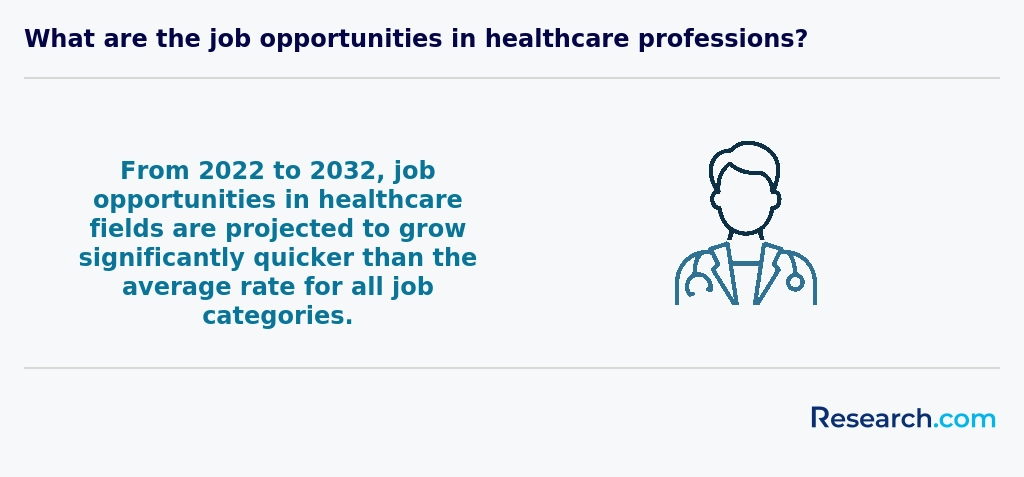
The global perspective on a healthcare career highlights its growing demand and importance across many countries. In the United States, healthcare occupations are projected to grow 13% from 2021 to 2031, much faster than the average for all jobs, according to the U.S. Bureau of Labor Statistics.
Amherst reflects these trends, with local healthcare facilities expanding services and requiring skilled professionals. As healthcare becomes more interconnected worldwide, professionals need cultural competence and adaptability to serve diverse populations.
Worldwide, healthcare careers offer opportunities for international collaboration and advancement. Understanding global health challenges can enhance a healthcare worker's impact at home in Amherst and abroad.
Gaining practical experience while studying for a healthcare degree in Amherst is essential for building skills and improving job prospects. Many local institutions, including the University of Massachusetts Amherst, offer clinical internships and externships as part of their healthcare programs. These opportunities allow students to work directly with patients under supervision, gaining hands-on experience in hospitals, clinics, and community health centers.
Students can also participate in research projects through partnerships with institutions like the Baystate Health system, which often collaborates with local universities. Volunteering in healthcare settings provides additional practical exposure and networking opportunities.
According to U.S. News, 85% of healthcare students in Massachusetts engage in practical training during their studies, supporting strong workforce readiness.
Choosing the right concentration within a healthcare degree program in Amherst involves assessing your career goals, interests, and the local job market. Amherst offers concentrations such as nursing, public health, healthcare administration, and clinical laboratory sciences. According to the Massachusetts Department of Public Health, Amherst and surrounding areas have growing demand for nurses and public health professionals due to an aging population.
Research reported by the U.S. Bureau of Labor Statistics shows healthcare occupations in Massachusetts are projected to grow 13% from 2021 to 2031, faster than average. Selecting a concentration aligned with this growth increases employment opportunities.
Consider the curriculum focus, internship placements, and faculty expertise at local colleges to ensure your chosen concentration provides relevant skills and regional connections.
Related Healthcare Rankings for Nearby Cities
- 2027 Best Healthcare Degree Programs Ranking in Albany
- 2027 Best Healthcare Degree Programs Ranking in Providence
- 2027 Best Healthcare Degree Programs Ranking in New Haven
- 2027 Best Healthcare Degree Programs Ranking in Bronx
- 2027 Best Healthcare Degree Programs Ranking in Queens
- 2027 Best Healthcare Degree Programs Ranking in New York
- 2027 Best Healthcare Degree Programs Ranking in Jersey City
- 2027 Best Healthcare Degree Programs Ranking in Brooklyn
- 2027 Best Healthcare Degree Programs Ranking in Scranton
- 2027 Best Healthcare Degree Programs Ranking in Wilkes-Barre
Top Trending Healthcare Rankings
See What Experts Have To Say About Studying Healthcare
Read our interview with Healthcare experts

References
- Experiential Learning to Enhance Global Health Collaboration and Student Opportunity https://annalsofglobalhealth.org/articles/10.5334/aogh.4537
- What Are the Differences in Salary Level for Different Degrees in Healthcare Management? | MHA Salary https://www.healthcare-management-degree.net/faq/what-are-the-differences-in-salary-level-for-different-degrees-in-healthcare-management/
- Seeing Double: Amherst’s Invisible Financial Aid Crisis (Part Two) https://amherststudent.com/article/seeing-double-amhersts-invisible-financial-aid-crisis-part-two/
- What Can You Do with a Health Sciences Degree? https://www.ycp.edu/news/what-can-you-do-with-a-health-sciences-degree
- Global Health Perspectives https://www.denvercollegeofnursing.edu/students/global-health-perspectives.html
- Program in Culture, Health, and Science https://www.fivecolleges.edu/academics/culture-health-and-science-chs
- How Long to Get a Doctor of Health Science? | University of Bridgeport https://www.bridgeport.edu/news/doctor-of-health-science-online-length-of-program/
- Career Opportunities in Healthcare Without a Medical Degree https://www.just-medical.ch/en/blog/medical-careers-without-formal-education
- 6 Tips On Networking For Medical Professionals https://aaams.net/blog/how-to-network-in-the-medical-field-nurses/
- How Long is an MHA Program? MHA Programs One Year to 18 Months https://www.onlineeducation.com/healthcare/faqs/length-of-online-mha-programs


