2027 Most Affordable Online Healthcare Degree Programs Ranking in California

Co-Founder and Chief Data Scientist
Choosing the right healthcare degree program can feel overwhelming, especially when balancing affordability and quality. This article offers a clear guide with the 2027 Most Affordable Online Healthcare Degree Programs Ranking in California, crafted by the Research.com team of data scientists.
By exploring this ranking, you'll discover programs that fit your budget without sacrificing value. Pursuing a healthcare degree opens doors to meaningful careers that truly make a difference in people's lives. We're here to help you make a confident, informed decision for your future.
Key benefits of getting online healthcare degree in California
- Healthcare degree graduates in California can earn competitive salaries; for example, Medical Assistants make about $43,350 annually while Patient Care Technicians earn around $60,790, offering strong financial encouragement.
- Graduates from California colleges often find diverse career paths in healthcare, such as Clinical Research Coordinators or Quality Improvement Coordinators, allowing you to choose roles that fit your passion and skills.
- Completing a healthcare degree online offers flexibility and convenience, letting you balance studies with work or family, as demonstrated by many successful online graduates from top California schools.
- 2027 Most Affordable Online Healthcare Degree Programs Ranking in California
- What can I expect from online healthcare degree in California?
- Where can I work with online healthcare degree in California?
What can I expect from online healthcare degree in California?
Students pursuing online healthcare degrees in California often find the average cost to be surprisingly accessible compared to the national landscape. Graduates from respected institutions like those within the California State University system report tuition costs usually falling below $10,000 annually for in-state learners. This affordability is a key factor for many balancing work, family, and study, allowing them to invest in their future without overwhelming debt.
One graduate recalls managing expenses while attending a well-known CSU campus online, appreciating how scholarships and financial aid options helped reduce the financial strain. However, they also warn that tuition is just part of the picture-technology fees for handling asynchronous coursework and clinical placement costs add layers to the total investment.
These financial realities shape a student's journey, inviting reflection on how accessible career advancement in healthcare truly is in California. The state's commitment to increasing enrollment capacity in nursing programs offers hope to those eager to join a growing workforce, all while navigating practical budget considerations.
Where can I work with online healthcare degree in California?
Graduates from online healthcare programs in California find themselves welcomed in diverse, dynamic workplaces. For many who studied at institutions like California State University or the University of Southern California, hospitals remain a vibrant hub of opportunity. Imagine coordinating patient care at a bustling UCLA Medical Center ward-roles that demand both compassion and sharp administrative skills.
Outpatient clinics and urgent care centers are also thriving arenas for online degree holders, offering flexible environments where graduates apply their knowledge in health information management or therapy support. These roles reflect a rapidly evolving healthcare landscape that values accessibility and innovation.
Many graduates feel inspired stepping into long-term care facilities, where the growing senior population creates a profound need for specialized care and administration, fitting the flexible schedules of online learners. Their work here is deeply rewarding, touching lives daily.
California's public health agencies frequently attract alumni focused on disease prevention and community well-being, echoing the state's mission to tackle health crises comprehensively. Those with interests in health informatics often find their niche in tech-driven companies or healthcare insurers, blending data savvy with patient advocacy.
These varied paths prove that online healthcare degrees in California open doors not just to jobs, but to meaningful careers aligned with personal passion and real-world impact.
Graduates from online healthcare programs in California often discover salary outcomes that exceed expectations, especially when compared to national norms. For example, a graduate from San Diego State University who started as a Medical Assistant saw initial earnings around $43,350 annually, aligning with state averages. While entry roles like medical assistants or health information technicians earn mean wages near $43,380 to $43,350, the potential for growth is palpable.
Other graduates pursuing roles such as Patient Care Technicians, often available through programs at California State University campuses, report salaries closer to $60,790 annually, reflecting both skill advancement and the state's high demand.
For those aiming higher, the position of Quality Improvement Coordinator offers compelling compensation, with mean salaries at about $103,150 yearly, showing how specialized healthcare degrees from institutions like the University of California system open doors to leadership and management opportunities.
These figures provoke deeper consideration: investing in an online healthcare degree in California isn't just an education-it's a step toward financial stability and career satisfaction in a thriving healthcare market.
- California's healthcare sector employs over 1.5 million people, making it one of the largest in the U.S.
- Tuition for online undergraduate healthcare programs in California typically ranges from $7,000 to $15,000 at public universities, with private programs costing over $30,000.
- Starting salaries for healthcare graduates in California average between $50,000 and $60,000 per year, with registered nurses often starting near $60,000.
- Healthcare occupations in California are projected to grow by about 15% over the next decade, driven by an aging population and increased demand.
- Online healthcare degrees from accredited institutions are accepted by employers and often include local clinical placements to meet licensing requirements.
Completing an online healthcare degree in California is rarely a one-size-fits-all journey. Graduates from institutions like California State University or University of Southern California often share how their path depended heavily on program type and personal circumstances. For example, associate degrees in nursing typically wrap up in 18 to 24 months, offering a quick yet solid entry into healthcare professions.
Many bachelor's degree graduates recall balancing family or work while studying part-time, stretching their timelines to five or six years, especially when attending well-known schools such as San Diego State University. Yet, accelerated online options at these colleges have enabled some to finish a bachelor's degree in as little as three years, proving dedication can reshape traditional expectations.
Meanwhile, master's programs usually span two to three years, demanding more intense commitment but offering rewarding career advancements. This flexibility and varied pacing reflect California's vibrant healthcare education landscape, catering to both fast-track learners and those valuing balance.
Navigating an online healthcare degree goes beyond coursework-it’s about developing habits that ensure long-term success. Start by creating a dedicated study space free of distractions, which helps you focus on lectures and assignments at your own pace. Establish a consistent schedule, breaking down study sessions into manageable time blocks that support a balanced lifestyle, especially when juggling work or personal responsibilities. Utilize digital tools such as calendar apps and task managers to keep track of deadlines and progress. Networking is also key; engage with peers and instructors via online forums and virtual study groups to build a support system early on. This interaction not only enriches your learning experience but also opens doors to career opportunities after graduation. For those seeking programs that blend affordability with quality, explore our most affordable healthcare programs in california as a starting point in your educational journey. Finally, take advantage of tutoring services and mentorship programs provided by your institution. By combining strong self-discipline with the available online resources, you can transform your digital college experience into a stepping stone for a thriving career in healthcare.
Choosing between online and on-campus healthcare degrees in California often boils down to contrasting experiences rather than just format. Graduates from California State University campuses recall how on-campus programs immersed them in vibrant labs and bustling clinical settings, fostering close bonds with professors and peers. This in-person interaction feels invaluable for hands-on skills but came with added costs and daily commutes that sometimes drained their energy.
Meanwhile, those who pursued online healthcare degrees from institutions like the University of California's extended campuses appreciated the freedom to study after work or family duties. They often described relief in avoiding long drives and campus fees, yet faced the challenge of securing local practicum spots themselves. This required initiative but also deepened their connection to community healthcare settings.
In California, where vast distances and busy lives intersect, these differences evoke personal trade-offs-whether it's the energetic camaraderie on campus or the flexible autonomy online. Both paths demand grit, but their rhythms and realities paint distinct portraits of what healthcare education truly means.
Choosing an online healthcare degree program goes beyond tuition and flexibility-it’s essential to ensure it equips you for the licensure and certification exams required in your field. Accredited programs typically disclose pass rates for key exams such as the NCLEX-RN for nursing graduates or the RHIA/RHIT certification for health information management professionals. When evaluating a program, look for:
- Accreditation and Exam Success: Verify that the institution is accredited by recognized bodies (e.g., CCNE for nursing, CAHIIM for health informatics) and publishes its first-time exam pass rates, which indicate curriculum rigor and exam preparedness.
- Specialized Exam Review Courses: Many programs incorporate dedicated review modules, practice exams, and tutoring specifically designed to reinforce core competencies tested on licensure exams, boosting confidence and performance.
- Alumni Outcomes and Support: Graduates who pass certification on their first attempt often highlight program-led exam workshops, peer study groups, and faculty-led Q&A sessions as critical resources. Review alumni testimonials for insights into the program’s commitment to ongoing support.
- Cross-Program Comparisons: To explore how various affordable online master’s programs stack up in preparing students for certification, see our Inexpensive Online Master's in Healthcare Degree Programs Ranking in Pittsburgh, PA, which details exam pass rates and accreditation status across top institutions. By prioritizing licensure and certification outcomes, you’ll select an online healthcare program that not only fits your budget but also positions you for success in securing credentials and advancing your career.
The average cost of an online healthcare degree in California challenges many assumptions about affordability in higher education. While some graduates recall community college associate programs costing as little as $2,000 to $5,000, others pursuing bachelor's degrees at institutions like California State University see a significantly higher investment-with in-state tuition averaging about $21,000 total. This middle ground often surprises students eager to balance cost and quality in their healthcare education.
Graduates from private universities describe a different financial experience. These schools commonly charge over $20,000 annually, pushing the total cost of an online healthcare degree well beyond public options. This pricing landscape highlights the importance of evaluating value versus cost carefully, especially when considering long-term career goals in healthcare.
Online graduate programs at the University of California or similar institutions represent yet another tier, with tuition hovering around $17,000 per year. Many students cherish the flexibility and strong reputation of these programs, even as costs escalate.
For prospective healthcare students curious about affordable online Healthcare programs California tuition is key, but so is seeking financial aid and scholarships to ease the burden.
Those wanting to explore options tailored specifically to their financial situation might find it helpful to review the most affordable healthcare programs in california to discover real-life savings opportunities and less obvious pathways to a healthcare career.

After completing an online healthcare degree, professionals must meet California’s licensure or certification standards before practicing. Requirements differ by role:
- Nursing (ADN/BSN): pass the NCLEX-RN, submit an application and fingerprint clearance to the California Board of Registered Nursing.
- Medical Assistants: while state licensure isn’t mandatory, employers often prefer certification such as CMA or RMA. Consider a fast track medical assistant program that prepares you for national exams.
- Health Information Management: graduate from a CA-accredited program and earn the AHIMA RHIT credential to manage electronic health records.
- Other allied health roles (e.g., radiologic technologists, clinical laboratory scientists): complete discipline-specific certification and state registration as required by the California Department of Public Health.
Understanding these steps ensures a smooth transition from graduation to a licensed healthcare career in California.
Many online healthcare students in California discover that financial aid extends beyond the obvious. Federal aid remains the cornerstone, with Pell Grants offering valuable no-repayment support and Direct Subsidized Loans easing immediate financial stress. Yet, graduates from institutions like California State University or community colleges often emphasize how state programs shape their path. For example, the California College Promise Grant can eliminate enrollment fees, lightening the burden especially for associate degree seekers.
Scholarships tailored specifically to healthcare online learners add another layer of relief. Imagine a nursing student at San Francisco State receiving a $3,000 institutional grant-this isn't just money; it's tangible encouragement. For working professionals balancing jobs and studies, employer tuition assistance-available to over half the workforce nationwide-can transform part-time learning into a feasible reality.
Moreover, the California State Loan Repayment Program stands out as a beacon of hope, rewarding commitment to underserved communities by alleviating loan burdens. This mix of federal, state, institutional, and employer aid creates a dynamic safety net for those daring to pursue online healthcare degrees across the state.
Embarking on your journey toward an online healthcare degree in California begins with a well-planned application process. In this section, we provide a step-by-step guide to help you navigate the admissions process with confidence. Start by gathering all necessary documentation, such as transcripts, standardized test scores (if required), and letters of recommendation. Pay close attention to application deadlines and be sure to tailor your personal statement to highlight your passion for healthcare and your readiness for the online learning environment. Additionally, research each program’s specific admission requirements and, if possible, attend virtual information sessions to gain insight into the program culture and student support services. A thorough understanding of the application criteria can significantly increase your chances of acceptance. For those looking to further diversify their skills after achieving an online healthcare degree, consider exploring opportunities like an online pharmacy degree to enhance your career potential. Finally, don’t hesitate to reach out to admissions counselors for personalized advice-they can provide invaluable guidance tailored to your academic background and career aspirations. By approaching the application process with a proactive and informed strategy, you set a solid foundation for success in your online healthcare education journey.
Enrolling in an online healthcare degree program in California demands more than just ambition; it requires clear academic preparation and practical readiness. Graduates from well-known institutions like the University of Southern California often recall the emphasis on foundational science courses-human anatomy, microbiology, and general chemistry-that shaped their confidence and competence early on. These prerequisites are not arbitrary hurdles but essential steps to truly grasp healthcare's complexity.
Many students find that completing college-level mathematics and communication classes beforehand, such as statistics or English composition, equips them better for the rigorous demands ahead. It's common for California community college students to appreciate how these skills translate directly into their successes in online degree settings, where clear communication and data understanding are vital.
For those aiming higher at graduate levels in programs at California State University campuses, the requirement of a bachelor's degree plus relevant work experience often means revisiting and strengthening their knowledge bases. This blend of academic and practical experience encourages a deeper connection to real-world healthcare challenges unique to California's diverse population.
Earning an online healthcare degree in California is just the first step toward a rewarding career; securing the appropriate licensure and certifications ensures you meet state requirements and stand out to employers. For nursing graduates, passing the National Council Licensure Examination (NCLEX-RN or NCLEX-PN) is mandatory and requires completion of an accredited program approved by the California Board of Registered Nursing. Health Information Management graduates should prepare for the Registered Health Information Technician (RHIT) exam, while those focused on administration can pursue credentials like the Certified Professional in Healthcare Quality (CPHQ) or Fellow of the American College of Healthcare Executives (FACHE). To maximize your credentialing success, choose programs that embed exam preparation courses, clinical simulations, and mentorship opportunities. Many online healthcare programs in California partner with local facilities to meet clinical hour requirements and provide state-approved curriculum, ensuring eligibility for licensure. Additionally, professionals seeking leadership roles may explore accelerated options-such as our best accelerated healthcare administration degree programs online-to fast-track their certification journey and career advancement. Maintaining certifications often involves continuing education units (CEUs) and adherence to ethical standards set by certifying bodies. By selecting accredited online programs with built-in support for licensure application, exam prep, and CEU tracking, graduates can confidently navigate California’s regulatory landscape and embark on a successful healthcare career.
Many students at well-known California institutions find that online healthcare degrees immerse them in courses like anatomy and physiology, medical terminology, and healthcare ethics-subjects that transform abstract concepts into relatable, everyday understanding. For example, a graduate from a respected California State University recalls how studying health informatics felt immediately applicable while volunteering at local clinics, turning theory into real impact.
California's unique healthcare environment also means learners engage deeply with courses on healthcare management, policy, and law, reflecting the state's cutting-edge regulatory landscape. This focus empowers students to navigate local healthcare systems with confidence and purpose, especially those aiming to influence public health through quality improvement and insurance finance knowledge.
Graduates often highlight the dynamic inclusion of emerging fields like telehealth, which grew explosively in the state post-pandemic, making digital healthcare more than an option-it's a new reality. These courses prepare students to meet California's diverse populations' needs, blending practical skills with a forward-thinking mindset that fuels optimism and readiness for future challenges.
California's online healthcare degree specializations challenge the notion that healthcare education is one-size-fits-all. Graduates from universities like UCLA and San Diego State reflect on how nursing tracks-ranging from RN to BSN and nurse practitioner-offer not only career advancement but also financial empowerment, with average salaries around $113,000. These programs let students stay employed while leveling up their skills.
Other students passionate about technology gravitate toward Health Informatics, where they learn to transform patient care through data management. The reality of California's digitized hospitals makes this specialization both relevant and rewarding, especially for those wanting to bridge healthcare and IT. Public health students from places like California State University take on urgent challenges, training to serve a diverse population of over 39 million, driven by a deep commitment to community well-being.
For those with a flair for leadership, Healthcare Administration opens doors to running healthcare systems effectively. And allied health fields like Medical Assisting and Radiologic Technology offer hands-on roles with strong local demand. Cost considerations often steer prospective students toward affordable options within the broad spectrum of California affordable healthcare degree programs. Some even explore an online pharmacy degree to extend their healthcare impact.
Choosing the best online healthcare degree in California means looking beyond just reputation or cost. Graduates from California State University often share how accreditation, like from CCNE or CEPH, ensured their education was respected by employers and licensure boards. Think of clinical placements-not just an item on a checklist, but a real chance to practice skills in familiar local hospitals, a feature many online programs from UC campuses emphasize to connect theory with California's healthcare realities.
Affordability shouldn't mean sacrificing quality. Many students find affordable healthcare degrees California online through community colleges, balancing financial constraints with meaningful coursework and part-time scheduling. One graduate recalls how flexibility enabled managing a full-time job while still engaging deeply with coursework tailored to California's healthcare system.
Finally, explore outcomes like job placement and licensure pass rates critically. High rates reported by popular California programs demonstrate confidence in education quality. For those aiming to accelerate their career trajectory, reviewing rankings of the best accelerated healthcare administration degree programs online might provide unexpected pathways that combine speed with strong industry ties.
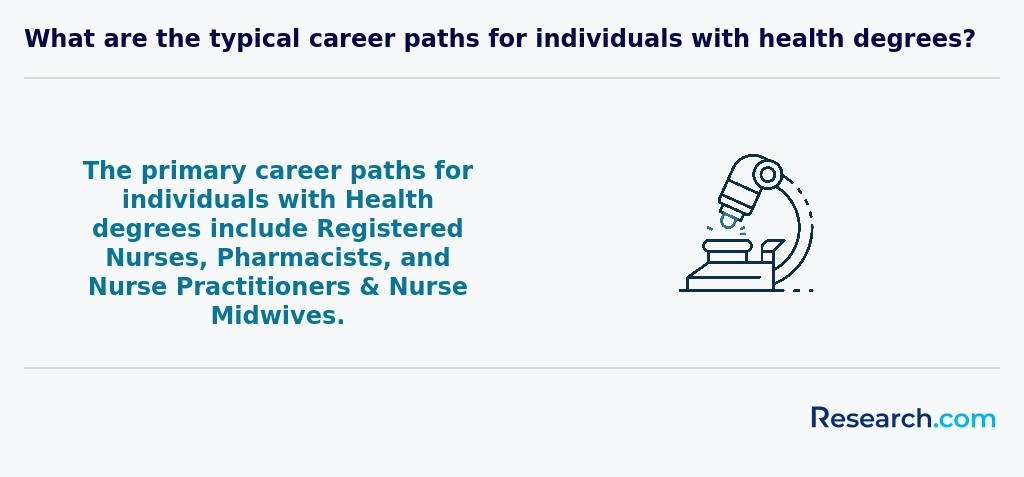
Graduates with a California online healthcare degree often find themselves navigating a diverse landscape of career paths, far beyond the traditional roles expected. Many alumni from institutions like the University of Southern California or California State University embrace roles as registered nurses, leveraging online BSN programs to ascend into leadership and specialized clinical positions. This growth mirrors the state's expanding healthcare job opportunities in California online programs, where roles such as medical and health services managers, physical therapist assistants, and respiratory therapists are increasingly in demand.
Others discover rewarding careers in healthcare administration or health informatics, working within dynamic environments like Los Angeles hospitals or public health agencies. These professionals contribute to shaping policy and improving patient care systems, illustrating how healthcare degrees can open doors beyond bedside care.
For those exploring further, allied health professions such as radiologic technologists or occupational therapy assistants provide satisfying paths with tangible patient impact. Many graduates share how online programs' flexibility at universities across California allowed them to balance work and study, leading to fulfilling careers.
Prospective students might also explore options highlighted in the Inexpensive Online Master's in Healthcare Degree Programs Ranking in Pittsburgh, PA to discover affordable advanced education opportunities.
The online healthcare job outlook California offers is notably dynamic, driven by expanding demand across roles from nursing to public health. Graduates from institutions like the University of California, Los Angeles, and San Diego State University often share stories of landing positions within months of completing their degrees, embracing both urban hospitals and rural telehealth initiatives. Such accounts reveal how California's digital health focus creates avenues for remotely trained professionals, a crucial factor amid ongoing public health challenges.
Employment opportunities within California's healthcare sector extend beyond clinical roles. Many graduates from online programs at popular colleges find rewarding paths as healthcare administrators or community health workers, contributing to vital statewide preventive care programs. These promising career trajectories reflect a market energized by demographic trends and state investments, underscoring why students view online healthcare degrees as strategic choices for long-term success.
Moreover, the appeal of affordability and flexibility in earning healthcare degrees online at California universities enhances access for diverse learners. Prospective students interested in accelerating their education should explore programs designed for faster completion, such as those detailed in this accelerated college degree resource, which align well with the evolving job market demands.
2027 Most Affordable Online Healthcare Degree Programs Ranking in California
Investing in your education is a significant decision that can shape your future, and the Research.com team understands the importance of making informed choices. To assist prospective students, we have meticulously developed the "2027 Most Affordable Online Healthcare Degree Programs Ranking in California." Our commitment to quality, credibility, and accuracy is reflected in the extensive research and analysis undertaken to compile this ranking.
We utilized the following reputable data sources to ensure a comprehensive evaluation of healthcare degree programs:
By exploring this ranking, readers will gain valuable insights into affordable and quality online healthcare degrees in California, empowering them to make well-informed decisions about their educational investments. For more details on our methodology, please visit our Research.com methodology page.


# 11 position
California State University, Dominguez Hills
Bachelor of Nursing degree completion program
# 12 position
Samuel Merritt University
Doctor of Nursing Practice

# 13 position
Samuel Merritt University
Master of Nursing - Family Nurse Practitioner



# 20 position
Western University of Health Sciences
Master of Nursing
Frequently Asked Questions About healthcare
Students pursuing online healthcare degrees in California can enhance their learning by actively engaging with virtual coursework and utilizing available digital resources. California's healthcare industry is dynamic, with the California Employment Development Department projecting a 15% growth in healthcare jobs from 2022 to 2032, so staying up to date with industry trends is crucial.
Participating in online discussion forums and study groups helps build connections and deepens understanding of complex topics. Additionally, leveraging California's numerous healthcare networks for internships or practical experience can provide valuable hands-on learning.
Students should also use academic support services offered by their institutions, including tutoring and career counseling, to successfully navigate their programs.
The healthcare field in California is rapidly evolving, creating new opportunities for online degree students. Emerging niches include telehealth, which grew significantly during the COVID-19 pandemic, with adoption rates increasing by over 50% in the state according to the California Health Care Foundation. Another growing area is health informatics, focusing on managing electronic health records and data analysis. California's aging population is also driving demand for geriatric care specialists and chronic disease management professionals. Additionally, mental health counseling and addiction treatment are expanding, reflecting increased state funding and awareness. These niches offer promising career paths aligned with California's healthcare trends and needs.
After completing an online healthcare degree in California, it is essential to build a strong professional profile. Start by obtaining necessary certifications and licenses, as many healthcare roles require state-specific credentials. For example, California's Board of Registered Nursing provides licensing for nurses, which is a crucial step before employment. Networking is vital; join local healthcare associations and attend virtual job fairs to connect with employers. According to the California Employment Development Department, healthcare occupations are expected to grow by 15% through 2030, highlighting promising career opportunities.
Developing practical skills through internships or volunteer work can boost your employability. Tailor your resume to emphasize relevant online coursework and clinical experiences. Utilize California's robust online job portals, such as CalJOBS, specializing in healthcare job listings. Continuous education and keeping up with industry trends will help maintain competitiveness in this evolving field.
Employers in California highly value healthcare graduates who demonstrate strong clinical skills combined with effective communication. According to the California Employment Development Department, teamwork and patient interaction abilities significantly improve job prospects in this competitive market.
Critical thinking and adaptability are also essential, as healthcare environments rapidly evolve with new technologies and regulations. Graduates who are proficient in digital health records and telemedicine show particular promise, reflecting the state's focus on modernized patient care.
Moreover, cultural competence is increasingly sought after, considering California's diverse population. Healthcare professionals who understand and respect varied backgrounds can better serve their communities, which improves patient outcomes.
Finding internships in California relevant to a healthcare degree requires a strategic approach. Start by consulting your online program's career services, as many schools have partnerships with local hospitals and clinics. California has over 400 licensed hospitals, according to the California Department of Public Health, offering numerous internship opportunities.
Utilize job boards like the California Healthcare Foundation's career portal or healthcare-specific platforms such as Health eCareers. Networking is crucial; join professional associations like the California Nurses Association or the American Public Health Association's California chapter. These organizations often post internships and host events where students can connect with employers.
Additionally, consider seeking internships with community health agencies or non-profits, especially those focused on underserved populations. California's large and diverse healthcare market means ample chances to gain hands-on experience in various specialties.
Obtaining an online healthcare degree in California can significantly enhance career mobility and advancement opportunities. The state's healthcare industry is among the largest in the nation, employing over 2.4 million workers as of 2023, according to the California Employment Development Department. An online degree allows professionals to gain critical skills and credentials without disrupting their current employment, meeting the increasing demand for flexible education options.
California's healthcare sector values accredited degrees, which can lead to roles with higher responsibility and pay. Graduates often qualify for advanced positions in nursing, health administration, or therapy fields.
Moreover, many employers recognize online degrees if they come from reputable, accredited institutions, helping graduates compete in a competitive job market.
The California Labor Market Information indicates a projected 15% job growth in healthcare support occupations through 2030, underscoring the importance of advanced qualifications for upward mobility.
Studying for a healthcare degree in California offers strong preparation for interdisciplinary roles by emphasizing collaboration across various medical and administrative fields. Programs often include courses that cover healthcare policy, informatics, and management. This integrated approach reflects California's complex healthcare system, which employs over 1.3 million healthcare workers according to the California Employment Development Department (EDD, 2023).
Online degrees frequently incorporate case studies and teamwork projects, training students to communicate effectively with professionals from nursing, social work, and public health backgrounds. This skill set is vital since many healthcare challenges require coordinated efforts among diverse specialists.
Moreover, California's emphasis on community health and cultural competence helps students understand patient diversity and social determinants of health. Such knowledge equips graduates to contribute meaningfully to multidisciplinary teams in hospitals, clinics, and public agencies.
When choosing between a thesis and a non-thesis healthcare degree program in California, students should consider their career goals and learning preferences. Thesis programs emphasize research skills and critical thinking, ideal for those planning to pursue a doctoral degree or work in academic or clinical research. Non-thesis options focus more on practical knowledge and may require additional coursework or internships, suiting professionals aiming for immediate employment.
California's healthcare industry, employing over 1.3 million people as of 2023 (Bureau of Labor Statistics), often values hands-on experience. This makes non-thesis programs attractive for many.
Cost and program length differences may also influence decisions, with thesis routes sometimes requiring additional semesters.
Students in California interested in studying healthcare abroad through online degree programs have several options. Many US institutions offer partnerships with international universities, allowing students to complete clinical or practical components overseas while earning an accredited degree from the US school. This hybrid model supports students seeking global experience while maintaining California licensure requirements.
California ranks among the top states with a growing demand for healthcare professionals. According to the California Employment Development Department, healthcare occupations are projected to grow by 15% through 2030. This growth encourages students to pursue diverse educational pathways, including international exposure via online programs.
Furthermore, California-based students can enroll in online degrees from accredited US institutions that include study abroad opportunities or global health curricula. These programs often collaborate with organizations such as the Commission on Accreditation of Allied Health Education Programs (CAAHEP) to ensure educational standards are met internationally.
In California, part-time job opportunities that complement healthcare degree education are diverse and growing. Many students find work as medical assistants, a role expected to grow by 23% statewide through 2030 according to the California Employment Development Department. These positions provide practical experience with patient care and administrative duties in clinics and hospitals.
Phlebotomy technician roles are also popular, offering hands-on skills in blood collection and laboratory procedures. Jobs in health information technology help students learn about managing patient records and healthcare data security, a rapidly expanding field in California's digital health sector.
Additionally, caregiving roles in home health aides or nursing assistants offer valuable exposure to direct patient support. These experiences enhance resumes and provide financial support while pursuing online healthcare degrees.
Online healthcare students in California have access to diverse networking opportunities despite the virtual format. Many California universities offering online degrees organize virtual career fairs and webinars connecting students with healthcare employers across the state. According to the California Healthcare Foundation, over 1.3 million healthcare jobs exist in California, creating ample professional contacts for students.
Students can join professional associations such as the California Association of Healthcare Leaders, which provides online events and local chapter meetings. LinkedIn groups and online forums dedicated to California healthcare professionals also serve as effective platforms for networking and mentorship.
Additionally, some programs offer virtual clinical simulations and group projects that promote collaboration with peers statewide, further enhancing professional networks.
Alumni networks offer significant benefits to online healthcare degree students in California by providing valuable professional connections. In a field where networking often leads to job opportunities, these networks help graduates access California's large healthcare market, which employs over 1.3 million people as of 2023, according to the California Employment Development Department.
Through alumni groups, students can find mentors who understand the unique challenges of healthcare careers in the state. These connections often support career advancement and continuing education.
Additionally, alumni networks frequently share information about local job openings, internships, and industry events, which is crucial in a competitive market like California's healthcare sector.
Engagement in these networks can also enhance students' understanding of regional healthcare trends, regulations, and innovations specific to California's diverse population.
Customizing your online healthcare degree in California begins with selecting programs that offer flexible concentrations or electives aligned with your career goals. Many California universities allow students to choose specializations such as public health, health informatics, or nursing, helping tailor learning to specific fields.
You can also design your schedule, balancing coursework with work or family commitments, as online programs typically provide asynchronous classes. According to the California Community Colleges Chancellor's Office, healthcare-related jobs are expected to grow by 15% statewide through 2028, emphasizing the importance of focusing on in-demand specialties.
Additionally, students should seek programs providing practical experience options, like virtual simulations or clinical placements in California health facilities. This enhances hands-on skills vital for employment.
Consult academic advisors to map courses that align with your desired certification or licensure paths, ensuring your degree supports career advancement effectively.
Online healthcare students in California often face challenges balancing coursework with clinical practice requirements. Many programs require in-person clinical hours, which can be difficult to schedule alongside work and personal commitments.
Access to reliable internet and technology is another common issue. According to the California Department of Education, nearly 10% of students statewide report limited technology access, impacting their ability to participate in synchronous classes or exams.
Additionally, navigating varied state licensing requirements can complicate program selection. Students must ensure their online degree meets California's strict healthcare certification standards, which differ across professions.
Time management and self-motivation are essential skills as online students often study independently without direct campus support, which some find challenging.
With an online healthcare degree in California, graduates can pursue a variety of professional certifications that enhance career opportunities. Common certifications include Certified Nursing Assistant (CNA), Licensed Vocational Nurse (LVN), and Registered Nurse (RN), each requiring specific state board exams. Additionally, certifications like Certified Medical Assistant (CMA) and Health Information Technician credentials are available through organizations such as the American Health Information Management Association.
California's healthcare sector is growing rapidly, with employment expected to rise by 15% through 2030, according to the California Employment Development Department. Earning certifications can significantly improve job prospects and salary potential within this expanding market.
Certification requirements usually involve passing standardized exams and completing clinical practice hours. Online healthcare programs often include preparation for these certifications, aligning with California state regulations to ensure graduates meet licensure criteria.
Writing a winning application for an online healthcare program in California begins with thorough research. Applicants should carefully review each program's prerequisites and tailor their materials accordingly.
Highlight your relevant experience, whether in clinical settings or related fields. California's healthcare sector is robust, employing over 1.4 million workers, so emphasizing your understanding of its unique demands can strengthen your application (California Employment Development Department, 2023).
Clear, concise personal statements focused on your motivation and career goals are crucial. Be sure to address why an online format suits your learning style and schedule.
Lastly, submit all transcripts and recommendation letters promptly and proofread every document to avoid errors.
Healthcare careers are highly valued worldwide due to growing populations and increased demand for medical services. In the United States, and specifically California, healthcare occupations are among the fastest-growing sectors. According to the California Employment Development Department, healthcare jobs are expected to grow by 15% from 2022 to 2032.
Globally, healthcare professionals are essential in addressing public health challenges, including aging populations and pandemics. The U.S. healthcare system often attracts international students seeking quality education in areas such as nursing, public health, and health administration.
California offers diverse opportunities in healthcare careers, supported by its large, multicultural population and advanced medical facilities. Online degrees from California universities allow students to access these opportunities while balancing work and life commitments.
Gaining practical experience while studying for an online healthcare degree in California is essential to complement theoretical knowledge. Many programs require clinical practicum or internships, which students complete at approved healthcare facilities near their residence. These hands-on experiences allow students to observe patient care, engage in clinical tasks, and apply skills in real-world settings.
California's diverse healthcare system offers numerous opportunities, from hospitals to community clinics. According to the California Employment Development Department, healthcare support occupations in the state are projected to grow by 12% through 2030, highlighting the need for practical training.
Additionally, some institutions partner with local agencies to facilitate placements, ensuring compliance with state licensing requirements.
Choosing the right concentration within an online healthcare degree program in California depends on your career goals and the state's job market. California employs over two million healthcare workers, making specialties like nursing, health administration, and public health particularly in demand, according to the California Employment Development Department (EDD).
Consider your interests and strengths when selecting a concentration; for example, if you enjoy patient care, nursing or clinical specialties may suit you best. Alternatively, if you prefer organizational roles, health administration could be a fit.
Research program accreditation and alignment with California's licensing requirements, ensuring your degree supports certification or state licensure if needed.
Additionally, consult labor market data to identify growing fields-such as mental health or healthcare informatics-that may offer better job prospects in California's evolving healthcare environment.
- 2027 Most Affordable Online Healthcare Degree Programs Ranking in Idaho
- 2027 Most Affordable Online Healthcare Degree Programs Ranking in New Mexico
- 2027 Most Affordable Online Healthcare Degree Programs Ranking in Texas
- 2027 Most Affordable Online Healthcare Degree Programs Ranking in Nebraska
- 2027 Most Affordable Online Healthcare Degree Programs Ranking in South Dakota
- 2027 Most Affordable Online Healthcare Degree Programs Ranking in North Dakota
- 2027 Most Affordable Online Healthcare Degree Programs Ranking in Minnesota
- 2027 Most Affordable Online Healthcare Degree Programs Ranking in Missouri
- 2027 Most Affordable Online Healthcare Degree Programs Ranking in Wisconsin
- 2027 Most Affordable Online Healthcare Degree Programs Ranking in Illinois
See What Experts Have To Say About Studying Healthcare
Read our interview with Healthcare experts

- Inside Online Health Science Degrees in California https://www.edumed.org/online-schools/health-science-degrees/california-ca/
- Training for Health Care Jobs in California https://www.ppic.org/publication/training-for-health-care-jobs-in-california-opportunities-for-workers-without-a-four-year-degree/
- How Long Does it Take to Become a Medical Assistant https://monteshcc.com/how-long-does-it-take-to-become-a-medical-assistant/
- 2026 Most Affordable Online Healthcare Administration ... https://www.onlineu.com/most-affordable-colleges/healthcare-administration-degrees
- Transforming Local Healthcare Pipelines… https://www.linkedlearning.org/blog/transforming-local-healthcare-pipelines-through-linked-learning
- Online Partner Programs https://californiamedicalcollege.edu/courses/online-partner-programs/
- How real-world learning at UC prepares students for ... https://www.universityofcalifornia.edu/news/real-world-learning-at-uc-prepares-students-for-evolving-careers
- Complete Your Health Sciences Degree Online https://www.scuhs.edu/bshs-article-geo/complete-your-health-sciences-degree-online-california-programs-for-working-adults/
- Healthcare Pathway | Redwood K-16 https://www.redwoodcoastk16.org/pathways/healthcare-pathway
- Online Health Care Administration Bachelor of Science https://www.calcoast.edu/b.s.-bachelor-of-science-in-health-care-administration.html