2027 Best Healthcare Degree Programs Ranking in Dubuque

Co-Founder and Chief Data Scientist
Choosing the right healthcare degree program is an exciting step toward a rewarding career. Our article introduces the 2027 Best Healthcare Degree Programs Ranking in Dubuque, created by the Research.com team of data scientists. This ranking is designed to help you explore your options with confidence.
By reading this article, you'll gain valuable insights into programs that align with your goals and local opportunities. A healthcare degree opens doors to meaningful work, personal growth, and community impact. Let this guide support your journey toward a fulfilling future.
Key benefits of getting healthcare degree in Dubuque
- Healthcare degree graduates in Dubuque can earn competitive salaries, such as $43,350 annually for Medical Assistants and Clinical Research Coordinators, and up to $103,150 for Quality Improvement Coordinators, offering strong financial stability.
- Graduates often explore diverse career paths, including patient care, health information management, or clinical coordination, reflecting real opportunities for growth and impact in Dubuque's healthcare community.
- Online healthcare degrees provide flexible schedules and accessibility, helping students balance work and study efficiently while gaining skills valued by local employers in Dubuque.
- 2027 Best Healthcare Degree Programs Ranking in Dubuque
- What can I expect from healthcare degree in Dubuque?
- Where can I work with healthcare degree in Dubuque?
What can I expect from healthcare degree in Dubuque?
The average cost of earning a healthcare degree in Dubuque varies depending on your choice of institution and program level, but students can generally expect tuition to be manageable, especially with available financial aid. For example, graduates from local institutions like the University of Dubuque and Clarke University often share how scholarships and federal aid reduced their out-of-pocket expenses significantly, allowing them to focus on learning rather than financial stress.
Many healthcare students appreciate that tuition costs here tend to be lower than at large urban universities, making Dubuque an affordable option without sacrificing quality. Institutions accredited by bodies such as the Commission on Collegiate Nursing Education (CCNE) ensure you receive education that meets rigorous national standards at a reasonable price.
Thanks to partnerships with local hospitals like UnityPoint Health and MercyOne, students gain hands-on clinical experience without expensive commute costs. This balance of quality education, practical training, and affordable tuition creates an encouraging environment for students launching their healthcare careers in Dubuque.
Where can I work with healthcare degree in Dubuque?
With a healthcare degree in Dubuque, you can step confidently into a thriving job market that welcomes your passion and skills. Graduates from institutions like the University of Dubuque and Clarke University often find rewarding careers in local hospitals such as UnityPoint Health-Finley Hospital and MercyOne Dubuque Medical Center. Here, they engage in hands-on nursing roles, diagnostic technology, and specialized clinical positions, fully immersing themselves in patient care and team collaboration.
Many recent graduates share how working in outpatient care centers or private clinics lets them develop close relationships with patients while supporting preventive care-a growing focus in Dubuque's healthcare scene. Others thrive in long-term care facilities like Crescent Community Health Center, where caring for the aging population feels deeply meaningful.
Community health agencies and public health departments also offer exciting paths, allowing you to lead important health education and disease prevention efforts that strengthen the local community. For those drawn to leadership, healthcare administration roles provide a dynamic environment where you can impact healthcare delivery and operations.
Healthcare graduates in Dubuque can anticipate competitive earnings that make their hard work truly rewarding. For example, recent graduates working as Medical Assistants earn a mean annual wage of about $43,350, reflecting the steady demand for reliable support staff in healthcare settings here. Similarly, Patient Care Technicians see higher earnings, around $60,790 per year, offering an encouraging path for those starting their careers.
Graduates from well-regarded institutions like the University of Dubuque or Clarke University find these figures align well with local job markets. Health Information Technicians also find their skills valued with an average salary near $43,380, which supports strong opportunities in healthcare administration and data management.
For those aiming higher, roles such as Quality Improvement Coordinators can bring impressive salaries averaging $103,150 annually. This shows how pursuing certifications and experience can elevate your career and income. Many Dubuque healthcare graduates share stories of growing into these leadership positions after gaining hands-on experience in respected local hospitals.
- Healthcare programs in Dubuque include nursing, health sciences, and allied health at both associate and bachelor's degree levels.
- Tuition costs range from $4,000 to $7,000 per year at community colleges and $10,000 to $15,000 per year at four-year colleges for residents.
- The healthcare job market in Dubuque is expected to grow by about 12% over the next decade, above the national average.
- Starting salaries for entry-level registered nurses are between $55,000 and $65,000 annually, with potential to exceed $80,000 with experience.
- Local healthcare employers often partner with schools to provide clinical placements and hands-on training for students.
Completing a healthcare degree in Dubuque typically aligns with national timelines, but it's important to understand the distinct paths you might take here. For instance, many students at local community colleges find that an Associate Degree in Nursing or medical assisting wraps up smoothly in about two years. This timeline offers a balanced mix of classroom learning and hands-on clinical experience, preparing you well for entry-level roles.
On the other hand, pursuing a Bachelor's degree in healthcare at one of Dubuque's respected universities usually requires around four years of full-time commitment. Graduates often reflect on their time gaining not just theoretical knowledge but invaluable real-world skills during clinical rotations. Some even share how accelerated BSN programs, although more common nationally, can drastically shorten this journey, so it's worth exploring those options if you want to dive into your career faster.
For students aiming higher, like becoming nurse practitioners, a Master's degree generally adds another two years post-bachelor's. Local alumni often describe this phase as intensely rewarding, unlocking advanced expertise that opens doors to leadership roles in healthcare.
Remember, part-time study is a flexible choice but can double your completion time. Planning ahead, considering clinical hour requirements, and choosing the right pacing at Dubuque institutions will help you stay motivated and on track toward a fulfilling healthcare career.
Understanding the financial return on your healthcare degree in Dubuque, IA is crucial to making an informed decision. On average, tuition for a bachelor’s healthcare program ranges from $20,000 to $40,000 per year, while associate degrees cost between $6,300 and $6,800 annually. When you factor in fees, textbooks, and living expenses, the total investment for a bachelor’s degree can reach $100,000 or more. Despite this upfront cost, graduates often report strong salary outcomes. Entry-level Patient Care Technicians earn an average of $55,860 annually, and Health Information Technicians make around $41,260 per year. Assuming a mid-career salary growth of 3% per year, many students can recoup their initial investment within 5–7 years of full-time employment. To further optimize your ROI, consider cost-effective pathways such as accelerated programs or transferable credits from community colleges. Additionally, prospective students may explore highly affordable online options in neighboring regions-check out the Most Affordable Online Healthcare Degree Programs Ranking in Omaha, NE for programs that combine low tuition with flexible scheduling. Finally, leverage financial aid packages, employer tuition assistance, and scholarship opportunities to reduce debt burdens. By comparing programs based on total cost, graduation rates, and average starting salaries, you’ll gain a clear picture of which healthcare degree delivers the strongest long-term value in Dubuque’s dynamic job market.
Choosing between online and on-campus healthcare degrees in Dubuque means weighing how you want to learn and live your student life. On-campus programs at schools like the University of Dubuque offer hands-on experiences crucial for success in healthcare. Graduates often recall the energy of working side-by-side with faculty and peers in simulation labs or completing clinical rotations in local hospitals, which helped build confidence and real-world skills.
Online programs, on the other hand, provide a flexible path for those balancing work or family. Students at colleges offering online healthcare degrees appreciate studying at their own pace, but they still arrange clinical placements nearby in Dubuque to fulfill hands-on requirements. This blend demands strong self-discipline but rewards independent growth.
Both paths require reliable technology and a commitment to meet state licensure standards. Whether in a classroom or from home, what truly matters is engaging deeply with your training to become a skilled, compassionate healthcare professional.
As the healthcare industry evolves to meet new challenges and technological advancements, a growing number of students are exploring specialized programs that complement traditional healthcare degrees. In addition to conventional paths in nursing, health administration, and public health, emerging fields such as diagnostic imaging and ultrasound technology offer innovative career opportunities. Many prospective students are discovering that these alternative specializations not only provide in‐demand skills but also allow for flexible learning environments that better suit adult learners and working professionals. For those interested in pursuing unique career paths, resources like ultrasound tech school online near me can guide you toward programs that combine cutting-edge technology with robust clinical training. Emphasizing hands-on learning, modern simulation labs, and industry-recognized certifications, these programs prepare graduates to excel in fast-paced, tech-driven setups while addressing the growing demand for diagnostic expertise. Balancing traditional coursework with specialized training in areas such as ultrasound diagnostics and imaging, these programs also offer excellent opportunities for career advancement and professional growth in the rapidly evolving healthcare landscape.
The average cost of a healthcare degree in Dubuque typically centers around $52,791 for the entire program, a figure that reflects tuition, fees, and associated expenses at both public and private institutions. Students pursuing healthcare education locally often enroll at places like the University of Dubuque or Northeast Iowa Community College, where costs vary depending on degree level. Graduates from these programs frequently share how managing expenses felt challenging initially but rewarding as they progressed and secured scholarships or financial aid.
For those weighing the total healthcare degree expenses Dubuque 2027, it's helpful to break down costs by institution type. Community colleges offer more affordable paths with yearly costs between $4,000 and $6,000 for in-district students, perfect for those interested in associate degrees or diplomas in fields such as nursing or medical technology. Graduates from these schools often praise the practical skills and support they gained, making their investment worthwhile.
At the University of Dubuque, healthcare programs command higher tuition, roughly between $20,000 and $30,000 annually, aligning with private university standards nationwide. Many students describe the experience as intensive but full of opportunity, especially when factoring in additional fees for labs and certification exams. Financial aid and scholarships tailored to healthcare students in Iowa offer real hope, helping ease the financial burden and encouraging completion.
If you're looking into the most affordable healthcare schools in Iowa, consider visiting most affordable healthcare schools in iowa to explore options that fit your budget and career goals. Knowing these details equips you to make confident decisions about your educational investment.
Dubuque’s healthcare degree programs stand out for their robust collaboration with local health systems and community organizations, ensuring students gain real-world experience before graduation. Through formal agreements with MercyOne-Dubuque Medical Center, UnityPoint Health–Finley Hospital, and regional clinics, learners benefit from:
- Structured Internships: Paid and unpaid placements in patient care settings, administrative offices, and public health initiatives help students apply classroom theory to daily operations.
- Simulation Labs and Workshops: On-campus simulation centers replicate hospital environments, where students practice emergency response, patient assessments, and interprofessional communication under expert supervision.
- Mentorship Programs: Seasoned professionals guide learners through rotations, offering career advice, networking opportunities, and letters of recommendation that strengthen job applications. These partnerships not only enhance clinical skill development but also streamline the transition from student to practitioner. Graduates often secure full-time roles at their practicum sites, reflecting a high placement rate directly linked to these alliances. For those interested in the administrative and data-centric side of healthcare, exploring specialized him programs can further elevate your credentials by focusing on medical coding, informatics, and compliance standards.
When you pursue a healthcare degree in Dubuque, tapping into the full range of financial aid options is essential to ease your journey. Graduates from institutions like the University of Dubuque and Loras College often share how federal aid gave them a solid foundation. Completing the FAFSA opens doors to Federal Pell Grants, which can cover up to $7,395 annually without needing repayment. Many healthcare students also benefit from Federal Direct Loans, offering manageable repayment terms that recognize your future public service role.
State aid, such as the Iowa Tuition Grant, makes a real difference for locals attending these colleges, reducing tuition burdens. Besides, scholarships from the Dubuque Area Labor-Management Council or local healthcare providers have helped countless students stay focused on their goals without financial stress.
Private scholarships from healthcare associations reward strong academics and leadership, while employer tuition reimbursement programs support those already working in Dubuque's health sector-offering practical ways to advance education and career simultaneously.
To enroll in a healthcare degree program in Dubuque, you first need a high school diploma or GED, which serves as your foundation. Graduates from colleges like the University of Dubuque or Northeast Iowa Community College often share how their strong backgrounds in biology, chemistry, and math made their coursework much smoother and more engaging. These subjects form the building blocks for your future success.
Many programs will ask for SAT or ACT scores, but some local schools might waive those if your GPA is solid or if you've already completed college credits. Typically, a GPA between 2.5 and 3.0 is expected, ensuring you're academically ready. Nursing students often emphasize how taking prerequisite courses like anatomy and physiology early helped them confidently handle challenging clinical rotations.
Work or volunteer experience in healthcare settings is not just encouraged but can be a real game-changer. Graduates frequently recall how their hours spent in clinics or hospitals gave them hands-on insight, boosting both their readiness and confidence. If you love helping people, this experience will fuel your passion and make your application stand out in Dubuque's competitive programs.
Choosing a program accredited by recognized agencies ensures eligibility for state licensure and professional certification.
- Regional accreditation by the Higher Learning Commission (HLC) validates overall institutional quality.
- Nursing programs require CCNE or ACEN accreditation to qualify for the NCLEX-RN/PN exam.
- Allied health tracks follow CAAHEP (medical assisting), CoARC (respiratory therapy) or ACOTE (occupational therapy) standards.
- Licensure steps include graduating from an accredited program, passing the appropriate exam (e.g., NCLEX), and applying to the Iowa Board of Nursing or the relevant state board.
For those balancing work and study, an online nursing school can provide accredited pathways tailored to licensure timelines.
Healthcare degree programs in Dubuque offer a rich blend of courses that prepare you for real-world challenges. Graduates from local institutions often speak of their strong foundation in basic sciences like anatomy, physiology, and microbiology-knowledge they used daily during clinical rotations and patient care tasks. At colleges in the area, you'll find ethics and healthcare law integrated into the curriculum, helping students confidently navigate patient rights and HIPAA regulations.
Many students cherish courses on health informatics and administration, which build leadership skills and tech-savviness-crucial in today's evolving healthcare landscape. Clinical practicums at Dubuque colleges give hands-on experience in nursing fundamentals or medical assisting, turning classroom lessons into lifesaving actions. These moments, shared by graduates, reveal the confidence gained by applying medical terminology and skills in actual care settings.
Choosing healthcare education in Dubuque means embracing a comprehensive path: combining theory with powerful, practical training that genuinely prepares you to make a difference in patients' lives right here at home.
Nursing remains a cornerstone of healthcare degree specializations in Dubuque, with many graduates finding rewarding careers as registered nurses or nurse practitioners. At popular colleges, students share how hands-on clinical experiences built their confidence and prepared them for the real challenges in local hospitals. Healthcare administration is another vital track, guiding students toward leadership roles where they manage policies and finances in healthcare organizations, reflecting the region's expanding demand for skilled managers.
For those drawn to technical careers, programs in medical laboratory science and radiologic technology offer practical skills that directly impact patient diagnoses. Graduates often speak about how their training in Dubuque's respected institutions gave them a strong foothold in these fields. Additional in-demand specializations include public health, physical therapy assisting, dental hygiene, and pharmacy technician programs, each opening doors to meaningful work supporting community wellness.
Students exploring healthcare degree specializations in Dubuque can also consider cutting-edge paths, such as choosing an ultrasound tech school online near me, which blends flexibility with a high-growth field.
Choosing the best healthcare degree programs in Dubuque starts with focusing on what truly matters: accreditation and real-world experience. Graduates from local institutions, like those attending Northeast Iowa Community College, often share how accreditation bodies ensure their education meets national standards, which directly impacts their ability to get licensed and work confidently in their field.
Affordability also plays a key role when considering affordable healthcare degrees Dubuque 2027 options. Many students appreciate how community colleges keep costs manageable compared to four-year universities, allowing them to pursue degrees without overwhelming debt while still receiving strong preparation. Balancing tuition, financial aid, and flexible scheduling is crucial, especially for those juggling work or family.
Hands-on clinical training makes a degree come alive. Local partnerships with places like UnityPoint Health-Finley Hospital give students invaluable experience, enhancing job readiness and confidence in a fast-growing healthcare market. For those interested in health information technology, exploring him programs can open exciting career paths with solid demand.
Choosing a healthcare degree in Dubuque opens many rewarding career paths. Graduates often find themselves drawn to becoming registered nurses, with local hospitals like MercyOne offering solid support and numerous job openings. These roles provide not only job security but also the satisfaction of directly impacting patient lives. Another common path involves allied health professions-such as respiratory therapists or medical laboratory technicians-where graduates contribute essential support to healthcare teams without bedside care responsibilities. Many students from Dubuque's prominent colleges appreciate the practical experience gained through clinical training partnerships with local providers, making the transition into the workforce smoother. For those interested in leadership, healthcare administration positions in Dubuque's expanding sector offer opportunities in managing facilities or coordinating vital patient services, combining business skills with healthcare knowledge.
These career options come alive through the experiences of healthcare degree graduates who have thrived here. If you're looking to explore affordable programs, consider checking the Most Affordable Online Healthcare Degree Programs Ranking in Omaha, NE, which includes options accessible for Dubuque residents. With so many choices, discovering career opportunities for healthcare graduates Dubuque offers is both exciting and practical.
The healthcare job opportunities in Dubuque are promising, backed by a growing network of hospitals, clinics, and long-term care facilities that consistently seek skilled professionals. Graduates from popular local institutions find themselves stepping into roles such as registered nurses, medical technologists, and healthcare administrators with confidence. Many have shared how their hands-on internships, facilitated through partnerships between colleges and local healthcare providers, gave them a real advantage in this competitive market.
Employment outlook for healthcare degrees Dubuque remains strong because of the rising elderly population, which increases demand for specialists in geriatrics and home health aides. Starting salaries for these roles typically range from $45,000 to $60,000, making the investment in education worthwhile. Students often appreciate the reasonable tuition costs at regional schools, plus opportunities for financial aid.
For those interested in accelerating their education, an online associate degree in 6 months has been a game-changer, allowing faster entry into the workforce while maintaining quality training.
2027 Best Healthcare Degree Programs Ranking in Dubuque
Investing in your education is a significant decision that can shape your future, and the Research.com team understands the importance of making informed choices. To assist prospective students in Dubuque, we have meticulously crafted the "2027 Best Healthcare Degree Programs Ranking in Dubuque." Our commitment to quality, credibility, and accuracy is reflected in the extensive research and analysis conducted to compile this ranking.
We utilized the following reputable data sources to ensure a comprehensive evaluation of healthcare programs:
By exploring this ranking, readers will gain valuable insights into the best healthcare degree programs available in Dubuque, helping them make informed decisions about their educational paths. For more details on our methodology, please visit our Research.com methodology page.


Frequently Asked Questions About healthcare
Healthcare degree students in Dubuque can maximize their learning experience by engaging actively with local clinical opportunities. Institutions like UnityPoint Health - Finley Hospital offer internships and externships that provide hands-on training, essential for practical skills development. According to the Iowa Workforce Development, healthcare roles in Dubuque are projected to grow by 12% through 2028, highlighting the importance of real-world experience.
Students should also participate in campus clubs and organizations focused on healthcare, which foster networking and professional growth. Leveraging academic advising and tutoring available through Dubuque-area colleges ensures academic challenges are addressed promptly. Staying current with healthcare technology and regulations through workshops and seminars further improves readiness for employment in the region.
The healthcare field in Dubuque, like much of the United States, is evolving with several emerging niches gaining attention. One key area is telehealth, which has expanded rapidly due to increased demand for remote patient care. The Iowa Department of Public Health reports a notable rise in telehealth utilization in the state since 2020.
Another growing niche is geriatric healthcare, reflecting Dubuque's aging population. Specialized training in elder care and chronic disease management is becoming essential. Additionally, healthcare informatics is a promising field, combining data analysis and patient care to improve healthcare outcomes. These niches offer diverse opportunities for students seeking stable careers in evolving health sectors.
After completing a healthcare degree in Dubuque, it is important to focus on practical experience to improve your job prospects. Many local employers value internships or clinical hours gained during your studies, which can often be arranged through partnerships with Dubuque-area hospitals and clinics. According to the Iowa Workforce Development, healthcare employment in Dubuque County grew by nearly 5% from 2019 to 2023, suggesting steady demand for skilled workers.
Additionally, obtaining relevant certifications such as CPR, CNAs, or specialty licenses can enhance employability. Networking with professionals via local healthcare associations or attending job fairs in Dubuque can also be very beneficial.
Employers in Dubuque highly value healthcare graduates who demonstrate strong clinical skills combined with excellent communication abilities. According to the Iowa Workforce Development, healthcare roles in Dubuque require professionals who can efficiently manage patient interactions and collaborate within multidisciplinary teams. Technical competence in electronic health records (EHR) systems is increasingly vital as healthcare facilities adopt digital tools.
Problem-solving and critical thinking skills are also essential, helping graduates adapt to fast-paced environments and emerging healthcare challenges. Knowledge of state and federal healthcare regulations, including HIPAA compliance, remains a priority for employers. Additionally, empathy and cultural sensitivity improve patient care quality, reflecting national trends observed by the Bureau of Labor Statistics.
Finding internships in Dubuque relevant to healthcare degrees requires a strategic approach. First, explore partnerships between local colleges such as Loras College or the University of Dubuque and healthcare providers. These institutions often have established internship pipelines with hospitals and clinics.
Secondly, Dubuque's health sector includes major facilities like MercyOne Dubuque Medical Center, which typically offers clinical internships for students in nursing, medical technology, and allied health programs. The Dubuque Regional Chamber of Commerce also lists internship opportunities in local healthcare organizations.
Utilize online platforms like Handshake and local job boards to find healthcare internships specifically available in Dubuque. Early application and networking with healthcare professionals can improve placement chances.
Obtaining a healthcare degree in Dubuque significantly enhances career mobility and advancement opportunities. The city's growing healthcare sector, including major employers like MercyOne and UnityPoint Health, demands qualified professionals with formal education. According to the Iowa Workforce Development, healthcare occupations in Dubuque are projected to grow by over 10% through 2030, emphasizing strong job prospects for degree holders.
Holding a healthcare degree often leads to higher-paying roles and leadership positions. For example, registered nurses with bachelor's degrees earn on average 15-20% more than those with associate degrees in the region. Additionally, specialized degrees in areas such as health administration or medical technology can open doors to management and specialized clinical roles.
Furthermore, local healthcare providers value accredited degrees, making graduates more competitive in hiring processes. Continuing education opportunities in Dubuque also support professionals in advancing their careers by acquiring certifications beyond initial degrees.
Studying for a healthcare degree in Dubuque offers strong preparation for interdisciplinary roles due to the city's interconnected healthcare network. Educational programs emphasize collaboration across fields such as nursing, public health, and allied health professions. This approach reflects local hospital and clinic practices, where teamwork is essential for patient care.
Institutions in Dubuque integrate real-world experiences, including clinical rotations and community health projects, fostering skills in communication and problem-solving across disciplines. According to the Iowa Department of Public Health, Dubuque County's healthcare facilities prioritize interdisciplinary coordination to improve outcomes, a trend mirrored in academic curricula.
Students learn to work effectively with diverse healthcare teams, preparing them for dynamic roles in the evolving US health system.
When choosing between a thesis and a non-thesis healthcare degree program in Dubuque, consider your career goals and learning preferences. A thesis program typically involves conducting original research, which prepares students for roles in academia or research-based positions in healthcare.
Non-thesis programs often focus more on practical skills and coursework, making them suitable for students aiming to enter clinical practice or healthcare administration quickly. According to the Iowa Department of Public Health, Dubuque's healthcare sector is growing, with many employers seeking professionals with applied knowledge rather than research experience.
Thesis paths may take longer to complete due to research demands, while non-thesis options can be completed faster and often include internships or practicum experiences. Consider speaking with academic advisors at local institutions like the University of Dubuque to explore specific program formats and outcomes.
Students based in Dubuque interested in studying healthcare abroad have several pathways available. Many U.S. institutions, including those in Iowa, have partnerships with foreign universities, allowing students to participate in exchange programs or clinical rotations overseas. Such experiences can enhance cultural competence and provide exposure to different healthcare systems.
Although Dubuque itself does not host direct study abroad healthcare programs, nearby universities like the University of Iowa offer strong global health initiatives. According to the U.S. Department of Education, nearly 10% of healthcare students nationwide engage in international education for clinical or research experiences.
Students should consult their academic advisors early to explore accredited programs and ensure credits transfer toward their healthcare degrees. Financial aid and scholarships may also be available for qualifying participants, facilitating affordable global education options.
Students pursuing healthcare degrees in Dubuque have access to various part-time job opportunities that provide practical experience alongside their studies. Local hospitals such as UnityPoint Health offer roles like patient care assistant and medical receptionist, which help develop clinical and administrative skills.
Additionally, pharmacies like Walgreens and Hy-Vee employ pharmacy technicians, allowing students to gain knowledge about medication management. According to the Iowa Workforce Development, healthcare support occupations in Dubuque have grown by nearly 7% over the past five years, indicating strong local demand.
Volunteer positions at community clinics or senior care facilities also provide valuable exposure to patient interaction and healthcare settings without heavy time commitments.
Healthcare students in Dubuque have access to various valuable networking opportunities. The city hosts several healthcare organizations, including UnityPoint Health and MercyOne, which frequently collaborate with local colleges for internships and job fairs. These events allow students to connect directly with healthcare professionals and potential employers.
Moreover, institutions like the University of Dubuque and Loras College offer student chapters of national healthcare associations. These groups provide workshops, guest speakers, and volunteer events that foster professional relationships. According to the Iowa Workforce Development, healthcare employment in Dubuque is expected to grow by 9% through 2030, increasing networking prospects.
Local healthcare conferences and seminars in the Tri-State area are also a popular platform for students to meet experts and peers, supporting career advancement.
Alumni networks offer significant advantages for healthcare degree students in Dubuque by providing access to a wide professional community. These networks connect students with graduates working in local hospitals, clinics, and healthcare organizations, fostering mentorship and career guidance.
Through events and online platforms, students can engage with experienced professionals who share insights on job opportunities and industry trends specific to the Dubuque area. Such connections are especially valuable in a region where healthcare employers often value referrals and local experience.
Research from the Dubuque Area Chamber of Commerce highlights that 65% of healthcare job openings in the region are filled through networking.
Participation in alumni groups enhances students' chances for internships and employment, supporting a smoother transition into the workforce.
Customizing a healthcare degree program in Dubuque allows students to align education with their specific career goals. Many local colleges and universities offer flexible curricula, including electives and specializations in fields like nursing, health administration, and medical technology.
Students can often choose between part-time, full-time, or online classes to accommodate work or family commitments. Internships and clinical rotations with Dubuque-area healthcare providers, such as MercyOne or UnityPoint Health, offer practical experience tailored to students' interests.
Additionally, certificate programs or continuing education courses can supplement degrees to build specialized skills in areas like gerontology or health informatics, matching workforce demands in the region.
Healthcare students in Dubuque face several typical challenges while pursuing their degrees. A primary issue is balancing demanding coursework with clinical hours, which require significant time and energy commitment. Many programs in Dubuque emphasize hands-on experience, so students must adapt quickly to real-world medical environments, which can be stressful for some.
Another challenge is limited local access to certain specialized clinical placements. Dubuque's healthcare facilities are smaller compared to urban centers, which may restrict students' exposure to diverse patient populations and advanced medical technologies. According to the Iowa Department of Public Health, Dubuque County reports a shortage of specialized healthcare providers, impacting training opportunities.
Financial pressures also affect many students. Tuition costs, combined with living expenses and unpaid internships, create significant burdens. This issue aligns with nationwide trends seen in health professions education, where student loan debt continues to rise.
A healthcare degree opens the door to various professional certifications that can enhance career opportunities in Dubuque and beyond. Common certifications include the Certified Nursing Assistant (CNA), Registered Nurse (RN), and Licensed Practical Nurse (LPN), each requiring passing a state-specific exam. Allied health professionals may pursue certifications such as Medical Assistant (CMA) or Radiologic Technologist (ARRT).
Advanced degrees can lead to certifications like the Certified Health Education Specialist (CHES) or Certified Professional in Healthcare Quality (CPHQ). Iowa's healthcare sector has seen steady growth, supporting demand for credentialed professionals across these fields, according to the Iowa Workforce Development reports.
Certification requirements vary, but many programs in Dubuque offer preparatory coursework tailored to licensing exams, ensuring students meet local standards for healthcare practice.
Writing a winning application for a healthcare program in Dubuque begins with demonstrating clear motivation and relevant experience. Healthcare programs in Iowa often emphasize practical skills and community engagement, so highlighting volunteer work or internships in local facilities like UnityPoint Health can strengthen your profile.
Academic records matter; aim for a strong GPA, especially in science courses. Many programs require prerequisites such as biology and chemistry. Ensure your application addresses these requirements clearly. Dubuque institutions may also require standardized test scores or interviews, so prepare by practicing common healthcare scenarios and ethical questions.
Letters of recommendation should come from professionals aware of your skills and character, preferably within healthcare. According to the Iowa Workforce Development, healthcare jobs in Dubuque are projected to grow faster than average, making thorough preparation crucial for a successful application.
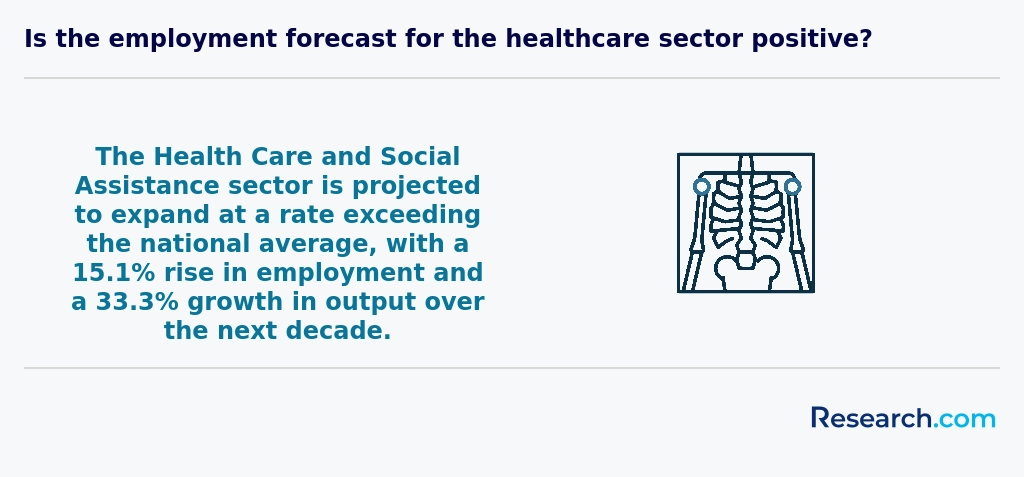
Healthcare careers are increasingly valued worldwide due to growing aging populations and rising chronic illnesses. In the United States, including Dubuque, healthcare professions are projected to grow significantly, with the Bureau of Labor Statistics forecasting a 13% growth in healthcare occupations by 2031. This growth aligns with global trends emphasizing the importance of healthcare workers in maintaining public health.
Internationally, nursing and allied health fields are highly portable careers, often allowing professionals to work in multiple countries with proper certification. For Dubuque students, understanding these global standards may open doors to diverse job markets.
Moreover, U.S. healthcare education emphasizes a blend of clinical skills and research, which supports both local needs and global health initiatives. This dual focus is vital as many healthcare challenges require multinational cooperation.
Gaining practical experience while studying for a healthcare degree in Dubuque is essential for building skills and enhancing employability. Many institutions in the area, such as the University of Dubuque and Northeast Iowa Community College, offer clinical internships and practicum placements. These opportunities often take place in local hospitals like UnityPoint Health - Finley Hospital and medical centers across Dubuque, providing real-world exposure.
Students can also engage in volunteer work or part-time roles in healthcare settings to supplement their learning. According to the Iowa Department of Public Health, hands-on experience significantly improves job prospects in the healthcare sector.
Choosing the right concentration within a healthcare degree program in Dubuque requires understanding both your interests and the local job market demands. Healthcare in Dubuque includes strong sectors such as nursing, allied health, and healthcare administration. According to the Iowa Workforce Development, nursing jobs are projected to grow by 15% in the region through 2028.
Prospective students should consider program accreditation and the availability of clinical placements nearby, especially at institutions like UnityPoint Health or Finley Hospital. Practical experience often leads to better job opportunities post-graduation.
Additionally, exploring career counseling resources at local colleges can help match your skills and goals with concentrations such as public health, medical technology, or health informatics.
- 2027 Best Healthcare Degree Programs Ranking in Minneapolis
- 2027 Best Healthcare Degree Programs Ranking in Columbia
- 2027 Best Healthcare Degree Programs Ranking in Saint Louis
- 2027 Best Healthcare Degree Programs Ranking in Omaha
- 2027 Best Healthcare Degree Programs Ranking in Toledo
- 2027 Best Healthcare Degree Programs Ranking in Springfield
- 2027 Best Healthcare Degree Programs Ranking in Cincinnati
- 2027 Best Healthcare Degree Programs Ranking in Columbus
- 2027 Best Healthcare Degree Programs Ranking in Cleveland
- 2027 Best Healthcare Degree Programs Ranking in Nashville
See What Experts Have To Say About Studying Healthcare
Read our interview with Healthcare experts

- Advancing Your Career in Healthcare: Tips and Strategies https://www.sunshinecarenetwork.com/blog/advancing-your-career-in-healthcare-tips-and-strategies
- 6 Tips On Networking For Medical Professionals https://aaams.net/blog/how-to-network-in-the-medical-field-nurses/
- Global Health Perspectives https://globalhealthperspectives.com/
- Health Management Careers https://www.ache.org/Career-Resources/Start-Your-Career/Health-Management-Careers
- Top 5 Part-Time Healthcare Jobs For Students https://www.sumnercollege.edu/blog/top-5-part-time-healthcare-jobs-for-students/
- Crafting the Perfect Cover Letter for Healthcare Roles https://healthcareaustralia.com.au/news/crafting-the-perfect-cover-letter-for-healthcare-roles/
- Financial Aid https://www.dbq.edu/AdmissionAid/FinancialAid/
- Career Opportunities in Healthcare Without a Medical Degree https://www.just-medical.ch/en/blog/medical-careers-without-formal-education
- Best Practices for Career Development and Advancement in the Healthcare Sector | Generation https://www.generation.org/news/best-practices-for-career-development-and-advancement-in-the-healthcare-sector/
- Health & Wellness Resources https://www.cityofdubuque.org/2850/Health-Resources