
2027 Most Valuable Healthcare Degree Programs Ranking in Kenosha

Co-Founder and Chief Data Scientist
Choosing the right healthcare degree program in Kenosha can be challenging. To help, this article presents the 2027 Most Valuable Healthcare Degree Programs Ranking in Kenosha, carefully created by the Research.com team of data scientists.
By exploring this ranking, you'll gain clear insights into which programs offer the best opportunities for your future. A healthcare degree opens doors to meaningful and rewarding careers, making your investment worthwhile.
Read on to discover programs that align with your goals and set you up for success in this growing field.
Key benefits of getting healthcare degree in Kenosha
- Healthcare degree graduates in Kenosha can earn competitive salaries, such as $43,350 annually for Medical Assistants and Clinical Research Coordinators, or up to $103,150 for Quality Improvement Coordinators, ensuring strong financial stability.
- Graduates often find diverse career paths, including positions like Patient Care Technician or Health Information Technician, with opportunities for growth at institutions such as Gateway Technical College in Kenosha.
- Completing a healthcare degree online provides flexibility and convenience, allowing students from Kenosha to balance work and study effectively while gaining the same valued credentials as traditional programs.
- Key benefits of getting healthcare degree in Kenosha
- What can I expect from healthcare degree in Kenosha?
- Where can I work with healthcare degree in Kenosha?
- How much can I make with healthcare degree in Kenosha?
- 2027 Most Valuable Healthcare Degree Programs Ranking in Kenosha
- Key Findings
- How long does it take to complete healthcare degree in Kenosha?
- Return on Investment for Healthcare Degrees in Kenosha, WI
- What's the difference between online and on-campus healthcare degree?
- Student Life and Campus Experience
- What is the average cost of healthcare degree in Kenosha?
- Accreditation and Licensure Outcomes
- What financial aid is available to healthcare degree students in Kenosha?
- Local Healthcare Partnerships & Community Impact
- What are the prerequisites for enrolling in healthcare degree program in Kenosha?
- Essential Tips for Prospective Healthcare Students in Kenosha, WI
- What courses are typically in healthcare degree programs in Kenosha?
- What types of specializations are available in healthcare degree programs in Kenosha?
- How do you choose the best healthcare degree in Kenosha?
- What career paths are available for healthcare degree students in Kenosha?
- What is the job market for healthcare degree in Kenosha?
- Top Trending Healthcare Rankings
- See What Experts Have To Say About Studying Healthcare
What can I expect from healthcare degree in Kenosha?
The average cost of a healthcare degree in Kenosha remains surprisingly accessible, especially when compared to national tuition rates. Many students attending Gateway Technical College or the University of Wisconsin-Parkside find that total tuition for their programs ranges between $8,000 and $20,000, depending on the length and level of the degree. Graduates often share how this affordability alleviated financial stress, allowing them to focus more on clinical experiences and skill development.
Students commonly describe their hands-on training at nearby facilities like Aurora Medical Center Kenosha as invaluable, and the moderate cost of education makes pursuing internships and certifications feel attainable rather than overwhelming. This local advantage also encourages some learners to extend their studies or pursue advanced certifications without the burden of high debt.
Looking ahead, as healthcare demand grows, community colleges and universities in Kenosha may offer even more flexible and cost-effective options, potentially integrating technology-driven learning tools that lower expenses further while enhancing educational quality.
Where can I work with healthcare degree in Kenosha?
Graduates from healthcare programs at Kenosha's colleges often find themselves stepping into vibrant roles across hospitals like Froedtert South and Aurora Medical Center. Many alumni recall their first clinical rotations, where they gained hands-on experience in nursing or medical laboratory sciences, fueling their excitement for real-world patient care. These hospitals continue to expand, creating growing opportunities in nursing, health administration, and allied health fields.
Outpatient clinics and rehab centers are becoming hotspots for emerging healthcare careers. Graduates specializing in physical or occupational therapy share stories of close patient interactions, helping individuals regain independence. This shift toward outpatient services in Kenosha mirrors national trends and signals a thriving future for these roles.
Long-term care facilities also attract healthcare professionals motivated by serving seniors. With over 16% of Kenosha County's population aged 65 or older, graduates often find meaningful work managing chronic diseases and enhancing elder care quality. Meanwhile, public health degrees open doors to community health organizations focused on wellness and prevention, shaping healthier neighborhoods.
Increasingly, some graduates pursue innovative careers in health informatics and healthcare IT, motivated by the city's push for digital transformation. This path combines clinical knowledge with technology to improve patient outcomes, offering a future-focused career that many find both challenging and rewarding.
How much can I make with healthcare degree in Kenosha?
Graduates from healthcare programs in Kenosha often find rewarding salary opportunities soon after finishing their degrees. For example, Medical Assistants can expect mean annual wages around $43,350, offering a solid entry point into patient care roles. Those who advance to Patient Care Technician positions see higher earnings, averaging about $60,790 annually, reflecting the specialized skills gained during their training.
Health Information Technicians, vital for managing patient data and records, earn similarly around $43,380, demonstrating consistent demand in administrative healthcare roles. Clinical Research Coordinators also share this median, typically making about $43,350, showcasing pathways into the research side of healthcare right from Kenosha colleges.
As students from local institutions advance, many aspire to roles like Quality Improvement Coordinators, where mean salaries can rise notably to $103,150 per year. These roles combine clinical know-how with leadership, making them exciting career possibilities as healthcare systems evolve in Kenosha.
Graduates often report feeling optimistic about these prospects, excited to apply their skills in Kenosha's growing healthcare market. The practical experience at community colleges and universities in Kenosha helps students envision dynamic roles that promise both personal fulfillment and financial stability.
2027 Most Valuable Healthcare Degree Programs Ranking in Kenosha
How do we rank schools?
Investing in your education is a significant decision that can profoundly impact your future, and the Research.com team recognizes the importance of making well-informed choices. To support prospective students in Kenosha, we have carefully developed the "2027 Most Valuable Healthcare Degree Programs Ranking in Kenosha." Our dedication to quality, credibility, and accuracy is evident in the thorough research and detailed analysis behind this ranking.
We utilized the following reputable data sources to ensure a comprehensive evaluation of healthcare programs:
By reviewing this ranking, readers will gain valuable insights into the most valuable healthcare degree programs in Kenosha, enabling them to make confident and informed decisions regarding their educational and career paths. For more information on how this ranking was created, please visit our Research.com methodology page.
# 1 position
Herzing University-Kenosha
Bachelor of Science in Nursing


Key Findings
- Kenosha offers healthcare degrees from technical colleges and four-year universities, with options ranging from associate to bachelor's degrees in nursing, medical assisting, and healthcare administration.
- Annual tuition at public institutions ranges from $4,000 to $7,000 for technical colleges and $8,000 to $12,000 for four-year programs.
- Entry-level salaries for healthcare workers like nursing assistants and medical technicians range from $30,000 to $40,000 per year, while bachelor's degree holders start near $55,000.
- Experienced healthcare professionals in Kenosha earn between $70,000 and $90,000 depending on specialty and education level.
- Healthcare jobs in Kenosha are projected to grow by about 15% over the next decade, driven by an aging population and expanding medical facilities.
- Students have access to clinical training through partnerships with local hospitals and clinics, essential for licensure and employment.
How long does it take to complete healthcare degree in Kenosha?
Completing a healthcare degree in Kenosha varies widely, but many students find themselves energized by the achievable timelines. Graduates from local technical colleges often share how their six-month to one-year certificate programs, like those for certified nursing assistants, offered a clear, direct path into the workforce. This fast track sparks confidence and excitement as they quickly apply their new skills in real healthcare settings across Kenosha.
Associate degrees, such as the ADN option at Kenosha-area colleges, usually take about two years. Many students appreciate the balance this duration provides-allowing hands-on learning alongside theoretical foundations. Graduates often recall feeling proud when taking the NCLEX-RN exam after this focused period of study.
Bachelor's degrees typically span four years at nearby universities, but accelerated tracks enable motivated students to graduate in about three. These pathways resonate with those who want to jump into nursing or healthcare administration swiftly, often juggling family and work.
Looking ahead, emerging flexible programs accommodating part-time learners promise to reshape these timelines further, helping busy professionals in Kenosha meet the growing healthcare demands with tailored pacing and enthusiasm.
Return on Investment for Healthcare Degrees in Kenosha, WI
Investing in a healthcare degree in Kenosha, WI, demands careful consideration of both upfront costs and long-term earnings to ensure a strong return on investment (ROI). On average, bachelor’s degree holders in this region graduate with approximately $30,000 in educational debt, while associate degree graduates carry closer to $15,000. By comparing these figures against median starting salaries-$55,860 for Patient Care Technicians and $41,260 for Health Information Technicians-you can estimate a payback period of roughly 3–4 years for associate degrees and 5–6 years for bachelor’s programs. Key ROI metrics to consider: • Average Debt Load: Associate: $15,000; Bachelor’s: $30,000 • Median Starting Salary: $41,260–$55,860 • Estimated Payback Period: 3–6 years • 10-Year Earnings Premium: +$250,000–$350,000 versus non-degree holders Beyond local options, students seeking even more affordable pathways may explore online programs with lower tuition and comparable outcomes-see our Affordable Online Healthcare Degree Programs Ranking in Springfield, MO for details on cost-effective online alternatives. Factoring in accelerated online tracks can shorten time-to-degree, further improving ROI by reducing living expenses and opportunity costs. Ultimately, pairing program selection with financial planning-leveraging scholarships, grants, and work-study opportunities-can significantly enhance the ROI of your healthcare education in Kenosha, positioning you for a swift transition into a high-demand field with competitive compensation.
What's the difference between online and on-campus healthcare degree?
Online healthcare degrees in Kenosha offer unmatched flexibility, allowing students juggling work or family to study at their own pace through virtual lectures and assignments. Graduates from local online programs often highlight the convenience of accessing coursework anytime, which helps maintain motivation amid busy schedules. However, they also share challenges in securing consistent hands-on clinical experience, often relying on independently arranged internships that can feel disjointed compared to structured opportunities.
On-campus programs at Kenosha's colleges and technical schools provide immersive, face-to-face training with direct faculty support and immediate access to lab facilities. Many graduates praise the strong community feel and seamless clinical placements in nearby hospitals, which boost confidence and real-world skill-building. Students describe how the energizing campus environment fosters collaboration and professional networking, elements that online formats sometimes lack but could evolve with advancing virtual reality and simulation technologies.
Looking forward, hybrid models might blend these strengths, offering flexible learning while integrating enhanced virtual clinical practice, potentially transforming healthcare education and addressing the unique needs of Kenosha students.
Student Life and Campus Experience
Beyond rigorous academics and hands-on training, the overall student life and campus experience in Kenosha, WI, play a crucial role in shaping successful healthcare professionals. Many students find that a vibrant campus culture-characterized by active student organizations, peer mentoring programs, and health-focused extracurricular activities-enhances both personal growth and academic performance. Engaging with a supportive community eases the challenge of balancing coursework and hands-on internships, and fosters networking opportunities that can lead to valuable career connections. For example, several institutions host regular health symposiums and career fairs where students can connect with industry experts and alumni. These events not only enrich the educational journey but also provide insights into long-term career prospects, similar to what you might discover when researching valuable healthcare schools in wisconsin. By prioritizing a comprehensive campus experience, prospective healthcare students in Kenosha can enjoy dynamic academic environments that equip them with both the technical and interpersonal skills needed to excel in the healthcare field.
What is the average cost of healthcare degree in Kenosha?
The average cost of a healthcare degree in Kenosha generally falls around $10,860 for in-state students, with total expenses potentially reaching about $27,583, depending on the program length and institution. Many local students pursue their associate degrees at Gateway Technical College, where costs are manageable and align closely with these figures. Graduates often reflect positively on their ability to balance quality education with affordable tuition, appreciating how this investment laid a solid foundation for their healthcare careers. The total tuition and fees for healthcare degrees Kenosha students face encompass not only tuition but also expenses like textbooks, clinical equipment, and sometimes commuting or housing if attending schools farther away.
For those pursuing bachelor's degrees, public universities near Kenosha offer tuition rates that can push total costs higher; yet, many students report a sense of achievement and readiness for advanced healthcare roles due to the comprehensive training and resources available. Those weighing their options look closely at financial aid, grants, and scholarships, which dramatically improve affordability and accessibility. Students often imagine how enrolling at these institutions could open doors to varied healthcare professions, backed by a community of support and cutting-edge programs.
Looking ahead, emerging trends in healthcare education costs may include more flexible online or hybrid programs and partnership models between local colleges and healthcare providers that could further ease financial burdens. Prospective students interested in exploring options may benefit from consulting rankings of valuable healthcare schools in wisconsin to find programs that fit their budget and career goals.
Accreditation and Licensure Outcomes
Accreditation ensures that healthcare degree programs in Kenosha, WI meet rigorous quality standards and prepare graduates for professional licensure exams. Prospective students should verify that their chosen institution is recognized by nationally respected accrediting bodies, as this directly impacts eligibility for federal financial aid, transferability of credits, and acceptance by employers. Key Accrediting Agencies:
- Commission on Collegiate Nursing Education (CCNE) and Accreditation Commission for Education in Nursing (ACEN) for nursing programs
- Commission on Accreditation of Allied Health Education Programs (CAAHEP) for diagnostic and clinical laboratory sciences
- Commission on Accreditation for Health Informatics and Information Management Education (CAHIIM) for health informatics
- Council on Education for Public Health (CEPH), which accredits public health programs and is essential for those exploring low cost bachelor’s in public health online programs Licensure Exam Pass Rates:
- University of Wisconsin–Parkside RN graduates achieved a 95% NCLEX-RN first-time pass rate in 2023, exceeding the national average of 87%.
- Gateway Technical College’s Medical Assistant program reports a 92% first-attempt pass rate on the CMA (AAMA) certification exam.
- Graduates of health information technology programs at local colleges maintained a median AHIMA RHIA exam pass rate of 88% over the past three years. Why This Matters: 1. Higher pass rates reflect curriculum quality and clinical training rigor. 2. Accredited programs guarantee eligibility to sit for state licensure exams in Wisconsin. 3. Employers prioritize candidates from accredited institutions, often offering higher starting salaries and faster career advancement. By choosing an accredited healthcare program with strong licensure outcomes, students in Kenosha can confidently invest in their education and career readiness.
What financial aid is available to healthcare degree students in Kenosha?
Students pursuing healthcare degrees in Kenosha commonly access a mix of financial aid options that significantly ease their educational journey. For example, graduates from well-known local colleges often highlight the critical support from federal Pell Grants, which offer up to $7,395, empowering those with financial need to focus on studies without overwhelming debt. Many also benefit from Direct Loans, which provide flexible borrowing at low interest, helping to bridge funding gaps.
State programs like the Wisconsin Healthcare Education Grant notably stand out by offering thousands annually to those committed to healthcare careers, making it easier to afford tuition at Kenosha's popular institutions. Local scholarships from healthcare employers or alliances actively encourage students by offering tuition reimbursement in exchange for future work commitments, creating a motivating pathway toward employment.
Work-study placements at affiliated medical centers give hands-on experience while generating income, a common experience shared by students balancing study and real-world skills. Looking ahead, these aid options may evolve to include more personalized and tech-enabled funding plans, reflecting the dynamic healthcare education landscape in Kenosha.
Local Healthcare Partnerships & Community Impact
Prospective healthcare students in Kenosha, WI, not only benefit from rigorous academic programs but also gain invaluable real-world experience through strong partnerships with local hospitals, clinics, and community organizations. These collaborations create avenues for immersive clinical experiences, internships, and networking opportunities that play a crucial role in shaping successful careers. For example, several programs maintain close relationships with Kenosha's leading medical centers, where students can engage in hands-on training and community health initiatives, deepening their practical knowledge while making impactful contributions to local patient care. Moreover, these partnerships often extend beyond the classroom, providing mentorship and career placement assistance that can prove critical during the transition from education to employment. For more comprehensive insights into how regional institutions support student success, explore the valuable healthcare schools in wisconsin, where a detailed look at local engagement and partnership benefits is available. Emphasizing these community connections not only enriches your educational journey but also strengthens the long-term value of your healthcare degree in a competitive job market.
What are the prerequisites for enrolling in healthcare degree program in Kenosha?
To enroll in a healthcare degree program in Kenosha, applicants typically need a strong foundation in sciences like biology and chemistry, often paired with math. Graduates from Gateway Technical College reflect on how mastering these subjects boosted their confidence before starting clinical rotations. Many programs also ask for coursework in English or communication, critical for effectively engaging with patients and healthcare teams in real-world settings.
Standardized tests like the SAT or ACT have traditionally played a role, but local colleges in Kenosha are increasingly adopting test-optional policies, making access more inclusive and less stressful for aspiring students. Graduates often mention feeling more motivated when their hands-on volunteer experience in hospitals could weigh just as heavily as test scores.
For those advancing from associate to bachelor's degrees, prerequisites extend to college-level microbiology or organic chemistry, aligned with Kenosha's shifting healthcare needs. Programs may also require up-to-date immunizations and background checks, ensuring graduates are prepared for patient safety in clinical environments. This blend of academics and practical preparation helps students embrace their future healthcare careers with enthusiasm and readiness.

Essential Tips for Prospective Healthcare Students in Kenosha, WI
Navigating the path to a successful healthcare career in Kenosha, WI, involves more than choosing the right program-it means preparing strategically for both academic and professional challenges. To ensure you get the most out of your educational journey, consider the following actionable tips: • Build a strong foundation by excelling in prerequisite science courses such as biology and chemistry, which set the stage for more advanced healthcare studies. • Gain practical exposure early by volunteering or shadowing professionals in local hospitals and clinics; hands-on experience is invaluable when applying classroom knowledge to real-world scenarios. • Emphasize networking by attending campus events, career fairs, and local healthcare conferences; these opportunities not only broaden your professional circle but can also open the door to internships and job placements. • Develop robust study habits and time-management skills-balancing work, study, and personal obligations is key, especially if you consider pursuing an online nutritional science degree or any online healthcare program. • Stay informed about emerging trends in healthcare technology and patient care models; regularly reading industry journals and participating in webinars can give you a competitive edge. • Finally, make use of campus resources such as tutoring services, mentorship programs, and career counseling to continuously refine your skills and clarify your career path. By proactively engaging with these strategies, you’ll not only enhance your academic performance but also position yourself for long-term success in the dynamic field of healthcare.
What courses are typically in healthcare degree programs in Kenosha?
Healthcare degree programs in Kenosha typically include courses that build a strong foundation in both science and hands-on skills. Graduates from Gateway Technical College often share how classes like Anatomy and Physiology made complex body systems come alive, helping them feel confident when entering clinical settings. Medical Terminology is another core course that students find invaluable, as it equips them with the language needed to communicate clearly with healthcare teams.
Many students appreciate the inclusion of Microbiology and Health Ethics and Law, which not only deepen their understanding of disease and patient rights but also prepare them for real-world challenges. Pharmacology Basics provides essential knowledge that empowers future nurses and allied health professionals to safely manage medications.
Clinical practicums are a standout feature in Kenosha's programs, offering students immersive experiences in local hospitals and clinics. This practical exposure fosters excitement and readiness, as many graduates describe the hands-on training as a pivotal moment in their education and career paths.
As the healthcare field evolves, Kenosha's curriculum may soon integrate more technology-driven topics, preparing students for innovations such as telehealth and data analytics within the expanding regional health systems.
What types of specializations are available in healthcare degree programs in Kenosha?
Healthcare degree specializations in Kenosha currently cover foundational tracks like nursing, medical assisting, radiologic technology, and healthcare administration, but the future points toward even broader options. Graduates from popular Kenosha colleges often describe how evolving curricula integrate emerging fields such as public health and mental health counseling, reflecting shifting demands for preventive care and behavioral health expertise. Many students appreciate hands-on experiences with local clinics that foster confidence and real-world readiness.
One can envision Kenosha's healthcare programs expanding into innovative areas with advanced technology, including telemedicine and genetic counseling, building on solid training in established disciplines. For students drawn to nutrition, Kenosha's offerings might soon link seamlessly to an online nutritional science degree, illustrating progressive pathways beyond traditional roles. Current learners emphasize that the flexibility and responsiveness of local institutions make pursuing Kenosha healthcare program specialization options both exciting and practical for a dynamic job market.
How do you choose the best healthcare degree in Kenosha?
Choosing the best healthcare degree programs in Kenosha means looking beyond just the course titles and considering how each program fits your career vision. Graduates from Gateway Technical College often appreciate the practical nature of their training, especially with clinical placements at local facilities like Aurora Kenosha Medical Center, which provide invaluable hands-on experience that builds confidence and real-world skills. These direct experiences help students feel prepared and excited about entering the workforce.
Cost remains a critical factor; many students find that technical colleges offer more affordable healthcare degrees Kenosha 2027 students can realistically pursue, balancing quality education with reasonable tuition. For those interested in flexible options, exploring low cost bachelor's in public health online programs can also open doors without compromising educational standards.
Accreditation is key-graduates of nationally accredited programs feel a sense of pride and security, knowing their qualifications meet employer expectations and certification requirements. Visualize yourself thriving in Kenosha's growing healthcare sector, benefiting from small class sizes and expert faculty who understand the future of healthcare education. This pragmatic, forward-thinking approach makes choosing your path clearer and more hopeful.
What career paths are available for healthcare degree students in Kenosha?
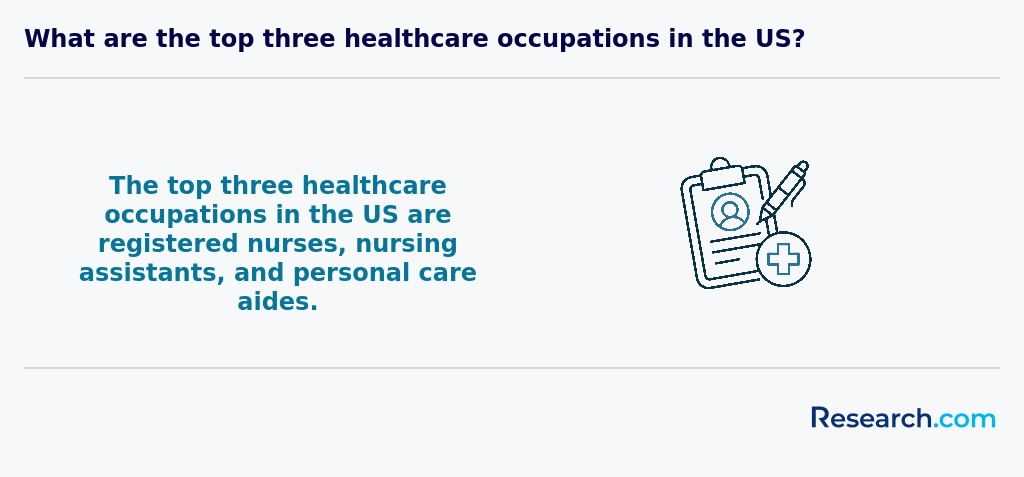
Graduates with a healthcare degree in Kenosha can anticipate diverse career paths shaped by the region's expanding medical services. Many find rewarding roles as nurses-both Registered Nurses and Licensed Practical Nurses-at local hospitals or clinics, enjoying job stability and meaningful patient interaction. Others pursue allied health professions like medical laboratory technicians or respiratory therapists, roles that graduates at popular Kenosha colleges often describe as dynamic and impactful, enabling them to contribute essential diagnostic support.
For those interested in leadership, healthcare administration offers promising prospects, especially as Kenosha's healthcare infrastructure grows. Graduates frequently share experiences of using their degrees to improve facility operations and patient care quality within the city. Careers as physical therapists also stand out, given the aging population, with many feeling fulfilled by helping patients regain mobility and independence.
Students considering these opportunities are encouraged to explore tuition options and financial aid. Information is available through resources like the Affordable Online Healthcare Degree Programs Ranking in Springfield, MO, which can help balance costs.
Such pathways highlight the exciting job prospects with healthcare degree Kenosha institutions provide, blending practical skills with community impact.
What is the job market for healthcare degree in Kenosha?
The healthcare job market Kenosha offers vibrant prospects for graduates, fueled by a growing local demand and strong ties with nearby metropolitan hubs. Graduates from popular colleges in Kenosha often share how their hands-on clinical rotations at institutions like Aurora Medical Center opened doors to nursing and allied health positions. These real-world experiences make transitioning to full-time roles less daunting and more rewarding.
Many Kenosha healthcare degree employment prospects are linked to fields such as nursing, physical therapy assistance, and health information technology, where demand is expected to expand due to an aging population. Students pursuing healthcare in Kenosha benefit from affordable tuition and practical training, making it easier to enter roles that can offer both personal fulfillment and competitive wages. Furthermore, Kenosha's evolving healthcare infrastructure continues to attract investments, creating new opportunities that align well with emerging technologies and patient care models.
For those exploring types of college majors, healthcare remains a promising pathway, with graduates noticing steady job growth and a locally supportive environment that values their skills and development.
Frequently Asked Questions About healthcare
Healthcare degree students in Kenosha can maximize their learning experience by engaging in both academic and practical opportunities. Local institutions often partner with healthcare providers, giving students access to internships and clinical rotations that are vital for hands-on training. According to the Wisconsin Department of Health Services, Kenosha County experienced growth in healthcare jobs by 6% from 2019 to 2023, highlighting increasing opportunities in the region.
Students should take advantage of these partnerships early, applying classroom knowledge in real-world settings to develop essential skills. Participating in local healthcare events and professional organizations can also expand networking and mentorship prospects, valuable for career development.
The healthcare field in Kenosha is expanding into several emerging niches, reflecting national trends in the United States. One growing area is telehealth, which has seen a surge due to increased demand for remote patient care. According to a 2023 report from the Wisconsin Department of Health Services, telehealth usage in Kenosha County increased by over 40% since 2020.
Another promising niche is healthcare informatics. Professionals in this field manage and analyze health data, improving patient outcomes and operational efficiency. As hospitals and clinics in Kenosha adopt advanced electronic health records, there is rising demand for trained experts.
Additionally, geriatric care is becoming vital, given Kenosha's aging population. Specialized training in elderly care focuses on managing chronic conditions and improving quality of life. This niche offers strong job prospects aligned with regional demographics.
After earning a healthcare degree in Kenosha, preparing for the job market involves several practical steps. First, obtaining relevant certifications-such as Certified Nursing Assistant (CNA) or Registered Nurse (RN) licenses-is crucial, as Wisconsin requires proper credentials for healthcare roles. Networking locally through Kenosha-area hospitals and clinics can open doors; the Aurora Medical Center and Kenosha Health Center often offer internship and job placement programs.
Additionally, gaining hands-on experience through clinical rotations or volunteer work will strengthen your resume. According to the Wisconsin Department of Workforce Development, healthcare jobs in Kenosha are projected to grow by approximately 14% through 2030, so staying current with industry-demanded skills like electronic health records (EHR) proficiency enhances employability.
Finally, utilize university career services and local job fairs to connect with employers actively hiring in the region.
Employers in Kenosha highly value healthcare graduates who demonstrate both technical expertise and strong interpersonal skills. According to Labor Market Information from the Wisconsin Department of Workforce Development, proficiency in electronic health record (EHR) systems is essential, as many local hospitals and clinics rely on digital documentation.
Critical thinking and problem-solving abilities are also important, enabling graduates to make quick, informed decisions in high-pressure situations common in healthcare settings.
Additionally, clear communication and empathy rank among the top soft skills employers seek, as they contribute directly to patient care quality and team collaboration.
Healthcare workers in Kenosha report that adaptability and continual learning are vital due to evolving medical technologies and regulatory requirements.
Finding internships in Kenosha relevant to a healthcare degree involves leveraging local resources and healthcare facilities. The city hosts multiple hospitals and clinics, including Aurora Medical Center and Froedtert South, which frequently offer internship opportunities for students. Networking with healthcare professionals through school career centers or local health organizations can provide insight into available positions.
The Kenosha County Job Center and Wisconsin's Department of Workforce Development websites list healthcare internships and entry-level jobs. Additionally, joining professional associations such as the Wisconsin Healthcare Professionals can widen access to unpaid or paid internships.
According to the Wisconsin Department of Health Services, healthcare employment in Kenosha County is projected to grow by 12% through 2028, increasing internship availability.
In Kenosha, earning a healthcare degree significantly enhances career mobility and advancement. The local healthcare sector is growing faster than the national average, with a 12% increase in healthcare jobs projected by the Wisconsin Department of Workforce Development through 2030. This growth creates diverse opportunities for degree holders, from nursing to healthcare administration.
Healthcare degrees provide essential credentials that employers in Kenosha prioritize. Licensed professionals such as registered nurses and medical technologists with accredited degrees often earn higher salaries and benefit from clearer promotion pathways.
Additionally, Kenosha's proximity to major medical centers and regional hospitals supports continuous professional development. This environment helps graduates expand their skills and take on leadership roles more readily.
Studying for a healthcare degree in Kenosha equips students with skills to work across various disciplines within the healthcare sector. Programs emphasize collaboration between nursing, medical technology, and health administration fields, reflecting industry demands for teamwork. Local institutions often integrate clinical experiences at nearby hospitals such as Aurora Medical Center, enhancing real-world interdisciplinary learning.
According to the Wisconsin Department of Workforce Development, Kenosha County expects a 12% growth in health occupations by 2028, underscoring the need for versatile professionals.
Healthcare curricula frequently include training in communication, ethics, and data management, preparing graduates to coordinate care among specialists effectively.
These interdisciplinary competencies help students adapt to evolving healthcare settings, improving patient outcomes in Kenosha's diverse communities.
Choosing between a thesis and a non-thesis healthcare degree in Kenosha depends largely on your career goals and interests. Thesis programs usually require original research and are optimal for students aiming for doctoral studies or research roles. Non-thesis options focus more on practical skills, offering coursework and internships suited for clinical or administrative jobs.
In Kenosha, with its growing healthcare sector and over 15,000 local healthcare employees reported by the Wisconsin Department of Workforce Development in 2023, practical experience is highly valued. Non-thesis programs often provide quicker entry into the workforce, given their emphasis on applied learning.
Consider if you prefer extended research or wish to start working sooner, as this helps guide your program selection.
Students in Kenosha interested in pursuing healthcare degrees abroad have several pathways available through U.S. institutions with international programs. Many universities offer study abroad semesters or dual-degree options in healthcare fields like nursing, public health, and biomedical sciences. These programs often partner with hospitals and research centers overseas, providing hands-on clinical experience.
Additionally, Kenosha residents can explore online degree components combined with short-term international residencies, enabling exposure to global healthcare practices without extended time away. According to the Institute of International Education, over 15% of U.S. healthcare students engage in global study experiences to enhance cultural competence and clinical skills.
Students should consult with local advisors at Kenosha-area colleges to identify formal exchange agreements specifically related to healthcare studies abroad.
Students pursuing healthcare degrees in Kenosha can benefit from various part-time job opportunities that enhance their education while providing practical experience. Positions such as medical assistants, pharmacy aides, and certified nursing assistants (CNAs) are commonly available in local clinics and hospitals like Aurora Health Care. These roles allow students to apply theoretical knowledge in real-world settings.
Additionally, Kenosha's growing demand for healthcare workers, supported by the Wisconsin Department of Workforce Development, encourages hiring part-time staff in rehabilitation centers and senior care facilities. These jobs help develop patient interaction skills, critical for healthcare careers.
According to recent labor statistics, healthcare occupations in Kenosha are expected to grow by over 15% through 2030, offering ample part-time work options for students.
Kenosha offers several valuable networking opportunities for healthcare students, supported by both local institutions and community organizations. The presence of healthcare providers like Kenosha Health Department and Aurora Health Care allows students to connect through internships and volunteer programs. Local colleges often collaborate with these organizations, providing practical experience and professional contacts.
Additionally, Kenosha hosts healthcare career fairs and workshops, which attract professionals from various medical fields. Students can join associations such as the Wisconsin Healthcare Network to attend events and access mentorship programs.
According to the Wisconsin Department of Workforce Development, healthcare employment in Kenosha County grew by 6% between 2020 and 2023, highlighting expanding professional networks.
Alumni networks offer significant benefits to healthcare degree students in Kenosha by providing access to experienced professionals and local job opportunities. Graduates often share insights on navigating the regional healthcare landscape, which is essential in an area with a growing demand for healthcare workers, as reported by the Wisconsin Department of Workforce Development.
These networks facilitate mentorship programs that help students develop practical skills and professional confidence before entering the workforce. Kenosha's healthcare facilities, such as Aurora Health Care, regularly collaborate with alumni to connect students with internships and job openings.
Moreover, networking through alumni increases the chances of employment in Kenosha's competitive healthcare sector, which is projected to grow by approximately 12% by 2030 according to the Bureau of Labor Statistics.
Customizing a healthcare degree program in Kenosha allows students to align their education with specific career goals. Many local colleges provide flexible coursework and elective options in areas such as nursing, public health, and healthcare administration. Students can select concentrations or minors that match industry demands.
Kenosha's healthcare sector employs over 10,000 professionals, emphasizing specialties like elder care and medical technology, according to the Kenosha Area Business Alliance. This local demand encourages programs to offer practicum placements and internships tailored to these fields.
Additionally, part-time and online coursework options enable students to balance work and study. Career services and academic advising in Kenosha institutions further help customize educational paths based on job market trends and personal ambitions.
Healthcare students in Kenosha often face several challenges during their studies. One key difficulty is balancing rigorous coursework with clinical hours, which can be demanding in time and energy. According to a 2023 report from the Wisconsin Department of Health Services, clinical placements in Kenosha are limited, leading to competition among students for quality hands-on experience.
Another challenge is the financial burden. Tuition and related expenses have been rising steadily, making it harder for some students to afford their education without significant debt. Additionally, navigating the complex licensing and certification requirements after graduation can cause stress and uncertainty.
Finally, adapting to fast-changing healthcare technologies and regulations requires ongoing learning, which can be overwhelming for many students.
With a healthcare degree in Kenosha, you can pursue various professional certifications to enhance your career opportunities. Common certifications include Certified Nursing Assistant (CNA), Licensed Practical Nurse (LPN), and Registered Nurse (RN), each with specific training requirements recognized across the US.
Beyond nursing, specialized certifications like Medical Coding Specialist or Pharmacy Technician can open doors in administrative healthcare roles. According to the Wisconsin Department of Workforce Development, healthcare roles in Kenosha are projected to grow 10% over the next decade, increasing demand for certified professionals.
Advanced certifications such as Certified Professional in Healthcare Quality (CPHQ) or Certified Health Education Specialist (CHES) are also options for degree holders seeking leadership roles.
Applying to healthcare programs in Kenosha requires careful preparation to stand out. Admissions committees value clear demonstration of your commitment to healthcare fields. Highlight any local volunteer work or internships, especially within Kenosha's healthcare institutions like Aurora Health Care, which employs many local graduates.
Strong academic performance is essential; aim for a GPA above 3.0 to improve competitiveness. Additionally, write a compelling personal statement that explains your motivation and understanding of healthcare challenges specific to Kenosha's diverse population. According to the Kenosha County Health Rankings (2023), addressing community health disparities shows awareness and dedication.
Finally, secure strong letters of recommendation from professionals familiar with your work ethic in healthcare settings. This provides credibility and supports your application's impact.
The global perspective on a healthcare career highlights its essential role in societies worldwide. Healthcare professions are universally respected and offer diverse opportunities due to varying health challenges in different regions. The U.S. healthcare education system, including programs available in Kenosha, reflects this global demand by preparing students with skills applicable both domestically and internationally.
According to the Wisconsin Department of Workforce Development, healthcare jobs in Kenosha are expected to grow by 15% over the next decade, aligning with national trends driven by aging populations and chronic disease management. This growth emphasizes the global need for trained professionals.
Many healthcare roles require understanding cultural competence and global health issues, which are increasingly integrated into U.S. curricula. For Kenosha students, pursuing degrees locally offers the advantage of strong community ties and access to regional healthcare providers for practical experience.
Students pursuing healthcare degrees in Kenosha have multiple opportunities to gain practical experience alongside their studies. Many local programs include clinical rotations or internships as part of their curriculum, allowing students to work directly with patients in hospitals and clinics. For example, medical and nursing students may complete clinical hours at Advocate Aurora Health facilities, which operate several centers in Kenosha County.
Additionally, partnerships between Kenosha colleges and regional healthcare providers enable hands-on training in real-world settings. Volunteering at community health organizations or participating in simulated labs can further enhance practical skills.
The Wisconsin Educational Aide Program also supports healthcare apprenticeships in the area, offering a valuable avenue to work while learning.
Choosing the right concentration within a healthcare degree program in Kenosha requires understanding local healthcare needs and job market trends. Kenosha's healthcare sector is growing steadily, with a 10% projected increase in employment by 2030 according to the Wisconsin Department of Workforce Development. Areas such as nursing, healthcare administration, and allied health professions often offer robust career opportunities.
Students should assess their interests and skills, then align them with concentrations known for local demand. Research local employers like Aurora Health Care and Froedtert South to identify which specializations they seek. Additionally, consider program accreditation and clinical placement options within Kenosha-area healthcare facilities for practical experience.
Related Healthcare Rankings for Nearby Cities
- 2027 Most Valuable Healthcare Degree Programs Ranking in Chicago
- 2027 Most Valuable Healthcare Degree Programs Ranking in Grand Rapids
- 2027 Most Valuable Healthcare Degree Programs Ranking in Peoria
- 2027 Most Valuable Healthcare Degree Programs Ranking in Indianapolis
- 2027 Most Valuable Healthcare Degree Programs Ranking in Detroit
- 2027 Most Valuable Healthcare Degree Programs Ranking in Saint Louis
- 2027 Most Valuable Healthcare Degree Programs Ranking in Minneapolis
- 2027 Most Valuable Healthcare Degree Programs Ranking in Louisville
- 2027 Most Valuable Healthcare Degree Programs Ranking in Columbia
- 2027 Most Valuable Healthcare Degree Programs Ranking in Omaha
Top Trending Healthcare Rankings
See What Experts Have To Say About Studying Healthcare
Read our interview with Healthcare experts

References
- 6 Tips On Networking For Medical Professionals https://aaams.net/blog/how-to-network-in-the-medical-field-nurses/
- Medical Assistant Certification Kenosha Wisconsin - NPS https://npscerts.com/medical-assistant-certification-kenosha-wisconsin/
- Financial Assistance Program | Froedtert & MCW https://www.froedtert.com/financial-services
- What Are the Differences in Salary Level for Different Degrees in Healthcare Management? | MHA Salary https://www.healthcare-management-degree.net/faq/what-are-the-differences-in-salary-level-for-different-degrees-in-healthcare-management/
- Education requirements for the fastest-growing healthcare jobs https://www.corridorcareers.com/job-tips/blog-news-education-requirements-fastest-growing-healthcare-jobs
- Start a Nursing Career Without a Bachelor's Degree - Kenosha.com https://www.kenosha.com/living/education/start-a-nursing-career-without-a-bachelors-degree/
- Job-Ready Healthcare Skills for 2026 https://cliniwave.in/blogs/latest-article/job-ready-healthcare-skills
- How to Create a Healthcare Career Roadmap https://www.ihire.com/resourcecenter/jobseeker/pages/how-to-create-a-healthcare-career-roadmap
- Niche Market Opportunities Research Among Healthcare Professionals (A Decision Analyst Case History https://www.decisionanalyst.com/casestudies/nichemarketopportunities/
- Interdisciplinary Education and Practice https://www.aacnnursing.org/news-data/position-statements-white-papers/interdisciplinary-education-and-practice


