2027 Fastest Online Healthcare Degree Programs Ranking in New Jersey

Co-Founder and Chief Data Scientist
Choosing the right healthcare degree program can be overwhelming, especially with so many options available online. This article offers a 2027 Fastest Online Healthcare Degree Programs Ranking in New Jersey created by the Research.com team of data scientists to help you navigate these choices confidently.
By exploring this ranking, you'll discover programs that combine quality education with speed, so you can start making a difference in healthcare sooner. Whether you're beginning your journey or advancing your career, this guide is designed to support your goals and inspire your path forward.
Key benefits of getting online healthcare degree in New Jersey
- Healthcare degree graduates in New Jersey can earn competitive salaries, such as Medical Assistants making around $43,350 annually and Patient Care Technicians earning about $60,790 per year.
- Graduates from schools like Rutgers University often find diverse career paths, including roles as Health Information Technicians or Clinical Research Coordinators, offering rewarding opportunities to impact patient care and medical research.
- Online healthcare degrees from institutions like Rutgers-Newark provide flexibility, allowing students to balance work and study while gaining skills that employers value, often resulting in faster job placement and career growth.
- 2027 Fastest Online Healthcare Degree Programs Ranking in New Jersey
- What can I expect from online healthcare degree in New Jersey?
- Where can I work with online healthcare degree in New Jersey?
What can I expect from online healthcare degree in New Jersey?
The average cost of an online healthcare degree in New Jersey is often more approachable than many expect, offering a surprisingly affordable gateway to a rewarding career. Graduates from popular institutions like Rutgers University or Seton Hall University describe their tuition as competitive, generally lower than traditional on-campus programs, making the pursuit of a nursing or public health degree feel within reach. Many felt relieved knowing financial aid options and employer tuition assistance helped ease the burden.
Imagine juggling a job while attending virtual classes covering anatomy, healthcare ethics, and patient care-all without the stress of lengthy commutes. This blend of flexibility and affordability leaves students excited about their future in New Jersey's booming healthcare industry. The practical aspects, including virtual simulations and local clinical opportunities, create a real connection to the field that feels both adventurous and empowering.
These programs often spark a sense of accomplishment, as students see their investments paying off through tangible career growth in a state expecting significant healthcare employment increases.
Where can I work with online healthcare degree in New Jersey?
Graduates with an online healthcare degree in New Jersey often find themselves stepping into dynamic workplaces like the bustling halls of Robert Wood Johnson University Hospital or the innovative clinics around Rutgers University. Imagine starting your career as a registered nurse or healthcare administrator, where your skills immediately impact patient care in these renowned medical centers.
Others discover exciting roles in outpatient care centers scattered across the state-places alive with activity, from urgent care to physical therapy. Many graduates from programs at Stockton University have shared how their clinical and administrative training prepared them to navigate these fast-paced environments with confidence.
For those drawn to nurturing the aging population, nursing homes and assisted living facilities offer rewarding paths. Picture yourself coordinating care in communities where nearly 15% of residents are seniors, contributing meaningfully as a care coordinator or health services manager.
Public health agencies and local government jobs also buzz with opportunity, perfect for graduates eager to shape health policies or launch community wellness initiatives, often backed by degrees earned through New Jersey Institute of Technology's online programs.
Finally, careers in insurance, pharmaceuticals, and healthcare tech await curious minds ready to explore data analysis and compliance roles at rapidly growing firms throughout New Jersey's healthcare landscape.
Graduates from online healthcare programs in New Jersey often find themselves stepping into roles with rewarding salaries that reflect their hard work and dedication. For instance, medical assistants fresh out of these programs typically earn around $43,350 annually, which offers a solid starting point for exploring the bustling healthcare scene in New Jersey, home to respected schools like Rutgers University and Seton Hall University.
Taking a bolder leap, some graduates become patient care technicians, drawing a mean annual wage near $60,790. Imagine the satisfaction of supporting patients directly in New Jersey's advanced hospital systems, all while earning a competitive income.
Others drawn to the technical side might pursue health information technician roles, with salaries averaging $43,380 per year. These careers blend data skills with healthcare, perfect for graduates seeking dynamic, tech-savvy jobs right here in New Jersey.
Ambitious graduates who step into the role of quality improvement coordinators can expect significantly higher earnings, around $103,150 annually, reflecting the impact of their work in enhancing healthcare delivery across the state's diverse medical facilities.
These salary figures capture the energizing promise of online healthcare education in New Jersey, where exploring these career paths means crafting a future full of growth, stability, and meaningful impact.
- Online healthcare degrees in New Jersey are available from accredited institutions and often meet state licensing requirements.
- Bachelor's tuition typically ranges from $10,000 to $30,000, while master's programs cost between $20,000 and $50,000.
- The healthcare sector in New Jersey is expected to grow by about 12% over the next decade, offering strong employment prospects.
- Starting salaries for healthcare graduates generally range from $50,000 to $70,000, with potential to increase above $90,000 in urban centers.
- Programs often include clinical components completed locally, and accreditation is essential for professional eligibility.
- Financial aid options like state grants and federal loans are available, and many programs offer flexible pacing for working students.
In New Jersey, the journey to completing an online healthcare degree sparkles with flexibility and opportunity. Imagine a graduate from Rutgers University, who dove into an online Associate of Science in Nursing and crossed the finish line in just 24 months by studying full-time and taking advantage of year-round classes. Meanwhile, another student at Montclair State University pursued a Bachelor of Science in Healthcare Administration and marvelled at how they wrapped up their degree in 3 years instead of the traditional 4, thanks to transferred credits and accelerated summer courses.
For those eyeing advanced degrees, like a Master of Public Health, completion times vary widely-some Rutgers graduates have completed their MPH in as little as 18 months, tailoring their pace around work and family life. Post-baccalaureate programs boost this adaptability further: nurses transitioning from RN to BSN or MSN often finish within 1 to 2 years while balancing demanding careers. New Jersey's offerings create an inspiring landscape where you can mold your education to fit your rhythm and ambitions.
As the healthcare industry rapidly adapts to technological advances and evolving patient needs, online degree programs are also undergoing significant transformations. Emerging trends include the integration of telehealth practices into curricula, advanced simulation technologies for virtual clinical training, and an increased focus on interdisciplinary collaboration through digital platforms. These innovations not only prepare students for the current market but also equip them with versatile skills for future challenges in healthcare delivery. For instance, many programs are now partnering with local healthcare providers to offer real-time virtual experiences, ensuring that graduates can seamlessly transition from online learning environments to in-person roles. Additionally, with the growing demand for cost-effective education, there is a noticeable shift toward identifying and promoting affordable healthcare programs in new jersey that don’t compromise on quality. Staying informed about these trends, from evolving technologies to cost-effective learning opportunities, is essential for any prospective student aiming to thrive in a dynamic healthcare landscape.
Imagine juggling family life and work while pursuing a healthcare degree from a university like Rutgers or Seton Hall-online programs in New Jersey make this adventure possible with flexible schedules and remote learning. Graduates often recall the freedom of accessing lectures anytime, which means they could study after putting kids to bed or during lunch breaks. This flexibility contrasts with on-campus paths at institutions like Montclair State, where the rhythm of structured class hours and face-to-face interactions creates a lively, community-focused experience.
Both routes share one essential challenge: hands-on clinical training. Whether placed locally through online programs or on campus, New Jersey students gain invaluable real-world skills that spark confidence and excitement for careers in healthcare.
Cost-wise, online learners might save on commuting or housing but often pay similar tuition, so weighing total expenses becomes part of this educational journey. Networking also varies-on-campus students thrive on person-to-person connections, while online peers build bonds through video calls and discussion boards that, though different, open new doors to collaboration and support.
When considering an online healthcare degree in New Jersey, being well-prepared not only sets you up for academic success but also helps you navigate the unique challenges of an online learning environment. Begin by assessing your current study habits and designing a dedicated workspace free from distractions. Establish a schedule that balances coursework, work, and personal commitments, and utilize available digital tools like calendar apps and task managers to keep track of deadlines. In addition, take full advantage of the academic resources provided by your institution-engage with online tutoring services, discussion forums, and virtual study groups to reinforce your learning. Developing strong time-management skills is critical; consider breaking down larger assignments into smaller tasks and setting daily goals. Equally important is taking care of your mental and physical health: regular breaks, exercise, and proper nutrition can significantly boost your productivity and overall well-being. Before enrolling, research the complete cost profile of your intended program. For instance, exploring the medical billing and coding certificate cost can provide additional insight into the overall financial commitment and help you plan accordingly. These proactive steps all contribute to a more rewarding and successful online learning experience in the fast-evolving healthcare field in New Jersey.
The average cost of an online healthcare degree in New Jersey offers an inviting mix of opportunity and investment. For an in-state student, the median total tuition and fees for healthcare degrees NJ come to about $37,972, which makes pursuing a degree from well-known institutions like Rutgers University or Montclair State University feel within reach. Many graduates share their excitement about finding affordable paths that don't compromise quality, allowing them to balance studies with life's other adventures.
Out-of-state students might experience tuition around $53,719, yet even this can feel like a worthwhile journey for those dreaming of advancing in healthcare fields such as nursing or health administration. These figures paint a clearer picture compared to the broad ranges sometimes mentioned, helping students plan confidently. Those exploring affordable healthcare programs in new jersey often discover scholarships and aid that soften the financial load, making it easier to embrace the challenge of healthcare education without hesitation.
Imagine a graduate navigating their online Master of Science in Nursing program from the convenience of home, energized by the practical knowledge that's shaping their career-knowing the investment is manageable within New Jersey's competitive landscape. This real-life scenario sparks enthusiasm for many prospective healthcare learners, turning the question of cost into an exciting step towards a vibrant future.
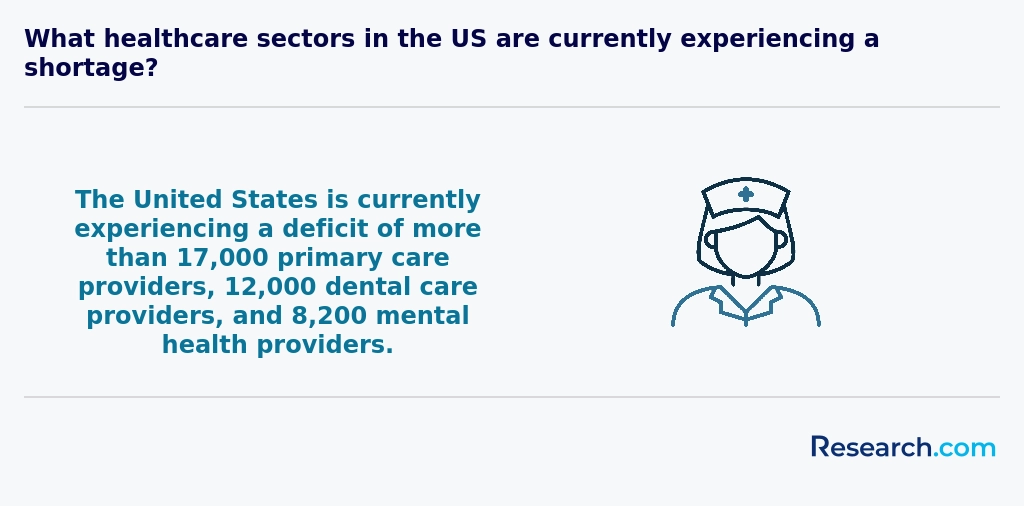
Hands-on clinical training is an essential component of any online healthcare degree in New Jersey, ensuring that theoretical knowledge translates into real-world skills. Most accredited programs partner with local hospitals, outpatient centers, and long-term care facilities to arrange supervised clinical rotations. Students typically complete 100–200 hours of practicum work under the guidance of licensed professionals, gaining exposure to patient assessment, vital sign monitoring, electronic health record systems, and interdisciplinary teamwork. These placements not only fulfill accreditation requirements but also strengthen resumes and spark professional networking opportunities. To maximize the value of your clinical experience, start by researching each school’s affiliations and asking about preceptor matching processes. Many programs offer career services that assist with placement applications and background clearances. Additionally, some students choose to supplement their degree by enrolling in an accelerated medical assistant program to build foundational clinical skills before beginning rotations. Early completion of a medical assisting certificate can boost confidence, accelerate hands-on competency, and make you a more competitive candidate for top internship slots. By carefully planning your practicum timeline and leveraging both institutional partnerships and supplemental training, you’ll graduate practice-ready and poised to excel in New Jersey’s dynamic healthcare environment.
Imagine starting your journey toward a nursing degree at Rutgers University online and discovering there's a treasure trove of financial aid just waiting to support you. Many students tap into federal Pell Grants-need-based gifts that don't require repayment-making that daunting tuition feel lighter. For the 2023-2024 year, these grants can offer up to $7,395, making a real difference in budgeting your expenses.
Others find relief through Federal Supplemental Educational Opportunity Grants (FSEOG), which can add up to $4,000 yearly for those with exceptional financial need. Completing the FAFSA opens doors to these opportunities seamlessly.
Loans, like Federal Direct Loans and NJCLASS state loans, are a dependable backup, especially when paired with flexible repayment plans. Graduates from schools like Stockton University often mention how NJCLASS helped them bridge the gap when federal aid wasn't quite enough.
On top of this, New Jersey's NJ STARS scholarships and employer tuition reimbursements-from healthcare giants eager to grow their workforce-create a vibrant network of support uniquely tailored to the state's healthcare students online.
Graduates of online healthcare degree programs in New Jersey must navigate state licensure and national certification to practice legally and advance their careers. Understanding these requirements early ensures seamless transition from student to professional. Key Licensure Steps:
- New Jersey Board Approval: • Nursing graduates apply for RN or LPN licensure through the New Jersey Board of Nursing, submitting official transcripts and passing the NCLEX exam. • Allied health professionals, such as respiratory therapists and medical imaging technologists, must seek endorsement from the New Jersey Board of Medical Examiners and pass the National Board for Respiratory Care (NBRC) or American Registry of Radiologic Technologists (ARRT) exams.
- National Certification Exams: • Health Information Technicians pursue the Registered Health Information Technician (RHIT) credential via the American Health Information Management Association (AHIMA). • Patient Care Technicians often earn the Certified Patient Care Technician/Assistant (CPCT/A) credential through the National Healthcareer Association (NHA). Continuing Education and Renewal: Licenses in New Jersey typically require renewal every two years, with a minimum of 30 continuing education credits for nursing and variable CEU requirements for allied health roles. Graduates should:
- Track state-approved CE providers.
- Complete specialized coursework in ethics, infection control, and patient safety. Career Advancement through Additional Credentials: Earning certifications like the Certified Professional in Healthcare Quality (CPHQ) or Fellow of the American College of Healthcare Executives (FACHE) can position graduates for leadership roles. For budget-minded professionals seeking advanced degrees, consider our ranking of Low Cost Online Master's in Healthcare Degree Programs Ranking in North Dakota to compare tuition, accreditation, and career outcomes.
Diving into an online healthcare degree in New Jersey means stepping into a world where preparation meets passion. Most undergraduate programs expect you to have a high school diploma or GED, a common key to unlocking the doors at popular schools like Rutgers or Montclair State. Imagine a graduate recalling how completing foundational classes in biology and chemistry set the stage for understanding complex medical topics-those courses really laid their groundwork before entering the fast-paced healthcare world.
For those chasing a master's degree, like in Nursing or Healthcare Administration, holding a relevant bachelor's is crucial. Graduates often share how having professional experience or certifications, such as a Registered Nurse license from the New Jersey Board of Nursing, boosted their confidence and opened program doors at institutions well-known across the state.
Many students find that verifying their chosen program's accreditation through bodies like MSCHE brings peace of mind, knowing their investment is valued. Plus, completing clinical hours in local healthcare settings, coupled with background checks, turns learning into a vibrant, real-world adventure right in New Jersey's own communities.

Embarking on an online healthcare degree in New Jersey is an exciting journey, but success requires practical strategies and a proactive mindset. One key tip is to establish a disciplined study routine that fits your personal schedule-whether it means setting aside specific hours each day or utilizing productivity apps to manage deadlines. Engage actively in virtual class discussions and collaborate with your peers to build a network that can support both your academic and career growth. Additionally, take full advantage of digital resources provided by your institution, including recorded lectures, interactive modules, and academic advisement sessions, as these tools are designed to enhance your learning outcomes. For those keeping an eye on balancing cost with quality, exploring resources on affordable healthcare programs in new jersey can guide you in choosing programs that align with your financial needs and career aspirations. Lastly, consider forming or joining online study groups and mentoring networks. Sharing success stories, challenges, and resources can not only ease the isolation sometimes experienced in digital classrooms but also enrich your understanding of the healthcare industry. By integrating these best practices into your daily routine, you’ll be well-equipped to excel in your studies and transition smoothly into a rewarding career in healthcare.
Diving into an online healthcare degree in New Jersey opens the door to a diverse range of courses that shape confident and capable professionals. At popular institutions like Rutgers University or Montclair State, students eagerly engage with Human Anatomy and Physiology, imagining the intricate workings of the body as if they were in a virtual lab. Medical Terminology feels like learning a new language, transforming confusing jargon into clear communication tools essential in busy hospital settings.
Many graduates remember how Healthcare Ethics and Law challenged them to weigh real-life dilemmas, preparing them for the tough decisions they'll face on the job. Courses in Health Information Management feel surprisingly relevant, especially given New Jersey's fast-paced healthcare environments where accurate records mean better patient care.
Students often share excitement about Public Health Principles, connecting classroom lessons to their own communities' needs across New Jersey's vibrant, diverse population. Meanwhile, Pharmacology and Healthcare Management spark curiosity about safe medication use and leading teams effectively, turning theory into actionable skills. For those drawn to innovation, Evidence-Based Practice cultivates a mindset ready to explore cutting-edge healthcare solutions.
Exploring online healthcare degree specializations in New Jersey reveals exciting pathways for students eager to make an impact. Nursing remains a cornerstone, with options like RN-to-BSN and MSN degrees allowing graduates from institutions like Rutgers or Seton Hall to specialize as nurse practitioners or leaders. Many share how these programs opened doors to clinical and administrative roles, fueling a deep sense of purpose and community support.
Another rewarding specialization is healthcare administration, where learners gain skills to steer hospital operations or public health initiatives. Graduates from well-known New Jersey colleges often describe the satisfaction of shaping healthcare policy and ethics in dynamic environments. Public health degrees also attract those passionate about community wellbeing, offering a front-row seat to epidemiology and health education during critical times.
Additional paths include health informatics and physical therapy assisting, combining technology and healing arts. Hands-on programs prepare students for vibrant careers in medical labs or sonography. Those interested can also consider the medical billing and coding certificate cost, which remains an accessible entry point for many excited about healthcare's future.
Choosing the best online healthcare degree in New Jersey means diving into programs that blend flexibility with recognized excellence. Graduates from well-known New Jersey colleges often share that accreditation from bodies like the Middle States Commission on Higher Education gave them confidence their degree would open doors in local hospitals and clinics. Many found that affordable online healthcare programs New Jersey offer made pursuing a degree possible without overwhelming debt, a crucial factor when balancing work and study.
Imagine juggling your day job while taking asynchronous classes tailored for busy professionals-this is the reality for many students in nursing or health administration tracks. Hands-on clinical practicums within New Jersey healthcare facilities provide vital real-world experience, helping graduates feel prepared and connected to their community. Some even discovered opportunities through a specialized accelerated medical assistant program, fast-tracking their careers.
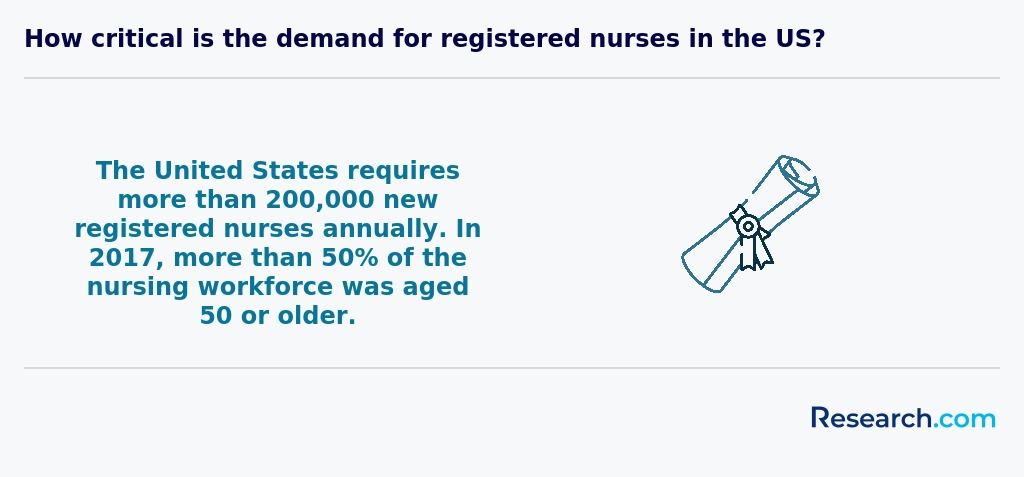
Exploring online healthcare degree careers New Jersey offers a thrilling array of paths for graduates eager to make a real impact. Imagine stepping into the bustling corridors of a Newark hospital as a Registered Nurse, knowing your skills are in high demand with an average salary soaring above $81,000. Graduates from popular schools like Rutgers or Seton Hall speak of the rewarding challenge in healthcare administration, managing facilities and shaping patient care across the state's evolving health system. Others find themselves energized by the vibrant community outreach as Public Health Specialists, especially vital in New Jersey's urban centers.
Those who love technology might dive into health informatics roles, blending data mastery with healthcare know-how, often gaining hands-on experience through online coursework. Meanwhile, the diverse job market means many discover fulfilling positions as medical and health services managers or therapists, all from programs suited to busy schedules. For New Jersey students curious about affordable options, viewing the Low Cost Online Master's in Healthcare Degree Programs Ranking in North Dakota offers insight into competitive pricing.
Looking into healthcare job opportunities New Jersey online degree holders embrace means stepping into careers that blend compassion, innovation, and leadership, all fueled by the flexibility of online learning from trusted institutions.
The online healthcare degree job market New Jersey offers is vibrant and full of promise, especially for graduates exploring flexible education routes from well-known institutions like Rutgers University or Montclair State University. Graduates often share how the balance of online coursework with clinical experience opens doors to roles such as registered nurses and healthcare administrators across New Jersey's bustling hospitals and clinics. The state's demand for skilled professionals, driven by a growing, aging population, means there are plenty of fulfilling career opportunities that combine stability with meaningful community impact.
Many students appreciate how a degree earned online from respected New Jersey colleges equips them with practical skills and recognized credentials. This boosts confidence when stepping into positions where they manage healthcare teams or support patient care. The healthcare degree employment prospects in New Jersey are further strengthened by wages that often outpace national averages, making the investment worthwhile and exciting for new graduates.
If you're ready to dive into this dynamic field, consider looking into some of the fastest associate degree programs online that New Jersey schools offer-perfect for those eager to launch or advance their healthcare careers without delay.
2027 Fastest Online Healthcare Degree Programs Ranking in New Jersey
Investing in your education is a significant decision that can shape your future, and the Research.com team understands the importance of making informed choices. To assist prospective students in New Jersey, we have meticulously crafted the "2027 Fastest Online Healthcare Degree Programs Ranking in New Jersey." Our commitment to quality, credibility, and accuracy is reflected in the extensive research and analysis conducted to compile this ranking.
We utilized the following reputable data sources to ensure a comprehensive evaluation of healthcare degree programs:
By exploring this ranking, readers will gain valuable insights into the fastest online healthcare degree programs available in New Jersey, empowering them to make well-informed decisions about their educational paths. For more details on our methodology, please visit our Research.com methodology page.


Frequently Asked Questions About healthcare
Online healthcare degree students in New Jersey can enhance their learning experience by actively engaging with digital resources and local healthcare communities. Leveraging New Jersey's extensive healthcare network, including hospitals and clinics accredited by the New Jersey Hospital Association, provides opportunities for practical exposure. Students should take advantage of virtual simulations and telehealth training offered by many accredited programs. Time management is crucial; creating a structured study schedule helps balance coursework and clinical practice efficiently.
According to the New Jersey Department of Health, the demand for healthcare professionals is projected to grow by 15% through 2030, emphasizing the importance of practical skills. Networking with local professionals and joining relevant state organizations can also increase career readiness.
Emerging niches in the healthcare field reflect evolving technology and growing patient needs in New Jersey. One key area is telehealth, which expanded rapidly during the COVID-19 pandemic and continues to grow, supported by state policies enhancing remote care access. The New Jersey Department of Health reports a 30% increase in telehealth visits from 2020 to 2023.
Another rising specialty is healthcare informatics, combining data analysis with patient care to improve outcomes. New Jersey's growing biotech industry also fuels demand for professionals in precision medicine and genetic counseling. Lastly, behavioral health services remain critical, with the state investing in integrated care approaches to address mental health challenges more effectively.
After completing an online healthcare degree in New Jersey, preparing for the job market involves several key steps. Start by obtaining relevant certifications, such as CPR or specific clinical licenses, which enhance employability. Networking plays a vital role; joining local healthcare associations or online professional groups can open doors to job opportunities. According to the New Jersey Department of Labor, healthcare jobs in the state are projected to grow by 18% through 2030, particularly in nursing and allied health fields.
Gaining hands-on experience through internships or volunteer work is also important, even after online study. Many employers value practical skills alongside academic knowledge. Lastly, use New Jersey-specific job boards and resources to identify openings and prepare for interviews, tailoring your resume to highlight your online education and certifications.
Employers in New Jersey's healthcare sector prioritize a blend of technical and interpersonal skills in graduates of online healthcare degree programs. Critical thinking and clinical proficiency are vital, as 65% of healthcare employers in the state highlight these as essential for patient care quality, according to a 2023 New Jersey Health Workforce report.
Communication skills rank highly, with more than 70% of employers seeking graduates able to collaborate effectively with medical teams and interact empathetically with diverse patient populations. Additionally, proficiency in electronic health record (EHR) management is increasingly important due to statewide digital health initiatives.
Adaptability and problem-solving abilities remain key, reflecting the dynamic nature of healthcare environments in New Jersey hospitals and clinics.
Finding internships in New Jersey relevant to a healthcare degree involves a strategic approach. Start by exploring partnerships between online programs and local hospitals, clinics, or public health organizations. New Jersey hosts major healthcare employers such as Hackensack Meridian Health and RWJBarnabas Health, which offer structured internship programs.
Utilize resources like the New Jersey Department of Labor's job bank and healthcare-specific job boards to identify available positions. According to the Healthcare Association of New Jersey, internships in the state have grown by 8% annually, reflecting increased opportunities.
Networking through your school's career services and attending local healthcare conferences can also help secure internships. Early application is crucial due to competition within this evolving field.
Obtaining an online healthcare degree in New Jersey can significantly improve career mobility and advancement opportunities. Healthcare is one of the fastest-growing sectors in the state, with the New Jersey Department of Labor projecting a 12% increase in medical and health services jobs through 2030.
Online degrees offer flexibility, allowing working professionals to upskill without leaving their jobs. This can lead to promotions or transitions into specialized roles such as healthcare administration or nursing management.
Many employers in New Jersey value accredited online programs, recognizing them as legitimate pathways to acquiring up-to-date skills.
According to the New Jersey Hospital Association, education plays a key role in accessing leadership positions within the state's healthcare facilities.
Studying for a healthcare degree in New Jersey equips students with skills needed for interdisciplinary roles by emphasizing collaborative education. Online programs often incorporate coursework in communication, ethics, and leadership, fostering teamwork across healthcare fields. New Jersey's diverse healthcare environment, including hospitals like Hackensack Meridian and RWJBarnabas, offers practical insights into multifaceted patient care.
The state's healthcare system encourages coordination among nurses, public health officials, and technicians, supported by state health policies and data from the New Jersey Department of Health. This approach aligns with national trends where 44% of healthcare roles require interdisciplinary collaboration, improving patient outcomes and efficiency.
Additionally, accredited New Jersey institutions follow curriculum standards set by bodies such as the Commission on Collegiate Nursing Education or the Council on Education for Public Health, ensuring comprehensive training. Graduates emerge prepared to engage with varied healthcare teams in clinical and community settings.
Choosing between a thesis and a non-thesis healthcare degree program in New Jersey depends on your career goals and learning preferences. Thesis programs focus on research, requiring students to conduct original studies and write a formal dissertation. This path suits those interested in academic or research roles within healthcare, or planning to pursue further education like a doctorate.
Non-thesis programs emphasize practical skills and coursework, ideal for professionals aiming to advance in the clinical or administrative fields quickly. According to New Jersey's Department of Health, demand for skilled healthcare administrators and practitioners is growing, making applied knowledge highly valuable.
Consider your time availability and interest in research, as thesis programs often take longer to complete. Additionally, verify if employers in your target specialty in New Jersey prefer research experience or practical expertise.
Students in New Jersey interested in studying healthcare abroad have several options through online programs offered by US institutions with global partnerships. Many accredited universities provide joint degrees or study-abroad components in countries recognized for advanced healthcare systems, such as Canada and the United Kingdom. These programs often combine online coursework with short international residencies or clinical experiences.
According to the New Jersey Department of Education, students must ensure their chosen program meets licensure requirements in their home state. Healthcare employers in New Jersey value degrees accredited by organizations like CAHME or CCNE, which many international-affiliated programs uphold. Participating in such programs can broaden clinical perspectives and improve career prospects.
Part-time jobs in New Jersey can provide valuable experience alongside pursuing an online healthcare degree. Common opportunities include medical assistant roles, patient care technician positions, and healthcare administrative assistant jobs. These roles offer hands-on exposure to clinical and office environments, supporting academic knowledge with practical skills.
According to New Jersey Department of Labor data, the healthcare sector is projected to grow by 16% through 2030, creating demand for skilled support workers. Part-time work in pharmacies or outpatient clinics can also complement studies by familiarizing students with common procedures and patient interaction. Additionally, volunteering in community health centers enhances understanding of local healthcare challenges and broadens professional networks.
Online healthcare students in New Jersey benefit from a variety of networking opportunities designed to enhance their professional connections. Many institutions offer virtual events, webinars, and career fairs tailored to healthcare fields. These platforms connect students with alumni, faculty, and healthcare employers across the state.
The New Jersey Hospital Association and other local healthcare organizations often collaborate with universities to provide internships, mentorships, and job placement services. Additionally, students can join statewide professional groups like the New Jersey Nurses Association or the New Jersey Healthcare Executives Forum for networking.
According to the New Jersey Department of Labor, healthcare remains a top industry employer, emphasizing the importance of building strong industry contacts early. Online programs increasingly incorporate online discussion boards and group projects to foster peer networking as well.
Alumni networks play a crucial role for online healthcare degree students in New Jersey by providing valuable connections within the state's healthcare industry. Graduates often share job leads, mentorship opportunities, and professional development resources, which can be vital in a competitive job market. According to the New Jersey Hospital Association, the state has over 700 healthcare facilities, creating diverse employment opportunities for well-connected individuals.
Networking through alumni can also enhance access to internships and clinical placements, essential for practical experience. Students benefit from the shared knowledge of alumni who understand New Jersey's healthcare regulations and workforce demands. This localized support helps students transition smoothly from education to employment.
Customizing an online healthcare degree program in New Jersey allows students to align their education with specific career goals. Many institutions offer flexible curricula where learners can select concentrations such as public health, healthcare administration, or nursing. This choice helps tailor skills toward the state's growing healthcare sectors, supported by New Jersey's Health Care Quality Institute reports.
Students can also choose electives that focus on emerging fields like telehealth or healthcare informatics. Additionally, some programs provide options for internships or practicum placements at New Jersey medical facilities, offering practical experience relevant to local industry demands. These customizable elements enhance employability in a competitive job market.
Online healthcare students in New Jersey face several challenges that can affect their academic success. A common difficulty is balancing coursework with demanding work schedules, as many students are working professionals in healthcare fields. Time management becomes critical to keep up with both online lectures and clinical practice requirements.
Access to quality clinical placements can be limited due to high demand within New Jersey's healthcare system. According to the New Jersey Department of Labor, the state has a higher-than-average nurse-to-patient ratio, which constrains hands-on training opportunities.
Technical issues and limited digital literacy can also hinder online learning. Reliable internet and up-to-date technology are essential, but not all students have equal access. Additionally, some report feeling isolated without the face-to-face interaction typical of traditional programs, which can impact motivation and peer support.
With an online healthcare degree in New Jersey, you can pursue several professional certifications that enhance career opportunities. Common options include Certified Medical Assistant (CMA), Registered Health Information Technician (RHIT), and Certified Professional Coder (CPC). These certifications often require passing nationally recognized exams after completing an accredited program.
Additionally, nursing graduates can aim for the Registered Nurse (RN) license through the NCLEX-RN exam or advanced certifications like the Certified Nurse Educator (CNE). New Jersey employs over 200,000 healthcare workers, highlighting strong demand for certified professionals (New Jersey Department of Labor, 2023).
Certification increases credibility and may improve earning potential in the healthcare sector statewide.
Writing a winning application for an online healthcare program in New Jersey requires clarity, focus, and attention to detail. Start by thoroughly researching the specific program's requirements, as New Jersey institutions often seek candidates with clear career goals in healthcare. Highlight any relevant experience, such as work in hospitals or clinics, and emphasize skills like communication and critical thinking.
Include a strong personal statement that explains why an online format fits your lifestyle and ambitions. According to the New Jersey Department of Health, demand for healthcare professionals is projected to grow by 15% by 2030, so demonstrate how your education aligns with this trend.
Finally, ensure all transcripts and recommendation letters are submitted on time, as deadlines are strictly enforced by New Jersey schools.
Healthcare careers are increasingly valued worldwide due to aging populations and rising chronic diseases. In the United States, including New Jersey, this demand drives growth in healthcare education and employment. According to the New Jersey Department of Labor, healthcare occupations are expected to grow 14% through 2030, faster than the average for all jobs.
Globally, healthcare professionals are essential in improving quality of life and managing pandemics or health crises. Online healthcare degrees in New Jersey prepare students to enter a dynamic, internationally connected workforce with skills transferable across borders. Such programs often emphasize cultural competence and technology use, vital for global healthcare challenges.
Gaining practical experience is essential when pursuing an online healthcare degree in New Jersey. Many programs include clinical rotations or internships that students complete at approved local healthcare facilities. These hands-on experiences help bridge theory with real-world practice.
New Jersey's healthcare industry, employing over 400,000 people, offers diverse settings for students to gain exposure, including hospitals, clinics, and long-term care facilities, according to the New Jersey Department of Labor. Students often coordinate directly with their schools to find suitable placements close to home.
Additionally, some online programs provide virtual simulations and lab components to develop clinical skills remotely. Networking with local healthcare professionals through associations can also supplement practical learning opportunities.
Choosing the right concentration within an online healthcare degree program in New Jersey involves understanding local industry demands and your career goals. New Jersey's healthcare sector is large, employing over 400,000 people as of 2023, according to the New Jersey Department of Labor. Concentrations like nursing, health administration, or public health align well with regional needs.
Research job growth projections from sources like the Bureau of Labor Statistics and state labor reports. For instance, nursing roles in New Jersey are expected to grow 14% through 2030. Also, consider program accreditation and how well it matches state licensure requirements.
Your choice should also reflect personal interests and strengths, whether in patient care, healthcare IT, or policy. Many programs offer specializations to fit diverse career paths. Evaluating these factors carefully helps ensure your education leads to local employment opportunities.
- 2027 Fastest Online Healthcare Degree Programs Ranking in Pennsylvania
- 2027 Fastest Online Healthcare Degree Programs Ranking in New York
- 2027 Fastest Online Healthcare Degree Programs Ranking in Maryland
- 2027 Fastest Online Healthcare Degree Programs Ranking in Virginia
- 2027 Fastest Online Healthcare Degree Programs Ranking in Massachusetts
- 2027 Fastest Online Healthcare Degree Programs Ranking in West Virginia
- 2027 Fastest Online Healthcare Degree Programs Ranking in Ohio
- 2027 Fastest Online Healthcare Degree Programs Ranking in Kentucky
- 2027 Fastest Online Healthcare Degree Programs Ranking in North Carolina
- 2027 Fastest Online Healthcare Degree Programs Ranking in South Carolina
See What Experts Have To Say About Studying Healthcare
Read our interview with Healthcare experts

- Career Opportunities in Healthcare Without a Medical Degree https://www.just-medical.ch/en/blog/medical-careers-without-formal-education
- Best Healthcare Degrees & Programs | Accredited Schools Online https://www.accreditedschoolsonline.org/healthcare/degrees/
- New Jersey Online Medical Assistant Certificate Program | Self-Paced Course https://www.uscareerinstitute.edu/online-medical-assistant-school/new-jersey
- Job-Ready Healthcare Skills for 2026 https://cliniwave.in/blogs/latest-article/job-ready-healthcare-skills
- 10 Skills Employers Are Looking for in Healthcare Management Jobs https://www.aiuniv.edu/blog/10-top-skills-for-healthcare-management-jobs
- Two-Year Health Science Degree NJ | Eastwick Education https://eastwick.edu/news/how-to-get-a-degree-in-health-science-in-less-than-two-years/
- Niche Market Opportunities Research Among Healthcare Professionals (A Decision Analyst Case History https://www.decisionanalyst.com/casestudies/nichemarketopportunities/
- Top 3 Reasons to Consider a Career in Healthcare - Roseman University https://www.roseman.edu/student-experience/news/top-3-reasons-to-consider-a-career-in-healthcare/
- Know more about thesis vs non- thesis: what is the difference? https://studyfans.com/en/blogs/816
- Online Healthcare & Medical Certification Training Programs https://medcerts.com/programs/healthcare/