
2027 Fastest Online Healthcare Degree Programs Ranking in Massachusetts

Co-Founder and Chief Data Scientist
Exploring your options for a healthcare degree in Massachusetts just got easier. This article introduces the 2027 Fastest Online Healthcare Degree Programs Ranking in Massachusetts, developed by the Research.com team of data scientists. It's designed to help you find programs that combine speed with quality, so you can take confident steps toward your future.
Whether you're starting fresh or advancing your career, a healthcare degree offers rewarding opportunities. Discover which online programs stand out for their efficiency and support, helping you achieve your goals without unnecessary delays.
Key benefits of getting online healthcare degree in Massachusetts
- Healthcare degree graduates in Massachusetts can earn competitive salaries, such as Medical Assistants making about $43,350 annually and Patient Care Technicians earning approximately $60,790 per year, offering strong financial stability.
- Graduates from institutions like the University of Massachusetts often find diverse career options, including roles as Health Information Technicians or Clinical Research Coordinators, enabling rewarding and impactful work in healthcare settings.
- Online healthcare degrees, such as those from Northeastern University, provide flexibility for busy students and professionals, allowing them to balance life and study while gaining the same valuable skills and credentials as traditional programs.
- Key benefits of getting online healthcare degree in Massachusetts
- What can I expect from online healthcare degree in Massachusetts?
- Where can I work with online healthcare degree in Massachusetts?
- How much can I make with online healthcare degree in Massachusetts?
- 2027 Fastest Online Healthcare Degree Programs Ranking in Massachusetts
- Key Findings
- How long does it take to complete online healthcare degree in Massachusetts?
- Emerging Trends and Future Perspectives in Online Healthcare Education
- What's the difference between online and on-campus healthcare degree?
- Tips for Online Healthcare Degree Success
- What is the average cost of online healthcare degree in Massachusetts?
- Licensing and Certification Requirements for Online Healthcare Graduates in Massachusetts
- What financial aid is available to online healthcare degree students in Massachusetts?
- Boost Your Career with Certification and Specialized Training
- What are the prerequisites for enrolling in online healthcare degree program in Massachusetts?
- Tips to Accelerate Your Online Healthcare Degree
- What courses are typically in online healthcare degree programs in Massachusetts?
- What types of specializations are available in online healthcare degree programs in Massachusetts?
- How do you choose the best online healthcare degree in Massachusetts?
- What career paths are available for online healthcare degree students in Massachusetts?
- What is the job market for online healthcare degree in Massachusetts?
- Related Healthcare Rankings for Nearby States
- Top Trending Healthcare Rankings
- See What Experts Have To Say About Studying Healthcare
What can I expect from online healthcare degree in Massachusetts?
The average cost of an online healthcare degree in Massachusetts usually falls somewhere between $15,000 and $40,000, depending on the school and the program length. Graduates from popular colleges like UMass or Northeastern often say that while it's a serious investment, the flexible payment options and financial aid available really make it doable.
Many students appreciate how these programs allow them to keep working while studying, which helps manage costs without giving up income. For example, some graduates mention using local clinical placements near their homes in Boston or Springfield, which saves travel time and extra expenses.
The pricing tends to reflect the quality of education, including access to online resources and strong connections with local hospitals. Students often find the blend of interactive online learning and practical experience well worth the price, especially knowing Massachusetts' healthcare job market is thriving and competitive.
So, if you're thinking about pursuing an online healthcare degree here, expect to balance tuition costs with the long-term career benefits that come from being part of such a respected system.
Where can I work with online healthcare degree in Massachusetts?
If you're earning an online healthcare degree in Massachusetts, you've got tons of places to jump into once you graduate. Graduates from schools like UMass Amherst or Northeastern often find themselves working in top hospitals like Massachusetts General or Brigham and Women's. These big-name spots are always on the lookout for nurses, health administrators, and allied health pros, so your online degree can really open doors.
Other grads land roles in outpatient centers or doctor's offices, handling things like medical billing or patient care coordination. The flexibility of online learning even helps folks balance work and study, making these jobs a perfect fit.
Some alumni also take exciting paths in public health agencies around the state, especially after seeing how important health education and epidemiology are during events like the pandemic. Working with the Massachusetts Department of Public Health or local health boards can feel super rewarding and impactful.
Plus, if you're into biotech or pharmaceuticals, Massachusetts is buzzing with opportunities in clinical research and healthcare compliance-perfect if you love innovation!
How much can I make with online healthcare degree in Massachusetts?
If you're studying healthcare online in Massachusetts, you're looking at some pretty solid earning potential. For instance, graduates who step into roles like Medical Assistants usually pull in around $43,350 a year, while Patient Care Technicians tend to see about $60,790 annually. It's encouraging to know these numbers come from reliable sources like the U.S. Bureau of Labor Statistics.
Many folks coming out of places like Northeastern University or UMass Amherst feel great about landing jobs where their tech skills matter. Health Information Technicians, for example, earn about $43,380 yearly, which is a nice paycheck for those behind-the-scenes heroes managing health data.
And here's the kicker - if you aim for a role like Quality Improvement Coordinator after your degree, you could be looking at an impressive $103,150 a year. That's thanks to Massachusetts's top-notch hospitals and medical centers craving people who can boost patient care quality.
So, whether you're just starting out or planning to climb the ladder, Massachusetts offers plenty of chances to earn well and feel proud of your healthcare career.
2027 Fastest Online Healthcare Degree Programs Ranking in Massachusetts
How do we rank schools?
Investing in your education is a significant decision that can shape your future, and the Research.com team understands the importance of making informed choices. To assist prospective students in Massachusetts, we have meticulously crafted the "2027 Fastest Online Healthcare Degree Programs Ranking in Massachusetts." Our commitment to quality, credibility, and accuracy is reflected in the thorough research and analysis conducted to compile this ranking.
We utilized the following reputable data sources to ensure a comprehensive evaluation of healthcare programs:
By exploring this ranking, readers will gain valuable insights into the fastest online healthcare degree programs available in Massachusetts, helping them make well-informed decisions about their educational futures. For more information on our methodology, please visit our Research.com methodology page.


# 12 position
University of Massachusetts Lowell
Master of Health Information Management: Health Service Management Option


# 18 position
MGH Institute of Health Professions
Physical Therapy, Transitional Doctor of Physical Therapy

# 19 position
UMassOnline
Master of Public Health Practice
# 20 position
UMassOnline
Nursing, RN to BS
Key Findings
- Online healthcare degrees in Massachusetts range in cost from $15,000 to $40,000 for a bachelor's degree.
- Public universities usually offer lower tuition rates, especially for in-state students, compared to private institutions.
- The average starting salary for healthcare graduates in Massachusetts is between $55,000 and $70,000 annually.
- Experienced healthcare professionals can earn over $90,000 per year, with strong long-term salary growth expected.
- Massachusetts requires state licensure for many clinical roles, so online programs must be accredited and include clinical experience.
- The healthcare job market in Massachusetts is growing about 15% over the next decade, driven by an aging population and service expansion.
How long does it take to complete online healthcare degree in Massachusetts?
If you're wondering how long it takes to finish an online healthcare degree in Massachusetts, it really depends on what you're after and how you want to pace yourself. For example, a Bachelor of Science in Nursing (BSN) usually takes around four years when you're full time, but lots of students at schools like Northeastern University find they can speed things up or take it slower thanks to the flexible online setup.
Associate degrees, like medical assisting or health info tech offered at places like Bristol Community College, often wrap up in about two years. Some grads mention how taking summer classes helped them finish quicker without feeling overwhelmed.
If you're going for a Master's, say a Master of Science in Nursing (MSN) from UMass Amherst, most students complete it between 18 months and three years. The accelerated options especially get great feedback-lots of working professionals love that they can juggle busy lives and still move fast toward their goals.
Emerging Trends and Future Perspectives in Online Healthcare Education
As the healthcare industry continues to evolve, so do the opportunities for online education to reshape the future of healthcare careers. Emerging trends such as telemedicine, artificial intelligence in diagnostics, and virtual simulation labs are beginning to influence curriculum design, ensuring that graduates are well-equipped to meet the demands of a digital healthcare landscape. Institutions are increasingly incorporating innovative technologies and interdisciplinary approaches that bridge clinical practice with data analytics, thereby fostering a new generation of professionals who are adaptable and tech-savvy. These developments not only enhance learning experiences but also position students to excel in roles that require both clinical expertise and technological proficiency. For prospective students keen on balancing quality education with affordability, exploring the most affordable healthcare programs in massachusetts can provide valuable insights into programs that offer a strong return on investment. Staying informed about these emerging trends can empower graduates to anticipate industry shifts, enhance continuous learning, and significantly boost their career trajectory in a competitive healthcare market.
What's the difference between online and on-campus healthcare degree?
Choosing between online and on-campus healthcare degrees in Massachusetts really comes down to how you like to learn and live day-to-day. Imagine juggling a job or family while studying-online programs from schools like UMass Online let you watch lectures and join discussions whenever it fits your schedule. Graduates often talk about how this flexibility helped them stay motivated without sacrificing their personal lives.
On the flip side, students attending on-campus programs at places like Northeastern University enjoy those face-to-face moments-where you can quickly ask questions, join study groups, or connect with professors in person. That vibe really helps when you're prepping for teamwork and communication, essential skills in healthcare.
Both routes require hands-on clinical hours, but on-campus learners might find it easier to get placements through the university's partnerships with local hospitals, while online students coordinate clinicals closer to home, keeping things practical and real. Either way, you're getting the key experience needed to jump into MA's healthcare scene confidently.
Tips for Online Healthcare Degree Success
Embarking on an online healthcare degree in Massachusetts is a transformative journey that calls for proactive strategies and effective time management. To excel in your program and set the stage for a thriving career, establish a dedicated study routine, optimize your digital workspace, and actively participate in virtual discussions and networking opportunities. Consider scheduling regular check-ins with academic advisors and joining study groups that cater to healthcare topics. Additionally, researching and comparing program offerings-like checking out the most affordable healthcare programs in massachusetts-can provide insights into financial benefits and support services that further enhance your learning experience. Embrace digital tools for organization, practice self-care to balance work and studies, and set realistic academic goals to keep you focused. By integrating these practical tips into your daily routine, you can maximize the flexibility of online learning while building a robust foundation for a rewarding career in healthcare.
What is the average cost of online healthcare degree in Massachusetts?
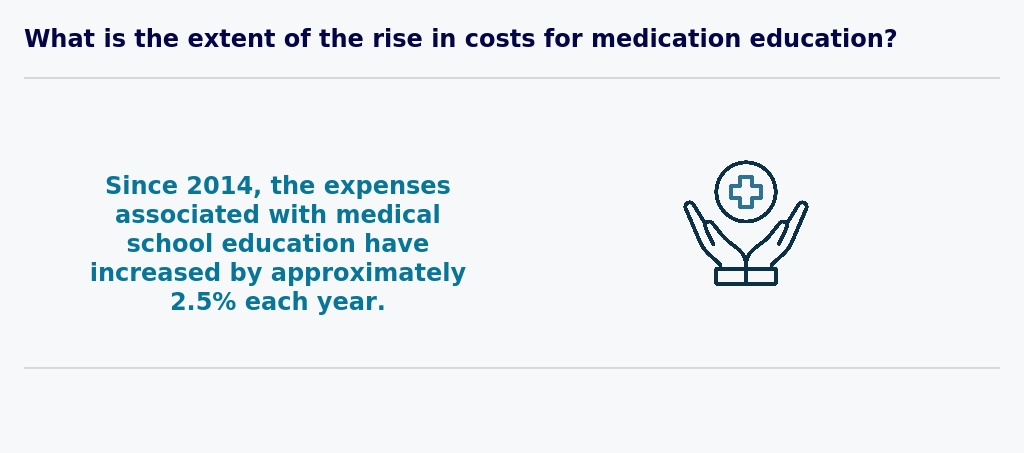
The average cost of an online healthcare degree in Massachusetts falls around a median total of about $30,625, though it can vary quite a bit depending on where you study and whether you're an in-state or out-of-state student. Graduates from popular schools in Massachusetts often share how investing in these programs feels worth it because of the quality and flexibility they get, especially with nursing or public health degrees offered online. Many find that while tuition isn't cheap, the ability to study remotely helps cut costs on housing and commuting, making it a practical option.
For those digging into Massachusetts online healthcare degree tuition and fees, expect numbers that reflect the state's higher education standards. Programs at places like the University of Massachusetts price their online nursing and public health courses roughly between $900 and $1,200 per credit for residents. Meanwhile, private schools might ask for more-anywhere between $50,000 and $70,000 for the full healthcare degree-but these often come with strong networking opportunities and resources.
Students considering costs should also check out the most affordable healthcare programs in Massachusetts to find options that balance price and quality. Paying attention to this can make a huge difference for your budget, especially when adding fees for tech and course materials. Overall, many who've gone through these programs describe a great mix of challenge and reward, knowing their investment supports a meaningful career in a growing field.
Licensing and Certification Requirements for Online Healthcare Graduates in Massachusetts
Graduates of online healthcare programs in Massachusetts must navigate state-specific licensing and certification processes to practice legally and advance their careers. For example, aspiring Registered Nurses must pass the NCLEX-RN exam and apply for licensure through the Massachusetts Board of Registration in Nursing, which requires verification of degree completion from an accredited institution. Similarly, Health Information Technicians often pursue the Registered Health Information Technician (RHIT) credential, administered by the American Health Information Management Association (AHIMA), to demonstrate proficiency in medical coding, data management, and compliance with HIPAA regulations. Clinical roles such as Medical Assistants may seek certification through the American Association of Medical Assistants (AAMA), while administrative professionals often benefit from the Certified Medical Manager (CMM) or Certified Healthcare Administrative Professional (cHAP) credentials. Each certification carries its own eligibility criteria-ranging from practicum hours to continuing education credits-and requires candidates to maintain certification through periodic renewal and professional development. To ensure you select a program that aligns with your certification goals, verify that your online curriculum includes preparatory coursework and exam review modules. Prospective students comparing cost and licensure support across states can also review the Inexpensive Online Healthcare Degree Programs Ranking in Ohio for additional insights into affordability and certification pathways.
What financial aid is available to online healthcare degree students in Massachusetts?
If you're going for an online healthcare degree in Massachusetts, financial aid is definitely there to help lighten the load. Many grads from schools like UMass Amherst or Northeastern told me how federal aid through FAFSA made a huge difference-things like Pell Grants mean some help you don't have to pay back, and federal student loans usually come with lower interest and easier repayment options. It's all about applying early and getting the most out of those programs.
Then there's state support-MassGrant is a big one for residents, giving financial boosts to students enrolled in healthcare programs. Plenty of folks attending places like Simmons University mention the institutional scholarships they snagged, which often focus on nursing or health info management.
Also, if you're working while studying, keep an eye on tuition assistance from hospitals or clinics around Massachusetts; lots of graduates say employers stepping up made finishing their degree feel way more doable.
Boost Your Career with Certification and Specialized Training
In today’s rapidly evolving healthcare environment, supplementing your online degree with industry-recognized certifications can be a game changer for your career. Integrating specialized training into your academic journey not only enhances your expertise but also significantly improves your competitiveness in the job market. Certifications in key areas, such as hospital administration, patient care technologies, and healthcare informatics, provide practical skills that employers highly value. For instance, adding accreditation through courses like medical billing and coding online courses can equip you with targeted knowledge that complements your broader healthcare education. This additional facet of learning helps bridge the gap between theoretical frameworks and real-world applications. It ensures that graduates are not only well-versed in contemporary healthcare practices but are also prepared to address specific industry challenges. By pursuing extra certifications, you can customize your education to meet the demands of various healthcare roles, from data management to clinical operations, thereby maximizing your career prospects and overall return on investment.
What are the prerequisites for enrolling in online healthcare degree program in Massachusetts?
If you're gearing up to enroll in an online healthcare degree in Massachusetts, your first step is usually having a high school diploma or a GED. It's pretty standard across schools like UMass or Northeastern's online programs. For those aiming higher at grad programs, a related bachelor's degree is a must-one graduate shared how their bachelor's in biology opened doors to a nursing master's online at a Boston college.
Transcripts are key, too. Schools want to see your academic story to gauge if you're ready for the tough stuff ahead. Some programs ask for a GPA of 2.5 to 3.0, so keeping up with classes matters. One former student mentioned how meeting that GPA requirement made them feel confident stepping into clinical coursework online.
While SATs and ACTs have faded in importance for many online healthcare programs here, don't be surprised if some places still ask. Also, expect prerequisites like basic science courses-biology, chemistry, anatomy-which almost every applicant needs. Students from local colleges report these classes really helped build a solid foundation before jumping into healthcare tech or nursing courses.
On top of academics, you might need a background check and proof of vaccinations, especially if your program includes hands-on clinical work. Personal statements or letters of recommendation are common, too. It's your chance to show passion and readiness, something graduates say made their applications stand out.
Tips to Accelerate Your Online Healthcare Degree
Optimize your study plan to reduce time-to-completion without sacrificing quality:
- Choose programs offering accelerated or competency-based tracks that let you progress at your own pace.
- Maximize transfer credits from previous coursework, professional certifications or CLEP exams.
- Enroll in consecutive terms, including summer or winter sessions, to stay on a fast-track schedule.
- Leverage prior learning assessments for foundational subjects like anatomy and medical terminology.
- Explore affordable administrative tracks, such as the cheapest online healthcare administration degree, to balance cost savings with speed.
What courses are typically in online healthcare degree programs in Massachusetts?
If you're diving into an online healthcare degree in Massachusetts, expect courses that really cover the essentials of healthcare inside and out. Graduates from popular programs at schools like UMass or Northeastern often talk about how core subjects such as Human Anatomy and Physiology and Medical Terminology gave them a solid grasp of what's happening inside the body and what all those complicated words mean in real-world healthcare settings. It feels more relatable when you picture working in a Boston hospital or a community clinic, using that knowledge daily.
Many found courses like Healthcare Ethics and Legal Issues super eye-opening since Massachusetts has its own healthcare rules, and understanding patient rights here matters a lot. Plus, with the state being a leader in medical tech, Health Informatics classes are a big win-graduates appreciate learning how to manage electronic health records, which is a game changer in local healthcare jobs.
Some grads mention how Introduction to Healthcare Systems helped them connect the dots about how care is coordinated across Massachusetts's integrated health networks, making it feel like they're prepping for real-life teamwork from day one.
- Human Anatomy and Physiology
- Medical Terminology
- Healthcare Ethics and Legal Issues
- Health Informatics
- Introduction to Healthcare Systems
- Pharmacology
- Public Health Principles
Hands-on practicum experiences also stand out. Even though the course is online, students love how they get to train at local approved facilities nearby, turning theory into action right in Massachusetts communities. That blend of online learning with real-world practice is a huge confidence booster when stepping into healthcare careers here.
What types of specializations are available in online healthcare degree programs in Massachusetts?
If you're exploring online healthcare degree specializations Massachusetts has some solid options that fit different interests and career goals. Graduates from popular colleges here share stories about diving into nursing programs where they balance leadership and hands-on patient care, which really pumps up their confidence to step into roles like nurse practitioners or clinical nurse leaders.
Others enjoy the healthcare management track, which is perfect if you like organizing and running the behind-the-scenes operations of hospitals or clinics. There's also public health, a hot field especially now, focused on community wellbeing and tackling challenges like we saw during the pandemic. Some students find health informatics fascinating because it mixes healthcare with tech, helping improve patient care using data.
If you're looking into career-ready skills, many graduates from Massachusetts programs swear by hybrid Physical Therapy or Occupational Therapy assistant courses. And for those who want a steady administrative role, there's a range of medical billing and coding online courses that come highly recommended. These healthcare career options in Massachusetts online programs are not only flexible but also keep students connected to local clinical experiences, making learning really come to life.
How do you choose the best online healthcare degree in Massachusetts?
Picking the best online healthcare degree in Massachusetts means focusing on a few key things that really matter. First off, make sure the school and program are properly accredited. Graduates from top universities in the state often talk about how this made a difference when applying for jobs or certifications. You want a program recognized by solid agencies because that rep will open doors.
Then, check the curriculum and whether it fits what you want to do. Whether it's nursing, health administration, or something niche like healthcare informatics, Massachusetts schools offer cool programs matching local job demands. Graduates say having that tailored coursework made studying way more relevant to their daily work.
Also, budgeting is a biggie. Healthcare degrees in Massachusetts can get pricey-especially private ones-so compare tuition carefully. You can find helpful information in the Inexpensive Online Healthcare Degree Programs Ranking in Ohio to get a sense of affordability, even if it's out of state. Many students share that scholarships and financial aid really helped ease the cost.
Lastly, think about student support. Those who've completed online healthcare degree programs Massachusetts-wide often highlight how available academic advising and career help made their experience much smoother and less stressful.
What career paths are available for online healthcare degree students in Massachusetts?
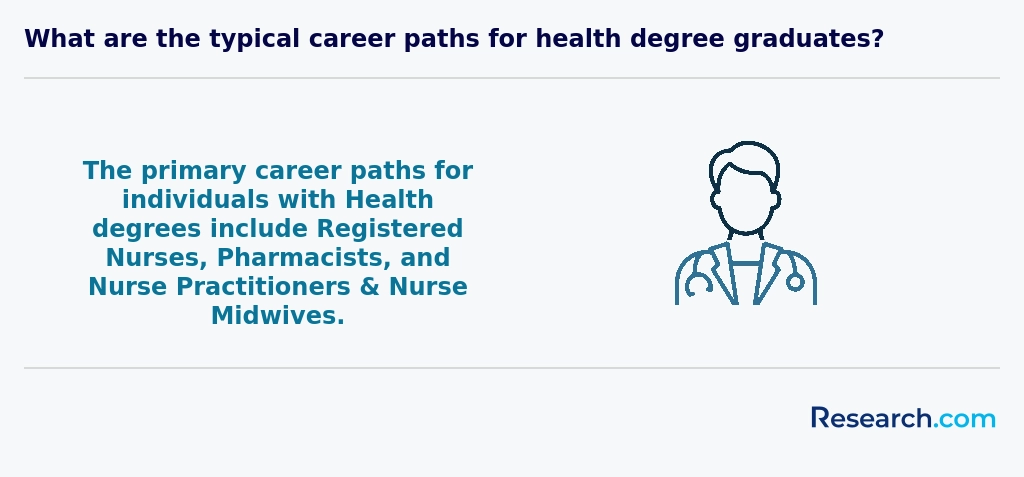
If you're wondering what career paths are available for an online healthcare degree in Massachusetts, there's definitely no shortage of options. Graduates from schools like UMass or Northeastern often find themselves stepping into rewarding roles like Registered Nurse, where they get to directly care for patients in some of the state's top hospitals. Others have landed positions in healthcare administration, managing clinics or departments at major medical centers right here in Massachusetts.
Massachusetts also offers plenty of opportunities in health information management, especially with the surge of electronic health records. Graduates from online programs often enjoy working behind the scenes, ensuring patient data is accurate and secure. And if you're into public health, you could see yourself promoting wellness or disease prevention through government or nonprofit work, making a real difference in your community.
Many students also explore allied health roles, supporting clinical teams across various healthcare settings. For those looking to get started quickly, it's worth checking out the best 6 month associate online degree options, which have helped plenty of Mass graduates jump into the field faster while still building a strong career foundation.
What is the job market for online healthcare degree in Massachusetts?
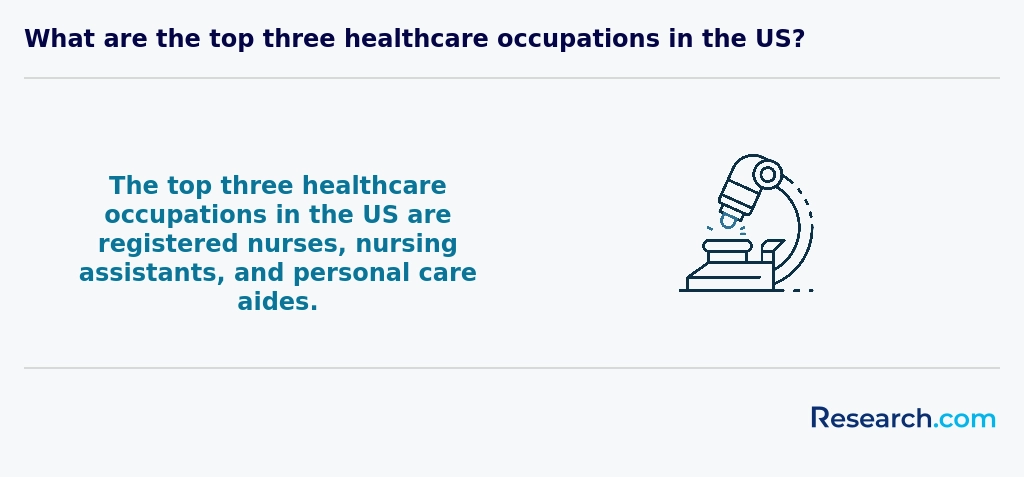
The job market for online healthcare jobs in Massachusetts is buzzing with opportunity. Graduates from programs at schools like Northeastern University or UMass Amherst often share how quickly they landed positions at local hospitals or outpatient centers. Thanks to the state's strong healthcare industry, including giants like Massachusetts General Hospital, there's a steady demand for well-prepared professionals.
Many online healthcare degree grads tell stories about how their flexible schedules made it easier to balance work, family, and studies, which is especially helpful here. The Massachusetts healthcare degree career outlook continues to brighten as healthcare roles expand beyond traditional nursing to include specialties like healthcare informatics and administration.
If you're wondering about costs or pathways, some students explore options like the which bachelor's degree is the easiest to get to find the best fit for their lifestyle and budget. Overall, the future looks promising if you want to jump into healthcare here without sacrificing flexibility or quality education.
Frequently Asked Questions About healthcare
Online healthcare degree students in Massachusetts can maximize their learning by actively engaging with course materials and faculty. Massachusetts has a strong healthcare industry, so students should seek programs offering internships or clinical experiences within the state to gain practical skills. Utilizing digital libraries and resources from local institutions, such as the University of Massachusetts system, helps deepen knowledge effectively.
Networking with peers and professionals through online forums or Massachusetts-based healthcare associations enriches learning and employment opportunities. Time management is crucial, as healthcare programs often require balancing theoretical study with hands-on practice. According to the Massachusetts Department of Higher Education, students who adopt a structured schedule achieve higher success rates in online programs.
The healthcare field in Massachusetts is rapidly evolving, with several emerging niches gaining prominence. One key area is telehealth, which has grown significantly due to increased demand for remote care, especially in rural and underserved communities. According to the Massachusetts Health Connector, telehealth visits increased by over 35% in recent years. Another promising niche is medical informatics, where professionals manage and analyze healthcare data to improve patient outcomes and efficiency.
Precision medicine is also expanding in Massachusetts, supported by major research institutions like Harvard Medical School. This approach tailors treatment based on genetic profiles and lifestyle. Lastly, there is growing interest in behavioral health specialties due to the state's focus on mental health services expansion, reflecting broader national trends.
Preparing for the job market after completing an online healthcare degree in Massachusetts involves several strategic steps. First, gaining hands-on experience through clinical internships or volunteer opportunities is crucial, as they build practical skills highly valued by employers. According to the Massachusetts Executive Office of Labor and Workforce Development, healthcare jobs in the state are projected to grow by 15% through 2030, emphasizing demand for skilled professionals.
Networking is also essential. Massachusetts hosts numerous healthcare conferences and professional organizations, such as the Massachusetts Health & Hospital Association, which offer valuable connections. Additionally, obtaining relevant certifications and maintaining licensure can improve job prospects.
Employers in Massachusetts seek healthcare graduates with a strong foundation in clinical knowledge and technical skills relevant to their roles. Key skills include critical thinking, effective communication, and proficiency with electronic health records (EHR) systems. According to the Massachusetts Department of Public Health, familiarity with state healthcare protocols and patient confidentiality laws is essential.
Massachusetts healthcare employers also value adaptability and teamwork, given the fast-paced, collaborative nature of medical environments. Analytical skills and cultural competence are increasingly important, reflecting the state's diverse population and emphasis on personalized care. These competencies help graduates meet the demands of regional healthcare facilities and improve patient outcomes.
Finding internships in Massachusetts relevant to an online healthcare degree involves strategic research and networking. Many healthcare facilities, including top hospitals like Massachusetts General and Boston Children's Hospital, offer structured internship programs. Checking their official websites and career portals is a good start.
Students should also explore partnerships between their educational institutions and local health organizations. Massachusetts boasts one of the highest concentrations of healthcare employers, with over 400 hospitals and outpatient centers according to the Massachusetts Executive Office of Labor and Workforce Development.
Utilizing state resources like MassHire can connect you with internship opportunities tailored to healthcare fields. Additionally, professional associations such as the Massachusetts Health & Hospital Association provide listings and networking events that can lead to internships.
Finally, early outreach and applying well ahead of the academic year can improve chances given the competitive nature of placements in Massachusetts healthcare settings.
An online healthcare degree in Massachusetts can significantly enhance career mobility and advancement opportunities. The state's healthcare sector is robust, employing over 400,000 workers as of 2023, according to the Massachusetts Executive Office of Labor and Workforce Development. Earning an online degree allows professionals to gain up-to-date skills while maintaining current employment.
Massachusetts employers increasingly recognize accredited online degrees, especially from institutions approved by the New England Commission of Higher Education. This acceptance improves access to positions in clinical, administrative, and specialized healthcare roles.
Additionally, online programs often incorporate flexible scheduling and practical coursework aligned with state licensing requirements, facilitating career progression and salary growth in a competitive job market.
Studying for a healthcare degree in Massachusetts equips students for interdisciplinary roles by emphasizing collaboration across multiple medical fields. Massachusetts is home to leading institutions that integrate courses in nursing, public health, health informatics, and policy, fostering broad skill sets.
The Massachusetts Department of Public Health highlights the demand for healthcare professionals who can coordinate care in diverse teams, especially given the state's aging population and complex health needs.
Online programs often include case studies and simulations that mirror real-world healthcare environments where teamwork between clinicians, administrators, and IT experts is essential.
This approach prepares graduates to effectively communicate and innovate within growing fields like telehealth and population health management.
Choosing between a thesis and a non-thesis online healthcare degree program in Massachusetts depends on your career goals and learning style. A thesis program requires conducting original research and writing a detailed paper. This option suits students aiming for research roles or advanced degrees, such as doctoral studies.
Non-thesis programs focus on coursework and practical skills without a major research project. They are often faster to complete and better for professionals seeking leadership or clinical roles. According to the Massachusetts Department of Higher Education, many healthcare employers value hands-on experience and applied knowledge.
Consider local job markets and future education plans when selecting your path.
Students in Massachusetts seeking online healthcare degrees with an international focus have multiple pathways to consider. Many U.S. institutions offer study abroad programs or partnerships with foreign universities, enabling students to gain global healthcare perspectives. However, fully online healthcare degrees emphasizing international experience remain limited due to clinical practice requirements and licensing regulations.
Massachusetts ranks high in healthcare innovation and education, with schools like UMass Medical School emphasizing global health collaborations, yet most programs require some in-person clinical training stateside. According to the Massachusetts Department of Higher Education, around 30% of healthcare programs incorporate international clinical rotations, but these usually involve travel rather than fully remote study abroad.
Prospective students should verify accreditation and clinical placement options when exploring online healthcare programs with abroad components to ensure licensure eligibility upon graduation.
Part-time job opportunities in Massachusetts that complement healthcare degree education are plentiful and diverse. Many students find roles such as certified nursing assistants (CNAs), medical assistants, or pharmacy technicians effective for gaining practical experience. These positions allow students to apply theoretical knowledge from their online studies directly in clinical settings.
Massachusetts healthcare employers often seek candidates with some clinical background, thus part-time jobs help build essential skills and improve employability. According to the Massachusetts Executive Office of Labor and Workforce Development, healthcare support roles are among the fastest-growing job categories, with a projected 15% growth through 2030.
Additionally, roles in medical administration or health information management offer valuable exposure to healthcare operations, strengthening a student's résumé without direct patient care. These positions are flexible and frequently available in hospitals and outpatient clinics across the state.
Online healthcare students in Massachusetts benefit from diverse networking opportunities that help bridge the gap between virtual learning and professional connections. Many universities offer access to virtual career fairs, alumni networks, and local healthcare associations such as the Massachusetts Health & Hospital Association (MHA). These platforms provide chances to engage with industry leaders and peers.
The state's strong healthcare sector supports collaborative events, including webinars and workshops, often accessible to online students. Additionally, clinical placements in Massachusetts healthcare facilities allow students to build practical relationships essential for future employment.
According to the Massachusetts Executive Office of Health and Human Services, healthcare employment is projected to grow 17% through 2030, enhancing networking importance.
Alumni networks offer significant advantages to students pursuing online healthcare degrees in Massachusetts. These networks connect current students with graduates who have firsthand experience in the state's healthcare sector. This connection facilitates mentoring opportunities, career guidance, and job referrals essential in a competitive market.
Massachusetts boasts a robust healthcare industry, employing over 400,000 people as of recent data from the Massachusetts Executive Office of Labor and Workforce Development. Alumni networks help students tap into this market by providing access to professionals working in top hospitals and research facilities.
Additionally, alumni often share insights on licensure processes and continuing education requirements specific to Massachusetts, supporting student success beyond graduation.
Massachusetts offers flexible online healthcare degree programs that allow students to tailor their studies to meet specific career goals. Many schools provide elective courses or specializations in areas like public health, healthcare administration, or nursing. This customization helps students build relevant skills for in-demand jobs within the state's healthcare sector, which is significant given Massachusetts' 11.5% employment concentration in healthcare, according to the U.S. Bureau of Labor Statistics.
Students can also choose accelerated or part-time options to fit their schedules. Additionally, practicum or clinical placements in local healthcare settings enable practical experience aligned with career objectives. Consulting academic advisors is essential to create a plan suited to individual ambitions.
Online healthcare students in Massachusetts often face challenges related to balancing rigorous coursework with personal and professional responsibilities. Many programs require clinical hours that can be difficult to schedule alongside online classes, especially in a state with competitive healthcare facilities. According to the Massachusetts Department of Higher Education, finding local clinical placements that meet program standards is a common concern.
Limited in-person interaction can also create feelings of isolation, impacting engagement and motivation. Additionally, students may encounter technical issues or lack access to reliable high-speed internet, which is essential for participating in virtual labs and discussions.
Financial barriers persist as well, with tuition and fees for healthcare degrees in Massachusetts above the national average, according to the College Board. Navigating financial aid options while managing debt requires attention and support from advisors.
With an online healthcare degree in Massachusetts, graduates can pursue various professional certifications to enhance their careers. Common certifications include Certified Nursing Assistant (CNA), Registered Health Information Technician (RHIT), and Certified Medical Assistant (CMA). These credentials are often prerequisites for many healthcare roles and improve job prospects.
Massachusetts has a growing healthcare sector, employing over 400,000 people as of 2023 according to the Massachusetts Executive Office of Labor and Workforce Development. Certifications such as the Certified Professional in Healthcare Quality (CPHQ) are also valued for administrative roles.
Professional certification requirements vary by field but typically involve passing nationwide exams and meeting experience criteria. Online degrees provide a flexible path toward these certifications.
Writing a winning application for an online healthcare program in Massachusetts requires clear focus and preparation. Admissions committees value applicants who demonstrate strong commitment to healthcare and clear career goals. Highlight relevant experience, such as volunteering or work in Massachusetts hospitals or clinics, to connect your background with local healthcare needs.
Include a well-crafted personal statement that explains why you chose online learning, emphasizing flexibility and dedication. Massachusetts hosts top healthcare employers like Massachusetts General Hospital, so mentioning local industry awareness can strengthen your case.
Additionally, ensure all prerequisite coursework and standardized test scores meet program requirements, as healthcare programs in Massachusetts often require science prerequisites.
Finally, secure strong recommendation letters from professionals familiar with your healthcare aptitude or academic abilities. According to the Massachusetts Department of Higher Education, programs with competitive admissions often receive twice as many applications as available seats, so attention to detail is critical.
The global perspective on a healthcare career highlights increasing demand for qualified professionals worldwide, including in Massachusetts. Healthcare is recognized as a vital field requiring diverse skills across countries.
In the United States, Massachusetts reports a strong growth rate for healthcare jobs, with a 14% increase expected by 2030, according to the U.S. Bureau of Labor Statistics. This aligns with global trends driven by aging populations and expanding medical technologies.
Internationally, healthcare education emphasizes cultural competence and adaptability, important traits for professionals in Massachusetts's diverse communities. Online programs from Massachusetts also align with global standards, ensuring transferable skills and credentials.
Understanding these global trends helps students appreciate the broad impact and opportunities of a career in healthcare.
Gaining practical experience while studying for an online healthcare degree in Massachusetts is essential for career readiness. Many accredited programs require clinical placements or internships at local hospitals, clinics, or healthcare facilities. Massachusetts is home to top medical centers like Massachusetts General Hospital, which often collaborate with educational institutions to provide hands-on training opportunities.
Students can also seek externships or volunteer roles that complement their coursework. These engagements help develop critical skills and allow networking with healthcare professionals in the state.
In addition, some programs offer virtual simulations and case studies to enhance clinical reasoning. According to the Massachusetts Department of Higher Education, nearly 60% of healthcare students complete supervised practice hours before graduation, a key component to licensure and employment.
Choosing the right concentration within an online healthcare degree program in Massachusetts starts with evaluating your career goals and local job market demands. Massachusetts is a hub for healthcare innovation, with a 12% projected employment growth for healthcare occupations through 2030, according to the Massachusetts Executive Office of Labor and Workforce Development.
Popular concentrations include nursing, healthcare administration, public health, and health informatics. Nursing offers strong job stability, as Massachusetts ranks among the top states for registered nurse employment. Healthcare administration suits those interested in management roles within hospitals and clinics. Public health focuses on community wellness, important in a state committed to health equity.
Research program accreditation and the availability of clinical practicum opportunities. Accredited online programs ensure quality education recognized by Massachusetts licensing boards. Lastly, consider flexible scheduling and faculty expertise to match your learning needs.
Related Healthcare Rankings for Nearby States
- 2027 Fastest Online Healthcare Degree Programs Ranking in New York
- 2027 Fastest Online Healthcare Degree Programs Ranking in New Jersey
- 2027 Fastest Online Healthcare Degree Programs Ranking in Maine
- 2027 Fastest Online Healthcare Degree Programs Ranking in Pennsylvania
- 2027 Fastest Online Healthcare Degree Programs Ranking in Maryland
- 2027 Fastest Online Healthcare Degree Programs Ranking in Virginia
- 2027 Fastest Online Healthcare Degree Programs Ranking in Ohio
- 2027 Fastest Online Healthcare Degree Programs Ranking in West Virginia
- 2027 Fastest Online Healthcare Degree Programs Ranking in Kentucky
- 2027 Fastest Online Healthcare Degree Programs Ranking in North Carolina
Top Trending Healthcare Rankings
See What Experts Have To Say About Studying Healthcare
Read our interview with Healthcare experts

References
- Developing the Health Care Workforce of the Future https://www.uma-foundation.org/flagship-focus-developing-the-health-care-workforce-of-the-future
- Building Student Pathways to Careers in Health https://www.mbae.org/building-student-pathways-to-careers-in-health/
- Health Care Schools in Massachusetts – MA https://www.healthcarepathway.com/states/massachusetts-health-care/
- Online Degrees in Massachusetts: Affordable Education https://ace.edu/tuition-and-admissions/ace-vs-other-schools/online-degrees-massachusetts/
- Courses | Medical and Healthcare Training School in ... https://www.pathwayvoc.com/healthcare-training-courses
- Enhancing Clinical Education: Evidence-Based Strategies https://esmed.org/enhancing-clinical-education-evidence-based-strategies/
- Massachusetts Medical Society: Online CME Courses https://www.massmed.org/Continuing-Education-and-Events/Online-CME/Online-CME-Courses/
- Online Learning, Degree, and Certificate Programs https://www.massbay.edu/academics/online-learning/programs
- Online Health Science Degrees with Financial Aid https://www.edumed.org/online-schools/health-science-degrees/financial-aid/
- How Long Does It Take to Earn a Healthcare Administration ... https://campus.edu/blog/hash-campus/how-long-does-it-take-to-earn-a-healthcare-administration-degree-online


