
2027 Fastest Online Healthcare Degree Programs Ranking in New York

Co-Founder and Chief Data Scientist
If you're considering a healthcare degree in New York, finding the right program can feel overwhelming. This article presents the 2027 Fastest Online Healthcare Degree Programs Ranking in New York, created by the Research.com team of data scientists to guide you in making an informed decision.
Choosing a healthcare degree opens doors to a rewarding career with meaningful impact. By exploring this ranking, you'll discover programs that balance quality and speed, helping you achieve your goals efficiently.
Let this guide inspire and empower your educational journey.
Key benefits of getting online healthcare degree in New York
- Salary for healthcare degree graduates: Graduates in New York can expect solid earnings, such as Medical Assistants earning approximately $43,350 annually and Quality Improvement Coordinators making about $103,150 a year, offering strong financial motivation for pursuing these careers.
- Potential career paths: A healthcare degree from institutions like SUNY or NYU opens doors to diverse roles such as Clinical Research Coordinator, Patient Care Technician, and Health Information Technician, each providing meaningful opportunities to impact patient care.
- Benefits of online degrees: Online healthcare degrees from universities like Excelsior College enable flexible learning schedules and access to quality education without commute stress, helping students balance their studies with personal and work commitments smoothly.
- Key benefits of getting online healthcare degree in New York
- What can I expect from online healthcare degree in New York?
- Where can I work with online healthcare degree in New York?
- How much can I make with online healthcare degree in New York?
- 2027 Fastest Online Healthcare Degree Programs Ranking in New York
- Key Findings
- How long does it take to complete online healthcare degree in New York?
- Tips for Online Healthcare Student Success
- What's the difference between online and on-campus healthcare degree?
- Accreditation & Licensure Requirements
- What is the average cost of online healthcare degree in New York?
- Next Steps: Guidance for Prospective Students
- What financial aid is available to online healthcare degree students in New York?
- Essential Technical Requirements and Student Support for Online Healthcare Degrees
- What are the prerequisites for enrolling in online healthcare degree program in New York?
- Tips for Maximizing Success in Your Online Healthcare Program
- What courses are typically in online healthcare degree programs in New York?
- What types of specializations are available in online healthcare degree programs in New York?
- How do you choose the best online healthcare degree in New York?
- What career paths are available for online healthcare degree students in New York?
- What is the job market for online healthcare degree in New York?
- Related Healthcare Rankings for Nearby States
- Top Trending Healthcare Rankings
- See What Experts Have To Say About Studying Healthcare
What can I expect from online healthcare degree in New York?
Online healthcare degree tuition in New York typically ranges from $10,000 to $30,000 per year, depending on the institution and program length. Graduates from well-known institutions such as Pace University or the City University of New York (CUNY) often report manageable costs paired with robust financial aid options. Many students appreciate the affordability relative to on-campus programs, which allows them to balance education with work or family responsibilities.
Financial aid and scholarships significantly reduce out-of-pocket expenses, enabling students to focus on learning without overwhelming financial stress. For example, a graduate from a popular nursing program at Excelsior College recounts how accelerated online courses combined with flexible payment plans made completing the degree feasible in under two years.
Ultimately, New York's online healthcare degrees offer competitive pricing, reflecting the state's commitment to making healthcare education accessible. This affordability, paired with career support services, encourages many students to pursue and succeed in healthcare fields that are vital to the local community.
Where can I work with online healthcare degree in New York?
Graduates of online healthcare degree programs from institutions such as Hunter College and Pace University in New York often find rewarding career opportunities across the state's diverse healthcare landscape. Many step into roles within large hospital systems like NewYork-Presbyterian and Mount Sinai, where their degrees are valued for clinical, administrative, and allied health positions. These roles allow graduates to engage directly in patient care or manage operations that improve healthcare delivery.
Others pursue careers in outpatient care centers, utilizing skills learned online to support physical therapy, diagnostics, or urgent care services. Working in these community-focused settings offers a dynamic, hands-on experience while contributing to cost-effective healthcare.
Graduates have also expressed satisfaction working in long-term care facilities, where they manage patient care for New York's growing elderly population. Their online education equips them for supervisory and clinical roles, reflecting real impact on daily lives.
Positions in public health departments and telehealth platforms are increasingly popular, especially as remote work opportunities grow, combining technology with healthcare expertise to enhance patient access and outcomes.
How much can I make with online healthcare degree in New York?
Graduates holding online healthcare degrees in New York typically enter the workforce earning between $43,350 and $60,790 annually, depending on their chosen field. For example, medical assistants and health information technicians earn mean annual wages around $43,350, while patient care technicians command salaries closer to $60,790.
Recent graduates from well-regarded New York institutions often report satisfaction moving swiftly from entry-level roles into positions with higher compensation. Those pursuing roles such as quality improvement coordinators can expect mean wages exceeding $103,000, reflecting the demand for specialized skills in healthcare management.
Students transitioning from colleges known for their healthcare programs in New York frequently describe the encouragement found in real-world clinical experiences paired with online coursework. This combination primes them to earn competitive salaries in urban centers like New York City, where salaries outpace national averages.
Through certification and practical exposure, graduates feel confident stepping into careers where compensation aligns with both their expertise and the state's elevated cost of living, making an online healthcare degree a promising investment in their future.
2027 Fastest Online Healthcare Degree Programs Ranking in New York
How do we rank schools?
Investing in your education is a significant decision that can shape your future, and the Research.com team understands the importance of making informed choices. To assist prospective students, we have meticulously crafted the "2027 Fastest Online Healthcare Degree Programs Ranking in New York." Our commitment to quality, credibility, and accuracy is reflected in the extensive research and analysis conducted to compile this ranking.
We utilized the following reputable data sources to ensure a comprehensive evaluation of healthcare degree programs:
By exploring this ranking, readers will gain valuable insights into the fastest online healthcare degree programs available in New York, empowering them to make well-informed decisions about their educational paths. For more details on our methodology, please visit our Research.com methodology page.


# 3 position
Hofstra University
Master of Strategic Business Management and Strategic Healthcare Management



# 10 position
State University of New York Polytechnic Institute
Bachelor of Health Information Management

# 12 position
John Jay College of Criminal Justice of the City University of New York
Master of Inspection and Oversight: Health Care Specialization

# 15 position
St. Joseph's University, Brooklyn Campus
Master of Health Administration/Health Care Management



Key Findings
- Online healthcare degrees in New York are nationally recognized if accredited by agencies like CAAHEP or ACEN.
- Tuition costs range from $8,000 to $15,000 for associate degrees and $20,000 to $40,000 for bachelor's programs; master's programs often exceed $30,000.
- New York employs over 1.5 million healthcare workers, with a projected job growth of 15% over the next decade.
- Entry-level healthcare salaries with a bachelor's degree range from $50,000 to $65,000 annually, while experienced professionals can earn $75,000 to over $100,000.
- Many programs require in-person clinical work at approved local healthcare facilities to complete degree requirements.
How long does it take to complete online healthcare degree in New York?
The time required to complete an online healthcare degree in New York varies widely based on degree level and program format. For instance, associate degrees in areas like health information technology typically take about two years of full-time study, though some graduates from institutions such as the Community College of New York have accelerated their progress to just 18 months using flexible online options and credit transfers. Bachelor's degrees, especially programs like RN-to-BSN pathways offered by schools like the State University of New York (SUNY), usually require four years if pursued full-time. However, motivated students often reduce this period to around three years by leveraging credit for prior coursework or professional experience.
Graduate-level degrees, such as a Master of Public Health offered online by the CUNY School of Public Health, generally span 18 to 24 months full-time. Many working professionals appreciate part-time enrollment opportunities that extend completion to 3-4 years, enabling a balanced approach to study and career. Graduates frequently express satisfaction with this flexibility, which allows them to manage personal commitments while advancing their healthcare careers.
Tips for Online Healthcare Student Success
Achieving success in an online healthcare degree program requires proactive planning, efficient time management, and the effective use of academic resources. One key strategy is to design a structured study schedule that accommodates your work, family, and personal time. Engage with interactive platforms offered by your program, such as discussion forums and virtual study groups, to build a supportive learning community. Additionally, focusing on self-motivation and goal-setting can further enhance your progress through the program. • Establish regular study routines and set clear short- and long-term goals for each semester. • Use digital calendars and reminders to track assignment deadlines and exam dates. • Take advantage of additional resources such as tutoring services and online libraries offered by your institution. Moreover, it’s beneficial to explore career-specific resources that prepare you for real-world challenges. For example, learning more about affordable medical billing and coding programs can expand your career options within the healthcare field. Networking with alumni and attending virtual career fairs also provide valuable insights and opportunities that may accelerate both your academic and professional journey. By integrating these strategies into your daily routine, you’ll build a strong foundation for academic success while effectively navigating the demands of an online healthcare program in New York.
What's the difference between online and on-campus healthcare degree?
Online healthcare degree programs in New York, such as those offered through the SUNY system, provide flexibility that appeals to working professionals balancing jobs and family life. Graduates often describe the ability to access coursework remotely as a key advantage, allowing them to study asynchronously while joining live sessions that fit their schedules. This format supports self-paced progress, which many find empowering.
In contrast, traditional on-campus programs, popular at institutions like Hunter College or NYU, deliver hands-on training through direct access to laboratories and simulation centers. Students value the in-person mentorship and immediate feedback from faculty, especially in clinical disciplines like nursing where supervised practice is mandatory. The requirement for local clinical placements in New York ensures practical skill development regardless of delivery mode.
Cost considerations also differ. On-campus tuition typically ranges from $10,000 to $15,000 annually for in-state students, while online programs may offer lower fees and reduce expenses related to commuting and housing. Graduates report that combining online coursework with local clinical experiences creates a rewarding balance between convenience and essential hands-on training.
Accreditation & Licensure Requirements
Selecting a properly accredited online healthcare degree ensures eligibility for licensure exams and employer recognition in New York.
- Regional accreditation (Middle States Commission on Higher Education) confirms overall institutional quality
- Programmatic accreditors validate specialized curricula: CCNE or ACEN for nursing; CAAHEP for allied health; CEPH for public health; CAHME for healthcare management
- New York State Education Department (NYSED) authorization allows you to complete required clinical practicums and apply for state licensure
Review licensing pathways tied to your specialization:
- Nursing degrees – prepare for NCLEX-RN and advanced practice exams
- Health information programs – ready you for RHIT or RHIA credentials
- Medical billing and coding tracks – explore accredited medical billing and coding schools online with financial aid for programs that align with certification standards
What is the average cost of online healthcare degree in New York?
The average cost of an online healthcare degree in New York typically ranges around $32,742, with variations depending on residency status and institution type. In-state students attending public universities often benefit from lower tuition rates, generally near $22,277, which makes pursuing these programs more accessible for local residents. Out-of-state students, however, should anticipate higher expenses, with median costs closer to $42,360 annually.
Graduates from well-known New York universities offering online healthcare degrees often share how the investment was worthwhile for their career growth, illustrating that despite cost differences, obtaining these qualifications opens doors to meaningful job opportunities. A common experience among students from these institutions highlights manageable tuition paired with flexible online schedules that accommodate working professionals.
Additional considerations include fees for course materials, technology use, and clinical practice components, which can add several thousand dollars to the overall budget. Many students looking for affordable online healthcare programs in New York leverage financial aid and scholarships, which significantly ease the burden. Those exploring options may find it helpful to review offerings at a range of colleges and public universities to identify programs that blend cost-effectiveness with quality education.
For students serious about finding an affordable healthcare school in New York, exploring the specific financial aid resources available is crucial. Guidance and detailed rankings can be found by visiting affordable healthcare school in new york, which offers comprehensive insights tailored to prospective healthcare professionals seeking online degrees.
Next Steps: Guidance for Prospective Students
When you’re ready to take the next step in advancing your online healthcare education, it is crucial to equip yourself not only with the rankings and statistics but also with actionable insights on application strategies, program comparisons, and financial planning. This section provides a concise guide to help you transition from research to enrollment with confidence. Begin by thoroughly reviewing specific admission requirements and deadlines for your selected programs. Create a checklist that includes prerequisites, standardized test scores, and necessary documentation, and consider reaching out to the admissions offices for any clarifications. Additionally, strengthening your financial profile by exploring scholarships, grants, and low-interest student loans will enhance your application and readiness. To compare options based on cost-effectiveness, you may also explore resources like our guide on affordable healthcare school in new york, ensuring you find a program that aligns optimally with both your career goals and budget. Finally, joining online forums or connecting with current students and alumni can provide real-time feedback on program quality and career outcomes, reinforcing your decision-making process as you pursue a brighter future in healthcare.
What financial aid is available to online healthcare degree students in New York?
Students pursuing online healthcare degrees in New York frequently rely on federal financial aid, beginning with the Free Application for Federal Student Aid (FAFSA). Graduates from programs at well-known institutions such as Excelsior College or Stony Brook University often highlight how Pell Grants, offering up to $7,395 annually, made a significant difference in their ability to afford tuition without accumulating overwhelming debt.
Federal student loans, including Direct Subsidized and Unsubsidized Loans, are commonly used to cover remaining costs. These loans provide manageable interest rates and flexible repayment, easing financial stress for working adults advancing their careers through institutions like SUNY Downstate Health Sciences University.
New York's Tuition Assistance Program (TAP) serves as an additional resource, granting up to $5,665 yearly to eligible residents enrolled in approved online healthcare programs. Many graduates describe TAP as a crucial component that transformed their dream of earning a nursing or healthcare administration degree into reality.
- Healthcare-specific scholarships from New York nonprofit organizations and employer tuition assistance plans also help reduce expenses for part-time students balancing work and study.
- Work-study options, though limited for fully online learners, occasionally supplement income and provide valuable experience.
Grads emphasize the importance of selecting accredited programs, such as those recognized by CCNE or ACEN, to secure eligibility for these financial supports and ensure quality education tailored for healthcare careers in New York.
Essential Technical Requirements and Student Support for Online Healthcare Degrees
To succeed in an accelerated online healthcare degree in New York, students must meet specific technical requirements and leverage robust support services. First, a reliable high-speed internet connection (at least 25 Mbps) and a modern computer (Windows 10/macOS 10.14 or higher, 8 GB RAM) are critical for streaming lectures, participating in live webinars, and accessing virtual simulations. Most programs utilize learning management systems (LMS) such as Canvas or Blackboard, so familiarity with basic troubleshooting-clearing cookies, updating browsers, and installing necessary plugins-ensures a smooth experience. Beyond hardware and connectivity, accredited institutions provide 24/7 technical support to address software glitches and platform access issues. Dedicated help desks, live chat, and phone assistance minimize downtime and keep students on track. Academic support is equally important: online tutoring services in anatomy, pharmacology, and health informatics help clarify complex topics, while virtual writing centers assist with research papers and grant proposals. These resources maintain academic rigor and reduce the frustration often associated with remote study. Effective online programs also include comprehensive library services. Digital access to scholarly journals, e-books, and research databases empowers students to conduct evidence-based studies and complete capstone projects. Interlibrary loan agreements expand available resources, and librarians offer personalized research consultations. Career services play a pivotal role, too: virtual career fairs, résumé workshops, and interview coaching prepare graduates for roles ranging from health information technicians to public health administrators. For students comparing affordability without sacrificing support or quality, the Low Cost Online Healthcare Degree Programs Ranking in Moon Township, PA highlights programs that balance tuition savings with comprehensive student services. By ensuring both technical readiness and access to academic resources, prospective healthcare professionals can fully engage with accelerated curricula and graduate with confidence.
What are the prerequisites for enrolling in online healthcare degree program in New York?
Applicants aiming to enroll in online healthcare degree programs in New York must first hold a high school diploma or equivalent, such as a GED. This foundational step ensures readiness for complex healthcare subjects. For instance, graduates from well-regarded institutions like Hunter College or Stony Brook University often emphasize how completing prerequisite courses in biology and chemistry provided essential groundwork for their studies and clinical experiences.
Many programs require prior coursework, including anatomy and sometimes statistics or psychology, which reflect real-world medical knowledge needed throughout training. Those pursuing advanced degrees, such as an MSN or Physician Assistant studies, commonly present a related bachelor's degree and relevant healthcare experience, supported by transcripts demonstrating at least a 3.0 GPA. Graduates recount how meeting these standards empowered them to confidently engage with rigorous online curricula.
Health and safety prerequisites are also vital; immunizations, background checks, and drug screenings comply with New York state laws and clinical placement rules. This comprehensive preparation boosts student confidence and readiness to thrive in demanding healthcare environments throughout the state.

Tips for Maximizing Success in Your Online Healthcare Program
Online healthcare programs offer tremendous flexibility, but they also require a proactive approach to manage your studies effectively. Embracing a disciplined routine, setting aside a dedicated study space, and employing tools like digital calendars and task managers are critical for staying organized. Additionally, actively participate in virtual discussions, join online study groups, and utilize academic advising to ensure you’re consistently on track. Regularly connecting with instructors via virtual office hours can provide the personalized support necessary for nuanced topics and help clarify complex concepts. Moreover, exploring additional resources-such as checking out an affordable healthcare school in new york-can offer valuable insights on balancing cost with educational quality. By integrating these strategies into your academic routine, you position yourself not only to succeed in your current coursework but also to build a robust foundation for a dynamic career in the healthcare industry.
What courses are typically in online healthcare degree programs in New York?
Online healthcare degree programs in New York encompass a diverse array of courses essential for building a robust understanding of the healthcare field. Graduates from well-regarded institutions like Hunter College and Pace University often recall how core classes in healthcare systems and administration equipped them to navigate New York's complex healthcare landscape and regulatory environment effectively.
Students engage deeply with health informatics courses, learning to manage electronic health records securely, a skill vital in today's data-driven medical settings. Many recall how mastering HIPAA compliance felt empowering, knowing their work safeguards patient privacy across diverse environments, from bustling city hospitals to rural clinics.
Medical terminology and anatomy classes provide crucial clinical knowledge, enabling graduates to communicate confidently with healthcare teams and patients alike. For those at schools such as CUNY School of Professional Studies, public health coursework shines by connecting theory to real public health challenges faced by New York's varied communities.
Ethics and law studies reinforce a strong sense of professional responsibility, preparing students to advocate for patient rights in fast-evolving legal contexts. Many programs allow electives in areas like mental health and nutrition, tailoring education to personal career aspirations with engaging, relevant content.
What types of specializations are available in online healthcare degree programs in New York?
Online healthcare degree specializations in New York encompass a broad range of focused programs tailored to the state's dynamic healthcare landscape. Graduates from prominent New York colleges often highlight Nursing as a cornerstone specialization, with pathways such as RN to BSN or Nurse Practitioner tracks enabling them to meet the state's high demand for qualified nurses. Healthcare Administration is another popular choice, training students for influential leadership roles within New York's vast network of hospitals and care facilities.
Others pursue Public Health degrees, addressing community health challenges unique to New York's diverse population by engaging in epidemiology and health policy. Additional fields like Health Informatics, Occupational Therapy, Medical Laboratory Science, and Physical Therapy provide students with distinct career options grounded in improving patient care through technology, rehabilitation, diagnostics, or direct therapeutic engagement.
Many students benefit from flexible, affordable online programs which rival traditional options. Those seeking cost-effective paths often explore programs such as affordable medical billing and coding programs that complement clinical specializations, enhancing their employment prospects across New York's healthcare sector.
How do you choose the best online healthcare degree in New York?
Choosing the best online healthcare degree in New York requires careful evaluation of program accreditation and alignment with state licensing requirements. Graduates from well-known institutions in New York praise accredited programs for easing their path to employment and professional certification, noting that these credentials hold significant value with local employers. Cost considerations also play a crucial role; many students find that programs offering in-state tuition or financial aid make advanced education more accessible. For example, those enrolled in popular healthcare colleges in New York often benefit from reduced fees while maintaining high academic standards.
Flexibility is another essential factor, especially for working professionals balancing job and study. Online programs with asynchronous coursework allow for adaptable schedules, while local clinical placements ensure compliance with New York's practical training mandates. Prospective students aiming for nursing or healthcare administration degrees can explore programs that tailor curricula to specific career goals. To explore affordable options, consider reviewing the Low Cost Online Healthcare Degree Programs Ranking in Moon Township, PA as a reference point when comparing tuition.
Students seeking the best online healthcare degree programs New York offer frequently emphasize how choosing programs with relevant specializations and in-state support enhances their educational experience. Similarly, for those focused on affordable healthcare degrees online New York provides opportunities that balance cost efficiency with comprehensive healthcare education.
What career paths are available for online healthcare degree students in New York?
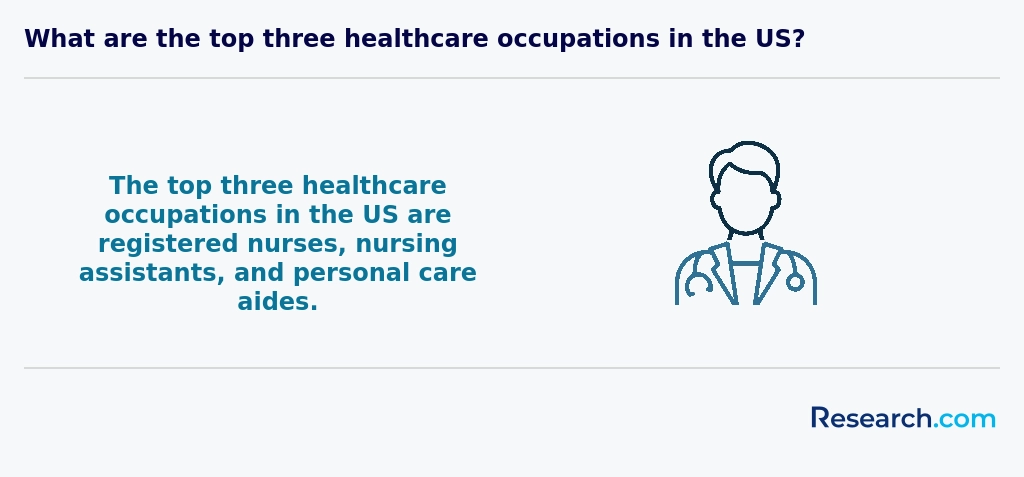
Graduates holding an online healthcare degree in New York find diverse career paths across the state's expansive healthcare sector. Many pursue roles as registered nurses (RNs), equipped through online programs that prepare them for the NCLEX-RN exam and meet New York's rigorous licensing requirements. Hospitals in New York City and surrounding areas frequently seek skilled RNs, offering competitive salaries and opportunities for advancement into nursing leadership positions, such as nurse practitioners. Other graduates step into roles as medical and health services managers, overseeing healthcare facilities with median wages around $115,000 annually.
Career opportunities for those with a healthcare background also include health information technicians and medical coders-positions fueled by the rise of electronic health records-and public health professionals addressing community health across diverse New York populations. Many students from popular institutions experience flexible schedules that allow them to work while studying, enhancing their readiness for roles like licensed practical nurses and certified nursing assistants in both urban and rural settings. Those interested in further education may explore a bachelor's degree online fast, broadening their options within the healthcare job opportunities with online degree New York.
What is the job market for online healthcare degree in New York?
The job market for graduates with online healthcare degrees in New York is robust and expanding, reflecting the state's high demand for qualified healthcare professionals. Graduates from popular institutions in New York often find rewarding employment opportunities, especially as the healthcare sector continues to grow due to the aging population and evolving public health priorities. Many online healthcare degree holders secure roles as registered nurses, health information technologists, or healthcare administrators, benefiting from competitive salaries and strong job security. For those considering employment prospects, understanding the online healthcare degree job outlook New York underscores the importance of attending regionally accredited programs that prepare students well for licensure and certification requirements.
Graduates frequently share positive experiences about balancing flexible online coursework with their clinical placements, enabling them to advance their careers without relocating. Institutions known for quality healthcare programs in New York provide career support that helps students transition smoothly into healthcare roles within hospitals, clinics, and public health organizations. Additionally, students interested in further advancement may explore the easiest subject for phd to complement their healthcare qualifications and broaden their career options.
Frequently Asked Questions About healthcare
Online healthcare degree students in New York can maximize their learning by actively engaging with both virtual coursework and local practical experiences. Healthcare in New York is rapidly evolving, with over 150,000 healthcare jobs expected to grow by 10% through 2028, according to the New York State Department of Labor. This growth emphasizes the importance of up-to-date knowledge paired with hands-on skills.
Students should seek programs that integrate clinical rotations or internships within New York's vast healthcare system. Networking with local professionals through online forums and state healthcare associations also enhances learning. Additionally, using state resources for licensing requirements helps align education with career goals in New York's competitive healthcare market.
Emerging niches in the healthcare field reflect the evolving needs of New York's diverse population and advances in technology. Telehealth has experienced rapid growth, supported by a 52% increase in virtual care visits statewide since 2020, according to the New York State Department of Health. This has created demand for professionals skilled in digital patient management and remote diagnostics.
Another promising area is healthcare informatics, where experts analyze data to improve patient outcomes. With New York's healthcare data systems modernization underway, demand for informaticists is rising by nearly 15% annually, as per recent labor reports.
Additionally, gerontology is becoming vital due to the state's aging population, projected to reach 20% over age 65 by 2030. Specializing in elder care management offers growing career opportunities in both clinical and community settings.
After completing an online healthcare degree in New York, preparing for the job market requires strategic planning. Start by researching state-specific licensing requirements, as many healthcare roles, such as nursing or medical assisting, require certification or licensure from New York State Education Department.
Networking is essential; joining local professional associations like the Healthcare Association of New York State can open job opportunities and mentorship. Additionally, gaining hands-on experience through internships or clinical placements enhances employability.
Consider updating your résumé to highlight both your online education and practical skills. According to the New York State Department of Labor, healthcare employment is projected to grow by 15% from 2020 to 2030, so be proactive in applying early and tailoring applications to specific employers.
Employers in New York seeking healthcare degree graduates value a mix of technical and soft skills. Strong clinical knowledge and proficiency in digital health technologies are essential, as New York hospitals increasingly adopt electronic health records and telehealth platforms. According to the New York State Department of Labor, skills in patient care, medical terminology, and data analysis rank highly in job postings.
Communication abilities and teamwork are also critical, reflecting the collaborative nature of healthcare in diverse settings like NYC's large hospitals and community clinics. Problem-solving skills and cultural competence are increasingly important due to New York's varied population.
Finding internships in New York related to a healthcare degree involves leveraging several key resources. Many New York universities and colleges with online healthcare programs have established connections with local hospitals and clinics. Students should start by contacting their school's career services or internship office for tailored leads. Additionally, New York State's Department of Health provides listings and resources for healthcare opportunities throughout the state.
Networking is crucial; joining professional organizations like the New York State Medical Society or health-focused groups can open doors. Platforms such as Handshake and LinkedIn also list numerous healthcare internships specific to New York City and its surrounding areas.
Given New York's status as a major healthcare hub, with over 500 hospitals statewide (NY State Department of Health, 2023), competition can be high. Early application and flexibility in internship location enhance chances of placement.
Online healthcare degrees in New York significantly enhance career mobility and advancement by providing flexible, accredited education aligned with state requirements. According to the New York State Education Department, completing an online program from a regionally accredited institution enables graduates to meet licensing standards necessary for various healthcare roles.
Healthcare is a rapidly growing sector in New York, with employment projected to increase 12% by 2028, per the New York State Department of Labor. Online degrees help professionals update skills or transition into specialized fields such as nursing, health administration, or medical technology.
Furthermore, employers in New York often value the adaptability and self-discipline demonstrated by online learners, which can enhance promotion prospects. Nationwide surveys show that 65% of healthcare employers consider online degrees equivalent to traditional degrees when accredited.
Studying for a healthcare degree in New York offers a strong foundation for interdisciplinary roles by emphasizing collaboration across multiple healthcare fields. Many New York institutions integrate coursework that combines nursing, public health, healthcare administration, and social work. This approach reflects the growing demand for professionals skilled in teamwork, critical thinking, and communication.
According to the New York State Department of Labor, healthcare occupations are projected to grow by 15% from 2020 to 2030, requiring versatile workers who understand diverse disciplines. Online programs often include case studies and simulations focused on integrated care, preparing students to navigate complex healthcare environments.
These programs also highlight New York's unique public health challenges, such as urban healthcare disparities, enhancing students' ability to work effectively in varied settings and with multiple stakeholders.
Choosing between a thesis and a non-thesis healthcare degree program in New York depends largely on your career goals and learning preferences. Thesis programs usually require original research, making them suitable for those interested in academic or research careers. These programs often take longer to complete but can strengthen skills in analysis and critical thinking.
Non-thesis programs focus more on practical coursework and may appeal to professionals seeking faster entry or advancement in the healthcare field. According to the New York State Education Department, healthcare jobs in the state are projected to grow by 10% through 2030, emphasizing practical skills.
Consider your time availability, career plans, and whether you prefer hands-on learning or research when making your decision.
Students based in New York who want to study healthcare abroad have several options through online degree programs offered by accredited U.S. universities with global reach. Many New York institutions collaborate with international partners, allowing students to complete coursework remotely while gaining exposure to global healthcare practices.
According to the New York State Education Department, several accredited online healthcare programs enable flexible study schedules, which is beneficial for those balancing work and study. Some programs offer clinical placements or internships abroad, enhancing practical experience.
Additionally, New York's diverse healthcare sector, with over 600,000 healthcare workers, supports demand for graduates familiar with international healthcare standards, making global-focused online programs valuable for career growth.
New York offers diverse part-time job opportunities that complement online healthcare degree programs. Many students work as certified nursing assistants (CNAs) or medical assistants, gaining hands-on experience while studying. According to the New York State Department of Labor, healthcare support roles are projected to grow 15% by 2030, making such positions widely available.
Hospital settings in New York City and Upstate provide flexible part-time roles, including patient care technicians and health information clerks. These jobs help students apply classroom knowledge, develop clinical skills, and build professional networks. Additionally, telehealth support positions have grown due to digital healthcare trends, offering remote work options aligning with online study schedules.
Online healthcare students in New York benefit from various networking opportunities despite studying remotely. Many accredited institutions offer virtual career fairs, webinars, and online student organizations that connect learners with professionals and peers statewide. The New York State Department of Health collaborates with universities to provide internships and clinical placements, helping students build local contacts.
Professional groups such as the Greater New York Hospital Association also host events accessible to online students, fostering real-world connections. According to the New York State Education Department, nearly 40% of healthcare jobs require networking for placement, making these opportunities vital for career development.
Alumni networks offer crucial support to students pursuing online healthcare degrees in New York. These networks connect current students with graduates who often work in diverse medical fields across the state, including major hospital systems in New York City.
Members gain access to mentorship, career advice, and job leads. For example, organizations such as the New York State Nurses Association highlight the value of networking in securing competitive healthcare positions.
Additionally, alumni groups often host events and workshops that help students stay informed about industry trends and continuing education opportunities.
This connectivity is especially important given New York's rapidly evolving healthcare environment, where relationships can accelerate career advancement.
Customizing an online healthcare degree in New York allows students to align their studies with specific career goals in a growing job market. Many programs offer a range of specializations, such as healthcare administration, nursing, or public health, enabling tailored education paths. New York's healthcare sector employs over 1.5 million people, making focused skills highly valuable (New York State Department of Labor, 2023).
Students can select electives, participate in virtual internships, or engage with faculty experts to develop practical knowledge. Additionally, some accredited schools provide flexible course pacing and certificate options that complement degrees, helping professionals advance or pivot within the healthcare field.
Online healthcare students in New York face several notable challenges. One major difficulty is balancing rigorous coursework with clinical requirements. New York State mandates in-person clinical hours, limiting flexibility for fully online learners (New York State Education Department, 2023). Technology access and internet reliability also impact students, especially in rural areas of the state where connectivity can be inconsistent. Additionally, navigating differing accreditation standards and licensing requirements for healthcare professions may confuse students trying to ensure their online degree meets New York's strict regulatory criteria. Time management and limited opportunities for direct interaction with instructors further complicate the learning experience for many.
An online healthcare degree from a New York institution opens doors to various professional certifications. Graduates often pursue certified nursing assistant (CNA), licensed practical nurse (LPN), or registered nurse (RN) credentials, each requiring state-approved exams.
Beyond nursing, degrees in healthcare administration can lead to certifications such as Certified Professional in Healthcare Quality (CPHQ) or Certified Healthcare Administrative Professional (cHAP), recognized nationally. These credentials improve career prospects in New York's growing healthcare management sector, which the New York State Department of Labor projects to grow by 16% through 2030.
Additionally, certification as a Medical Billing and Coding Specialist is available, with bodies like the AAPC providing recognized credentials, increasing employability in both hospitals and outpatient facilities.
Crafting a winning application for an online healthcare program in New York starts with understanding the state's competitive admissions landscape. Highlight your academic achievements clearly, especially in biology, chemistry, and health sciences. New York's healthcare sector grows rapidly, employing over 1.2 million people as of 2023 (NYS Dept. of Labor), making relevant experience valuable. Include any practical healthcare experience or certifications, like CNA or EMT, to strengthen your profile.
Write a compelling personal statement that explains your motivation and career goals, tailored to the program's focus. Demonstrating familiarity with New York's healthcare challenges, such as aging populations or urban health disparities, shows genuine commitment. Finally, ensure your application is error-free and submit all required documents on time to maximize your chances of acceptance.
Healthcare careers are valued worldwide for their role in improving public health and economic stability. In the United States, including New York, healthcare occupations are projected to grow 13% from 2021 to 2031, faster than many other fields, according to the Bureau of Labor Statistics. This growth reflects a global trend driven by aging populations and increased demand for medical services.
New York's diverse population requires professionals who understand various cultural health needs, making online healthcare degrees attractive for flexible learning. Globally, healthcare workers are essential in managing public health crises, highlighting the career's importance beyond traditional settings.
In the US, healthcare careers offer stability, competitive salaries, and opportunities to impact community well-being. The global demand for healthcare workers suggests that skills gained in New York's programs are transferable and respected worldwide.
Gaining practical experience is essential when pursuing an online healthcare degree in New York. Many accredited programs incorporate clinical internships or practicums with local healthcare providers. These partnerships allow students to complete hands-on training in hospitals, clinics, or community health centers near their homes.
New York State requires clinical hours for several healthcare licenses, ensuring students gain relevant experience before graduation. For example, nursing students must complete at least 500 clinical hours according to New York's education department guidelines. Online programs often assist students in securing local placements that meet these criteria.
Additionally, virtual simulations and telehealth practicums have become popular methods for developing skills without physical presence, particularly during the COVID-19 pandemic. Research from the New York State Education Department highlights the increasing incorporation of such technology in healthcare education.
Networking through professional organizations such as the New York State Nurses Association can also provide opportunities for mentorship and hands-on learning. Combining clinical placements with virtual options helps online students develop their competence while complying with New York's licensing standards.
When choosing a concentration within an online healthcare degree program in New York, start by considering your career goals. Healthcare offers diverse fields such as nursing, health informatics, public health, and healthcare administration. Focus on areas with strong job growth; for example, the New York State Department of Labor projects a 15% increase in registered nurse positions by 2030.
Research the curriculum carefully to ensure it aligns with your interests and offers relevant clinical or practical experiences. Also, check if the program is accredited by recognized bodies like the Commission on Collegiate Nursing Education (CCNE) or the Council on Education for Public Health (CEPH).
Finally, consider local healthcare demands and employers. Urban centers like New York City have high needs for mental health professionals and healthcare managers, which may influence your choice of concentration.
Related Healthcare Rankings for Nearby States
- 2027 Fastest Online Healthcare Degree Programs Ranking in New Jersey
- 2027 Fastest Online Healthcare Degree Programs Ranking in Pennsylvania
- 2027 Fastest Online Healthcare Degree Programs Ranking in Massachusetts
- 2027 Fastest Online Healthcare Degree Programs Ranking in Maryland
- 2027 Fastest Online Healthcare Degree Programs Ranking in Ohio
- 2027 Fastest Online Healthcare Degree Programs Ranking in Virginia
- 2027 Fastest Online Healthcare Degree Programs Ranking in Maine
- 2027 Fastest Online Healthcare Degree Programs Ranking in West Virginia
- 2027 Fastest Online Healthcare Degree Programs Ranking in Kentucky
- 2027 Fastest Online Healthcare Degree Programs Ranking in North Carolina
Top Trending Healthcare Rankings
See What Experts Have To Say About Studying Healthcare
Read our interview with Healthcare experts

References
- How to Write Your Cover Letter | NQRTH https://www.nqrth.edu.au/career-planning/how-to-write-your-cover-letter/
- Different Styles of Study - NY Health Careers https://www.healthcareersinfo.net/style-of-study/
- The Value of Healthcare Organization Alumni Associations https://consultqd.clevelandclinic.org/the-value-of-healthcare-organization-alumni-associations
- Trends and opportunities in healthcare across emerging markets - Inizio https://inizio.com/insights/trends-and-opportunities-in-healthcare-across-emerging-markets/
- Pre-Med Study Abroad Programs | Go Overseas https://www.gooverseas.com/study-abroad/pre-med
- How a Strong Alumni Network Can Benefit Students https://www.pacificu.edu/blog/how-strong-alumni-network-can-benefit-students
- Healthcare Degrees https://teach.com/online-ed/healthcare-degrees/
- Crafting the Perfect Cover Letter for Healthcare Roles https://healthcareaustralia.com.au/news/crafting-the-perfect-cover-letter-for-healthcare-roles/
- Global Health Perspectives https://www.denvercollegeofnursing.edu/students/global-health-perspectives.html
- Niche Markets in Healthcare https://ultrariskadvisors.com/niche-markets-in-healthcare/


