
2027 Most Affordable Healthcare Degree Programs Ranking in Cedar Rapids

Co-Founder and Chief Data Scientist
Choosing the right healthcare degree program can feel overwhelming, especially when you want to find quality education that fits your budget. This article introduces the 2027 Most Affordable Healthcare Degree Programs Ranking in Cedar Rapids, carefully crafted by the Research.com team of data scientists.
It's designed to help you make an informed decision by highlighting affordable, reputable options available locally. Pursuing a healthcare degree opens doors to rewarding careers helping others and building a stable future. Reading this guide is a great step toward discovering programs that match your goals and financial needs.
Key benefits of getting healthcare degree in Cedar Rapids
- Healthcare degree graduates in Cedar Rapids can expect competitive salaries, such as $43,350 annually for Medical Assistants and Clinical Research Coordinators, and up to $103,150 for Quality Improvement Coordinators, offering financial stability and growth.
- Graduates often find diverse career paths within local hospitals and clinics, ranging from Patient Care Technicians earning about $60,790 yearly to Health Information Technicians making around $43,380, ensuring plenty of job opportunities.
- Obtaining a healthcare degree online from a Cedar Rapids university provides flexibility and convenience, allowing students to balance work and study while gaining the same qualifications as traditional graduates, opening doors to rewarding healthcare careers.
- Key benefits of getting healthcare degree in Cedar Rapids
- What can I expect from healthcare degree in Cedar Rapids?
- Where can I work with healthcare degree in Cedar Rapids?
- How much can I make with healthcare degree in Cedar Rapids?
- 2027 Most Affordable Healthcare Degree Programs Ranking in Cedar Rapids
- Key Findings
- How long does it take to complete healthcare degree in Cedar Rapids?
- Student Life and Campus Support Services
- What's the difference between online and on-campus healthcare degree?
- Return on Investment: Calculating Your Payback Period
- What is the average cost of healthcare degree in Cedar Rapids?
- Future Trends and Career Outlook in Healthcare
- What financial aid is available to healthcare degree students in Cedar Rapids?
- Career Advancement & Return on Investment
- What are the prerequisites for enrolling in healthcare degree program in Cedar Rapids?
- Accreditation and Licensure Outcomes
- What courses are typically in healthcare degree programs in Cedar Rapids?
- What types of specializations are available in healthcare degree programs in Cedar Rapids?
- How do you choose the best healthcare degree in Cedar Rapids?
- What career paths are available for healthcare degree students in Cedar Rapids?
- What is the job market for healthcare degree in Cedar Rapids?
- Top Trending Healthcare Rankings
- See What Experts Have To Say About Studying Healthcare
What can I expect from healthcare degree in Cedar Rapids?
The average cost of earning a healthcare degree in Cedar Rapids is notably affordable, especially when compared to national standards. Many students find community colleges like Kirkwood to be a practical choice, with tuition rates for associate degrees significantly lower than four-year programs. Graduates often share how this affordability allowed them to focus on gaining essential hands-on skills without the overwhelming pressure of debt. For example, those in Kirkwood's nursing program appreciate how scholarships tailored for healthcare students further ease financial burdens.
On the other hand, pursuing more advanced degrees at the University of Iowa involves higher expenses but opens doors to wider career opportunities and increased earning potential. Many students describe how investing slightly more in their education felt worthwhile because of the comprehensive clinical experiences offered at local hospitals like Mercy Medical Center and St. Luke's Hospital.
Overall, students in Cedar Rapids can expect educational costs that balance quality and value, supported by strong financial aid options that make stepping into a healthcare career both achievable and inspiring.
Where can I work with healthcare degree in Cedar Rapids?
Graduates with a healthcare degree in Cedar Rapids find themselves stepping into a vibrant job market rich with opportunities. Many who studied at Kirkwood Community College or nearby colleges often begin their careers at UnityPoint Health - St. Luke's Hospital, where hands-on roles in nursing, respiratory therapy, and radiologic technology are in high demand. Imagine working alongside seasoned professionals, gaining real-world skills in patient care while feeling confident that your training directly impacts lives.
Others find fulfilling paths at Mercy Medical Center, which offers diverse roles in surgery and emergency medicine. Graduates often share how rewarding it feels to be part of a team that responds promptly during critical moments, sharpening both their expertise and empathy.
Beyond hospitals, outpatient clinics and physical therapy centers provide dynamic environments ideal for those passionate about healthcare administration or health information management. Here, graduates manage smooth operations and contribute to growing sectors focused on ambulatory care.
Community health programs and public health departments also welcome graduates eager to lead prevention and education initiatives, creating meaningful connections that improve local well-being. These career paths truly showcase how your healthcare degree in Cedar Rapids opens doors to diverse, impactful roles where your skills and compassion make a difference every day.
How much can I make with healthcare degree in Cedar Rapids?
If you pursue a healthcare degree in Cedar Rapids, expect a rewarding salary path that reflects your dedication and skills. Graduates from local colleges often step into roles like Medical Assistants, making around $43,350 annually. This starting point offers solid stability and room to grow as you gain experience and certifications.
For those aiming higher, Patient Care Technicians earn about $60,790 per year, combining hands-on patient experience with technical skills that employers highly value. Health Information Technicians also earn approximately $43,380, playing a crucial role in managing healthcare records with precision-a career both stable and vital.
Ambitious graduates targeting leadership or specialized roles can thrive as Quality Improvement Coordinators, earning over $103,000 annually in Cedar Rapids. This career choice rewards strategic thinking and a deep understanding of healthcare practices, often preferred by employers in the region.
Many Cedar Rapids graduates find these salary levels motivating, pushing them to continue education or take on certifications. The healthcare community here supports lifelong learning, making your degree a powerful starting point toward a fulfilling and well-compensated career.
2027 Most Affordable Healthcare Degree Programs Ranking in Cedar Rapids
How do we rank schools?
Investing in your education is a significant decision that can shape your future, and the Research.com team understands the importance of making informed choices. To assist prospective students in Cedar Rapids, we have meticulously crafted the "2027 Most Affordable Healthcare Degree Programs Ranking in Cedar Rapids." Our commitment to quality, credibility, and accuracy is reflected in the extensive research and analysis conducted to compile this ranking.
We utilized the following reputable data sources to ensure a comprehensive evaluation of healthcare degree programs:
By exploring this ranking, readers will gain valuable insights into the most affordable healthcare degree options in Cedar Rapids, empowering them to make informed educational and financial decisions. For more information about how this ranking was developed, please visit our Research.com methodology page.


Key Findings
- Tuition for healthcare programs in Cedar Rapids ranges from $8,000 to $15,000 per year at public schools, with private colleges charging more.
- Starting salaries for healthcare graduates like registered nurses typically begin around $50,000 annually.
- With five to ten years of experience and certifications, salaries can increase to $70,000-$85,000 depending on the field.
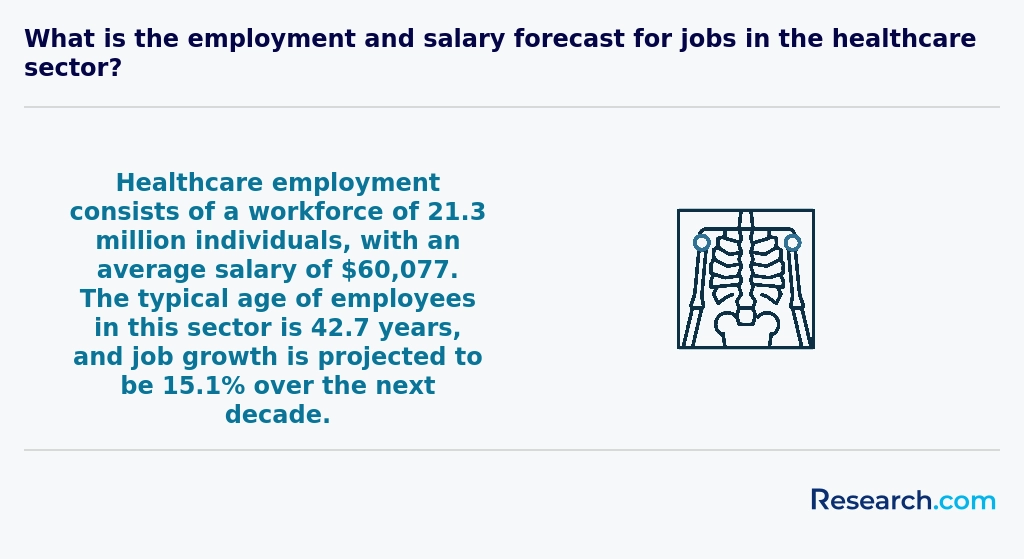
- Healthcare jobs in Cedar Rapids are expected to grow by 15% over the next decade, outpacing overall industry growth.
- Programs include associate, bachelor's, and master's degrees with specializations such as nursing and radiologic technology.
- Strong clinical placement partnerships support practical training for students in local health networks.
How long does it take to complete healthcare degree in Cedar Rapids?
In Cedar Rapids, completing a healthcare degree varies, but each path opens rewarding opportunities. Certificate programs, like medical assisting or phlebotomy, take around 6 months to a year-perfect if you want to start working quickly. Many healthcare graduates from Kirkwood Community College appreciate this fast track, finding jobs that build their confidence and skills right after graduation.
Associate degrees usually take about 2 years of full-time study. Graduates often share how combining general education with healthcare courses at Kirkwood or similar institutions helped them develop a strong foundation and later transfer credits toward a bachelor's.
Bachelor's degrees typically require 4 years at local colleges or universities, although accelerated programs can shorten this to 3 years through intense, focused study. Graduates from these programs often describe a fulfilling journey balancing classroom learning with clinical practice, preparing them well for demanding healthcare roles.
For those pursuing advanced degrees like a master's or PA programs, expect 2 to 3 additional years focused on leadership and specialized skills. The real-life experience gained during clinical hours profoundly shapes graduates' confidence and expertise in their field.
Student Life and Campus Support Services
In addition to top-ranked programs and competitive tuition costs, one of the key factors influencing a student’s success in healthcare education is a vibrant campus life paired with comprehensive support services. Cedar Rapids institutions excel not only academically but also in fostering a welcoming environment where healthcare students can thrive both inside and outside the classroom. Campuses here offer modern facilities, mentorship programs, tutoring centers, and dedicated career services that work with students to secure internships and job placements even before graduation. Students often highlight the benefits of participating in clubs, wellness workshops, and networking events that enhance their learning experience and create lasting professional connections. These support services stimulate personal growth and help maintain a healthy work-life balance, which is essential for students aiming to excel in a challenging field like healthcare. For those exploring options that combine quality education with supportive campus resources, check out affordable healthcare schools in iowa to gain more insights on schools that are making a difference in student lives.
What's the difference between online and on-campus healthcare degree?
Choosing between online and on-campus healthcare degrees in Cedar Rapids means weighing how you learn best and the experience you want. On-campus programs, like those at Kirkwood Community College, give you hands-on clinical training and face-to-face time with instructors and classmates. Graduates often share how those direct interactions and access to simulation labs built their confidence, preparing them for real patient care.
Online healthcare degrees offer flexibility for busy adults balancing work or family. The University of Iowa's online courses combine digital learning with local clinical placements, allowing students to fit study around their lives. Many online learners appreciate saving commute time and tuition costs, yet they still arrange vital in-person practice close to home.
Both paths demand commitment, but understanding your lifestyle and goals helps you pick the right fit. Whether it's that energizing campus community or the convenient pace of online study, Cedar Rapids offers options to grow as a skilled healthcare professional.
Return on Investment: Calculating Your Payback Period
Investing in a healthcare degree is not only about tuition figures but also about how quickly you can recoup those costs through your future earnings. In Cedar Rapids, the average total cost for an Associate’s degree in healthcare ranges from $12,000 to $18,000, while a Bachelor’s degree typically falls between $36,000 and $72,000. By comparing these figures with median salaries, you can estimate your payback period-the time it takes for cumulative earnings to equal your educational investment. For example:
- Patient Care Technician (mean annual wage $55,860): If your total tuition is $15,000, you’ll recover that cost in approximately 3.2 months of full-time work (after taxes), making this one of the quickest payback roles in Cedar Rapids.
- Health Information Technician (mean annual wage $41,260): With a total cost of $18,000, your payback period is roughly 5.2 months of gross earnings, underscoring strong returns even for data-focused positions.
- Registered Nurse (entry-level median wage $65,000): Assuming a $36,000 bachelor’s program, you’ll break even in under seven months, not accounting for overtime or weekend differentials that many RNs enjoy. To further shorten your payback time, consider affordable certificate options or accelerated pathways-students seeking cost-effective entry into healthcare may explore most affordable online medical assistant programs, which often require six to twelve months of study and provide solid starting salaries around $36,000 per year. Key strategies to optimize ROI: 1. Leverage financial aid: Maximize grants and scholarships to reduce out-of-pocket expenses. 2. Choose accelerated tracks: Complete programs faster to start earning sooner. 3. Seek work-study or paid internships: Gain income and valuable experience simultaneously. 4. Compare part-time vs. full-time enrollment: Balance tuition savings against potential delays in entering the workforce. By quantifying your educational investment against expected earnings, you’ll gain a clearer picture of how quickly your healthcare degree in Cedar Rapids can pay off-and which program choices deliver the best financial return.
What is the average cost of healthcare degree in Cedar Rapids?
The average cost of a healthcare degree in Cedar Rapids typically falls around $52,078, with in-state students often paying closer to $40,878. Graduates from Kirkwood Community College, a local institution known for its affordable healthcare programs, often share how budgeting for about $178 per credit hour made their associate degrees an achievable goal. These programs provide a strong foundation and a practical, budget-friendly pathway for many aspiring healthcare professionals in the area.
For those interested in advancing to a bachelor's degree, the investment can be higher but is often worth the potential career growth. The University of Iowa, located just 30 miles away, highlights the value of pursuing a four-year degree despite increased expenses. Many graduates recall balancing their educational costs with personal determination, finding creative ways to manage expenses such as books, lab fees, and health insurance. Thoughtful planning can help you navigate these additional costs without feeling overwhelmed.
With affordable healthcare degree programs Cedar Rapids offers, your journey can be both inspiring and practical. Exploring scholarships, grants, and loans can ease the financial burden, while connecting with mentors and student communities builds confidence. For those aiming to achieve national certification for APRNs, understanding these costs upfront makes the path clearer and more attainable.

Future Trends and Career Outlook in Healthcare
The ever-evolving healthcare landscape not only influences academic programs but also shapes career opportunities for graduates. As technology continues to drive innovation-from telemedicine to advanced diagnostic tools-students can expect their curriculum to integrate emerging trends that improve patient care and streamline operations. Moreover, industry experts predict that the demand for adaptable professionals will grow, pushing educational institutions to continuously update their offerings. This dynamic environment opens promising pathways for long-term career growth and a significant return on investment. Students weighing their education options might explore additional resources that compare cost and quality metrics, such as affordable healthcare schools in iowa, to help make well-informed decisions. Emphasizing both practical training and future-ready insights ensures that graduates are not only equipped to meet current industry standards but also to thrive amid the transformations that lie ahead.
What financial aid is available to healthcare degree students in Cedar Rapids?
When pursuing a healthcare degree in Cedar Rapids, financial aid can be a game-changer. Many graduates from Kirkwood Community College share how applying for federal aid through FAFSA unlocked Pell Grants that covered significant tuition costs-grants that don't need to be repaid, easing financial stress. Local scholarships from institutions like Mount Mercy University also reward students for their hard work and community involvement, making education more accessible and motivating future caregivers.
State programs such as the Iowa Grant provide extra support when federal aid falls short, and loan forgiveness opportunities encourage graduates to serve communities in need, turning careers into meaningful journeys. Some healthcare workers even benefit from employer tuition reimbursement, a real help for those balancing work and study.
Combining these aids with private scholarships from organizations like the Iowa Nurses Foundation transforms ambition into action. These resources make the dream of a healthcare career in Cedar Rapids not only possible but exciting and rewarding.
Career Advancement & Return on Investment
As the healthcare landscape evolves, understanding the long-term return on investment (ROI) of your degree is crucial for making an informed decision. This section explores how graduates can leverage their education for upward career mobility and improved earning potential. Many professionals see their initial education as a stepping stone to advanced roles, whether transitioning into leadership positions or exploring specialized fields. For example, some graduates have significantly boosted their income by pursuing further certifications and specialized training after completing their degree programs. Additionally, industries such as medical coding offer attractive financial prospects, as evidenced by competitive roles-for instance, exploring opportunities like nurse medical coder salary can lead to substantial career growth. Staying updated with emerging trends, gaining practical experience through internships, and seeking mentorship are all strategies that enhance professional development. Ultimately, evaluating the long-term benefits, including increased salaries, expanded career opportunities, and professional fulfillment, ensures that your educational investment yields significant returns throughout your career.
What are the prerequisites for enrolling in healthcare degree program in Cedar Rapids?
To enroll in a healthcare degree in Cedar Rapids, you first need a high school diploma or a GED, which sets the stage for success. Graduates from Kirkwood Community College often reflect on how mastering biology, chemistry, and math before starting helped them feel confident during their coursework. These subjects aren't just boxes to check-they form the foundation for understanding anatomy and healthcare systems.
Many students also share how submitting letters of recommendation and a personal statement gave them a chance to express their passion for healthcare, making their applications stand out. While some schools still ask for SAT or ACT scores, others like Mount Mercy University embrace more flexible approaches, including placement tests, easing entry hurdles for many.
Hands-on experiences come with prerequisites too: background checks and immunization records are mandatory before clinical rotations, ensuring safe environments for both students and patients. Knowing these requirements upfront lets you prepare smoothly, keeping your focus on the exciting journey ahead.
Accreditation and Licensure Outcomes
Accreditation ensures that healthcare programs in Cedar Rapids meet rigorous standards for curriculum, faculty expertise, and clinical training, while strong licensure outcomes demonstrate a program’s ability to prepare students for professional practice. Prospective students should verify accreditation by recognized bodies and review pass rates for national licensure exams to gauge program quality and return on investment. Key accrediting organizations and average exam pass rates:
- Commission on Collegiate Nursing Education (CCNE): Over 90% NCLEX-RN first-time pass rate for accredited nursing programs.
- Accreditation Commission for Education in Nursing (ACEN): Consistently above 88% NCLEX performance across associate and diploma programs.
- Commission on Accreditation of Allied Health Education Programs (CAAHEP): 85–92% certification pass rates for allied health specializations like surgical technology and diagnostic medical sonography.
- Council on Education for Public Health (CEPH): Graduate public health programs boast 80–95% pass rates on the Certified in Public Health (CPH) exam.
- Commission on Accreditation for Health Informatics and Information Management Education (CAHIIM): 87% average RHIA exam pass rate for health informatics graduates. Graduation and job placement metrics:
- Average program graduation rate: 78% within expected timeframe.
- Job placement within six months of graduation: 84% for nursing, 79% for allied health, and 76% for public health and informatics roles. For a broader view of cost-effective online programs and their accreditation statuses, explore our Low Cost Online Healthcare Degree Programs Ranking in the Midwest, which highlights accredited options and licensure outcomes across the region.
What courses are typically in healthcare degree programs in Cedar Rapids?
Healthcare degrees in Cedar Rapids commonly blend essential science courses with practical training, providing students a strong foundation to thrive in medical careers. At popular institutions like Kirkwood Community College or the University of Iowa's Cedar Rapids campus, graduates recall how classes like Human Anatomy and Physiology brought textbook concepts to life through detailed dissections and interactive labs, deepening their understanding of the human body.
Students also dive into Microbiology, exploring microorganisms that impact health-knowledge vital for roles in infection control or lab work. Similarly, Medical Terminology classes help future healthcare workers confidently communicate in fast-paced clinical settings, an indispensable skill recalled by many alumni.
Ethics courses challenge students to navigate complex moral decisions, reflecting the real dilemmas faced daily in patient care. Others remember how lessons in Pharmacology basics and Nutrition and Wellness empowered them to advise patients effectively, improving health outcomes in practical ways.
For students eager to gain hands-on experience, Cedar Rapids programs include clinical internships and labs that simulate real healthcare environments, bridging theory with practice and preparing graduates to step confidently into their careers.
What types of specializations are available in healthcare degree programs in Cedar Rapids?
When exploring healthcare degree specializations in Cedar Rapids, you'll find programs designed to equip you for impactful careers. Many graduates from local universities choose Nursing specializations like RN or BSN tracks, often sharing how the balance of traditional and accelerated courses helped them quickly enter the workforce. The strong demand for nursing professionals in local hospitals reflects how valuable this path is.
Health Information Management is another key specialization where students learn to handle crucial patient data and electronic health records, a skill increasingly sought after as healthcare technology advances. Graduates often emphasize the excitement of working behind the scenes to improve patient care through efficient data systems.
Allied health fields such as Radiologic Technology and Respiratory Therapy are popular at community colleges, blending classroom studies with clinical practice. Students speak highly of the hands-on experiences at Cedar Rapids' healthcare facilities, which build confidence and real-world readiness. If you're looking to manage healthcare organizations, specialties in Healthcare Administration cover vital topics like finance and regulations, preparing you for leadership roles.
Many students appreciate the flexibility offered by Cedar Rapids schools, including evening classes and online options, which make it easier to balance life and learning while enjoying affordable living in Greensboro. These practical choices make pursuing top healthcare programs Cedar Rapids offers both inspiring and achievable.
How do you choose the best healthcare degree in Cedar Rapids?
When choosing the best healthcare degree in Cedar Rapids, start by focusing on the specific career you envision. Graduates from local universities often share how selecting a program aligned with their passion-whether nursing, health administration, or technical healthcare roles-gave them clear direction and motivation. Consider affordable healthcare degree programs Cedar Rapids offers, as balancing tuition costs with quality education can relieve stress and keep you committed.
Look into the reputation and accreditation of colleges here; partnerships with institutions like Mercy Medical Center provide hands-on clinical experiences that former students found invaluable. Flexibility matters too-many appreciate part-time or evening courses tailored to busy lifestyles.
Exploring options like medical assistant education NC programs can also inspire and inform your choices if you lean toward that path. Trust in your ability to find a program that matches your goals and fosters both growth and confidence in this rewarding field.
What career paths are available for healthcare degree students in Cedar Rapids?
Graduates with a healthcare degree in Cedar Rapids uncover diverse career paths tailored to both hands-on patient care and behind-the-scenes roles. Many found their calling as registered nurses in well-known institutions like UnityPoint Health St. Luke's Hospital, where compassionate care meets a thriving job market. Others moved into specialized fields such as medical technologists or health information managers, crucial roles supporting diagnostics and data security. These careers are not only rewarding but also stable and respected locally-a reassuring prospect for anyone considering healthcare career opportunities in Cedar Rapids.
Students from popular local colleges often share how real-world training prepared them to excel as physical therapy assistants or healthcare administrators, reflecting the region's expanding outpatient and management sectors. For those leaning toward leadership or policy, healthcare administration offers a chance to influence community health systems. Exploring options even further, some graduates pursue nurse practitioner degrees minnesota part-time to enhance their qualifications and career flexibility.
Choosing healthcare in Cedar Rapids means embracing a community-focused education that bridges classroom learning with meaningful jobs with healthcare degree Cedar Rapids graduates proudly hold.
What is the job market for healthcare degree in Cedar Rapids?
The healthcare job opportunities in Cedar Rapids are vibrant and encouraging for graduates, fueled by a growing healthcare sector and community needs. Many graduates from Kirkwood Community College and other local institutions share stories of stepping confidently into roles such as registered nurses or medical assistants soon after completing their degrees. The city's expanding hospitals and clinics create steady demand, reflecting national growth trends and opening doors for new professionals.
The Cedar Rapids healthcare degree employment outlook is bolstered by accessible programs that balance quality and affordability. Graduates often highlight how practical training and internships within places like UnityPoint Health - St. Luke's Hospital helped them gain real-world skills and build connections. Tuition costs remain manageable, especially when compared to larger metropolitan areas, and students frequently explore affordable healthcare schools in iowa to find programs that fit their budget.
Frequently Asked Questions About healthcare
Healthcare degree students in Cedar Rapids can enhance their learning by engaging deeply with local clinical opportunities. The city has several hospitals, such as St. Luke's and Mercy Medical Center, which offer practical experiences essential for understanding patient care and healthcare operations. Practical experience often complements classroom theory, helping students develop critical skills and confidence.
Additionally, networking within Cedar Rapids' healthcare community can open doors for internships and mentorships. Participating in local healthcare seminars and joining relevant professional organizations strengthens both knowledge and connections.
Utilizing resources from nearby universities and community colleges, especially those offering accredited healthcare programs, ensures adherence to industry standards. According to the Iowa Department of Public Health, clinical exposure correlates positively with student retention and success in healthcare fields statewide.
The healthcare sector in Cedar Rapids, like much of the United States, is evolving with several emerging niches gaining prominence. Areas such as telehealth and digital health technologies are expanding rapidly, driven by demand for remote patient monitoring and virtual consultations. According to the Iowa Workforce Development, healthcare support occupations are projected to grow by over 15% in the next decade locally.
Another emerging field is geriatric care management, reflecting Cedar Rapids' aging population. Specialized degrees in this area prepare students to address complex elderly care needs. Additionally, health informatics is becoming critical as local hospitals enhance electronic health record systems, requiring professionals skilled in data management.
As personalized medicine and biotechnology advance, new educational pathways are focusing on genetics counseling and molecular diagnostics. These specialties combine technology with patient care and are predicted to offer strong job growth nationally and in Iowa.
After completing a healthcare degree in Cedar Rapids, preparing for the job market involves strategic steps. Networking with local healthcare providers and professional organizations, such as the Iowa Nurses Association, can offer valuable connections and job leads.
Gaining practical experience through internships or clinical rotations in Cedar Rapids-area hospitals like MercyOne can enhance your resume and improve hiring chances. According to the Iowa Workforce Development, healthcare employment in Cedar Rapids is projected to grow by 8% through 2030, indicating strong job prospects.
Additionally, pursuing relevant certifications and continuing education tailored to Cedar Rapids' healthcare demands can increase competitiveness in the field.
Employers in Cedar Rapids highly value healthcare graduates who demonstrate strong clinical skills combined with excellent communication abilities. According to the Iowa Workforce Development, healthcare jobs in the region are expected to grow by 15% through 2030, emphasizing the need for adaptable and skilled professionals.
Critical thinking and problem-solving are top priorities, especially for roles in nursing and allied health fields. Graduates must also show proficiency with electronic health records (EHRs), as digital documentation is now standard practice in most Cedar Rapids healthcare facilities.
Interpersonal skills are essential for patient-centered care, which remains a core focus locally. Employers also seek graduates with teamwork experience and cultural competence to serve diverse populations effectively.
Finding internships in Cedar Rapids relevant to healthcare degrees involves leveraging local healthcare institutions and educational resources. Cedar Rapids benefits from a robust medical community, including Mercy Medical Center and UnityPoint Health, which regularly offer clinical internship opportunities for students studying nursing, allied health, and related fields.
Students should also consult the career services offices of local colleges such as Kirkwood Community College and the University of Iowa, where internship listings and connections with healthcare employers in the region are frequently available. Networking events and healthcare job fairs in Cedar Rapids can further aid in securing placements.
The Iowa Workforce Development website and regional healthcare associations provide up-to-date information on internships and job openings. Healthcare internships in this area often emphasize hands-on experience, critical for licensure and certification pathways.
Obtaining a healthcare degree in Cedar Rapids significantly enhances career mobility and advancement opportunities. The city's growing healthcare sector, which includes major employers like Mercy Medical Center and UnityPoint Health, demands a skilled workforce. According to the Iowa Workforce Development, healthcare occupations in the Cedar Rapids metro area are projected to grow by over 12% from 2020 to 2030, highlighting strong job prospects.
A healthcare degree provides essential clinical knowledge and credentials necessary for various roles, from nursing to health administration. This formal education often leads to higher starting salaries and better promotion potential compared to non-degree holders.
Additionally, many local healthcare employers prioritize candidates with degrees when considering internal advancement or specialized positions, supporting long-term career growth.
Studying for a healthcare degree in Cedar Rapids provides valuable preparation for interdisciplinary roles by emphasizing collaboration across multiple healthcare fields. Many local programs incorporate practical experiences and coursework that highlight teamwork between nursing, public health, and allied health professions, reflecting the integrated nature of modern healthcare.
Cedar Rapids benefits from partnerships between educational institutions and major healthcare providers like Mercy Medical Center and UnityPoint Health. These partnerships offer students real-world exposure to interdisciplinary care teams. According to the Iowa Department of Public Health, interprofessional education is a growing focus, particularly given Cedar Rapids's diverse patient demographics requiring coordinated care.
This approach encourages students to develop communication and problem-solving skills essential for working in teams that include doctors, nurses, therapists, and social workers. Such training aligns with national trends, as the National Academies of Sciences recommends interprofessional education for better patient outcomes and healthcare efficiency.
Choosing between a thesis and a non-thesis healthcare degree program in Cedar Rapids depends on your career goals and interests. Thesis programs often suit students aiming for research roles or doctoral studies, as they involve conducting original research and writing a detailed thesis.
Non-thesis options focus more on coursework and practical skills, appealing to those seeking immediate employment in clinical or administrative healthcare positions. According to the Iowa Department of Public Health, Cedar Rapids has seen a 12% employment growth in healthcare support roles, favoring practical experience.
Thesis tracks typically require additional time and strong writing skills, while non-thesis programs can be completed faster and emphasize applied knowledge.
Both options are accredited and valued, so your choice should align with your professional ambitions and available time.
Students based in Cedar Rapids seeking to study healthcare abroad have several practical pathways. Many local institutions, like Kirkwood Community College, offer partnerships with universities overseas or study-abroad programs focused on healthcare studies. These programs typically allow students to earn credits transferable toward degrees in nursing, public health, or medical technology.
Additionally, U.S. accreditation bodies often recognize certain international institutions, enabling graduates to return and practice in the United States after meeting licensing requirements. According to EducationUSA, nearly 60% of U.S. students studying healthcare abroad choose programs in countries with aligned curricula.
Financial aid and scholarships tailored for Cedar Rapids students interested in international healthcare education are also increasingly available, supporting affordable access to these global opportunities.
Students pursuing healthcare degrees in Cedar Rapids have valuable part-time job opportunities that can enhance their education. Positions such as medical assistants, pharmacy technicians, and certified nursing assistants (CNAs) provide practical experience and complement classroom learning.
Cedar Rapids' growing healthcare sector, with major employers like Mercy Medical Center and UnityPoint Health, often hires students for entry-level roles. According to the Iowa Workforce Development, healthcare support occupations in the area are projected to grow by over 10% through 2030.
Additionally, roles like medical receptionists or patient care coordinators can help develop communication skills important to healthcare professionals. These jobs also allow students to network within the local medical community while managing flexible hours compatible with academic schedules.
Healthcare students in Cedar Rapids benefit from several strong networking opportunities that support their academic and professional growth. Local institutions like Kirkwood Community College and Mount Mercy University offer healthcare programs with embedded clinical experiences that connect students to area hospitals and clinics.
The Cedar Rapids Metro Area Healthcare Coalition regularly hosts events, providing students chances to meet professionals from top employers like Mercy Medical Center and UnityPoint Health. These organizations employ a large portion of the region's healthcare workforce, making their networking events valuable for job placements.
Additionally, students can join professional associations such as the Iowa Nurses Association or the Iowa Public Health Association, which host conferences and workshops near Cedar Rapids.
Alumni networks play a crucial role in supporting healthcare degree students in Cedar Rapids by providing valuable career connections. These networks often offer mentorship programs where graduates guide current students through job searches and professional development. According to the Iowa Workforce Development, Cedar Rapids hosts a growing healthcare sector, with over 15,000 jobs in health services, making networking essential for entry and advancement.
Through alumni events and online platforms, students gain access to job openings and internships that might not be publicly advertised. This direct connection can increase employment rates for healthcare graduates, a key factor in career success.
Additionally, alumni can share insights about local healthcare employers and certification processes relevant to Cedar Rapids hospitals and clinics, aiding students in navigating the professional landscape efficiently.
Customizing a healthcare degree program in Cedar Rapids often involves selecting specific concentrations, electives, or clinical experiences that align with your career goals. Many local institutions offer options in areas such as nursing, health administration, or public health, allowing students to focus on the skills most relevant to their desired roles. According to the Iowa Department of Public Health, providers seek candidates with specialized training in fields like gerontology and mental health, reflecting the region's healthcare needs.
Additionally, Cedar Rapids students benefit from partnerships with local hospitals and clinics for hands-on training. This practical experience can be tailored through internships or cooperative education programs, enhancing employability. When choosing a program, inquire about flexible course schedules and online offerings, which help accommodate working professionals aiming to upskill without interrupting their careers.
Healthcare students in Cedar Rapids face several common challenges during their studies. One significant hurdle is balancing rigorous coursework with clinical practice hours, which can be demanding and time-consuming. Access to high-quality clinical placements is crucial, yet competition for spots in local healthcare facilities sometimes limits opportunities.
Additionally, students often struggle with the financial burden of tuition and related costs. According to the Iowa Board of Nursing, many Cedar Rapids students rely on loans, adding to future debt concerns.
There is also the challenge of adapting to rapidly evolving healthcare technologies and regulations, requiring continuous learning.
With a healthcare degree, graduates in Cedar Rapids can pursue a variety of professional certifications that enhance career opportunities and earning potential. Common certifications include the Registered Nurse (RN) license, which is essential for nursing careers and requires passing the NCLEX-RN exam.
Other certifications include Certified Medical Assistant (CMA), Certified Pharmacy Technician (CPhT), and Certified Health Education Specialist (CHES). These credentials verify specialized skills and can be obtained through national certification bodies recognized across the U.S.
Healthcare professionals in Cedar Rapids may also pursue advanced certifications such as Physician Assistant (PA) or Certified Clinical Research Professional (CCRP), depending on their degree level and area of study.
According to the Iowa Workforce Development, healthcare occupations in Cedar Rapids have grown by over 10% in recent years, emphasizing the importance of certification for job competitiveness and compliance with state regulations.
Writing a winning application for a healthcare program in Cedar Rapids requires clarity and preparation. Start by researching programs offered by local institutions such as Kirkwood Community College and the University of Iowa's Health Care programs. Highlight any relevant healthcare experience or volunteer work, as Cedar Rapids values hands-on community involvement.
Applicants should emphasize strong academic records, particularly in sciences like biology and chemistry. Including well-crafted personal statements that convey your passion for healthcare and understanding of local healthcare challenges strengthens your application.
Additionally, securing strong letters of recommendation from healthcare professionals or educators in Cedar Rapids can add significant weight. Meeting deadlines and carefully following application guidelines is crucial to avoid disqualification. According to the Cedar Rapids Area Chamber of Commerce, the healthcare sector has grown steadily by 5.2% annually, indicating increasing competition for these programs.
The global view of a healthcare career highlights significant opportunities and challenges, particularly in the context of the United States education system. Healthcare fields are growing rapidly, with the U.S. Bureau of Labor Statistics estimating a 13% increase in healthcare jobs through 2032.
For students in Cedar Rapids, programs often emphasize both local community health needs and international health trends. This blend prepares graduates to address diverse patient populations and global health issues like pandemics and chronic diseases.
Studies from the Iowa Department of Public Health show Cedar Rapids has expanding demand for skilled healthcare professionals, which aligns with global trends prioritizing healthcare access and innovation.
Gaining practical experience while studying for a healthcare degree in Cedar Rapids is essential for career readiness. Local institutions like Kirkwood Community College and the University of Iowa offer clinical rotations and internships aligned with healthcare programs. These opportunities place students in hospitals and clinics, such as Mercy Medical Center and UnityPoint Health - St. Luke's, both key healthcare providers in Cedar Rapids.
Many programs incorporate hands-on labs and simulation training to complement classroom learning. Volunteering or part-time work in healthcare settings can also provide valuable experience and networking.
According to the Iowa Workforce Development, healthcare jobs in Cedar Rapids grew by 4.5% from 2021 to 2023, increasing demand for trained professionals with practical skills.
Choosing the right concentration within a healthcare degree program in Cedar Rapids requires understanding local healthcare demands and personal interests. Cedar Rapids, part of the Iowa City-Cedar Rapids metro area, has a growing need for professionals in nursing, public health, and healthcare administration, supported by data from the Iowa Workforce Development. Students should research labor market trends and projected job growth for various concentrations, such as nursing, medical laboratory technology, or health information management.
Consider scheduling informational interviews with local healthcare employers or faculty at institutions like Kirkwood Community College. Align your choice with both your skills and local workforce needs to improve employment prospects within Cedar Rapids' healthcare sector.
Related Healthcare Rankings for Nearby Cities
- 2027 Most Affordable Healthcare Degree Programs Ranking in Peoria
- 2027 Most Affordable Healthcare Degree Programs Ranking in Chicago
- 2027 Most Affordable Healthcare Degree Programs Ranking in Minneapolis
- 2027 Most Affordable Healthcare Degree Programs Ranking in Sioux City
- 2027 Most Affordable Healthcare Degree Programs Ranking in Kansas City
- 2027 Most Affordable Healthcare Degree Programs Ranking in Indianapolis
- 2027 Most Affordable Healthcare Degree Programs Ranking in Louisville
- 2027 Most Affordable Healthcare Degree Programs Ranking in Wichita
- 2027 Most Affordable Healthcare Degree Programs Ranking in Little Rock
- 2027 Most Affordable Healthcare Degree Programs Ranking in Birmingham
Top Trending Healthcare Rankings
See What Experts Have To Say About Studying Healthcare
Read our interview with Healthcare experts

References
- Pre-Med Study Abroad Programs | Go Overseas https://www.gooverseas.com/study-abroad/pre-med
- Global Health Perspectives https://globalhealthperspectives.com/
- Welcome to the Health Professions Alumni Association! https://www.upstatefoundation.org/chpalumni
- The Healthcare Student’s Guide to Internships | EduMed.org https://www.edumed.org/resources/student-online-guide-to-internships/
- Networking in Medicine: Build Lasting Connections l Windsor https://www.windsor.edu/networking-in-medicine-building-relationships-from-day-one/
- Education requirements for the fastest-growing healthcare ... https://www.corridorcareers.com/job-tips/blog-news-education-requirements-fastest-growing-healthcare-jobs
- Healthcare Careers & Accredited Degree Programs https://www.healthcaredegree.com/
- 1+ Healthcare Cover Letter Examples (with In-Depth Guidance) https://www.tealhq.com/cover-letter-examples/healthcare
- Thesis vs. Non-Thesis Master's Programs: Which is Right for You? https://potomac.edu/thesis-vs-non-thesis-masters/
- How to Set and Achieve Career Goals in Health and Social Care | Royal Open College https://royalopencollege.org/blog/health-and-social-care/how-to-set-and-achieve-career-goals/


