2027 Most Popular Healthcare Degree Programs Ranking in Augusta

Co-Founder and Chief Data Scientist
Choosing the right healthcare degree program can shape your future in meaningful ways. For prospective students in Augusta, understanding which programs stand out is essential.
This article presents the 2027 Most Popular Healthcare Degree Programs Ranking in Augusta, developed by the Research.com team of data scientists. It aims to guide you in making an informed decision about your education path.
With healthcare careers offering stability and purpose, exploring this ranking can help you find the best fit for your goals and passions.
Key benefits of getting healthcare degree in Augusta
- Healthcare degree graduates in Augusta can earn competitive salaries, such as $43,350 annually for Medical Assistants and $60,790 for Patient Care Technicians, offering strong financial stability early in their careers.
- Graduates from Augusta's colleges often pursue diverse healthcare roles, including Health Information Technicians or Clinical Research Coordinators, opening doors to meaningful and rewarding career paths.
- Online healthcare degrees from Augusta-based universities provide flexible learning options, allowing students to balance work and study while achieving credentials that lead to well-paying jobs.
- Key benefits of getting healthcare degree in Augusta
- What can I expect from healthcare degree in Augusta?
- Where can I work with healthcare degree in Augusta?
- How much can I make with healthcare degree in Augusta?
- 2027 Most Popular Healthcare Degree Programs Ranking in Augusta
- Key Findings
- How long does it take to complete healthcare degree in Augusta?
- Licensing and Certification Requirements
- What's the difference between online and on-campus healthcare degree?
- Accreditation and Licensing Requirements
- What is the average cost of healthcare degree in Augusta?
- Expert Insights and Future Trends in Healthcare Education
- What financial aid is available to healthcare degree students in Augusta?
- Next Steps for Your Healthcare Journey
- What are the prerequisites for enrolling in healthcare degree program in Augusta?
- Expanding Your Healthcare Expertise: Nutrition and Wellness Programs
- What courses are typically in healthcare degree programs in Augusta?
- What types of specializations are available in healthcare degree programs in Augusta?
- How do you choose the best healthcare degree in Augusta?
- What career paths are available for healthcare degree students in Augusta?
- What is the job market for healthcare degree in Augusta?
- Top Trending Healthcare Rankings
- See What Experts Have To Say About Studying Healthcare
What can I expect from healthcare degree in Augusta?
If you're thinking about a healthcare degree in Augusta, you'll find the average cost pretty manageable compared to other places. For example, at Augusta University, undergrad tuition for in-state students is around $9,000 a year. That may sound like a lot, but many grads mention how financial aid and scholarships, especially those targeting healthcare fields, really help lighten the load. It's a big plus when you're balancing classes and clinicals.
Students often share how affordable tuition made pursuing degrees in nursing or physician assistant studies feel less stressful financially. Plus, the chance to get hands-on experience through Augusta University Health System's clinical programs adds real value without extra fees, making the whole package feel worth it. You're not just paying for classroom time-you're investing in practical skills right where you'll likely work one day.
Local colleges also keep costs competitive, and since healthcare jobs are booming in Augusta, many graduates feel their tuition was a smart investment in a field that's growing fast around here.
Where can I work with healthcare degree in Augusta?
With a healthcare degree from Augusta University or other local colleges, you're set up to work in a ton of different places right here in Augusta. Graduates often start out in hospitals like Augusta University Medical Center, which is the city's largest hospital and a Level 1 trauma center. It's an exciting spot if you enjoy hands-on clinical work or even want to get involved in medical research.
Others find their groove in nursing homes or outpatient centers where they make a real difference in people's daily lives, especially given the city's growing senior population. If you're into management or education, public health organizations and community clinics are always looking for fresh talent to help improve health across diverse neighborhoods.
Pharmacies, rehab centers, and even healthcare tech startups around Augusta offer cool career paths too. Lots of grads love working in roles that blend healthcare with technology or insurance - it's a space that's really growing. Honestly, living and working in Augusta means you're part of a vibrant health community that's expanding every day, making it a great place to kickstart your career.
How much can I make with healthcare degree in Augusta?
If you're studying healthcare in Augusta, you can expect some pretty solid pay once you graduate. Take a typical medical assistant, for example-jobs like that usually pull in around $43,350 a year here, which matches nicely with the mean wages nationwide. Graduates from Augusta's colleges often land these roles right after finishing their programs, feeling pumped about starting their careers.
Then there are patient care technicians, who do slightly more hands-on work with patients. They typically earn about $60,790 annually around Augusta, which is great for someone fresh out of school looking to build experience and gain confidence. It's a nice bump compared to entry-level jobs and feels rewarding because you're interacting with patients every day.
For those who love tech and data, health information technicians make about $43,380 yearly. Many graduates from local programs find this path appealing since it combines healthcare with technology, offering steady hours and good pay.
And if you're aiming high, quality improvement coordinators earn over $100,000, with a mean annual wage near $103,150 here. Graduates who've built some experience at Augusta University Health System often move into these roles, thrilled to help improve healthcare services while enjoying that fantastic salary.
2027 Most Popular Healthcare Degree Programs Ranking in Augusta
How do we rank schools?
Investing in your education is a significant decision that can shape your future, and the Research.com team understands the importance of making informed choices. To assist prospective students in Augusta, we have meticulously crafted the "2027 Most Popular Healthcare Degree Programs Ranking in Augusta." Our commitment to quality, credibility, and accuracy is reflected in the extensive research and analysis conducted to compile this ranking.
We utilized the following reputable data sources to ensure a comprehensive evaluation of healthcare degree programs:
By exploring this ranking, readers will gain valuable insights into the most popular and credible healthcare degree options in Augusta, helping them make well-informed decisions about their educational paths. For more details on our methodology, please visit our Research.com methodology page.

Key Findings
- Augusta University offers undergraduate, graduate, and professional healthcare programs, including a Medical College.
- In-state tuition for healthcare degrees ranges from $6,000 to $10,000 per year, while out-of-state tuition is between $20,000 and $25,000 annually.
- Additional costs such as books, supplies, and clinical fees can add several thousand dollars per year.
- Entry-level healthcare salaries in Augusta typically range from $45,000 to $55,000, with mid-career professionals earning between $75,000 and $90,000.
- The local healthcare job market is growing, especially in nursing, physical therapy, medical technology, and health administration.
- Clinical placements and internships are often required, providing hands-on experience in local healthcare facilities.
How long does it take to complete healthcare degree in Augusta?
If you're thinking about a healthcare degree in Augusta, the time it takes really depends on the level you're aiming for. Many local students eye the associate degrees, like nursing or allied health, which usually wrap up in about two years. These programs mix hands-on clinics with classroom learning, helping grads hit the job market quickly.
Bachelor's degrees, common at Augusta's universities, generally take four years. But if you've already earned college credits, some schools offer accelerated tracks that can shorten that to three years-definitely a favorite for those wanting to fast-track their careers. Graduates often mention how supportive their programs are, especially around balancing study with life.
For those targeting higher roles, master's programs add about two years after a bachelor's, packed with clinical work that can stretch timelines a bit. And if you're going for a doctorate like a DNP or DPT, expect three to four years, building on prior graduate studies.
Many students also appreciate part-time or online paths offered in Augusta, letting them juggle work and school. It's great knowing that you can tailor the journey without rushing or stressing too much.
Licensing and Certification Requirements
After completing your healthcare degree in Augusta, GA, obtaining the appropriate certification and licensure is essential to practice professionally and meet employer expectations. Most programs prepare you for national or state boards, including: In-Demand Certifications
- Registered Nurse (RN): Graduates must pass the NCLEX-RN exam administered by the Georgia Board of Nursing.
- Medical Assistant (MA): Many employers require the Certified Medical Assistant (CMA) credential from the AAMA. Consider exploring online medical assistant programs that accept financial aid to balance cost and quality.
- Health Information Technician: The Registered Health Information Technician (RHIT) credential through AHIMA validates expertise in medical coding and records management. State Licenses and Renewals
- Nursing and allied health roles require state licensure; deadlines for initial applications and renewals vary, so check the Georgia Secretary of State’s licensing portal.
- Continuing Education Units (CEUs): Most certifications mandate ongoing CEUs-ranging from 10 to 30 hours biennially-to maintain active status and stay current with healthcare innovations. By aligning your program choice with certification requirements and state licensure guidelines, you ensure a smooth transition into the workforce and enhance your competitiveness in Augusta’s growing healthcare sector.
What's the difference between online and on-campus healthcare degree?
Choosing between online and on-campus healthcare degrees in Augusta really comes down to your lifestyle and learning preferences. For example, graduates from Augusta University often share how the on-campus experience gave them hands-on labs and in-person clinical rotations that felt crucial for confidence, especially in nursing or physical therapy. Being right there in the classroom and local hospitals helped them connect with professors and peers, making tough subjects easier to tackle.
On the flip side, graduates who took online programs loved the flexibility. Many work full-time or juggle family and found they could study after hours without the stress of commuting or strict class times. Online courses in Augusta usually still require in-person clinical hours, but those can be arranged close to home, making it easier to fit everything in. It's a great option if you want to keep your current job but still move up in healthcare.
At the end of the day, whether you enjoy the buzz of campus life or the freedom of online study, Augusta's strong healthcare system supports both paths with solid clinical placements and accredited programs.
Accreditation and Licensing Requirements
Ensuring that your chosen healthcare degree program in Augusta, GA is properly accredited is the first step toward a successful and compliant career. Regional accreditation by the Southern Association of Colleges and Schools Commission on Colleges (SACSCOC) guarantees institutional quality, while programmatic accreditation-such as the Accreditation Commission for Education in Nursing (ACEN), the Commission on Accreditation of Allied Health Education Programs (CAAHEP), or the Council on Education for Public Health (CEPH)-validates specialized curricula. Graduating from an accredited program not only enhances your resume but also ensures eligibility for federal financial aid and seamless transfer of credits. After completing an accredited program, licensure requirements vary by discipline. For nursing graduates, passing the NCLEX-RN exam and applying to the Georgia Board of Nursing are mandatory steps. Allied health professionals must register with the appropriate state board-such as the Georgia State Board of Examiners in Speech-Language Pathology and Audiology or the Georgia Composite Medical Board-and successfully complete national certification exams in fields like radiologic technology or medical laboratory science. Public health and health informatics specialists should verify any state-specific registration requirements and maintain certification through bodies such as the National Commission for Health Education Credentialing (NCHEC). To verify accreditation status, use the U.S. Department of Education’s Database of Accredited Postsecondary Institutions and Programs (DAPIP) and consult each agency’s directory. Additionally, review published licensure exam pass rates and job placement statistics on institutional websites to assess program effectiveness. For students prioritizing cost-efficiency without sacrificing quality, consider our Inexpensive Online Healthcare Degree Programs Ranking in Idaho as a benchmark for comparing tuition rates and accreditation standards.
What is the average cost of healthcare degree in Augusta?
If you're looking into the average cost of healthcare degrees in Augusta, here's the scoop: the typical in-state student spending on their entire degree comes out to about $8,414. Out-of-state students usually face higher expenses, closer to $37,873 overall. Many recent graduates from Augusta University share that while tuition feels like a big step, the quality of education and hands-on experience make it totally worth it.
For example, students at Augusta University often talk about the mix of affordable tuition and strong clinical training opportunities, which helped them feel confident stepping into healthcare roles right after graduation. But keep in mind, healthcare degree tuition and fees Augusta also include extra costs like textbooks, lab fees, and clinical gear, so budgeting carefully is key.
Those attending private colleges can expect higher price tags, sometimes reaching the $25,000-$40,000 range annually depending on the program, especially for specialized paths like Physician Assistant studies. That's why many students look for scholarships or financial aid options to help lighten the load.
Another handy tip is to explore financial aid or scholarships such as the Georgia HOPE Scholarship, which many local students rely on to make their studies more affordable. And if you want to compare or consider options outside Augusta, check out online nursing programs rankings California for additional ideas.
Expert Insights and Future Trends in Healthcare Education
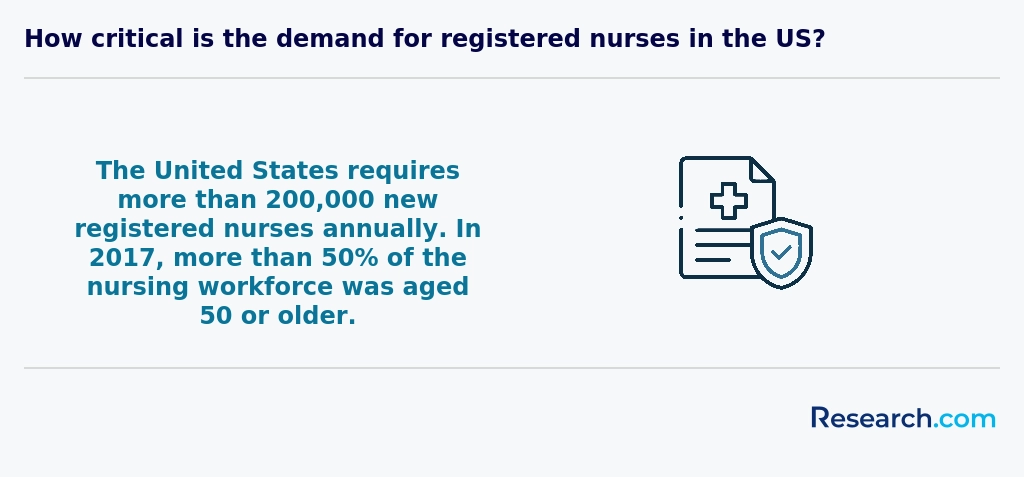
As the landscape of healthcare rapidly evolves, industry experts emphasize the importance of staying ahead of emerging trends and adapting to new technologies. Future-oriented programs are increasingly integrating digital health innovations, telemedicine, and data analytics into their curricula, ensuring that graduates are well-equipped for the dynamic demands of modern healthcare. Additionally, real-world challenges such as an aging population and expanding healthcare services are driving curricular updates that stress entrepreneurial thinking and leadership skills. Students and professionals alike should consider these evolving aspects when evaluating their educational paths. For the latest updates and comprehensive insights, be sure to check out the most popular healthcare degree ranking.
What financial aid is available to healthcare degree students in Augusta?
If you're diving into a healthcare degree in Augusta, you'll find plenty of financial aid to help ease the load. A lot of students kick things off by filling out the FAFSA, which can unlock Pell Grants-these are awesome because you don't have to pay them back, and they really help cover tuition or supplies. Graduates from Augusta University often share how these grants made a big difference during tough semesters.
On top of that, federal student loans and the Work-Study program offer solid support. Imagine working part-time on campus while gaining healthcare experience-many students at Georgia Regents College have done just that, balancing work and study without losing sight of their goals.
- State programs like the HOPE Scholarship also play a huge role, especially if you're attending a public college in Augusta. They usually cover a chunk of tuition for students in healthcare fields who maintain good grades.
- Local scholarships from hospitals or community foundations can provide surprise boosts-many graduates talk about how applying to these helped reduce their debt significantly.
Schools here often add their own scholarships, rewarding hard work and passion for healthcare. Plus, private scholarships from national groups offer extra chances to land some cash, especially if you're involved in local healthcare communities. All these options make studying healthcare in Augusta feel a little less stressful and a lot more possible.
Next Steps for Your Healthcare Journey
Navigating the path to a rewarding healthcare career starts with clear, actionable steps. Begin by reviewing program options, financial aid opportunities, and accreditation details to ensure you select a program that aligns with your goals and circumstances. Researching detailed program data can also help refine your decision, so consider exploring additional insights on the most popular healthcare degree to compare offerings and outcomes across institutions. Next, organize campus visits or schedule virtual sessions with admissions teams to ask specific questions and get a firsthand look at what each program promises. Finally, consult with career services and current professionals in the field to gain real-world perspectives on job roles, required skills, and industry trends. Taking these steps will empower you to make an informed choice and confidently embark on your journey toward a sustainable and impactful healthcare career while aligning with your long-term aspirations.
What are the prerequisites for enrolling in healthcare degree program in Augusta?
If you're thinking about jumping into a healthcare degree program in Augusta, the first thing to know is you'll need a high school diploma or GED to get started. It's the basic ticket for programs like nursing or physical therapy at popular spots like Augusta University. Many graduates say getting through the prerequisite courses-think biology with labs, chemistry, anatomy, and even some solid math like algebra or stats-really helped them feel ready and confident once classes kicked off.
Students often mention how important those English or composition courses were, too, since communication skills are key in healthcare settings. On top of that, schools here usually want to see some real-world experience-volunteering at a clinic or shadowing professionals gave many locals the boost they needed to feel both prepared and excited.
And don't forget tests! Some undergrad programs ask for SAT or ACT scores, while grad degrees often expect GREs or other specific entrance exams. It's all about proving you're up for the challenge in the Augusta healthcare scene.

Expanding Your Healthcare Expertise: Nutrition and Wellness Programs
Healthcare professionals today are increasingly recognizing the value of deepening their understanding of nutrition to offer comprehensive care. Integrating complementary studies in nutrition not only enhances patient care by addressing holistic wellness but also opens diverse career paths. Taking additional courses in nutritional science can help healthcare graduates advise patients more effectively on diet, disease prevention, and healthy lifestyles. Moreover, many professionals find that supplementing their primary healthcare degree with specialized training in nutrition provides a competitive edge in a rapidly evolving industry. For those interested in enhancing their credentials with complementary expertise, exploring a list of the most popular nutrition programs online can offer valuable insights and opportunities to study with flexibility. This additional focus on nutrition aligns with current industry trends where a blend of clinical knowledge and nutritional insight is becoming a preferred skill set among employers. Ultimately, integrating such programs into your career development strategy can lead to improved patient outcomes and broaden your professional opportunities in both clinical and community health settings.
What courses are typically in healthcare degree programs in Augusta?
If you're diving into a healthcare degree in Augusta, expect a mix of classes that really get you ready for the real world. Graduates from local schools often talk about how courses like anatomy and physiology helped them understand what's happening inside the body, which made clinical rotations way less intimidating. Microbiology and medical terminology are also must-haves, so you're not lost when doctors and nurses start tossing around jargon.
Many students love the hands-on feel of pharmacology and patient care classes-these courses often come with cool opportunities to work in Augusta's hospitals, like Augusta University Health System, where you get to apply what you learn straight away. Plus, classes on healthcare ethics and law give you the tools to handle those tricky, real-life situations involving patients and rules.
You'll also find healthcare administration popular, especially if you're thinking of running a clinic someday. And don't forget public health and epidemiology-they're essential if you want to make a difference in community health right here in Augusta.
What types of specializations are available in healthcare degree programs in Augusta?
When you dive into healthcare degree specializations in Augusta, you'll find a good mix of options that match all kinds of interests. Nursing is super popular here-graduates often share how rewarding it feels to train at places like Augusta University, where clinical rotations in local hospitals really prepare you for real-world challenges. If you're more into the behind-the-scenes action, healthcare administration programs show you the ropes of managing hospitals, budgeting, and leading teams, which is perfect since Augusta's healthcare scene keeps growing.
Public health is another cool path. Many students appreciate learning about community health efforts that tackle local issues like chronic diseases, giving them hands-on experience in real public health projects. For those fascinated by lab work, medical laboratory sciences provide essential diagnostic skills through Augusta University's Medical College, tying into the city's expanding medical research. Then there's physical therapy, which grads love because it's all about helping people regain mobility-a field that's booming with Augusta's aging population.
Some grads even explore more advanced options like the online msn to dnp programs faculty profiles to take their careers further. Overall, these top healthcare programs Augusta Georgia offers create a vibrant learning environment that feels both exciting and practical.
How do you choose the best healthcare degree in Augusta?
When picking the best healthcare degree programs in Augusta, think about what fits your lifestyle and goals. Many grads from local schools like Augusta University share how choosing programs with flexible schedules-like evening or hybrid classes-made juggling work and study way easier. Plus, programs connected to the Augusta University Health System or Charlie Norwood VA Medical Center give you real hands-on experience that feels like you're truly part of the healthcare community here.
Cost matters too, especially if you want affordable healthcare degrees Augusta GA offers. Some students found that public colleges kept costs manageable, and many employers in the area even offer tuition reimbursement, which is a huge help. Also, check if your program's accredited-graduates often say that proper accreditation made a big difference in their job hunt.
If you're curious about job opportunities after graduation, looking at employment prospects for dental hygienists and other healthcare roles locally really helps confirm your choice. Knowing the sector's growth here gives you confidence you're on the right path.

What career paths are available for healthcare degree students in Augusta?
If you're exploring healthcare degree jobs in Augusta, there's a lot to be excited about. Graduates from local schools like Augusta University often land roles as registered nurses, which are super in demand here and give you a solid paycheck. Others dive into healthcare administration, managing hospital operations or clinics-think coordinating care behind the scenes to keep everything running smoothly. Some grads find their niche in lab work as clinical laboratory technologists, helping diagnose patients through vital tests at places like the Medical College of Georgia.
Physical therapy and occupational therapy also draw many, especially with Augusta's rehab clinics buzzing with opportunity. Graduates often share how rewarding it feels to help people regain their mobility and independence. The city's healthcare scene is booming, with plenty of jobs that tap into a range of skills and strengths. Plus, you can build on these paths further by developing holistic nutrition skills that open even more doors in wellness-focused roles. It's a friendly, supportive environment for anyone starting out or growing in a healthcare career.
Augusta healthcare career opportunities really mean you get to choose a path that fits your passion, whether it's hands-on patient care or behind-the-scenes management. It's easy to picture yourself thriving here, supported by strong local demand and schools ready to set you up for success.

What is the job market for healthcare degree in Augusta?
If you're thinking about a healthcare degree in Augusta, you'll be happy to know the job market here is buzzing. Graduates from places like the Medical College of Georgia often find themselves stepping right into roles as nurses, medical technicians, or allied health professionals. The local hospitals and clinics are always on the lookout for talented folks, partly because Augusta's population is growing and aging, so elder care jobs are popping up everywhere.
Many students appreciate that while studying healthcare in Augusta, costs stay reasonable-with tuition at public universities like MCG sitting around $10,000 to $12,000 a year. What's really exciting is how this lines up with real chances to work nearby after graduation. Those seeking steady healthcare job opportunities in Augusta often describe feeling confident about their future, knowing demand is solid and wages for roles like registered nurses hover around $67,000 annually.
For anyone exploring a healthcare career path, the expanding Augusta University Health System offers a great network and clinical experiences that open doors. If you want to dive deeper into the healthcare industry career possibilities here, there's plenty to get enthusiastic about.
Frequently Asked Questions About healthcare
Healthcare degree students in Augusta can maximize their learning experience by taking advantage of the city's strong healthcare infrastructure. Augusta houses several notable hospitals and research centers, including the Augusta University Medical Center, which provides rich clinical training opportunities. Engaging in internships or clinical rotations at these facilities offers practical experience that complements classroom learning.
Students should also explore partnerships between local educational institutions and healthcare providers, as these collaborations often result in access to advanced simulation labs and cutting-edge technologies. According to the Georgia Board of Nursing, Augusta's growing healthcare workforce demands skilled professionals, highlighting the value of hands-on learning.
Additionally, joining student organizations and attending local healthcare seminars can enhance networking and keep students informed about industry trends specific to Augusta and the Southeastern US.
The healthcare field in Augusta is expanding with several emerging niches that reflect broader national trends. One rapidly growing area is telehealth and virtual care, which has seen increased adoption since 2020 due to patient convenience and pandemic-related restrictions. According to the Georgia Department of Public Health, telemedicine usage in Augusta-Clarke County surged by over 50% between 2019 and 2022.
Another promising niche is geriatric care management. Augusta's aging population, with over 14% of residents aged 65 or older as reported by the U.S. Census Bureau (2023), drives demand for specialized professionals adept in elder care coordination and chronic disease management.
Additionally, precision medicine and healthcare data analytics are gaining traction. These fields involve customizing treatment based on genetic, lifestyle, and environmental data, supported by Augusta's growing biotech sector and proximity to institutions like the Medical College of Georgia.
Preparing for the job market after earning a healthcare degree in Augusta involves several key steps. Graduates should begin by obtaining relevant certifications and licenses required by Georgia state law, such as RN licensure for nurses or ASHP accreditation for pharmacy technicians. Networking plays a vital role; connecting with local hospitals like Augusta University Health and the Medical College of Georgia can open doors to job opportunities.
Internships and clinical rotations completed during study often lead to direct employment, as about 65% of Augusta healthcare employers value such experience, according to the Georgia Department of Labor. Additionally, using job portals and attending regional healthcare job fairs improves visibility to recruiters.
Continuing education and specialized training are recommended to stay competitive, especially in fast-growing fields like physical therapy and medical technology in the Augusta area.
Employers in Augusta seek healthcare degree graduates who demonstrate strong clinical skills and adaptability. According to the Georgia Department of Labor, practical experience with electronic health records (EHR) is highly valued, reflecting the region's increasing use of digital healthcare systems.
Communication skills are essential, as graduates must effectively interact with diverse patients and multidisciplinary teams. Critical thinking and problem-solving abilities rank highly, given Augusta's growing healthcare sector involves complex cases, especially in hospitals like Augusta University Medical Center.
Additionally, cultural competence is important due to Augusta's diverse population, ensuring respectful and inclusive care. Time management and teamwork further enhance a graduate's employability in dynamic healthcare environments.
Finding internships in Augusta relevant to a healthcare degree involves several strategic steps. First, students should explore partnerships between local colleges and healthcare providers, such as Augusta University Health or the Charlie Norwood Veterans Affairs Medical Center. These institutions often offer structured internship programs for healthcare students. Additionally, the Augusta Regional Healthcare System is another potential site for internships. Networking is crucial-attending local healthcare career fairs and joining professional organizations like the Georgia Society of Healthcare Executives can open doors.
The Georgia Department of Labor reports that healthcare internships in Augusta increased by 8% in 2023, reflecting growing opportunities. Many internships provide hands-on experience in nursing, public health, and medical technology fields, crucial for practical training. It's also advisable to use online resources like the university career centers and state internship platforms to track available positions.
Obtaining a healthcare degree in Augusta significantly enhances career mobility and advancement opportunities. The region's robust healthcare sector, including the renowned Augusta University Health System, offers diverse roles requiring formal education. According to the U.S. Bureau of Labor Statistics, employment in healthcare occupations in Augusta is expected to grow faster than the national average over the next decade.
A degree provides foundational knowledge and clinical skills, often required for certification and licensure. It also qualifies graduates for specialized positions, such as nurse practitioners or healthcare administrators, which typically offer higher salaries and leadership potential.
Moreover, Augusta's growing medical research and wellness industries value continuing education, making advanced degrees essential for promotion.
Studying for a healthcare degree in Augusta offers strong preparation for interdisciplinary roles by integrating diverse healthcare disciplines. Programs often emphasize collaboration among nursing, public health, and medical technology fields, reflecting the complex demands of modern healthcare.
Augusta's institutions, such as Augusta University, provide curricula aligned with national standards, ensuring graduates gain skills in communication, teamwork, and problem-solving. The city's growing healthcare sector, including the renowned Medical College of Georgia, supports experiential learning through clinical rotations in hospitals and community settings.
This hands-on training helps students understand multiple perspectives, critical for roles that involve coordination across various healthcare specialties. According to data from the Georgia Board of Nursing and local health departments, interdisciplinary teams improve patient outcomes, making Augusta's education approach especially relevant.
Choosing between a thesis and a non-thesis healthcare degree in Augusta depends largely on your career goals. A thesis program typically involves original research and is suited for students aiming at research, academic roles, or advanced studies like a PhD. In contrast, non-thesis programs focus more on practical skills and coursework, appealing to those pursuing clinical or administrative careers.
Augusta University and other local institutions offer these options tailored to regional healthcare needs, which are growing due to Georgia's expanding medical sector. According to the Georgia Department of Labor, healthcare jobs in Augusta are projected to grow by 15% through 2030, highlighting a demand for both research and practice-oriented expertise.
Consider your interest in research, time commitment, and whether you prefer a more hands-on approach or scholarly inquiry before deciding.
Students based in Augusta looking to study healthcare abroad have access to various programs through partnerships between local institutions and international universities. For example, Augusta University often collaborates with global medical schools, enabling students to participate in exchange programs or joint degree options. These opportunities allow hands-on experience in diverse healthcare systems, which is valuable in today's globalized medical field.
Another option includes enrolling in accredited online healthcare degrees offered by international schools, which are accessible while remaining in Augusta or traveling. This flexibility supports students who cannot relocate full-time but seek international qualifications.
According to the U.S. Department of Education, many healthcare employers value international experience, which can enhance career prospects. Additionally, Augusta County's strong healthcare infrastructure supports students gaining practical knowledge before and after abroad programs.
Students pursuing healthcare degrees in Augusta have access to various part-time job opportunities that align well with their education. One common option is working as a medical assistant or nursing aide in local clinics and hospitals, such as Augusta University Health. These roles allow students to gain practical experience while supporting patient care.
Many also find employment as pharmacy technicians or lab assistants, positions that enhance technical skills relevant to healthcare professions. According to the Georgia Department of Labor, healthcare support roles in Augusta grew by 5% over the past five years, indicating steady demand.
Additionally, administrative roles in healthcare facilities provide insight into healthcare management and operations, complementing academic knowledge effectively.
Healthcare students in Augusta benefit from numerous networking opportunities linked to the city's strong medical community. Augusta University, home to the Medical College of Georgia, hosts events and career fairs that connect students with local hospitals and healthcare providers.
Additionally, Augusta's role as a regional healthcare hub includes partnerships with Augusta University Health and the Augusta VA Medical Center, providing practical experiences and professional contacts. The city's healthcare sector employs over 20,000 individuals, according to the Augusta Economic Development Authority, enhancing avenues for mentorship and internships.
Local chapters of national organizations like the American Medical Student Association also foster peer connections and professional growth in Augusta.
Alumni networks play a crucial role in supporting healthcare degree students in Augusta by offering valuable professional connections. Graduates from local institutions such as Augusta University often remain active in these networks, providing mentorship and career advice to current students.
These connections can lead to internship opportunities and job placements within Augusta's growing healthcare sector, which employs thousands in hospitals and clinics across the region. According to the Greater Augusta Partnership, healthcare is one of the city's top job growth areas, making alumni links especially beneficial for career development.
Additionally, alumni networks facilitate access to workshops and continuing education events that keep students updated on medical advancements and industry trends.
Customizing a healthcare degree program in Augusta allows students to align their education with specific career goals. Many local institutions offer flexible coursework options, including electives in specialized fields such as nursing, health informatics, or public health. Students can often choose between clinical practice, research projects, or healthcare administration tracks based on their interests.
Augusta's growing healthcare sector, supported by facilities like the Medical College of Georgia and Augusta University Health, provides practical internship opportunities that enhance hands-on experience. According to the Georgia Department of Labor, healthcare jobs in the Augusta area are expected to grow faster than the state average, reinforcing the value of targeted education.
Additionally, part-time and online course options offer flexibility for working professionals aiming to advance or shift careers within healthcare.
Healthcare students in Augusta often face several challenges during their education. One major hurdle is balancing rigorous coursework with demanding clinical rotations, which require long hours and practical application of skills. According to the Medical College of Georgia, many students report stress related to time management and workload intensity.
Additionally, financial concerns are common. The cost of tuition combined with living expenses can burden students, especially given Augusta's evolving healthcare job market. A 2023 study from Augusta University highlights that nearly 40% of healthcare students experience financial strain impacting their academic performance.
Finally, adapting to rapid medical advancements and technology is another key challenge, requiring continuous learning to stay current within their fields.
With a healthcare degree in Augusta, professionals can pursue several key certifications to advance their careers. Common credentials include Certified Nursing Assistant (CNA), Registered Nurse (RN), and Licensed Practical Nurse (LPN), relevant for those in nursing tracks. For allied health fields, certifications like Medical Coding Specialist or Phlebotomy Technician are available.
The Augusta area healthcare job market, supported by institutions like Augusta University Health, often requires such certifications, which enhance employability and potential earnings. Additionally, more advanced certifications such as Certified Health Education Specialist (CHES) or Project Management Professional (PMP) are options for career diversification.
According to the U.S. Bureau of Labor Statistics, healthcare employment in Georgia is projected to grow by 15% through 2030, underscoring the value of professional certifications for local job seekers.
To write a winning application for a healthcare program in Augusta, start by thoroughly researching the specific program requirements. Many institutions, including Augusta University, emphasize a strong academic record with a focus on science courses like biology and chemistry.
Highlight any healthcare-related experience, such as volunteering or internships, to demonstrate your commitment. According to the Georgia Department of Economic Development, the healthcare sector in Augusta is growing steadily, making practical experience highly valuable.
Craft a clear personal statement that explains your motivation and career goals. Be specific about why you chose Augusta and how the program aligns with your ambitions.
Lastly, ensure all recommendations come from professionals familiar with your skills and dedication. This approach aligns with common acceptance trends in 2024 healthcare programs in the region.
The global perspective on a healthcare career highlights growing demand and diverse opportunities shaped by demographic and technological changes. In the United States, healthcare employment is projected to grow 16% from 2021 to 2031, much faster than the average for all occupations (U.S. Bureau of Labor Statistics). Augusta, Georgia, reflects this trend, with a strong healthcare sector driven by facilities like the Augusta University Medical Center and the U.S. Army Medical Department Activity.
Internationally, healthcare roles vary widely, but core skills such as patient care, technology use, and ethical practice remain universal. This global demand creates pathways for American-trained graduates to work abroad or collaborate in medical research.
Healthcare education programs in Augusta emphasize both theoretical knowledge and practical experience, preparing students for these global standards and local needs.
Gaining practical experience while studying for a healthcare degree in Augusta is vital for career success. Many local institutions, such as Augusta University and Augusta Technical College, offer clinical rotations, internships, or practicum opportunities integrated into their programs. These experiences allow students to apply theoretical knowledge in real healthcare settings, such as the Augusta University Medical Center.
Additionally, Augusta's growing healthcare sector includes numerous hospitals, clinics, and long-term care facilities that often partner with educational programs to provide hands-on training.
Volunteering opportunities and part-time work in these facilities can also enhance skills and professional networks. According to the Georgia Department of Economic Development, Augusta's healthcare industry continues expanding, making local experience highly valuable.
Choosing the right concentration within a healthcare degree program in Augusta starts with understanding your career goals and local job market trends. Augusta's healthcare industry is growing, driven by institutions like Augusta University Medical Center, which offers diverse opportunities in nursing, health administration, and allied health fields (U.S. Bureau of Labor Statistics, 2023).
Research each concentration's curriculum and required clinical experiences. For example, nursing programs emphasize patient care skills, while healthcare administration focuses on management and policy. Consider certifications and licensing requirements specific to Georgia, as they can influence your choice.
Connect with local healthcare professionals and academic advisors to gain insights about demand and career advancement. Additionally, review Augusta's healthcare employment statistics to identify which roles show sustained growth, such as Registered Nurses, expected to increase by 12% through 2030 (Georgia Department of Labor, 2023).
Related Healthcare Rankings for Nearby Cities
- 2027 Most Popular Healthcare Degree Programs Ranking in Columbia
- 2027 Most Popular Healthcare Degree Programs Ranking in Charleston
- 2027 Most Popular Healthcare Degree Programs Ranking in Charlotte
- 2027 Most Popular Healthcare Degree Programs Ranking in Greensboro
- 2027 Most Popular Healthcare Degree Programs Ranking in Durham
- 2027 Most Popular Healthcare Degree Programs Ranking in Lynchburg
- 2027 Most Popular Healthcare Degree Programs Ranking in Nashville
- 2027 Most Popular Healthcare Degree Programs Ranking in Louisville
- 2027 Most Popular Healthcare Degree Programs Ranking in Cincinnati
- 2027 Most Popular Healthcare Degree Programs Ranking in Columbus
Top Trending Healthcare Rankings
See What Experts Have To Say About Studying Healthcare
Read our interview with Healthcare experts

References
- 5 Concentrations for a Bachelor’s of Healthcare Administration - Healthcare Administration Degree Programs https://www.healthcare-administration-degree.net/lists/5-concentrations-for-a-bachelors-of-healthcare-administration/
- Online Degree vs. Traditional: Choosing the Right Path https://beal.edu/online-degree-vs-traditional/
- Medical Health Sciences Academy - Augusta Christian Schools https://augustachristian.org/academics/health-sciences/
- Interdisciplinary Education and Practice https://www.aacnnursing.org/news-data/position-statements-white-papers/interdisciplinary-education-and-practice
- Best Practices for Career Development and Advancement in the Healthcare Sector | Generation https://www.generation.org/news/best-practices-for-career-development-and-advancement-in-the-healthcare-sector/
- Career Opportunities in Healthcare Without a Medical Degree https://www.just-medical.ch/en/blog/medical-careers-without-formal-education
- How to Choose a Health Administration Program https://www.healthadministrationdegrees.com/articles/choosing-a-program/
- Augusta University (Georgia Regents University) 2026-27: Admission, Eligibility https://www.rmcedu.com/mbbs-abroad/mbbs-in-usa/augusta-university-georgia-regents/
- Healthcare Assistant Cover Letter Templates | myPerfectCV https://www.myperfectcv.co.uk/cover-letter/examples/healthcare-assistant-cover-letter
- What are the top 10 skills that'll get you a job when you graduate? https://targetjobs.co.uk/careers-advice/skills-for-getting-a-job/what-are-top-10-skills-thatll-get-you-job-when-you-graduate