
2027 Most Affordable Healthcare Degree Programs Ranking in Indianapolis

Co-Founder and Chief Data Scientist
Choosing the right healthcare degree program in Indianapolis is an important step toward a rewarding career. This article presents the 2027 Most Affordable Healthcare Degree Programs Ranking in Indianapolis, carefully created by the Research.com team of data scientists to guide you toward the best options.
By exploring this ranking, you'll gain insight into affordable programs that balance quality and cost. Pursuing a healthcare degree opens doors to meaningful work and personal growth, making it a worthwhile investment for your future.
Key benefits of getting healthcare degree in Indianapolis
- Healthcare degree graduates in Indianapolis can earn competitive salaries, such as $43,350 annually for Medical Assistants and Clinical Research Coordinators, or up to $103,150 for Quality Improvement Coordinators, offering strong financial stability.
- Graduates from local schools like IUPUI often find diverse career paths in fields such as patient care, clinical coordination, and health information technology, providing exciting opportunities to grow and specialize.
- Completing a healthcare degree online through institutions like Indiana Wesleyan University allows flexible schedules and reduced costs, making it easier to balance work, study, and personal life while gaining valuable skills.
- Key benefits of getting healthcare degree in Indianapolis
- What can I expect from healthcare degree in Indianapolis?
- Where can I work with healthcare degree in Indianapolis?
- How much can I make with healthcare degree in Indianapolis?
- 2027 Most Affordable Healthcare Degree Programs Ranking in Indianapolis
- Key Findings
- How long does it take to complete healthcare degree in Indianapolis?
- Return on Investment: Calculating Career Value of Healthcare Degrees
- What's the difference between online and on-campus healthcare degree?
- Further Certification and Career Enhancement Opportunities
- What is the average cost of healthcare degree in Indianapolis?
- Return on Investment: Balancing Tuition and Salary Potential for Healthcare Degrees in Indianapolis, IN
- What financial aid is available to healthcare degree students in Indianapolis?
- Emerging Trends in Healthcare Education and Career Opportunities
- What are the prerequisites for enrolling in healthcare degree program in Indianapolis?
- Inside Campus Life and Student Support
- What courses are typically in healthcare degree programs in Indianapolis?
- What types of specializations are available in healthcare degree programs in Indianapolis?
- How do you choose the best healthcare degree in Indianapolis?
- What career paths are available for healthcare degree students in Indianapolis?
- What is the job market for healthcare degree in Indianapolis?
- Top Trending Healthcare Rankings
- See What Experts Have To Say About Studying Healthcare
What can I expect from healthcare degree in Indianapolis?
The average cost of a healthcare degree in Indianapolis varies considerably but remains generally affordable compared to national standards. Graduates from institutions like Indiana University-Purdue University Indianapolis (IUPUI) often reflect on how manageable tuition fees helped ease their financial stress while focusing on their studies. For example, many allied health certificate programs at local colleges come in under $10,000, making them ideal for those seeking quick entry into the healthcare workforce.
Bachelor's degrees in healthcare fields typically range from $30,000 to $40,000 in total tuition, depending on program length and school. Public universities especially offer lower rates for Indiana residents, which opens doors for many students excited to advance in nursing or healthcare administration. Some graduates recall applying for state-targeted scholarships designed to support healthcare trainees, which significantly lowered their overall costs.
Looking ahead, as digital healthcare and telemedicine expand in Indianapolis, future programs might incorporate cutting-edge tech training while maintaining accessible pricing. This balance of innovation and affordability will likely continue to attract students eager to make a meaningful impact locally without overwhelming debt.
Where can I work with healthcare degree in Indianapolis?
Graduates with healthcare degrees from institutions like Indiana University-Purdue University Indianapolis often find themselves stepping confidently into dynamic roles within the city's expanding healthcare sector. Many share enthusiasm about securing positions in premier hospitals such as Indiana University Health Methodist Hospital, where they apply skills learned during clinical rotations and internships. This hands-on experience makes transitioning into nursing, medical technology, or healthcare administration feel exciting and deeply rewarding.
Others explore opportunities in outpatient care centers and specialty clinics, envisioning daily work that combines patient interaction with cutting-edge therapies. Graduates frequently highlight the appeal of joining rehabilitation centers or urgent care facilities, places where their knowledge directly improves community health in real-time. The growing emphasis on public health in Indianapolis also motivates some to pursue roles with organizations like the Marion County Public Health Department, where they engage in preventive programs addressing chronic diseases.
Emerging fields in pharmaceutical research and healthcare technology research at places like the Indiana Biosciences Research Institute spark curiosity among recent grads. They imagine themselves contributing to innovations that redefine patient care and treatment. This blend of clinical, administrative, and research career pathways creates a sense of possibility and excitement for those earning healthcare degrees locally.
How much can I make with healthcare degree in Indianapolis?
Graduates from healthcare programs in Indianapolis often secure roles with competitive salaries that reflect both local demand and specialized skills. For instance, medical assistants typically earn about $43,350 annually, a starting point for many entering the healthcare field. Patient care technicians see higher wages, around $60,790, reflecting their critical hands-on role in clinical settings.
Health information technicians in the area earn roughly $43,380 per year, combining technical healthcare knowledge with data management-a growing field as digital health records expand. Clinical research coordinators, another important link in advancing medical studies, start near $43,350 annually, making it an attractive option for graduates drawn to research roles.
Graduates from institutions such as Indiana University-Purdue University Indianapolis often share how hands-on internships helped them achieve these salaries right after graduation. Those advancing to roles like quality improvement coordinators can expect a significant jump, with average salaries reaching about $103,150, appealing to those aiming for leadership and impact in healthcare quality.
With steady healthcare growth in Indianapolis, graduates feel confident about upward mobility and emerging roles, especially as local health systems emphasize innovation and patient-centered care.
2027 Most Affordable Healthcare Degree Programs Ranking in Indianapolis
How do we rank schools?
Investing in your education is a significant decision that can profoundly impact your future, and the Research.com team is dedicated to helping you make well-informed choices. To support prospective students in Indianapolis, we have carefully developed the "2027 Most Affordable Healthcare Degree Programs Ranking in Indianapolis." Our unwavering commitment to quality, credibility, and accuracy is demonstrated through rigorous research and analysis. We utilized the following reputable data sources to ensure a thorough evaluation of healthcare degree programs:
By exploring this ranking, readers will gain valuable insights into affordable, high-quality healthcare education options in Indianapolis, empowering them to choose programs that best fit their goals and budgets. For a detailed explanation of how this ranking was developed, please visit our Research.com methodology page.
# 1 position
Chamberlain University-Indiana
Bachelor of Science in Nursing


Key Findings
- Annual tuition for healthcare degrees in Indianapolis ranges from $4,000 to $6,000 at community colleges up to over $20,000 at private institutions.
- Public universities charge in-state students between $10,000 and $14,000 per year for healthcare programs.
- Starting salaries for healthcare graduates typically range from $50,000 to $60,000 annually for entry-level positions.
- Experienced healthcare professionals in Indianapolis can earn median salaries above $75,000 within 5 to 10 years after graduation.
- The healthcare job market in Indianapolis is expected to grow by about 14% from 2022 to 2032, higher than the national average.
- Local programs often include internships and clinical rotations to boost practical experience and support nationally recognized certifications.
How long does it take to complete healthcare degree in Indianapolis?
In Indianapolis, completing a healthcare degree generally aligns with nationwide norms but offers some flexible pathways that students find encouraging. For instance, a graduate from a local university recalls finishing their Bachelor of Science in Nursing in just over three years by taking advantage of summer courses and intensive semesters. This option appeals to those eager to enter the workforce quickly without sacrificing quality education.
Community college graduates pursuing Associate Degrees in Nursing often complete their programs in about two years, appreciating the balance between practical skills and timely completion. Several report feeling confident and well-prepared to start careers sooner than expected.
Graduate students at Indianapolis institutions pursuing Master's degrees experience around two years of study beyond their bachelor's. Many mention the rewarding challenge of integrating coursework with clinical practice, which sometimes extends program length but adds valuable hands-on experience. Doctoral candidates note the range from three to six years depends on whether they study part-time while working, a common choice for busy professionals.
Overall, students appreciate the city's offerings that blend traditional timelines with accelerated options, making degree completion both achievable and motivating in Indianapolis's supportive academic environment.
Return on Investment: Calculating Career Value of Healthcare Degrees
Understanding the return on investment (ROI) for a healthcare degree helps prospective students in Indianapolis assess long‐term financial benefits against upfront costs. On average, tuition and fees for a four‐year healthcare bachelor’s program in Indianapolis range from $20,000 to $30,000 per year. When factoring in living expenses (approximately $14,400 annually) and additional costs (books, supplies, transportation), total educational investment can reach $150,000 over four years. By comparing this figure to the mean annual salaries-$55,860 for Patient Care Technicians and $41,260 for Health Information Technicians-students can estimate payback periods and lifetime earnings potential. A simple payback period calculation shows: • Patient Care Technician: $150,000 ÷ $55,860 ≈ 2.7 years • Health Information Technician: $150,000 ÷ $41,260 ≈ 3.6 years After recouping educational costs, graduates typically see increases in income due to promotions, certifications, or further specialization, often cutting the effective payback period by 15–25%. For those seeking to enhance their marketability and broaden career trajectories-especially into fields like rehabilitative or sports healthcare-exploring an online kinesiology bachelors degree can provide complementary skills and potentially command salaries above the healthcare average. Considering factors such as program length, accreditation status, and employment services (internship placements, career counseling), students can optimize ROI by selecting institutions with strong employer networks and high job‐placement rates. Evaluating scholarship opportunities and federal aid can further reduce initial costs, accelerating the break‐even point and maximizing lifetime earnings.
What's the difference between online and on-campus healthcare degree?
Graduates from Butler University in Indianapolis often describe online healthcare degrees as a game-changer for busy adults balancing work and family. The flexibility of accessing lectures anytime, paired with digital discussions, makes learning feel accessible without sacrificing personal commitments. Imagine completing your nursing coursework on your own schedule without the stress of commuting across the city.
In contrast, those who attended Indiana University-Purdue University Indianapolis (IUPUI) on campus frequently highlight the energy of hands-on labs and real-time interactions with instructors and peers. They recall the immersive experience of clinical rotations at Indianapolis hospitals, which built their confidence in patient care and critical thinking under real-world pressure.
Looking ahead, hybrids of these formats could become standard-blending online convenience with essential in-person training. Indianapolis students might soon enjoy virtual simulations combined with scheduled hospital visits, enhancing preparation while maintaining flexibility. This evolving approach reflects the city's commitment to innovative, accessible healthcare education.
Further Certification and Career Enhancement Opportunities
Many prospective healthcare students in Indianapolis, IN, are now supplementing their degree programs with additional certifications that not only diversify their skill set but also improve their career readiness in today’s competitive job market. Enhancing your academic credentials with targeted courses can open doors to specialized roles and provide a competitive edge. For example, professionals can consider enrolling in a 4 week online course for medical coding and billing texas to gain practical insights and certification in areas that are in high demand across healthcare facilities. This type of course offers concise training, hands-on experience, and immediate applicability, making it a smart addition to a broader educational portfolio. Furthermore, many industry leaders emphasize the importance of continuous professional development, encouraging students to pursue certifications in health informatics, clinical coding, and administrative management. These certifications not only strengthen resumes but also demonstrate a commitment to lifelong learning-a quality highly valued by employers. Embracing such continuity in education ensures that graduates remain current with evolving healthcare regulations and technological advancements, thereby enhancing overall employability and career growth.
What is the average cost of healthcare degree in Indianapolis?
The average cost of a healthcare degree in Indianapolis currently stands around $37,200 for in-state students over the full course of study. Many graduates recall balancing academic life at institutions like Indiana University-Purdue University Indianapolis (IUPUI) or Butler University, where tuition can range from approximately $8,000 to $20,000 annually depending on the program and level of study. This manageable range makes pursuing healthcare degrees more accessible, particularly for those living locally.
Out-of-state students, however, often face higher expenses, sometimes nearing $49,914 for the total program, which includes more than just tuition. These costs typically cover additional fees such as lab work, clinical practices, and necessary supplies for real-world healthcare training. Graduates often describe the experience of navigating these costs as challenging but ultimately rewarding as they see their investment translate into meaningful career opportunities.
As healthcare education evolves, affordable healthcare degrees in Indianapolis 2027 are expected to benefit from ongoing scholarships, financial aid, and expanding work-study options. Students passionate about healthcare find motivation in stories of peers who graduated from private colleges like Marian University, where tuition can be higher but the specialized training provided is well worth the investment. Prospective students exploring these pathways should consider reviewing affordable healthcare programs in indiana to identify cost-effective options tailored to their goals and budgets.
Return on Investment: Balancing Tuition and Salary Potential for Healthcare Degrees in Indianapolis, IN
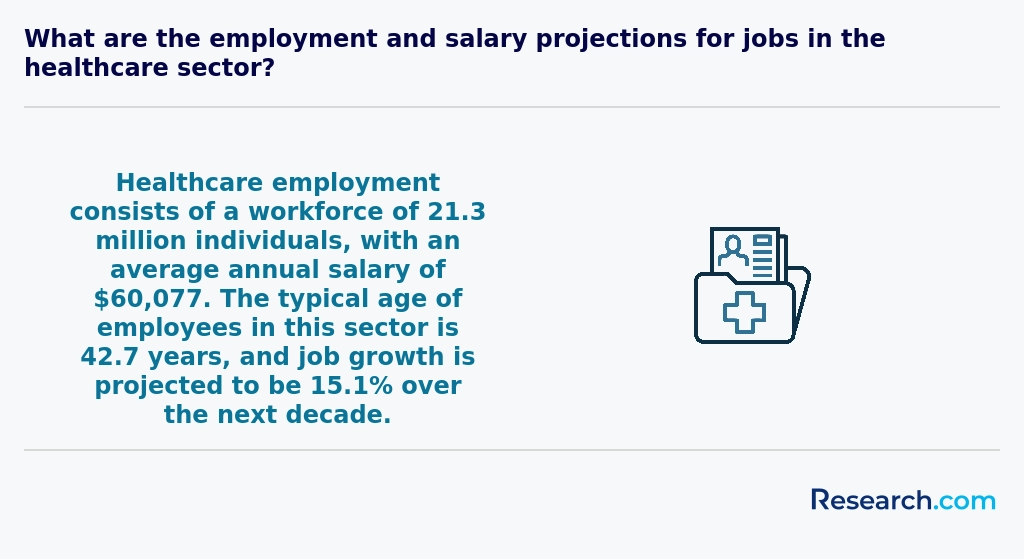
When evaluating the affordability of healthcare degrees in Indianapolis, IN, it’s essential to weigh total program costs against expected salary outcomes. For instance, a bachelor’s degree at a public institution averaging $23,000 per year can be offset by entry-level salaries-Patient Care Technicians earn around $55,860 annually and Health Information Technicians about $41,260. Assuming a two-year associate program costing approximately $15,000 in total, graduates can recoup tuition within 18–24 months of full-time work, based on median wages. Comparing on-campus and online formats further refines ROI calculations. Online programs often charge lower per-credit rates and eliminate relocation or commuting expenses, reducing total investment by up to 30%. For prospective master’s students seeking cost-effective options, our Affordable Online Master’s in Healthcare Degree Programs ranking highlights programs with competitive tuition and robust career services, enhancing both affordability and employability. Long-term earning potential also varies by specialization. Graduates with a Master of Health Administration can command salaries exceeding $90,000 within five years, while those specializing in health informatics may see median wages around $75,000. Factoring in loan interest rates (typically 4–6% for federal graduate loans) and repayment periods (10–20 years), students can model monthly payments against projected income growth to determine break-even points. To maximize ROI, students should pursue in-state tuition discounts, apply for need- and merit-based scholarships, and leverage employer tuition reimbursement programs. Additionally, choosing accelerated or hybrid degree paths can shorten time to completion, reducing tuition outlays and allowing graduates to enter the workforce sooner. Thoughtful ROI analysis empowers Indianapolis students to select healthcare degrees that align with financial goals and career ambitions.
What financial aid is available to healthcare degree students in Indianapolis?
Healthcare students in Indianapolis often find financial aid crucial to managing rising tuition costs, with many relying on federal resources like the FAFSA to access grants, loans, and work-study programs. A graduate from Indiana University-Purdue University Indianapolis recalls how the Pell Grant substantially eased their financial stress during their studies, offering up to $7,395 annually.
State-specific programs such as the Indiana Higher Education Award Program and the 21st Century Scholarship further boost affordability, especially when combined with federal aid. A Butler University healthcare graduate shared how these scholarships allowed them to focus more on their education than on finances.
Scholarships from local institutions and professional groups like the Indiana State Nurses Association frequently support students based on merit or residency, inspiring hope among aspiring nurses and allied health professionals.
Emerging trends indicate growing employer-supported tuition reimbursement and loan forgiveness incentives in Indianapolis healthcare facilities, attracting committed students willing to serve underserved communities. As one graduate explained, these programs not only relieve debt but foster a lasting sense of purpose.
Emerging Trends in Healthcare Education and Career Opportunities
As the healthcare industry evolves, so do the educational programs designed to equip students with the skills needed for this dynamic field. Innovative teaching methods-such as virtual simulation labs, telehealth training, and interdisciplinary projects-are becoming a staple in affordable healthcare programs. These trends not only enhance learning outcomes but also prepare graduates to adapt quickly to changes in patient care and technology integration. For example, many institutions now incorporate real-time remote monitoring and data analytics into their curriculum, skills that are increasingly in demand as healthcare systems modernize. Additionally, partnerships with local hospitals and clinics offer students hands-on experience with cutting-edge technologies, ensuring that their expertise aligns with tomorrow’s industry standards. For more detailed insights into a range of cost-effective options, explore affordable healthcare programs in indiana that are at the forefront of these innovations. This forward-looking approach not only boosts graduates’ job readiness but also fosters lifelong learning and career advancement opportunities in the ever-changing healthcare landscape.
What are the prerequisites for enrolling in healthcare degree program in Indianapolis?
Enrolling in healthcare degree programs in Indianapolis typically requires a solid foundation in science and math, which many students from local institutions like Ivy Tech Community College have found both challenging and rewarding. These prerequisites usually include a high school diploma or GED, with courses in biology, chemistry, and algebra serving as essential preparation. Graduates often share how this early academic focus boosted their confidence and made complex healthcare topics more approachable.
Many programs still expect standardized test scores like the SAT or ACT, though test-optional policies are becoming more common, reflecting a shift toward holistic admissions. Applicants also benefit from submitting personal statements and recommendation letters, which showcase their passion and communication skills-qualities highly valued by admissions committees at Indianapolis colleges.
Practical experience, such as volunteering or job shadowing in healthcare settings, often sets successful candidates apart. Students often recount how these experiences deepened their commitment and gave them real-world insight before starting their formal studies.
Additionally, certain college-level prerequisites in anatomy, physiology, and microbiology are becoming increasingly important as preparatory steps before advancing in specialized healthcare fields in Indianapolis.
Inside Campus Life and Student Support
Prospective healthcare students not only seek academic excellence but also a vibrant campus environment and robust support services that enrich their educational journey. In Indianapolis, IN, institutions excel in offering dynamic student life experiences-from modern facilities and dedicated career counseling centers to student organizations and community engagement initiatives that foster both personal and professional growth. On-campus resources such as tutoring services, mental health support, and networking events help students seamlessly transition from the classroom to real-world healthcare settings. Additionally, many schools collaborate closely with local healthcare facilities to facilitate internships and experiential learning, ensuring that academic theory is effectively translated into practical skills. As you explore your options, consider reviewing the comprehensive guide on affordable healthcare programs in indiana to understand how campus life and support systems contribute to a well-rounded healthcare education.
What courses are typically in healthcare degree programs in Indianapolis?
Healthcare degree programs in Indianapolis commonly include courses like Anatomy and Physiology, Medical Terminology, and Pharmacology, grounding students in essential biological and clinical knowledge. Graduates from local institutions such as Indiana University-Purdue University Indianapolis (IUPUI) often recount how hands-on classes like Clinical Practicum offered real-world experiences that transformed theory into confident practice.
Emerging courses such as Health Informatics are becoming central, reflecting Indianapolis's growing focus on technology-driven healthcare. Many students appreciate learning about data management and digital systems, which prepares them for rapidly evolving careers where patient information security and telehealth are increasingly vital.
Courses in Healthcare Ethics and Law help students navigate complex moral landscapes they will encounter in local hospitals and clinics, making graduates feel prepared and empowered. Similarly, Healthcare Management classes equip learners to take on leadership roles in the city's healthcare organizations, blending administrative skills with compassionate care.
Nutrition and Wellness courses also gain popularity, as Indianapolis students recognize growing community health trends emphasizing preventive care. These programs balance rigorous science with practical, impactful knowledge that graduates find both inspiring and relevant to their futures.
What types of specializations are available in healthcare degree programs in Indianapolis?
Healthcare degree specializations Indianapolis students pursue are evolving alongside the city's expanding healthcare landscape. Graduates from popular universities in Indianapolis often reflect on how specializations like Nursing, Health Information Management, and Public Health have prepared them for real-world demands. For instance, nursing students appreciate the hands-on clinical placements through partnerships with major health systems such as IU Health, fostering confidence and career readiness.
Healthcare administration students share how their programs emphasize leadership skills tailored to local hospital needs, often imagining future roles shaping healthcare delivery in Indiana. Meanwhile, those focusing on Health Information Management engage with advanced health technologies, hinting at future possibilities where data and AI reshape patient care. Indianapolis' strong hospital network supports Medical Laboratory Science graduates by offering practical lab experiences, building excitement for roles in diagnostics and research.
Looking forward, options like a 4 week online course for medical coding and billing texas are gaining traction among local students eager to fast-track careers. These dynamic healthcare degree programs options encourage students to tailor their education toward roles that will meet Indiana's evolving workforce needs and population health challenges.
How do you choose the best healthcare degree in Indianapolis?
Choosing the best affordable healthcare degree programs Indianapolis offers means thinking ahead about how healthcare is evolving locally. Graduates from places like Indiana University-Purdue University Indianapolis often share how hands-on clinical experiences at city hospitals prepared them for diverse roles beyond traditional nursing or administration. Considering the healthcare degree cost comparison Indianapolis entails, many students find community colleges appealing for balancing affordability with quality, especially when paired with strong clinical partnerships.
Future-focused students also explore flexible program formats, including part-time or online options, to fit work and life demands. For instance, those interested in specialization might look into programs like an online kinesiology bachelors degree that align well with emerging wellness trends in the city's medical sector. Thinking about accreditation and post-graduation job placement data helps ensure your investment leads to rewarding career opportunities in Indianapolis' growing healthcare market.
What career paths are available for healthcare degree students in Indianapolis?
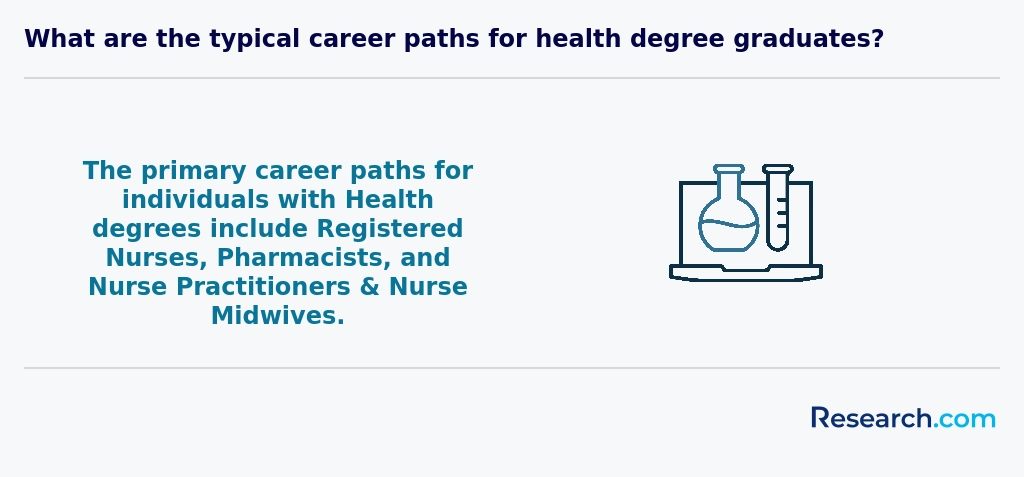
Graduates with a healthcare degree in Indianapolis find a wealth of career paths fueled by the city's expanding health sector. Many pursue roles as registered nurses, where hands-on clinical experience gained through local university programs leads to rewarding patient care opportunities. Others move into health administration, managing hospital operations or clinics, inspired by the city's advanced healthcare systems like IU Health. Practical training experiences rooted in internships at Indianapolis colleges prepare graduates for these leadership roles, fostering confidence and professional growth.
Emerging trends show increasing demand for medical laboratory technologists and physical therapy assistants, with students finding meaningful work supporting patient recovery and diagnostics. Public health careers also attract graduates interested in community wellness initiatives, reflecting Indianapolis's commitment to disease prevention. These healthcare job opportunities in Indianapolis give graduates a chance to impact lives deeply, often while staying local.
Many students have found that affordable education combined with strong internship networks at regional institutions opens doors to promising futures. For those considering advanced degrees, options abound, including Affordable Online Master's in Healthcare Degree Programs, expanding prospects even further.
What is the job market for healthcare degree in Indianapolis?
The healthcare job market in Indianapolis is robust, offering graduates from local universities and colleges promising career opportunities. Graduates often find themselves quickly employed in diverse roles such as registered nurses, medical assistants, or health informatics specialists within well-established systems like Indiana University Health and St. Vincent Health. Many speak positively of their hands-on clinical training gained through partnerships between their schools and city hospitals, which fosters confidence and real-world skills highly sought by employers. This strong connection to the healthcare industry supports a positive healthcare job outlook Indianapolis, with projected growth exceeding national averages.
Students pursuing healthcare degrees in Indianapolis benefit from affordable tuition, often between $8,000 and $12,000 annually for in-state programs, making the financial investment more manageable. Graduates frequently emphasize how this affordability, coupled with scholarships and financial aid, reduces stress and debt, enabling them to focus on advancing their careers. Those exploring accelerated paths sometimes choose best 6 month associate online degree options to enter the workforce sooner, further enhancing their job prospects.
The city's expanding bioscience and pharmaceutical sectors are also opening new avenues beyond traditional clinical roles. Graduates with skills in healthcare technology and patient care report exciting opportunities in healthcare management and research, reflecting a dynamic Indianapolis healthcare career opportunities landscape for the future.
Frequently Asked Questions About healthcare
Healthcare degree students in Indianapolis can maximize their learning by engaging in hands-on clinical experiences offered through partnerships with local hospitals like Indiana University Health and Eskenazi Health. These opportunities allow students to apply theoretical knowledge in real-world settings, enhancing practical skills.
Additionally, students should take advantage of Indianapolis's strong network of healthcare professionals by attending seminars, workshops, and networking events hosted by organizations such as the Indiana Hospital Association. Connecting with mentors and peers supports professional growth.
Incorporating technology skills, such as electronic health records (EHR) training, is also crucial because Indianapolis healthcare facilities widely use these systems, preparing students for workplace demands.
Emerging niches within the healthcare field in Indianapolis reflect broader national trends, with local educational institutions adapting coursework accordingly. One key area is telehealth, which has grown rapidly due to advancements in technology and increased demand following the COVID-19 pandemic. Indiana University and Butler University offer training programs related to virtual patient care and digital health technologies.
Another expanding field is gerontology, driven by Indiana's aging population; the U.S. Census Bureau notes a steady increase in residents aged 65 and older. This creates demand for specialists in elderly care and chronic disease management.
Additionally, precision medicine and healthcare data analytics are gaining traction. Purdue University's medical research highlights the importance of personalized treatments and big data skills in improving patient outcomes. These niches offer promising career opportunities for students pursuing healthcare degrees in Indianapolis.
Preparing for the job market after earning a healthcare degree in Indianapolis involves several key steps. Graduates should focus on obtaining relevant certifications and licenses required by Indiana state laws, such as the Registered Nurse (RN) license for nursing roles. Indianapolis boasts a strong healthcare sector, with major employers like IU Health and Community Health Network offering diverse opportunities. Networking through local healthcare associations and job fairs, such as those hosted by the Indiana Health Care Association, can provide valuable connections.
Gaining practical experience via internships or clinical rotations also strengthens employability. According to the Indiana Department of Workforce Development, healthcare jobs in Indianapolis are projected to grow 15% by 2030, highlighting the importance of targeted preparation.
Employers in Indianapolis prioritize several key skills when hiring healthcare degree graduates. Strong communication skills top the list, as effective interaction with patients and medical teams improves care outcomes. Critical thinking and problem-solving abilities are also vital due to the complex nature of healthcare scenarios. According to the Indiana Department of Workforce Development, healthcare roles in the region demand proficiency in technology, including electronic health records systems.
Additionally, employers value empathy and cultural competence, reflecting Indianapolis's diverse population. Time management and adaptability are important because local healthcare settings often require multitasking under pressure. These skills collectively prepare graduates to meet the dynamic needs of the Indianapolis healthcare industry.
Finding internships in Indianapolis for healthcare students involves several strategic steps. Start by consulting your college's career services office, which often lists local opportunities tailored to healthcare programs. Indianapolis hosts numerous hospitals and healthcare organizations, including Indiana University Health and Ascension St. Vincent, both offering internship programs. Networking at local healthcare events or through professional organizations such as the Indiana Hospital Association can also open doors.
The Indiana Department of Workforce Development reports steady growth in healthcare jobs, increasing internship availability. Additionally, online platforms like Handshake and LinkedIn frequently list healthcare internships specific to Indianapolis. Applying early and tailoring your resume to healthcare roles improves chances of placement.
Obtaining a healthcare degree in Indianapolis significantly enhances career mobility and advancement opportunities. The city's healthcare sector employs over 100,000 professionals, with steady growth projected through 2030 according to the Indiana Department of Workforce Development. A degree provides essential skills and credentials valued by local hospitals, clinics, and research centers like IU Health and St. Vincent. Graduates often experience higher starting salaries and faster promotions compared to non-degree holders. Additionally, specialized degrees in nursing, health administration, or medical technology open pathways to leadership roles. Certification requirements in Indiana also make formal education crucial for maintaining professional licensure and advancing within healthcare organizations.
Studying for a healthcare degree in Indianapolis offers students a strong foundation for interdisciplinary roles. Local programs emphasize collaboration among nursing, public health, social work, and health administration disciplines. This approach reflects Indianapolis's growing healthcare sector, which employs more than 100,000 professionals according to the Indiana Department of Workforce Development.
Many universities in the area, such as Indiana University-Purdue University Indianapolis (IUPUI), integrate clinical experiences, simulation labs, and community projects. These opportunities help students develop communication and teamwork skills essential for interdisciplinary settings.
The city's network of hospitals and healthcare organizations also supports internships where students work alongside diverse professionals, enhancing practical understanding of integrated patient care.
When choosing between a thesis and a non-thesis healthcare degree program in Indianapolis, consider your career goals and time commitment. Thesis programs often prepare students for research roles or doctoral studies, requiring original research and a formal thesis. Non-thesis options focus more on practical skills and typically involve additional coursework or internships instead.
In Indianapolis, healthcare employment is expected to grow by 13.3% from 2022 to 2032, according to the Indiana Department of Workforce Development. This may influence your choice based on whether you aim for clinical practice, administration, or research.
Cost and duration vary: thesis programs may take longer but provide deeper specialization, while non-thesis paths allow quicker entry into the workforce.
Students in Indianapolis interested in studying healthcare abroad have several options through partnerships between local universities and international institutions. For example, Indiana University offers study abroad programs in countries like Ireland and Australia, focusing on healthcare systems and public health.
The U.S. Department of Education reports that around 15% of healthcare students nationwide participate in study abroad experiences, aiming to gain global perspectives on medical practices.
Additionally, many Indianapolis healthcare programs encourage short-term international clinical practicums, giving students hands-on experience in diverse healthcare environments.
These opportunities enhance cultural competencies, a growing priority for healthcare employers in the Indianapolis metropolitan area, which employs over 90,000 healthcare professionals, according to the Indiana Hospital Association.
Indianapolis offers several part-time job opportunities that can effectively complement healthcare degree education. Positions such as medical assistants, pharmacy technicians, and certified nursing assistants are in demand locally, providing valuable hands-on experience. According to the Indiana Department of Workforce Development, healthcare support roles are projected to grow by 13% through 2031 in the Indianapolis metro area.
Hospitals like Indiana University Health and Community Health Network frequently employ part-time students for clinical support roles, combining education with real-world application. Additionally, internships or volunteer roles in local clinics and elder care facilities help students develop patient interaction skills.
Healthcare students in Indianapolis benefit from numerous networking opportunities that connect them to the city's robust medical community. Institutions like Indiana University School of Medicine offer access to professional events, career fairs, and student organizations focused on healthcare disciplines.
Local hospitals such as IU Health and Eskenazi Health frequently collaborate with educational programs, providing internships and clinical rotations that allow students to build professional relationships.
Additionally, Indianapolis hosts various healthcare conferences and workshops annually, drawing experts and students alike. These events enable students to engage with industry leaders, fostering valuable contacts for future careers.
Alumni networks play a significant role for healthcare degree students in Indianapolis by providing valuable professional connections and mentorship opportunities. These networks often include graduates working in local hospitals, clinics, and health organizations such as IU Health and Eskenazi Health, which are major regional employers. Connecting with experienced alumni can help students gain insights into the local healthcare industry and access job openings not widely advertised.
Research from the National Association of Colleges and Employers shows that 85% of jobs are filled through networking. Locally, strong alumni networks can facilitate internships and clinical placements, enhancing practical experience. This support system aids students in navigating the competitive healthcare job market in Indianapolis effectively.
In Indianapolis, tailoring a healthcare degree to your career goals involves selecting programs with flexible curriculum options, such as electives or specialized tracks. Many local institutions offer concentrations in fields like nursing, health informatics, or public health, allowing students to focus on specific interests. Internship and practicum opportunities within Indianapolis's robust healthcare network-including well-known systems like IU Health and Eskenazi Health-provide practical experience that aligns with specialization choices. Additionally, some programs allow part-time study or online courses, accommodating working professionals. According to the Indiana Commission for Higher Education, these customizable options enhance graduates' readiness for the city's diverse healthcare job market.
Healthcare students in Indianapolis commonly face rigorous coursework combined with demanding clinical hours. Balancing these requirements alongside part-time jobs or family responsibilities can cause significant stress. According to the Indiana Commission for Higher Education, approximately 40% of students report financial challenges, particularly given the rising costs of tuition and textbooks.
Additionally, Indianapolis healthcare programs often require students to secure their own clinical placements, which can be competitive due to the city's limited hospital spots. Students must also stay updated on evolving healthcare regulations and technologies, adding complexity to their studies.
Finally, mental health concerns are increasingly reported, with many students seeking more support services amid the intense academic pressure. These challenges highlight the demanding environment faced by future healthcare professionals in the region.
With a healthcare degree in Indianapolis, graduates can pursue several professional certifications that enhance career opportunities and potential earnings. Popular certifications include the Certified Nursing Assistant (CNA), Registered Nurse (RN) licensure, and Medical Assistant (CMA) credentials. For those interested in specialized fields, certifications such as Certified Health Education Specialist (CHES) or Certified Professional in Healthcare Quality (CPHQ) are available. According to the Indiana Department of Workforce Development, Indianapolis has a growing need for credentialed healthcare professionals, with nursing roles expected to increase by 12% through 2030. These certifications often require passing national exams and meeting state-specific licensing requirements.
When applying to healthcare programs in Indianapolis, crafting a strong application is essential due to competitive admissions. Start by clearly outlining your passion for healthcare, backed by relevant experiences like volunteering or internships in local hospitals such as IU Health Methodist Hospital. Emphasize any certifications, such as CPR or CNA training, which show your commitment to the field.
Academic performance matters; highlight your GPA and relevant coursework in biology or anatomy. According to the Indiana Commission for Higher Education, programs often seek applicants with a minimum 3.0 GPA.
Additionally, write a concise personal statement explaining your career goals and why Indianapolis' healthcare sector appeals to you. Including knowledge of local health challenges, like the opioid epidemic, can demonstrate an informed interest.
Healthcare careers in Indianapolis reflect a growing global demand for skilled professionals. According to the U.S. Bureau of Labor Statistics, healthcare occupations are projected to grow 13% nationally from 2021 to 2031, much faster than average. This trend aligns with global needs driven by aging populations and advancements in medical technology.
Internationally, healthcare roles emphasize cultural competence and adaptability, skills increasingly important in diverse cities like Indianapolis. The city's healthcare sector is bolstered by institutions such as Indiana University Health and Eskenazi Health, which support extensive clinical training opportunities for students.
Students pursuing healthcare degrees in Indianapolis benefit from curricula designed to meet U.S. licensing standards, enabling global career mobility while addressing local community health needs.
Students pursuing healthcare degrees in Indianapolis can gain practical experience through clinical rotations, internships, and volunteer opportunities at major local healthcare institutions. For example, Indiana University Health and Eskenazi Health provide extensive clinical training sites for nursing, medical, and allied health programs. These partnerships ensure students apply classroom knowledge in real-world settings.
Additionally, many Indianapolis colleges integrate simulation labs and community-based projects into their curricula to enhance hands-on skills. According to the Indiana Commission for Higher Education, approximately 70% of healthcare programs in the region require clinical hours, emphasizing experiential learning's importance for licensure and employment.
Choosing the right concentration within a healthcare degree in Indianapolis begins with assessing local job market demands. According to the Indiana Department of Workforce Development, fields like nursing, healthcare administration, and medical technology show strong growth in the region. Students should consider their personal interests and strengths, whether patient care, management, or lab work. Exploring programs at reputable Indianapolis institutions, such as Indiana University-Purdue University Indianapolis (IUPUI), can provide insight into available specializations.
Researching program curriculum and connection to local healthcare facilities helps identify practical opportunities. Students can also review employment projections from the Bureau of Labor Statistics focused on Indianapolis to understand sector stability and salary expectations.
Related Healthcare Rankings for Nearby Cities
- 2027 Most Affordable Healthcare Degree Programs Ranking in Louisville
- 2027 Most Affordable Healthcare Degree Programs Ranking in Chicago
- 2027 Most Affordable Healthcare Degree Programs Ranking in Peoria
- 2027 Most Affordable Healthcare Degree Programs Ranking in Atlanta
- 2027 Most Affordable Healthcare Degree Programs Ranking in Birmingham
- 2027 Most Affordable Healthcare Degree Programs Ranking in Kansas City
- 2027 Most Affordable Healthcare Degree Programs Ranking in Little Rock
- 2027 Most Affordable Healthcare Degree Programs Ranking in Washington
- 2027 Most Affordable Online Healthcare Degree Programs Ranking in Joliet, IL
- 2027 Most Affordable Online Healthcare Degree Programs Ranking in Romeoville, IL
Top Trending Healthcare Rankings
See What Experts Have To Say About Studying Healthcare
Read our interview with Healthcare experts

References
- Is an Online Degree the Same as a Traditional Degree | Online Degree https://www.cambridgehealth.edu/online-degrees/get-an-online-degree/is-an-online-degree-the-same-as-a-traditional-degree/
- Niche Market Opportunities Research Among Healthcare Professionals (A Decision Analyst Case History https://www.decisionanalyst.com/casestudies/nichemarketopportunities/
- Indiana Wesleyan University Catalog https://catalog.indwes.edu/programs/APS.MSM.HCIN
- Online Healthcare Administration Bachelor Degree | Indiana Wesleyan University https://www.indwes.edu/program/bs-healthcare-administration/
- Nursing Career Paths https://reidhealth.org/Career-Opportunities/Nursing-Careers/Nursing-Career-Paths
- Interdisciplinary Education and Practice https://www.aacnnursing.org/news-data/position-statements-white-papers/interdisciplinary-education-and-practice
- The Role of Interdisciplinary Studies in Medical Career Training https://georgia-med.com/the-role-of-interdisciplinary-studies-in-medical-career-training.html
- What Are the Differences in Salary Level for Different Degrees in Healthcare Management? | MHA Salary https://www.healthcare-management-degree.net/faq/what-are-the-differences-in-salary-level-for-different-degrees-in-healthcare-management/
- Medical Assistant Program Tuition & Cost | Indianapolis Medical Assistant School https://indianapolismedicalassistantschool.com/tuition/
- Indiana Healthcare Administration Degree Programs https://www.healthadministrationdegrees.com/states/indiana/


