
2027 Most Affordable Healthcare Degree Programs Ranking in Kansas City

Co-Founder and Chief Data Scientist
Choosing the right healthcare degree program can be overwhelming, especially with so many options available in Kansas City. This article introduces the 2027 Most Affordable Healthcare Degree Programs Ranking in Kansas City, created by the Research.com team of data scientists. It's designed to help you make an informed choice about which programs offer the best value without compromising quality.
By exploring these rankings, you'll discover affordable pathways to start or advance your career in healthcare, a field full of meaningful opportunities. Taking this step can open doors to rewarding work that truly makes a difference.
Key benefits of getting healthcare degree in Kansas City
- Healthcare degree graduates in Kansas City can earn competitive salaries, such as Medical Assistants averaging $43,350 annually and Quality Improvement Coordinators earning up to $103,150, providing excellent financial stability.
- Graduates have diverse career paths, from Patient Care Technicians valued at $60,790 per year to Health Information Technicians, offering rewarding roles in clinical and administrative healthcare settings.
- Obtaining a healthcare degree online, like from a popular Kansas City university, allows for flexible scheduling and balancing work or family, making it easier to advance your career without pausing your life.
- 2027 Most Affordable Healthcare Degree Programs Ranking in Kansas City
- What can I expect from healthcare degree in Kansas City?
- Where can I work with healthcare degree in Kansas City?
What can I expect from healthcare degree in Kansas City?
When diving into healthcare degrees in Kansas City, the cost varies but often feels surprisingly manageable, especially with the options available. Community colleges offer affordable tuition, making it easier for many students to start their healthcare journey without overwhelming debt. For example, graduates from a popular community college share how the low-cost foundation allowed them to focus on hands-on experiences rather than financial stress.
On the other hand, universities like the University of Missouri-Kansas City provide robust bachelor's and graduate degrees, typically at higher tuition rates. Yet, students often find that financial aid and scholarships geared toward the city's healthcare workforce needs help lighten the load. Graduates recall feeling supported while balancing rigorous coursework and clinical rotations at facilities such as Truman Medical Center, making the investment feel worthwhile and exciting.
With healthcare jobs booming locally, many students experience the joy of knowing their tuition investment aligns with strong job prospects nearby, creating a real buzz of opportunity and purpose throughout their studies.
Where can I work with healthcare degree in Kansas City?
Graduates with healthcare degrees in Kansas City step into a landscape bursting with possibilities. Imagine yourself working at the University of Kansas Health System, the area's largest hospital network, where nurses and healthcare administrators thrive amid a vibrant, supportive community of over 15,000 staff. Many graduates find rewarding roles here, embracing hands-on patient care or management challenges that shape their careers.
Others explore dynamic outpatient clinics like those in Saint Luke's Health System, where careers span from medical imaging to physical therapy, offering a variety of daily experiences. Public health graduates often join city or county health departments, diving into community health initiatives and epidemiology to make a tangible difference in local lives.
Long-term care facilities welcome those passionate about compassionate care, where RNs and healthcare managers meet growing demand. Meanwhile, healthcare technology and research are calling graduates from the University of Missouri-Kansas City, inviting them to blend IT and clinical innovation in exciting new ways.
Graduates from healthcare programs in Kansas City often discover rewarding salaries that make their hard work truly worth it. For instance, a recent graduate working as a Medical Assistant can expect to earn around $43,350 annually, a solid start when diving into the city's vibrant healthcare scene. If you move into roles like Patient Care Technician, you might see a boost to approximately $60,790 per year, reflecting the growing demand in local hospitals and clinics.
Imagine finishing your studies at one of the area's renowned institutions and stepping into a Health Information Technician role-salary averages hover near $43,380, blending data skills with patient care. For those drawn to coordination and leadership, becoming a Quality Improvement Coordinator in Kansas City could mean earning about $103,150 annually, a thrilling leap toward advanced responsibility.
These figures highlight how exploring healthcare education here leads to diverse, well-paying career paths. Many graduates tell stories of discovering their potential amid Kansas City's supportive academic environments and thriving medical community, where financial rewards are matched by fulfilling work that makes a real difference.
- The annual tuition for bachelor's healthcare degrees in Kansas City ranges from $15,000 to $30,000 for in-state students.
- Associate degrees or certifications at community colleges and technical schools typically cost between $5,000 and $10,000 per year.
- Starting salaries for healthcare graduates range from $45,000 to $55,000 annually, with advanced professionals earning $70,000 to $100,000 or more.
- The healthcare sector in Kansas City is growing faster than the national average, driven by an aging population and expanded services.
- High demand exists for roles in nursing, medical technology, healthcare administration, physical therapy, and health informatics.
- Local healthcare institutions offer clinical placements and internships, essential for hands-on experience and job readiness.
Imagine stepping onto the campus of Metropolitan Community College and diving headfirst into a healthcare certificate program that takes just 6 months to a year-perfect for those eager to jump quickly into roles like medical assisting or phlebotomy. Graduates from these fast-track courses often share the thrill of entering the workforce rapidly, armed with practical skills.
Or picture the journey through a two-year Associate of Applied Science degree at MCC, where students balance general education and specialized nursing courses. These graduates feel a real sense of accomplishment as they prepare for positions such as licensed practical nurses, ready to make a difference in Kansas City's healthcare landscape.
Then there's the vibrant four-year adventure at UMKC, where bachelor's degree seekers in Nursing or Public Health embrace challenges and growth. Alumni often recall the excitement of gaining a BSN, opening doors to registered nurse careers or advanced studies.
For the truly adventurous, pursuing a Master's or Doctoral degree in nursing or health sciences in Kansas City means dedicating an additional 2 to 5 years, a commitment that graduates describe as both demanding and deeply rewarding.
Beyond traditional degree paths, fast-track certification courses offer healthcare students and professionals the opportunity to quickly upskill and remain competitive in a rapidly evolving industry. Short-term programs, such as intensive online courses that can be completed in as little as four weeks, provide practical training in specialized areas like medical billing and coding. For example, many aspiring healthcare administrators and support professionals benefit from programs like the medical billing and coding certification online free course, which delivers focused instruction without the extended time commitment of a full degree. Such certifications can enhance your resume, improve job prospects, and provide an edge in the evolving job market. Moreover, completing short-term certifications can lead to further career advancement opportunities, enabling you to pivot or specialize within the healthcare field. Investing in these fast-track programs not only builds on the foundational knowledge gained through your degree but also demonstrates a proactive commitment to lifelong learning and professional development.
Imagine juggling your healthcare studies from home while working a full-time job or caring for family-this is the reality for many students enrolled in online healthcare programs at community colleges around Kansas City. These programs offer the freedom to watch lectures and submit assignments on your own schedule, making it easier to balance life's demands. Yet, the adventure doesn't end there; online learners still dive into hands-on clinicals arranged locally, ensuring real-world experience without relocating.
On the flip side, stepping onto the vibrant campuses of Kansas City's state universities offers a different kind of energy. Graduates fondly recall the buzz of face-to-face classes, spontaneous hallway chats with instructors, and the chance to practice skills directly in campus-affiliated hospitals. This immersive setup fuels motivation and builds networks that feel like a second family, invaluable for early career growth.
Cost-wise, many find online options save money on commuting and housing, but both paths proudly carry respected accreditation, guaranteeing your degree opens the doors you're aiming for in healthcare. The choice? A personal journey brimming with unique experiences that shape not just your education, but your future.
Accreditation is the cornerstone of any reputable healthcare program in Kansas City, MO. Institutions included in our 2024 ranking hold accreditation from recognized bodies such as the Commission on Collegiate Nursing Education (CCNE), the Accreditation Council for Pharmacy Education (ACPE), and the Commission on Accreditation of Allied Health Education Programs (CAAHEP). These accreditations guarantee that curricula meet rigorous national standards, clinical experiences adhere to best practices, and graduates are eligible for licensure exams. Licensure pass rates provide a clear indicator of program quality and graduate readiness. For example:
- Nursing programs in Kansas City report an average NCLEX-RN first-time pass rate of 88–95%, surpassing the national average of 84%.
- Health Information Management graduates achieve Certified Professional Coder (CPC) or Registered Health Information Technician (RHIT) pass rates of over 90%.
- Radiologic Technology programs boast ARRT exam first-attempt success rates near 92%. High licensure success not only reflects robust academic preparation but also enhances employability and earning potential upon graduation. Prospective students should verify that their chosen program publishes up-to-date pass-rate data and maintains continuous reporting to accrediting agencies. For additional insights into affordable, accredited options beyond Missouri, explore our Low Cost Online Healthcare Degree Programs Ranking in Minnesota, which highlights programs with outstanding licensure outcomes and student support services.
Curious about the average healthcare degree cost in Kansas City? For many students, the journey begins at institutions like the University of Missouri-Kansas City, where the median in-state total cost for completing a healthcare degree hovers around $27,293. Graduates often share that balancing tuition with everyday expenses feels like a real adventure, especially when discovering unexpected fees for books, labs, and supplies. Out-of-state students face a bigger number-closer to $49,712-which adds a different dimension to budgeting but doesn't dampen their enthusiasm for the rewarding programs available.
Many students find themselves weighing options between public universities and private colleges. Those seeking affordable healthcare degree programs Kansas City offers often find public universities provide solid value with competitive pricing and comprehensive support. Private schools, while pricier, offer specialized training and flexible schedules, which some graduates describe as worth every extra dollar invested in their careers.
Exploring financial aid and scholarships early opens doors to significant savings, a reality many former healthcare students happily recall during their studies. For prospective students looking for more financial-friendly pathways, uncovering the cheapest criminal justice school in missouri is a useful step in understanding regional education affordability overall.
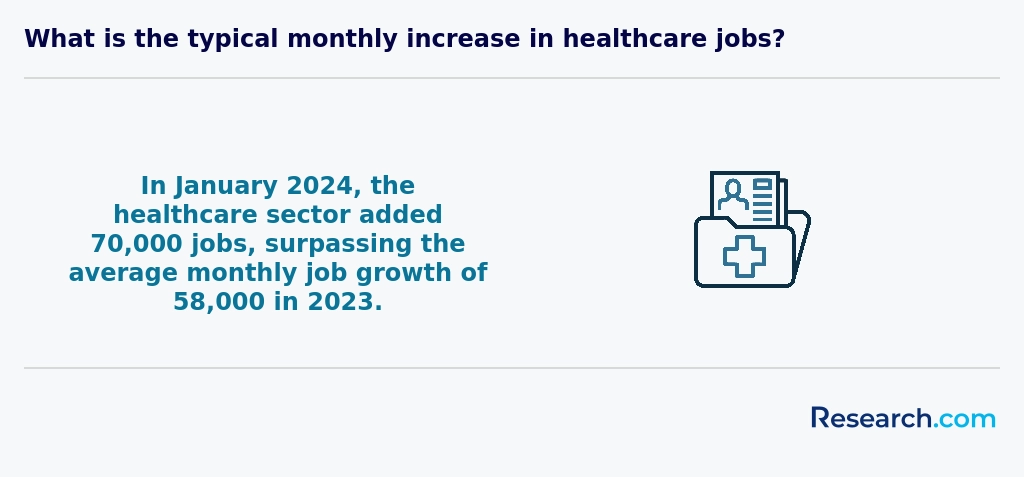
Choosing a healthcare degree program in Kansas City, MO that holds proper accreditation is essential for ensuring both educational quality and eligibility for professional licensure. Regional accreditation by agencies such as the Higher Learning Commission (HLC) guarantees that an institution meets rigorous academic standards, while program-specific accreditation-from bodies like the Accreditation Commission for Education in Nursing (ACEN), the Commission on Accreditation for Health Informatics and Information Management Education (CAHIIM), or the Commission on Accreditation of Allied Health Education Programs (CAAHEP)-confirms that your coursework aligns with industry requirements. Before enrolling, verify that your chosen program: • Is recognized by the Missouri State Board of Nursing, the Missouri Department of Health and Senior Services, or relevant licensing authorities for your specialty. • Includes clinical placements and practicum experiences approved by state regulators to satisfy hands-on training mandates. • Prepares graduates to sit for licensure exams such as the NCLEX-RN for nurses or the Registered Health Information Technician (RHIT) exam for health information professionals. Maintaining licensure often involves continuing education credits and periodic renewal through state boards. Many institutions offer built-in support for tracking these requirements, from automated reminders to partnerships with local healthcare employers for ongoing training. When evaluating program options, consider how accreditation impacts transfer credits, financial aid eligibility, and employer recognition. Prospective students interested in expanding their skill set may also explore complementary fields-such as kinesiology online programs-to diversify their career pathways within the healthcare sector.
Imagine stepping into the University of Missouri-Kansas City's bustling campus, excitement buzzing as you discover just how accessible a healthcare degree can be thanks to financial aid. Many healthcare students here unlock the power of Federal Pell Grants, receiving up to $7,395 without the worry of repayment, making those daunting tuition bills feel lighter and dreams more achievable.
Others lean on Federal Direct Loans, with subsidized options that pause interest accumulation while studying half-time, easing stress during intense semesters. Meanwhile, the hands-on nature of healthcare studies pairs perfectly with Federal Work-Study opportunities, allowing students to gain valuable job experience and earn money simultaneously.
Local colleges, like Kansas City Kansas Community College, often hand out scholarships and grants tailored for healthcare students, sparking joy and motivation as graduates recall how these funds brightened their educational journey. State programs such as Access Missouri step in too, offering grants that cushion expenses for Missouri residents aiming to heal communities.
And for those balancing work, many Kansas City hospitals generously provide tuition reimbursement, turning career advancement into a rewarding adventure of learning and giving back.
As you explore your educational options in healthcare, it’s also valuable to understand how these programs compare to other affordable degree tracks. In today’s competitive educational landscape, prospective students benefit from weighing factors such as tuition costs, program flexibility, career outlook, and hands-on learning experiences. This overview highlights how healthcare degree programs stack up against alternatives, offering guidance to those planning a career in a field that best matches their passion and financial goals. Healthcare programs in Kansas City, MO, stand out with rigorous clinical training, strong community ties, and a proven track record of job placement. Yet, if you’re evaluating a variety of career paths, you might consider elements like curriculum intensity, internship opportunities, and long-term earning potential. For instance, while a healthcare curriculum emphasizes patient care and technical skills, other fields-such as criminal justice-may stress investigative, analytical, and policy-driven coursework. By comparing these aspects, students can better decide which program aligns with their personal interests and career aspirations. Moreover, researching related rankings and resources can provide additional clarity. For example, if you are curious about alternative degree options that also offer excellent value, you may want to explore the cheapest criminal justice school in missouri. This side-by-side inquiry not only broadens your horizons but also aids in uncovering unique benefits, such as specialized financial aid packages or internship programs, that might influence your final decision. In essence, comparing various affordable degree options can equip you with a more comprehensive perspective-enabling you to choose a career path that not only meets your academic and financial needs but also aligns with your long-term professional goals.
Diving into a healthcare degree in Kansas City means getting ready to show a solid academic foundation. Most programs, whether at community colleges or larger universities, expect you to have a high school diploma or GED. Imagine starting your day at a well-known Kansas City college where your classmates share stories of mastering biology, chemistry, and math before even stepping into the lecture hall. These are not just hoops to jump through-they set you up for success in those exciting anatomy and physiology labs.
Graduates often recall how completing science courses like microbiology and chemistry was their gateway to understanding patient care more deeply. Many programs also look for a GPA around 2.5 to 3.0, so it's like preparing for a marathon where steady progress wins over bursts of speed.
You might also find yourself submitting personal statements or recommendation letters, which help admissions teams glimpse your passion and commitment beyond grades. Those eye-opening volunteer shifts or internships at local hospitals? They're more than experiences-they're your chance to feel the heartbeat of healthcare in Kansas City before officially joining the journey.

While the academic rigor and career opportunities of healthcare degree programs are paramount, the overall student experience is equally important. Prospective students should consider the vibrant campus life offered by institutions in Kansas City, MO, which includes extensive mentoring programs, extracurricular clubs, and dedicated support services. Robust career counseling, tutoring centers, and wellness initiatives ensure that students are not only academically prepared but also supported holistically throughout their journey. A dynamic campus environment fuels networking opportunities through student organizations, community service projects, and industry-related events, laying the foundation for lasting professional relationships. In addition, many schools provide dedicated resources that help students balance their academic and personal lives, ultimately enhancing their success both during and after their studies. For example, as you assess affordability and overall value, you might compare these factors with other fields; insights can even be drawn from reviews of the cheapest criminal justice school in missouri, which often highlights how student support systems play a crucial role in a program’s overall excellence. By prioritizing institutions that excel in creating a supportive and engaging campus life, you can ensure that your healthcare education experience is enriching, well-rounded, and tailored for future success.
Diving into a healthcare degree program in Kansas City feels like stepping into a vibrant world where science meets real-life impact. Graduates from local colleges and universities often recall how courses like Anatomy and Physiology brought the human body alive, helping them understand the intricate systems they'd one day care for in hospitals like University Health Truman Medical Center.
Medical Terminology, another staple, quickly became their secret weapon-unlocking the complex language spoken by professionals across Saint Luke's Health System and beyond. Ethics and law classes sparked deep reflections on patient rights, making each decision feel meaningful and connected to a broader mission.
Many students find Pharmacology Basics thrilling, especially when paired with hands-on labs where medications and their effects become tangible. Health Informatics courses, offered by several Kansas City programs, unveiled the fascinating digital side of healthcare, empowering learners to navigate electronic health records confidently.
Nutrition and Wellness classes often inspire students to think creatively about preventative care, equipping them with holistic tools to support future patients. This mix of theory and practical skills forms a dynamic foundation, perfectly suited to Kansas City's bustling healthcare scene.
Exploring healthcare degree specializations Kansas City offers reveals exciting pathways for those eager to dive into the medical field. Graduates from popular universities like the University of Kansas Health System thrive by choosing Nursing tracks such as Registered Nurse or Nurse Practitioner, where hands-on clinical experiences in city hospitals spark confidence and real-world skills. Others find their calling in Health Administration, managing healthcare organizations amid Kansas City's growing medical infrastructure.
Imagine yourself investigating public health challenges alongside mentors from the Kansas City Health Department, making a difference through community health and epidemiology. For those drawn to diagnostics, Medical Laboratory Science programs immerse students in state-of-the-art labs, reflecting the city's vibrant hospital network.
Physical Therapy and Rehabilitation programs prepare students to support recovery journeys, creating rewarding connections with patients across the region. Pharmacy education here leverages local pharmaceutical services, adding depth to patient care expertise. Some even combine curiosity about healthcare management with practical skills by pursuing a medical billing and coding certification online free, widening their horizons efficiently.
These varied options echo the best healthcare programs Kansas City options to match diverse interests and career dreams within this dynamic field.
Choosing the best healthcare degree in Kansas City feels like embarking on a personal quest-one where clarity about your career goal lights the path. Imagine diving into programs at Metropolitan Community College, where affordable nursing certificates quickly turn curiosity into rewarding work. Graduates often share how hands-on clinical placements at local hospitals transformed theory into confident practice, a vital step for anyone chasing the best affordable healthcare degrees Kansas City offers.
Balancing life and study becomes an adventure itself, with universities like the University of Missouri-Kansas City providing evening or online classes that fit busy schedules. Many students praise the real-world experience gained, which shapes their journey from classroom to career. Sorting through options by accreditation and success rates uncovers programs rooted in quality and strong support. For those exploring specialized paths, browsing kinesiology online programs can spark fresh inspiration and opportunities.

Diving into healthcare degree career options Kansas City offers a thrilling range of paths for graduates. From bustling hospital wards where Registered Nurses provide compassionate care to managing entire departments as Medical and Health Services Managers, the opportunities are rich with real-world impact. Imagine a graduate from a popular Kansas City university transitioning smoothly into the role of a Physical Therapist, helping local seniors regain strength - a career that blends science with heartfelt connection.
Others find themselves mastering technical skills as Healthcare Technicians in labs or radiology departments, quickly entering the workforce while gaining invaluable experience. Public Health Specialists here tackle community health challenges head-on, shaping wellness strategies for urban neighborhoods. The blend of hands-on learning and job opportunities with healthcare degree Kansas City graduates talk about captures a sense of adventure and purpose. For those mindful of costs, exploring Low Cost Online Healthcare Degree Programs Ranking in Minnesota can spark ideas for balancing education quality and affordability.
The healthcare job opportunities Kansas City offers are vibrant and expanding, creating an exciting landscape for graduates eager to launch their careers. Those who graduate from institutions like University of Missouri-Kansas City or Kansas City University Medical Center often share stories of hands-on training that prepared them to thrive in bustling hospital wings or outpatient clinics. The region's demand for healthcare providers is boosted by an aging population and rapid advances in medical technology, making each day a new opportunity to make a meaningful impact.
Graduates experience a job market that welcomes a range of skills-from nursing to healthcare administration-often discovering roles at local giants such as Saint Luke's Health System. Entry-level salaries, which generally range from $45,000 to $65,000, feel rewarding against the backdrop of Kansas City's affordable educational costs. Exploring flexible options like the top 6-month online associate degree programs also opens doors to quicker pathways into this thriving field.
When considering Kansas City healthcare degree employment outlook, graduates find their qualifications highly sought after, with opportunities growing steadily through 2030. The local commitment to expanding health coverage and chronic disease management fuels a steady demand for healthcare professionals, inviting new talent to join a community where their work truly matters.
2027 Most Affordable Healthcare Degree Programs Ranking in Kansas City
Investing in your education is a significant decision that can shape your future, and the Research.com team understands the importance of making informed choices. To assist prospective students in Kansas City, we have meticulously crafted the "2027 Most Affordable Healthcare Degree Programs Ranking in Kansas City." Our commitment to quality, credibility, and accuracy is reflected in the extensive research and analysis conducted to compile this ranking.
We utilized the following reputable data sources to ensure a comprehensive evaluation of healthcare degree programs:
By exploring this ranking, readers will gain valuable insights into the most affordable healthcare degree programs available in Kansas City, empowering them to make well-informed decisions about their educational investments. For more details on our methodology, please visit our Research.com methodology page.
# 1 position
City Vision University
Bachelor of Science in Health Sciences


# 7 position
Concorde Career College-Kansas City
Bachelor of Science in Health Sciences

# 8 position
Research College of Nursing
Bachelor of Science in Nursing

# 9 position
Research College of Nursing
Master of Science in Nursing
# 10 position
Kansas City University
Master of Public Health

Frequently Asked Questions About healthcare
Healthcare degree students in Kansas City can maximize their learning experience by engaging with local clinical opportunities. The city hosts renowned hospitals like St. Luke's and Truman Medical Center, which offer extensive internships and practicum placements. Practical experience in these facilities enriches academic knowledge and improves job readiness.
Students should also leverage Kansas City's growing healthcare industry, which employed over 100,000 professionals as of 2023 according to the Greater Kansas City Chamber of Commerce. Networking events and local healthcare organizations provide valuable connections and insights into current trends.
Additionally, choosing accredited programs approved by the Commission on Accreditation of Allied Health Education Programs (CAAHEP) ensures quality education aligning with national standards.
The healthcare field in Kansas City is evolving, with several emerging niches gaining attention. One notable area is telehealth, which has expanded rapidly due to increased demand for remote patient care. According to the Missouri Department of Health and Senior Services, telemedicine usage in the region rose by over 40% between 2020 and 2023. This growth has created new opportunities for healthcare professionals specializing in digital health technologies and remote patient monitoring.
Another promising niche is healthcare data analytics. Hospitals and clinics in Kansas City are investing in big data to improve patient outcomes and operational efficiency. Professionals skilled in health informatics and data science are increasingly sought after. Additionally, the aging population in Missouri is driving growth in geriatric care and chronic disease management, creating demand for specialized healthcare providers.
After completing a healthcare degree in Kansas City, preparing for the job market involves several key steps to increase employability. First, understanding local healthcare industry demands is crucial. Kansas City's healthcare sector, including large employers like Saint Luke's Health System and Truman Medical Centers, offers diverse opportunities in nursing, administration, and allied health fields (Missouri Economic Research and Information Center, 2023).
Networking plays an important role. Joining local professional organizations such as the Kansas City Healthcare Executive Forum or attending industry job fairs enhances connections.
Additionally, obtaining relevant certifications beyond your degree-for example, Certified Nursing Assistant (CNA) or Registered Health Information Technician (RHIT)-improves your credentials and job prospects.
Finally, gaining hands-on experience through internships or clinical rotations within Kansas City facilities helps graduates develop practical skills valued by employers in the region's competitive market.
Employers in Kansas City's healthcare sector prioritize both technical and soft skills in healthcare degree graduates. Clinical competence, including proficiency in electronic health records (EHR) systems, is essential as many local hospitals adopt advanced digital tools. According to the Missouri Hospital Association, familiarity with patient care technology improves hiring prospects.
Communication skills are equally important. Healthcare professionals must effectively collaborate with multidisciplinary teams and engage compassionately with patients, enhancing overall care quality. Additionally, critical thinking and problem-solving abilities help graduates adapt to rapidly changing healthcare environments.
Kansas City's growing demand for healthcare workers also highlights stress management and cultural sensitivity as key skills, reflecting the city's diverse patient population and busy clinical settings.
Finding internships in Kansas City relevant to a healthcare degree begins with exploring local hospitals, clinics, and public health organizations. Major employers such as the University of Kansas Health System and Saint Luke's Health System often offer structured internship programs for students. Connecting with college career centers and academic advisors can provide tailored opportunities and guidance. Additionally, regional internship portals and healthcare job boards list openings specific to the Kansas City area.
Networking through professional organizations like the Missouri Hospital Association strengthens contacts in the field. According to the Kansas City Business Journal, healthcare job growth in the region is projected to rise 7% through 2030, increasing internship availability.
Obtaining a healthcare degree in Kansas City significantly enhances career mobility and advancement opportunities in the region's robust medical sector. Kansas City is home to several large healthcare employers, including HCA Midwest Health and Truman Medical Centers, which prioritize candidates holding formal healthcare qualifications. According to the Missouri Economic Research and Information Center, healthcare occupations in the area are projected to grow faster than average through 2030, increasing demand for educated professionals.
Degrees in nursing, health administration, and allied health fields open pathways to leadership roles and specialized positions. For example, registered nurses with bachelor's degrees earn approximately 15% more than those without, while advanced degrees often lead to management or advanced practice roles. Moreover, local institutions provide strong clinical partnerships, aiding students in gaining practical experience and networking, which further supports career progression in Kansas City's healthcare environment.
Studying for a healthcare degree in Kansas City offers strong preparation for interdisciplinary roles by emphasizing collaboration across various health professions. Local universities and colleges often integrate teamwork exercises involving nursing, public health, and allied health students. This mirrors real-world healthcare settings, where coordination among multiple disciplines is essential.
Kansas City's healthcare industry is robust, with major hospitals and research centers promoting interprofessional education partnerships. According to the Kansas City Health Department, over 60% of medical facilities engage in training programs that encourage shared clinical experiences.
Moreover, regional programs frequently incorporate community health projects, allowing students to address diverse patient needs alongside peers from different healthcare backgrounds. This practical exposure nurtures communication, problem-solving, and leadership skills essential for interdisciplinary work.
Choosing between a thesis and a non-thesis healthcare degree program in Kansas City depends largely on your career goals and learning preferences. Thesis programs typically emphasize research skills and original contributions to the field, making them ideal for students aiming for doctoral studies or research-based roles.
Non-thesis tracks are more practice-oriented and often preferred by professionals seeking to enter clinical or administrative roles quickly. In Kansas City, healthcare employers value both types of degrees, but practical experience is especially important in local hospitals and clinics, such as those affiliated with Truman Medical Center.
The University of Missouri-Kansas City offers both options, with about 30% of healthcare students choosing thesis pathways, according to their latest enrollment data. Prospective students should consider faculty expertise, time commitment, and funding availability when deciding.
Students based in Kansas City seeking healthcare degrees abroad have a variety of options through established exchange and study abroad programs linked with local institutions. Universities like the University of Missouri-Kansas City (UMKC) support partnerships with global healthcare schools, allowing students to gain international clinical experience. These programs often focus on nursing, public health, and medical technology, reflecting Kansas City's growing healthcare industry, which employed over 190,000 people as of 2023 (Bureau of Labor Statistics).
Many programs prioritize placements in countries with advanced healthcare systems such as Canada, the United Kingdom, and Australia. These experiences can help students build cultural competence and understand global health policies relevant to their future careers.
Financial aid and scholarships for study abroad in healthcare remain accessible through UMKC and affiliated organizations, easing the cost for Kansas City residents.
Students pursuing healthcare degrees in Kansas City can benefit from numerous part-time job opportunities that build relevant skills. Positions such as medical assistants, nursing aides, and pharmacy technicians are in demand, allowing students to gain practical experience alongside their studies. According to the Missouri Economic Research and Information Center, the Kansas City metro has consistently shown growth in healthcare employment sectors, increasing by 3.5% annually over recent years.
Additionally, employers like Saint Luke's Health System and Kansas City Veterans Affairs Medical Center often hire part-time workers, providing exposure to diverse clinical environments. These roles help develop patient care, communication, and administrative skills, which are valuable in healthcare careers.
Other part-time options include working as emergency medical technicians or rehabilitation aides, both relevant to many healthcare degree pathways. Local healthcare job boards and college career centers frequently list such openings tailored to students' schedules, making them accessible for those balancing education and work.
Kansas City offers healthcare students numerous networking opportunities through its strong medical community. Institutions like the University of Kansas Medical Center and Kansas City University host regular career fairs and professional mixers that connect students with local hospitals and clinics.
Students can join organizations such as the Kansas City Healthcare Executives Forum, which provides access to industry leaders and workshops. The region employs over 110,000 healthcare workers, creating a dynamic environment for internships and mentorships (source: Missouri Economic Research and Information Center, 2023).
Additionally, local events organized by the Kansas Health Collaborative encourage collaboration among students, professionals, and employers, enhancing real-world connections critical for career growth.
Alumni networks play a vital role for healthcare degree students in Kansas City by offering essential connections within the local medical community. Graduates from institutions like the University of Missouri-Kansas City and Kansas City University often stay engaged, providing mentorship and job leads. According to the Kansas City Regional Health Care Outlook, healthcare employment in the region is expected to grow by over 15% by 2027, increasing opportunities for network-supported job placements.
These networks also facilitate internships and clinical placements at major local hospitals such as Truman Medical Center and Saint Luke's Health System. Access to seasoned professionals improves students' understanding of real-world healthcare challenges and innovations. Moreover, alumni events and workshops help build skills beyond the classroom, strengthening career readiness.
Customizing a healthcare degree program in Kansas City allows students to align their education with specific career goals. Many local universities offer flexible curricula with options to specialize in areas like nursing, health administration, or public health. Electives, internships, and clinical experiences tailored to Kansas City's healthcare landscape help build relevant skills. For example, partnerships with major healthcare providers such as Truman Medical Centers and Saint Luke's Health System offer practical training opportunities.
Students can also choose certificate programs or minors in emerging fields like health informatics, enhancing their job market appeal. According to the Missouri Department of Higher Education, tailoring coursework improves graduate employment rates by 15% locally.
Healthcare students in Kansas City often face several significant challenges during their education. One major issue is the competitive nature of clinical placement opportunities, which are limited due to high demand in hospitals and clinics throughout the metro area. This can delay practical experience essential for graduation and licensure.
Another difficulty is balancing rigorous coursework with part-time jobs, as many students must work to afford rising tuition and living expenses. According to the Missouri Economic Research and Information Center, Kansas City's cost of living is slightly above the national average, stressing students financially.
Additionally, students encounter emotional stress due to the intense nature of healthcare studies. Resources like the University Health KC emphasize the importance of mental health support, but many programs still lack sufficient counseling services tailored to healthcare students.
With a healthcare degree, professionals in Kansas City can pursue several certifications to enhance their career prospects. Common certifications include Certified Nursing Assistant (CNA), Registered Nurse (RN), and Licensed Practical Nurse (LPN), each requiring completion of accredited programs and passing state exams.
Other popular certifications include Certified Medical Assistant (CMA) and Emergency Medical Technician (EMT), which are highly regarded in the region's extensive healthcare facilities, such as those affiliated with Kansas City's major hospital systems. Additionally, specialized certifications like Certified Health Education Specialist (CHES) or Registered Health Information Technician (RHIT) open doors in community health and health informatics, respectively.
According to the Missouri Economic Research and Information Center, healthcare occupations in Kansas City are expected to grow by over 12% through 2030, highlighting the value of certification in maintaining competitiveness within the job market.
Writing a winning application for a healthcare program in Kansas City requires clear organization and attention to detail. Start by researching the specific requirements of programs, as schools like the University of Missouri-Kansas City emphasize academic performance and healthcare experience. Highlight any volunteer or work involvement in local healthcare settings, such as Truman Medical Centers, to demonstrate commitment and practical knowledge.
Strong personal statements are essential; clearly explain your motivation for choosing healthcare and Kansas City's unique healthcare challenges. Include any certifications or continuing education, which increases competitiveness. According to the Kansas City Health Department, programs value applicants with awareness of regional health disparities.
Finally, meet all deadlines and provide accurate documentation to ensure consideration.
Healthcare careers are increasingly valued worldwide due to rising global health challenges. In the United States, including Kansas City, healthcare jobs are expected to grow by 13% from 2021 to 2031, faster than average for all occupations, according to the U.S. Bureau of Labor Statistics. This reflects a global demand for qualified professionals capable of addressing diverse medical needs.
International perspectives highlight the importance of cultural competence and adaptability in healthcare roles. Many global health organizations emphasize teamwork and communication skills alongside technical knowledge. Kansas City's healthcare programs often incorporate these elements to prepare students for both local and international environments.
Moreover, Kansas City hosts several renowned medical centers and research institutions, providing opportunities for hands-on experience and exposure to cutting-edge treatments. This local environment supports graduates aiming for either domestic practice or participation in global health initiatives.
Gaining practical experience is crucial when pursuing a healthcare degree in Kansas City. Many local institutions, such as the University of Missouri-Kansas City and Kansas City University, offer clinical rotations and internships as part of their healthcare programs. These experiences allow students to work directly in hospitals, clinics, and community health centers.
Kansas City boasts renowned healthcare facilities like the Saint Luke's Health System and Truman Medical Center, which often collaborate with universities to provide hands-on training. According to the Kansas City Chamber of Commerce, over 30% of healthcare students engage in clinical placements locally.
Additionally, volunteer opportunities and part-time jobs in healthcare settings enhance practical skills and networking prospects during study.
Choosing the right concentration within a healthcare degree program in Kansas City involves assessing your career goals and the city's healthcare needs. Kansas City hosts a diverse healthcare industry, including major hospitals like the University of Kansas Health System and Saint Luke's Health System, which influence job opportunities in nursing, medical technology, and public health.
Consider specialties aligned with strong local demand. For example, registered nursing and healthcare administration are in high demand according to the Missouri Economic Research and Information Center.
Research program curricula, focusing on concentrations offering clinical experience or internships in Kansas City's healthcare facilities. Also, review licensure requirements for professions such as physical therapy or pharmacy, as some programs vary by state.
Finally, connect with local healthcare professionals or advisors to gain insights on job market trends and long-term growth in the region.
- 2027 Most Affordable Healthcare Degree Programs Ranking in Wichita
- 2027 Most Affordable Healthcare Degree Programs Ranking in Sioux City
- 2027 Most Affordable Healthcare Degree Programs Ranking in Peoria
- 2027 Most Affordable Healthcare Degree Programs Ranking in Little Rock
- 2027 Most Affordable Healthcare Degree Programs Ranking in Minneapolis
- 2027 Most Affordable Healthcare Degree Programs Ranking in Chicago
- 2027 Most Affordable Healthcare Degree Programs Ranking in Indianapolis
- 2027 Most Affordable Healthcare Degree Programs Ranking in Louisville
- 2027 Most Affordable Healthcare Degree Programs Ranking in Colorado Springs
- 2027 Most Affordable Healthcare Degree Programs Ranking in Denver
See What Experts Have To Say About Studying Healthcare
Read our interview with Healthcare experts

- Students and Alumni associations - Europubhealth https://www.europubhealth.org/students-alumni-associations/
- Healthcare Assistant Cover Letter Templates | myPerfectCV https://www.myperfectcv.co.uk/cover-letter/examples/healthcare-assistant-cover-letter
- School of Medicine Tuition and Fees Guide https://www.kumc.edu/academic-and-student-affairs/departments/registrars-office/tuition-and-fees/school-of-medicine-tuition-and-fees-guide.html
- Top 5 Part-Time Healthcare Jobs For Students https://www.sumnercollege.edu/blog/top-5-part-time-healthcare-jobs-for-students/
- Financial Assistance https://www.childrensmercy.org/your-visit/billing-and-insurance/financial-assistance/
- The impact of postgraduate education on career advancement in healthcare https://sets.com.ua/journals/vol-3-no-2-2024/the-impact-of-postgraduate-education-on-career-advancement-in-healthcare
- The Value of Healthcare Organization Alumni Associations https://consultqd.clevelandclinic.org/the-value-of-healthcare-organization-alumni-associations
- Health Sciences Study Abroad Programs - Healthcare Abroad https://www.ceastudyabroad.com/academic-discipline/health-sciences
- Global Health Perspectives https://globalhealthperspectives.com/
- Course Benefits https://www.premedprojects.co.uk/hospital-work-experience-benefits


