
2027 Most Affordable Online Doctorate in Healthcare Degree Programs Ranking in Michigan

Co-Founder and Chief Data Scientist
Are you considering advancing your career with a healthcare doctorate but want to find affordable options in Michigan? This article introduces the 2027 Most Affordable Online Doctorate in Healthcare Degree Programs Ranking in Michigan, developed by the Research.com team of data scientists.
Our ranking helps you discover programs that balance quality and cost, empowering you to make an informed decision. Earning a healthcare doctorate opens doors to leadership roles and can deeply impact patient care and community health.
Explore your options confidently and take the next step toward a rewarding future in healthcare.
Key benefits of getting online healthcare degree in Michigan
- Healthcare degree graduates in Michigan can expect strong earning potential, with roles like Program Director earning a mean annual wage of $129,330 and Chief Development Officers making around $95,600.
- Graduates from universities such as the University of Michigan often pursue diverse paths including research, management, and clinical leadership, offering rewarding career opportunities in healthcare.
- Online healthcare degrees provide flexibility and convenience, allowing students like those from Michigan State University to balance work and study while gaining the same valuable credentials as traditional programs.
- 2027 Most Affordable Online Doctorate in Healthcare Degree Programs Ranking in Michigan
- What can I expect from online healthcare degree in Michigan?
- Where can I work with online healthcare degree in Michigan?
What can I expect from online healthcare degree in Michigan?
Many graduates from online healthcare programs at Michigan State University and the University of Michigan report tuition costs that reflect the state's commitment to affordable education. Typically, in-state students find tuition ranging from $10,000 to $20,000 annually, depending on the degree level and specific program. This pricing allows students to manage costs effectively while pursuing flexible study schedules.
One graduate shared how scholarship opportunities and financial aid tailored for healthcare students helped ease the financial burden, making the program feel like a true investment rather than an expense. Public universities focus on competitive pricing for residents, which contrasts with the higher tuition for out-of-state learners, a factor worth considering when choosing a school.
Hands-on clinical requirements, coordinated locally, do not usually add significant extra costs, which supports students balancing work and family. These realistic financial expectations paired with support services render Michigan's online healthcare degrees both accessible and aligned with professionals' busy lives in the state's growing healthcare sector.
Where can I work with online healthcare degree in Michigan?
Graduates with an online healthcare degree in Michigan often find rewarding careers across diverse settings, reflecting the state's strong healthcare infrastructure. Many step into roles within major hospital systems like the University of Michigan Health System or Henry Ford Health System, where they contribute to clinical research coordination, nursing leadership, or healthcare administration. Having studied remotely yet connected with Michigan's healthcare landscape, these graduates feel empowered to lead in environments that shape patient care daily.
Others pursue opportunities in outpatient care centers or medical labs, focusing on management and quality improvement-roles that demand both precision and compassion. Graduates from popular programs at institutions like Michigan State University recount their excitement transitioning into telehealth positions, where they engage in patient coordination and data analysis, bridging technology with personalized care.
Community colleges and universities also employ healthcare graduates in academic advising and research support, offering a fulfilling path for those passionate about education. The steady expansion of Michigan's aging population means many find meaningful leadership roles in long-term care and assisted living, where their expertise directly improves lives with dignity and respect.
Graduates from online healthcare degree programs in Michigan often discover rewarding salary prospects tailored to their chosen paths. For instance, those stepping into leadership roles, such as Program Directors in healthcare, report mean annual wages around $129,330, reflecting the substantial responsibility they carry. Similarly, roles like Healthcare Services Researchers and Research Directors offer median salaries near $112,380, showcasing the value placed on analytical and strategic expertise.
Graduates from well-known Michigan institutions such as the University of Michigan or Wayne State University have expressed satisfaction in securing these competitive salaries, which mirror their dedication and advanced training. Positions like Chief Development Officers also feature a robust median annual income of about $95,600, underscoring the diverse opportunities available within healthcare management and administration.
These salary figures align with the growing healthcare sector in Michigan, where urban hubs provide fertile ground for career advancement. Online degree holders often share stories of starting in health informatics roles or research positions and then progressing toward leadership, buoyed by Michigan's unique blend of strong healthcare infrastructure and academic resources.
- Online healthcare degrees in Michigan are offered by both public and private institutions, covering fields like nursing, healthcare administration, public health, and health informatics.
- Tuition for these programs ranges from $15,000 to $35,000, with public universities generally offering lower rates for in-state students.
- Starting salaries for healthcare graduates in Michigan average around $50,000 annually, with nursing graduates near this figure and healthcare administrators earning slightly more.
- Experienced healthcare professionals in Michigan often earn over $80,000 per year, reflecting strong demand driven by an aging population and expanding services.
- Accreditation by bodies like CCNE or ACBSP is essential for licensure, certification, and improving employment opportunities.
- Many programs include local clinical placements or internships to help online students gain practical experience and meet licensing requirements.
Completing an online healthcare degree in Michigan reflects a balance of ambition, flexibility, and personal circumstances. Graduates from well-regarded institutions such as Grand Valley State University or Wayne State University often share how associate degrees fit well into a two-year timeframe, enabling them to quickly enter roles like medical assistants or health information specialists.
Bachelor's degrees typically require three to four years, though many have appreciated accelerated paths that let them graduate sooner by taking extra courses during summer terms. This flexibility, available at universities like Michigan State, helps working adults and career changers maintain momentum and stay motivated.
At the graduate level, students enrolled in programs such as the online Master of Healthcare Administration or nursing degrees usually finish within 18 to 36 months, matching their professional and family commitments. Doctoral candidates, whether pursuing a Doctor of Nursing Practice or PhD, often experience a journey lasting three to five years, with part-time options easing the load.
The ability to tailor pacing through transfer credits or part-time study truly exemplifies Michigan's student-centered approach, making each completion timeline feel personal and achievable.
Embarking on an online doctorate in healthcare can be both challenging and rewarding. To excel in your program, it’s important to establish clear study habits, tap into available resources, and build a strong online network. Start by setting up a dedicated workspace and designating specific hours for coursework, research, and assignments. Consistently seeking feedback from professors and peers can help refine your ideas and projects, while participating in virtual study groups ensures that you remain connected with fellow students. Additionally, exploring scholarly databases, attending webinars, and engaging in online forums can keep you updated on the latest advancements in healthcare. Remember, knowing where to invest your time and effort is crucial-if you need guidance on selecting a cost-effective and reputable institution, consider reviewing the cheapest online healthcare school in michigan for valuable insights and options. By strategically managing your time, leveraging digital tools, and actively seeking academic support, you can transform challenges into opportunities, paving the way for a fulfilling and successful doctoral journey.
Choosing between online and on-campus healthcare degrees in Michigan often hinges on lifestyle and learning preferences. Graduates from the University of Michigan recall the vibrant campus environment that fostered spontaneous study groups and face-to-face mentorship, experiences that enriched their professional growth. Conversely, those who pursued online programs appreciated the freedom to balance work and family, completing coursework on their own schedules without the commute to places like Wayne State University.
Financially, online students frequently noted savings not just in tuition-slightly lower due to reduced campus fees-but also from eliminated costs like parking and housing. Still, everyone emphasized the irreplaceable value of hands-on clinical training; no matter the format, practical experience nearby remains a must to gain patient interaction skills.
Michigan's healthcare students find that online discussions and video calls can connect peers, but on-campus interactions create deeper bonds through daily presence. Ultimately, the choice reflects personal priorities between flexibility and immersive campus life.
Navigating an online doctorate program in healthcare requires strategic planning, self-discipline, and the effective use of available resources. Successful students emphasize the importance of creating a structured schedule that accommodates coursework, research projects, and hands-on practical experiences. Setting realistic goals for each semester and consistently seeking feedback from instructors can transform challenges into learning opportunities. It also helps to actively participate in online forums and peer discussions to build a supportive learning community. Many prospective healthcare professionals have found that connecting with alumni and career services enhances their educational journey. For instance, students aiming to advance their careers by complementing their advanced studies often benefit from exploring programs like a bachelor's degree healthcare administration to gain additional insights into management practices within the healthcare sector. Moreover, staying updated with industry news and technological advancements is key. Regularly reviewing academic research, attending webinars, and engaging with healthcare thought leaders can provide a competitive edge in an ever-evolving field. These actionable strategies not only boost academic performance but also help in building a strong professional network that can open doors to diverse career opportunities.
The average cost of an online healthcare degree in Michigan typically centers around $43,192, with in-state students often paying somewhat less, near $46,897. Graduates from popular institutions like University of Michigan-Flint or Wayne State University frequently reflect on how the affordability of these programs made their educational journey more manageable while still providing a solid foundation in healthcare.
For those exploring the average cost of online healthcare degree in Michigan, it's important to realize that total expenses include more than just tuition. Additional fees for technology access, labs, and clinical components can subtly increase the overall price. However, many students appreciate the financial aid and employer tuition assistance options available, which help offset these costs and encourage enrollment in quality programs.
Many Michigan learners seek out affordable online healthcare doctorate programs Michigan offers, motivated by the state's robust healthcare industry and accessible education options. These programs balance quality with cost-effectiveness, enabling students to complete their degrees without overwhelming debt. The practical experiences integrated within these degrees make the investments worthwhile, often reported as a source of pride and accomplishment by recent graduates.
Students who prioritize value often research extensively; for those aiming to find the cheapest online healthcare school in michigan, comparing program costs alongside career benefits ensures smart decision-making that aligns with both financial and professional goals.
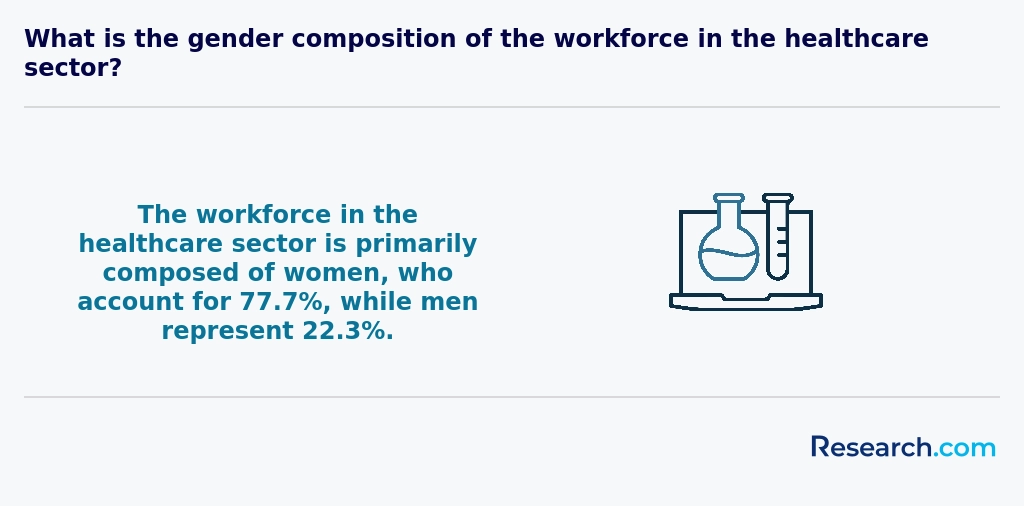
One crucial aspect often sought by prospective students is a clear understanding of the return on investment (ROI) from pursuing an online doctorate in healthcare. This section delves into how tuition costs compare to potential earning increases, job placement rates, and long-term career satisfaction. It highlights data-driven insights, including alumni success stories and employment outcomes, which are fundamental in assessing whether financial and time commitments are worthwhile. Graduates from top online healthcare programs report that the blend of flexible learning environments and robust academic support directly contributes to faster career progression. For instance, many have secured leadership roles in healthcare organizations and research institutions soon after graduation. These outcomes not only validate the quality of online programs but also help prospective students quantify the benefits over time. Moreover, comparing program costs and projected salaries emphasizes the strategic decision behind choosing a cost-effective program. For those researching affordable options, the cheapest online healthcare school in michigan provides compelling evidence of institutions where low tuition aligns with high-quality education and successful career trajectories. Ultimately, understanding ROI and program outcomes empowers candidates to make informed decisions that align with their professional goals, ensuring that their investment in education leads to tangible advancements in their healthcare careers.
For many healthcare students pursuing online degrees in Michigan, financial aid can feel like a lifeline. Graduates from universities such as the University of Michigan or Wayne State often cite completing the FAFSA as their first crucial step. This opens doors to federal grants and loans, like Pell Grants and Direct Loans, which can significantly ease tuition costs.
State programs add another layer of support. The Michigan Competitive Scholarship and Tuition Incentive Program have helped undergraduates and some postgraduate learners to reduce their financial burden. Families also benefit from the Michigan Education Trust, which locks in tuition rates to shield against rising costs.
Numerous Michigan colleges further supplement aid through institutional scholarships aimed at those studying nursing or health administration, helping students feel recognized for their dedication. Additionally, graduates recall how employer tuition assistance through systems like Beaumont Health provided practical relief, enabling them to balance work and study with less stress.
Finally, nonprofit scholarships from groups like the Michigan Health & Hospital Association Foundation embody community commitment to healthcare education, inspiring students to persist with confidence.
Accreditation ensures your online doctorate is recognized by employers, licensure boards, and certification bodies. Choosing an accredited program protects your investment and opens doors to advanced career opportunities.
Look for both regional and programmatic accreditation to guarantee academic rigor:
- Regional accreditation (e.g., Higher Learning Commission)
- CAHME for healthcare management programs
- CCNE or ACEN for nursing doctorates
- CEPH for public health specializations
Verifying accreditation also affects eligibility for federal financial aid and professional certifications. When comparing tuition and quality, consider our cheapest online health science degree for affordable, accredited options.
Enrolling in an online healthcare degree in Michigan usually starts with a solid academic foundation. Graduates from popular institutions like the University of Michigan-Flint often recall how essential completing high school with strong courses in biology, chemistry, and mathematics was before they could even apply. For many undergraduate programs, possessing a GED or high school diploma with these key science credits opens the door to this fulfilling journey.
At the graduate level, programs from schools such as Wayne State University expect applicants to hold a relevant bachelor's degree, often nursing or health administration, accompanied by a GPA of around 3.0. Many students appreciate how this requirement ensures they are prepared for the program's demands and ready to contribute meaningfully.
Practical experience plays a crucial role, especially for leadership tracks. Several graduates emphasize the confidence gained through prior healthcare work, whether as registered nurses or clinical specialists, which aligns with Michigan's rigorous accreditation standards. Additionally, proof of professional licensure and completion of prerequisite college courses are commonly required, reflecting the real-world readiness these programs insist upon.

Understanding the licensing and certification process is crucial for online doctorate in healthcare graduates aiming to practice or lead within Michigan’s healthcare system. While a doctoral degree provides advanced knowledge and leadership skills, professional credentials validate expertise and ensure compliance with state regulations. 1. State Licensure Requirements: • Doctor of Nursing Practice (DNP): Graduates must pass the National Council Licensure Examination (NCLEX) and obtain APRN certification through the Michigan Board of Nursing. • Doctor of Health Administration (DHA) and Doctor of Public Health (DrPH): While these roles do not always require a clinical license, many employers prefer board certification from organizations like the American College of Healthcare Executives (FACHE) or the National Board of Public Health Examiners (CPH). 2. Board Certification and Continuing Education: • Maintaining certification often involves completing continuing education units (CEUs) annually. For example, CPH holders must earn 50 CEUs every five years to stay current on public health best practices. • Certification in specialized areas-such as healthcare informatics (AHIMA’s CPHI) or patient safety (CPPS)-can differentiate graduates in competitive job markets. 3. Institutional Accreditation Impact: Enrolling in a program accredited by the Commission on Collegiate Nursing Education (CCNE) or the Council on Education for Public Health (CEPH) streamlines licensure applications and ensures eligibility for federal financial aid. 4. Inter-State Practice and Reciprocity: Graduates planning multi-state roles should review the Nurse Licensure Compact (NLC) for clinical practice or explore reciprocity agreements for administrative certifications. For a broader view of affordable online doctorate programs in neighboring states, consider our Most Affordable Online Doctorate in Healthcare Degree Programs Ranking in Missouri to compare program costs and accreditation benefits.
Online healthcare degree programs in Michigan offer courses carefully designed to build both foundational knowledge and practical skills essential for thriving in the healthcare field. Graduates from well-regarded institutions such as the University of Michigan and Michigan State University often reflect on how courses like Introduction to Healthcare Systems helped them grasp the complexities of the U.S. healthcare structure, preparing them for real-world challenges with confidence.
Many students find that mastering Medical Terminology early in their studies unlocks a new level of understanding, enabling effective communication with professionals during clinical experiences. Similarly, courses in Health Informatics resonate deeply, as students witness firsthand how data tools impact patient care and decision-making in Michigan's diverse healthcare settings.
Specialized courses, tailored to degree focus, offer further value. Graduates pursuing administration speak highly of classes like Health Policy and Management, which provided insight into leadership roles in Michigan's public health networks. Nursing students appreciate learning subjects such as pharmacology, which directly relate to the demanding responsibilities they face in local hospitals and clinics.
In Michigan, online healthcare degree specializations offer a rich variety tailored to meet the evolving needs of healthcare professionals. Graduates from universities like the University of Michigan and Wayne State often reflect on how clinical tracks such as nursing with focuses on family practice or psychiatric care helped them confidently address pressing healthcare shortages in their communities. Others appreciate the administration and leadership specializations that prepare them for dynamic roles involving healthcare finance and strategic planning.
Living and studying in Michigan shapes these experiences deeply-graduates express a strong sense of fulfillment working in settings where they can apply skills gained through programs emphasizing policy and organizational leadership. For students keen on combining health with technology, healthcare informatics provides a vital bridge, supported by Michigan's investment in health systems technology.
Many also explore public health and interdisciplinary degrees, making a real difference in diverse Michigan populations. Practical options like a bachelor's degree healthcare administration connect academic learning with tangible career paths, highlighting the value and variety of Michigan online doctorate healthcare programs specializations.
Choosing the best online healthcare degree in Michigan means focusing on programs that combine strong accreditation with flexibility, especially for busy professionals balancing work and family. Graduates from reputable schools like the University of Michigan and Wayne State often mention how course formats that offer asynchronous learning helped them manage their schedules while gaining valuable skills.
Affordability is also a top concern. Many students find that comparing tuition and financial aid options across local institutions is essential-online bachelor's degrees typically range from $10,000 to $30,000, while doctoral programs could surpass $40,000. For those seeking advanced credentials, exploring the most affordable online healthcare doctorate programs Michigan options can uncover surprising opportunities to invest wisely in their careers.
Another important factor is alignment with your career goals through specialization choices. Alumni pursuing healthcare administration or health informatics often note how Michigan's healthcare hub provides diverse job placements. Some programs also emphasize clinical placements, which are invaluable for hands-on experience and networking within the state's healthcare market.
Finally, reliable student support and faculty expertise make a difference. Graduates frequently highlight the value of career counseling and mentorship received at institutions well connected in Michigan's healthcare community. For those interested in doctoral-level study, consider checking Most Affordable Online Doctorate in Healthcare Degree Programs Ranking in Missouri for comparative insights and additional options.
Graduates with an online healthcare degree in Michigan find a rich landscape of career paths shaped by the state's growing healthcare industry. Many nursing graduates from institutions like the University of Michigan or Wayne State University reflect on how their BSN opened doors to advanced roles such as Nurse Practitioners or Clinical Nurse Specialists, where they experience both professional fulfillment and meaningful impact on patient care. This exemplifies the strong demand for nursing professionals, especially with a 12% projected job growth for nurse practitioners in Michigan.
For those pursuing a Michigan healthcare doctorate career paths often extend into specialized fields like healthcare administration or health informatics. Graduates from programs at Michigan State University describe stepping into leadership roles in hospital management or healthcare policy, empowered by training that aligns with the state's expansive healthcare system. The stability and earning potential here are motivating factors for many.
Other graduates appreciate careers as Medical and Clinical Laboratory Technologists, public health experts, or therapists-each role contributing uniquely to the community's wellbeing. Considering tuition and delivery flexibility, many opt for the best online accelerated bachelor's degree options to enter these rewarding fields sooner.
The job market for online healthcare degree graduates in Michigan is encouragingly strong, reflecting steady growth fueled by the state's expanding healthcare sector. Graduates from popular institutions such as the University of Michigan and Wayne State University often share that securing positions in healthcare administration or nursing leadership is within reach, especially given the state's need for skilled professionals across hospitals and outpatient care centers. This positive employment outlook arises because employers value experience and specialized expertise in areas like healthcare management and informatics, crucial skills taught in many online programs.
Those pursuing online healthcare degrees in Michigan find the balance of affordability and opportunity appealing. In-state tuition rates at reputable schools provide accessible pathways without sacrificing quality. Graduates frequently mention how their flexible programs allowed them to work simultaneously, easing financial strain. For students seeking an easy degree option while still entering a promising career, online healthcare jobs in Michigan offer practical routes with competitive salaries and roles that grow alongside the evolving industry.
2027 Most Affordable Online Doctorate in Healthcare Degree Programs Ranking in Michigan
Investing in your education is a significant decision that can shape your future, and the Research.com team understands the importance of making informed choices. To assist prospective students in Michigan, we have meticulously crafted the "2027 Most Affordable Online Doctorate in Healthcare Degree Programs Ranking in Michigan." Our commitment to quality, credibility, and accuracy is reflected in the extensive research and analysis conducted to compile this ranking. We utilized the following reputable data sources to ensure a comprehensive evaluation of healthcare doctorate programs:
By exploring this ranking, readers will gain valuable insights into the most affordable and credible online healthcare doctorate programs available in Michigan, empowering them to make well-informed decisions about their educational investments. For more details on our methodology, please visit our Research.com methodology page.


Frequently Asked Questions About healthcare
Students pursuing online healthcare degrees in Michigan can maximize their learning by actively engaging with course materials and utilizing available university resources. Many institutions offer virtual labs, discussion forums, and simulation tools to enhance hands-on experience. According to the Michigan Department of Health and Human Services, healthcare jobs in the state are expected to grow 15% by 2030, making practical skills critical.
Time management is essential for balancing study with professional or personal responsibilities. Michigan's universities often provide academic advising and tutoring services remotely, supporting learners in maintaining consistent progress.
Networking with peers and faculty through online platforms further enriches learning by fostering collaboration and professional connections within Michigan's healthcare community.
The healthcare field in Michigan is evolving rapidly, with several emerging niches attracting attention. One key area is telehealth, which has expanded significantly, especially following the COVID-19 pandemic. Michigan's Department of Health reports a substantial increase in virtual care, creating demand for professionals skilled in telemedicine technologies and remote patient management.
Another growing niche is healthcare informatics. This specialization focuses on managing and analyzing health data to improve patient outcomes. Michigan hospitals increasingly rely on advanced data systems, highlighting the need for experts trained in both healthcare and information technology.
Additionally, gerontology and chronic disease management are vital as Michigan's aging population grows. The state's older adult population is projected to increase by 25% by 2030, emphasizing the need for healthcare providers skilled in elder care and long-term disease management.
After completing an online healthcare degree in Michigan, preparing for the job market involves several key steps. Start by obtaining any required state licenses or certifications specific to your healthcare field, as Michigan follows strict credentialing rules. For instance, the Michigan Department of Licensing and Regulatory Affairs (LARA) oversees many healthcare professions.
Next, build practical experience through internships or clinical placements. Even online programs often include this component, which is vital for hands-on skills.
Networking is also crucial. Connect with local healthcare employers and professional organizations like the Michigan Health & Hospital Association to learn about job openings and industry trends. According to Michigan's Bureau of Labor Market Information, healthcare occupations are projected to grow 10.6% from 2021 to 2031, indicating strong demand.
Lastly, tailor your resume and interview skills to highlight your online degree and relevant experiences clearly to prospective employers.
Employers in Michigan highly value healthcare degree graduates who demonstrate strong clinical skills combined with effective communication abilities. According to the Michigan Department of Health and Human Services, proficiency in patient care, critical thinking, and familiarity with electronic health records (EHR) systems are essential for success in the state's healthcare sector. Additionally, teamwork and adaptability are frequently cited as key attributes, as many healthcare settings require collaboration among diverse medical professionals.
Furthermore, graduates with knowledge of Michigan's healthcare policies and regulations have an advantage. Data from the Bureau of Labor Statistics shows that healthcare occupations in Michigan are expected to grow 13% through 2031, emphasizing the importance of skills that meet evolving industry demands.
Finding internships in Michigan relevant to a healthcare degree involves several strategic steps. Start by contacting your online program's career services, as many Michigan universities partner with local hospitals and clinics. The Michigan Healthcare Association reports thousands of healthcare facilities statewide, providing abundant internship opportunities.
Use the Michigan Health & Hospital Association's resources and job boards for updated internship listings. Networking through professional groups like the Michigan Public Health Institute can also open doors. Many internships require a background check and immunizations, so prepare these documents in advance.
Begin your search early, especially with organizations in Detroit, Grand Rapids, and Ann Arbor, where healthcare demand is high. This proactive approach enhances your chances of gaining practical experience while studying online.
An online healthcare degree in Michigan significantly enhances career mobility and advancement opportunities. Given Michigan's growing healthcare sector, with over 1.2 million healthcare jobs statewide according to the Michigan Department of Labor, degree holders are well positioned for increased job prospects. Online programs offer flexibility, allowing working professionals to gain advanced credentials without interrupting their careers.
Employers in Michigan often prioritize candidates with higher education for leadership and specialized roles, particularly in hospitals and health systems concentrated in Detroit and Grand Rapids. Additionally, Michigan's state licensing boards recognize accredited online degrees, facilitating professional certification and promotion.
The pandemic accelerated telehealth services, leading to a rising demand for healthcare professionals skilled in digital technology and management, roles typically accessed through advanced degrees. Online healthcare degrees equip students with relevant knowledge, improving their competitiveness within Michigan's changing job market.
Studying for a healthcare degree online in Michigan equips students with skills vital for interdisciplinary roles by emphasizing collaboration across various healthcare fields. Michigan programs often integrate curricula that cover nursing, public health, management, and informatics, reflecting trends in the state's diverse healthcare workforce.
The Michigan Department of Health and Human Services highlights the growing need for professionals who can navigate multiple practices, especially as hospitals and community health settings prioritize coordinated care. Online degrees provide flexibility, allowing students to apply real-world experiences in leadership and teamwork.
According to the Bureau of Labor Statistics, Michigan's healthcare employment is projected to grow 12% from 2022 to 2032, underscoring the demand for adaptable professionals skilled in interdisciplinary approaches.
Many institutions incorporate case studies and virtual simulations to develop critical thinking and communication skills crucial for working with varied healthcare teams.
When choosing between a thesis and a non-thesis healthcare degree program in Michigan, consider your career goals first. Thesis programs require original research and are ideal for those planning to pursue doctoral studies or research-focused roles. Non-thesis options often emphasize practical skills, suited for professionals aiming to advance in clinical or administrative positions.
Michigan's online healthcare programs follow these national trends, with many universities offering flexible paths. According to the Michigan Department of Health and Human Services, demand for healthcare administrators and nurse leaders is growing by 15%, favoring non-thesis graduates with applied experience.
Additionally, thesis tracks may take longer to complete and require close faculty mentorship, which can be challenging online. Non-thesis programs typically have faster completion times and may focus more on internships or projects relevant to Michigan's healthcare landscape.
Students based in Michigan interested in online healthcare degrees with an international perspective can explore programs offering study abroad components or global health tracks. While fully online degrees often focus on U.S. accreditation and healthcare systems, some universities partner with institutions abroad for exchange opportunities or international internships.
Michigan ranks among states with growing healthcare employment, making global experience beneficial. According to the Michigan Department of Labor, healthcare jobs grew 17% over the past decade, increasing demand for culturally competent professionals. Students may find options through Michigan-based universities that facilitate international research or virtual collaborations with foreign medical centers.
Additionally, prospective students should verify program accreditation by bodies like ACHE or CAHME and ensure clinical hour requirements align with Michigan's licensure criteria. Exploring study abroad in healthcare can enrich education but requires careful planning within online degree frameworks.
Students pursuing online healthcare degrees in Michigan often seek part-time jobs that align with their studies and career goals. Roles such as medical assistants, pharmacy technicians, and certified nursing assistants (CNAs) are common options that provide practical experience while supporting academic progress.
According to the Michigan Bureau of Labor Market Information, healthcare support jobs in the state are projected to grow by 15% from 2022 to 2032, offering ample opportunity for students. Part-time hospital or clinic positions also help develop patient communication and organizational skills essential for healthcare professionals.
Additionally, working as medical records clerks or billing specialists can enhance knowledge of healthcare administration and compliance, complementing degree coursework effectively.
Online healthcare students in Michigan benefit from various networking opportunities designed to connect them with professionals and peers. Many universities offer virtual career fairs, webinars, and discussion forums specifically for healthcare disciplines. These events foster relationships that can lead to internships and job placements.
Additionally, Michigan's strong healthcare sector-with over 200,000 healthcare jobs according to the Michigan Department of Labor-provides abundant local networking possibilities. Students often join statewide professional organizations like the Michigan Health & Hospital Association or the Michigan Public Health Association, which host conferences and virtual meetups.
These combined resources help online students build valuable connections despite remote learning.
Alumni networks play a significant role in supporting online healthcare degree students in Michigan. These networks connect students with graduates who have experience in local healthcare systems, such as hospitals in Detroit and Grand Rapids, offering valuable mentorship and career guidance. According to the Michigan Department of Health and Human Services, professional connections can increase job placement rates by up to 30% in the state's healthcare sector.
Additionally, alumni networks often provide access to exclusive job boards and internship opportunities tailored to Michigan's healthcare market. They help students stay informed about state-specific regulations and emerging trends, enhancing their readiness for the local workforce.
Customizing an online healthcare degree in Michigan involves selecting specializations and electives that align with your career goals. Many Michigan universities offer concentrations like healthcare administration, nursing leadership, or public health to tailor your education.
Consider programs that provide flexible scheduling or allow credit transfer from prior healthcare experience. According to the Michigan Department of Health and Human Services, focusing on healthcare administration can prepare you for growing leadership roles in a state where healthcare is a $73 billion industry.
Additionally, some programs integrate real-world projects or internships that let you apply skills directly related to your professional interests. Always review curriculum options carefully to ensure the program matches your career objectives.
Online healthcare students in Michigan often face challenges related to balancing coursework with professional and personal responsibilities. Many learners in this field are working healthcare professionals who juggle shifts while completing rigorous academic requirements.
Access to quality clinical placements can be difficult, as healthcare programs require hands-on experience. In Michigan, competition for these sites is high, especially given the state's healthcare workforce shortages reported by the Michigan Department of Health and Human Services.
Technology barriers also impact some students, as reliable internet and up-to-date devices are essential for successful online learning but may not be readily available to everyone.
Finally, students sometimes struggle with limited interaction with faculty and peers, which can affect motivation and support during their studies.
With an online healthcare degree in Michigan, you can pursue multiple professional certifications that enhance career prospects. Common certifications include Certified Healthcare Administrator (CHA), Certified Professional in Healthcare Quality (CPHQ), and Registered Health Information Administrator (RHIA). These credentials are recognized across the U.S., including Michigan's expanding healthcare sector.
The Michigan Department of Licensing and Regulatory Affairs outlines licensing requirements for healthcare professionals, with many certifications requiring accredited degrees and supervised experience. For example, the CPHQ is highly valued in Michigan hospitals focusing on quality and patient safety, aligning with trends reported by the Michigan Health & Hospital Association.
National certifications, such as those offered by the American Health Information Management Association (AHIMA) or the American College of Healthcare Executives (ACHE), are accessible with an online degree, providing flexibility and professional recognition statewide.
To write a winning application for an online healthcare program in Michigan, start by highlighting your relevant experience and commitment to healthcare. Michigan's healthcare sector is growing steadily, supported by institutions like the Michigan Department of Health and Human Services. Tailor your personal statement to reflect regional healthcare challenges, such as access disparities in rural areas, showing your awareness and dedication.
Include clear evidence of academic readiness by providing transcripts that demonstrate strong performance in science and health-related courses. Mention any certifications or relevant professional licenses. Additionally, request thoughtful recommendation letters from supervisors or educators familiar with your healthcare skills.
Be sure to proofread carefully and follow each school's application instructions, as regulations and prerequisites can vary across Michigan institutions.
Healthcare careers hold significant value worldwide, reflecting the universal need for skilled professionals to address public health challenges. Globally, healthcare is one of the fastest-growing sectors, driven by aging populations and advances in medical technology. In the US, including Michigan, healthcare employment is projected to grow faster than average, with the Bureau of Labor Statistics forecasting a 13% increase from 2021 to 2031. Michigan's diverse healthcare systems emphasize not only patient care but also research and public health improvement.
For Michigan students pursuing online healthcare degrees, understanding global perspectives highlights the importance of adaptability and cultural competence. Many programs incorporate international health issues, preparing graduates to operate in diverse environments. This approach aligns with healthcare trends promoting collaborative and cross-cultural solutions.
Gaining practical experience while pursuing an online healthcare degree in Michigan is essential for career readiness. Many programs incorporate clinical internships or practicum placements as part of their curriculum. These opportunities often occur at Michigan hospitals, clinics, or healthcare facilities near the student's location.
Students can also seek volunteer roles or part-time jobs in healthcare settings, which strengthen both skills and professional networks. The Michigan Department of Health and Human Services offers resources to help students find relevant opportunities. According to the Michigan Economic Development Corporation, healthcare employment in Michigan grew by 4.3% from 2019 to 2022, reflecting diverse opportunities for practical experience.
Some universities partner with local healthcare providers to facilitate supervised hands-on training aligned with degree requirements, even for remote learners.
Choosing the right concentration within an online healthcare degree program in Michigan requires careful consideration of your career goals and the local job market. Michigan has a strong healthcare industry centered in cities like Detroit, Ann Arbor, and Grand Rapids, where demand is high for specialties such as healthcare administration, nursing leadership, and health informatics, according to the Michigan Department of Labor and Economic Opportunity.
Identify concentrations that align with your strengths and interests. For example, health informatics blends healthcare with technology, reflecting a 15% projected growth in Michigan through 2030, as reported by the U.S. Bureau of Labor Statistics.
Also, evaluate program accreditation and how the concentration supports licensing requirements in Michigan. This helps ensure your degree meets state standards and bolsters career readiness.
- 2027 Most Affordable Online Doctorate in Healthcare Degree Programs Ranking in Ohio
- 2027 Most Affordable Online Doctorate in Healthcare Degree Programs Ranking in Indiana
- 2027 Most Affordable Online Doctorate in Healthcare Degree Programs Ranking in Wisconsin
- 2027 Most Affordable Online Doctorate in Healthcare Degree Programs Ranking in Illinois
- 2027 Most Affordable Online Doctorate in Healthcare Degree Programs Ranking in Pennsylvania
- 2027 Most Affordable Online Doctorate in Healthcare Degree Programs Ranking in Kentucky
- 2027 Most Affordable Online Doctorate in Healthcare Degree Programs Ranking in Missouri
- 2027 Most Affordable Online Doctorate in Healthcare Degree Programs Ranking in New York
- 2027 Most Affordable Online Doctorate in Healthcare Degree Programs Ranking in Tennessee
- 2027 Most Affordable Online Doctorate in Healthcare Degree Programs Ranking in Virginia
See What Experts Have To Say About Studying Healthcare
Read our interview with Healthcare experts

- How do you Network as a Student? | Medmentor https://medmentor.co.uk/blog/how-do-you-network-as-a-student
- Skilltrade https://michiganvirtual.org/skilltrade
- 20 healthcare investment niches and 3 things to know: The evolution of ... https://blackbookmarketresearch.com/20-healthcare-investment-niches-and-3-things-to-know-the-evolution-of
- How to Find Healthcare Internships: A Step-by-Step Guide for Students and New Graduates https://hipaatraining.net/how-to-find-healthcare-internships-a-step-by-step-guide-for-students-and-new-graduates
- 27 Highest Paying Online Degrees in Healthcare - USDegrees https://usdegrees.com/27-highest-paying-online-degrees-in-healthcare/
- Best Healthcare Degrees & Programs | Accredited Schools Online https://www.accreditedschoolsonline.org/healthcare/degrees/
- Online Healthcare Degree Programs | University of Phoenix https://www.phoenix.edu/online-healthcare-degrees.html
- Alumni Reconnect - Poznan University of Medical Sciences https://pums.edu.pl/alumni-friends/alumni-reconnect/
- Healthcare Administration Certifications https://www.publichealthdegrees.org/careers/healthcare-administrator/certification/
- 6 Types of Health Sciences Concentrations | University of Bridgeport https://www.bridgeport.edu/news/health-sciences-concentrations/


