2027 Easiest Online Master's in Healthcare Degree Programs Ranking in Chicago, IL

Co-Founder and Chief Data Scientist
Are you considering advancing your career in healthcare but worried about balancing study with life in Chicago? This article introduces the 2027 Easiest Online Master's in Healthcare Degree Programs Ranking in Chicago, IL, carefully crafted by the Research.com team of data scientists. It's designed to help you quickly identify programs that fit your needs without unnecessary stress.
Choosing the right program is a big step toward a rewarding future. Explore options that make earning your healthcare degree easier, so you can focus on what matters-making a difference in your community and career.
Key benefits of getting online healthcare degree in Chicago
- Healthcare graduates in Chicago can expect strong earning potential, with Healthcare Consultants earning a mean annual wage of $115,530 and Healthcare Compliance Managers making about $80,190 yearly, offering financial stability.
- Graduates from local universities often pursue diverse careers such as consulting, compliance, and healthcare management, reflecting vibrant job opportunities in Chicago's healthcare sector.
- Online healthcare degrees from Chicago institutions provide flexible schedules and the chance to balance work and study efficiently, making career advancement more accessible and convenient.
- Key benefits of getting online healthcare degree in Chicago
- What can I expect from online healthcare degree in Chicago?
- Where can I work with online healthcare degree in Chicago?
- How much can I make with online healthcare degree in Chicago?
- 2027 Easiest Online Master's in Healthcare Degree Programs Ranking in Chicago, IL
- Key Findings
- How long does it take to complete online healthcare degree in Chicago?
- What's the difference between online and on-campus healthcare degree?
- What is the average cost of online healthcare degree in Chicago?
- What financial aid is available to online healthcare degree students in Chicago?
- What are the prerequisites for enrolling in online healthcare degree program in Chicago?
- What courses are typically in online healthcare degree programs in Chicago?
- What types of specializations are available in online healthcare degree programs in Chicago?
- How do you choose the best online healthcare degree in Chicago?
- What career paths are available for online healthcare degree students in Chicago?
- What is the job market for online healthcare degree in Chicago?
- Top Trending Healthcare Rankings
- See What Experts Have To Say About Studying Healthcare
What can I expect from online healthcare degree in Chicago?
The average cost of an online healthcare degree in Chicago typically falls between $20,000 and $35,000 for a master's program, though these figures can vary based on the university and program length. Graduates from well-known institutions in Chicago often share that while tuition may seem significant, the investment is justified by the flexible format and career support offered. For instance, a working nurse pursuing healthcare administration online at a Chicago university found the balance of asynchronous coursework and occasional live sessions invaluable for managing both study and job responsibilities.
Many students appreciate the competitive tuition compared to on-campus programs, especially since accredited universities in Chicago maintain high educational standards. However, it's important to recognize that financial aid availability differs among schools, and some may offer more robust scholarships or payment plans than others.
In real-life terms, this means a graduate could realistically pursue an online degree while maintaining income and family commitments, seeing their tuition as part of a larger career investment within Chicago's vibrant healthcare market.
Where can I work with online healthcare degree in Chicago?
Graduates with an online healthcare degree from institutions like DePaul University or the University of Illinois at Chicago often find themselves drawn to diverse roles within Chicago's vast healthcare landscape. Many secure positions in hospital systems-such as Northwestern Memorial or Rush University Medical Center-where their skills in management or informatics shape patient care behind the scenes. One graduate shared the rewarding challenge of coordinating care efforts in such high-profile settings, highlighting how online coursework translated directly to real-world problem solving.
For others, outpatient clinics and urgent care centers offer dynamic environments that align well with training focused on patient-centered approaches. Here, grads engage in health education and care coordination, experiencing firsthand how their work eases patient journeys.
Public health agencies like the Chicago Department of Public Health provide unique career avenues in policy and epidemiology, allowing graduates to contribute toward community wellness. Meanwhile, the growing healthcare tech sector attracts those skilled in data analysis, expanding opportunities beyond traditional roles.
Ultimately, Chicago's online healthcare degree holders often navigate careers infused with both challenge and fulfillment, finding roles that leverage their flexible, updated education in settings they care deeply about.
How much can I make with online healthcare degree in Chicago?
Graduates from online healthcare degree programs in Chicago often find competitive salaries that reflect the city's dynamic healthcare environment. For instance, healthcare consultants earn a mean annual wage of about $115,530, according to the U.S. Bureau of Labor Statistics. This level of income allows many to comfortably manage their finances in Chicago's urban setting, especially those who pursued degrees from well-regarded institutions like the University of Illinois at Chicago or DePaul University.
Some graduates take on roles such as healthcare compliance managers, earning approximately $80,190 a year. Although this is lower than consultant salaries, these positions offer steady career growth and a chance to develop expertise that can lead to higher earnings. Graduates often share that combining their degrees with certifications or practical experience gained in local hospitals or clinics dramatically improved their opportunities.
While salaries vary, those with strong analytical skills and leadership experience-qualities emphasized by Chicago's healthcare programs-have reported a rewarding balance of professional satisfaction and financial stability. These outcomes illustrate how investing in an online healthcare degree can pay off in a city known for its robust medical sector.
2027 Easiest Online Master's in Healthcare Degree Programs Ranking in Chicago, IL
How do we rank schools?
Investing in your education is a significant decision that can profoundly impact your career and future opportunities. The Research.com team recognizes the weight of this choice and is dedicated to providing trustworthy, accurate, and high-quality rankings to guide prospective students. To create the "2027 Easiest Online Master's in Healthcare Degree Programs Ranking in Chicago, IL," we conducted thorough research and analysis to ensure the credibility of the results.
We utilized the following reputable data sources to develop this comprehensive ranking:
By exploring this ranking, readers will gain essential insights into accessible online healthcare master's programs in Chicago, IL, enabling them to make well-informed educational decisions tailored to their goals. For a deeper understanding of how this ranking was compiled, please visit our Research.com methodology page.


# 3 position
Rush University
Master of Nursing

Key Findings
- Many online healthcare degree programs in Chicago are accredited by CCNE or ACOTE, ensuring recognized quality education.
- Tuition for a master's online healthcare degree ranges from $15,000 to $30,000, with fees for materials and licensure exams varying by program.
- Healthcare jobs in Chicago are expected to grow by about 14% over the next decade, driven by an aging population and rising demand.
- Starting salaries average around $60,000 per year, with registered nurses earning between $60,000 and $75,000 initially.
- Experienced healthcare professionals can earn $90,000 or more annually, especially in specialized roles like nurse practitioners or administrators.
- Online programs often include career support services such as job placement and networking to help graduates enter the healthcare field.
How long does it take to complete online healthcare degree in Chicago?
The time to complete an online healthcare degree in Chicago varies widely, often depending on the program and personal circumstances. For example, many graduates from institutions like DePaul University or the University of Illinois at Chicago report finishing their bachelor's degrees in about four years when studying full-time. However, those balancing work and family frequently choose part-time enrollment, which can extend the timeline to five years or more. Some accelerated programs allow completion in as little as two to three years, especially if students transfer previous credits from community colleges.
Graduate degrees, such as a Master of Healthcare Administration or Nursing, typically require 18 months to three years. Students often appreciate the flexibility these programs offer, enabling them to juggle careers and coursework. Yet, the need to complete clinical practicums can add complexity, requiring careful scheduling that might lengthen the overall duration.
Graduates often describe a rewarding experience navigating these challenges, highlighting how Chicago's diverse healthcare programs help tailor their educational paths to fit busy lifestyles without sacrificing quality or professional growth.
What's the difference between online and on-campus healthcare degree?
Online healthcare degrees in Chicago offer students the flexibility to study around jobs, family, or other commitments, an advantage many graduates from institutions like DePaul University highlight. They appreciate avoiding daily traffic and parking costs, which can be stressful in Chicago's busy areas. Yet, this convenience demands strong self-motivation to keep up with coursework without in-person oversight.
Conversely, graduates from on-campus programs at places such as the University of Illinois at Chicago emphasize the value of face-to-face interaction and hands-on labs. These moments foster deeper connections with peers and professors, especially during clinical practicums at nearby hospitals, which are crucial for gaining practical healthcare skills.
Both online and on-campus tracks require clinical experiences, often arranged locally, but on-campus students might find it easier to access campus resources directly. Tuition may be similar, yet on-campus students often bear extra costs for commuting and housing, a significant factor in Chicago.
Ultimately, students must weigh flexibility against immersive experiences when deciding their best path in Chicago's healthcare education landscape.
What is the average cost of online healthcare degree in Chicago?
The average cost of an online healthcare degree in Chicago typically centers around a median total of $33,285, reflecting a balance between public and private institution pricing. Graduates from well-known schools like the University of Illinois Chicago recall that while tuition fees hover near $750 per credit hour for in-state students, additional expenses such as technology fees and course materials can add up, making budgeting essential. This aligns with what many prospective students discover when seeking affordable online master's healthcare programs Chicago, where costs can range widely based on institution type and residency status.
For students weighing their options, the financial aspect extends beyond tuition. Licensing exams, textbooks, and required software subscriptions represent real costs that students often face. Many find relief in scholarships or financial aid geared toward online learners, which helps make degrees more accessible. From personal accounts, those who invested time in researching scholarship opportunities and financial aid often report a sense of accomplishment and reduced stress related to managing expenses.
One practical way for students to ease their educational investment is exploring fastest associate degree programs online, which some choose before pursuing a full master's degree. Many graduates emphasize that understanding these cost nuances early on prepares future healthcare professionals to focus more on their studies and less on financial pressures.

What financial aid is available to online healthcare degree students in Chicago?
Students pursuing online healthcare degrees in Chicago often rely on a combination of federal, state, and institutional financial aid to manage tuition costs. For example, graduates from universities like the University of Illinois Chicago have leveraged Federal Direct Loans, appreciating their fixed interest rates and income-driven repayment flexibility. These loans, combined with Public Service Loan Forgiveness for those working in local hospitals or nonprofit clinics, provide tangible relief and long-term benefit.
State programs such as the Illinois Nurse Educator Fellowship also offer targeted support for graduate students, although eligibility can be competitive and conditions vary. Some graduates from DePaul University have noted that while state grants help, they often supplement these with institutional scholarships awarded for merit or financial need, which can ease the burden significantly when pursuing demanding online schedules.
Employer tuition reimbursement is another critical asset, especially for healthcare workers employed within Chicago's sizable medical community. Employees balancing work and study appreciate this pathway for career advancement without overwhelming debt, highlighting the practical value of localized aid sources.
What are the prerequisites for enrolling in online healthcare degree program in Chicago?
Enrolling in an online healthcare degree in Chicago typically requires a high school diploma or equivalent, though many programs-especially at institutions like the University of Illinois at Chicago-expect a relevant bachelor's degree for graduate-level studies. Graduates often recall that meeting these academic thresholds felt like an essential foundation, helping them confidently engage with complex healthcare topics.
Transcripts showing a GPA around 2.5 to 3.0 are commonly required, but some programs become more flexible when applicants demonstrate substantial professional experience. For instance, graduates from DePaul University mention that while GRE scores were once mandatory, many programs now waive this for those with strong resumes or healthcare backgrounds.
Letters of recommendation and personal statements are more than formalities; they offer a chance to express genuine passion for healthcare, something graduates say spoke directly to admission committees. Chicago's emphasis on digital accessibility means students must also prove computer literacy and reliable internet access to fully participate in interactive courses and virtual labs-critical for success in a city thriving with healthcare innovation.

What courses are typically in online healthcare degree programs in Chicago?
Online healthcare degree programs in Chicago typically feature core courses such as Healthcare Systems and Policy, Health Informatics, Healthcare Ethics and Law, Public Health Principles, and Healthcare Finance and Budgeting. Graduates from institutions like Northwestern University emphasize how these classes provided a solid framework to navigate complex healthcare environments, especially in urban settings.
Many students appreciate courses like Strategic Management in Healthcare and Organizational Behavior, which sharpen leadership skills through real-world scenarios, often reflecting challenges faced by well-known Chicago-area healthcare systems. These programs balance theory with practice, giving students confidence to lead diverse teams and improve patient care quality.
Additionally, data analytics and quality improvement courses-such as Performance Improvement in Healthcare-are increasingly integral, preparing learners to make evidence-based decisions. Graduates recount feeling empowered to influence healthcare policies and operational efficiencies within institutions similar to Rush University Medical Center.
For those requiring clinical experience, local partnerships with Chicago hospitals enable practical training that complements online study, allowing students to directly apply classroom knowledge in familiar healthcare settings without sacrificing flexibility.
What types of specializations are available in online healthcare degree programs in Chicago?
Online healthcare degree specializations Chicago programs typically offer include Healthcare Administration, Public Health, Nursing, Health Informatics, Clinical Research, and Healthcare Quality and Patient Safety. Graduates from institutions like Northwestern Memorial and Rush University Medical Center often share how focusing on Healthcare Administration helped them navigate leadership roles in major medical facilities, a crucial skill given Chicago's complex healthcare landscape.
Others pursuing Public Health emphasize tackling chronic diseases and urban health disparities specific to Chicago neighborhoods, finding their studies deeply connected to real community needs. Nursing specializations, such as Nurse Practitioner or Clinical Nurse Leader, allow learners from Chicago colleges to meet urgent workforce demands while balancing work and study through flexible online formats.
In exploring healthcare master's programs specialties in Chicago, some students appreciate Health Informatics for its blend of data and care-vital as the city invests in digital health. Others pursuing Clinical Research find their studies align well with Chicago's biotech sector. For those uncertain about committing long-term, exploring fast certificate programs that pay well can provide immediate career benefits before or alongside a full degree.
How do you choose the best online healthcare degree in Chicago?
Choosing the best online healthcare degree program in Chicago requires evaluating how well the program aligns with your career goals and lifestyle. Graduates from popular universities often highlight the importance of accreditation, such as programs endorsed by the Commission on Collegiate Nursing Education (CCNE), noting that this ensures their degrees held weight with employers in Chicago's competitive healthcare market. Additionally, considering flexibility is crucial; many working adults appreciate programs offering asynchronous courses, allowing them to balance studies with demanding jobs or family obligations.
Cost also plays a major role. Students targeting affordable online healthcare master's Chicago frequently compare tuition and additional fees to avoid surprises. Financial aid options can significantly ease this burden, making programs more accessible. Moreover, graduates emphasize the value of robust career services provided by Chicago colleges, including internship placements that connect them to the local healthcare industry's growth opportunities.
Lastly, some students begin with a fastest online associate's degree as a stepping stone, gaining practical experience before committing to advanced degrees, which can be a wise strategy to explore various healthcare fields before deciding.
What career paths are available for online healthcare degree students in Chicago?
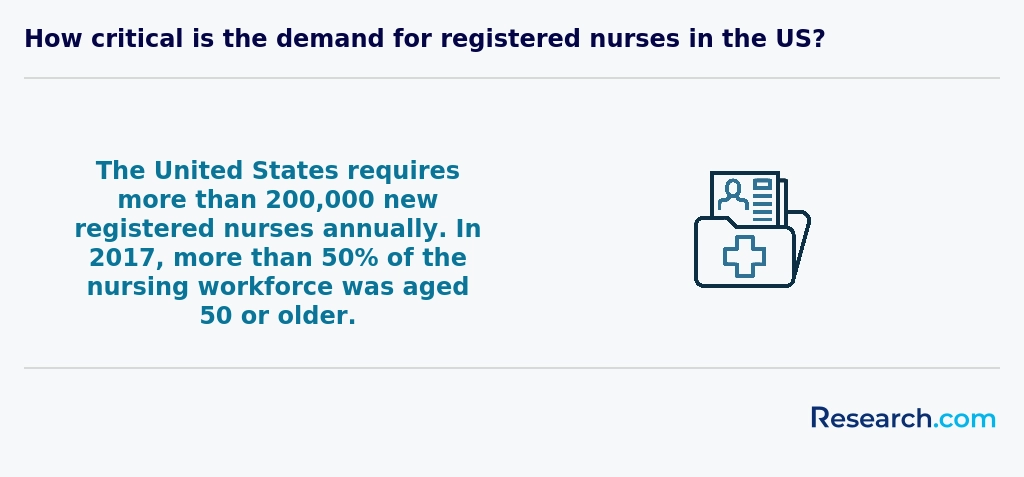
Graduates with an online healthcare degree in Chicago find diverse career paths reflecting the city's vast healthcare landscape. Many pursue clinical roles such as Registered Nurses or Physician Assistants, joining teams at well-known institutions like Rush University Medical Center, where practical skills meet evolving patient needs. Others channel their education into healthcare career opportunities Chicago IL offers in administration, managing hospital operations or policy implementation. Graduates from local programs often express confidence entering these roles, noting how online study through universities in Chicago blends flexibility with hands-on preparation. Public health also attracts degree holders who engage in community initiatives addressing urban health challenges, especially within Chicago's diverse populations. Meanwhile, health informatics careers are rising as digital tools reshape hospitals; those with a blend of healthcare and tech skills find promising prospects. For students weighing costs, exploring options through non profit accredited online universities in Chicago can be a strategic choice, balancing affordability and quality while pursuing online healthcare degree jobs in Chicago.
What is the job market for online healthcare degree in Chicago?
The online healthcare job market Chicago offers shows strong potential, particularly for graduates of local institutions like the University of Illinois Chicago or DePaul University. Many graduates share that their flexible online programs allowed them to gain hands-on experience while managing work and family commitments. This balance is crucial given the city's growing healthcare sector concentrated around institutions like Northwestern Memorial Hospital and Rush University Medical Center.
These hospitals offer diverse roles in healthcare administration, public health policy, and health informatics, fields linked closely to the healthcare degree employment opportunities Chicago presents. Median wages for healthcare managers in the city reach around $105,000 annually, a figure that motivates many students despite tuition costs that range from $20,000 to $45,000 for advanced degrees.
Practical skills matter greatly, and employers emphasize certifications and hands-on abilities gained from reputable online programs. Many students appreciate how their degree paths prepare them for evolving roles, including telehealth, which continues to expand locally.
For those exploring alternatives, it's worth considering high paying jobs with trade school as a supplemental or alternative career path, particularly if cost or duration is a concern.
Frequently Asked Questions About healthcare
Online healthcare degree students in Chicago can maximize their learning by actively engaging with course materials and participating in virtual discussions. Research shows that interactive learning methods improve retention, especially in healthcare education. Utilizing Chicago's vast healthcare network for local internships or clinical hours enhances practical experience and networking opportunities.
Students should leverage resources such as the Illinois Department of Public Health and Chicago's numerous hospitals to stay informed about regional healthcare trends. According to the Chicago Department of Public Health, 60% of local healthcare jobs require advanced skills, underscoring the value of hands-on experience.
Time management and consistent study routines are essential to balance coursework and professional obligations effectively.
The healthcare field is rapidly evolving, and several emerging niches are gaining importance across the United States, including Chicago. One key area is healthcare informatics, which merges data science with patient care; this niche is expected to grow by 15% nationally through 2030 according to the U.S. Bureau of Labor Statistics. Telehealth is another expanding specialty, propelled by increased remote care demand during and after the COVID-19 pandemic.
Additionally, gerontology and elder care are critical due to Chicago's aging population-over 12% of residents are 65 or older as per the Chicago Department of Public Health. Behavioral health and mental health services are also growing, fueled by rising awareness and federal funding.
After completing an online healthcare degree in Chicago, preparing for the job market involves several strategic steps. First, graduates should seek certification and licensure relevant to their field, as many healthcare positions require state-specific credentials. For example, Chicago employers often prioritize candidates with certifications recognized by Illinois licensing boards.
Networking is crucial. Joining organizations like the Illinois Health Care Association or local chapters of national groups can open doors to job opportunities. Chicago's healthcare sector employs over 210,000 people, offering diverse roles from hospital settings to public health agencies (Chicago Cook Workforce Partnership, 2023).
Internships or volunteer work in Chicago-area facilities provide practical experience and enhance resumes. Also, consider attending job fairs and workshops tailored to healthcare professionals in the Chicago metropolitan area.
Employers in Chicago prioritize several key skills when hiring healthcare degree graduates. Critical thinking and problem-solving abilities are essential for navigating complex patient care situations. Communication skills, both verbal and written, enable professionals to collaborate effectively with diverse teams and patients. According to the Chicagoland Healthcare Workforce Report 2023, over 70% of employers emphasize cultural competence to serve Chicago's varied population well.
Technical proficiency with electronic health records (EHR) systems is increasingly required, reflecting nationwide trends reported by the U.S. Bureau of Labor Statistics. Additionally, strong organizational skills and adaptability are valued due to the fast-paced nature of healthcare settings.
Finding internships in Chicago related to healthcare degrees involves several strategic steps. Start by exploring local hospitals and health systems such as Northwestern Memorial, Rush University Medical Center, and University of Chicago Medicine, all known for offering internship programs. These institutions often collaborate with universities and can provide relevant hands-on experience.
Online students should also connect with Chicago's public health organizations and government agencies like the Chicago Department of Public Health, which occasionally offer internships. Utilizing platforms like Handshake or the Illinois Network of Healthcare Employers increases access to region-specific opportunities.
According to the Illinois Department of Employment Security, healthcare-related jobs in Chicago are projected to grow by 15% through 2030, suggesting increasing internship availability in this sector. Networking at local healthcare conferences and joining professional groups such as the Illinois Healthcare Council can further enhance internship prospects.
An online healthcare degree significantly enhances career mobility and advancement for professionals in Chicago. The city's growing healthcare sector, supported by institutions like the University of Chicago Medical Center and Northwestern Memorial Hospital, offers numerous opportunities for skilled workers.
Online degrees provide the flexibility to balance work with education, allowing students to upskill without interrupting their current jobs. According to the Illinois Department of Employment Security, healthcare occupations are projected to grow 15% by 2030, faster than the national average. This growth creates strong demand for qualified healthcare managers and specialists.
Graduates with online healthcare degrees often find improved chances to secure leadership roles, higher salaries, and diverse positions across Chicago's hospitals, clinics, and public health agencies. Many employers recognize accredited online programs, expanding access to promotions and new career paths.
Studying for an online healthcare degree in Chicago equips students with skills essential for interdisciplinary roles by emphasizing collaboration across multiple healthcare fields. Chicago is home to a diverse healthcare ecosystem, including major hospitals and research centers, which influences many programs to integrate real-world case studies focused on team-based patient care.
Programs often highlight communication, leadership, and critical thinking, preparing graduates to work with doctors, nurses, social workers, and administrators. According to the Illinois Department of Public Health, Chicago's healthcare workforce is expected to grow by 15% through 2028, increasing demand for professionals who can navigate complex, multi-disciplinary environments.
Many Chicago institutions partner with local healthcare providers, providing students with virtual simulations and projects that mimic real interdisciplinary settings, strengthening practical skills needed in today's healthcare landscape.
Choosing between a thesis and a non-thesis healthcare degree program in Chicago depends on your career goals and time commitment. Thesis programs emphasize research and usually require around 6 to 12 months to complete the additional project. This track suits students aiming for doctoral studies or research roles.
Non-thesis options focus on practical skills, often completed faster, and are ideal for professionals seeking career advancement in clinical or administrative roles. According to data from the Illinois Board of Higher Education, Chicago's healthcare sector employs over 200,000 professionals, creating diverse demands for advanced skills beyond research.
Consider whether you prefer learning through applied projects or academic inquiry before choosing your path.
Students in Chicago seeking to study healthcare abroad through online programs have several options, mainly via U.S. universities offering international partnerships or global health tracks. Many accredited institutions provide fully online healthcare master's degrees with curricula including global health policies and cross-cultural medical practices. For example, some programs offer virtual practicums or collaborations with hospitals overseas, enhancing international exposure without leaving the U.S.
According to the Illinois Board of Higher Education, around 20% of healthcare graduates in Chicago explore international career opportunities, boosting demand for global-focused education. Students should also consider programs accredited by the Commission on Accreditation of Healthcare Management Education (CAHME) to ensure quality standards.
Chicago offers various part-time job opportunities that complement healthcare degree education, enhancing both skills and experience. Positions such as medical receptionist, patient care technician, or pharmacy technician provide practical exposure alongside coursework.
The Illinois Department of Employment Security highlights healthcare support roles growing by 15% in the Chicago metro area through 2030. This demand reflects the city's extensive network of hospitals and clinics.
Additionally, telehealth companies based in Chicago often seek remote part-time workers for roles like health information technicians or care coordinators, which align well with online candidates.
Engaging in these jobs supports both academic progress and professional networking, vital for healthcare career development in this region.
Online healthcare students in Chicago have growing opportunities to network despite virtual learning settings. Many local universities offering online programs include virtual networking events, career fairs, and alumni groups tailored to healthcare fields. These platforms help students connect with peers, instructors, and industry professionals.
Chicago is home to a strong healthcare industry, with over 600 hospitals and clinics in the metropolitan area, providing a rich environment for internships and collaborations. Organizations like the Illinois Health and Hospital Association support networking through conferences and local chapter events that online students can attend.
Additionally, professional associations such as the Chicago Public Health Association offer memberships and virtual meetups, which are valuable for making contacts and learning about job opportunities. These resources are essential for students aiming to build a career within Chicago's healthcare sector.
Alumni networks provide crucial advantages for online healthcare degree students in Chicago by fostering valuable connections within the local medical community. Through these networks, students can access mentors who offer guidance tailored to Chicago's healthcare landscape, including its top hospitals and research centers. According to the Illinois Department of Public Health, Chicago employs over 85,000 healthcare professionals, highlighting the demand for networking to find job opportunities.
Members often share job openings, internship opportunities, and industry insights that are specific to Chicago. This support helps students transition smoothly into the workforce. Additionally, alumni connections can enhance collaboration on research and continuing education, strengthening students' practical expertise and professional growth.
Customizing an online healthcare degree program in Chicago allows students to align education with specific career goals. Many Illinois institutions offer flexible curriculum options, including electives and concentrations such as health informatics, public health, or healthcare administration. This adaptability supports individual interests and local market demands, as Chicago's healthcare sector employs over 100,000 professionals (Chicago Department of Public Health, 2023).
Students can also select part-time or accelerated tracks to fit work schedules, while experiential learning through virtual simulations or partnerships with Chicago hospitals enhances practical skills. Additionally, advisors often assist in tailoring courses to meet certification requirements or future licensure, crucial for career advancement in this competitive region.
Online healthcare students in Chicago often face unique challenges despite the flexibility of remote learning. One major issue is securing quality clinical placements locally, as hands-on experience is crucial for healthcare degrees. Chicago's competitive healthcare job market means students must navigate limited internship opportunities alongside their studies.
Additionally, time management proves difficult for many, especially those balancing jobs or family commitments. According to a 2023 Illinois Board of Higher Education report, nearly 40% of working adult students in Chicago struggle to devote enough hours to coursework.
Technical difficulties and inconsistent internet access can also hinder learning, particularly in underserved neighborhoods. Lastly, students may feel isolated without traditional campus support, impacting motivation and networking opportunities important for career growth.
With an online healthcare degree, professionals in Chicago can pursue several well-recognized certifications to advance their careers. Common certifications include Certified Healthcare Administrator (CHA), Certified Clinical Research Coordinator (CCRC), and Certified Professional in Healthcare Quality (CPHQ). These credentials validate expertise and can increase job opportunities in hospitals, clinics, and public health organizations across the city.
According to the Illinois Department of Public Health, Chicago's expanding healthcare sector creates demand for certified professionals in management, quality assurance, and research roles. Earning these certifications requires passing exams and meeting experience criteria.
Many online programs align their curricula to prepare students for these certifications, helping graduates meet professional standards efficiently.
Writing a winning application for an online healthcare program in Chicago requires clear focus and attention to detail. Start by highlighting your relevant healthcare experience or educational background, as admissions committees value practical knowledge paired with academic potential.
Demonstrate familiarity with Chicago's healthcare environment, such as discussing recent growth in healthcare jobs reported by the Illinois Department of Employment Security, which noted a 5% increase from 2020 to 2023. This shows genuine interest and local awareness.
Strong letters of recommendation from healthcare professionals or educators in Chicago can elevate your application. Also, craft a compelling personal statement that explains your goals and how the program aligns with Chicago's healthcare needs.
The healthcare industry maintains a vital role worldwide, and its importance continues to grow. Globally, career opportunities in healthcare are expanding due to aging populations and advances in medical technology. In the U.S., including Chicago, healthcare employment is projected to grow 15% from 2021 to 2031, reflecting strong demand for qualified professionals (Bureau of Labor Statistics).
Internationally, healthcare careers emphasize skills like cultural competence and global health awareness, reflecting diverse patient populations. This global perspective enhances the ability to work effectively in varied environments.
Online healthcare degrees offered in Chicago universities prepare students to meet these global workforce needs. Programs often incorporate international standards and ethical practices that align with worldwide healthcare goals.
According to the Chicago Department of Public Health, investments in healthcare education help the city address local disparities while supporting a globally connected healthcare system.
Gaining practical experience while earning an online healthcare degree in Chicago is essential for career readiness. Many programs require internships or clinical hours, which can often be completed at local healthcare facilities. Chicago has over 40 major hospitals and numerous clinics offering opportunities for student placements.
Students can coordinate with their online schools' internship offices to find approved sites nearby. Additionally, Chicago's healthcare industry growth-expected to add nearly 10,000 jobs by 2025 according to the Chicago Department of Public Health-provides a strong network for experiential learning.
Volunteering and part-time work in hospitals or public health organizations also allow students to build hands-on skills while maintaining flexible study schedules. These practical experiences are crucial for meeting certification requirements and improving employability in Chicago's competitive healthcare market.
Choosing the right concentration within an online healthcare degree program in Chicago starts with understanding the local healthcare landscape. Chicago's healthcare sector employs over 300,000 people, making it a major hub for diverse healthcare services, according to the Illinois Department of Employment Security. This diversity means concentrations like healthcare administration, informatics, or public health are particularly relevant.
Consider your career goals and how each concentration aligns with Chicago's needs. For example, healthcare informatics is growing rapidly due to increased digitalization of medical records in the city's large hospital systems.
Research program accreditation and local employer demand to maximize job prospects after graduation.
Related Healthcare Rankings for Nearby Cities
- 2027 Easiest Online Healthcare Degree Programs Ranking in Hammond, IN
- 2027 Easiest Online Healthcare Degree Programs Ranking in Romeoville, IL
- 2027 Easiest Online Healthcare Degree Programs Ranking in Joliet, IL
- 2027 Easiest Online Healthcare Degree Programs Ranking in Berrien Springs, MI
- 2027 Easiest Online Healthcare Degree Programs Ranking in Milwaukee, WI
- 2027 Easiest Online Healthcare Degree Programs Ranking in Mequon, WI
- 2027 Easiest Online Healthcare Degree Programs Ranking in Madison, WI
- 2027 Easiest Online Master's in Healthcare Degree Programs Ranking in Grand Rapids, MI
- 2027 Easiest Online Healthcare Degree Programs Ranking in Peoria, IL
- 2027 Easiest Online Healthcare Degree Programs Ranking in Fort Wayne, IN
Top Trending Healthcare Rankings
See What Experts Have To Say About Studying Healthcare
Read our interview with Healthcare experts

References
- Wyoming's Best Medical Assistant Programs: Online & Campus https://www.edumed.org/online-schools/healthcare-administration-degrees/masters-mha-programs/illinois-il/
- Course Benefits https://www.premedprojects.co.uk/hospital-work-experience-benefits
- Healthcare Administration Certifications https://www.publichealthdegrees.org/careers/healthcare-administrator/certification/
- Online Medical Programs at CHCP - Start Now! https://www.chcp.edu/degrees-certificates/online/
- Global Perspectives – Healthcare Beyond Borders https://www.cedars-sinai.org/international-stories/healthcare-beyond-borders.html
- Health Information Technology - City Colleges of Chicago https://www.ccc.edu/malcolm-x/departments/health-information-technology/
- How to Set and Achieve Career Goals in Health and Social Care | Royal Open College https://royalopencollege.org/blog/health-and-social-care/how-to-set-and-achieve-career-goals/
- Allied Health Programs in Chicago | Healthcare Career Training at Midwestern Career College https://mccollege.edu/programs/allied-health-programs/
- Healthcare Degrees https://teach.com/online-ed/healthcare-degrees/
- 2025 Most Affordable Healthcare Administration Degrees Online https://www.onlineu.com/most-affordable-colleges/healthcare-administration-degrees