
2027 Best Healthcare Degree Programs Ranking in Boiling Springs

Co-Founder and Chief Data Scientist
Choosing the right healthcare degree program in Boiling Springs is an important step toward a rewarding career. This article presents the 2027 Best Healthcare Degree Programs Ranking in Boiling Springs, created by the Research.com team of data scientists to guide you through your options.
By exploring this ranking, you'll discover programs that offer quality education and strong career prospects. Whether you're just starting or looking to advance your skills, this guide helps you make informed decisions for a brighter future in healthcare.
Key benefits of getting healthcare degree in Boiling Springs
- Graduates with healthcare degrees in Boiling Springs can expect competitive salaries such as $43,350 annually for Medical Assistants and Clinical Research Coordinators, and up to $103,150 annually for Quality Improvement Coordinators, reflecting strong financial rewards in this field.
- Career paths are diverse, with opportunities ranging from hands-on patient care as a Patient Care Technician earning $60,790 yearly to specialized roles like Health Information Technicians, offering flexibility and growth to suit various interests.
- Choosing an online healthcare degree from a local institution in Boiling Springs allows students to balance work and study, providing greater convenience and accessibility without sacrificing the quality of education.
- Key benefits of getting healthcare degree in Boiling Springs
- What can I expect from healthcare degree in Boiling Springs?
- Where can I work with healthcare degree in Boiling Springs?
- How much can I make with healthcare degree in Boiling Springs?
- 2027 Best Healthcare Degree Programs Ranking in Boiling Springs
- Key Findings
- How long does it take to complete healthcare degree in Boiling Springs?
- Program Accreditation and Graduate Outcomes
- What's the difference between online and on-campus healthcare degree?
- Additional Resources and Future Opportunities
- What is the average cost of healthcare degree in Boiling Springs?
- Campus Life and Student Experience
- What financial aid is available to healthcare degree students in Boiling Springs?
- Licensing and Certification Exam Pass Rates
- What are the prerequisites for enrolling in healthcare degree program in Boiling Springs?
- Future Trends in Healthcare Education and Career Opportunities
- What courses are typically in healthcare degree programs in Boiling Springs?
- What types of specializations are available in healthcare degree programs in Boiling Springs?
- How do you choose the best healthcare degree in Boiling Springs?
- What career paths are available for healthcare degree students in Boiling Springs?
- What is the job market for healthcare degree in Boiling Springs?
- Top Trending Healthcare Rankings
- See What Experts Have To Say About Studying Healthcare
What can I expect from healthcare degree in Boiling Springs?
The average cost of a healthcare degree in Boiling Springs can vary widely depending on the type of program and institution you choose. Many students attending local community colleges find that associate degrees or certificate programs often range from $5,000 to $15,000, making them more accessible to those balancing work or family commitments. Graduates from these programs often share how manageable tuition allowed them to focus on gaining hands-on experience in nearby hospitals without the heavy stress of debt.
For those aiming for bachelor's degrees through popular universities in Boiling Springs, tuition for healthcare programs typically falls between $15,000 and $30,000 per year. Graduates frequently mention how investing in smaller class sizes and personalized academic support contributed to their confidence and success on licensing exams like the NCLEX.
Many institutions also offer financial aid or scholarships, easing the financial burden for determined students. By exploring these options, you can pursue your healthcare dreams in Boiling Springs with both practical training and budget-conscious planning.
Where can I work with healthcare degree in Boiling Springs?
With a healthcare degree earned right here in Boiling Springs, you step into a world full of meaningful career opportunities. Graduates from local institutions often find rewarding roles at the Cleveland County Hospital, where the fast-paced environment sharpens skills and builds confidence. Imagine yourself working alongside nurses, radiologic technologists, and healthcare administrators who are passionate about making a difference daily.
Many alumni also share how outpatient clinics and physician offices became their first workplaces-offering a chance to develop close patient relationships while gaining hands-on experience as medical assistants or physical therapy aides. Community senior care centers provide another inspiring path, especially for those drawn to geriatric care, where compassion meets real impact supporting aging populations.
For those inclined toward healthcare administration, the region's non-profits and local health departments present exciting opportunities to lead programs that improve community well-being. Fellow graduates often recall the sense of fulfillment in roles that shape health policy and service delivery right here in Cleveland County.
How much can I make with healthcare degree in Boiling Springs?
Graduates with healthcare degrees in Boiling Springs can expect a variety of rewarding salary opportunities depending on their chosen career path. For example, medical assistants and clinical research coordinators typically start with a mean annual wage of around $43,350, a solid foundation for those beginning their professional journey. Patient care technicians often earn more, averaging about $60,790 per year, reflecting their hands-on roles in clinical settings.
Health information technicians, who manage and secure patient data, have similar earning potential to medical assistants, with an average salary near $43,380 annually. These roles are popular among graduates from local colleges known for strong healthcare programs, where students gain real-world experience through internships at nearby hospitals or outpatient centers.
If you pursue a leadership track, such as becoming a quality improvement coordinator, expect a significant increase in earnings-around $103,150 yearly on average. Graduates tell inspiring stories of advancing from entry-level positions to roles that shape healthcare quality in the community, demonstrating how a degree from Boiling Springs schools can open doors to meaningful and lucrative careers.
2027 Best Healthcare Degree Programs Ranking in Boiling Springs
How do we rank schools?
Investing in your education is a significant decision that can shape your future, and the Research.com team understands the importance of making informed choices. To assist prospective students in Boiling Springs, we have meticulously crafted the "2027 Best Healthcare Degree Programs Ranking in Boiling Springs." Our commitment to quality, credibility, and accuracy is reflected in the extensive research and analysis conducted to compile this ranking.
We utilized the following reputable data sources to ensure a comprehensive evaluation of healthcare programs:
By exploring this ranking, readers will gain valuable insights into the best healthcare degree programs available in Boiling Springs, helping them make informed decisions about their educational paths. For more details on our methodology, please visit our Research.com methodology page.

Key Findings
- Tuition for healthcare programs in Boiling Springs ranges from $7,000 to $15,000 per year at public schools, with private and specialized programs often costing over $20,000 annually.
- The local healthcare job market is growing, with employment opportunities in hospitals, clinics, nursing homes, and outpatient centers projecting a 12% increase in healthcare jobs over the next decade.
- Starting salaries for healthcare graduates average around $50,000, with mid-career earnings rising to about $70,000 and advanced roles exceeding $90,000 annually.
- Many programs are accredited by bodies like the CCNE and ACEND, ensuring quality education that meets professional licensure and employment standards.
- Clinical training is a key part of healthcare degrees, offering practical experience in local hospitals and clinics to improve job readiness after graduation.
How long does it take to complete healthcare degree in Boiling Springs?
Completing a healthcare degree in Boiling Springs is an exciting journey that varies depending on your chosen path. Many graduates from local community colleges find that an associate degree takes about two years of full-time study, preparing them quickly for roles like medical assistants or licensed practical nurses. These programs often fit wonderfully into busy lives, offering flexible schedules that accommodate work or family commitments.
For those aiming higher, a bachelor's degree from nearby universities-often taking around four years-provides deeper knowledge and hands-on clinical experience. Graduates recall how immersive and rewarding these years were, shaping their confidence as they stepped into nursing or health sciences careers.
If you're driven to specialize, a master's degree typically adds two years, often pursued part-time or online by working professionals in Boiling Springs. Doctoral programs, though longer at three to six years, open doors to leadership and research that local graduates proudly pursue, sometimes through partnerships with nearby universities.
Remember, whether full-time or part-time, the key is progress at your own pace while staying motivated to reach your goal.
Program Accreditation and Graduate Outcomes
All healthcare degree programs in Boiling Springs, NC, maintain rigorous accreditation standards and transparent outcome metrics to ensure educational quality and graduate success. Gardner-Webb University holds regional accreditation from the Southern Association of Colleges and Schools Commission on Colleges (SACSCOC), and its Bachelor of Science in Nursing is accredited by the Commission on Collegiate Nursing Education (CCNE). Cleveland Community College’s allied health tracks are recognized by the Commission on Accreditation of Allied Health Education Programs (CAAHEP), while health informatics students benefit from programs accredited by the Commission on Accreditation for Health Informatics and Information Management Education (CAHIIM). Graduation and licensure pass rates provide clear indicators of program effectiveness. In 2023, Gardner-Webb’s nursing graduates achieved a 92% NCLEX-RN first-time pass rate, exceeding the state average of 87%. Cleveland Community College reports an 88% completion rate for its medical assisting program, with graduates passing the Certified Medical Assistant (CMA) exam at an 85% rate. Health information technology students secured a 90% pass rate on the Registered Health Information Technician (RHIT) exam, reflecting strong career preparation. Post-graduation employment outcomes further demonstrate program impact. Within six months of graduation, 93% of Gardner-Webb alumni were employed in nursing or advanced practice roles, while 89% of Cleveland Community College graduates entered patient care or technical positions. Employer satisfaction surveys indicate that 94% of local healthcare facilities rate alumni performance as “excellent” or “very good,” highlighting the real-world readiness of Boiling Springs-trained professionals. Prospective students considering a public health specialization can also explore related pathways; for budget-minded learners, the best affordable mph programs offer accredited online MPH options with strong outcome metrics and flexible learning formats.
What's the difference between online and on-campus healthcare degree?
Choosing between online and on-campus healthcare degrees in Boiling Springs comes down to your lifestyle and learning preferences. Graduates from well-known local colleges often praise on-campus programs for their hands-on training-imagine spending your days in cutting-edge labs or gaining real-world experience through clinical rotations at nearby hospitals. This face-to-face interaction builds confidence and strong professional connections essential for a thriving healthcare career.
On the other hand, online programs offer remarkable flexibility, perfect for those juggling work or family commitments. Many students appreciate being able to study course material at their own pace while still arranging local clinical experiences. For example, online learners from Boiling Springs coordinate with healthcare sites close to home, blending virtual simulations with practical training.
Both pathways demand dedication, but your choice shapes how you engage with peers and instructors. Ultimately, whether you thrive in a bustling campus setting or prefer the autonomy of online study, Boiling Springs offers options that support your journey toward becoming a skilled healthcare professional.
Additional Resources and Future Opportunities
For many aspiring healthcare professionals, thorough preparation extends beyond program selection and application. In this section, students can explore additional resources that support career planning, skill development, and lifelong learning. One valuable approach is to engage with online platforms that offer guidance on advancing academic credentials and professional skills. For instance, prospective students interested in learning more about related fields can examine options like best bachelors degrees in nutritional science online, which provide flexible, comprehensive programs designed to meet industry demands. Moreover, staying current with healthcare trends through webinars, professional associations, and targeted workshops can significantly enhance one’s competitive edge. By tapping into these resources, students not only build a strong academic foundation, but they also establish a network of support and mentorship that can ease the transition from the classroom to the workplace.
What is the average cost of healthcare degree in Boiling Springs?
When considering the average healthcare degree cost Boiling Springs offers, it's important to keep in mind that the median in-state total cost of completing a healthcare degree hovers around $34,760, while out-of-state students might expect a median total around $43,260. These figures reflect tuition and fees but don't stop there-graduates often tell stories about balancing costs like textbooks, clinical fees, and other expenses, which can add up quickly. For example, many students at popular local colleges pursuing nursing or health administration programs appreciate how these schools provide financial aid and scholarships to soften the financial demands.
Graduates from Boiling Springs institutions often reflect on how their investment was worth it, sharing how affordable tuition paired with hands-on experience positioned them well in the healthcare field. Certificate programs and associate degrees, such as the Associate Degree in Nursing, appeal to students looking for quicker, more cost-effective paths into rewarding healthcare roles. These program lengths and costs naturally influence overall expenses, helping students tailor their education plans to their individual budgets.
For those navigating healthcare study options, there are wonderful resources to explore, including nurse practitioner degrees washington job prospects, which can inspire new directions and opportunities. All in all, understanding the cost of healthcare degree programs Boiling Springs offers helps students make confident, informed decisions about their futures while embracing the exciting challenge of entering a caring profession.
Campus Life and Student Experience
Boiling Springs, NC offers more than just top-notch academic programs-it's a vibrant community where healthcare students thrive both in and out of the classroom. Students often praise the tight-knit campus environment that fosters collaborative learning, robust extracurricular activities, and personalized academic support. Beyond formal coursework, many institutions organize wellness workshops, career fairs, and mentorship programs that help students build essential soft skills while preparing for professional success. Engaging in student clubs related to healthcare not only deepens academic understanding but also creates valuable networking opportunities, ensuring that graduates are well-equipped to transition into their careers with confidence. Additionally, prospective students can explore resources on the cheapest healthcare schools in north carolina to find programs that combine affordability with a supportive campus life. This dynamic blend of academics and community spirit makes pursuing a healthcare degree in Boiling Springs an enriching and holistic experience.
What financial aid is available to healthcare degree students in Boiling Springs?
Many students pursuing healthcare degrees in Boiling Springs find that financial aid options are both accessible and encouraging. For instance, graduates from well-known local institutions often rely on federal Pell Grants, which provide valuable, need-based aid that doesn't need to be repaid-this can significantly ease tuition pressure. These grants can cover up to $7,395 annually, making a tangible difference in managing costs.
State programs like South Carolina's LIFE Scholarship reward academic excellence and can substantially offset tuition at public colleges in Boiling Springs, motivating students to strive for their best. Many healthcare programs also award institutional scholarships targeting students who show commitment to underserved communities-recent graduates often mention how these funds helped them focus more on studies and less on finances.
Additionally, federal and state loan forgiveness options for those willing to serve in medically underserved areas are a beacon of hope, turning the challenge of student debt into a rewarding pathway. Employment-based aids such as work-study programs within local healthcare facilities offer hands-on experience alongside steady income, empowering students every step of the way.
Licensing and Certification Exam Pass Rates
One of the most important indicators of program quality is the success rate of graduates on national licensing and certification exams. In Boiling Springs, NC, leading institutions consistently outperform national averages, demonstrating the effectiveness of their curricula and clinical training. • Gardner-Webb University NCLEX-RN Pass Rate: Gardner-Webb’s School of Nursing reported a 94% first-time NCLEX-RN pass rate in 2023, compared to the national average of 88%. This high success rate reflects the program’s rigorous preparation in pharmacology, patient care techniques, and simulation labs. • UNC Charlotte Boiling Springs Campus NCLEX-RN Pass Rate: UNC Charlotte saw a 90% first-time pass rate for its nursing graduates, bolstered by comprehensive review sessions and faculty mentorship. • Cleveland Community College CMA Certification: Cleveland Community College graduates achieved an 87% pass rate on the Certified Medical Assistant (CMA) exam, thanks to hands-on clinical rotations and dedicated test preparation workshops. • Health Information Management Certification: Graduates from local health information programs report an 82% Certified Healthcare Technology Specialist (CHTS) pass rate, supported by in-depth coursework in coding, data analytics, and electronic health records. These impressive outcomes underscore the value of choosing a program with proven licensure support. For students balancing budget with quality, exploring the Cheapest Online Healthcare Degree Programs Ranking in Minnesota can reveal additional pathways to affordable, high-quality exam preparation and career success.
What are the prerequisites for enrolling in healthcare degree program in Boiling Springs?
To embark on a healthcare degree journey in Boiling Springs, securing a high school diploma or GED is your essential first step. Many graduates from local institutions recall how strong foundations in biology, chemistry, and math propelled them confidently through their courses. Imagine standing in a bustling classroom at a Boiling Springs college, surrounded by peers who also mastered these crucial subjects-this shared knowledge creates a powerful learning environment.
Test scores like the SAT or ACT may still play a role, but many schools in the area now offer more flexible, test-optional policies. This shift has lifted the pressure for some students, allowing their dedication and practical experiences to shine through instead.
- Completing prerequisite science courses such as anatomy, physiology, or microbiology, often at local community colleges, builds the hands-on skills essential for success.
- Maintaining a solid GPA-typically between 2.5 and 3.0-signals your readiness to absorb complex healthcare concepts.
- Submitting recommendations from trusted teachers or healthcare professionals highlights your commitment and character.
- Sharing your personal motivation in essays helps admission committees connect with your passion.
- Some programs require immunization proof or background checks, reflecting the real-world clinical demands you'll soon meet.
Many students feel empowered by volunteering or working in healthcare settings around Boiling Springs before officially starting their degree. This experience not only affirms their career choice but also lights the path ahead with practical insights, boosting confidence before stepping into rigorous academic challenges at trusted local colleges known for healthcare education.

Future Trends in Healthcare Education and Career Opportunities
As the healthcare landscape continues to evolve, prospective students in Boiling Springs, NC, benefit from staying informed about emerging trends that can shape their educational journey and future careers. Institutions are increasingly integrating advanced technology-such as virtual simulations and telemedicine training-to prepare students for rapidly advancing clinical environments. Additionally, curricula are adapting to incorporate topics like health informatics, data analytics, and patient-centered care, ensuring that graduates meet both current and future industry demands. This forward-thinking approach not only enhances the learning experience but also positions alumni for success in a competitive job market. Moreover, partnerships between educational institutions and healthcare providers are on the rise, offering valuable internships and networking opportunities that can pave the way for immediate career placement post-graduation. With the dual emphasis on academic rigor and practical skills, students are better prepared to innovate and adapt in a field marked by continuous change. For those interested in exploring programs that balance quality education with cost efficiency, check out our guide to the cheapest healthcare schools in north carolina. Staying ahead of these trends can be the key to unlocking a rewarding and dynamic career in healthcare.
What courses are typically in healthcare degree programs in Boiling Springs?
When you enroll in a healthcare degree program in Boiling Springs, expect a curriculum that deeply dives into essential courses shaping your medical knowledge and skills. Graduates from local colleges often share how mastering Human Anatomy and Physiology gave them an eye-opening grasp of the human body, making every lesson feel like a step closer to real patient care.
Microbiology and Pathophysiology courses challenge you to think critically about how microscopic organisms and diseases impact health, which many students find both fascinating and empowering as they connect theory with clinical practice.
- Human Anatomy and Physiology: Detailed study of the structure and function of the human body
- Microbiology: Understanding microorganisms and their role in health and disease
- Medical Terminology: Learning the language used in healthcare settings
- Health Care Ethics and Law: Exploring ethical dilemmas and legal responsibilities in healthcare
- Pharmacology: Basics of drugs and their effects on the body
- Pathophysiology: Study of how diseases affect normal body function
- Nutrition: Role of diet and nutrition in maintaining health
Courses in Health Care Ethics and Law help students navigate complex decisions with confidence, while Pharmacology equips them to understand medication effects vital to patient wellness. Nutrition is another key area, emphasizing how lifestyle choices fuel health. Practical communication and healthcare administration classes prepare students to work effectively within Boiling Springs' growing healthcare community, making this an ideal place to launch a meaningful career.

What types of specializations are available in healthcare degree programs in Boiling Springs?
When exploring healthcare degree specializations in Boiling Springs, you'll find programs tailored to meet the dynamic needs of the healthcare system here. Graduates from local universities often highlight how Nursing, including paths like registered nursing (RN) and nurse practitioner (NP), offers rewarding career options with strong local demand. Healthcare Administration is another vital specialization, equipping students with skills to manage hospitals and clinics effectively-something many alumni who now lead regional centers in Boiling Springs deeply appreciate.
Hands-on learners enjoy Medical Laboratory Science, where they gain expertise crucial for diagnosing diseases, while those drawn to physical care find Physical Therapy and Rehabilitation particularly fulfilling, especially given the area's aging population. Public Health programs emphasize community wellness, making a real impact in Boiling Springs' population health efforts. Students looking to blend technology and care can explore emerging fields like health informatics or telemedicine, connecting them to cutting-edge roles.
For focused career advice, local programs often share resources that show how healthcare graduates secure stable roles quickly, similar to how many benefit from lpn job placement Minnesota networks. Considering your passion and practical options will help you thrive in these diverse Boiling Springs healthcare programs options.
How do you choose the best healthcare degree in Boiling Springs?
To choose the best healthcare degree in Boiling Springs, start by focusing on accredited programs that meet high standards and open doors to certification and professional opportunities. Graduates from popular colleges here often emphasize how attending these programs gave them confidence and credibility in the job market. Think about your long-term goals: do you want to begin quickly with an Associate Degree in Nursing or invest four years in a Bachelor's degree to access advanced roles and higher pay? Many local students find that affordable healthcare degrees in Boiling Springs offer quality education without overwhelming debt, making it easier to focus on clinical skills during hands-on internships at nearby hospitals.
Look for programs that provide internships or clinical rotations, as these real-world experiences build valuable skills and professional networks. Consider healthcare fields that are in demand locally, such as nursing or healthcare administration, to boost your chances of employment after graduation. Some students have also explored top kinesiology schools to complement their healthcare education and broaden their career paths.

What career paths are available for healthcare degree students in Boiling Springs?
Graduates with a healthcare degree in Boiling Springs find themselves stepping into a diverse range of fulfilling career opportunities. From becoming a registered nurse (RN) to advancing as a healthcare administrator, students can confidently pursue roles that shape the future of local healthcare. Many graduates from popular Boiling Springs colleges share how their hands-on clinical placements at nearby Spartanburg hospitals prepared them for real-world challenges, fueling both their passion and competence.
Beyond nursing, the Boiling Springs healthcare degree job prospects extend to specialized roles like medical technicians, physical therapist assistants, and health informatics specialists. For those inspired by community impact, careers as public health educators and healthcare administrators are vital, especially given ongoing regional initiatives to improve rural health outcomes. The thriving local network ensures students gain invaluable practical experience, which is crucial for success in healthcare fields.
If you're exploring pathways in healthcare, starting with foundational programs available here can be an excellent way to launch your career journey.
- Registered Nurse (RN)
- Healthcare Administrator
- Medical Technician
- Physical Therapist Assistant
- Health Informatics Specialist
- Public Health Educator
What is the job market for healthcare degree in Boiling Springs?
The healthcare job opportunities in Boiling Springs are promising for graduates who are ready to make a difference. Local colleges offer robust programs that prepare students for diverse roles, and many graduates find jobs quickly given the region's growing healthcare infrastructure. Working at nearby facilities like Cleveland Regional Medical Center, graduates often share how hands-on clinical experience gained during their studies made them confident and job-ready.
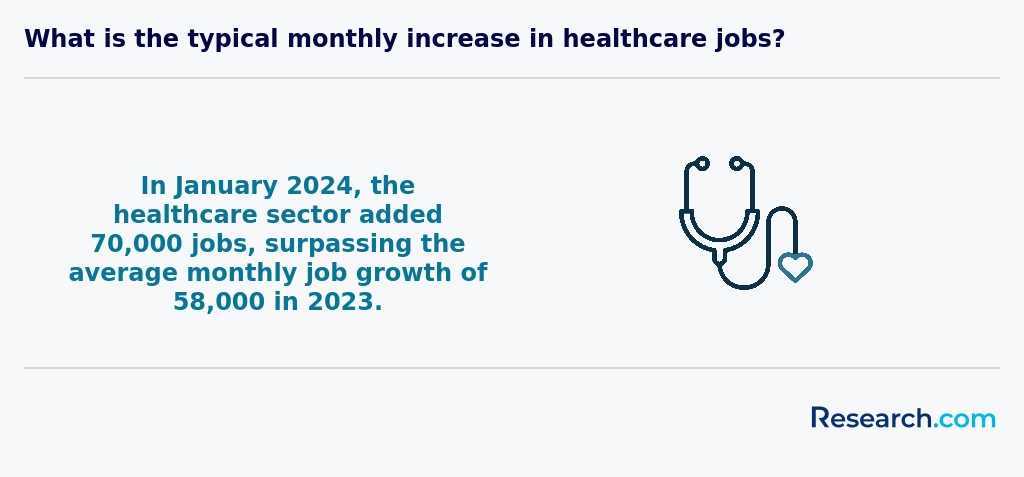
For anyone exploring Boiling Springs healthcare degree employment outlook, it's encouraging to know that nurses and allied health professionals are in high demand, thanks to the aging local population and expanding medical services. Graduates from area institutions report real-world success and competitive salaries, fueling their enthusiasm as they step into their careers.
Cost is a consideration, but many students benefit from scholarships and financial aid. For those wanting to advance efficiently, exploring adn to msn programs online can be a game-changer, opening higher-level roles faster without relocating.
Frequently Asked Questions About healthcare
Healthcare degree students in Boiling Springs can maximize their learning experience by actively engaging in clinical internships offered through local hospitals and healthcare centers. Practical training is essential in this field, and Boiling Springs benefits from proximity to several reputable facilities, including Frye Regional Medical Center. Participating in hands-on experience not only sharpens skills but also increases job market readiness.
Additionally, students should take advantage of interdisciplinary courses that blend healthcare with technology and administration, reflecting current industry trends. Local colleges often provide these options tailored to regional healthcare demands.
Networking with professionals through local healthcare associations can also enhance learning and career opportunities. Keeping up with state health statistics from the North Carolina Department of Health can help students understand community health challenges specific to Boiling Springs.
Emerging niches in healthcare are evolving rapidly across the United States, including in Boiling Springs. Areas like telehealth and digital health technology are growing, driven by increased use of remote patient monitoring and virtual care platforms. According to the US Bureau of Labor Statistics, jobs in health informatics are expected to grow 36% between 2021 and 2031, reflecting strong demand for expertise in managing health data.
Another expanding niche is geriatric care, addressing the needs of a rapidly aging population. Boiling Springs healthcare providers increasingly seek professionals skilled in chronic disease management and elder care coordination.
Additionally, behavioral health services show rising importance due to growing mental health awareness. Graduates with credentials in psychiatric nursing or substance abuse counseling find increasing opportunities locally and nationally.
Preparing for the job market after completing a healthcare degree in Boiling Springs involves several strategic steps. First, gaining practical experience through internships or clinical placements is essential. Employers in healthcare fields often prefer candidates with hands-on experience. According to the South Carolina Department of Employment and Workforce, healthcare occupations in the region are expected to grow by 15% between 2022 and 2032, highlighting strong local demand.
Networking with local healthcare providers and joining professional associations can open up job opportunities. Additionally, obtaining relevant certifications, such as CPR or specialized credentials, enhances your resume. Finally, tailoring your resume and interview skills to healthcare employers in Boiling Springs increases the chance of securing a position.
Healthcare employers in Boiling Springs prioritize a combination of technical knowledge and interpersonal skills when hiring graduates. Strong clinical skills are essential, as many local healthcare facilities emphasize evidence-based practice and patient safety standards, aligning with OSHA and Joint Commission guidelines.
Communication abilities rank highly, as professionals frequently interact with diverse patient populations and multidisciplinary teams. According to the South Carolina Department of Health and Environmental Control, effective communication directly correlates with improved patient outcomes in the region.
Additionally, employers value critical thinking and problem-solving skills to manage complex healthcare situations. Familiarity with electronic health record (EHR) systems is increasingly important due to digital health initiatives expanding in the Boiling Springs area.
Finding internships in Boiling Springs related to healthcare degrees involves targeting local medical facilities, clinics, and educational institutions. Boiling Springs is part of Cumberland County, where healthcare employers like Cape Fear Valley Health System offer internship opportunities to students. Monitoring hospital websites and local health department postings can reveal current openings. Networking with faculty advisors at schools such as Gardner-Webb University can also provide leads, as many programs maintain partnerships with nearby hospitals.
Additionally, using job portals focused on healthcare internships, such as Handshake or the National Healthcareer Association, can help identify nearby placements. It is important to apply early since internships in this competitive field often fill quickly.
Obtaining a healthcare degree in Boiling Springs significantly enhances career mobility and advancement opportunities. The local healthcare sector, including facilities like the National Whitewater Center and nearby medical centers, is growing steadily, increasing demand for qualified professionals. According to the U.S. Bureau of Labor Statistics, healthcare occupations in the Charlotte metropolitan area-which includes Boiling Springs-are projected to grow by 13% through 2032, faster than the average for all occupations.
A degree provides essential credentials required for clinical roles such as nursing, health administration, or medical technology. It also opens pathways to specialized certifications and leadership positions. Employers in Boiling Springs often prefer candidates with formal education for promotions and salary increases, making degree holders more competitive.
Furthermore, Boiling Springs' proximity to larger urban centers with advanced healthcare systems allows degree holders to access broader job markets while benefiting from local educational programs. This regional advantage supports ongoing professional growth and adaptability in a dynamic field.
Studying for a healthcare degree in Boiling Springs equips students with skills essential for interdisciplinary roles in today's integrated healthcare environment. Programs focus on collaborative learning, combining clinical knowledge with communication and teamwork skills. This approach ensures graduates can work effectively alongside doctors, nurses, social workers, and other professionals.
The curriculum often includes courses in health informatics, ethics, and management, reflecting the diverse demands of healthcare teams. Local clinical placements in Boiling Springs provide hands-on experience in settings where multiple disciplines intersect, such as hospitals and community health centers.
According to the South Carolina Department of Health and Environmental Control, interdisciplinary healthcare jobs are growing by 8% annually in the region, highlighting the demand for such versatile professionals.
Choosing between a thesis and a non-thesis healthcare degree program in Boiling Springs depends on your career goals and learning preferences. Thesis programs emphasize research skills and are ideal if you plan to pursue a doctorate or work in research. Non-thesis options focus more on practical skills and may include internships or projects, appealing to students aiming for immediate clinical or administrative roles.
Local healthcare employers in Boiling Springs often value applied experience, which non-thesis programs provide. However, for those interested in contributing to healthcare innovation, completing a thesis can offer a competitive edge.
According to the National Center for Education Statistics, thesis-based master's graduates are more likely to enter PhD programs, while non-thesis graduates commonly find employment faster.
Consider your long-term plans in Boiling Springs and seek advice from academic advisors before deciding.
Students in Boiling Springs interested in healthcare degrees have various options for studying abroad, primarily through partnerships with international universities approved by U.S. institutions. While Boiling Springs itself is served by local colleges, such as Gardner-Webb University, many students pursue study abroad programs that offer clinical experience in countries like the United Kingdom, Canada, and Australia. These programs often focus on nursing, public health, or medical technology.
According to the Institute of International Education, U.S. healthcare students increasingly participate in global health experiences to gain broader clinical skills. Boiling Springs students can benefit from exchange programs or dual degrees facilitated by their home institutions.
In sum, while the healthcare education in Boiling Springs is robust locally, expanding through study abroad can enhance clinical competencies and cultural understanding vital to modern healthcare practice.
Boiling Springs offers a variety of part-time job opportunities ideal for students pursuing healthcare degrees. Positions such as medical assistants, pharmacy technicians, and nursing aides are commonly available in local clinics and hospitals. These roles provide practical experience alongside academic learning, enhancing skills in patient care and medical procedures.
According to the U.S. Bureau of Labor Statistics, healthcare support occupations are projected to grow by 12% nationally through 2030, reflecting strong demand in areas like Boiling Springs. Part-time jobs in rehabilitation centers and private practices also allow flexible schedules for students balancing coursework.
Working in these healthcare roles enables students to build professional networks and improve job prospects after graduation, making part-time employment a strategic complement to healthcare education in Boiling Springs.
Healthcare students in Boiling Springs benefit from various networking opportunities due to the city's proximity to major medical centers and educational institutions. Local colleges often host career fairs and healthcare symposiums, connecting students with professionals from nearby hospitals and clinics.
The city's healthcare sector employs thousands, creating a vibrant community for internships and clinical placements. Organizations like the Cleveland County Medical Society offer regular meetings and events, providing students chances to meet practicing healthcare providers and experts.
Additionally, regional conferences in Charlotte, just 40 minutes away, enhance exposure to broader healthcare networks, supporting students' career growth.
Alumni networks play a significant role in supporting healthcare degree students in Boiling Springs. These networks connect current students with graduates who have practical experience in the local healthcare industry. This connection often leads to mentorship opportunities, which help students navigate academic challenges and career planning.
In addition, alumni networks provide access to job openings and internships specific to Boiling Springs. According to the South Carolina Department of Employment and Workforce, healthcare is one of the fastest-growing sectors in the region, making these connections valuable for early career placement.
Networking events and workshops hosted by alumni groups also enhance students' professional development and soft skills.
Customizing a healthcare degree program in Boiling Springs allows students to tailor their education to specific career goals within the expansive healthcare sector. Many local institutions offer flexible curricula that include electives in fields such as nursing, health informatics, or public health administration. Students can choose practical components like clinical rotations or internships, often partnered with nearby healthcare facilities, providing valuable hands-on experience.
Additionally, Boiling Springs benefits from access to regional healthcare employers, supporting specialization in areas like geriatric care or emergency services. Academic advisors typically assist in crafting personalized degree plans that align with current industry demands and certifications. According to the U.S. Bureau of Labor Statistics, healthcare occupations in the region are projected to grow faster than average, emphasizing the importance of specialized training.
Healthcare students in Boiling Springs face several notable challenges throughout their education. A primary difficulty is balancing rigorous coursework with clinical practice. Many local programs require hands-on training in healthcare settings, which can be time-consuming and physically demanding. According to data from the South Carolina Department of Health and Environmental Control, placements in nearby hospitals are competitive, limiting opportunities for some students.
Financial stress is another common issue. Tuition fees combined with living expenses create a significant burden, especially since Boiling Springs has a median household income below the state average. Scholarships and grants may be limited, increasing reliance on student loans. Additionally, students often report high levels of stress and burnout due to demanding schedules and the emotional toll of patient care education.
With a healthcare degree in Boiling Springs, graduates can pursue a variety of professional certifications to enhance their careers. Common certifications include the Certified Nursing Assistant (CNA), which is often a stepping stone for nursing roles. Additionally, Registered Nurse (RN) licensure requires passing the NCLEX-RN exam, necessary for most nursing positions.
Other certifications include the Certified Medical Assistant (CMA) and Emergency Medical Technician (EMT) credentials. Specialized certifications like the Certified Health Education Specialist (CHES) are also options for those interested in public health.
Obtaining these certifications can improve job prospects within Boiling Springs' growing healthcare industry, noted by local labor statistics showing increased demand for licensed professionals.
Writing a winning application for a healthcare program in Boiling Springs begins with understanding the local educational landscape. Programs here emphasize both academic excellence and practical experience. Highlight your relevant coursework, volunteer work, or certifications, especially those related to healthcare settings in Pennsylvania. Boiling Springs, located near several major hospitals, offers ample opportunities for clinical exposure, which admissions committees value highly.
Ensure your personal statement clearly communicates your passion for healthcare and your commitment to serving the community. According to the U.S. Bureau of Labor Statistics, healthcare jobs in Pennsylvania are projected to grow 12% from 2022 to 2032, reflecting strong demand. This data can be useful to demonstrate your knowledge of the field's opportunities.
Strong letters of recommendation from healthcare professionals or educators familiar with your skills can set you apart. Also, pay close attention to standardized test requirements and submit all materials before deadlines. Careful proofreading and clarity help convey professionalism, vital in competitive programs.
Healthcare careers are increasingly viewed through a global lens, especially as healthcare challenges cross borders. For students in Boiling Springs pursuing healthcare degrees, understanding international trends can broaden career opportunities. The US healthcare system, including institutions near Boiling Springs, emphasizes evidence-based practice and cultural competence, reflecting global standards set by organizations like the World Health Organization.
Many healthcare roles, such as nursing and public health, share transferable skills applicable worldwide. According to the Bureau of Labor Statistics, healthcare employment in the US is projected to grow 16% from 2020 to 2030, showing strong demand locally and nationally.
In Boiling Springs, programs often incorporate global perspectives to prepare graduates for diverse patient populations and potential work abroad. This approach ensures students remain competitive in an interconnected healthcare environment.
Gaining practical experience while studying for a healthcare degree in Boiling Springs is essential for building skills and improving employment prospects. Many local institutions partner with nearby hospitals, clinics, and healthcare centers to offer clinical rotations or internships. These opportunities allow students to work directly with patients under supervision, gaining hands-on experience.
Additionally, volunteering at facilities like Gibbs Cancer Center or Spartanburg Regional Healthcare System provides valuable exposure to real healthcare environments. According to the South Carolina Department of Health, healthcare internships in the region have increased by 15% in recent years, reflecting growing demand for practical training.
Students can also engage in simulation labs available at some colleges, which mimic real medical scenarios to enhance clinical skills. Combining classroom learning with these practical experiences helps prepare students to meet professional licensing requirements and excel in their future careers.
Choosing the right concentration within a healthcare degree program in Boiling Springs involves evaluating your career goals and local job market demands. According to the South Carolina Department of Employment, healthcare occupations are projected to grow by over 15% by 2030, especially in nursing and allied health roles. Researching programs that offer specializations aligned with these trends is key.
Consider factors such as program accreditation, clinical opportunities, and connections with local employers. Boiling Springs has growing needs in areas like geriatric care and medical technology, reflecting its aging population. Exploring concentrations that match these community needs can increase your chances of employment post-graduation.
Moreover, consult resources like the Bureau of Labor Statistics and local workforce boards for up-to-date salary and employment data to inform your decision.
Related Healthcare Rankings for Nearby Cities
- 2027 Best Healthcare Degree Programs Ranking in Charlotte
- 2027 Best Healthcare Degree Programs Ranking in Greensboro
- 2027 Best Healthcare Degree Programs Ranking in Knoxville
- 2027 Best Healthcare Degree Programs Ranking in Durham
- 2027 Best Healthcare Degree Programs Ranking in Charleston
- 2027 Best Healthcare Degree Programs Ranking in Harrisonburg
- 2027 Best Healthcare Degree Programs Ranking in Nashville
- 2027 Best Healthcare Degree Programs Ranking in Cincinnati
- 2027 Best Healthcare Degree Programs Ranking in Birmingham
- 2027 Best Healthcare Degree Programs Ranking in Norfolk
Top Trending Healthcare Rankings
See What Experts Have To Say About Studying Healthcare
Read our interview with Healthcare experts

References
- Boiling Springs native featured in national publication for Army’s Holistic Health and Fitness program | WITF https://www.witf.org/2025/08/22/boiling-springs-native-featured-in-national-publication-for-armys-holistic-health-and-fitness-program/
- Job-Ready Healthcare Skills for 2026 https://cliniwave.in/blogs/latest-article/job-ready-healthcare-skills
- 1+ Healthcare Cover Letter Examples (with In-Depth Guidance) https://www.tealhq.com/cover-letter-examples/healthcare
- Master’s in Healthcare Management Degrees in South Carolina - E-S - Healthcare Management Degree Guide https://www.healthcare-management-degree.net/in/south-carolina-e-s/
- Urgent Care Cost | Services FAQ Boiling Springs, SC | AFC Urgent Care https://www.afcurgentcare.com/boiling-springs/resources/faq-at-walk-in-urgent-care-clinic-boiling-springs-sc/
- Online vs Hybrid vs Campus Learning in Healthcare: Which Is Right for You? https://www.edumed.org/articles/online-vs-hybrid-vs-campus/
- Career Opportunities in Healthcare Without a Medical Degree https://www.just-medical.ch/en/blog/medical-careers-without-formal-education
- Crafting the Perfect Cover Letter for Healthcare Roles https://healthcareaustralia.com.au/news/crafting-the-perfect-cover-letter-for-healthcare-roles/
- 14 Entry-Level Healthcare Certifications | San Juan College https://www.sanjuancollege.edu/blog/entry-level-healthcare-certifications/
- Health Science - Swofford Career Center http://www.swoffordcareercenter.org/health-science


