
2027 Most Valuable Healthcare Degree Programs Ranking in Dayton

Co-Founder and Chief Data Scientist
Choosing the right healthcare degree program in Dayton can feel overwhelming. That's why this article presents the 2027 Most Valuable Healthcare Degree Programs Ranking in Dayton, thoughtfully created by the Research.com team of data scientists.
By exploring this ranking, you'll gain valuable insights to help make informed decisions about your education and future career. Pursuing a healthcare degree opens doors to rewarding opportunities and meaningful work.
Whether you're just starting or considering a change, this guide inspires confidence as you plan your next steps toward a fulfilling healthcare career.
Key benefits of getting healthcare degree in Dayton
- Healthcare degree graduates in Dayton can enjoy strong earning potential, with roles like Patient Care Technicians earning an average annual wage of $60,790 and Quality Improvement Coordinators making up to $103,150.
- Graduates from institutions like the University of Dayton can explore diverse career paths ranging from Clinical Research Coordinator to Health Information Technician, offering rewarding options in patient care and health administration.
- Choosing an online healthcare degree from schools such as Wright State University allows flexibility and convenience, helping students balance work and study without sacrificing quality education.
- Key benefits of getting healthcare degree in Dayton
- What can I expect from healthcare degree in Dayton?
- Where can I work with healthcare degree in Dayton?
- How much can I make with healthcare degree in Dayton?
- 2027 Most Valuable Healthcare Degree Programs Ranking in Dayton
- Key Findings
- How long does it take to complete healthcare degree in Dayton?
- Advanced Healthcare Degree Pathways and Affordable Online Master’s Options
- What's the difference between online and on-campus healthcare degree?
- Licensure and Certification Requirements in Ohio
- What is the average cost of healthcare degree in Dayton?
- Expanding Your Educational Horizons
- What financial aid is available to healthcare degree students in Dayton?
- Student Life and Campus Resources at Healthcare Institutions in Dayton, OH
- What are the prerequisites for enrolling in healthcare degree program in Dayton?
- Expert Insights and Future Trends in Healthcare Education
- What courses are typically in healthcare degree programs in Dayton?
- What types of specializations are available in healthcare degree programs in Dayton?
- How do you choose the best healthcare degree in Dayton?
- What career paths are available for healthcare degree students in Dayton?
- What is the job market for healthcare degree in Dayton?
- Top Trending Healthcare Rankings
- See What Experts Have To Say About Studying Healthcare
What can I expect from healthcare degree in Dayton?
When considering the cost of pursuing a healthcare degree in Dayton, many students find the average tuition remarkably reasonable. For example, graduates from Wright State University often share how manageable the annual tuition-roughly $10,000 for in-state public programs-made their educational journey less financially stressful. This affordability allows students to focus more on their studies and clinical experiences rather than worrying excessively about debt.
Financial aid opportunities and scholarships tailored to healthcare students further ease expenses, making Dayton an inviting place to build a career in health professions. After all, securing hands-on training through partnerships with local hospitals becomes even more rewarding when tuition remains accessible.
Graduates frequently recall balancing rigorous coursework with internships at prominent health systems like Premier Health, appreciating the value of cost-effective education that translates into strong job prospects in the region's thriving healthcare sector.
Where can I work with healthcare degree in Dayton?
Graduates with healthcare degrees in Dayton find a variety of rewarding career paths due to the city's vibrant healthcare ecosystem. Many former Wright State University students share how they began their careers at leading local hospitals such as Miami Valley Hospital or Dayton Children's Hospital, gaining hands-on experience as nurses, technologists, or health administrators. These institutions offer a nurturing environment where practical learning meets professional growth.
Others highlight opportunities in specialized outpatient clinics, including physical therapy and behavioral health facilities, that cater to evolving community health needs. These roles provide meaningful patient interaction and the chance to impact daily lives positively.
Long-term care and assisted living centers are also prominent employers, where graduates contribute to improving quality of life for older adults. The Dayton VA Medical Center stands out for those seeking diverse clinical and administrative roles with a strong sense of service.
Finally, public health agencies and research institutions linked to Dayton's academic community offer avenues into health policy, education, and biomedical research, allowing graduates to broaden their impact beyond traditional clinical settings.
How much can I make with healthcare degree in Dayton?
Graduates from healthcare programs in Dayton often find themselves stepping into roles with solid earning potential right after completing their degrees. For instance, medical assistants can expect an average annual wage of about $43,350, which aligns well with entry-level opportunities in local clinics and hospitals. Patient care technicians, who provide direct support in fast-paced environments, earn around $60,790 yearly, offering a reassuring start for those fresh out of school.
Health information technicians, essential for managing patient data, also earn roughly $43,380 annually, reflecting growing demand as digital healthcare expands. Meanwhile, graduates aiming higher as quality improvement coordinators have an impressive average salary of $103,150, demonstrating how advanced skills and experience bring substantial rewards.
Many students from Dayton's leading institutions, such as Sinclair Community College and the University of Dayton, report satisfaction not just with wages but with the career growth and community impact these roles afford. This grounded balance of financial and personal fulfillment often inspires confidence and pride for those embarking on their healthcare journeys locally.
2027 Most Valuable Healthcare Degree Programs Ranking in Dayton
How do we rank schools?
Investing in your education is a significant decision that can greatly influence your future, and the Research.com team is fully aware of the importance of making well-informed choices. To support prospective students in Dayton, we have diligently developed the "2027 Most Valuable Healthcare Degree Programs Ranking in Dayton." Our dedication to quality, credibility, and accuracy is demonstrated through the thorough research and careful analysis behind this ranking.
We utilized the following reputable data sources to ensure a comprehensive assessment of healthcare degree programs:
By examining this ranking, readers will receive valuable insights into the most worthwhile healthcare degree programs in Dayton, enabling them to make confident decisions about their educational and career paths. For a deeper understanding of our approach, please visit our Research.com methodology page.

.webp)
Key Findings
- Tuition for healthcare programs in Dayton ranges from about $10,000 to $25,000 per year, varying by institution type and degree level.
- Entry-level salaries for healthcare graduates average around $45,000 annually, with experienced professionals earning between $70,000 and $80,000 per year.
- The healthcare job market in Dayton is growing at an estimated rate of 12% through 2030, driven by an aging population and expanding services.
- Local hospitals and medical centers offer internships and clinical placements to provide practical training opportunities for students.
- Available healthcare programs include associate degrees in nursing, bachelor's degrees in health sciences, and certifications in radiologic technology and healthcare informatics.
How long does it take to complete healthcare degree in Dayton?
Healthcare degree completion times in Dayton reflect the diversity of educational paths and personal circumstances students bring to their journeys. Graduates from popular institutions like the University of Dayton often share how their associate degree programs in nursing or medical assisting wrapped up in about two years, providing a solid foundation and swift entry into the workforce.
Bachelor's degree students, especially those pursuing a BSN, typically invest four years, balancing coursework and clinical experiences that prepare them for the region's competitive job market. Many appreciate how schools like Wright State University offer evening and online options, allowing working adults to progress steadily without sacrificing income or family time.
For those reaching toward advanced degrees, students pursuing master's or doctoral programs describe the commitment as intense yet rewarding, often spanning two to four years beyond undergraduate study. These programs, available locally, open doors to leadership roles and specialized clinical practice, fueling a sense of accomplishment and readiness to meet Dayton's growing healthcare needs.
Advanced Healthcare Degree Pathways and Affordable Online Master’s Options
Building on a solid bachelor’s foundation, many Dayton graduates elevate their careers by pursuing master’s degrees in healthcare administration, public health, or informatics. Advanced degrees not only unlock leadership roles-such as health services manager or clinical director-but also correlate with higher earning potential and greater job security. While on-campus programs offer valuable face-to-face mentorship, online master’s pathways deliver flexibility for working professionals juggling clinical shifts or family commitments. When evaluating online programs, prospective students should compare accreditation, curriculum rigor, practicum requirements, and total cost of attendance. For those looking to minimize debt, Research.com’s Cheapest Online Master’s in Healthcare Degree Programs Ranking in Missouri offers insight into accredited institutions with the lowest tuition rates, transparent fees, and scholarship opportunities. These rankings highlight programs that balance affordability with strong job placement outcomes, ensuring that graduates can swiftly recoup educational investments through competitive salaries. Dayton professionals contemplating a master’s should also consider program length (typically 18–24 months), potential waivers for relevant work experience, and online simulation labs that replicate clinical scenarios. By choosing an accredited, cost-efficient online program, candidates can advance toward executive positions-such as chief nursing officer or public health program manager-while maintaining their local healthcare engagements and personal schedules.
What's the difference between online and on-campus healthcare degree?
The difference between online and on-campus healthcare degrees in Dayton centers on experience and accessibility. Graduates from Wright State University often recall the invaluable hands-on training they received through clinicals and labs, which the traditional classroom setting supported with immediate faculty guidance. This face-to-face interaction builds confidence, especially in demanding fields like nursing or physical therapy.
In contrast, graduates from University of Dayton's online programs appreciate the flexibility to balance family and work while pursuing their degree. Although online students complete coursework remotely, they still engage in essential in-person clinicals coordinated locally, ensuring practical skills aren't compromised. This hybrid model offers a blend of convenience with real-world training.
Both paths require commitment and time management but differ greatly in structure. On-campus learners thrive with scheduled routines and peer support, while online learners develop independence and discipline. Considering these factors can help Dayton students choose the path best suited to their lifestyle and learning preferences.
Licensure and Certification Requirements in Ohio
Healthcare graduates in Dayton, OH must obtain state licensure and, in many cases, national certification before they can practice. The Ohio Department of Higher Education oversees program approval, while the Ohio Board of Nursing, Medical Board of Ohio, and other specialized boards regulate licensure exams, application fees, and renewal processes. For example, aspiring registered nurses must pass the NCLEX-RN within two years of graduation and complete 24 contact hours of continuing education every three years to maintain their license. Beyond state licenses, many roles require third‐party certifications to demonstrate specialized expertise. Medical coders and billers often pursue credentials such as the Certified Professional Coder (CPC) or Certified Coding Specialist (CCS). To streamline your preparation and reduce costs, consider exploring the most affordable online medical billing and coding courses, which combine self-paced study with exam-focused content. Key certification bodies and their requirements:
- American Nurses Credentialing Center (ANCC): Offers specialty certifications (e.g., CPNP, CCRN) requiring clinical hours and board‐approved exam passage.
- American Health Information Management Association (AHIMA): Provides RHIA and RHIT credentials after completing an accredited health information program and passing the national exam.
- National Board for Certification in Occupational Therapy (NBCOT): Requires a bachelor’s or master’s in occupational therapy plus successful completion of the NBCOT exam. License renewal in Ohio typically occurs biennially and mandates proof of continuing education (CE). Failure to renew on time can result in lapsed licensure and require reapplication. Graduates should consult their respective Ohio licensing board websites for specific deadlines, fee schedules, and acceptable CE activities to ensure uninterrupted practice.
What is the average cost of healthcare degree in Dayton?
In Dayton, the average cost of a healthcare degree reflects the balance between quality education and the region's affordable tuition rates. Those pursuing healthcare degree tuition and fees Dayton can typically expect a median total cost around $50,406, with significant variation depending on residency status and institution. For in-state students, the median total cost can be about $30,331, making local public universities and colleges appealing options for many. Graduates of these programs often recall the relief of managing reasonable tuition while gaining hands-on experience in well-regarded clinical settings.
Students from Wright State University, a popular choice for healthcare studies in Dayton, frequently share how in-state tuition budgets allowed them to focus more on clinical learning rather than financial stress. Meanwhile, those attending private or out-of-state institutions faced higher costs but benefited from extensive resources and advanced facilities tailored to healthcare training. This interplay of cost and educational value is central when evaluating the average cost of healthcare degrees in Dayton.
Moreover, considering the real expenses beyond tuition-such as textbooks, equipment, and clinical placement fees-is essential. Dayton students often find financial aid and scholarships crucial in balancing these costs, enabling them to pursue their passion in nursing, healthcare management, or allied health fields. For a clear understanding of the most advantageous paths, exploring the valuable healthcare schools in ohio can offer practical insights and opportunities aligned with personal and financial goals.
Expanding Your Educational Horizons
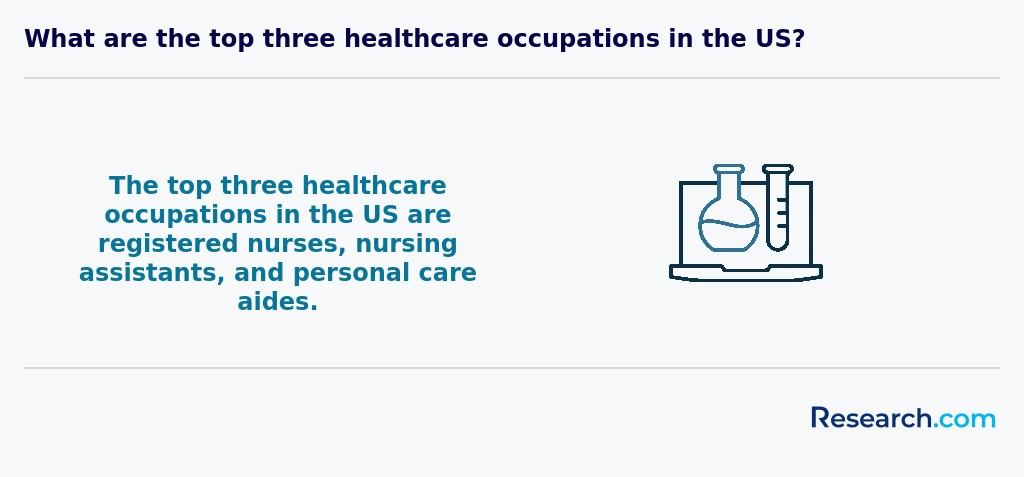
In addition to traditional degree programs, exploring additional educational pathways can further enhance your career in healthcare. Many professionals benefit from certifications, specialized training, and complementary studies that help them stay current with industry advancements and broaden their expertise. For example, integrating courses in nutritional science can offer a holistic approach to patient wellness and preventive care. Those interested in diversifying their skill set might consider exploring the best bachelors degrees in nutritional science online, which provide flexible, in-depth online programs designed to complement a healthcare career. This approach not only enriches your professional profile but also opens the door to interdisciplinary opportunities and leadership roles in the ever-evolving healthcare landscape. By combining traditional degree programs with specialized certifications and complementary studies, you can position yourself as a well-rounded candidate in a competitive job market while continuously advancing your expertise and career potential.
What financial aid is available to healthcare degree students in Dayton?
Many healthcare students in Dayton find that federal aid forms the backbone of their financial support. Completing the FAFSA opens doors to Pell Grants and subsidized Stafford Loans, which often ease the burden significantly. One graduate from a well-known Dayton community college shared how a subsidized loan allowed focus on studies without the immediate pressure of accruing interest.
State resources, like the Ohio College Opportunity Grant, supplement this aid, especially for residents attending local institutions such as Sinclair Community College or the University of Dayton. These grants bring relief to families with modest incomes, making healthcare education feel more attainable.
Institutional scholarships also play a pivotal role; Dayton-area universities frequently offer tailored awards for nursing or radiology students based on merit or need. Past recipients recall the pride and motivation that came from earning scholarships tied directly to their chosen fields.
Additionally, some local healthcare employers provide tuition reimbursement, encouraging ongoing education in specialized areas. Graduates often express gratitude for such programs that relieve financial stress while advancing their careers.
Student Life and Campus Resources at Healthcare Institutions in Dayton, OH
Beyond rigorous academics and promising career outcomes, the day-to-day student experience plays an essential role in shaping a successful journey in healthcare education. In Dayton, OH, many institutions provide robust support systems and vibrant campus environments designed to help students thrive both academically and personally. Students regularly comment on the accessibility of career centers, health and wellness programs, and extracurricular clubs that focus on community service and real-world healthcare experiences. These resources not only enhance learning but also foster lasting professional networks and personal growth. Moreover, prospective students can explore insights about institutions offering comprehensive support and community engagement by checking out the valuable healthcare schools in ohio. Whether it’s tutoring services, mentoring programs, or access to state-of-the-art simulation labs, the enriching campus life in Dayton creates an environment where future healthcare professionals feel supported and prepared to embrace the challenges of the industry.
What are the prerequisites for enrolling in healthcare degree program in Dayton?
Enrolling in a healthcare degree program in Dayton means preparing yourself with a solid science foundation. Graduates from Wright State University often recall how strong backgrounds in biology, chemistry, and math smoothed their transition into challenging healthcare courses. A high school diploma with relevant coursework is essential for undergraduates, while those seeking specialized nursing or allied health degrees usually complete prerequisite college classes like anatomy and physiology before applying.
Many students appreciate the clarity a minimum GPA requirement, typically between 2.5 and 3.0, brings. It sets a realistic goal that signals readiness for the demanding curriculum ahead. Admissions also often consider standardized test scores, although some Dayton institutions now offer test-optional paths, creating a less stressful application experience.
Beyond academics, successful applicants highlight the importance of communication skills and critical thinking, qualities assessed through interviews or essays. Wright State graduates often mention how demonstrating empathy and commitment during admissions conversations positively influenced their acceptance. Understanding and completing health clearances, like background checks and immunizations, is another practical step before participating in clinical placements-vital for protecting patients and oneself in the Dayton healthcare community.
Expert Insights and Future Trends in Healthcare Education
As the healthcare landscape rapidly evolves, understanding future trends is crucial for prospective students in Dayton, OH. Experts in the field emphasize the increasing role of advanced technologies, telemedicine, and data analytics in shaping healthcare delivery and education. This section highlights emerging trends, regulatory changes, and innovative learning models that can directly impact career outcomes after graduation. Studies show that graduates who stay abreast of technological advances and pursue continuous learning are better positioned to navigate dynamic healthcare environments. For instance, simulation-based training and virtual labs are gaining popularity, enabling hands-on experiences without the constraints of traditional clinical settings. In addition, interdisciplinary approaches that combine healthcare with IT and business management are becoming essential, as they equip students with the versatility needed in today's digital age. Local institutions are integrating these trends into their curricula, ensuring that students gain exposure to real-world applications and networking opportunities with industry leaders. This forward-thinking approach not only enhances job readiness but also fosters a culture of innovation and lifelong learning. For further details on how these trends translate into educational value, you might explore our comprehensive guide on valuable healthcare schools in ohio. By understanding these expert insights and future trends, prospective healthcare students can make well-informed decisions that align with both current industry demands and long-term career aspirations.
What courses are typically in healthcare degree programs in Dayton?
Healthcare degree programs in Dayton consistently focus on a well-rounded curriculum that prepares students for the realities of local healthcare demands. Graduates from institutions like Wright State University often reflect on how courses in anatomy and physiology gave them a clear, tangible understanding of the human body, which translated directly into confidence during clinical rotations at Dayton's major hospitals.
Complementing this foundational knowledge, microbiology and biochemistry classes typically deepen students' awareness of disease mechanisms and chemical processes-elements essential when handling patient care or interpreting lab results. Many find that healthcare ethics and law courses resonate with their experiences in Dayton's diverse healthcare settings, offering guidance on patient rights and the complex regulatory environment.
Healthcare informatics is another vital component, empowering students to navigate electronic health records with ease-a skill highly valued in Dayton's technologically advanced medical institutions. Hands-on courses covering clinical skills, pharmacology, and nutrition also enrich the learning journey, equipping future professionals to deliver compassionate and evidence-based care.
What types of specializations are available in healthcare degree programs in Dayton?
Healthcare degree specializations in Dayton Ohio offer a practical and comprehensive range of options that reflect both local needs and national trends. Graduates commonly recall how programs at Sinclair Community College or Wright State allowed them to dive deeply into fields like nursing-ranging from registered nurse tracks to advanced pathways like nurse practitioner roles. This hands-on approach, especially in nursing and allied health, is strengthened by partnerships with Dayton Children's Hospital and Miami Valley Hospital, providing real-world experience that many students find invaluable.
Other popular specializations include health information management, which attracts those passionate about technology and patient data, as well as public health, where graduates feel a strong sense of community impact through epidemiology and policy work. For students aiming at administrative roles, healthcare administration offers vital leadership skills necessary to manage clinics and hospitals. Those interested in rehabilitation often select physical or occupational therapy, discovering fulfilling careers focused on patient mobility.
Choosing the right specialization can be a transformative experience. Many Dayton students find guidance through exploring options like the best bachelors degrees in nutritional science online, which complement healthcare studies. Understanding the top healthcare programs and specializations Dayton can enhance your preparedness for a rewarding career aligned with your passion and skills.
How do you choose the best healthcare degree in Dayton?
Choosing the best healthcare degree in Dayton begins with reflecting on your career goals and understanding the local healthcare landscape. Graduates from popular colleges here often emphasize the value of accredited programs that connect theory with real hospital experience, enhancing confidence and employability. Many highlight how courses in nursing or health administration offered by Dayton universities prepared them through strong clinical placements at nearby hospitals, which is vital in this region's growing healthcare sector.
Affordability also plays a crucial role. Students pursuing affordable healthcare degrees Dayton Ohio appreciate programs at community colleges or technical schools that balance cost with quality. Comparing tuition with potential outcomes-including licensure success and job prospects shared by local alumni-helps in making wise financial choices. For those considering alternative paths, exploring the most affordable online medical billing and coding courses can offer flexible entry points into healthcare without the burden of high tuition.
What career paths are available for healthcare degree students in Dayton?
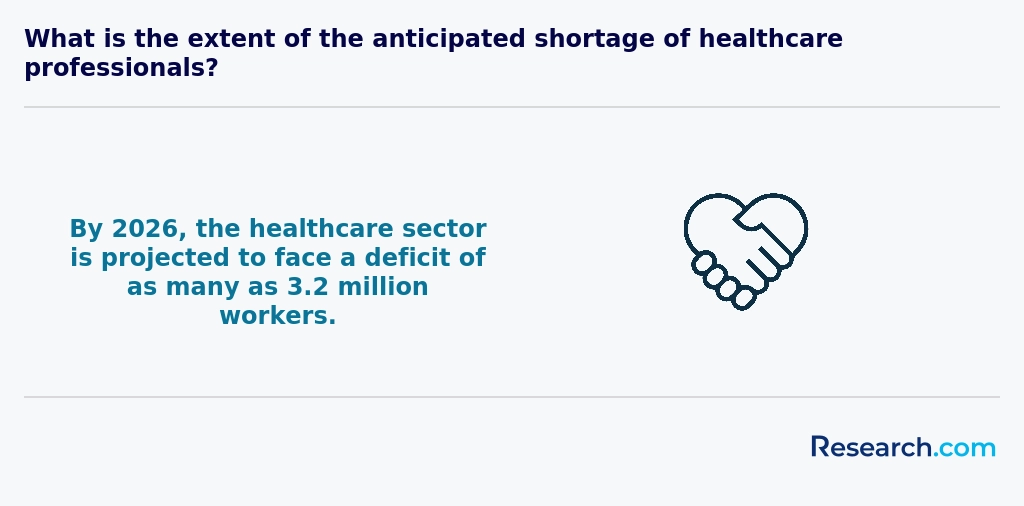
Graduates with a healthcare degree in Dayton find themselves stepping into diverse and meaningful career paths that reflect the city's strong healthcare ecosystem. Many choose to become registered nurses, joining a workforce supported by institutions like Miami Valley Hospital, where practical training from local colleges blends theory with hands-on experience. Others pursue roles as medical and health services managers, guiding teams within Dayton's expanding healthcare facilities and improving patient care efficiency.
For those interested in rehabilitation, careers as physical or occupational therapists offer rewarding opportunities, demanding further education but yielding satisfying results and salaries above $85,000 nationally. Technologists and technicians also form a vital part of Dayton's healthcare network, often entering the field through associate degrees and contributing in labs and imaging centers. Public health professionals engage deeply with community wellness, an area growing in relevance through local public health programs.
Looking for affordable educational paths, many students appreciate options like those outlined in the Cheapest Online Master's in Healthcare Degree Programs Ranking in Missouri when planning their future. These varied healthcare degree jobs in Dayton present a promising landscape for career opportunities for healthcare graduates Dayton who value both stable employment and personal fulfillment.
What is the job market for healthcare degree in Dayton?
The healthcare job opportunities Dayton offers are encouraging for graduates who have earned degrees from local institutions such as Wright State University or Sinclair Community College. Many graduates recall stepping into their first roles at Miami Valley Hospital or Dayton Children's Hospital, where demand for skilled nurses and medical technologists remains consistently high. These real-life experiences show how the region's healthcare sector, including outpatient care and home health services, creates a dynamic and supportive job market.
Those pursuing degrees in healthcare administration or physical therapy find the employment outlook bright, thanks to Dayton's diverse healthcare landscape. Graduates often emphasize that gaining hands-on experience through local internships and apprenticeships was key to their smooth transition into full-time roles. For anyone weighing costs and benefits, Dayton's generally affordable tuition rates help balance the investment in education with promising career returns.
Students considering further education often explore options like 1 year master programs online to enhance career potential while maintaining flexibility. Overall, choosing to study in Dayton aligns well with steady job growth and opportunities that feel attainable and rewarding for many healthcare graduates.
Frequently Asked Questions About healthcare
Healthcare degree students in Dayton can maximize their learning by actively engaging in clinical experiences offered through local hospitals like Miami Valley Hospital, recognized for its strong healthcare training programs. Dayton's proximity to reputable medical centers allows students to apply theoretical knowledge in real-world settings, enhancing practical skills.
Additionally, students should take advantage of Dayton-area internships and cooperative education opportunities. According to the U.S. Bureau of Labor Statistics, hands-on experience significantly boosts employment prospects in healthcare fields. Networking with professionals at Dayton's healthcare conferences and workshops also broadens career understanding and builds connections.
Finally, utilizing resources at accredited institutions such as Wright State University, which offers specialized healthcare programs, supports academic success through tutoring and research access.
The healthcare field in Dayton is expanding into several emerging niches driven by evolving technologies and population needs. One rapidly growing area is telehealth, which has seen increased adoption due to its convenience and expanded access to care. According to Dayton regional health reports, telemedicine usage grew by over 30% between 2020 and 2023.
Another emerging niche is health informatics, where professionals analyze health data to improve patient outcomes. The rising number of hospitals and clinics in Dayton is driving demand for experts in electronic health records (EHR) management.
Additionally, geriatric care is gaining focus, reflecting Ohio's aging population. Specializations in elder care management and chronic disease prevention are becoming important parts of healthcare education in the region.
After earning a healthcare degree in Dayton, effective preparation for the job market is essential. Graduates should start by obtaining relevant certifications, such as CPR or specialized licenses, which improve employability in local hospitals and clinics. Dayton's healthcare sector is growing, with institutions like Miami Valley Hospital and Dayton Children's Hospital frequently hiring skilled professionals.
Networking also plays a pivotal role. Joining local healthcare associations or attending job fairs can connect graduates with Dayton employers actively searching for new talent. According to the Ohio Department of Jobs and Family Services, healthcare roles in the Dayton area are projected to increase by 12% through 2030, signaling strong demand.
Internships or volunteer work within Dayton's healthcare facilities can offer practical experience and improve job prospects. Additionally, tailoring resumes and practicing interview skills focused on healthcare settings can give candidates a competitive edge in this busy job market.
Employers in Dayton increasingly prioritize healthcare graduates with strong clinical skills coupled with effective communication abilities. According to the Dayton Area Hospital Association, 85% of local healthcare providers emphasize patient interaction and teamwork as essential competencies.
Technical proficiency in electronic health records (EHR) systems is another critical skill. The integration of EHRs in Dayton's medical facilities means familiarity with software like Epic or Cerner is often required.
Problem-solving and adaptability rank highly, especially given the evolving healthcare landscape and challenges from the COVID-19 pandemic. Graduates demonstrating these traits tend to excel in Dayton's competitive job market.
Finally, employers value cultural competence, reflecting Dayton's diverse patient population, to ensure inclusive and sensitive care.
Finding healthcare internships in Dayton involves leveraging local healthcare institutions and educational resources. Dayton is home to several major hospitals, including Miami Valley Hospital and Dayton Children's Hospital, which frequently offer internship programs for healthcare students.
Students should connect with college career centers, such as those at the University of Dayton or Sinclair Community College, which provide listings and partnerships with local health providers. Networking through professional organizations like the Ohio Hospital Association can also open doors.
Online platforms such as Handshake and local job boards often list paid and unpaid internships in Dayton's healthcare sector. According to the Dayton Development Coalition, healthcare is one of the city's largest employment sectors, increasing internship availability.
Obtaining a healthcare degree in Dayton significantly enhances career mobility and advancement opportunities. Dayton's healthcare sector, including large employers such as Premier Health and Dayton Children's Hospital, is expanding, with a 15% projected job growth in healthcare occupations through 2030 according to the U.S. Bureau of Labor Statistics. This growth creates demand for skilled professionals with formal education.
A healthcare degree provides specialized knowledge and credentials required for licensure and certification, which are essential for career progression in fields like nursing, medical technology, and health administration. Graduates often find it easier to transition into higher-paying roles or different specialties within the healthcare industry.
Local job market data from OhioMeansJobs shows that Dayton healthcare employers prioritize candidates with accredited degrees, increasing chances of promotion. Furthermore, continuing education opportunities in Dayton support degree holders aiming for leadership or advanced clinical roles.
Studying for a healthcare degree in Dayton equips students for interdisciplinary roles by emphasizing collaborative learning and practical experience. Local institutions often incorporate coursework that integrates nursing, public health, and healthcare administration, reflecting the growing trend toward team-based care. The Dayton region hosts diverse healthcare facilities, such as Premier Health and Dayton Children's Hospital, providing students with hands-on training in environments that foster coordination among different healthcare professionals.
According to the Ohio Department of Higher Education, Dayton institutions have increasingly focused on interprofessional education to prepare graduates for careers requiring communication across disciplines. This approach improves patient outcomes and operational efficiency, critical in today's complex healthcare settings.
Choosing between a thesis and a non-thesis healthcare degree program in Dayton depends largely on your career goals and learning preferences. Thesis programs typically involve conducting original research, which suits students aiming for academic, research, or clinical leadership roles. A thesis can demonstrate critical thinking and expertise in a specialized area, valued by employers and doctoral programs.
Non-thesis options focus more on coursework and practical skills, ideal for students looking to enter the healthcare workforce quickly or advance in administrative roles. Dayton's healthcare job market continues to grow, with an expected 7% increase in health-related jobs by 2028 according to the Ohio Department of Job and Family Services, favoring practical skills.
Consider your interest in research, time commitment, and future plans when deciding between these paths.
Students in Dayton interested in studying healthcare abroad have several pathways to consider. Many institutions in Dayton, such as Wright State University, offer study abroad programs and international internships focused on healthcare fields. These programs often include partnerships with universities in Europe, Asia, and Latin America. Participation in such programs allows students to gain global health perspectives and clinical experience outside the U.S.
Additionally, students may pursue degrees at international universities recognized by U.S. medical boards, which is important for licensure. Dayton students should consult their academic advisors and organizations like the Institute of International Education for guidance on accredited programs and scholarships supporting overseas study in healthcare.
Dayton offers several part-time job opportunities that can complement healthcare degree education effectively. Positions such as medical assistant, pharmacy technician, or certified nursing assistant (CNA) provide practical experience while students study. According to the U.S. Bureau of Labor Statistics, Dayton's healthcare support roles have a projected growth of 15% from 2022 to 2032, indicating robust demand.
Local hospitals like Dayton Children's and Premier Health employ many students in part-time roles. These jobs enhance clinical skills and improve patient interaction, which are essential for healthcare professionals.
Additionally, part-time work in medical offices or community health programs helps students understand administrative and outreach aspects of healthcare delivery in Dayton.
Healthcare students in Dayton benefit from numerous networking opportunities through local universities, hospitals, and professional organizations. Institutions such as Wright State University host healthcare career fairs and alumni events, connecting students with employers like Premier Health and Dayton Children's Hospital. These events often attract hundreds of participants, fostering valuable relationships for internships and job placements.
Additionally, Dayton's healthcare sector employs over 50,000 professionals, creating a vibrant community for students to engage in mentorship programs and workshops. The Dayton Area Healthcare Academy also offers collaborative programs designed to build connections among students, faculty, and industry experts.
Alumni networks play a crucial role for healthcare degree students in Dayton by providing access to professional connections within the local medical community. Many Dayton-area healthcare employers value recommendations and referrals from established graduates, enhancing job placement opportunities.
These networks often offer mentorship programs, where experienced alumni guide current students through challenges such as clinical rotations and licensure exams. According to Dayton Regional Healthcare Workforce, over 70% of healthcare graduates in the area find employment within six months, partly due to strong alumni support.
Additionally, alumni events and seminars often share insights on emerging healthcare trends specific to Dayton, helping students stay informed and competitive in the workforce.
Customizing a healthcare degree program in Dayton allows students to align their education with specific career goals. Many local colleges and universities offer flexible curricula, including elective courses and specialization tracks in areas like nursing, health administration, or medical technology.
Students can also pursue dual degrees or certifications that complement their primary field, such as healthcare informatics or public health, enhancing job prospects in Dayton's growing healthcare sector. Dayton's healthcare industry employs over 50,000 professionals, according to the Dayton Development Coalition, underscoring diverse career pathways.
Additionally, practical experience through internships or clinical placements in Dayton-area hospitals significantly boosts readiness for specific roles.
Healthcare students in Dayton commonly face several challenges as they pursue their degrees. One major difficulty is balancing rigorous coursework with clinical rotations, which demand significant time and energy. According to the Ohio Board of Nursing, clinical placement availability can be competitive, sometimes delaying hands-on experience.
Financial strain is another concern, with many students relying on loans to cover tuition and living expenses. The cost of healthcare programs often exceeds $20,000 per year at local institutions, contributing to student debt.
Mental health issues are increasingly reported, as stress and burnout among Dayton's healthcare students mirror national trends documented by the American Psychological Association.
With a healthcare degree in Dayton, you can pursue several professional certifications that enhance your career prospects. Common certifications include Certified Nursing Assistant (CNA), Registered Nurse (RN), and Licensed Practical Nurse (LPN), all vital in local hospitals like Miami Valley Hospital.
For those interested in allied health, certifications such as Medical Assistant (CMA) or Pharmacy Technician (CPhT) are popular. Dayton's growing healthcare sector supports demand for these roles.
Additionally, certifications in health information management, like Registered Health Information Technician (RHIT), are valuable due to the region's expansion in healthcare data management.
The Ohio Board of Nursing and professional bodies like the American Health Information Management Association provide the necessary guidelines and testing.
Applying to healthcare programs in Dayton requires careful preparation to stand out among a competitive pool of candidates. Start by researching local institutions such as Wright State University and University of Dayton, which offer reputable healthcare degrees. Admissions committees typically look for a strong academic record, particularly in science courses like biology and chemistry.
Highlight any relevant clinical experience or volunteer work in healthcare settings, which demonstrates your commitment and hands-on understanding of the field. According to Dayton Regional STEM School data, practical experience can significantly boost your chances.
Craft a clear, concise personal statement explaining your motivation to pursue healthcare, linking it to local community needs. Also, ensure your application is free from errors and tailored to each program's specific requirements.
Global perspectives on a healthcare career highlight the growing demand for skilled professionals worldwide, including in the United States. Healthcare occupations are projected to grow 13% from 2021 to 2031, according to the U.S. Bureau of Labor Statistics. Dayton reflects this trend, with local hospitals and clinics frequently seeking qualified graduates to meet expanding health needs.
Internationally, healthcare careers emphasize interdisciplinary skills and cultural competence, which align closely with U.S. education standards. Graduates from Dayton's programs can expect opportunities in diverse settings, from urban hospitals to global health organizations.
Additionally, Dayton's proximity to research institutions fosters participation in innovative healthcare practices valued globally.
Gaining practical experience while studying for a healthcare degree in Dayton involves engaging in clinical internships, volunteer work, and cooperative education programs offered by local institutions. Many Dayton colleges partner with nearby hospitals, such as Miami Valley Hospital and Dayton Children's Medical Center, providing students hands-on training in real healthcare settings.
Clinical rotations, often required in nursing and allied health programs, help students apply classroom knowledge to patient care. Additionally, Dayton's growing healthcare sector, which according to the Dayton Development Coalition employs over 30,000 professionals, offers ample opportunities for shadowing and externships.
Volunteering with community health organizations or participating in research projects at universities can further enhance practical skills while building professional networks.
Choosing the right concentration within a healthcare degree program in Dayton requires careful consideration of local industry demands and personal interests. Dayton's healthcare sector is growing, with a 10% employment increase projected by the U.S. Bureau of Labor Statistics through 2030, particularly in nursing, medical assisting, and health information technology. Students should evaluate concentrations that align with these growth areas to improve job prospects.
It is also important to consider the specialized accreditation of programs, such as CAHIIM for health informatics or CCNE for nursing, which ensures quality education aligned with Dayton's healthcare standards. Exploring clinical opportunities at major Dayton hospitals like Miami Valley Hospital can enhance practical experience.
Finally, assess your long-term career goals and preferred work environment, whether patient care, administration, or technology-driven roles. Connecting with Dayton-area healthcare professionals and academic advisors can offer invaluable guidance tailored to your ambitions and regional opportunities.
Related Healthcare Rankings for Nearby Cities
- 2027 Most Valuable Healthcare Degree Programs Ranking in Indianapolis
- 2027 Most Valuable Healthcare Degree Programs Ranking in Louisville
- 2027 Most Valuable Healthcare Degree Programs Ranking in Detroit
- 2027 Most Valuable Healthcare Degree Programs Ranking in Chicago
- 2027 Most Valuable Healthcare Degree Programs Ranking in Grand Rapids
- 2027 Most Valuable Healthcare Degree Programs Ranking in Peoria
- 2027 Most Valuable Healthcare Degree Programs Ranking in Saint Louis
- 2027 Most Valuable Healthcare Degree Programs Ranking in Washington
- 2027 Most Valuable Healthcare Degree Programs Ranking in Baltimore
- 2027 Most Valuable Healthcare Degree Programs Ranking in Atlanta
Top Trending Healthcare Rankings
See What Experts Have To Say About Studying Healthcare
Read our interview with Healthcare experts

References
- How to Set and Achieve Career Goals in Health and Social Care | Royal Open College https://royalopencollege.org/blog/health-and-social-care/how-to-set-and-achieve-career-goals/
- The Importance of Career Growth in Healthcare https://www.frontlinerecruitmentgroup.com/resources-hub/the-importance-of-career-growth-in-healthcare/
- Potential Healthcare Management Career Paths https://www.coloradotech.edu/degrees/studies/healthcare/articles/healthcare-management-career-paths
- Course Benefits https://www.premedprojects.co.uk/hospital-work-experience-benefits
- Healthcare Assistant Cover Letter Templates | myPerfectCV https://www.myperfectcv.co.uk/cover-letter/examples/healthcare-assistant-cover-letter
- Niche Market Opportunities Research Among Healthcare Professionals (A Decision Analyst Case History https://www.decisionanalyst.com/casestudies/nichemarketopportunities/
- Global Health Perspectives https://globalhealthperspectives.com/
- Overcoming Common Challenges in Nursing School: Tips for Success - American Healthcare Institute https://amhealthinstitute.com/blog/overcoming-common-challenges-in-nursing-school-tips-for-success/
- Global Health Perspectives https://www.denvercollegeofnursing.edu/students/global-health-perspectives.html
- Health Management Careers https://www.ache.org/Career-Resources/Start-Your-Career/Health-Management-Careers


