
2027 Most Affordable Healthcare Degree Programs Ranking in Raleigh

Co-Founder and Chief Data Scientist
Choosing the right healthcare degree program in Raleigh can feel overwhelming, but it doesn't have to be. This article introduces the 2027 Most Affordable Healthcare Degree Programs Ranking in Raleigh, created by the Research.com team of data scientists to help you make an informed decision.
Whether you're just starting out or looking to advance your career, exploring affordable options is key. Getting a healthcare degree opens up rewarding opportunities to make a real difference in people's lives while building a stable future.
Read on to discover programs that balance quality and cost, helping you take the next step confidently.
Key benefits of getting healthcare degree in Raleigh
- Healthcare degree graduates in Raleigh can expect competitive salaries, such as $43,350 annually for Medical Assistants and $60,790 for Patient Care Technicians, reflecting strong local demand.
- A healthcare degree opens doors to diverse roles from Clinical Research Coordinators to Quality Improvement Coordinators, offering graduates meaningful and varied career paths in Raleigh's vibrant healthcare community.
- Studying healthcare online, as many Raleigh-based students do, provides flexible schedules and the chance to balance work and life while gaining recognized credentials efficiently and comfortably.
- Key benefits of getting healthcare degree in Raleigh
- What can I expect from healthcare degree in Raleigh?
- Where can I work with healthcare degree in Raleigh?
- How much can I make with healthcare degree in Raleigh?
- 2027 Most Affordable Healthcare Degree Programs Ranking in Raleigh
- Key Findings
- How long does it take to complete healthcare degree in Raleigh?
- Return on Investment: Calculating Payback for Healthcare Degrees in Raleigh
- What's the difference between online and on-campus healthcare degree?
- What is the average cost of healthcare degree in Raleigh?
- Accreditation and Program Quality: Why It Matters for Your Healthcare Education
- What financial aid is available to healthcare degree students in Raleigh?
- Internship and Clinical Placement Opportunities
- What are the prerequisites for enrolling in healthcare degree program in Raleigh?
- Student Life and Campus Experience in Raleigh, NC
- What courses are typically in healthcare degree programs in Raleigh?
- What types of specializations are available in healthcare degree programs in Raleigh?
- How do you choose the best healthcare degree in Raleigh?
- What career paths are available for healthcare degree students in Raleigh?
- What is the job market for healthcare degree in Raleigh?
- Top Trending Healthcare Rankings
- See What Experts Have To Say About Studying Healthcare
What can I expect from healthcare degree in Raleigh?
Imagine stepping onto a campus like one of Raleigh's community colleges, where earning an associate degree in medical assisting feels like a gateway to a future filled with hands-on care and vibrant clinic hallways. The average cost here is often a breath of fresh air-much more affordable-letting students stretch their budgets and focus on learning instead of looming debt. Graduates from these programs frequently recall the peace of mind knowing their educational investment was manageable, often under $5,000 per year for tuition.
At universities offering bachelor's healthcare degrees, like those known for nursing or public health in Raleigh, invest a bit more-typically ranging between $8,000 to $15,000 annually. Yet, these costs open doors to partnerships with major local hospitals, where many recall how clinical rotations weren't just classes but real-life stories of healing, teamwork, and growth. Students feel charged with purpose, supported by mentoring networks that transform cost into meaningful opportunity in a city buzzing with healthcare innovation.
Where can I work with healthcare degree in Raleigh?
Graduates from healthcare programs at Raleigh's well-known universities often find themselves stepping into bustling hospital corridors, joining teams at places like Duke University Health System or WakeMed Health & Hospitals. Imagine the excitement of starting a shift as a registered nurse, surrounded by skilled professionals passionate about patient care and innovation.
Others venture into outpatient clinics or home health care, drawn by the chance to build close, meaningful relationships while supporting an aging community. These roles aren't just jobs-they're opportunities to bring comfort and hope directly into people's lives.
Some graduates discover careers within public health agencies, crafting programs that fight disease and teach better living habits across Raleigh's neighborhoods. Meanwhile, those fascinated by technology dive into the dynamic Research Triangle Park, working on cutting-edge biomedical research or healthcare data analytics that could redefine patient care for decades.
For graduates who love teaching or management, Raleigh's educational institutions and long-term care facilities offer rewarding paths where shaping future healthcare heroes is the daily mission. Here, purpose and passion meet in real, impactful ways.
How much can I make with healthcare degree in Raleigh?
Diving into a healthcare degree in Raleigh can feel like unlocking a treasure chest of career and salary possibilities. Graduates from local universities often find themselves stepping into roles where the paycheck mirrors their hard work and education. For instance, a fresh medical assistant might earn around $43,350 annually, which is a solid start while gaining hands-on experience.
Picture a clinical research coordinator balancing lab work and patient care, pulling in the same $43,350 yearly wage-proof that research and frontline skills pay off. Meanwhile, those who become patient care technicians enjoy a bump up to about $60,790, reflecting both valuable skills and demand in Raleigh's bustling healthcare scene.
Ambitious grads aiming to climb might land as quality improvement coordinators, where the average annual wage leaps impressively to $103,150. These roles blend leadership and healthcare know-how, rewarding advanced training often supported by programs at Raleigh's top colleges.
This spectrum of earnings shows how Raleigh's healthcare education ecosystem actively supports graduates turning degrees into livelihoods, blending thriving employers like UNC Health and WakeMed with rewarding salaries.
2027 Most Affordable Healthcare Degree Programs Ranking in Raleigh
How do we rank schools?
Investing in your education is a significant decision that can shape your future, and the Research.com team understands the importance of making informed choices. To assist prospective students in Raleigh, we have meticulously crafted the "2027 Most Affordable Healthcare Degree Programs Ranking in Raleigh." Our commitment to quality, credibility, and accuracy is reflected in the extensive research and analysis conducted to compile this ranking.
We utilized the following reputable data sources to ensure a comprehensive evaluation of healthcare programs:
By exploring this ranking, readers will gain valuable insights into the most affordable and credible healthcare degree programs in Raleigh, empowering them to make well-informed decisions about their educational journey. For more details on our methodology, please visit our Research.com methodology page.


Key Findings
- Annual tuition for public universities in Raleigh ranges from $9,000 to $12,000 for in-state undergraduates.
- Private and specialized healthcare schools may charge between $20,000 and $30,000 per year, with additional costs of $3,000 to $5,000 for fees and supplies.
- Starting salaries for recent healthcare graduates in Raleigh typically range from $50,000 to $60,000 annually.
- Mid-career healthcare professionals can earn between $75,000 and $100,000 per year.
- Raleigh's healthcare job market is growing faster than the national average, with strong demand in nursing, physical therapy, and health information management.
How long does it take to complete healthcare degree in Raleigh?
Finishing a healthcare degree in Raleigh feels like navigating a vibrant, winding path tailored to your ambition and pace. Imagine a graduate from Wake Technical Community College proudly clocking just two years to earn their associate degree, fully immersed in practical skills that quickly launched their nursing career. Over at North Carolina State University or Meredith College, students dive into four years of rigorous study mingling science with real-world clinical experiences, forging a solid foundation before stepping confidently into healthcare roles.
For those chasing advanced dreams, like becoming a Nurse Practitioner, the journey extends two to three more years past the bachelor's. These extra years might stretch at Meredith or local universities, packed with intense coursework and hands-on training, transforming students into specialists equipped for challenge and leadership.
Envision accelerated pathways too, where eager learners compress their studies, turning years into months-an option Raleigh colleges craft for determined souls hungry to heal sooner.
Return on Investment: Calculating Payback for Healthcare Degrees in Raleigh
Investing in a healthcare degree in Raleigh, NC, requires a clear understanding of how quickly tuition costs can be recouped through post-graduation earnings. On average, an associate degree in healthcare from local institutions like Wake Technical Community College costs around $15,000–$20,000, while a bachelor’s degree at North Carolina State University carries a tuition of approximately $49,000–$55,000 for in-state students. Considering the average annual salary of $41,260 for Health Information Technicians and $55,860 for Patient Care Technicians, graduates of an associate program can expect to break even within 1½ to 2 years, whereas bachelor's degree holders often reach their payback point in under 3 years. For those seeking an even faster return, certificate programs can offer an accelerated pathway. For example, specialized tracks such as cheap medical billing and coding certification allow students to enter the workforce in as few as 6–12 months, with starting salaries averaging $38,000–$42,000 and minimal upfront costs. This shorter timeline and lower tuition can translate to a payback period of less than one year, making it an attractive option for budget-conscious learners. When comparing ROI across degree levels, factor in financial aid, scholarships, and part-time work opportunities. Graduates often report that hands-on clinical experiences not only boost employability but also mitigate living expenses through stipends or employer partnerships. By analyzing expected salary growth-healthcare roles typically see a 3–5% annual increase-you can project a 5-year ROI that far exceeds initial outlays, ensuring that your investment in a Raleigh healthcare education yields both professional satisfaction and financial stability.
What's the difference between online and on-campus healthcare degree?
Imagine balancing family dinners while logging into your healthcare lectures from a cozy corner of your Raleigh home-that's the rhythm for many online students pursuing healthcare degrees. These students appreciate the flexibility offered by programs affiliated with North Carolina State University or local community colleges, allowing them to weave studies seamlessly into bustling lives.
Meanwhile, on-campus learners thrive in lively spaces-clinical skills labs buzzing with peers, spontaneous chats over coffee, and direct mentorship from faculty within Raleigh's hospitals and clinics. Graduates often recall hands-on experiences during rotations arranged through university partnerships, which embed them firmly in the city's healthcare fabric.
Both journeys demand rigorous clinical hours; online students embark on quests securing local placements, blending their virtual classroom knowledge with real-world care. The blend of independence and local connections creates a unique tapestry of learning, whether à la carte at home or fully immersed on campus.
Here, cost whispers its influence-online tuition can offer savings, but some students trade campus perks for extra tech fees or travel to nearby Raleigh sites for vital in-person sessions. Choosing your path means tuning into what excites you: the flexible solo navigator or the community-energized apprentice.
What is the average cost of healthcare degree in Raleigh?
The average cost of a healthcare degree in Raleigh settles around a median total of $55,896, a figure that many graduates in the city reverberate with as they reflect on their transformative years in health-related studies. This number, though it might appear daunting at first, encapsulates a spectrum of possibilities-public university pathways, like those at North Carolina State University, often offer in-state tuition benefits that ease the overall financial commitment, while out-of-state students navigate a steeper climb that often matches the median out-of-state total cost.
Imagine a nursing student at a Raleigh institution balancing long nights in labs with budgeting for textbooks and clinical placements; this scene is common, yet what brightens the journey is the availability of financial aid and scholarships tailored for healthcare aspirants. Exploring the average cost of healthcare degree programs in Raleigh, many find that diligent research and aid can turn the high sticker price into an achievable goal.
Private colleges, such as Campbell University's Raleigh campus, bring a specialized flair to healthcare education but often come with tuition fees that push toward the upper end of the scale, aligning with the median total cost. Nevertheless, many graduates speak fondly of their experience, valuing how these programs shaped their meaningfully charged careers.
For students pondering budget strategies, it's wise to consider not just tuition but the total package of expenses. When housing, fees, and supplies join tuition, costs reach the median in-state total, reinforcing the importance of financial planning. Raleigh's vibrant healthcare student community often shares insights on maximizing affordability, sometimes even turning to resources like the dentist starting wageinsights to envision the ROI of their degrees.
Ultimately, affordable healthcare degree tuition Raleigh is less a distant dream and more a carefully crafted plan, fueled by the hopeful strides of aspiring healthcare professionals navigating their unique educational journeys.
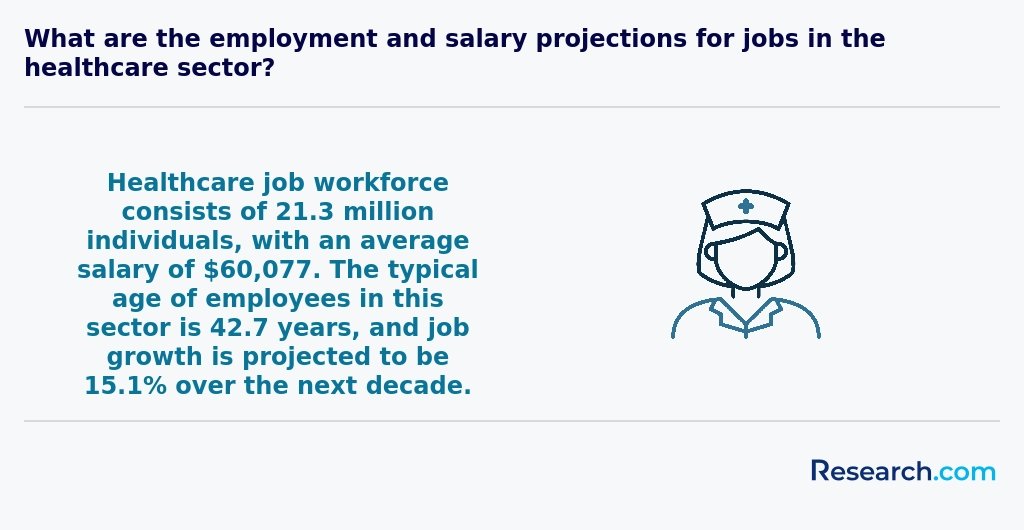
Accreditation and Program Quality: Why It Matters for Your Healthcare Education
Accreditation is a cornerstone of educational quality that ensures your healthcare degree meets rigorous industry standards and prepares you for a competitive job market. When evaluating programs, it’s essential to verify that the institution holds accredited status from recognized agencies, as this not only impacts eligibility for federal financial aid but also influences employer perceptions and long-term career opportunities. Accredited programs provide structured curricula, up-to-date clinical training, and robust support services, all of which are critical components for fostering academic success and professional growth. For those seeking cost-effective options without compromising quality, our comprehensive ranking helps by spotlighting schools that combine affordability with accredited excellence-explore our ranking of the cheapest healthcare school in north carolina to find programs that meet your financial and educational needs. In addition, accredited programs often provide enhanced internship prospects, state-of-the-art facilities, and industry partnerships that can ease your transition into the healthcare workforce, ensuring that your education is both an investment in your future and a stepping stone to a rewarding career.
What financial aid is available to healthcare degree students in Raleigh?
Imagine walking the bustling halls of a Raleigh nursing school, clutching a Pell Grant that lightens your $9,400 tuition burden each year-this is more than a financial aid program; it's a lifeline. Graduates from local institutions often recall how FAFSA unlocked the door to Federal Direct Loans with manageable repayment plans, making their healthcare dreams tangible, not just talk.
State scholarships like the North Carolina Need-Based Scholarship or CFNC grants paint a brighter picture for in-state students navigating Raleigh's public universities. One graduate vividly remembers receiving a scholarship tied to a hospital partnership-this wasn't just money, but a pact: study hard, serve locally. The AHEC scholarships echo that sentiment, sending students into underserved communities with purpose and funding.
Private foundations add sparks of hope, with AACN and NHSC scholarships fueling ambitions to tackle shortages in healthcare. Meanwhile, work-study roles on campus let students earn and learn side by side: a student juggling clinical shifts and cashier duties isn't just surviving, but thriving in Raleigh's healthcare education ecosystem.
Internship and Clinical Placement Opportunities
Gaining hands-on experience through internships and clinical placements is a vital component of healthcare degree programs in Raleigh, NC. Most programs partner with leading hospitals, outpatient clinics, community health centers, and specialized care facilities to ensure students develop practical skills that employers value. These partnerships often include:
- Hospital Rotations: Students rotate through departments such as emergency medicine, pediatrics, and surgical units, shadowing healthcare professionals and performing supervised patient care tasks.
- Community Health Clinics: Clinical placements at local health fairs, free clinics, and public health departments allow students to engage directly with diverse populations and develop cultural competence.
- Simulation Labs: State-of-the-art simulation centers at universities like North Carolina State University recreate real-world scenarios, enabling students to practice procedures, communication strategies, and critical thinking in a risk-free environment.
- Research and Specialty Clinics: For those interested in specialized fields-such as oncology or rehabilitation-selective placements offer exposure to cutting-edge treatments and research methodologies. Program coordinators typically guide students through placement applications, scheduling, and preceptor assignments, ensuring that each rotation aligns with individual career goals. Internships often span 100 to 300 contact hours and may count toward graduation requirements or elective credits. Feedback from clinical supervisors and reflective journaling help students refine clinical judgment and professionalism. If you’re considering flexible pathways or low-cost alternatives, be sure to explore the Low Cost Online Healthcare Degree Programs Ranking in Missouri to compare online clinical requirements and placement options. This insight can help you select a program that offers robust internship experiences while fitting your budget and schedule.
What are the prerequisites for enrolling in healthcare degree program in Raleigh?
To step into the world of healthcare studies in Raleigh, imagine yourself unlocking a door with keys forged from biology notes and algebra formulas. At places like Wake Technical Community College or North Carolina State University, graduates often recall that the journey begins with a high school diploma or GED in hand-your passport into this vibrant field.
Picture those first challenging days: memorizing anatomy charts or navigating chemistry labs. Many programs expect you to have confidently completed courses like Biology, Chemistry, and higher-level math before you even set foot on campus. A former student fondly remembered how acing these classes made their later nursing labs feel like natural extensions of that groundwork.
Beyond grades, Raleigh's healthcare degree hopefuls embrace the ritual of background checks and vaccination records, reflecting the trust placed in learners entering clinical environments. Some even share stories of how volunteering hours opened their eyes to real patient stories, deepening their passion and readiness.
Test scores like the SAT or ACT might still play a role, yet some Raleigh programs honor holistic views of your readiness. Maintaining a 2.5 to 3.0 GPA and proving commitment through healthcare exposure often makes the difference between a hopeful applicant and a confident admit.
Student Life and Campus Experience in Raleigh, NC
For many students, the decision to pursue a healthcare degree goes well beyond classroom learning-it’s also about the enriching campus life and community support that shape a well-rounded educational journey. In Raleigh, NC, institutions offer vibrant student environments with opportunities for networking events, extracurricular activities, and dedicated centers for health innovation. These campuses foster collaborations through peer study groups, mentorship programs, and community outreach initiatives that resonate with healthcare values. Students frequently highlight how active campus organizations boost their confidence, provide leadership experiences, and help bridge the gap between academic knowledge and practical, real-world application in healthcare settings. A key aspect that enhances the overall student experience is the accessibility of local resources, such as specialized career counseling, internship placement support, and continuous professional development workshops. These services help students not only succeed in their studies but also prepare them for the dynamic job market they will soon join. For those looking for an affordable yet high-quality education, our detailed ranking of the cheapest healthcare school in north carolina provides an excellent starting point to explore options where excellent academic and campus experiences are paired with financial accessibility. By choosing a program with a robust blend of academic rigor and a thriving campus life, students position themselves to excel both during and after their healthcare education, ultimately paving the way for a successful and fulfilling career.
What courses are typically in healthcare degree programs in Raleigh?
Imagine diving into anatomy and physiology at a Raleigh university, where graduates recall feeling awe as they mapped the intricate human body, layer by layer. These core courses serve as the heartbeat of healthcare education, opening doors to understanding life itself. Microbiology then sweeps students into a microscopic battleground, teaching them to recognize pathogens with confidence-vital for infection control in Raleigh's vibrant health community.
In Raleigh's bustling colleges, courses in medical terminology transform jargon into a familiar language, empowering students to navigate real hospital corridors during internships. Meanwhile, public health classes unravel the complex social tapestry of Raleigh's diverse population, inspiring graduates to champion preventive care and community well-being.
Ethics and healthcare law classes spark deep reflection on patient rights, sparking passionate discussions reflecting Raleigh's dedication to quality care. Finally, emerging fields like healthcare informatics introduce students to the pulse of digital health, equipping them with tools to innovate within Raleigh's tech-forward medical institutions.
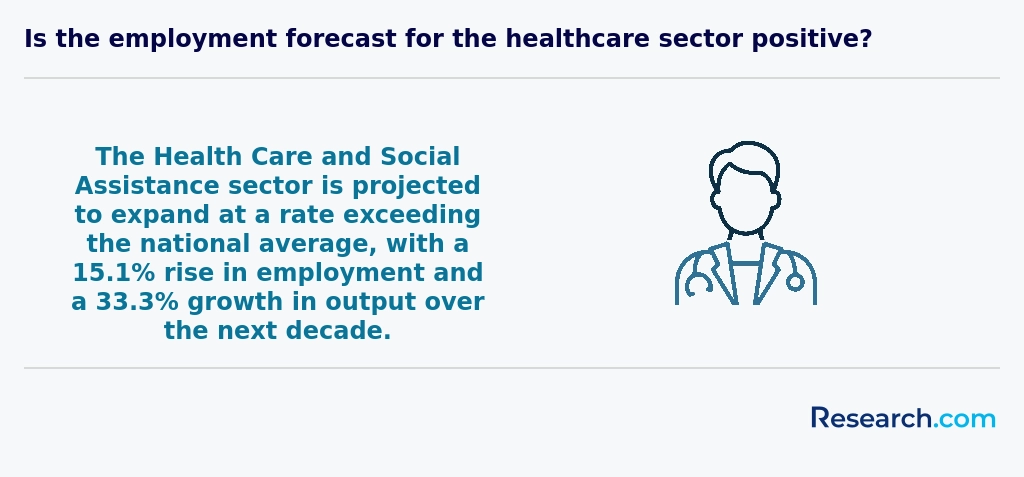
What types of specializations are available in healthcare degree programs in Raleigh?
Dive into healthcare degree specializations in Raleigh, where education transforms into hands-on experiences. Graduates from Duke University often share stories of immersive nursing rotations, specializing in adult or pediatric care, that instill both confidence and compassion. Those exploring Health Informatics find themselves decoding the digital heartbeat of hospitals, mastering data systems to optimize patient outcomes.
At local community colleges, students cherish affordable programs that open doors to Public Health careers, designing real community wellness projects that tackle Raleigh's unique challenges. A graduate recalls leading an outreach program that felt like lighting a spark of hope across neighborhoods. Healthcare Administration students learn the art of leadership behind the scenes, steering hospitals with a keen eye on policy and finance.
For hands-on problem-solvers, Medical Laboratory Science and Physical Therapy offer a tactile journey, from diagnosing hidden ailments in labs to guiding patients' recovery with precise therapy. Raleigh's programs also nudge curious minds toward emerging fields like genetic counseling, preparing them for tomorrow's healthcare needs. Those curious about nursing choices might explore RN programs Las Vegas for a broader perspective.
Combining these options with Raleigh affordable healthcare program options makes specializing here feel like stepping into a vibrant, future-ready healthcare ecosystem.
How do you choose the best healthcare degree in Raleigh?
Imagine walking the vibrant halls of Raleigh's top colleges, where graduates often share how their healthcare degrees transformed their lives. Choosing the best healthcare degree in Raleigh means tuning into your future self: picture clinical rotations at UNC Rex, where hands-on experiences sharpen skills beyond textbooks, or internships at WakeMed, where mentorship turns challenges into confidence. It's not just about ambition but the real-world pulse of the city's healthcare scene.
The secret sauce lies in matching your dreams to programs that marry rigorous academics with practical exposure-whether nursing, physical therapy, or health administration. Graduates from Raleigh institutions praise how accredited programs boosted their licensure success, a testament to quality education and alignment with national standards. Searching for affordable healthcare degree programs Raleigh offers can unearth hidden gems with manageable tuition, supportive faculty, and small classes fostering community.
One tip from those who've walked the path is exploring options like lvn degrees texas full-time for inspiration on balancing study and life. Dive deep, prioritize accreditation, outcomes, and hands-on growth to make your Raleigh healthcare journey uniquely yours.

What career paths are available for healthcare degree students in Raleigh?
Graduates with a healthcare degree in Raleigh often find themselves at the crossroads of vibrant career paths, fueled by the region's booming medical and research sectors. From the bustling hospital floors where nurses transform care with compassion to innovative labs where medical technologists decode mysteries in diagnostic testing, opportunities abound. Many graduates from Raleigh's top institutions share stories of landing roles as Registered Nurses or Nurse Practitioners, stepping into positions that blend empathy with expertise amidst a community hungry for skilled professionals.
Raleigh healthcare degree job opportunities also extend beyond bedside care. Some alumni pursue careers as physical or occupational therapists, weaving restoration back into lives at clinics or outpatient centers. Others dive into the fast-paced world of healthcare administration or become public health champions, shaping wellness initiatives right in the heart of their hometown. For those drawn to the intersection of science and technology, roles like clinical research coordinators or healthcare data analysts open doors to Raleigh's growing biotech scene, blending healthcare savvy with analytical insight.
Explorers of healthcare career options in Raleigh find that hands-on experiences through clinical placements or internships at local universities empower them to flourish. Many turn to trusted resources such as nursing schools dallas educational resources to navigate their pathways, enriching their journey with peer insights and expert guidance.
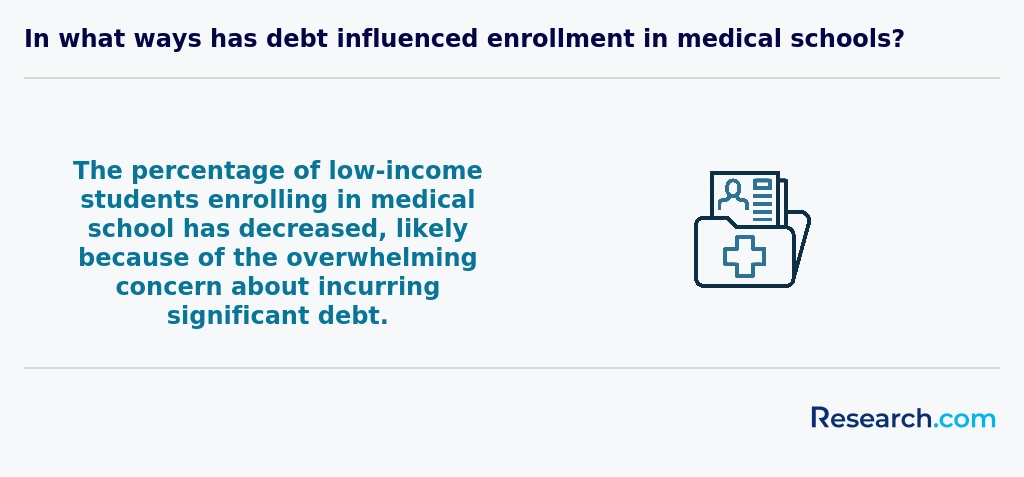
What is the job market for healthcare degree in Raleigh?
Raleigh's healthcare job market pulses with opportunity, especially for graduates from institutions like Duke University or UNC Health Sciences, who find themselves stepping into a landscape alive with promise. These graduates often share stories of quick transitions from campus to career, fueled by a 20% projected growth in healthcare jobs that outpaces much of the nation. Imagine working as a registered nurse earning around $75,000 annually while surrounded by cutting-edge medical technology and research hubs.
For those examining Raleigh healthcare degree employment opportunities, the city's expansive healthcare ecosystem-including outpatient clinics, biotech firms, and community health centers-offers roles beyond the traditional scope. Nurses, healthcare administrators, and medical technologists all thrive here. Many students appreciate how affordable local tuition blends with scholarships, letting them focus on their passion, not just costs.
Licensure remains a rite of passage, ensuring graduates bring both skill and trust to their careers, whether in hospital corridors or specialized clinical roles. Curious about foundational concepts like medical terminology inhealthcare? That's all part of the education that prepares you for this vibrant job market.
Frequently Asked Questions About healthcare
Healthcare degree students in Raleigh can maximize their learning by taking advantage of the city's strong network of clinical partnerships. Institutions like Duke University Health System and UNC Health collaborate with local schools to provide diverse hands-on experiences. According to the North Carolina Department of Health and Human Services, Raleigh hosts over 50 healthcare facilities, offering students ample internship and practicum opportunities. Enrolling in programs accredited by organizations such as the Commission on Accreditation of Allied Health Education Programs ensures quality education aligned with industry standards. Additionally, engaging in student organizations and attending regional healthcare conferences can enhance professional skills and networking.
Emerging niches within the healthcare field in Raleigh reflect broader national trends while also responding to local community needs. One growing area is telehealth, which expanded rapidly during the COVID-19 pandemic and continues to see high demand for professionals skilled in virtual care technologies.
Another niche is gerontology, addressing the healthcare needs of Raleigh's increasing senior population. According to the Raleigh-Cary metro statistics, the 65+ age group is projected to grow by over 20% by 2030, requiring more specialists in elderly care.
Additionally, healthcare informatics is gaining attention as providers seek experts who can manage electronic health records and analyze health data to improve patient outcomes. Local workforce reports highlight these roles as critical to Raleigh's evolving healthcare system.
Preparing for the job market after completing a healthcare degree in Raleigh involves targeted steps to increase employability. Raleigh's healthcare sector, with institutions like UNC Rex Healthcare and WakeMed, offers diverse opportunities, especially in nursing, medical technology, and administration. Graduates should pursue relevant certifications such as the Certified Nursing Assistant (CNA) or Registered Health Information Technician (RHIT) to meet local employer preferences.
Networking through local professional groups like the Raleigh-Wake Collaborative and attending healthcare job fairs can enhance job prospects. Additionally, completing internships or clinical rotations in Raleigh-area facilities provides practical experience that employers highly value, according to the North Carolina Department of Commerce. Staying updated with healthcare trends and regulations in North Carolina is also essential for a competitive edge.
Employers in Raleigh prioritize several key skills when hiring healthcare degree graduates. Strong clinical knowledge and technical proficiency are essential, ensuring graduates can effectively perform patient care and medical procedures.
Communication skills rank highly, as healthcare workers must explain complex information clearly to patients and colleagues. According to the North Carolina Healthcare Association, teamwork and collaboration are also critical, reflecting the multidisciplinary nature of healthcare in Raleigh's growing medical sector.
Additionally, problem-solving abilities and adaptability are valued, helping professionals respond efficiently to dynamic healthcare environments, especially in Wake County's expanding hospital systems.
Data literacy and familiarity with electronic health records enhance employability in this increasingly digitized field.
Finding internships in Raleigh for healthcare students involves connecting with local hospitals, clinics, and public health organizations. Institutions like Duke University Health System and WakeMed are major employers offering internships focused on nursing, medical technology, and healthcare administration. According to the Raleigh Chamber of Commerce, healthcare accounts for over 15% of local employment, indicating numerous internship opportunities.
Students should utilize their college's career services and attend local healthcare job fairs. The North Carolina Area Health Education Center also provides resources for internship placements. Additionally, networking through professional groups such as the Triangle Healthcare Executives Association can be valuable.
Online platforms like Handshake and statewide portals like NC Healthcare Jobs list available internships in the region as well.
Obtaining a healthcare degree in Raleigh significantly enhances career mobility and advancement. The area boasts a growing healthcare sector, driven by institutions like Duke Raleigh Hospital and WakeMed Health & Hospitals. According to the North Carolina Department of Commerce, healthcare jobs in the Raleigh metropolitan area are projected to grow by approximately 15% over the next decade, faster than many other fields.
With a degree, graduates qualify for a wider range of positions, from clinical roles to administrative and specialized areas. Many employers in Raleigh prioritize candidates with formal education due to the complexity of healthcare services and regulatory requirements.
Moreover, earning a healthcare degree often leads to higher salaries and opportunities for promotions. For example, registered nurses with bachelor's degrees in the region earn on average 10-20% more than those without, as reported by the U.S. Bureau of Labor Statistics.
Additionally, Raleigh's healthcare sector values continuous learning, so degrees open doors for certifications and advanced roles, such as nurse practitioners or healthcare managers, supporting long-term career growth.
Studying for a healthcare degree in Raleigh offers robust preparation for interdisciplinary roles, emphasizing collaboration across diverse medical fields. Raleigh's universities integrate coursework that combines nursing, public health, and health administration, reflecting real-world healthcare teams. According to the NC Department of Health and Human Services, Raleigh's growing healthcare sector employs over 70,000 professionals, highlighting the need for versatile skills.
Programs often feature clinical experiences in top local hospitals, such as Duke Raleigh and WakeMed, where students engage with multiple specialties. This hands-on training fosters communication and teamwork essential in interdisciplinary care.
Additionally, Raleigh's focus on community health initiatives teaches students to address wide-ranging patient needs beyond traditional boundaries, promoting holistic approaches critical in today's healthcare environment.
Choosing between a thesis and a non-thesis healthcare degree program in Raleigh depends largely on your career goals and learning preferences. Thesis programs generally require original research, ideal for students aiming at academic or research careers. Non-thesis options often focus on practical skills through coursework, suited for those seeking immediate entry into healthcare professions.
According to the National Center for Education Statistics, over 60% of healthcare graduate students in the US opt for non-thesis degrees for quicker workforce entry. In Raleigh, with a growing healthcare sector and institutions like Duke Raleigh Hospital, practical experience is highly valued by employers. Consider your long-term plans and workload before deciding.
Students based in Raleigh who wish to study healthcare abroad have several pathways to consider. Many universities in the Raleigh area, such as North Carolina State University and nearby institutions, offer study abroad programs that include healthcare-related fields like public health, nursing, and global health.
These programs often focus on experiential learning in countries with diverse healthcare systems, providing valuable international exposure. According to the Institute of International Education, U.S. healthcare students who study abroad tend to develop stronger cultural competence and adaptability, skills highly valued in healthcare professions.
Additionally, professional organizations recommend verifying accreditation and compatibility with U.S. healthcare licensing before enrolling abroad. Raleigh students should explore exchange agreements or globally recognized institutions affiliated with their home university to ensure transferable credits and clinical hours.
Raleigh offers various part-time job opportunities that complement healthcare degree education effectively. Positions such as medical assistants, pharmacy technicians, and certified nursing assistants provide practical experience while supporting local healthcare facilities. According to the U.S. Bureau of Labor Statistics, medical assistant employment in the Raleigh metropolitan area is projected to grow faster than the national average, reflecting a strong demand.
Internships or work-study roles at healthcare centers like WakeMed Health and Hospitals, one of the largest employers in the region, are valuable for gaining clinical exposure. Additionally, roles in administrative support within clinics help students understand healthcare operations and patient management.
These positions enable students to apply theoretical knowledge in real-world settings, boosting employability post-graduation.
Healthcare students in Raleigh benefit from a variety of networking opportunities that support their academic and professional growth. The city hosts multiple healthcare conferences and seminars annually, including events organized by the North Carolina Healthcare Association. These gatherings allow students to connect with industry professionals and potential employers.
Local universities such as North Carolina State University and Duke University offer student organizations and professional clubs dedicated to healthcare fields. These groups provide mentorship, workshops, and career fairs focused on healthcare careers.
Raleigh's strong healthcare industry, supported by major hospitals like UNC REX Healthcare and WakeMed, also offers internships and volunteer opportunities. These experiences help students build practical skills and expand connections within the healthcare community.
Alumni networks play a crucial role for healthcare degree students in Raleigh by offering valuable professional connections. These networks provide access to experienced graduates working in local hospitals, clinics, and research centers, which is important in a city with over 30 healthcare facilities, including the nationally ranked UNC REX Healthcare.
Students benefit from mentorship opportunities that help navigate the competitive job market in North Carolina's expanding healthcare sector. According to the Raleigh Chamber of Commerce, healthcare jobs are projected to grow by 15% by 2030, making alumni contacts essential for internships and job placements.
Moreover, alumni often organize workshops and networking events, increasing students' exposure to industry trends and advancements. This support system enhances career readiness and fosters a sense of community among current and former students.
Customizing a healthcare degree program in Raleigh allows students to align their education closely with specific career goals. Many universities in Raleigh offer flexible curriculum options including electives, concentrations, and certificate programs. Students can select courses focused on nursing, health informatics, public health, or healthcare administration depending on their interests.
Internships and clinical placements are vital, especially given Raleigh's strong healthcare sector with institutions like UNC Health and Duke Raleigh Hospital. These opportunities provide hands-on experience and networking within the local healthcare community.
Additionally, Raleigh's educational institutions often support part-time study or online classes, enabling working professionals to tailor their pace and schedule.
According to the North Carolina Department of Commerce, healthcare jobs in Raleigh are projected to grow by 16% through 2030, underscoring the importance of specialized training aligned with local industry demands.
Healthcare students in Raleigh face several notable challenges as they pursue their degrees. A key difficulty is balancing rigorous coursework with demanding clinical rotations, which often require long hours and can lead to significant stress. According to the North Carolina Board of Nursing, students must complete extensive clinical hours to meet licensure requirements, intensifying time management pressures.
Financial concerns also affect many students, with rising tuition and cost of living in the Raleigh area. The National Center for Education Statistics reports that healthcare programs frequently have additional fees for uniforms, equipment, and exams, increasing overall expenses.
Moreover, competition for clinical placements in local hospitals can be intense due to Raleigh's growing healthcare sector, potentially leading to delays in program completion. Finally, adapting to fast-paced technological advancements in healthcare demands continuous learning and skill upgrades throughout their education journey.
With a healthcare degree in Raleigh, you can pursue various professional certifications to advance your career. Popular options include becoming a Certified Nursing Assistant (CNA), Registered Nurse (RN), or Licensed Practical Nurse (LPN), depending on your education level.
Other certifications include Medical Assistant (MA), Certified Professional Coder (CPC), and Health Information Technician certifications. These credentials often increase job prospects and salary potential in Raleigh's growing healthcare market, which added over 4,500 jobs in recent years, according to the North Carolina Department of Commerce.
Advanced certifications like Certified Registered Nurse Anesthetist (CRNA) or Physician Assistant (PA) are also attainable with further education and licensure. Raleigh's healthcare industry supports ongoing professional development through local training programs and hospitals.
To write a winning application for a healthcare program in Raleigh, start by carefully researching the specific requirements of targeted schools, such as UNC Chapel Hill or Wake Technical Community College. Highlight relevant volunteer work or clinical experience, as admissions committees value hands-on healthcare exposure.
Strong letters of recommendation from healthcare professionals or educators can enhance your credibility. Tailor your personal statement to explain your motivation, career goals, and connection to Raleigh's healthcare community, which employs over 20,000 professionals (Source: Raleigh Economic Development Office, 2023).
Maintain a competitive GPA, ideally above 3.0, and prepare for any required tests, such as the TEAS. Proofread carefully to avoid grammar or spelling errors, demonstrating professionalism and attention to detail.
The global perspective on a healthcare career highlights its critical importance in addressing worldwide health challenges. In the United States, including cities like Raleigh, healthcare professionals are in high demand due to an aging population and chronic disease prevalence. According to the U.S. Bureau of Labor Statistics, healthcare occupations are projected to grow 16% from 2021 to 2031, much faster than the average for all jobs.
Raleigh benefits from a strong healthcare sector with institutions like Duke University Health System nearby, attracting global talent and research initiatives. This creates opportunities for students to engage in diverse, innovative healthcare practices.
Understanding international healthcare trends and systems enriches the education of future providers, helping them adapt to evolving medical technologies and policies. Pursuing a healthcare degree in Raleigh offers a gateway to global career opportunities while addressing local needs.
Gaining practical experience while studying for a healthcare degree in Raleigh is essential for building skills and improving job prospects. Many local institutions partner with hospitals, clinics, and community health organizations to offer internships and clinical placements. For example, WakeMed Health & Hospitals and UNC REX Healthcare frequently collaborate with universities to provide hands-on training opportunities.
Students can also engage in simulation labs established by schools like North Carolina State University and Shaw University. These labs allow practice in realistic medical scenarios. Moreover, volunteering in Raleigh's diverse healthcare settings helps students develop patient interaction skills.
Many programs require clinical hours, ensuring students graduate with meaningful experience. According to the North Carolina Department of Health, practical training is a key component in credentialing healthcare professionals statewide.
Choosing the right concentration within a healthcare degree in Raleigh starts with understanding local industry needs. Raleigh's healthcare sector is rapidly growing, with major employers like Duke University Health System and UNC Health offering diverse career paths. According to the North Carolina Department of Commerce, healthcare jobs in the Raleigh area are projected to grow 14% by 2030, especially in nursing, health informatics, and public health fields.
Consider your interests and strengths alongside job market demand. Some concentrations emphasize patient care, while others focus on administration or technology. Researching program curricula and speaking with academic advisors at Raleigh institutions can clarify which paths align best with your career goals.
Related Healthcare Rankings for Nearby Cities
- 2027 Most Affordable Healthcare Degree Programs Ranking in Washington
- 2027 Most Affordable Healthcare Degree Programs Ranking in Baltimore
- 2027 Most Affordable Healthcare Degree Programs Ranking in Macon
- 2027 Most Affordable Healthcare Degree Programs Ranking in Atlanta
- 2027 Most Affordable Healthcare Degree Programs Ranking in Jacksonville
- 2027 Most Affordable Healthcare Degree Programs Ranking in Louisville
- 2027 Most Affordable Healthcare Degree Programs Ranking in Gainesville
- 2027 Most Affordable Healthcare Degree Programs Ranking in Birmingham
- 2027 Most Affordable Healthcare Degree Programs Ranking in New Haven
- 2027 Most Affordable Healthcare Degree Programs Ranking in Tallahassee
Top Trending Healthcare Rankings
See What Experts Have To Say About Studying Healthcare
Read our interview with Healthcare experts

References
- HEALTH MANAGEMENT (THESIS / NON-THESIS) - Lisansüstü Eğitim Enstitüsü https://lee.nisantasi.edu.tr/en/health-management-thesis-non-thesis/
- Simulator helps in-demand nursing students prepare during pandemic https://abc11.com/post/nursing-simulator-students-jobs-in-raleigh/9783929/
- Trends and opportunities in healthcare across emerging markets - Inizio https://inizio.com/insights/trends-and-opportunities-in-healthcare-across-emerging-markets/
- Know more about thesis vs non- thesis: what is the difference? https://studyfans.com/en/blogs/816
- Pre-Med Study Abroad Programs | Go Overseas https://www.gooverseas.com/study-abroad/pre-med
- How Long it Takes to Get 6 Healthcare Degrees - And How Much They Pay | Vivian Community Hub https://www.vivian.com/community/healthcare-education/comparing-time-and-pay-for-six-healthcare-degrees/
- Students and Alumni associations - Europubhealth https://www.europubhealth.org/students-alumni-associations/
- Financial Assistance | UNC Health Appalachian | NC https://www.unchealthappalachian.org/patients-visitors/billing-insurance/financial-assistance/
- Career Opportunities in Healthcare Without a Medical Degree https://www.just-medical.ch/en/blog/medical-careers-without-formal-education
- The Value of Healthcare Organization Alumni Associations https://consultqd.clevelandclinic.org/the-value-of-healthcare-organization-alumni-associations


