
2027 Easiest Online Healthcare Degree Programs Ranking in Columbia, SC

Co-Founder and Chief Data Scientist
Choosing the right healthcare degree program is an important step for your future. If you're in Columbia, SC, finding a program that fits your needs can feel overwhelming. That's why this article shares the 2027 Easiest Online Healthcare Degree Programs Ranking in Columbia, SC, created by the Research.com team of data scientists. It's designed to help you make an informed decision with clear, data-backed insights.
Exploring these programs can open the door to a rewarding career in healthcare. Whether you want flexibility or a quicker path, this ranking highlights options that suit your goals and lifestyle.
This guide invites you to discover opportunities that align with your passion and ambition, making the journey to a healthcare degree feel achievable and exciting.
Key benefits of getting online healthcare degree in Columbia
- Salary for healthcare degree graduates: Graduates in Columbia can expect competitive wages, such as Medical Assistants earning an annual mean of $43,350 and Patient Care Technicians earning around $60,790, reflecting strong financial prospects in healthcare roles.
- Career paths: Healthcare degree holders from recognized Columbia universities often pursue roles like Health Information Technicians or Clinical Research Coordinators, opening diverse and rewarding job opportunities in clinical and administrative settings.
- Benefits of online degrees: Earning a healthcare degree online from reputable Columbia institutions offers flexibility and convenience, allowing students to balance work and study while gaining the same respected credentials as on-campus graduates.
- Key benefits of getting online healthcare degree in Columbia
- What can I expect from online healthcare degree in Columbia?
- Where can I work with online healthcare degree in Columbia?
- How much can I make with online healthcare degree in Columbia?
- 2027 Easiest Online Healthcare Degree Programs Ranking in Columbia, SC
- Key Findings
- How long does it take to complete online healthcare degree in Columbia?
- Career Paths and Advancement Opportunities for Healthcare Graduates
- What's the difference between online and on-campus healthcare degree?
- What is the average cost of online healthcare degree in Columbia?
- What financial aid is available to online healthcare degree students in Columbia?
- Specialized Certificate Programs: Medical Billing and Coding
- What are the prerequisites for enrolling in online healthcare degree program in Columbia?
- Typical Courses in Online Healthcare Degree Programs in Columbia, SC
- What courses are typically in online healthcare degree programs in Columbia?
- What types of specializations are available in online healthcare degree programs in Columbia?
- How do you choose the best online healthcare degree in Columbia?
- What career paths are available for online healthcare degree students in Columbia?
- What is the job market for online healthcare degree in Columbia?
- Top Trending Healthcare Rankings
- See What Experts Have To Say About Studying Healthcare
What can I expect from online healthcare degree in Columbia?
The average cost of pursuing an online healthcare degree in Columbia, South Carolina, tends to be competitive, especially for in-state students. Graduates from institutions such as the University of South Carolina often highlight the affordability of their programs, which balance quality education with reasonable tuition. Many students find relief through financial aid packages, scholarships, or employer tuition reimbursement, easing the burden of cost while allowing them to focus on their studies.
For those managing work and family commitments, this financial flexibility is crucial. Online programs accommodate their busy schedules, reducing expenses tied to commuting or housing. Graduates frequently describe the value of investing in these programs, noting that the tuition rates reflect the comprehensive, interactive curriculum combined with practical clinical placements arranged locally to meet licensure requirements.
Ultimately, students in Columbia can expect cost-effective access to rigorous education, preparing them for essential healthcare roles without overwhelming financial strain.
Where can I work with online healthcare degree in Columbia?
Graduates with online healthcare degrees from institutions such as the University of South Carolina experience strong local job placement due to Columbia's expanding healthcare sector. Many find rewarding roles at Prisma Health, the state's largest healthcare system, where nursing graduates secure positions in dynamic hospital environments or outpatient clinics. These roles often involve hands-on patient care or management tasks, offering a practical setting to apply their skills while feeling valued as essential contributors to community health.
Others pursue careers within public health at organizations like the South Carolina Department of Health and Environmental Control. Here, graduates engage in meaningful work that influences health policies and leads prevention programs, creating a tangible impact on local populations. These career paths often spark a sense of purpose and fulfillment as they directly support public well-being.
Health informatics and telehealth graduates report satisfaction in navigating innovative technologies, improving electronic health records and virtual care platforms. Columbia's universities emphasize these emerging fields, preparing students to meet growing demands in data-driven healthcare roles. Alumni frequently highlight the practical advantage of combining theory with hands-on training, leading to confident, successful career launches.
How much can I make with online healthcare degree in Columbia?
Graduates with online healthcare degrees in Columbia, South Carolina, can anticipate competitive salaries aligned with local industry standards. For instance, medical assistants typically earn a mean annual wage of $43,350, while patient care technicians see higher pay around $60,790 per year, reflecting the growing demand for skilled professionals in clinical settings.
Health information technicians consistently earn wages near $43,380 annually, providing essential support in managing patient data and records. Those stepping into research roles, such as clinical research coordinators, start with salaries averaging $43,350, gaining valuable experience in Columbia's robust healthcare sector.
More advanced positions, like quality improvement coordinators, command significantly higher compensation, with mean annual wages reaching $103,150. Graduates from institutions well-known in Columbia, such as the University of South Carolina or Midlands Technical College, often share positive experiences about how their online programs prepared them to secure these roles.
These salary examples underscore the promising financial prospects for Columbia students who pursue online healthcare degrees, affirming the value of education combined with regional healthcare opportunities.
2027 Easiest Online Healthcare Degree Programs Ranking in Columbia, SC
How do we rank schools?
Investing in your education is a significant decision that can profoundly impact your future, and the Research.com team is committed to helping you make well-informed choices. To support prospective students in Columbia, SC, we have carefully developed the "2027 Easiest Online Healthcare Degree Programs Ranking in Columbia, SC." Our dedication to quality, credibility, and accuracy is demonstrated through rigorous research and detailed analysis behind this ranking.
We utilized the following reputable data sources to ensure a comprehensive evaluation of healthcare degree programs:
By exploring this ranking, readers will gain valuable insights into the easiest and most accessible online healthcare degree programs in Columbia, SC, enabling them to make confident decisions that align with their educational and career goals. For more information about how this ranking was developed, please visit our Research.com methodology page.

Key Findings
- Tuition for bachelor's online healthcare degrees in Columbia ranges from $15,000 to $30,000, while graduate programs start around $20,000 and can exceed $40,000.
- Healthcare jobs in Columbia are expected to grow by about 14% over the next decade, faster than the average for all occupations.
- Starting salaries for new healthcare graduates typically range between $45,000 and $55,000 annually, with variations depending on the specialty.
- Mid-career healthcare workers in Columbia often earn between $70,000 and $90,000 or more annually.
- Accreditation from agencies like CCNE or ACEND is important for program recognition and certification eligibility.
- Online programs usually offer flexible schedules to help students balance education with work and family commitments.
How long does it take to complete online healthcare degree in Columbia?
Online healthcare degrees in Columbia, South Carolina, typically take four years to complete for undergraduate programs when attending full-time. Graduates from universities such as the University of South Carolina often share how flexible online formats enabled them to balance work in local hospitals while progressing steadily through their Bachelor of Science in Healthcare Administration or Nursing.
Associate degrees in healthcare usually require about two years, providing a faster route into Columbia's healthcare workforce or a foundation for further study.
Graduate degrees, including the Master of Healthcare Administration or Master of Science in Nursing, generally range from 18 months to three years. Many students appreciate accelerated tracks offered by institutions like Columbia College, which recognize prior healthcare experience to shorten completion time.
Part-time enrollment is common among working professionals, often extending the timeline to five or six years. Transfer credits and flexible pacing options further allow students to customize their educational journey according to personal and professional responsibilities.
Career Paths and Advancement Opportunities for Healthcare Graduates
Graduates with an online Healthcare degree in Columbia, SC have a wide array of career trajectories available that extend beyond traditional roles. By leveraging flexible education formats and specialized training, graduates can pursue entry-level positions and rapidly advance to leadership roles. Here’s a closer look at the potential career paths and progression opportunities: • Entry-Level Roles: Begin your journey as a Patient Care Technician, Health Information Technician, or Medical Assistant where hands-on skills and digital proficiency are integral to daily operations. These roles offer invaluable on-the-job experience and an introduction to the healthcare environment in Columbia. • Specialized Positions: With targeted coursework and specialized tracks such as Healthcare Administration, Informatics, or Public Health, graduates can transition into roles like Clinical Research Coordinator, Healthcare Manager, or Health Data Analyst. These positions require a blend of technical knowledge and strategic oversight, positioning you for ongoing professional development. • Leadership and Management: Advanced degrees and continuous professional growth open doors to supervisory roles, including Healthcare Administrator, Quality Assurance Manager, or Operations Director in hospitals and clinical settings. Graduates often progress into these roles by combining technical competence with strong communication and leadership skills developed during their online studies. • Emerging Fields: The rapid integration of technology in healthcare has led to growing opportunities in telehealth management and digital patient care. This emerging sector is reshaping traditional roles, allowing graduates to work remotely while maintaining a strong connection with patient outcomes and innovative healthcare delivery models. Emphasizing continuous learning and industry networking, professionals are encouraged to pursue certifications and advanced training to remain competitive. This multifaceted career pathway not only enhances job satisfaction but also contributes to a thriving local healthcare ecosystem in Columbia, SC.
What's the difference between online and on-campus healthcare degree?
Online and on-campus healthcare degree programs in Columbia share the same foundational curriculum but differ greatly in delivery and experience. Graduates from universities like the University of South Carolina highlight online programs' flexibility, enabling them to balance full-time work and family commitments while accessing coursework anytime. This flexibility is ideal for professionals seeking advancement without relocating or disrupting their routines.
Conversely, students attending colleges such as Columbia International University emphasize the value of face-to-face interaction and immediate access to campus resources, which foster strong peer connections and mentorship. On-campus programs provide essential clinical rotations at local hospitals, allowing hands-on skills development under direct supervision, a vital component stressed by many graduates.
Financial considerations also play a role. Online learners often appreciate savings on commute and housing, although tuition remains comparable between formats. Personal stories from Columbia students reveal that navigating virtual support systems requires discipline but can offer a highly rewarding and personalized learning journey.
What is the average cost of online healthcare degree in Columbia?
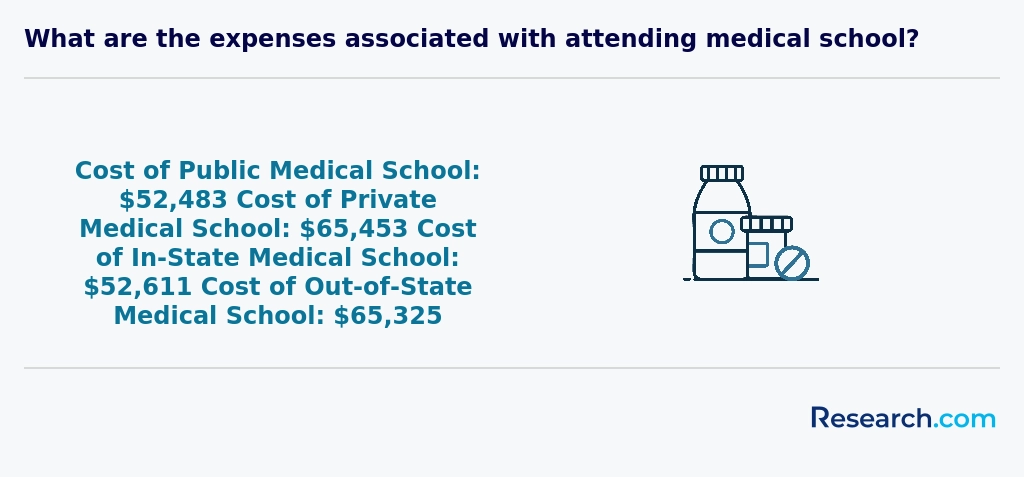
The average cost of an online healthcare degree in Columbia varies based on residency status and program level. For in-state students, the median total cost generally hovers around $57,000, which reflects tuition combined with other essential fees over the entire course duration. Many graduates from prominent institutions in Columbia, such as the University of South Carolina, report satisfaction with their investment due to the comprehensive curriculum and the flexibility afforded by online learning.
Out-of-state students typically encounter higher expenses, with a median total cost exceeding $106,000, reflecting the premium for non-resident tuition and associated fees. These figures are important for prospective students evaluating the affordability and long-term value of healthcare education programs in Columbia. Graduates often emphasize how the affordability paired with strong clinical opportunities motivates them to confidently advance their healthcare careers.
In addition to tuition, students should consider ancillary costs including technology fees, course materials, and clinical placement expenses, which can add up throughout the program. Those seeking affordable online healthcare degree programs Columbia residents appreciate often find ample options with reasonable overall costs and financial aid support. Many alumni highlight how such financial assistance, including scholarships and employer tuition reimbursement, substantially eases their financial burden.
Students exploring specialized tracks like nursing can also reference online nursing programs rankings California for comparative insights, using this as a benchmark while considering local options that blend quality with cost-efficiency.
What financial aid is available to online healthcare degree students in Columbia?
Students pursuing online healthcare degrees in Columbia benefit from a variety of financial aid options tailored to reduce the significant costs associated with these programs. Federal aid through FAFSA is often the first step; graduates from institutions like the University of South Carolina Columbia report that Pell Grants, which can award up to $7,395, made a noticeable difference in managing tuition expenses. Many also tap into Direct Subsidized and Unsubsidized Loans offering low-interest rates and flexible repayment plans, easing the financial pressure during and after studies.
State scholarships, such as South Carolina's LIFE Scholarship, provide additional merit-based support for students attending universities with online healthcare programs. Graduates frequently mention how this aid, combined with institutional scholarships offered directly by colleges, helped make earning healthcare degrees more attainable.
Local healthcare employers and foundations in Columbia further bolster aid availability. Scholarships from organizations like the South Carolina Nurses Foundation, ranging from $1,000 to $5,000, are invaluable for students balancing education and work. Many online healthcare students appreciate the personalized assistance and community connection these opportunities offer, enhancing both their financial security and motivation.
Specialized Certificate Programs: Medical Billing and Coding
As an increasingly popular alternative or complement to a full healthcare degree, online certificate programs in medical billing and coding offer students in Columbia, SC a fast‐track entry into the administrative side of healthcare. These programs typically span 6–12 months and focus on mastering CPT, ICD‐10, and HCPCS coding systems, fostering accuracy in insurance claims processing and revenue cycle management. Graduates often transition quickly into roles such as Medical Biller, Coding Specialist, or Revenue Integrity Analyst, with entry‐level salaries ranging from $38,000 to $46,000 annually, and opportunities for remote work. Many colleges and private institutions in Columbia leverage robust learning management systems, providing interactive modules, virtual labs, and live webinars to simulate real‐world coding scenarios. Students learn to navigate electronic health record (EHR) platforms-skills highly prized by employers-and complete capstone projects that reinforce compliance with HIPAA and other regulatory standards. In addition, most programs offer dedicated career services, including resume workshops and interview preparation tailored to healthcare administrative roles. For those seeking cost‐effective, accredited pathways with robust financial support, explore our curated list of accredited medical billing and coding schools online with financial aid. These institutions not only meet rigorous accreditation standards but also provide grants, scholarships, and flexible payment plans to minimize debt. By choosing a specialized certificate in medical billing and coding, you can quickly join Columbia’s healthcare workforce, support clinical teams behind the scenes, and build a foundation for advancing into health information management or healthcare administration.
What are the prerequisites for enrolling in online healthcare degree program in Columbia?
Enrolling in an online healthcare degree in Columbia requires meeting clear academic and professional prerequisites tailored to different program levels. At popular institutions like the University of South Carolina or Midlands Technical College, undergraduate applicants need a high school diploma or GED, along with a GPA typically around 2.5 to 3.0. Graduates recount that completing foundational courses-such as biology, chemistry, and math-before advancing was essential for their success and confidence in tackling healthcare coursework.
Graduate-level programs in Columbia are more rigorous, often requiring a relevant bachelor's degree and practical healthcare experience. Many students have shared how prior professional roles in clinics or hospitals boosted their preparedness and engagement with graduate studies.
Students also face procedural prerequisites like background checks and immunization verification, especially for clinical components, ensuring safety and compliance in local healthcare settings. These measures, while challenging initially, reassure graduates of their readiness to enter the healthcare workforce in Columbia.
Advisors at these universities emphasize the importance of confirming specific course requirements, which can vary, helping applicants feel supported and well-informed throughout their journey.
Typical Courses in Online Healthcare Degree Programs in Columbia, SC
An online healthcare degree in Columbia, SC combines foundational sciences with specialized health studies to prepare graduates for diverse roles. Core coursework typically includes: • Anatomy and Physiology: Detailed exploration of human body systems, with interactive 3D models and virtual lab simulations that mirror regional healthcare challenges. • Medical Terminology and Documentation: Mastery of clinical language and electronic health record protocols, ensuring fluency in patient charting and interprofessional communication. • Health Information Systems: Hands-on training in software platforms managing patient data, privacy standards, and emerging telehealth technologies. • Healthcare Ethics and Law: Examination of ethical dilemmas, state regulations, and HIPAA compliance, with case-based discussions reflecting South Carolina’s legal landscape. • Clinical Simulation Practicum: Virtual patient scenarios and remote skills assessments that build critical thinking, teamwork, and procedural competence. Beyond these essentials, many programs offer electives that align with career goals-such as Population Health, Health Informatics, or Nursing Foundations. Students often progress through a competency-based framework, unlocking advanced modules once they demonstrate proficiency in prerequisite topics. This approach accommodates accelerated learners and those balancing professional commitments. For learners prioritizing cost efficiency, it’s helpful to benchmark tuition against broader benchmarks; for instance, students comparing options may review the Cheapest Online Healthcare Degree Programs Ranking in Minnesota to gauge value-driven alternatives. Ultimately, this well-rounded curriculum ensures that graduates not only grasp theoretical knowledge but also cultivate the practical skills-such as electronic charting, patient assessment, and interprofessional collaboration-that employers in Columbia’s dynamic healthcare sector demand.
What courses are typically in online healthcare degree programs in Columbia?
Online healthcare degree programs in Columbia commonly include courses such as Human Anatomy and Physiology, Medical Terminology, and Healthcare Ethics and Law. These foundational topics equip students with essential medical knowledge and an understanding of the ethical and legal standards critical in clinical and administrative roles. Graduates from popular Columbia colleges often share how courses like Health Informatics gave them practical skills managing patient data, helping them feel confident when entering healthcare work environments.
Students in nursing-focused tracks also experience Pharmacology, Pathophysiology, and Clinical Practice simulations, which simulate real-world medical scenarios to build hands-on expertise. Many feel especially prepared after completing these courses, noting the value of local internships arranged through their programs with Columbia healthcare facilities. This experiential learning bridges theory and practice without requiring relocation.
Additional classes in Public Health Principles and Healthcare Policy and Management enable students to engage with community health strategies and leadership challenges. Graduates frequently express pride in mastering communication and cultural competency skills, essential for delivering compassionate care within diverse patient populations in the Columbia region.
What types of specializations are available in online healthcare degree programs in Columbia?
Online healthcare degree specializations in Columbia SC often reflect the region's dynamic healthcare sector and its diverse workforce needs. Popular programs at local institutions, such as nursing leadership pathways, guide graduates from Registered Nursing (RN) to Bachelor or Master of Science in Nursing, preparing them for advanced clinical or administrative roles. Graduates frequently express pride in mastering skills that directly impact patient care and community health.
Healthcare administration is another key focus, equipping students with expertise in managing hospitals and health systems-a vital component of Columbia's expanding healthcare infrastructure. Those pursuing degrees in public health gain valuable insights into epidemiology and preventative strategies relevant to local challenges, enhancing their ability to serve diverse populations effectively.
Students in Health Information Management benefit from training in electronic health records, a cornerstone of modern healthcare operations, while allied health professions combine online theory with hands-on clinical practice. Columbia's top programs often integrate practical experiences through partnerships with healthcare providers, addressing healthcare workforce demands and ensuring graduates are well-prepared for professional success.
How do you choose the best online healthcare degree in Columbia?
When selecting the best online healthcare degree in Columbia, prioritize accredited programs recognized by bodies like CAHME or CCNE to ensure credentials are respected by employers and licensing boards. Graduates from institutions such as the University of South Carolina often share how these accredited programs contributed to their confidence in pursuing careers within local healthcare systems.
Consider curriculum relevance and connections to Columbia's healthcare sector. Degrees offering specializations aligned with renowned hospitals like Prisma Health enhance practical learning through internships or clinical placements, which many students find invaluable. Flexibility is paramount, especially for working professionals balancing commitments. This adaptability is frequently praised by alumni who managed to complete rigorous courses without compromising their jobs or families.
Cost factors are equally important. Affordable healthcare degree programs Columbia SC residents appreciate often come with tailored financial aid and scholarships. Additionally, explore resources on nursing careerpathways to expand your understanding and professional opportunities.
What career paths are available for online healthcare degree students in Columbia?
Graduates holding an online healthcare degree in Columbia have access to a variety of promising career paths that align with the region's expanding healthcare sector. Many pursue roles in nursing, including advanced positions such as nurse administration or nurse practitioner, supported by programs offered through prominent local institutions. These graduates often share their fulfilling experiences in balancing flexible online learning with demanding clinical responsibilities, reflecting the strong job prospects in Columbia South Carolina.
Healthcare administration is another vital area. Graduates from Columbia's respected universities frequently move into leadership roles, managing medical facilities and ensuring compliance with healthcare regulations. Their coursework in healthcare management prepares them to meet the operational needs emerging from Columbia's dynamic medical environment.
Other career options include becoming medical and health services managers, health informatics specialists, public health educators, or clinical laboratory technologists. Those seeking specialized advancement may explore nurse practitioner degrees washington career services, which offer further opportunities to elevate their clinical expertise and impact patient care outcomes.
What is the job market for online healthcare degree in Columbia?
The job market for individuals with online healthcare degrees in Columbia is notably strong, reflecting steady regional growth in healthcare employment. Graduates from Columbia's well-regarded institutions often find rewarding opportunities in nursing, medical technology, and healthcare administration. Many graduates share positive experiences securing roles at Prisma Health and other local healthcare providers, citing high demand for registered nurses and healthcare managers.
Healthcare support roles like medical assistants provide accessible entry points for new graduates, supporting ongoing workforce needs. This dynamic landscape means online healthcare jobs Columbia SC offer a range of pathways for both clinical and administrative careers. Students from universities in Columbia appreciate that their programs emphasize practical training aligned with local industry standards, enhancing job readiness after graduation.
Moreover, students concerned about affordability can explore how are online healthcare administration degrees affordable in this region, often seeing their tuition investments convert into competitive salaries and stable employment. Columbia's healthcare job market is characterized by a compelling balance of accessibility and growth potential for online degree holders.
Frequently Asked Questions About healthcare
Online healthcare degree students in Columbia can maximize their learning by establishing a disciplined study routine that aligns with their personal and professional commitments. Consistent engagement with course materials, including interactive modules and virtual simulations, enhances understanding and retention.
Utilizing Columbia-based healthcare resources such as local clinical partnerships can provide valuable practical experience. Students should seek programs accredited by organizations like the Commission on Collegiate Nursing Education (CCNE) to ensure quality education recognized throughout South Carolina.
Networking with peers and instructors in online forums fosters collaboration and real-world problem-solving. According to the South Carolina Department of Health and Environmental Control, healthcare jobs in Columbia grew by 8% from 2019 to 2023, indicating expanding opportunities for graduates who are well-prepared.
The healthcare field is rapidly evolving, creating new opportunities for professionals in emerging niches. In Columbia, South Carolina, specialties like telehealth are gaining momentum due to increased demand for remote patient care. The American Telemedicine Association reports telehealth services grew by over 50% in recent years nationwide, a trend reflected locally.
Another growing area is healthcare informatics, where professionals manage and analyze health data to improve patient outcomes. This niche is especially important as Columbia's healthcare facilities adopt advanced electronic health records systems. Additionally, gerontology is expanding given the aging population in South Carolina, requiring more expertise in senior care.
These niches offer promising career paths for those pursuing online healthcare degrees in Columbia.
After earning an online healthcare degree in Columbia, SC, preparing for the job market involves strategic planning and practical steps. Start by obtaining relevant certifications, such as CPR or specialized licenses recognized in South Carolina. Employers value graduates who combine education with hands-on experience, so pursue internships or volunteer opportunities at local hospitals or clinics like Prisma Health.
Networking is crucial. Join professional groups such as the South Carolina Nurses Association or online platforms like LinkedIn to connect with healthcare professionals in the region. According to the South Carolina Department of Employment and Workforce, healthcare jobs in Columbia are expected to grow by over 15% by 2030, highlighting ample opportunities for well-prepared graduates.
Finally, tailor your resume to reflect both your online education and any practical healthcare skills you gained, emphasizing adaptability and technology proficiency essential for modern healthcare roles.
Employers in Columbia, SC, highly value healthcare degree graduates who demonstrate strong clinical skills combined with effective communication. According to the South Carolina Department of Employment and Workforce, critical thinking and problem-solving abilities are essential for many healthcare roles. These skills ensure graduates can adapt to fast-paced medical settings.
Additionally, proficiency in healthcare technology and electronic health records is increasingly important. The integration of digital tools in Columbia's hospitals has grown, making technical competence a key asset.
Employers also prioritize teamwork and cultural competence because Columbia's healthcare environment serves a diverse population, requiring sensitivity and collaboration.
Finding internships in Columbia, South Carolina, relevant to a healthcare degree involves targeting local hospitals, clinics, and public health organizations. Institutions such as Prisma Health, the largest healthcare provider in the state, often offer structured internship programs for students. Checking their official websites and career portals is essential for updated opportunities.
Students should also explore partnerships between their online degree programs and local healthcare facilities. Many South Carolina colleges help place students in internships close to home to comply with clinical hour requirements.
Networking through local professional healthcare associations can be beneficial. The South Carolina Hospital Association and other organizations frequently announce internships and volunteer roles. Additionally, using online job platforms focused on Columbia's healthcare sector can reveal part-time internships aligned with educational goals.
According to the Bureau of Labor Statistics, healthcare employment in Columbia is projected to grow 15% over the next decade, reflecting increasing opportunities for clinical experience.
Obtaining an online healthcare degree in Columbia, SC, significantly enhances career mobility and advancement prospects. According to the U.S. Bureau of Labor Statistics, healthcare occupations in South Carolina are projected to grow 13% from 2021 to 2031, faster than the national average. This growth increases demand for qualified professionals with flexible, accredited online degrees.
Columbia-based healthcare employers increasingly recognize online degrees, especially from regionally accredited institutions, as valid credentials. This acceptance allows graduates to pursue roles ranging from healthcare administration to advanced clinical positions.
Moreover, online programs often offer specialized certificates or bachelor's degrees tailored to local market needs, aligning skills with industry demand. This alignment facilitates promotions and salary growth for working professionals. The South Carolina Department of Employment notes higher employment rates and earnings for healthcare workers with formal education, highlighting the value of such online degrees within the state's evolving job market.
Studying for a healthcare degree online in Columbia, SC, equips students for interdisciplinary roles by emphasizing collaboration across various health disciplines. Programs integrate courses in nursing, public health, health informatics, and administration, reflecting the complexity of real-world healthcare settings.
Columbia's healthcare education benefits from the city's status as a regional medical hub, with major institutions like Prisma Health fostering hands-on and virtual learning experiences. According to the South Carolina Department of Health and Environmental Control, interdisciplinary skills are vital for addressing diverse patient needs in this region.
These programs often include teamwork simulations and problem-solving projects, preparing graduates to communicate effectively with professionals from medicine, social work, and technology fields. This holistic approach aligns with national trends favoring integrated healthcare delivery.
When deciding between a thesis and a non-thesis online healthcare degree program in Columbia, consider your career goals and learning preferences. A thesis option is research-focused, suitable for students aiming to enter academia, research, or advanced clinical roles. It typically requires original research and a written dissertation.
The non-thesis route emphasizes practical skills and coursework, fitting professionals seeking direct entry or advancement in healthcare practice without the time commitment of research. In Columbia, where healthcare jobs increased by 15% from 2019 to 2022 (Bureau of Labor Statistics), non-thesis programs can provide faster workforce readiness.
Evaluate program formats, faculty expertise, and clinical opportunities before choosing.
Students based in Columbia, South Carolina, interested in studying healthcare abroad have a variety of online degree options from accredited U.S. institutions. Many universities offer fully online healthcare programs, including nursing, public health, and healthcare administration, allowing local students to gain international perspectives without leaving home. According to the South Carolina Commission on Higher Education, the demand for healthcare professionals in the area is growing by 15% annually, making flexible online degrees an attractive choice.
Several well-ranked U.S. schools with online programs welcome international students and those residing in South Carolina, ensuring access to high-quality education. Additionally, these programs often include clinical components arranged locally, facilitating practical experience. Resources such as the National Center for Education Statistics confirm the increasing availability of healthcare degrees delivered online, helping Columbia residents advance their careers with global standards.
In Columbia, part-time job opportunities that complement healthcare degree education are diverse and accessible. Many students work as medical assistants or patient care technicians, gaining hands-on experience in clinics and hospitals. According to the South Carolina Department of Employment and Workforce, healthcare support roles in Columbia are projected to grow by 12% through 2030, reflecting strong local demand.
Other viable options include positions as pharmacy technicians or administrative assistants in healthcare facilities. These roles build relevant skills like patient communication and medical record management. Additionally, some students find work in public health organizations, contributing to community outreach programs while enhancing their understanding of healthcare trends in Columbia.
Online healthcare students in Columbia, SC benefit from several networking opportunities that enhance their professional development. Many local universities, such as the University of South Carolina, offer virtual events, webinars, and workshops specifically for online students. These gatherings connect students with faculty, healthcare professionals, and peers.
In addition, Columbia's healthcare sector, which employs over 50,000 people according to the South Carolina Hospital Association, provides strong community ties. Students can join professional organizations like the South Carolina Nursing Association or participate in local healthcare conferences that often allow virtual attendance.
Online learners also gain access to alumni networks that facilitate job placement and mentorship within the region. These resources collectively support meaningful connections despite remote study.
Alumni networks provide significant benefits to online healthcare degree students in Columbia. These networks offer valuable opportunities to connect with professionals already working in the local healthcare sector, which is vital for career development in a competitive job market.
Through alumni groups, students can access mentorship, job leads, and insider knowledge about healthcare employers around Columbia. For example, Palmetto Health and Prisma Health are major local employers often featured in alumni discussions.
Additionally, alumni events and online forums help students build relationships that can lead to internships and full-time positions. Networking can increase job placement rates, crucial since South Carolina's healthcare industry continues expanding, according to the South Carolina Department of Commerce.
Being part of an engaged alumni community also fosters lifelong learning and professional support beyond graduation.
Customizing an online healthcare degree program in Columbia allows students to align education with specific career goals. Many South Carolina institutions offer flexible curricula where students can choose electives, such as healthcare management, nursing, or public health. This flexibility enables focusing on areas with growing demand in Columbia's healthcare sector, like aging services or telehealth. According to the South Carolina Department of Employment, healthcare occupations in Columbia are expected to grow by about 15% through 2030, emphasizing a need for specialized skills.
Students can also pursue certifications alongside degrees to boost credentials. Internships and practicum placements, often arranged locally, provide practical experience tailored to career interests. Advisors at online programs assist in planning courses that meet licensing or certification requirements relevant to South Carolina healthcare employers.
Online healthcare students in Columbia often face technical access issues, as reliable internet connectivity is crucial for virtual learning. According to a 2023 report by the South Carolina Department of Education, approximately 12% of households in Columbia lack high-speed internet, which can hinder smooth participation in online classes.
Another challenge is balancing clinical practice requirements with online coursework. Healthcare degrees typically require hands-on experience, and students must secure local clinical placements, which can be competitive and limited in Columbia's healthcare settings.
Time management and self-discipline are also significant hurdles. Data from the National Center for Education Statistics highlights that online students often struggle to maintain motivation without in-person support. This is especially true in demanding healthcare programs requiring rigorous study.
With an online healthcare degree, students in Columbia can pursue a variety of professional certifications to enhance their careers. Common certifications include Certified Nursing Assistant (CNA), Licensed Practical Nurse (LPN), and Registered Nurse (RN) credentials, which require passing national exams after completing accredited programs.
Others may seek certifications like Certified Medical Assistant (CMA) or Certified Health Education Specialist (CHES), depending on their focus area. For advanced roles, certifications such as Certified Professional in Healthcare Quality (CPHQ) are popular.
According to the South Carolina Department of Health and Environmental Control, the healthcare sector in Columbia is growing steadily, increasing demand for certified professionals.
Online degrees often meet the eligibility criteria for these certifications, making them a flexible option for many learners.
When applying to online healthcare programs in Columbia, SC, clarity and completeness are essential. Start by carefully reviewing each school's unique admission requirements, as they often include prerequisite courses or healthcare experience. Highlight your relevant work or volunteer experience within the local healthcare sector, such as internships at Prisma Health or USC Medical Center, as it strengthens your application.
Craft your personal statement to clearly explain why you want to pursue healthcare and how an online program fits your goals. Emphasize commitment to serving the Columbia community, referencing local healthcare needs from sources like the South Carolina Department of Health and Environmental Control (DHEC).
Maintain a strong academic record; many programs require a minimum GPA around 3.0. Lastly, secure professional recommendation letters that attest to your skills and dedication in healthcare settings to improve your chances.
Globally, healthcare careers are viewed as essential to improving quality of life and supporting public health systems. In the United States, and specifically in Columbia, SC, healthcare employment is projected to grow by over 15% through 2030, according to the U.S. Bureau of Labor Statistics. This growth reflects rising demand for healthcare services worldwide due to aging populations and increasing chronic diseases.
Online healthcare degrees offer flexibility for students in Columbia to join this expanding field. Globally, healthcare professionals often work in diverse settings-from hospitals to community clinics-highlighting the value of adaptable skills. The World Health Organization emphasizes the need for a well-trained healthcare workforce to meet global health challenges.
For Columbia residents, online degrees provide recognized qualifications that align with U.S. healthcare standards, facilitating local employment opportunities. Understanding these global trends helps future students appreciate the broad impact and stability of healthcare careers.
Gaining practical experience while pursuing an online healthcare degree in Columbia, SC, is crucial for career readiness. Many programs offer virtual simulations and interactive case studies that mimic real-life healthcare scenarios. Additionally, students can seek local clinical placements or internships at medical centers, such as Prisma Health or local hospitals, which often collaborate with online universities.
The South Carolina Department of Health and Environmental Control supports students by providing licensure and certification guidance, which may require hands-on experience.
Volunteering at community health clinics in Columbia also offers valuable exposure. Combining online coursework with local practical work helps students build essential skills and meet state requirements efficiently.
Choosing the right concentration within an online healthcare degree program in Columbia depends on your career goals and local healthcare trends. Columbia, SC, has growing demand for specialties like nursing, health informatics, and public health, driven by an aging population and expanding healthcare facilities. According to the South Carolina Department of Employment and Workforce, healthcare occupations in the Columbia area are projected to grow faster than the national average through 2030.
Consider concentrations that align with job opportunities nearby, such as nursing leadership or healthcare administration. Research program accreditation to ensure quality education and transferability. Also, evaluate how courses fit your schedule and learning style in an online format.
Related Healthcare Rankings for Nearby Cities
- 2027 Easiest Online Healthcare Degree Programs Ranking in Allendale, MI
- 2027 Easiest Online Healthcare Degree Programs Ranking in Charlotte, NC
- 2027 Easiest Online Healthcare Degree Programs Ranking in Anderson, SC
- 2027 Easiest Online Healthcare Degree Programs Ranking in Milledgeville, GA
- 2027 Easiest Online Healthcare Degree Programs Ranking in Wilmington, NC
- 2027 Easiest Online Healthcare Degree Programs Ranking in Greenville, NC
- 2027 Easiest Online Bachelor's in Healthcare Degree Programs Ranking in Jacksonville, FL
- 2027 Easiest Online Healthcare Degree Programs Ranking in University Park, PA
- 2027 Easiest Online Healthcare Degree Programs Ranking in Montgomery, AL
- 2027 Easiest Online Healthcare Degree Programs Ranking in Harrisonburg, VA
Top Trending Healthcare Rankings
See What Experts Have To Say About Studying Healthcare
Read our interview with Healthcare experts

References
- Columbia University Launches Scholarship Program ... https://www.hispanicoutlook.com/articles/columbia-university-launches-scholarship-program-e
- Online Undergraduate Degrees & Certificates https://www.columbiasc.edu/academics/online-undergraduate-degrees-certificates
- Careers https://www.columbiadoctors.org/about-us/careers
- Master's in Healthcare Management Degrees at Columbia ... https://www.healthcare-management-degree.net/in/new-york/columbia-university-mailman/
- How Total Care Experiential Learning Empowers Students https://www5.cic-totalcare.com/news/beyond-the-classroom-how-total-care-experiential-learning-empowers-students/
- Health Care https://gocolumbia.edu/academics/programsofstudy/area_health_care/index.html
- Do MPH programs prepare graduates for employment in ... https://www.eurekalert.org/news-releases/1059930
- Expanding experiential learning through simulation https://www.pagethink.com/insights/unlocking-potential-expanding-experiential-learning-through-simulation
- Online Courses from Columbia University https://www.edx.org/school/columbiax
- columbia-promises-debt-free-degree https://harrissearch.com/pub/publications/newsletter/columbia-promises-debt-free-degree/


