2027 Fastest Online Master's in Healthcare Degree Programs Ranking in the Northeast

Co-Founder and Chief Data Scientist
Choosing the right online master's degree in healthcare can feel overwhelming, especially with so many options available in the Northeast. This article introduces the 2027 Fastest Online Master's in Healthcare Degree Programs Ranking in the Northeast, created by the Research.com team of data scientists to guide you in finding quality programs that suit your goals.
By exploring this ranking, you'll gain valuable insights to make an informed choice and accelerate your career. Earning a healthcare degree opens doors to rewarding opportunities and meaningful work in a growing field.
Key benefits of getting online healthcare degree in the Northeast
- Healthcare graduates in the Northeast can earn competitive salaries, with Healthcare Consultants making around $115,530 annually and Healthcare Compliance Managers earning about $80,190 per year, providing a strong financial foundation.
- Graduates from well-known universities like Northeastern University often find diverse career paths such as consulting, compliance, or project management, allowing for flexible and rewarding job opportunities.
- Online healthcare degrees offer convenience and flexibility, enabling students from busy Northeast lifestyles to balance work and study effectively, as seen with graduates from popular programs like those at Temple University.
- Key benefits of getting online healthcare degree in the Northeast
- What can I expect from online healthcare degree in the Northeast?
- Where can I work with online healthcare degree in the Northeast?
- How much can I make with online healthcare degree in the Northeast?
- 2027 Fastest Online Master's in Healthcare Degree Programs Ranking in the Northeast
- Key Findings
- How long does it take to complete online healthcare degree in the Northeast?
- Accreditation and Licensure Requirements in the Northeast
- What's the difference between online and on-campus healthcare degree?
- Tips for Success in Online Healthcare Programs
- What is the average cost of online healthcare degree in the Northeast?
- Certification and Licensure Preparation
- What financial aid is available to online healthcare degree students in the Northeast?
- Final Thoughts and Next Steps
- What are the prerequisites for enrolling in online healthcare degree program in the Northeast?
- Student Support and Online Community Engagement
- What courses are typically in online healthcare degree programs in the Northeast?
- What types of specializations are available in online healthcare degree programs in the Northeast?
- How do you choose the best online healthcare degree in the Northeast?
- What career paths are available for online healthcare degree students in the Northeast?
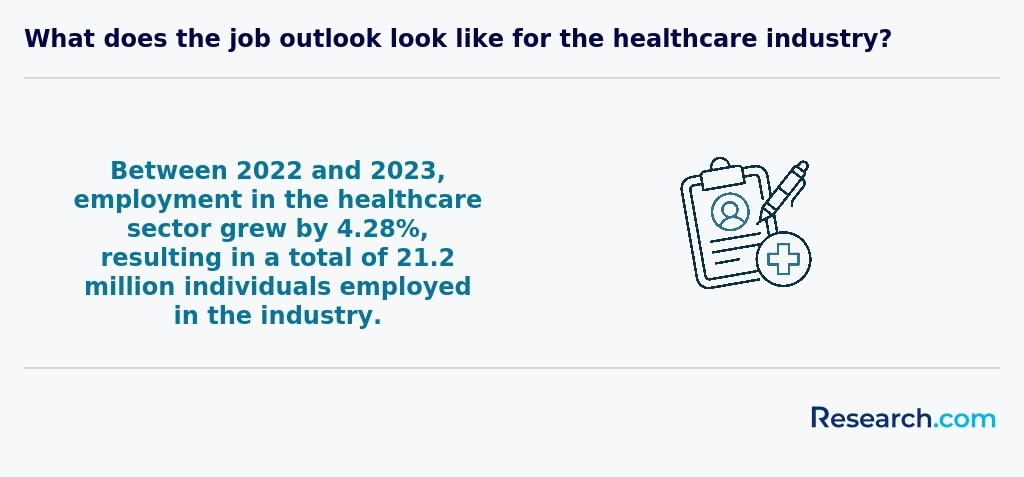
- What is the job market for online healthcare degree in the Northeast?
- Top Trending Healthcare Rankings
- See What Experts Have To Say About Studying Healthcare
What can I expect from online healthcare degree in the Northeast?
The average cost of an online healthcare degree in the Northeast typically ranges between $15,000 and $35,000 per year, depending on the institution. Graduates from well-known universities like those in New York or Massachusetts often mention that financial aid and in-state tuition rates helped make their programs more affordable. For example, students enrolled at public universities in Pennsylvania have found significant savings through reduced in-state fees, making high-quality education more accessible without sacrificing program rigor.
Many graduates share that understanding tuition costs upfront allowed them to budget effectively while balancing work and family responsibilities. They highlight the advantage of online programs' flexible schedules, which let them continue earning income during their studies. This practical approach provided peace of mind and reduced financial stress, enabling them to focus on learning healthcare management, policy, or nursing.
Weighing costs with the career growth potential in the Northeast's thriving healthcare sector reassured students that their investment was worthwhile. They appreciated programs combining rigorous coursework with real-world case studies from nearby healthcare systems, validating the long-term value beyond just tuition figures.
Where can I work with online healthcare degree in the Northeast?
With an online healthcare degree in the Northeast, you can find rewarding careers in hospitals, outpatient clinics, nursing homes, and public health organizations. Graduates from programs at schools like Northeastern University or the University of Pennsylvania often secure roles as registered nurses or healthcare administrators, thriving in cities such as Boston and Philadelphia where demand is strong.
Many graduates report starting as RNs in busy metropolitan hospitals, enjoying competitive salaries and opportunities for advancement due to the region's healthcare growth. Those with degrees in healthcare informatics work behind the scenes managing complex data systems, often collaborating remotely with teams across institutions like Massachusetts General Hospital.
Public health graduates frequently join regional health departments or nonprofits addressing issues like opioid addiction and chronic disease, finding fulfillment in community-based roles supported by organizations such as the New England Public Health Association.
Telehealth is another expanding field; graduates work as coordinators or clinicians, leveraging the Northeast's sophisticated digital infrastructure to provide care from home. These dynamic pathways offer practical, fulfilling options tailored to your online healthcare education.
How much can I make with online healthcare degree in the Northeast?
Graduates with online healthcare degrees in the Northeast can expect competitive salaries that reflect the region's strong healthcare sector and high living costs. For example, healthcare consultants typically earn a mean annual wage of about $115,530, making this career path particularly attractive for those completing advanced online programs at institutions like Northeastern University or Boston University. These graduates often find themselves well-prepared to navigate complex healthcare systems and lead impactful projects.
Meanwhile, healthcare compliance managers earn a mean annual wage around $80,190, a solid figure for professionals focused on regulatory and safety standards within hospitals and healthcare organizations across states like New York and New Jersey. Graduates from programs at schools such as the University of Pennsylvania benefit from hands-on training that enhances their job readiness and confidence.
By choosing specialized online healthcare degrees in the Northeast's top colleges, students position themselves to not only enter high-demand roles but also to enjoy salaries that support a thriving lifestyle in metropolitan hubs like Boston and Philadelphia.
2027 Fastest Online Master's in Healthcare Degree Programs Ranking in the Northeast
How do we rank schools?
Investing in your education is a significant decision that can shape your future, and the Research.com team understands the importance of making informed choices. To help prospective students identify the top healthcare master's programs in the Northeast, we have meticulously developed the "2027 Fastest Online Master's in Healthcare Degree Programs Ranking." Our dedication to quality, credibility, and accuracy is evident in the rigorous research and analysis undertaken for this ranking.
We utilized the following reputable data sources to ensure a comprehensive evaluation of healthcare degree programs:
By exploring this ranking, readers will gain valuable insights into the fastest online healthcare master's programs in the Northeast, enabling them to make well-informed decisions about their educational journey. For more details on our methodology, please visit our Research.com methodology page.


# 13 position
Antioch University New England
Master of Dance/Movement Therapy


# 17 position
Hofstra University
Master of Strategic Business Management and Strategic Healthcare Management


Key Findings
- Online healthcare degrees in the Northeast cover certificates to master's programs in fields like nursing, healthcare administration, public health, and health informatics.
- Tuition for master's programs typically ranges from $25,000 to $50,000, with public universities generally being more affordable.
- Graduates can expect entry-level salaries around $60,000 annually, with potential earnings rising above $100,000 within five to ten years.
- Healthcare employment in the Northeast is projected to grow by 10-15% over the next decade, especially in nursing and health administration.
- Most programs require in-person clinical or practicum experiences at approved local healthcare facilities.
- Licensing requirements vary by state, so students should verify regulations before enrolling.
How long does it take to complete online healthcare degree in the Northeast?
Completing an online healthcare degree in the Northeast typically aligns with traditional timelines but offers flexibility for busy lives. Most bachelor's programs, like those at Northeastern University or the University of Massachusetts, take about four years to finish when attending full-time. Graduates often highlight the balance these programs provide, allowing them to manage work and family while progressing steadily toward their degrees.
For master's degrees, the journey is usually shorter-about 18 to 24 months full-time. Boston University and Rutgers University offer accelerated tracks that many students find motivating, enabling them to finish sooner and advance their careers faster. Part-time learners, juggling jobs or personal commitments, might extend their studies to three or four years without losing momentum.
Taking advantage of transfer credits or accelerated options can significantly reduce completion time. Students who do this report feeling confident and energized by the progress, seeing their goals come within reach sooner than expected.
Accreditation and Licensure Requirements in the Northeast
Selecting an online healthcare degree with rigorous accreditation and clear licensure pathways is essential for ensuring program quality and smooth transition into professional practice. In the Northeast, reputable institutions typically hold regional accreditation from bodies like the New England Commission of Higher Education (NECHE) or the Middle States Commission on Higher Education (MSCHE), as well as programmatic accreditation from specialized agencies-such as the Commission on Collegiate Nursing Education (CCNE) for nursing programs or the Commission on Accreditation of Allied Health Education Programs (CAAHEP) for sonography tracks. This dual-layer validation not only assures academic rigor but also facilitates credit transfer and employer recognition across state lines. Prospective students must also navigate state licensure requirements, which vary by discipline and jurisdiction. For instance, Registered Nurse licensure through the National Council Licensure Examination (NCLEX-RN) is mandatory in every state, while public health practitioners may seek voluntary certification from the National Board of Public Health Examiners (NBPHE). Online programs often integrate board preparation modules and practicum placements aligned with state guidelines, ensuring graduates meet both educational and experiential criteria before applying for licensure. For those exploring diagnostic imaging pathways, consider programs that partner with clinical sites accredited by relevant agencies. You may also wish to review our curated list of universities that offer diagnostic medical sonography to compare accreditation statuses and licensure support services. By verifying both regional and programmatic accreditation-and confirming state-specific licensure preparation-you position yourself for a seamless entry into the healthcare workforce with credentials recognized throughout the Northeast.
What's the difference between online and on-campus healthcare degree?
Choosing between online and on-campus healthcare degrees in the Northeast means weighing flexibility against hands-on experience. Online programs, popular at universities like Northeastern and University of Massachusetts, let students manage coursework around jobs or family life. Graduates often appreciate accessing lectures anytime, which helps when commuting in busy metro areas like Boston. However, this requires strong self-discipline to stay on track without daily campus structure.
On-campus degrees at schools such as NYU or Boston University offer face-to-face mentorship and extensive lab work that many students find invaluable. Being physically present fosters collaboration and immediate support, which can boost confidence when mastering clinical skills. Campus connections also make securing clinical placements in nearby hospitals simpler.
Both formats demand clinical training, with online students in the Northeast often coordinating local placements through school partnerships. While tuition can be comparable, online options reduce expenses like housing and transport. Graduates commonly feel empowered by this balance, customizing education to fit demanding lifestyles in the region's competitive healthcare field.
Tips for Success in Online Healthcare Programs
Embarking on an online healthcare degree is both a challenging and rewarding endeavor that extends beyond coursework. To maximize your educational journey, it is essential to adopt effective study habits, actively engage in virtual discussions, and continuously seek constructive feedback from instructors and peers. Establishing a dedicated workspace, setting a consistent schedule, and utilizing digital tools for time management can greatly enhance your learning experience. Additionally, take advantage of networking opportunities within your program to build professional connections that may lead to internships, mentorships, or job referrals. For example, exploring resources from popular healthcare colleges can provide insights into institutions known for fostering student success and robust alumni networks. Lastly, don't hesitate to reach out to academic advisors and utilize support services offered by your school to address any challenges promptly-ensuring that you remain on track to meet your career aspirations in the dynamic healthcare field.
What is the average cost of online healthcare degree in the Northeast?
The average cost of an online healthcare degree in the Northeast typically centers around $29,304 for total tuition, with slight variations depending on residency status-about $31,530 for out-of-state students and $27,165 for in-state learners. Many students pursuing degrees in nursing, public health, or healthcare administration have found these figures manageable when balanced with scholarships, financial aid, and employer tuition reimbursement programs. Paying attention to the average cost of online healthcare degree Northeast programs helps future students budget effectively without surprises.
Graduates from popular healthcare colleges often share how the investment in an online degree provided flexibility, letting them continue working while studying. This reduces expenses like commuting and housing, which traditionally raise the cost of education. Nursing students, for instance, frequently highlight how programs designed for working professionals minimize time away from clinical practice, an important factor given the additional fees for course materials and licensing preparations. Exploring affordable options from regional universities proves valuable when considering online healthcare degree tuition fees Northeast institutions charge.
For practical planning, it is wise to research tuition rates alongside other expenses such as technology fees and clinical placement costs. Many students find that applying for scholarships or checking employer education benefits greatly lightens the financial load. To find tailored options and compare programs effectively, prospective students can consult rankings of popular healthcare colleges in the Northeast, helping align their goals with cost-effective choices.

Certification and Licensure Preparation
Preparing for professional credentials is a pivotal step in translating an online healthcare master’s degree into a rewarding career. Top programs in the Northeast not only deliver rigorous academic content but also offer dedicated support to help students navigate state licensure requirements and certification exams. • State‐Specific Exam Prep: Accredited online healthcare programs typically align coursework with key licensure examinations-such as the NCLEX-RN for advanced nursing roles or the CPH exam for public health specialists-providing practice questions, live review sessions, and mock exams tailored to specific state standards. • Clinical Placement Partnerships: Many institutions maintain relationships with local healthcare facilities to secure clinical hours required for licensure. These partnerships often include mentorship by licensed practitioners who guide students through patient-care competencies and documentation protocols. • Pass-Rate Transparency: Programs committed to quality publish first-time pass rates for major certification exams, enabling prospective students to compare outcomes. For additional context on program value and affordability, explore our Affordable Online Master’s in Healthcare Degree Programs Ranking in Ohio. • Continuing Education and Renewal: Beyond initial licensure, leading online master’s programs offer courses in ethics, advanced pharmacology, and leadership that satisfy continuing education requirements, ensuring professionals remain compliant and competitive. • Professional Networking and Advocacy: Student cohorts often connect with state boards and professional associations (e.g., American Nurses Association, Society for Public Health Education) to stay informed on changing licensure laws and emerging certification opportunities. By integrating exam preparation, transparent outcomes, and ongoing professional development, these online master’s programs empower graduates to earn-and maintain-the credentials essential for thriving in today’s dynamic healthcare environment.
What financial aid is available to online healthcare degree students in the Northeast?
Online healthcare students in the Northeast can access a variety of financial aid options tailored to their needs. Graduates from institutions like Northeastern University often start by applying for federal aid through FAFSA, unlocking Pell Grants that can provide up to $7,395 without repayment. This crucial support eases upfront costs for many.
State-specific aid is also significant. Massachusetts students frequently benefit from Workforce Training Fund Grants that support continuing education, while those in New York tap into scholarships designed for residents in healthcare fields, especially from underserved communities.
Institutional scholarships matter too. Many students attending University of Pennsylvania online programs mention receiving merit- or need-based awards that helped make their studies feasible, especially programs targeting veterans and minorities.
Employer tuition assistance in the region boosts affordability as well. Healthcare workers often report reimbursement programs encouraging career growth amid a 15% projected job increase through 2032.
Professional associations like the New England Healthcare Institute also provide helpful grants, giving students extra financial breathing room throughout their education.
Final Thoughts and Next Steps
As you reflect on the comprehensive landscape of online healthcare degree programs in the Northeast, it’s essential to consolidate your research and set clear next steps. This final section brings together key insights such as program accreditation, curriculum rigor, cost considerations, and career prospects, while also helping you plan your future educational journey. Prospective students are encouraged to revisit areas that may require further exploration-whether it’s understanding the nuances of financial aid, comparing specialized tracks, or connecting with current alumni for insider perspectives. For those eager to take the next step, be sure to review our detailed overview of popular healthcare colleges which offers additional context on institutional reputations and emerging industry trends. Embrace informed decision-making by consolidating available data, reading success stories, and mapping out an application strategy that aligns with your personal and professional goals. Ultimately, a well-researched approach will empower you to embark on a transformative educational journey in the dynamic field of healthcare.
What are the prerequisites for enrolling in online healthcare degree program in the Northeast?
To enroll in an online healthcare degree in the Northeast, you will generally need a bachelor's degree from an accredited university, often in nursing, health sciences, biology, or public health. Graduates from institutions like Boston University or the University of Connecticut share that this foundation helped them confidently tackle advanced coursework. Many programs require official transcripts showing at least a 3.0 GPA, reflecting the competitive nature of these healthcare degrees.
Licensure or professional experience can be essential, especially for nursing programs in states like New York, where being a Registered Nurse is often mandatory. One graduate recalls how holding an active RN license opened doors for accelerated admission at a New Jersey college known for its healthcare administration program.
Applicants should also prepare to submit letters of recommendation and a statement of purpose that clearly outlines career goals. Completion of prerequisite courses in anatomy, physiology, chemistry, and statistics is common, ensuring readiness for rigorous study.
While the GRE is less frequently required, some northeastern schools may request it, particularly those with strong research focuses. International students must demonstrate English proficiency through TOEFL or IELTS exams.
Student Support and Online Community Engagement
A robust support system is as critical to success in an online healthcare degree program as the curriculum itself. Prospective students not only need top-tier academic instruction but also require dedicated resources such as academic advisement, technical assistance, virtual tutoring, and active peer networking to overcome the challenges of remote learning. Many institutions now offer interactive platforms where students can engage with mentors and participate in live webinars and discussion forums that reinforce course content and boost confidence. For those evaluating financial aspects of online education, it’s worth exploring if does financial aid pay for medical billing and coding-a question that brings added clarity to managing tuition costs and other expenses. This comprehensive support not only fosters a dynamic online community but also ensures that every learner is well-equipped to excel both academically and professionally, strengthening the overall value of their degree.
What courses are typically in online healthcare degree programs in the Northeast?
Online healthcare degree programs in the Northeast typically include courses that build a strong foundation in medical terminology, human anatomy, and physiology, essential for real-world healthcare settings. Graduates from universities known for their healthcare studies often highlight how mastering these basics helped them confidently communicate in clinical environments and understand patient needs better.
Many programs focus on healthcare administration, covering leadership, finance, and policy development to prepare students for managing teams and navigating complex regulatory frameworks. For instance, graduates recall tackling case studies based on urban healthcare systems like those found in Boston or New York, gaining insights into managing institutions in bustling metropolitan areas.
Courses in health informatics and data management are increasingly emphasized, reflecting the Northeast's integration of technology in patient care. Students appreciate learning to handle electronic health records and data analytics, skills immediately useful during clinical internships or virtual simulations common in local programs.
Public health topics such as epidemiology, disease prevention, and health promotion also feature prominently, aligning with regional healthcare priorities. Ethics, law, and patient privacy classes prepare students to handle sensitive information responsibly, a crucial skill stressed by graduates working in diverse healthcare environments.
What types of specializations are available in online healthcare degree programs in the Northeast?
Students pursuing online healthcare degree specializations Northeast can expect diverse options designed to suit various career paths. Popular choices include Healthcare Administration and Management, which prepares students for leadership roles in hospitals and health systems, as seen in graduates from Rutgers University who lead projects improving patient services. Nursing specialties like Nurse Leadership or Family Nurse Practice offer clinical advancement, often pursued by those balancing work with study. Public Health programs focus on epidemiology and community health, ideal for graduates motivated by policy impact, notably from the University of Massachusetts. Health Informatics attracts those interested in leveraging data technologies to enhance care, a field gaining momentum in the region's tech-driven healthcare landscape.
Other relevant specialties include Healthcare Quality and Patient Safety, which emphasize compliance and standards, and bridge programs in Occupational or Physical Therapy for licensed professionals. For those aiming to influence legislation, Health Policy and Advocacy programs provide practical preparation. Many students recognize that understanding these options ahead can clarify their career path. If cost is a concern, check if does financial aid pay for medical billing and coding at your chosen school.
How do you choose the best online healthcare degree in the Northeast?
Start by verifying accreditation through recognized bodies like the New England Commission of Higher Education (NECHE) to ensure your online healthcare degree from the Northeast is respected by employers and licensure boards. Graduates from well-known institutions such as Boston University or the University of Pennsylvania often highlight how regional accreditation boosted their confidence in program quality and career prospects.
Choose programs aligned with your career goals, whether it's nursing, healthcare administration, or specialized fields like health informatics. Many students appreciate schools offering concentrations or practical clinical placements, which make learning relevant and applicable. For example, some prefer programs similar to those at universities that offer diagnostic medical sonography, where hands-on experience improved their skills and job readiness.
Consider cost carefully, especially when searching for affordable healthcare master's programs Northeast. Public universities in states like New York provide competitive tuition rates, often making education more accessible. Alumni often recall how financial aid and flexible payment plans helped them manage expenses without sacrificing quality education. By focusing on these key factors, you can confidently select an online healthcare degree that fits both your ambitions and budget.
What career paths are available for online healthcare degree students in the Northeast?
Graduates who earn an online healthcare degree in the Northeast have access to diverse career paths tailored to regional needs. Many pursue roles as registered nurses or nurse practitioners, benefiting from strong employment demand in states like New York and Massachusetts. These positions offer rewarding work in clinical settings or advanced practice areas such as family care.
Others find opportunities in healthcare administration within the region's large hospital networks and research institutions. Graduates from popular universities in the Northeast often share how their online degrees equipped them to manage complex compliance and financial operations, merging leadership skills with healthcare knowledge.
Public health careers also appeal to online learners, especially in urban centers like Boston. Graduates working in epidemiology or health policy report fulfillment in addressing community challenges, supported by a Master of Public Health. These healthcare degree jobs in Northeast US reflect stability and purpose.
For students blending technology and patient care, healthcare informatics roles offer promising salaries and growth. Many recommend exploring programs featured in the Affordable Online Master's in Healthcare Degree Programs Ranking in Ohio to balance cost with strong job placement outcomes.
What is the job market for online healthcare degree in the Northeast?
The job market for graduates with online healthcare degrees in the Northeast remains strong and competitive. Experienced graduates from universities like Boston University and the University of Pennsylvania report finding diverse career options, particularly in nursing, healthcare administration, and health informatics. These roles align with the region's expanding healthcare infrastructure in cities such as New York and Philadelphia. Pursuing an online healthcare degree here offers the advantage of connecting with major healthcare employers eager to hire professionals trained in the latest technologies and practices.
For those worried about affordability, many students balance work and study by enrolling in accelerated options like 1 year masters degree programs, which reduce costs and time to enter the job market. With strong demand for online healthcare jobs in the Northeast, graduates frequently secure positions offering salaries above the national average, making the investment worthwhile. Building local networks through internships and hospital partnerships is a practical step toward career success in this dynamic region.
Healthcare career opportunities Northeast region include roles in public health and advanced nursing, reflecting both urban and statewide needs driven by an aging population and technological innovation.
Frequently Asked Questions About healthcare
Students pursuing online healthcare degrees in the Northeast can enhance their learning by actively engaging with regional professional networks. States like New York and Massachusetts have some of the highest concentrations of healthcare jobs, so connecting with local health organizations can provide valuable practical insights.
Utilizing virtual simulation tools and telehealth platforms, which many accredited programs now offer, helps students develop hands-on skills remotely. According to the U.S. Bureau of Labor Statistics, healthcare employment in the Northeast grew by over 10% between 2017 and 2022, making timely and applied learning essential.
Additionally, students should take advantage of access to Northeastern clinical practicum placements or partnerships, ensuring real-world experience despite the online format. Many universities also offer access to region-specific research databases and journals, which can deepen subject knowledge.
Establishing routine communication with instructors and peers in virtual study groups supports knowledge sharing and networking, crucial in the healthcare field. Finally, staying informed about state licensing requirements, which vary across Northeast states, will help align education with career goals.
The healthcare field is evolving rapidly, with several emerging niches gaining attention, especially in the Northeast. One of these is telehealth, which expanded by over 60% in the region during the COVID-19 pandemic, according to the New England Healthcare Institute. Telehealth offers increased access to remote patient care, creating demand for professionals skilled in digital health technologies.
Another growing niche is healthcare data analytics. Hospitals and healthcare systems in places like New York and Massachusetts are investing heavily in big data to improve patient outcomes and operational efficiency. The Bureau of Labor Statistics projects a 15% growth in healthcare data jobs nationwide through 2030.
Additionally, personalized medicine, including genetics counseling, is expanding due to advancements in biotechnology. This niche offers promising career opportunities for those with online degrees focused on emerging medical technologies.
After completing an online healthcare degree in the Northeast, preparing for the job market involves targeted steps to increase employability. First, obtaining relevant certifications like the Certified Healthcare Administrative Professional (cHAP) can enhance credentials. According to the U.S. Bureau of Labor Statistics, healthcare occupations in the Northeast are expected to grow by 13% through 2031, signaling strong demand.
Networking is also critical; joining professional associations such as the Massachusetts Health & Hospital Association can provide job leads. Additionally, leveraging internship or practicum experiences gained during online studies offers valuable hands-on skills.
Finally, tailoring your resume to highlight both technical proficiency and regional healthcare knowledge will give you a competitive edge.
Employers in the Northeast value healthcare graduates with strong clinical skills and the ability to apply evidence-based practices. According to the New England Healthcare Institute, communication and teamwork are crucial, as healthcare frequently involves multidisciplinary collaboration. Analytical thinking and proficiency in healthcare technology are increasingly important, given the region's investment in electronic health records (EHR) systems.
Additionally, cultural competence and adaptability rank high to meet diverse patient needs in metropolitan areas like New York and Boston. The Bureau of Labor Statistics highlights that over 70% of healthcare employers in the Northeast prioritize problem-solving skills combined with patient-centered care experience. These capabilities often distinguish graduates in competitive job markets.
Finding internships relevant to healthcare degrees in the Northeast involves leveraging multiple local resources. Many universities have partnerships with hospitals and clinics, especially in states like New York and Massachusetts, where healthcare employment is robust. According to the Bureau of Labor Statistics, healthcare jobs in the Northeast are expected to grow by nearly 15% by 2030, increasing internship opportunities.
Start by contacting your online program's career services, which often offer listings or connections to regional providers. Additionally, explore state and local health departments, major hospital systems like Mass General or NYU Langone, and professional organizations such as the Northeast Public Health Association. Early outreach and networking can significantly improve your chances.
An online healthcare degree from an accredited institution in the Northeast significantly enhances career mobility and advancement opportunities. The region's healthcare sector is one of the fastest growing, with a projected 15% increase in healthcare jobs between 2020 and 2030, according to the U.S. Bureau of Labor Statistics. Employers in states like New York, Massachusetts, and Pennsylvania increasingly value flexible, tech-savvy professionals who obtain advanced credentials through online programs.
Online degrees also enable professionals to continue working while upgrading skills, which is crucial in competitive urban healthcare markets. Graduates often qualify for leadership roles, higher salaries, and specialized fields such as healthcare administration and informatics.
Studying for a healthcare degree in the Northeast offers unique preparation for interdisciplinary roles by emphasizing collaboration between multiple healthcare fields. Many programs incorporate integrated coursework combining nursing, public health, health administration, and social services, reflecting regional workforce needs.
The Northeast houses numerous top-ranked universities that partner with diverse healthcare systems, providing students practical exposure to team-based care models. According to the Bureau of Labor Statistics, states like Massachusetts and New York are projected to grow healthcare occupations by over 15% through 2030, increasing demand for professionals skilled in cross-disciplinary communication.
Additionally, online programs in this region often include interprofessional education modules, fostering skills necessary to work effectively with physicians, pharmacists, and allied health professionals. This focus aligns with national recommendations from organizations such as the Institute of Medicine, promoting integrated healthcare delivery to improve patient outcomes.
Choosing between a thesis and a non-thesis healthcare degree in the Northeast depends on your career goals and learning preferences. Thesis programs typically require conducting original research, preparing a detailed paper, and may better suit those aiming for doctoral studies or research roles.
Non-thesis programs focus more on practical skills and coursework, appealing to professionals targeting clinical or administrative positions. In the Northeast, about 40% of healthcare master's programs offer thesis options, often at research universities like Boston University or University of Pennsylvania, according to the National Center for Education Statistics.
Consider your work experience, time availability, and whether you prefer hands-on practice over academic research before deciding.
Students based in the Northeast seeking healthcare education abroad have several online options through partnerships between U.S. institutions and international universities. Some programs offer joint degrees or exchange opportunities with schools in Europe and Canada, allowing for global exposure while completing most coursework online.
The Northeast features many institutions experienced in healthcare training, such as those in New York and Massachusetts, which have ties to programs abroad. These collaborations enable access to diverse healthcare perspectives without the cost of full-time international relocation.
According to CNA Healthcare reports, nearly 15% of Northeast healthcare graduate programs incorporate global study components, reflecting growing interest in international healthcare systems.
Online study combined with short-term international residencies or clinical experiences offers a flexible pathway for students interested in global healthcare practice and policy development.
Part-time job opportunities in the Northeast that complement online healthcare degree education often focus on roles providing practical experience. Common positions include medical scribes, patient care technicians, and pharmacy assistants. For example, New York State's Department of Labor reports steady demand for medical assistants, with a projected 12% employment growth through 2030.
Positions such as health information technicians are also popular, offering skills in managing patient data-an important area in healthcare administration programs. Many hospitals and clinics in the Northeast hire part-time workers to support ongoing patient care, which aligns well with academic coursework.
These roles typically offer flexible hours, allowing students to balance work and study effectively while gaining relevant experience in clinical or administrative settings.
Online healthcare students in the Northeast benefit from a growing number of networking opportunities despite the virtual format. Many universities partner with local healthcare organizations and professional associations to provide students access to virtual job fairs, webinars, and guest lectures featuring industry leaders. For example, the Massachusetts Health & Hospital Association offers online events connecting students with healthcare executives in the region.
Additionally, organizations like the New England Healthcare Institute facilitate regular virtual networking sessions that help students build professional relationships. According to the Bureau of Labor Statistics, the Northeast is projected to see a 15% growth in healthcare employment by 2028, increasing the value of strong local connections.
Moreover, students often join online forums and LinkedIn groups specific to Northeast healthcare professionals, which can lead to mentorships and internships. Regional accreditation of online programs also encourages local employers to recognize students' qualifications, making networking efforts more fruitful.
Alumni networks offer significant benefits to students pursuing online healthcare degrees in the Northeast. These networks provide valuable professional connections, which are essential in a competitive healthcare job market. According to the New England Board of Higher Education, over 35% of healthcare professionals in the region find jobs through networking opportunities.
Students can access mentorship programs with experienced alumni, gaining industry insights and career guidance. Many universities in the Northeast also organize alumni events and online forums, facilitating collaboration and knowledge sharing among healthcare graduates. This support system helps students integrate theoretical knowledge with real-world practice, enhancing career prospects.
Customizing an online healthcare degree in the Northeast allows students to align their education with specific career goals. Many programs offer elective courses, concentrations, or certificate options such as healthcare administration, informatics, or public health. For example, schools like Northeastern University and University of Pittsburgh provide flexible curricula tailored to industry demands. Students can often choose between part-time or full-time tracks, adjusting to work and life commitments.
According to the Bureau of Labor Statistics, healthcare jobs in the Northeast are projected to grow by over 13% through 2030, underscoring the importance of specialization. Opting for practicum or capstone projects in local healthcare settings further enhances real-world experience. This targeted approach strengthens career readiness in the regional market.
Online healthcare students in the Northeast often grapple with limited access to local clinical placements. Many programs require hands-on practice, but regional healthcare settings may have restrictions on internships for remote learners. According to the Northeast Regional Center for Excellence in Health Professions, this challenge leads to delays in completing essential practicum hours.
Additionally, these students face difficulties balancing rigorous coursework with demanding work schedules. Nearly 60% of healthcare students in the region report juggling full-time jobs alongside studies, affecting their academic progress.
Technology access and varying state licensing requirements also complicate matters for students aiming to practice professionally within their state.
With an online healthcare degree, students in the Northeast can pursue various professional certifications that enhance career prospects. Common certifications include Certified Healthcare Administrator (CHA), Certified Professional in Healthcare Quality (CPHQ), and Registered Health Information Technician (RHIT). These credentials are nationally recognized and can be earned with an accredited degree combined with relevant experience or coursework.
The Northeast has a growing healthcare sector, with over 12% employment growth expected through 2030, according to the U.S. Bureau of Labor Statistics. This growth drives demand for certified professionals in hospital administration, health informatics, and quality management. Online degrees often prepare graduates for certification exams by covering required competencies.
Some states may require additional licenses, so it's important to check local regulations. Overall, certifications validate expertise and often lead to higher earning potential in the competitive Northeastern healthcare market.
When applying to an online healthcare degree program in the Northeast, start by thoroughly researching the schools to understand their specific admission requirements. Many programs emphasize healthcare experience, so detail any clinical or administrative roles you've held. The Northeastern region, home to over 20% of U.S. healthcare workers according to the Bureau of Labor Statistics, offers competitive programs requiring strong academic records and clear career goals.
Craft a compelling personal statement that illustrates your passion for healthcare and how the degree aligns with your professional growth. Include measurable achievements and reference any local healthcare challenges you aim to address, enhancing relevance.
Lastly, secure strong letters of recommendation from supervisors or faculty familiar with healthcare environments, as these carry significant weight in Northeastern institutions' admissions decisions.
Healthcare careers are increasingly viewed through a global lens, especially as health challenges cross borders. In the United States, and specifically in the Northeast, there is growing recognition of how global health trends influence local healthcare demands. According to the Bureau of Labor Statistics, healthcare occupations in the Northeast are expected to grow by about 15% from 2021 to 2031, reflecting both regional and international health priorities.
Many online healthcare degree programs emphasize global health perspectives, preparing students to work in diverse healthcare settings or collaborate on international projects. Understanding global health issues such as pandemics, aging populations, and healthcare access disparities enriches a student's ability to contribute effectively in the region.
Institutions in the Northeast often integrate global case studies and comparative health systems analysis, helping students appreciate the complexity of healthcare beyond national borders. This approach aligns with employers' needs for professionals who can adapt to increasingly interconnected healthcare environments.
Gaining practical experience while studying for an online healthcare degree in the Northeast is essential for career readiness. Many accredited programs incorporate clinical placements or internships at nearby hospitals, clinics, or public health organizations. These hands-on opportunities are often arranged through the school's partnerships, enabling students to comply with state licensure requirements.
Students can also benefit from simulation labs, some of which offer remote access to virtual patients and realistic medical scenarios. According to the New England Board of Higher Education, over 70% of regional online healthcare programs require some form of practicum.
Additionally, volunteering within local healthcare facilities remains a viable way to gain experience while studying flexibly online.
Choosing the right concentration in an online healthcare degree program in the Northeast involves examining regional healthcare demands and personal career goals. According to the U.S. Bureau of Labor Statistics, healthcare jobs in this region are growing faster than the national average, especially in nursing, health administration, and public health sectors.
Start by researching concentrations aligned with in-demand roles-for example, gerontology or healthcare informatics reflect Northeast population trends, including aging demographics and technological integration in hospitals. Also, consider program accreditation and faculty expertise, which ensure quality education and better job prospects.
Top Trending Healthcare Rankings
See What Experts Have To Say About Studying Healthcare
Read our interview with Healthcare experts

References
- Online Healthcare Degree Programs1 https://www.ultimatemedical.edu/campuses/online/
- Northeast College of Health Sciences https://www.northeastcollege.edu/
- 10 Skills Employers Are Looking for in Healthcare Management Jobs https://www.aiuniv.edu/blog/10-top-skills-for-healthcare-management-jobs
- Niche Markets in Healthcare: How to Find & Target https://nechayadvisors.com/blog/niche-markets-in-healthcare
- Global Health Perspectives https://globalhealthperspectives.com/
- Challenges for Medical Students - Health Action Research Group https://www.healthactionresearch.org.uk/mental-health/challenges-for-medical-student/
- Enhancing Clinical Education: Strategies for Health Professions - European Society of Medicine https://esmed.org/enhancing-clinical-education-strategies-for-health-professions/
- 20 healthcare investment niches and 3 things to know: The evolution of ... https://blackbookmarketresearch.com/20-healthcare-investment-niches-and-3-things-to-know-the-evolution-of
- Health Sciences Study Abroad Programs - Healthcare Abroad https://www.ceastudyabroad.com/academic-discipline/health-sciences
- Healthcare Assistant Cover Letter Templates | myPerfectCV https://www.myperfectcv.co.uk/cover-letter/examples/healthcare-assistant-cover-letter