
2027 Most Valuable Healthcare Degree Programs Ranking in Georgia

Co-Founder and Chief Data Scientist
Choosing the right healthcare degree program is a big step toward a rewarding career in Georgia's growing medical field. This article introduces the 2027 Most Valuable Healthcare Degree Programs Ranking in Georgia, developed by the Research.com team of data scientists to guide you in making a well-informed decision.
Discover which programs offer the best value and opportunities, helping you invest in a future full of potential. Whether you're starting out or advancing your career, understanding your options empowers you to take confident steps forward.
Key benefits of getting healthcare degree in Georgia
- Healthcare degree graduates in Georgia can earn competitive salaries, such as Medical Assistants making around $43,350 annually and Patient Care Technicians earning about $60,790 per year, offering financial stability and rewarding career opportunities.
- Graduates from institutions like Georgia State University have diverse career options, including roles as Clinical Research Coordinators or Quality Improvement Coordinators, which offer growth and specialization in the healthcare field.
- Online healthcare degrees from schools such as Kennesaw State University provide flexibility, allowing students to balance work and study while gaining valuable skills needed to succeed in healthcare careers.
- Key benefits of getting healthcare degree in Georgia
- What can I expect from healthcare degree in Georgia?
- Where can I work with healthcare degree in Georgia?
- How much can I make with healthcare degree in Georgia?
- 2027 Most Valuable Healthcare Degree Programs Ranking in Georgia
- Key Findings
- How long does it take to complete healthcare degree in Georgia?
- Related Online Healthcare Degree Programs and Rankings
- What's the difference between online and on-campus healthcare degree?
- Licensure and Certification Requirements
- What is the average cost of healthcare degree in Georgia?
- How Healthcare Degree Programs in Georgia Compare Regionally and Nationally
- What financial aid is available to healthcare degree students in Georgia?
- Comparative Analysis: Georgia vs. National Healthcare Programs
- What are the prerequisites for enrolling in healthcare degree program in Georgia?
- How Does a Healthcare Degree in Georgia Compare to Other States?
- What courses are typically in healthcare degree programs in Georgia?
- What types of specializations are available in healthcare degree programs in Georgia?
- How do you choose the best healthcare degree in Georgia?
- What career paths are available for healthcare degree students in Georgia?
- What is the job market for healthcare degree in Georgia?
- Related Healthcare Rankings for Nearby States
- Top Trending Healthcare Rankings
- See What Experts Have To Say About Studying Healthcare
What can I expect from healthcare degree in Georgia?
The average cost of a healthcare degree in Georgia typically falls between $5,000 and $10,000 per year for in-state students attending public institutions. Graduates from schools like Georgia State University often recall managing tuition within this range, which made pursuing nursing or allied health degrees financially feasible without overwhelming debt. These costs cover the core coursework and clinical training essential for hands-on experience-an element students value highly, especially when working through partnerships with local hospitals.
For those attending private universities such as Emory University or Mercer University, expenses can be higher, but many students balance this with scholarships or financial aid tailored to healthcare fields. Graduates appreciate the investment when they step into roles with competitive salaries starting around $68,000 annually in larger cities like Atlanta, validating the upfront cost.
Budgeting realistically for tuition, books, and fees, while taking advantage of state-specific licensure exam preparation included in the programs, is a practical step. This approach ensures you're not only preparing for your education but also for a smooth transition into the workforce in Georgia's expanding healthcare sector.
Where can I work with healthcare degree in Georgia?
Graduates with healthcare degrees from schools like Georgia State University or Emory University often find direct entry into hospitals such as Emory Healthcare or Wellstar Health System, where they work as registered nurses, medical technologists, or healthcare administrators. These environments offer hands-on experience with patients and the chance to collaborate with multidisciplinary teams, providing a rewarding launch into healthcare careers.
Others choose roles in outpatient clinics or ambulatory centers, growing workplaces perfect for those who enjoy fast-paced, patient-focused settings. Graduates report satisfaction balancing clinical tasks with patient interaction as physician assistants or medical assistants in these facilities throughout Georgia.
Graduates seeking stability and meaningful work in elder care often find opportunities in long-term care facilities or nursing homes, where demand for licensed practical nurses and healthcare support staff is rising. Practical experience gained through internships at institutions near the University of Georgia bolsters their readiness to serve Georgia's aging population.
Public health careers are another viable path, with many graduates working for state and local health departments on community health programs, reflecting their passion for prevention and health education.
Finally, private practices provide varied roles such as medical office managers or billing specialists, offering appealing career options for those who prefer administrative and clinical coordination work. Graduates appreciate the balance between patient care and office duties in these settings.
How much can I make with healthcare degree in Georgia?
Graduates with healthcare degrees from reputable Georgia institutions like Augusta University or Georgia State University often find clear salary pathways. For example, entry-level roles such as Medical Assistants typically earn around $43,350 annually, which provides a solid start for recent graduates developing skills on the job.
Those who advance into specialized roles see significant financial gains. Patient Care Technicians in Georgia make about $60,790 per year, reflecting higher responsibility and practical expertise gained during clinical training at colleges like Kennesaw State University. Similarly, Health Information Technicians command salaries near $43,380, suited for graduates with strong data management skills from programs in metro Atlanta.
For graduates targeting leadership or quality assurance, the Quality Improvement Coordinator role is a standout, with an average wage of $103,150 annually. This position rewards those with a master's degree and experience, often achieved through continuing education at institutions offering flexible healthcare management courses across Georgia.
Understanding these salary benchmarks helps students set realistic expectations and plan their education investments wisely for rewarding careers within Georgia's growing healthcare market.
2027 Most Valuable Healthcare Degree Programs Ranking in Georgia
How do we rank schools?
Investing in your education is a significant decision that can have a lasting impact on your career and future opportunities. The Research.com team is fully aware of this responsibility and has dedicated extensive efforts to ensure the quality, credibility, and accuracy of the "2027 Most Valuable Healthcare Degree Programs Ranking in Georgia." To develop this comprehensive ranking, we relied on multiple authoritative data sources:
By consulting these robust sources, our ranking offers readers valuable insights into the most advantageous healthcare degree programs in Georgia, empowering them to make well-informed educational decisions. For more information about the methodology behind this ranking, please visit the Research.com methodology page.
# 1 position
South University-Savannah Online
Bachelor of Science in Nursing


# 6 position
South University-Savannah
Bachelor of Science in Healthcare Management


# 8 position
South University-Savannah Online
Master of Healthcare Administration


# 11 position
Chamberlain University-Georgia
Bachelor of Science in Health Sciences


Key Findings
- Annual tuition for healthcare degrees in Georgia ranges from $7,000 to $10,000 at public universities and $20,000 to $40,000 at private institutions.
- Early-career healthcare graduates in Georgia earn between $50,000 and $60,000 per year, with registered nurses starting near $58,000 annually.
- Mid-career healthcare professionals can expect salaries from $70,000 to $90,000, reflecting strong demand for skilled workers.
- The healthcare job market in Georgia is projected to grow by more than 15% over the next decade.
- Many healthcare programs require clinical hours or internships, which enhance practical experience and improve job placement rates.
- Accreditation is widely available in Georgia's healthcare education system, which is important for licensure and employment.
How long does it take to complete healthcare degree in Georgia?
Completing a healthcare degree in Georgia depends mostly on the level of education you pursue and the institution you choose. For instance, graduates from community colleges like Atlanta Technical College often share how their Associate Degree in Nursing took just about two years, allowing them to quickly step into registered nurse roles. This timeline suits those eager to start working and earning sooner.
On the other hand, students aiming for broader opportunities often report spending four years at universities such as Georgia State University to earn their Bachelor's Degree, especially a Bachelor of Science in Nursing. Many express satisfaction knowing this path opens doors to more advanced nursing positions favored by Georgia employers.
If your goal is a specialized clinical role, expect to invest two to four additional years for graduate studies. Pharmacy or physician assistant students describe balancing long study hours with rewarding clinical experiences, often at well-known schools like Mercer University.
For quick entry roles, certificate programs lasting six months to one year offer practical skills and fast workforce integration, which many recent graduates appreciate to jumpstart their healthcare careers in Georgia.
Related Online Healthcare Degree Programs and Rankings
As you explore top healthcare degree programs in Georgia, it’s valuable to consider the growing impact of online education and how affordability intersects with program quality. Many students balance work and study by enrolling in online healthcare degrees, which offer flexible schedules, interactive virtual labs, and access to cutting-edge learning platforms. For those seeking the most cost-effective options without compromising academic rigor, our Most Affordable Online Healthcare Degree Programs Ranking in Romeoville, IL provides a data-driven guide to programs that excel in both affordability and outcomes. By comparing tuition rates, graduation statistics, and student support services across institutions, prospective learners can identify programs that align with their career goals and budget constraints. Whether you aim for a bachelor's in Health Information Management or a master's in Healthcare Administration, examining online rankings alongside traditional offerings empowers you to make informed decisions and maximize your return on educational investment.
What's the difference between online and on-campus healthcare degree?
Online and on-campus healthcare degrees in Georgia serve different needs depending on your lifestyle and learning preferences. For example, graduates from Emory University often recall how in-person clinical rotations gave them confidence in real hospital settings, a critical step many say you won't skip when pursuing nursing or physical therapy. On-campus programs at institutions like Georgia State offer hands-on lab access and direct mentoring, which many find essential to mastering complex healthcare skills.
Meanwhile, online healthcare students, including those at the University of Georgia, appreciate the flexibility to study around work or family commitments. These programs often combine virtual coursework with local clinical placements to meet Georgia's licensure requirements, helping rural students balance life without giving up essential practicum hours. Many feel empowered managing their own schedule, though self-discipline is key.
Cost is another factor-online options may save on commuting and housing but can have similar tuition to in-person programs due to technology fees. Weigh your need for direct interaction versus flexibility, and consider how each format fits your daily routine and career goals in Georgia's healthcare landscape.
Licensure and Certification Requirements
After completing a healthcare degree in Georgia, most roles require state or national credentials. Common pathways include:
- Registered Nurse (RN): graduate from an accredited ADN or BSN program, pass the NCLEX-RN exam, then apply for licensure through the Georgia Board of Nursing. Many aspiring RNs explore nursing schools that are easy to get into for strong NCLEX prep and supportive clinical experiences.
- Licensed Practical Nurse (LPN): complete a state-approved LPN program, pass the NCLEX-PN exam, and obtain licensure via the Georgia Board of Nursing.
- Medical Assistant: earn certification through the American Association of Medical Assistants (AAMA) or National Center for Competency Testing (NCCT) to enhance employability.
- Radiologic Technologist: graduate from a JRCERT-accredited program, pass the ARRT certification exam, and register with the Georgia Composite Medical Board.
- Physical Therapist (PT): complete a Doctor of Physical Therapy (DPT) degree, pass the NPTE exam, and secure licensure through the Georgia Board of Physical Therapy.
- Health Information Technician: earn RHIT or RHIA credentials from AHIMA to demonstrate proficiency in medical coding and records management.
What is the average cost of healthcare degree in Georgia?
The average cost of a healthcare degree in Georgia varies significantly depending on several factors. For in-state students attending public universities such as the University of Georgia or Georgia State University, the median total cost typically hovers around $9,186. Graduates from these institutions often share how manageable tuition combined with scholarships helped them maintain focus on their studies without overwhelming debt. On the other hand, out-of-state students and those attending private institutions can expect median costs to rise substantially, with figures close to $32,378, reflecting additional expenses and higher tuition fees.
Most healthcare degrees, whether you're pursuing nursing, physician assistant studies, or healthcare administration, involve fees that cover not only tuition but also mandatory charges. For instance, students at private colleges often face annual tuition from $20,000 to $35,000, excluding extra expenses like clinical placement or equipment.
Community colleges in Georgia provide a practical alternative, especially for those seeking associate degrees or certifications in healthcare, with tuition around $4,000 to $6,000 for in-state students. These programs are praised by many graduates for their affordability and flexible scheduling, making them ideal starting points without sacrificing quality.
If budgeting is a concern, exploring options such as RN-to-BSN or accelerated nursing tracks can be a smart move, as these often reduce total costs and program duration. For students interested in the most affordable online healthcare programs in georgia, investigating such pathways offers both convenience and savings while paving the way to a rewarding career.
Understanding the average healthcare degree cost in Georgia helps prospective students create realistic financial plans that account for tuition, fees, and necessary living expenses. With thoughtful planning and exploration of diverse institutions, achieving a healthcare degree in Georgia is a practical and fulfilling goal.

How Healthcare Degree Programs in Georgia Compare Regionally and Nationally
Georgia’s healthcare degree programs stand out for their blend of rigorous academics, practical training, and community engagement when compared to regional and national counterparts. Institutions in Georgia often offer competitive tuition rates, comprehensive curricula, and strong clinical partnerships that prepare graduates for a dynamic job market. Compared to many states, Georgia’s degree programs not only emphasize technical proficiency but also integrate community service and ethical considerations, positioning graduates to excel in both clinical and administrative roles. This competitive edge is further evidenced by favorable job placement rates and opportunities for career advancement, which are bolstered by the state’s collaboration with leading hospitals and research centers. Additionally, students interested in exploring flexible learning options can consider pursuing an online mha program, which offers a blend of convenience and quality education. By analyzing tuition costs, student support services, and long-term career outcomes, it becomes clear that Georgia’s healthcare programs are a compelling choice for aspiring professionals looking to build a bright future in the medical field.
What financial aid is available to healthcare degree students in Georgia?
Start by completing the FAFSA to see what federal aid you qualify for, including the Pell Grant, which can cover up to $7,395 annually based on financial need. Many healthcare students at Georgia State University have reduced their expenses significantly by securing this grant alongside federal loans or work-study programs.
Look into the HOPE Scholarship if you're a full-time undergraduate living in Georgia. It offers up to $4,000 a year and is popular among nursing students at Augusta University. If you're pursuing certificate or diploma programs, the HOPE Grant is a practical option, especially for careers like medical assisting or allied health fields.
Check with your chosen institution for merit or need-based scholarships. Many healthcare programs in Georgia's universities provide targeted awards, easing the financial burden and rewarding academic effort. Graduates often mention how these institutional scholarships made a tangible difference during their studies.
Finally, consider employer tuition assistance and loan forgiveness programs like the National Health Service Corps, which supports graduates working in underserved Georgia communities by repaying significant portions of their loans. This practical pathway helps combine passion with financial relief after graduation.
Comparative Analysis: Georgia vs. National Healthcare Programs
Georgia’s healthcare degree programs stand out not only in their robust curricula and community engagement but also in their competitive edge when compared nationally. In many cases, these programs offer a unique blend of affordability, flexible learning options, and strong local job market connections that make them particularly attractive to prospective students. For instance, while tuition costs in several states have steadily increased, Georgia maintains a balance between quality education and cost efficiency, giving students access to quality training without the heavy financial burden seen elsewhere. This affordability is further highlighted by resources such as the most affordable online healthcare programs in georgia, which showcase a growing trend in flexible learning models alongside traditional classroom environments. Furthermore, compared to many national programs, Georgia’s offerings often emphasize experiential learning and community-based training. Graduates benefit from internship opportunities that are closely integrated with local healthcare facilities, providing them with both practical skills and a network of professional contacts. This dual focus on affordability and real-world application not only enhances employability but also nurtures a sense of purpose and community service among graduates. Overall, the comparative strengths of Georgia’s healthcare education system lie in its ability to deliver quality, accessible education that meets the demands of an ever-evolving healthcare landscape.
What are the prerequisites for enrolling in healthcare degree program in Georgia?
To enroll in a healthcare degree program in Georgia, you'll first need a high school diploma or GED-this is non-negotiable. Graduates from institutions like Georgia State University often share how a solid background in biology and chemistry smoothed their transition into programs like nursing or allied health. If you're aiming for an ADN or similar degree, make sure you've completed coursework in anatomy, physiology, and algebra to build confidence tackling clinical subjects.
Most nursing programs at reputable colleges such as Augusta University require passing the TEAS exam, which tests your reading, math, and science skills. Think of it as your first practical step to prove you're ready-graduates often describe the relief and boost in motivation after clearing this hurdle.
Hands-on experience counts too. Universities sometimes expect documented patient care hours or certified healthcare training before accepting applicants, giving you a taste of real-world responsibilities. Also, be prepared for health prerequisites like updated immunizations and background checks, necessary to ensure safety in clinical environments.
How Does a Healthcare Degree in Georgia Compare to Other States?
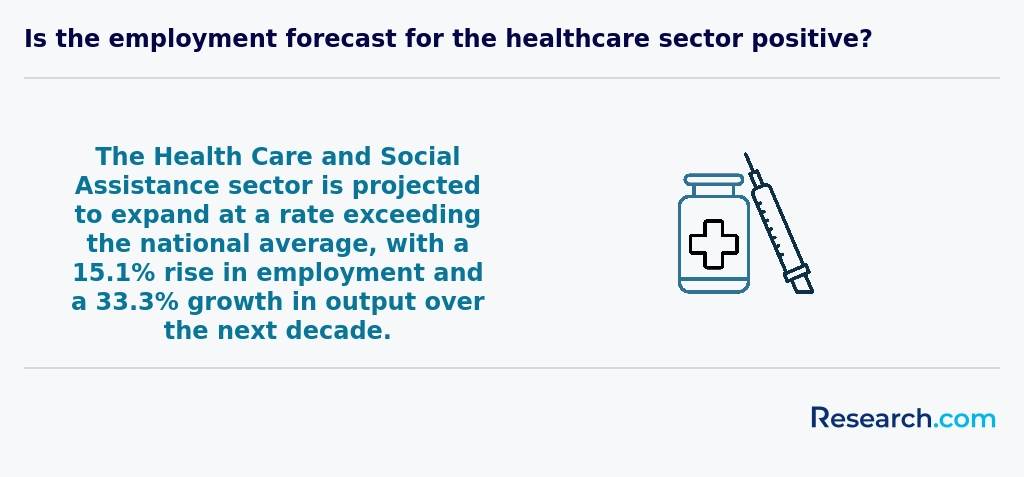
Georgia’s healthcare degree programs stand out in several key areas when measured against national benchmarks. First, tuition rates at public institutions in Georgia average $24,436 per year for healthcare management degrees, which is approximately 8% below the national average of $26,500. Private institutions in the state, averaging $65,325 annually for medical programs, align closely with national private tuition, offering competitive value when factoring in Georgia’s lower cost of living. In terms of job market and salary potential, Georgia mirrors-if not slightly exceeds-national growth trends. The state projects a 15.1% increase in healthcare employment over the next decade, compared with the U.S. average of 13%. Graduates in Georgia report median annual salaries of $60,077, versus a national median of $58,000 for similar roles. This favorable outlook is bolstered by Georgia’s expanding network of outpatient centers and rural health initiatives, which often offer sign-on bonuses and loan repayment options not universally available in other states. Program flexibility and specialization options also differentiate Georgia. Institutions such as Emory University and Georgia State University provide robust hybrid and online offerings, enabling students to pursue advanced tracks-like nursing leadership or health informatics-without relocating. For those exploring allied health fields, Georgia’s emphasis on interdisciplinary training compares favorably to other regions, and students may further enhance their credentials through specialized pathways such as online kinesiology degree programs, which blend theoretical foundations with practical labs. Overall, Georgia healthcare degrees deliver a balanced combination of affordability, strong employment prospects, and innovative program formats. When weighing options across the U.S., prospective students will find that Georgia not only meets but often surpasses national standards for quality, accessibility, and career readiness.
What courses are typically in healthcare degree programs in Georgia?
Healthcare degree programs in Georgia typically include a mix of courses designed to build both knowledge and hands-on skills. Graduates from schools like the University of Georgia and Georgia State University often mention starting with human anatomy and physiology, which helps them confidently understand the body's functions before moving into clinical settings.
Courses in microbiology and medical terminology come next, providing essential knowledge about germs and the language used in hospitals and clinics. This proved invaluable for many students who transitioned smoothly into internships at local hospitals.
Nutritional science and pharmacology are also key parts of the curriculum, preparing students to understand how medications and diet affect patient recovery-something graduates found directly relevant while working with diverse patient populations across Georgia.
Ethics and healthcare law classes ensure students grasp the legal and moral responsibilities they'll face, especially important as Georgia has unique state regulations. These courses often spark engaging discussions in popular healthcare programs at Georgia Tech and Emory University.
Lastly, practical skills training, including patient assessment and healthcare technology, equips students for the modern digital environment they'll encounter in Georgia's rapidly evolving healthcare market.
What types of specializations are available in healthcare degree programs in Georgia?
When exploring healthcare degree program specializations Georgia offers, consider Registered Nursing (RN) as a starting point. Many graduates from institutions like Georgia State University find BSN programs provide solid clinical experience and steady job prospects, earning about $66,000 annually locally. For those interested in technology, Health Informatics is a growing field, teaching you to manage electronic health records-which is increasingly valuable as hospitals like Emory Healthcare upgrade systems. Public Health degrees train you for community-focused roles, preparing you to tackle issues seen in real-life situations such as disease outbreaks or policy development in metro Atlanta.
Healthcare career pathways in Georgia also include Medical Laboratory Science, ideal if you prefer behind-the-scenes work in diagnostic labs, as many Georgia Southern University alumni have appreciated. If leadership calls to you, Healthcare Administration offers training for managing hospital operations. Additionally, consider associate degrees in technical colleges for quick entry with specialties in surgical technology or dental hygiene. For advanced studies, check out programs like this online mha program that blend flexibility with focused skills.
How do you choose the best healthcare degree in Georgia?
Choosing the best healthcare degree in Georgia starts with pinpointing your career goals and the healthcare role that excites you. Graduates from Georgia State University often mention how aligning their interests, whether nursing or healthcare administration, helped them stay motivated throughout their studies. Cost is another key factor; public universities in Georgia usually offer affordable tuition around $9,000 annually for in-state students, which eases financial stress compared to pricier private schools.
Accreditation is non-negotiable. Programs approved by organizations like the Commission on Collegiate Nursing Education (CCNE) guarantee your degree holds weight with employers and licensing boards. Many students at institutions such as Augusta University feel reassured choosing accredited programs, seeing it unlock reliable job prospects after graduation.
Location and flexible study formats should fit your lifestyle. Atlanta's metropolitan area schools not only provide diverse programs but also plentiful internships. For working students, programs offering online or hybrid versions, like some online kinesiology degree programs, deliver valuable adaptability. Considering these practical aspects ensures you select a healthcare degree program in Georgia that truly matches your needs.
What career paths are available for healthcare degree students in Georgia?
Graduates with a healthcare degree in Georgia can pursue diverse career paths tailored to their interests and skills. Many choose nursing, becoming Registered Nurses (RNs) or Licensed Practical Nurses (LPNs), where Georgia's growing population means strong job security and meaningful work in hospitals or community clinics. Graduates from institutions like the University of Georgia report feeling confident stepping into these roles due to the hands-on training they received.
Others find rewarding opportunities in allied health fields such as radiologic technology or respiratory therapy, often through programs at Georgia Gwinnett College or technical schools. These practical roles support diagnosis and treatment, fitting perfectly with graduates seeking specialized healthcare career opportunities in Georgia. Tuition ranges are manageable, encouraging more students to enter these areas.
Healthcare administration appeals to graduates aiming to manage facilities or health programs, blending business skills with healthcare knowledge. Many appreciate strong local demand and competitive salaries, as confirmed by alumni from Georgia State University's health management programs. For detailed options on affordable online study, check out the Most Affordable Online Healthcare Degree Programs Ranking in Romeoville, IL.
What is the job market for healthcare degree in Georgia?
The healthcare job market outlook Georgia offers promising prospects for graduates who earn healthcare degrees locally. Colleges and universities in the state, such as those in Atlanta and Augusta, prepare students well for roles in nursing, health administration, and allied health fields. Graduates commonly share how their hands-on clinical experiences within Georgia's extensive healthcare facilities gave them the confidence to secure competitive positions shortly after finishing their programs. With the state's demand for registered nurses and licensed practical nurses among the highest nationwide, job opportunities steadily increase. Graduates frequently praise the favorable salary levels, with average wages for registered nurses nearing $71,000, helping ease financial concerns after graduation.
Many students benefit from state-driven incentives like loan repayment plans, especially when committing to serve underserved rural areas. This support combined with Georgia's healthcare degree employment opportunities encourages more students to pursue and complete degrees here. To shorten the path to employment, some choose accelerated associate degree programs that combine focused coursework with practical training in hospitals or clinics, quickly bridging classroom knowledge to real-world skills.
Frequently Asked Questions About healthcare
Healthcare degree students in Georgia can maximize their learning experience by engaging in hands-on clinical practice early in their programs. According to the Georgia Board of Nursing, practical exposure complements theoretical knowledge and improves job readiness. Students should seek internships or externships in hospitals, such as Emory Healthcare or Piedmont Healthcare, which offer abundant opportunities in the state.
Additionally, joining professional organizations like the Georgia Nurses Association or attending local healthcare conferences can expand students' networking and learning from experienced professionals. Utilizing Georgia's robust e-learning platforms and simulation labs also enhances skill development.
Maintaining strong academic performance while balancing real-world experience increases graduates' competitiveness in Georgia's healthcare job market, where the sector is projected to grow by 16% through 2030 (U.S. Bureau of Labor Statistics).
Emerging niches within the healthcare field in Georgia reflect national trends but also respond to local needs. One fast-growing area is telehealth, which expanded rapidly during the COVID-19 pandemic. According to the Georgia Department of Public Health, telehealth visits increased by over 250% between 2019 and 2022, creating demand for professionals skilled in digital healthcare delivery.
Another niche is geriatrics and elder care, driven by Georgia's aging population. The U.S. Census Bureau reports that adults over 65 in Georgia are expected to increase by 25% over the next decade, intensifying the need for specialized care providers.
Additionally, fields like health informatics and genetic counseling are gaining attention. These areas combine technology and personalized medicine, responding to innovations in healthcare data management and precision treatments.
Preparing for the job market after earning a healthcare degree in Georgia involves several crucial steps. First, graduates should pursue relevant certifications and licenses, as many healthcare roles require state-specific credentials. For example, Georgia's Board of Nursing and other regulatory bodies oversee professional licensure.
Networking is vital; joining healthcare associations like the Georgia Hospital Association can connect graduates with employers. Additionally, gaining practical experience through internships or clinical rotations enhances job readiness.
According to the Georgia Department of Labor, healthcare occupations are projected to grow by over 20% from 2020 to 2030, making timely job search skills essential. Utilizing university career services can also aid in resume building and interview preparation.
Employers in Georgia's healthcare sector prioritize a combination of technical knowledge and interpersonal skills when hiring graduates with healthcare degrees. Strong clinical competencies, including patient assessment and medical terminology, are essential to meet the state's healthcare demands. According to the Georgia Department of Labor, effective communication ranks highly, as professionals must clearly explain treatment plans and collaborate with diverse healthcare teams.
Critical thinking and problem-solving abilities are also vital to navigate complex patient cases and changing healthcare regulations. Additionally, proficiency in health information technology is increasingly important due to the growing use of electronic health records in Georgia's hospitals and clinics, as reported by the Georgia Hospital Association.
Finding internships in Georgia relevant to a healthcare degree involves strategic research and networking. Start by exploring university career centers, as many schools partner with local hospitals and clinics to offer internship placements. Institutions like Emory University and Georgia State University have established healthcare internship programs.
The Georgia Department of Public Health offers resources and listings for healthcare internships statewide. According to the Georgia Department of Labor, healthcare is among the fastest-growing sectors, increasing internship opportunities.
Students should also consider contacting healthcare systems such as Wellstar Health System or Piedmont Healthcare directly; they often have formal internship and externship programs. Online platforms like Handshake and Indeed can list Georgia-based healthcare internships tailored for students.
Professional organizations, including the Georgia Public Health Association, provide networking events that can lead to internship opportunities. Early application and a well-prepared resume remain crucial for securing placements.
In Georgia, earning a healthcare degree significantly enhances career mobility and advancement opportunities. The state's growing healthcare sector, driven by population increases and aging demographics, demands skilled professionals. According to the Georgia Department of Labor, healthcare occupations are projected to grow by over 15% through 2030, outpacing many other fields. This growth creates openings for roles ranging from nursing to health administration.
Healthcare degrees equip graduates with essential credentials that increase eligibility for specialized positions and leadership roles. Employers in Georgia's top medical centers and rural clinics alike prioritize formal education combined with practical skills. Additionally, higher degrees often correlate with higher salaries and opportunities for promotions.
Studying for a healthcare degree in Georgia equips students with skills needed for interdisciplinary roles by emphasizing collaboration across various medical and allied health fields. Georgia's universities incorporate team-based learning and clinical experiences that involve working with nurses, physicians, therapists, and social workers.
Programs often include coursework aligned with healthcare trends in the state, where the demand for coordinated care is increasing. According to the Georgia Department of Public Health, integrated care models are crucial to addressing complex health needs, especially in rural areas.
This practical and academic approach ensures graduates understand diverse perspectives, improving communication and patient outcomes in multidisciplinary environments.
When choosing between a thesis and a non-thesis healthcare degree program in Georgia, consider your career goals and academic preferences. Thesis programs require original research, ideal for students aiming for advanced study or research roles. Non-thesis programs focus more on practical skills and coursework, suiting those targeting clinical or administrative positions.
Georgia hosts multiple healthcare schools offering both options, with programs accredited by organizations like CAHME and CAAHEP. For example, Emory University and Augusta University provide robust thesis-based master's degrees designed for future researchers.
According to the Georgia Board of Regents, nearly 40% of healthcare graduate students opt for non-thesis tracks, prioritizing quicker entry into the workforce.
Consider workload and time: thesis programs often demand 1-2 additional semesters. Financial aid or assistantships may be more common in thesis tracks. Ultimately, the choice depends on whether you seek research expertise or practical healthcare skills tailored to Georgia's healthcare labor market.
Students based in Georgia who wish to study healthcare abroad have several pathways available through U.S. institutions offering international programs. Many universities in Georgia participate in exchange programs with foreign medical schools, allowing students to complete clinical rotations or research overseas. For example, Emory University, a leader in healthcare education in Georgia, has partnerships with institutions in Europe and Asia. Additionally, some Georgian students opt for accredited international medical schools recognized by the U.S. Educational Commission for Foreign Medical Graduates (ECFMG), which allows them to pursue residencies in the U.S.
According to the Georgia Board of Health Care Workforce, over 10% of healthcare professionals in the state have international training experience, highlighting the growing trend of studying abroad. Programs focusing on global health also attract students aiming to work in diverse healthcare settings worldwide. Students should carefully verify accreditation and state licensing compatibility before enrolling abroad to ensure smooth integration into Georgia's healthcare system upon their return.
Students pursuing healthcare degrees in Georgia have several part-time job opportunities that can enhance their education and professional experience. Common options include working as certified nursing assistants (CNAs), medical assistants, or pharmacy technicians, all of which provide hands-on patient care experience. According to the Georgia Department of Labor, these roles often offer flexible schedules suitable for students. Additionally, positions in hospitals and outpatient clinics in cities like Atlanta and Augusta allow students to apply theoretical knowledge practically. Volunteering in local public health departments or community health programs can also build relevant skills and networking opportunities within Georgia's growing healthcare sector.
Healthcare students in Georgia benefit from numerous networking opportunities through universities, professional organizations, and state programs. Institutions like Emory University and Georgia State University host regular career fairs and guest lectures featuring healthcare professionals. These events help students connect with potential employers and mentors.
The Georgia Hospital Association offers student membership, providing access to conferences and workshops that foster valuable industry relationships. Additionally, students can join specialized groups such as the Georgia Public Health Association, which holds annual meetings for networking and professional development.
Clinical internships and cooperative education programs are widely available, allowing hands-on experience while building contacts in hospitals and clinics across the state.
Alumni networks provide significant benefits to healthcare degree students in Georgia by offering access to professional connections within a rapidly growing industry. Georgia's healthcare sector employed over 520,000 people as of 2023, making strong networks crucial for job placement and career advancement (Georgia Department of Labor).
These networks often facilitate mentorship, internships, and collaborative opportunities that help students transition from education to employment. Many universities in Georgia, such as Emory and Georgia State, maintain active alumni groups that organize events and share job openings tailored to healthcare roles.
Participation in alumni networks can also enhance knowledge sharing and keep students informed about evolving healthcare regulations and technologies specific to Georgia's healthcare landscape.
In Georgia, healthcare degree programs offer flexibility to align studies with specific career goals. Many universities provide options to select electives in specialized fields such as nursing, health administration, or public health. This allows students to tailor their education toward clinical work, management, or research roles.
Internships and practicum experiences are commonly integrated, often in partnership with local Atlanta hospitals and health systems. These placements give practical exposure and help build professional networks.
Additionally, some programs offer certificate tracks or dual-degree options, like combining healthcare studies with business or technology. According to the Georgia Board of Regents, customizing your coursework can increase job readiness in this state's growing healthcare market expected to add over 23,000 jobs by 2030.
Healthcare students in Georgia often face significant challenges that can affect their academic success. One major issue is the rigorous curriculum combined with clinical hours, which demand strong time management skills. According to the Georgia Board of Nursing, nursing students typically spend over 500 clinical hours while completing tough coursework.
Financial constraints also pose difficulties, as tuition and fees for healthcare programs in Georgia have steadily increased, making affordability a concern for many.
Mental health pressures are common due to the stressful nature of healthcare training and high expectations. Support services are available but not always accessible to all students.
Additionally, some students struggle with limited clinical placement availability, especially in rural areas, as reported by the Georgia Hospital Association.
With a healthcare degree in Georgia, you can pursue a variety of professional certifications that enhance your career prospects. Common certifications include Certified Nursing Assistant (CNA), Licensed Practical Nurse (LPN), and Registered Nurse (RN), each requiring state-specific exams administered by the Georgia Board of Nursing.
Other popular certifications involve medical coding through the Certified Professional Coder (CPC) credential or becoming a Certified Medical Assistant (CMA) recognized by the American Association of Medical Assistants.
Georgia's growing healthcare sector, projected to add over 50,000 jobs by 2030 per the Georgia Department of Labor, rewards certified professionals with higher salaries and greater job security.
Applying for a healthcare program in Georgia requires careful preparation to stand out. Start by researching accredited schools, such as those recognized by the Commission on Accreditation of Allied Health Education Programs (CAAHEP) or the Accreditation Commission for Education in Nursing (ACEN). Georgia's healthcare sector has a strong demand for professionals, with the Georgia Department of Labor projecting a 16% growth in healthcare jobs through 2030.
Craft a well-organized personal statement that highlights your commitment to healthcare and relevant experiences. Include volunteer work or internships in local clinics or hospitals, which demonstrate practical skills and passion. Strong letters of recommendation from academic or healthcare professionals add credibility to your application.
Maintain a competitive GPA; many programs in Georgia prefer applicants with at least a 3.0. Also, prepare for any required entrance exams like the TEAS or the GRE, scoring above the average accepted by the program. Ensure all transcripts and documents are submitted before deadlines to avoid disqualification. Following these steps increases your chances of admission into Georgia's competitive healthcare programs.
The healthcare field is recognized worldwide as essential and rapidly evolving. Globally, healthcare careers offer diverse opportunities, from clinical roles to research and administration. In the United States, including Georgia, healthcare jobs are projected to grow by 16% from 2020 to 2030, much faster than the average for all occupations, according to the U.S. Bureau of Labor Statistics.
Georgia's healthcare sector is expanding due to its large and aging population, creating increased demand for skilled professionals. Institutions such as Emory University and Georgia Tech contribute to training highly qualified workers.
Internationally, healthcare education standards vary, but U.S. degrees are often highly valued, emphasizing evidence-based practice and innovation. This global recognition supports career mobility for graduates who wish to work abroad or in international organizations.
To gain practical experience while studying for a healthcare degree in Georgia, students can participate in clinical rotations, internships, and volunteer opportunities offered through their colleges. Many programs require hands-on clinical hours in local hospitals, such as Emory Healthcare and Piedmont Healthcare, which provide diverse patient care settings.
Internships at healthcare organizations and community health centers help students apply classroom knowledge in real-world environments. According to the Georgia Board of Nursing, clinical experience is essential for licensure and skill development.
Additionally, students can join campus healthcare clubs or service projects, linking academics with community health outreach. These experiences improve job readiness and networking within Georgia's growing healthcare sector.
Choosing the right concentration within a healthcare degree program in Georgia depends on several key factors. First, consider the demand for specific healthcare roles in the state. For example, the Georgia Department of Labor projects strong growth for registered nurses and healthcare technicians through 2030.
Next, evaluate your personal interests and strengths. Health informatics, nursing, public health, and medical imaging are popular concentrations offered by many Georgia colleges, each with unique career paths.
Research the curriculum and accreditation of programs, as well as opportunities for clinical experience, which are essential for hands-on learning.
Finally, review salary data from sources like the Bureau of Labor Statistics to align your concentration with your financial goals.
Related Healthcare Rankings for Nearby States
- 2027 Most Valuable Online Healthcare Degree Programs Ranking in South Carolina
- 2027 Most Valuable Online Healthcare Degree Programs Ranking in Tennessee
- 2027 Most Valuable Online Healthcare Degree Programs Ranking in North Carolina
- 2027 Most Valuable Online Healthcare Degree Programs Ranking in Mississippi
- 2027 Most Valuable Online Healthcare Degree Programs Ranking in Virginia
- 2027 Most Valuable Online Healthcare Degree Programs Ranking in Louisiana
- 2027 Most Valuable Online Healthcare Degree Programs Ranking in West Virginia
- 2027 Most Valuable Online Healthcare Degree Programs Ranking in Missouri
- 2027 Most Valuable Online Healthcare Degree Programs Ranking in Ohio
- 2027 Most Valuable Online Healthcare Degree Programs Ranking in Maryland
Top Trending Healthcare Rankings
See What Experts Have To Say About Studying Healthcare
Read our interview with Healthcare experts

References
- Interdisciplinary Education and Practice https://www.aacnnursing.org/news-data/position-statements-white-papers/interdisciplinary-education-and-practice
- How to Create a Healthcare Career Roadmap https://www.ihire.com/resourcecenter/jobseeker/pages/how-to-create-a-healthcare-career-roadmap
- Medical Schools in Georgia: How to Get In (2026) - Shemmassian Academic Consulting https://www.shemmassianconsulting.com/blog/medical-schools-in-georgia
- How to Choose a Health Administration Program https://www.healthadministrationdegrees.com/articles/choosing-a-program/
- The Healthcare Student’s Guide to Internships | EduMed.org https://www.edumed.org/resources/student-online-guide-to-internships/
- Global Health Perspectives https://www.denvercollegeofnursing.edu/students/global-health-perspectives.html
- Know more about thesis vs non- thesis: what is the difference? https://studyfans.com/en/blogs/816
- Online Degree vs. Traditional: Choosing the Right Path https://beal.edu/online-degree-vs-traditional/
- Georgia Clinic Healthcare Institute – Fast-Track Your Career in Healthcare https://gchealthcareinstitute.com/
- How to Succeed in a Difficult Job Market After Graduation https://www.hospitalrecruiting.com/blog/6542/how-to-succeed-in-a-difficult-job-market-after-graduation/


