2027 Most Valuable Online Healthcare Degree Programs Ranking in California

Co-Founder and Chief Data Scientist
Choosing the right healthcare degree program can shape your career and future success. For students in California, understanding which online programs offer the most value is essential.
This article presents the 2027 Most Valuable Online Healthcare Degree Programs Ranking in California, created by Research.com's team of data scientists. It's designed to help you make a confident, informed decision when selecting a program that fits your goals and lifestyle.
Explore rewarding opportunities in healthcare education that open doors to meaningful and stable careers. Your journey starts here.
Key benefits of getting online healthcare degree in California
- Salary Benefits: Graduates with healthcare degrees in California can earn competitive wages, such as Medical Assistants making a mean annual wage of $43,350 and Quality Improvement Coordinators earning around $103,150 annually, providing strong financial stability.
- Career Paths: Many healthcare degree holders from California universities pursue diverse roles like Patient Care Technicians or Clinical Research Coordinators, enjoying rewarding and impactful careers in various healthcare settings.
- Online Degree Advantages: Online healthcare degrees offer flexibility and accessibility, allowing California students to balance work and life while gaining valuable skills from respected programs, just like many successful online graduates from prominent California universities.
- 2027 Most Valuable Online Healthcare Degree Programs Ranking in California
- What can I expect from online healthcare degree in California?
- Where can I work with online healthcare degree in California?
What can I expect from online healthcare degree in California?
The average cost of an online healthcare degree in California varies significantly but generally falls between $7,000 and $15,000 per year for public universities like those in the California State University system. Graduates often share how affordable tuition made it possible to balance work and study without overwhelming debt. Private institutions, on the other hand, can charge upwards of $25,000 annually, which some find manageable through scholarships and financial aid.
Many students starting their programs appreciate hybrid options at schools like CSU or community colleges, which combine online coursework with in-person clinical sessions. This format not only builds essential hands-on skills but also helps manage costs by minimizing time on campus.
Students often highlight the importance of checking for financial aid early and leveraging state-specific scholarships aimed at healthcare workers. These practical steps help keep expenses predictable and provide peace of mind while pursuing degrees tailored to California's healthcare job market.
Where can I work with online healthcare degree in California?
Graduates with online healthcare degrees from California institutions like California State University or University of Southern California often find work in hospitals, which is a major employer in the state with over 400 acute care facilities. Many alumni share how roles such as healthcare administration or clinical lab management became accessible thanks to their practical online training combined with a strong local job market.
Others pursue careers in outpatient care centers and physician offices, managing clinics or working as nurse practitioners. These positions suit graduates seeking hands-on, community-focused work, benefiting from California's expanding outpatient services triggered by state healthcare reforms.
Public health departments also hire those with degrees focused on health education or epidemiology. Graduates often highlight rewarding experiences contributing to local disease prevention programs, making a real impact on Californian communities.
Online degree holders in healthcare administration frequently find opportunities with health insurance companies, handling claims or data analytics-roles that blend healthcare knowledge with business skills.
Telehealth jobs are another fast-growing option, well suited to online graduates appreciating flexible remote work. Many describe how telehealth roles enabled them to balance career growth and personal life in California's dynamic healthcare sector.
Graduates with an online healthcare degree in California can expect solid earning potential aligned with their specialization. For example, those working as Medical Assistants often start with an average annual wage of about $43,350, translating to roughly $20.84 hourly. This makes roles accessible right after completing an associate degree or certificate programs offered by local community colleges.
Patient Care Technicians, another common career path for online healthcare grads, command higher wages, averaging around $60,790 annually. Graduates from programs affiliated with well-regarded institutions such as California State University or University of San Diego often share how this salary supports living comfortably in suburban areas around Los Angeles or San Francisco.
Those specializing as Health Information Technicians typically earn similar wages to Medical Assistants, about $43,380 yearly. Meanwhile, Clinical Research Coordinators, especially from online master's programs at universities like USC or UCLA, report salaries near $43,350, reflecting entry-level research opportunities in medical centers.
Graduates aiming for leadership roles can pursue positions as Quality Improvement Coordinators, with median salaries reaching $103,150 per year. Many online MPH and MHA graduates from California universities find these roles rewarding both financially and professionally, often driving positive change in healthcare facilities.
- Tuition for bachelor's degrees in healthcare typically ranges from $7,000 to $20,000 per year for in-state students in California.
- Associate degrees and certificates at community colleges often cost under $5,000 annually.
- California is expected to add over 420,000 healthcare jobs between 2020 and 2030, driven by an aging population and growing healthcare needs.
- Entry-level healthcare jobs offer salaries between $50,000 and $65,000, while registered nurses earn about $95,000 annually, above the national average.
- Online programs usually provide flexibility for working adults and reduce costs related to transportation and housing.
- Programs must be accredited and meet California Board requirements to ensure eligibility for state licensure and national certification exams.
Completing an online healthcare degree in California typically depends on the program level and your pace. For example, graduates from community colleges often finish their associate degrees in health information technology or medical assisting in about 18 to 24 months when studying full time. This timeframe allows them to quickly enter the workforce with solid skills.
At California State University (CSU), many students pursuing bachelor's degrees in nursing or health administration appreciate accelerated programs that shrink the usual 4-year timeline to as little as 2.5 to 3 years. Those juggling part-time study and work might take longer, but the flexibility helps maintain balance.
Master's programs, like an MSN or MPH offered online through CSU or other accredited schools, usually require 1.5 to 3 years. Graduates often share how this flexibility supported their career growth while studying.
Doctoral degrees, such as a Doctor of Nursing Practice (DNP), often span 3 to 6 years, combining coursework and research. These programs demand commitment but offer rewarding outcomes aligned with practice or research goals.
Succeeding in an online healthcare program requires a proactive approach that balances rigorous academic requirements with practical strategies for effective learning. Students should prioritize creating a structured study schedule, utilizing digital tools for time management, and frequently engaging with professors and peers through virtual platforms. Establishing a dedicated study space and setting clear, achievable goals can significantly enhance focus and retention of complex healthcare concepts. Furthermore, joining online communities or forums not only provides emotional support but also facilitates networking with industry professionals. For instance, prospective students can explore additional career resources and real-world insights by visiting a health administration school, which can further guide academic and professional growth. Emphasizing self-discipline, technology fluency, and consistent communication is key to mastering the demands of online education and ensuring long-term success in the evolving healthcare landscape.
Choosing between an online or on-campus healthcare degree in California comes down to your daily routine and learning preferences. Graduates from local community colleges often praise online programs for flexibility-they can study after work or during family time without worrying about California's traffic or parking hassles. For example, a student balancing a job in Los Angeles found that accessing lectures remotely made finishing coursework manageable.
On-campus programs at universities like UCSF provide rich, hands-on experiences with labs and clinical practicums scheduled regularly. Many graduates mention that being physically present helped them build strong connections with instructors and peers, boosting their confidence in real-world healthcare settings.
Cost also factors into the decision. Community colleges tend to charge about $7,000 annually on-campus, while some online programs match tuition but reduce commuting and parking fees. Careful time management is a must for online students, who appreciate the freedom but need discipline-something graduates frequently highlight as a trade-off.
Ensuring your online healthcare degree is properly accredited and meets California’s licensing standards is crucial for eligibility in certification exams and employment. In California, reputable programs typically hold accreditation from agencies recognized by the U.S. Department of Education, such as the Commission on Accreditation of Allied Health Education Programs (CAAHEP), the Accrediting Bureau of Health Education Schools (ABHES), or regional bodies like WASC Senior College and University Commission (WSCUC). Nursing-specific tracks must also receive approval from the California Board of Registered Nursing (BRN) to qualify graduates for the NCLEX-RN and state licensure. To verify a program’s accreditation: 1. Consult the Council for Higher Education Accreditation (CHEA) database for accredited institutions and specific program listings. 2. Review your chosen school’s official catalog or accreditation page for agency names and effective dates. 3. Confirm clinical placement sites are affiliated with BRN-approved facilities to satisfy hands-on training requirements. Understanding licensing pathways:
- Nursing graduates should apply to the BRN, submit official transcripts, and schedule the NCLEX-RN upon program completion.
- Allied health professionals (e.g., health information technicians) must check credentialing bodies like the American Health Information Management Association (AHIMA) for certification eligibility and state reciprocity. When assessing value alongside accreditation, it can be helpful to compare cost-effective, accredited programs nationwide. For example, our Low Cost Online Healthcare Degree Programs Ranking in Omaha, NE highlights budget-friendly options that maintain rigorous accreditation standards. By prioritizing accredited programs and understanding California’s licensing criteria, you’ll position yourself for a smooth transition from student to licensed healthcare professional.
The average cost of an online healthcare degree in California varies widely, but median totals provide useful benchmarks for planning. For in-state students, the median total cost is around $21,000, making public universities a popular choice for affordability. Graduates often mention that programs at institutions like California State University offer manageable tuition within this range, helping them balance education with personal finances. These programs provide real flexibility, especially for those working while studying.
Out-of-state students face higher expenses, with median total costs approaching $45,720. Private institutions can push that even further, with overall costs often exceeding $59,850. Despite this, many graduates reflect positively on their experience, emphasizing that the investment is worthwhile given the career doors a healthcare degree opens. Students appreciate that programs allow progression at their own pace, which can help spread out costs over time, making the degree less daunting financially.
Students should also consider ancillary fees such as technology costs and clinical placement expenses, which can add to the overall budget. Comparing tuition and these hidden fees is essential when evaluating California online healthcare degree tuition fees. Many prospective students find it helpful to review detailed program information and outcomes, especially when seeking the most affordable healthcare programs in california.
While online healthcare programs offer flexibility and access to quality education, they also present unique challenges that students must navigate to succeed. One common hurdle is the need for heightened self-discipline; without the structure of traditional classrooms, managing time effectively becomes critical. Establishing a dedicated study schedule and creating a distraction-free environment can help maintain focus and drive throughout your coursework. Another challenge is adapting to virtual learning environments, which sometimes limit face-to-face interaction. To overcome this, actively participate in online forums, virtual study groups, and seek out mentorship from faculty or alumni. These interactions not only enhance your learning experience but also help build a professional network essential for future career opportunities. Financial concerns are also a frequent consideration for students. It’s important to research cost-effective options and explore financial aid packages early in the application process. For those balancing quality with affordability, checking out our detailed analysis of most affordable healthcare programs in california can provide valuable insights to help manage your educational investment. Lastly, technical challenges and the need for reliable technology can occasionally disrupt the online learning process. Investing in stable internet connectivity and familiarizing yourself with the digital tools used by your institution will ease this transition and avoid unnecessary setbacks. By proactively addressing these challenges, you can maximize your online learning experience and prepare effectively for a rewarding career in healthcare.
Students pursuing online healthcare degrees in California can tap into several practical financial aid options to ease tuition costs. For instance, graduates from institutions like the University of Southern California often utilize federal aid by completing the FAFSA, unlocking grants such as the Pell Grant, which offers up to $7,395 annually without repayment.
State aid programs like Cal Grant further support students attending schools such as California State University campuses, covering tuition and expenses like books through Cal Grant B and C. Many online healthcare programs also provide scholarships based on merit or financial need, particularly in nursing or allied health fields, as reported by graduates from San Diego State University.
Working students frequently benefit from employer tuition reimbursement, common in California's healthcare sector. Many find this a game-changer when juggling part-time study and full-time work. Additionally, private scholarships from organizations tied to healthcare professions provide targeted funds, with resources like the California Student Aid Commission's database simplifying the search.
Completing hands-on clinical rotations is vital to mastering practical skills and meeting California licensure standards. Online healthcare programs typically:
- Partner with local hospitals, clinics or labs to secure nearby placements
- Require 300–500 supervised clinical hours, depending on degree level
- Offer virtual simulation labs to build competency before in-person work
- Provide dedicated coordinators and preceptors to guide evaluations and feedback
Many programs also help students navigate costs and logistics-students often explore medical billing and coding financial aid to offset practicum supplies or travel expenses.
To enroll in an online healthcare degree in California, you first need a high school diploma or GED. Many graduates from schools like California State University, Fullerton, emphasize how this simple step builds the base for later success. If you're aiming for a bachelor's degree, official transcripts proving high school completion are mandatory, while graduate programs require an undergraduate degree in a related field.
Some programs ask for standardized test scores like SATs or GREs, though several California schools, such as those in the University of California system, have become more flexible lately. Prerequisite courses in biology, chemistry, and anatomy are common. Many students find these classes challenging but rewarding, as they mirror real healthcare scenarios encountered at places like UCLA.
Working professionals enrolling in RN-to-BSN programs often share that having an active California nursing license is crucial. For non-native English speakers, submitting TOEFL or IELTS scores guarantees clear communication in clinical settings. Letters of recommendation or personal statements may also be required, showcasing your motivation and readiness for healthcare careers.

Accreditation ensures your online healthcare degree meets industry standards and qualifies you for professional licensure in California. Always verify both regional and programmatic approvals before enrolling.
- Regional accreditation (e.g., WASC Senior College and University Commission)
- Programmatic accreditation specific to your field (CCNE for nursing, CA Board of Registered Nursing, CA Department of Public Health approval)
- State licensure eligibility and exam pass-rate data
Review each program’s licensure exam outcomes and state board approvals to confirm seamless transition into practice. For cost-conscious students seeking quality credentials, explore the cheapest online health science degree options that maintain rigorous accreditation.
Online healthcare degree programs in California typically include core courses like Introduction to Healthcare Systems, Medical Terminology, Anatomy and Physiology, Healthcare Ethics and Law, and Health Informatics. Graduates from institutions such as California State University often highlight how these classes directly prepared them for real-world tasks-like navigating the state's integrated health networks or managing electronic health records in busy hospitals.
Many students appreciate that courses like Healthcare Ethics and Law helped them feel confident handling complex patient care decisions, reflecting California's diverse population and strict healthcare regulations. Others found Anatomy and Physiology essential for understanding clinical environments during internships at community hospitals.
Specialized courses depend on your focus. For example, students aiming for nursing roles praised Pharmacology classes for clarifying medication effects, while those interested in public health valued Community Health for addressing California's unique demographic challenges. Health Administration students often mention how Healthcare Management courses build leadership skills crucial for managing busy healthcare facilities in the state.
Students pursuing an online healthcare degree in California commonly choose from specializations like Nursing, Healthcare Administration, and Public Health. Graduates from popular universities often express satisfaction with programs that combine flexibility and practical skills relevant to California's healthcare environment. For example, students focusing on Nursing may advance from an RN to a BSN or aim for Nurse Practitioner roles, benefiting from a curriculum designed to suit diverse clinical settings.
Those interested in management often enroll in healthcare administration programs offered by many state colleges, praising how the coursework prepares them to run facilities and engage with policy challenges. You can explore options further at a health administration school in California, which often balances affordability and relevance to state needs.
Other popular specializations include Health Informatics and Public Health, which align well with California's push for data-driven care and community wellness. These tracks suit students eager to make a difference beyond the clinic, tapping into the growing digital and epidemiological focus. The growing variety of options makes the online healthcare degree specializations California offers particularly attractive for pragmatic planners.
Start by verifying accreditation to ensure your online healthcare degree will be respected by California employers and licensing boards. Graduates from well-known schools in California often emphasize how programs accredited by agencies like WASC or CAAHEP made licensing processes smoother. Next, compare tuition costs thoughtfully-online options can be more affordable than on-campus programs, but it's important to check for available scholarships, employer tuition reimbursements, or financial aid tailored for residents. For instance, those seeking the best affordable online healthcare degrees California offers often balance cost against flexibility and support services.
Focus on the curriculum to match your career goals: whether it's nursing, health administration, or public health. Popular universities in California provide specialization paths that align with real job market demands. Clinical hours are required to meet California licensing standards, so check how the program helps you arrange internships locally or virtually. Many students praise how programs at community colleges and universities ease this step.
Finally, explore programs offering solid academic support and career counseling, crucial for success in busy lives. For students mindful of budget and quality, reviewing the Low Cost Online Healthcare Degree Programs Ranking in Omaha, NE can also inspire comparisons and financial planning.
Graduates with an online healthcare degree in California have practical options starting with roles as registered nurses (RNs), a common career path supported by strong state demand. Many students from well-known public universities feel confident transitioning into clinical settings after programs that prepare them for the NCLEX-RN licensure exam. This path is especially appealing since RNs in California earn competitive salaries and benefit from a large, stable job market.
Healthcare administration is another realistic option. Graduates often find jobs as medical and health services managers, a role that involves overseeing hospital or clinic operations. Institutions like California State University offer programs that align well with this career track, supported by promising growth projections. This option suits those interested in leadership positions within the healthcare industry, guaranteeing steady professional advancement.
Other job opportunities include health informatics specialists, public health educators, clinical laboratory technologists, and physical therapy assistants-all accessible after completing an online healthcare degree career options California make available. For students considering further education, exploring 1 year masters programs online in California can accelerate career growth.
The job market for online healthcare degree jobs in California is strong, particularly in large metropolitan areas like Los Angeles, San Francisco, and San Diego. Graduates from institutions such as the University of California system and California State University often share positive experiences securing roles as registered nurses, health services managers, or respiratory therapists shortly after completing their programs. These roles benefit from California's expanding healthcare infrastructure and technological innovations.
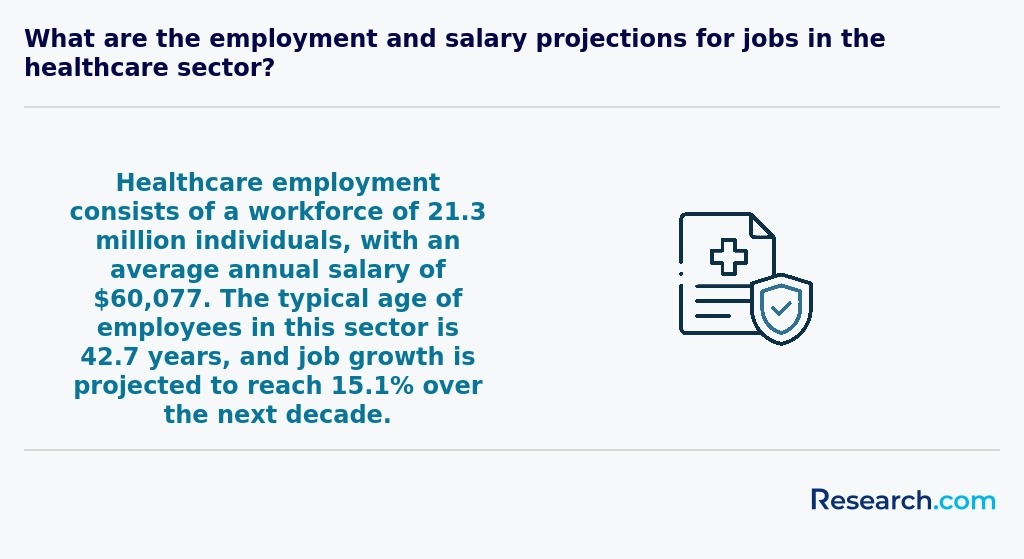
Understanding the California healthcare degree employment outlook is essential. The state projects about 15% growth in healthcare occupations through 2030, driven by an aging population and increased healthcare access via programs like Medi-Cal. Graduates report that their online programs balance flexibility with practical skills required for state licensing, which increases employability and confidence entering the workforce.
Many students find value in exploring resources tailored to their needs. Prospective learners, especially those juggling other commitments, may want to refer to best college degrees for older adults online for guidance on navigating education while maintaining a career or personal life in California's competitive healthcare market.
2027 Most Valuable Online Healthcare Degree Programs Ranking in California
Investing in your education is a significant decision that can shape your future, and the Research.com team understands the importance of making well-informed choices. To support prospective students in California, we have meticulously developed the "2027 Most Valuable Online Healthcare Degree Programs Ranking in California." Our dedication to quality, credibility, and accuracy is evident through thorough research and careful analysis behind this ranking.
We utilized the following reputable data sources to ensure a comprehensive evaluation of healthcare degree programs:
By exploring this ranking, readers will gain valuable insights into the most valuable online healthcare degree programs available in California, enabling them to make informed decisions that align with their career and educational goals. For more details on our methodology, please visit our Research.com methodology page.


# 4 position
California State University, Dominguez Hills
Bachelor of Nursing degree completion program

# 6 position
Samuel Merritt University
Master of Nursing - Family Nurse Practitioner


# 16 position
Samuel Merritt University
Doctor of Nursing Practice


# 20 position
Western University of Health Sciences
Master of Nursing
Frequently Asked Questions About healthcare
Students pursuing online healthcare degrees in California can enhance their learning by actively engaging with course materials and instructors. California hosts over 200 healthcare-related programs, making it essential to select accredited institutions recognized by the Western Association of Schools and Colleges (WASC).
Time management is crucial; balancing studies with practical experience, such as internships in California's diverse healthcare settings, improves understanding. According to the California Healthcare Foundation, hands-on practice correlates with higher job placement rates post-graduation.
Utilizing virtual labs, discussion boards, and telehealth simulation tools available through many online programs can deepen clinical skills and foster collaboration with peers. Regular self-assessment and seeking academic support where needed further boosts success in this competitive field.
The healthcare field in California is rapidly evolving, with several emerging niches offering promising career opportunities. One key area is telehealth, which expanded dramatically during the COVID-19 pandemic. According to the California Health Care Foundation, over 60% of California residents used telehealth services in 2022, highlighting a strong demand for professionals trained in virtual care delivery.
Another growing niche is health informatics. With healthcare systems increasingly relying on data, experts who can manage electronic health records and analyze health data are sought after.
Additionally, gerontology is gaining importance due to California's aging population. The state's Department of Aging estimates seniors will represent 23% of the population by 2030, increasing demand for specialized care.
After completing an online healthcare degree in California, preparing for the job market requires strategic steps. Start by obtaining necessary certifications or licenses, as many healthcare roles in California, such as nursing or medical assisting, require state-specific credentials. According to the California Employment Development Department, healthcare occupations are expected to grow by 15% from 2022 to 2032, highlighting strong job prospects.
Networking is essential; consider joining California-based professional associations like the California Healthcare Association or attending virtual job fairs. Building a strong resume with relevant clinical experience, even through internships or volunteer work, offers a competitive advantage in this densely populated job market. Continuing education and staying updated on new healthcare regulations also help maintain employability.
Employers in California's healthcare sector prioritize several key skills when hiring graduates of online healthcare degree programs. First, strong clinical knowledge and the ability to apply evidence-based practices are essential. According to the California Workforce Development Board, healthcare employers increasingly seek candidates proficient in electronic health records (EHR) and telehealth technologies, reflecting the shift toward digital care.
Communication skills are critical, especially in diverse communities across California, allowing professionals to interact effectively with patients and colleagues. Problem-solving abilities and adaptability remain top traits, as the healthcare environment continuously evolves due to policy changes and technological advancements.
Additionally, cultural competence is particularly valued in California's multicultural population, ensuring equitable patient care. Leadership and ethical decision-making are also highlighted by industry reports from the California Health Care Foundation as vital for career advancement.
Finding internships in California relevant to a healthcare degree requires strategic planning and resource use. Start by exploring university career services, which often partner with local hospitals, clinics, and health organizations to offer internship placements. Many California healthcare providers, like Kaiser Permanente and Cedars-Sinai, provide structured internship programs, supporting practical experience.
The California Employment Development Department (EDD) reports that healthcare is one of the fastest-growing sectors, with over 400,000 jobs added between 2016 and 2027. This growth increases internship opportunities. Use online job platforms, such as Handshake and LinkedIn, filtering for healthcare internships in California. Networking through professional associations, like the California Healthcare Foundation, is also beneficial.
Obtaining an online healthcare degree in California can significantly enhance career mobility and advancement within the state's growing healthcare sector. California employs over 1.3 million healthcare workers, making it one of the largest markets nationwide, according to the California Employment Development Department (EDD).
Online degrees often provide flexible schedules, allowing students-especially working professionals-to gain new qualifications without pausing their current roles. This flexibility supports career changes or promotions by meeting licensing or certification requirements.
For many healthcare positions, advanced degrees increase eligibility for leadership roles, higher salaries, and specialized responsibilities. For example, nurses with a Bachelor of Science in Nursing (BSN) or higher are preferred for management jobs, which are projected to grow by over 15% in California by 2030.
Many California employers respect accredited online programs that meet state and national standards, enabling degree holders to compete effectively in the local job market.
Studying for a healthcare degree online in California equips students with skills crucial for interdisciplinary roles, combining knowledge from nursing, public health, health administration, and technology. California's healthcare system is among the largest in the US, employing over 2.1 million workers as of 2023 (California Employment Development Department).
Programs emphasize collaboration across disciplines, preparing graduates to work effectively with diverse teams including doctors, social workers, and IT specialists. Coursework often integrates case studies reflecting California's multicultural populations and healthcare challenges.
Furthermore, many schools incorporate policy and leadership training, enabling students to navigate California's complex healthcare regulations. This interdisciplinary focus aligns with industry standards and workforce demand, enhancing graduates' career readiness.
When choosing between a thesis and a non-thesis healthcare degree program in California, consider your career goals and learning preferences. Thesis programs typically require original research and a formal thesis document, preparing students for roles in academia, research, or advanced clinical work. Non-thesis options focus on coursework and practical skills, suitable for professionals aiming to enter or advance in clinical practice or healthcare administration.
California is home to several accredited online healthcare programs, with many aligning their curricula to state-specific healthcare needs, like the demand for registered nurses and healthcare managers.
Data from the California Employment Development Department shows a 15% growth in healthcare jobs through 2028, highlighting the value of versatile training options.
Consider factors such as time commitment, interest in research, and licensing requirements when deciding between these paths.
Students based in California seeking to study healthcare abroad have limited options when pursuing online degrees. Most U.S.-accredited healthcare programs require clinical practice within the United States to meet state licensure requirements, especially for nursing and allied health fields.
While some international universities offer online healthcare degrees, California students must verify accreditation and eligibility for local licensing. The California Board of Registered Nursing mandates that clinical hours be supervised in approved settings, which can restrict fully remote foreign programs.
Partnerships between California institutions and foreign universities occasionally allow hybrid study, combining online theory with local clinical practice.
According to the California Healthcare Foundation, 75% of healthcare jobs demand U.S.-recognized credentials, making accredited, locally supervised clinical experience vital.
Part-time job opportunities in California that complement healthcare degree education include roles such as medical scribes, pharmacy technicians, and certified nursing assistants (CNAs). These positions provide hands-on experience and improve clinical skills while accommodating flexible schedules for students.
California employs over 400,000 healthcare professionals, offering diverse part-time roles across hospitals, clinics, and pharmacies, according to the California Employment Development Department (EDD).
Medical scribing, in particular, helps students understand electronic health records and medical terminology, key components of many healthcare programs.
Pharmacy technician roles allow students to learn medication management and patient interaction under supervision. CNAs gain practical patient care experience directly linked to many healthcare fields.
Engaging in such part-time roles enhances resumes and supports academic learning by providing real-world exposure during study.
Online healthcare students in California have growing networking opportunities despite studying remotely. Many universities offer virtual career fairs, webinars, and mentoring programs specifically for healthcare fields. These events connect students with industry professionals across California's diverse healthcare market.
Additionally, students can join state and regional professional associations like the California Healthcare Association or local chapters of national organizations such as the American Public Health Association. Such memberships provide access to networking events, workshops, and real-world insights.
California's large healthcare sector-employing over 2.7 million people as of 2023 according to the California Employment Development Department-makes these connections valuable for job placement and career advancement.
Alumni networks provide significant advantages for online healthcare degree students in California, especially as the state hosts a robust healthcare industry. These networks offer professional connections that can help with job placements and internships, crucial in a competitive market like California where healthcare employment is projected to grow 15% from 2021 to 2031, according to the California Employment Development Department.
Through alumni events, mentoring programs, and online platforms, students gain access to experienced professionals who understand local healthcare regulations and employers' expectations. This is particularly valuable for navigating California's complex licensure requirements for healthcare practitioners.
Moreover, alumni networks support lifelong learning by sharing industry news and career development opportunities, helping students remain current with advances in healthcare technologies and practices.
Customizing an online healthcare degree in California involves selecting specializations and electives that align with your career goals. Many programs offer tracks in nursing, health administration, public health, or medical technology, allowing students to focus on areas of high demand in California's healthcare market.
California employs over 2 million healthcare workers, with growth projected at 13% through 2030 according to the California Employment Development Department. This demand supports diverse career pathways and encourages tailored education.
Flexible course schedules and options for clinical practicum placements near your location help integrate hands-on experience. Additionally, accredited programs often allow credit transfers and prior learning assessments, speeding degree completion.
Consulting academic advisors and reviewing California Board of Registered Nursing or Medical Board requirements ensures your curriculum meets licensure standards for your targeted profession.
Online healthcare students in California often face challenges related to balancing rigorous coursework with personal and professional responsibilities. Many healthcare programs require clinical experience, which can be difficult to arrange remotely. According to the California Board of Registered Nursing, students must complete specific in-person clinical hours, complicating fully online learning.
Technical issues and access to reliable internet can also impact student success, especially in rural areas. Additionally, some students report feeling isolated without direct interaction with instructors and peers, which may affect motivation and engagement. These challenges highlight the need for strong time management and self-discipline to succeed in California's online healthcare degrees.
With an online healthcare degree in California, numerous professional certifications can enhance your career prospects. Common certifications include Certified Medical Assistant (CMA), Registered Health Information Technician (RHIT), and Certified Professional Coder (CPC). These credentials are recognized nationwide and align well with California's healthcare job market.
California's Department of Public Health also supports certifications like Certified Nurse Assistant (CNA) and Licensed Vocational Nurse (LVN), which often require clinical training but can complement online degrees.
Obtaining certification boosts employability and can lead to higher salaries; for example, certified medical coders in California earn a median wage of approximately $58,000 annually, according to the U.S. Bureau of Labor Statistics (2023).
Many certification programs require passing standardized exams and maintaining continuing education, ensuring professionals meet current industry standards.
To write a winning application for an online healthcare program in California, start by thoroughly researching each school's admission requirements. Many programs value relevant healthcare experience or volunteer work within California's diverse medical settings. Highlight any hands-on experience or certifications, such as CPR or phlebotomy, to strengthen your application.
California's healthcare sector is growing rapidly, with a projected 12% increase in healthcare jobs by 2030 (California Employment Development Department). Demonstrating awareness of this trend and explaining how the degree supports your career goals can impress admissions committees.
Additionally, craft a clear, concise personal statement that explains your motivation for pursuing healthcare in California and your commitment to helping local communities.
The global view of a healthcare career highlights its essential role in public well-being and economic stability. Healthcare professions are increasingly interconnected across borders due to technology and shared challenges such as aging populations and chronic diseases.
In California, healthcare is one of the largest employment sectors, with over 2 million jobs, reflecting a strong demand for qualified professionals. According to the California Employment Development Department, healthcare jobs are projected to grow by 15% from 2020 to 2030.
Internationally, many countries emphasize the need for culturally competent care, a trend mirrored in U.S. education. Online healthcare degrees in California often include training to meet such global standards.
This global perspective underscores healthcare careers as adaptable and vital, with advancing technology and policy shaping opportunities both locally and worldwide.
Gaining practical experience while studying for an online healthcare degree in California is essential for career readiness. Many accredited programs require clinical rotations or internships that students complete at healthcare facilities near their homes. This hands-on training is often arranged through partnerships between universities and local hospitals, clinics, or public health organizations.
California has a large healthcare sector, employing over 1.5 million people, creating many opportunities for practical placements (California Employment Development Department, 2023). Students can also seek volunteer roles or part-time positions in healthcare settings to build skills and professional networks while studying.
Some programs incorporate virtual simulations and case studies to supplement real-world experience, ensuring students develop clinical reasoning and patient interaction skills remotely. It is important to verify that any practical training meets the California Board of Registered Nursing or other relevant professional licensing requirements.
Choosing the right concentration within an online healthcare degree program in California depends on several key factors. First, consider California's healthcare job market; for example, positions in nursing, health informatics, and public health are growing rapidly, according to the California Employment Development Department. Exploring concentrations aligned with high-demand fields can improve your job prospects.
Next, reflect on your career goals and interests. If you are passionate about patient care, nursing or healthcare administration might suit you. For those interested in technology, health informatics offers a blend of healthcare and data management.
Review program accreditation to ensure your degree meets industry standards. Accredited programs in California often partner with local healthcare providers, enhancing practical experience opportunities.
- 2027 Most Valuable Online Healthcare Degree Programs Ranking in New Mexico
- 2027 Most Valuable Online Healthcare Degree Programs Ranking in Texas
- 2027 Most Valuable Online Healthcare Degree Programs Ranking in Nebraska
- 2027 Most Valuable Online Healthcare Degree Programs Ranking in South Dakota
- 2027 Most Valuable Online Healthcare Degree Programs Ranking in North Dakota
- 2027 Most Valuable Online Healthcare Degree Programs Ranking in Minnesota
- 2027 Most Valuable Online Healthcare Degree Programs Ranking in Iowa
- 2027 Most Valuable Online Healthcare Degree Programs Ranking in Missouri
- 2027 Most Valuable Online Healthcare Degree Programs Ranking in Louisiana
- 2027 Most Valuable Online Healthcare Degree Programs Ranking in Wisconsin
See What Experts Have To Say About Studying Healthcare
Read our interview with Healthcare experts

- Online Nursing, Healthcare, & Business Degrees | West Coast University https://westcoastuniversity.edu/online-programs
- How to Set and Achieve Career Goals in Health and Social Care | Royal Open College https://royalopencollege.org/blog/health-and-social-care/how-to-set-and-achieve-career-goals/
- Alumni Reconnect - Poznan University of Medical Sciences https://pums.edu.pl/alumni-friends/alumni-reconnect/
- Inside California's Online Health Science Degrees https://www.edumed.org/online-schools/health-science-degrees/california-ca/
- How to Gain Real-World Experience While Studying Online | American National University https://an.edu/how-to-gain-real-world-experience-while-studying-online/
- Niche Market Opportunities Research Among Healthcare Professionals (A Decision Analyst Case History https://www.decisionanalyst.com/casestudies/nichemarketopportunities/
- Best Healthcare Degrees & Programs | Accredited Schools Online https://www.accreditedschoolsonline.org/healthcare/degrees/
- Pursuing Your Career Goals: Strategies and Examples https://www.ultimatemedical.edu/blog/career-goals-importance-strategies-and-examples/
- How a Strong Alumni Network Can Benefit Students https://www.pacificu.edu/blog/how-strong-alumni-network-can-benefit-students
- 2025 Most Affordable Healthcare Administration Degrees Online https://www.onlineu.com/most-affordable-colleges/healthcare-administration-degrees