
2027 Best Healthcare Degree Programs Ranking in Lowell

Co-Founder and Chief Data Scientist
If you're considering a future in healthcare, choosing the right degree program is an important step. This article introduces the 2027 Best Healthcare Degree Programs Ranking in Lowell, created by the Research.com team of data scientists. Their careful analysis helps students like you find programs that truly stand out.
Reading this article will give you clear insights and confidence to select a healthcare degree worth pursuing. A healthcare career offers meaningful work and growth opportunities, making your decision even more rewarding.
Key benefits of getting healthcare degree in Lowell
- Salary for healthcare degree graduates: Graduates in Lowell can expect competitive wages, such as Medical Assistants earning around $43,350 annually and Quality Improvement Coordinators making over $103,000, offering strong financial stability.
- Career paths: Healthcare degree holders from local schools find rewarding roles like Patient Care Technicians and Health Information Technicians, providing diverse opportunities to make a meaningful impact in the community.
- Benefits of online degrees: Earning a healthcare degree online from Lowell institutions allows flexible scheduling, helping students balance work and study while advancing their careers quickly without sacrificing quality.
- Key benefits of getting healthcare degree in Lowell
- What can I expect from healthcare degree in Lowell?
- Where can I work with healthcare degree in Lowell?
- How much can I make with healthcare degree in Lowell?
- 2027 Best Healthcare Degree Programs Ranking in Lowell
- Key Findings
- How long does it take to complete healthcare degree in Lowell?
- Licensure, Certification, and Continuing Education in Lowell, MA
- What's the difference between online and on-campus healthcare degree?
- Accreditation and Licensure Assurance
- What is the average cost of healthcare degree in Lowell?
- Accreditation and Licensing Requirements
- What financial aid is available to healthcare degree students in Lowell?
- Industry Trends & Future Outlook for Healthcare Careers in Lowell, MA
- What are the prerequisites for enrolling in healthcare degree program in Lowell?
- Licensing and Certification Requirements
- What courses are typically in healthcare degree programs in Lowell?
- What types of specializations are available in healthcare degree programs in Lowell?
- How do you choose the best healthcare degree in Lowell?
- What career paths are available for healthcare degree students in Lowell?
- What is the job market for healthcare degree in Lowell?
- Top Trending Healthcare Rankings
- See What Experts Have To Say About Studying Healthcare
What can I expect from healthcare degree in Lowell?
The average cost of pursuing a healthcare degree in Lowell is notably affordable, especially when compared to larger metropolitan areas. Graduates from Middlesex Community College often reflect on how the lower tuition fees allowed them to focus more on learning than financial stress, making hands-on clinical experiences at local hospitals even more rewarding. Many students find that tuition at community colleges and state universities here typically ranges from moderate in-state rates to even more accessible prices when combined with state and federal grants aimed at healthcare education.
For example, a nursing student at the University of Massachusetts Lowell might pay significantly less than peers in Boston, benefiting from flexible schedules that accommodate working students. These financial advantages help foster a positive, motivated mindset among students, who feel encouraged knowing that their investment in education is attainable without heavy debt burdens.
With the introduction of technology-rich courses and telehealth training, students foresee the value of their degrees increasing as they enter a job market eager for tech-savvy healthcare professionals. This financial accessibility paired with innovative programming creates a future-focused learning environment in Lowell, fueling enthusiasm and career confidence.
Where can I work with healthcare degree in Lowell?
With a healthcare degree in Lowell, graduates find themselves stepping into a dynamic job market filled with varied opportunities. Many begin their careers at Lowell General Hospital, where hands-on patient care combines with advanced technology, providing a rich learning environment. Others thrive in outpatient centers or specialized clinics, applying skills in physical therapy or medical technology, often collaborating closely with community members.
Graduates from the University of Massachusetts Lowell often share stories of joining public health initiatives aimed at local disease prevention, blending academic knowledge with impactful community work. The long-term care facilities and nursing homes in the area create a welcoming space for those passionate about eldercare, fostering deep connections with patients over time.
Emerging fields like radiologic technology and respiratory therapy are rapidly expanding in Lowell's diagnostic labs and rehab centers, offering exciting career paths bolstered by innovation. Many healthcare administration graduates enjoy shaping policies and managing operations, inspired by Lowell's growing emphasis on efficient, patient-centered care.
Studying healthcare in Lowell means joining a community where career growth goes hand-in-hand with meaningful local impact, opening doors to rewarding, future-focused professions.
How much can I make with healthcare degree in Lowell?
Graduates with healthcare degrees from Lowell's institutions often find promising salary prospects in the local job market. For example, medical assistants typically earn around $43,350 annually while patient care technicians can expect about $60,790, reflecting entry-level to mid-career earning potential. These figures align well with local cost-of-living and the growing healthcare sector.
Many graduates from community colleges and universities in Lowell share how their hands-on clinical experience boosted their confidence, helping them secure jobs rapidly with competitive pay. Health information technicians, for instance, make close to $43,380 annually, blending technology and healthcare that appeals to tech-savvy students. Meanwhile, clinical research coordinators earn similarly, at about $43,350, carving out specialized roles assisting with innovative medical trials.
For those aiming higher, positions like quality improvement coordinators stand out, bringing in salaries over $103,000. Graduates pursuing advanced certifications or degrees see these roles as exciting opportunities to impact patient care quality and healthcare efficiency within Lowell's expanding medical facilities.
2027 Best Healthcare Degree Programs Ranking in Lowell
How do we rank schools?
Investing in your education is a significant decision that can shape your future, and the Research.com team understands the importance of making informed choices. To assist prospective students in Lowell, we have meticulously crafted the "2027 Best Healthcare Degree Programs Ranking in Lowell." Our commitment to quality, credibility, and accuracy is reflected in the extensive research and analysis conducted to compile this ranking.
We utilized the following reputable data sources to ensure a comprehensive evaluation of healthcare programs:
By exploring this ranking, readers will gain valuable insights into the best healthcare degree programs available in Lowell, empowering them to make well-informed decisions about their educational paths. For more details on our methodology, please visit our Research.com methodology page.

Key Findings
- Healthcare degrees in Lowell are available at associate, bachelor's, and certificate levels through local colleges and institutions.
- Tuition costs vary, with community colleges charging between $5,000 and $7,000 per year and four-year schools ranging from $15,000 to $25,000 annually.
- Entry-level salaries for healthcare graduates start around $50,000 per year, increasing to about $70,000 or more with experience.
- The local healthcare job market is expected to grow by approximately 10% over the next decade, driven by an aging population and increased demand.
- Many programs include clinical placements at hospitals and clinics, providing hands-on experience before graduation.
How long does it take to complete healthcare degree in Lowell?
Completing a healthcare degree in Lowell typically takes anywhere from two to four years, depending on the level and program. Graduates from local Middlesex Community College often share how their two-year associate degrees opened doors quickly, allowing them to start rewarding careers as medical assistants or nursing aides without lengthy delays.
Bachelor's degrees, such as nursing (BSN) or health sciences at nearby universities, generally require about four years. Many students find this timeline reasonable, as it balances comprehensive coursework and hands-on clinical experiences that prepare them well for real-world healthcare roles. Some reflect on the strong community support and flexible class schedules that help them stay motivated throughout their studies.
For those aiming higher, pursuing advanced degrees like a Master of Science in Nursing usually takes an additional two to three years. Local programs occasionally offer accelerated tracks, a popular option for graduates eager to advance quickly while continuing to work part-time. These programs often feel like a personalized journey, with students appreciating the close faculty relationships and relevant practicum opportunities right in Lowell.
Licensure, Certification, and Continuing Education in Lowell, MA
Graduates entering the healthcare field in Lowell, MA, should be prepared for the essential steps of obtaining licensure and certification, as well as staying updated with continuing education requirements. After earning your degree, many professions-such as nursing, health information management, and clinical support-require passing standardized examinations (like the NCLEX for nurses) and meeting the state-specific criteria set by bodies such as the Massachusetts Board of Registration in Nursing or the Massachusetts Department of Public Health. Prospective students should research the licensing process early to understand prerequisites, study materials, and exam timelines available through local institutions and state agencies. Additionally, maintaining your certification through continuing education not only adheres to state laws but also enhances your skills and marketability in an evolving healthcare landscape. Be sure to explore resources offered by professional associations, alumni networks, and career support services at institutions like the University of Massachusetts Lowell and Middlesex Community College to ensure a smooth transition from academic success to professional achievement.
What's the difference between online and on-campus healthcare degree?
Graduates from healthcare programs in Lowell often reflect on how their experiences differed depending on whether they studied online or on-campus. Online students cherished the flexibility to balance work and family while attending schools that might be far from Lowell, avoiding daily commutes. Yet, they also recall the challenge and excitement of arranging local clinical hours at nearby healthcare facilities, turning those hands-on moments into valuable real-world learning.
On-campus graduates frequently highlight the energy of in-person labs and interactive simulations found in Lowell's colleges, where they could immediately connect with instructors and classmates. These face-to-face experiences fostered deep teamwork skills and boosted confidence, vital for thriving in healthcare environments.
Looking ahead, Lowell's healthcare programs might blend these approaches further, leveraging virtual reality to enhance hands-on training for online learners. This innovation could make clinical practice more immersive remotely, while preserving the personal engagement on-campus students enjoy. The evolving balance between convenience and connection keeps every learner's journey unique and inspiring.
Accreditation and Licensure Assurance
Accreditation and licensure are critical factors ensuring program quality and professional readiness for healthcare graduates in Lowell, MA. Prospective students should verify that their chosen institution holds accreditation from recognized bodies such as the Commission on Collegiate Nursing Education (CCNE), the Accreditation Council for Education in Nutrition and Dietetics (ACEND), or the Council on Education for Public Health (CEPH). These endorsements confirm that curricula meet rigorous standards and that graduates are eligible for essential certification exams. For example, nursing graduates must pass the NCLEX-RN, overseen by the Massachusetts Board of Registration in Nursing, while health informatics professionals often seek accreditation through the Commission on Accreditation for Health Informatics and Information Management Education (CAHIIM). Licensure preparation is equally vital. Accredited programs typically integrate exam review workshops, simulation labs, and partnerships with local healthcare facilities to ensure students attain the competencies required by licensure boards. Many institutions in Lowell report NCLEX-RN pass rates exceeding the national average, reflecting strong academic support and clinical training. Similarly, graduates of medical assisting or radiologic technology tracks benefit from CAAHEP-accredited clinical rotations, which streamline the path to state certification and national registry examinations. Cost-conscious students may also explore reputable online alternatives that uphold accreditation standards without compromising affordability. For instance, our Low Cost Online Healthcare Degree Programs Ranking in Peoria, IL showcases programs that balance low tuition with the same high-quality accreditation and licensure support found in on-campus offerings. By prioritizing accredited and licensure-ready programs, students in Lowell, MA can confidently embark on a healthcare career equipped for success.
What is the average cost of healthcare degree in Lowell?
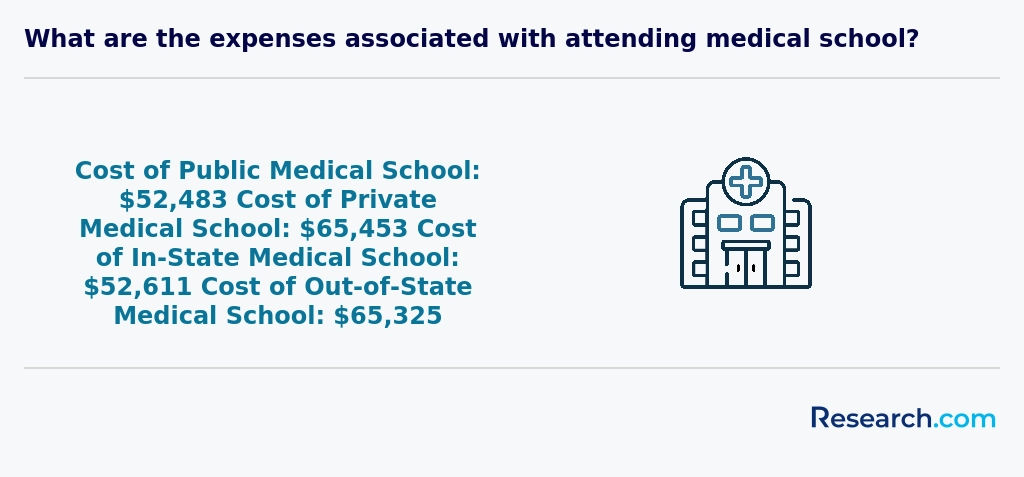
The average cost of a healthcare degree in Lowell typically centers around $16,966 for in-state students, reflecting a relatively accessible investment for those choosing local institutions. Graduates from Middlesex Community College often share how pursuing an associate degree there-ranging from $5,000 to $8,000 annually-helped them start affordable and focused careers in nursing or health information technology, easing financial concerns early on.
For those aiming higher, universities such as the University of Massachusetts Lowell illustrate tuition costs for bachelor's degrees in healthcare-related fields ranging between $15,000 and $20,000 per year for state residents. Many students express satisfaction with the balance between quality education and reasonable expenses, knowing their degree could lead to rewarding positions within the healthcare sector. The Lowell healthcare degree tuition and fees remain competitive compared to national averages, enabling a broad swath of future professionals to access crucial training without overwhelming debt.
As healthcare education evolves with greater emphasis on clinical experience and technology, some students opt to explore graduate programs, which often exceed $20,000 annually. However, financial aid programs and scholarships help ease this burden. Reflecting on journeys of recent graduates, many found personal growth alongside financial prudence, navigating costs while acquiring in-demand skills.
Emerging trends suggest prospective students consider expanding their knowledge through specialized trainings. For example, those interested in advanced practice might find insights by exploring nurse practitioner degrees wisconsin job prospects, envisioning a future in vital healthcare roles enhanced by quality education from affordable regional options.
Accreditation and Licensing Requirements
Ensuring your healthcare degree in Lowell, MA, meets both regional and programmatic accreditation standards is crucial for eligibility to sit for professional licensure exams and for long-term career mobility. Institutions in Massachusetts are typically accredited by the New England Commission of Higher Education (NECHE), while individual programs often hold specialized accreditation from bodies such as the Commission on Accreditation of Allied Health Education Programs (CAAHEP) for clinical roles, the Commission on Accreditation of Health Informatics and Information Management Education (CAHIIM) for health information management, and the Council on Education for Public Health (CEPH) for public health degrees. After graduation, licensure requirements vary by profession:
- Nursing graduates must pass the NCLEX-RN exam and apply to the Massachusetts Board of Registration in Nursing, which also mandates continuing education every two years.
- Health information technicians should graduate from a CAHIIM-accredited program to sit for the Registered Health Information Technician (RHIT) exam administered by AHIMA and maintain credentials through continuing professional education credits.
- Allied health professionals, such as radiologic technologists and medical laboratory scientists, rely on CAAHEP accreditation to qualify for their respective ARRT or ASCP certification exams. Prospective students should verify accreditation status through the U.S. Department of Education’s Database of Accredited Postsecondary Institutions and Programs, and consult the Massachusetts Division of Health Professions Licensure for up-to-date application procedures, fees, and renewal cycles. Many online and hybrid programs also meet these standards; for example, students seeking cost-effective, fully accredited options can explore Most Affordable Online Health Information Management Degree Programs that prepare graduates for national certification. Meeting accreditation and licensing requirements not only secures your eligibility for initial licensure but also enhances your employability and ensures seamless interstate mobility should you choose to practice beyond Massachusetts.
What financial aid is available to healthcare degree students in Lowell?
Healthcare students in Lowell often find that federal financial aid, especially Pell Grants, can be a game-changer for managing tuition costs at institutions like Middlesex Community College. Graduates recall how receiving up to $7,395 annually in grants lifted the weight of debt and allowed them to focus on clinical skills rather than bills. Completing the FAFSA remains a crucial step for unlocking these funds, providing relief for many pursuing nursing or health administration.
Beyond grants, federal student loans with income-driven repayment plans provide flexible support. Some graduates share how loan forgiveness programs tied to public service in medically underserved Lowell neighborhoods made long-term debt feel manageable. Meanwhile, Massachusetts' state scholarships, such as the Workforce Competitive Trust Fund, offer targeted aid that many local students have relied on to stay enrolled and succeed.
Institutional scholarships from Lowell technical schools reward merit and dedication, nurturing a community where commitment to healthcare leads to tangible financial support. Additionally, private scholarships from local healthcare foundations often fuel students' dreams, reflecting a vibrant network ready to back the next generation of healthcare professionals.
Industry Trends & Future Outlook for Healthcare Careers in Lowell, MA
As the healthcare industry evolves, students and professionals in Lowell, MA, must stay informed about emerging trends that will shape future career opportunities. One of the most significant developments is the rapid adoption of telemedicine and digital health platforms, which are reimagining patient care and expanding access to quality services. With increased reliance on advanced data management systems, roles like medical coders have become more pivotal-if you’re curious, check out what is a medical coder salary to understand this evolving niche. Additionally, the integration of artificial intelligence in diagnostics and patient care is not only streamlining processes but also creating demand for professionals with a strong technological background. As local educational institutions update their curricula to include training in these areas, graduates are better positioned to contribute to, and benefit from, these industry shifts. Keeping abreast of these trends will help prospective and current students align their educational pursuits with the future demands of the healthcare sector, ensuring that their skills remain relevant in an ever-changing job market.
What are the prerequisites for enrolling in healthcare degree program in Lowell?
To enroll in a healthcare degree program in Lowell, students generally need a high school diploma or GED. Graduates from programs at Middlesex Community College often recall how their solid foundation in biology and chemistry helped them excel once coursework began. Many local programs expect completion of core science classes like biology, chemistry, and sometimes anatomy or physics, setting the stage for rigorous healthcare studies.
Standardized tests such as the SAT or ACT might be requested, though some Lowell colleges focus more on academic performance in relevant subjects rather than test scores alone. One recent graduate shared that volunteer experiences and internships at nearby clinics were critical in demonstrating commitment to healthcare, which boosted their application success.
Proficiency in English, verified through coursework or exams like the TOEFL for non-native speakers, is essential for effective communication in clinical settings. Some colleges may also require placement tests in math and English to ensure proper course alignment. Looking ahead, evolving prerequisites might increasingly emphasize real-world healthcare exposure and digital literacy alongside traditional academic skills.
Licensing and Certification Requirements
After earning a healthcare degree in Lowell, MA, graduates must meet state and national standards to practice. Key requirements include:
- State Licensure: Register with the Massachusetts Board of Registration in Medicine or Nursing and pass the NCLEX-RN for nursing roles.
- Certification Exams: Obtain credentials like the Registered Health Information Technician (RHIT) exam for health information careers.
- Clinical Hours Verification: Complete supervised clinical or practicum hours and submit documentation to the relevant licensing board.
- Continuing Education: Fulfill annual CE requirements-often 15–30 hours-to maintain licensure and stay current with industry standards.
- RN to BSN Pathway: Many RNs choose to advance their practice and salary potential through affordable rn to bsn online programs.
What courses are typically in healthcare degree programs in Lowell?
Healthcare degree programs in Lowell typically include foundational courses such as human biology, anatomy, and medical terminology, which provide students with a solid understanding of the human body. Graduates often reflect on how mastering these basics was essential before moving into more complex subjects. Popular colleges in Lowell also emphasize specialized courses like healthcare ethics and law, helping students navigate patient rights while fostering a sense of responsibility and empathy in real clinical settings.
Postgraduates frequently share how classes in pharmacology and medical microbiology brought textbook knowledge to life, especially when combined with hands-on experiences at local hospitals. Community health and public health principles are tailored to Lowell's diverse population, encouraging future professionals to think beyond individual care to broader wellness strategies. Informatics courses prepare students for the growing integration of technology, reflecting trends graduates observe in their internships.
Nutrition and wellness classes often inspire students to adopt preventive care mindsets, which many find empowering in their personal and professional lives. These evolving courses ensure Lowell's healthcare students are not only prepared for today's careers but are also anticipating shifts in patient care and health innovation.
What types of specializations are available in healthcare degree programs in Lowell?
Healthcare degree specializations in Lowell are evolving to meet the region's shifting medical landscape. Students at popular colleges often find themselves drawn to nursing tracks, ranging from LPN to BSN, where graduates enthusiastically share stories of clinical rotations at Lowell General Hospital that deeply shaped their compassionate approach to patient care. Other Lowell healthcare program concentration options like Health Information Management are growing rapidly, with students excited about mastering medical technologies critical as electronic records digitize healthcare. Graduates appreciate how these skills translate to impactful roles managing community health data.
Public Health remains a vital focus, especially given Lowell's diverse population, where students often express strong motivation to address local disease prevention and health promotion. Medical Laboratory Science and Physical Therapy also attract those passionate about hands-on diagnostics and rehabilitation, preparing for a future as Lowell's healthcare needs expand. Those eager to explore nursing can find excellent programs among accredited nursing schools st petersburg fl that offer similar forward-thinking specialties and pathways.
How do you choose the best healthcare degree in Lowell?
Choosing the best healthcare degree in Lowell means envisioning how your education fits into the city's evolving healthcare landscape. Graduates from local programs often mention how hands-on clinical rotations at Lowell General Hospital helped them gain confidence and real-world skills. Many find that aligning their studies with the growing demand in Lowell's healthcare sector makes job hunting less stressful and more exciting.
Popular colleges in Lowell offer flexible options like evening classes or hybrid learning, ideal for balancing work and life. Those aiming for nursing often pursue a Bachelor of Science in Nursing (BSN), while others explore affordable healthcare degrees Lowell MA through certificate programs. Accreditation remains a top priority since it unlocks licensure and better opportunities.
Looking ahead, students are increasingly exploring online nurse practitioner programs acceptance rate and financial aid options to ease costs. When evaluating programs, consider how each school connects students to local employers; real stories from recent graduates reveal that these relationships often lead to immediate job offers.
What career paths are available for healthcare degree students in Lowell?
Graduates pursuing healthcare degrees in Lowell find a wide spectrum of career paths that align with the city's expanding medical landscape. Many early-career professionals start as Registered Nurses or Health Information Technicians within local institutions, such as Lowell General Hospital, gaining invaluable hands-on experience while supporting community needs. These healthcare career options in Lowell often evolve as alumni move into advanced roles like Medical and Health Services Managers, steering complex operations and responding to the region's growth in healthcare administration.
Students from popular colleges report excitement about transitioning from foundational degrees to specialized fields-such as Physical Therapy or Occupational Therapy-where they help patients regain independence, reflecting a compassionate connection between education and community impact. Those interested in research or public health frequently pursue advanced studies on local campuses, opening doors to innovative care solutions and emerging tech roles. For many, flexible career trajectories mean pathways between direct patient care and management become attainable with experience and credentials.
Financial considerations are often eased by affordable tuition rates at nearby public colleges, paired with accessible financial aid options, enabling students to invest confidently in their futures. These Lowell healthcare degree job opportunities highlight a positive blend of personal fulfillment and professional growth, making the city an inspiring choice for ambitious healthcare students.
What is the job market for healthcare degree in Lowell?
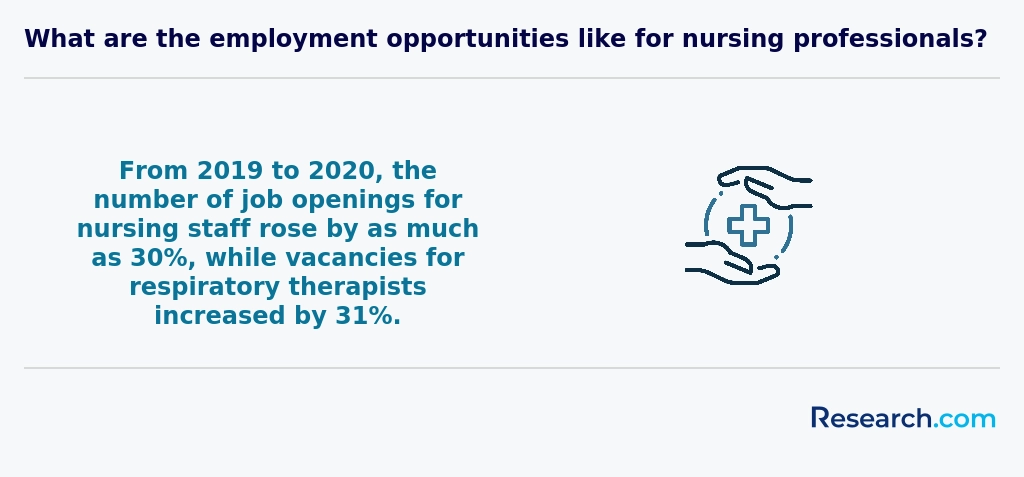
The healthcare job market in Lowell shows strong potential for recent graduates due to the city's expanding healthcare sector. Graduates from local colleges often share how hands-on experiences at Lowell General Hospital and nearby health centers open doors to roles such as registered nurses and healthcare managers. This demand is backed by regional growth trends, with employers actively seeking professionals trained in nursing, healthcare administration, and allied health fields.
Opportunities for healthcare degree holders continue to reflect Lowell healthcare degree employment outlook, as the city's aging population drives increased need for specialized roles like patient care technicians. Salaries for these roles remain competitive, enhancing the appeal for students considering healthcare studies here. Many graduates feel optimistic about their career trajectory, appreciating the balance of practical training and strong job prospects. Investing in a healthcare degree locally often leads to rewarding employment and a meaningful community impact.
Those exploring options can also find value in programs tailored for evolving healthcare needs, including online nutrition degrees curriculum that complement broader healthcare education in Lowell. Such diverse offerings reflect the adaptability required in Lowell's dynamic job market for healthcare degree opportunities.
Frequently Asked Questions About healthcare
Healthcare degree students in Lowell can enhance their learning by taking advantage of local clinical placements and internships. Lowell is home to several hospitals and healthcare centers, such as Lowell General Hospital, which offer practical experience that complements academic study. According to the Massachusetts Department of Higher Education, hands-on training significantly improves competency and job readiness for healthcare students.
Networking with professionals in the area is also crucial. Students should attend workshops and join local healthcare associations to connect with practitioners and mentors. Engaging in community health initiatives can provide insight into population health issues specific to Lowell, enriching their educational journey.
The healthcare field in Lowell is diversifying rapidly, with several emerging niches gaining attention. One notable area is telehealth, which has grown significantly since 2020 due to increased demand for remote care. Local providers report a 40% rise in telehealth visits, reflecting broader national trends.
Another expanding niche is health informatics. Professionals trained in this field manage electronic health records and use data analytics to improve patient outcomes. Northeastern University's local research highlights a 25% job growth projection in healthcare informatics through 2028 in Massachusetts.
Additionally, occupational therapy and geriatric care are becoming urgent areas of focus as Lowell's aging population increases. Specialized degrees prepare graduates to support elderly patients with chronic conditions, aligning with regional healthcare needs identified by state health agencies.
Preparing for the job market after completing a healthcare degree in Lowell involves several key steps tailored to the local employment landscape. Graduates should focus on obtaining relevant certifications such as CPR, CNA, or state nursing licenses depending on their specialization.
Networking is crucial; connecting with local healthcare providers like Lowell General Hospital, which employs over 3,000 staff, can open up job opportunities. Attending career fairs and joining professional organizations boosts visibility.
Additionally, gaining clinical experience through internships or volunteer work in Lowell's extensive community health centers improves employability. According to the U.S. Bureau of Labor Statistics, healthcare jobs in Massachusetts are projected to grow by 12% through 2030, indicating a positive market outlook.
Employers in Lowell prioritize both technical and interpersonal skills when hiring healthcare degree graduates. Clinical competence is essential, including strong knowledge in patient care, medical terminology, and health informatics, as these areas reflect the demands of local healthcare settings such as Lowell General Hospital. According to the Massachusetts Department of Public Health, proficiency in electronic health records (EHR) is increasingly valued due to widespread adoption in the state's healthcare facilities.
In addition, soft skills like communication, teamwork, and cultural sensitivity are critical. Lowell's diverse population requires healthcare professionals who can effectively engage with patients from various backgrounds. Analytical thinking and problem-solving skills also help graduates adapt to evolving medical protocols and technologies.
Employers often seek graduates who demonstrate a balance of technical expertise and compassionate patient interaction, supported by ongoing professional development to keep pace with healthcare advancements.
Finding healthcare internships in Lowell involves leveraging local resources and educational institutions. Many healthcare programs at Massachusetts Lowell community colleges and universities feature internship placement support as part of their curriculum. Students should connect with their school's career center, which often has partnerships with nearby hospitals like Lowell General Hospital and community health clinics.
Additionally, checking the Massachusetts Department of Public Health website can provide information on licensed healthcare providers offering internships. Networking at local job fairs and professional events is also useful. According to Massachusetts Executive Office of Labor data, healthcare internships in the Lowell area are growing by approximately 5% annually, reflecting strong industry demand.
Obtaining a healthcare degree in Lowell significantly enhances career mobility and advancement opportunities. Healthcare employers in the city often prioritize candidates with formal education, particularly those holding associate's or bachelor's degrees in nursing, allied health, or health sciences. According to Job Cortex, the healthcare sector in Lowell is projected to grow by 12% through 2028, outpacing many other fields.
Graduates with healthcare degrees gain essential clinical skills, certifications, and eligibility for licensure exams, making them competitive for higher-level positions. In Lowell's growing medical facilities, degree holders are more likely to receive promotions and salary increases compared to those without formal credentials.
Moreover, advanced degrees enable professionals to shift into specialized roles, management, or education within healthcare organizations, expanding long-term career options. Institutions such as UMass Lowell offer programs aligned with local healthcare needs, supporting student transition into the workforce.
Studying for a healthcare degree in Lowell equips students with skills essential for interdisciplinary roles by emphasizing collaborative learning and practical experiences. Local programs often integrate courses in nursing, public health, and healthcare management, reflecting the interconnected nature of modern healthcare. According to the Massachusetts Department of Higher Education, institutions in Lowell have seen a 15% increase in interdisciplinary healthcare curriculum offerings over the past five years.
Students engage in clinical rotations within diverse settings, including Lowell General Hospital, which serves a multi-ethnic population requiring teamwork across different specialties. This prepares graduates to communicate effectively with professionals from various fields such as social work, pharmacy, and medical technology.
The curriculum aligns with national competency frameworks, promoting problem-solving and critical thinking skills valued in collaborative healthcare teams. This approach supports Lowell's growing healthcare sector, which Bloomberg reports as expanding by 10% annually, increasing demand for versatile healthcare professionals.
When choosing between a thesis and a non-thesis healthcare degree program in Lowell, consider your career goals carefully. Thesis programs emphasize research skills and are suitable if you plan to pursue a PhD or work in evidence-based healthcare fields. Non-thesis options often focus on practical skills and may require additional coursework or a final project instead of research.
In Lowell, healthcare employers value both approaches. According to the Massachusetts Department of Public Health, local healthcare jobs grew 9% from 2017 to 2022, increasing demand for professionals with hands-on experience and research capabilities.
Think about time and commitment: thesis tracks take longer to complete, often requiring 1-2 extra semesters. Non-thesis degrees typically allow faster graduation, which may benefit working professionals.
Students based in Lowell seeking to study healthcare abroad have several options tailored to US education standards. Many choose partner programs from US institutions with study-abroad components in countries like the UK, Canada, or Australia. These programs often include clinical placements, allowing hands-on experience in diverse healthcare systems.
Lowell residents can also explore exchange agreements facilitated by Massachusetts universities, ensuring credits count towards degrees locally. Popular fields include nursing, public health, and medical technology.
According to the Massachusetts Department of Higher Education, over 15% of healthcare students in the state participate in international programs, reflecting growing interest in global healthcare perspectives.
Part-time job opportunities in Lowell can significantly enhance the educational experience for students pursuing healthcare degrees. Local hospitals such as Lowell General Hospital frequently offer roles like patient care assistants or medical aides, providing direct exposure to clinical environments.
Pharmacies and outpatient clinics also hire technicians or clerical staff, helping students develop administrative and communication skills essential in healthcare settings. According to the Massachusetts Executive Office of Labor and Workforce Development, healthcare support roles in Lowell have grown by 12% over the past five years, reflecting strong local demand.
Volunteering with community health organizations offers additional hands-on experience, fostering practical skills alongside academic knowledge.
Healthcare students in Lowell benefit from several local networking opportunities that connect them with professionals and peers. Institutions like Middlesex Community College and UMass Lowell offer access to healthcare-focused student organizations, career fairs, and guest speaker events. These platforms enable students to build professional contacts early in their education.
Lowell's proximity to major medical centers such as Lowell General Hospital and community health clinics provides internships and volunteer options, which are key for practical experience and networking. According to the Massachusetts Department of Higher Education, healthcare employers in the Greater Lowell area regularly collaborate with colleges for student placements.
Additionally, regional conferences and workshops in Massachusetts foster connections across the healthcare industry, allowing students to engage with practitioners, researchers, and healthcare leaders from various fields.
Alumni networks provide significant advantages for healthcare degree students in Lowell by offering valuable career connections. Graduates in healthcare fields often find job opportunities through established contacts, which is crucial in Lowell's competitive medical community.
These networks support mentoring programs where experienced alumni guide current students on clinical skills, certification processes, and navigating local healthcare regulations. According to the Massachusetts Department of Higher Education, students with active alumni connections have a 20% higher employment rate within six months after graduation.
Moreover, alumni frequently share insights on internships and job openings at Lowell's hospitals and clinics, such as Lowell General Hospital. This insider information can accelerate career entry and professional development for healthcare students in the area.
Customizing a healthcare degree program in Lowell allows you to align your education with specific career goals in the region's growing medical field. Many institutions offer elective courses and specializations in areas such as nursing, health administration, or medical technology, enabling students to gain skills tailored to their interests.
Lowell's healthcare sector, including facilities like Lowell General Hospital, values practical experience, so programs often include internships or clinical hours. This hands-on training helps students build local professional networks and improve job prospects.
Additionally, flexible scheduling options, such as part-time or evening classes, can accommodate working students aiming to advance their careers while studying.
Healthcare students in Lowell often face several significant challenges during their studies. One major difficulty is balancing rigorous coursework with clinical rotations, which demand extensive time and effort. Many students report stress related to the fast-paced environment of healthcare training. According to Mass.gov, Lowell's community health resources place high expectations on student performance during practical experiences.
Another challenge includes financial strain, with tuition and related expenses rising steadily across Massachusetts institutions. Additionally, students must adapt to evolving healthcare technologies and regulations, requiring continuous learning beyond traditional classroom instruction.
Language barriers and limited local internship opportunities can also pose obstacles for some prospective healthcare professionals in Lowell.
With a healthcare degree in Lowell, you can pursue various professional certifications that broaden your career opportunities. Common certifications include Registered Nurse (RN), Certified Medical Assistant (CMA), and Pharmacy Technician certifications. These credentials are often required for clinical roles and boost earning potential.
Lowell's healthcare sector has grown by 12% in recent years, according to the Massachusetts Executive Office of Labor and Workforce Development, increasing demand for qualified professionals holding certifications.
Other certifications include Certified Healthcare Administrator and Medical Billing and Coding Specialist, which suit non-clinical career paths.
Certification requirements vary by field but typically involve passing standardized exams and fulfilling clinical hours.
Writing a winning application for a healthcare program in Lowell requires clear planning and attention to detail. Start by thoroughly researching the specific programs offered by institutions such as Middlesex Community College, which is known for its allied health programs. Strong academic records in science courses like biology and chemistry are critical, as healthcare programs typically emphasize these prerequisites.
Applicants should highlight relevant experience, such as volunteering at local healthcare facilities like Lowell General Hospital, to demonstrate commitment and practical understanding. Additionally, crafting a compelling personal statement that clearly explains your motivation to pursue healthcare, along with future goals, will help admissions committees see your dedication.
Finally, ensure all application materials are submitted before deadlines, and consider securing recommendation letters from professionals familiar with your healthcare interests. According to the Massachusetts Department of Higher Education, programs in this field often have competitive acceptance rates, making each application detail important.
The healthcare sector is a dynamic and expanding field, both in the United States and globally. For students in Lowell, Massachusetts, pursuing a healthcare degree can open doors to careers that are in high demand worldwide. According to the U.S. Bureau of Labor Statistics, healthcare occupations are projected to grow 13% from 2021 to 2031, much faster than the average for all jobs.
Globally, healthcare careers emphasize cultural competence and adaptability, reflecting diverse patient populations. Lowell's multicultural community provides a valuable environment to develop these skills. Institutions in Lowell also align their curricula with global standards, preparing graduates for broader career opportunities.
Moreover, healthcare professionals increasingly collaborate across borders, especially in response to challenges like pandemics. This global perspective encourages continuous learning and innovation for those entering the field.
Gaining practical experience while studying for a healthcare degree in Lowell is essential for career readiness. Many local institutions, including Middlesex Community College and UMass Lowell, offer clinical internships and externships as part of their programs. These opportunities allow students to work in hospitals, clinics, and community health centers within the Greater Lowell area.
Students can also benefit from partnerships between colleges and Lowell General Hospital, which provide supervised hands-on training. Additionally, volunteering at healthcare facilities or participating in simulation labs on campus helps build critical skills. According to the Massachusetts Department of Higher Education, over 60% of healthcare students in the state engage in clinical experiences during their studies.
Choosing the right concentration within a healthcare degree program in Lowell begins with understanding your personal interests and career goals. Healthcare offers diverse paths, including nursing, health informatics, public health, and medical technology. Research local job market trends to identify high-demand specialties; according to the Massachusetts Executive Office of Labor and Workforce Development, nursing and allied health positions are growing steadily in Lowell. Consider program accreditation and faculty expertise, as these affect education quality and future licensure. Additionally, evaluate clinical practicum opportunities offered by schools, especially partnerships with Lowell General Hospital and other local healthcare providers.
Related Healthcare Rankings for Nearby Cities
- 2027 Best Healthcare Degree Programs Ranking in Newton
- 2027 Best Healthcare Degree Programs Ranking in Cambridge
- 2027 Best Healthcare Degree Programs Ranking in Chestnut Hill
- 2027 Best Healthcare Degree Programs Ranking in Boston
- 2027 Best Healthcare Degree Programs Ranking in Manchester
- 2027 Best Healthcare Degree Programs Ranking in Milton
- 2027 Best Healthcare Degree Programs Ranking in Worcester
- 2027 Best Healthcare Degree Programs Ranking in Keene
- 2027 Best Healthcare Degree Programs Ranking in Providence
- 2027 Best Healthcare Degree Programs Ranking in Amherst
Top Trending Healthcare Rankings
See What Experts Have To Say About Studying Healthcare
Read our interview with Healthcare experts

References
- Know more about thesis vs non- thesis: what is the difference? https://studyfans.com/en/blogs/816
- 10 Skills Employers Are Looking for in Healthcare Management Jobs https://www.aiuniv.edu/blog/10-top-skills-for-healthcare-management-jobs
- UMASS-Lowell Student Health Insurance Plan https://www.universityhealthplans.com/uml
- The Role of Interdisciplinary Studies in Medical Career Training https://georgia-med.com/the-role-of-interdisciplinary-studies-in-medical-career-training.html
- How to Create a Healthcare Career Roadmap https://www.ihire.com/resourcecenter/jobseeker/pages/how-to-create-a-healthcare-career-roadmap
- 20 healthcare investment niches and 3 things to know: The evolution of ... https://blackbookmarketresearch.com/20-healthcare-investment-niches-and-3-things-to-know-the-evolution-of
- What Can You Do with a Health Sciences Degree? https://www.ycp.edu/news/what-can-you-do-with-a-health-sciences-degree
- 6 Tips On Networking For Medical Professionals https://aaams.net/blog/how-to-network-in-the-medical-field-nurses/
- Pursuing Your Career Goals: Strategies and Examples https://www.ultimatemedical.edu/blog/career-goals-importance-strategies-and-examples/
- Employability Skills Matrix for the Health Sector https://www.skillsforhealth.org.uk/resources/employability-skills-matrix/


