
2027 Best Healthcare Degree Programs Ranking in Memphis

Co-Founder and Chief Data Scientist
Choosing the right healthcare degree program in Memphis can shape your future career and open doors to rewarding opportunities. To make this easier, our article presents the 2027 Best Healthcare Degree Programs Ranking in Memphis, created by the Research.com team of data scientists.
This ranking offers trusted insights so you can confidently compare programs and find the one that fits your goals. Whether you're starting fresh or advancing your education, a healthcare degree can empower you to make a real difference.
Explore the options and take a step closer to a fulfilling career in healthcare.
Key benefits of getting healthcare degree in Memphis
- Healthcare degree graduates in Memphis can expect competitive salaries, such as Medical Assistants earning around $43,350 annually and Patient Care Technicians making about $60,790 per year, offering strong financial stability.
- Graduates from local colleges like the University of Memphis often find diverse career paths, including roles as Health Information Technicians or Clinical Research Coordinators, opening doors to rewarding and impactful jobs.
- Obtaining a healthcare degree online through institutions like Remington College allows flexible study schedules and quicker entry into the workforce, which many find beneficial compared to traditional degrees.
- Key benefits of getting healthcare degree in Memphis
- What can I expect from healthcare degree in Memphis?
- Where can I work with healthcare degree in Memphis?
- How much can I make with healthcare degree in Memphis?
- 2027 Best Healthcare Degree Programs Ranking in Memphis
- Key Findings
- How long does it take to complete healthcare degree in Memphis?
- Certification and Licensing: Essential Next Steps After Graduation
- What's the difference between online and on-campus healthcare degree?
- Licensure and Certification Requirements in Tennessee
- What is the average cost of healthcare degree in Memphis?
- Accreditation and Licensure Requirements
- What financial aid is available to healthcare degree students in Memphis?
- Student Support and Campus Resources
- What are the prerequisites for enrolling in healthcare degree program in Memphis?
- Emerging Trends in Healthcare Education and Career Innovation
- What courses are typically in healthcare degree programs in Memphis?
- What types of specializations are available in healthcare degree programs in Memphis?
- How do you choose the best healthcare degree in Memphis?
- What career paths are available for healthcare degree students in Memphis?
- What is the job market for healthcare degree in Memphis?
- Top Trending Healthcare Rankings
- See What Experts Have To Say About Studying Healthcare
What can I expect from healthcare degree in Memphis?
The average cost of a healthcare degree in Memphis is generally more affordable than many other U.S. cities, largely due to the strong presence of community colleges like Southwest Tennessee Community College and state universities such as the University of Memphis. Graduates often recall feeling relieved by manageable tuition fees that allowed them to focus on their studies without overwhelming financial stress. Many students share stories of balancing part-time jobs while benefiting from financial aid and scholarships specifically targeted at healthcare programs in the region.
For instance, associate degrees in nursing at community colleges typically cost significantly less than four-year programs, making entry into the healthcare field accessible and practical. Those pursuing bachelor's or advanced degrees at the University of Memphis find that their investment is matched by excellent clinical training opportunities at renowned local medical centers, which enhances their career readiness without the burden of exorbitant costs.
These cost-effective pathways reflect Memphis' commitment to nurturing healthcare talent while supporting students in turning their aspirations into rewarding careers.
Where can I work with healthcare degree in Memphis?
Graduates with healthcare degrees in Memphis often find themselves thriving in dynamic roles at institutions like Methodist Le Bonheur Healthcare or Baptist Memorial Health Care, where they contribute directly to patient care as nurses, technologists, or medical assistants. Many recall the excitement of their clinical rotations at local hospitals, feeling motivated by the immediate impact of their work in diverse medical settings.
Others embrace opportunities in outpatient centers and long-term care facilities, drawn by Memphis's strong network of nursing homes and rehabilitation clinics. These roles offer graduates a chance to build meaningful patient relationships while developing administrative and specialized skills.
Healthcare students from the University of Tennessee Health Science Center often share stories of engaging in groundbreaking research or teaching roles, envisioning futures in academic medicine or clinical trials. Similarly, those focused on public health enjoy collaborating with community organizations like the Shelby County Health Department, embracing roles that blend health education and policy to improve lives on a broad scale.
As Memphis continues to grow its healthcare landscape, graduates can anticipate expanding pathways in medical laboratories and allied health fields, fueling both their career growth and a deep sense of purpose.
How much can I make with healthcare degree in Memphis?
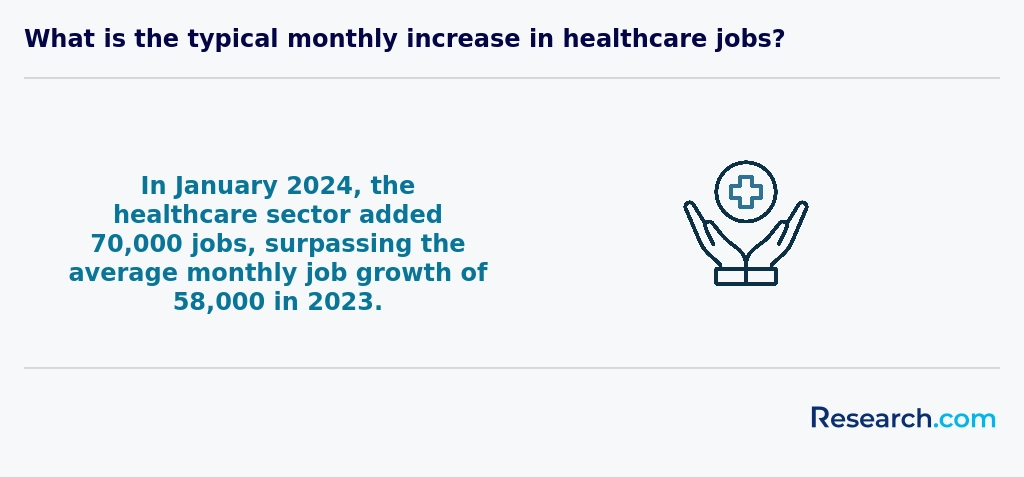
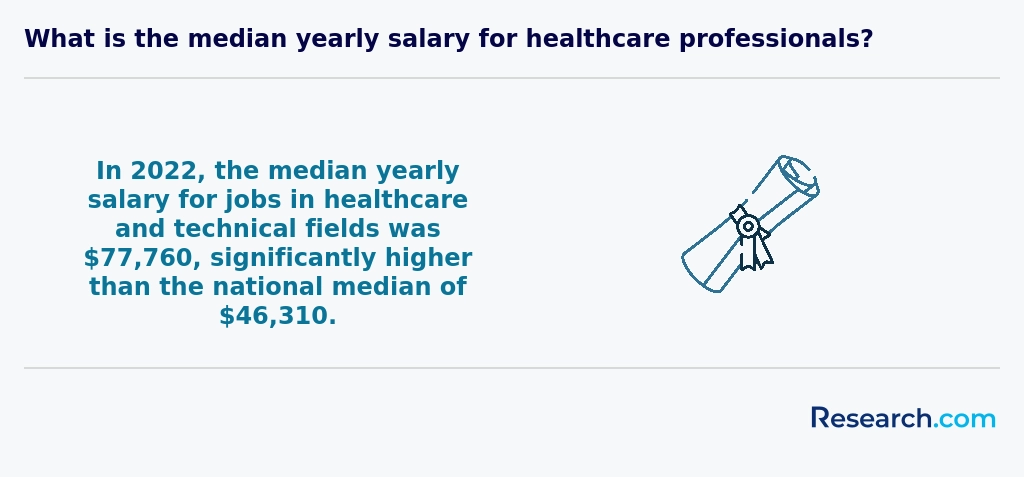
Graduates from healthcare programs in Memphis often step into roles that offer promising salaries. For example, a graduate working as a Medical Assistant can expect an average annual salary near $43,350. Those pursuing careers as Patient Care Technicians typically earn around $60,790 annually, reflecting the growing demand in hospitals and clinics around Memphis.
Health Information Technicians, crucial in managing patient data at institutions like the University of Memphis' healthcare programs, make about $43,380 per year. Clinical Research Coordinators, who might collaborate with renowned facilities such as St. Jude Children's Research Hospital, earn around $43,350 annually, providing a solid starting income while gaining valuable experience.
For students aiming higher, positions like Quality Improvement Coordinators offer substantial financial incentives, with mean wages exceeding $103,000 annually. Graduates from Memphis colleges who specialize in such roles often express excitement about the impact they make on healthcare systems while enjoying strong financial rewards.
As Memphis continues expanding its healthcare sector, driven by institutions like Methodist Le Bonheur Healthcare, graduates can anticipate rising salaries and increasing opportunities, making it a compelling choice for healthcare education and careers.
2027 Best Healthcare Degree Programs Ranking in Memphis
How do we rank schools?
Investing in your education is a significant decision that can shape your future, and the Research.com team fully understands the importance of making informed choices. To support prospective students in Memphis, we have carefully developed the "2027 Best Healthcare Degree Programs Ranking in Memphis." Our dedication to quality, credibility, and accuracy is demonstrated through extensive research and rigorous analysis in compiling this ranking.
We utilized the following reputable data sources to ensure a comprehensive evaluation of healthcare programs:
By exploring this ranking, readers will gain valuable insights into the top healthcare degree options in Memphis, empowering them to make well-informed decisions about their academic and professional futures. For additional information on how this ranking was created, please visit our Research.com methodology page.


# 8 position
Strayer University-Tennessee
Master of Science in Health Sciences

# 9 position
The University of Tennessee Health Science Center
Bachelor of Science in Health Sciences

# 10 position
The University of Tennessee Health Science Center
Master of Science in Health Sciences
Key Findings
- Healthcare degree programs in Memphis cost between $8,000 and $15,000 annually depending on the institution and program level.
- Clinical training and internships are key parts of most programs, with access to major hospitals like St. Jude Children's Research Hospital.
- Entry-level healthcare salaries in Memphis range from $45,000 to $55,000 per year, with registered nurses starting near $50,000.
- Experienced healthcare professionals, such as nurse practitioners and administrators, can earn over $80,000 annually in Memphis.
- The healthcare job market is growing, driven by population increases and demand for services like nursing and physical therapy.
- Financial aid options are available, including scholarships and loan forgiveness programs supported by local healthcare organizations.
How long does it take to complete healthcare degree in Memphis?
Completing a healthcare degree in Memphis often feels like an exciting, ambitious journey tailored to your career goals. Graduates from Southwest Tennessee Community College share how their two-year associate programs launched them quickly into nursing assistant roles, balancing studies with hands-on clinical experiences at local hospitals. Meanwhile, students at the University of Memphis often recount their fulfilling four-year bachelor's programs, which opened doors to leadership positions in public health or nursing.
Looking ahead, master's degrees in healthcare fields usually require an additional 1.5 to 3 years, allowing students to deepen their expertise while often continuing part-time work-many describe this phase as both challenging and empowering. Doctoral candidates at the University of Tennessee Health Science Center embrace 3 to 6 years of rigorous study combined with immersive clinical internships that truly prepare them for advanced practice roles.
As Memphis healthcare evolves, flexible and accelerated program options have also emerged, enabling students to complete degrees faster without compromising vital practical experience, meeting growing local demand with optimism and resilience.
Certification and Licensing: Essential Next Steps After Graduation
Transitioning from education to a thriving healthcare career involves more than just earning a degree-it requires obtaining the proper certifications and licenses to practice with confidence. Many programs in Memphis instill a strong academic foundation, but prospective students should also prepare for post-graduate certification exams and professional licensing requirements that are crucial in today’s regulated healthcare environment. For example, after completing your degree, you may consider enrolling in an accelerated program at a medical assistant school to quickly gain the practical certification needed to start your career. Understanding the certification paths for your chosen specialty not only enhances your credibility but also opens doors to advanced roles and higher earning potential. In addition, many institutions offer dedicated resources, such as exam preparation courses and career counseling, to help guide you through the licensing process. By balancing robust academic training with targeted certification and licensing support, graduates become well-equipped to meet the high standards of the healthcare industry, ensuring both personal growth and public trust in their professional practice.
What's the difference between online and on-campus healthcare degree?
Online and on-campus healthcare degrees in Memphis offer distinct experiences that shape students' journeys. Graduates from the University of Memphis often praise the hands-on interaction they gained through in-person clinical practicums at local hospitals like St. Jude Children's Research Hospital. This face-to-face learning fosters a strong sense of community and immediate support from professors and peers.
Conversely, online students at institutions like LeMoyne-Owen College value the flexibility to balance jobs or family while advancing their careers. They share how virtual lectures and asynchronous coursework make it easier to manage time, though they still eagerly anticipate arranged local clinical placements to apply their skills in real healthcare settings.
In both formats, Memphis students express pride in meeting rigorous clinical requirements, often reflecting on the reassurance of familiar, nearby hospital partnerships. As technology evolves, future healthcare programs may blend these modes even more, offering personalized, flexible education without sacrificing essential hands-on experience.
Licensure and Certification Requirements in Tennessee
After earning your healthcare degree in Memphis, TN, the next critical step is obtaining the proper licensure and certifications to practice professionally. Each healthcare role has specific credentialing pathways governed by state boards or national organizations. For instance, nursing graduates must pass the NCLEX-RN or NCLEX-PN exam and apply for licensure through the Tennessee Board of Nursing, while medical laboratory technicians often seek certification from the American Society for Clinical Pathology (ASCP) and a state permit. Understanding these requirements early ensures you can map out timelines, application fees (typically $100–$200), and continuing education units (CEUs) needed to maintain your credentials. Physical therapy assistant graduates, for example, must hold an accredited degree and pass the National Physical Therapy Exam (NPTE) before applying to the Tennessee Department of Health for licensure. If you’re weighing associate-level options, consider exploring our detailed guide on the associate degree for physical therapy assistant, which outlines accredited programs, exam pass rates, and clinical hour requirements. Similar structured pathways exist for professions like respiratory therapy (CRT and RRT exams) and radiologic technology (ARRT certification), each with mandatory background checks and periodic relicensure every two years. Maintaining licensure also involves completing state-mandated CEUs. Tennessee requires most healthcare professionals to earn between 10 and 30 CEUs per renewal cycle, depending on the discipline. Accredited institutions in Memphis often offer workshops, webinars, and on-campus seminars to help graduates fulfill these requirements seamlessly. Additionally, professional associations-such as the Tennessee Nurses Association or the Tennessee Society of Radiologic Technologists-provide member discounts on courses and networking events that count toward licensure maintenance. By familiarizing yourself with Tennessee’s certification timelines, application portals, and renewal cycles, you can avoid costly delays and ensure uninterrupted practice. This proactive approach not only bolsters your credibility with employers but also demonstrates your commitment to lifelong learning and patient safety in the dynamic healthcare landscape of Memphis.
What is the average cost of healthcare degree in Memphis?
The average cost of a healthcare degree in Memphis offers a promising balance between quality education and manageable expenses. Data shows the median total cost for healthcare degrees hovers around $27,646, with in-state students typically paying nearly half that at $13,858. Graduates from local institutions such as the University of Memphis often recall the financial relief of in-state tuition rates, which made pursuing a healthcare degree more accessible and less stressful.
The spectrum of healthcare degree tuition fees Memphis 2027 students can expect reflects diverse program types. For example, associate degrees, often completed at community colleges, tend to be more affordable, creating opportunities for quick entry into the healthcare workforce. Bachelor's and master's degree students at both public and private universities often find these investments worthwhile, thanks to robust clinical programs and career support, which heightens their enthusiasm and commitment through the years.
Multiple graduates emphasize that beyond tuition, additional expenses like textbooks and clinical supplies also factor into the overall financial planning. Yet, the presence of scholarships and grants within Memphis schools softens these burdens, encouraging students to keep pushing forward. Those considering options might explore programs at this affordable healthcare school in tennessee, which exemplifies a commitment to accessible education paired with strong career outcomes.
Accreditation and Licensure Requirements
Ensuring your chosen healthcare program holds the proper accreditation and meets state licensure criteria is critical for both academic quality and professional eligibility. Look first for institutional accreditation from a regional body such as the Southern Association of Colleges and Schools Commission on Colleges (SACSCOC). Next, verify programmatic accreditation: nursing programs should be accredited by the Commission on Collegiate Nursing Education (CCNE) or the Accreditation Commission for Education in Nursing (ACEN), health informatics programs by CAHIIM, and allied health fields by their respective accrediting agencies. These accreditations confirm that curricula adhere to industry standards, faculty qualifications, and clinical training requirements. After graduation, you’ll need to secure licensure or certification to practice. Each state board-whether for nursing, medical technology, health information management, or administration-sets specific exam and clinical hour prerequisites. For example, Tennessee’s Board of Nursing requires successful completion of the NCLEX-RN and documented clinical experience before issuing a license. Always consult your program’s academic advisor and the Tennessee Department of Health to ensure you fulfill all application deadlines and documentation requirements. Prospective graduate students seeking cost-effective, accredited online master’s options can also explore our ranking of Inexpensive Online Master's in Healthcare Degree Programs Ranking in North Dakota for additional budgeting insights and program comparisons.
What financial aid is available to healthcare degree students in Memphis?
Healthcare students in Memphis often find that financial aid options open up unexpected opportunities to pursue their dreams without overwhelming debt. Many graduates from the University of Memphis share how Pell Grants, awarded through the FAFSA, eased their worry by covering a significant portion of tuition-up to $7,395 for the 2023-2024 year-allowing them to focus on studies rather than finances.
State programs like the HOPE Scholarship and HOPE Access Grant further brighten prospects for Tennessee residents attending public colleges, reducing costs and rewarding academic effort. Students at Rhodes College and Le Moyne-Owen College frequently tap into institution-specific scholarships designed to uplift underrepresented groups, making healthcare careers feel more accessible and encouraging a sense of community and purpose.
Emerging trends show local hospitals like Saint Francis Healthcare System expanding tuition reimbursement programs, reflecting a growing partnership between education and workforce needs in Memphis. With flexible federal loans at 5.50% interest, many envision balancing financial aid with manageable debt, fueling hope for a fulfilling career in nursing or allied health.
Student Support and Campus Resources
Choosing the right healthcare program means evaluating not only the curriculum but also the robust support systems available to help you thrive both academically and personally. In Memphis, many institutions offer a wide range of student resources-from mentoring programs, tutoring services, and mental health counseling to career counseling and internship placement assistance. These services ensure that students receive continuous feedback, practical career guidance, and emotional support throughout their academic journey. Moreover, many programs foster a close-knit community through clubs, networking opportunities, and industry partnerships that can significantly enhance your professional growth. For those seeking a balance between quality education and cost-effective options, some institutions are recognized as an affordable healthcare school in tennessee, emphasizing strong student support alongside academic excellence. Enthusiastic engagement with these resources can truly pave the way for a successful and fulfilling career in healthcare.
What are the prerequisites for enrolling in healthcare degree program in Memphis?
To enroll in a healthcare degree in Memphis, students typically need a high school diploma or GED alongside a solid grasp of science subjects like biology and chemistry. Graduates from schools such as the University of Memphis often recall how their strong science foundation eased the transition into challenging healthcare courses. Many programs also request standardized test scores, though some institutions are moving toward test-optional policies, reflecting broader educational trends.
Beyond academics, letters of recommendation and clear criminal background checks are common prerequisites, especially for nursing or allied health tracks at colleges like Southwest Tennessee Community College. Practical requirements such as immunizations and minimum GPAs between 2.5 and 3.0 also prepare students for clinical settings, ensuring they are ready for real-world patient care.
Future healthcare students often benefit from volunteering or healthcare work experience in Memphis, which enriches applications by showing dedication and firsthand knowledge. Many graduates emphasize how these steps brought them confidence and excitement as they embarked on their healthcare careers in this vibrant city.
Emerging Trends in Healthcare Education and Career Innovation
Healthcare education is rapidly evolving to meet the demands of a digital and patient-centered future. Prospective students should be aware that many programs in Memphis, TN, are now integrating advanced simulation labs, telemedicine training, and digital health records management into their curricula. These innovative components not only enhance classroom learning but also prepare graduates for the fast-changing landscape of modern healthcare. Leading institutions are forging partnerships with local hospitals and clinics to provide students with real-world clinical experiences, ensuring they are well-equipped to excel in various healthcare settings. By staying informed about these emerging trends, you can choose a program that not only teaches current best practices but also anticipates tomorrow’s challenges. For instance, students interested in maximizing their return on investment might consider exploring the affordable healthcare school in tennessee, where industry partnerships and innovative training models set the stage for career success. This forward-thinking approach in healthcare education underscores the importance of continuous learning and adaptation in an ever-evolving field.
What courses are typically in healthcare degree programs in Memphis?
Healthcare degree programs in Memphis typically offer courses that build a strong foundation while preparing students for future innovations in medicine. Graduates from local universities often highlight their hands-on learning in Human Anatomy and Physiology, where virtual reality tools bring the human body to life, making complex structures easier to understand.
Courses like Medical Terminology remain essential, equipping students with language skills to navigate clinical settings confidently. Many find Healthcare Ethics especially meaningful, discussing real-world dilemmas faced in Memphis hospitals, which nurtures empathy and thoughtful decision-making.
Public Health courses focus on community-specific challenges such as local health disparities, enabling students to design outreach programs relevant to Memphis populations. Pharmacology classes often integrate evolving drug therapies, while Clinical Procedures and Patient Care provide immersive experiences through partnerships with prominent health centers like Methodist Le Bonheur Healthcare.
Emerging courses in Health Informatics reflect Memphis students' excitement about the increasing role of data analytics and digital health tools. Graduates express pride in how these programs prepare them to contribute meaningfully to Memphis's dynamic healthcare environment.
What types of specializations are available in healthcare degree programs in Memphis?
Healthcare degree specializations in Memphis are evolving to meet the city's dynamic medical landscape. Graduates from universities like the University of Memphis and Christian Brothers University often highlight programs such as Registered Nursing (RN) and Nurse Practitioner (NP), which address the region's increasing demand for nurses. These specializations enable students to join hospitals and clinics confidently, prepared to tackle real-world challenges.
Other popular healthcare program concentrations Memphis TN includes are Healthcare Administration, which empowers students to take on leadership roles in medical centers like Methodist Le Bonheur Healthcare. Graduates share how this focus cultivates strategic thinking crucial for managing complex healthcare systems in Memphis's busy environment.
Fields like Medical Laboratory Science and Physical Therapy are trending, drawing interest due to their impact on diagnostics and rehabilitative care, respectively. Students often remark on hands-on experiences with advanced lab technology and patient recovery techniques offered locally. Additionally, for those looking to enter the workforce quickly, Memphis also provides accelerated options like medical assistant school, reflecting the city's adaptability to workforce needs.
How do you choose the best healthcare degree in Memphis?
Choosing the best healthcare degree in Memphis means looking beyond just course content to factors like program flexibility and local industry connections. Graduates from Memphis-area universities often share how flexible part-time or online options helped them balance work and study, making advanced degrees accessible without sacrificing income. Affordable healthcare degrees Memphis TN, especially from community colleges and state schools, open doors for many students aiming to join the healthcare workforce without overwhelming debt.
Networking opportunities with major Memphis employers such as St. Jude Children's Research Hospital provide invaluable real-world experience and boost job prospects. Programs incorporating emerging fields like telehealth or healthcare IT reflect the city's evolving healthcare landscape. Some students even progress from an associate degree for physical therapy assistant toward higher qualifications, following a practical, career-driven path. Graduates often describe the sense of fulfillment in contributing to Memphis's growing healthcare ecosystem while advancing their careers.
What career paths are available for healthcare degree students in Memphis?
Healthcare degree job prospects Memphis graduates often explore include direct patient care roles such as registered nurses, medical technologists, and respiratory therapists. Many graduates from the University of Memphis and Christian Brothers University share how clinical rotations at local hospitals like St. Jude Children's Research Hospital open doors to hands-on experiences, fostering a strong sense of fulfillment and career confidence early on.
Another evolving path lies in healthcare administration, where graduates manage hospital operations and health information systems. The growing demand for administrators in Memphis's healthcare sector attracts those eager to blend business acumen with medical knowledge, often inspired by internships within Memphis's large medical institutions.
Emerging trends highlight specialized careers in physical therapy, occupational therapy, and healthcare informatics, fueled by Memphis's aging population. Many graduates express excitement about joining these fields due to their blend of technology and patient interaction. Additionally, community health roles and medical coding are becoming increasingly vital. Prospective students looking for more affordable education options often consult the Inexpensive Online Master's in Healthcare Degree Programs Ranking in North Dakota, blending quality with budget-friendly solutions to advance their careers.
Overall, healthcare career opportunities in Memphis span a dynamic, rewarding spectrum that prepares graduates for a future of meaningful impact in their communities.
What is the job market for healthcare degree in Memphis?
The healthcare job opportunities in Memphis are promising, fueled by a growing sector anchored by major medical centers like St. Jude Children's Research Hospital and Regional Medical Center. Graduates from local universities often find themselves quickly absorbed into strong networks of hospitals and outpatient clinics. Many feel encouraged by the city's job security and competitive wages, with registered nurses earning close to $65,000 annually and management roles exceeding $85,000. This steady demand creates an uplifting environment for students pursuing healthcare degrees.
Memphis healthcare degree employment outlook reflects a projected growth of over 15% in healthcare jobs through 2030, meaning graduates can expect diverse career paths in nursing, biomedical research, and administration. Students from institutions such as the University of Memphis often share positive experiences about transitioning into careers supported by tuition reimbursement and employer bonuses. For those balancing work and study, exploring accelerated online bachelor's degree programs may offer flexible routes to enter this expanding job market.
Frequently Asked Questions About healthcare
Healthcare degree students in Memphis can maximize their learning by taking advantage of the city's strong medical community. Memphis is home to renowned institutions like St. Jude Children's Research Hospital, providing opportunities for internships and research collaborations. Engaging with local hospitals such as Methodist Le Bonheur Healthcare offers practical clinical experience, crucial for hands-on learning.
Students should also connect with professional organizations like the Tennessee Nurses Association, which hosts workshops and networking events. Additionally, Memphis healthcare programs are increasingly incorporating simulation labs and interprofessional education, helping students develop critical skills in a controlled setting.
Utilizing these resources alongside academic coursework optimizes both theoretical knowledge and real-world application.
The healthcare field in Memphis is evolving rapidly, with emerging niches reflecting national trends and local needs. One notable growth area is telehealth, which expanded dramatically during the COVID-19 pandemic and remains essential for reaching rural and underserved communities around Memphis. According to the Tennessee Department of Health, telehealth usage increased by over 40% in the region since 2020.
Another promising niche is genetic counseling, fueled by advances in personalized medicine. Memphis institutions like St. Jude Children's Research Hospital support demand for specialists who can interpret genetic data for patient care. Additionally, healthcare informatics is gaining traction, combining technology with health management to improve patient outcomes. The U.S. Bureau of Labor Statistics projects a 15% growth in health informatics jobs nationwide through 2030, impacting local job markets.
Preparing for the job market after earning a healthcare degree in Memphis involves strategic steps that align with local employment trends. Memphis has a growing healthcare sector, largely supported by major employers like St. Jude Children's Research Hospital and Methodist Le Bonheur Healthcare, which collectively offer thousands of jobs across clinical and administrative roles.
Graduates should pursue internships and clinical rotations during their studies to build relevant experience-these are often required in accredited programs. Licensing and certification exams are crucial; for example, passing the NCLEX for nurses is mandatory to practice.
Job seekers can benefit from engaging in Memphis-specific job fairs and utilizing resources like the Memphis Shelby County Workforce Investment Network. According to the U.S. Bureau of Labor Statistics, healthcare occupations in Memphis are projected to grow by 12% through 2030, underscoring the importance of networking locally and staying informed on certifications.
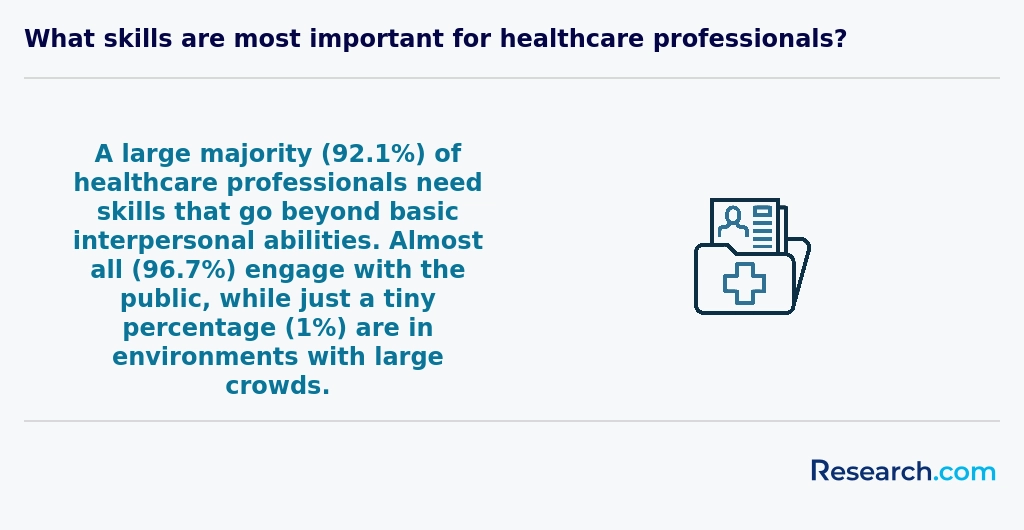
Employers in Memphis seeking healthcare degree graduates prioritize a blend of clinical competence and interpersonal skills. According to the Memphis Medical Society, critical thinking and problem-solving abilities are essential due to the city's diverse patient population and complex health issues.
Strong communication skills rank high, enabling graduates to effectively collaborate with multidisciplinary teams and engage with patients from various cultural backgrounds. Familiarity with electronic health records (EHR) systems is also increasingly important, reflecting national trends in healthcare digitization.
Additionally, empathy and ethical judgment stand out as vital qualities, as Memphis faces unique public health challenges including higher rates of chronic diseases like diabetes and heart disease, as reported by the Shelby County Health Department.
Finding internships in Memphis relevant to a healthcare degree begins with exploring local hospitals and healthcare providers. Major institutions like Methodist Le Bonheur Healthcare and St. Jude Children's Research Hospital offer structured internship programs for students seeking hands-on experience.
Students should also utilize career services at Memphis-area colleges such as the University of Memphis, which often partner with healthcare organizations to offer placements. Networking through professional associations like the Memphis Healthcare Council can open additional opportunities.
The Tennessee Department of Labor reports that the healthcare sector in Memphis is growing steadily, projecting a 15% job increase through 2028, which increases internship availability. Early application and targeted research are essential to secure competitive positions.
Obtaining a healthcare degree in Memphis significantly enhances career mobility and advancement opportunities. The Memphis metropolitan area is home to major healthcare employers like St. Jude Children's Research Hospital and Methodist Le Bonheur Healthcare, which prioritize hiring candidates with formal education.
According to the U.S. Bureau of Labor Statistics, healthcare occupations in Memphis are projected to grow by 15% through 2030, faster than many other industries. This growth creates numerous pathways for professionals with degrees to move into specialized roles or management positions.
Degrees in nursing, health administration, or allied health fields provide essential credentials that meet certification and licensing requirements, which are often prerequisites for higher-paying jobs and leadership roles. Additionally, local Memphis employers often value degrees from accredited institutions reflecting current clinical and administrative best practices.
Overall, healthcare degrees serve as a foundation for ongoing education and credentialing, fueling both vertical and lateral career progression in Memphis's healthcare sector.
Studying for a healthcare degree in Memphis offers students strong preparation for interdisciplinary roles due to the city's diverse medical community and extensive clinical partnerships. Many programs incorporate teamwork-focused curricula, emphasizing collaboration among nursing, public health, pharmacy, and allied health students. Institutions like the University of Memphis and St. Jude Children's Research Hospital provide practical experience within interdisciplinary teams, reflecting real-world healthcare settings.
According to the Memphis Business Journal, healthcare employs over 80,000 people locally, making teamwork across specialties essential. Students learn to navigate complex healthcare systems, communicate effectively, and coordinate patient care with various professionals, equipping them for integrated roles in hospitals and community health organizations.
When deciding between a thesis and a non-thesis healthcare degree program in Memphis, consider your career goals and learning preferences. Thesis programs require original research and are suited for those aiming to pursue doctoral studies or research-intensive roles. Non-thesis options focus more on practical skills and coursework, ideal for students interested in clinical or administrative positions.
Memphis is home to growing healthcare sectors, such as in biomedical research and hospital administration, meaning both paths have local relevance. According to the Memphis Medical District Collaborative, the city experienced a 7% increase in healthcare jobs in 2023, emphasizing demand for skilled professionals with varied expertise.
Additionally, thesis programs may take longer to complete and require more independent work. Non-thesis students often graduate sooner and can enter the workforce faster. Consider program structure, faculty expertise, and available resources when choosing.
Students in Memphis interested in studying healthcare abroad have several practical pathways through U.S. institutions offering international study programs. Many universities partner with global medical schools or hospitals, allowing Memphis-based students to complete part of their healthcare training overseas while maintaining credit toward their U.S. degree.
Additionally, programs accredited by agencies recognized by the U.S. Department of Education or the Commission on Accreditation of Allied Health Education Programs ensure that international study components meet rigorous educational standards.
According to the Memphis Business Journal, more than 65% of healthcare students in Tennessee's universities seek experiential learning opportunities, including international clinical internships.
Memphis students can also explore study abroad scholarships specifically targeting healthcare fields, which often cover travel and course fees, making global education financially accessible. Engaging in such programs enhances cultural competence and global health perspectives, vital in today's interconnected healthcare environment.
Students pursuing healthcare degrees in Memphis can benefit from various part-time job opportunities that enhance their education and build relevant experience. Popular options include roles such as medical assistants, pharmacy technicians, and patient service representatives. These positions provide practical skills applicable in clinical and administrative settings.
Memphis, with its growing healthcare sector-which employs over 90,000 people according to the Memphis Regional Chamber-offers diverse opportunities in hospitals, clinics, and pharmacies. Working part-time in facilities like Methodist Le Bonheur Healthcare or St. Jude Children's Research Hospital allows students to gain hands-on experience while studying.
Additionally, roles in medical billing and coding are suitable for those interested in healthcare administration. These jobs help students understand the financial and regulatory aspects of healthcare. Part-time employment supports academic learning, improves resumes, and often leads to better job prospects after graduation.
Healthcare students in Memphis have access to numerous networking opportunities essential for career development. Local institutions such as the University of Tennessee Health Science Center and Methodist University College of Nursing attract students into active healthcare communities. These schools often host career fairs, workshops, and guest lectures featuring Memphis healthcare leaders.
Additionally, Memphis is home to major healthcare providers like St. Jude Children's Research Hospital and Baptist Memorial Health Care, offering internships and volunteer work that help students build professional connections. According to the Memphis Chamber of Commerce, the healthcare sector employs over 65,000 people locally, making networking vital for job placement.
Professional organizations, including the Memphis Medical Society and Tennessee Nurses Association, provide student memberships and events for connecting with practitioners and mentors. Engaging in these groups can significantly enhance students' professional networks and exposure to the regional healthcare industry.
Alumni networks play a crucial role in supporting healthcare degree students in Memphis by creating valuable professional connections. Graduates often share insights about local hospitals and clinics, such as Methodist Le Bonheur Healthcare and St. Jude Children's Research Hospital, which recruit heavily from local universities.
Participation in these networks can increase job placement rates, with some studies showing alumni connections help nearly 60% of new graduates secure relevant healthcare positions within six months after graduation. This is particularly important in Memphis, where the healthcare sector is a major employer, contributing significantly to local economic growth.
Furthermore, alumni often provide mentorship, guidance on certification processes, and updates on regional healthcare trends, which helps students navigate career paths more effectively in this competitive field.
Customizing a healthcare degree program in Memphis allows students to align their education with specific career goals. Many local institutions offer flexible course selections, including specialized electives in fields such as nursing, public health, or health informatics. Students can often choose between practical clinical experiences and research opportunities to gain hands-on skills suited to their aspirations.
Additionally, Memphis's healthcare industry, home to major employers like Methodist Le Bonheur Healthcare, provides internship and networking options. According to the Memphis Business Journal, these connections can enhance job prospects after graduation.
Some programs also enable part-time study or online courses, helping working professionals balance education with other commitments.
Healthcare students in Memphis often face several challenges during their education. One major issue is balancing demanding clinical hours with coursework, which can lead to high stress levels. According to the Tennessee Higher Education Commission, many students report difficulty managing these commitments alongside part-time jobs or family responsibilities.
Financial strain is also common. The cost of healthcare programs, combined with living expenses in Memphis, creates barriers for some students, especially since healthcare programs usually require additional fees for lab materials and certifications.
Additionally, limited local clinical placement opportunities due to Memphis's competitive healthcare market can restrict hands-on training for students, impacting their experience and readiness for employment.
With a healthcare degree in Memphis, graduates can pursue various professional certifications that enhance career opportunities. Common options include Certified Nursing Assistant (CNA), Licensed Practical Nurse (LPN), and Registered Nurse (RN) credentials. For advanced careers, certifications like Certified Medical Assistant (CMA) and Certified Professional Coder (CPC) are also popular.
Memphis is served by institutions such as the Tennessee Board of Nursing and the American Association of Medical Assistants, which provide clear certification pathways. According to the Tennessee Department of Labor, healthcare jobs in Memphis are projected to grow by 16% from 2020 to 2030, increasing demand for certified professionals.
Others may specialize in certifications like Emergency Medical Technician (EMT) or Health Information Technician, fitting various roles within Memphis's extensive healthcare system, including well-known hospitals such as Methodist Le Bonheur Healthcare.
Writing a winning application for a healthcare program in Memphis requires a clear focus on academic performance and relevant experience. Admissions committees often prioritize applicants with strong GPA scores, particularly in science and math courses. Including healthcare-related volunteer work or internships in Memphis-area hospitals, such as Methodist Le Bonheur Healthcare, can strengthen your application by demonstrating practical commitment.
Personal statements should reflect your motivation for entering the healthcare field and connect to Memphis's unique community health challenges, like addressing urban health disparities noted by the Memphis Health Department. Strong letters of recommendation from healthcare professionals or educators who know your skills are essential. Finally, prepare thoroughly for any required entrance exams, such as the TEAS, to increase your competitiveness.
The global perspective on a healthcare career emphasizes adaptability and cultural competence. As healthcare systems worldwide face challenges such as aging populations and chronic diseases, professionals with a strong, versatile education are in high demand. In the US, including Memphis, healthcare careers benefit from the country's advanced medical technology and diverse patient populations, providing broad training opportunities.
Memphis is uniquely positioned with top medical institutions like St. Jude Children's Research Hospital, contributing to innovation and research that have international impact. According to the U.S. Bureau of Labor Statistics, healthcare jobs in Memphis are projected to grow by 15% through 2030, reflecting global trends.
Training programs in Memphis often integrate global health perspectives to prepare students for diverse healthcare environments, reinforcing the importance of communication and ethical care standards worldwide. This approach supports career flexibility, with skills valued both locally and internationally.
Gaining practical experience during a healthcare degree in Memphis is key to career readiness. Many local institutions, such as the University of Memphis and Baptist Memorial College of Health Sciences, offer clinical rotations and internships as part of their curriculum. These opportunities allow students to work directly with patients under supervision.
Additionally, Memphis hosts several large healthcare providers like Methodist Le Bonheur Healthcare, which collaborates with schools to provide externships and volunteer positions. According to the Memphis Medical District Collaborative, having hands-on experience improves employment prospects by 35% in the region's competitive healthcare job market.
Students are encouraged to seek positions in hospitals, community clinics, or public health settings to enhance skills and professional networks while studying.
When choosing a concentration within a healthcare degree program in Memphis, start by assessing your career goals and local industry demand. Memphis has a strong healthcare sector, featuring major hospitals like Methodist Le Bonheur and St. Jude Children's Research Hospital, which heavily influence job opportunities.
Consider concentrations such as nursing, health administration, or public health, which align with Memphis's healthcare needs. According to the Memphis Business Journal, healthcare jobs are expected to grow by 12% through 2030 in Tennessee, emphasizing roles in patient care and healthcare management.
Research specific programs and their clinical or internship opportunities in Memphis to gain practical experience. Accreditation and faculty expertise also matter. Connect with local healthcare employers to understand desired skills and certifications in the Memphis market.
Related Healthcare Rankings for Nearby Cities
- 2027 Best Healthcare Degree Programs Ranking in Little Rock
- 2027 Best Healthcare Degree Programs Ranking in Nashville
- 2027 Best Healthcare Degree Programs Ranking in Birmingham
- 2027 Best Healthcare Degree Programs Ranking in Springfield
- 2027 Best Healthcare Degree Programs Ranking in Saint Louis
- 2027 Best Healthcare Degree Programs Ranking in Hattiesburg
- 2027 Best Healthcare Degree Programs Ranking in Montgomery
- 2027 Best Healthcare Degree Programs Ranking in Columbia
- 2027 Best Healthcare Degree Programs Ranking in Mobile
- 2027 Best Healthcare Degree Programs Ranking in Knoxville
Top Trending Healthcare Rankings
See What Experts Have To Say About Studying Healthcare
Read our interview with Healthcare experts

References
- Education requirements for the fastest-growing healthcare jobs https://www.corridorcareers.com/job-tips/blog-news-education-requirements-fastest-growing-healthcare-jobs
- HEALTH MANAGEMENT (THESIS / NON-THESIS) - Lisansüstü Eğitim Enstitüsü https://lee.nisantasi.edu.tr/en/health-management-thesis-non-thesis/
- Global Health Perspectives https://globalhealthperspectives.com/
- What are the top 10 skills that'll get you a job when you graduate? https://targetjobs.co.uk/careers-advice/skills-for-getting-a-job/what-are-top-10-skills-thatll-get-you-job-when-you-graduate
- What can I do with a healthcare studies degree, and how can I start? https://mrcollege.ac.uk/what-can-i-do-with-a-healthcare-studies-degree-and-how-can-i-start/
- Networking in Medicine: Build Lasting Connections l Windsor https://www.windsor.edu/networking-in-medicine-building-relationships-from-day-one/
- Global Perspectives – Healthcare Beyond Borders https://www.cedars-sinai.org/international-stories/healthcare-beyond-borders.html
- Pre-Health: Medicine | Pre-Medicine Program in Memphis https://www.cbu.edu/academics/undergraduate-programs/pre-health-medicine/
- Financial Hardship Resources - Total Rewards https://totalrewards.memphistn.gov/financial-hardship-resources/
- Students and Alumni associations - Europubhealth https://www.europubhealth.org/students-alumni-associations/


