
2027 Most Affordable Online Healthcare Degree Programs Ranking in Indiana

Co-Founder and Chief Data Scientist
Are you considering a healthcare degree but worried about costs? This article introduces the 2027 Most Affordable Online Healthcare Degree Programs Ranking in Indiana, created by the Research.com team of data scientists. It's designed to guide Indiana students toward affordable and quality online healthcare programs.
Discover options that fit your budget without compromising education quality. A healthcare degree opens many doors and offers rewarding career opportunities, especially now.
Reading this ranking will empower you to make informed decisions and confidently invest in your future.
Key benefits of getting online healthcare degree in Indiana
- Graduates with healthcare degrees in Indiana can earn competitive salaries, such as Medical Assistants making around $43,350 annually and Quality Improvement Coordinators earning approximately $103,150 per year, providing strong financial motivation.
- Career paths for healthcare graduates are diverse, ranging from Clinical Research Coordinators to Patient Care Technicians, offering exciting opportunities to work in varied healthcare settings across Indiana.
- Online healthcare degrees provide flexible learning schedules and the ability to balance work and study, as shown by graduates from Indiana-based universities who appreciate the convenience and quality education without relocating.
- Key benefits of getting online healthcare degree in Indiana
- What can I expect from online healthcare degree in Indiana?
- Where can I work with online healthcare degree in Indiana?
- How much can I make with online healthcare degree in Indiana?
- 2027 Most Affordable Online Healthcare Degree Programs Ranking in Indiana
- Key Findings
- How long does it take to complete online healthcare degree in Indiana?
- Professional Certification and Career Advancement
- What's the difference between online and on-campus healthcare degree?
- Future Trends in Online Healthcare Education in Indiana
- What is the average cost of online healthcare degree in Indiana?
- Application Process and Admission Tips
- What financial aid is available to online healthcare degree students in Indiana?
- Student Support and Resources for Online Healthcare Students in Indiana
- What are the prerequisites for enrolling in online healthcare degree program in Indiana?
- Enhancing Your Career with Industry Certifications and Networking
- What courses are typically in online healthcare degree programs in Indiana?
- What types of specializations are available in online healthcare degree programs in Indiana?
- How do you choose the best online healthcare degree in Indiana?
- What career paths are available for online healthcare degree students in Indiana?
- What is the job market for online healthcare degree in Indiana?
- Related Healthcare Rankings for Nearby States
- Top Trending Healthcare Rankings
- See What Experts Have To Say About Studying Healthcare
What can I expect from online healthcare degree in Indiana?
The average cost of an online healthcare degree in Indiana typically aligns with competitive state tuition rates, often ranging between $15,000 and $30,000 for a full program. Graduates from notable institutions like Indiana University or Purdue University report that this investment felt worthwhile, especially when factoring in financial aid or employer tuition assistance that many found accessible. One graduate shared that balancing work and study was eased by the online format, which helped manage expenses without sacrificing quality.
While costs may be lower than some national private programs, students should critically evaluate expenses beyond tuition, such as fees for clinical placements or technology. For example, some online nursing programs at Indiana universities require local clinical practicums that can incur additional costs depending on the facility's location. Considering these elements can shift the overall financial picture.
Ultimately, pursuing an accredited program that prepares students thoroughly for licensure, like the NCLEX-RN, offers practical value that graduates often equate with career growth and satisfaction, reinforcing the perceived return on investment despite varying costs.
Where can I work with online healthcare degree in Indiana?
Graduates holding online healthcare degrees from institutions like Indiana University or Purdue University find diverse employment opportunities across Indiana's healthcare landscape. Many enter hospitals in cities such as Indianapolis or Fort Wayne, working as registered nurses, clinical coordinators, or health information technicians. These roles offer hands-on patient care or administrative leadership, often cited by alumni as both challenging and deeply rewarding.
Some graduates pursue careers in public health agencies, engaging in community health management or epidemiology with county health departments. These positions highlight the state's emphasis on rural healthcare needs, allowing graduates to make tangible impacts in underserved areas while growing professionally.
Others leverage their degrees in Indiana's pharmaceutical and biotech sectors, supporting research or managing compliance. Graduates from online programs report excitement in contributing to innovative healthcare solutions within growing companies rooted in the state's Biosciences Research Institute.
It is important, however, to remember that licensure requirements vary, and graduates must verify eligibility through the Indiana Professional Licensing Agency before pursuing certain roles, especially in nursing and allied health fields.
How much can I make with online healthcare degree in Indiana?
Graduates with online healthcare degrees in Indiana can expect varying salaries depending on their chosen career path. For instance, medical assistants, roles frequently entered by those from programs at institutions like Indiana University or Purdue University Global, earn a mean annual wage of around $43,350. This figure reflects entry-level positions but offers a stable start for many.
Those moving into positions such as patient care technicians often see higher earnings, with a mean annual wage near $60,790, highlighting the benefit of specialized skills and experience. Health information technicians, emerging from growing online certificate programs statewide, earn close to $43,380 annually, which demonstrates steady demand in administrative healthcare settings.
More advanced roles like clinical research coordinators hold similar wages to medical assistants, approximately $43,350 per year, but graduates from Indiana's robust research-focused programs may find opportunities to increase income with experience.
Notably, quality improvement coordinators-the highest earners among these examples-average $103,150 annually. Graduates shifting from online healthcare degrees into these leadership roles often praise the combination of clinical knowledge and management skills gained through programs at well-regarded Indiana colleges, emphasizing how the degree can unlock lucrative career pathways.
While salaries can vary by city and employer, these figures provide a realistic range anchored in Indiana's healthcare job market, allowing prospective students to weigh their options thoughtfully.
2027 Most Affordable Online Healthcare Degree Programs Ranking in Indiana
How do we rank schools?
Investing in your education is a significant decision that can greatly influence your future, and the Research.com team is committed to helping you make well-informed choices. To support prospective students in Indiana, we have carefully developed the "2027 Most Affordable Online Healthcare Degree Programs Ranking in Indiana." Our dedication to quality, credibility, and accuracy is demonstrated through thorough research and detailed analysis undertaken to create this ranking.
We utilized the following reputable data sources to ensure a comprehensive and trustworthy evaluation of online healthcare degree programs:
By consulting this ranking, readers will gain valuable insights into affordable and credible online healthcare degree options in Indiana, enabling them to confidently select programs suited to their goals and budgets. For a detailed explanation of how this ranking was created, please visit our Research.com methodology page.



Key Findings
- Tuition for online healthcare degrees in Indiana typically ranges from $8,000 to $15,000 per year for in-state students, with public universities generally being less expensive than private ones.
- Graduates start with entry-level salaries around $50,000 annually, with registered nurses holding a BSN earning about $55,000 at the start.
- Mid-career salaries in healthcare fields increase to between $65,000 and $80,000 or more, depending on experience and role.
- The healthcare sector in Indiana is growing rapidly, with job growth expected to exceed 10% over the next decade, driven by needs in nursing, healthcare support, and administration.
- Most online programs require some on-site clinical training or practicums at approved healthcare facilities despite the coursework being online.
- Degrees from accredited programs, such as those recognized by CCNE or ACBSP, are valued by employers and enhance job prospects.
How long does it take to complete online healthcare degree in Indiana?
Completing an online healthcare degree in Indiana generally ranges from about two to four years, depending on the level and pacing of the program. For example, graduates from Indiana University's online Bachelor of Science in Nursing often share how the flexible scheduling allowed them to balance full-time work and studies over roughly four years, making the process manageable and rewarding.
Associate degrees, like those offered at Ivy Tech Community College, can take about two years but may extend if students need additional prerequisite courses or clinical hours. Some students appreciate this extended timeline as it gives them a stronger foundation, especially if they are entering healthcare from unrelated fields.
Master's degree students pursuing an MSN in Indiana report varied completion times, typically between 1.5 and 3 years. Part-time options are common, providing a critical lifeline for working professionals. Accelerated programs appeal to those eager to advance quickly, sometimes finishing in as little as 12 months, though this demands significant personal dedication and time management.
Professional Certification and Career Advancement
Earning an online healthcare degree in Indiana not only opens doors to entry-level roles but also lays the foundation for nationally recognized certifications that elevate your professional profile. Accredited programs often integrate certification exam preparation-such as the Certified Medical Assistant (CMA) credential-directly into the curriculum, ensuring you graduate ready to sit for certification boards. Certification validates your expertise, increases employability, and typically leads to higher salaries and leadership opportunities. For those eager to fast-track their credentials, consider enrolling in the fastest medical assistant program, which combines intensive coursework with hands-on practicum experiences. Beyond initial certification, many online programs offer continuing education units (CEUs) and specialized workshops-ranging from phlebotomy to electronic health record (EHR) management-that keep your skills current in today’s evolving healthcare landscape. By strategically selecting a program with a robust certification and CEU pathway, you not only meet state licensure requirements but also position yourself for roles in management, informatics, or specialty care. Investing in professional credentials is a key step toward long-term career growth and leadership within Indiana’s thriving healthcare sector.
What's the difference between online and on-campus healthcare degree?
Choosing between online and on-campus healthcare degrees in Indiana reveals clear differences in how students engage with their education. Graduates from Indiana University's on-campus programs often highlight the energy of live classroom interactions and hands-on clinical experiences that foster close faculty relationships. This immersion supports not only skill-building but also valuable networking within local healthcare communities.
Conversely, those who pursued online healthcare degrees, such as through Purdue University's digital offerings, appreciate the flexibility to balance work and family alongside coursework. One former student described how asynchronous lessons allowed them to study late at night after shifts, an opportunity not possible with fixed campus schedules. Still, both paths require in-person clinical practice, grounding online learners in real-world healthcare settings.
Cost is another factor. On-campus students face added expenses like commuting or housing, pushing their annual costs above $10,000, while online students often save on these but must possess strong self-discipline to keep pace. Regardless, accreditation holds equal importance across formats, ensuring graduates meet Indiana's professional standards.
Future Trends in Online Healthcare Education in Indiana
As the healthcare landscape rapidly evolves, staying ahead of emerging trends is essential for both current and prospective students. In Indiana, online healthcare programs are increasingly integrating innovative digital tools, telemedicine practices, and data analytics into their curricula. These forward-thinking approaches not only improve educational outcomes but also help graduates quickly adapt to the technological demands of modern healthcare settings. Research shows that programs emphasizing practical tech skills and virtual collaboration have higher job placement rates, reflecting a broader industry shift toward digital healthcare delivery models. Students interested in exploring affordable yet tech-forward options can find valuable insights and comparisons of the most affordable healthcare schools in indiana. By choosing a program that aligns with these emerging trends, learners can position themselves at the forefront of healthcare innovation and ensure long-term career growth in a competitive marketplace.
What is the average cost of online healthcare degree in Indiana?
On average, the total cost of earning an online healthcare degree in Indiana stands around $39,650, with in-state students typically paying closer to $25,488. These figures reflect a balance between public institutions, which tend to offer more affordable tuition, and private universities that generally have higher rates. Graduates from Indiana's well-known healthcare programs often share how these costs translated into manageable investments in their futures, especially when they factored in financial aid or scholarships.
Many students pursuing affordable online healthcare degrees in Indiana choose schools like Indiana University or Purdue University's regional campuses. These institutions frequently provide flexible payment options and utilize online platforms that reduce additional expenses, enhancing the overall value of the degree. One graduate noted that the ability to study online while working full-time helped them avoid extra living costs, making the price point feel much more reasonable.
It's important to consider the varying credit hour requirements and program lengths, which influence the total expenses. Accelerated courses may increase per-semester costs but shorten the overall timeline, whereas part-time enrollment can stretch tuition payments over more semesters. For those comparing options, data show that investing in a degree locally is often more economical than pursuing out-of-state programs.
Prospective students looking for the most cost-effective paths should explore the most affordable healthcare schools in indiana, including community colleges offering certificates or associate degrees. These routes can provide a solid foundation and reduce the financial burden before transferring to four-year healthcare programs.

Application Process and Admission Tips
Navigating the application process for online healthcare degree programs in Indiana can be streamlined with the right strategy. Prospective students should start by researching each institution’s requirements and deadlines to ensure a smooth application. Begin by gathering academic transcripts, letters of recommendation, and any necessary test scores, then tailor your personal statement to highlight your commitment to the healthcare field and your readiness for online learning. Consider reaching out to admissions counselors to ask questions about program specifics and available support services, as personalized guidance can make all the difference. Explore resources such as our comprehensive ranking of the most affordable healthcare schools in indiana to identify programs that fit your academic and financial goals. Additionally, looking into early application opportunities and applying for scholarships concurrently can bolster your chance for acceptance and financial aid. Ultimately, being organized and proactive in the application process will help set you on a successful path to a rewarding healthcare career.
What financial aid is available to online healthcare degree students in Indiana?
Students pursuing online healthcare degrees in Indiana often rely on a combination of federal, state, and institutional aid to manage tuition costs. For example, a graduate from Indiana University's online nursing program appreciated Pell Grants and Direct Subsidized Loans, which significantly reduced their financial burden. Completing the FAFSA early is crucial, as these funds are allocated on a first-come, first-served basis.
State aid, such as the Frank O'Bannon Grant, supports undergraduates attending Indiana public or nonprofit institutions like Ivy Tech Community College. Graduates have noted how this grant provided essential support without adding to their debt, although it is less accessible to those studying out-of-state or in private online programs.
Many find scholarships targeting healthcare students beneficial; recipients at institutions offering nursing or health administration programs recall the encouragement and financial relief these awards provided. Employers in Indiana's healthcare sector also contribute through tuition reimbursement, reflecting the high demand for qualified professionals and a commitment to employee growth.
Student Support and Resources for Online Healthcare Students in Indiana
Succeeding in an online healthcare program requires more than coursework-it hinges on robust support services that guide students from enrollment through career launch. Indiana’s top-ranked online healthcare schools offer: • 24/7 Technical Support: Dedicated help desks ensure uninterrupted access to learning management systems, video lectures, and virtual labs. Whether you need assistance with login credentials or troubleshooting software, responsive IT teams keep you connected. • Academic Advising and Tutoring: Personalized advising helps map degree plans, select electives, and track progress toward graduation. Peer and professional tutoring services-in subjects like anatomy, pharmacology, and health informatics-reinforce learning and boost confidence before exams. • Virtual Library and Research Tools: Subscriptions to medical journals, e-books, and evidence-based databases empower students to conduct literature reviews and complete capstone projects. Librarians offer research consultations, ensuring mastery of citation styles and search strategies. • Career Services and Networking: Resume workshops, interview coaching, and employer matchmaking prepare graduates for roles in hospitals, outpatient centers, and public health agencies. Alumni networking events and online career fairs connect you with industry leaders and hiring managers. • Mental Health and Wellness Programs: Recognizing the stress of balancing work, study, and personal life, many programs provide virtual counseling, mindfulness workshops, and peer-support groups to promote well-being and prevent burnout. By leveraging these resources, Indiana’s online healthcare students build technical proficiency, deepen clinical knowledge, and develop professional soft skills. For those interested in comparing support offerings at affordable institutions in other regions, explore the Affordable Online Master's in Healthcare Degree Programs Ranking in Columbia, SC.
What are the prerequisites for enrolling in online healthcare degree program in Indiana?
To enroll in an online healthcare degree in Indiana, students typically need a high school diploma or GED paired with a minimum GPA, often around 2.5 to 3.0. For example, graduates from Indiana University's online nursing programs recall that having at least one college-level science course before starting made the challenging material more approachable and engaging.
Many programs also value prior coursework in biology, chemistry, anatomy, or physiology, grounding students in foundational knowledge essential for health sciences. Some RN completion programs emphasize holding an active license and completing an associate degree first, highlighting the importance of prior professional experience.
Interestingly, standardized tests like the SAT or ACT aren't always required, which some students found relieved stress during application. Instead, practical experience and strong letters of recommendation often carry more weight, especially in clinical-focused programs at schools such as Purdue University Northwest.
This mix of academic readiness and hands-on experience supports a student's confidence and success, making the prerequisites feel like realistic stepping stones rather than barriers in Indiana's competitive healthcare education landscape.

Enhancing Your Career with Industry Certifications and Networking
Building on your online healthcare degree, it’s crucial to focus on industry certifications and networking opportunities that can give your career the extra boost it needs. In today’s competitive landscape, earning certifications in areas such as healthcare informatics, nursing administration, or even specialized courses in medical billing and coding can set you apart from the competition. These certifications not only validate your skills but also open doors to higher-paying roles and leadership positions. For instance, many graduates pursue certification in areas that align with medical coding jobs, which are in high demand due to the increasing complexities of healthcare documentation and reimbursement processes. Networking with industry professionals via webinars, professional associations, or social media groups can also provide valuable insights into emerging trends and best-practice strategies. These connections often lead to mentorships, internships, and job referrals, ensuring a smoother transition from education to the workforce. Additionally, attending career fairs and participating in online forums can help you stay informed about the latest opportunities and best practices in the healthcare sector. By investing time in obtaining certifications and building a robust professional network, you create a solid foundation for sustained career growth and long-term success in the dynamic field of healthcare.
What courses are typically in online healthcare degree programs in Indiana?
Online healthcare degree programs in Indiana typically include a mix of foundational science and specialized healthcare courses. Graduates from well-known state universities often recall starting with human anatomy and physiology, key to understanding the body's complexity in clinical settings. Microbiology courses follow, offering insight into microorganisms that students encounter during patient care or in lab simulations.
Ethics and law classes are emphasized to prepare students for real-world dilemmas they might face in Indiana's healthcare system. Many graduates appreciate how patient communication courses equipped them to handle sensitive interactions compassionately, an essential skill in diverse communities across the state.
Healthcare management and informatics are also common, reflecting Indiana's push for technologically adept professionals who can navigate electronic health records effectively. Nutrition and wellness classes help students connect scientific knowledge with everyday patient advice, making learning relevant and practical.
Some programs incorporate virtual clinical scenarios or locally arranged fieldwork, giving students hands-on exposure despite the online format. This balance means Indiana students gain both theory and application, which many describe as motivating and confidence-building.
What types of specializations are available in online healthcare degree programs in Indiana?
Online healthcare degree specializations Indiana students often explore range from Nursing, including RN to BSN tracks and Nurse Practitioner options, to Healthcare Administration focused on leadership in medical facilities. Graduates from popular institutions like Indiana University report feeling empowered by flexible programs that align with both clinical and administrative career paths. Others pursuing Health Information Management appreciate the practical preparation for roles managing electronic health records, echoing real workplace demands.
Specialties such as Public Health, Allied Health fields like respiratory therapy, and Healthcare Informatics also attract students seeking robust, adaptable skills. These programs respond to Indiana's healthcare job growth and evolving industry needs. Some students find value in combining certifications with degrees to enhance employability and licensing prospects. For example, exploring medical coding jobs within Health Information Management can open additional career pathways.
While many highlight the affordability and accessibility of Indiana affordable healthcare degree programs specialties, it's important to critically consider each program's accreditation status and real-world applicability before committing.
How do you choose the best online healthcare degree in Indiana?
Choosing the best online healthcare degree in Indiana requires careful evaluation beyond just tuition and convenience. Accreditation is essential; graduates from well-known Indiana universities emphasize how accreditation by agencies like CCNE ensures their degrees are recognized by employers and meet licensure prerequisites. Many students share how programs offering specialties-such as nursing or healthcare administration-help them feel confident their education aligns with personal career goals, especially when programs include coursework relevant to Indiana's healthcare system.
Cost remains a common concern. Sharing experiences, some graduates from affordable online healthcare degrees Indiana found that balancing tuition with educational quality and local clinical opportunities was key to a rewarding experience. Flexibility is also vital, as asynchronous formats let those juggling jobs or family responsibilities learn effectively without sacrificing other aspects of life. One student even highlighted a program offering local clinical placements in Indiana as instrumental in securing employment after graduation.
Finally, pay attention to outcomes. Graduates from popular Indiana colleges report positive emotions about strong job placements and robust employer networks. For those eager to speed their entry into healthcare roles, considering the fastest medical assistant program can offer a practical pathway to quickly build career momentum.
What career paths are available for online healthcare degree students in Indiana?
Graduates holding an online healthcare degree in Indiana often find themselves navigating a diverse landscape of career paths that reflect the state's evolving healthcare demands. Those from well-known institutions like Indiana University and Purdue University Fort Wayne report entering roles ranging from Registered Nurse (RN) to Healthcare Administration, appreciating how these positions balance meaningful service with economic stability. However, while many celebrate the flexibility gained by studying online, some challenge the assumption that all healthcare roles in Indiana provide high salaries, noting that pay can vary notably based on location and experience.
The healthcare career options Indiana online degrees unlock include specialized roles such as Medical and Health Services Manager, which thrive in urban hospitals, and Public Health Specialist positions supporting community health initiatives. Health Information Technician roles, important in managing growing digital records, appeal to graduates seeking to integrate technology with patient care. As one graduate mentioned, these careers often enhance fulfillment by directly contributing to healthcare improvements statewide.
Students weighing their options can also consider cost-effectiveness alongside outcomes, comparing local programs to offerings like the Affordable Online Master's in Healthcare Degree Programs Ranking in Columbia, SC. Exploring such resources supports informed decisions about ROI in Indiana's competitive healthcare sector.
What is the job market for online healthcare degree in Indiana?
The job market for online healthcare degree graduates in Indiana shows promising growth, especially at well-known institutions like Indiana University or Purdue University Global. Graduates often find roles in hospitals and health systems such as IU Health or Ascension St. Vincent, where their flexible online education allows them to balance work and study effectively. Many healthcare students report feeling confident entering the workforce due to practical training combined with academic rigor.
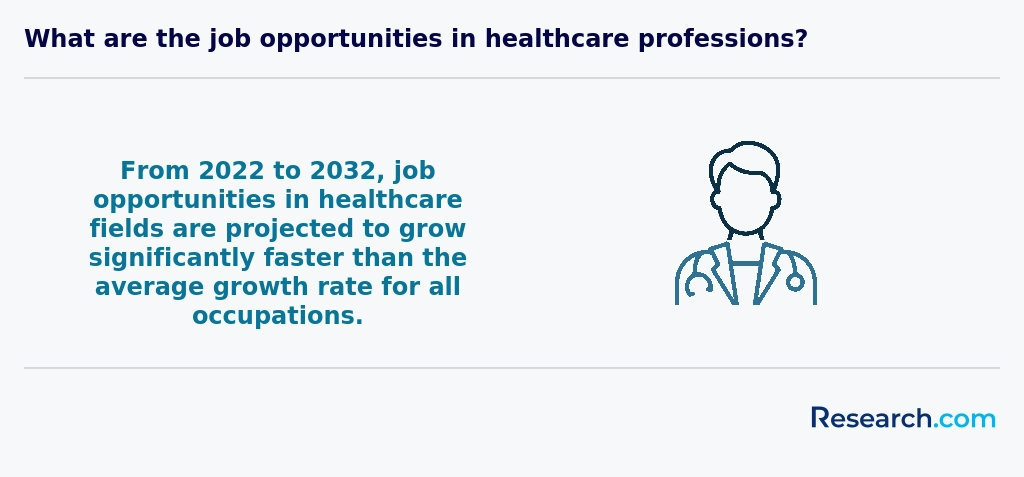
Indiana's healthcare degree job outlook is driven by a projected 14% increase in healthcare occupations through 2030, reflecting rising demand linked to an aging population. This trend creates varied opportunities in outpatient care, home healthcare, and public health agencies, which appeal to graduates aiming for diverse career paths.
While salary prospects are attractive-registered nurses average about $67,000 annually-students often weigh cost versus return on investment. Options like scholarships at local universities and affordable online programs play a key role, particularly for those curious about what is the easiest associate degree to get that fits their lifestyle and goals.
Frequently Asked Questions About healthcare
Online healthcare degree students in Indiana can maximize their learning experience by actively engaging with interactive course materials and participating in virtual discussions. Many Indiana institutions offering online healthcare programs use advanced learning platforms that simulate real-world clinical scenarios, enhancing practical understanding.
Utilizing resources provided by the Indiana Commission for Higher Education can help students identify accredited programs that meet state workforce needs. Networking with local healthcare professionals and joining Indiana-based healthcare associations supports career growth and mentorship opportunities.
Additionally, students should prioritize time management and set up a dedicated study environment, as 52% of Indiana's healthcare employers report skill shortages, emphasizing the demand for well-prepared graduates (Indiana Healthcare Workforce Report, 2023).
Emerging niches within the healthcare field in Indiana reflect national trends and local demands. One rapidly growing area is telehealth, driven by increased patient access needs and supported by Indiana's expanding broadband infrastructure. Telehealth roles include remote patient monitoring and virtual care coordination, requiring skills in technology and healthcare management.
Another promising niche is healthcare informatics. Indiana hospitals are investing in data analytics to improve patient outcomes, making data management and cybersecurity crucial specialties. The Indiana Hospital Association reports a 15% increase in demand for health IT professionals between 2020 and 2023.
The aging population in Indiana also boosts demand for gerontology and chronic disease management specialists. These fields focus on elderly care, rehabilitation, and long-term health strategies, which are vital in Indiana's rural communities.
After completing an online healthcare degree in Indiana, it is important to prepare strategically for the job market. Start by obtaining any required professional licenses or certifications specific to your healthcare field, such as nursing or medical coding credentials. Indiana's Department of Workforce Development reports healthcare employment is projected to grow by 15% through 2030, indicating strong demand.
Networking is essential; join Indiana-based healthcare associations and attend virtual career fairs. Practical experience through internships or clinical placements, even if completed online, enhances employability. Use job boards like the Indiana Health Careers and local hospital websites to monitor openings. Tailoring your resume to highlight relevant skills and certifications improves job prospects in this competitive market.
Employers in Indiana highly value healthcare graduates with strong clinical skills and a solid understanding of medical technologies. According to the Indiana Hospital Association, proficiency in patient care and electronic health records (EHR) management is essential. Communication skills are also crucial, as healthcare workers must effectively interact with diverse patients and multidisciplinary teams.
Additionally, employers seek graduates who demonstrate critical thinking and problem-solving abilities, given the rapid changes in healthcare protocols. Knowledge of Indiana's healthcare laws and ethics can give candidates a competitive edge. Finally, adaptability and continuous learning are important due to evolving technologies and care standards in the state's healthcare system.
Finding internships in Indiana related to a healthcare degree involves exploring various local healthcare institutions and state resources. Indiana is home to major health systems like IU Health and Ascension St. Vincent, which offer internship opportunities for students enrolled in healthcare programs.
Students should utilize university career services and online job platforms such as the Indiana Department of Workforce Development's Hoosier Hot Jobs portal, which frequently lists healthcare internships across the state.
Networking with faculty and joining Indiana-based healthcare professional organizations can also enhance chances to secure internships. According to the Indiana Commission for Higher Education, internships improve job placement rates in healthcare fields considerably.
Online healthcare degrees in Indiana significantly enhance career mobility and advancement opportunities. The state's growing healthcare sector, which added over 13,000 jobs from 2019 to 2023 according to the Indiana Department of Workforce Development, creates demand for qualified professionals with updated skills.
Completing an accredited online healthcare degree allows students to pursue roles in nursing, health administration, and specialized medical fields without relocating. This flexibility is key in Indiana, where healthcare employers increasingly prefer candidates with formal education and technological proficiency.
Additionally, online programs often provide pathways for certifications and continuing education, helping graduates meet state licensure requirements and advance into leadership positions more quickly.
Studying for a healthcare degree in Indiana equips students with skills tailored to interdisciplinary teamwork, a crucial aspect of modern healthcare. Programs often emphasize collaboration among nursing, public health, and health administration fields to reflect real-world healthcare settings.
Indiana's online healthcare degrees incorporate case studies and practicum opportunities promoting cross-disciplinary communication and problem-solving. According to the Indiana Commission for Higher Education, many institutions align curricula with competencies needed for integrated care models.
Indiana's healthcare workforce trends show a growing demand for professionals able to work across specialties, especially in rural areas. This prepares graduates to contribute effectively in diverse healthcare teams.
Choosing between a thesis and a non-thesis healthcare degree program in Indiana largely depends on your career goals and learning preferences. Thesis programs typically emphasize research, requiring students to complete an original study, which suits those aiming for academic or research roles. Non-thesis tracks often focus on practical skills, ideal for immediate professional application.
Indiana students benefit from affordable online options; for example, Purdue University Global offers both formats. According to the National Center for Education Statistics, about 30% of healthcare graduate students in Indiana choose thesis options, reflecting a strong interest in research careers.
Consider time commitments, too: thesis programs can take longer due to research demands, while non-thesis paths might finish faster. Review program curricula and speak with advisors to align your choice with your professional aspirations in Indiana's growing healthcare sector.
Students based in Indiana seeking to study healthcare abroad have limited direct online options accredited within the U.S. system. Most Indiana institutions offering online healthcare degrees focus on domestic programs, as healthcare licensing across states requires adherence to U.S.-based curriculum standards. However, some universities partner with international institutions, allowing students to study healthcare courses abroad while earning a degree recognized in the U.S.
The Indiana Commission for Higher Education notes that about 12% of Indiana's healthcare students participate in study-abroad programs, often focused on global health or public health fields.
For students preferring online formats, accredited U.S. schools with international collaborations provide the safest route to quality education combined with global exposure.
Part-time job opportunities in Indiana that complement healthcare degree education can significantly enhance both practical skills and career prospects. Positions such as medical assistants, pharmacy technicians, and certified nursing assistants are common roles that offer hands-on experience alongside studies. According to the Indiana Department of Workforce Development, healthcare support occupations are projected to grow by 17% from 2022 to 2032, signaling strong demand.
Working in outpatient clinics, hospitals, or pharmacies provides real-world exposure to patient care and medical procedures. These jobs also help students develop essential communication and organizational skills.
Additionally, roles in medical billing and coding or health information management align well with online healthcare degrees focusing on administrative paths. These positions often offer flexible hours suitable for students balancing coursework.
Online healthcare students in Indiana have several networking opportunities designed to connect them with peers and professionals statewide. Many Indiana universities offer virtual events, career fairs, and mentorship programs tailored for online learners in healthcare fields. For example, Indiana University supports online students through its extensive alumni network and professional associations. Connecting to organizations like the Indiana State Nurses Association or the Indiana Public Health Association can expand local professional contacts.
The Indiana Department of Workforce Development reports a growing demand for healthcare workers, emphasizing the need for strong networks to access job opportunities. Online forums, social media groups, and statewide conferences also help students engage with healthcare trends and employers, boosting career prospects in Indiana's expanding healthcare sector.
Alumni networks provide significant benefits to online healthcare degree students in Indiana by fostering professional connections and career opportunities. Many Indiana-based healthcare employers prefer candidates with local ties, making alumni networks valuable for job placement. For instance, the Indiana Hospital Association highlights that 70% of healthcare positions in the state are filled through referrals.
These networks also offer mentorship programs, allowing current students to gain insights from experienced graduates working in various healthcare settings across Indiana. Additionally, alumni groups often share job openings, continuing education opportunities, and industry events, which are crucial for professional growth in healthcare.
Indiana's online healthcare students gain access to a supportive community, enhancing both learning and career success.
In Indiana, students can tailor their online healthcare degrees by selecting specializations such as nursing, health informatics, or healthcare administration. Many programs offer elective courses that align with specific career paths or industry needs. For instance, Purdue University Global and Indiana State University provide customizable curricula that blend core healthcare knowledge with practical skills.
Students may also choose to pursue certifications alongside their degrees, enhancing job prospects in Indiana's growing healthcare sector. According to the Indiana Department of Workforce Development, jobs in healthcare are expected to grow 15% by 2030, emphasizing demand for specialized skills.
Additionally, flexible course schedules and clinical placement options allow learners to balance education with professional or personal commitments.
Online healthcare students in Indiana often face challenges related to balancing rigorous coursework with personal and professional responsibilities. Many students juggle jobs and family care while completing demanding clinical assignments required for healthcare programs. According to the Indiana Commission for Higher Education, around 45% of adult learners in the state experience difficulty managing time effectively during their studies.
Another common challenge is access to local clinical placement sites. Indiana's rural areas can limit opportunities for hands-on experience, crucial for many healthcare degrees. Students may face travel burdens or delays in finding approved sites, affecting graduation timelines.
Furthermore, some students report difficulties with technology and limited direct interaction with instructors, which can impact learning quality. Reliable internet access remains uneven across regions, posing a barrier for some learners.
With an online healthcare degree in Indiana, you can pursue several professional certifications that enhance your career prospects. Common certifications include Certified Nursing Assistant (CNA), Registered Health Information Technician (RHIT), and Certified Medical Assistant (CMA). Indiana's healthcare industry is growing rapidly, increasing demand for certified professionals.
Many online degree programs prepare students for national certification exams, recognized by bodies like the National Healthcare Association or American Health Information Management Association.
According to the Indiana Department of Workforce Development, healthcare occupations are projected to grow by 14% through 2030, highlighting the value of these credentials. Certifications can also improve salary and job stability.
Writing a winning application for an online healthcare program in Indiana requires clear focus and preparation. Begin by carefully reviewing the specific program requirements, as Indiana schools often expect strong academic records and relevant healthcare experience. Highlight any certifications or practical work in Indiana's healthcare settings, such as hospitals or community clinics, which demonstrate your commitment.
Ensure your personal statement connects your goals with local healthcare needs; Indiana faces a rising demand for healthcare professionals, especially in rural areas (Indiana Family and Social Services Administration, 2023). Use data to explain why your training will contribute to these needs.
Additionally, request strong letters of recommendation from supervisors or educators familiar with your skills and dedication. Submit all materials before deadlines and proofread carefully for clarity and professionalism.
Healthcare careers are increasingly valued worldwide due to aging populations and rising chronic illnesses. In the United States, including Indiana, healthcare jobs are among the fastest-growing sectors. The U.S. Bureau of Labor Statistics projects a 13% growth for healthcare occupations from 2021 to 2031, much faster than average. This trend reflects global demands for skilled healthcare professionals to address complex health challenges.
Indiana itself is experiencing growth in healthcare employment, with the Indiana Department of Workforce Development reporting an 8% increase in healthcare jobs between 2019 and 2023. This signals strong local demand, mirroring global trends.
Online healthcare degrees in Indiana provide accessible training aligned with international standards, making graduates competitive globally. Many programs emphasize cultural competence and evidence-based practice, preparing students for diverse settings.
Gaining practical experience while studying for an online healthcare degree in Indiana is essential for career readiness. Many accredited programs partner with local hospitals, clinics, and healthcare facilities to offer clinical placements or internships in compliance with state regulations. These opportunities let students apply theoretical knowledge in real-world settings.
Students can pursue externships or volunteer positions in Indiana's extensive healthcare network, including institutions like IU Health and Eskenazi Health. According to the Indiana Commission for Higher Education, over 60% of healthcare students participate in experiential learning before graduation.
Additionally, simulation labs and virtual practicums are often integrated into online coursework to enhance hands-on skills safely and flexibly.
Choosing the right concentration within an online healthcare degree program in Indiana starts with understanding your career goals and the local healthcare landscape. Indiana's healthcare sector is growing, with the Indiana Hospital Association reporting a 5% job increase in nursing and allied health fields over recent years. Exploring concentrations like nursing, health informatics, or public health can help align your education with in-demand roles.
Next, consider the specific curriculum and flexibility offered by each program. Some concentrations emphasize clinical skills, while others focus on administration or technology, such as health information management.
Reviewing Indiana Department of Workforce Development data shows strong demand for registered nurses and healthcare administrators - sectors offering both job security and growth.
Lastly, verify program accreditation to ensure quality, and weigh your interests against the degree's career outcomes to make an informed decision.
Related Healthcare Rankings for Nearby States
- 2027 Most Affordable Online Healthcare Degree Programs Ranking in Ohio
- 2027 Most Affordable Online Healthcare Degree Programs Ranking in Illinois
- 2027 Most Affordable Online Healthcare Degree Programs Ranking in Kentucky
- 2027 Most Affordable Online Healthcare Degree Programs Ranking in Michigan
- 2027 Most Affordable Online Healthcare Degree Programs Ranking in Wisconsin
- 2027 Most Affordable Online Healthcare Degree Programs Ranking in Missouri
- 2027 Most Affordable Online Healthcare Degree Programs Ranking in Tennessee
- 2027 Most Affordable Online Healthcare Degree Programs Ranking in West Virginia
- 2027 Most Affordable Online Healthcare Degree Programs Ranking in Minnesota
- 2027 Most Affordable Online Healthcare Degree Programs Ranking in Pennsylvania
Top Trending Healthcare Rankings
See What Experts Have To Say About Studying Healthcare
Read our interview with Healthcare experts

References
- Client Challenge https://www.springerpflege.de/nursing-graduates-perceived-future-career-pathway-and-career-shi/50653658
- Online Healthcare Degree Programs | University of Phoenix https://www.phoenix.edu/online-healthcare-degrees.html
- Healthcare Degrees https://teach.com/online-ed/healthcare-degrees/
- Highest-Paying Healthcare Degrees Online | EduMed.org https://www.edumed.org/articles/highest-paying-healthcare-degrees/
- How to Write Your Cover Letter | NQRTH https://www.nqrth.edu.au/career-planning/how-to-write-your-cover-letter/
- 6 Tips On Networking For Medical Professionals https://aaams.net/blog/how-to-network-in-the-medical-field-nurses/
- Online Healthcare Degree-Accredited Programs https://nursinglicensemap.com/resources/healthcare-degree-programs/
- Top 5 Part-Time Healthcare Jobs For Students https://www.sumnercollege.edu/blog/top-5-part-time-healthcare-jobs-for-students/
- Niche Markets in Healthcare: How to Find & Target https://nechayadvisors.com/blog/niche-markets-in-healthcare
- Overcoming Common Challenges in Nursing School: Tips for Success - American Healthcare Institute https://amhealthinstitute.com/blog/overcoming-common-challenges-in-nursing-school-tips-for-success/


