
2027 Most Affordable Online Master's in Healthcare Degree Programs Ranking in Colorado

Co-Founder and Chief Data Scientist
Choosing the right online master's in healthcare degree program can be challenging, especially in Colorado. This article features the 2027 Most Affordable Online Master's in Healthcare Degree Programs Ranking in Colorado, created by the Research.com team of data scientists to help you make an informed decision.
By exploring affordable, quality programs, you can find a path that fits your goals and budget.
Pursuing a healthcare degree opens doors to rewarding careers that make a difference. This guide is here to support you every step of the way.
Key benefits of getting online healthcare degree in Colorado
- Healthcare degree graduates in Colorado can expect strong earning potential, with healthcare consultants earning a mean annual wage of $115,530 and healthcare compliance managers earning around $80,190, reflecting rewarding career opportunities.
- Graduates from Colorado universities often pursue diverse roles such as healthcare consulting, compliance management, or administration, allowing you to choose a path that suits your passion and strengths.
- Online healthcare degrees offer flexibility and accessibility, enabling students to balance work and study effectively, as seen in successful online graduates from well-known Colorado institutions who appreciate this convenience.
- 2027 Most Affordable Online Master's in Healthcare Degree Programs Ranking in Colorado
- What can I expect from online healthcare degree in Colorado?
- Where can I work with online healthcare degree in Colorado?
What can I expect from online healthcare degree in Colorado?
When considering the average cost of an online healthcare degree in Colorado, students often find the investment surprisingly reasonable compared to national averages. Graduates from well-known institutions like the University of Colorado system or Regis University report tuition rates generally ranging from $15,000 to $30,000 for a full master's program. This affordability, combined with flexible online formats, attracts working professionals who juggle family and jobs yet crave career advancement.
Beyond the sticker price, many students appreciate the access to federal financial aid and local scholarships tailored specifically for Colorado residents, making the pursuit less daunting financially. One graduate recalled balancing her budget by leveraging such aid, which empowered her to focus on mastering complex topics like healthcare policy and informatics rather than stressing over tuition bills.
Considering Colorado's growing healthcare sector and the personalized regional curriculum that addresses local challenges, investing in these programs feels less like a cost and more like a purposeful step toward impactful career growth within the state.
Where can I work with online healthcare degree in Colorado?
Graduates from online healthcare degrees in Colorado find themselves stepping into a remarkably vibrant job market that defies the usual boundaries of healthcare roles. Imagine working at UCHealth or Centura Health, navigating administrative challenges while directly impacting patient care from urban Denver to rural mountain towns. Many graduates from institutions like the University of Colorado leverage their online education to secure positions in healthcare administration or clinical coordination, blending flexibility with meaningful work.
Others thrive in outpatient care centers or public health agencies, managing programs that address Colorado's unique health challenges-like increasing chronic disease management efforts or expanding preventative services. Colorado Mesa University graduates often highlight the fulfillment of crafting policies or educating communities, showing how a degree transforms into real-world solutions.
These diverse career paths prove that an online healthcare degree in Colorado isn't just a credential; it's a gateway to careers with impact, competitive salaries, and growth potential-whether in hospitals, public health, consulting, or academia. The evolving healthcare landscape here offers graduates room to innovate and grow within industries that genuinely value their expertise and passion.
Graduates from online healthcare programs in Colorado often find themselves stepping into roles that defy average expectations. Take, for example, those who studied at prominent institutions like the University of Colorado or Colorado State University. Many enter healthcare consulting positions where the mean annual wage hits an impressive $115,530, significantly surpassing typical perceptions of healthcare salaries.
Meanwhile, healthcare compliance managers, another common career path for degree holders, earn around $80,190 annually. These figures align with real experiences from graduates who report feeling empowered by the blend of flexibility their online education provided and the financial stability these roles offer in urban hubs like Denver and Boulder.
Unlike traditional assumptions that only nursing roles yield strong salaries, these diverse opportunities demonstrate the expansive potential an online degree in healthcare offers. Graduates often reflect on their confidence growing as they transition to these specialized fields, realizing their education opens doors to rewarding and well-compensated careers right here in Colorado's evolving healthcare landscape.
- Healthcare jobs in Colorado are expected to grow by about 15% in the next decade, which is higher than the national average.
- Bachelor's degree programs for online healthcare in Colorado usually cost between $8,000 and $20,000 per year for in-state students.
- Master's degree programs generally have total tuition fees ranging from $15,000 to $30,000 depending on the school and specialty.
- Entry-level healthcare salaries with a bachelor's degree start around $50,000 annually, while advanced roles can earn over $85,000 per year.
- Online healthcare programs must meet Colorado's licensure requirements, including clinical components for certification eligibility.
Completing an online healthcare degree in Colorado isn't as straightforward as just counting semesters. Graduates from Colorado State University and the University of Colorado system often share how their timelines flexed around work and life, with some finishing bachelor's degrees anywhere from three to five years. This range reflects real challenges-balancing full-time jobs with coursework, transferring credits, or taking accelerated classes.
For example, an associate degree in medical assisting usually wraps up in about two years, fitting neatly into busy schedules. But a master's degree in healthcare administration might take two years full-time or extend considerably if you're working part-time. Many graduates feel a sense of achievement not just for finishing, but for managing this balance.
These timelines highlight a crucial insight: flexibility in Colorado's online programs empowers you to tailor your pace. This isn't about racing to the finish but about crafting a meaningful educational journey that fits your life, ambitions, and commitments.
- Flexible learning: asynchronous courses let you balance work, family and studies without relocating.
- Cost-effective tuition: lower in-state rates and eliminated campus fees help reduce total expenses.
- Practical experience: local clinical partnerships offer hands-on training at Colorado hospitals and clinics.
- Career growth: graduates report moving into leadership roles with competitive salaries in health systems and agencies.
- Accredited quality: programs meet national standards, ensuring eligibility for licensure and certification.
- Access to affordable accredited healthcare administration degrees that combine value and credibility.
Consider the healthcare graduate from the University of Colorado who chose the online path while juggling a full-time job and family. Their learning was flexible, with asynchronous lectures enabling study during quiet evenings, contrasting sharply with the fixed schedules on-campus peers followed at Colorado State University. Yet both types of students navigated clinical practice requirements in Colorado-online learners arranged placements at local hospitals, ensuring practical experience without uprooting their lives.
On-campus programs offer immediacy: face-to-face mentorship, lively study groups, and hands-on lab time that enrich learning in ways some online platforms struggle to replicate. However, online learners appreciate avoiding housing costs and daily commutes-critical savings in Colorado's vibrant, often expensive university towns. The choice becomes more than convenience or cost; it's about how you want to engage with your education and future healthcare community.
Technology is both a bridge and a barrier. Graduates from online programs at institutions like Regis University attest that mastering digital tools opens doors, yet many miss spontaneous hallway conversations and networking found on campuses like Denver's Anschutz Medical Campus. Each route offers distinct emotional rewards and challenges grounded in Colorado's unique educational landscape.
Online learning brings flexibility but also poses unique challenges that require effective strategies for academic success and personal wellbeing. In this section, you’ll find practical tips and techniques to help you stay organized, manage stress, and create a balanced routine that supports both your studies and your health. Establishing dedicated study spaces, setting realistic daily goals, and engaging in regular physical activity can all contribute to a more productive learning experience. Additionally, tapping into available student support services-such as tutoring, virtual peer groups, and mental health resources-can make a significant difference. Mentors and alumni often share insights on time management, suggesting that integrating regular self-care into your schedule is critical. For instance, resources on topics like healthcare administration how long does it take can offer valuable context on planning your academic journey alongside your career aspirations. Remember, combining effective study habits with a proactive approach to wellbeing is key to excelling in an online healthcare program while maintaining a healthy work-life balance.
The average cost of an online healthcare degree in Colorado typically centers around $15,631 for in-state students, according to median tuition data. This figure challenges the assumption that quality healthcare education must be prohibitively expensive. Graduates from popular institutions like the University of Colorado often describe feeling empowered by striking a balance between cost and educational rigor. Their experiences highlight how affordable online healthcare master's programs in Colorado can still deliver strong career value without overwhelming financial strain.
While tuition tends to lead the budget, students commonly face additional expenses such as technology fees and course materials, potentially adding up to $1,000 or more annually. These costs, coupled with clinical placement requirements, paint a realistic picture of the financial commitment involved. Yet, many find the investment rewarding, emphasizing the practical knowledge and professional connections gained through online programs that keep pace with in-person standards.
For those seeking the cheapest healthcare school in colorado that still offers comprehensive online programs, options at smaller private colleges average around $530 per credit hour. Students report that the accessibility and flexible pace relieved much stress, enabling them to manage work-life balance while advancing their careers. Exploring financial aid avenues, including state grants and scholarships, can make these promising opportunities even more attainable.cheapest healthcare school in colorado.
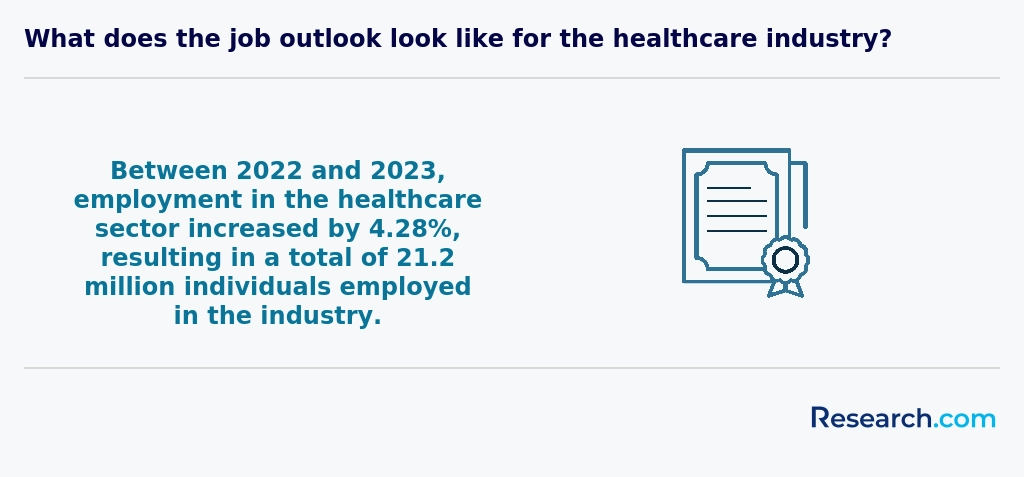
Embarking on your application journey requires organization, attention to detail, and early planning. Follow these steps to maximize your chances of acceptance into a top-tier, budget-friendly online healthcare master’s program in Colorado: 1. Research and Shortlist Programs • Compare curricula, tuition, and delivery formats across Colorado institutions. • Verify accreditation and alignment with your career goals. • Explore specialized rankings-such as our Affordable Online Healthcare Degree Programs Ranking in Idaho-to benchmark affordability and outcomes. 2. Confirm Prerequisites and Deadlines • Review each school’s online application portal for specific GPA, coursework, and standardized test requirements. • Note application windows-many fall and spring cohorts open 6–9 months in advance. • Calendar key dates: early-decision deadlines often carry scholarship benefits. 3. Prepare Application Materials • Official Transcripts: Request sealed copies from all postsecondary institutions. • Resume/CV: Highlight healthcare experience, leadership roles, and volunteer service. • Personal Statement: Craft a 500–750-word narrative showcasing your passion, clinical insights, and research interests. • Letters of Recommendation: Secure 2–3 letters from academic mentors or healthcare supervisors who can attest to your skills and potential. 4. Submit Financial Aid Documents • Complete the FAFSA as soon as October 1 to access federal grants and loans. • Research institutional scholarships and external grants; tailor essays to each opportunity. • Investigate work-study and assistantship positions within online cohorts. 5. Engage with Admissions and Faculty • Schedule virtual information sessions or one-on-one calls with program advisors. • Attend webinars to understand technology platforms and student support services. • Network with alumni through LinkedIn or program forums for firsthand insights. 6. Follow Up and Track Application Status • Create a spreadsheet to log submission dates, confirmations, and pending items. • Promptly submit any additional materials requested. • Expect admissions decisions within 4–8 weeks; prepare for interviews if required. By systematically researching, organizing, and engaging with admissions teams, you’ll streamline your application to Colorado’s most affordable online healthcare master’s programs-setting the stage for academic success and career advancement.
Many Colorado students pursuing healthcare degrees online find that federal aid forms the backbone of their financial support. Completing the FAFSA unlocks access to Pell Grants-non-repayable funds reaching up to $7,395 annually-and Direct Loans offering manageable repayment plans. Graduates from institutions like the University of Colorado Online often highlight how these resources provided crucial peace of mind during their demanding studies.
State programs also make a significant impact. The Colorado Opportunity Fund (COF) helps reduce tuition costs per credit hour for eligible online healthcare students at schools such as Colorado State University Global. Alongside this, the CollegeInvest Savings Plan offers families a tax-advantaged pathway to grow education funds, turning long-term dreams into tangible realities.
Institutional scholarships, often overlooked, are tailored to healthcare students demonstrating merit or need. For example, many students at Regis University leverage partnerships between their institutions and healthcare employers to secure tuition reimbursements, directly easing financial stress while advancing their careers.
Beyond traditional routes, additional awards from professional groups and federal workforce loan-repayment programs further empower students committed to serving underserved communities. These layered opportunities reveal that funding an online healthcare degree in Colorado is complex but surmountable-with strategies that transform anxiety into optimism.
In summary, now that you have a comprehensive overview of the many facets of pursuing an affordable online healthcare degree in Colorado-from program benefits and expected outcomes to detailed course content and career paths-it’s time to focus on planning your next steps. As you prepare to navigate the application process and ultimately choose a program that best fits your academic and financial needs, consider reaching out to institutions for personalized guidance. Additionally, reviewing updated rankings and program details can provide further clarity, so make sure to check out the cheapest healthcare school in colorado to compare your options. Embrace the valuable insights shared and take advantage of the many resources available to set the stage for a rewarding career in healthcare.
Meeting prerequisites for online healthcare degrees in Colorado often challenges students to look beyond just grades. Graduates from programs at institutions like the University of Colorado or Colorado State University share that having a solid academic foundation-typically a high school diploma and a minimum GPA around 2.5 to 3.0 for undergraduates-was just the start. What made a real difference was demonstrating commitment through letters of recommendation and a personal essay reflecting clear healthcare ambitions.
Graduate programs, such as those offering a Master of Healthcare Administration, usually require a bachelor's degree, but students recall how relevant work experience and prerequisite courses in biology or statistics brought their applications to life. Those who invested time gaining healthcare-related experience or professional licensure often felt more confident stepping into online studies.
This layered approach to prerequisites ensures that Colorado's online healthcare students are not only academically prepared but also emotionally connected to their career goals, empowering them to excel in demanding and rewarding online programs.
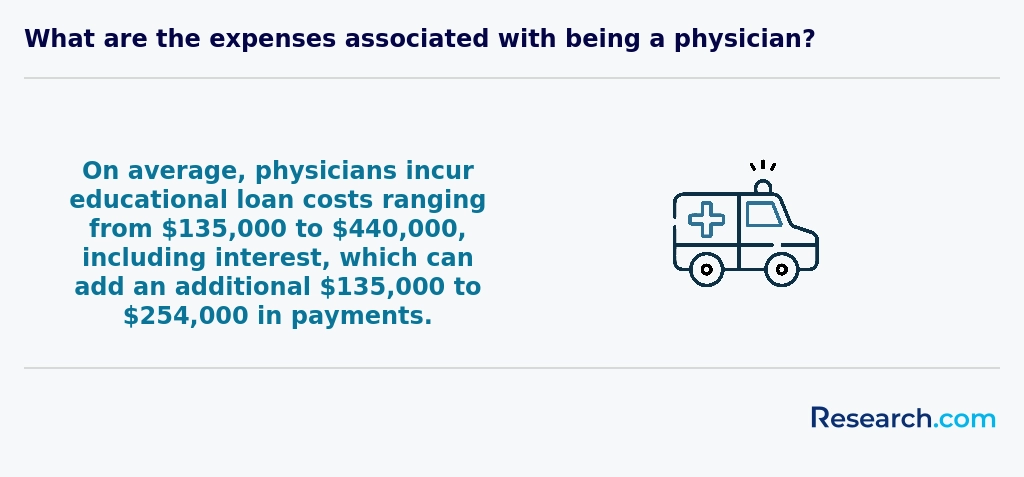
Online healthcare degree programs in Colorado often immerse students in courses that challenge not only their intellect but their real-world readiness. Graduates from institutions like the University of Colorado and Colorado State University recall how core topics such as healthcare administration and policy felt immediately relevant, offering insight into leadership challenges they witnessed firsthand during clinical internships.
Understanding healthcare law and ethics is another pillar, enabling students to navigate complex moral dilemmas with confidence-a necessity in Colorado's evolving medical landscape. Many students highlight the impact of healthcare informatics courses, where mastering health data management became not just theoretical but a vital skill for engaging with the state's advanced health IT systems.
- Courses in healthcare finance sharpen practical budgeting skills, crucial for those aiming to manage limited resources in rural or urban Colorado clinics
- Public health fundamentals open eyes to community-specific health trends, especially in diverse areas like Denver and Pueblo
- Quality improvement and patient safety engrain a mindset of continual excellence, a must for future healthcare leaders
- Research methods empower students to critically evaluate evidence, turning data into actionable insights
- Organizational behavior bridges theory and practice in managing multidisciplinary teams, a daily reality for many graduates
These courses aren't just academic checkpoints; they reflect the lived experiences and aspirations of students preparing to impact Colorado's dynamic healthcare environment.
Online healthcare degree specializations in Colorado challenge students to think beyond traditional roles by offering diverse paths such as Healthcare Administration, Public Health, and Health Informatics. Graduates from institutions like the University of Colorado often share how focusing on Healthcare Administration transformed their understanding of leadership within health organizations, prompting them to reconsider what effective management really means in dynamic clinical environments. Others at Colorado State University delve into Public Health, embracing community-centered strategies that demand not just knowledge but empathy and action on population health challenges.
When students pursue tracks like Nursing or Healthcare Quality and Safety, they find themselves at the intersection of cutting-edge clinical skills and systemic improvements that directly impact patient outcomes. These real-world applications highlight the importance of selecting a program that fits both career goals and personal values. Exploring healthcare administration how long does it take is a key step for many seeking clarity on their journey. Reflecting on the best healthcare master's programs Colorado offers, many remark how these specializations ignite a meaningful sense of purpose within the evolving healthcare landscape.
Choosing the best online healthcare degree in Colorado means more than just picking the lowest price or the shortest program. Graduates from well-known institutions like the University of Colorado or Colorado State often share how accreditation and curriculum relevance shaped not only their skills but their confidence entering the job market. Imagine juggling a busy schedule while navigating courses that focus sharply on Colorado's specific healthcare challenges, such as elder care, which is rapidly growing due to the state's aging population.
Cost matters, but so does value. Many find that affordable healthcare master's degrees Colorado offers through public universities make advanced education accessible without sacrificing quality, allowing working professionals to balance study and life demands. Reflecting on their journeys encourages you to dig deeper - does the program offer flexible asynchronous learning, career support, or internship opportunities that match your ambitions?
Those serious about finding truly affordable, credible paths should explore the Affordable Online Healthcare Degree Programs Ranking in Idaho for comparison insights, helping you refine your choices across the region.
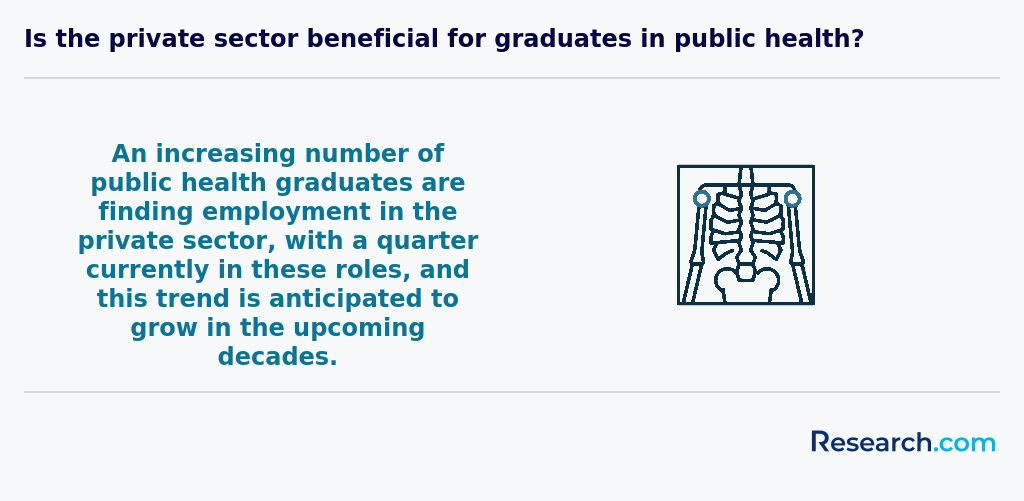
Graduates earning an online healthcare degree in Colorado often find themselves at the intersection of innovation and service within a booming healthcare sector. Many take on leadership roles in healthcare administration, managing complex hospital operations or public health initiatives, a path embraced by alumni of popular institutions like the University of Colorado who appreciate Colorado's expanding healthcare industry. Clinical roles, including nurse practitioners and physician assistants, attract graduates driven by the desire to impact rural communities where healthcare access remains a critical challenge.
The rise of healthcare informatics also offers compelling opportunities, especially for those fascinated by the power of data to transform patient care-an area where Colorado colleges are investing significant resources. Public health graduates are designing targeted programs addressing chronic diseases and mental health, reflecting the state's commitment to comprehensive well-being. For students balancing work and study, affordable options exist among these programs, making it worthwhile to explore best 6 month online courses that pay well as stepping stones in their career journey focused on online healthcare degree jobs in Colorado.
Health professionals in Colorado also celebrate their role as catalysts of community transformation, a deeply rewarding experience shared by many graduates. The spectrum of healthcare career options in Colorado continues to widen, inviting students to envision diverse futures grounded in tangible impact.
The job market for graduates holding an online healthcare degree in Colorado defies the notion that remote learning hinders career prospects. In fact, healthcare degree employment outlook Colorado reveals strong demand fueled by the state's aging population and expanding care services. Graduates from popular institutions like the University of Colorado or Colorado State University often find themselves stepping into roles as nurses or healthcare administrators, where their online education allows them to balance work and family while advancing professionally.
These graduates share stories of swift employment and fulfilling roles in hospitals and clinics across Denver and other urban areas. The flexibility of online programs offers a real advantage, especially when paired with Colorado's rigorous licensing standards that open doors to well-compensated jobs. For those uncertain about the financial commitment, exploring quick online certifications that pay well alongside degree programs can provide clarity and opportunity within this promising landscape of online healthcare job opportunities Colorado.
2027 Most Affordable Online Master's in Healthcare Degree Programs Ranking in Colorado
Investing in your education is a significant decision that can shape your future, and the Research.com team understands the importance of making informed choices. To assist prospective students in Colorado, we have meticulously crafted the "2027 Most Affordable Online Master's in Healthcare Degree Programs Ranking in Colorado." Our commitment to quality, credibility, and accuracy is reflected in the extensive research and analysis conducted to compile this ranking.
We utilized the following reputable data sources to ensure a comprehensive evaluation of healthcare master's programs:
By exploring this ranking, readers will gain valuable insights into affordable and quality online healthcare master's programs in Colorado, empowering them to make well-informed educational decisions. For more details on our methodology, please visit our Research.com methodology page.


# 4 position
Colorado Christian University
MBA - Healthcare Administration


Frequently Asked Questions About healthcare
Online healthcare degree students in Colorado can maximize their learning by actively engaging with virtual class discussions and regularly communicating with instructors. Utilizing Colorado-based clinical placement opportunities enhances practical skills and provides real-world experience relevant to the state's healthcare needs. According to the Colorado Department of Public Health & Environment, the demand for healthcare professionals in rural areas is growing, highlighting the value of applied experience within local communities.
Students should also leverage resources like Colorado healthcare workforce centers, which offer workshops and networking events. Consistent time management and creating a dedicated study space have proven benefits for online learners nationwide, improving retention and performance.
The healthcare field in Colorado is rapidly evolving, with several emerging niches gaining attention among professionals and students. One significant growth area is telehealth, which expanded statewide during the COVID-19 pandemic and continues to show strong demand as providers embrace remote care. The Colorado Department of Public Health and Environment reports telehealth visits have increased by over 200% since 2019.
Another rising specialty is healthcare data analytics, driven by the need for improved patient outcomes and operational efficiency. Online healthcare degrees increasingly include training in health informatics and data management to meet this demand.
Mental health services also represent a crucial area, with Colorado ranking above the national average in demand for counselors and behavioral health specialists, according to the Colorado Health Institute. These niches offer promising career paths for online healthcare students focusing on flexible, future-oriented professions.
After completing an online healthcare degree in Colorado, preparing for the job market involves several key steps. First, graduates should obtain any necessary state licensure or certifications required for their role, such as those recognized by the Colorado Department of Regulatory Agencies. Networking is essential; joining local healthcare associations like the Colorado Hospital Association can provide valuable connections and job leads.
Additionally, Colorado's healthcare sector is growing steadily, with a projected 15% increase in demand for healthcare professionals through 2030, according to the Colorado Department of Labor and Employment. Tailoring your resume to emphasize clinical experience and technology skills gained during your program increases employability.
Consider internships or volunteer positions in Colorado healthcare facilities to gain practical experience. Lastly, monitoring Colorado-specific job boards and attending virtual career fairs can enhance job search success.
Employers in Colorado seek healthcare graduates who combine clinical expertise with strong interpersonal skills. According to the Colorado Hospital Association, effective communication is essential for ensuring patient-centered care and teamwork. Healthcare professionals must demonstrate problem-solving abilities to navigate complex medical challenges in diverse settings.
Data from the Colorado Department of Labor shows that critical thinking and adaptability are highly valued, particularly as healthcare technologies evolve. Graduates with proficiency in electronic health records (EHR) systems are more competitive since digital literacy is mandatory in today's healthcare industry.
Furthermore, leadership and ethical decision-making are critical. Colorado's growing healthcare sector prioritizes graduates who can manage care delivery while adhering to regulatory standards and patient confidentiality requirements.
Finding internships relevant to a healthcare degree in Colorado involves a strategic approach. Start by exploring partnerships between online programs and local healthcare organizations, such as hospitals and clinics. Many universities maintain collaborations with facilities like UCHealth and Denver Health, which frequently offer internship opportunities.
Utilize resources from the Colorado Department of Labor and Employment, which provides listings for healthcare internships and apprenticeships statewide. Additionally, joining professional associations such as the Colorado Healthcare Association can help students network and locate internships.
Online job platforms like Handshake and Indeed also list healthcare internships specific to Colorado. According to the Colorado Health Institute, healthcare employment is projected to grow 14% by 2030, indicating strong internship potential.
An online healthcare degree in Colorado significantly enhances career mobility by providing flexible access to advanced education without geographic constraints. According to the Colorado Department of Labor and Employment, healthcare occupations in the state are projected to grow by 16% from 2022 to 2032, outpacing many other sectors. This growth increases demand for skilled professionals, making advanced degrees valuable for promotion and specialization.
Employers in Colorado increasingly recognize accredited online degrees, allowing graduates to qualify for leadership roles such as healthcare administrators, nurse managers, or health informatics specialists. Additionally, online programs often incorporate current industry trends and regulatory knowledge relevant to Colorado's healthcare system. Earning an online degree thus supports upward career shifts and expands professional networks through virtual cohorts and local practicum connections.
Studying for a healthcare degree online in Colorado equips students with skills essential for interdisciplinary roles. Programs often emphasize collaboration across healthcare professions, reflecting Colorado's focus on integrated care models. The state's healthcare system, including institutions like UCHealth and Centura Health, values teamwork among doctors, nurses, and allied health professionals.
Colorado's online curricula typically include courses in health policy, communication, and leadership, which are vital for coordinating diverse healthcare teams. According to Colorado's Department of Public Health & Environment, there is growing demand for professionals who can navigate complex systems and improve patient outcomes collaboratively.
This educational approach prepares graduates to work in settings such as community health centers, hospitals, and public health organizations, where interdisciplinary cooperation is critical.
Choosing between a thesis and a non-thesis healthcare degree program in Colorado depends largely on your career goals and time commitment. Thesis options typically involve conducting original research and writing a detailed paper, which suits students aiming for research roles or doctoral studies.
Non-thesis programs focus more on coursework and practical skills, making them popular for professionals pursuing leadership or administrative positions in healthcare. According to the Colorado Department of Higher Education, about 60% of online healthcare master's students prefer non-thesis paths due to flexible schedules and faster completion times.
Consider your learning style and professional objectives when deciding which path to take.
Students based in Colorado interested in studying healthcare abroad have several pathways, primarily through online programs offered by internationally accredited institutions. While physical relocation poses challenges, many universities in countries like the United Kingdom, Australia, and Canada provide fully online master's degrees in healthcare fields, allowing Colorado residents to earn global credentials remotely.
It is important to ensure the program is recognized by U.S. accreditation bodies or relevant healthcare boards to facilitate professional licensing upon return. The Colorado Department of Higher Education advises verifying transfer credits and program accreditation before enrollment.
Additionally, certain U.S. universities maintain partnerships with foreign schools, offering joint degree options or exchange programs that include online coursework for international healthcare education.
According to the Colorado Center for Nursing Excellence, around 15% of healthcare students in Colorado are enrolled in online or hybrid programs, reflecting growing flexibility in healthcare education delivery.
Students pursuing online healthcare degrees in Colorado can benefit from several part-time job opportunities that enhance their education and provide practical experience. Roles such as medical assistants, healthcare scribes, and patient service representatives are commonly available and align well with healthcare studies. According to the Colorado Department of Labor & Employment, healthcare support occupations are projected to grow by 16% through 2030, highlighting strong job availability.
Many hospitals and clinics in Colorado offer flexible shifts, accommodating students' schedules. Working in these positions helps develop clinical and administrative skills, which are essential for advanced healthcare roles. Additionally, internships or volunteer roles at local health departments can supplement theoretical knowledge with real-world perspectives. This practical involvement is valuable for career growth in the competitive healthcare field.
Online healthcare students in Colorado have increasing access to diverse networking opportunities. Many universities offering online healthcare degrees connect students to local healthcare organizations, professional associations, and alumni networks. For example, the Colorado Nurses Association and Colorado Healthcare Executives Forum provide virtual events and forums tailored for healthcare professionals.
Colorado's robust healthcare industry, employing over 200,000 healthcare workers as of 2022 (Colorado Department of Labor), promotes multiple regional conferences and seminars students can attend online or in person to build connections.
Additionally, LinkedIn groups focused on Colorado healthcare careers help online students engage with peers and potential employers.
Alumni networks play a vital role for students pursuing online healthcare degrees in Colorado. These networks provide access to professional connections that are especially beneficial in healthcare fields, where collaboration and referrals are common. According to the Colorado Health Institute, the state's healthcare industry supports over 274,000 jobs, highlighting the importance of strong networks to connect graduates with local employers.
Moreover, alumni groups often offer mentorship opportunities that help students navigate job searches and career advancement. They also keep students informed about industry trends and continuing education, which is critical in healthcare's continually evolving landscape.
Being part of an alumni network can increase job placement success, with studies showing that 85% of jobs are filled through networking. This benefit is particularly significant for online students who may lack on-campus interactions.
Customizing your online healthcare degree in Colorado allows you to align education with your professional goals. Many schools offer flexible curricula where you can select electives in areas like healthcare management, public health, or informatics. This flexibility helps you develop skills tailored to in-demand roles in Colorado's expanding healthcare sector, which employs over 300,000 individuals statewide according to the Colorado Dept. of Labor.
Additionally, you can focus on specialties important to Colorado's healthcare needs, such as rural health or behavioral health. Some programs provide opportunities for internships or capstone projects with local healthcare providers, enhancing real-world experience. Always review each institution's offerings to ensure the program supports your career trajectory in Colorado's dynamic healthcare environment.
Online healthcare students in Colorado face several common challenges that affect their academic success. A primary concern is balancing clinical requirements with remote learning, as healthcare degrees often require in-person practicums or internships within Colorado's healthcare facilities. According to the Colorado Department of Higher Education, coordinating these placements remotely can be complex and time-consuming.
Additionally, students report difficulties with technology access and reliable internet, especially in rural areas where broadband availability is limited. The Federal Communications Commission notes that about 15% of Colorado's rural population lacks high-speed internet, which can hinder participation in live lectures.
Time management and self-discipline are also critical challenges, as online learners need to juggle studies, work, and family commitments without the structure of traditional classrooms.
With an online healthcare degree in Colorado, you can pursue a variety of professional certifications that enhance your career prospects. Popular options include Certified Healthcare Administrator (CHA), Certified Professional in Healthcare Quality (CPHQ), and Registered Health Information Technician (RHIT). These certifications often require passing an exam and meeting experience criteria.
Colorado's growing healthcare industry, which employed over 230,000 professionals as of 2023 (Colorado Department of Labor and Employment), values credentials that demonstrate specialized knowledge and skills. Certifications like the American Association of Healthcare Administrative Management (AAHAM) credential are also recognized locally.
Online degrees typically prepare students to meet eligibility requirements for these certifications, giving graduates a competitive advantage in Colorado's healthcare job market.
To write a winning application for an online healthcare program in Colorado, start by clearly demonstrating your commitment to healthcare and your understanding of the field's demands. Highlight any relevant experience, including volunteer work or employment in Colorado's healthcare settings, which align with local healthcare priorities such as rural health access and public health.
Strong academic records and well-crafted personal statements are essential. Colorado healthcare employers value candidates who show leadership and adaptability, traits you should emphasize in your essays.
Include updated letters of recommendation from supervisors or professors familiar with your healthcare skills. Finally, carefully follow application instructions and meet all deadlines to present yourself as a responsible, detail-oriented candidate.
The global perspective on healthcare careers increasingly values advanced education, particularly as health challenges grow more complex. In the United States, including Colorado, there is a strong emphasis on obtaining master's degrees to meet the rising demand for skilled healthcare professionals.
According to the Colorado Department of Public Health & Environment, the state expects a 16% growth in healthcare jobs through 2030. This aligns with nationwide trends showing expanded roles for healthcare managers, policy experts, and clinical specialists.
Internationally, healthcare professionals with graduate degrees are often seen as essential to improving patient outcomes and managing healthcare systems efficiently. For students in Colorado, pursuing an online master's degree offers flexible access to quality education that meets these global standards while addressing local workforce needs.
Gaining practical experience while pursuing an online healthcare degree in Colorado is essential for career readiness. Many programs require clinical hours or internships that students can complete at local healthcare facilities. Colorado's large network of hospitals and clinics, including organizations like the Colorado Hospital Association, provides opportunities for hands-on practice.
Students can also seek externships or volunteer positions in medical centers throughout the state. Some universities partner with regional healthcare providers to facilitate placements, allowing students to fulfill program requirements nearby.
Additionally, simulation labs and virtual practicals are increasingly integrated into curricula, supporting skill development remotely. According to the Colorado Department of Higher Education, about 65% of healthcare programs incorporate such blended learning methods to ensure practical experience even online.
Choosing the right concentration within an online healthcare degree program in Colorado starts with understanding your career goals. Colorado's healthcare sector is growing rapidly, with a 15% increase in healthcare jobs expected by 2030 according to the Colorado Department of Labor and Employment. This means demand for specialties like nursing, health informatics, and public health is rising.
Consider your strengths and interests. Programs often offer concentrations in healthcare administration, clinical care, or technology. Reflect on whether you prefer patient interaction or managing healthcare systems.
Research each concentration's job outlook and average salaries in Colorado using sources like the Bureau of Labor Statistics and state reports.
- 2027 Most Affordable Online Master's in Healthcare Degree Programs Ranking in Kansas
- 2027 Most Affordable Online Master's in Healthcare Degree Programs Ranking in New Mexico
- 2027 Most Affordable Online Master's in Healthcare Degree Programs Ranking in Utah
- 2027 Most Affordable Online Master's in Healthcare Degree Programs Ranking in Oklahoma
- 2027 Most Affordable Online Master's in Healthcare Degree Programs Ranking in Arizona
- 2027 Most Affordable Online Master's in Healthcare Degree Programs Ranking in Texas
- 2027 Most Affordable Online Master's in Healthcare Degree Programs Ranking in South Dakota
- 2027 Most Affordable Online Master's in Healthcare Degree Programs Ranking in Missouri
- 2027 Most Affordable Online Master's in Healthcare Degree Programs Ranking in Iowa
- 2027 Most Affordable Online Master's in Healthcare Degree Programs Ranking in Arkansas
See What Experts Have To Say About Studying Healthcare
Read our interview with Healthcare experts

- Online Health Science Degrees with Financial Aid https://www.edumed.org/online-schools/health-science-degrees/financial-aid/
- Health Sciences https://www.ccd.edu/pathways/health-sciences
- Online Health Care Degrees and Certificates https://www.msudenver.edu/online-health-care-degrees-and-certificates/
- Pikes Peak State College offers free healthcare programs https://www.pikespeak.edu/about/news/articles/ppsc-offers-free-healthcare-programs.php
- Career Paths Into Healthcare https://www.careerpathsintohealthcare.org/
- 7 Nursing School Tips for Studying https://www.denvercollegeofnursing.edu/blog/nursing/7-Nursing-School-Tips-for-Studying.html
- Online Bachelor's Degree in Healthcare Administration https://csuglobal.edu/academic-programs/undergraduate-degrees/bachelors-degree-healthcare-administration-management
- Expanding experiential learning through simulation https://www.pagethink.com/insights/unlocking-potential-expanding-experiential-learning-through-simulation
- CARE Forward Colorado https://www.coloradomesa.edu/financial-aid/scholarships/other/care-forward-colorado.html
- Top Online Colorado Colleges https://www.affordablecollegesonline.org/online-colleges/colorado/


