2027 Best Healthcare Degree Programs Ranking in Chapel Hill

Co-Founder and Chief Data Scientist
Choosing the right healthcare degree program in Chapel Hill can feel overwhelming. This article introduces the 2027 Best Healthcare Degree Programs Ranking in Chapel Hill, created by the Research.com team of data scientists to help you make an informed decision.
Exploring this ranking gives you a clearer view of the top programs, guiding your educational journey toward a rewarding career. A healthcare degree opens doors to meaningful work and personal growth. Dive in to discover which programs truly stand out for your future success.
Key benefits of getting healthcare degree in Chapel Hill
- Salary for healthcare degree graduates: Graduates in Chapel Hill starting as Medical Assistants can expect a mean annual wage of around $43,350, while Patient Care Technicians earn an average of $60,790, highlighting great earning potential in this field.
- Career paths: A healthcare degree from a prominent Chapel Hill university opens doors to diverse roles such as Health Information Technician or Clinical Research Coordinator, offering exciting opportunities to impact patient care and health systems positively.
- Online degree benefits: Earning a healthcare degree online through a Chapel Hill institution gives you flexible learning schedules and the chance to balance work and study without sacrificing quality, making it ideal for busy students.
- Key benefits of getting healthcare degree in Chapel Hill
- What can I expect from healthcare degree in Chapel Hill?
- Where can I work with healthcare degree in Chapel Hill?
- How much can I make with healthcare degree in Chapel Hill?
- 2027 Best Healthcare Degree Programs Ranking in Chapel Hill
- Key Findings
- How long does it take to complete healthcare degree in Chapel Hill?
- Cost-Saving Strategies and Affordable Program Options
- What's the difference between online and on-campus healthcare degree?
- Alternative Affordable Online Healthcare Master’s Programs to Consider
- What is the average cost of healthcare degree in Chapel Hill?
- What financial aid is available to healthcare degree students in Chapel Hill?
- What are the prerequisites for enrolling in healthcare degree program in Chapel Hill?
- Student Life and Campus Experience
- What courses are typically in healthcare degree programs in Chapel Hill?
- What types of specializations are available in healthcare degree programs in Chapel Hill?
- How do you choose the best healthcare degree in Chapel Hill?
- What career paths are available for healthcare degree students in Chapel Hill?
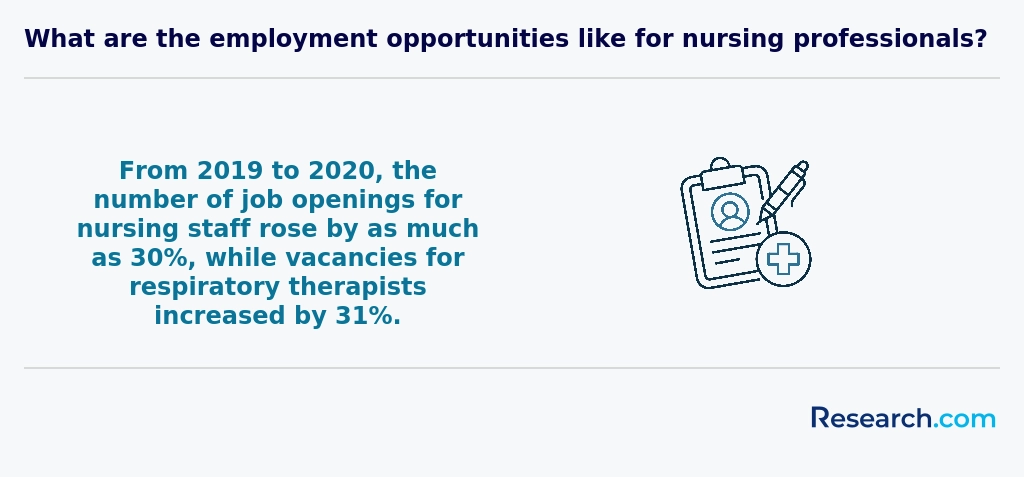
- What is the job market for healthcare degree in Chapel Hill?
- Top Trending Healthcare Rankings
- See What Experts Have To Say About Studying Healthcare
What can I expect from healthcare degree in Chapel Hill?
The average cost of pursuing a healthcare degree in Chapel Hill, particularly at the University of North Carolina at Chapel Hill (UNC), typically ranges around $9,000 to $36,000 per year, depending on residency status and program level. For example, undergraduate students in nursing often pay lower tuition if they qualify as in-state residents, while graduate programs such as the Doctor of Nursing Practice (DNP) can be more costly but offer substantial return on investment through clinical placements at UNC Hospitals.
Many graduates look back fondly on the financial aid and scholarships they accessed, especially those focused on underserved areas, which significantly eased their burden. Practical experience gained through internships at nearby medical facilities not only enhances learning but can also provide paid opportunities that offset some costs. Students share that early planning for expenses and tapping into Chapel Hill's strong healthcare network help them manage their finances confidently while building valuable career connections.
Overall, the cost aligns with the quality of education and hands-on training opportunities available, making it a strategic choice for those committed to healthcare careers in a supportive environment.
Where can I work with healthcare degree in Chapel Hill?
Graduates with healthcare degrees from Chapel Hill universities often find rewarding employment at the University of North Carolina Health Care system, a leading employer with diverse roles in nursing, public health, and medical technology. Many alumni highlight the satisfaction of working in this large academic medical center, where they apply their skills across hospitals, clinics, and research facilities.
Others have pursued opportunities in outpatient clinics and specialty care centers within Chapel Hill, gaining hands-on experience in primary care, behavioral health, and rehabilitation. These settings are vital for those who enjoy direct patient interaction and team collaboration in smaller, community-focused environments.
For students interested in non-clinical paths, pharmaceutical and biotech companies in nearby Research Triangle Park offer careers in health informatics, regulatory affairs, and clinical research. Graduates often appreciate the dynamic, innovation-driven atmosphere, which complements the academic knowledge gained at Chapel Hill institutions.
Community health organizations and Orange County public health departments provide another avenue, especially for those passionate about epidemiology and health education, allowing graduates to impact local health initiatives meaningfully. Additionally, roles in healthcare education and research at UNC's Gillings School of Global Public Health are ideal for those drawn to academic careers and teaching.
How much can I make with healthcare degree in Chapel Hill?
Graduates with healthcare degrees in Chapel Hill can expect competitive salaries reflecting local demand and expertise. For instance, medical assistants earn a mean annual wage of around $43,350, providing a solid entry point into the healthcare field. Patient care technicians, often holding specialized certifications earned through programs at institutions like UNC, typically make about $60,790 annually, offering a significant step up.
Health information technicians, essential for managing patient data in UNC Hospitals and surrounding clinics, also earn near $43,380 per year, while clinical research coordinators involved in cutting-edge studies about treatments and care make roughly $43,350 annually. These roles provide practical experience and a springboard for advancing in healthcare administration or clinical specialties.
Healthcare graduates benefit from Chapel Hill's strong network of healthcare providers and research centers, which supports career growth and salary increases. By pursuing additional certifications or experience, graduates can leverage these salaries into higher pay, building fulfilling careers that combine community impact with personal financial stability.
2027 Best Healthcare Degree Programs Ranking in Chapel Hill
How do we rank schools?
Investing in your education is a significant decision that can shape your future, and the Research.com team understands the importance of making informed choices. To assist prospective students in Chapel Hill, we have meticulously crafted the "2027 Best Healthcare Degree Programs Ranking in Chapel Hill." Our commitment to quality, credibility, and accuracy is reflected in the extensive research and analysis conducted to compile this ranking.
We utilized the following reputable data sources to ensure a comprehensive evaluation of healthcare programs:
By exploring this ranking, readers will gain valuable insights into the best healthcare degree programs available in Chapel Hill, helping them make informed decisions about their educational paths. For more details on our methodology, please visit our Research.com methodology page.

Key Findings
- In-state tuition for healthcare undergraduate programs averages $9,000 per year, while out-of-state students pay about $35,000 annually.
- Graduate healthcare degrees cost between $15,000 and $40,000 per year depending on residency and program.
- Entry-level healthcare salaries range from $55,000 to $65,000 yearly, with registered nurses at the lower end and physician assistants at the higher end.
- Experienced healthcare professionals with advanced degrees can earn over $90,000 annually.
- The healthcare job market in Chapel Hill is growing, with an expected 15% increase in healthcare occupations nationwide through 2030.
- Healthcare programs include clinical rotations and internships that improve job readiness and connect students to employers.
How long does it take to complete healthcare degree in Chapel Hill?
Completing a healthcare degree in Chapel Hill typically involves clear, manageable timelines that help students plan their education confidently. For example, many graduates from the University of North Carolina at Chapel Hill share that earning a bachelor's degree in healthcare fields like nursing or public health takes about four years of full-time study. This aligns with national expectations and allows students to build a strong foundation without feeling rushed.
Those who want to advance quickly into specialized roles often pursue master's degrees, which take roughly 1.5 to 2 years after finishing their bachelor's. Graduates from UNC's graduate programs frequently describe this period as intense but rewarding, balancing coursework with real-world experiences that prepare them effectively for the workforce.
In Chapel Hill, aspiring physicians or pharmacists face longer paths. Medical degrees require four years plus several years of residency, while physical therapy and pharmacy programs usually take three years post-bachelor's. Students appreciate that UNC and nearby colleges provide structured timelines that help maintain motivation and clear career progression.
Cost-Saving Strategies and Affordable Program Options
Pursuing a healthcare degree in Chapel Hill doesn’t have to break the bank. By combining strategic planning with available resources, students can significantly reduce their overall educational expenses without compromising quality. Here are proven approaches: 1. In-State and Transfer Pathways: • Enroll first at a community college for foundational coursework in biology and anatomy-often 40–60% cheaper than four-year rates-and then transfer to UNC-Chapel Hill or another accredited institution. • Maintain a strong GPA to qualify for transfer scholarships and honors programs that waive tuition differentials. 2. Online and Hybrid Coursework: • Leverage online or hybrid healthcare courses to save on housing and commuting costs. Many accredited programs offer the same curriculum at reduced tuition rates, flexible scheduling, and no campus fees. • For examples of fully online public health pathways, see the cheapest way to get a public health degree. 3. Scholarships, Grants, and Assistantships: • Apply early for federal and state grants via the FAFSA, aiming to maximize Pell Grant eligibility. • Pursue discipline-specific scholarships (e.g., nursing, health informatics) offered by the UNC School of Nursing and local foundations. • Consider research or teaching assistantships in healthcare departments, which often include tuition remission and stipends. 4. Accelerated and Dual-Degree Programs: • Explore combined BS/MPH or BS/MS pathways that shave off a semester or year of tuition. • Look for accelerated clinical certifications (e.g., CNA-to-RN bridge) that award college credit for hands-on training. 5. Employer Partnerships and Tuition Reimbursement: • Work part-time in UNC Medical Center or affiliated clinics; many employers sponsor tuition for employees pursuing in-demand healthcare roles. • Negotiate tuition assistance clauses before accepting healthcare technician or administrative roles. By integrating these cost-saving tactics, you can maximize your return on investment-ensuring a top-quality healthcare education in Chapel Hill that aligns with both your career goals and budget.
What's the difference between online and on-campus healthcare degree?
Online healthcare degrees in Chapel Hill, such as those offered by UNC, provide flexibility ideal for students balancing work or family. Graduates often appreciate the convenience of attending classes remotely while accessing digital resources and virtual simulations. This format typically costs between $10,000 and $15,000 per year for in-state students, making it a financially accessible choice given Chapel Hill's living expenses.
In contrast, on-campus programs emphasize hands-on learning through labs, clinical rotations, and internships with UNC Health's clinical partners. Many graduates recall the value of in-person interactions and immediate peer and instructor support, which enrich practical skills essential for nursing or medical technology careers.
Choosing between formats depends on personal needs: online offers schedule flexibility and lower housing costs, while on-campus provides immersive, real-world experience. Accreditation requirements in Chapel Hill ensure both options meet professional standards, but students seeking direct patient care exposure often favor traditional routes.
Alternative Affordable Online Healthcare Master’s Programs to Consider
While Chapel Hill, NC, offers top-tier healthcare degrees, prospective students seeking greater flexibility or lower tuition may explore alternative online master’s programs. Many institutions now provide accredited, high-quality curricula that allow learners to balance work and study efficiently. For those focused on cost-effectiveness without sacrificing academic rigor, the Inexpensive Online Master’s in Healthcare Degree Programs Ranking in Washington, DC highlights options with some of the lowest per-credit fees, streamlined course delivery, and robust student support services. Key factors when comparing these online alternatives include accreditation status, clinical practicum requirements, and technology platforms that facilitate interactive learning. Accredited programs often partner with regional healthcare facilities for virtual simulations and local internships, ensuring hands-on experience. Additionally, many online master’s degrees feature specialty tracks-such as healthcare informatics, administration, and public health-that align with evolving industry demands. When evaluating affordability, consider total program cost, potential financial aid packages, and opportunities for employer tuition reimbursement. Supplementary webinars, virtual advising, and 24/7 library access further enhance the online learning environment. By comparing Chapel Hill’s offerings with these cost-conscious online master’s programs, students can identify the ideal pathway that combines quality education, financial sustainability, and career advancement in the dynamic healthcare sector.
What is the average cost of healthcare degree in Chapel Hill?
The average cost of a healthcare degree in Chapel Hill varies significantly based on residency status and program level. For in-state students attending the University of North Carolina at Chapel Hill, one of the region's top institutions for healthcare education, total tuition typically ranges around $9,000 per year for undergraduate degrees. Graduate healthcare programs, such as those in nursing or public health, may cost between $15,000 and $25,000 annually for locals. Graduates often reflect on these fees as manageable thanks to the quality education and numerous financial aid opportunities tailored to healthcare students in Chapel Hill.
Out-of-state students face higher tuition costs, with annual fees often exceeding $35,000, pushing their total average spending on a healthcare degree close to $56,000. Graduates recount balancing these expenses with scholarships and grants, emphasizing the importance of proactively seeking financial aid. Students should also factor in living expenses, books, and supplies, which can add $7,000 to $12,000 yearly in Chapel Hill's housing market.
Many healthcare students find that participating in assistantships or local organizations like the North Carolina Area Health Education Centers helps offset costs and provides valuable experience. For those interested in specialized programs, practical engagement is essential-such as those emphasized in popular universities there that prioritize nursing schools dallas student engagement. This focus not only enriches learning but often opens doors to additional funding. Understanding these cost dynamics is crucial when calculating the average cost healthcare degree Chapel Hill students should expect.

What financial aid is available to healthcare degree students in Chapel Hill?
Healthcare students in Chapel Hill benefit from multiple financial aid options that help make their education more affordable. At the University of North Carolina at Chapel Hill (UNC), federal aid through FAFSA remains the cornerstone, providing grants, loans, and work-study to cover tuition costs, which typically range between $9,000 and $25,000 annually for in-state healthcare programs like nursing and public health. Graduates often share how FAFSA funds substantially eased their financial stress during study.
In addition to federal aid, scholarships specific to Chapel Hill healthcare students offer meaningful support. For example, many nursing students at UNC have expressed relief after receiving the School of Nursing's merit-based scholarships or the Medicine School's Diversity Enhancement Scholarship, which can cover thousands of dollars each year.
- State grants and scholarships, such as those from the North Carolina State Education Assistance Authority (NCSEAA), support local residents pursuing nursing or allied health careers in Chapel Hill.
- Loan forgiveness programs reward graduates who choose to work in underserved North Carolina communities, encouraging impactful careers.
- Employer tuition assistance often helps working healthcare students balance education and income.
By combining these resources and planning early with UNC's financial aid office, students report feeling empowered to manage the high costs of healthcare degrees while focusing confidently on their studies and future careers.
What are the prerequisites for enrolling in healthcare degree program in Chapel Hill?
To enroll in a healthcare degree program in Chapel Hill, such as those at the University of North Carolina at Chapel Hill, students must meet specific academic prerequisites. Most admit students who have completed high school with a solid foundation in science and math, including courses like biology, chemistry, physics, and algebra. These subjects prepare you for the advanced material you'll face in healthcare programs.
Graduates often share how completing college-level prerequisite courses, like General Biology with lab, General Chemistry with lab, Organic Chemistry or Biochemistry, Human Anatomy and Physiology, Microbiology, and Statistics, made their transition smoother and more confident. These courses build essential knowledge that employers and programs expect in healthcare fields.
Additionally, gaining hands-on experience through volunteering or internships in hospitals or clinics around Chapel Hill makes your application stand out. Many successful students credit these opportunities for helping them connect classroom lessons to real-world patient care, enhancing both their skills and passion.
Some programs also require standardized test scores, letters of recommendation, and personal statements focused on your healthcare motivation. This personal touch allows admissions committees to see your commitment beyond grades.

Student Life and Campus Experience
In addition to rigorous academics, thriving student life and a supportive campus environment play a crucial role in shaping a successful healthcare education journey. In Chapel Hill, institutions foster an inclusive culture that enhances learning beyond lectures, offering a range of extracurricular activities, student organizations, and wellness programs that encourage both personal and professional growth. Campus events, career fairs, mentorship programs, and networking opportunities enable students to connect with industry professionals, alumni, and peers, thus building a robust community network. Students frequently highlight the benefits of state-of-the-art facilities, research centers, and dedicated support services, which not only improve their practical skills but also contribute to a well-rounded college experience. Moreover, campuses that emphasize accessible resources and financial support mirror the values of affordable healthcare schools in north carolina, ensuring that both academic and lifestyle needs are met effectively. This vibrant community setting is instrumental in preparing graduates to navigate the dynamic challenges of the healthcare industry with confidence and resilience.
What courses are typically in healthcare degree programs in Chapel Hill?
Healthcare degree programs in Chapel Hill, particularly at institutions like the University of North Carolina at Chapel Hill, offer a well-rounded curriculum designed to build both knowledge and practical skills. Graduates often recall starting with core courses such as human anatomy and physiology, which provide an essential understanding of how the body works-knowledge they find invaluable in clinical settings.
Students also dive into general and organic chemistry, giving them a firm grasp of biochemical reactions and medications they encounter during internships or hospital rotations. Microbiology courses are another staple, focusing on infectious diseases, which many students recognize as directly relevant when working in public health initiatives around Chapel Hill.
Beyond science, practical classes on healthcare policy, medical ethics, and management prepare students to navigate real-world challenges like patient confidentiality and healthcare systems. Clinical practicum placements let students experience hands-on care, often at local hospitals, helping them gain confidence and empathy in patient interactions.
This combination of rigorous coursework and applied learning equips Chapel Hill healthcare students with the tools to thrive in their future careers.
What types of specializations are available in healthcare degree programs in Chapel Hill?
Healthcare degree specializations Chapel Hill students can pursue focus on practical skills that meet industry needs. At the University of North Carolina at Chapel Hill, popular options include Public Health, Nursing, Pharmacy, Health Informatics, and Physical or Occupational Therapy. Graduates often share how these programs provide real-world clinical experiences, thanks to UNC Health Care partnerships, fostering confidence and readiness for healthcare careers.
For example, nursing students feel empowered by diverse clinical rotations preparing them for leadership roles, while Pharmacy graduates appreciate hands-on training in pharmaceutical innovation. Those studying Health Informatics combine data analytics with healthcare knowledge, enabling efficient patient care management. Specializations in rehabilitation sciences prepare students to improve mobility and daily functioning, reflecting a strong focus on patient well-being.
Chapel Hill healthcare programs specializations also emphasize interdisciplinary collaboration, which students highlight as key to understanding complex healthcare systems. Additionally, integrating fitness levels improvement into curriculum elements further enhances students' abilities to promote holistic patient care, creating well-rounded professionals ready for evolving healthcare challenges.
How do you choose the best healthcare degree in Chapel Hill?
Choosing the best healthcare degree in Chapel Hill means focusing on program quality and fit. Graduates from the University of North Carolina at Chapel Hill frequently highlight the benefit of accredited programs like UNC's Gillings School of Global Public Health, which boost career confidence and open doors to certification exams. Affordability is key too; with Chapel Hill's in-state tuition near $9,000 annually, students find these affordable healthcare degrees Chapel Hill NC particularly attractive compared to other public universities.
Consider how hands-on experiences shape your learning. Many students praise local programs for offering internships and clinical rotations through partnerships with nearby hospitals, enriching practical skills and job readiness. Reflect on your career goals: whether aiming for clinical practice, research, or administration, verify that the curriculum matches your aspirations.
Also, check demand trends. Chapel Hill's location in the Research Triangle means graduates benefit from a growing healthcare job market, backed by over 10% expected employment growth. For those interested in specialized roles, exploring a vet tech program nearby gives extra options to consider.
What career paths are available for healthcare degree students in Chapel Hill?
Healthcare degree career options Chapel Hill graduates often pursue include Registered Nurse (RN) roles, where rigorous training at UNC Chapel Hill prepares them to excel in hospitals and community clinics. Many find satisfaction working directly with patients, feeling the impact of their care daily. Careers in healthcare administration also attract graduates seeking leadership positions in vibrant local hospitals or health services management, benefiting from Chapel Hill's expanding healthcare infrastructure.
Jobs with healthcare degree in Chapel Hill extend to physical and occupational therapy, with graduates supporting rehabilitation efforts across diverse settings. The area's strong focus on public health creates valuable opportunities in community health promotion and policy, especially within local government and nonprofits. Medical laboratory technician roles also stand out, as UNC Hospitals actively employ these professionals, offering hands-on diagnostic experience. Students interested in advancing their clinical careers appreciate the flexibility of adn to msn programs benefits, enabling smooth progression tailored to Chapel Hill's healthcare demands.
What is the job market for healthcare degree in Chapel Hill?
Healthcare graduates in Chapel Hill benefit from a strong and growing job market thanks to the region's thriving medical infrastructure and research institutions like the University of North Carolina at Chapel Hill. Many graduates secure positions quickly within UNC Hospitals or local outpatient clinics, where direct patient care roles, research assistantships, and administrative jobs remain in high demand. Such opportunities reflect the broader Chapel Hill healthcare degree employment outlook, which is fueled by steady regional investments and an aging population requiring expanded healthcare services.
Recent graduates often share how the community-focused environment and hands-on experiences through internships at renowned research labs give them a competitive edge. Those pursuing healthcare degrees locally find unique advantages by accessing affordable tuition rates through UNC, especially when compared to private institutions. For students seeking cost-effective options, exploring affordable healthcare schools in north carolina can be a practical step. This combination of education affordability and job availability helps students feel confident about their future prospects in the Chapel Hill healthcare job opportunities market.
Frequently Asked Questions About healthcare
Healthcare degree students in Chapel Hill can maximize their learning experience by actively engaging with the strong clinical resources available locally. The proximity to UNC Health Care, one of the top academic medical centers nationally, offers valuable hands-on training through internships and clinical rotations. Participating in research projects at UNC's medical and public health schools also enhances understanding of emerging healthcare trends and innovations.
Students should take advantage of Chapel Hill's collaborative environment, connecting with peers and professionals through workshops and seminars held regularly. Additionally, exploring interdisciplinary courses can broaden perspectives across healthcare fields, improving career readiness in this dynamic sector.
The healthcare field is rapidly evolving, with new specialized areas emerging to meet changing patient needs and technological advances. In Chapel Hill, notable growth is observed in fields like telehealth and health informatics, driven by the expansion of UNC Health and regional healthcare networks. Telehealth has surged due to increased demand for remote care, supported by policy shifts and technology adoption.
Another important niche is precision medicine, utilizing genetic information to tailor treatments. This field is supported by research at UNC's medical campus, fostering advanced healthcare education opportunities.
Care for aging populations, including geriatric nursing and chronic disease management, is also gaining traction. According to the North Carolina Department of Health, older adults now represent a significant portion of healthcare service users in the region.
Graduates with healthcare degrees in Chapel Hill can enhance their job market readiness by gaining clinical experience and certifications relevant to their specialization. The Triangle region, including Chapel Hill, hosts numerous hospitals and healthcare providers, such as UNC Health, offering internship and externship opportunities that improve practical skills.
Networking is also vital; joining local professional associations like the North Carolina Healthcare Association can lead to job leads and mentorship. According to the U.S. Bureau of Labor Statistics, healthcare employment in North Carolina is expected to grow by 15% from 2022 to 2032, reflecting strong demand.
Additionally, graduates should develop strong communication and technology skills, including familiarity with electronic health records (EHR) systems commonly used in the area. Pursuing relevant continuing education courses can further increase competitiveness in Chapel Hill's evolving healthcare job market.
Employers in Chapel Hill value a mix of technical and interpersonal skills in healthcare degree graduates. Strong clinical knowledge remains essential, especially skills in patient care, medical terminology, and the ability to use electronic health records effectively.
Communication skills are highly sought after, as healthcare workers must interact clearly with patients, families, and multidisciplinary teams. According to data from the North Carolina Department of Commerce, employers also prioritize critical thinking and problem-solving abilities to manage complex cases efficiently.
Additionally, cultural competence is increasingly important in Chapel Hill's diverse community, helping practitioners deliver respectful and personalized care. Adaptability and teamwork complete the top skills list for healthcare professionals locally.
Finding internships in Chapel Hill relevant to healthcare degrees involves leveraging local healthcare institutions and university resources. The UNC Health Care system, one of North Carolina's largest, offers numerous clinical and research internships for students pursuing healthcare careers. These opportunities provide hands-on experience in various specialties including nursing, public health, and biomedical sciences.
Students should explore the University of North Carolina at Chapel Hill's Career Services Office, which regularly posts internship openings tailored to healthcare programs. Networking events and workshops hosted by the university help connect students with potential employers in the region.
Additionally, community health organizations and the Orange County Health Department periodically offer internships focused on public health initiatives. Utilizing online platforms such as Handshake, used widely by UNC students, can facilitate discovering these roles. According to the UNC Health Care annual report 2023, over 500 internships were offered in healthcare fields last year, reflecting a strong local commitment to student training.
Obtaining a healthcare degree in Chapel Hill significantly enhances career mobility and advancement opportunities within the local job market. The region benefits from a strong healthcare sector, anchored by institutions like UNC Health and the North Carolina Cancer Hospital, which frequently seek qualified professionals.
According to the North Carolina Department of Commerce, healthcare occupations in Chapel Hill are projected to grow faster than the average job growth rate, creating a favorable environment for degree holders to advance. Graduates with specialized degrees often find opportunities in clinical roles, management, or research positions.
Furthermore, a healthcare degree provides access to licensure and certifications essential for career progression, which employers in Chapel Hill highly value. This credentialing supports upward movement into leadership or advanced practice roles.
Networking possibilities through local universities and hospitals also aid graduates by connecting them with mentors and job openings, which speeds career advancement and mobility within the region's healthcare industry.
Studying for a healthcare degree in Chapel Hill offers strong preparation for interdisciplinary roles through integrated curricula that emphasize collaboration across medical, nursing, public health, and allied health fields. The University of North Carolina at Chapel Hill, a top-ranked institution, promotes team-based learning and simulation exercises that reflect real-world healthcare settings, fostering communication skills vital for multidisciplinary teams.
Chapel Hill's healthcare programs benefit from partnerships with local hospitals and research centers, providing students firsthand experience working alongside professionals from multiple disciplines. According to the UNC Gillings School of Global Public Health, over 70% of their graduates engage in collaborative roles immediately after graduation.
This environment equips students to adapt to the increasingly interconnected nature of healthcare delivery in the US.
Choosing between a thesis and a non-thesis healthcare degree program in Chapel Hill depends largely on your career goals and learning preferences. A thesis option typically requires conducting original research and writing a detailed paper, which can be valuable if you plan to pursue further education, such as a PhD, or a research-based career.
Non-thesis programs usually focus more on coursework and practical skills, ideal for students aiming for clinical practice or administrative roles. The University of North Carolina at Chapel Hill, a leading institution in healthcare education, offers both paths, with graduate research often supported by local hospitals and research centers.
Consider also the time commitment; thesis programs generally take longer due to research demands. Consult advisors and current students to assess fit with your goals in Chapel Hill's healthcare environment.
Students based in Chapel Hill seeking to study healthcare abroad have several pathways through partnerships offered by local institutions. The University of North Carolina at Chapel Hill (UNC) provides exchange programs and study abroad opportunities with universities in countries like the United Kingdom, Ireland, and Australia. These programs often include clinical observation, public health research, or global health internships.
According to UNC's Study Abroad Office, approximately 15% of healthcare students participate in international programs annually, gaining exposure to different healthcare systems. These opportunities enhance cultural competence and practical skills relevant to global health challenges.
Financial aid and credit transfer options are generally available, but students must plan ahead to meet clinical accreditation requirements. Local advisors recommend early consultation to align abroad study with degree completion timelines in Chapel Hill.
Chapel Hill offers several part-time job opportunities that effectively complement healthcare degree education. Positions such as medical scribes, pharmacy technicians, and certified nursing assistants are common options for students seeking practical experience alongside their studies. These roles provide exposure to clinical environments and healthcare protocols, enhancing academic knowledge with hands-on practice.
Additionally, Chapel Hill's proximity to the UNC Health Care system allows students to find internships or assistant roles in hospitals and clinics. According to the UNC Health Annual Report 2023, part-time healthcare employment in the area has increased by 8%, reflecting growing opportunities for students.
Jobs in research labs associated with the university also offer valuable experience in patient care studies and biomedical research, strengthening both practical skills and academic understanding.
Healthcare students in Chapel Hill benefit from robust networking opportunities tied to the University of North Carolina at Chapel Hill (UNC), a major hub for medical education and research. The UNC Health Care system is one of the largest providers in the region, offering students clinical placements and direct interaction with healthcare professionals. According to UNC's own statistics, over 700 clinical sites collaborate with students annually, enhancing real-world connections.
Several student organizations, such as the UNC Health Professions Advisory Committee and the Public Health Student Society, host workshops and networking events. These forums enable students to build relationships with peers, faculty, and potential employers.
Additionally, Chapel Hill's proximity to the Research Triangle Park supports access to internships and conferences focused on healthcare innovation, enriching professional development beyond campus.
Alumni networks play a crucial role for healthcare degree students in Chapel Hill by offering valuable professional connections that aid career development. Graduates from institutions such as the University of North Carolina at Chapel Hill often find mentors among alumni who guide them through internships, residencies, and job placements.
In Chapel Hill, about 85% of healthcare students report that networking through alumni has helped them access clinical opportunities, according to a 2023 survey by UNC Health. These connections provide insights into local healthcare organizations, including UNC Hospitals, a major employer in the region.
Additionally, alumni networks support continuing education and research collaborations in fields like public health and nursing. Through events and online platforms, they keep students informed on job openings and advancements in healthcare trends specific to Chapel Hill and the surrounding areas.
Customizing a healthcare degree program in Chapel Hill typically involves selecting electives, specializations, or minors that align with your career ambitions. Many institutions offer tracks in areas such as public health, health informatics, or clinical research, allowing students to focus on skills in demand locally and nationally.
Students can also benefit from Chapel Hill's strong healthcare network, including partnerships with UNC Health, which provides practical experience opportunities. Tailoring your degree for roles like healthcare management or community health can be enhanced through internships and research projects accessible in this region.
Advisors often help design individualized plans that meet both academic requirements and professional goals, improving job market readiness in fields where employment growth is projected at 15% nationwide through 2030, according to the Bureau of Labor Statistics.
Healthcare students in Chapel Hill commonly face rigorous academic demands, including heavy course loads and complex clinical training. Programs often require mastery of both theoretical knowledge and practical skills, challenging students to balance classroom learning with hands-on experience.
Financial pressure is another significant issue. According to the University of North Carolina at Chapel Hill's financial reports, healthcare-related degrees can involve substantial tuition and fees, leading many students to rely on loans and scholarships.
Additionally, students must navigate competitive clinical placements within the local healthcare system, which can be limited in availability due to high demand. This competition affects timely program completion and professional networking opportunities.
Adjusting to the fast-paced healthcare environment also causes stress, impacting student well-being and requiring strong time management and resilience skills.
With a healthcare degree in Chapel Hill, graduates can pursue various professional certifications that enhance career opportunities. Common certifications include Certified Nursing Assistant (CNA), Registered Nurse (RN), and Licensed Practical Nurse (LPN), which are widely recognized across North Carolina. For those interested in specialized fields, certifications such as Certified Medical Assistant (CMA) or Emergency Medical Technician (EMT) are available.
Advanced healthcare degrees open paths to certifications like Certified Health Education Specialist (CHES) or Certified Clinical Medical Assistant (CCMA). According to the North Carolina Board of Nursing, Chapel Hill's healthcare workforce has grown by 12% over the last five years, increasing demand for credentialed professionals.
Many healthcare certification exams require a blend of academic coursework and clinical experience, often part of Chapel Hill's accredited programs. These credentials are essential for employment in hospitals, clinics, and public health settings throughout the region.
Applying for a healthcare degree program in Chapel Hill requires careful preparation and attention to detail. Start by thoroughly researching programs offered by local institutions, such as the University of North Carolina at Chapel Hill, which is known for its highly ranked public health and nursing schools. Admissions committees often value strong academic records, relevant volunteer or work experience, and clear career goals.
Ensure your personal statement emphasizes your passion for healthcare and connection to community service, as Chapel Hill places importance on serving diverse populations. Including quantitative evidence of your achievements, such as GPA or exam scores, can enhance your application. According to UNC's admissions data, competitive applicants typically have GPAs above 3.5.
Finally, secure letters of recommendation from professionals who can attest to your dedication in healthcare settings. Meeting all application deadlines and submitting complete documentation will improve your chances of acceptance.
Global perspectives on healthcare careers emphasize the increasing importance of interdisciplinary skills and cultural competence. In the United States, and particularly in education hubs like Chapel Hill, healthcare programs focus on combining clinical expertise with global health awareness. According to the UNC Health system data, Chapel Hill attracts diverse populations, making cultural sensitivity a critical skill for healthcare workers.
Healthcare degrees in Chapel Hill often integrate global health topics, addressing challenges such as pandemics, health disparities, and aging populations worldwide. This prepares students to work in various environments, from local settings to international organizations.
Moreover, the U.S. Bureau of Labor Statistics projects a 13% growth in healthcare occupations nationally through 2032, reflecting global trends in rising healthcare demand. Chapel Hill's programs mirror this dynamic, aiming to equip graduates with knowledge applicable globally.
Students pursuing healthcare degrees in Chapel Hill can gain practical experience through clinical rotations, internships, and volunteer opportunities offered by local medical facilities. The University of North Carolina at Chapel Hill's Medical Center is a key partner, providing students with access to diverse patient care settings and hands-on training. Clinical placements often cover specialties such as nursing, physical therapy, and public health, allowing students to apply theoretical knowledge in real-world environments.
Local hospitals and community health organizations frequently collaborate with educational institutions to support experiential learning. These opportunities help students build professional skills and enhance their résumés before entering the job market.
According to the North Carolina Area Health Education Centers, early clinical exposure improves student readiness and confidence, contributing to higher employment rates post-graduation.
Choosing the right concentration within a healthcare degree program in Chapel Hill requires careful consideration of your career goals and interests. Chapel Hill, home to the University of North Carolina, offers diverse healthcare fields such as public health, nursing, and health informatics. According to the U.S. Bureau of Labor Statistics, healthcare occupations in North Carolina are projected to grow by 14% by 2030, signaling strong job prospects.
Research local healthcare providers and employers like UNC Hospitals to identify in-demand specialties. Consider the curriculum, clinical opportunities, and faculty expertise at Chapel Hill institutions to find a concentration that fits your strengths and passion.
Related Healthcare Rankings for Nearby Cities
- 2027 Best Healthcare Degree Programs Ranking in Durham
- 2027 Best Healthcare Degree Programs Ranking in Greensboro
- 2027 Best Healthcare Degree Programs Ranking in Charlotte
- 2027 Best Healthcare Degree Programs Ranking in Norfolk
- 2027 Best Healthcare Degree Programs Ranking in Harrisonburg
- 2027 Best Healthcare Degree Programs Ranking in Virginia Beach
- 2027 Best Healthcare Degree Programs Ranking in Charleston
- 2027 Best Healthcare Degree Programs Ranking in Washington
- 2027 Best Healthcare Degree Programs Ranking in Knoxville
- 2027 Best Healthcare Degree Programs Ranking in Pittsburgh
Top Trending Healthcare Rankings
See What Experts Have To Say About Studying Healthcare
Read our interview with Healthcare experts

References
- Students and Alumni associations - Europubhealth https://www.europubhealth.org/students-alumni-associations/
- Healthcare Assistant Cover Letter Templates | myPerfectCV https://www.myperfectcv.co.uk/cover-letter/examples/healthcare-assistant-cover-letter
- Niche Market Opportunities Research Among Healthcare Professionals (A Decision Analyst Case History https://www.decisionanalyst.com/casestudies/nichemarketopportunities/
- How to Create a Healthcare Career Roadmap https://www.ihire.com/resourcecenter/jobseeker/pages/how-to-create-a-healthcare-career-roadmap
- Global Health Perspectives https://www.denvercollegeofnursing.edu/students/global-health-perspectives.html
- How to Succeed in a Difficult Job Market After Graduation https://www.hospitalrecruiting.com/blog/6542/how-to-succeed-in-a-difficult-job-market-after-graduation/
- Top 5 Part-Time Healthcare Jobs For Students https://www.sumnercollege.edu/blog/top-5-part-time-healthcare-jobs-for-students/
- Guide to Mastering North Carolina Nursing Prerequisites https://www.prereqcourses.com/guide-north-carolina-nursing-prerequisites/
- What Are the Differences in Salary Level for Different Degrees in Healthcare Management? | MHA Salary https://www.healthcare-management-degree.net/faq/what-are-the-differences-in-salary-level-for-different-degrees-in-healthcare-management/
- Online Degree vs. Traditional: Choosing the Right Path https://beal.edu/online-degree-vs-traditional/