2027 Most Affordable Healthcare Degree Programs Ranking in New Britain

Co-Founder and Chief Data Scientist
Choosing the right healthcare degree program is a big step toward a rewarding career in New Britain. This article introduces the 2027 Most Affordable Healthcare Degree Programs Ranking in New Britain, carefully created by the Research.com team of data scientists. It's designed to help you make a confident and informed decision about your education path.
Healthcare offers meaningful work and steady demand, and finding an affordable program is key. By exploring this ranking, you'll discover value-packed options that suit both your goals and budget.
Key benefits of getting healthcare degree in New Britain
- Healthcare degree graduates in New Britain can earn competitive salaries, with roles like Patient Care Technicians averaging $60,790 annually and Quality Improvement Coordinators making over $103,000, providing strong financial motivation.
- Graduates from local institutions often find diverse career paths, including positions as Medical Assistants, Health Information Technicians, or Clinical Research Coordinators, offering exciting opportunities in patient care and healthcare management.
- Obtaining a healthcare degree online from a well-known New Britain university offers flexibility, allowing students to balance work and study while accessing quality education that leads to rewarding healthcare careers.
- 2027 Most Affordable Healthcare Degree Programs Ranking in New Britain
- What can I expect from healthcare degree in New Britain?
- Where can I work with healthcare degree in New Britain?
What can I expect from healthcare degree in New Britain?
In New Britain, the average cost of a healthcare degree varies significantly depending on the institution and degree level. Many students beginning at local community colleges, like Manchester Community College, find affordable tuition rates that make diplomas and associate degrees accessible without heavy financial strain. Graduates often share how manageable costs allowed them to focus on practical learning without overwhelming debt.
For those pursuing bachelor's or advanced degrees, universities such as Central Connecticut State University offer programs that, while more expensive, provide robust clinical training and access to top hospitals for invaluable hands-on experience. These graduates often emphasize the rewarding nature of balancing the cost with extensive internship opportunities at places like New Britain General Hospital.
Financial aid and scholarships tailored specifically for healthcare students further ease the financial burden. Many students feel encouraged by these supports, which acknowledge the demand for healthcare professionals and help them succeed in their studies and future careers.
Where can I work with healthcare degree in New Britain?
Graduates with a healthcare degree in New Britain find diverse career options across hospitals, clinics, and community health centers. Many start at the Hospital of Central Connecticut, where roles like nursing, therapy, and lab technician are in high demand, offering hands-on experience in a dynamic medical environment.
Students from Central Connecticut State University often share how internships at outpatient care centers and private practices prepared them for careers as medical assistants or clinical coordinators, environments suited for those preferring less acute care settings but still wanting meaningful patient interaction.
Long-term care facilities and rehabilitation centers also hire healthcare graduates, especially those trained as licensed practical nurses or therapy aides, addressing the growing needs of aging populations. This path offers emotional rewards through close patient relationships and community impact.
Healthcare administration is another strong avenue. Graduates with management-focused degrees find roles in hospital administration or public health agencies, supporting initiatives that improve quality and access-a critical focus in Connecticut's evolving healthcare landscape.
Public health organizations and community clinics welcomed many graduates eager to lead preventive care efforts, emphasizing education and chronic disease management, especially important given New Britain's diverse community.
Graduates with healthcare degrees in New Britain can expect competitive salaries reflecting local demand and training quality. For instance, medical assistants typically earn an average annual wage of about $43,350, while patient care technicians see a higher mean salary around $60,790. These figures make entry-level healthcare roles both attainable and rewarding for recent graduates from local schools such as Central Connecticut State University or Goodwin University, where hands-on experience helps secure steady employment.
Those trained as health information technicians also enjoy similar mean wages of approximately $43,380 per year, a solid foundation in the healthcare sector. Graduates pursuing specialized coordination roles, like clinical research coordinators, earn salaries near $43,350 annually, enabling early career growth with a focus on healthcare innovation and administration.
For those aiming higher, quality improvement coordinators in New Britain earn significantly more, with mean annual wages averaging $103,150. This role often attracts graduates from advanced certificate programs or bachelor's degrees seeking leadership positions in healthcare systems. Many recent alumni report feeling confident entering the workforce, supported by regional demand and practical training from New Britain's educational institutions.
- Tuition for healthcare degrees at public institutions near New Britain ranges from $10,000 to $15,000 per year for in-state students.
- Private colleges in the area may charge over $25,000 annually, with additional costs like books and certification exams.
- Healthcare jobs in New Britain are expected to grow by about 15% over the next decade, faster than the state average.
- Entry-level salaries for healthcare graduates typically range from $50,000 to $60,000 annually depending on role and education.
- Experienced professionals often earn between $75,000 and $90,000 or more, especially in managerial or specialized roles.
- Most programs include required clinical training to gain hands-on experience necessary for licensure or certification.
Completing a healthcare degree in New Britain typically takes about two years for associate degrees, such as those offered at local community colleges. Graduates often share how the hands-on clinical practicums at nearby hospitals made the learning experience engaging and directly relevant, helping them secure jobs quickly.
Bachelor's degrees usually require four years of full-time study at popular institutions like Central Connecticut State University, where students appreciate the blend of theory and practical exposure. Many find balancing coursework with part-time jobs challenging but rewarding, especially as their employment prospects improve.
Master's programs, essential for advanced roles like nurse practitioners, typically take two to three years beyond a bachelor's. Graduates mention the value of flexible schedules that accommodate working professionals, enabling them to progress without pausing their careers.
Doctoral degrees demand an additional three to four years, a commitment embraced by those passionate about research or specialized clinical work. Local programs emphasize real-world clinical experience, making the long journey feel purposeful and worthwhile for many.
Earning a healthcare degree in New Britain, CT, is only the first step toward a successful career; obtaining the proper licensure and certifications is essential to practice legally and advance professionally. Connecticut requires different credentials depending on your chosen path-be it nursing, medical assisting, health information management, or public health-and understanding these requirements early can streamline your transition from student to licensed professional. Most registered nurses (RNs) must pass the NCLEX-RN exam and apply for licensure through the Connecticut Department of Public Health. Prospective clinical support staff, such as certified nursing assistants (CNAs), complete state-approved training programs followed by the CT Nurse Aide Competency Exam. Health Information Technicians often pursue the Registered Health Information Technician (RHIT) credential offered by AHIMA, while Medical Assistants can sit for nationally recognized exams like the CMA (AAMA) or RMA (AMT). Each credential requires a combination of accredited coursework, supervised clinical hours, and a passing score on the corresponding certification exam. Preparation timelines vary: RN candidates typically spend six to eight weeks studying NCLEX-style questions after graduation, whereas Medical Assistants may be eligible to test immediately upon completing an accredited program. Maintaining active certification usually involves completing continuing education units (CEUs) every one to two years-CT mandates 30 CEUs biennially for RNs and regular updates for allied health professionals. Failure to comply can result in suspension or revocation of licensure, so it’s critical to track deadlines and approved CE providers. For those interested in combining academic excellence with flexible training, the most-affordable-online-medical-assistant-programs page highlights accredited online options that satisfy both educational and certification prerequisites. By aligning your degree plan with state licensure requirements and reputable certification bodies, you’ll ensure a smooth path to practice and open doors to leadership roles across Connecticut’s thriving healthcare sector.
Choosing between online and on-campus healthcare degrees in New Britain depends largely on your personal schedule and learning preferences. Online programs offer the flexibility to study around work or family, making it easier for busy individuals to advance their education without relocating or commuting. Graduates from online nursing programs at local institutions appreciate how they could balance clinical hours with their jobs by completing practicum experiences at nearby hospitals.
On-campus programs, such as those at Central Connecticut State University, provide immersive hands-on training and daily in-person interaction with instructors and peers. Many students find this environment energizing, allowing them to build strong support networks and refine practical skills directly through labs and clinicals. For those who thrive in social, structured settings, on-campus healthcare study often feels more fulfilling.
Both paths require accredited coursework and clinical practicums, essential for licensing. Tuition costs can vary; while online programs save commuting money, their fees sometimes match on-campus prices due to technology expenses. Considering your lifestyle and career goals carefully will help you choose the right path in New Britain's healthcare education landscape.
Beyond earning your degree, boosting your qualifications with industry-recognized certifications can significantly impact your career trajectory in healthcare. For many professionals, supplementing academic credentials with specialized training not only validates their expertise but also enhances job market competitiveness. Certifications in areas such as medical coding refine your technical skills and verify your proficiency to potential employers. For instance, if you’re considering a role that involves precise record keeping and billing accuracy, learning how to become a medical coder can be an excellent investment in your professional development. Additionally, participating in continuing education programs and professional workshops helps you stay updated with the latest industry trends and regulatory standards. Many healthcare facilities value employees who demonstrate commitment to ongoing learning, as such efforts lead to improved patient care and operational efficiency. By integrating certifications and continuous education into your career plan, you can set yourself apart in an increasingly competitive field while ensuring long-term career growth.
The average cost of obtaining a healthcare degree in New Britain is approximately $13,050 for in-state students, making local options quite appealing for those aiming to control their education expenses. Graduates from Central Connecticut State University often mention how affordable tuition combined with quality clinical experiences helped them build a strong foundation without overwhelming debt. For those exploring options, Tunxis Community College offers an even more accessible route with lower annual costs, which is particularly attractive for students seeking associate degrees in healthcare fields.
However, those considering private colleges or specialized healthcare programs nearby should be prepared for higher tuition fees, sometimes exceeding $30,000 annually. Many students appreciate the smaller class sizes and hands-on training environments in these private institutions, which often translate into better networking and job opportunities after graduation. Balancing these advantages against cost is essential to selecting the right program.
Beyond tuition, there are additional expenses like textbooks, health insurance, clinical placement fees, and living costs, especially for those relocating to New Britain to pursue their studies full-time. Planning for these expenses upfront allows students to avoid surprises and better manage their finances. Many find that combining financial aid with the lower in-state tuition at public schools creates a realistic path toward earning an affordable healthcare degree.
For detailed guidance on finding the most cost-effective options, potential students can explore lists identifying the cheapest healthcare school in connecticut, which is a valuable resource when comparing programs and making informed decisions about where to study.
Choosing affordable healthcare degree programs New Britain offers not only saves money but also supports students in focusing on their education and career goals with confidence and enthusiasm.
Ensuring you choose from accredited healthcare degree programs in New Britain, CT, is critical for both educational rigor and future licensure. Accreditation bodies such as the Commission on Collegiate Nursing Education (CCNE), the Accreditation Council for Education in Nutrition and Dietetics (ACEND), and the Council on Education for Public Health (CEPH) evaluate curricula, faculty credentials, clinical partnerships, and student outcomes to guarantee high standards. Prospective students should verify each institution’s accreditation status via the U.S. Department of Education’s Database of Accredited Postsecondary Institutions and Programs (DAPIP) and, for specialized programs like healthcare administration, confirm recognition by the Commission on Accreditation of Healthcare Management Education (CAHME). An accredited program not only ensures comprehensive coursework-from anatomy and patient care techniques to healthcare ethics and data analysis-but also qualifies graduates for certification exams, federal financial aid, and seamless credit transfers. Employers in New Britain’s healthcare sector often prioritize candidates who graduated from properly accredited programs, as this denotes adherence to national benchmarks of quality and safety in patient care. For those considering a graduate path, comparing costs alongside accreditation is vital. Our sister ranking, the Cheapest Online Master’s in Healthcare Degree Programs Ranking in Iowa, offers insights into accredited online master’s options that balance affordability with program excellence. By prioritizing accreditation and program quality, you can make an informed decision that supports both your professional goals and long-term career success.
Students pursuing healthcare degrees in New Britain often find vital financial aid support through federal, state, and local programs tailored to their needs. Graduates from well-known institutions like Central Connecticut State University frequently highlight how filling out the FAFSA unlocked Pell Grants, providing up to $7,395 annually, which eased their budgeting significantly. These grants do not require repayment, offering real relief during tough semesters.
Connecticut's state programs, such as the Connecticut Aid to Public College Students (CAPCS), provide need-based grants specifically to residents enrolled in approved healthcare fields. Many nursing students at local colleges mention how these state grants combined with workforce development funds helped cover their tuition costs while training in high-demand areas like medical assisting.
Beyond government support, local scholarships awarded by the New Britain Women's Club or healthcare providers often target students committed to serving New Britain's community, encouraging recipients with the promise of career-focused financial backing. Employer tuition reimbursement programs at nearby hospitals also serve as a practical way to fund studies while gaining relevant experience.
- Loan forgiveness programs for healthcare professionals working in underserved parts of New Britain
- Private scholarships from groups like the American Association of Colleges of Nursing (AACN) to support nursing students
Graduating from a healthcare degree program in New Britain, CT, is only the beginning of a lifelong career journey. Many institutions now emphasize comprehensive career services, including personalized career counseling, internship placement assistance, and robust alumni networks that help bridge the gap between classroom learning and real-world practice. These support systems not only provide access to job fairs and mentorship opportunities but also foster lasting connections with industry professionals who can offer insights and referrals throughout your career. Leveraging these networks can be particularly advantageous for those searching for opportunities at the cheapest healthcare school in connecticut or similar programs, ensuring that every student is well-positioned to secure coveted roles upon graduation. By choosing a program with dedicated post-graduation resources, students enhance their chances of achieving long-term success in the ever-evolving healthcare field.
To enroll in a healthcare degree in New Britain, you typically need a high school diploma or equivalent, with strong science courses like biology, chemistry, and math. Graduates from local colleges often recall how their solid high school foundation eased their transition into programs at institutions such as Central Connecticut State University and Tunxis Community College.
Many programs require minimum SAT or ACT scores, though some community colleges offer flexibility if you have relevant healthcare experience or prior coursework. For example, several recent graduates shared how their volunteer work in local clinics helped waive standardized test requirements, making admission smoother and boosting their confidence.
Background checks and immunization records are essential, especially for programs involving patient care, ensuring safety and compliance with Connecticut's health regulations. Bachelor's degree hopefuls should prepare for college-level prerequisites in anatomy, physiology, microbiology, and chemistry-courses that former students found invaluable for hands-on clinical learning in New Britain's healthcare settings.
Demonstrating healthcare-related volunteer or work experience often strengthens applications, showing commitment and realistic insight into the field. Many New Britain students found this experience rewarding, describing it as a motivating step toward their healthcare careers.
Prospective healthcare students can greatly enhance their admission success by understanding the full application process and leveraging insider strategies. First, it is essential to thoroughly research each institution’s requirements-carefully reviewing prerequisites, admission deadlines, and portfolio or interview expectations. Preparing strong personal statements and securing quality letters of recommendation that highlight both academic achievements and a genuine passion for healthcare can set applicants apart. Networking with current students and attending open houses or webinars also provides firsthand insights into program culture and specific admission tips. For example, some top institutions offer pre-application advising sessions that share their best practices on resume building and interview performance. Additionally, prospective students are encouraged to explore resources that compare multiple options, such as reviewing the cheapest healthcare school in connecticut rankings, which can help align financial planning with academic goals. Staying organized by using application checklists and reaching out early to admissions offices ensures no critical step is missed. Ultimately, approaching the application process strategically not only enhances the likelihood of acceptance but also fosters a smoother transition into a rewarding healthcare education journey.
Healthcare degree programs in New Britain commonly include courses that build both strong theoretical foundations and practical skills essential for local healthcare roles. Graduates from well-known institutions in the area often recall beginning with core science courses like anatomy, physiology, microbiology, and biology, which help them understand the human body and disease mechanisms firsthand.
Students also take medical terminology and health informatics classes to navigate the increasingly tech-driven healthcare environment smoothly. For example, managing electronic health records during clinical rotations at Hartford HealthCare-affiliated hospitals offers valuable hands-on experience that builds confidence and professionalism.
Ethics courses prepare students to handle real-world moral challenges while specialized classes tailored to nursing, healthcare administration, or lab technology let them focus on their chosen career path. Many graduates describe these programs as deeply rewarding, helping them feel prepared and excited to contribute meaningfully to New Britain's community health landscape.
Healthcare degree specializations in New Britain offer practical pathways tailored to local and national demands. Graduates from popular colleges often highlight Nursing, which prepares students for roles from registered nurses to advanced nurse practitioners-highly needed in Connecticut's growing eldercare sector. Medical Laboratory Science is another favored choice, focusing on diagnostics essential in hospital labs, providing graduates with reliable job prospects.
Students aiming for leadership often explore Health Administration, learning how to manage healthcare facilities efficiently amid increasing system complexity. Physical Therapy and Rehabilitation programs attract those passionate about hands-on patient recovery work, reflecting Hartford County's expanding need for rehabilitation services. Public Health emphasizes community well-being and epidemiology, relevant in local and state health initiatives.
For those exploring diverse medical career options New Britain programs offer, it's useful to consider emerging roles, including coding and records; resources like how to become a medical coder provide clear guidance on entering these fields.
Choosing the best healthcare degree in New Britain starts with clearly defining your career goals and the level of education required. Graduates from popular local colleges have found success by selecting programs that align with their desired roles, whether that's nursing, medical assisting, or health informatics. For affordable healthcare degrees in New Britain, community colleges offer strong value with lower tuition and good accreditation, as well as access to clinical placements at nearby facilities like Hartford HealthCare.
Reputation and accreditation are key; programs reviewed and approved by bodies such as ACEN or CAAHEP ensure quality education recognized by employers. Many students appreciate the hands-on experience gained through partnerships between schools and local hospitals. Flexibility also matters-part-time options and support services at New Britain institutions help balance studies with work or family life.
For those considering medical assisting, researching the most-affordable-online-medical-assistant-programs can be a practical step to find cost-effective, quality education that fits your schedule and budget.
Graduates with a healthcare degree in New Britain have access to diverse healthcare career opportunities in New Britain, spanning clinical, administrative, and support roles. Many find success becoming registered nurses, often working in reputable local hospitals like the Hospital of Central Connecticut. Graduates from popular colleges in the area report feeling fulfilled knowing their work directly impacts patient care and community health.
Other practical paths include medical and health services management, a career offering leadership roles and competitive salaries beyond $100,000. For those interested in hands-on patient recovery, physical and occupational therapy careers are rewarding options after specialized training. Graduates also pursue roles as medical technologists or health information technicians, supporting vital diagnostic services and health record management.
Students focused on policy or community health find opportunities in Connecticut's Department of Public Health and local organizations. Those weighing the cost of healthcare education in the region can explore financial aid and consider the strong return on investment. For additional guidance on cost-effective options, check out the Cheapest Online Master's in Healthcare Degree Programs Ranking in Iowa.
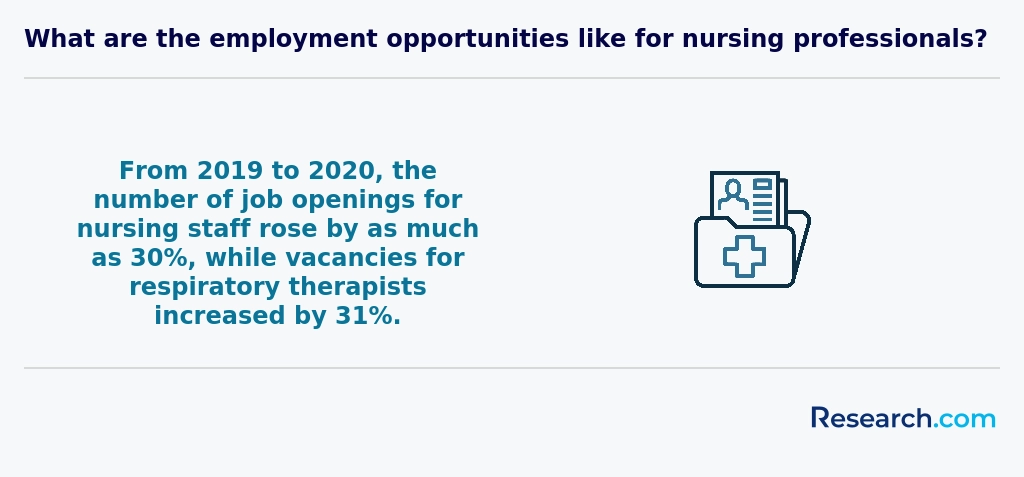
The healthcare job outlook in New Britain is strong, fueled by local hospitals and clinics that actively seek graduates from well-regarded institutions such as Central Connecticut State University. Graduates often share how their hands-on training experiences in nearby medical centers helped them secure roles quickly after finishing their degrees. Nursing graduates find especially abundant opportunities, with Connecticut expecting a 19% increase in openings through 2030, making early career stability more achievable.
Employment opportunities for healthcare graduates New Britain benefit from the city's connection to Hartford's robust healthcare network, including Saint Francis Hospital. Many degree holders report feeling confident entering roles such as medical assistants, physical therapists, or healthcare managers due to this supportive ecosystem. Investing in an education through programs popular for flexibility, like accelerated or online options, can speed up entry into these roles. Students often explore fastest adult degree programs online to balance study with work, enhancing their readiness for the competitive job market.
2027 Most Affordable Healthcare Degree Programs Ranking in New Britain
Investing in your education is a significant decision that can shape your future, and the Research.com team understands the importance of making informed choices. To assist prospective students in New Britain, we have meticulously crafted the "2027 Most Affordable Healthcare Degree Programs Ranking in New Britain." Our commitment to quality, credibility, and accuracy is reflected in the extensive research and analysis conducted to compile this ranking.
We utilized the following reputable data sources to ensure a comprehensive evaluation of healthcare degree programs:
By exploring this ranking, readers will gain valuable insights into the most affordable healthcare degree options in New Britain, empowering them to make well-informed decisions about their educational investments. For more details on how the ranking was developed, please visit our Research.com methodology page.
# 1 position
Charter Oak State College
Healthcare Administration Bachelor's
# 2 position
Charter Oak State College
Master of Science in Health Data Analytics

Frequently Asked Questions About healthcare
Healthcare degree students in New Britain can maximize their learning by engaging actively in clinical experiences offered through local hospitals and clinics. Facilities like the Saint Francis Hospital provide valuable internships and hands-on training critical to understanding patient care. Students should also seek programs accredited by agencies such as the Commission on Accreditation of Allied Health Education Programs (CAAHEP) to ensure quality education.
Networking within professional organizations, such as the Connecticut Nurses Association, enhances career prospects and access to resources. Additionally, taking advantage of New Britain's proximity to research institutions and healthcare technology companies can deepen practical knowledge and innovation exposure.
Students benefit from effective time management and using campus resources, including tutoring and counseling services, to support academic success in challenging healthcare courses.
Emerging niches within the healthcare field in New Britain reflect national trends focused on technology and specialized care. One growing area is telehealth, which expanded rapidly during the COVID-19 pandemic and remains vital in Connecticut, including New Britain, where remote care improves access for elderly and rural populations. Another significant niche is healthcare data analytics, with employers seeking professionals skilled in managing and interpreting large datasets to improve patient outcomes.
Additionally, specialties like gerontology and behavioral health are gaining attention due to an aging local population and rising mental health needs. According to the Connecticut Department of Public Health, demand for geriatric nurses and mental health counselors is expected to increase by over 15% by 2030 in the region.
After completing a healthcare degree in New Britain, preparing for the job market requires a clear strategy. Start by gaining practical experience through internships or clinical placements, which are often part of healthcare programs in Connecticut. These opportunities help build skills and professional networks.
Certifications and licenses relevant to your healthcare field are essential. For example, nursing graduates must pass the NCLEX-RN exam to practice in Connecticut. Check with the Connecticut Department of Public Health for specific licensing requirements.
Networking is valuable-joining local professional associations, such as the Connecticut Nurses Association, can provide job leads and career development resources.
Finally, consider developing soft skills like communication and adaptability, which employers in New Britain's healthcare sector highly value.
Employers in New Britain seek healthcare degree graduates with strong clinical skills and effective communication. According to the Connecticut Department of Public Health, the ability to collaborate in multidisciplinary teams is essential due to the region's diverse patient population. Graduates must also demonstrate critical thinking and problem-solving skills, especially when handling patient care and healthcare technology.
Technical proficiency with electronic health records (EHR) is increasingly important, as New Britain healthcare facilities rapidly adopt digital systems. Additionally, empathy and cultural competence rank highly because they improve patient satisfaction and outcomes, key measures emphasized in local hospitals.
Finding internships in New Britain relevant to a healthcare degree involves several practical steps. Begin by exploring local hospitals and clinics such as the Hospital of Central Connecticut, which often offer internship programs specifically for healthcare students. Networking is essential; attend local career fairs and healthcare-related community events to connect with professionals.
Many colleges in Connecticut, including those near New Britain, maintain internship partnerships with healthcare providers. Visiting your school's career services can provide tailored internship listings and application advice.
Online platforms like Handshake and the Connecticut Department of Labor also list internship opportunities in the healthcare sector within New Britain. Early application and preparation of a strong resume increase chances of securing a placement.
In New Britain, earning a healthcare degree significantly enhances career mobility and advancement opportunities. The healthcare industry here is expanding, driven by the aging population and increased demand for medical services. According to the Connecticut Department of Labor, healthcare occupations in the Hartford region, which includes New Britain, are projected to grow by over 12% through 2030.
A formal degree in healthcare equips candidates with essential skills and credentials often required for promotions and specialized roles. Employers in New Britain prioritize graduates with accredited degrees for positions such as registered nurses, healthcare administrators, and clinical specialists.
Additionally, a healthcare degree can serve as a foundation for further certification or advanced degrees, which are commonly linked to higher salaries and leadership roles within the local healthcare system.
Studying for a healthcare degree in New Britain equips students with skills vital for interdisciplinary roles in healthcare settings. Local programs emphasize teamwork by integrating coursework that covers nursing, public health, and healthcare administration. This ensures graduates understand multiple perspectives needed in patient care.
Hands-on clinical experiences in New Britain hospitals and community health centers provide real-world exposure to collaborative healthcare delivery. According to the Connecticut Department of Public Health, effective interdisciplinary teams improve patient outcomes by 20% in regional facilities.
Additionally, degree programs often include training in communication, ethics, and health informatics, preparing students to work efficiently with professionals from diverse backgrounds, such as social workers and pharmacists.
When choosing between a thesis and a non-thesis healthcare degree program in New Britain, consider your career goals and learning preferences. Thesis programs typically require original research and are well suited for students aiming for academic, research, or doctoral paths. The process enhances critical thinking and analytical skills but demands significant time commitment.
Non-thesis programs focus more on coursework and practical skills, ideal for students pursuing clinical or administrative roles in healthcare. They often allow faster completion and may include internships or fieldwork. According to the National Center for Education Statistics, most US healthcare graduate programs offer both options, tailored to diverse professional needs.
In New Britain, local institutions may vary in their offerings; verifying specific requirements directly with schools is recommended for aligned expectations.
Students based in New Britain looking to study healthcare abroad have several options through U.S. universities with international partnerships. Many American institutions offer study abroad programs in healthcare-related fields such as nursing, public health, and healthcare administration. These programs can include clinical placements, lectures, and research opportunities in countries like the United Kingdom, Canada, and Australia.
Data from the Institute of International Education indicates that healthcare and biological sciences rank among the popular fields for U.S. study abroad students, representing about 10% of all participants. Students from New Britain can often access these opportunities through Central Connecticut State University (CCSU) or nearby universities that partner with foreign institutions. Financial aid and scholarships may also be available to reduce costs.
New Britain offers several part-time job opportunities that can enhance healthcare degree education. Many students find work as certified nursing assistants (CNAs) in local hospitals and nursing homes, gaining practical patient care experience. According to the Connecticut Department of Labor, CNAs in New Britain earn an average hourly wage of $15, which supports both education and hands-on training.
Other positions include medical office assistants or administrative roles in clinics, providing exposure to healthcare operations and electronic health records. Volunteer roles at community health centers in New Britain also allow students to develop communication and organizational skills relevant to health professions.
Healthcare students in New Britain benefit from several valuable networking opportunities essential for their career development. Local institutions, such as Central Connecticut State University, often host healthcare-related workshops and career fairs connecting students with regional hospitals and clinics.
The Connecticut Hospital Association reports that New Britain's healthcare sector employs over 4,000 professionals, enabling students to attend events that foster connections with experienced practitioners and potential employers.
Additionally, student organizations linked to nursing, public health, and allied health programs provide platforms for peer collaboration and mentorship. These groups frequently invite guest speakers from local healthcare facilities.
Networking is also supported through clinical placements and internships in New Britain's medical centers, which serve as real-world settings for building professional relationships.
Alumni networks offer significant benefits to healthcare degree students in New Britain. Graduates from local institutions often maintain connections through formal associations, providing current students with mentorship opportunities and career advice tailored to the regional healthcare environment.
These networks frequently organize events and workshops, helping students build professional relationships that can lead to internships and job placements. Given New Britain's growing healthcare sector, with employment in healthcare occupations projected to increase by over 15% through 2030 according to the Connecticut Department of Labor, access to these contacts is vital.
Additionally, alumni connections can facilitate introductions to hospitals and clinics in New Britain, enhancing practical learning experiences and easing entry into competitive job markets.
Customizing a healthcare degree in New Britain allows students to align their education with specific career goals. Local colleges often offer various concentrations such as nursing, health administration, or medical technology, enabling focused study in preferred areas. Students can choose electives, certifications, or internships to gain practical experience in specialized roles. Some programs provide flexible scheduling or part-time options to accommodate working professionals. According to the Connecticut Department of Labor, healthcare jobs in New Britain are projected to grow by 12% through 2030, highlighting the importance of tailored skills. Engaging directly with academic advisors can help students design a curriculum that matches industry demands.
Healthcare students in New Britain commonly face several challenges during their education. One major difficulty is managing the demanding coursework and clinical hours, which require significant time commitment and can lead to increased stress. According to the Connecticut Department of Public Health, clinical placements in the region are highly competitive, limiting opportunities for hands-on experience.
Financial strain is another common issue. Tuition and fees for healthcare programs, combined with living expenses in New Britain, can create barriers for many students. The National Center for Education Statistics notes that healthcare-related degrees often have higher overall costs compared to other fields.
Additionally, balancing work, study, and family responsibilities remains a challenge for many students, particularly those entering healthcare later in life or as career changers.
With a healthcare degree in New Britain, graduates can pursue various professional certifications to enhance their career prospects. Common certifications include the Certified Medical Assistant (CMA), which is valued by many local clinics. The Registered Health Information Technician (RHIT) credential is also popular for those interested in medical records management.
For clinical roles, becoming a Registered Nurse (RN) requires passing the NCLEX-RN exam, a standard across Connecticut. Additionally, certifications like the Certified Coding Specialist (CCS) are in demand due to the growing healthcare administration sector in the area.
These certifications often lead to higher salaries and greater job security in New Britain's healthcare market. According to the Connecticut Department of Labor, healthcare occupations here are expected to grow by 10% through 2030, highlighting the value of such credentials.
When applying to healthcare degree programs in New Britain, start by thoroughly researching the specific admissions requirements for each institution. Many local programs emphasize strong academic performance, particularly in science courses like biology and chemistry. Admissions committees also value relevant experience; volunteering or working in healthcare settings in New Britain can strengthen your application.
Craft a clear personal statement explaining your motivation to pursue healthcare and your career goals. Highlight any unique experiences related to healthcare delivery in the New Britain community to demonstrate your commitment.
Letters of recommendation from healthcare professionals or instructors familiar with your skills can be highly beneficial. According to data from the Connecticut Office of Higher Education, New Britain has seen increased demand for healthcare professionals, making a well-prepared application crucial for acceptance into competitive programs.
A healthcare career is increasingly viewed as vital worldwide, driven by aging populations and advancements in medical technology. In the United States, including New Britain, healthcare jobs are predicted to grow 13% from 2021 to 2031, faster than average for all occupations, according to the U.S. Bureau of Labor Statistics. This reflects global trends emphasizing the need for skilled professionals in nursing, therapy, and healthcare administration.
Many countries prioritize healthcare education for workforce development, similar to strategies used in U.S. institutions near New Britain. Internationally, healthcare roles are adapting through digital health and telemedicine, creating new career opportunities.
Gaining practical experience while studying for a healthcare degree in New Britain involves several key steps. Many local institutions partner with nearby hospitals and clinics, like the Hospital of Central Connecticut, to offer internships and clinical placements. These opportunities help students apply classroom knowledge in real-world settings.
Additionally, programs often include lab simulations and hands-on training as part of the curriculum, which are essential for skill development. Volunteering at healthcare facilities or participating in community health outreach programs can also provide valuable exposure.
New Britain's proximity to larger medical centers enhances access to diverse clinical experiences, which are crucial for licensure and certification in various healthcare fields.
Choosing the right concentration within a healthcare degree program in New Britain depends on your career interests and local job market trends. Health Professions Fields like nursing, medical assisting, and health informatics are growing in Connecticut, with a 12% projected employment increase by 2030 according to the Connecticut Department of Labor. Consider concentrations that align with in-demand skills, such as patient care or health administration.
Also, evaluate program accreditation and partnerships with New Britain healthcare providers, which can enhance practical experience through internships. Salary data from the Bureau of Labor Statistics shows nurses in Connecticut earn a median of $78,000 annually, which may guide your decision.
Finally, reflect on personal strengths and long-term goals when selecting your focus area.
- 2027 Most Affordable Healthcare Degree Programs Ranking in West Hartford
- 2027 Most Affordable Healthcare Degree Programs Ranking in Waterbury
- 2027 Most Affordable Healthcare Degree Programs Ranking in New Haven
- 2027 Most Affordable Healthcare Degree Programs Ranking in Storrs
- 2027 Most Affordable Healthcare Degree Programs Ranking in Springfield
- 2027 Most Affordable Healthcare Degree Programs Ranking in Fairfield
- 2027 Most Affordable Healthcare Degree Programs Ranking in Amherst
- 2027 Most Affordable Healthcare Degree Programs Ranking in Stony Brook
- 2027 Most Affordable Healthcare Degree Programs Ranking in Worcester
- 2027 Most Affordable Healthcare Degree Programs Ranking in Providence
See What Experts Have To Say About Studying Healthcare
Read our interview with Healthcare experts

- Online Degree vs. Traditional: Choosing the Right Path https://beal.edu/online-degree-vs-traditional/
- Career Training School in New Britain, CT https://www.lincolntech.edu/campus/new-britain-ct
- Jobs in New Britain Connecticut | IM Career Source https://careersource.im.org/l-new-britain,-connecticut-jobs.html
- Health Science, BS https://www.nec.edu/programs/health-science-b-s
- 6 Tips On Networking For Medical Professionals https://aaams.net/blog/how-to-network-in-the-medical-field-nurses/
- Niche Markets in Healthcare: How to Find & Target https://nechayadvisors.com/blog/niche-markets-in-healthcare
- 6 key healthcare challenges affecting students and how to address them - Wellfleet Student https://wellfleetstudent.com/engaging-empowering-student-members/6-key-healthcare-challenges-affecting-students-and-how-to-address-them/
- Education requirements for the fastest-growing healthcare jobs https://www.corridorcareers.com/job-tips/blog-news-education-requirements-fastest-growing-healthcare-jobs
- Hospital for Special Care | We rebuild lives. https://hfsc.org/
- Family Health & Wellness Center | Complete Healthcare in New Britain, CT | Wheeler Health https://www.wheelerhealth.org/get-care/newbritain